Accommodation in Ga-ramokgopa
Currently, no properties appear on mainstream booking platforms for Ga-ramokgopa, which reflects the village's position outside established tourism circuits rather than a shortage of places to stay. Accommodation here is arranged informally, through direct contact with local hosts, and the experience sits firmly at the grassroots end of travel. Visitors who arrive without prior arrangements may find themselves short of options, as local hosts do not typically advertise.
At the budget end, homestays with local families represent the most accessible option. Families occasionally take in visitors, offering a spare room or outbuilding, meals included, and an unfiltered view of daily rural life. Facilities are basic, bathrooms are often shared, and privacy is limited. Pedi hospitality more than compensates for the absence of conventional amenities, and these stays can be the most memorable part of a visit. They are not advertised and must be sought through community contacts or word of mouth before arrival.
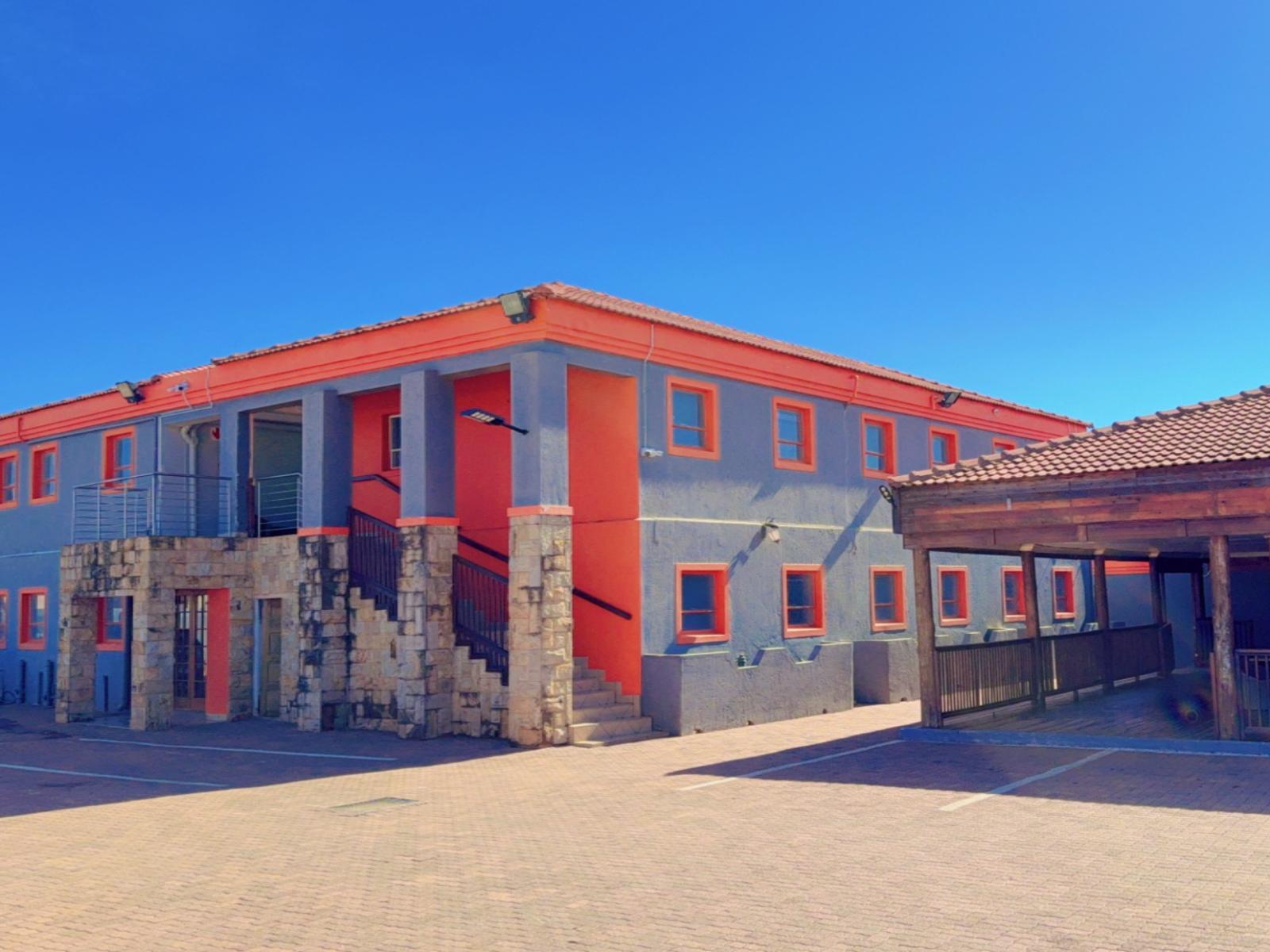
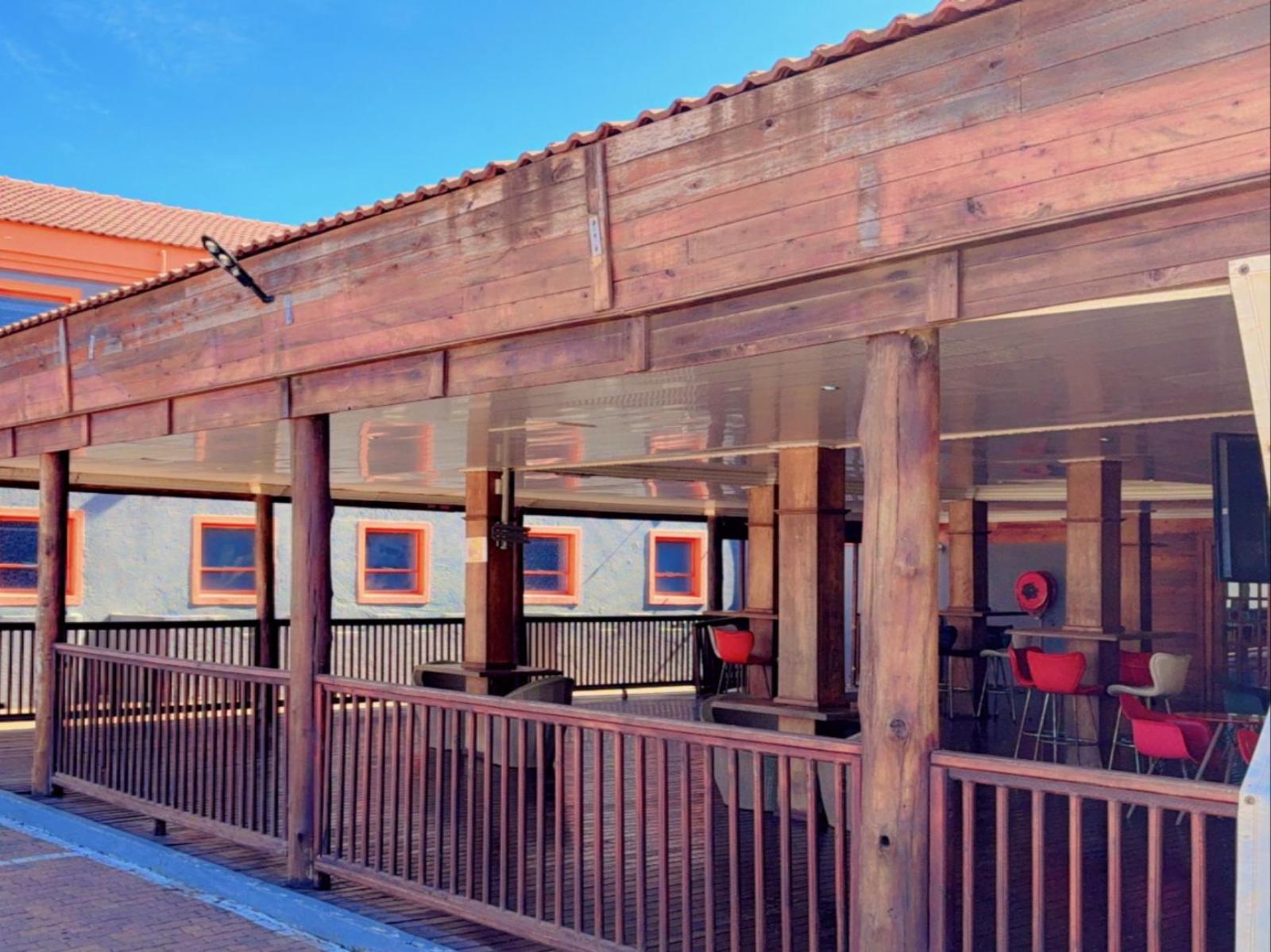
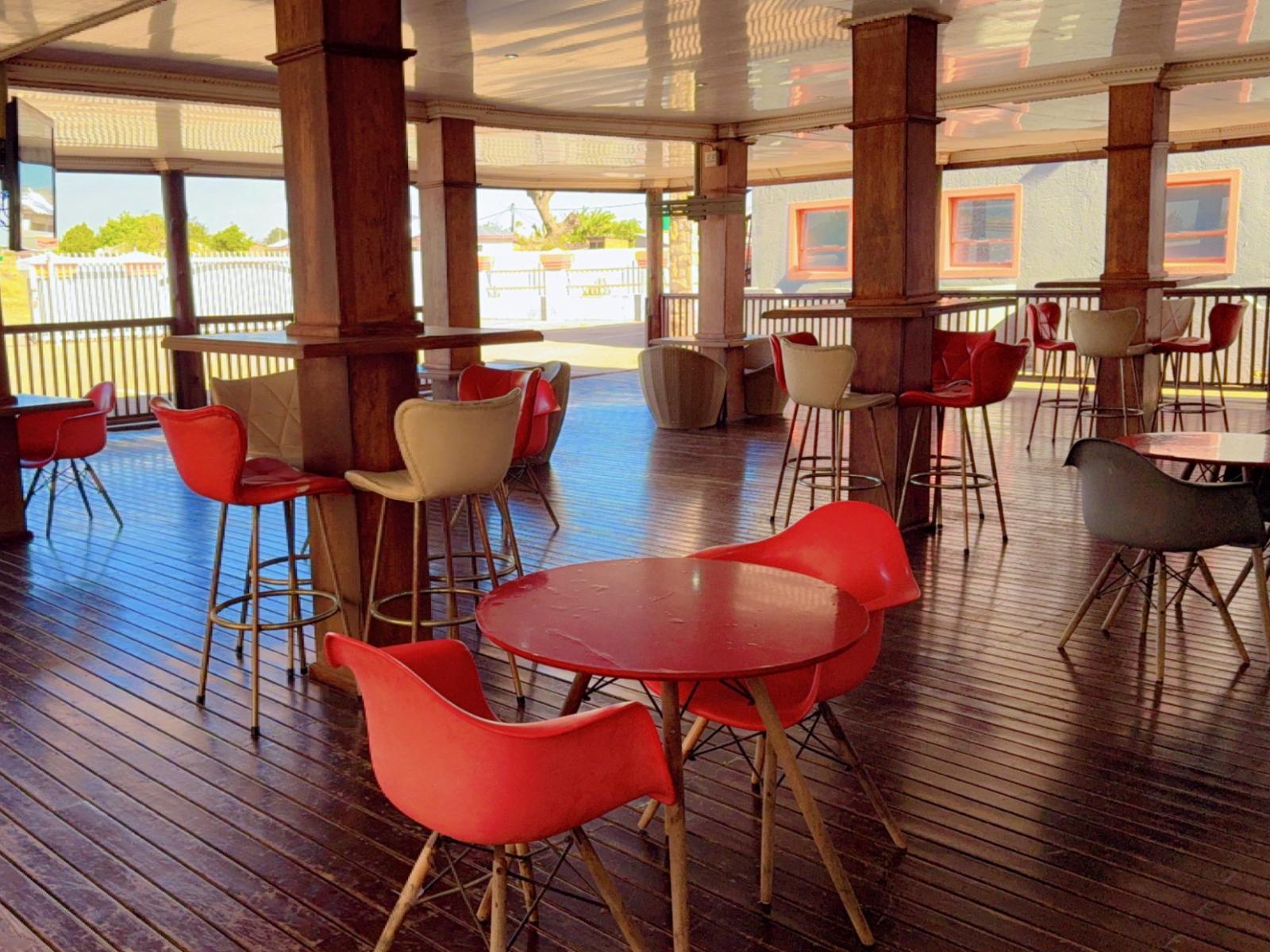
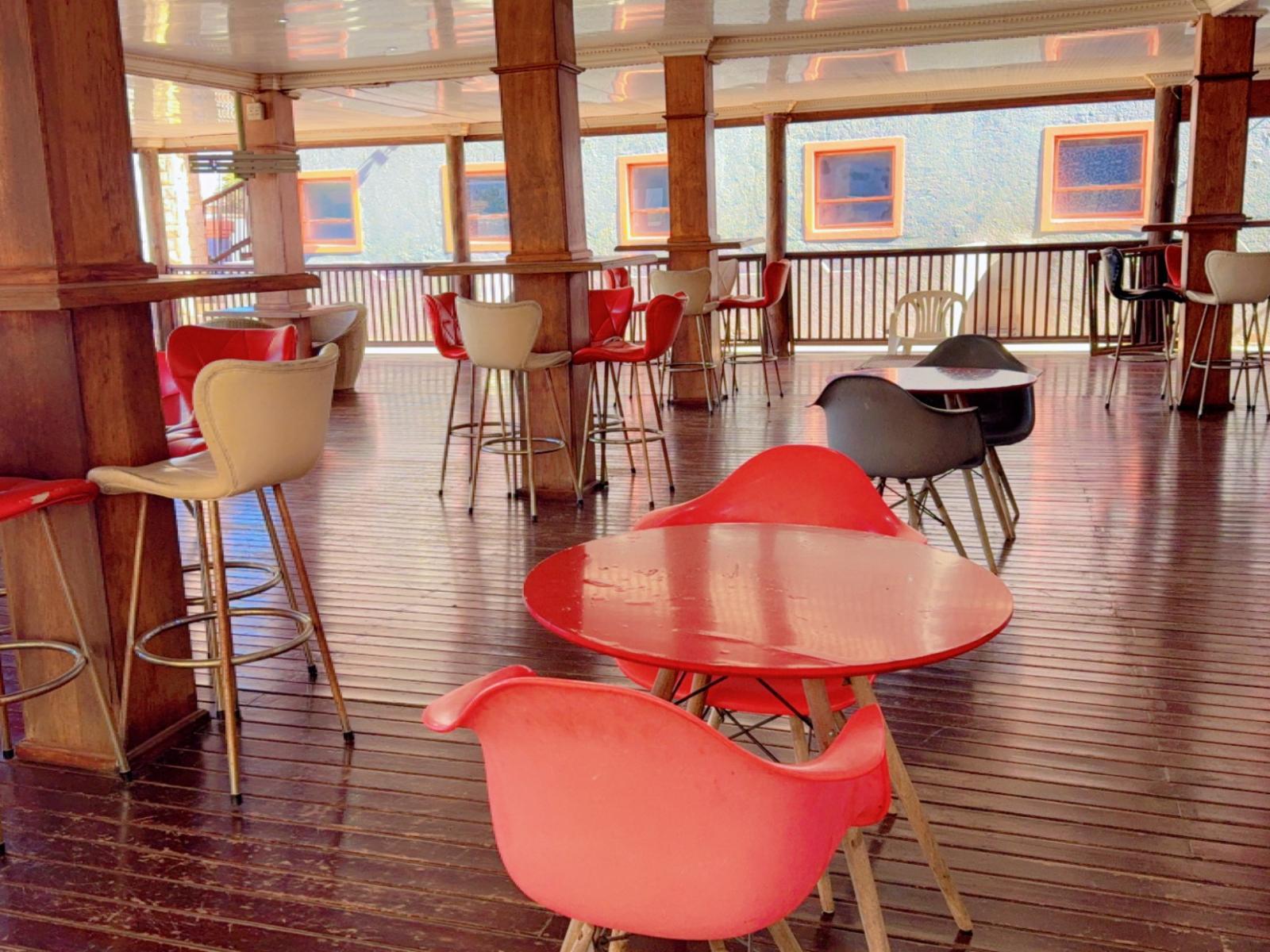
Moving up a tier, small guesthouses operate in the surrounding district and suit visitors who need a private bathroom and a reliable bed over multiple nights. Family-run establishments typically provide a cooked breakfast and sufficient electricity for charging devices, though air conditioning is not guaranteed. They occupy the middle ground between homestay informality and the polished comfort of an urban hotel.
Upper-tier accommodation does not exist in or immediately around Ga-ramokgopa. Visitors requiring hotel facilities, reliable Wi-Fi, or climate-controlled rooms should base themselves in Polokwane and treat the village as a day-trip destination. Game lodges elsewhere in Limpopo offer a comfortable regional base too, but involve considerably more driving between sites. For most visitors, the choice effectively comes down to a homestay or a basic guesthouse.
For any visit, direct communication is the only reliable path to securing a place to stay. Contacting the Lepelle-Nkumpi Local Municipality, or reaching community members through local networks, remains the most effective approach.
Best Time to Visit Ga-ramokgopa
Ga-ramokgopa experiences a subtropical inland climate with clearly defined wet and dry seasons. The summer rainy season runs from November through March. During these months the countryside transforms: crops grow across the fields, seasonal rivers carry water, and the vegetation turns a deep green. The heat is intense, often above 30°C, and afternoon thunderstorms are frequent. Dirt and gravel roads can become impassable after sustained rain, so visitors planning to explore rural tracks should pay close attention to weather forecasts.
Winter, from May to August, brings dry, stable conditions and daytime temperatures typically between 15°C and 25°C. This is the most comfortable period for walking and outdoor activity. The reduced vegetation makes it easier to see wildlife and navigate the open landscape. Nights cool sharply, dropping below 10°C in June and July, so packing layers is essential.
The shoulder period of September and October sits between seasons. Temperatures rise steadily and rainfall is minimal. The bushveld is at its driest during these weeks, which some visitors find stark but others appreciate for the open, uncluttered views across the plateau. There is no formal tourist season attached to Ga-ramokgopa, but the dry winter months align broadly with when the region sees the most visitor movement.
Getting to Ga-ramokgopa
The closest commercial airport is Polokwane International Airport, approximately 60 kilometres north of the village. Scheduled services connect Polokwane to Johannesburg O.R. Tambo International Airport, and a rental car collected at the terminal is the most practical way to complete the journey. From the airport, the route runs south along the N1 before turning off onto regional roads that lead into the Lepelle-Nkumpi district.
Travellers driving directly from Johannesburg can expect four to five hours under normal conditions. From Pretoria the trip is around 40 minutes shorter. The N1 is in good condition for most of its length, though weekend and public-holiday traffic near Johannesburg can extend travel times considerably. Fuel should be filled before leaving the main highway, as options become limited once you turn onto secondary rural roads.
Public transport in this part of the province consists primarily of minibus taxis connecting larger towns along the N1 corridor. These services do not run reliably to Ga-ramokgopa directly, and making connections from the nearest highway town requires local knowledge to navigate. Once in the village, a private vehicle is essential for any meaningful movement around the district, including visits to nearby communities or the daily drive back to the main road.
Ga-ramokgopa and Surrounding Areas
The communities and settlements within 25 kilometres of Ga-ramokgopa together form a rural district that rewards patient exploration. Ga-ramokgopa sits roughly at the centre of these villages, making it a practical base from which to cover the area without significant backtracking.
Eisleben, 6 kilometres away, is a small agricultural settlement where the pace follows farming cycles rather than any visitor-facing activity. The drive out passes through open countryside, with fields and grazing cattle spread across the plateau. There is no formal visitor infrastructure here, which is precisely the point for travellers seeking an authentic encounter with working rural land.
Ramatshowe, 7 kilometres distant, is a rural community with close cultural ties to the surrounding region. Its proximity makes it a manageable side trip during a day's driving, and the quiet roads between the two villages are worth experiencing at a slow pace.
Dwarsrivier, also 7 kilometres from Ga-ramokgopa, sits near a seasonal watercourse. The river corridor attracts birdlife during the wetter months, when vegetation thickens along the banks and species that retreat in the dry season return. Those interested in low-key birding will find it worth a short detour.
Bandelierkop, 16 kilometres south on the N1, functions as the nearest proper service point for the area. It provides fuel, basic supplies, and fast food, and acts as the practical gateway for visitors approaching from the south. The town is a highway stop rather than a destination in itself, but its infrastructure is useful on arrival and departure.
Doornboom, 22 kilometres out, is scattered farming country named for the thorn trees common to the interior. The roads through this community pass through dry bushveld landscape typical of the plateau and connect to a wider network of rural tracks worth exploring by car.
Ga-mathule, the furthest of the nearby villages at 25 kilometres, sits within the same Lepelle-Nkumpi administrative and cultural context as Ga-ramokgopa. The drive connects logically with stops at Doornboom or Dwarsrivier, making it part of a comfortable half-day loop through the district.
Planning Your Stay
Formal booking platforms offer no traction for Ga-ramokgopa, so planning requires direct communication rather than online comparison. The best starting point is a call or email to the Lepelle-Nkumpi Local Municipality, whose staff can often connect visitors with known local hosts or community-based accommodation options.
Once a host is identified, confirm the key details before arrival: what meals are included, where to park safely, whether there are any expectations around timing or shared spaces, and how payment is handled. Cash is the norm throughout the area, and there are no ATMs in the village. Withdraw sufficient funds before leaving the N1 corridor and carry more than you expect to need.
Mobile connectivity is inconsistent across parts of the district. Do not assume you will have phone or data access once you leave the main highway. Download offline maps before you turn off, note your host's address on paper, and carry contact numbers for anyone you plan to meet. This is standard practice for rural travel in this region, not unique to Ga-ramokgopa.
Stock up on food, water, and any medication before heading out. The village shop carries only essential goods, and resupply requires a drive back toward the highway. Arriving prepared avoids unnecessary round trips and leaves more time to spend in the area itself.