Fowlds Reis- & Akkommodasiegids
Jou volledige gids om Fowlds, Suid-Afrika te besoek.
1
Eiendom
Gewildste
Lodge
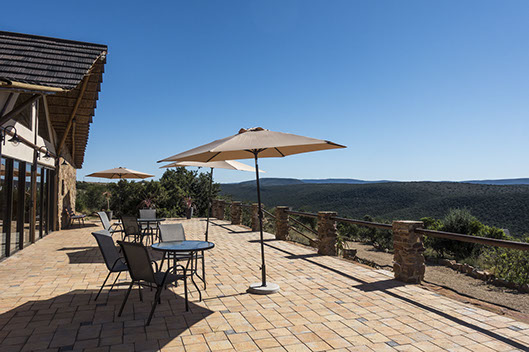
Fowlds is a small settlement in the Northern Cape Province, positioned in the semi-arid Karoo landscape between the larger towns of Graaff-Reinet and Somerset East. The area offers visitors a genuine experience of rural South African life, with wide-open spaces and a sense of remoteness that appeals to those seeking solitude.
## Accommodation in Fowlds
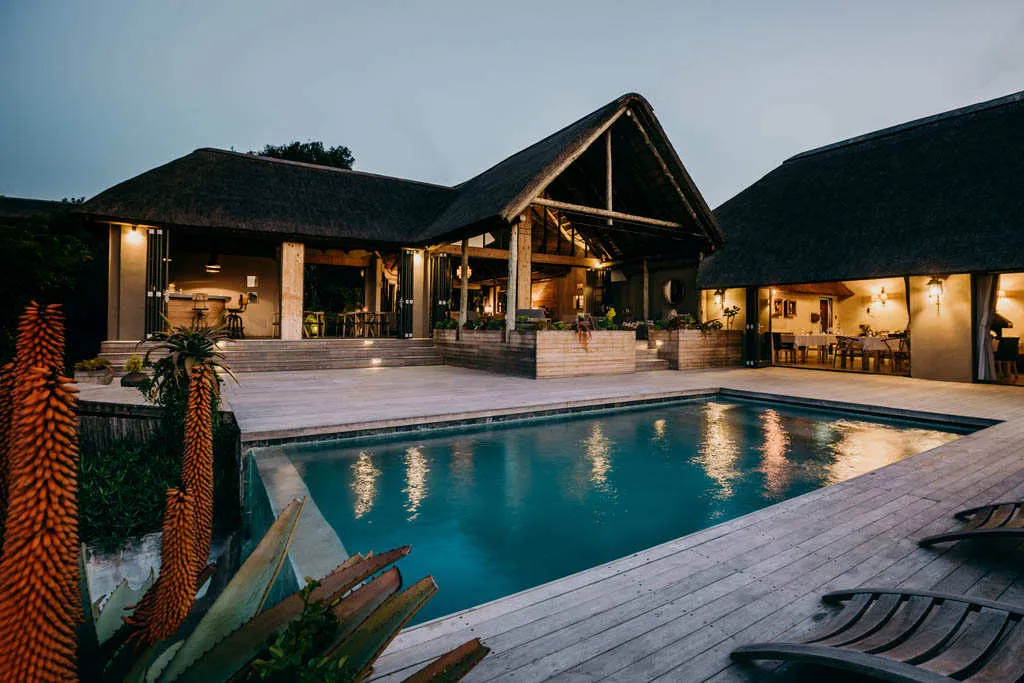
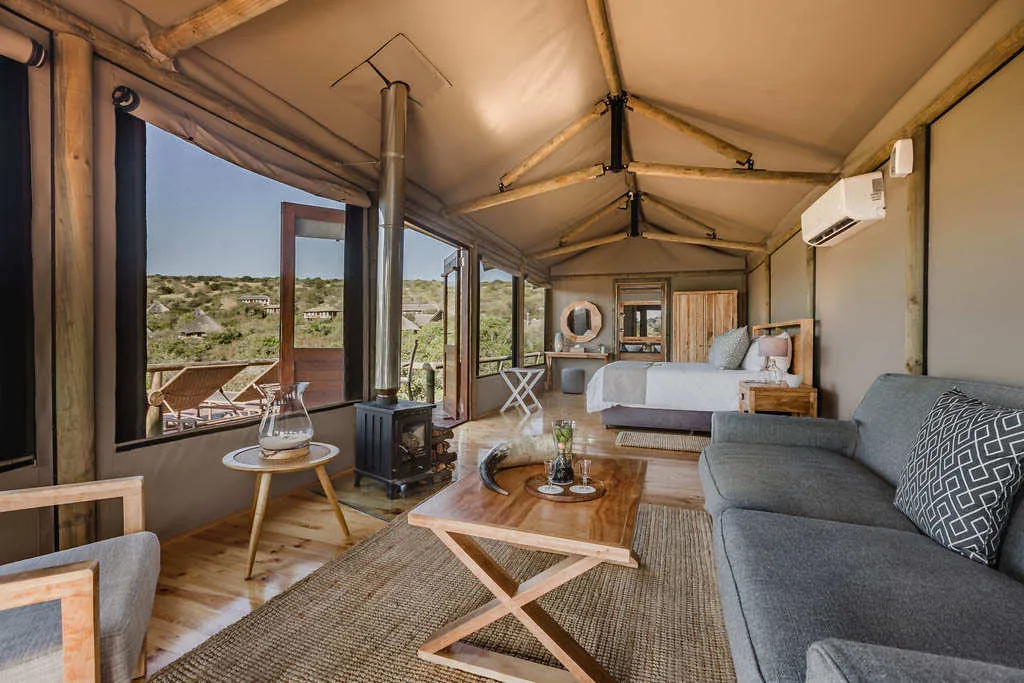
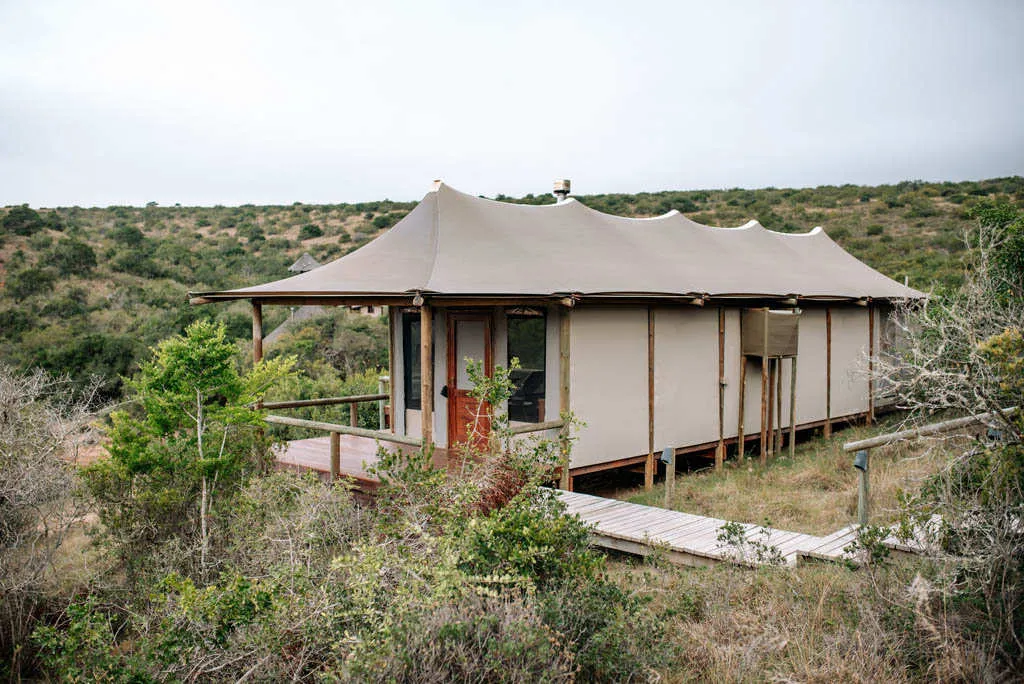
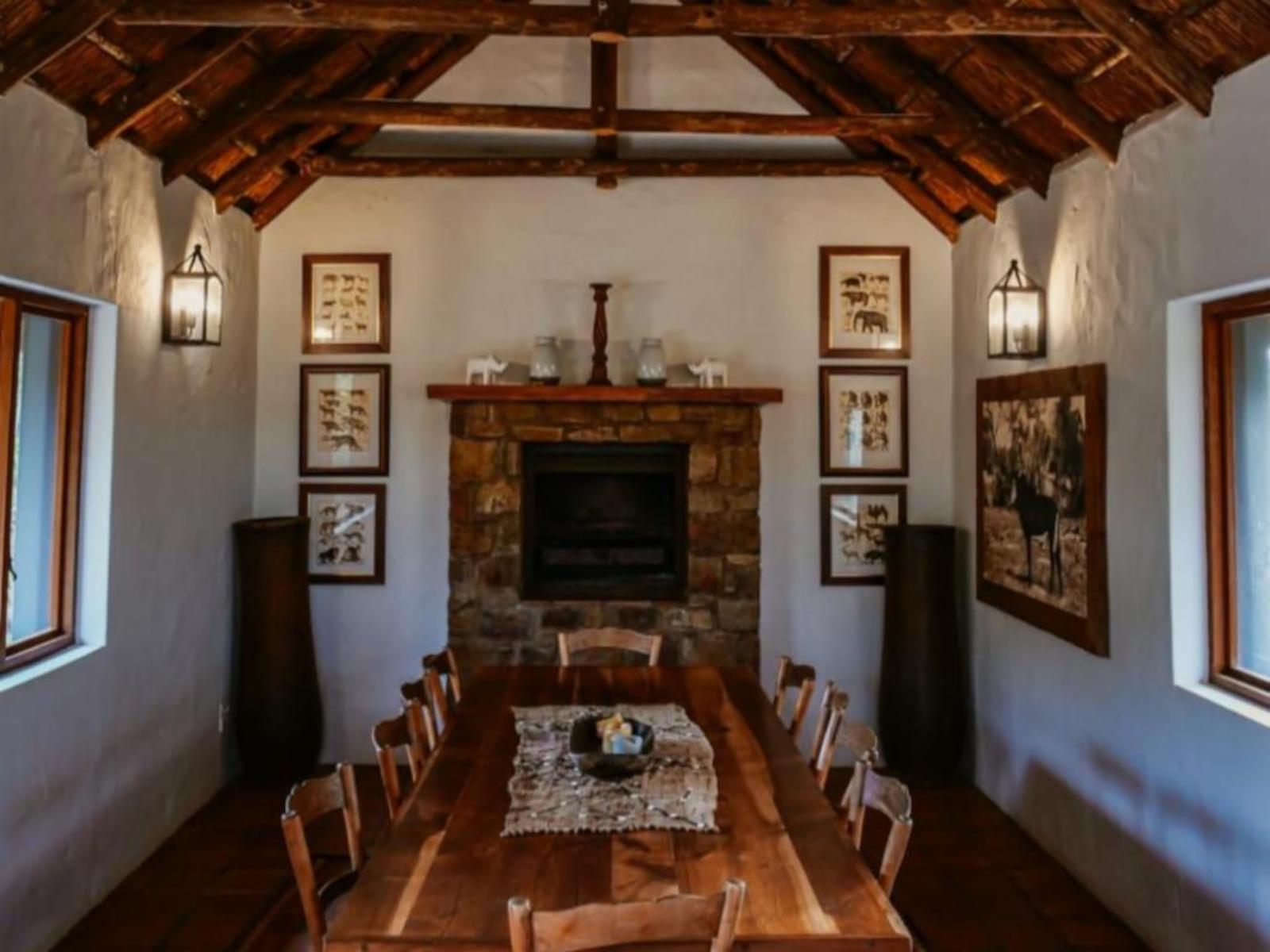
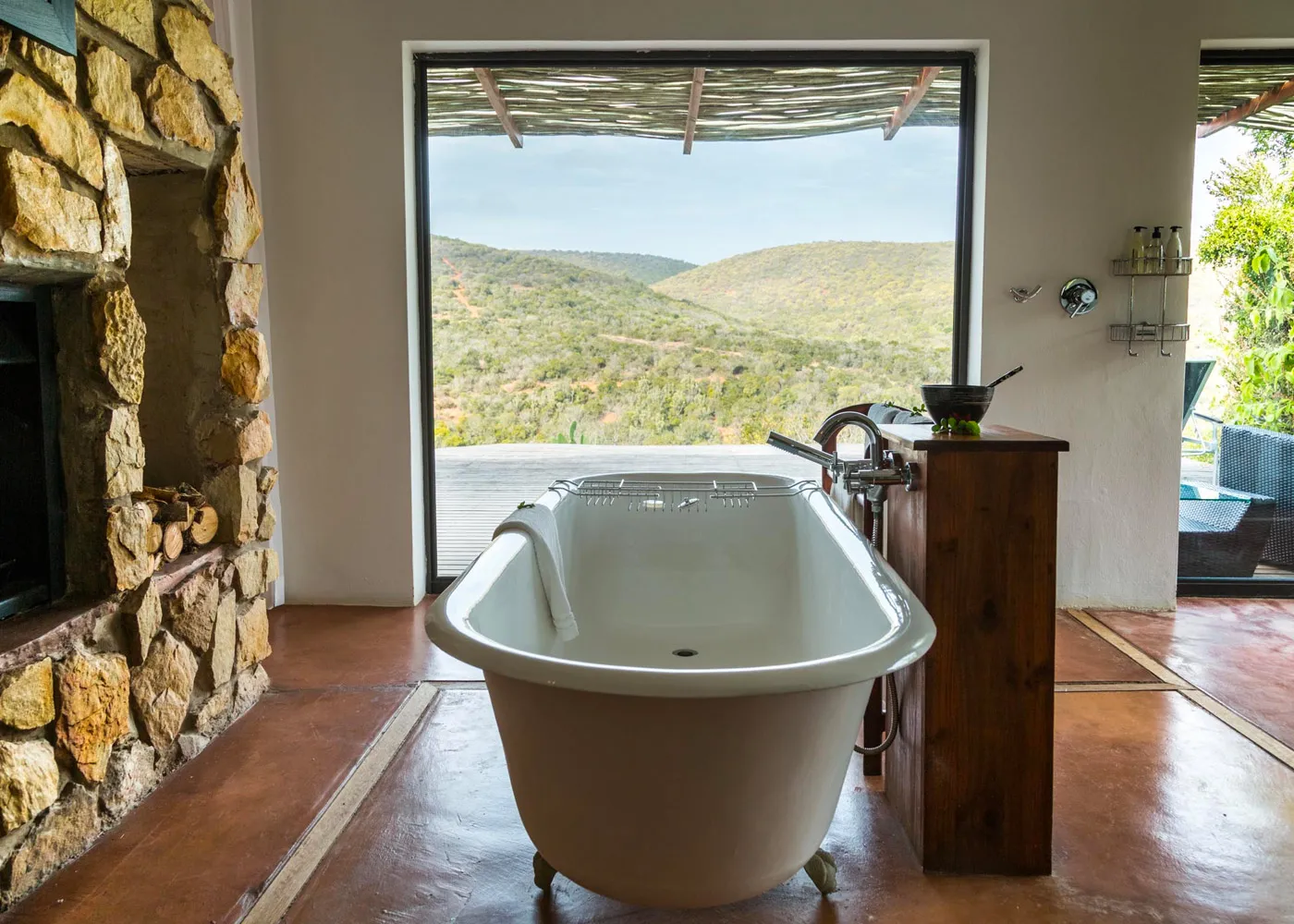
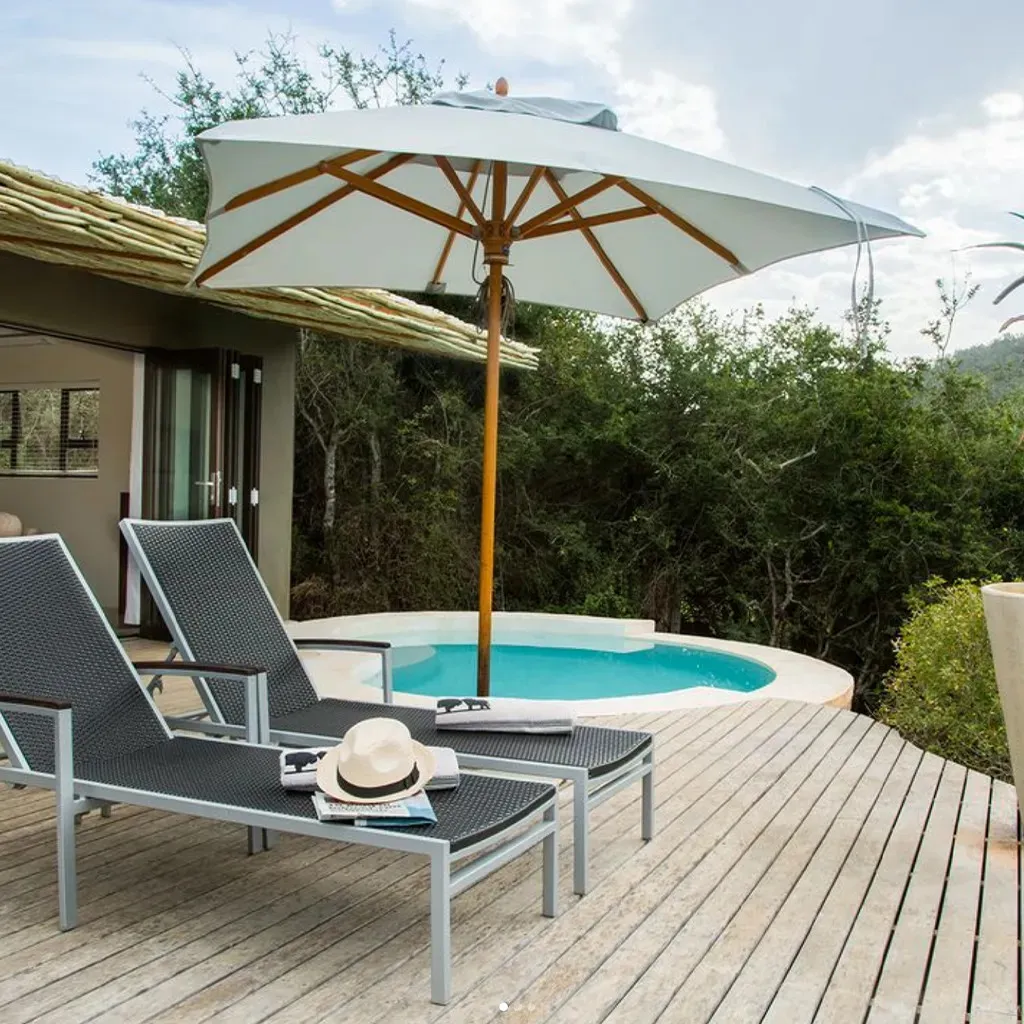
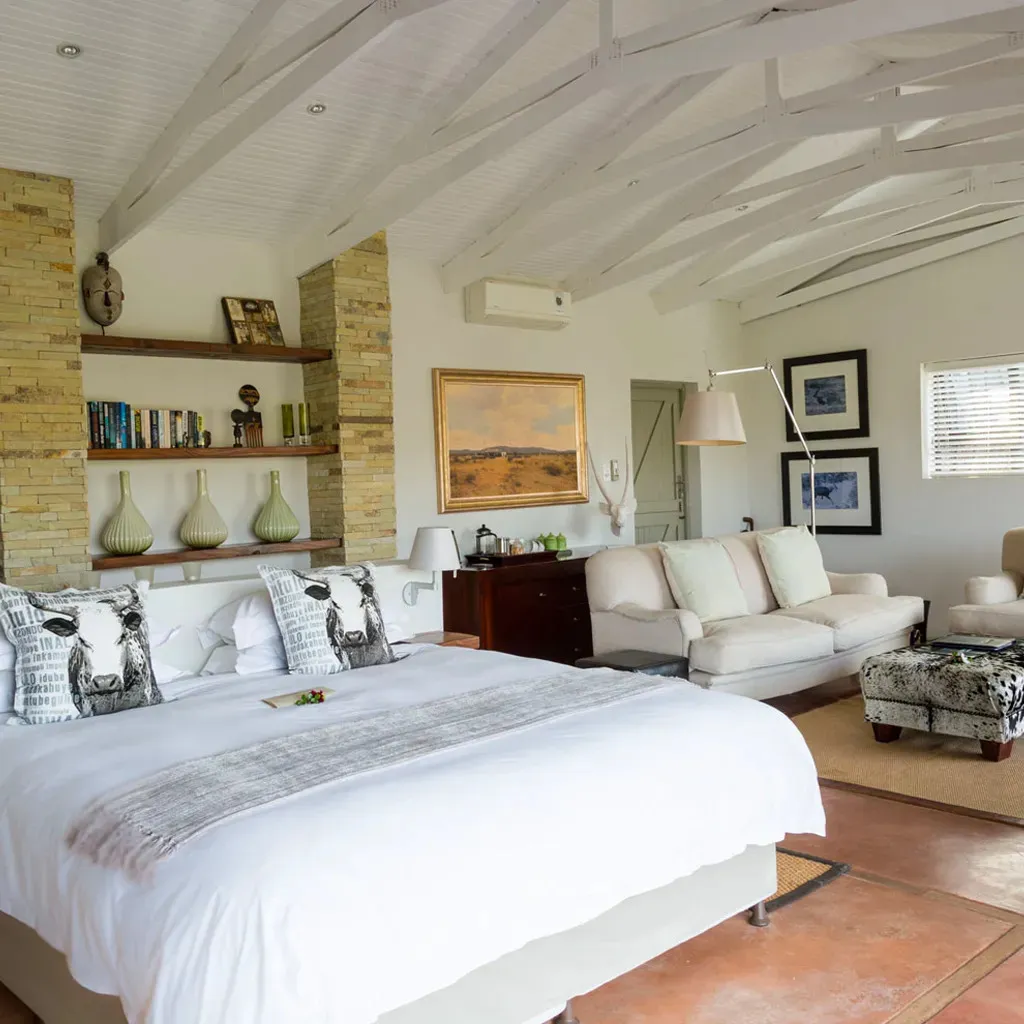
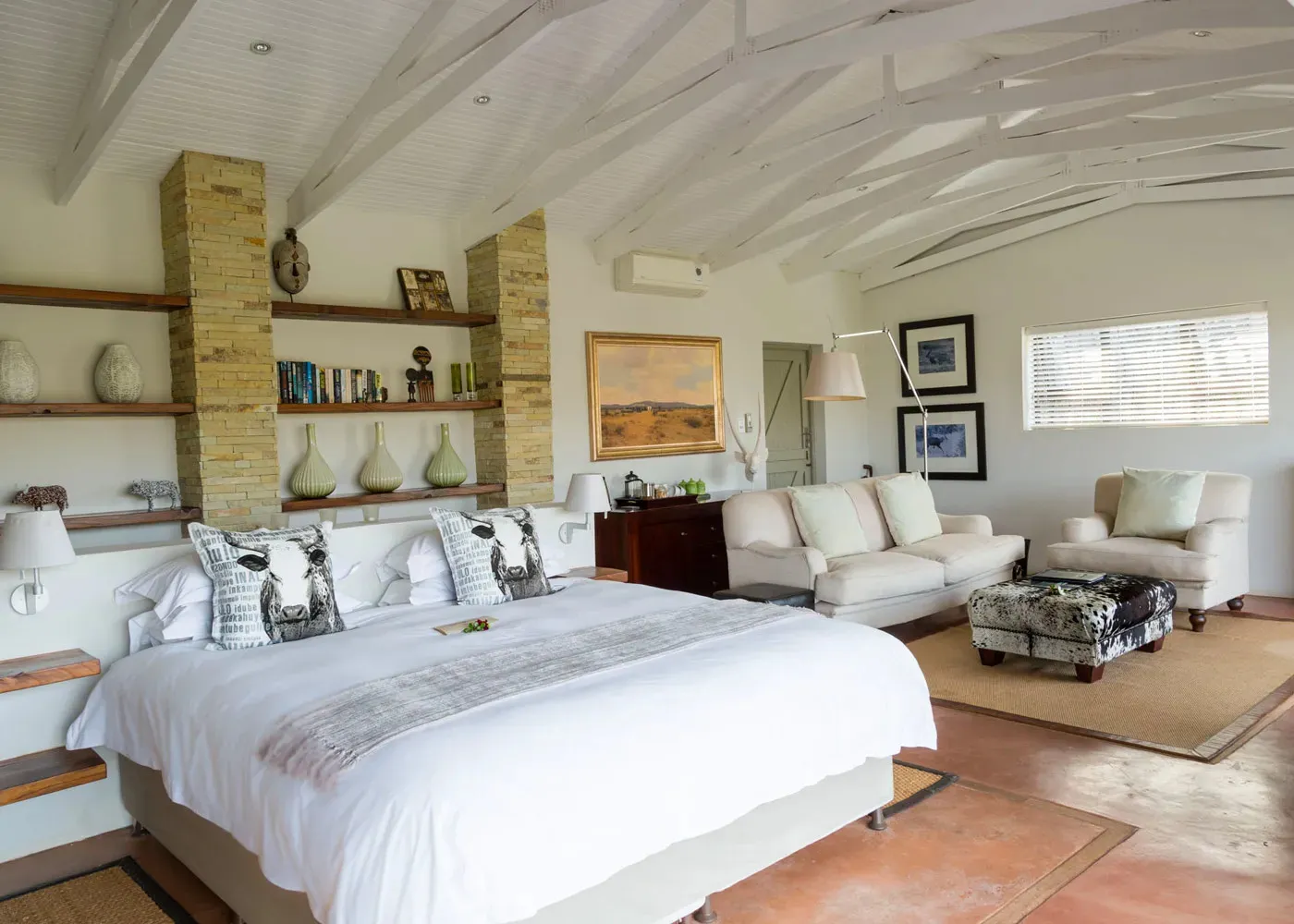
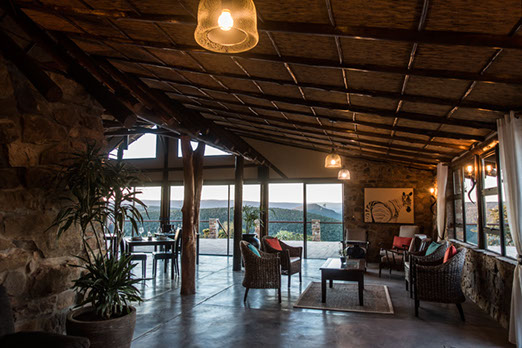
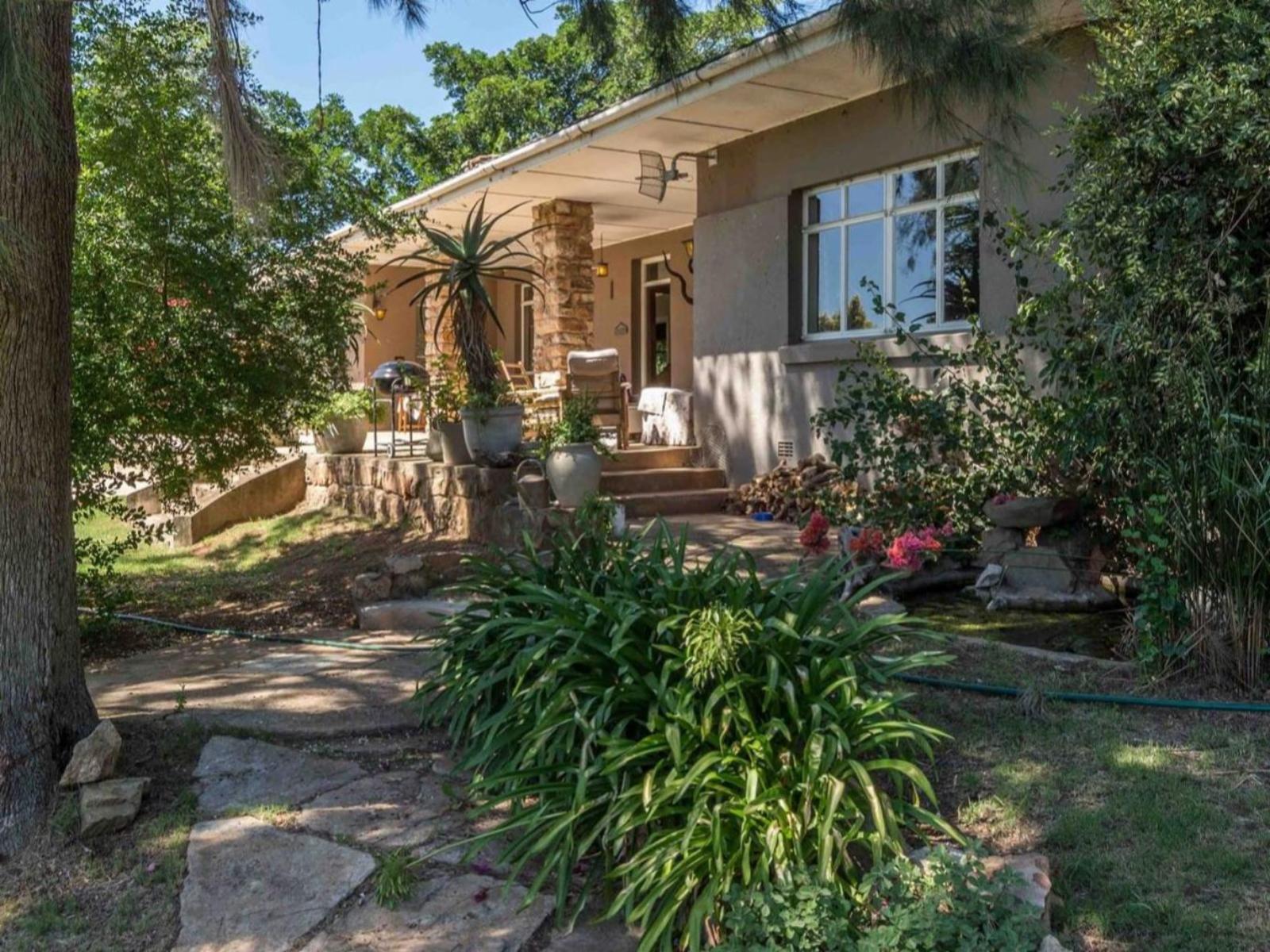
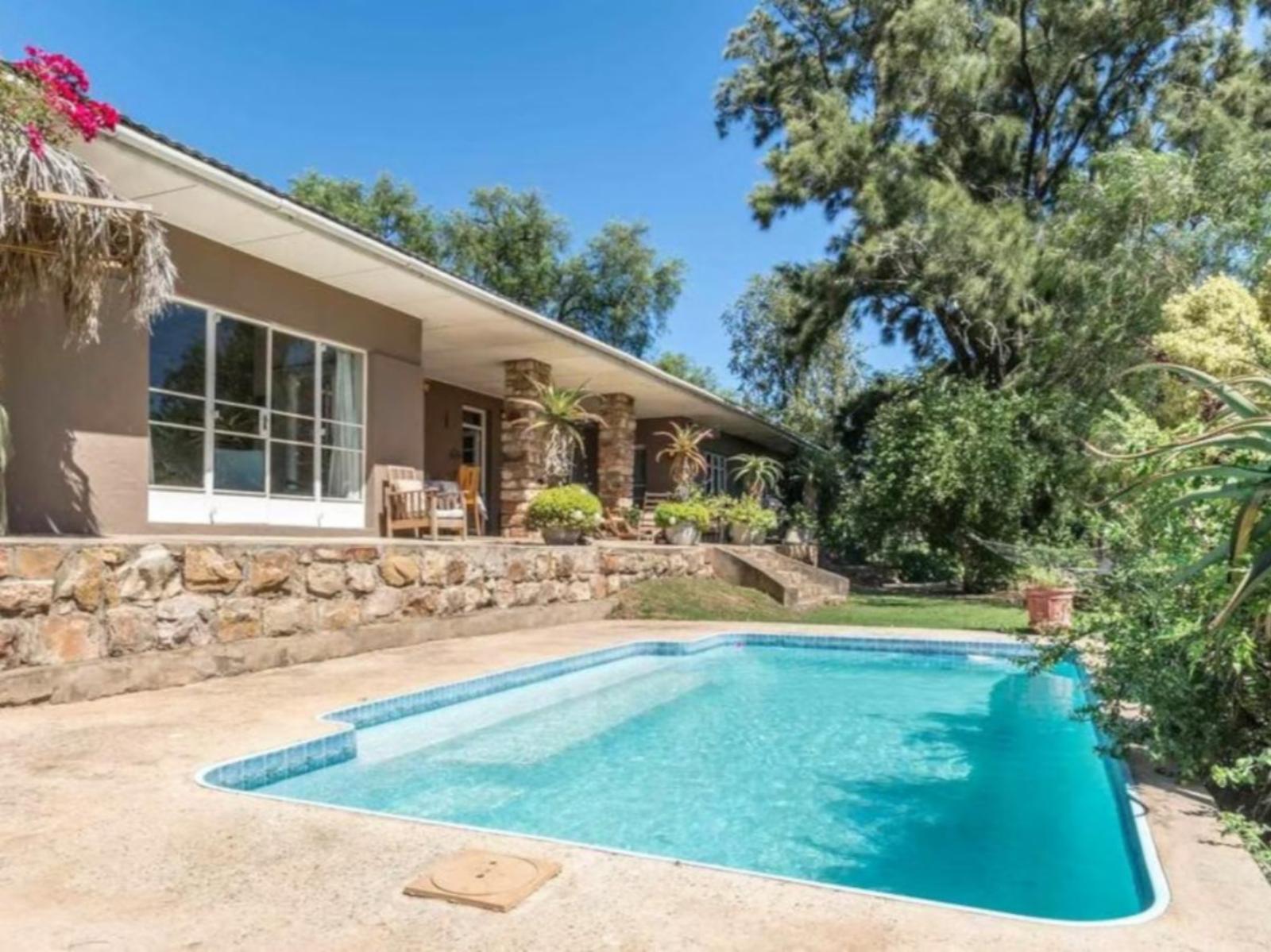
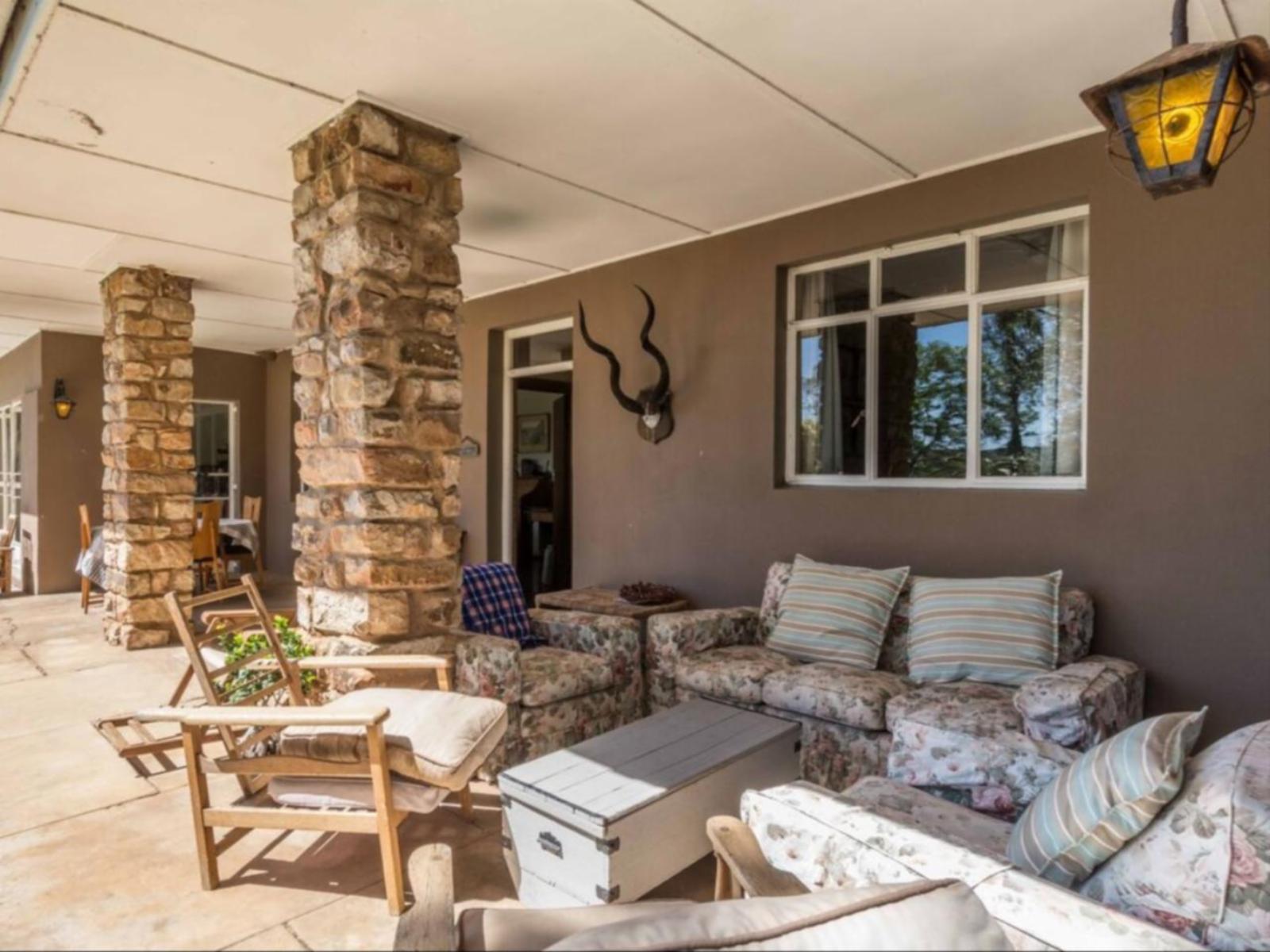
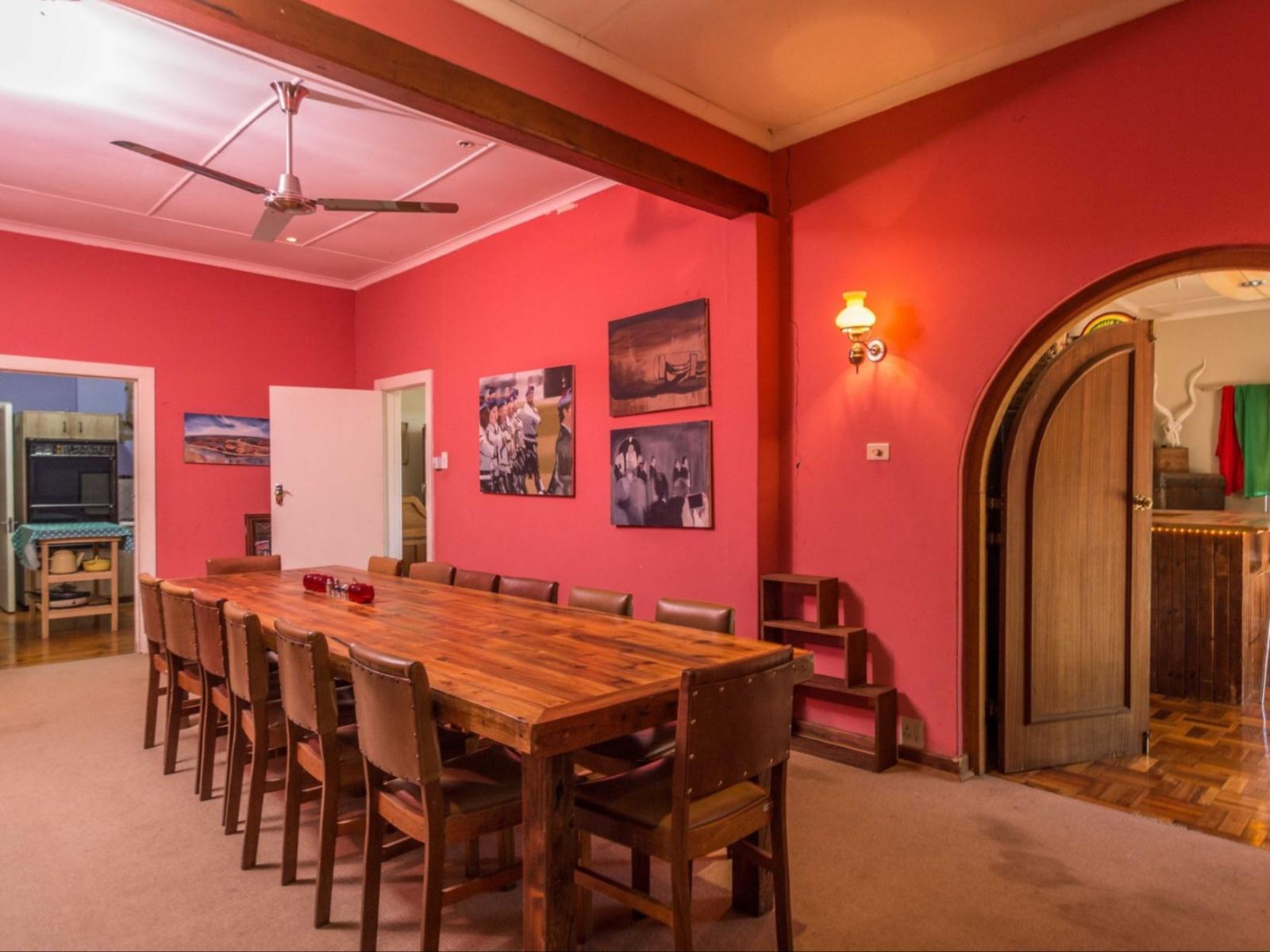
Fowlds has one listed accommodation property, a lodge that represents the sole formal option in this remote settlement. Rates are not published and require direct enquiry, which is characteristic of small-scale rural properties in this part of the country that operate on a personal, arrangement-by-arrangement basis.
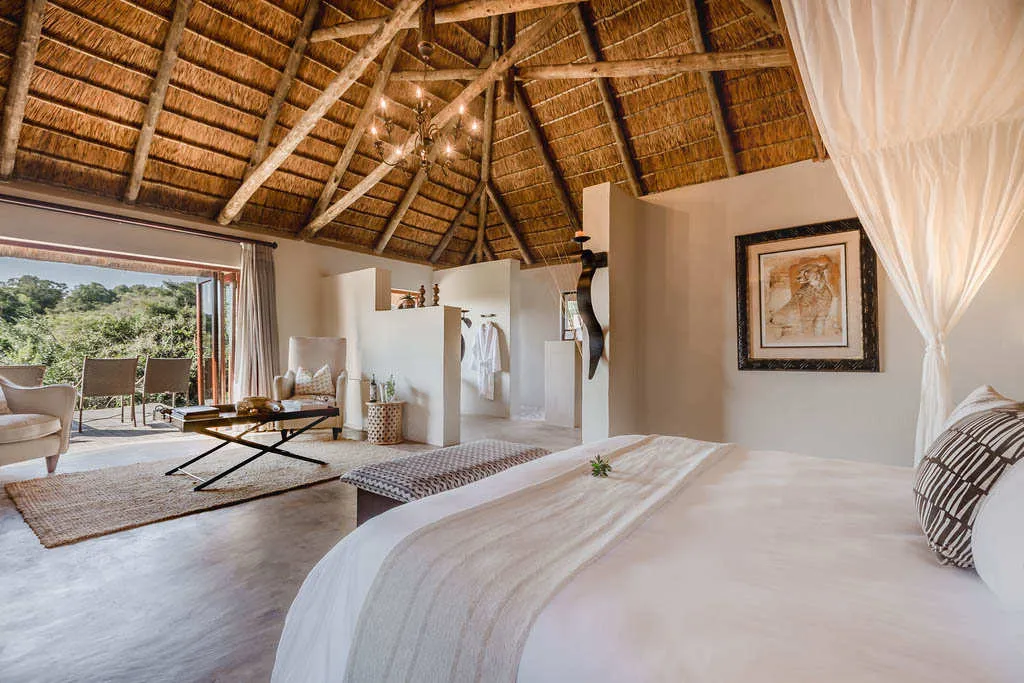
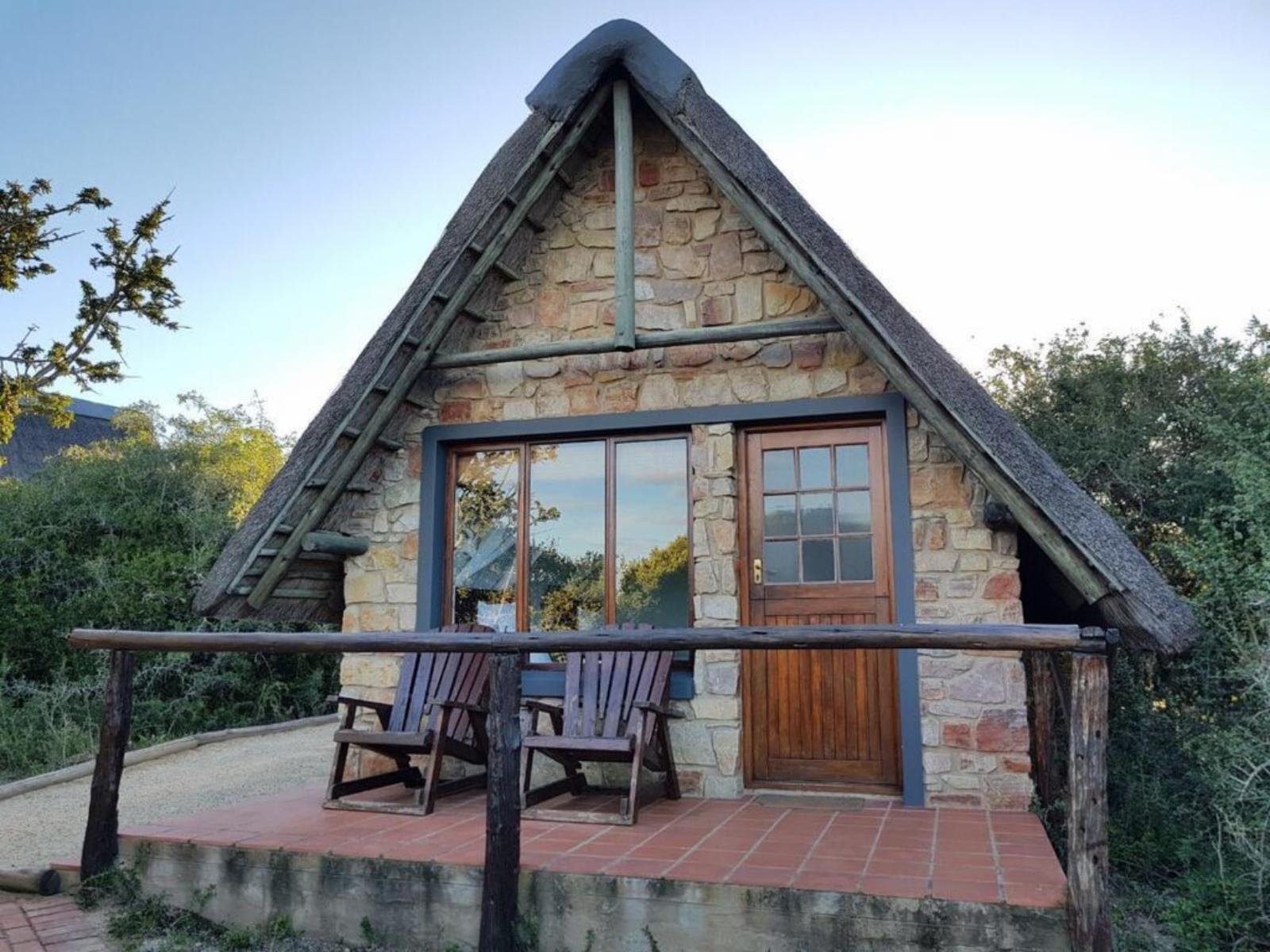
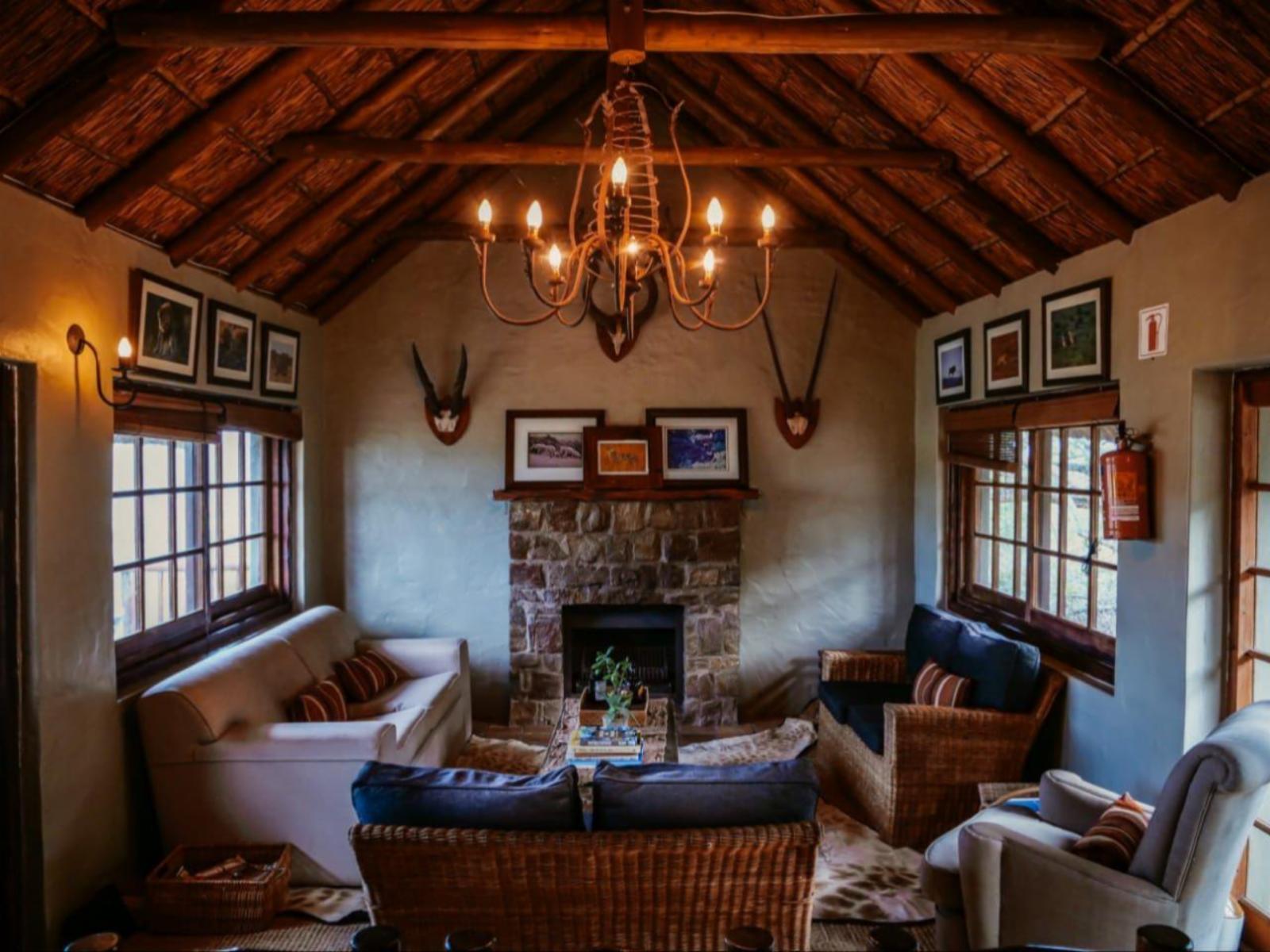
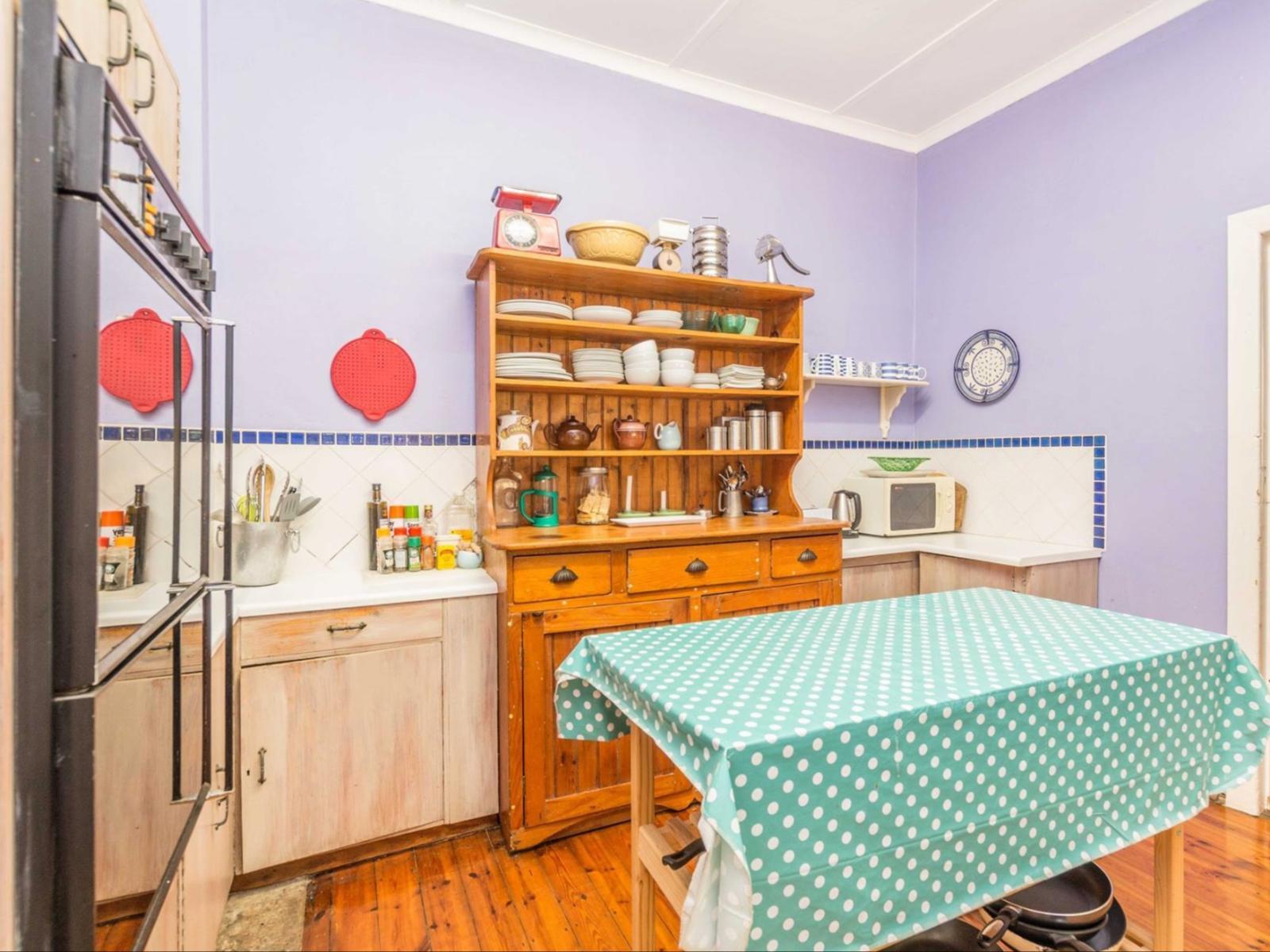
The lodge format suits the environment well. A stay typically combines a base for exploring the surrounding landscape with some degree of nature experience, where proximity to open bush and working farmland shapes the daily rhythm rather than hotel-style amenities. Properties at this level in the region tend to cater to small groups and provide either included meals or self-catering facilities depending on the specific setup. The service is personalised by necessity, which most visitors find is part of the appeal.
What travellers tend to find is that the single-property character of a place like Fowlds concentrates the experience. There are no comparisons to make on arrival, no competing restaurants down the street, and no noise from adjacent accommodation blocks. The lodge becomes the anchor for the whole trip, so getting the details right before you book matters. Ask specifically about what is included, how meals work, whether guides are available, and what transport to nearby reserves requires from a logistics standpoint.
Because wildlife activity in the broader region follows seasonal patterns, the lodge experience changes considerably across the year. Winter stays lean toward fireside evenings and productive early-morning drives in the cool air. Summer stays offer longer light and more active birdlife but require planning outdoor time around the heat of the day.
With a single option available, flexibility on the traveller's side matters more than usual. If the lodge is full on your preferred dates, Fowlds cannot offer an alternative, making early planning essential rather than optional.
---
## Things to Do in Fowlds
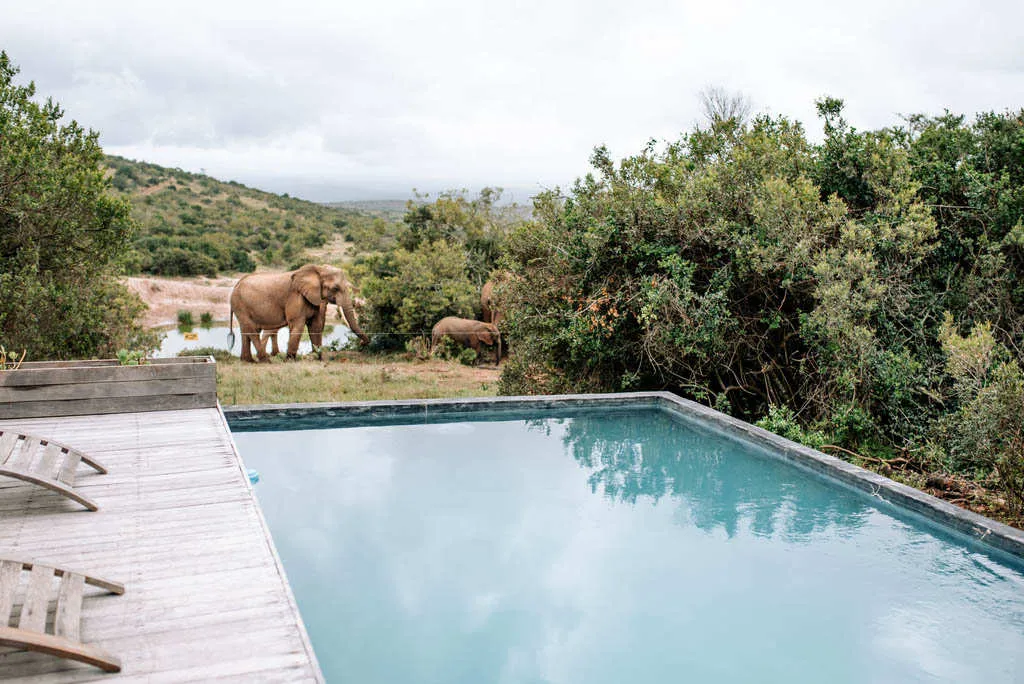
Safari is the primary draw for this part of the country. Game reserves within 35 kilometres of Fowlds make serious wildlife experiences accessible on a day trip or half-day drive, without requiring a full internal transfer. Elephant are the signature species of the nearest major reserve, but the ecosystem also supports lion, black rhino, buffalo, and a range of plains game. Both self-drive and guided options operate within the reserve, with guided drives offering a better chance of locating predators and understanding animal behaviour in context.
For those interested in the landscape itself, the dry plains and rocky hillsides surrounding Fowlds reward patient attention. Arid-adapted birdlife is consistent throughout the year, with raptors particularly well-represented given the open terrain. Early mornings produce the most activity before the day heats up.
The night sky here is genuinely dark. Absence of light pollution across this region makes clear nights productive for stargazing, and no specialist equipment is required to see considerable detail with the naked eye. A basic stargazing app or printed atlas extends the experience.
Photographers find the landscape most responsive in the two hours after sunrise and before sunset, when the flat terrain picks up directional light and the textures of rock and dry grass become distinct. Summer months after rain transform the colour palette noticeably, while winter's stripped-back conditions expose the geology more clearly.
The rock formations visible across the area carry geological history spanning hundreds of millions of years, and those with an interest in natural history will find recognisable features from ancient marine environments preserved in outcrops throughout the region.
---
## Best Time to Visit Fowlds
Winter, running from June through August, is the most productive season for game viewing and general outdoor activity. Cool daytime temperatures make extended time outside comfortable, animals move more freely when not conserving energy in heat, and the dry conditions thin vegetation enough to improve sightlines in the bush. Nights drop sharply in winter and warm clothing is necessary, but the days are clear and bright. This is the season most wildlife-focused visitors target.
Spring, from September to early November, brings warming temperatures and some wildflowers before the full heat arrives. Animal behaviour is active, light is good for photography, and it is generally quieter in terms of visitor numbers, which suits those who prefer shorter queues at reserve gates.
Summer, December through February, is hot. Midday temperatures reach the high thirties, pushing wildlife activity to dawn and dusk. Some rain falls during this period, which freshens vegetation and draws animals to predictable water sources. School holiday periods in December and January bring noticeably higher visitor numbers to the broader region.
Autumn, March to May, is transitional and generally pleasant. Temperatures moderate after summer and the landscape retains colour from the rains. It tends to be a good all-round option for visitors without fixed seasonal preferences and is among the quieter periods for accommodation in the area.
---
## Getting to Fowlds
No public transport serves Fowlds, and a private vehicle is essential for the full journey and for getting around on arrival. The nearest airport with regular domestic connections is Chief Dawid Stuurman International Airport in Gqeberha, which handles flights from Johannesburg, Cape Town, and other major South African cities. From Gqeberha, the drive north through the Sundays River Valley to the Fowlds area takes roughly 90 minutes under normal road conditions.
The N10 is the primary route connecting this part of the region to Gqeberha and the coast. The sealed sections are in reasonable condition and suitable for standard vehicles. Some approach roads to farm properties and smaller settlements are unpaved; ask your accommodation host specifically about the last few kilometres of the route, as these vary most in quality.
Fuel should be secured before leaving a larger centre. Small settlements along the route can have limited hours and unreliable supply. Provisions are also easier to source from a town with a supermarket before heading into the countryside. Carrying sufficient water for the drive and for any time spent outdoors is standard practice. Distances between services in this part of the country can be significant, and self-sufficiency on the road is not excessive caution but practical habit.
---
## Fowlds and Surrounding Areas
**Paterson** (13km) is the closest town to Fowlds and the most practical stop for basic supplies and fuel when travelling to or from the area. It sits at the heart of the Sundays River Valley, surrounded by citrus orchards that define the local agricultural character. The town is quiet but functional, and the valley setting gives a clear sense of how irrigated farming shapes this otherwise dry landscape.
**Assegaairivier** (27km) follows the course of the Sundays River and offers a different landscape from the open plains. The river corridor supports denser riparian vegetation and birdlife, making it a worthwhile detour for those interested in the contrast between riverine habitat and the drier terrain surrounding Fowlds.
**Colchester** (29km) sits at the mouth of the Sundays River where it meets the sea. This coastal section of the broader reserve network protects marine and estuarine habitat, including African penguin colonies, and the environment here is distinctly different from the inland game experience. The working estuary draws serious birders, and the junction of river and ocean is of interest to anyone with a coastal ecology background.
**Addo** (34km) is the service town and gateway for the main section of Addo Elephant National Park. SANParks operates its central booking and reception facilities in this area. Visitors planning a day visit or overnight stay within the park should pre-book through SANParks directly rather than arriving without a reservation, particularly during school holidays when gate capacity is limited.
**Riebeek-oos** (38km) is a small farming settlement in the valley, historically connected to the citrus industry. It offers a quiet contrast to the wildlife-focused destinations and gives a sense of the agricultural history of the Sundays River area.
**Depus** (44km) is the outermost of the practical day destinations from Fowlds. A rural locality without visitor facilities, it sits at the edge of the comfortable day-trip range but can be combined with other valley stops into a full circuit.
---
## Planning Your Stay
With one property serving Fowlds, the choice of accommodation is straightforward, but the logistics require thought. Contact the lodge directly to confirm availability, understand what is included in the rate, and establish whether a minimum-stay requirement applies. Some rural properties in this region require two-night minimums to make their operating costs viable, and discovering this after booking transport is a common frustration.
Safari visits to the nearby national park are best pre-booked through SANParks before finalising your travel dates. Popular gates reach capacity during school holidays and long weekends, and day visitor slots can fill weeks in advance. Getting those reservations in place early shapes the rest of the trip planning rather than the other way around.
Mobile reception can be intermittent in remote rural areas. Save the lodge's landline or alternative contact details when you make the booking, and confirm your arrival a few days before departure. If you plan to self-drive within any reserve, download offline maps while still in Gqeberha or another city with reliable data coverage.
Ask about road conditions to the property before you travel. The final approach to farm lodges is often unpaved, and the state of those roads changes after rain. Arriving in deteriorating conditions on an unfamiliar track is avoidable with a brief call to the host on the morning of travel.

Fowlds has one listed accommodation property, a lodge that represents the sole formal option in this remote settlement. Rates are not published and require direct enquiry, which is characteristic of small-scale rural properties in this part of the country that operate on a personal, arrangement-by-arrangement basis.
The lodge format suits the environment well. A stay typically combines a base for exploring the surrounding landscape with some degree of nature experience, where proximity to open bush and working farmland shapes the daily rhythm rather than hotel-style amenities. Properties at this level in the region tend to cater to small groups and provide either included meals or self-catering facilities depending on the specific setup. The service is personalised by necessity, which most visitors find is part of the appeal.
What travellers tend to find is that the single-property character of a place like Fowlds concentrates the experience. There are no comparisons to make on arrival, no competing restaurants down the street, and no noise from adjacent accommodation blocks. The lodge becomes the anchor for the whole trip, so getting the details right before you book matters. Ask specifically about what is included, how meals work, whether guides are available, and what transport to nearby reserves requires from a logistics standpoint.
Because wildlife activity in the broader region follows seasonal patterns, the lodge experience changes considerably across the year. Winter stays lean toward fireside evenings and productive early-morning drives in the cool air. Summer stays offer longer light and more active birdlife but require planning outdoor time around the heat of the day.
With a single option available, flexibility on the traveller's side matters more than usual. If the lodge is full on your preferred dates, Fowlds cannot offer an alternative, making early planning essential rather than optional.
---
## Things to Do in Fowlds
Safari is the primary draw for this part of the country. Game reserves within 35 kilometres of Fowlds make serious wildlife experiences accessible on a day trip or half-day drive, without requiring a full internal transfer. Elephant are the signature species of the nearest major reserve, but the ecosystem also supports lion, black rhino, buffalo, and a range of plains game. Both self-drive and guided options operate within the reserve, with guided drives offering a better chance of locating predators and understanding animal behaviour in context.
For those interested in the landscape itself, the dry plains and rocky hillsides surrounding Fowlds reward patient attention. Arid-adapted birdlife is consistent throughout the year, with raptors particularly well-represented given the open terrain. Early mornings produce the most activity before the day heats up.
The night sky here is genuinely dark. Absence of light pollution across this region makes clear nights productive for stargazing, and no specialist equipment is required to see considerable detail with the naked eye. A basic stargazing app or printed atlas extends the experience.
Photographers find the landscape most responsive in the two hours after sunrise and before sunset, when the flat terrain picks up directional light and the textures of rock and dry grass become distinct. Summer months after rain transform the colour palette noticeably, while winter's stripped-back conditions expose the geology more clearly.
The rock formations visible across the area carry geological history spanning hundreds of millions of years, and those with an interest in natural history will find recognisable features from ancient marine environments preserved in outcrops throughout the region.
---
## Best Time to Visit Fowlds
Winter, running from June through August, is the most productive season for game viewing and general outdoor activity. Cool daytime temperatures make extended time outside comfortable, animals move more freely when not conserving energy in heat, and the dry conditions thin vegetation enough to improve sightlines in the bush. Nights drop sharply in winter and warm clothing is necessary, but the days are clear and bright. This is the season most wildlife-focused visitors target.
Spring, from September to early November, brings warming temperatures and some wildflowers before the full heat arrives. Animal behaviour is active, light is good for photography, and it is generally quieter in terms of visitor numbers, which suits those who prefer shorter queues at reserve gates.
Summer, December through February, is hot. Midday temperatures reach the high thirties, pushing wildlife activity to dawn and dusk. Some rain falls during this period, which freshens vegetation and draws animals to predictable water sources. School holiday periods in December and January bring noticeably higher visitor numbers to the broader region.
Autumn, March to May, is transitional and generally pleasant. Temperatures moderate after summer and the landscape retains colour from the rains. It tends to be a good all-round option for visitors without fixed seasonal preferences and is among the quieter periods for accommodation in the area.
---
## Getting to Fowlds
No public transport serves Fowlds, and a private vehicle is essential for the full journey and for getting around on arrival. The nearest airport with regular domestic connections is Chief Dawid Stuurman International Airport in Gqeberha, which handles flights from Johannesburg, Cape Town, and other major South African cities. From Gqeberha, the drive north through the Sundays River Valley to the Fowlds area takes roughly 90 minutes under normal road conditions.
The N10 is the primary route connecting this part of the region to Gqeberha and the coast. The sealed sections are in reasonable condition and suitable for standard vehicles. Some approach roads to farm properties and smaller settlements are unpaved; ask your accommodation host specifically about the last few kilometres of the route, as these vary most in quality.
Fuel should be secured before leaving a larger centre. Small settlements along the route can have limited hours and unreliable supply. Provisions are also easier to source from a town with a supermarket before heading into the countryside. Carrying sufficient water for the drive and for any time spent outdoors is standard practice. Distances between services in this part of the country can be significant, and self-sufficiency on the road is not excessive caution but practical habit.
---
## Fowlds and Surrounding Areas
**Paterson** (13km) is the closest town to Fowlds and the most practical stop for basic supplies and fuel when travelling to or from the area. It sits at the heart of the Sundays River Valley, surrounded by citrus orchards that define the local agricultural character. The town is quiet but functional, and the valley setting gives a clear sense of how irrigated farming shapes this otherwise dry landscape.
**Assegaairivier** (27km) follows the course of the Sundays River and offers a different landscape from the open plains. The river corridor supports denser riparian vegetation and birdlife, making it a worthwhile detour for those interested in the contrast between riverine habitat and the drier terrain surrounding Fowlds.
**Colchester** (29km) sits at the mouth of the Sundays River where it meets the sea. This coastal section of the broader reserve network protects marine and estuarine habitat, including African penguin colonies, and the environment here is distinctly different from the inland game experience. The working estuary draws serious birders, and the junction of river and ocean is of interest to anyone with a coastal ecology background.
**Addo** (34km) is the service town and gateway for the main section of Addo Elephant National Park. SANParks operates its central booking and reception facilities in this area. Visitors planning a day visit or overnight stay within the park should pre-book through SANParks directly rather than arriving without a reservation, particularly during school holidays when gate capacity is limited.
**Riebeek-oos** (38km) is a small farming settlement in the valley, historically connected to the citrus industry. It offers a quiet contrast to the wildlife-focused destinations and gives a sense of the agricultural history of the Sundays River area.
**Depus** (44km) is the outermost of the practical day destinations from Fowlds. A rural locality without visitor facilities, it sits at the edge of the comfortable day-trip range but can be combined with other valley stops into a full circuit.
---
## Planning Your Stay
With one property serving Fowlds, the choice of accommodation is straightforward, but the logistics require thought. Contact the lodge directly to confirm availability, understand what is included in the rate, and establish whether a minimum-stay requirement applies. Some rural properties in this region require two-night minimums to make their operating costs viable, and discovering this after booking transport is a common frustration.
Safari visits to the nearby national park are best pre-booked through SANParks before finalising your travel dates. Popular gates reach capacity during school holidays and long weekends, and day visitor slots can fill weeks in advance. Getting those reservations in place early shapes the rest of the trip planning rather than the other way around.
Mobile reception can be intermittent in remote rural areas. Save the lodge's landline or alternative contact details when you make the booking, and confirm your arrival a few days before departure. If you plan to self-drive within any reserve, download offline maps while still in Gqeberha or another city with reliable data coverage.
Ask about road conditions to the property before you travel. The final approach to farm lodges is often unpaved, and the state of those roads changes after rain. Arriving in deteriorating conditions on an unfamiliar track is avoidable with a brief call to the host on the morning of travel.
Tipes Akkommodasie in Fowlds
Akkommodasiepryse in Fowlds
| Tipe | Inskrywings | Vanaf | Gemiddeld | Tot |
|---|---|---|---|---|
| Lodge | 1 | – | – | – |
Fowlds Kaart
Nabygeleë Bestemmings
Blaai Deur Alle Fowlds Akkommodasie
Bekyk al 1 akkommodasie-opsies in Fowlds met foto's, pryse en beskikbaarheid.
Blaai Deur Alle Akkommodasie