Ga-Mabotsa Reis- & Akkommodasiegids
Jou volledige gids om Ga-Mabotsa, Suid-Afrika te besoek.
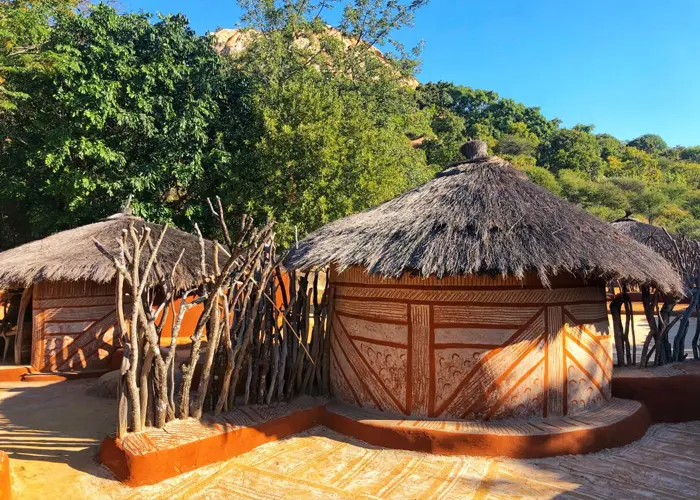
Ga-mabotsa is a small village in Limpopo Province with significant historical importance as the site of one of the first Christian mission stations in southern Africa. The area offers visitors a glimpse into rural life and the region's missionary past, set against the backdrop of the Limpopo bushveld.
## Accommodation in Ga-mabotsa
With no properties currently listed in Ga-mabotsa, travelers planning an overnight stay need to look beyond the village itself. The settlement sits in a predominantly rural landscape where formal tourism infrastructure has not developed at scale. Dr. David Livingstone established a mission station here in 1843, and the following year survived a lion attack that left him with lasting injuries, yet despite this historical significance the area remains largely undeveloped from an accommodation standpoint.
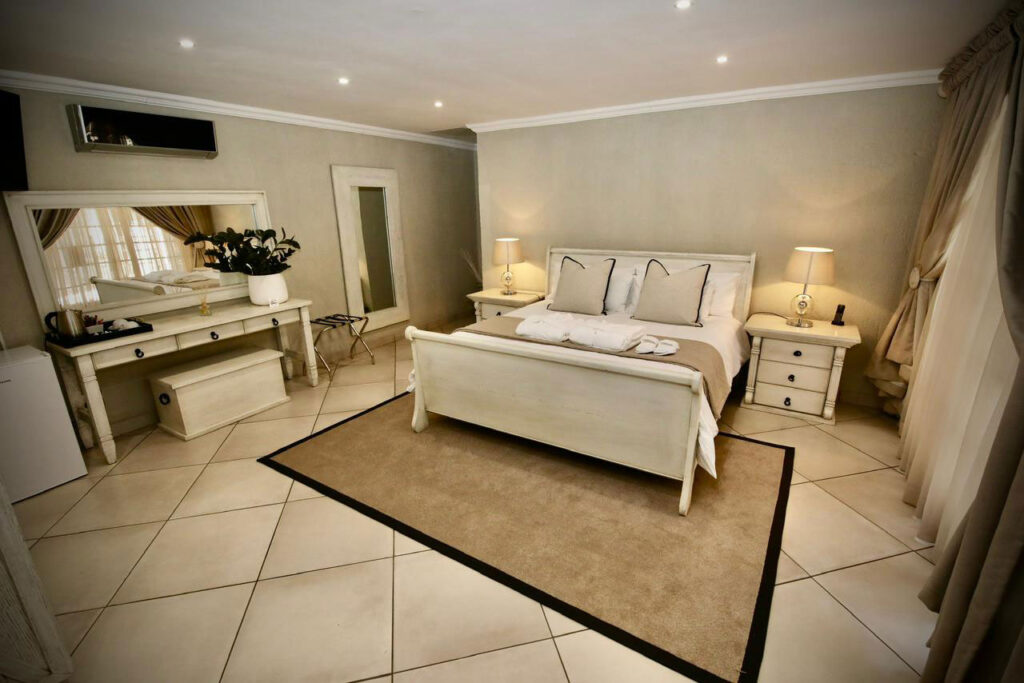
Budget travelers will find the most reliable options in nearby towns. Basic guesthouses and self-catering cottages in Thabazimbi and Rustenburg provide functional rooms with reliable power, and both towns have ATMs and grocery stores within easy reach. Bed-and-breakfast operations in this price bracket tend to be family-run and straightforward in what they offer.
Mid-range options become more varied across the broader region. Farm stays and small guesthouses set within working bushveld properties offer private en-suite rooms and often include meals. Many sit on active cattle or game properties, which gives guests a direct connection to the agricultural landscape surrounding the area. This tier generally provides more contextual travel than a standard town guesthouse and is worth considering if both comfort and a sense of place matter.
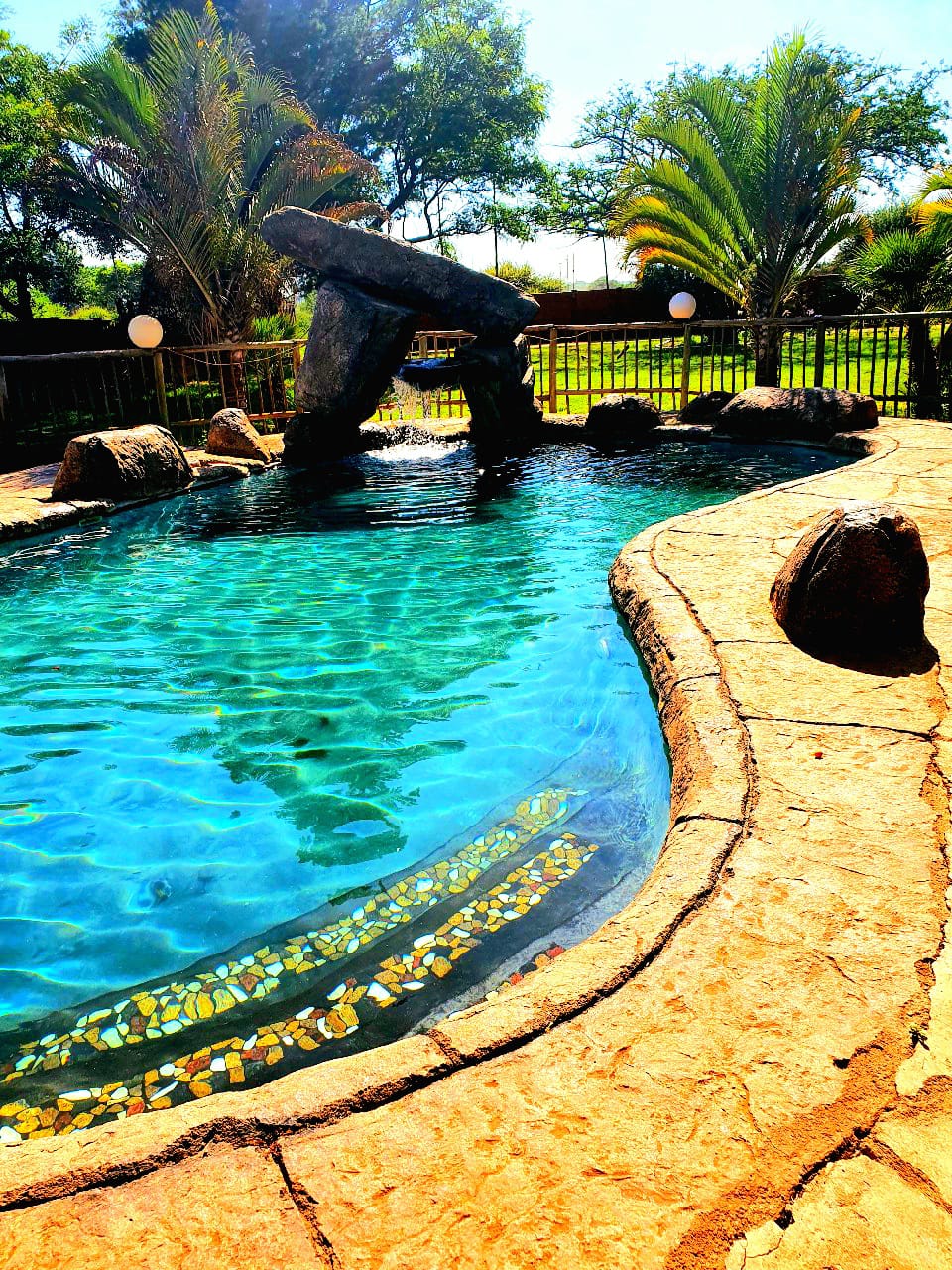
At the upper end, game lodges in the Waterberg and Thabazimbi areas offer guided game drives, swimming pools, and full board dining at significantly higher prices. These are positioned as destination stays rather than practical bases for day excursions into the village.
Regardless of budget, advance planning is essential. Walk-in accommodation is not an option here, and rural guesthouses in the region can fill quickly during school holidays. Contacting a property directly before departure, rather than depending on online booking platforms, reduces the risk of arriving without a confirmed bed.
---
## Best Time to Visit Ga-mabotsa
The dry winter months from May through August offer the most comfortable conditions for visiting this part of Limpopo. Temperatures settle between roughly 15 and 25 degrees Celsius by day, with cool evenings that call for a jacket after dark. Vegetation thins as the dry season advances, opening up sight lines across the bushveld and making wildlife easier to spot in any nearby reserves.
Summer, from November through March, brings the area's rainfall. Temperatures regularly climb well past 30 degrees, and afternoon thunderstorms are common, sometimes turning rural tracks into difficult or impassable roads. The landscape becomes noticeably greener during this period, which has its own appeal, but the heat combined with unpredictable road conditions demands more careful preparation.
April and September represent practical shoulder periods. April retains some of the summer green while temperatures ease, and the roads are generally drier than at peak summer. Travelers focused on cultural or historical exploration rather than game viewing will often find these months the most straightforward for planning.
Malaria risk in parts of Limpopo varies by season and location. Consulting current advisories from the South African National Department of Health before travel is sensible, particularly if visiting during or after the rainy season. Checking guidance specific to your planned area is more reliable than general assumptions.
---
## Getting to Ga-mabotsa
The most practical route by road runs northwest from Johannesburg along the N4 toward Rustenburg, then continues via regional roads into the bushveld. The total distance from Johannesburg is approximately 200 kilometers, and the drive takes around two and a half hours under normal conditions. The N4 is well-maintained for most of its length, with road quality becoming less predictable beyond the main highway network.
OR Tambo International Airport in Johannesburg is the standard entry point for international and most domestic travelers, with car hire desks available on arrival. Pilanesberg Airport, which handles some regional and charter traffic, sits closer to the area and reduces driving time for travelers who can access a flight there. No commercial scheduled services currently serve the regional towns consistently, which makes a hired or personal vehicle the only realistic option for completing the journey.
Once in the area, getting around depends entirely on having your own transport. Minibus taxis run between larger towns in the region but do not operate scheduled routes into small rural settlements. A standard sedan handles the roads comfortably in dry conditions. During the rainy season, higher ground clearance is an advantage on the gravel tracks connecting smaller villages. Before leaving the coverage area of a larger town, download offline maps for the rural stretches where mobile signal is patchy or absent.
---
## Ga-mabotsa and Surrounding Areas
The villages immediately surrounding Ga-mabotsa share the same rural agricultural character, and traveling between them gives a clear picture of how settlement and land use are distributed across this corner of Limpopo.
**Ga-matabanyane**, five kilometers away, is a small community where cattle farming and subsistence agriculture set the daily rhythm. The road connecting the two settlements passes through mixed bushveld, and the drive itself is straightforward in dry conditions. There is no formal tourist infrastructure, but for travelers interested in observing rural community life closely, the short trip provides context that a day visit from a larger town cannot replicate.
**Ga-ramongwana** and **Ga-semenya**, both within six kilometers, represent neighboring community areas close enough to combine into a single half-day loop from Ga-mabotsa. Informal roadside traders operate between these settlements, and passing through both gives a reasonable sense of how the broader community is structured across the landscape.
**Ga-komape**, seven kilometers out, falls within the same agricultural belt. Travelers routing through this village as part of a wider loop around the rural road network will find it consistent with the surrounding area, defined by small-scale farming operations and traditional homesteads spread across the flat bushveld.
**Bloedrivier**, twelve kilometers away, takes its name from a local geographical feature rather than any connection to the famous nineteenth-century battle site in KwaZulu-Natal. The terrain around Bloedrivier becomes slightly more broken than the immediate surroundings of Ga-mabotsa, with rocky outcrops interrupting the flat ground. For travelers with an interest in the regional landscape, this marks a small but noticeable shift in character worth including on a longer driving day.
**Ditenteng**, at thirteen kilometers, is the furthest in this immediate cluster and the most useful for practical purposes. The settlement has basic commercial services that can serve as a fallback for fuel or supplies when the main route from a larger center is inconvenient.
---
## Planning Your Stay
Because accommodation near Ga-mabotsa is limited and informal, direct contact with your chosen property matters more than in established tourist destinations. Book by phone or email rather than relying solely on online platforms, as rural guesthouses in this region do not always maintain accurate digital availability calendars.
Before confirming a booking, ask specifically about the access road from the nearest main highway. Gravel tracks in the area hold up well in dry weather but can soften or close temporarily after heavy rain. Getting a current road report from the property in the week before your arrival is practical preparation rather than excessive caution.
Carry sufficient cash when leaving a larger town. Rural properties often do not accept card payments, and filling stations in smaller settlements keep limited hours or can run low on fuel. Topping up before turning off the main road is a straightforward precaution.
For visitors planning to see the historical mission site, contacting local community representatives before arrival is advisable. The site is not commercially managed, and access arrangements can vary from visit to visit. Confirming the current situation in advance avoids a wasted trip and may open the door to guided assistance from someone with relevant local knowledge.
Travel insurance covering medical evacuation is worth carrying for any remote Limpopo itinerary. Hospitals capable of handling serious injuries are a significant distance away, making basic preparation sensible. Keep a first aid kit in the vehicle, carry adequate drinking water, and maintain a spare tyre in good condition.

With no properties currently listed in Ga-mabotsa, travelers planning an overnight stay need to look beyond the village itself. The settlement sits in a predominantly rural landscape where formal tourism infrastructure has not developed at scale. Dr. David Livingstone established a mission station here in 1843, and the following year survived a lion attack that left him with lasting injuries, yet despite this historical significance the area remains largely undeveloped from an accommodation standpoint.
Budget travelers will find the most reliable options in nearby towns. Basic guesthouses and self-catering cottages in Thabazimbi and Rustenburg provide functional rooms with reliable power, and both towns have ATMs and grocery stores within easy reach. Bed-and-breakfast operations in this price bracket tend to be family-run and straightforward in what they offer.
Mid-range options become more varied across the broader region. Farm stays and small guesthouses set within working bushveld properties offer private en-suite rooms and often include meals. Many sit on active cattle or game properties, which gives guests a direct connection to the agricultural landscape surrounding the area. This tier generally provides more contextual travel than a standard town guesthouse and is worth considering if both comfort and a sense of place matter.
At the upper end, game lodges in the Waterberg and Thabazimbi areas offer guided game drives, swimming pools, and full board dining at significantly higher prices. These are positioned as destination stays rather than practical bases for day excursions into the village.
Regardless of budget, advance planning is essential. Walk-in accommodation is not an option here, and rural guesthouses in the region can fill quickly during school holidays. Contacting a property directly before departure, rather than depending on online booking platforms, reduces the risk of arriving without a confirmed bed.
---
## Best Time to Visit Ga-mabotsa
The dry winter months from May through August offer the most comfortable conditions for visiting this part of Limpopo. Temperatures settle between roughly 15 and 25 degrees Celsius by day, with cool evenings that call for a jacket after dark. Vegetation thins as the dry season advances, opening up sight lines across the bushveld and making wildlife easier to spot in any nearby reserves.
Summer, from November through March, brings the area's rainfall. Temperatures regularly climb well past 30 degrees, and afternoon thunderstorms are common, sometimes turning rural tracks into difficult or impassable roads. The landscape becomes noticeably greener during this period, which has its own appeal, but the heat combined with unpredictable road conditions demands more careful preparation.
April and September represent practical shoulder periods. April retains some of the summer green while temperatures ease, and the roads are generally drier than at peak summer. Travelers focused on cultural or historical exploration rather than game viewing will often find these months the most straightforward for planning.
Malaria risk in parts of Limpopo varies by season and location. Consulting current advisories from the South African National Department of Health before travel is sensible, particularly if visiting during or after the rainy season. Checking guidance specific to your planned area is more reliable than general assumptions.
---
## Getting to Ga-mabotsa
The most practical route by road runs northwest from Johannesburg along the N4 toward Rustenburg, then continues via regional roads into the bushveld. The total distance from Johannesburg is approximately 200 kilometers, and the drive takes around two and a half hours under normal conditions. The N4 is well-maintained for most of its length, with road quality becoming less predictable beyond the main highway network.
OR Tambo International Airport in Johannesburg is the standard entry point for international and most domestic travelers, with car hire desks available on arrival. Pilanesberg Airport, which handles some regional and charter traffic, sits closer to the area and reduces driving time for travelers who can access a flight there. No commercial scheduled services currently serve the regional towns consistently, which makes a hired or personal vehicle the only realistic option for completing the journey.
Once in the area, getting around depends entirely on having your own transport. Minibus taxis run between larger towns in the region but do not operate scheduled routes into small rural settlements. A standard sedan handles the roads comfortably in dry conditions. During the rainy season, higher ground clearance is an advantage on the gravel tracks connecting smaller villages. Before leaving the coverage area of a larger town, download offline maps for the rural stretches where mobile signal is patchy or absent.
---
## Ga-mabotsa and Surrounding Areas
The villages immediately surrounding Ga-mabotsa share the same rural agricultural character, and traveling between them gives a clear picture of how settlement and land use are distributed across this corner of Limpopo.
**Ga-matabanyane**, five kilometers away, is a small community where cattle farming and subsistence agriculture set the daily rhythm. The road connecting the two settlements passes through mixed bushveld, and the drive itself is straightforward in dry conditions. There is no formal tourist infrastructure, but for travelers interested in observing rural community life closely, the short trip provides context that a day visit from a larger town cannot replicate.
**Ga-ramongwana** and **Ga-semenya**, both within six kilometers, represent neighboring community areas close enough to combine into a single half-day loop from Ga-mabotsa. Informal roadside traders operate between these settlements, and passing through both gives a reasonable sense of how the broader community is structured across the landscape.
**Ga-komape**, seven kilometers out, falls within the same agricultural belt. Travelers routing through this village as part of a wider loop around the rural road network will find it consistent with the surrounding area, defined by small-scale farming operations and traditional homesteads spread across the flat bushveld.
**Bloedrivier**, twelve kilometers away, takes its name from a local geographical feature rather than any connection to the famous nineteenth-century battle site in KwaZulu-Natal. The terrain around Bloedrivier becomes slightly more broken than the immediate surroundings of Ga-mabotsa, with rocky outcrops interrupting the flat ground. For travelers with an interest in the regional landscape, this marks a small but noticeable shift in character worth including on a longer driving day.
**Ditenteng**, at thirteen kilometers, is the furthest in this immediate cluster and the most useful for practical purposes. The settlement has basic commercial services that can serve as a fallback for fuel or supplies when the main route from a larger center is inconvenient.
---
## Planning Your Stay
Because accommodation near Ga-mabotsa is limited and informal, direct contact with your chosen property matters more than in established tourist destinations. Book by phone or email rather than relying solely on online platforms, as rural guesthouses in this region do not always maintain accurate digital availability calendars.
Before confirming a booking, ask specifically about the access road from the nearest main highway. Gravel tracks in the area hold up well in dry weather but can soften or close temporarily after heavy rain. Getting a current road report from the property in the week before your arrival is practical preparation rather than excessive caution.
Carry sufficient cash when leaving a larger town. Rural properties often do not accept card payments, and filling stations in smaller settlements keep limited hours or can run low on fuel. Topping up before turning off the main road is a straightforward precaution.
For visitors planning to see the historical mission site, contacting local community representatives before arrival is advisable. The site is not commercially managed, and access arrangements can vary from visit to visit. Confirming the current situation in advance avoids a wasted trip and may open the door to guided assistance from someone with relevant local knowledge.
Travel insurance covering medical evacuation is worth carrying for any remote Limpopo itinerary. Hospitals capable of handling serious injuries are a significant distance away, making basic preparation sensible. Keep a first aid kit in the vehicle, carry adequate drinking water, and maintain a spare tyre in good condition.
Ga-Mabotsa Kaart
Nabygeleë Bestemmings
Blaai Deur Alle Ga-Mabotsa Akkommodasie
Bekyk al 0 akkommodasie-opsies in Ga-Mabotsa met foto's, pryse en beskikbaarheid.
Blaai Deur Alle Akkommodasie