Accommodation in Ga-ramongwana
Currently, no properties are formally listed in Ga-ramongwana, and nightly rates across the area remain undocumented. This reflects the village's character more than any shortage of options. Rural communities in this part of Limpopo typically operate through informal homestays and small community guesthouses that sit outside mainstream booking platforms, and direct contact with local organisations or trusted community members is usually necessary to arrange a stay.
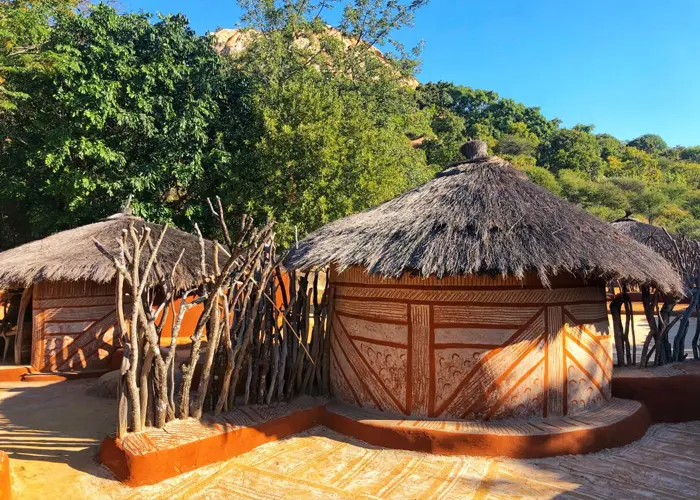
At the budget end, homestays with local families represent the most common arrangement. These typically offer simple rooms with shared facilities and meals prepared by the household, which provides a direct window into daily village life. Costs are negotiated with hosts rather than published in advance. Expect basic infrastructure: electricity supply may be intermittent, and hot water is not guaranteed.
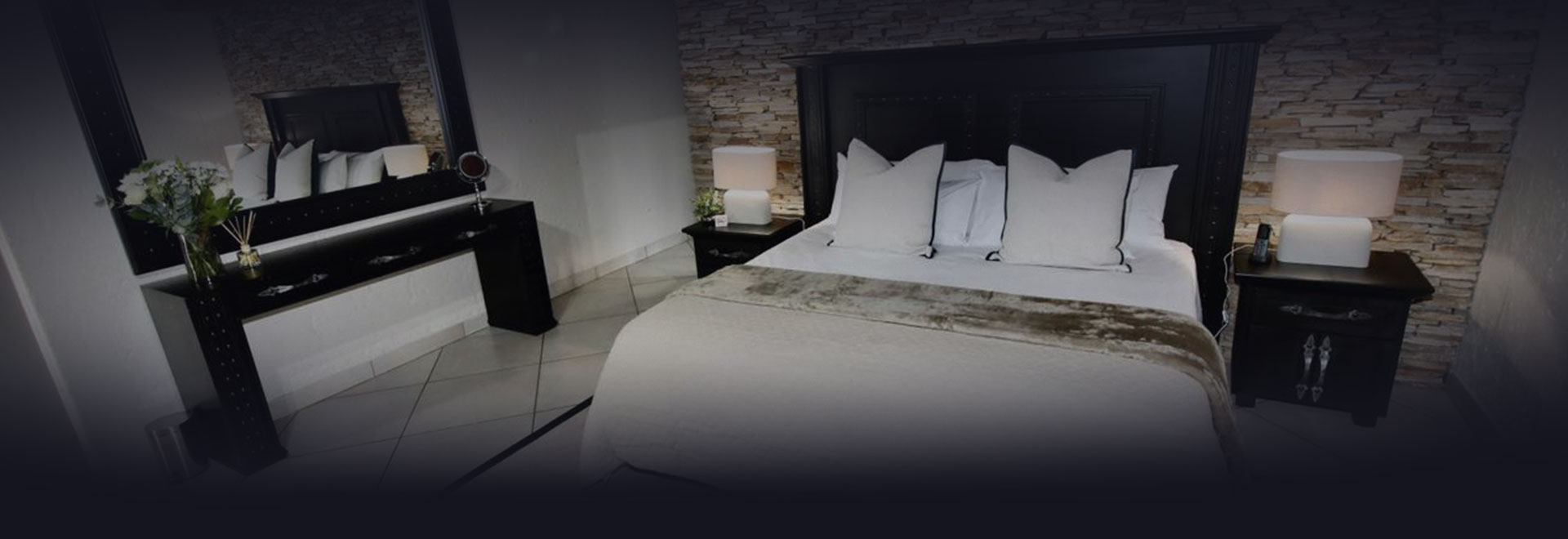
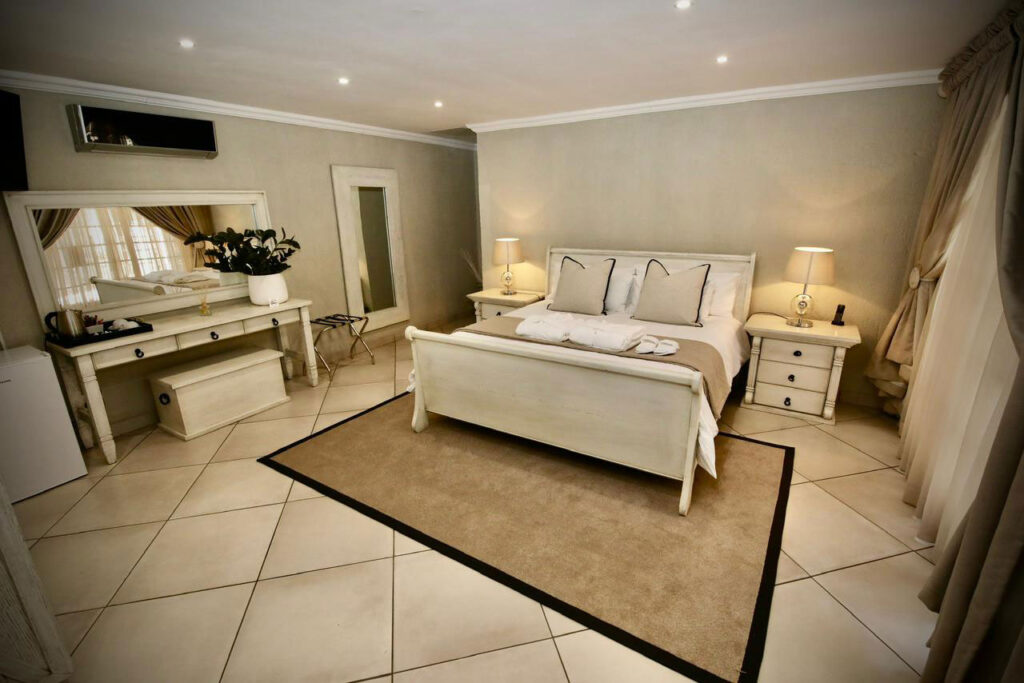
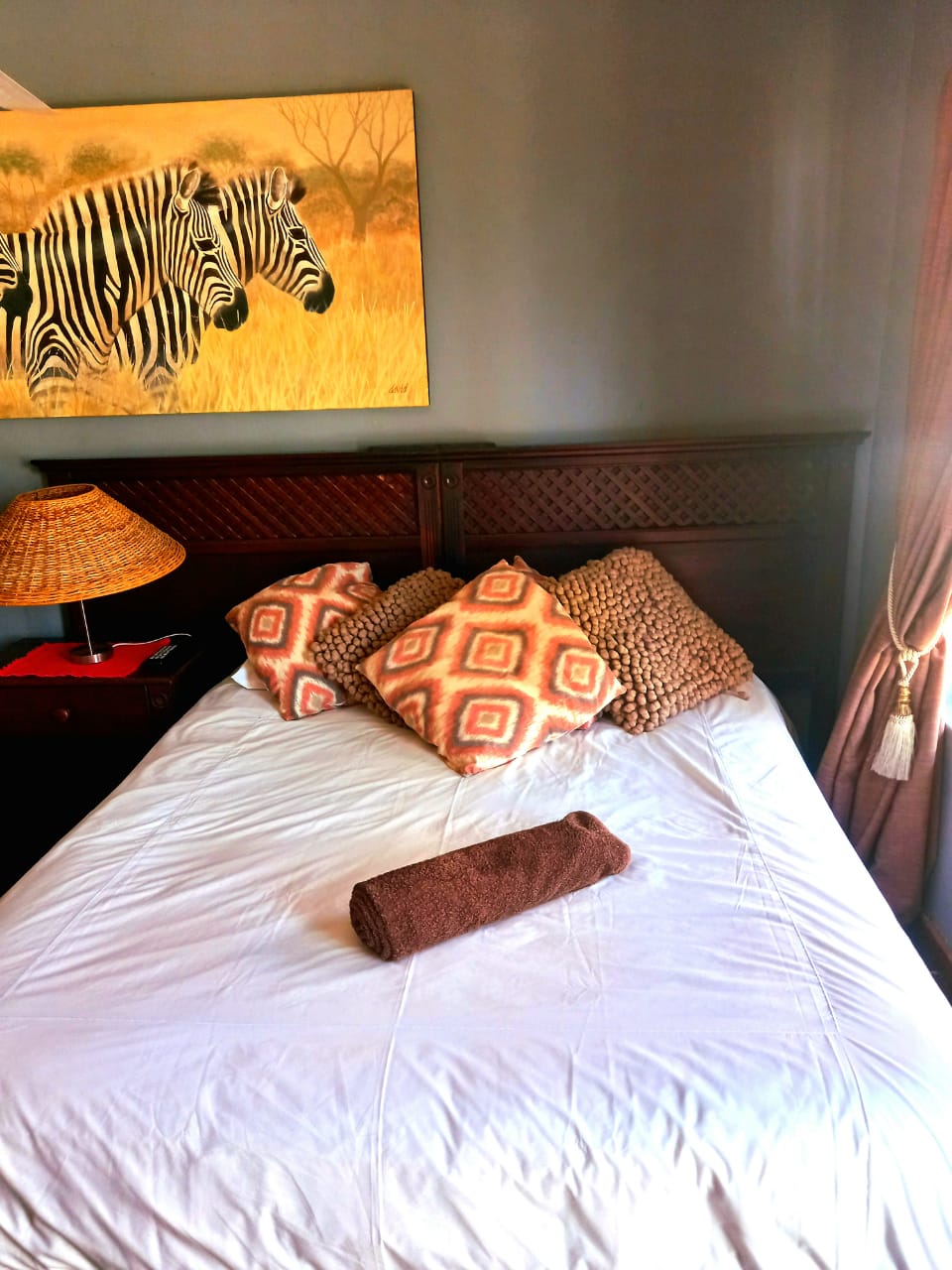
For those who want more structure, small guesthouses scattered across the broader lowveld region offer private bathrooms and more predictable booking processes. These properties tend to serve travellers who need a reliable base for exploring the surrounding countryside without the unpredictability of fully informal arrangements.
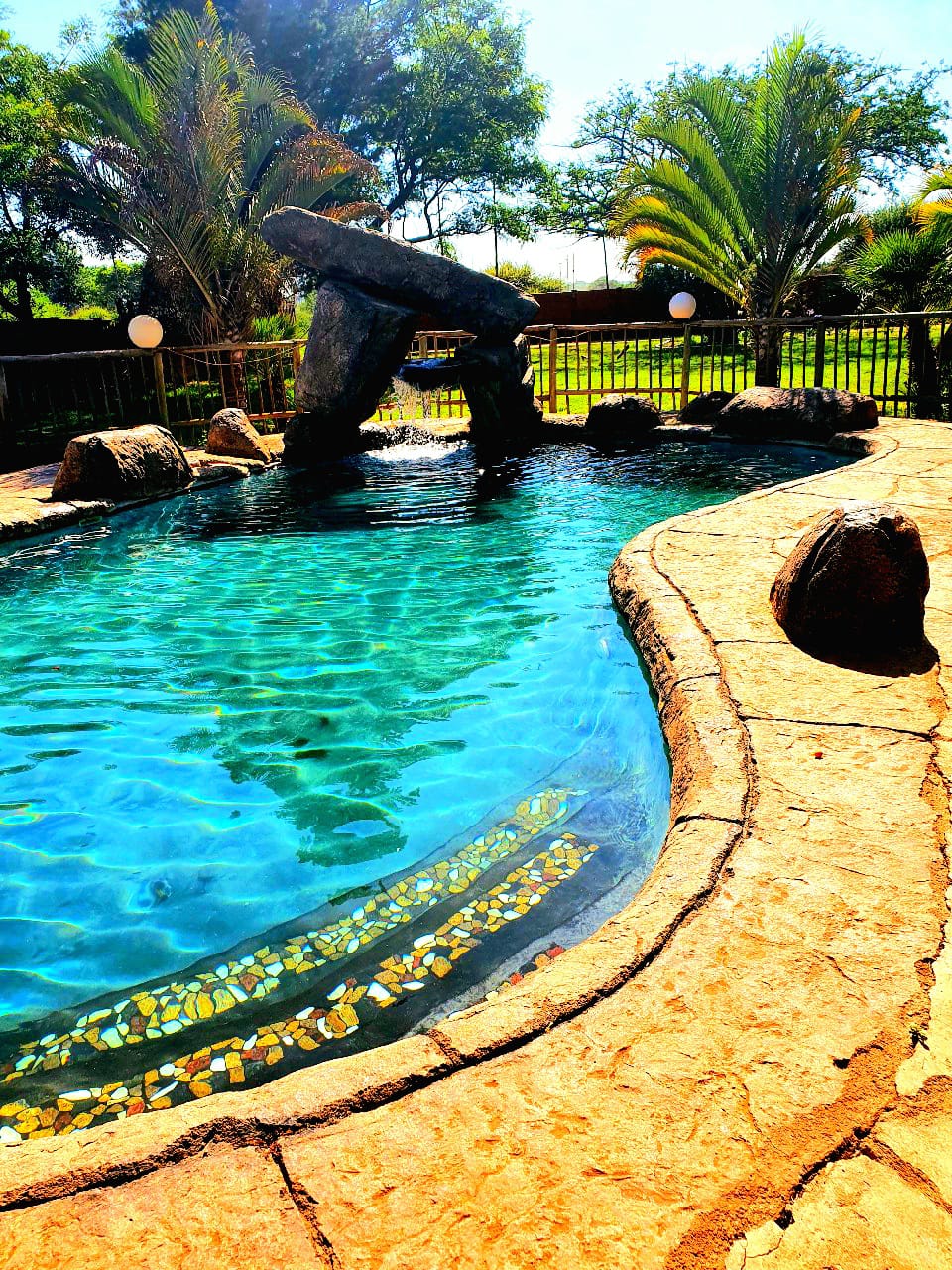
At the upper end, game lodges and nature-based camps associated with the Kruger National Park periphery and reserves such as Hans Merensky represent the most developed accommodation in the wider area. These properties are not in Ga-ramongwana itself, but they sit within driving distance and attract visitors who want structured wildlife access alongside cultural day trips into the surrounding communities.
Planning ahead is essential regardless of budget tier. Contact local tourism offices before committing to dates, as informal accommodation can fill during regional festivals, agricultural events, and school holidays. Confirmation may depend on phone calls rather than instant online bookings, and flexibility in travel dates makes the process considerably easier.
Best Time to Visit Ga-ramongwana
Ga-ramongwana sits in the lowveld, where temperatures remain warm throughout the year and seasonal variation is defined more by rainfall than by temperature extremes. The rainy season runs from November through March, bringing afternoon thunderstorms that push temperatures above 35°C and increase humidity noticeably. Dirt roads and unsealed tracks in the area can become difficult during these months, occasionally requiring more capable vehicles or careful navigation.
The dry winter months from May to August offer the most comfortable travel conditions. Nights in July can cool to around 10°C, but daytime heat returns quickly. Thinner vegetation during this period makes movement through the countryside easier and improves sightings at waterholes in nearby reserves.
September and October form a useful shoulder period, with warming temperatures and migratory birds beginning to arrive, but without the full intensity of midsummer heat or road problems. This window suits visitors who want activity without compromising comfort.
Community and agricultural events follow the farming calendar. Planting season around October and November often involves community gatherings, and harvest celebrations after the rains ease in April can be worth timing a visit around. Enquire with local contacts about specific dates, as these vary by year and are not widely advertised outside the community.
Getting to Ga-ramongwana
The closest major airport is Hoedspruit Eastgate Airport, which receives daily scheduled flights from Johannesburg. Phalaborwa Airport, approximately 60 kilometres from Ga-ramongwana, handles fewer services but is a viable alternative entry point. Both require a hired vehicle or pre-arranged transfer to complete the journey into the village, as no shuttle services connect these airports to rural settlements in the area.
From Johannesburg by road, the drive is roughly five to six hours heading north on the N1 before turning east through the lowveld. From Polokwane, the journey is closer to two to three hours, using routes that pass through the Greater Giyani area. The final stretch into the village traverses rural terrain where road conditions vary and signage can be limited.
Giyani functions as the main services hub for this region, with fuel stations, ATMs, and grocery stores. This is the last reliable point to fill the tank, withdraw cash, and stock up on provisions before heading into Ga-ramongwana.
Private transport is essential for this trip. Minibus taxis serve routes between larger towns but operate on schedules that are irregular and unsuitable for visitors with fixed timetables. Mobile coverage outside town centres tends to be inconsistent, so offline maps and downloaded contact information should be prepared before departure. Roads between villages can deteriorate significantly after rain, and some routes that are straightforward in the dry season require more careful driving from November onward.
Ga-ramongwana and Surrounding Areas
The six communities within practical reach of Ga-ramongwana each offer something distinct, and exploring even a few of them adds depth to any visit.
Ga-semenya, 2 kilometres away, is close enough to visit on foot or in a short drive. The two settlements share social ties and market activity, making a trip between them a natural extension of time spent in the village rather than a separate excursion.
Ga-mabotsa, 6 kilometres out, carries historical significance tied to 19th-century missionary activity in the region. David Livingstone spent time here during the 1840s, working as a missionary doctor before his more widely documented continental explorations. The site is of particular interest to those curious about southern Africa's colonial-era history and the relationship between mission stations and local communities.
Ga-matabanyane, 8 kilometres from the village, is primarily agricultural and sits in open bushveld. The landscape around it illustrates the subsistence farming practices central to the local economy, with small homesteads surrounded by maize plots and groundnut fields. A slow drive through this area gives a clear sense of the rhythms that govern rural Limpopo life across generations.
Bloedrivier, 13 kilometres away, takes its name from the river running through the area. The watercourse offers a point of natural interest in a predominantly dry landscape, and the bordering vegetation supports lowveld bird species that reward patient observers.
Ga-komape, also 13 kilometres distant, is among the more established villages in the subregion, with small local businesses and a community focal point. It can provide minor supplies or services not available in smaller surrounding settlements, making it a practical stop during a day of exploration.
Ditenteng, 19 kilometres out, represents the outer limit of comfortable day trips from Ga-ramongwana. The road there passes through characteristic acacia woodland and scattered homesteads, and the drive itself constitutes much of the value, offering an extended view of the broader landscape before the destination is reached.
Planning Your Stay
Ga-ramongwana has no formal listings on mainstream booking platforms, so the preparation process differs from that of more tourist-oriented destinations. Begin by contacting local tourism offices or community organisations in the area. These sources typically know which families or small operators can host visitors and can make introductions that smooth the arrangement process considerably.
Before confirming a stay, verify a few practical details: ask about the road condition to the specific property, confirm whether electricity and running water are reliably available, and find out what meals or cooking facilities are included. In rural settings, these factors vary more than in formal accommodation, and it is better to raise questions before arrival than to encounter surprises on the ground.
Carry sufficient cash before leaving the nearest service town. Card payment facilities and ATMs are absent within the village, and there is no workaround if you arrive without enough local currency. Prepare for limited internet access by downloading offline maps, saving contact numbers, and backing up any documents you may need during the stay.
Allow more lead time than you would for urban accommodation. Informal bookings can fill quickly around regional events or school holidays, and confirmation by phone may take a day or two. A degree of flexibility in your schedule, particularly around arrival and departure times, ensures that minor adjustments on the ground do not disrupt the overall trip.