Accommodation in Ga-makgobathe
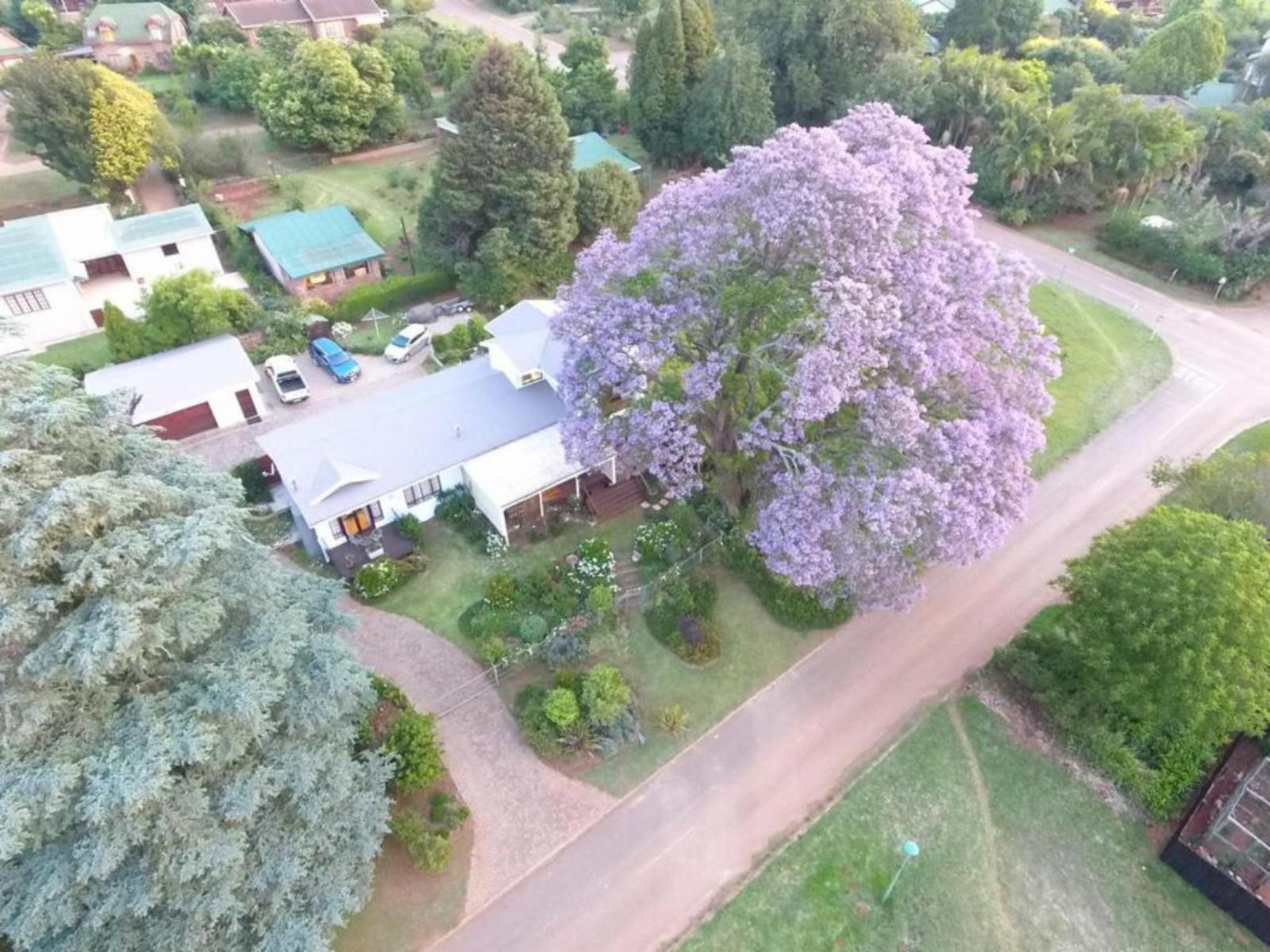
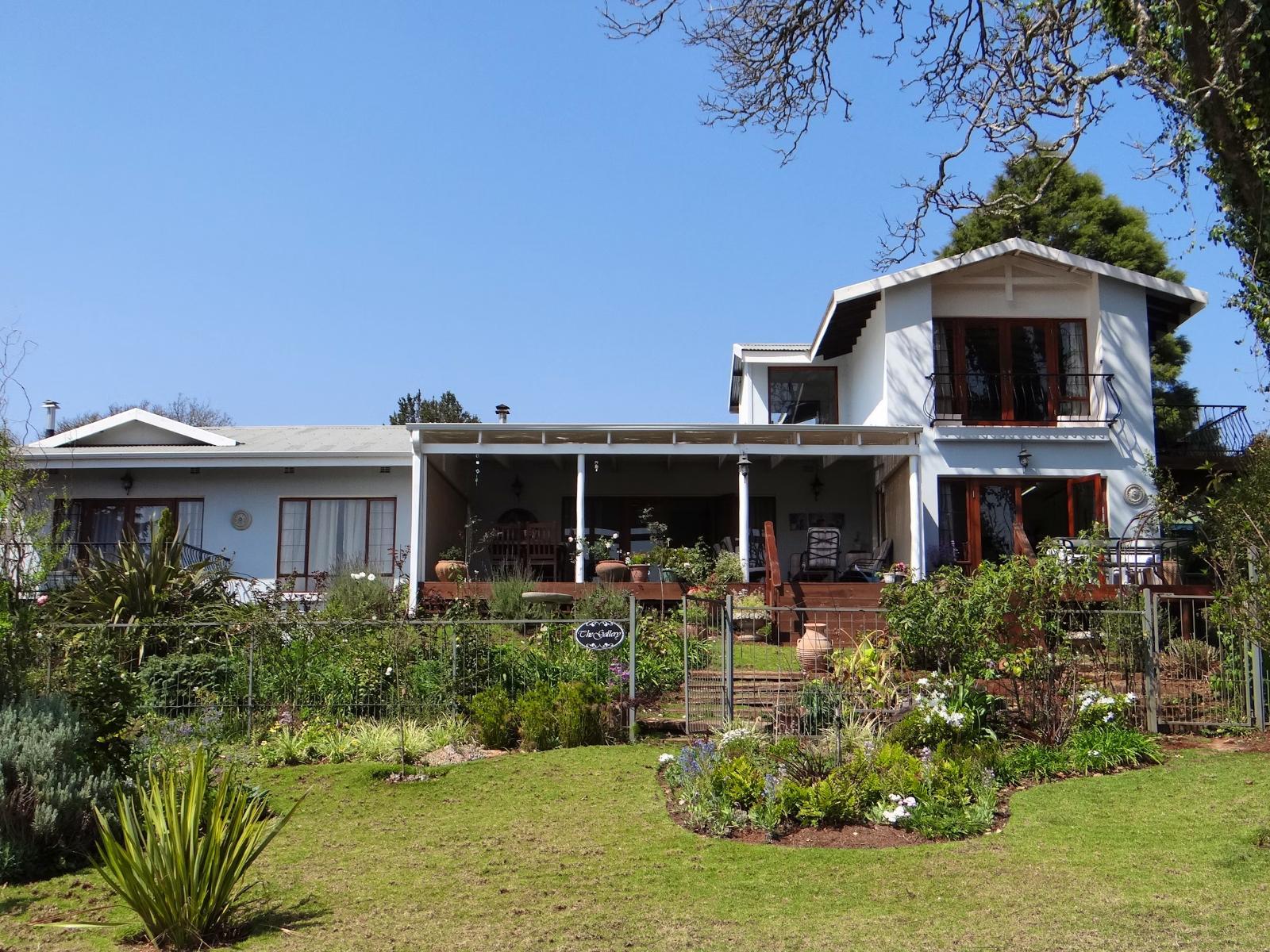
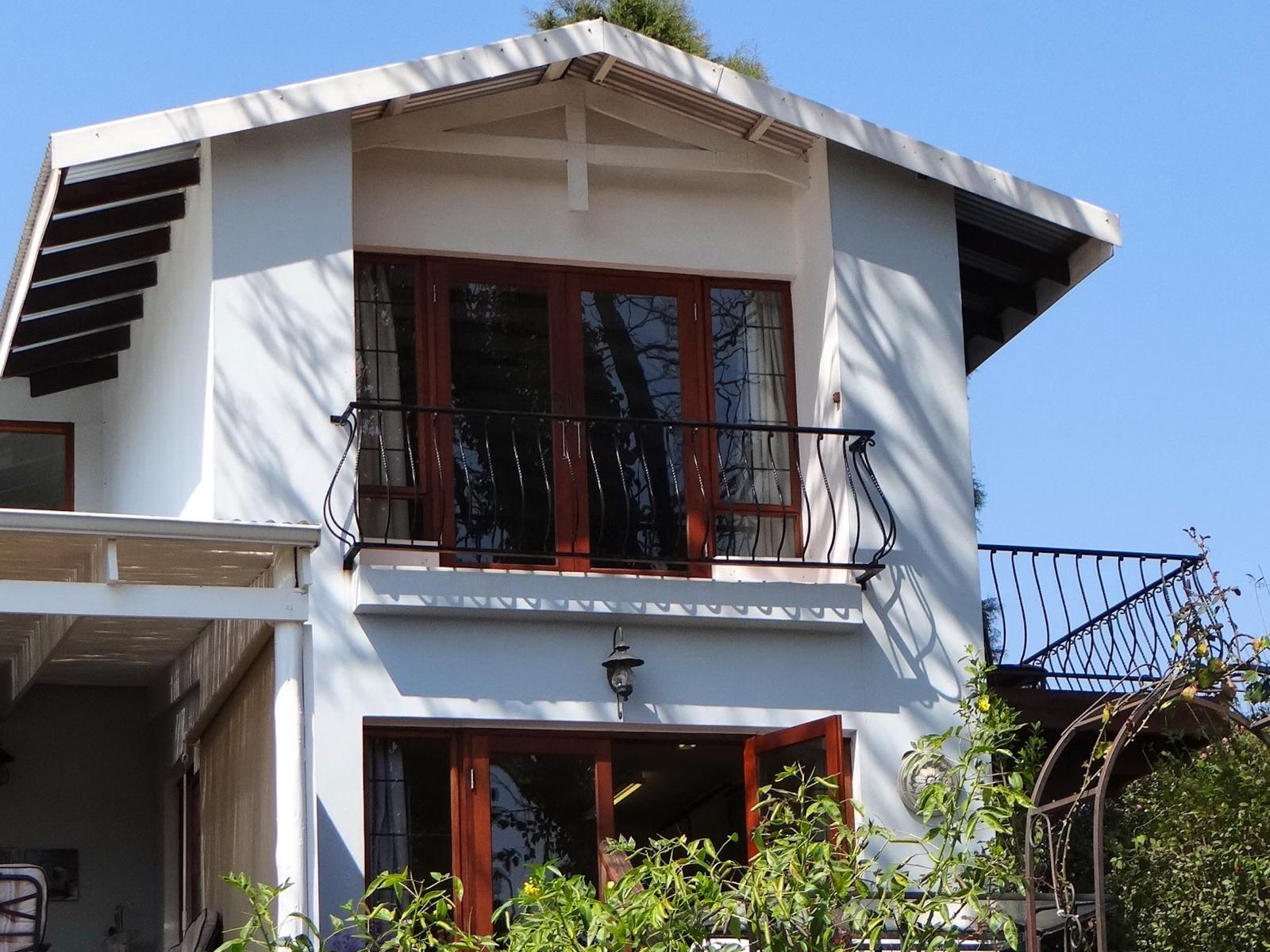
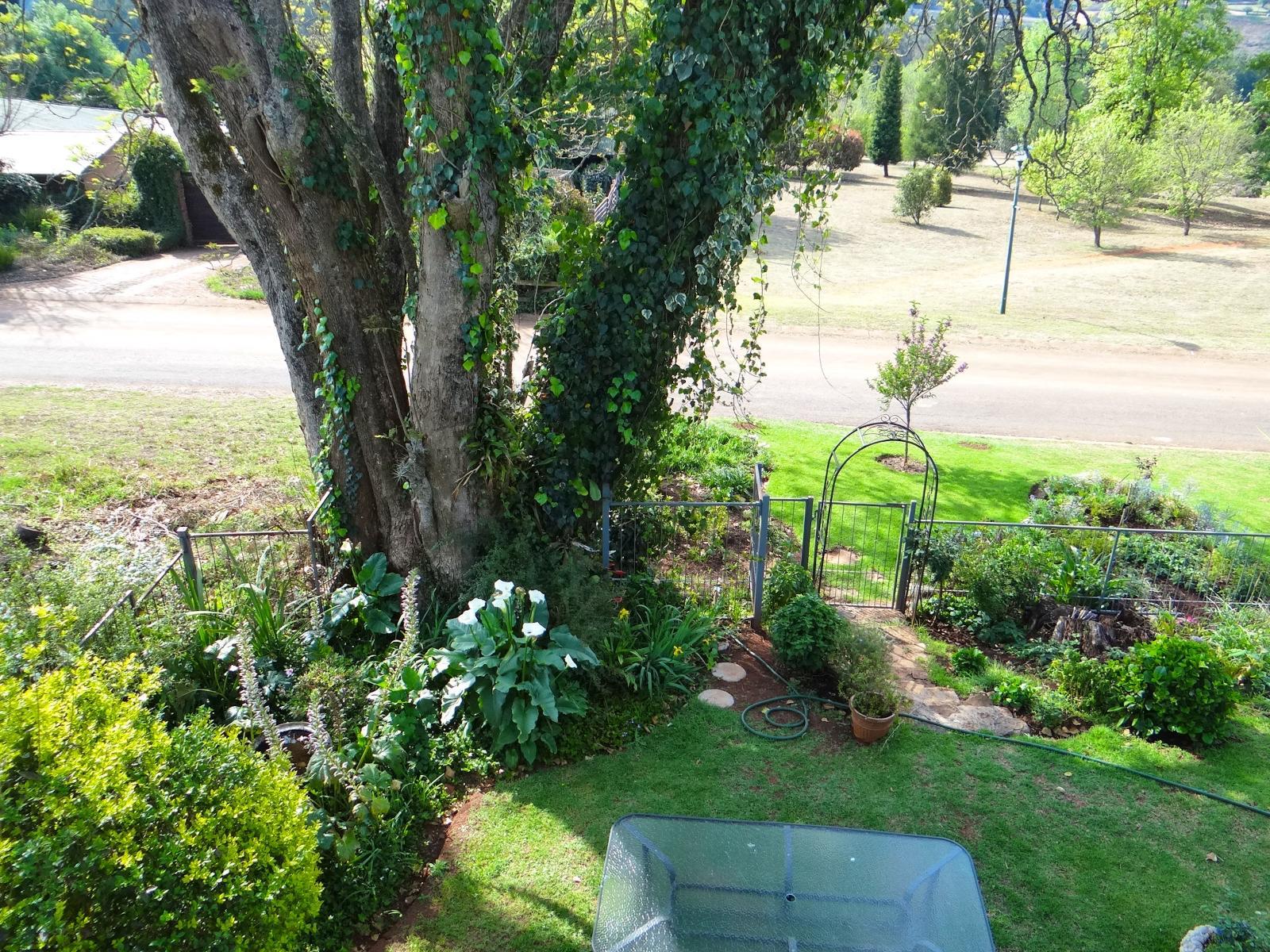
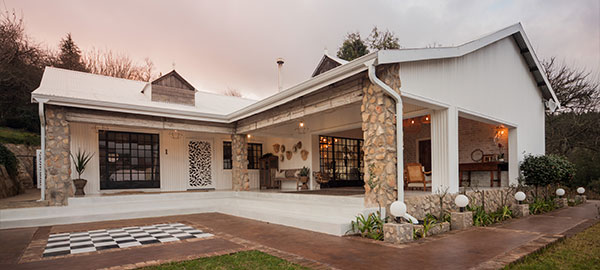
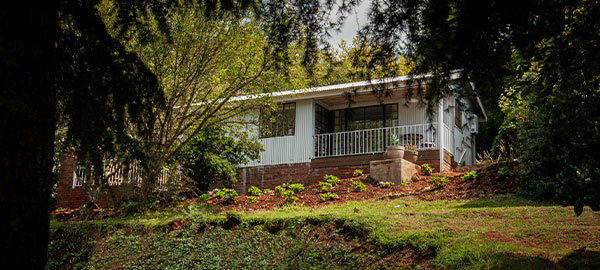
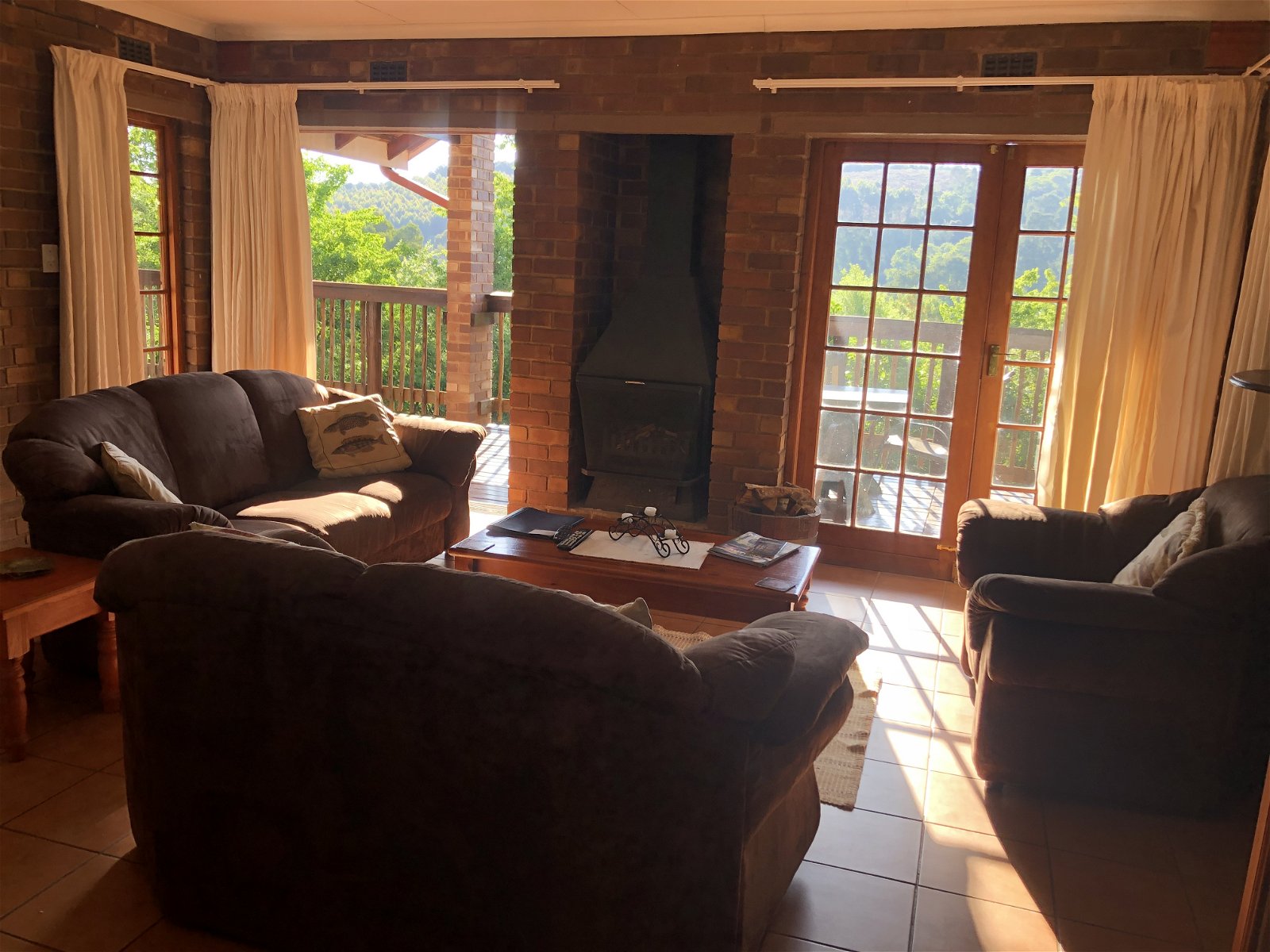
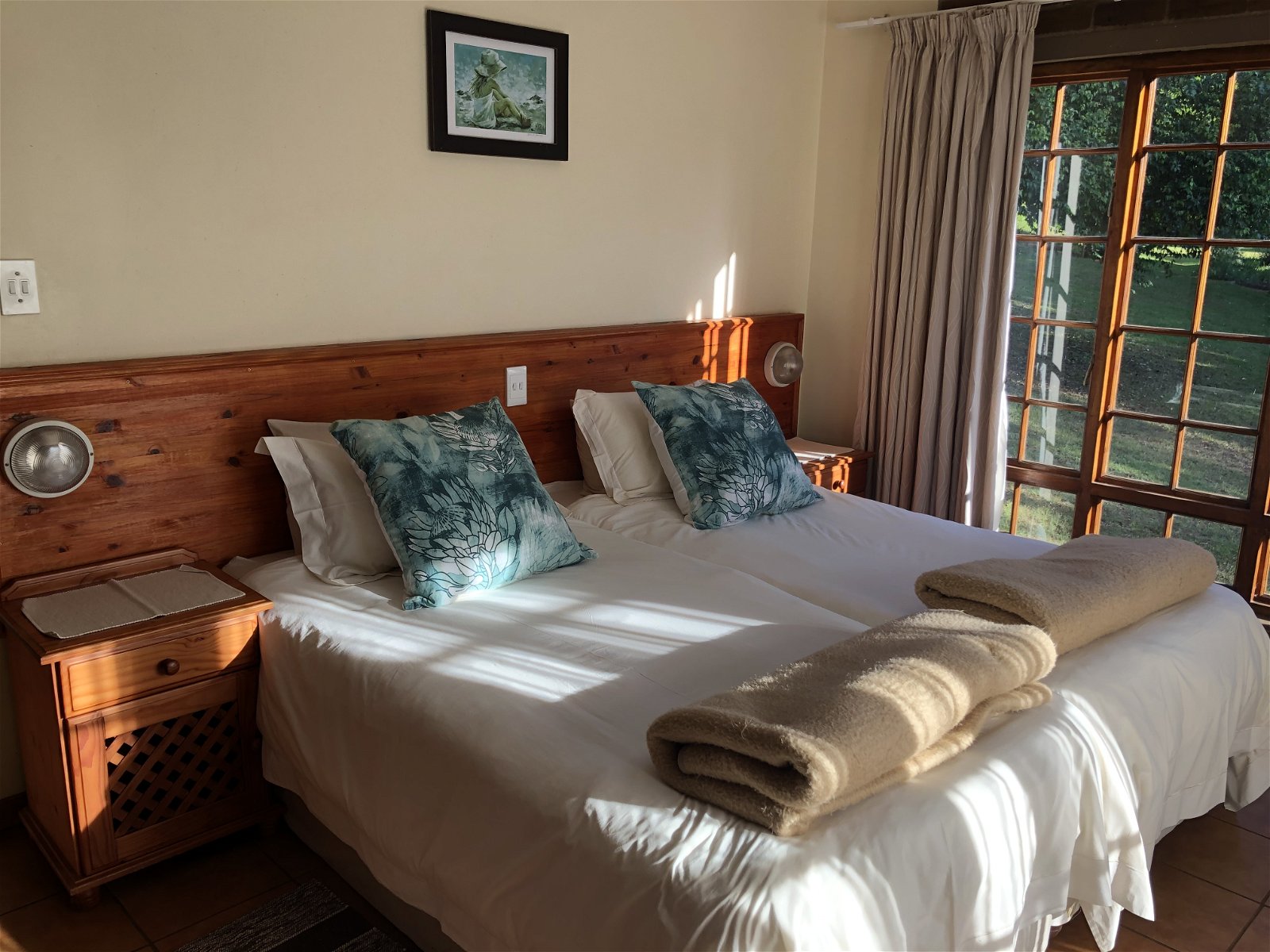
The accommodation market in Ga-makgobathe is small, with three listed properties spanning a nightly range of R770 to R1,040, averaging around R905. The limited supply means each property has a distinct character rather than offering the standardised experience of a hotel chain, and reading recent guest reviews before booking will do more to set accurate expectations than any category label.
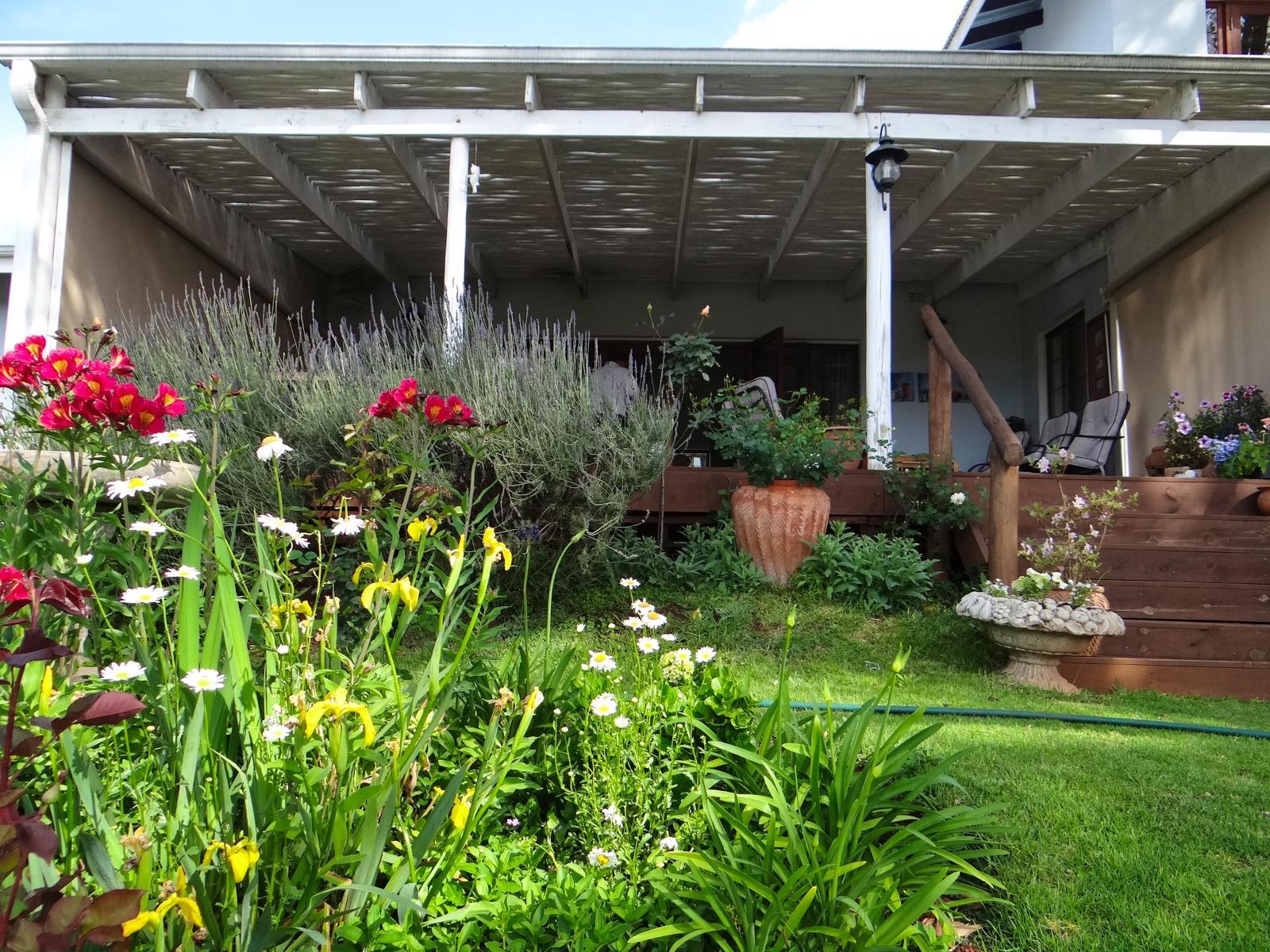
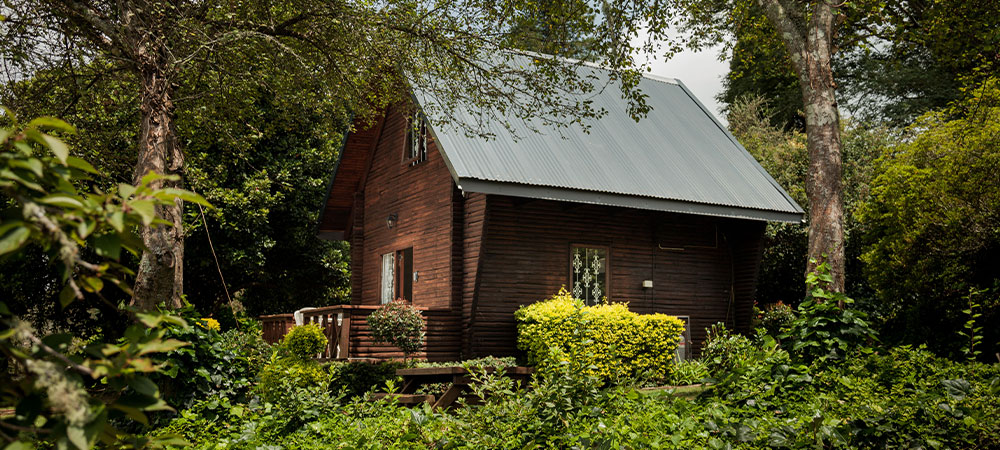
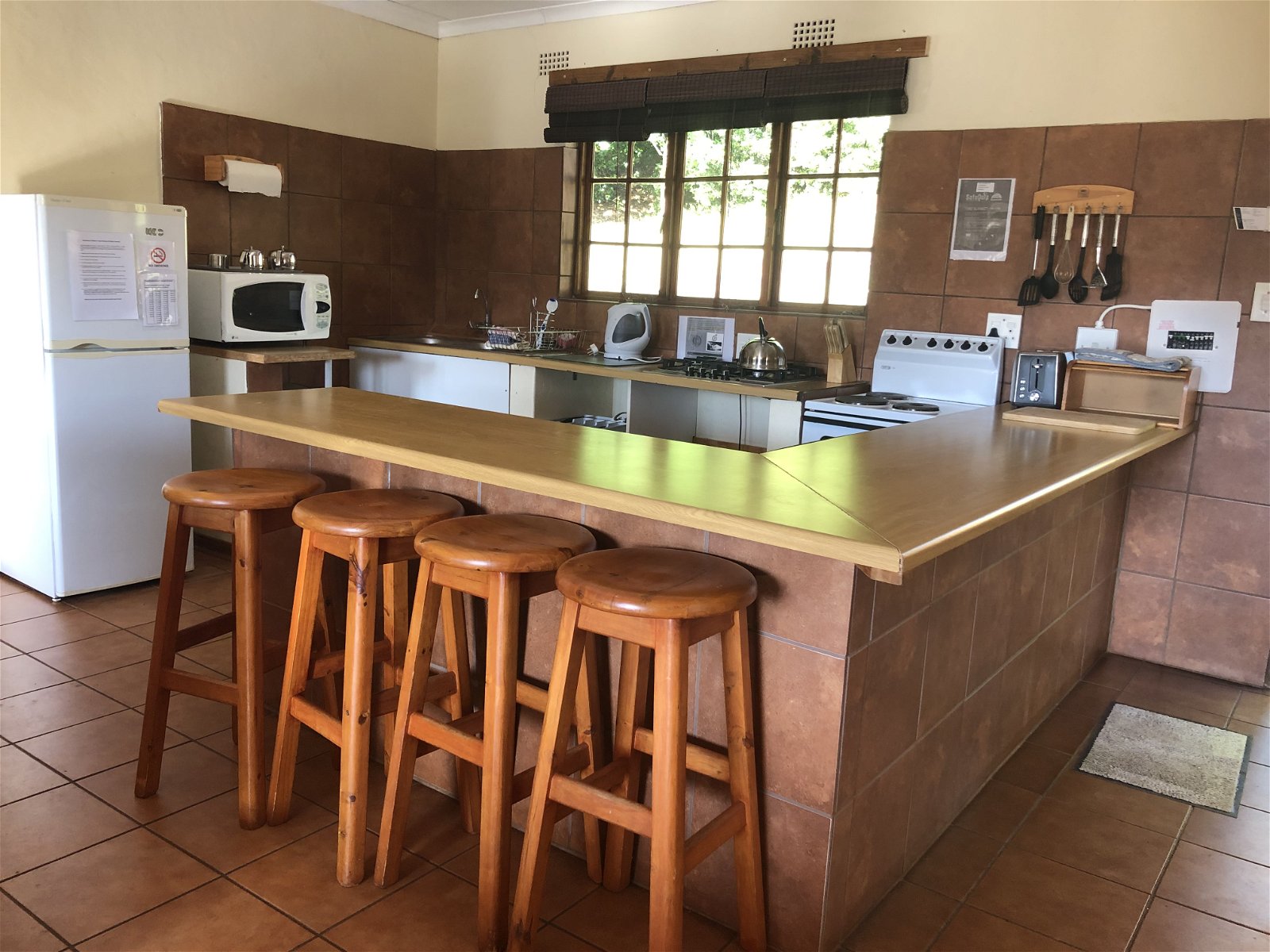
At the more accessible end of the price range, the self-catering option suits visitors who prefer to manage their own schedule and meals. This setup makes particular sense in a rural context where restaurants are not close at hand. Stocking up in a larger town before arriving saves time and ensures you have what you need for the duration of the stay. Self-catering in this region often comes with outdoor cooking facilities, which fits the climate well during the cooler winter months.
The farm house listing sits within the same general tier and brings a different kind of experience. Farm stays in the Limpopo bushveld typically involve working or semi-working agricultural land. The surroundings are the attraction, with livestock, open land, and a pace that is slow by design. These properties suit visitors who are not looking for distractions from the environment itself.
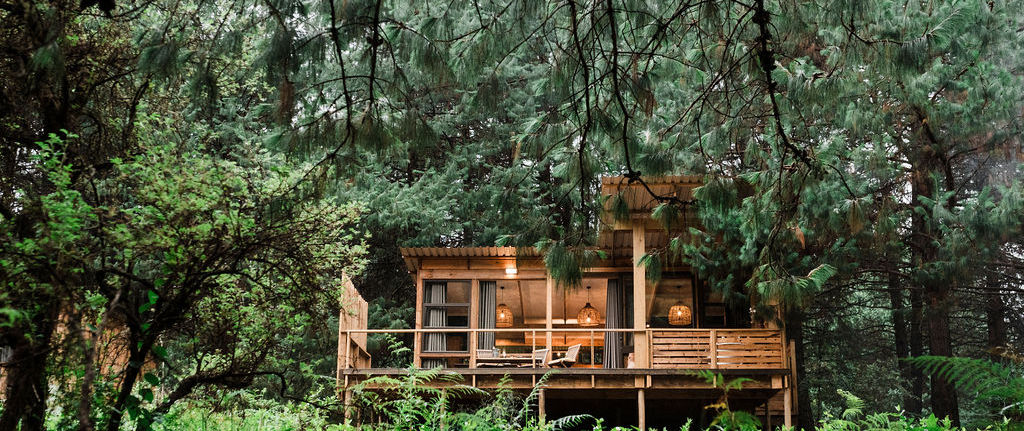
At the upper end, the villa option offers more refined facilities. Properties in this category generally provide more interior space, better finishes, and private outdoor areas suited to the warm climate. This type works well for visitors who want to use Ga-makgobathe as a base for exploring the broader Capricorn District without sacrificing comfort after a full day on the road.
With only three properties available in the area, early booking is advisable during South African school holidays, when domestic travel increases across Limpopo. Outside peak periods, availability is more flexible, but confirming early still gives you a genuine choice between property styles rather than taking whatever remains.
Best Time to Visit Ga-makgobathe
The dry winter months from May through August provide the most consistently comfortable conditions for travel in this part of Limpopo. Daytime temperatures typically sit between 15°C and 25°C, dropping considerably at night, so packing a warm layer for evenings is practical even if the midday sun feels strong. Clear skies during this period make road travel predictable, which matters on the regional routes leading into the village.
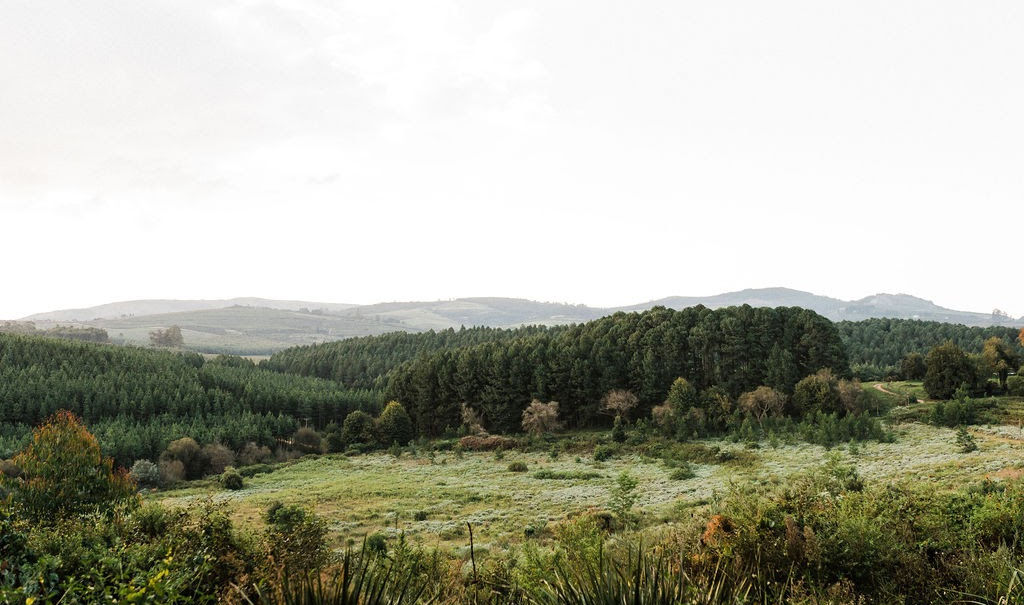
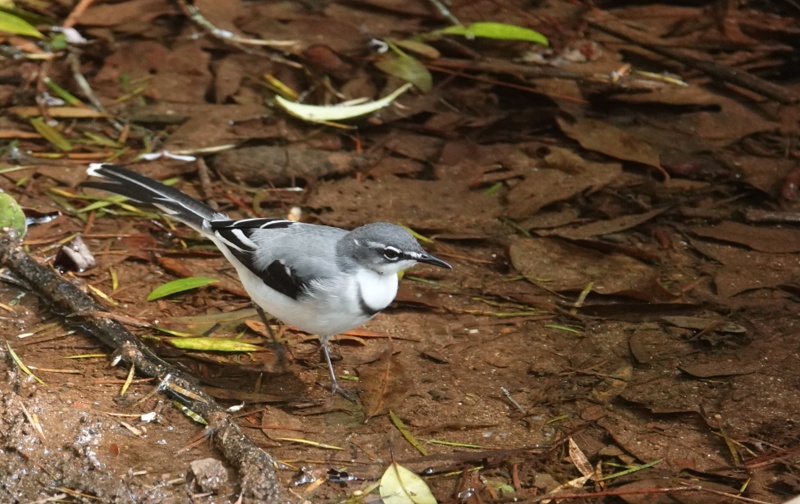
Summer, from November through February, transforms the landscape. The bushveld fills out green and birdlife becomes noticeably more active as migrants arrive. However, afternoon thunderstorms are a daily feature of this season and some unpaved roads can become difficult to pass after heavy rainfall. Visitors planning to explore widely in summer should monitor weather forecasts and build flexibility into their itineraries.
September and October offer a middle ground on either side of the wet season. Temperatures begin rising toward their summer peak but rainfall has not settled in consistently yet. This window gives visitors a chance to see the landscape transitioning from its dry, tawny winter appearance toward the season's green flush. April performs a similar function after the rains ease, with temperatures moderating before the cool nights of May set in. Both shoulder periods attract fewer visitors than the winter high season.
Getting to Ga-makgobathe
Private vehicle is the most reliable way to reach Ga-makgobathe. Mokopane, roughly 70 kilometres to the southwest, serves as the main supply point before heading into the village and is where visitors should fill their tank, draw cash, and pick up any provisions not available locally. From Polokwane, the provincial capital, the journey takes around two hours depending on the route and road conditions.
Polokwane International Airport handles regular domestic connections to Johannesburg and is the most practical air entry point for visitors arriving from outside Limpopo. From Johannesburg, the drive north on the N1 through Bela-Bela and Mokopane covers around 300 kilometres and typically takes three to four hours. The N1 is well maintained for most of this distance, but the final approach to Ga-makgobathe involves rural roads where surface quality varies and a vehicle with reasonable ground clearance is worthwhile, particularly in the wet months.
Public transport options are limited. Minibus taxis operate between Mokopane and surrounding villages on informal schedules, and services do not necessarily reach Ga-makgobathe directly. Anyone relying on shared transport should confirm routing in advance and allow considerable time for connections. No vehicle hire is available in the village, so any arrangements need to be made before leaving Polokwane or Mokopane.
Ga-makgobathe and Surrounding Areas
The village sits within a cluster of communities and small settlements, each worth understanding before planning day trips from your base.
Ga-papo, 7 kilometres away, is another Northern Sotho village sharing a similar agricultural character and cultural background to Ga-makgobathe. The short distance makes it an easy half-day outing. Traditional homesteads and informal trading give a direct picture of how rural communities in this corridor of the Capricorn District organise daily life, and the contrast between the two villages highlights local variations in how land is worked and organised.
Ga-mokwane (12km) functions as a slightly larger settlement where basic services and informal commerce are more established. Fresh produce, locally sourced goods, and small traders make it a practical stop for resupplying during a longer stay. Visiting in the morning, when markets are most active, gives the best picture of the community.
Haenertsburg, also 12 kilometres out, is one of the more distinctive small towns in the broader region. It sits in the Wolkberg foothills and draws South African travellers for its cherry blossoms during the spring bloom in September and October, as well as for its small arts community and a handful of coffee shops that feel markedly different from the surrounding rural landscape. The contrast to the quiet village pace makes it a useful change of scene for one afternoon of a longer stay.
Glenshiel (12km) is a farming area rather than a formal town. The land is given over to a mix of commercial and smallholder agriculture, and passing through gives a clear view of how land use transitions across the district. There are no developed visitor facilities here, but the drive itself is informative.
Weighton (12km) sits along a similar agricultural corridor and serves primarily as a service point for surrounding farms. The roads connecting through Weighton link to the broader network across the Capricorn District, making it a natural waypoint when driving loops around the area.
Hekpoort, at 13 kilometres, rounds out the immediate cluster of settlements. Like its neighbours, it functions as a quiet node for the local farming community rather than a visitor destination. The road connections through Hekpoort are useful for navigating between the villages to the north and the larger towns to the south.
Planning Your Stay
Availability across Ga-makgobathe's small pool of properties tightens quickly during South African school holidays in June and July, as well as the December and January summer break. Booking four to six weeks in advance during these periods is practical. Outside of peak holiday windows, last-minute availability is more common, but confirming earlier still gives you more genuine choice.
Before finalising any reservation, confirm what the property includes in terms of kitchen equipment, linen, and towels, particularly for self-catering stays. Ask directly about backup power: load shedding is a routine part of life in rural Limpopo and outages of several hours are common rather than exceptional. Knowing whether the property has a generator or inverter affects how you plan meals and charging electronics.
Water supply reliability is also worth verifying before arriving, especially at smaller rural properties where municipal infrastructure is less consistent than in urban areas. Mobile coverage varies by network provider, so checking in advance which carrier has signal in the area will prevent an unpleasant surprise on arrival. ATM access in the village is limited, making it essential to carry sufficient cash from Mokopane or Polokwane. Plan to arrive during daylight on your first visit. Navigating unfamiliar rural roads after dark adds unnecessary difficulty to what is otherwise a straightforward journey once you know the route.