Accommodation in Ga-mokwane
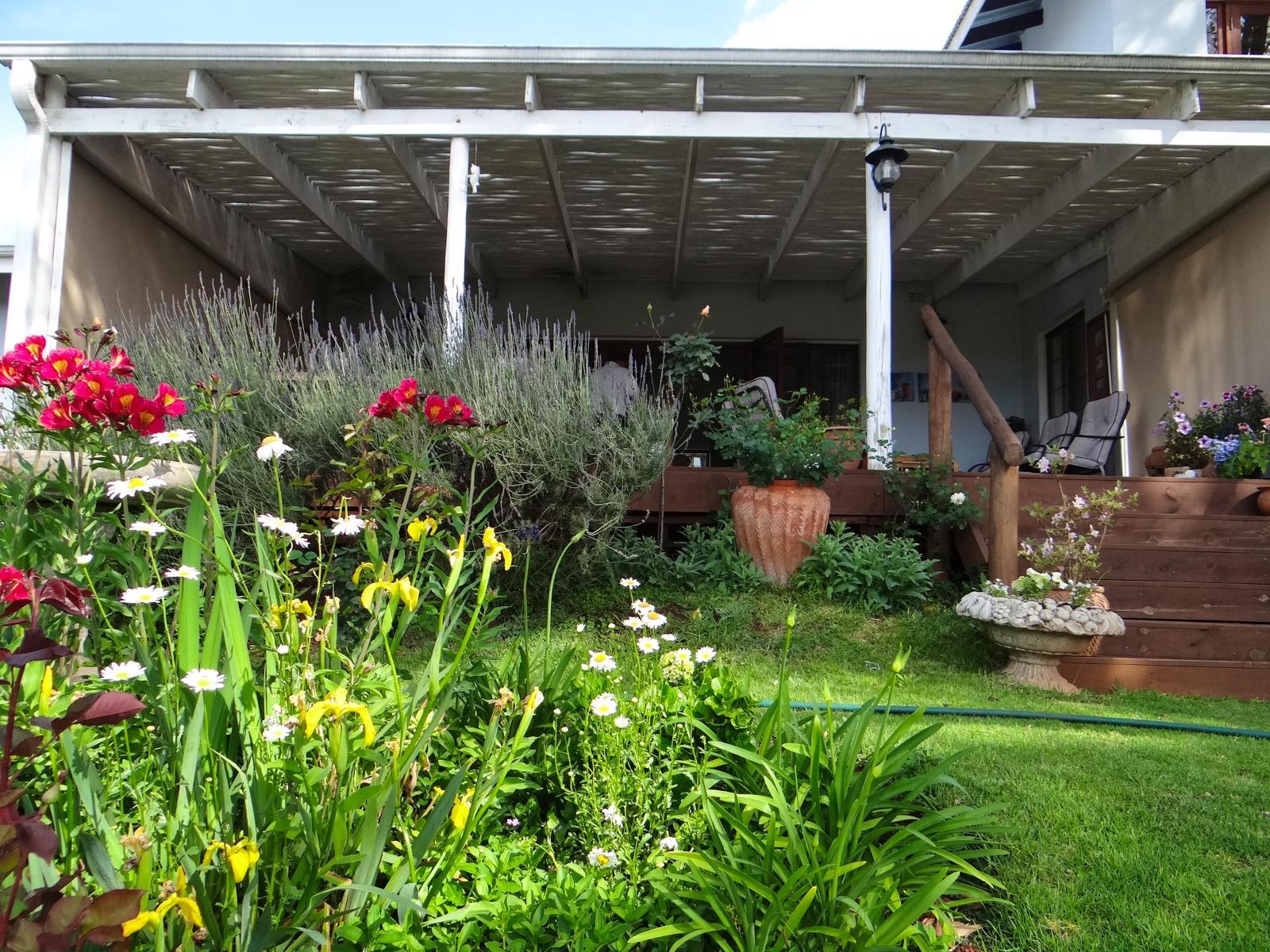
Ga-mokwane currently has no formally listed accommodation properties, which reflects the character of the village as a rural community rather than a developed tourism destination. Visitors who make the journey typically arrange stays through community connections, local contacts, or organisations facilitating cultural exchange programs in the Lepelle-Nkumpi area. These informal arrangements generally take the form of homestays, where guests sleep in a family compound, share meals, and participate in daily routines.
At the budget end, a homestay with a Pedi family provides direct engagement with local life. Meals centre on seasonal ingredients grown nearby, including pap, morogo, and sorghum-based dishes. Accommodation in this context means a room in a homestead, often with outdoor ablutions and limited electricity. This is functional rather than comfortable in a conventional sense, and it requires flexibility and genuine cultural sensitivity from the guest.
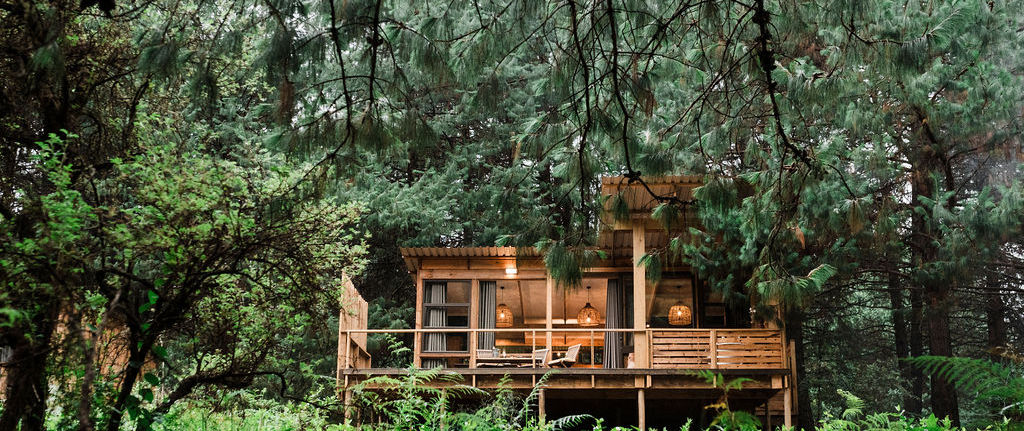
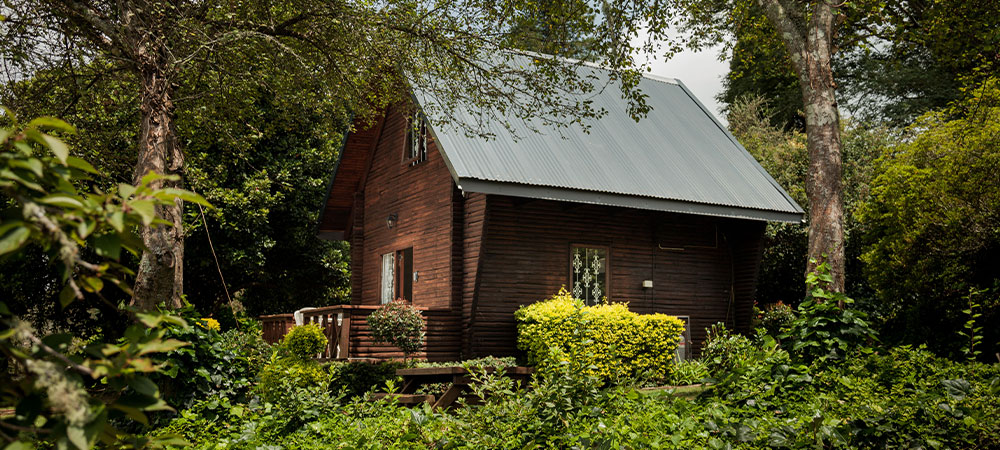
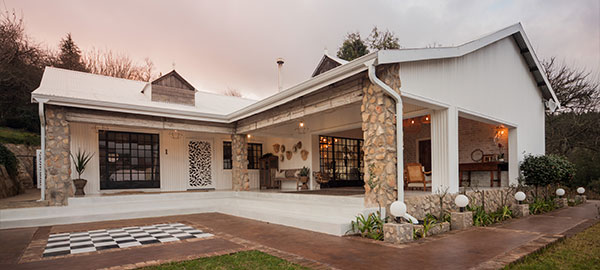
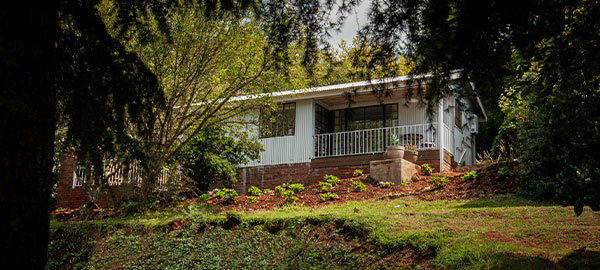
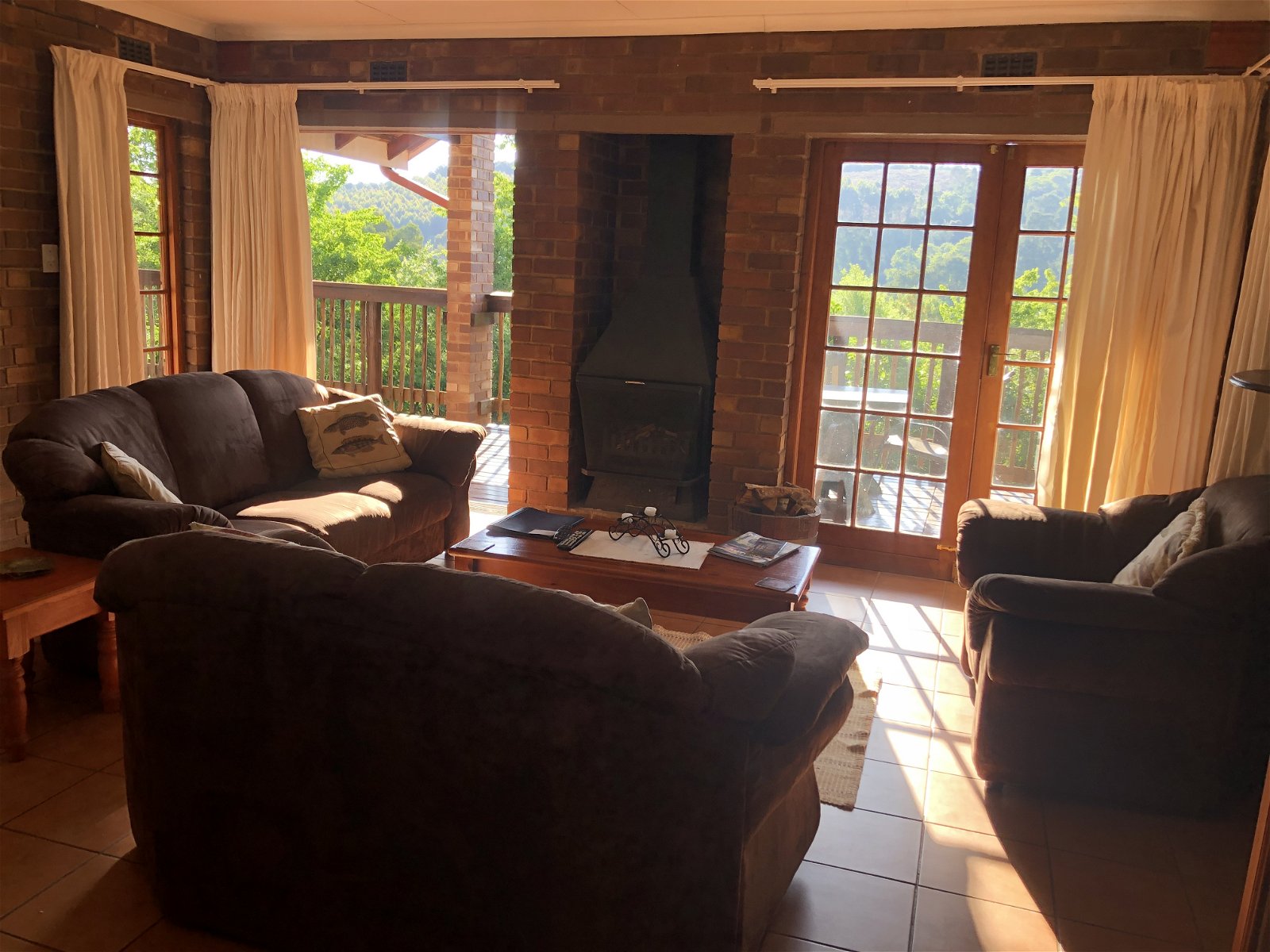
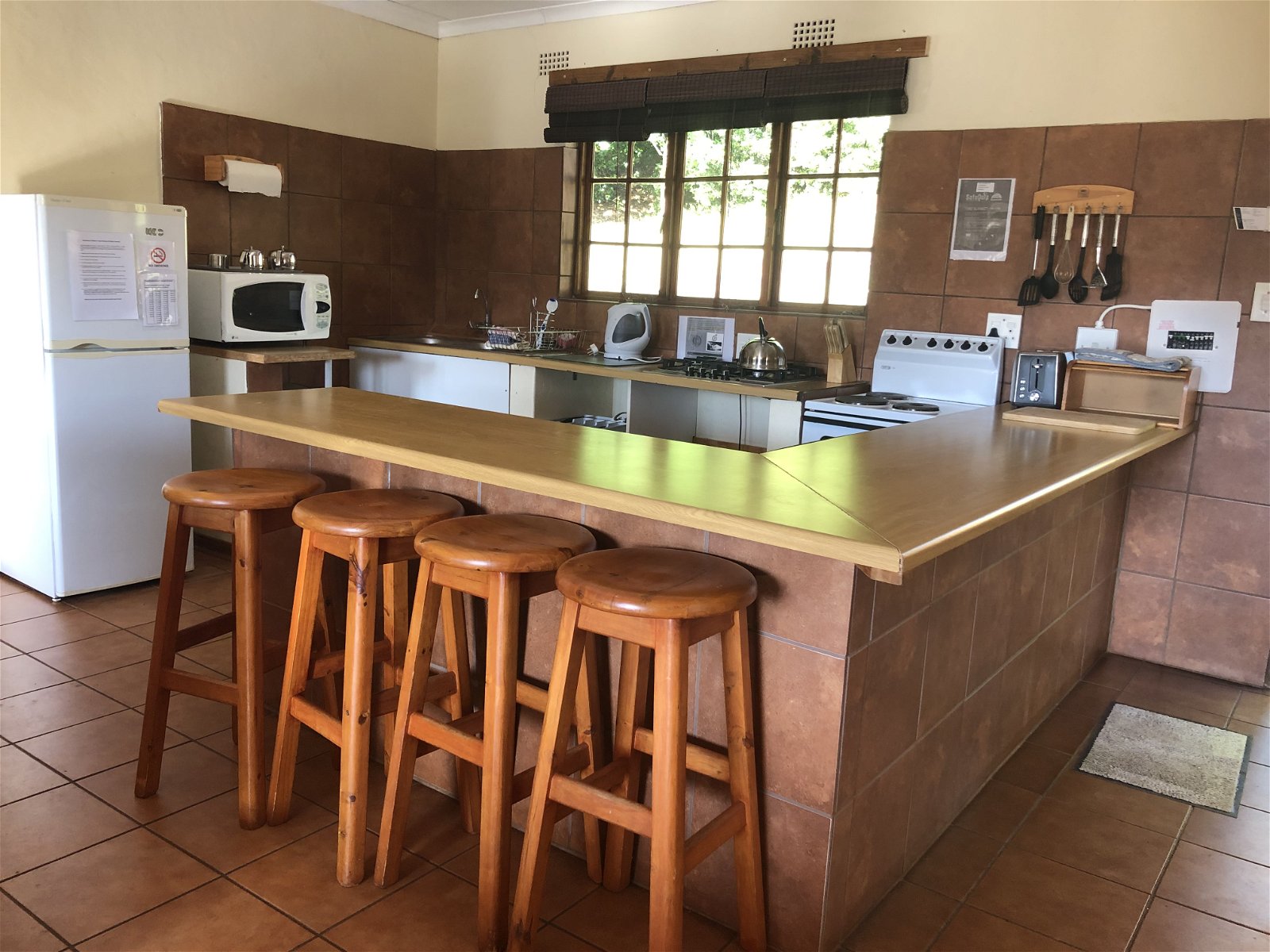
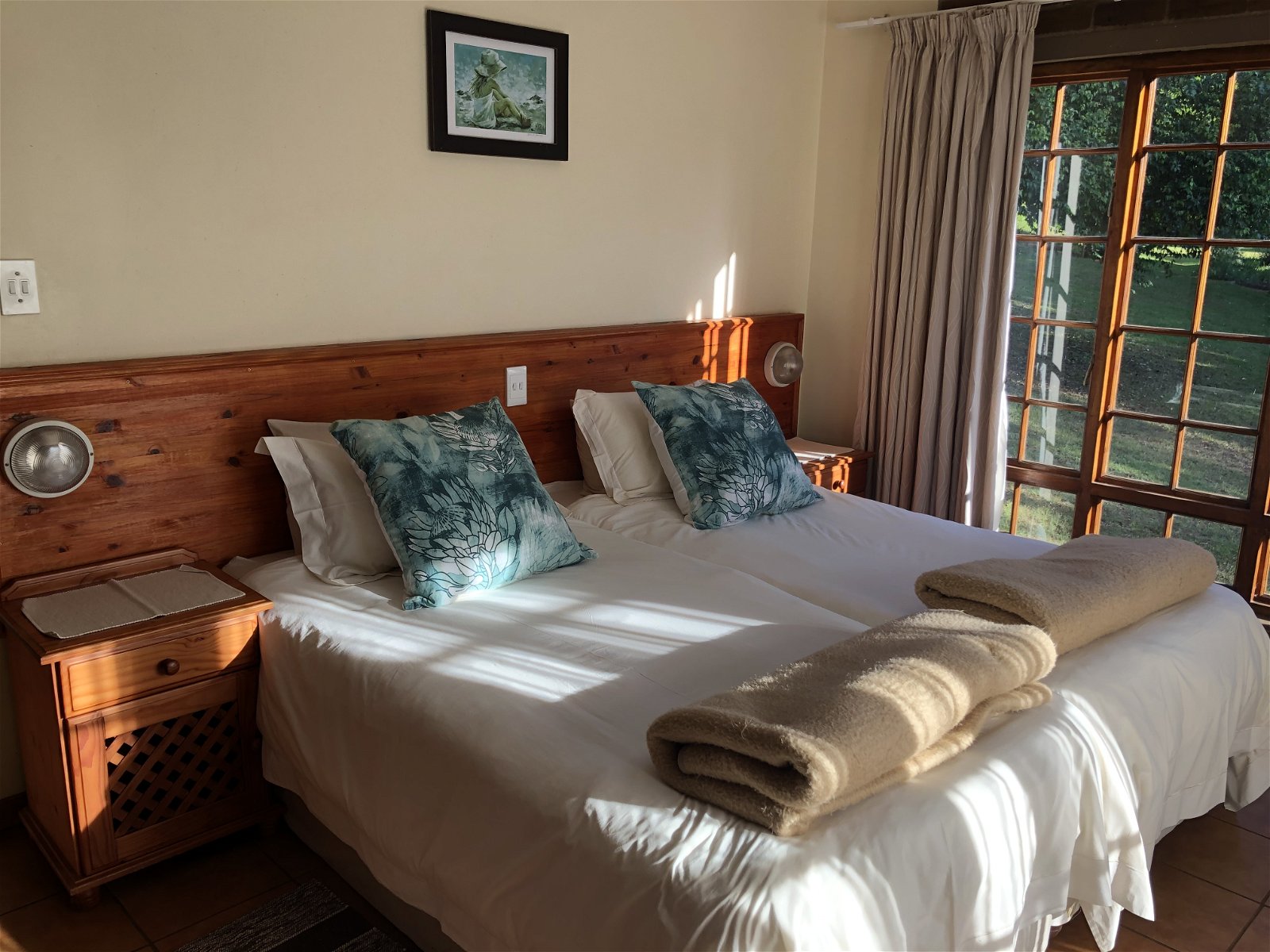
For those seeking more predictable infrastructure, the practical solution is to base yourself in Polokwane, roughly 50 kilometres away, and make day trips into the village and surrounding countryside. Polokwane has guesthouses and small hotels across a range of budgets, with mid-range options typically offering en-suite rooms, wi-fi, and on-site parking. There are also larger hotels in the city catering to the business travel market, which represent the upper end of what is accessible from Ga-mokwane.
There is no upper-tier accommodation within the village itself. Visitors expecting lodge-style amenities or formal hospitality will not find it here. The value of spending time in Ga-mokwane lies in the authenticity of community contact and in understanding a way of life that differs considerably from South Africa's urban centres.
Best Time to Visit Ga-mokwane
The rainy season runs roughly from October through March, bringing afternoon thunderstorms and high humidity. Temperatures during these months regularly exceed 35°C, making outdoor activity uncomfortable during the middle of the day. Unsealed roads in the area can become difficult to navigate after heavy rain, particularly in a standard passenger vehicle.
The dry season, from April through September, is the more practical time to visit. Days are clear and warm through autumn and spring, typically sitting in the mid-20s Celsius. The winter months of June and July bring cool nights that can drop close to freezing, so warm layers are worth packing even if daytime conditions remain comfortable.
April and May represent a useful window: the rains have typically eased, the landscape retains some green from the wet season, and temperatures are moderate. The village is also at its most agriculturally active in the summer months, so visitors arriving in February or March will see the fields in full production, with maize and sorghum crops visible across communal lands. Those more interested in stable travel conditions than in watching the growing season should plan for the cooler, drier half of the year.
Getting to Ga-mokwane
Ga-mokwane sits approximately 50 kilometres north of Polokwane, the Limpopo provincial capital. No scheduled bus or minibus taxi routes serve the village directly. Shared taxis operate between Polokwane and larger rural centres in the Lepelle-Nkumpi area, but travellers relying on public transport will need to arrange onward movement from those centres, which requires local knowledge and planning.
Private transport is the reliable option. From Johannesburg, the drive to Polokwane takes roughly three to three and a half hours via the N1 highway north. A further 45 to 60 minutes of driving, depending on road conditions and the specific route taken, brings you to Ga-mokwane. Some roads leading into the village are unsealed gravel. A sedan with reasonable ground clearance is adequate in dry conditions; higher clearance is advisable after rain.
Polokwane Airport receives daily flights from Johannesburg. Hiring a car at the airport is straightforward and gives the most flexibility for exploring rural areas. Fill the fuel tank before leaving Polokwane, as there are no service stations in the village. Mobile signal becomes patchy once you leave the main tar roads, so download offline maps before departing.
Ga-mokwane and Surrounding Areas
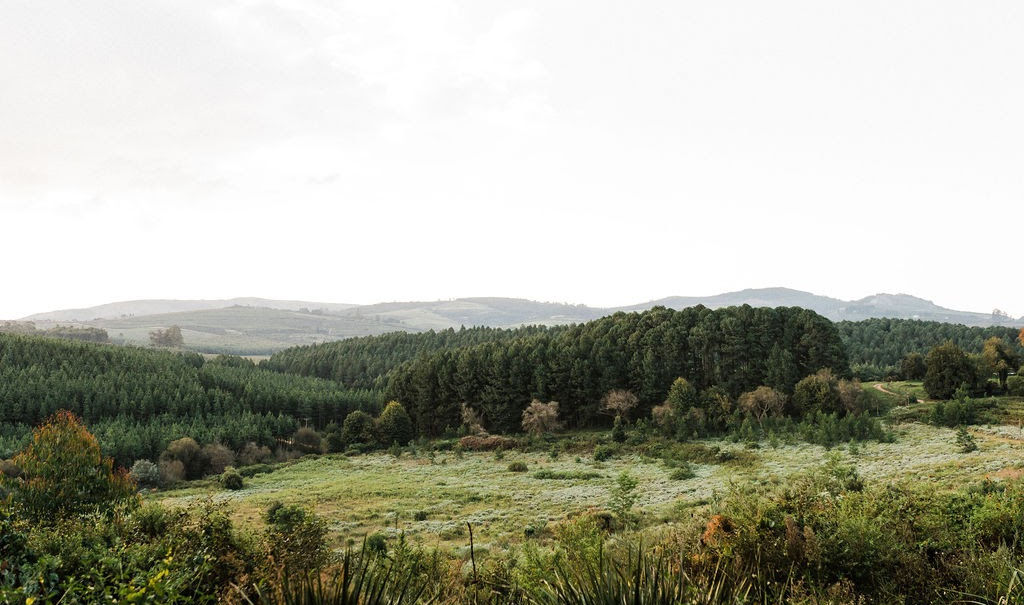
The villages and natural areas within 15 kilometres of Ga-mokwane reflect the agricultural and social character of the Lepelle-Nkumpi region, with one significant exception in the form of the Wolkberg Wilderness Area.
Ga-mankoeng, 9 kilometres away, functions as a local service centre for the surrounding communities. It has shops, clinics, and schools, making it the nearest point for picking up basic supplies without driving all the way back to Polokwane. For a visitor, it also offers a straightforward opportunity to observe how a slightly larger rural village organises its daily commercial life.
Ga-ramphere, at 10 kilometres, is a quieter settlement whose surrounding farmland is particularly active during the summer growing season. Travellers passing through in the wetter months will see maize and sorghum fields at various stages of growth, providing a clear illustration of the subsistence agriculture that defines the local economy.
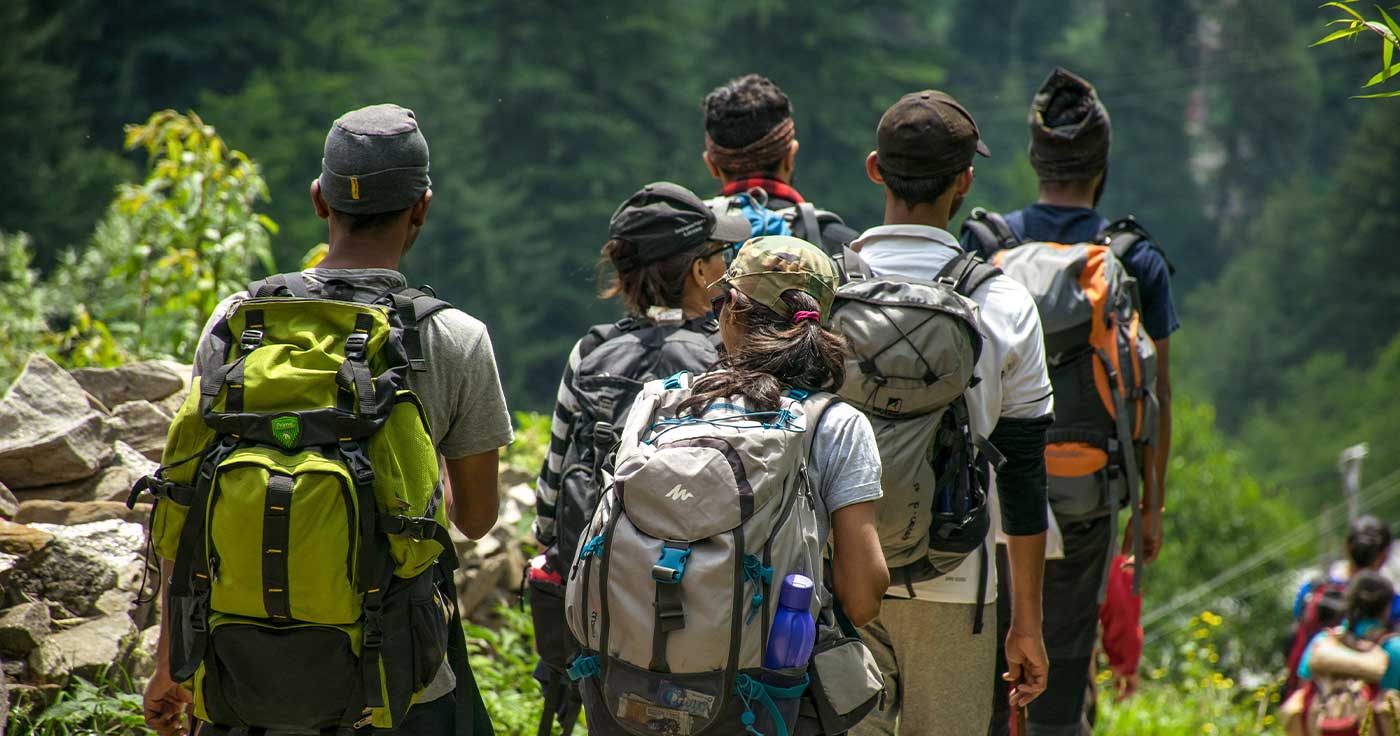
Wolkberg, 11 kilometres out, is the standout natural destination in this part of the escarpment. The Wolkberg Wilderness Area is known for its rugged terrain, clear mountain streams, and high levels of plant endemism, including species found nowhere else in South Africa. Hiking trails cross the wilderness, and the vegetation transitions between grassland, forest patches, and fynbos-adjacent communities make it botanically interesting. Permits are required and should be arranged in advance through the relevant conservation authority.
Ga-makgobathe, 12 kilometres away, is a traditional community with cultural significance to the Pedi-speaking population of the area. Visits are best arranged through community contacts rather than arriving unannounced.
Ga-papo lies 13 kilometres out and sits at the margins of the main agricultural zone. Its position makes it a natural stop on a circular driving route through the area.
Weighton, at 14 kilometres, is a rural locality that includes private farmland and illustrates the mix of communal and freehold land tenure that characterises this part of Limpopo.
Planning Your Stay
Arranging a visit to Ga-mokwane requires more groundwork than a standard guesthouse booking. Because there is no listed accommodation in the village, travellers need to make contact with community organisations, cultural tourism initiatives, or local intermediaries well in advance. Allow at least two to three weeks for communication, which may involve phone calls and messages through third parties rather than direct email exchange.
If you plan to base yourself in Polokwane and travel into the village by day, standard booking platforms work normally for city accommodation. When comparing properties, check proximity to the northern routes out of the city, as this affects your daily travel time. Confirm that the property provides secure parking, since you will be reliant on your vehicle throughout.
Bring sufficient cash before leaving Polokwane. Card payment facilities and ATMs are absent in Ga-mokwane and the smaller surrounding villages. Pack water and snacks for any excursion; the nearest reliable medical facilities are in the city. Electricity supply can be intermittent in parts of the village, so a power bank for phone charging is worth including.
Respect for local customs is not merely courteous but practical. Greeting elders appropriately, asking before photographing people or homesteads, and dressing modestly will meaningfully affect how welcome you feel. If visiting a family, a small practical gift is generally more appropriate than cash.