Accommodation in Ga-phahla
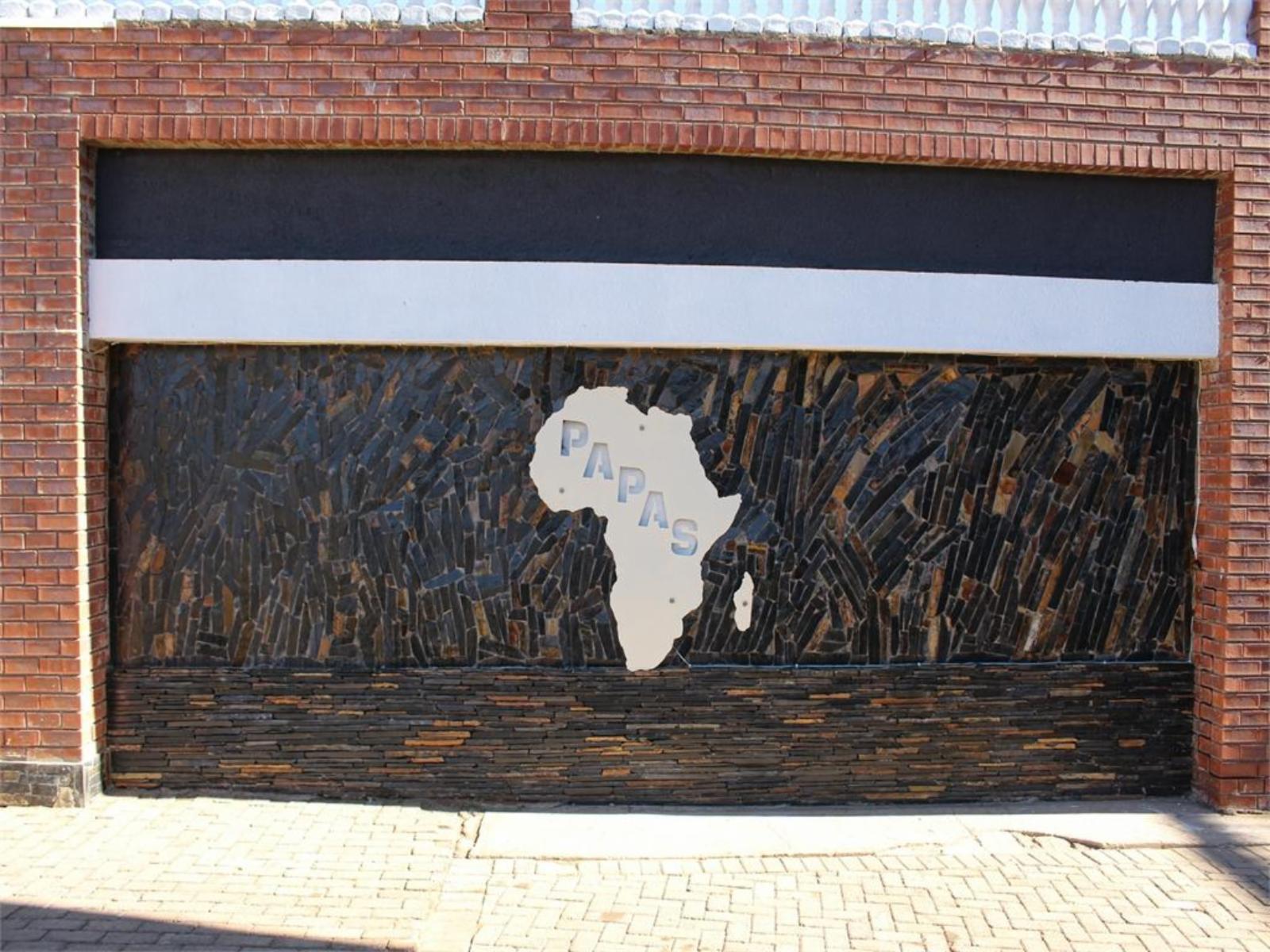
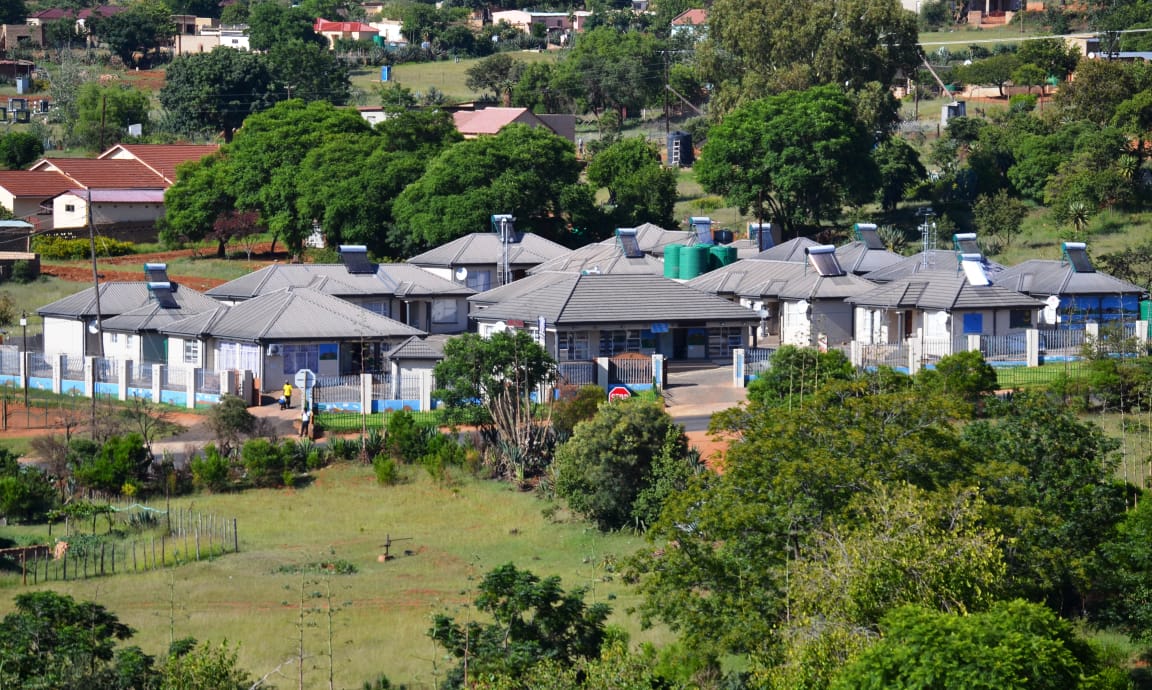
Formal accommodation in Ga-phahla is extremely limited, with no properties currently listed through major booking platforms. This pattern is typical for small rural villages in the Sekhukhune area of Limpopo, where the accommodation sector remains largely informal and has not developed significantly to serve outside visitors.
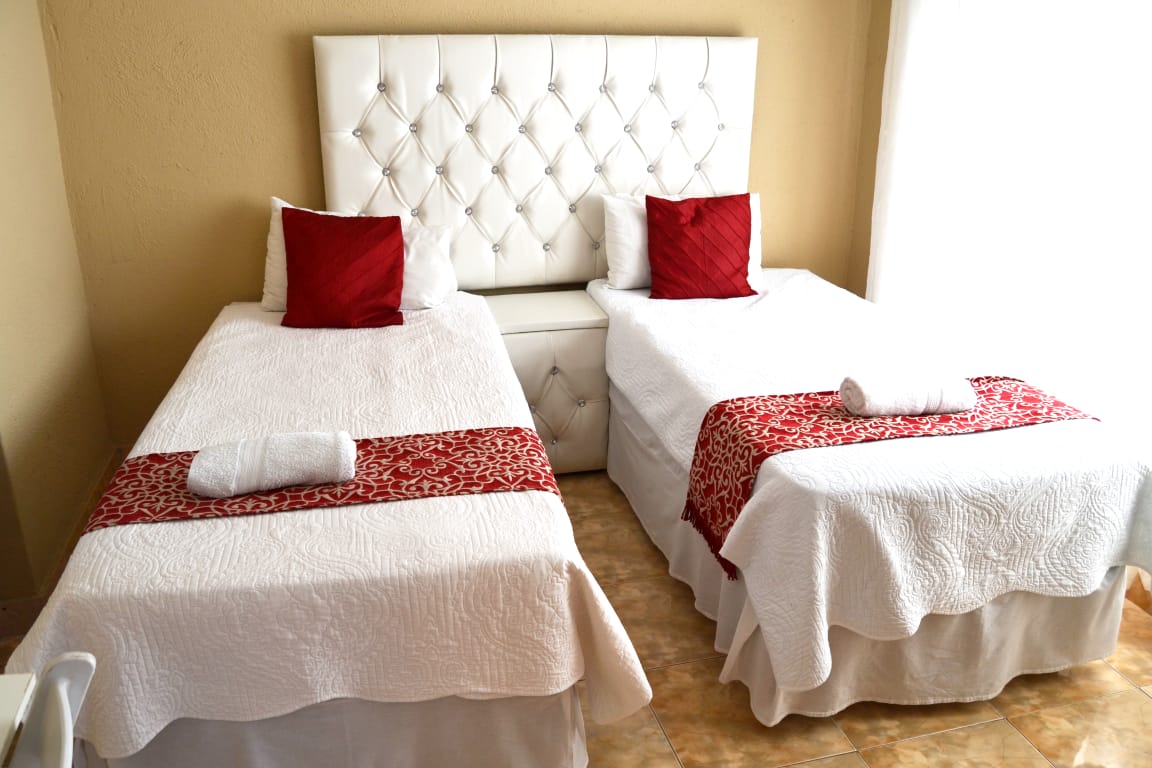
For those committed to staying in or near the village, options fall along practical rather than comfort-focused lines. At the budget end, community homestays operate through informal arrangements, with local families opening rooms or outbuildings for travelers. Basic self-catering facilities or simple prepared meals on request are common in these situations. The appeal is contact with daily village life rather than any particular amenity. These arrangements are rarely advertised online and are best found through local contacts or community networks before departure. Expect modest facilities, intermittent hot water, and genuine hospitality in return.
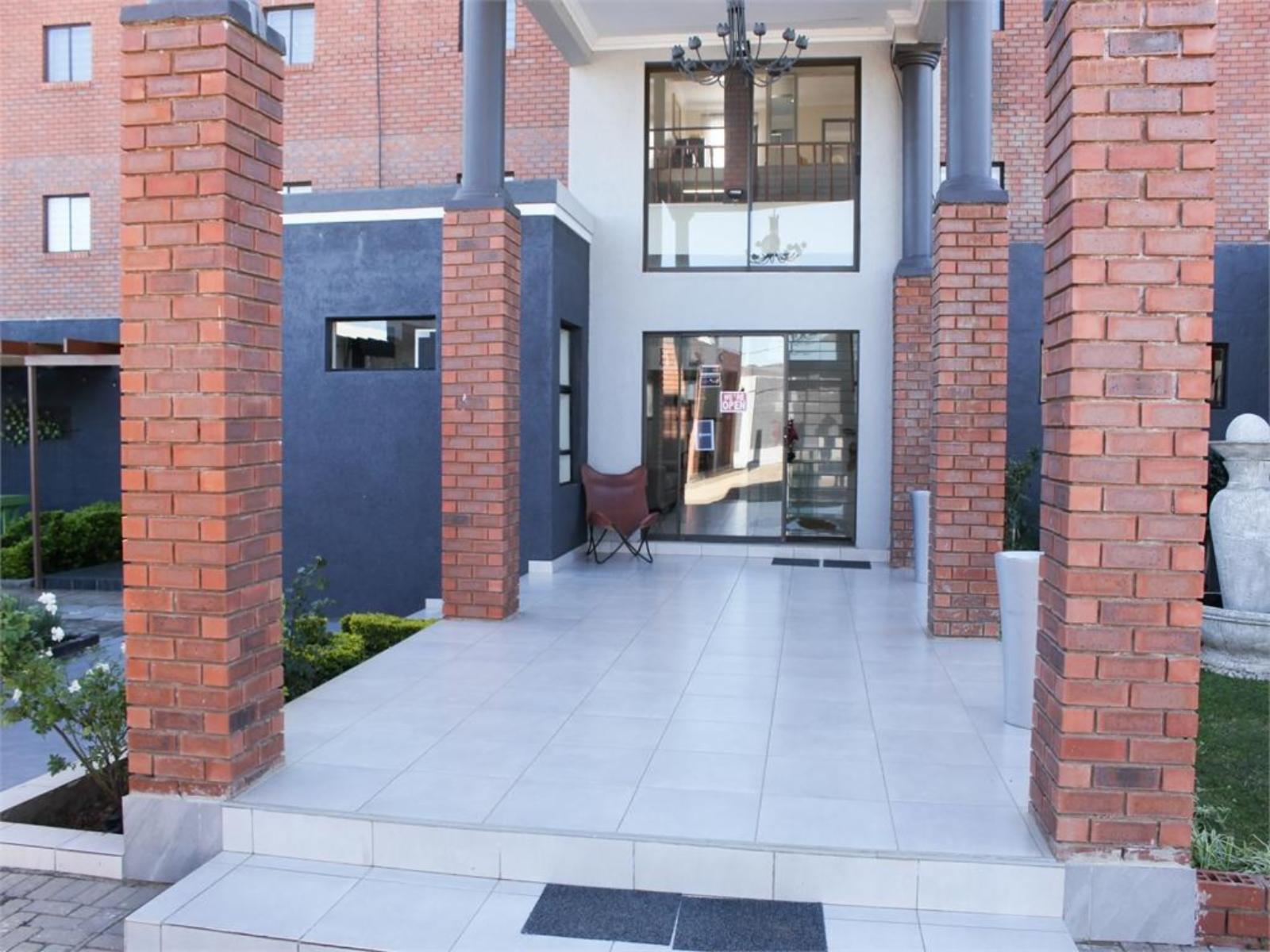
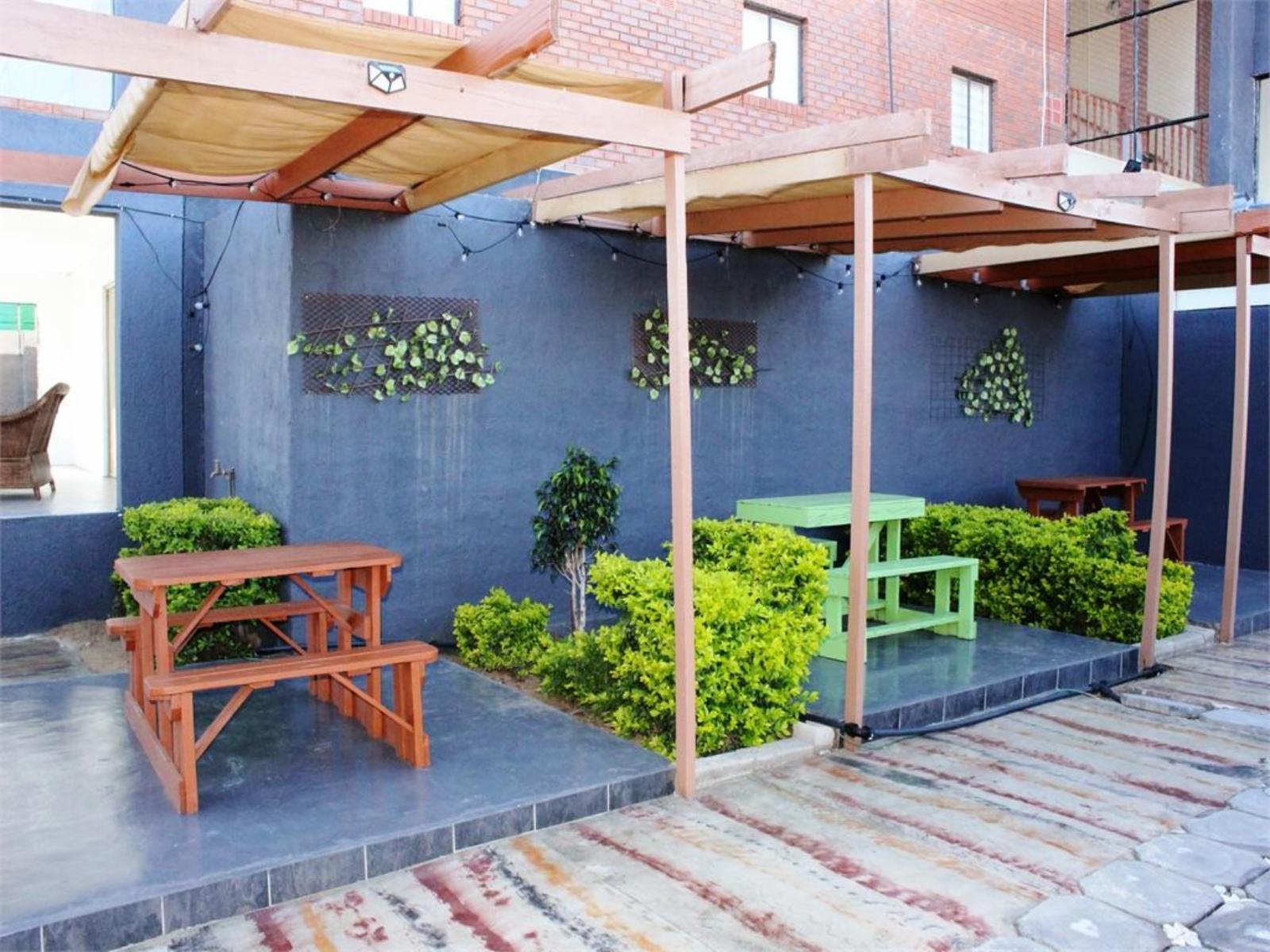
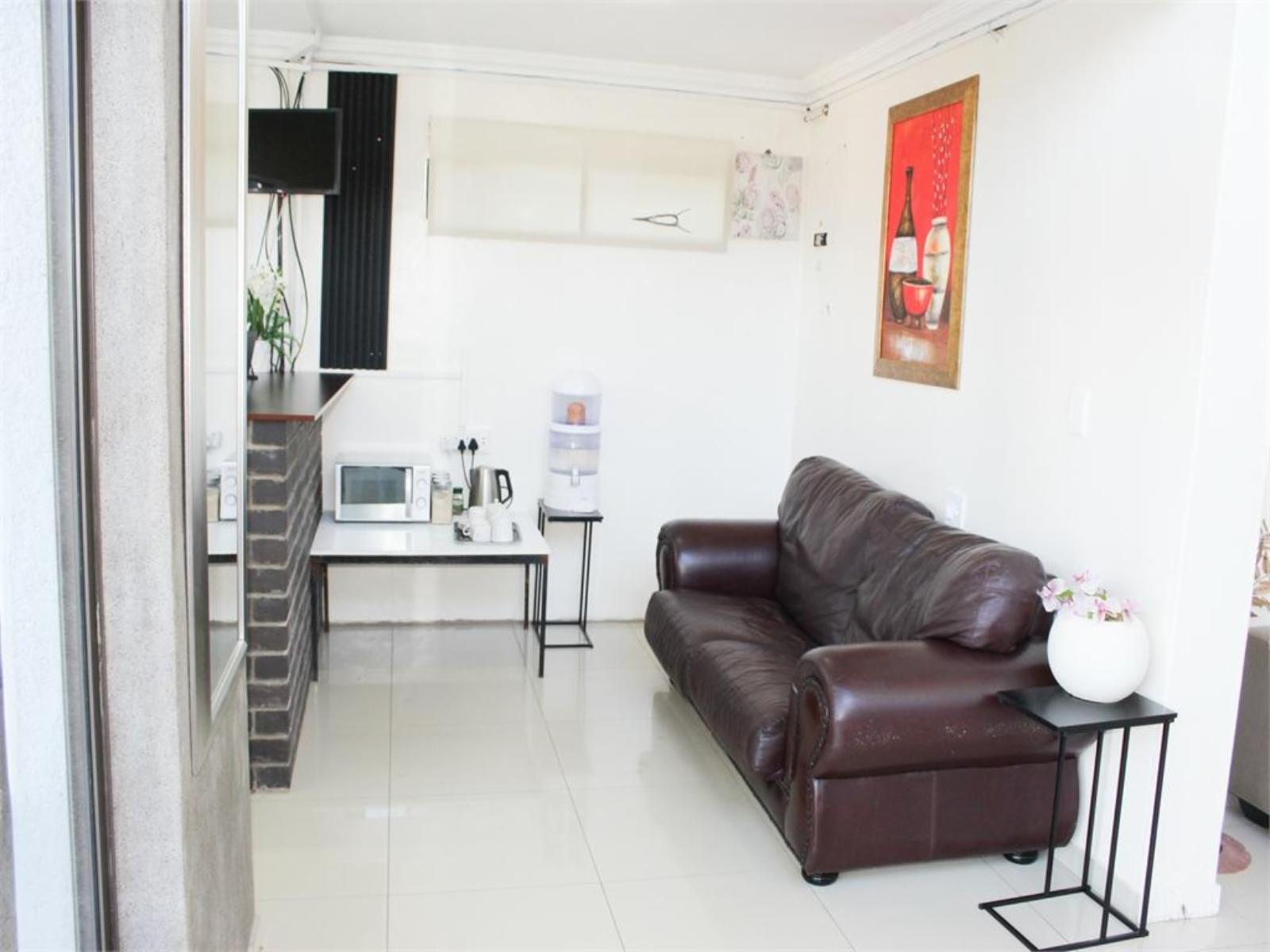
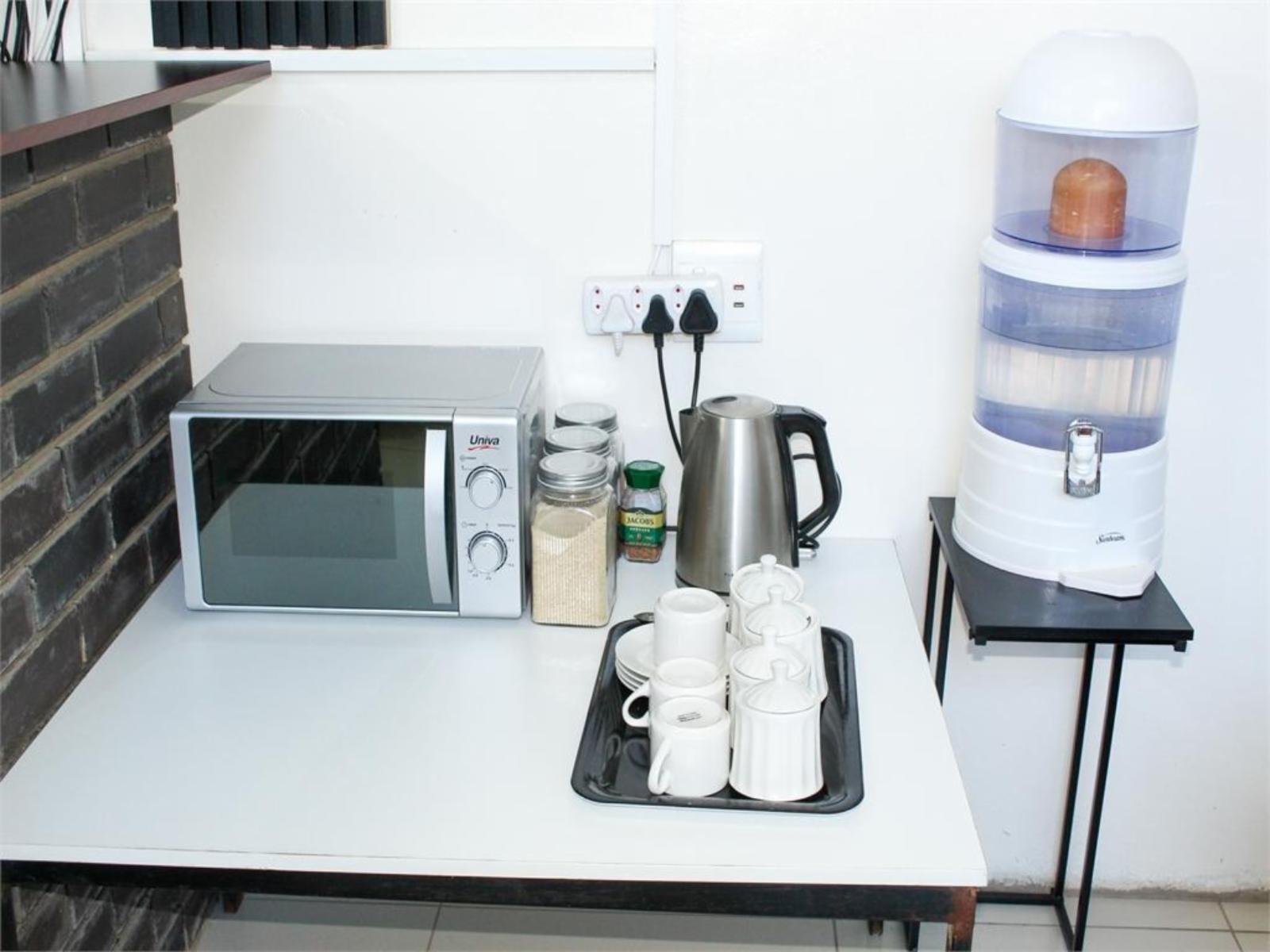
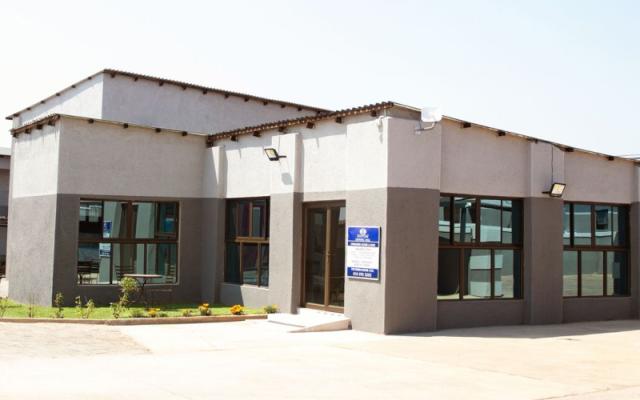
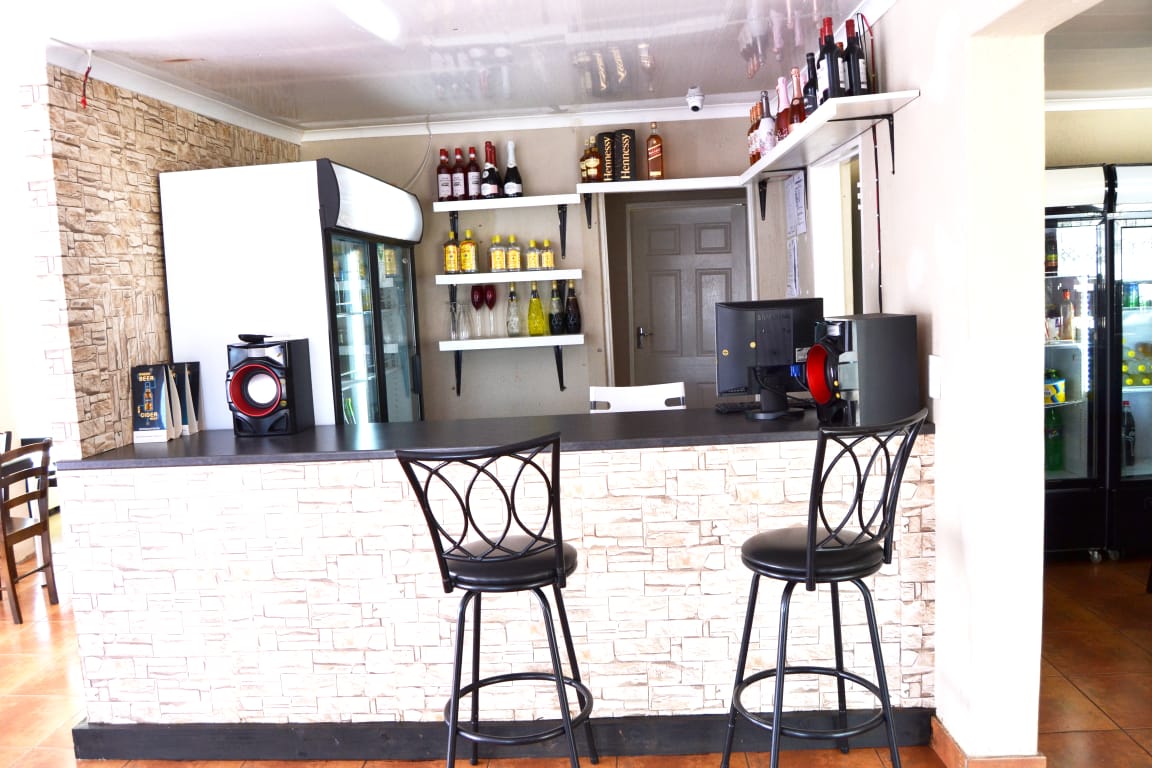
Mid-range choices require looking outward to the broader Sekhukhune area. Guesthouses and bed-and-breakfast operations here cater mainly to commercial travelers and visiting professionals rather than tourists. A handful accept leisure guests, offering clean, functional rooms with breakfast included. Electricity supply is generally reliable in these establishments, and private or shared bathroom configurations are the standard. They represent the most predictable option for independent travelers needing a dependable base.
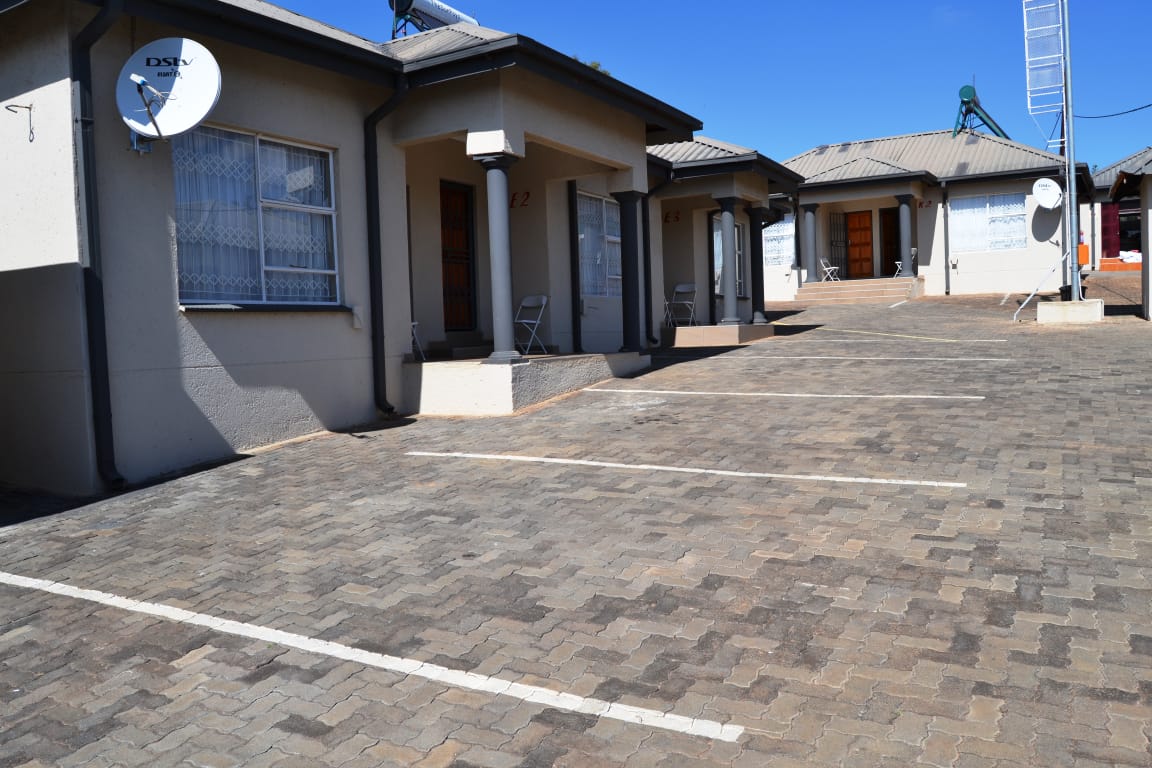
For anything resembling a more comfortable self-contained arrangement, the field narrows considerably. Self-catering cottages and farm stays appear in the wider area and suit small groups or families who want kitchen facilities and more independence over their schedule. Finding these typically requires direct contact with agricultural landowners or referrals through local networks, as they are not widely advertised.
Regardless of budget tier, visitors should contact potential hosts well in advance, confirm exactly what is provided, and arrive with a self-sufficient mindset. Planning meals and supplies before arrival avoids complications that would be minor inconveniences elsewhere but become more significant in a small, isolated village setting.
Best Time to Visit Ga-phahla
The Sekhukhune plateau has a subtropical climate with distinct wet and dry seasons. Summer runs from October through March, bringing temperatures that regularly reach 35°C, combined with afternoon thunderstorms that can arrive with little warning. Rain supports local farming communities and keeps the landscape green, but it can make unpaved roads briefly impassable. The heat during December and January limits comfortable outdoor activity for much of the day.
Dry winter months from May through August offer the most comfortable conditions for visitors. Daytime temperatures sit between 20°C and 28°C, and clear skies make for reliable travelling weather. Nights become cold, dropping near 10°C in June and July, so warmer layers are necessary. Dust on dirt roads increases during this period, but overall accessibility improves considerably.
September and October mark the transition back to summer, with heat building before the rains return. Vegetation is low at this point in the year, and bird and wildlife activity increases as temperatures rise. These months suit those combining a visit with game viewing in nearby areas.
Ga-phahla has no particular tourist peak season. South African public holidays may affect road traffic and informal accommodation availability, but pressures here remain modest compared to major tourist destinations. For most visitors, the dry winter months offer the clearest balance of comfortable weather and accessible roads.
Getting to Ga-phahla
The nearest commercial airport with scheduled domestic flights is Polokwane International Airport, approximately two hours' drive to the southwest. OR Tambo International in Johannesburg is the main entry point for international arrivals, sitting roughly 300 kilometers south. The drive from Johannesburg takes four to five hours depending on traffic through Pretoria and road conditions as you head northeast into Limpopo.
From Johannesburg, the most practical route follows the N1 northward to Mokopane, then turns east through Burgersfort or Marble Hall into the Sekhukhune district. The R37 is the primary paved road serving the Jane Furse area and connects to the network of tarred and gravel roads reaching the surrounding villages. Beyond Jane Furse, some roads to outlying communities are unpaved and require attention in wet weather.
Local minibus taxis run between the Jane Furse area and Polokwane with reasonable frequency, and a network of shared taxis connects neighboring villages throughout the day. Direct, reliable public transport into Ga-phahla itself is not available. A private vehicle is strongly recommended for anyone planning to move around the area with any flexibility. Hire cars are available at both Polokwane Airport and OR Tambo International. Fuel should be topped up at the last major service point before heading out into the countryside, as smaller settlements may not have stations or may keep restricted operating hours.
Ga-phahla and Surrounding Areas
The closest neighbor, Deugdvlei at 8 kilometers, is a small agricultural settlement whose name comes from Afrikaans and refers to low-lying ground, pointing to the seasonal water patterns in this part of the plateau. Farming activity here includes small-scale livestock keeping and dryland cropping, and the community functions primarily as a residential base for workers tied to the agricultural calendar. It is not set up for visitors but gives a representative picture of the smaller settlements in this zone.
Ga-mashelane, 13 kilometers away, shares the Bapedi cultural character common to this cluster of villages. Traditional homestead layouts and community governance under local traditional leadership remain central to daily life. The settlement has no developed tourist facilities, but visitors with a genuine interest in rural community life will find it worth a short detour to observe the homestead architecture and agricultural land use close to the road.
Jane Furse, 15 kilometers from Ga-phahla, is the region's most significant center and the practical hub for the entire surrounding area. It holds a large referral hospital that draws patients from across Sekhukhune, a commercial strip with supermarkets, hardware stores, and banking facilities, an agricultural college, and various government administrative offices. Most needs that cannot be met in Ga-phahla can be addressed here.
At equal distance, Ga-mokalapa offers a comparable landscape of village settlement with communal land, homesteads, and small agricultural plots connected by the same network of community roads that threads across the plateau.
Ga-sefoka and Ga-moretsele, both 18 kilometers out, extend the settlement zone further from Ga-phahla. Both fall under Bapedi traditional authority governance and serve primarily as residential communities. Neither draws independent visitors, but the roads linking them pass through open plateau countryside that conveys the scale and character of the Sekhukhune landscape well. Taken together, this ring of villages illustrates how densely settled the rural Limpopo countryside is beyond the main towns.
Planning Your Stay
Booking accommodation in this area requires a different approach from standard online platforms. Personal contacts and direct phone calls to local community centers, churches, or agricultural operations often surface leads that no booking site will show. Before confirming any stay, establish clearly what is included: bed linen, towels, cooking equipment for self-catering arrangements, and whether meals are available or need to be sourced independently.
Electronic payment systems are unreliable in rural areas. Carry sufficient cash for the full duration of your stay, including a margin for unexpected purchases. ATMs are available at larger service centers but are absent from smaller village locations.
Mobile connectivity varies across the plateau. Download offline maps of the region before leaving a major town, save all contact numbers locally, and do not rely on internet-based navigation in areas where signal is patchy.
Road conditions on unpaved tracks change quickly after summer rain. Between November and February, checking with your host the morning of any longer drive is a practical habit. During the dry season, most routes are manageable in a standard vehicle, though a car with reasonable ground clearance handles poorly maintained tracks more comfortably.
Traveling during South African school holidays or long weekends may reduce informal accommodation options, as village households fill with family members returning from nearby towns and cities. If your dates fall around these periods, confirm your booking earlier than you otherwise might.