Ga-Moretsele Reis- & Akkommodasiegids
Jou volledige gids om Ga-Moretsele, Suid-Afrika te besoek.
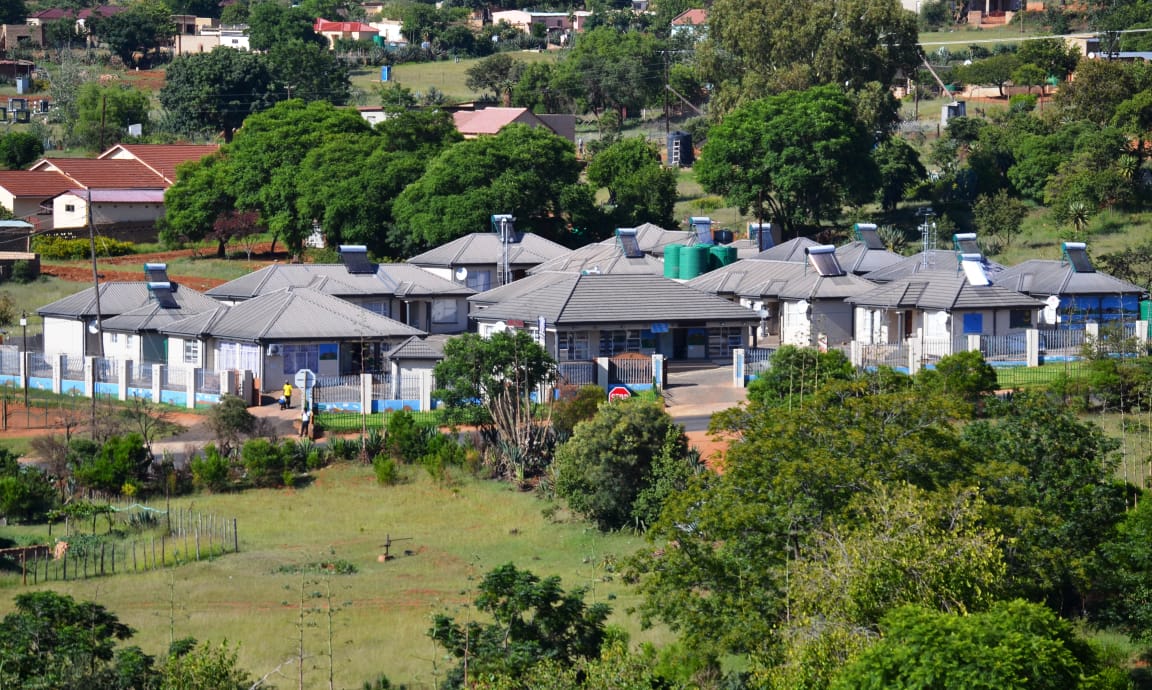
Ga-moretsele is a rural village in Limpopo Province, located in the Sekhukhune District. The area offers visitors a glimpse into traditional Pedi culture and serves as a base for exploring the agricultural landscapes and communities of this less-travelled region of South Africa.
## Accommodation in Ga-moretsele
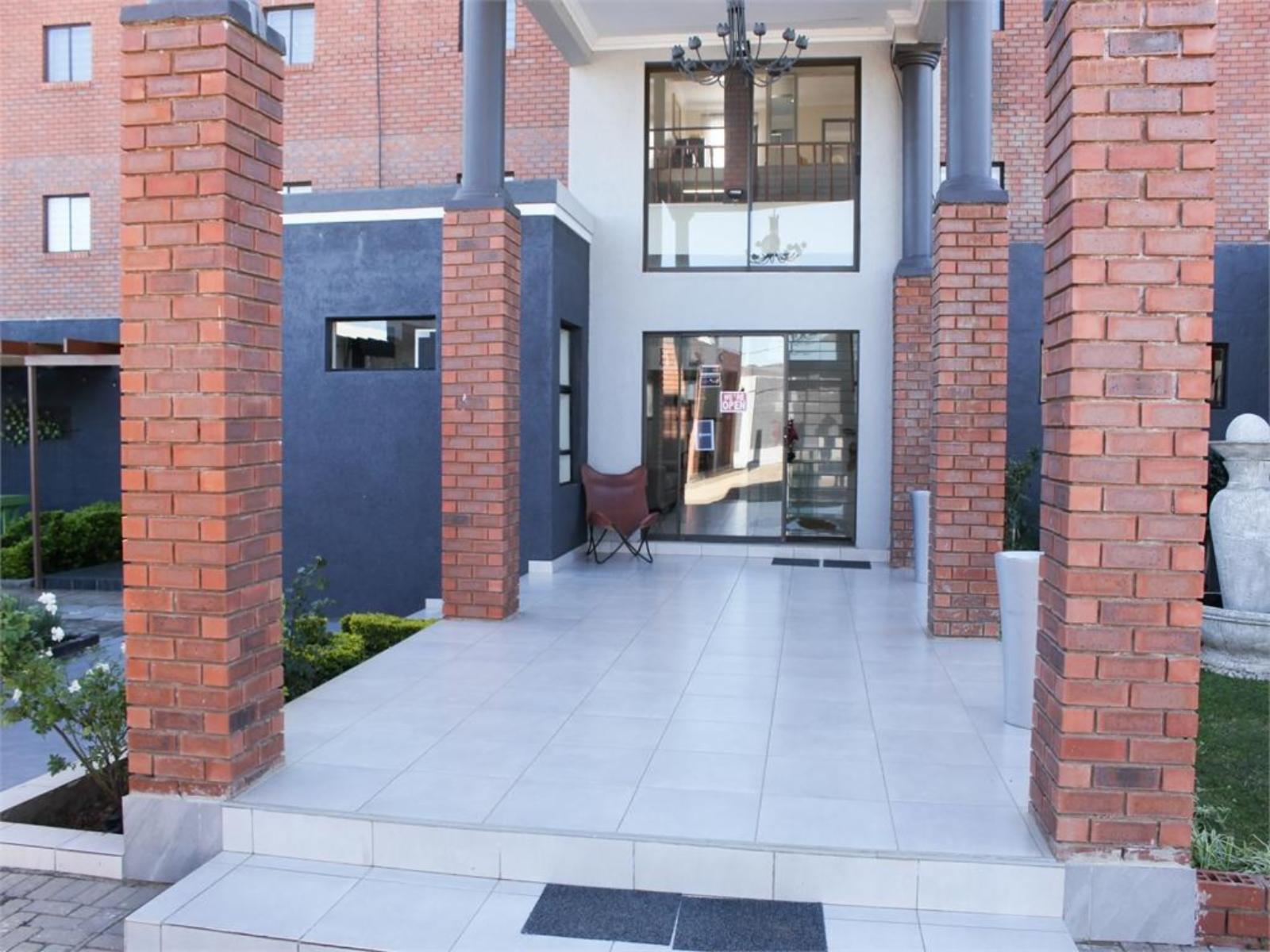
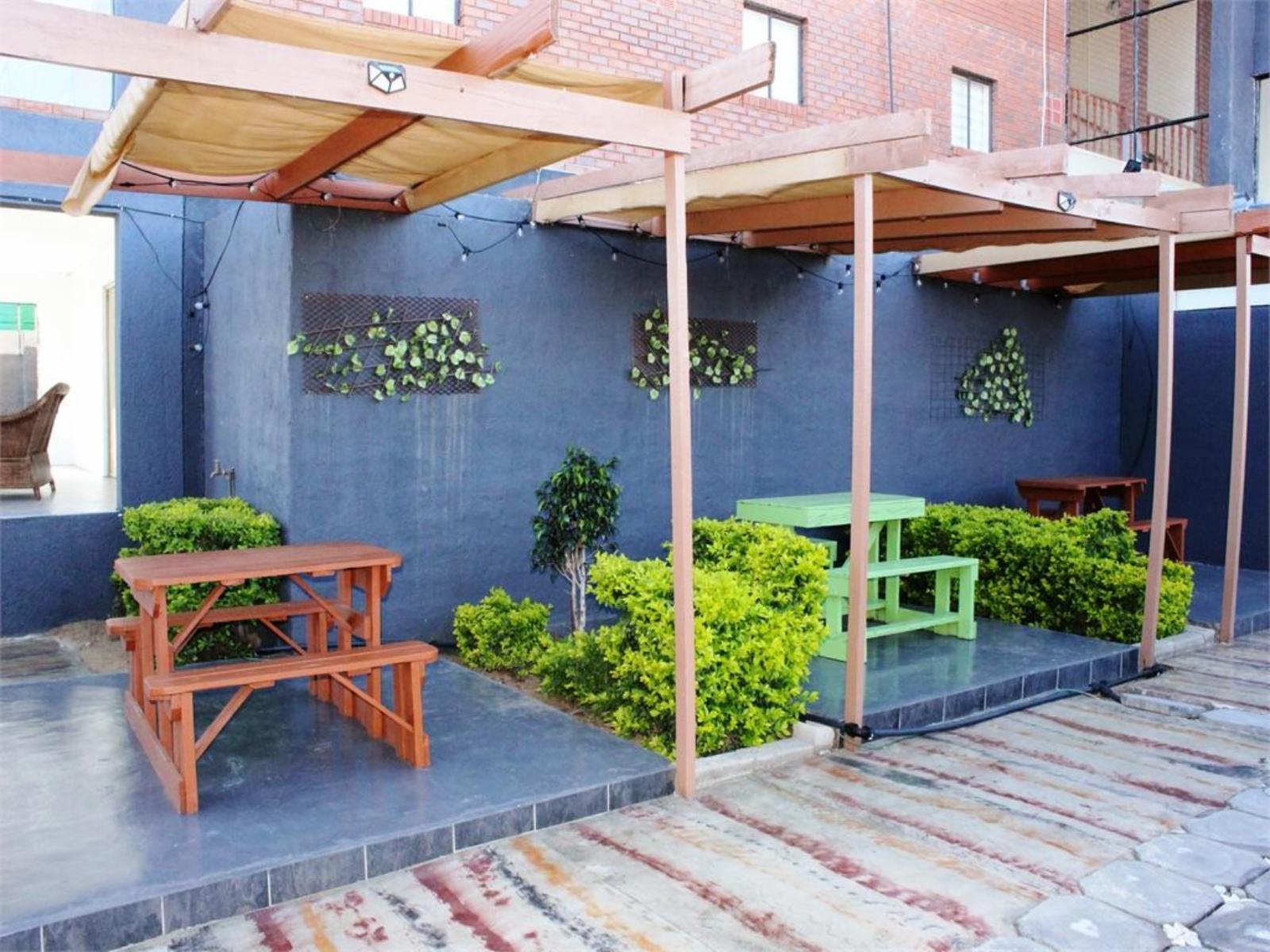
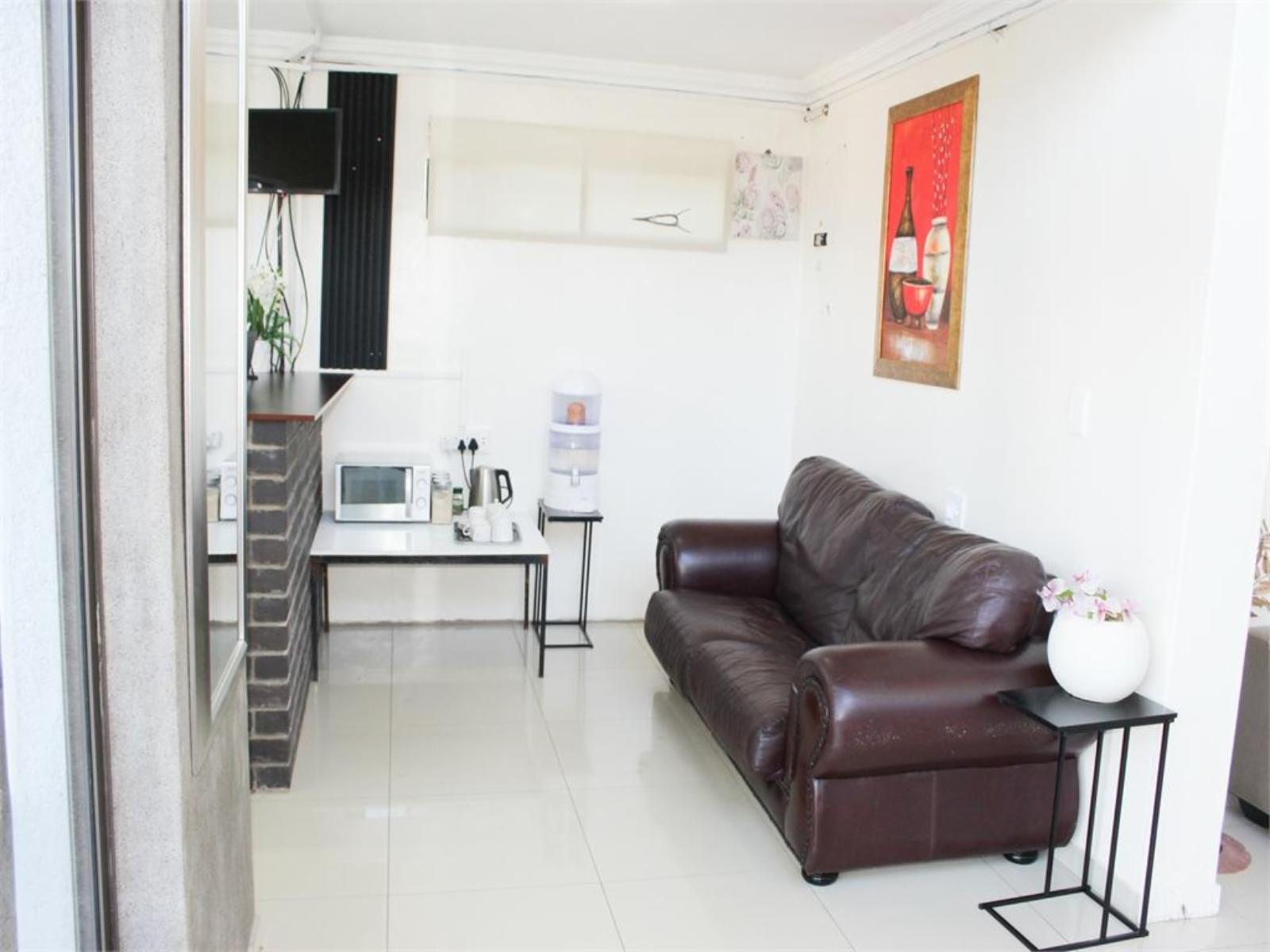
The accommodation landscape in Ga-moretsele is sparse, with listings in the formal travel market currently sitting at zero recorded properties. This reflects the village's status as an off-the-beaten-track destination rather than an established tourist stop. Travellers who do visit typically arrange stays through local contacts, community organisations, or word-of-mouth referrals. Pricing is not standardised and varies considerably depending on the arrangement.
At the budget end, homestays represent the most common option. Staying with a local family means basic sleeping quarters, shared bathroom facilities, and meals prepared from whatever is on the stove that day. For those interested in genuine cultural exchange, sitting around a fire with a Pedi family in the Sekhukhune District offers something that no hotel can replicate. These arrangements suit researchers, volunteers, and travellers willing to adapt to conditions.
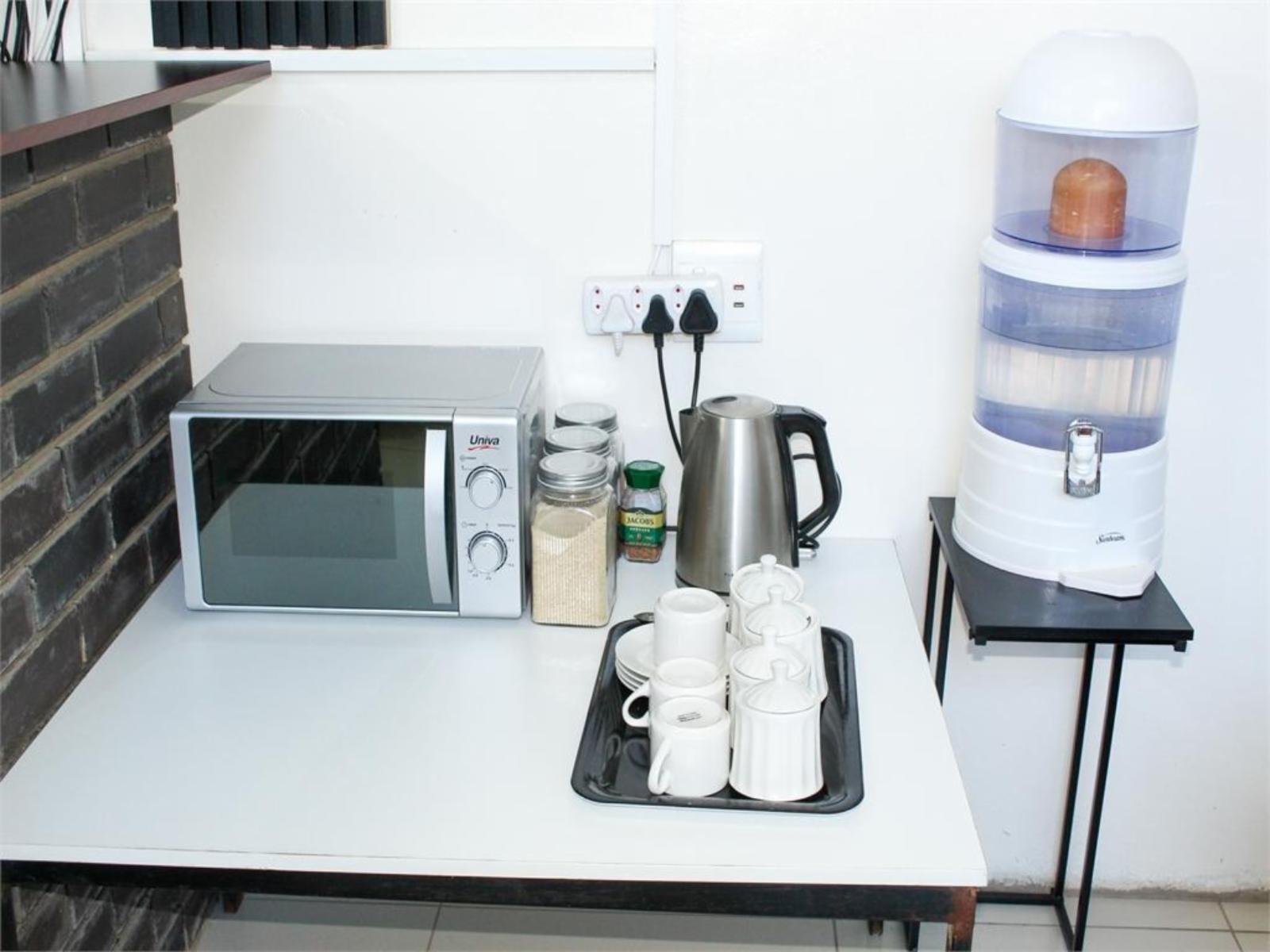
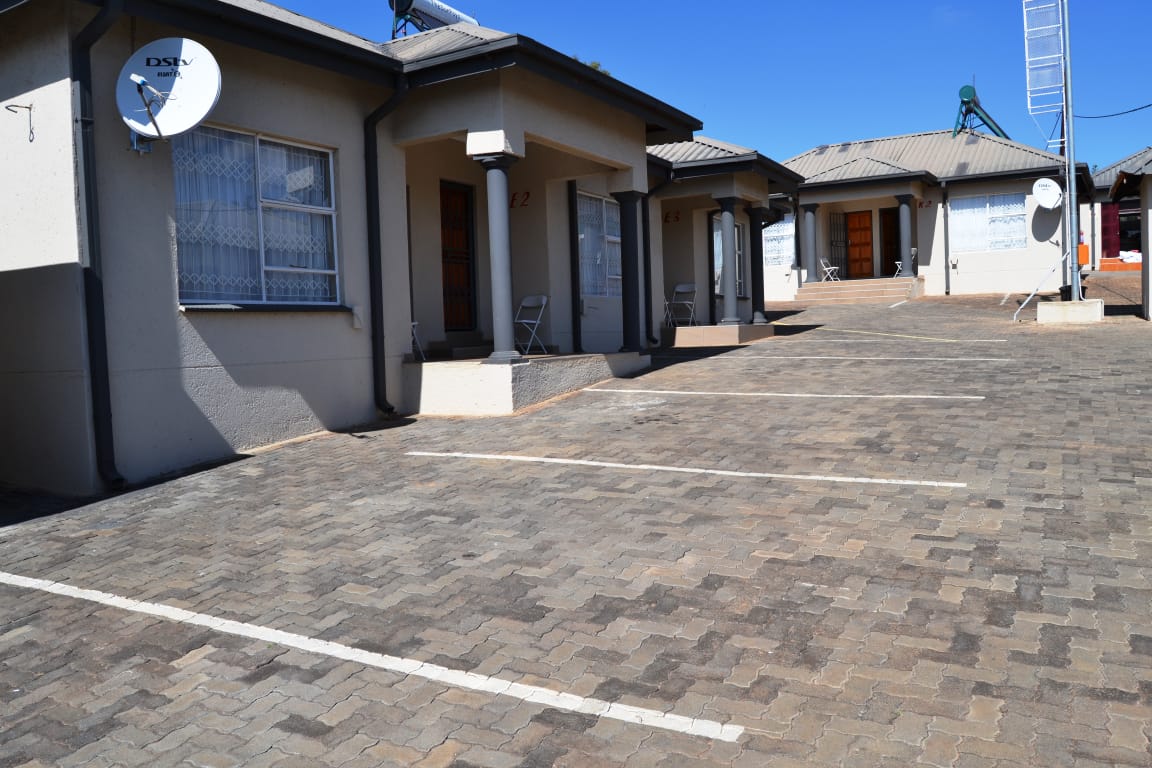
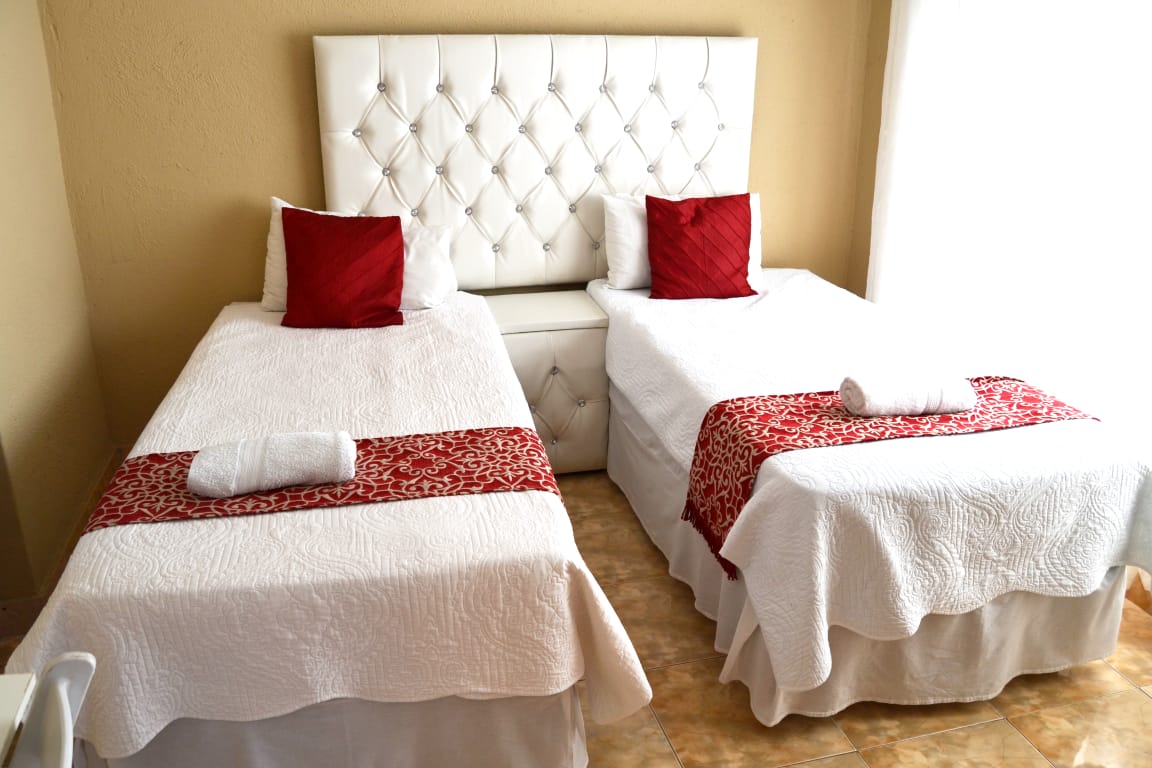
Slightly more structured accommodation occasionally surfaces through community guesthouses, which tend to offer a private room and sometimes a private bathroom. These properties sit in a loose mid-range category, though mid-range here means functional rather than comfortable by urban standards. Expect intermittent hot water, limited connectivity, and electricity that may cut out in the evenings. Self-catering facilities, where available, are simple, so arriving with your own supplies is advisable.
There is no upper-tier accommodation in Ga-moretsele itself. Travellers who want more comfortable surroundings should consider basing themselves in a larger nearby town and making day trips into the village. The village is best suited to visitors who come prepared with realistic expectations about infrastructure, their own food supplies, and a portable charger. The appeal here is not convenience but authenticity, and the experience suits a specific type of traveller who values that distinction.
---
## Best Time to Visit Ga-moretsele
Ga-moretsele follows the summer rainfall pattern common across Limpopo. Rain falls mainly between October and March, with January and February seeing the heaviest downpours. Temperatures during this period regularly climb above 35°C, and humidity rises noticeably. The landscape turns green during the wet season, which is visually compelling for those drawn to the agricultural setting, but dirt roads leading into the village can become difficult to navigate after heavy rain.
The dry winter months from May through August bring more manageable conditions, with daytime temperatures generally sitting between 15°C and 25°C, dropping sharply after sunset. Roads are more reliable, and travel through the Sekhukhune hills is considerably easier. This window is the more practical choice for most visitors, particularly anyone planning to walk through the surrounding rural areas.
There is no distinct tourist peak season in Ga-moretsele. South African school holidays in April and September occasionally affect availability of homestay-style accommodation, as families from urban centres return to the village. If your travel dates fall near these windows, it is worth reaching out to contacts earlier than you otherwise might. Outside of these periods, the village sees little fluctuation in visitor numbers, and arrivals are modest at any time of year.
---
## Getting to Ga-moretsele
The nearest major airport is Polokwane International Airport (PTG), roughly 100 kilometres to the northwest. Polokwane connects daily to Johannesburg's OR Tambo International Airport, which handles most international arrivals. From Polokwane, driving takes approximately 90 minutes under normal road conditions, following the R37 south through the mining corridor before turning onto smaller routes toward the village.
Burgersfort, the closest town of significance at around 40 kilometres away, is a more practical staging point for the final approach. It has fuel stations, supermarkets, and ATMs, and these should be used before heading into the rural area. Do not rely on finding supplies in the village itself.
A personal vehicle is essential. No scheduled public transport serves Ga-moretsele directly. Minibus taxis run routes between Burgersfort and various villages in the Sekhukhune area, and it is sometimes possible to reach the general vicinity by taxi, but the final kilometres typically require either a lift from a local contact or a long walk along a gravel track. For anyone without existing connections in the area, renting a vehicle from Polokwane or Johannesburg is the only reliable option. The main regional roads are tarred, but the tracks closer to the village vary considerably in condition, particularly after rain.
---
## Ga-moretsele and Surrounding Areas
The closest point of reference for visitors is Jane Furse, just 3 kilometres away. Jane Furse functions as the administrative and commercial hub for the Sekhukhune District, with a hospital, a shopping centre, schools, and government offices. For practical purposes, it is where banking, mobile data top-ups, and basic supplies can be accessed. Spending a few hours in Jane Furse before or after time in Ga-moretsele gives useful context for how a mid-sized service town operates in this part of Limpopo.
Ga-mogashoa, 9 kilometres from Ga-moretsele, is a smaller village set in the same rolling terrain. Defined by subsistence farming and traditional homestead structures, it shares much with Ga-moretsele but sits in a slightly different topographic position. Travellers interested in observing how community layout and land use vary across the Sekhukhune District may find the comparison between the two instructive.
Ga-seopela, at 11 kilometres, is worth visiting for those interested in the broader Pedi cultural landscape of the region. The village reflects homeland traditions common throughout this part of Limpopo, and local knowledge of the surrounding area is often easier to access through conversations here.
Ga-monlala, 13 kilometres away, offers walking routes through the hills for visitors comfortable navigating without marked trails. The topographic setting differs slightly from the lower-lying areas closer to Jane Furse, and the village adds another dimension to any rural circuit based around Ga-moretsele.
Both Patantswane and Ga-phahla, each approximately 18 kilometres distant, mark the outer edge of a practical day-trip range. Ga-phahla carries particular interest for anyone researching the social history of the region, as its settlement patterns reflect the land allocation system of the former Lebowa homeland. Patantswane is linked into the same road network and forms part of the web of villages that characterises this section of Sekhukhune. Neither destination has formal visitor infrastructure, but both reward travellers who approach with curiosity and a willingness to engage with residents directly.
---
## Planning Your Stay
Because Ga-moretsele has no established booking infrastructure, the usual approach of searching a travel platform will not work here. Contact should be made directly through community organisations, NGOs operating in the Sekhukhune District, or personal referrals. If you are travelling for research or volunteer purposes, your host organisation will typically handle the logistics. Independent travellers should allow several weeks of lead time to confirm a place to stay.
Before confirming any arrangement, establish clearly what is included. Meals, transport to and from Jane Furse, and access to phone charging can all vary significantly between households and small guesthouses. Confirm the road condition between your accommodation and the nearest tarred route, especially during the rainy months.
Cash is the dominant payment method in the village. Withdraw enough from Burgersfort or Jane Furse to cover your entire stay, as card facilities are unlikely to be available. A basic first aid kit, a torch, and water purification tablets are practical additions to any packing list. Mobile network coverage exists in the area but can be inconsistent, so download offline maps before leaving the main road. Let someone outside the village know your plans and expected check-in points. This is standard practice for rural travel in South Africa and applies equally here.

The accommodation landscape in Ga-moretsele is sparse, with listings in the formal travel market currently sitting at zero recorded properties. This reflects the village's status as an off-the-beaten-track destination rather than an established tourist stop. Travellers who do visit typically arrange stays through local contacts, community organisations, or word-of-mouth referrals. Pricing is not standardised and varies considerably depending on the arrangement.
At the budget end, homestays represent the most common option. Staying with a local family means basic sleeping quarters, shared bathroom facilities, and meals prepared from whatever is on the stove that day. For those interested in genuine cultural exchange, sitting around a fire with a Pedi family in the Sekhukhune District offers something that no hotel can replicate. These arrangements suit researchers, volunteers, and travellers willing to adapt to conditions.
Slightly more structured accommodation occasionally surfaces through community guesthouses, which tend to offer a private room and sometimes a private bathroom. These properties sit in a loose mid-range category, though mid-range here means functional rather than comfortable by urban standards. Expect intermittent hot water, limited connectivity, and electricity that may cut out in the evenings. Self-catering facilities, where available, are simple, so arriving with your own supplies is advisable.
There is no upper-tier accommodation in Ga-moretsele itself. Travellers who want more comfortable surroundings should consider basing themselves in a larger nearby town and making day trips into the village. The village is best suited to visitors who come prepared with realistic expectations about infrastructure, their own food supplies, and a portable charger. The appeal here is not convenience but authenticity, and the experience suits a specific type of traveller who values that distinction.
---
## Best Time to Visit Ga-moretsele
Ga-moretsele follows the summer rainfall pattern common across Limpopo. Rain falls mainly between October and March, with January and February seeing the heaviest downpours. Temperatures during this period regularly climb above 35°C, and humidity rises noticeably. The landscape turns green during the wet season, which is visually compelling for those drawn to the agricultural setting, but dirt roads leading into the village can become difficult to navigate after heavy rain.
The dry winter months from May through August bring more manageable conditions, with daytime temperatures generally sitting between 15°C and 25°C, dropping sharply after sunset. Roads are more reliable, and travel through the Sekhukhune hills is considerably easier. This window is the more practical choice for most visitors, particularly anyone planning to walk through the surrounding rural areas.
There is no distinct tourist peak season in Ga-moretsele. South African school holidays in April and September occasionally affect availability of homestay-style accommodation, as families from urban centres return to the village. If your travel dates fall near these windows, it is worth reaching out to contacts earlier than you otherwise might. Outside of these periods, the village sees little fluctuation in visitor numbers, and arrivals are modest at any time of year.
---
## Getting to Ga-moretsele
The nearest major airport is Polokwane International Airport (PTG), roughly 100 kilometres to the northwest. Polokwane connects daily to Johannesburg's OR Tambo International Airport, which handles most international arrivals. From Polokwane, driving takes approximately 90 minutes under normal road conditions, following the R37 south through the mining corridor before turning onto smaller routes toward the village.
Burgersfort, the closest town of significance at around 40 kilometres away, is a more practical staging point for the final approach. It has fuel stations, supermarkets, and ATMs, and these should be used before heading into the rural area. Do not rely on finding supplies in the village itself.
A personal vehicle is essential. No scheduled public transport serves Ga-moretsele directly. Minibus taxis run routes between Burgersfort and various villages in the Sekhukhune area, and it is sometimes possible to reach the general vicinity by taxi, but the final kilometres typically require either a lift from a local contact or a long walk along a gravel track. For anyone without existing connections in the area, renting a vehicle from Polokwane or Johannesburg is the only reliable option. The main regional roads are tarred, but the tracks closer to the village vary considerably in condition, particularly after rain.
---
## Ga-moretsele and Surrounding Areas
The closest point of reference for visitors is Jane Furse, just 3 kilometres away. Jane Furse functions as the administrative and commercial hub for the Sekhukhune District, with a hospital, a shopping centre, schools, and government offices. For practical purposes, it is where banking, mobile data top-ups, and basic supplies can be accessed. Spending a few hours in Jane Furse before or after time in Ga-moretsele gives useful context for how a mid-sized service town operates in this part of Limpopo.
Ga-mogashoa, 9 kilometres from Ga-moretsele, is a smaller village set in the same rolling terrain. Defined by subsistence farming and traditional homestead structures, it shares much with Ga-moretsele but sits in a slightly different topographic position. Travellers interested in observing how community layout and land use vary across the Sekhukhune District may find the comparison between the two instructive.
Ga-seopela, at 11 kilometres, is worth visiting for those interested in the broader Pedi cultural landscape of the region. The village reflects homeland traditions common throughout this part of Limpopo, and local knowledge of the surrounding area is often easier to access through conversations here.
Ga-monlala, 13 kilometres away, offers walking routes through the hills for visitors comfortable navigating without marked trails. The topographic setting differs slightly from the lower-lying areas closer to Jane Furse, and the village adds another dimension to any rural circuit based around Ga-moretsele.
Both Patantswane and Ga-phahla, each approximately 18 kilometres distant, mark the outer edge of a practical day-trip range. Ga-phahla carries particular interest for anyone researching the social history of the region, as its settlement patterns reflect the land allocation system of the former Lebowa homeland. Patantswane is linked into the same road network and forms part of the web of villages that characterises this section of Sekhukhune. Neither destination has formal visitor infrastructure, but both reward travellers who approach with curiosity and a willingness to engage with residents directly.
---
## Planning Your Stay
Because Ga-moretsele has no established booking infrastructure, the usual approach of searching a travel platform will not work here. Contact should be made directly through community organisations, NGOs operating in the Sekhukhune District, or personal referrals. If you are travelling for research or volunteer purposes, your host organisation will typically handle the logistics. Independent travellers should allow several weeks of lead time to confirm a place to stay.
Before confirming any arrangement, establish clearly what is included. Meals, transport to and from Jane Furse, and access to phone charging can all vary significantly between households and small guesthouses. Confirm the road condition between your accommodation and the nearest tarred route, especially during the rainy months.
Cash is the dominant payment method in the village. Withdraw enough from Burgersfort or Jane Furse to cover your entire stay, as card facilities are unlikely to be available. A basic first aid kit, a torch, and water purification tablets are practical additions to any packing list. Mobile network coverage exists in the area but can be inconsistent, so download offline maps before leaving the main road. Let someone outside the village know your plans and expected check-in points. This is standard practice for rural travel in South Africa and applies equally here.
Ga-Moretsele Kaart
Nabygeleë Bestemmings
Blaai Deur Alle Ga-Moretsele Akkommodasie
Bekyk al 0 akkommodasie-opsies in Ga-Moretsele met foto's, pryse en beskikbaarheid.
Blaai Deur Alle Akkommodasie