Accommodation in Groot-Jongensfontein
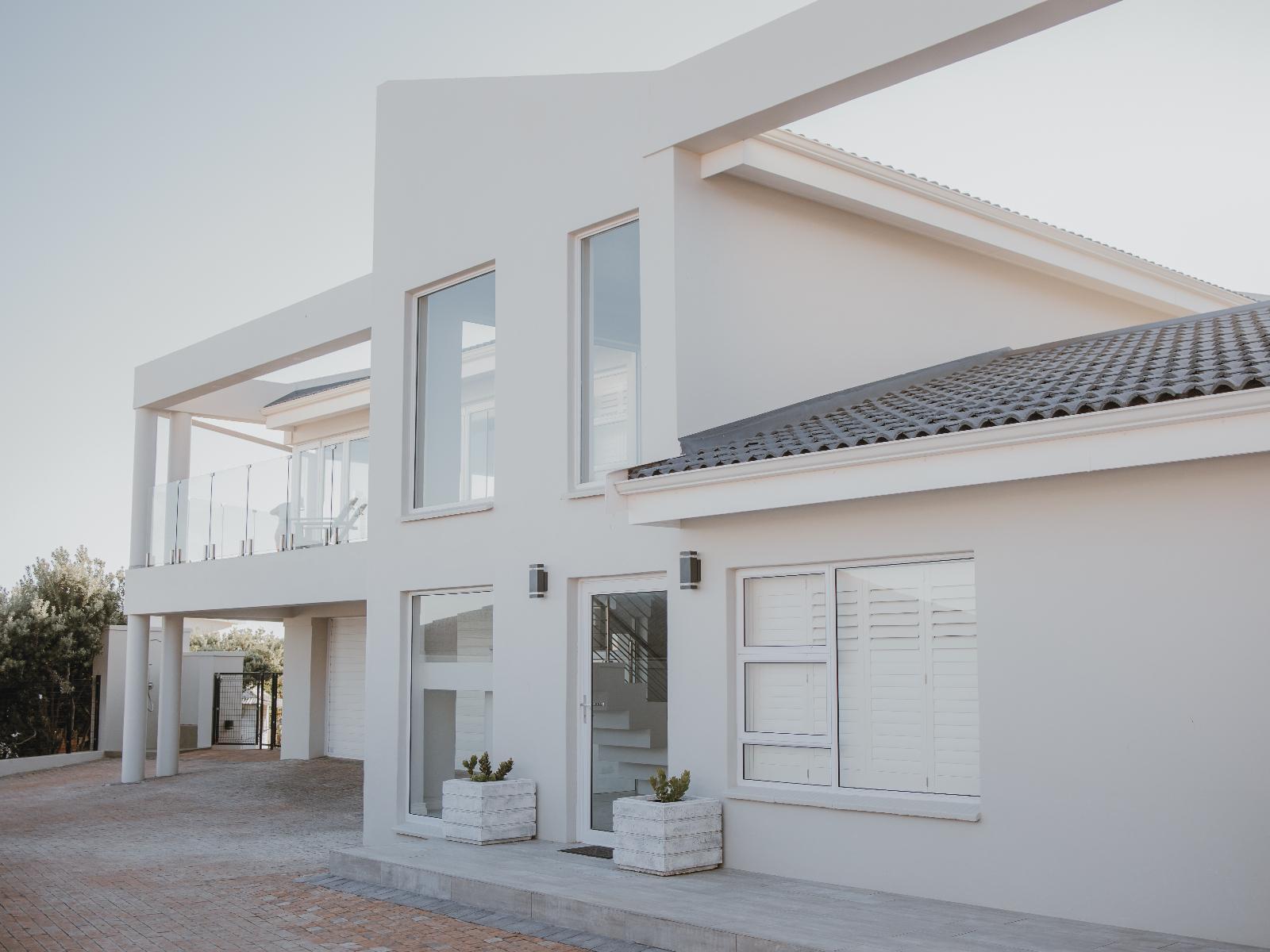
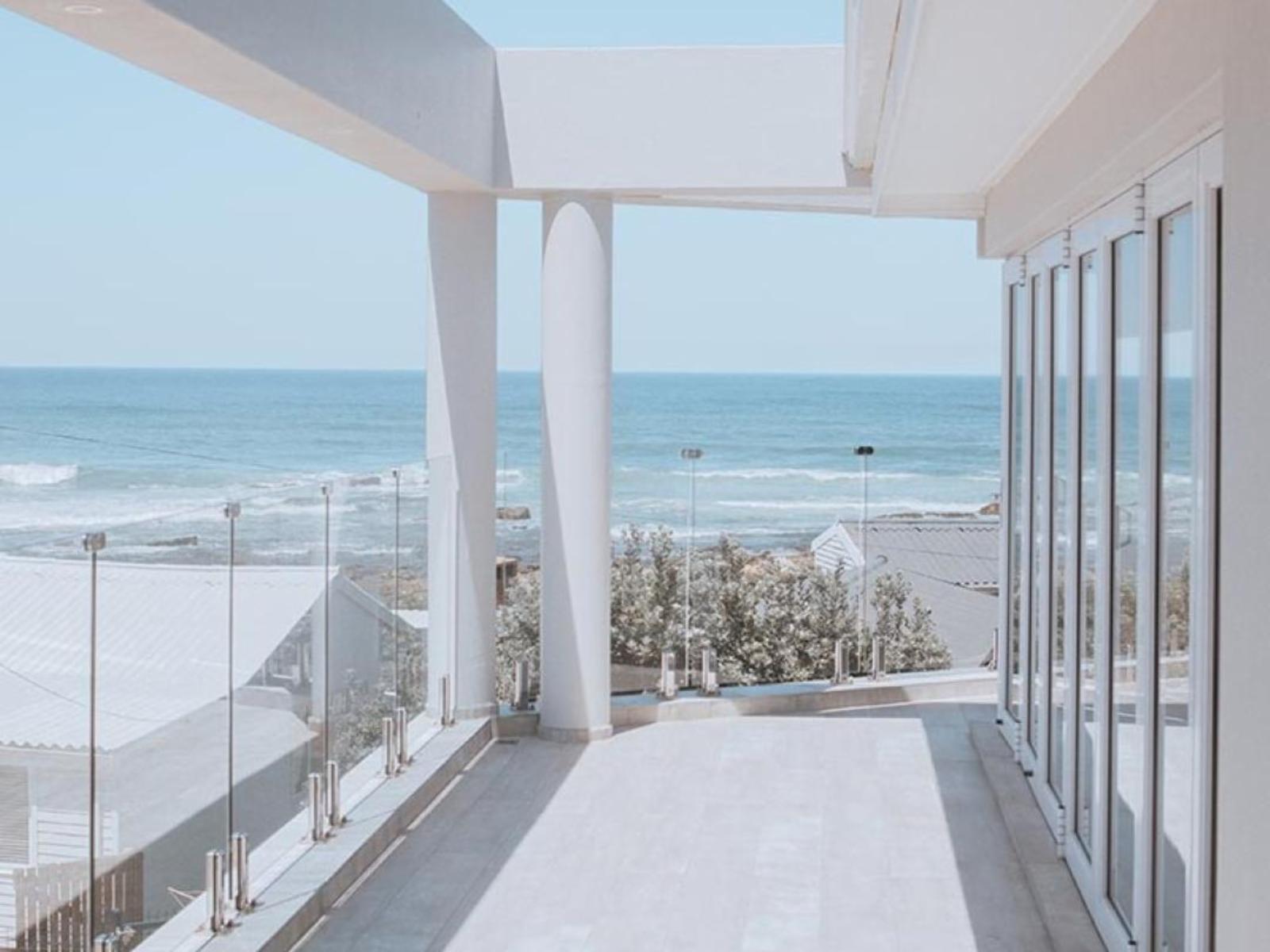
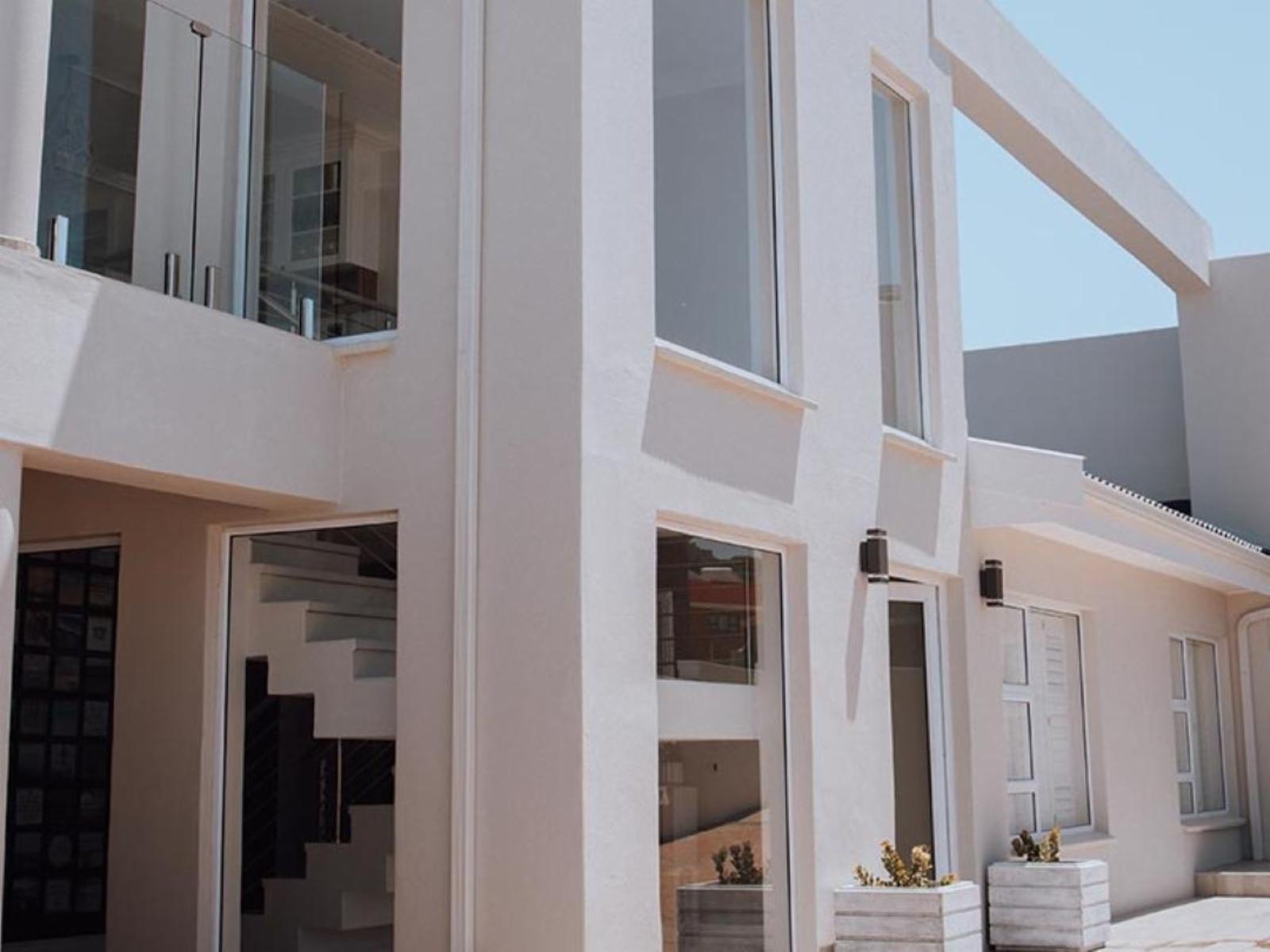
Groot-Jongensfontein offers four properties for visitors, with nightly rates running from R2,500 to R3,400. The accommodation market here is small by design: this is a quiet coastal village, not a resort town, and the property count matches that character closely.
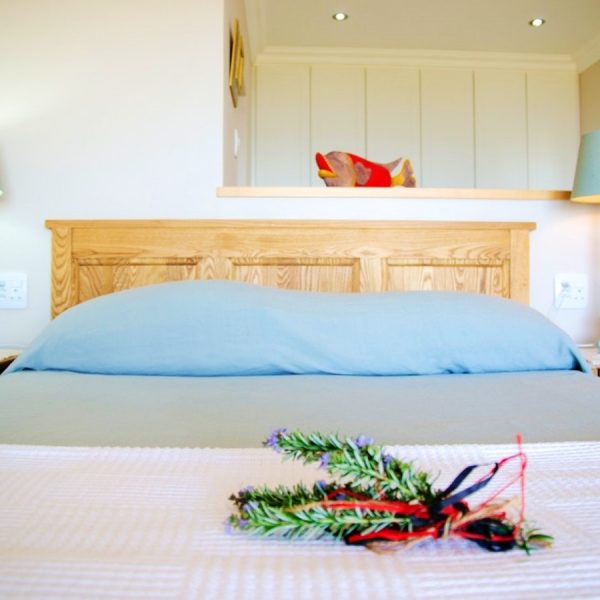
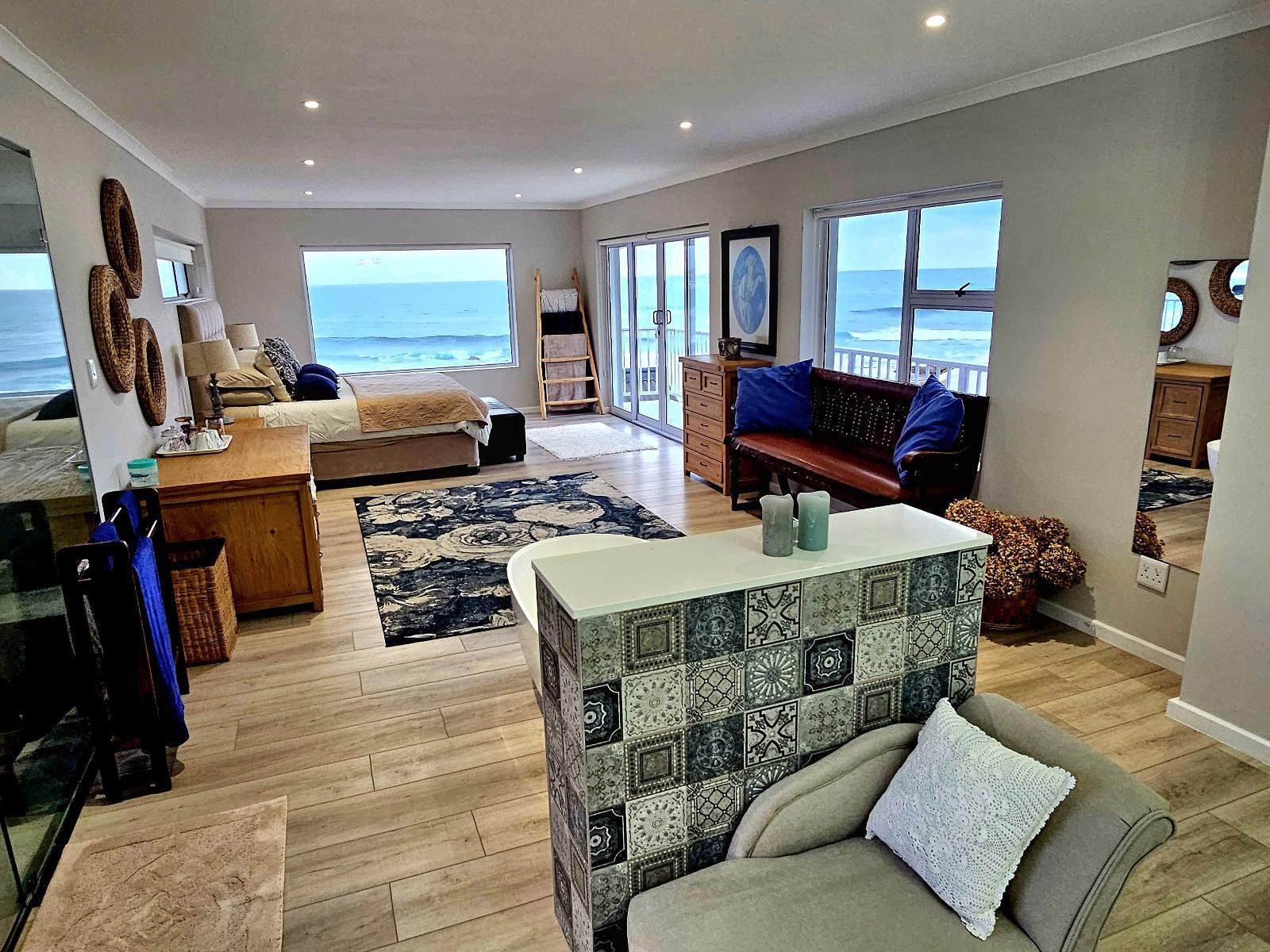
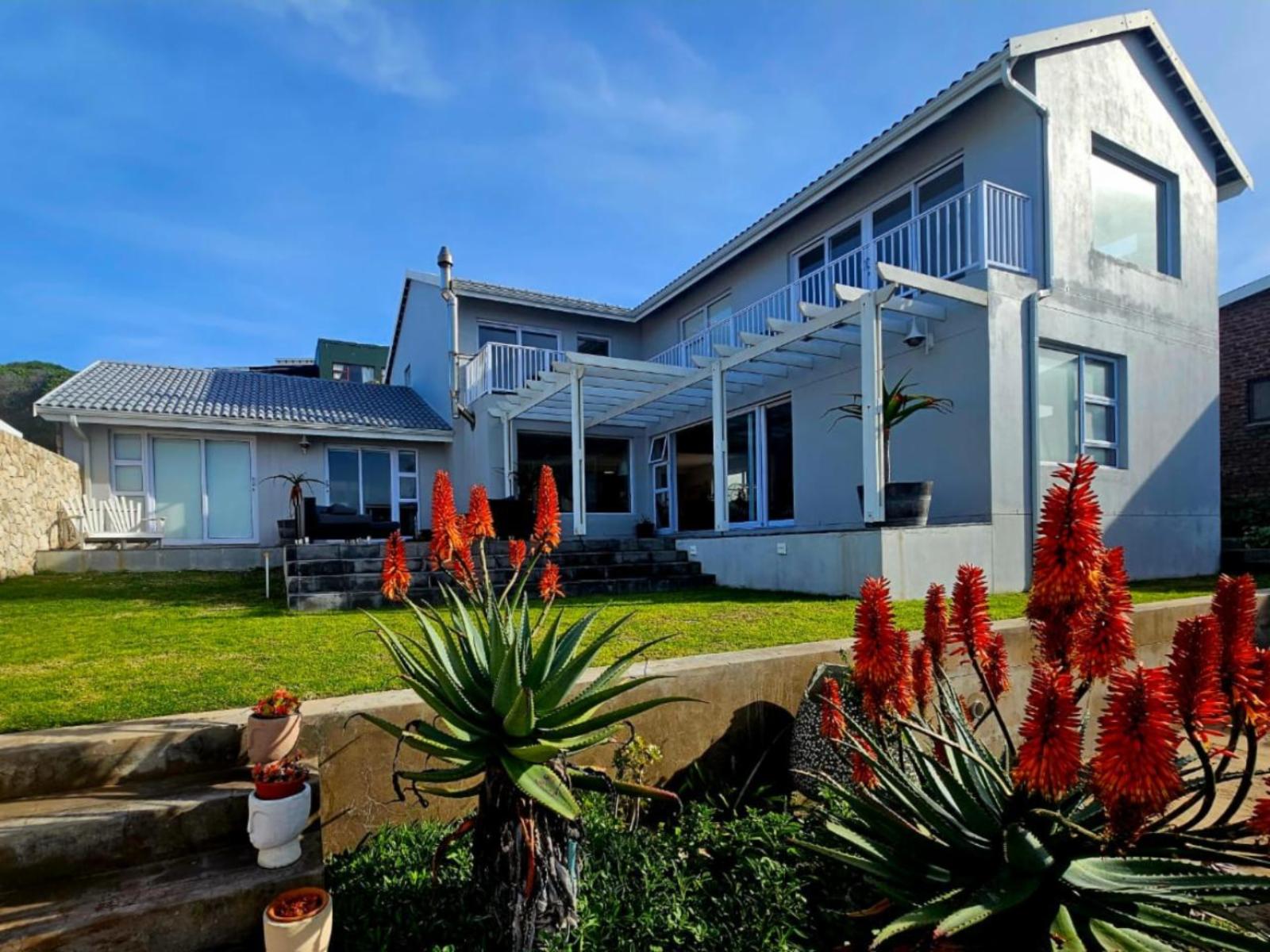
The guesthouse provides a clean, managed experience at the more accessible end of the price range. Owner-operated properties of this type on the south coast tend to come with on-site hosts who can direct you to the best fishing spots, explain river access conditions, and identify which stretches of coast open up at low tide. That local knowledge is part of what you are paying for, and it changes the stay from generic coastal accommodation into something more oriented toward the specific place.
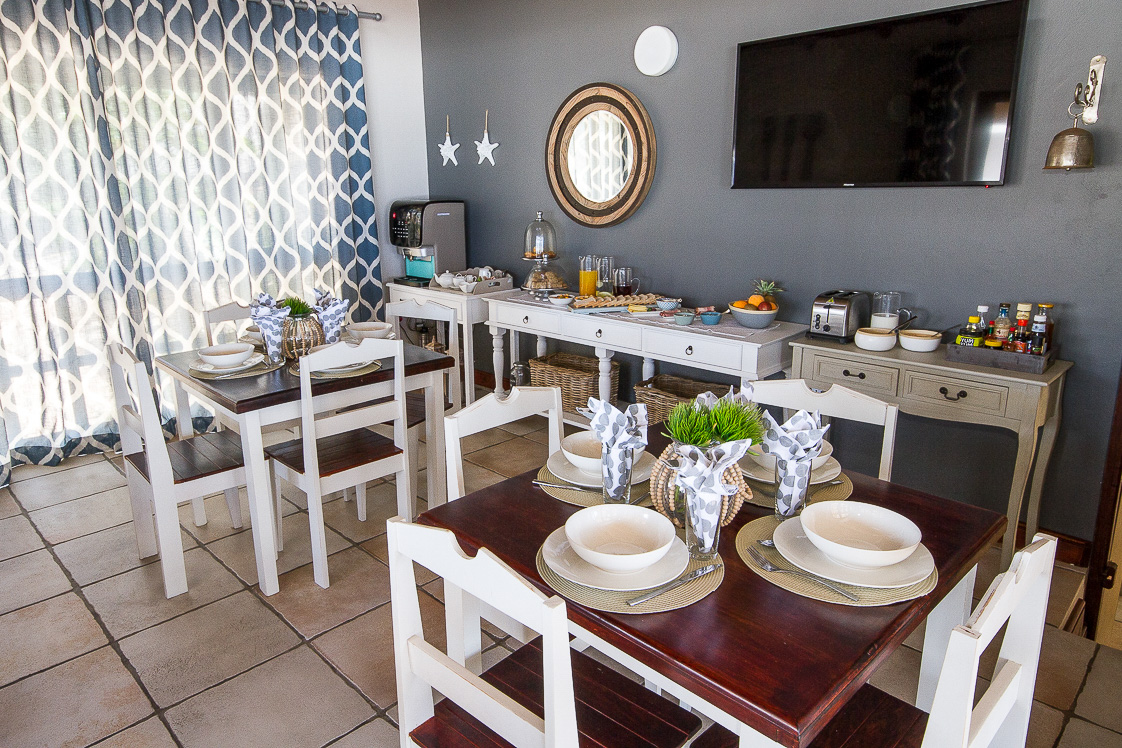
For visitors who want a morning meal included without managing any domestic arrangements, the bed and breakfast suits a short visit or solo trip. It removes the decisions about breakfast and gives the day a defined starting point.
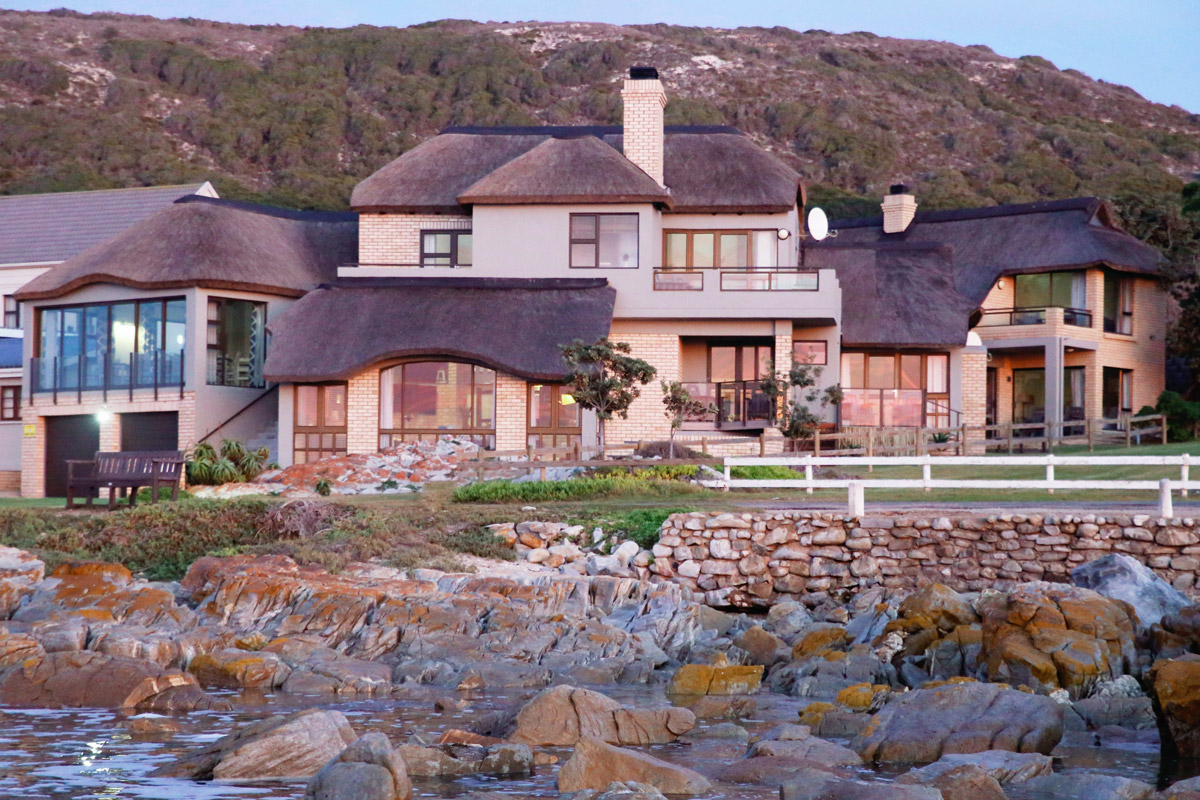
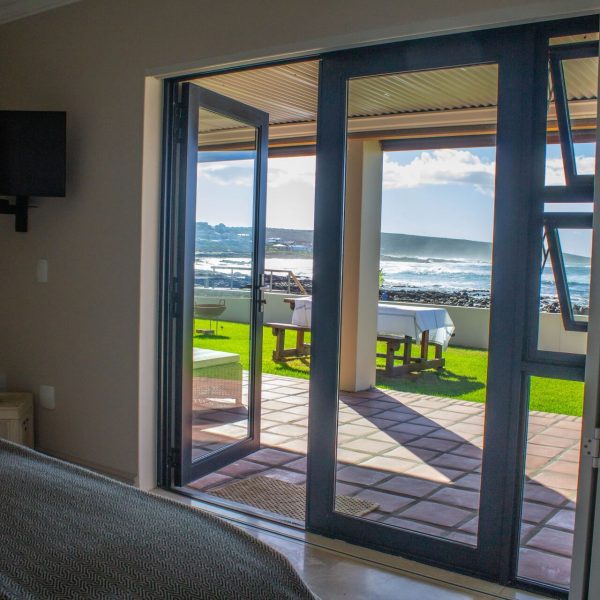
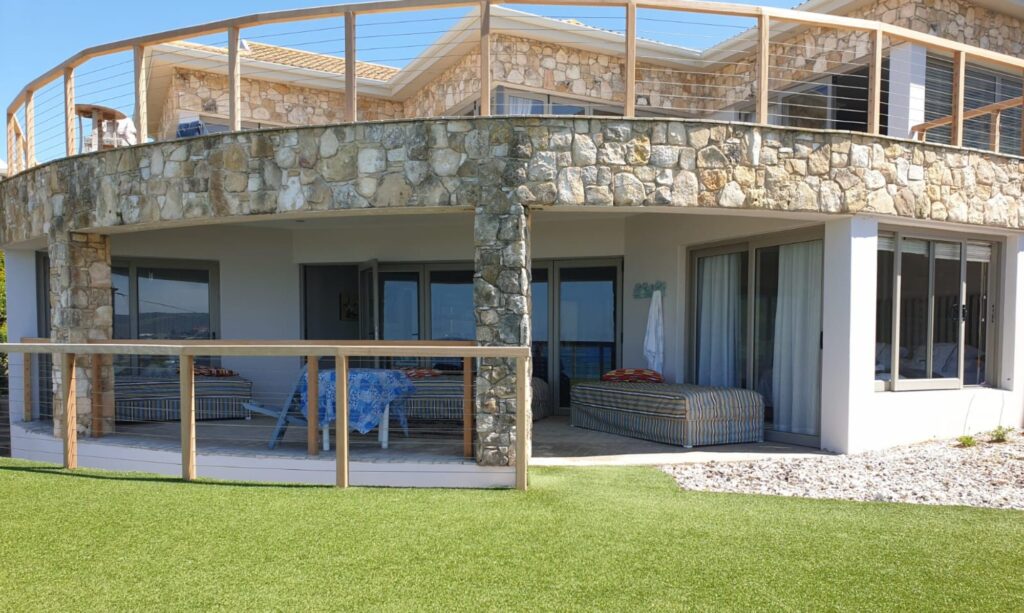
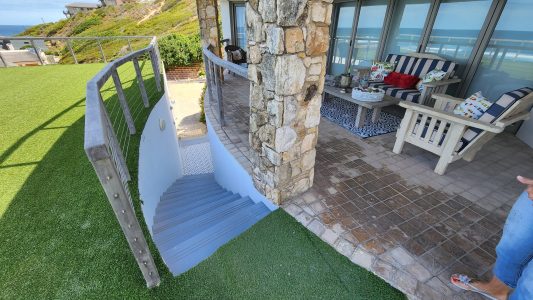
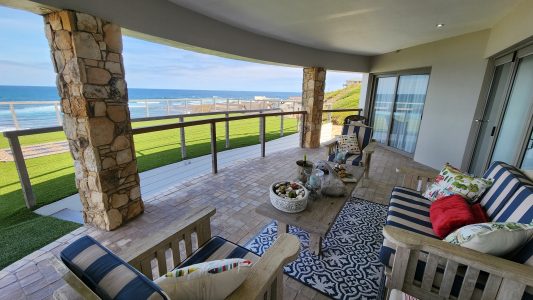
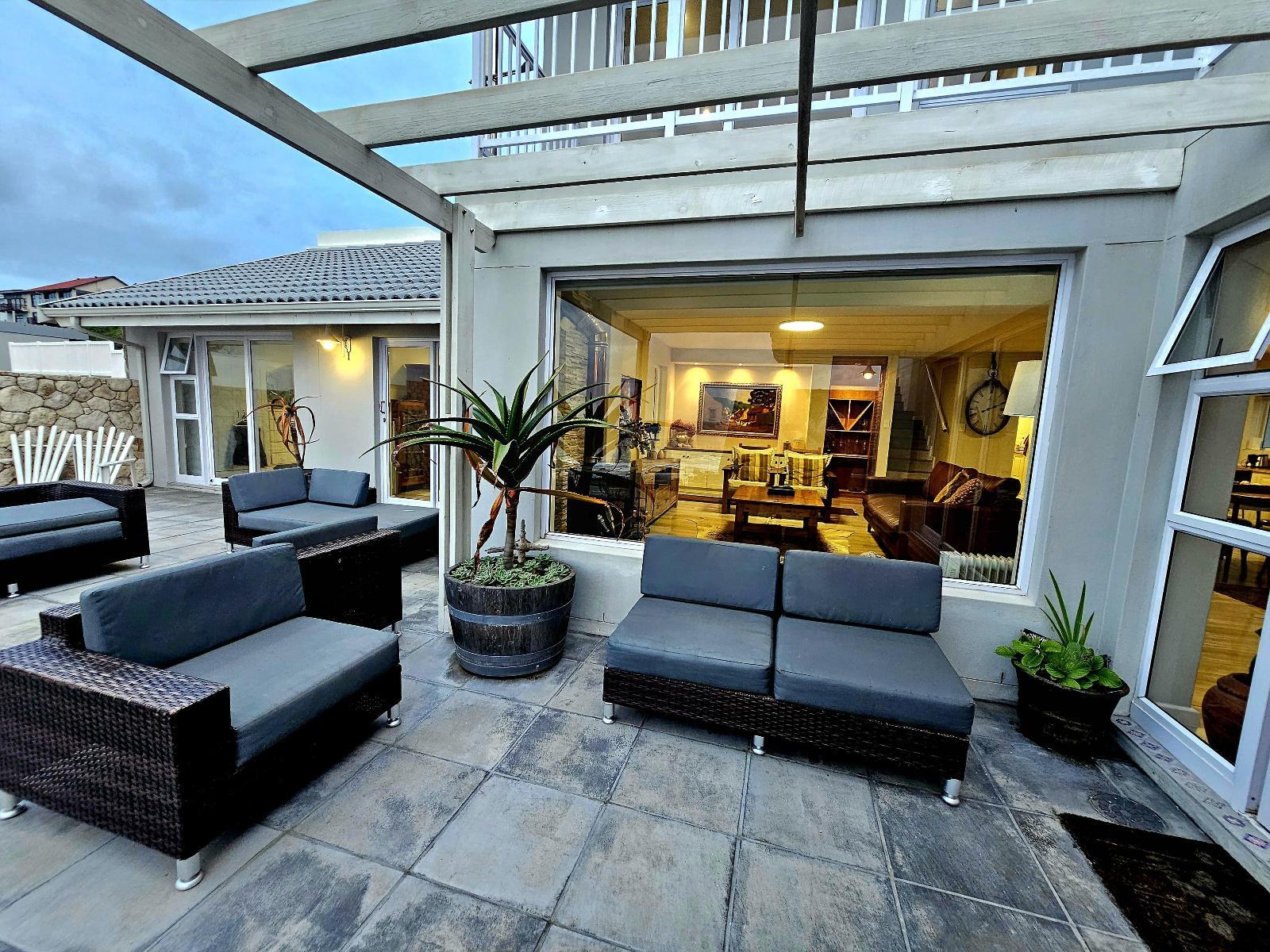
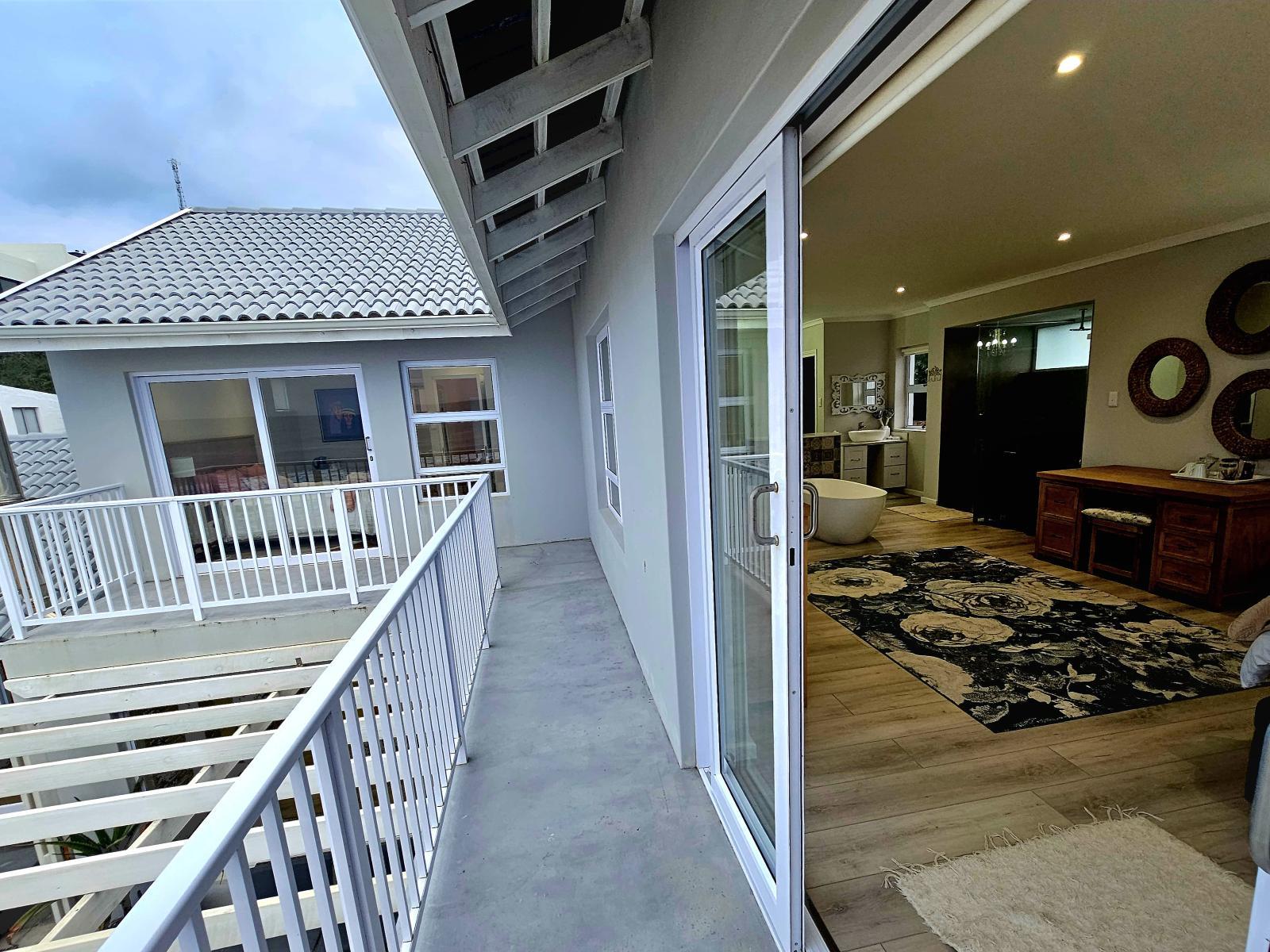
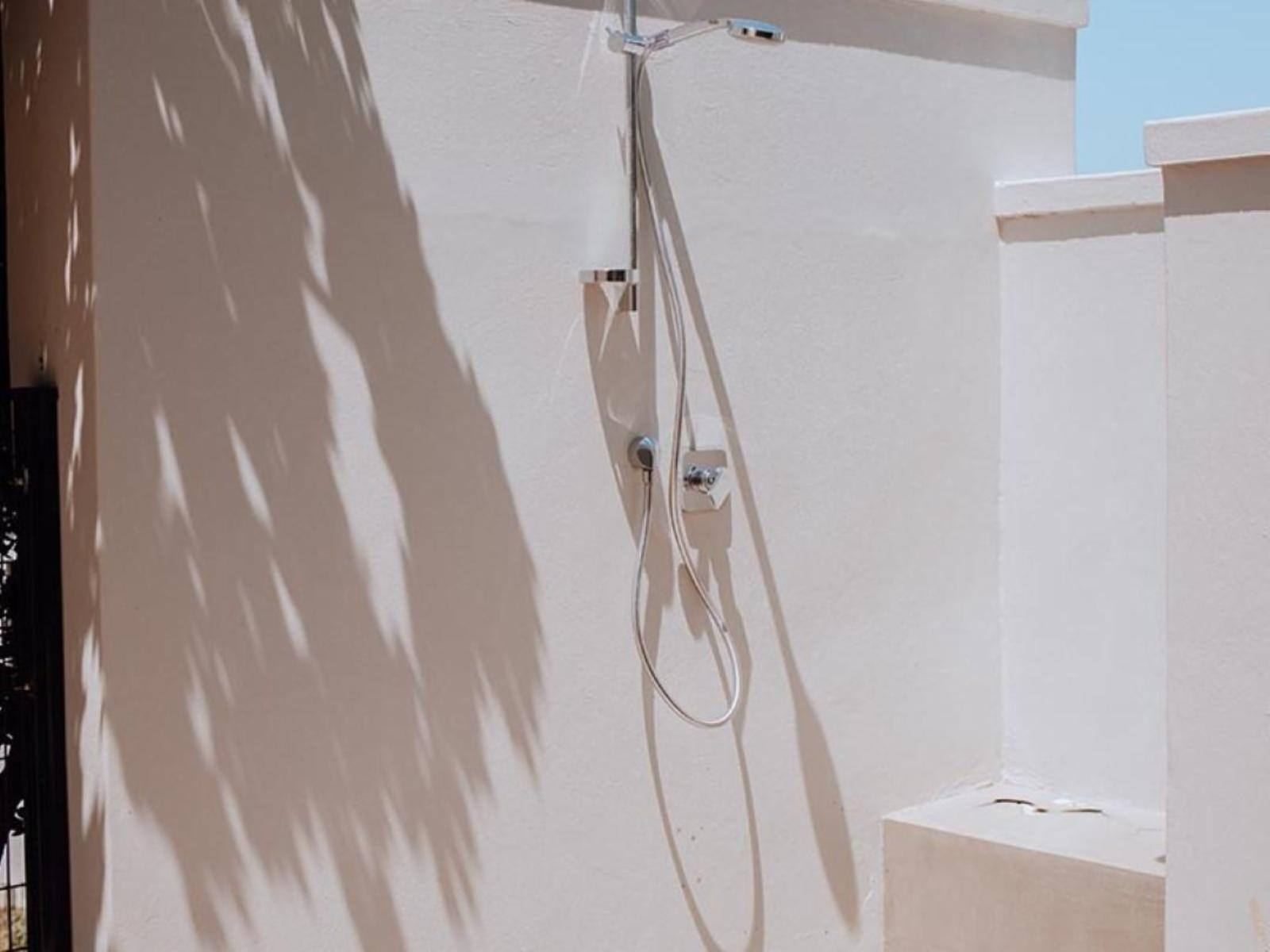
The two self-catering properties are the practical choice for groups or families planning a stay of three or more nights. The absence of a restaurant in Groot-Jongensfontein is the key reason: guests who cannot prepare their own food are committed to driving out every evening for dinner, which works against the slow pace that makes the village worth visiting in the first place. A well-equipped self-catering unit with a full kitchen, a braai area, and enough living space for a group to spread out makes the remote character an asset rather than a limitation.
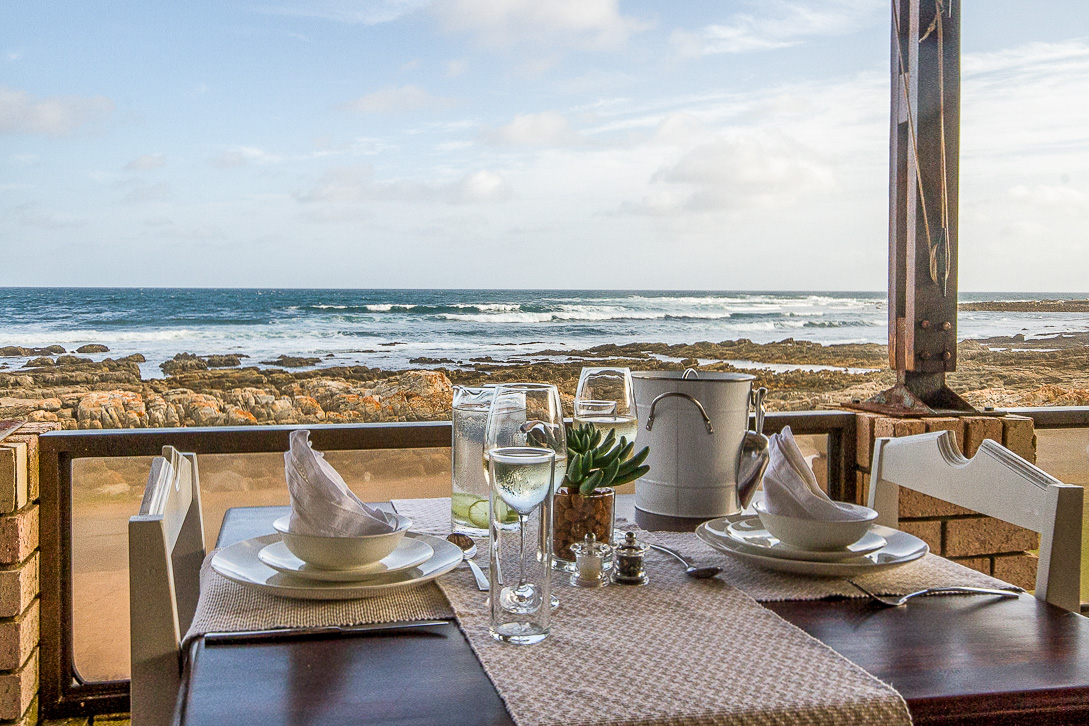
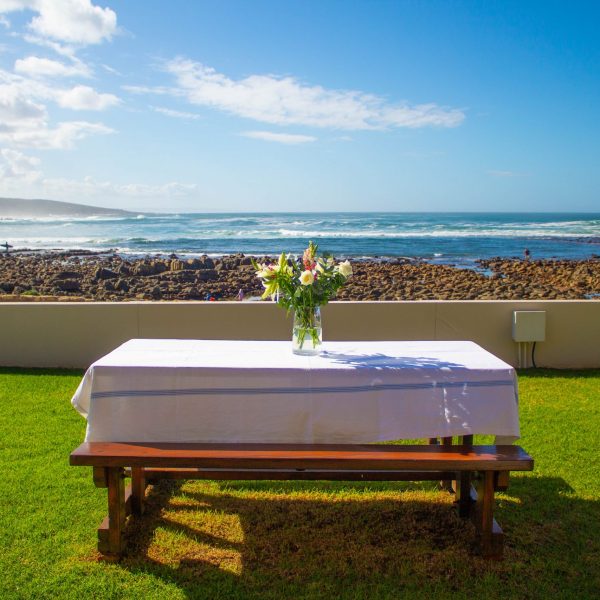
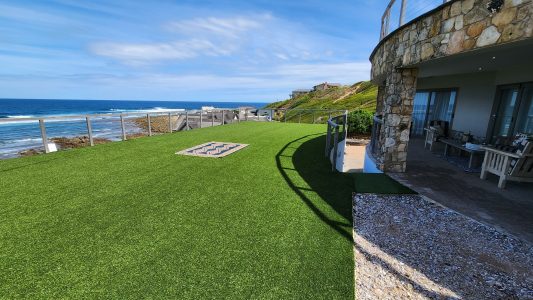
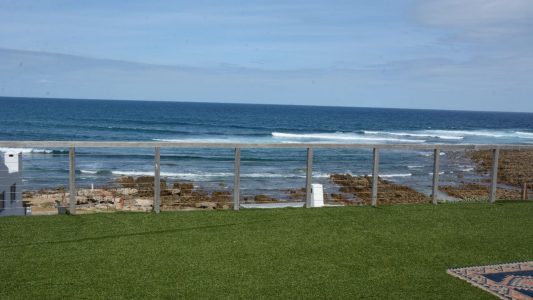
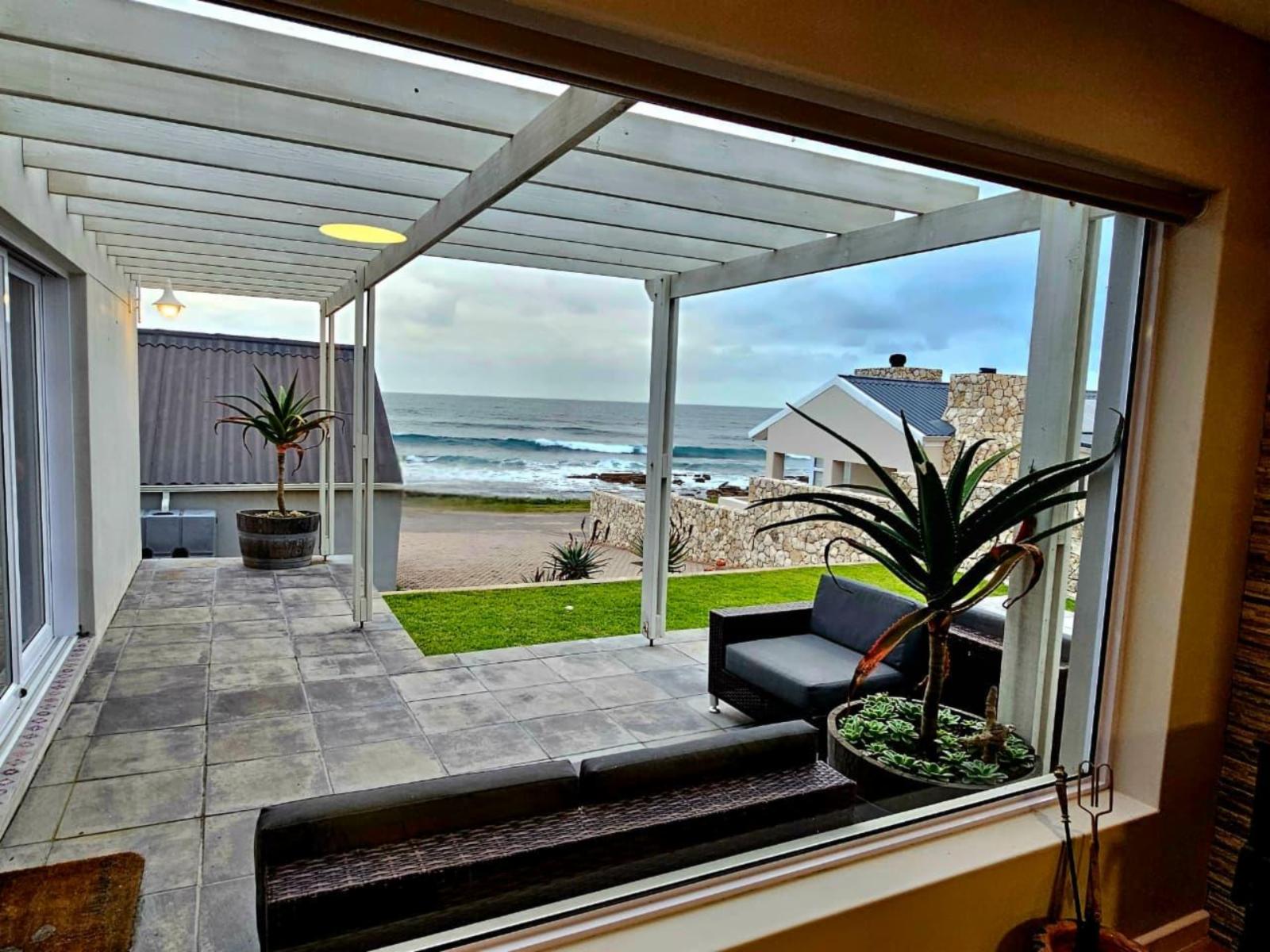
All four properties sit within a small geographic footprint, so waterfront proximity does not vary dramatically between types. The real choice is how much independence you want to carry during the stay. A guesthouse or bed and breakfast handles the logistics. Self-catering hands them to you. Neither is the wrong answer. The match depends on how you prefer to use a week on a remote stretch of south coast.
Availability during the December school holidays and Easter tightens quickly. With supply this limited, last-minute bookings are rarely successful at peak periods.
Best Time to Visit Groot-Jongensfontein
The south coast runs hot and dry in summer and mild and wet in winter. December through February offers the best swimming and beach conditions: sea temperatures are at their highest, evenings extend well past seven, and the light has the quality that draws most domestic visitors to this part of the coast. The consistent downside is the south-westerly wind that builds through most afternoons in high summer. Morning is the better time for paddling, boat trips, or anything that depends on calm water.
Spring, from September to November, offers a reliable alternative to the summer peak. Temperatures are comfortable for extended outdoor days, the coastal fynbos is in full flower across the hills behind the village, and holiday crowds have not yet arrived. Accommodation availability is noticeably better than in December.
Autumn, from March through May, mirrors spring in quality while adding the benefit of a warm sea. The summer heat and crowds have passed, fishing conditions improve with cooling water temperatures, and the weather stays dry across most of this period. May in particular has a settled quality before the winter rains begin.
Winter brings cooler temperatures and regular rainfall from June through August. Some properties close for the off-season. The coast is quiet, and for visitors drawn to solitude over swimming, winter mornings are often calm and clear.
Getting to Groot-Jongensfontein
George Airport, roughly 115 kilometres to the east along the N2, is the closest airport with regular domestic connections. Car hire is available at George, and the drive to the village takes under two hours in normal conditions. Cape Town International Airport is around 360 kilometres away by road and is the main entry point for international arrivals or visitors traveling from further north in the Western Cape.
The N2 national highway runs along the south coast plateau as the main arterial route. From Cape Town, the road passes through Swellendam before the approach to the coast takes you south via Stilbaai. Groot-Jongensfontein sits a few kilometres along the coastal road beyond Stilbaai, and all roads on the approach are tarred and signposted clearly from the N2 junction.
There is no scheduled public transport to the village. Long-distance coaches serve the N2 corridor and stop at larger towns along the route, but reaching Groot-Jongensfontein from any of those stops requires a private vehicle. A car is not optional here: the village has no taxi rank, no local hire operation, and the surrounding coastline can only be accessed by road. Plan on a car for the full duration of the stay, not just for arrival.
Groot-Jongensfontein and Surrounding Areas
Vermaaklikheid, 26 kilometres away, is one of the most specific excursions available from Groot-Jongensfontein. The village sits on the Duiwenhoks River and is the starting point for a multi-day canoe trail that runs downstream through reed-fringed valley walls to the river mouth. The paddling is slow and the landscape is remote. Visitors come for the river experience itself rather than any built infrastructure, and facilities are minimal.
Albertinia, 34 kilometres north on the N2, is the centre of South Africa's commercial Cape aloe industry. The surrounding farms grow aloe at scale for pharmaceutical and cosmetic processing, and the agricultural landscape approaching the town is visually distinctive. The town has a small museum covering the crop's history, which makes for a short stop if you are already travelling the N2.
Riversdale, 35 kilometres inland, is the main service hub for this section of the Overberg coast. Supermarkets, fuel, hardware stores, and a hospital are all here. The town also holds a cluster of well-maintained 19th century buildings from the Moravian mission era, and the Stadsaal museum gives a brief account of settler history in the region.
Witsand, 41 kilometres to the east, marks the point where the Breede River meets the ocean. Southern right whales gather here from July through November, and the dune viewpoints above the estuary give clear sightings without requiring a boat trip. The boat launch handles small craft year-round and is a popular departure point for anglers working the river mouth.
Heidelberg, 47 kilometres away, is a quiet agricultural town in the Langeberg foothills, serving the surrounding grain farms. It has limited visitor infrastructure, but the open Overberg farmland on the drive out is worth the trip.
Gouritzmond, 54 kilometres east near the Garden Route boundary, sits at the mouth of the Gouritz River. The river cuts through a dramatic sandstone gorge before reaching the sea, and the Gouritz bridge on the N2 is the site of a commercial bungee operation. The town itself is a small beach and fishing community at the eastern edge of the Overberg.
Planning Your Stay
Accommodation capacity here is limited, which means forward planning matters more than it would in a larger town. For December, New Year, and Easter, book at least six to eight weeks ahead. Outside peak season, availability is less constrained, but contacting the property directly before booking is still worthwhile: small operators on this part of the coast sometimes take properties off the market for personal use or extended winter maintenance, and those closures are not always reflected in real time on booking platforms.
Before confirming a reservation, check whether the listing includes linen and towels. Self-catering properties in this region vary on this point, and the gap is not always flagged clearly at the booking stage. Confirm braai equipment availability and whether gas is supplied, since outdoor cooking is standard for a south coast stay.
Mobile signal is inconsistent across parts of the village. If connectivity matters to your visit, ask the host directly about Wi-Fi before booking. Note the location of the nearest hospital before you arrive rather than searching at the time you need it.
Pack groceries and any pharmacy items before leaving the N2. The village has no supermarket or pharmacy, and a thorough stock-up on the main road saves a full return trip on the first day of your stay.