Jacobs Bay Reis- & Akkommodasiegids
Jou volledige gids om Jacobs Bay, Suid-Afrika te besoek.
2
Eiendomme
Vanaf
R1,050
/ nag
Gemiddeld
R1,050
/ nag
Gewildste
Self-catering
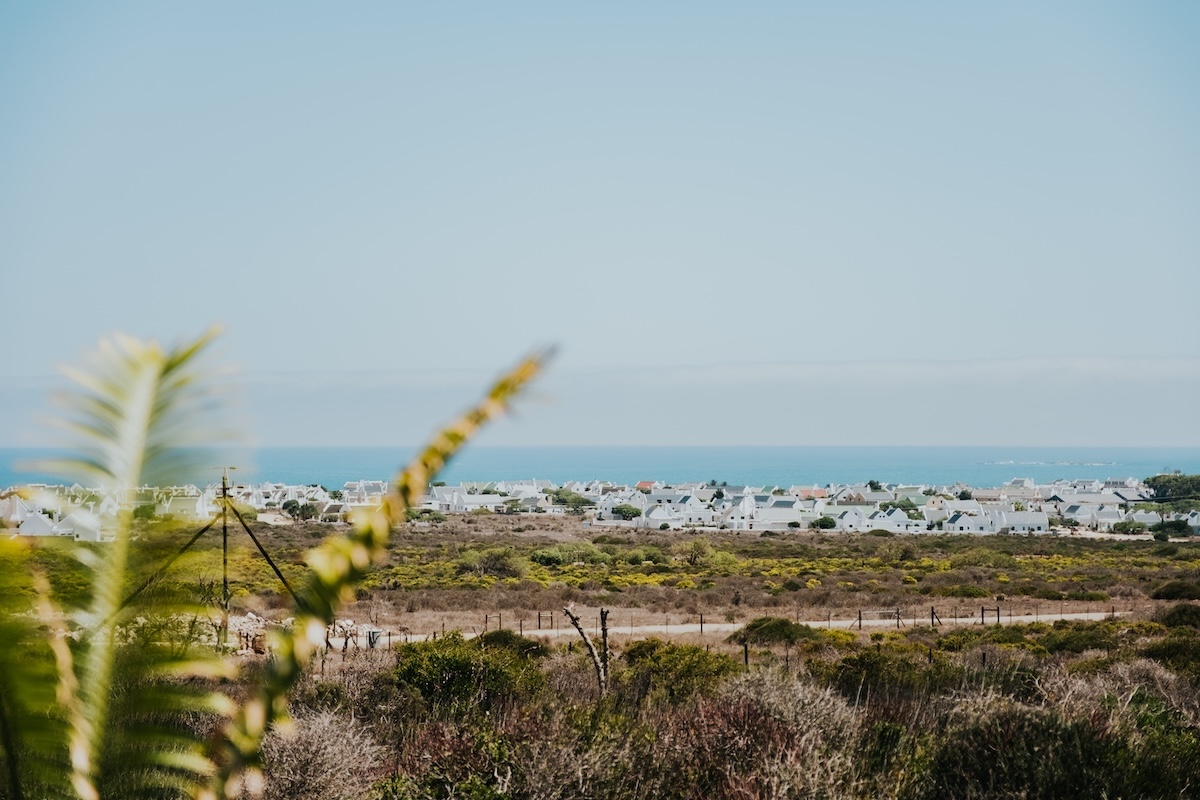
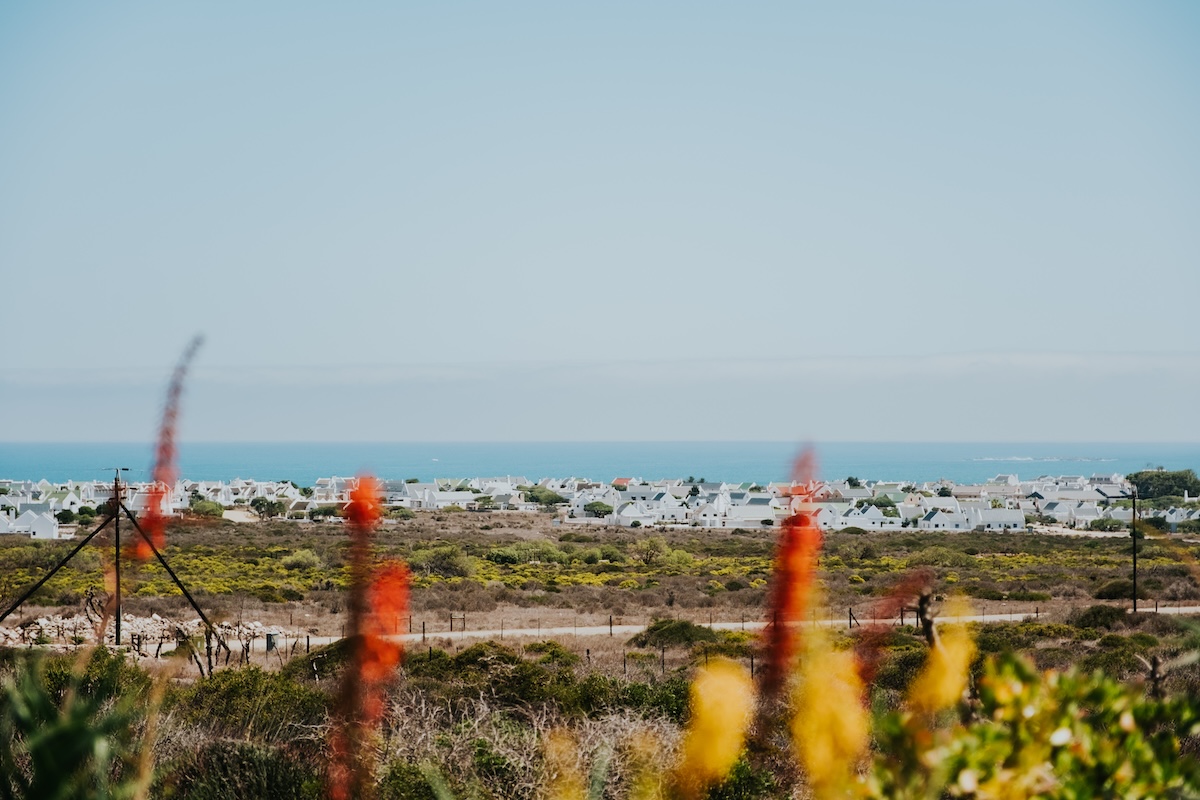
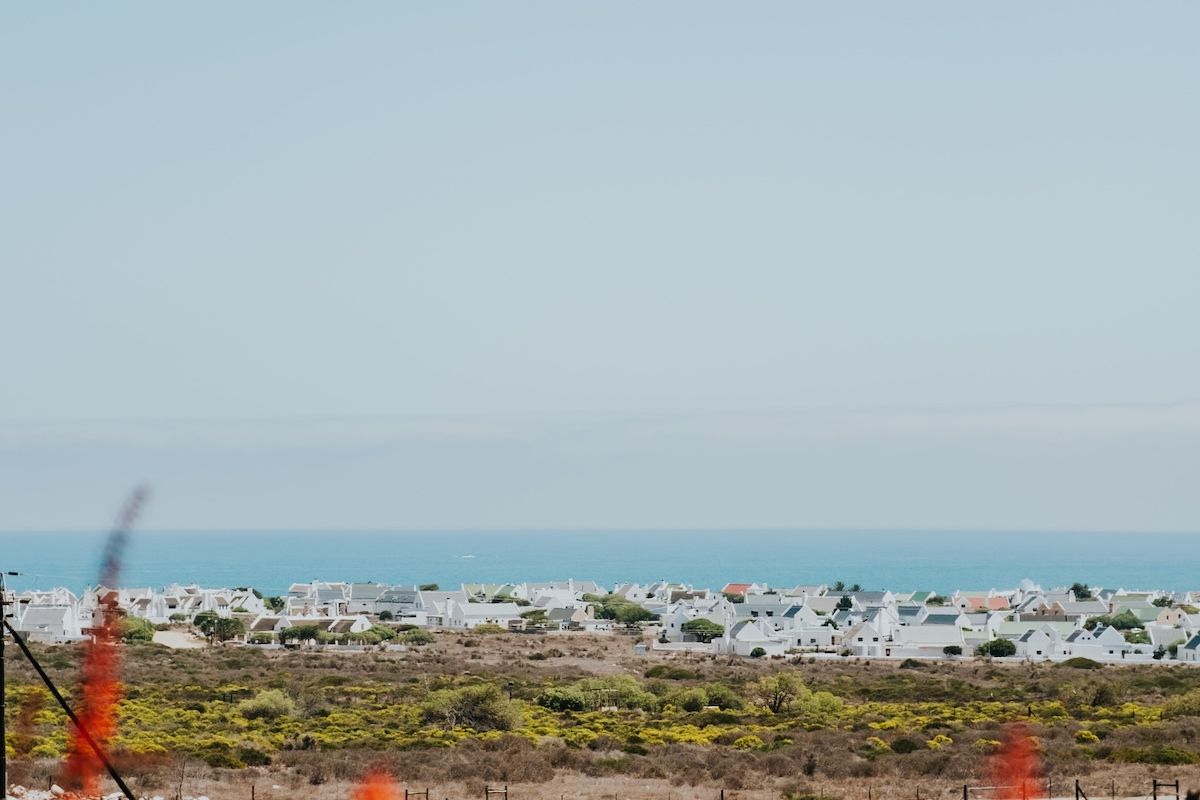
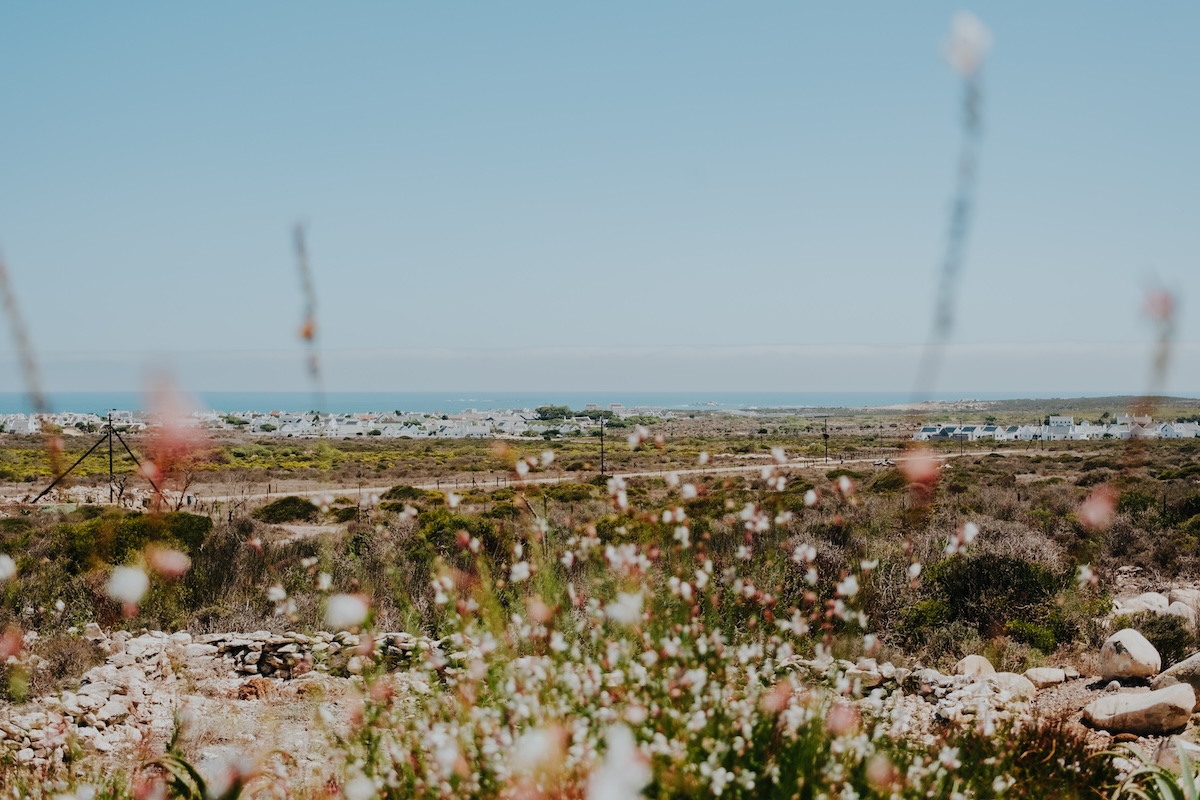
Jacobs Bay is a small fishing village on South Africa's West Coast, approximately 170 kilometres north of Cape Town. Known for its crayfish industry and working harbour, the village offers a quiet coastal retreat with access to excellent seafood and long stretches of beach.
## Accommodation in Jacobs Bay
With two listed properties, Jacobs Bay offers a small but well-matched selection for visitors seeking quiet coastal time rather than resort facilities. Nightly rates sit at around R1,050, placing it in the affordable range for the West Coast region. The choice between the two main property types is largely a question of how you prefer to spend your evenings in a working fishing village.
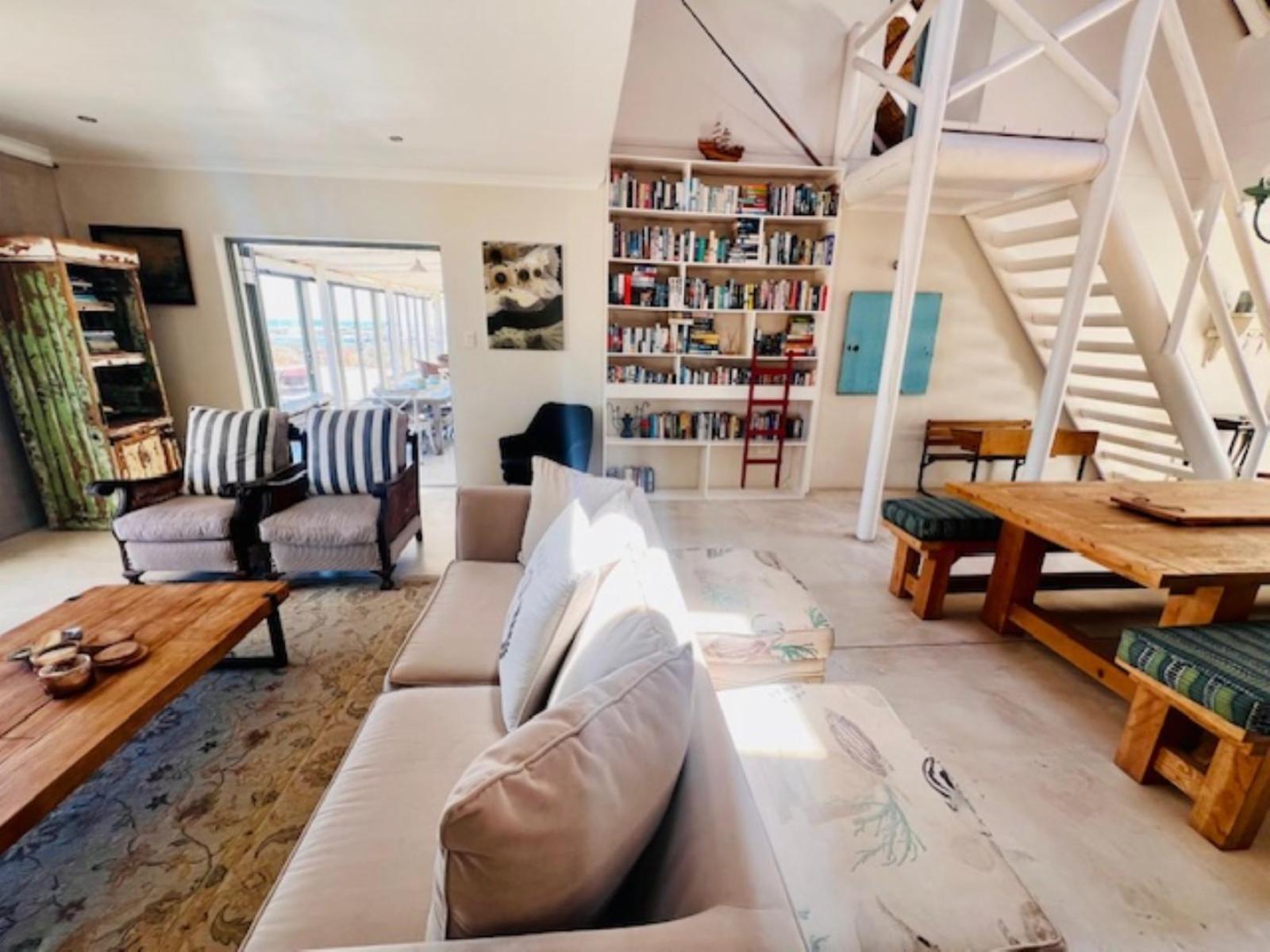
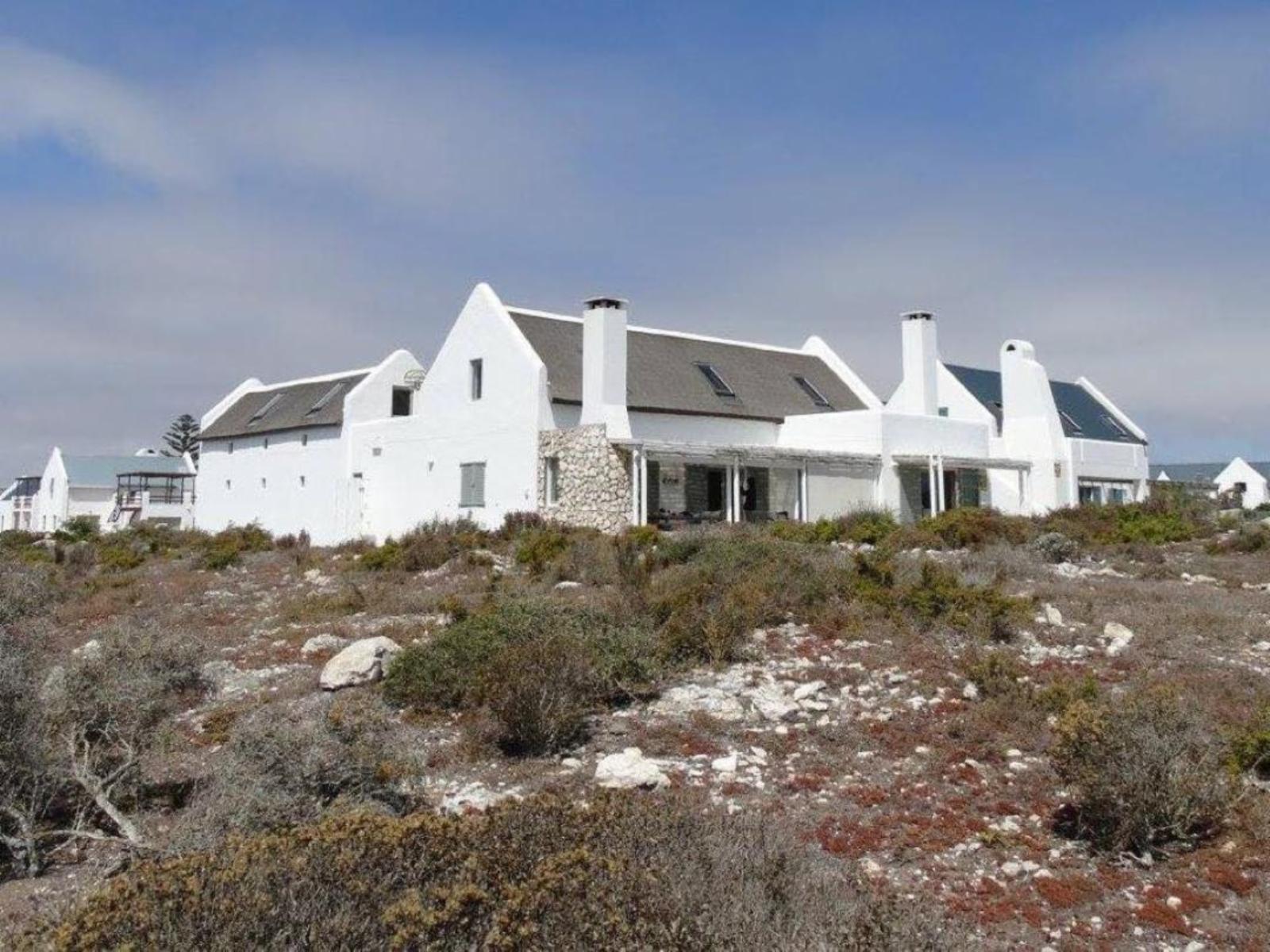
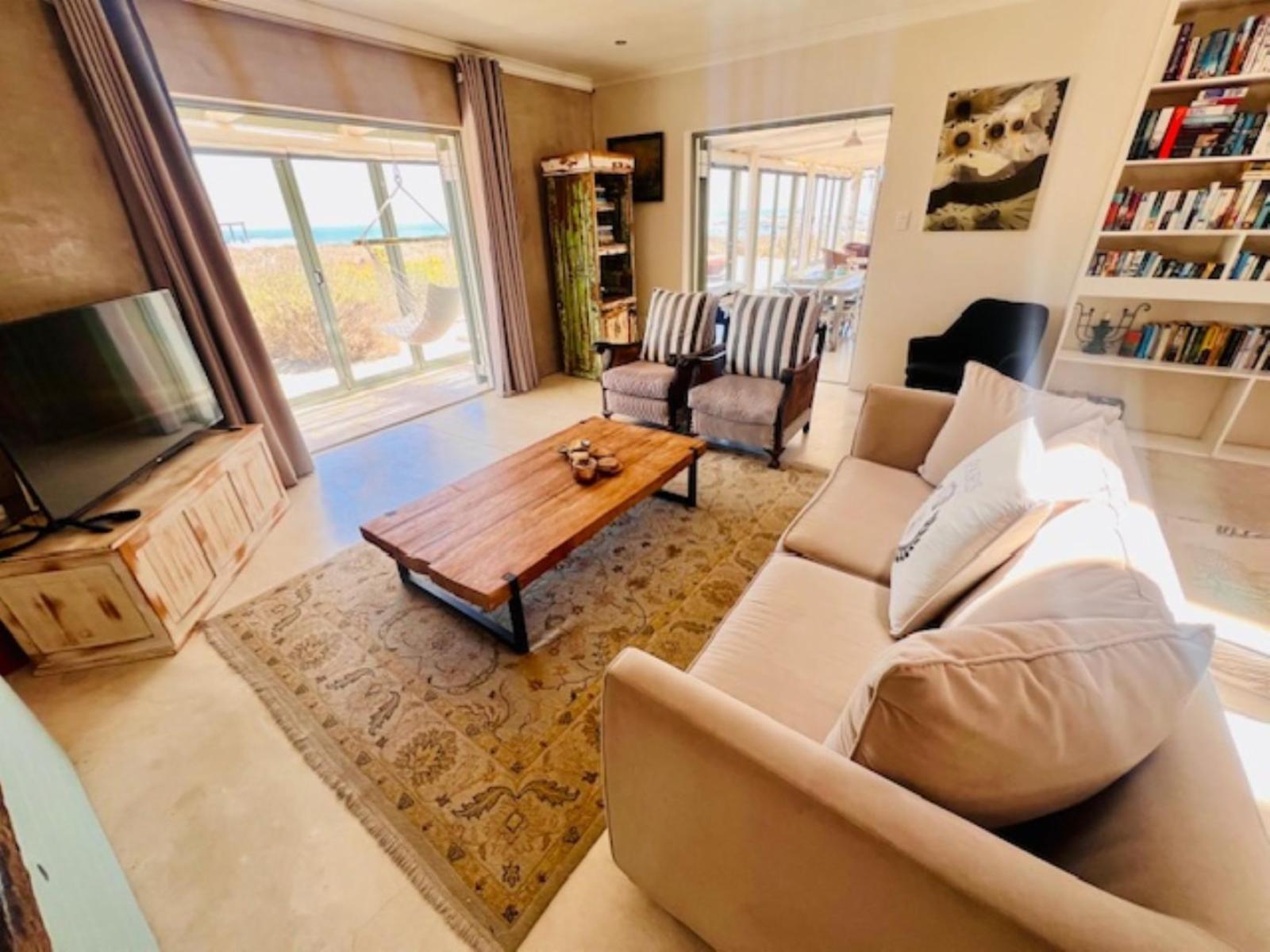
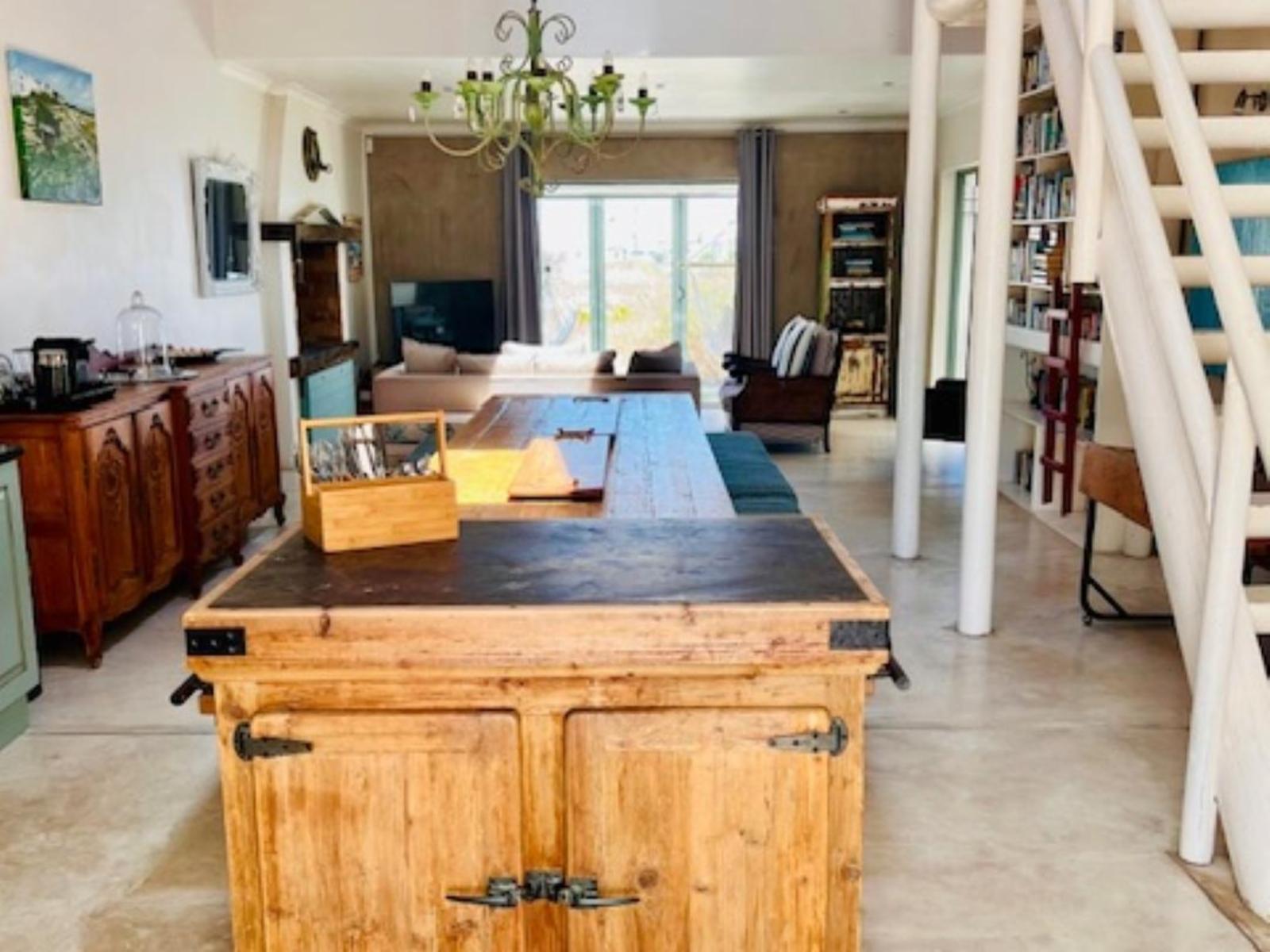
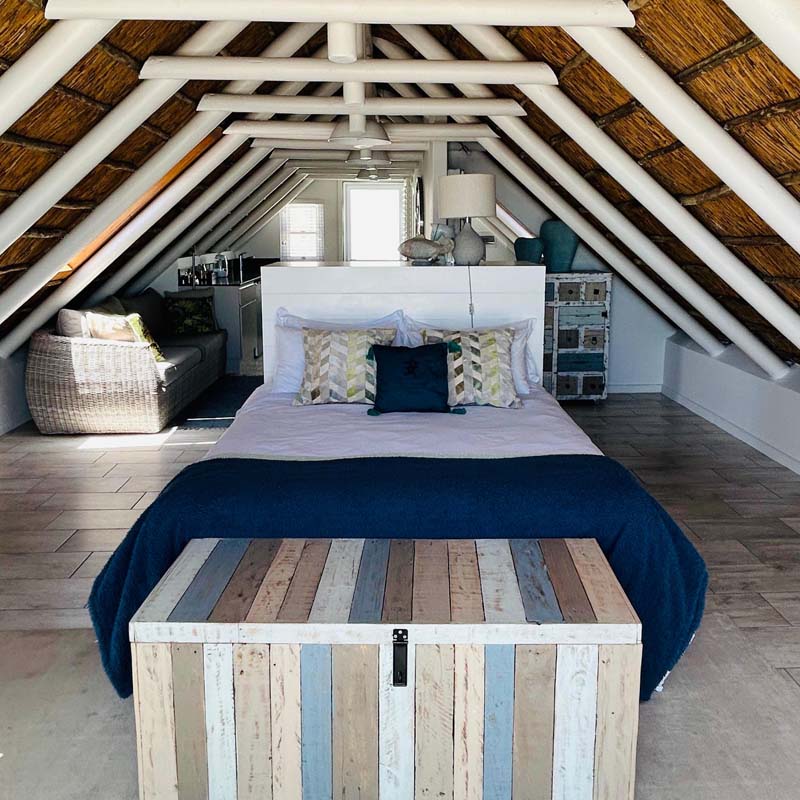
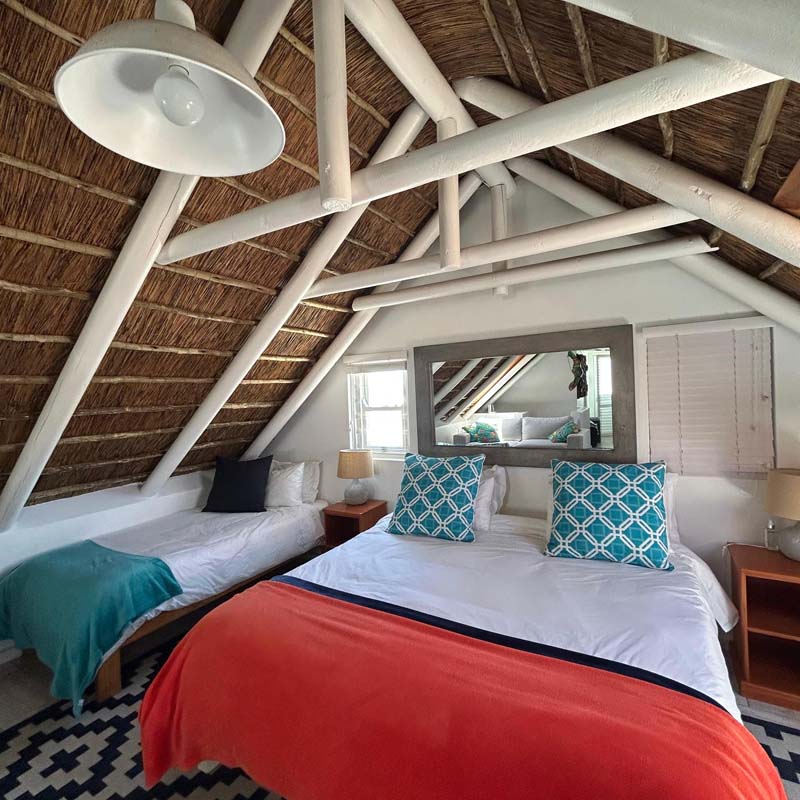
At the self-catering end, the appeal is flexibility. The harbour is a short walk from most properties, and a kitchen lets you make use of fresh fish and West Coast rock lobster available in season from fishermen at the quay. Self-catering options here tend to be cottages or holiday homes, typically run by local families renting out a second property during busier periods. Expect functional furnishings and convenient beach access rather than hotel-grade finishing. These properties suit small groups and families who want to settle in for several nights.
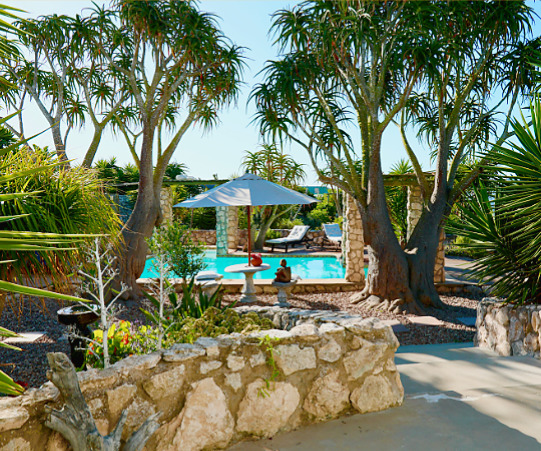
The guest house in the village sits at a slightly higher price point and typically includes breakfast. Guest houses in small fishing communities tend to take on the character of whoever runs them, with home-cooked meals and an informal approach to hospitality that larger properties cannot replicate. For visitors passing through for one or two nights, this arrangement provides comfort without significant extra cost.
Given the limited inventory, availability tightens noticeably during the spring wildflower season and over peak summer periods. Both properties operate independently, without the standardised approach of larger chains. Direct communication with hosts is straightforward at this scale and often produces useful results, whether for practical questions about arrival logistics, local knowledge about fishing conditions, or honest advice about what to expect during the season of your visit.
---
## Best Time to Visit Jacobs Bay
The West Coast follows a Mediterranean pattern, with most rainfall concentrated between May and August. Winter is cooler and wetter, with temperatures typically ranging from around 8°C overnight to 18°C during the day. The coastline can feel raw in poor weather, but lower visitor numbers during these months give the village a more genuine character. The cold Atlantic water, kept chilly year-round by the Benguela Current, means swimming is never the primary draw regardless of season, though the shoreline is good for birdwatching and long walks at any time of year.
Spring, from August into September, is the wildflower season along the West Coast. The normally dry, scrubby landscape around the village transforms during this period, drawing day visitors and weekend travellers from the Cape Town area. This is when Jacobs Bay sees its highest day-tripper traffic, though overnight visitor numbers remain modest compared to more developed coastal towns further south.
Summer (November to February) brings long, warm days, but south-easterly winds are persistent in the afternoons and can be strong enough to affect beach activities. Shore fishing is less affected by wind, and the summer months are popular with anglers. October and November offer a practical compromise: the wildflower displays are finishing, visitor numbers have eased, and temperatures are climbing without the full force of the summer southerly.
---
## Getting to Jacobs Bay
Cape Town International Airport is the nearest major gateway, approximately 130km to the south. Most visitors drive, following the N7 north from Cape Town and turning west on the R45 before continuing to the coast. The roads are well-maintained throughout and signposting is clear. The journey takes roughly 90 minutes to two hours depending on traffic leaving the city.
Jacobs Bay has no petrol station, so filling the tank at one of the service stations in the towns along the approach road is necessary before arriving. Car hire is best arranged at Cape Town International, where both the selection and pricing are significantly better than anything available locally.
There is no scheduled public transport reaching the village directly. Minibus taxis operate between nearby towns but do not extend to Jacobs Bay in any reliable way. A private vehicle is essentially required, both for the journey from Cape Town and for getting around once you arrive. The village is compact enough to cover on foot, but reaching other coastal destinations or nature areas requires driving.
Booking a hire car in advance is advisable during school holiday periods and long weekends, when rental availability at the airport can become limited.
---
## Jacobs Bay and Surrounding Areas
Jacobs Bay sits within a cluster of West Coast communities that each have a distinct identity, making it a practical base for several days of wider exploration.
Jacobsbaai, listed at 0km, is the Afrikaans name for the same village. No separate journey is involved.
Saldanha, 7km away, is the area's main commercial and industrial centre. A large natural harbour handles iron ore exports, giving the town a noticeably more industrial character than the fishing villages nearby. For visitors, it provides restaurants, supermarkets, a hospital, and fuel, along with a sheltered bay that is considerably calmer than the open Atlantic coastline.
Vredenburg, 12km inland, is the administrative hub of the West Coast District. It has little specific tourist appeal but is the right stop for larger supermarkets, hardware stores, or anything else that requires a proper town.
Paternoster, 18km along the coast, has developed into one of the more visited stops on this stretch of the West Coast. A core of whitewashed fishermen's cottages has made it popular with weekend visitors from Cape Town, and the village now supports a more developed restaurant and accommodation scene than Jacobs Bay. Cape Columbine Nature Reserve, on Paternoster's doorstep, protects one of the last staffed lighthouses in South Africa and offers walking trails and tidal rock pools.
Langebaan, 19km to the south, borders a large sheltered lagoon. Consistent winds and shallow water have made it a significant destination for kitesurfers and windsurfers, and the calm lagoon water is also well-suited to swimming, a contrast to the cold open Atlantic. The West Coast National Park, which surrounds much of the lagoon, protects important wetland habitats for migratory birds. The town has grown considerably as a weekend destination and offers a broader range of dining and accommodation than any of the smaller villages nearby.
St Helena Bay, 27km to the north, is a large sheltered bay with an active fishing community. It draws fewer visitors than Paternoster but offers wide beaches and a working-village atmosphere. The bay is historically significant as the landing point of Vasco da Gama in 1497, the first European to round the Cape of Good Hope.
---
## Planning Your Stay
With only two properties in the village, booking ahead matters considerably more than it would in a larger destination. For the spring wildflower season and the December-January school holiday window, securing accommodation several months in advance is practical advice rather than caution. Outside these periods, last-minute availability is sometimes possible, but with only two options there is little margin for flexibility.
Before confirming a booking, checking a few details directly with the host is worthwhile. The village has very limited grocery options, so knowing what a property provides in terms of kitchen supplies, bedding, braai facilities, and firewood helps you arrive prepared. Most properties in the area do not supply toiletries, and assuming otherwise means an unplanned drive to the nearest town.
Internet connectivity varies between properties and is not always reliable in small coastal villages. If working remotely is part of your plan, asking about Wi-Fi quality before committing avoids disappointment. If travelling with a boat or trailer for fishing, confirming secure parking availability before arrival is also sensible.
Payment terms and cancellation policies at independently run properties can differ from what booking platforms display by default. Reading the full terms, or asking directly, is particularly worthwhile during peak periods when alternative options in the village itself are limited.

With two listed properties, Jacobs Bay offers a small but well-matched selection for visitors seeking quiet coastal time rather than resort facilities. Nightly rates sit at around R1,050, placing it in the affordable range for the West Coast region. The choice between the two main property types is largely a question of how you prefer to spend your evenings in a working fishing village.
At the self-catering end, the appeal is flexibility. The harbour is a short walk from most properties, and a kitchen lets you make use of fresh fish and West Coast rock lobster available in season from fishermen at the quay. Self-catering options here tend to be cottages or holiday homes, typically run by local families renting out a second property during busier periods. Expect functional furnishings and convenient beach access rather than hotel-grade finishing. These properties suit small groups and families who want to settle in for several nights.
The guest house in the village sits at a slightly higher price point and typically includes breakfast. Guest houses in small fishing communities tend to take on the character of whoever runs them, with home-cooked meals and an informal approach to hospitality that larger properties cannot replicate. For visitors passing through for one or two nights, this arrangement provides comfort without significant extra cost.
Given the limited inventory, availability tightens noticeably during the spring wildflower season and over peak summer periods. Both properties operate independently, without the standardised approach of larger chains. Direct communication with hosts is straightforward at this scale and often produces useful results, whether for practical questions about arrival logistics, local knowledge about fishing conditions, or honest advice about what to expect during the season of your visit.
---
## Best Time to Visit Jacobs Bay
The West Coast follows a Mediterranean pattern, with most rainfall concentrated between May and August. Winter is cooler and wetter, with temperatures typically ranging from around 8°C overnight to 18°C during the day. The coastline can feel raw in poor weather, but lower visitor numbers during these months give the village a more genuine character. The cold Atlantic water, kept chilly year-round by the Benguela Current, means swimming is never the primary draw regardless of season, though the shoreline is good for birdwatching and long walks at any time of year.
Spring, from August into September, is the wildflower season along the West Coast. The normally dry, scrubby landscape around the village transforms during this period, drawing day visitors and weekend travellers from the Cape Town area. This is when Jacobs Bay sees its highest day-tripper traffic, though overnight visitor numbers remain modest compared to more developed coastal towns further south.
Summer (November to February) brings long, warm days, but south-easterly winds are persistent in the afternoons and can be strong enough to affect beach activities. Shore fishing is less affected by wind, and the summer months are popular with anglers. October and November offer a practical compromise: the wildflower displays are finishing, visitor numbers have eased, and temperatures are climbing without the full force of the summer southerly.
---
## Getting to Jacobs Bay
Cape Town International Airport is the nearest major gateway, approximately 130km to the south. Most visitors drive, following the N7 north from Cape Town and turning west on the R45 before continuing to the coast. The roads are well-maintained throughout and signposting is clear. The journey takes roughly 90 minutes to two hours depending on traffic leaving the city.
Jacobs Bay has no petrol station, so filling the tank at one of the service stations in the towns along the approach road is necessary before arriving. Car hire is best arranged at Cape Town International, where both the selection and pricing are significantly better than anything available locally.
There is no scheduled public transport reaching the village directly. Minibus taxis operate between nearby towns but do not extend to Jacobs Bay in any reliable way. A private vehicle is essentially required, both for the journey from Cape Town and for getting around once you arrive. The village is compact enough to cover on foot, but reaching other coastal destinations or nature areas requires driving.
Booking a hire car in advance is advisable during school holiday periods and long weekends, when rental availability at the airport can become limited.
---
## Jacobs Bay and Surrounding Areas
Jacobs Bay sits within a cluster of West Coast communities that each have a distinct identity, making it a practical base for several days of wider exploration.
Jacobsbaai, listed at 0km, is the Afrikaans name for the same village. No separate journey is involved.
Saldanha, 7km away, is the area's main commercial and industrial centre. A large natural harbour handles iron ore exports, giving the town a noticeably more industrial character than the fishing villages nearby. For visitors, it provides restaurants, supermarkets, a hospital, and fuel, along with a sheltered bay that is considerably calmer than the open Atlantic coastline.
Vredenburg, 12km inland, is the administrative hub of the West Coast District. It has little specific tourist appeal but is the right stop for larger supermarkets, hardware stores, or anything else that requires a proper town.
Paternoster, 18km along the coast, has developed into one of the more visited stops on this stretch of the West Coast. A core of whitewashed fishermen's cottages has made it popular with weekend visitors from Cape Town, and the village now supports a more developed restaurant and accommodation scene than Jacobs Bay. Cape Columbine Nature Reserve, on Paternoster's doorstep, protects one of the last staffed lighthouses in South Africa and offers walking trails and tidal rock pools.
Langebaan, 19km to the south, borders a large sheltered lagoon. Consistent winds and shallow water have made it a significant destination for kitesurfers and windsurfers, and the calm lagoon water is also well-suited to swimming, a contrast to the cold open Atlantic. The West Coast National Park, which surrounds much of the lagoon, protects important wetland habitats for migratory birds. The town has grown considerably as a weekend destination and offers a broader range of dining and accommodation than any of the smaller villages nearby.
St Helena Bay, 27km to the north, is a large sheltered bay with an active fishing community. It draws fewer visitors than Paternoster but offers wide beaches and a working-village atmosphere. The bay is historically significant as the landing point of Vasco da Gama in 1497, the first European to round the Cape of Good Hope.
---
## Planning Your Stay
With only two properties in the village, booking ahead matters considerably more than it would in a larger destination. For the spring wildflower season and the December-January school holiday window, securing accommodation several months in advance is practical advice rather than caution. Outside these periods, last-minute availability is sometimes possible, but with only two options there is little margin for flexibility.
Before confirming a booking, checking a few details directly with the host is worthwhile. The village has very limited grocery options, so knowing what a property provides in terms of kitchen supplies, bedding, braai facilities, and firewood helps you arrive prepared. Most properties in the area do not supply toiletries, and assuming otherwise means an unplanned drive to the nearest town.
Internet connectivity varies between properties and is not always reliable in small coastal villages. If working remotely is part of your plan, asking about Wi-Fi quality before committing avoids disappointment. If travelling with a boat or trailer for fishing, confirming secure parking availability before arrival is also sensible.
Payment terms and cancellation policies at independently run properties can differ from what booking platforms display by default. Reading the full terms, or asking directly, is particularly worthwhile during peak periods when alternative options in the village itself are limited.
Tipes Akkommodasie in Jacobs Bay
Uitgesoekte Verblyf in Jacobs Bay
Golden Key Guesthouse
Gastehuis
Vredenburg
Vanaf R1,050
Golden Key Guesthouse
Gastehuis
Vredenburg
· 10.3km van Jacobs Bay
Vanaf
R1,050
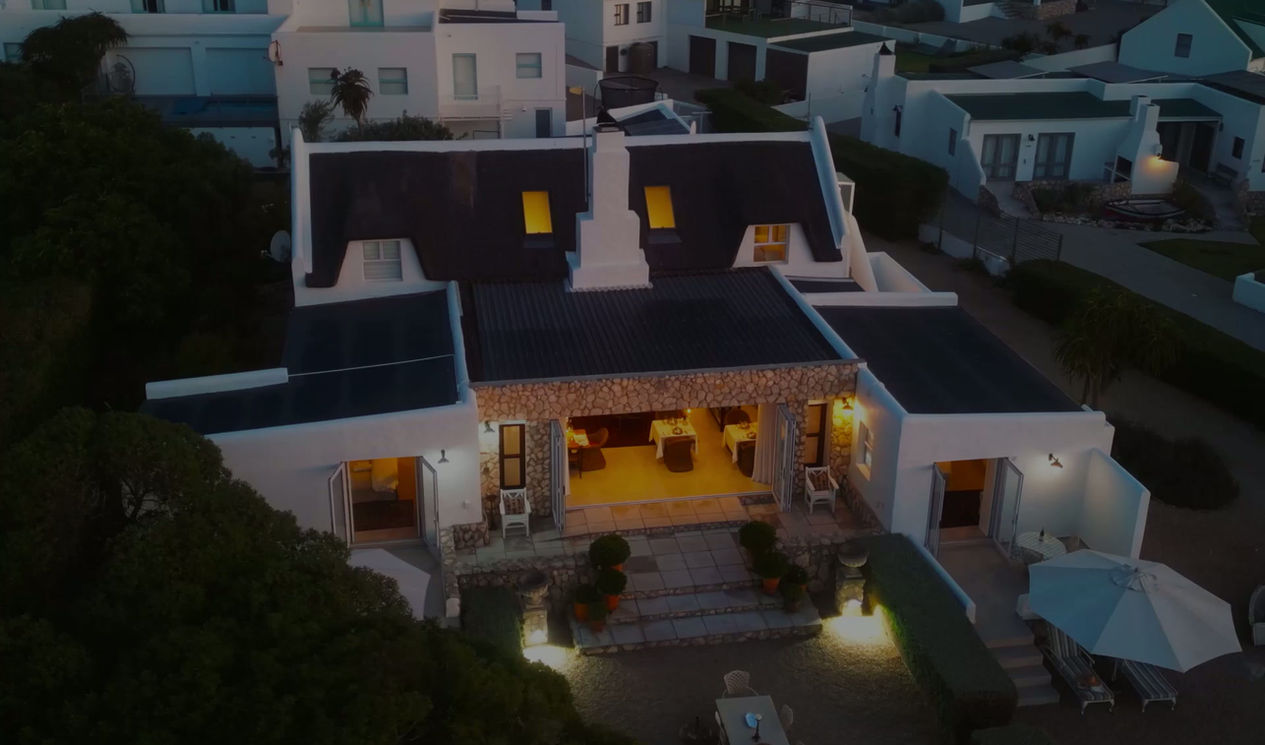
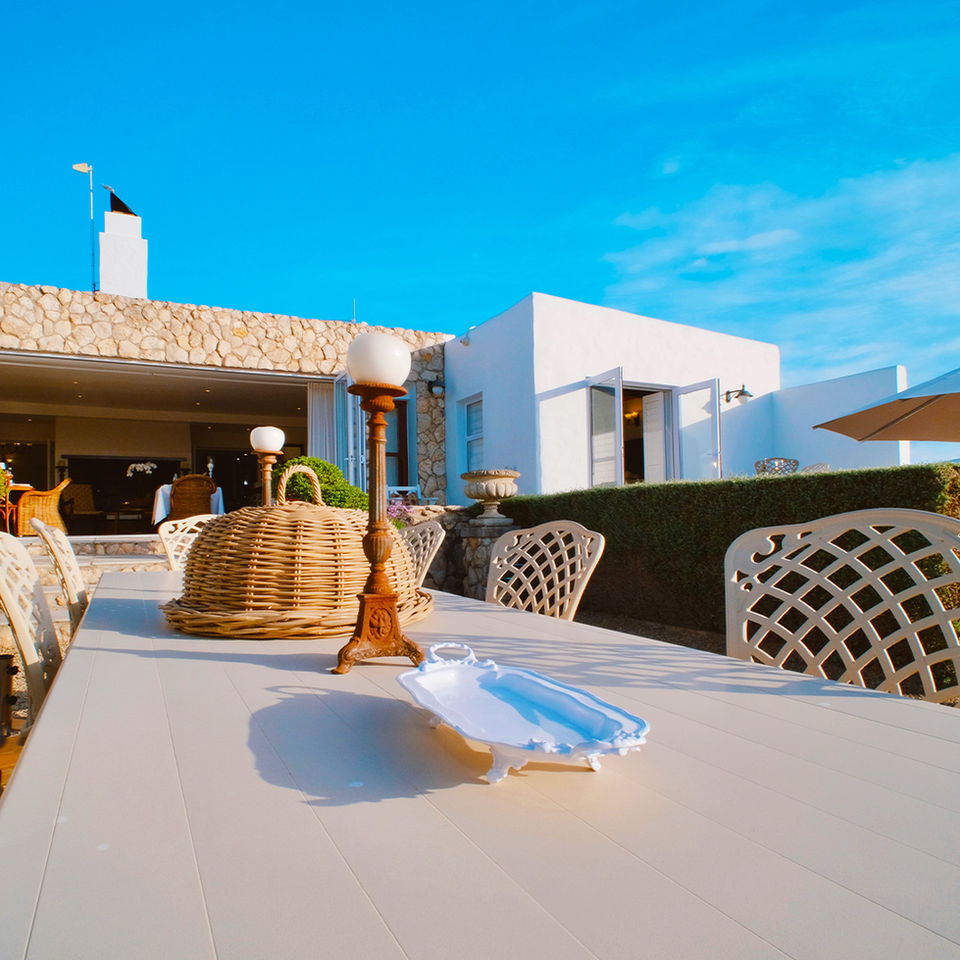
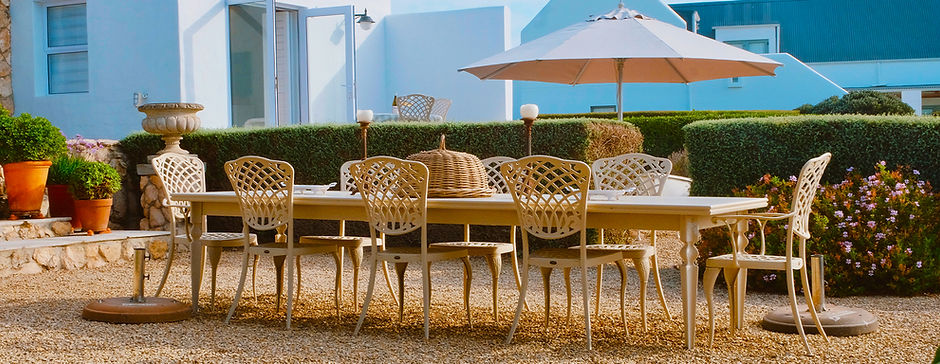
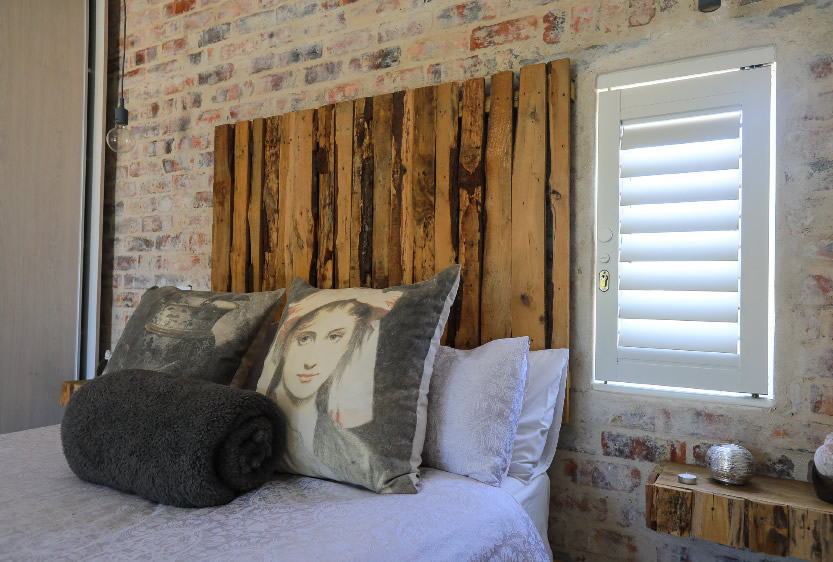
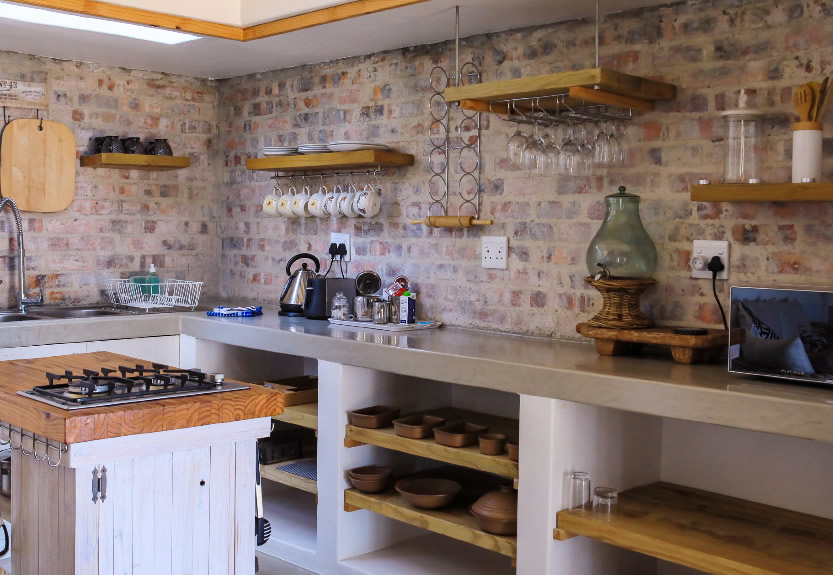
Golden Key Guesthouse is bekroonde akkommodasie in Vredenburg aan die Weskus, 125 km noord van Kaapstad Internasionale Lughawe op die R27.
Slaap 7
Kinders welkom
Akkommodasiepryse in Jacobs Bay
| Tipe | Inskrywings | Vanaf | Gemiddeld | Tot |
|---|---|---|---|---|
| Self-catering | 1 | – | – | – |
| Guest house | 1 | R1,050 | R1,213 | R1,700 |
Jacobs Bay Kaart
Nabygeleë Bestemmings
Blaai Deur Alle Jacobs Bay Akkommodasie
Bekyk al 2 akkommodasie-opsies in Jacobs Bay met foto's, pryse en beskikbaarheid.
Blaai Deur Alle Akkommodasie