Jacobsbaai Reis- & Akkommodasiegids
Jou volledige gids om Jacobsbaai, Suid-Afrika te besoek.
1
Eiendom
Gewildste
Self-catering
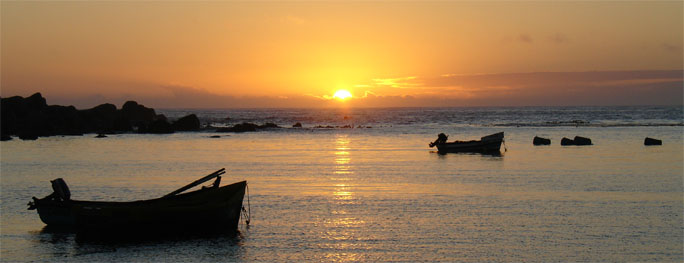
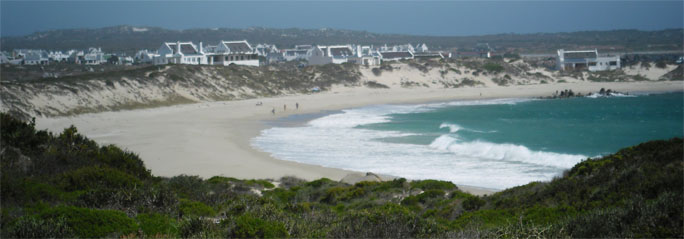
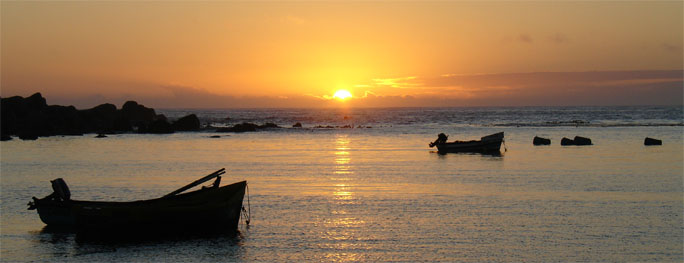
Jacobsbaai provides access to sandy shores and rocky outcrops ideal for exploration. The village supports activities like fishing and walking along the coast. Its proximity to natural areas makes it a suitable base for those seeking relaxation and outdoor pursuits.
## Accommodation in Jacobsbaai
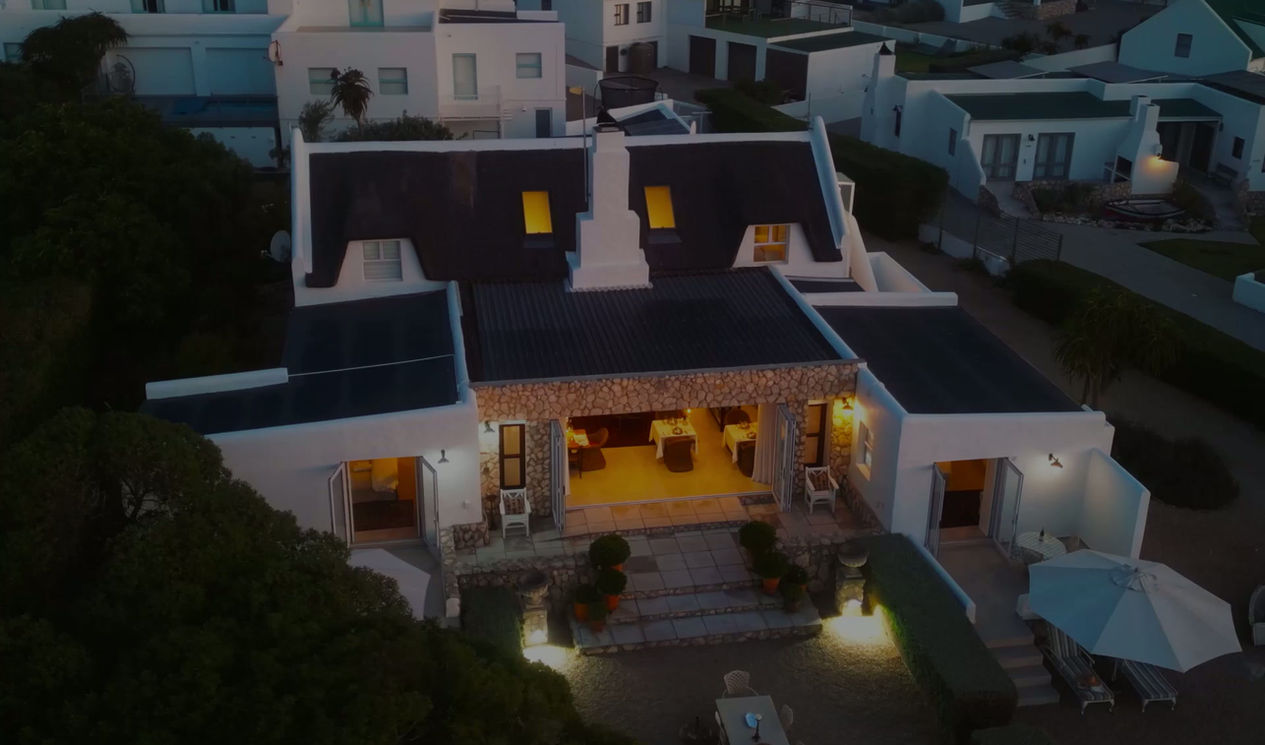
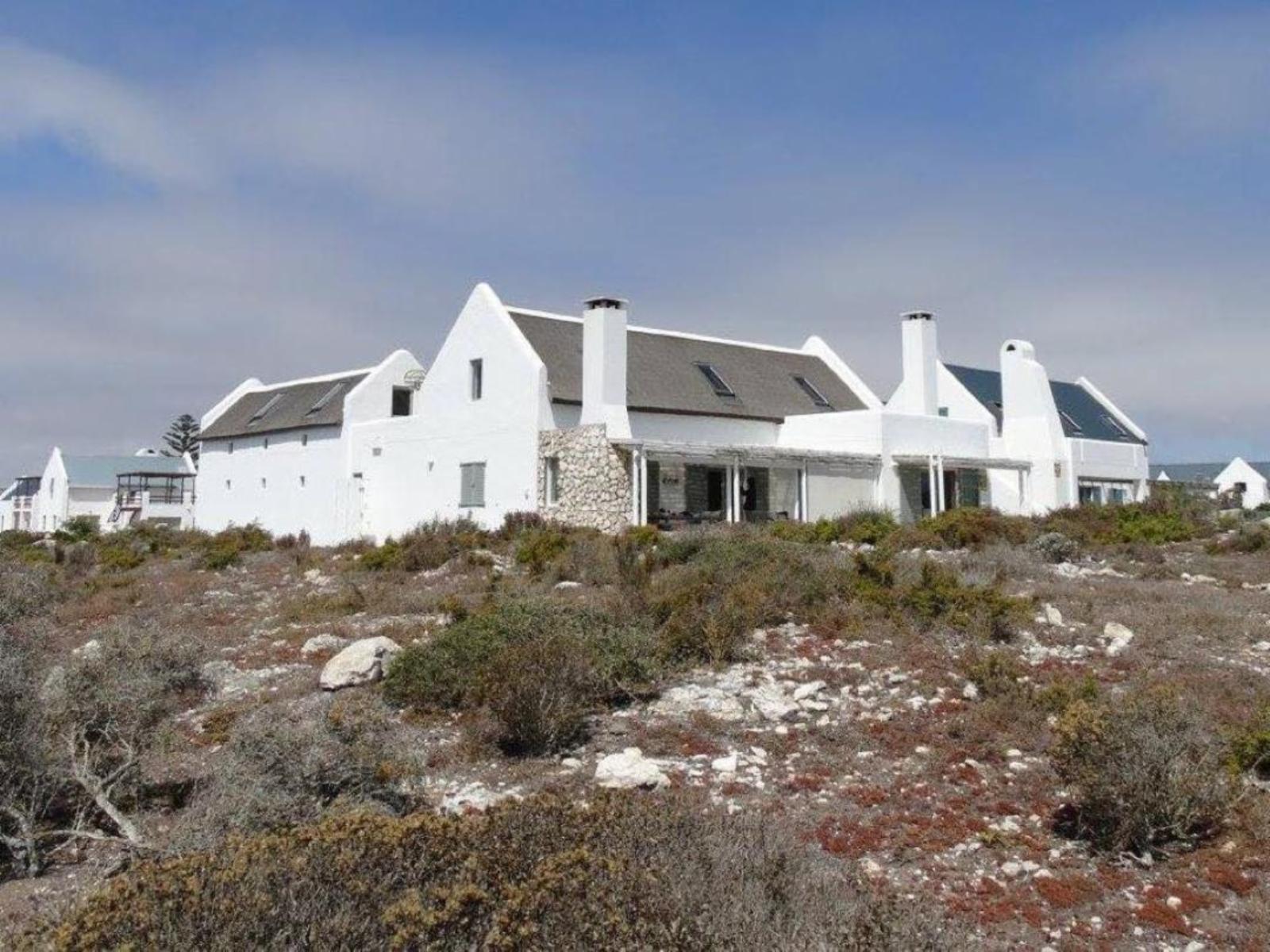
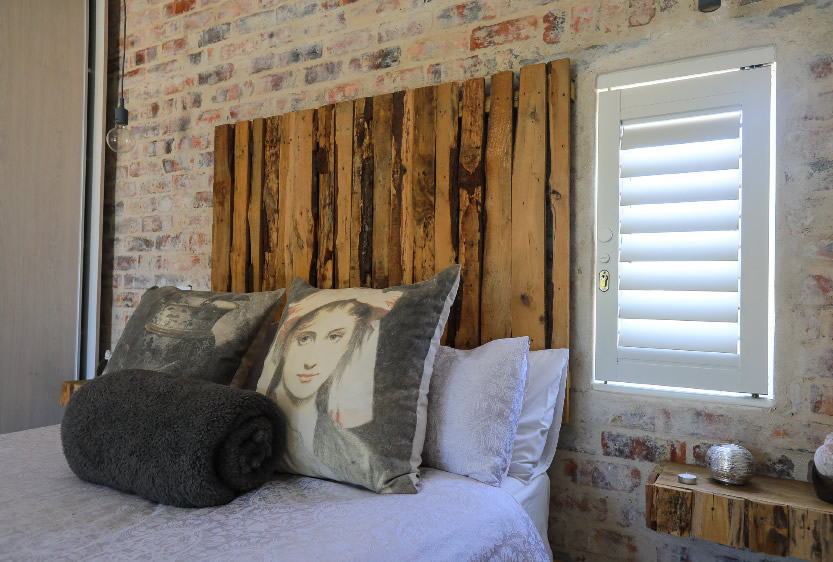
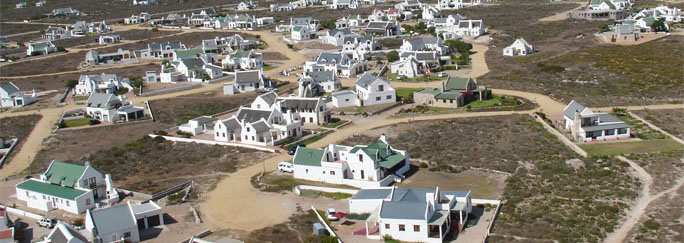
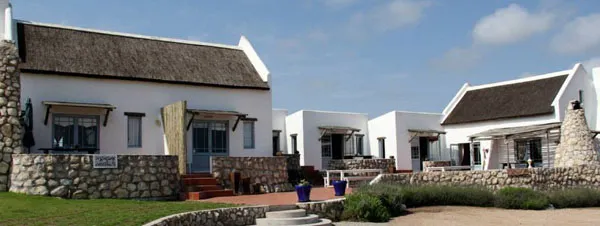
The accommodation offering in Jacobsbaai is intentionally modest, reflecting the village's character as a quiet coastal retreat rather than a resort destination. There is currently 1 property listed for short-term stays, and the available option falls into the self-catering category, meaning guests manage their own meals and use the property as a fully independent base.
This setup suits Jacobsbaai well. The village has no restaurant strip or café culture, and visitors expecting hotel-style convenience will find it better served elsewhere on the West Coast. Those who come specifically for the coastal setting, access to beaches and rock pools, and the slower rhythm of a working fishing community will find self-catering an entirely natural fit. Stock up on supplies before you arrive and the property becomes a functional anchor for your stay.
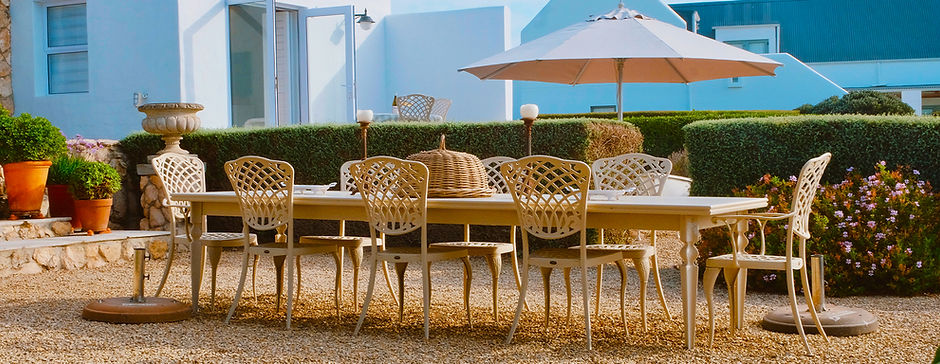
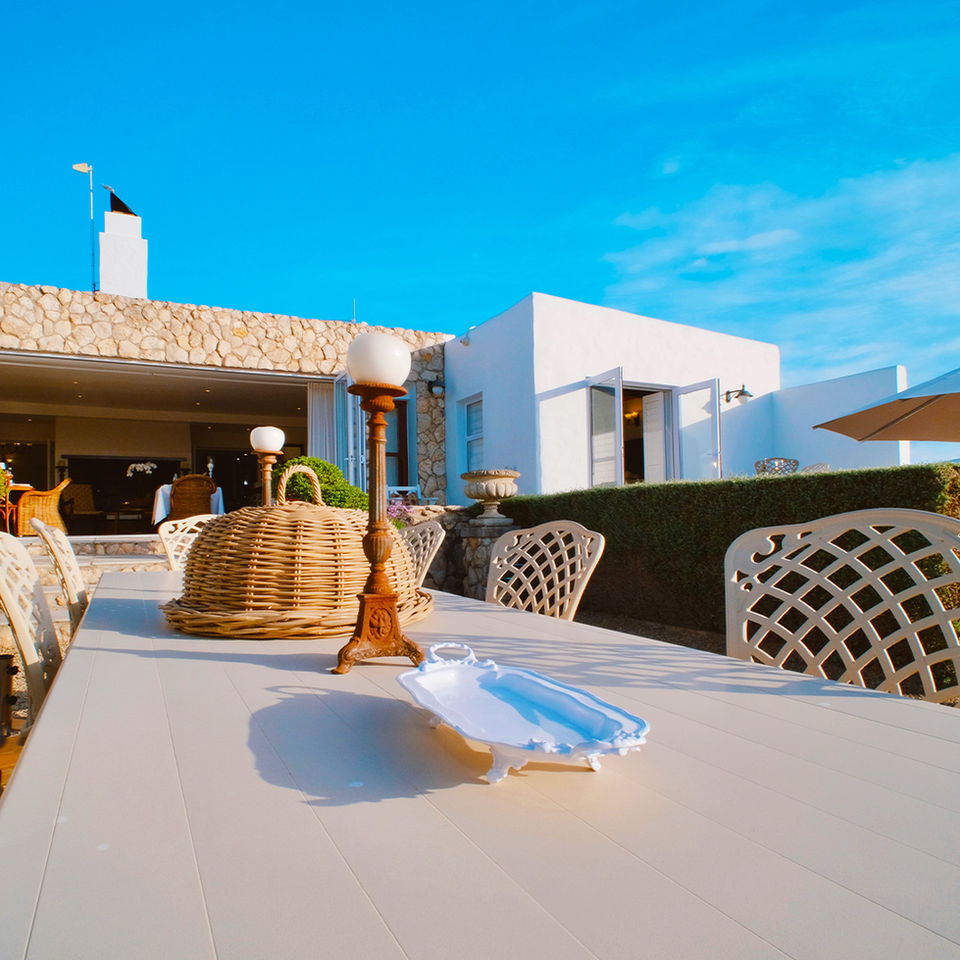
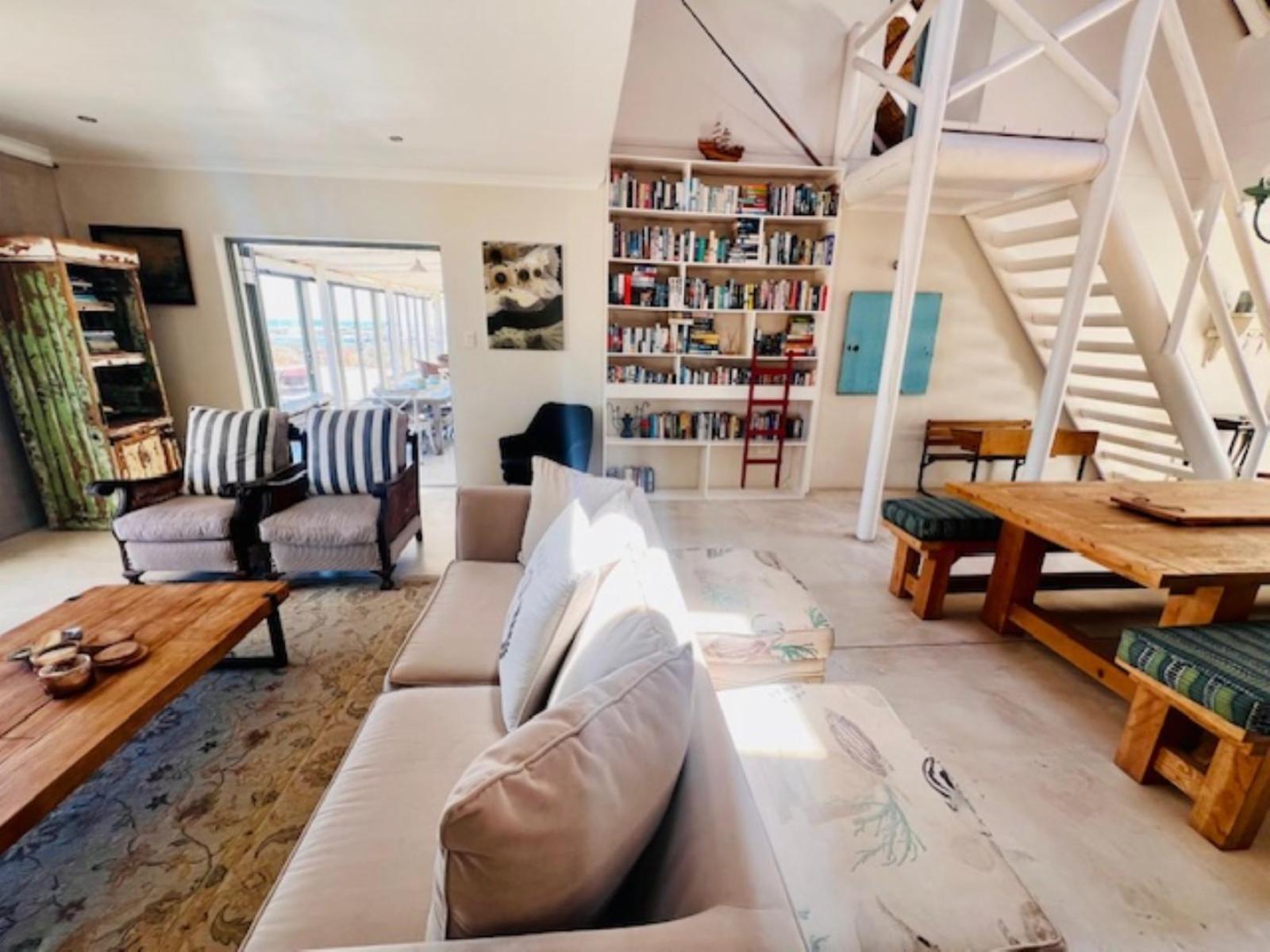
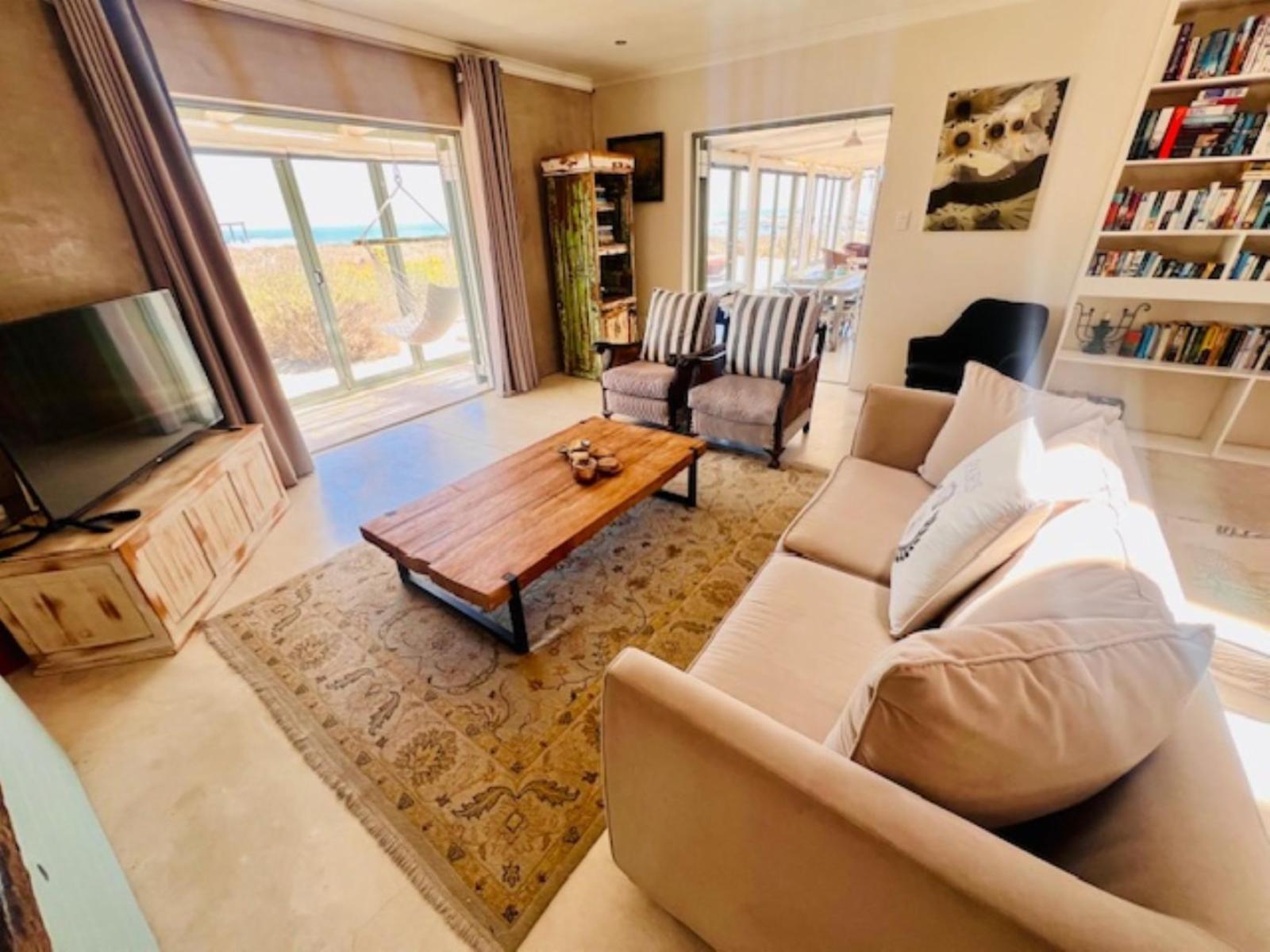
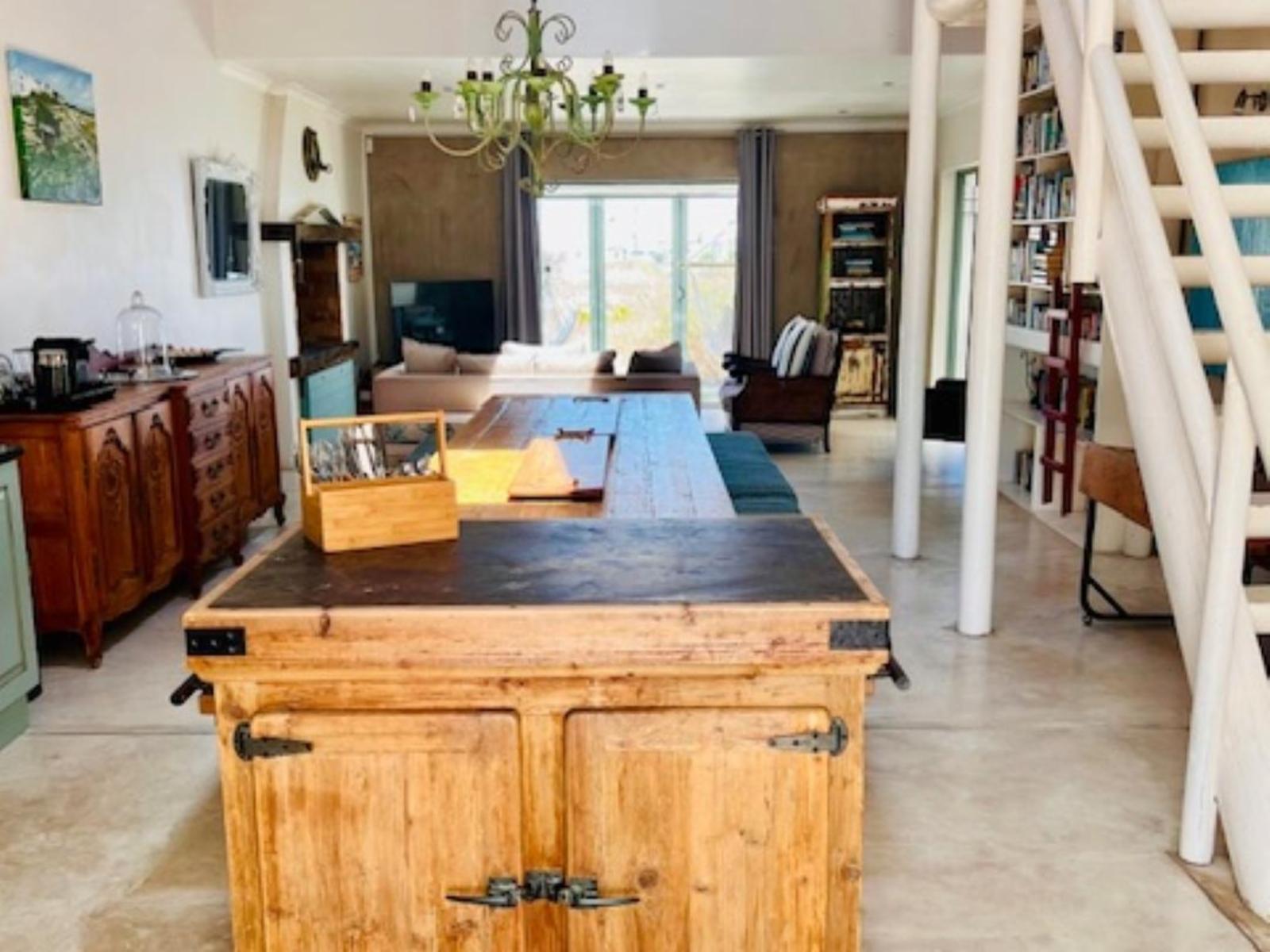
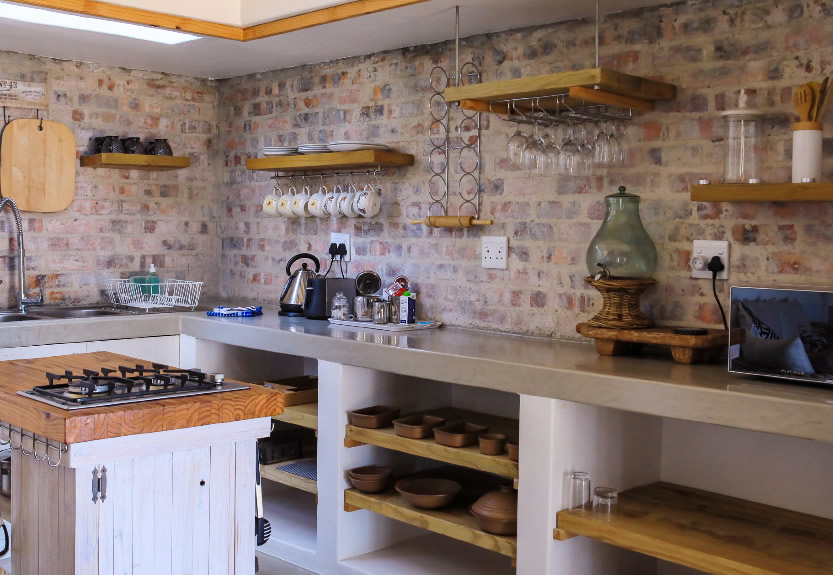
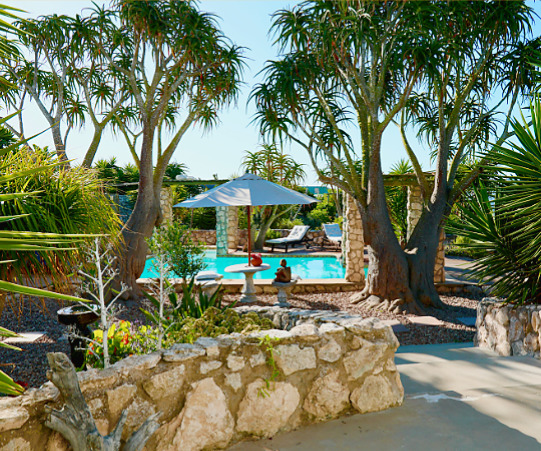
Self-catering units along this part of the coast typically include a fully equipped kitchen, comfortable living space, and an outdoor area for braais. At the more accessible end of the market you're looking at straightforward beach cottages: clean, functional, within walking distance of the water. Better-equipped units include outdoor entertaining areas, decent appliances, and sometimes sea views. With just one listing currently available, pricing is not publicly ranged, but the West Coast in general sits well below Cape Town's short-stay rental rates, offering solid value for the location. The self-catering model also aligns with how most visitors actually spend their time here: buying fresh fish from local fishermen, cooking outdoors in the evenings, and spending days on the beach rather than in restaurants.
Demand peaks sharply during December and January, when visitors from Johannesburg and Cape Town fill coastal properties weeks or months in advance. For a village with this limited supply, early booking is not a suggestion.
## Best Time to Visit Jacobsbaai
The Western Cape follows a Mediterranean weather pattern, with warm, dry summers from November through March and rainfall concentrated in June and July. For beach-focused visits, summer offers the most consistent conditions. Temperatures in January and February regularly reach the high 20s Celsius along this stretch of coast, with long daylight hours and reliable sunshine.
Peak visitor numbers coincide with South African school holidays, running through most of December and into mid-January. Smaller villages like Jacobsbaai feel this change acutely given their limited accommodation stock. Visiting in October or early November gives you warm weather with noticeably fewer people, which makes a real difference in a settlement this size.
Winter brings its own distinct appeal. July through October marks whale season along the West Coast, with southern right whales moving through the coastal waters in this region. The rain falls mainly in June and July, but clear winter days here are often cold and still, well suited to coastal walks and rock pool exploration. Fishing is a year-round activity, and local anglers can advise on which months target which species. Spring from September onward brings steadily warming temperatures and longer windows of dry weather for outdoor activity.
## Getting to Jacobsbaai
A car is the only practical way to reach Jacobsbaai. The village has no public transport connections, and the spread of attractions and services across the surrounding region makes a vehicle necessary throughout your stay, not just for the arrival journey.
From Cape Town International Airport, the drive north takes approximately 90 minutes under normal conditions, covering roughly 140 kilometers. The most direct route follows the N7 north before turning west along the R45 toward the coast. Alternatively, the R27 runs close to the Atlantic shoreline and offers a longer but more visually varied drive through smaller coastal towns before connecting to the broader Saldanha Bay area. Both roads are well-maintained tar and straightforward to navigate.
The nearest petrol station is approximately 12 kilometers from Jacobsbaai. Fill up before entering the village, as there is no fuel available locally. Traffic on the R27 heading north from Cape Town builds significantly on Friday afternoons and Saturday mornings during school holidays and long weekends. Leaving Cape Town early in the morning avoids the worst of it. No car rental is available in the local area, so arrange a hire vehicle through Cape Town before departure.
## Jacobsbaai and Surrounding Areas
Jacobsbaai and Jacobs Bay refer to the same small coastal settlement and the bay it fronts, with both names used interchangeably by residents and visitors.
**Saldanha**, 7 kilometers east, is the region's main port town and commercial hub for this part of the West Coast. A working harbor handles significant industrial shipping, but the waterfront area has been developed in recent years and is pleasant for an afternoon walk. The town has supermarkets, hardware stores, and a broader range of restaurants than anywhere else nearby, making it a practical stop for supplies before or during a stay in the area.
**Vredenburg**, 12 kilometers inland, is the administrative center of the Saldanha Bay municipality. Its draw is primarily functional: banking, larger retail, and services that support longer stays in the area. It's a working town rather than a visitor destination, but useful to know about.
**Paternoster**, 18 kilometers to the north, is one of the most visited fishing villages on the West Coast. Its whitewashed cottages, protected beach, and cluster of well-regarded restaurants draw substantial weekend visitor numbers. The Cape Columbine Nature Reserve on its northern edge includes a lighthouse and coastal walking paths with some of the best rock pool formations in the region. A half-day trip from Jacobsbaai makes good use of the proximity.
**Langebaan**, 19 kilometers south, is built around a sheltered lagoon that provides some of the calmest flat-water conditions on South Africa's Atlantic coast. Kitesurfing and windsurfing are the major activities. The West Coast National Park surrounds the lagoon and offers walking trails through coastal fynbos, with wildflowers typically peaking between August and September, drawing visitors from across the country during that window.
**St Helena Bay**, 27 kilometers north, is a large, sheltered bay supporting an active fishing industry. Snoek and other West Coast species are caught commercially and recreationally. The bay is a frequent site for dolphin sightings from shore, and its calmer water makes for more accessible swimming than the more exposed beaches to the south.
## Planning Your Stay
With only one property listed in Jacobsbaai, availability is genuinely limited. Book at least six to eight weeks ahead for December and January stays. For off-peak periods, four weeks is usually sufficient, though Easter and the September school break also see higher demand across the West Coast corridor.
Before confirming a booking, check whether linen and towels are included. South African self-catering properties handle this differently, and listings do not always make it explicit. If outdoor cooking is central to your plans, confirm the braai setup and whether charcoal or firewood is supplied or needs to be brought. For longer stays, ask specifically about Wi-Fi coverage, since rural coastal properties in this region can be inconsistent.
The check-in process is worth clarifying in advance. Many rural self-catering properties use keyboxes or require a timed meet-and-greet, with no on-site reception outside arranged windows. Plan your arrival time accordingly, particularly if driving up from Cape Town on a Friday afternoon when the journey can run longer than expected.
The village has no shops. Do a full grocery run before you arrive and account for everything you will need across your stay, including any cooking supplies, beverages, and items specific to outdoor use.

The accommodation offering in Jacobsbaai is intentionally modest, reflecting the village's character as a quiet coastal retreat rather than a resort destination. There is currently 1 property listed for short-term stays, and the available option falls into the self-catering category, meaning guests manage their own meals and use the property as a fully independent base.
This setup suits Jacobsbaai well. The village has no restaurant strip or café culture, and visitors expecting hotel-style convenience will find it better served elsewhere on the West Coast. Those who come specifically for the coastal setting, access to beaches and rock pools, and the slower rhythm of a working fishing community will find self-catering an entirely natural fit. Stock up on supplies before you arrive and the property becomes a functional anchor for your stay.
Self-catering units along this part of the coast typically include a fully equipped kitchen, comfortable living space, and an outdoor area for braais. At the more accessible end of the market you're looking at straightforward beach cottages: clean, functional, within walking distance of the water. Better-equipped units include outdoor entertaining areas, decent appliances, and sometimes sea views. With just one listing currently available, pricing is not publicly ranged, but the West Coast in general sits well below Cape Town's short-stay rental rates, offering solid value for the location. The self-catering model also aligns with how most visitors actually spend their time here: buying fresh fish from local fishermen, cooking outdoors in the evenings, and spending days on the beach rather than in restaurants.
Demand peaks sharply during December and January, when visitors from Johannesburg and Cape Town fill coastal properties weeks or months in advance. For a village with this limited supply, early booking is not a suggestion.
## Best Time to Visit Jacobsbaai
The Western Cape follows a Mediterranean weather pattern, with warm, dry summers from November through March and rainfall concentrated in June and July. For beach-focused visits, summer offers the most consistent conditions. Temperatures in January and February regularly reach the high 20s Celsius along this stretch of coast, with long daylight hours and reliable sunshine.
Peak visitor numbers coincide with South African school holidays, running through most of December and into mid-January. Smaller villages like Jacobsbaai feel this change acutely given their limited accommodation stock. Visiting in October or early November gives you warm weather with noticeably fewer people, which makes a real difference in a settlement this size.
Winter brings its own distinct appeal. July through October marks whale season along the West Coast, with southern right whales moving through the coastal waters in this region. The rain falls mainly in June and July, but clear winter days here are often cold and still, well suited to coastal walks and rock pool exploration. Fishing is a year-round activity, and local anglers can advise on which months target which species. Spring from September onward brings steadily warming temperatures and longer windows of dry weather for outdoor activity.
## Getting to Jacobsbaai
A car is the only practical way to reach Jacobsbaai. The village has no public transport connections, and the spread of attractions and services across the surrounding region makes a vehicle necessary throughout your stay, not just for the arrival journey.
From Cape Town International Airport, the drive north takes approximately 90 minutes under normal conditions, covering roughly 140 kilometers. The most direct route follows the N7 north before turning west along the R45 toward the coast. Alternatively, the R27 runs close to the Atlantic shoreline and offers a longer but more visually varied drive through smaller coastal towns before connecting to the broader Saldanha Bay area. Both roads are well-maintained tar and straightforward to navigate.
The nearest petrol station is approximately 12 kilometers from Jacobsbaai. Fill up before entering the village, as there is no fuel available locally. Traffic on the R27 heading north from Cape Town builds significantly on Friday afternoons and Saturday mornings during school holidays and long weekends. Leaving Cape Town early in the morning avoids the worst of it. No car rental is available in the local area, so arrange a hire vehicle through Cape Town before departure.
## Jacobsbaai and Surrounding Areas
Jacobsbaai and Jacobs Bay refer to the same small coastal settlement and the bay it fronts, with both names used interchangeably by residents and visitors.
**Saldanha**, 7 kilometers east, is the region's main port town and commercial hub for this part of the West Coast. A working harbor handles significant industrial shipping, but the waterfront area has been developed in recent years and is pleasant for an afternoon walk. The town has supermarkets, hardware stores, and a broader range of restaurants than anywhere else nearby, making it a practical stop for supplies before or during a stay in the area.
**Vredenburg**, 12 kilometers inland, is the administrative center of the Saldanha Bay municipality. Its draw is primarily functional: banking, larger retail, and services that support longer stays in the area. It's a working town rather than a visitor destination, but useful to know about.
**Paternoster**, 18 kilometers to the north, is one of the most visited fishing villages on the West Coast. Its whitewashed cottages, protected beach, and cluster of well-regarded restaurants draw substantial weekend visitor numbers. The Cape Columbine Nature Reserve on its northern edge includes a lighthouse and coastal walking paths with some of the best rock pool formations in the region. A half-day trip from Jacobsbaai makes good use of the proximity.
**Langebaan**, 19 kilometers south, is built around a sheltered lagoon that provides some of the calmest flat-water conditions on South Africa's Atlantic coast. Kitesurfing and windsurfing are the major activities. The West Coast National Park surrounds the lagoon and offers walking trails through coastal fynbos, with wildflowers typically peaking between August and September, drawing visitors from across the country during that window.
**St Helena Bay**, 27 kilometers north, is a large, sheltered bay supporting an active fishing industry. Snoek and other West Coast species are caught commercially and recreationally. The bay is a frequent site for dolphin sightings from shore, and its calmer water makes for more accessible swimming than the more exposed beaches to the south.
## Planning Your Stay
With only one property listed in Jacobsbaai, availability is genuinely limited. Book at least six to eight weeks ahead for December and January stays. For off-peak periods, four weeks is usually sufficient, though Easter and the September school break also see higher demand across the West Coast corridor.
Before confirming a booking, check whether linen and towels are included. South African self-catering properties handle this differently, and listings do not always make it explicit. If outdoor cooking is central to your plans, confirm the braai setup and whether charcoal or firewood is supplied or needs to be brought. For longer stays, ask specifically about Wi-Fi coverage, since rural coastal properties in this region can be inconsistent.
The check-in process is worth clarifying in advance. Many rural self-catering properties use keyboxes or require a timed meet-and-greet, with no on-site reception outside arranged windows. Plan your arrival time accordingly, particularly if driving up from Cape Town on a Friday afternoon when the journey can run longer than expected.
The village has no shops. Do a full grocery run before you arrive and account for everything you will need across your stay, including any cooking supplies, beverages, and items specific to outdoor use.
Tipes Akkommodasie in Jacobsbaai
Akkommodasiepryse in Jacobsbaai
| Tipe | Inskrywings | Vanaf | Gemiddeld | Tot |
|---|---|---|---|---|
| Self-catering | 1 | – | – | – |
Jacobsbaai Kaart
Nabygeleë Bestemmings
Blaai Deur Alle Jacobsbaai Akkommodasie
Bekyk al 1 akkommodasie-opsies in Jacobsbaai met foto's, pryse en beskikbaarheid.
Blaai Deur Alle Akkommodasie