Accommodation in Kwezana
Kwezana's accommodation reflects its status as a rural settlement rather than a tourism destination. No properties currently appear through mainstream booking platforms such as Airbnb, Booking.com, or similar services, and no established price range exists to guide planning. What you pay depends entirely on direct negotiation with individual hosts, and the options require advance arrangements rather than walk-in access.
At the most accessible end, homestays with local Xhosa-speaking families provide the primary choice for budget travelers. The arrangement typically means a spare room or sleeping space within a family compound, shared meals in most cases, and communal outdoor bathroom facilities. Electricity is intermittent, and digital connectivity is unreliable throughout most of the settlement. Guests staying this way participate in household routines, which is the central appeal for travelers seeking direct engagement with how rural communities here function. The settlement's compact scale means that even a simple homestay puts you within walking distance of agricultural land and the daily activity that defines life here. The arrangement works best when organized well in advance through community contacts or a local tourism organization.
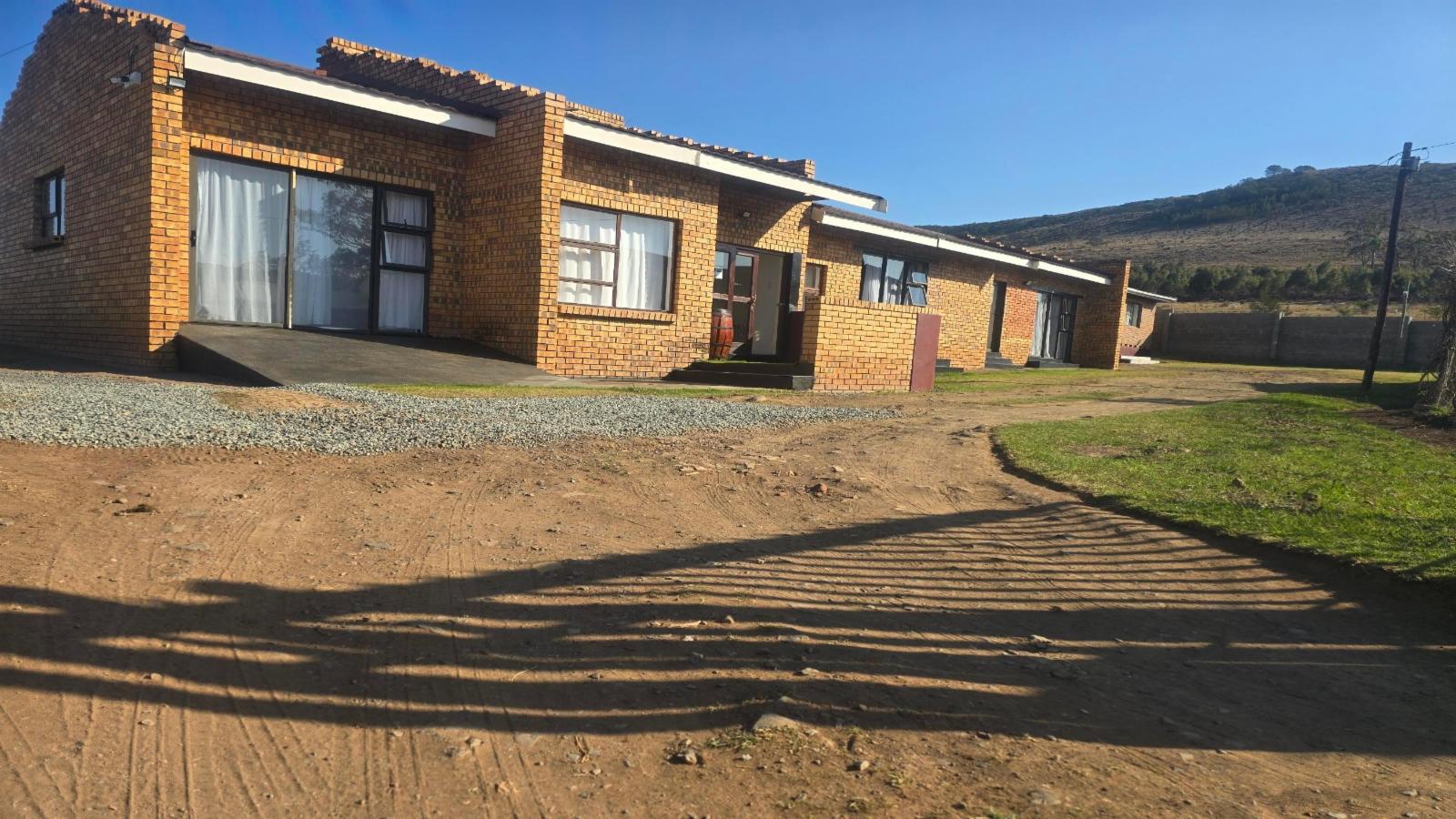
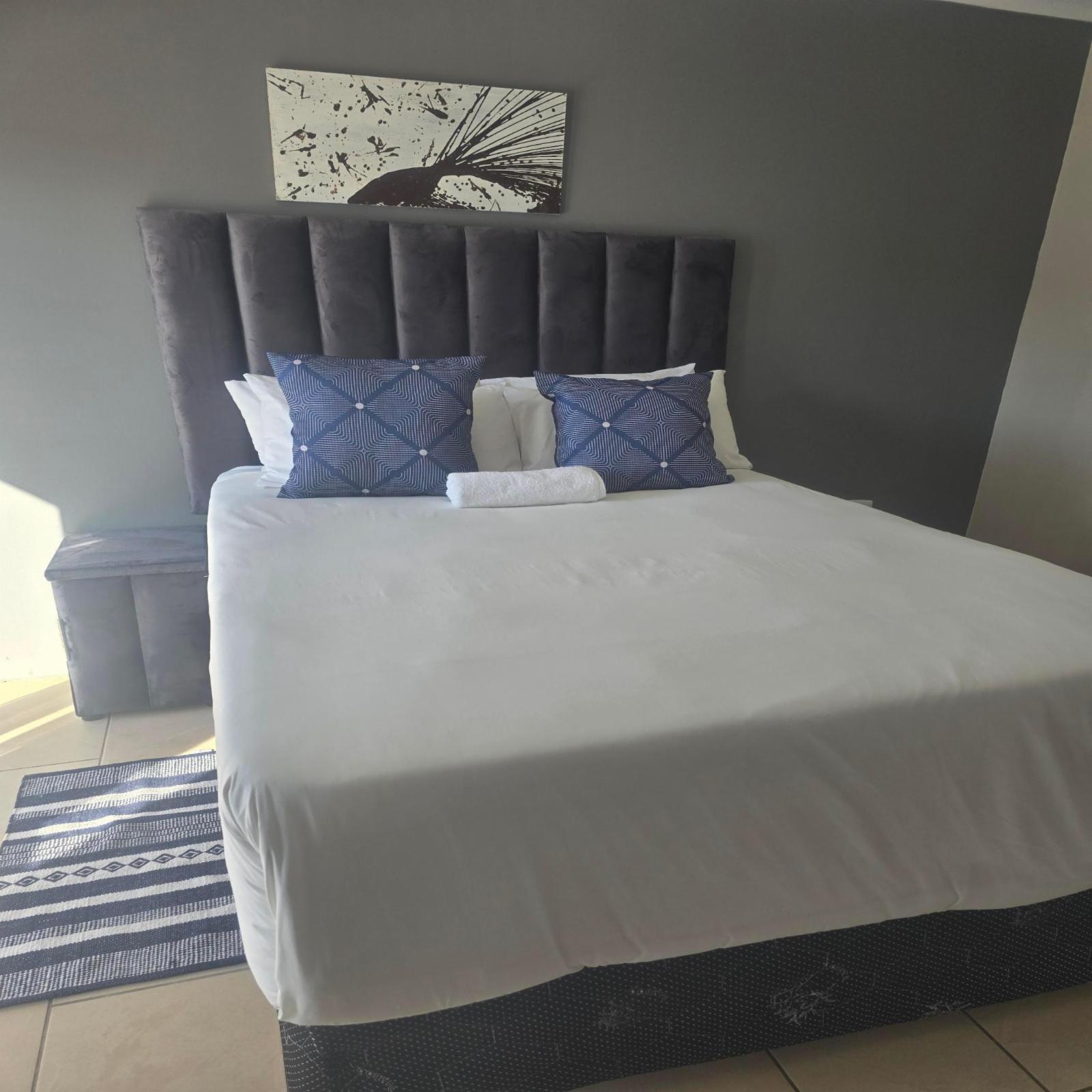
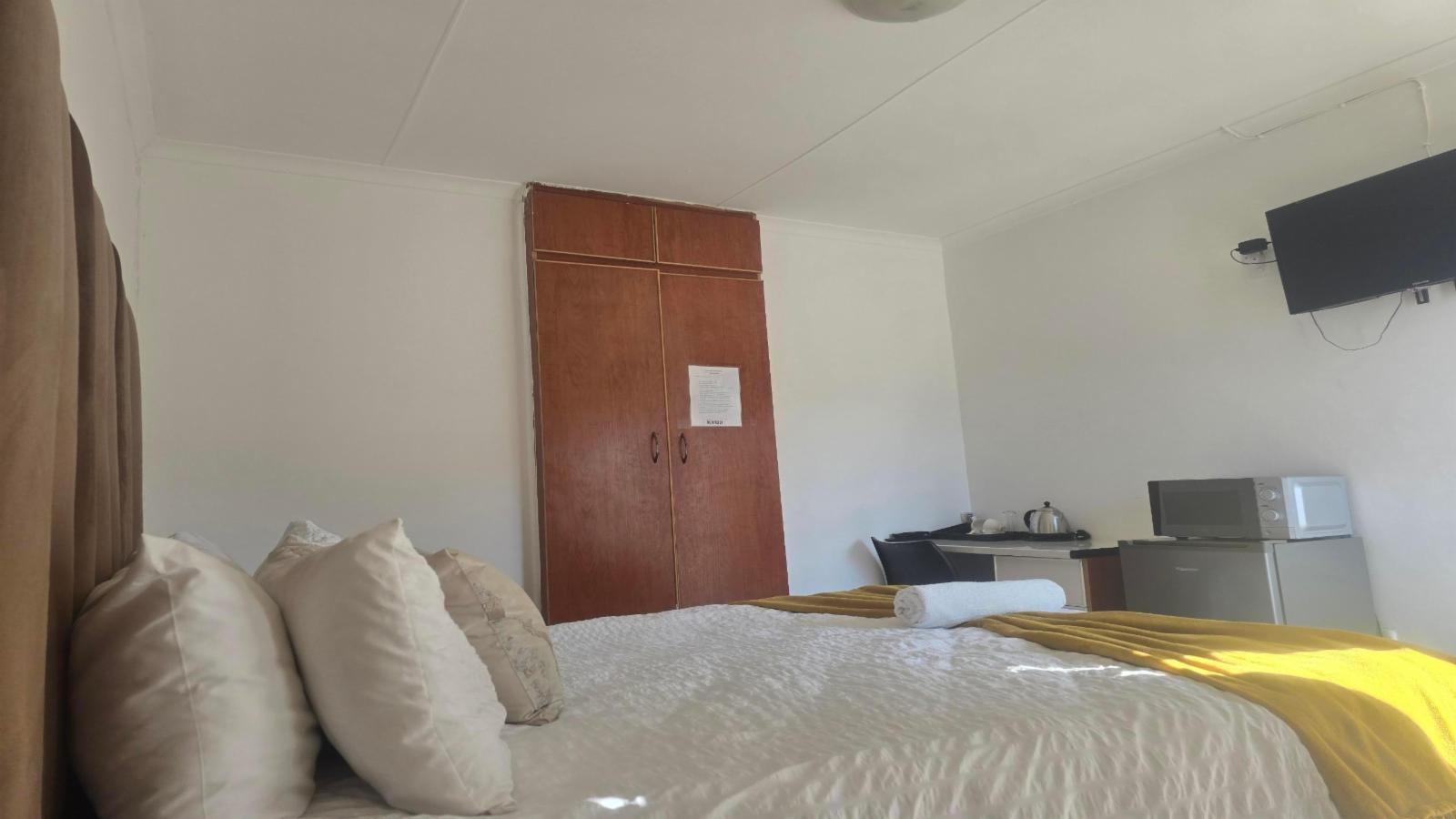
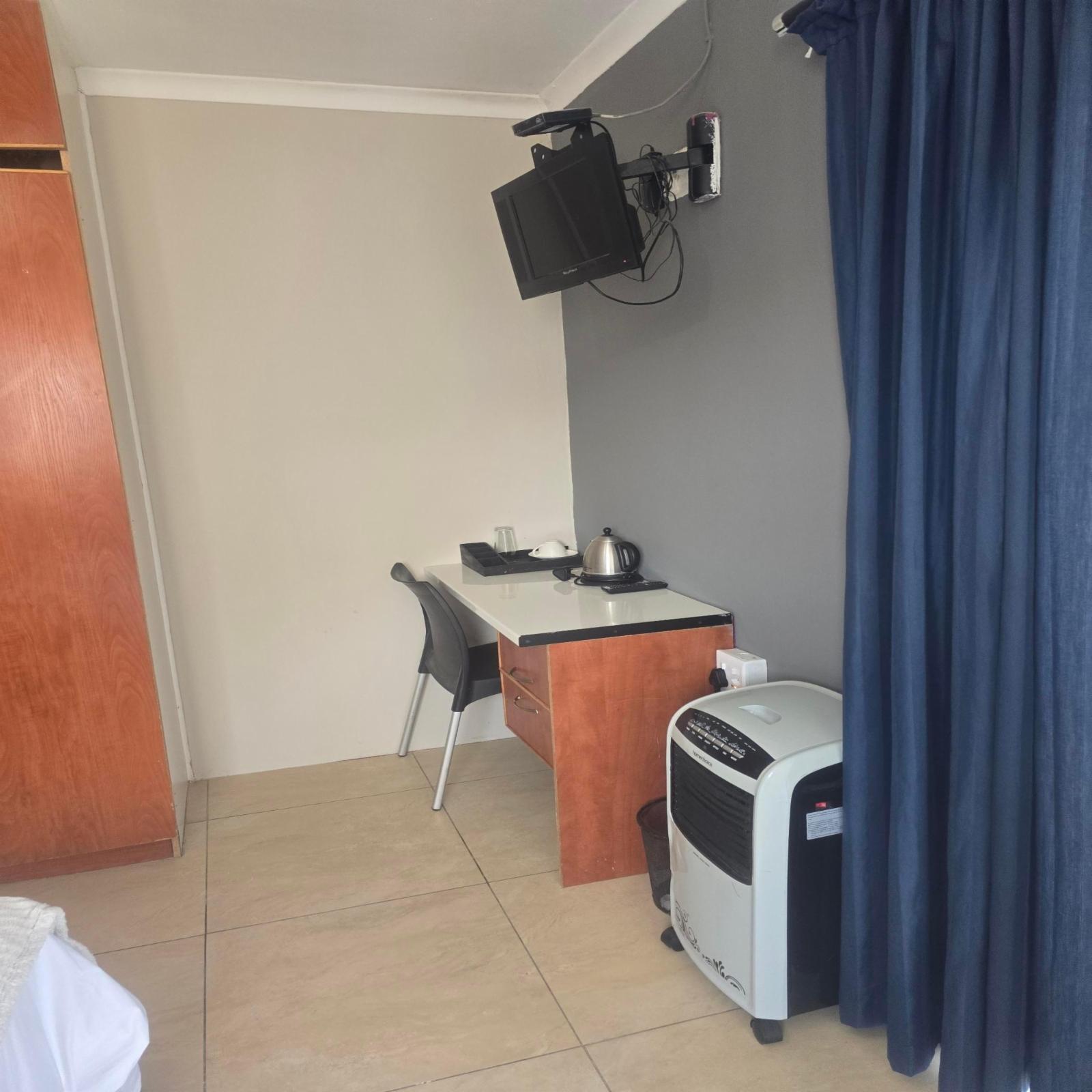
A step up in facilities, some owner-operated guesthouses serve the broader district. These are generally converted sections of family homes offering private rooms, more consistent electricity, and bathrooms guests do not share with the household. Some proprietors include meals; others expect guests to cater for themselves. Capacity is limited, often just two or three rooms, and these places fill quickly during school holidays and local events. Some also provide guidance on community activities in the area, helping visitors plan their time beyond the accommodation itself.
Upper-tier accommodation in any hotel sense does not exist within Kwezana. Travelers who need reliable Wi-Fi, consistent hot water, or full hotel services are better positioned in the regional center roughly 30 kilometers away, which offers a full range of guesthouses and business hotels.
With no formal listings and no applicable booking platforms, contacting community tourism organizations before travel is essential. The settlement has no infrastructure for spontaneous arrivals.
Best Time to Visit Kwezana
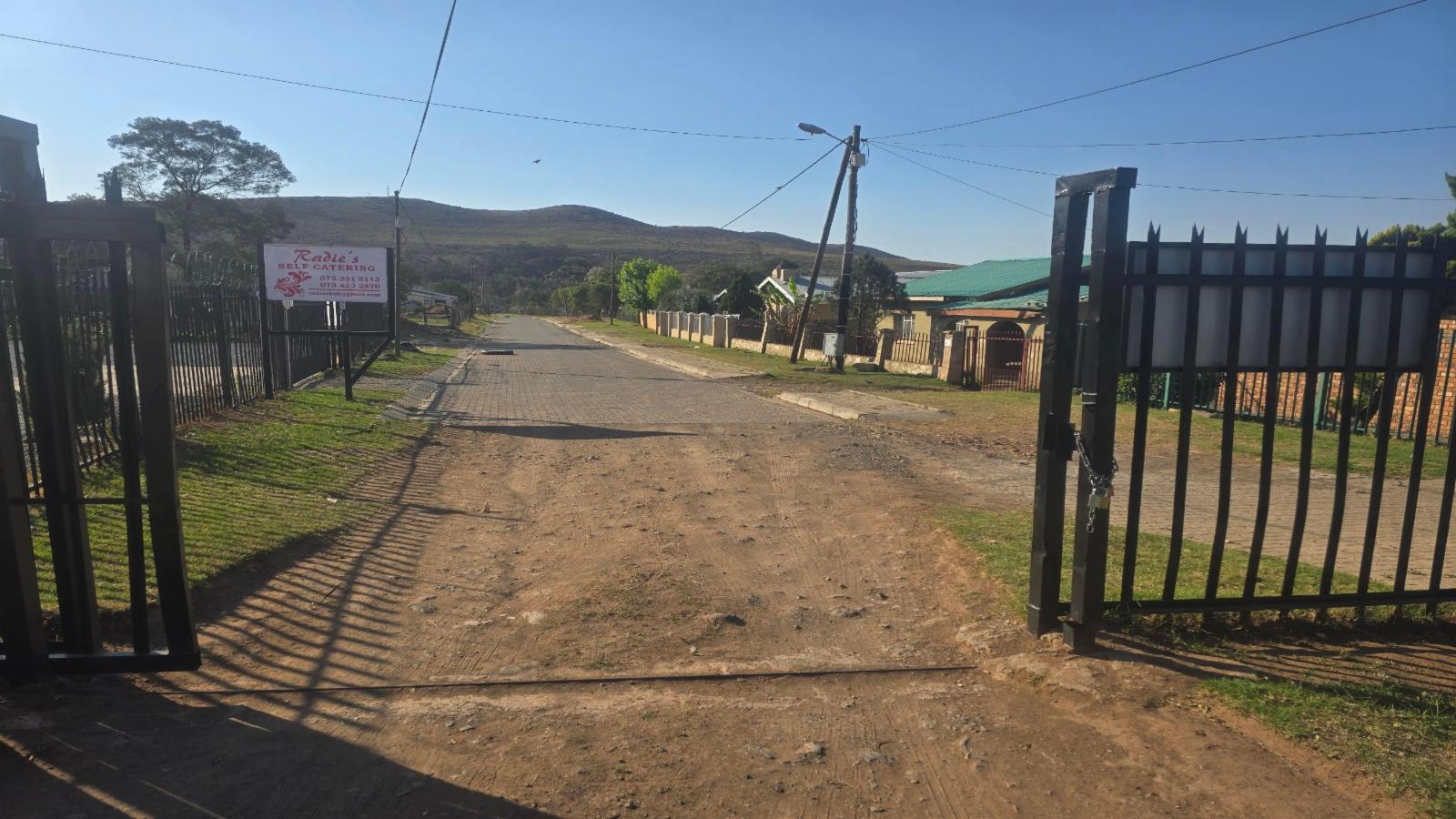
Kwezana receives the bulk of its rainfall between November and March. During these summer months, the surrounding hills green up considerably and the grassland landscape looks very different from the dry winter months. The practical challenge is that unpaved roads serving the settlement can become soft or temporarily impassable after heavy or sustained rain. Travelers arriving by vehicle in the wet season should allow time for potential delays and confirm their vehicle handles uneven, potentially muddy tracks.
Winter, from June through August, brings dry conditions with cold nights and mild days. Roads are more predictable throughout this period, making it the reliable season for anyone driving from outside the area. The vegetation turns brown and sparse, but clear skies and stable conditions allow for more consistent travel planning than the rainy season permits.
The shoulder months of September, October, and April offer a practical middle ground. Rain is either building gradually or tapering off, and daytime temperatures remain comfortable for travel on foot or by vehicle. These months tend to suit first-time visitors who want reliable road access alongside a landscape that retains some green.
Kwezana has no formal tourist season and sees no significant holiday crowding at any time of year, which means timing a visit is driven by weather and road conditions rather than crowd avoidance. Community events and gatherings do occur throughout the year, however, and checking with local contacts about the calendar before choosing travel dates can improve the quality of a visit.
Getting to Kwezana
Walter Sisulu Airport in Mthatha is the most practical air entry point, receiving domestic flights from Johannesburg and Cape Town. Car hire at the airport is the most flexible arrival option and the practical choice for covering the roughly 30 kilometers to Kwezana. That final approach involves unpaved roads where reasonable ground clearance is useful. Standard sedans manage in dry conditions, but something with higher clearance performs better during the wet months.
Drivers from the south follow the N2 from East London, approximately 230 kilometers to Mthatha. From the north, Durban is around 450 kilometers along the same highway. Traveling the N2 in either direction covers varied terrain and introduces the landscape before the roads turn unpaved. Mthatha functions as the natural staging point before heading into the rural interior.
Intercity minibus taxis connect Mthatha with East London, Gqeberha, and other major regional centers, running regularly and at low cost. Rural taxi routes extend beyond the city, but coverage toward Kwezana is inconsistent and schedules vary with local demand. For the access roads into the settlement itself, a private vehicle is the only reliably practical option.
Kwezana and Surrounding Areas
The settlements and towns within 75 kilometers of Kwezana cover a significant range of environments and historical contexts: rural Xhosa communities that have farmed these hills for generations, former Transkei-era agricultural districts, and small towns shaped by nineteenth-century settler history. Each adds something different to what a visitor can explore within a day's driving.
Gqutyini, 43 kilometers away, sits within the same broad rural corridor as Kwezana. Cattle farming, subsistence agriculture, and homestead communities organized around traditional Xhosa social structures characterize the settlement. The drive there gives useful context for how consistently the patterns seen around Kwezana extend across the district.
Guba (56 kilometers) continues the rural picture further from the main roads. Livestock grazing dominates, formal services are few, and visitor numbers are minimal. A slow drive through the area, without any specific attraction to seek out, offers an unmediated view of how the land and communities in this corridor are organized.
Gqaka, at 68 kilometers, sits closer to the lower foothills where terrain starts to shift. The countryside changes noticeably as the ground rises toward the Amathole ranges, making the drive itself worth attention for anyone interested in the regional landscape.
Stutterheim (70 kilometers) is a small town with documented German settler history dating to the 1850s. Street names and some architecture reflect that period. The surrounding district is known for commercial timber production and borders indigenous Amathole forest. Stutterheim has fuel stations, shops, and a pharmacy, making it a practical resupply stop for travelers moving through the area.
Khowa (73 kilometers), officially renamed from Elliot in 2019, is a farming town set at the foot of the Drakensberg escarpment. Local rivers attract trout anglers, and the landscape opens toward mountain ridgelines in a way that contrasts clearly with the lower terrain around Kwezana itself.
Planning Your Stay
Kwezana sits outside the systems that govern most South African accommodation bookings. No online availability calendars exist, confirmation processes are informal, and check-in procedures vary by host. Effective planning means direct contact with hosts or local tourism intermediaries, ideally several weeks before travel. Anyone without existing local contacts should start with community tourism offices or visitor information services in the nearest town.
If visiting multiple rural settlements in the area on one trip, coordinate with each host separately in advance, as there is no central booking service covering properties across the district.
Before confirming any arrangement, clarify practical specifics: whether meals are provided, how electricity supply works at that property, and what the bathroom arrangements involve. Load-shedding affects rural settlements and sometimes runs on different schedules from urban areas, so asking about backup power is sensible before arrival.
Carry sufficient cash before leaving an urban center. ATM access in rural areas is sparse, and card payment is not standard at small guesthouses or homestay arrangements. Personal medications and any specialist supplies should be sourced beforehand, as the settlement has no retail shops.
Before setting off on the final road section, check with your host about current conditions. Local knowledge about which tracks are passable after recent rain is consistently more reliable than what any mapping application can provide.