Accommodation in L'agulhas
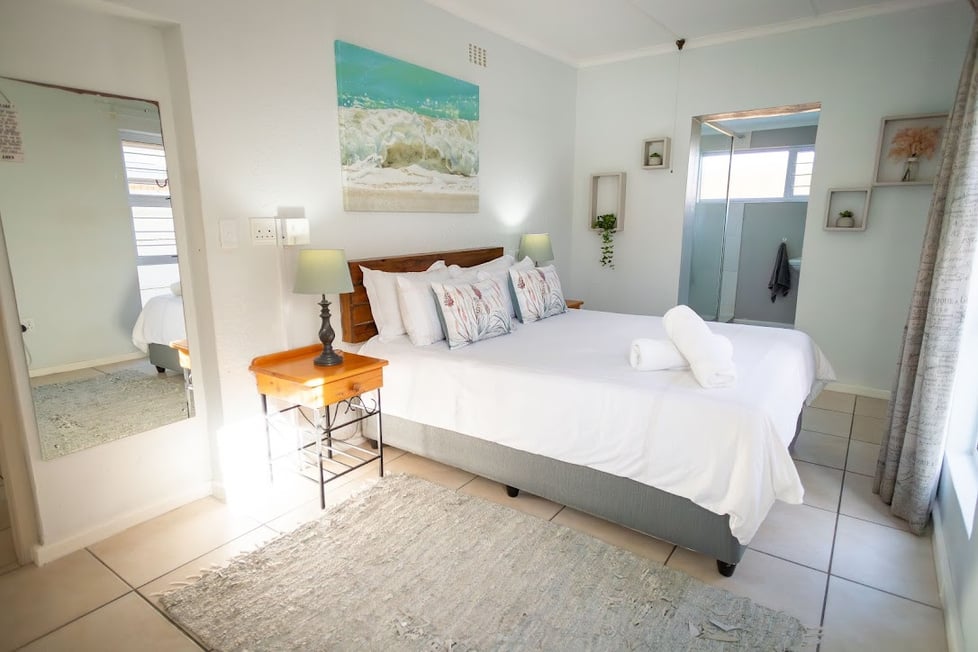
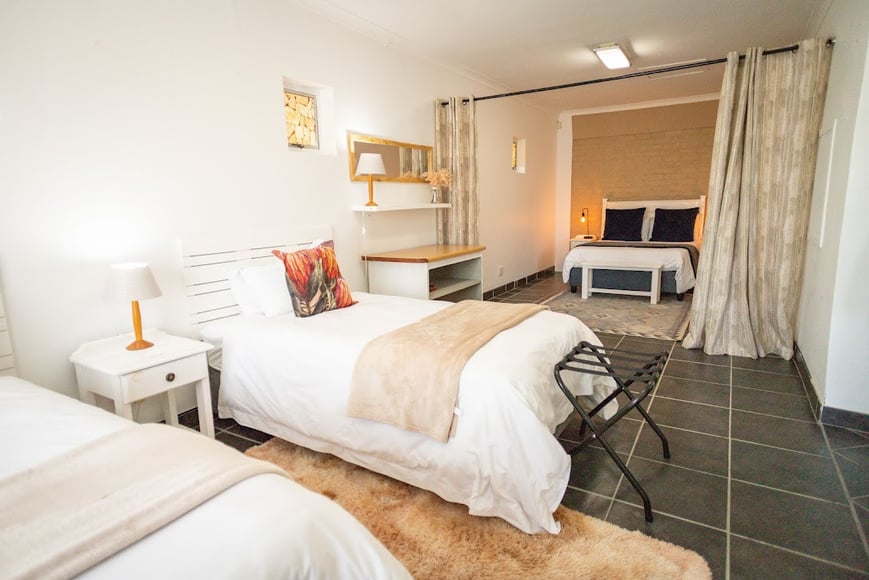
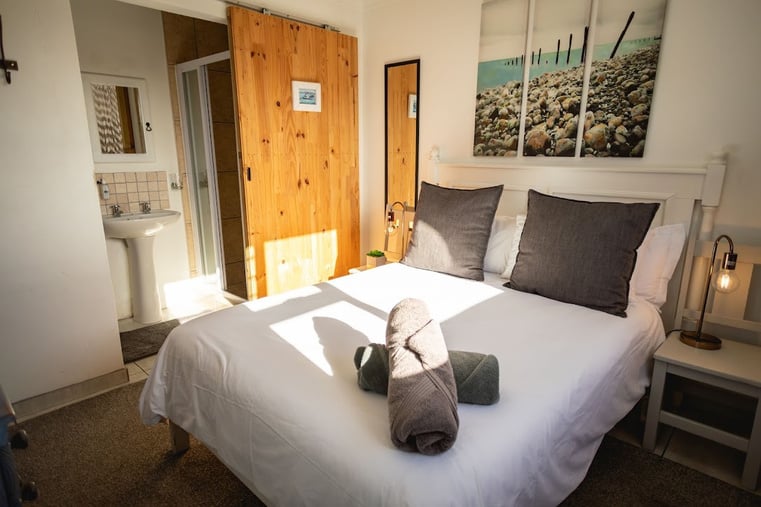
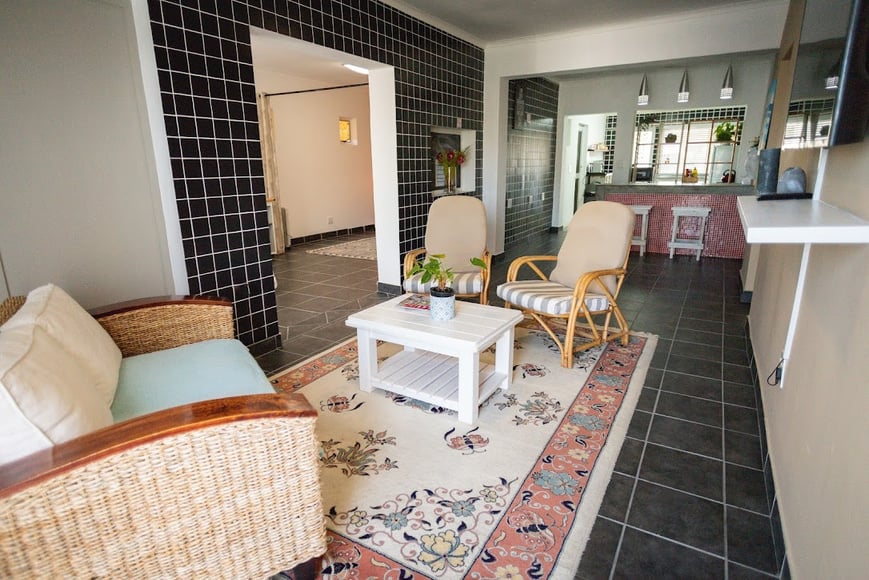
L'agulhas draws visitors looking for an unassuming coastal stay, and its accommodation scene reflects the village's modest scale. The total number of properties currently listed on major booking platforms stands at zero, which points more to a direct-booking culture than to any shortage of options. The absence of large hotel chains is part of what draws visitors looking for genuine small-town coastal character. Travelers who search through regional South African accommodation directories will find properties spread across a few budget tiers.
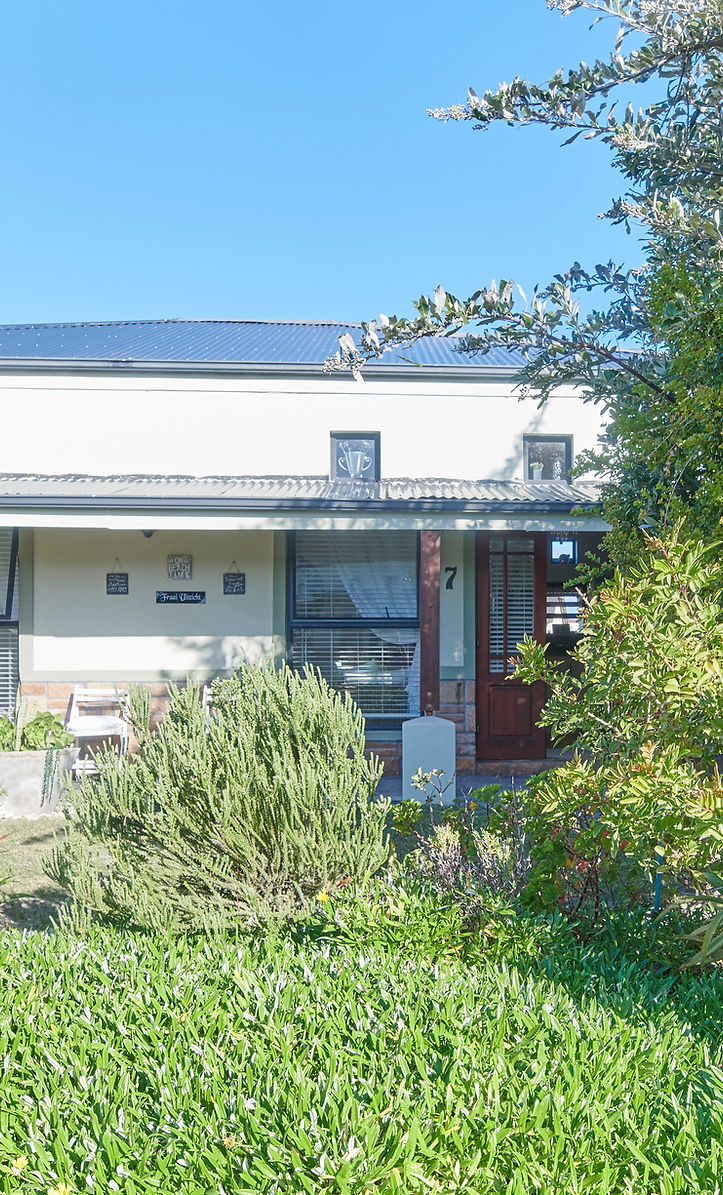
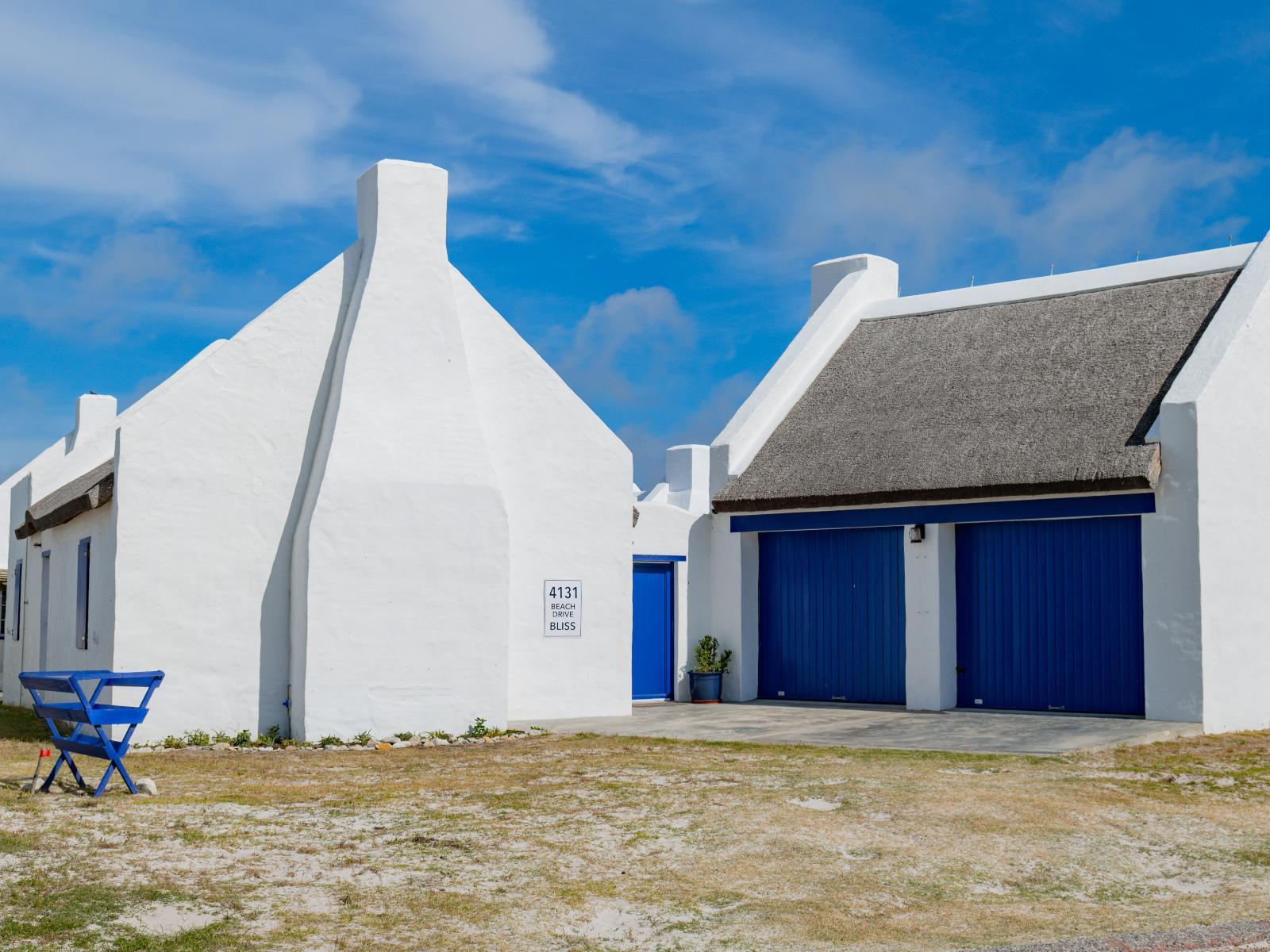
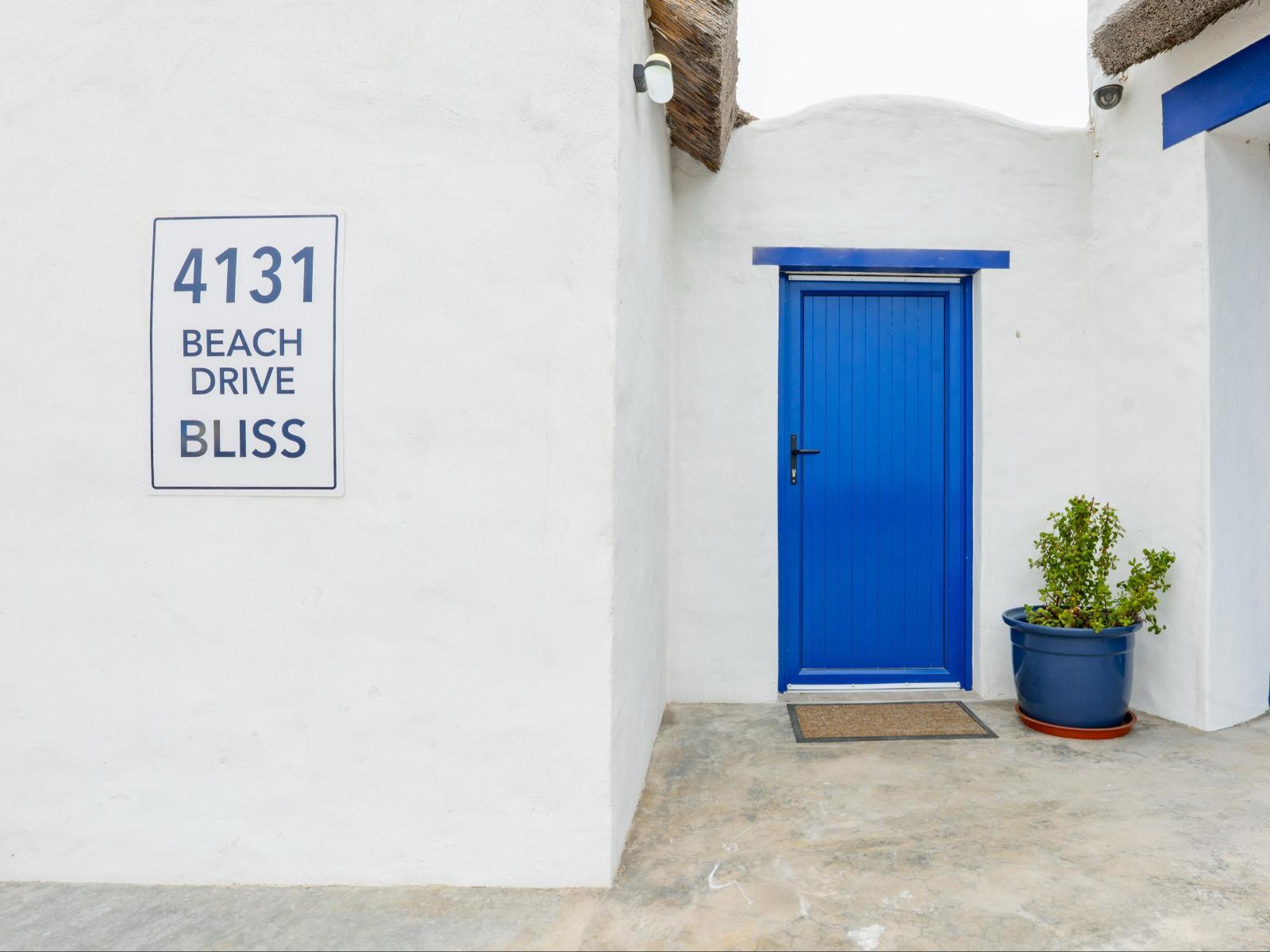
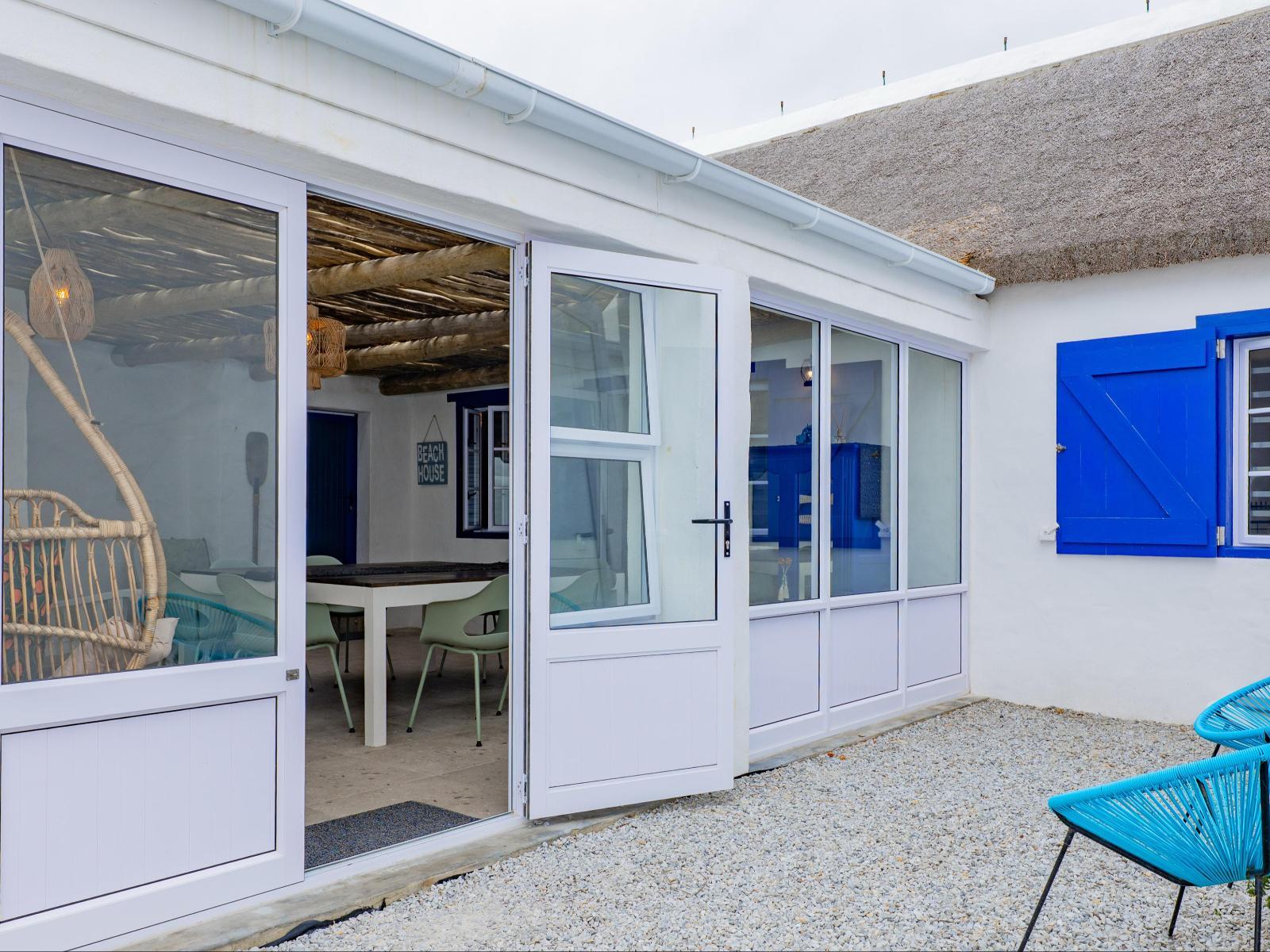
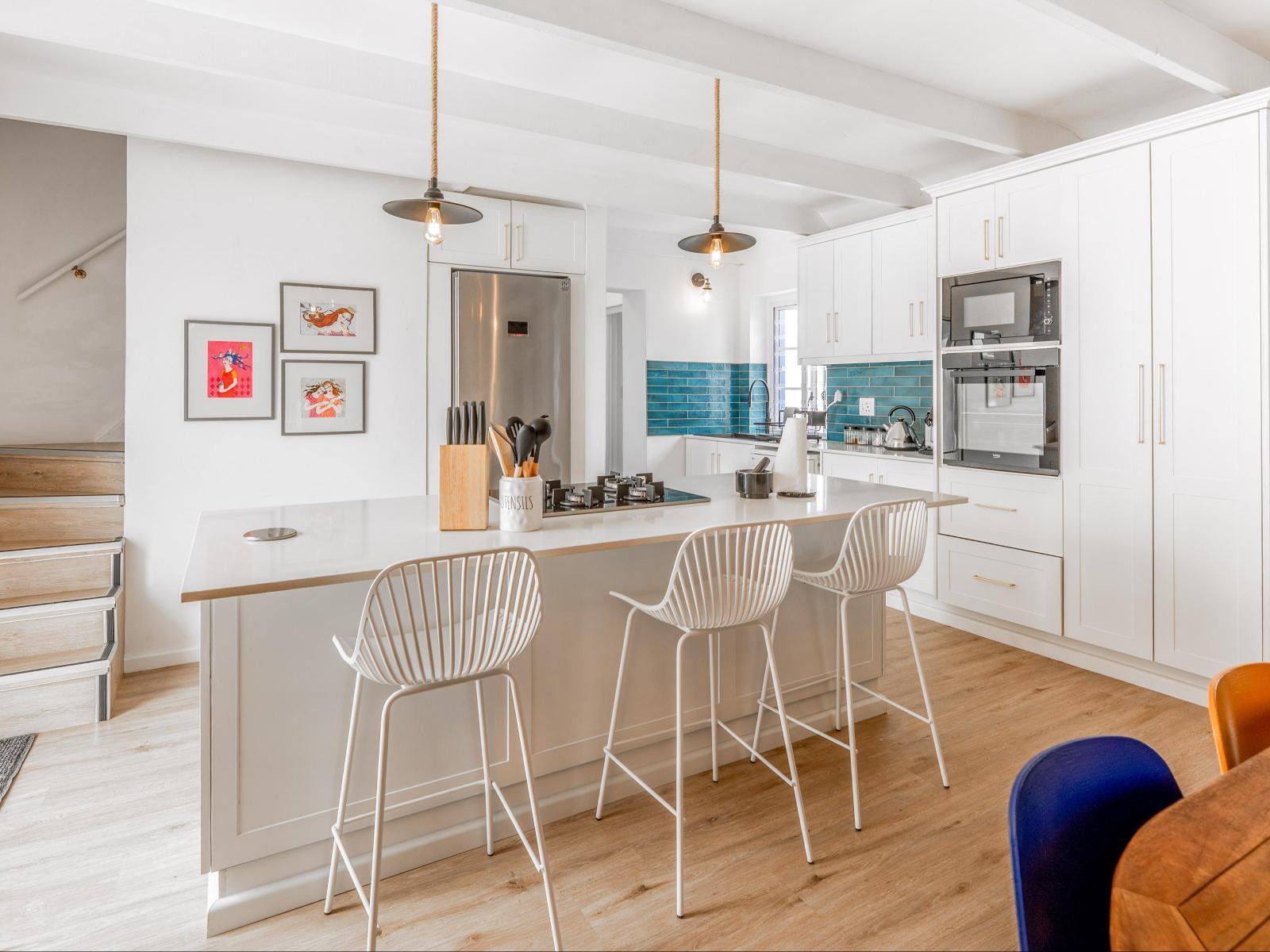
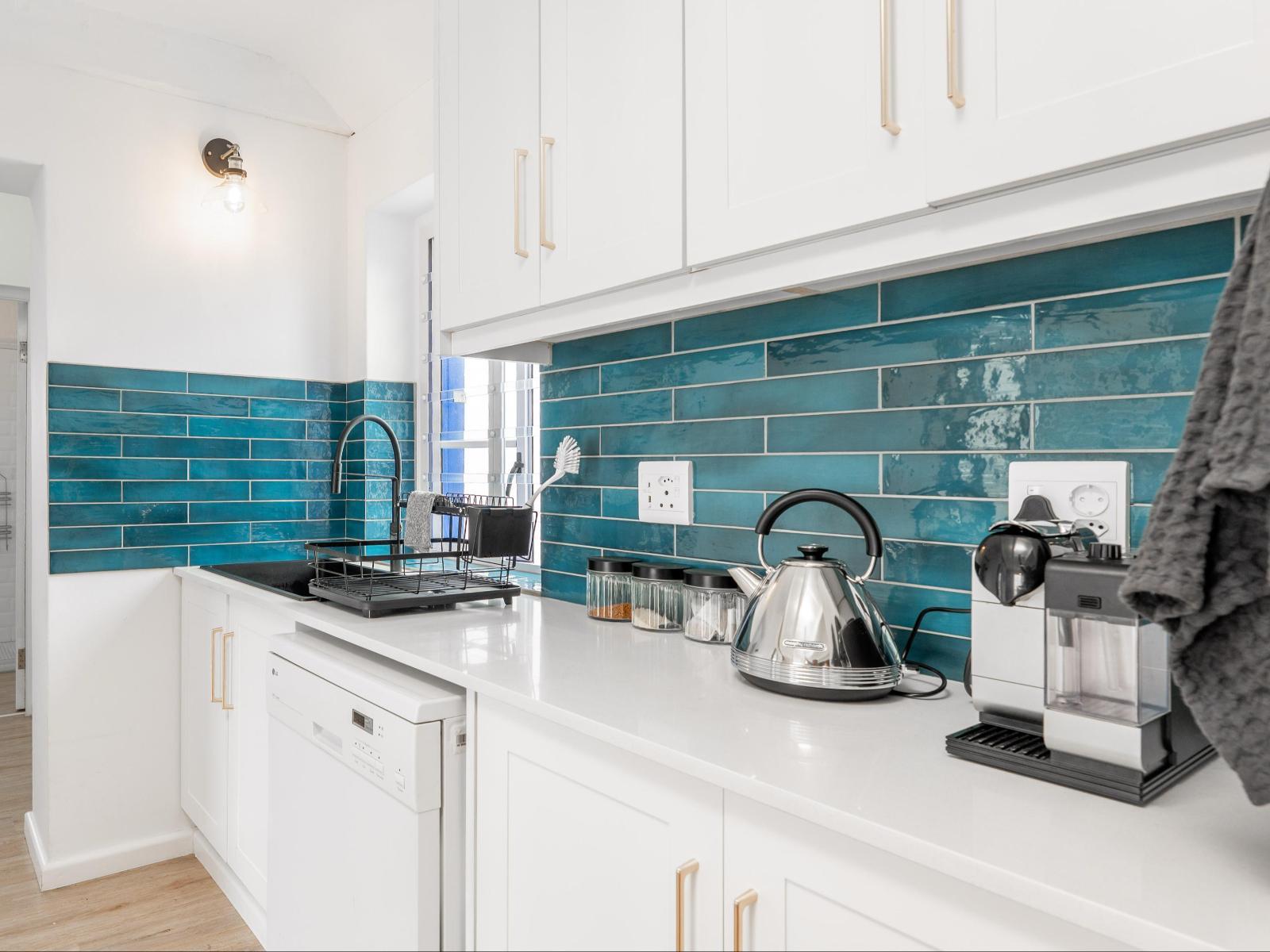
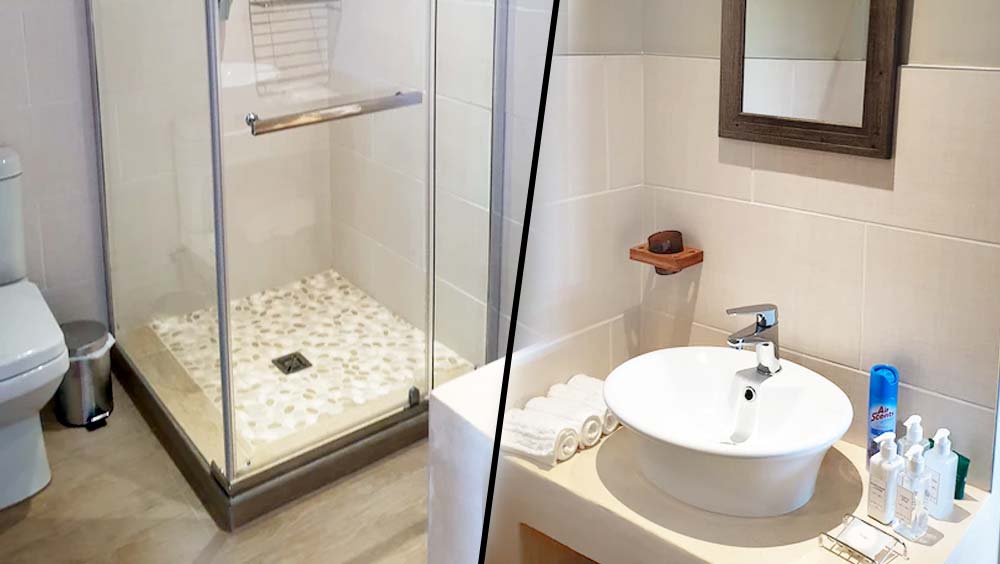
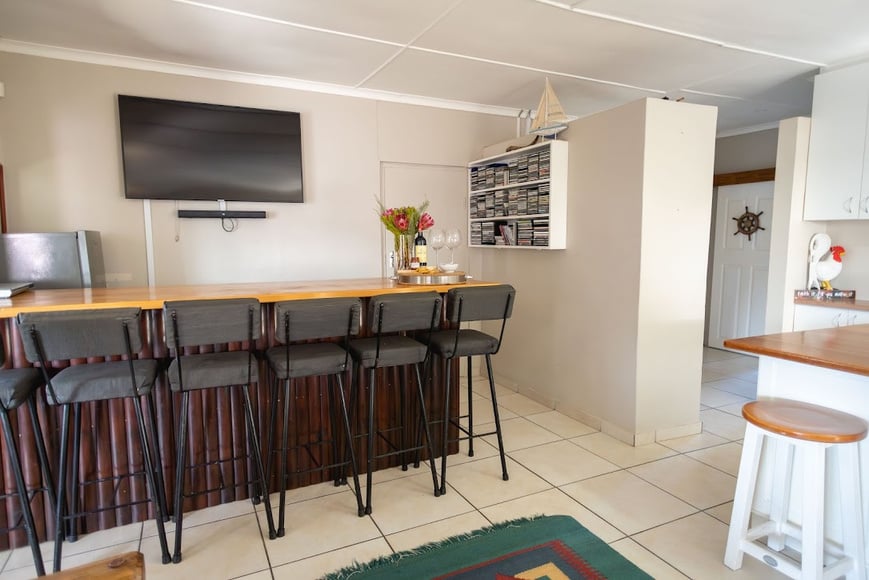
At the budget end, self-catering cottages are the most common type. These are straightforward units, typically sleeping four to six people, with kitchen facilities suited to visitors who plan to cook their own meals. Fresh produce is available at local markets, and harbor proximity makes fish easy to source directly from boats.
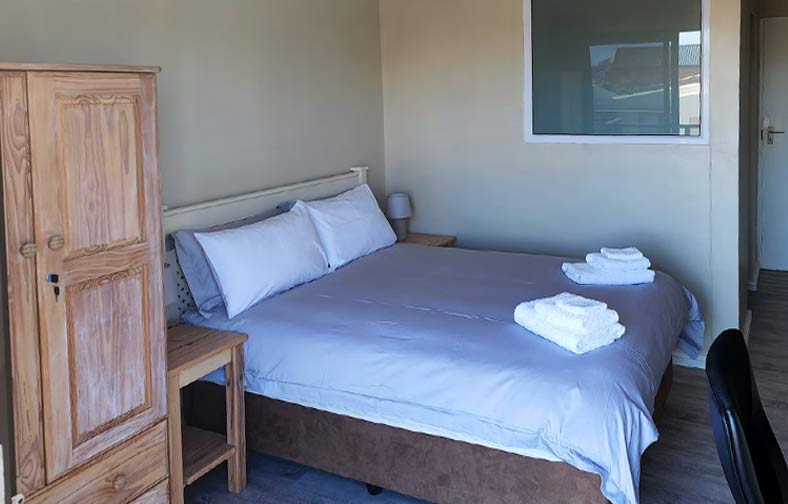
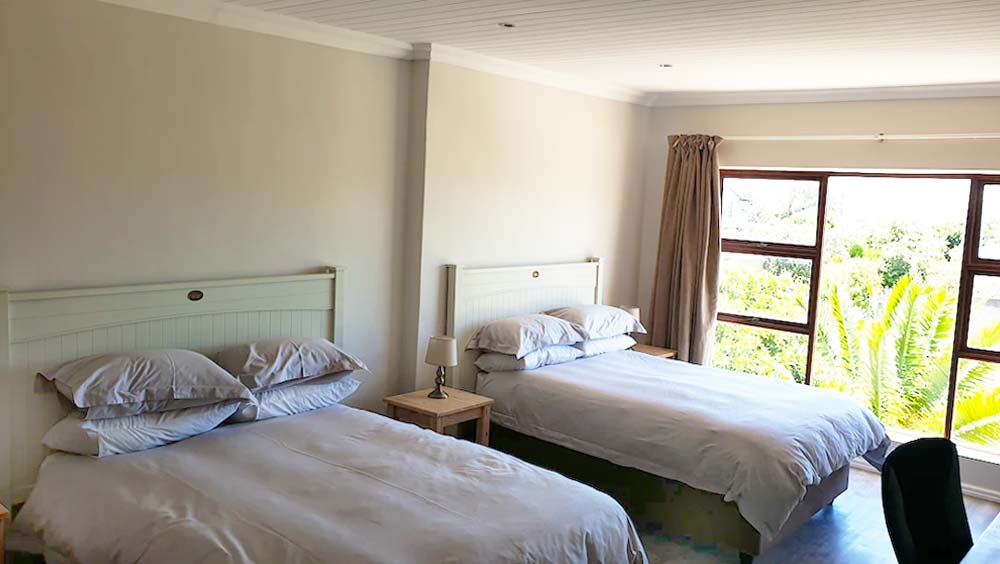
Mid-range visitors tend to favor guesthouses and bed-and-breakfast properties. Hosts at this level are generally well-informed about local trails, fishing conditions, and the surrounding coastline. Properties in this category typically run between three and eight rooms, and personal service is the norm rather than the exception.
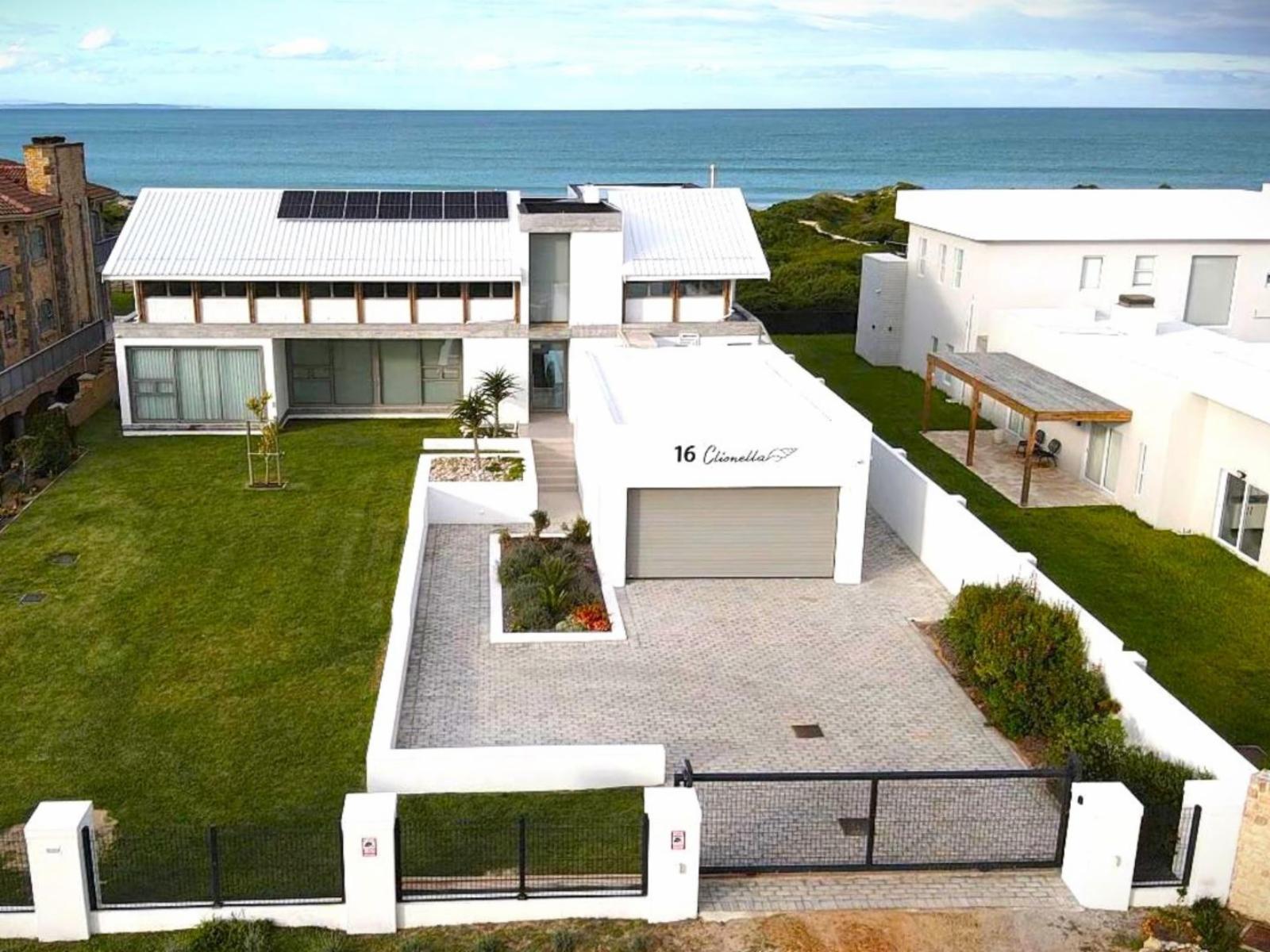
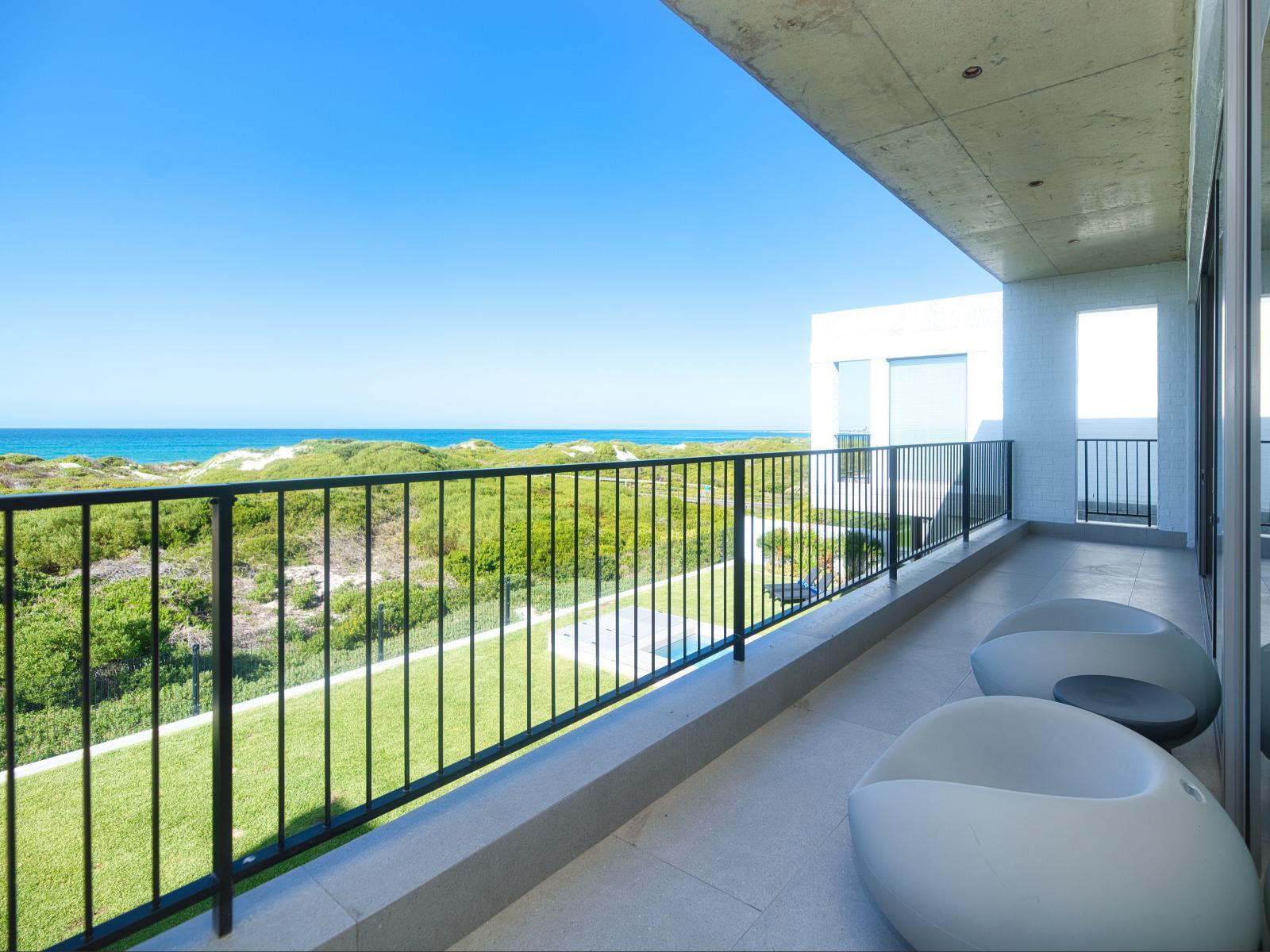
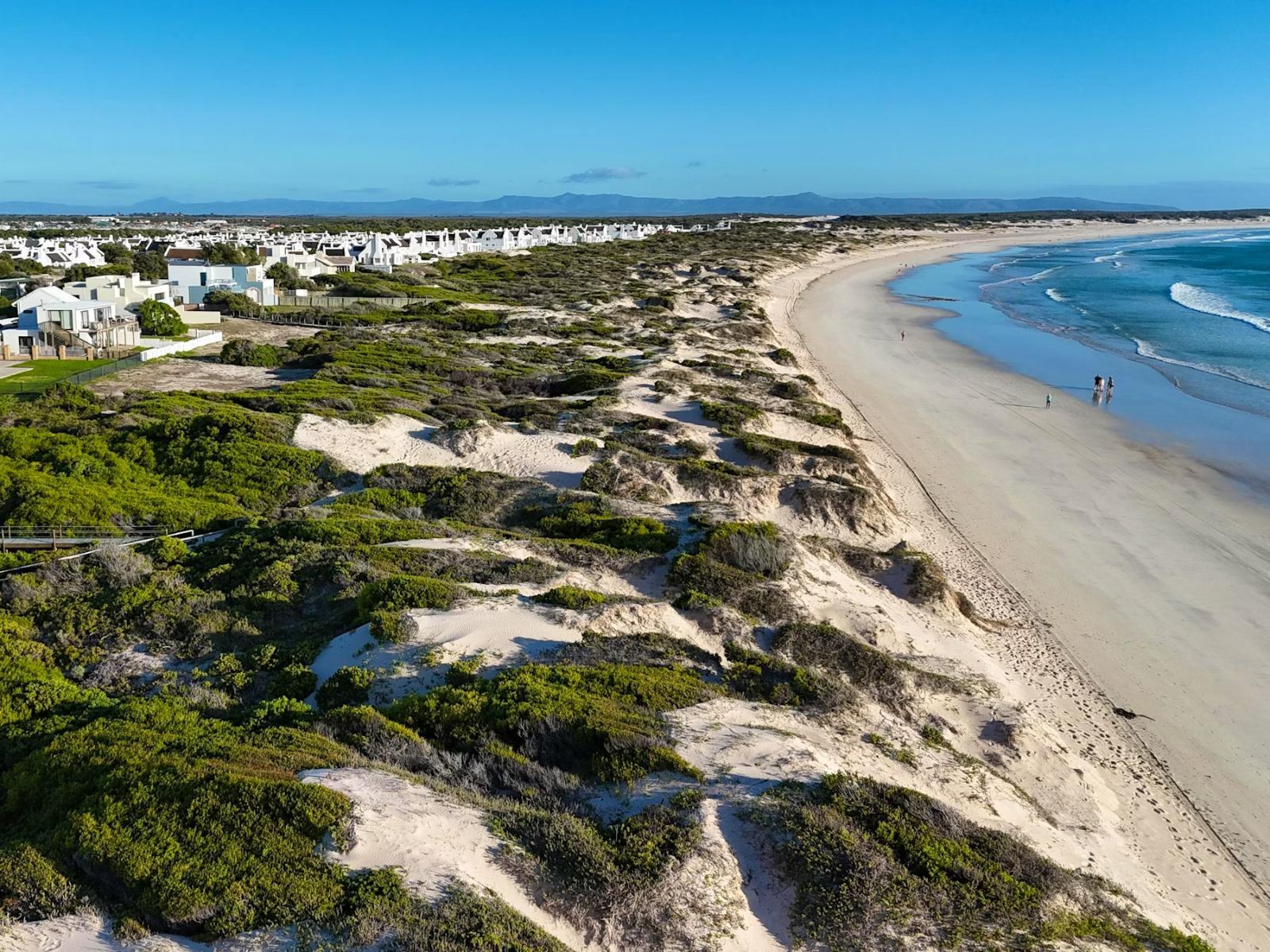
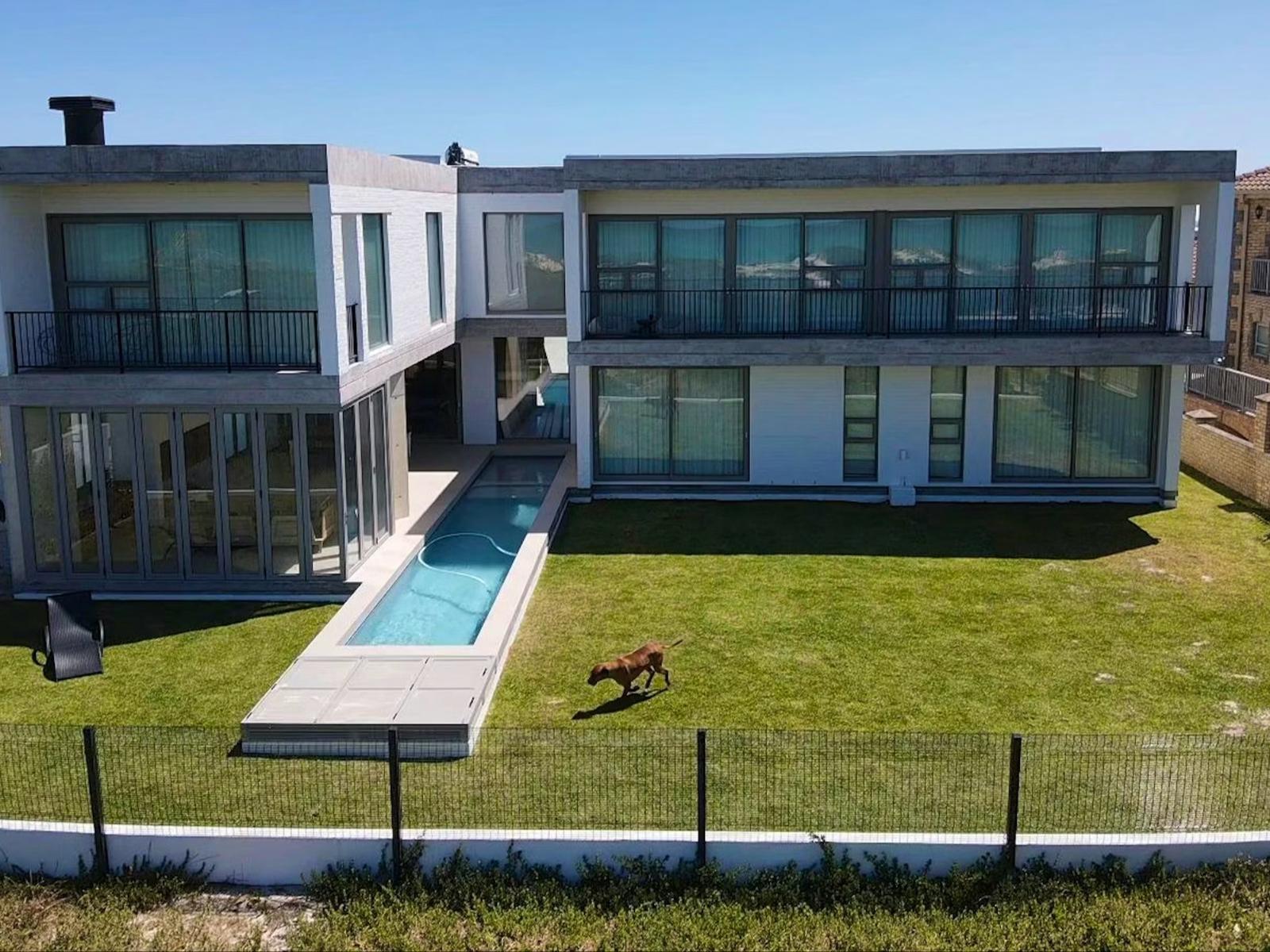
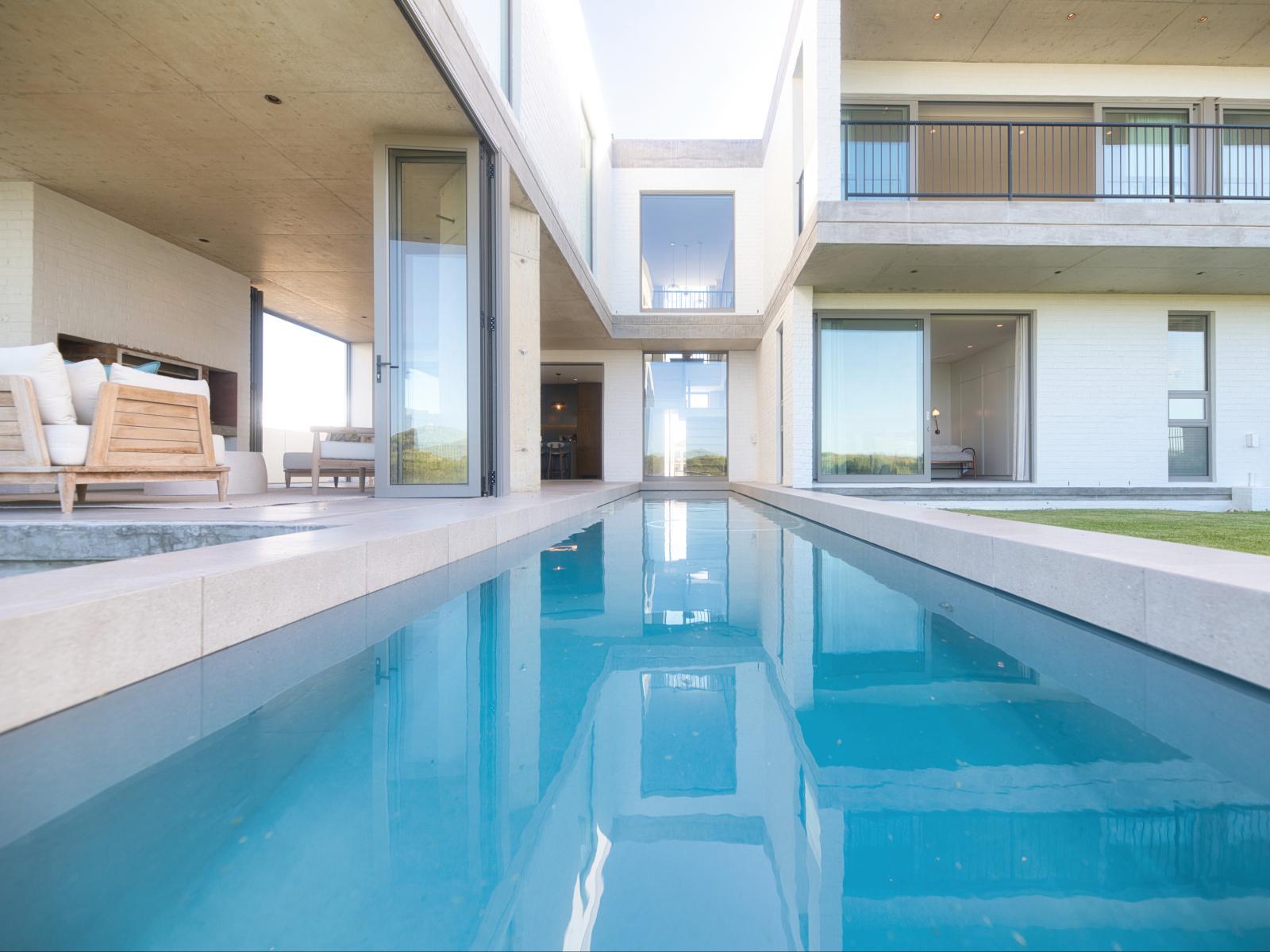
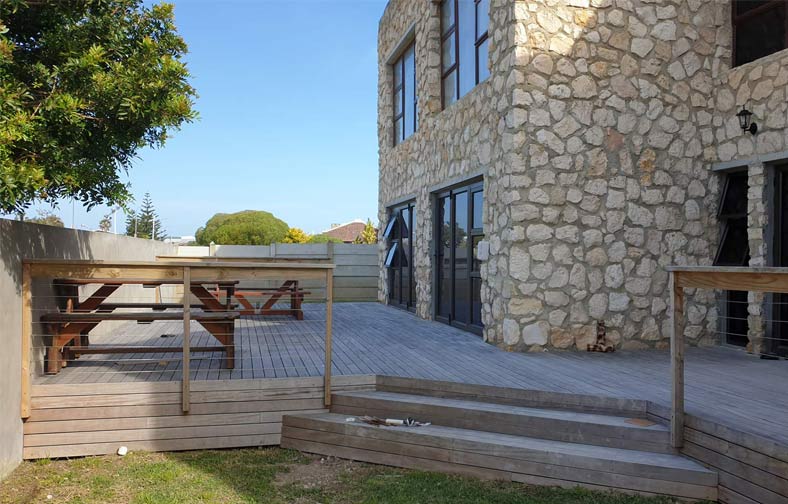
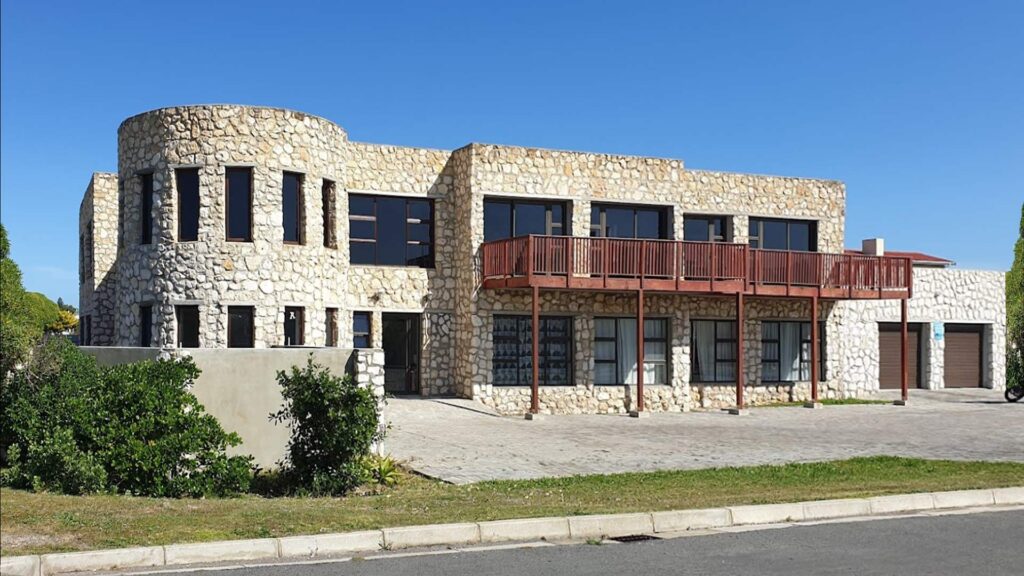
At the upper tier, privately owned holiday homes offer more space and independence. Several sit on the outer edges of the village with open views toward the coast, and these suit groups or families planning stays of more than a few nights. These properties see the highest demand during peak summer weeks and long weekends, so early contact with owners is advisable.
With around 300 permanent residents, the village is genuinely small, and accommodation fills faster than many travelers anticipate. Early research and direct contact with property owners pays off considerably more in L'agulhas than in larger coastal towns further along the southern Cape coast.
Best Time to Visit L'agulhas
L'agulhas has a Mediterranean climate, with dry, warm summers and mild, wet winters. The main season runs from November through February, when temperatures sit between 18°C and 28°C and long daylight hours suit time on the beach and hiking the Agulhas National Park trails.
Spring, from August to October, is particularly rewarding for those interested in the natural environment. Proteas and other fynbos species bloom across the coastal plain during these months, and southern right whales move through the waters off the southern Cape, with shore-based sightings not uncommon.
Winter, from June to August, sees the lowest visitor numbers and the most rainfall. The region stays accessible, and attractions including the Cape Agulhas lighthouse museum remain open year-round, but the pace of the village slows noticeably. Birdwatchers often prefer this quieter period, as migratory species are present and lower vegetation makes observation easier.
The autumn window, March to May, offers a practical middle ground. Summer crowds have cleared, weather remains largely settled, and local anglers consider this among the better periods to fish this stretch of coast as shifting water temperatures bring different species closer inshore.
Getting to L'agulhas
The most practical way to reach L'agulhas is by car, and driving offers the most flexibility for exploring the region once there. Cape Town International Airport is the main arrival point for international and domestic travelers, and the village lies approximately 200 kilometers southeast. The drive takes around two and a half hours, following the N2 highway east through Caledon before joining the R316 south through Bredasdorp to the coast. The N2 initially passes through fruit orchards in the Elgin valley before the landscape opens onto the broader Overberg plateau.
No scheduled bus or train service runs directly to the village. Bredasdorp, roughly 38 kilometers to the north, has intercity coach connections from Cape Town, but onward travel from there requires either a rental vehicle or a pre-arranged transfer.
Car hire from Cape Town Airport is the most reliable option, and having your own vehicle is effectively essential for getting around once in the area. All roads between Bredasdorp and the village are tarred and accessible to standard cars without four-wheel drive.
Petrol stations in L'agulhas are limited, so filling up in Bredasdorp before heading south avoids inconvenience. The final stretch of the R316 crosses open farmland before the coast comes into view, giving a clear sense of the flat, exposed landscape that characterizes the region.
L'agulhas and Surrounding Areas
Struisbaai, 4 kilometers east along the coast, shares a municipal boundary with L'agulhas and can be reached in minutes by car. It is known for its tidal pool, one of the largest in the southern hemisphere, and a working harbor where ski-boats bring in daily catches. A community harbor festival draws visitors from across the Overberg each year, typically during the warmer months.
Arniston, 26 kilometers away, is a fishing village and formally declared national monument, known locally as Waenhuiskrans. White-washed fishermen's cottages are still occupied by working families who have fished this coast for generations, and a large sea cave at the southern end of the beach is accessible on foot at low tide, giving the village its Afrikaans name. A small hotel and a handful of guesthouses serve overnight visitors.
Napier, 40 kilometers inland on the R316, is a small agricultural town with an active arts community. Studios and galleries line its Victorian-era streets, and the town hosts a well-regarded annual arts festival. The surrounding farmland connects to wine-producing regions further north, making Napier a practical stop on longer drives.
Baardskeerdersbos, roughly 48 kilometers away in the foothills near Elim, is a hamlet with a reputation well above its size, built around an informal pub and artisanal cheese production. The surrounding farmland produces fynbos honey and buchu, and the settlement has become a modest weekend retreat for travelers combining rural character with good food.
Van Dyks Bay, 64 kilometers along the coast toward Gansbaai, is a small harbor settlement serving the local crayfish industry. It sees little visitor traffic and offers an uninterrupted stretch of coastline for walking, with basic boat-launching facilities for those with their own craft.
Kleinbaai, 65 kilometers away beside Gansbaai, is the main departure point for great white shark cage-diving. Several operators run trips from the harbor year-round, with activity peaking between May and September. The industry here is well-established, and the destination is a popular day excursion for visitors based in L'agulhas.
Planning Your Stay
Because L'agulhas is a genuinely small village, planning ahead matters considerably. December and January school holidays and the Easter weekend bring the highest pressure on accommodation, so starting your search two to three months before a peak visit is a sensible minimum. Outside those windows, a few weeks notice is usually sufficient.
Many local properties do not appear on major international booking platforms. If an initial search turns up limited availability, do not assume the village is full. Direct outreach to local owners often uncovers options that do not appear online, and regional South African directories or the Overberg Tourism Bureau are the most useful starting points.
Before confirming a reservation, check whether the property offers reliable internet if connectivity matters to your plans, as access in the village can be inconsistent. Confirm check-in arrangements in advance, since smaller properties rarely have a staffed reception desk around the clock.
Entry to the national park requires a conservation fee payable at the gate, separate from accommodation costs. Checking current park hours and trail conditions on the SANParks website before departure will avoid surprises on arrival. Cell reception is adequate within the village but drops off further out, so downloading offline maps beforehand is a practical step worth taking.