Struisbaai Reis- & Akkommodasiegids
Jou volledige gids om Struisbaai, Suid-Afrika te besoek.
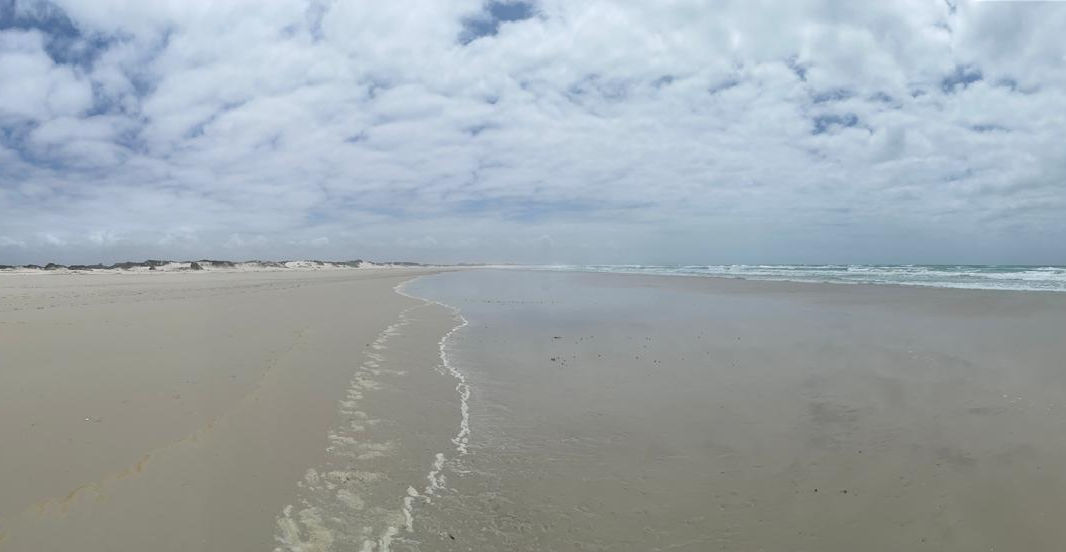
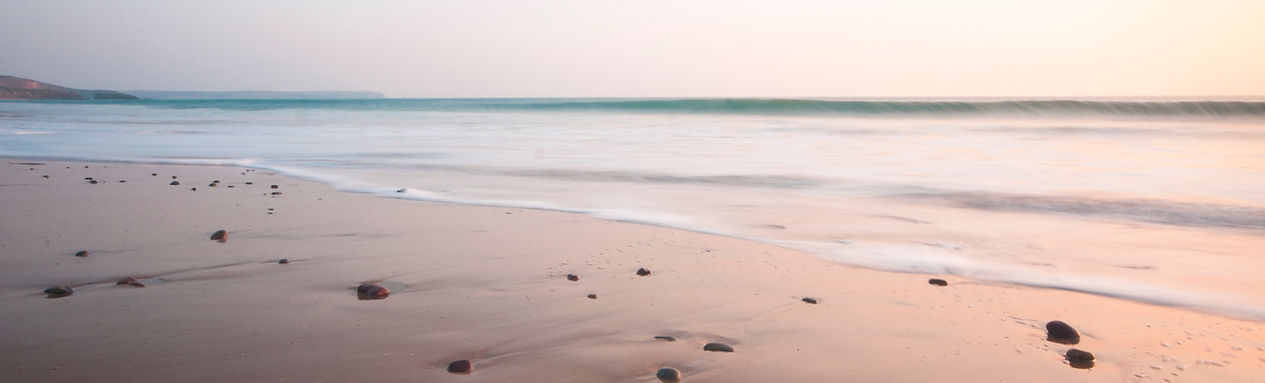
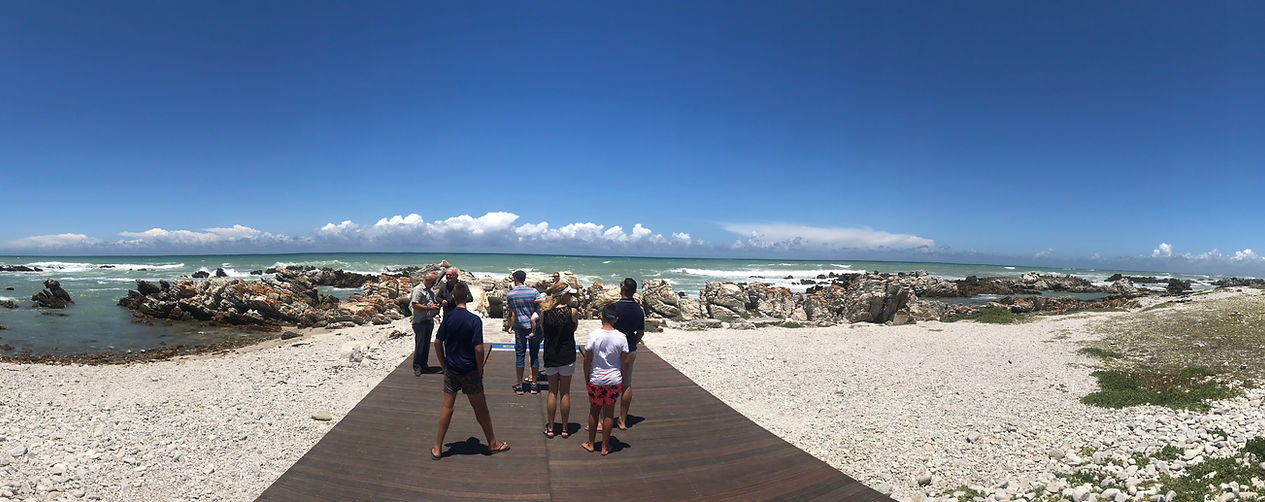
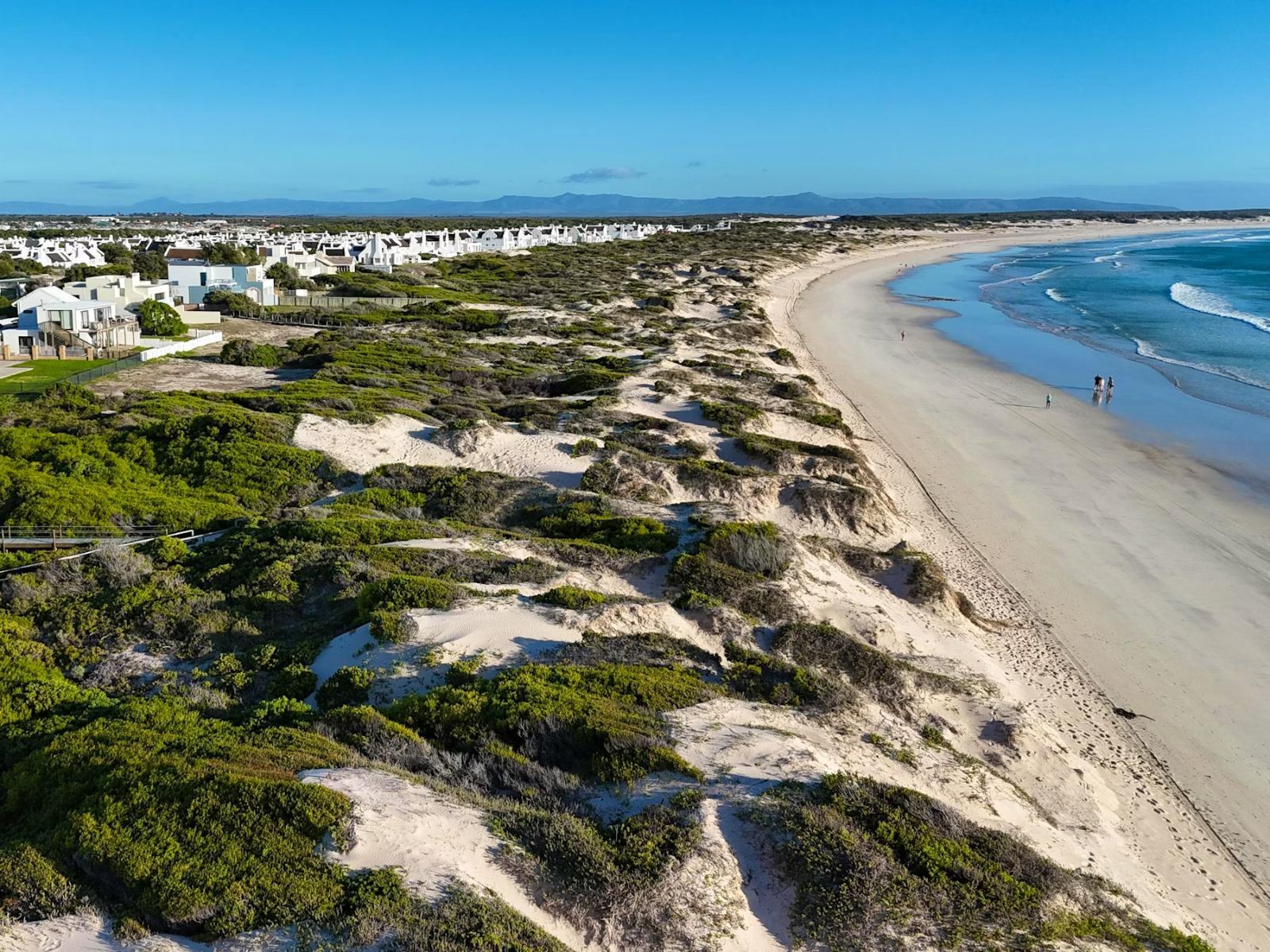
Struisbaai offers a peaceful coastal experience with its sandy beaches and clear waters, ideal for those seeking relaxation and outdoor activities. The area features opportunities for fishing and boating, drawing visitors who appreciate its natural beauty and marine life. Its proximity to historical sites adds an extra layer of interest for explorers.
## Accommodation in Struisbaai
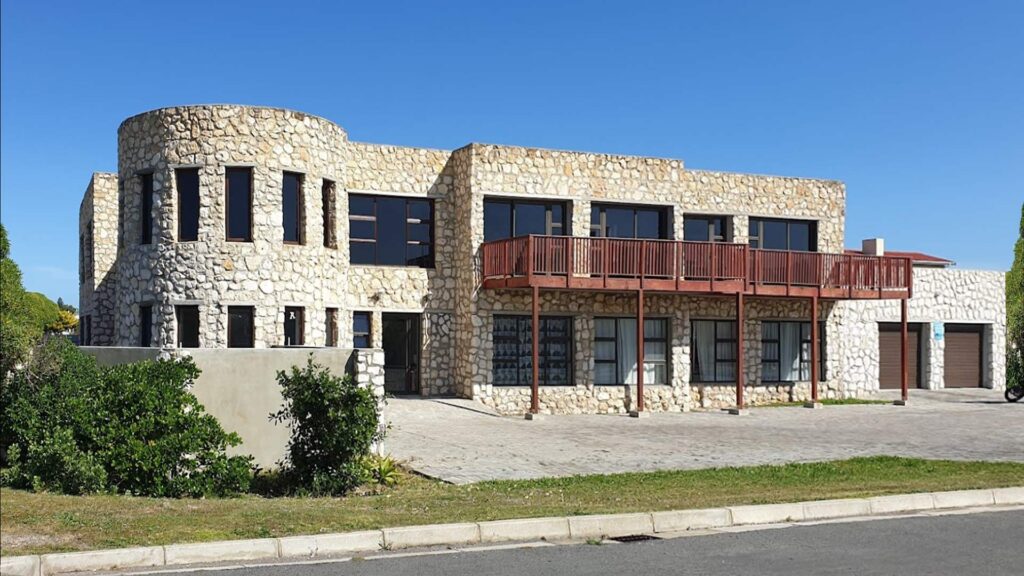
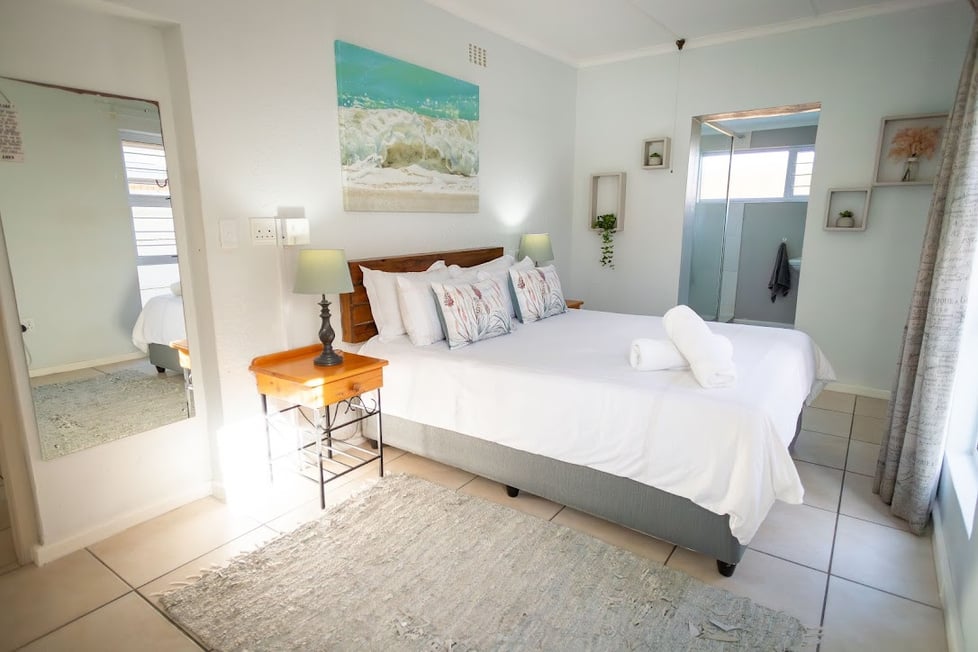
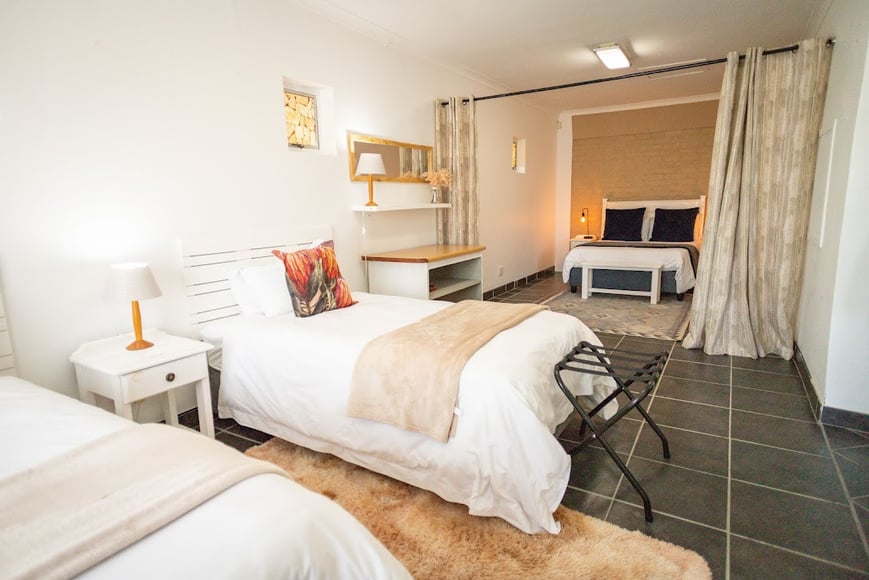
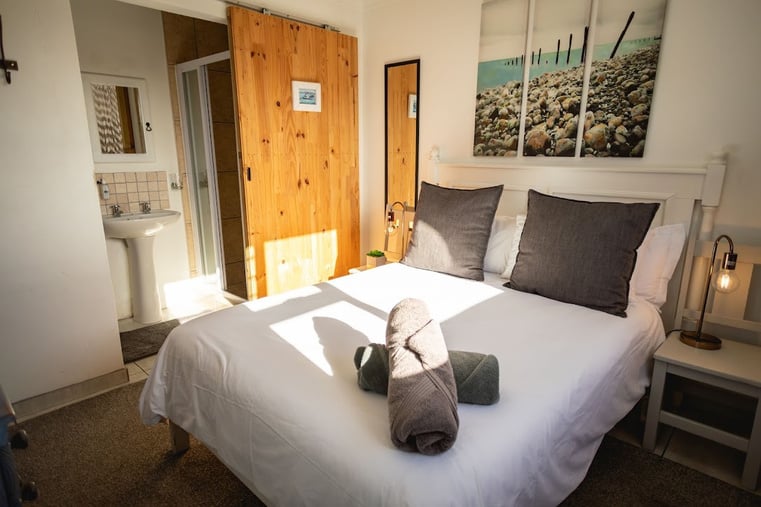
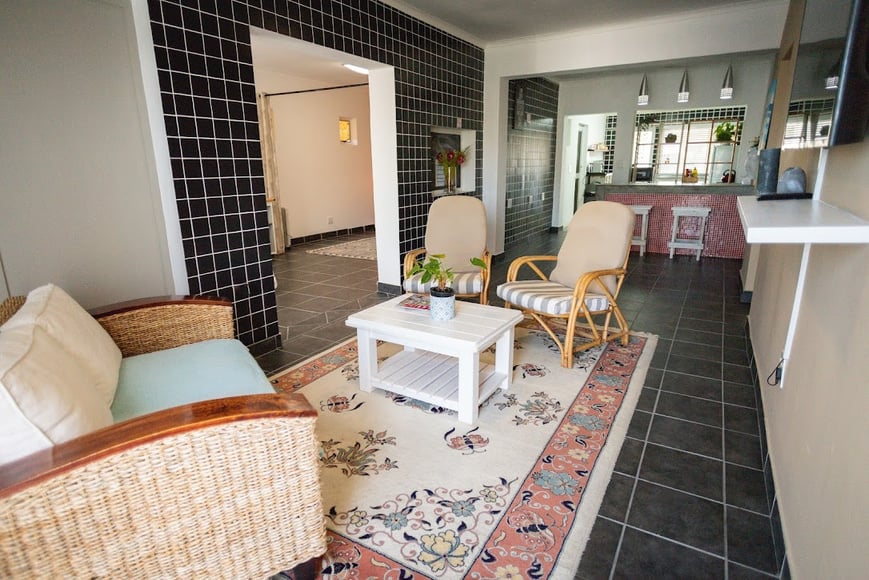
Struisbaai's accommodation scene is modest in scale, reflecting the town's character as a quiet coastal retreat rather than a commercial resort. The local listing pool is small, and pricing varies considerably depending on the type and season, so it pays to search broadly and compare options before committing.
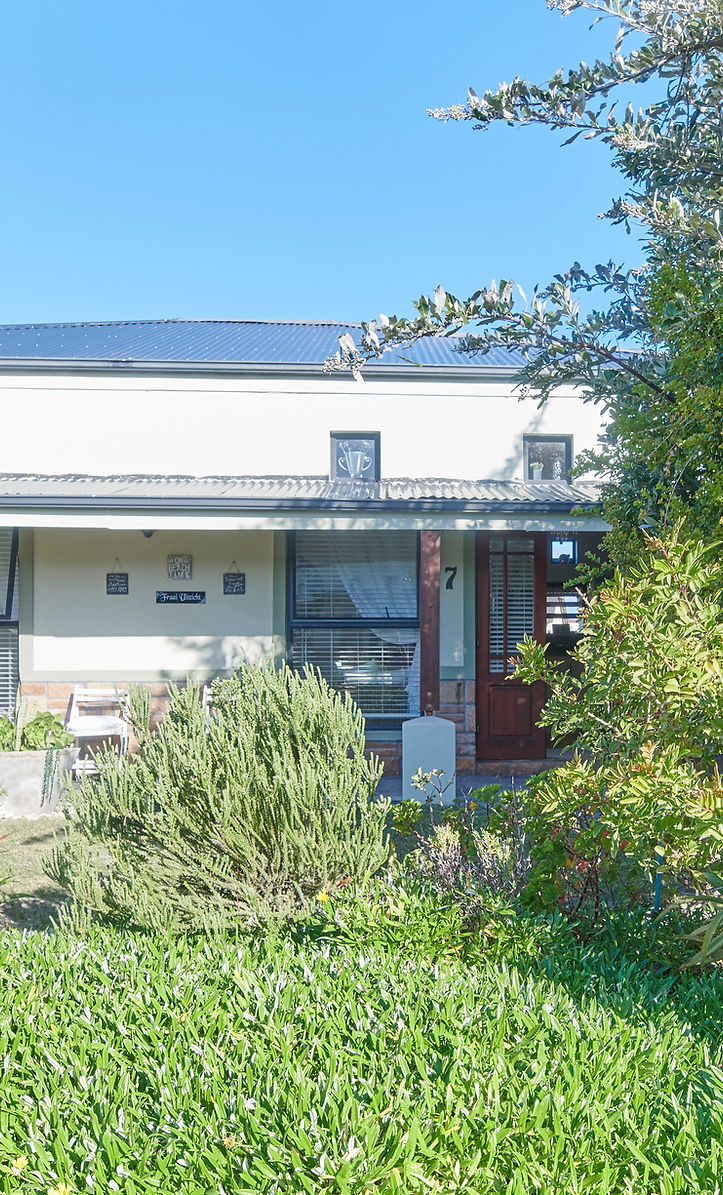
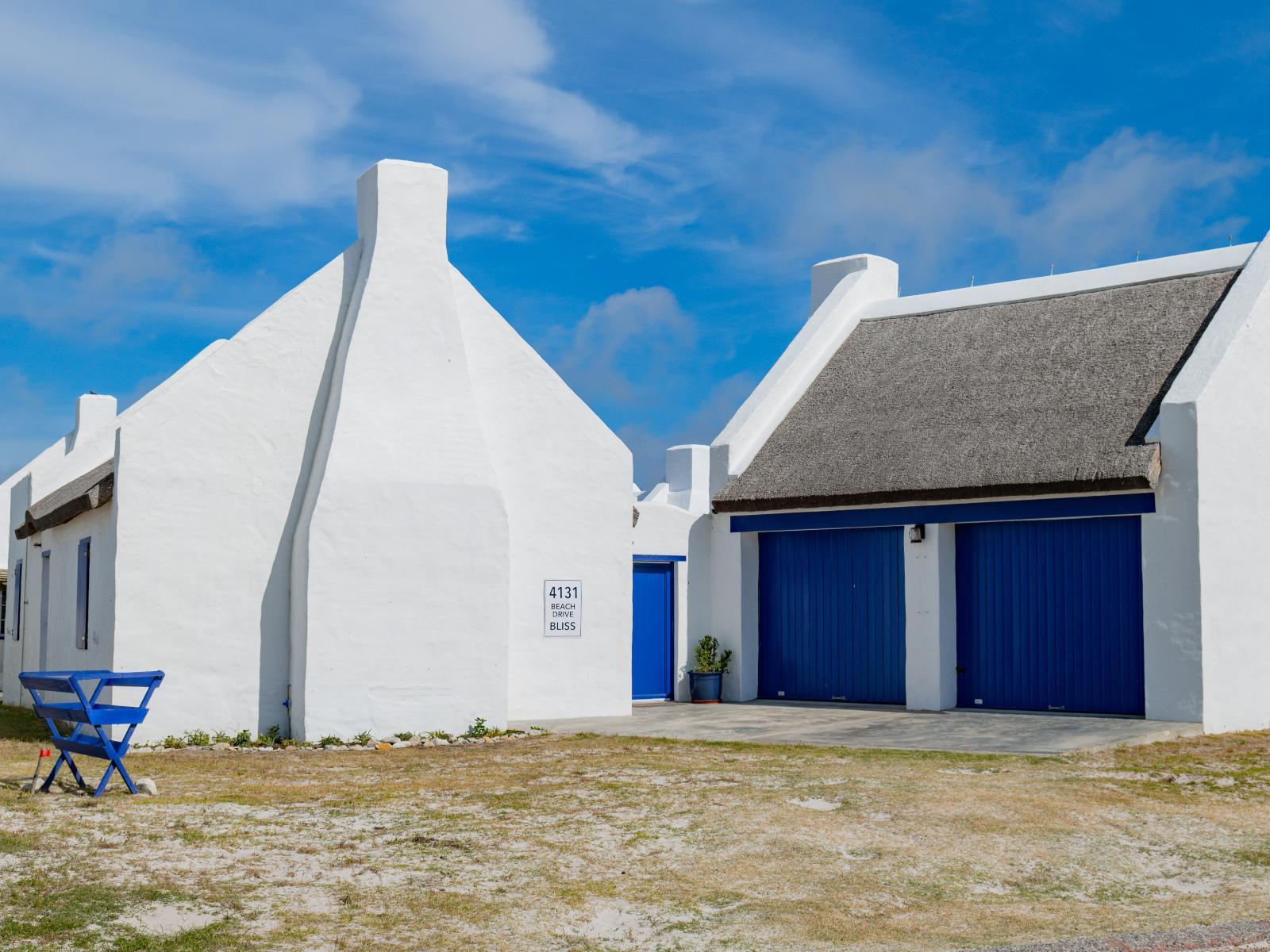
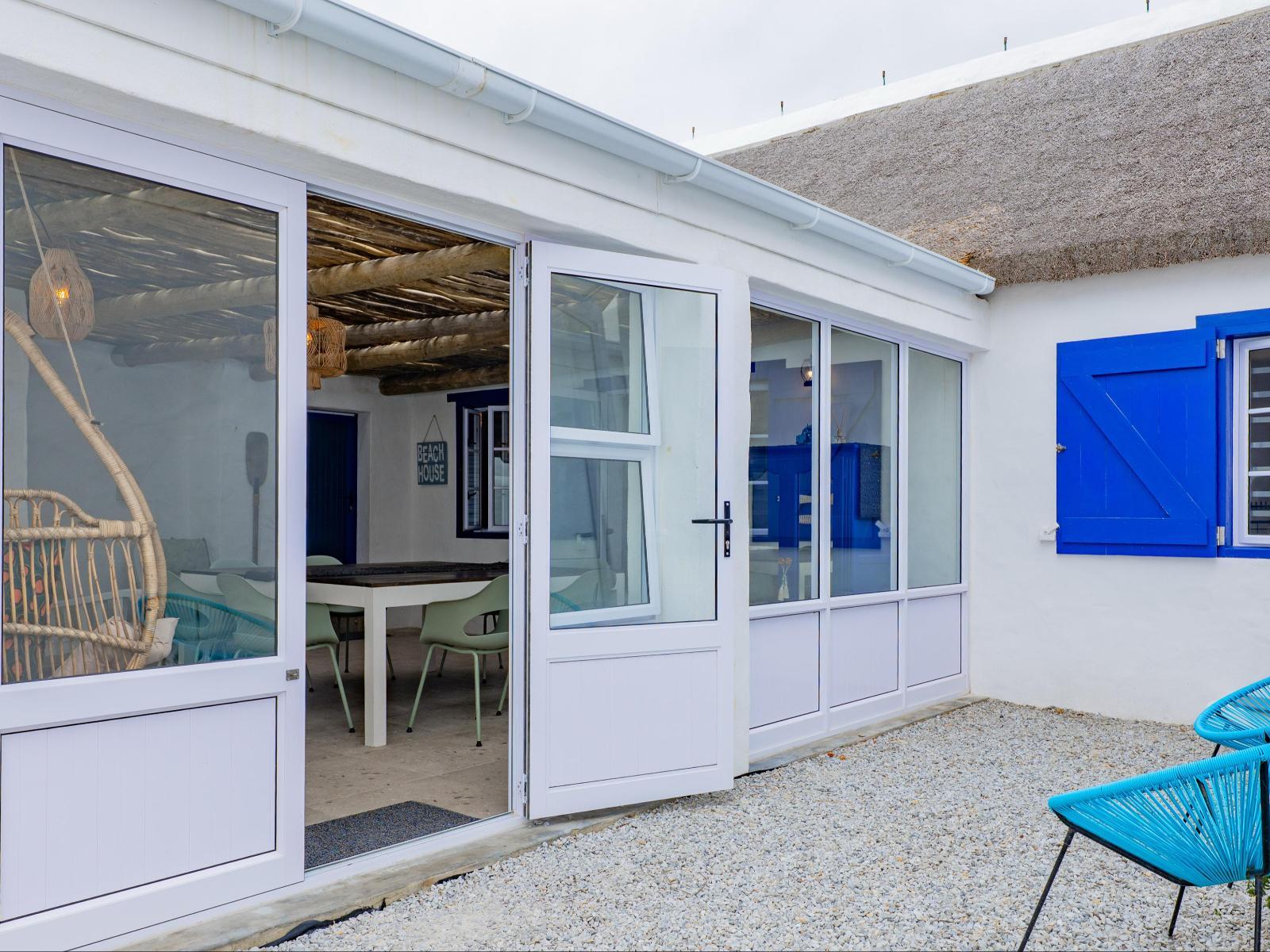
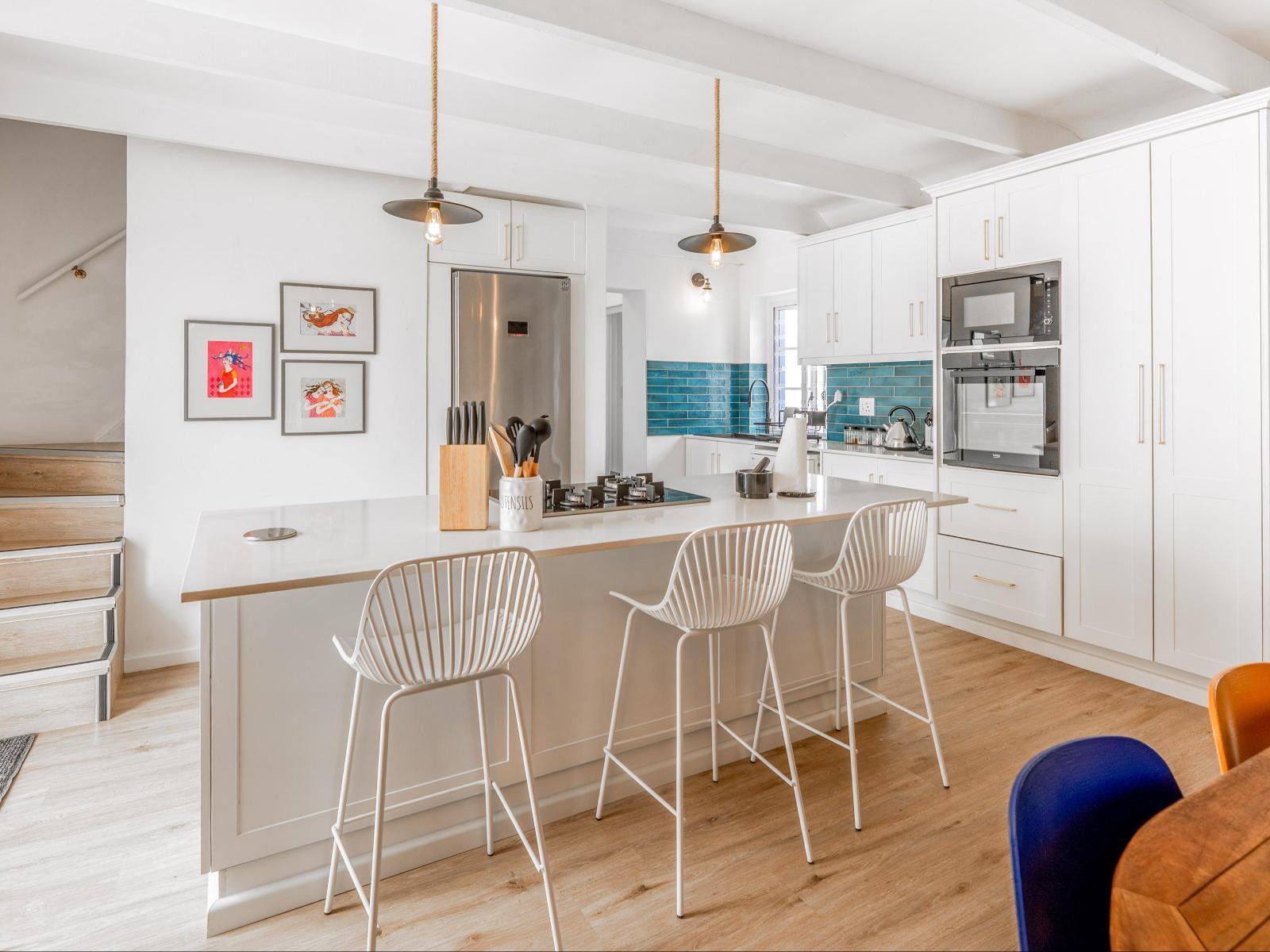
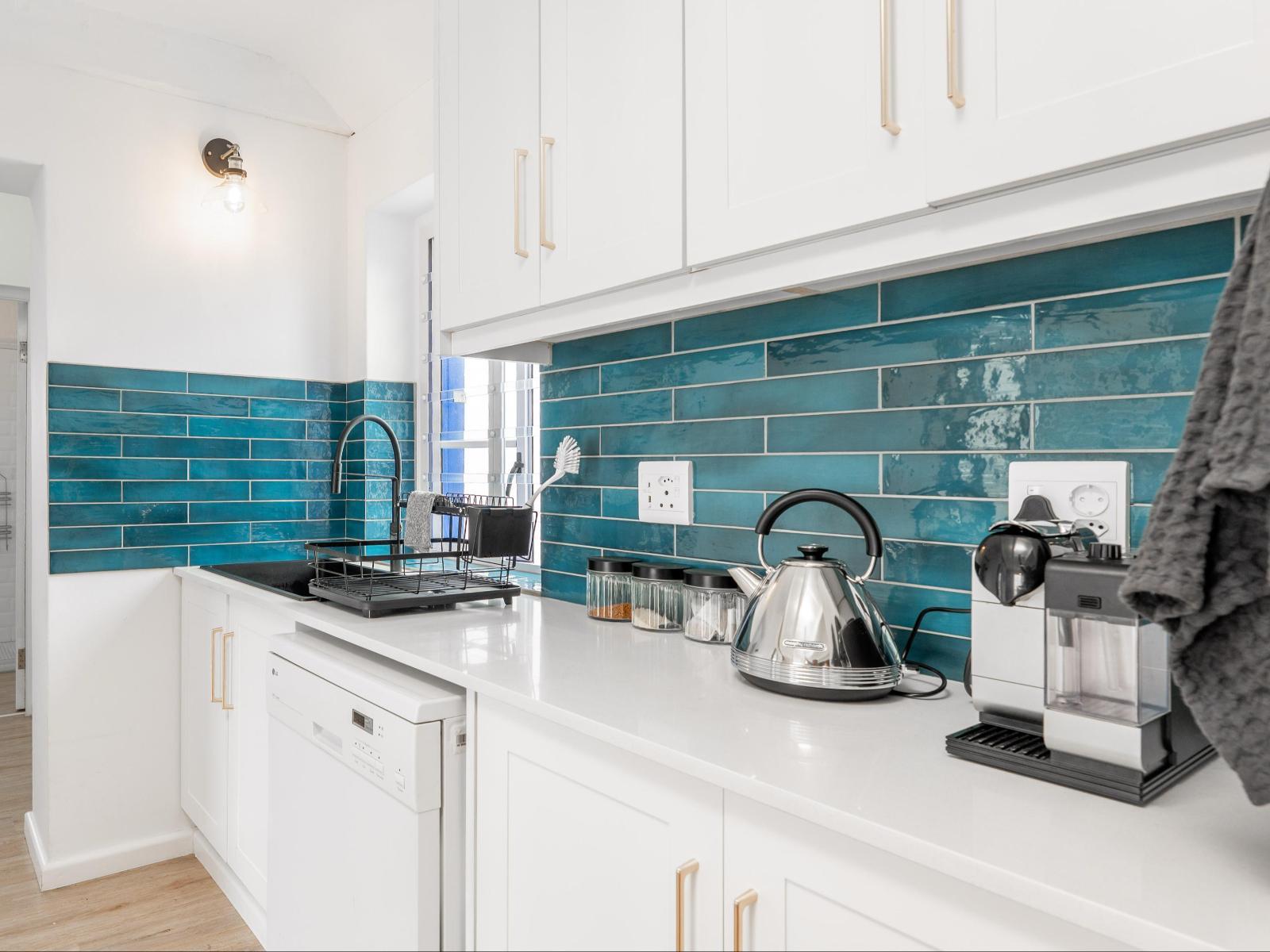
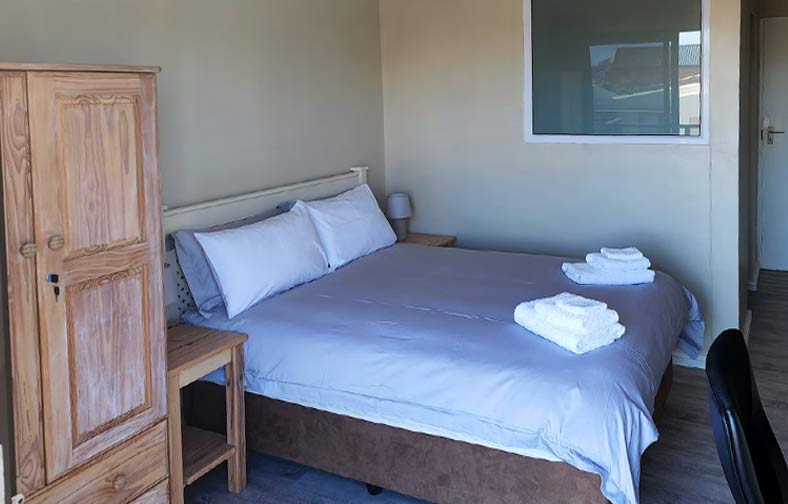
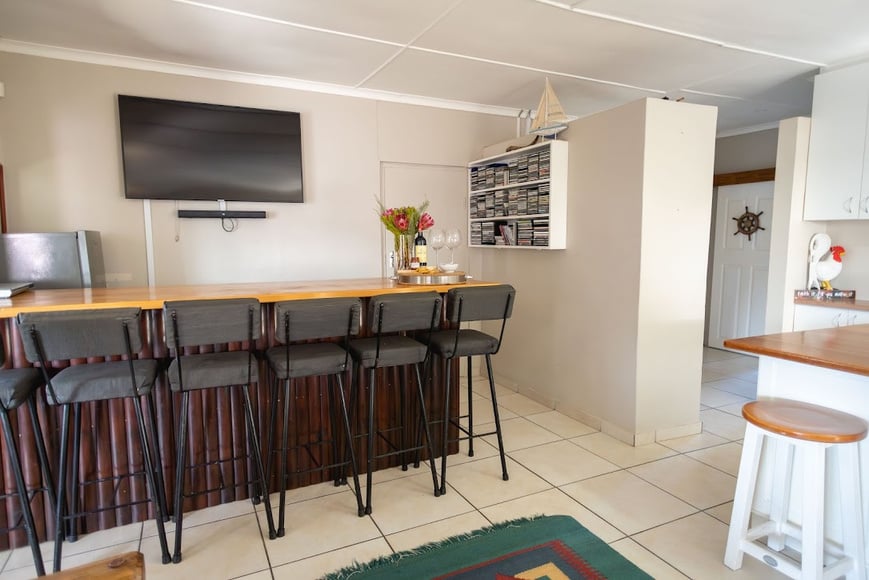
At the budget end, self-catering cottages and basic guesthouses form the backbone of available options. These typically sit within easy walking distance of the beach and harbor, giving guests access to the town's main draws without the overhead of hotel-style services. Self-catering suits visitors who want to cook fresh fish bought directly from the harbor, keeping costs manageable over a longer stay.
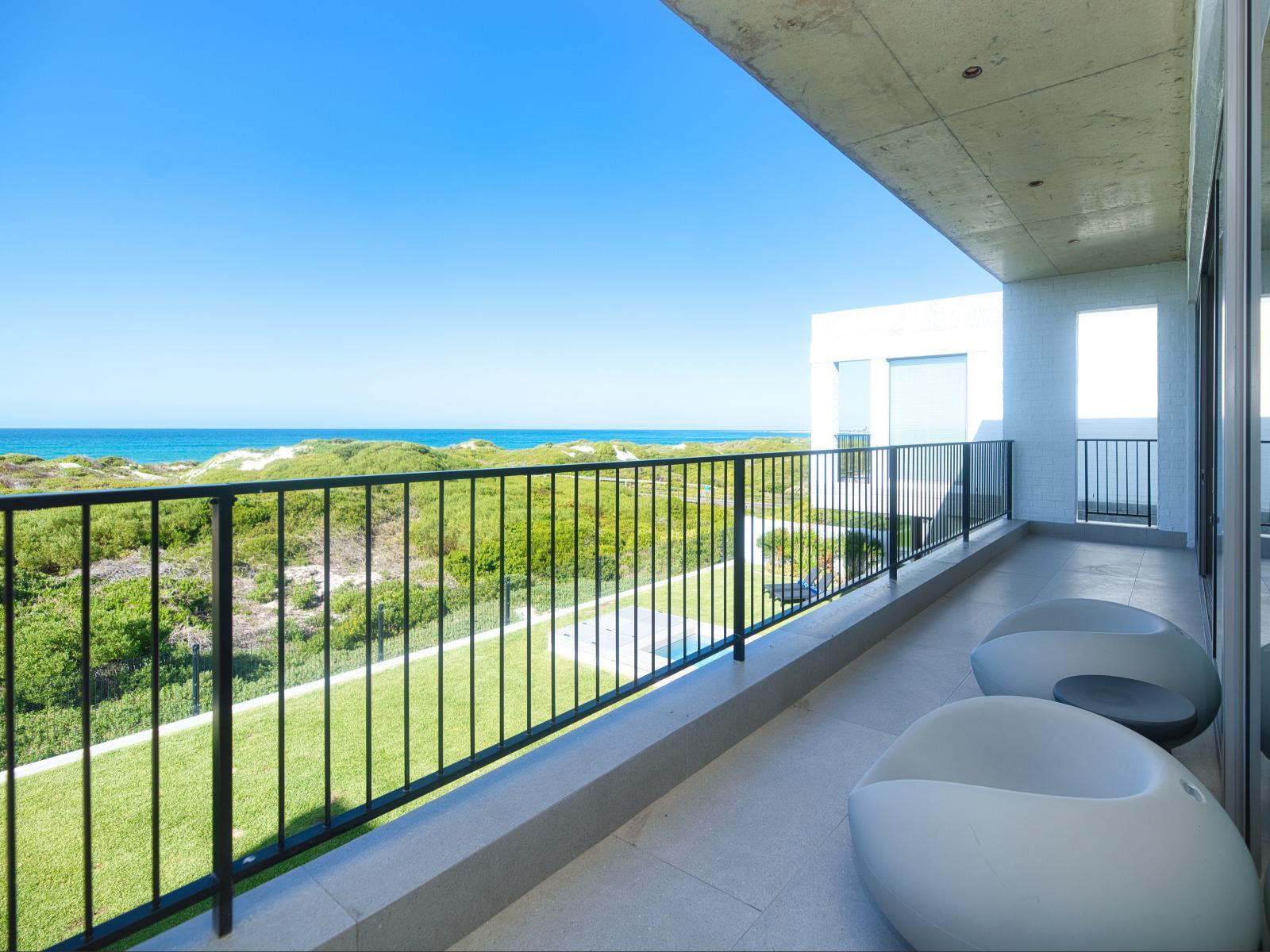
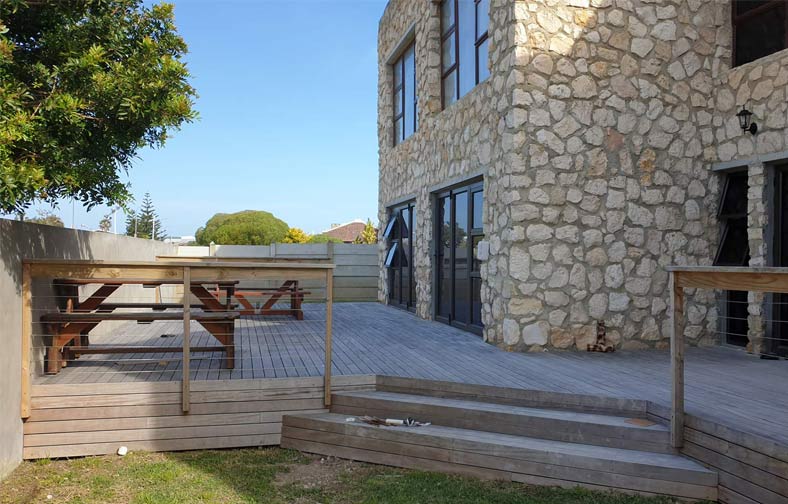
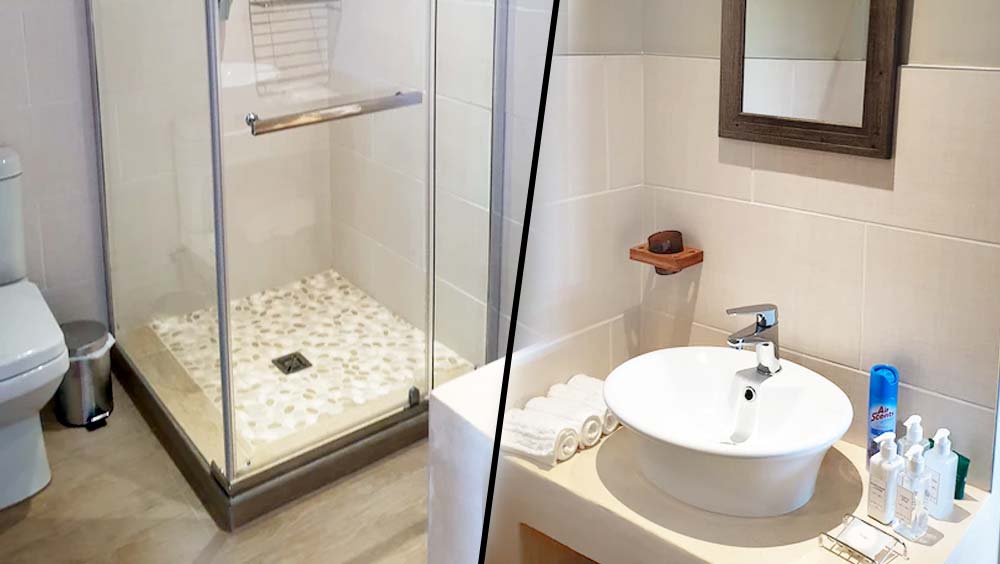
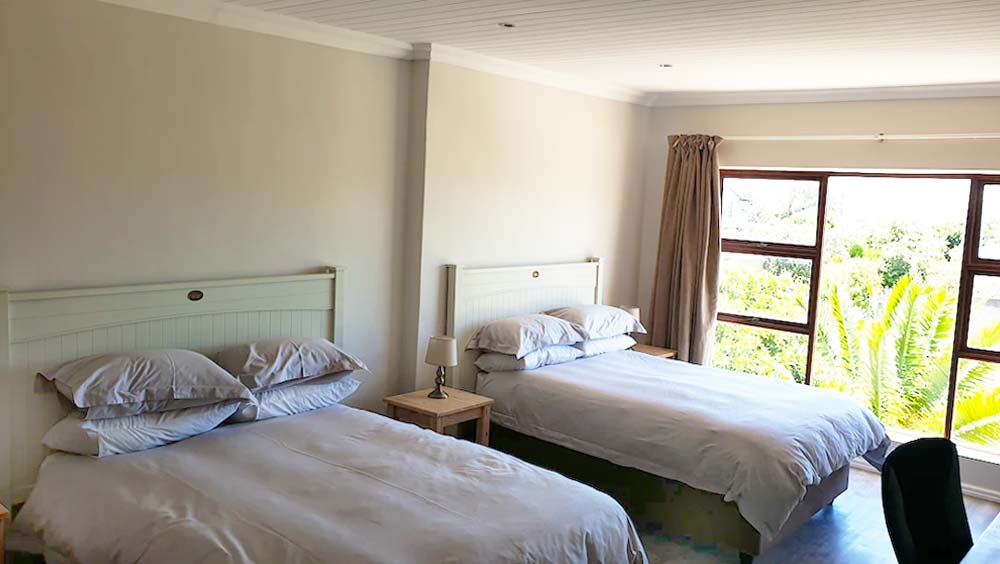
Mid-range options tend to offer more space and amenities, with some guesthouses providing en-suite rooms, communal braai facilities, and sea-facing verandas. Bed and breakfast properties in this tier often include a morning meal using local produce, which is a practical bonus given the limited restaurant options in the immediate area. Families and small groups frequently gravitate toward larger self-catering units that sleep four to eight people, which work out economically across a week-long stay.
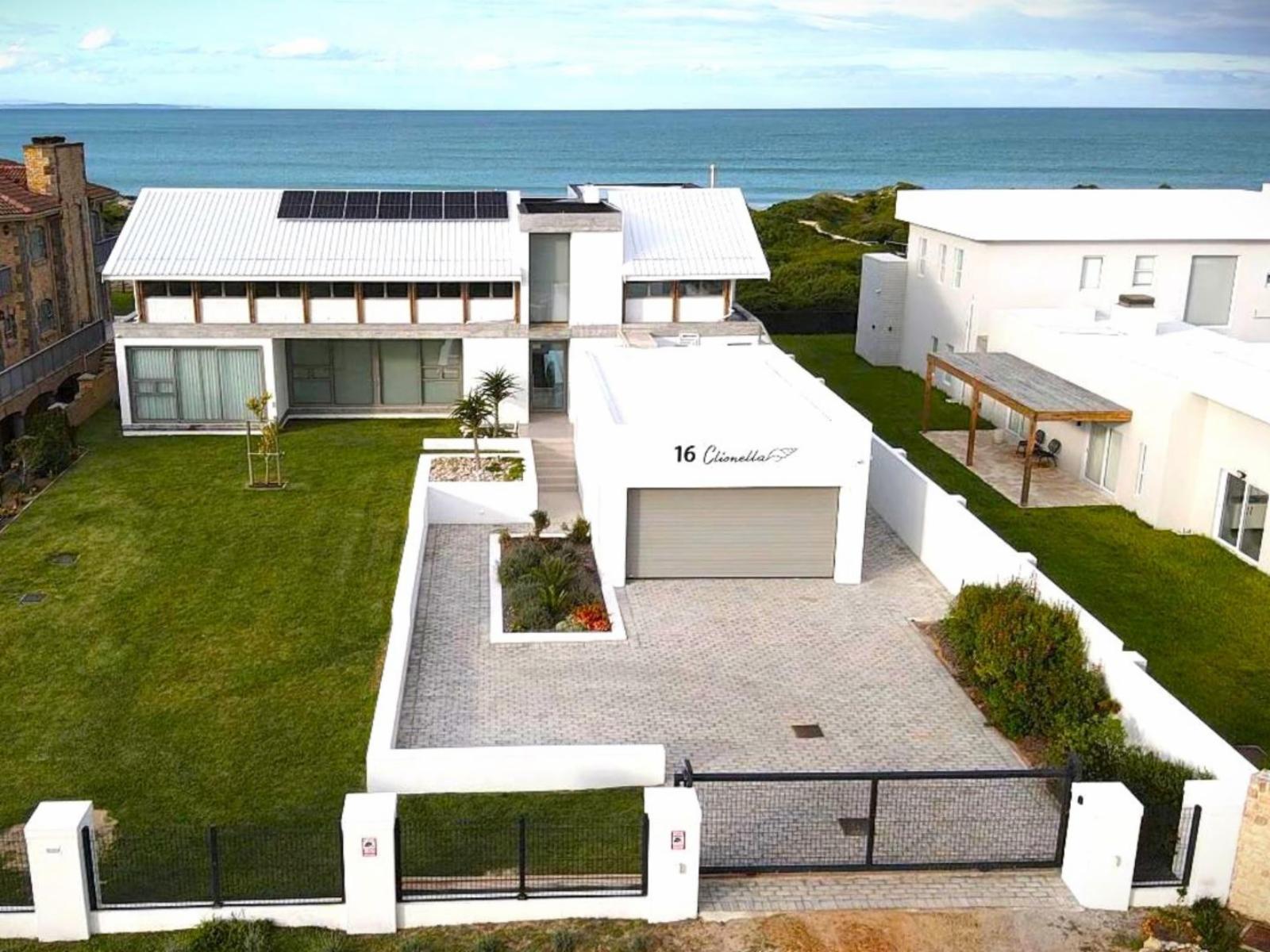
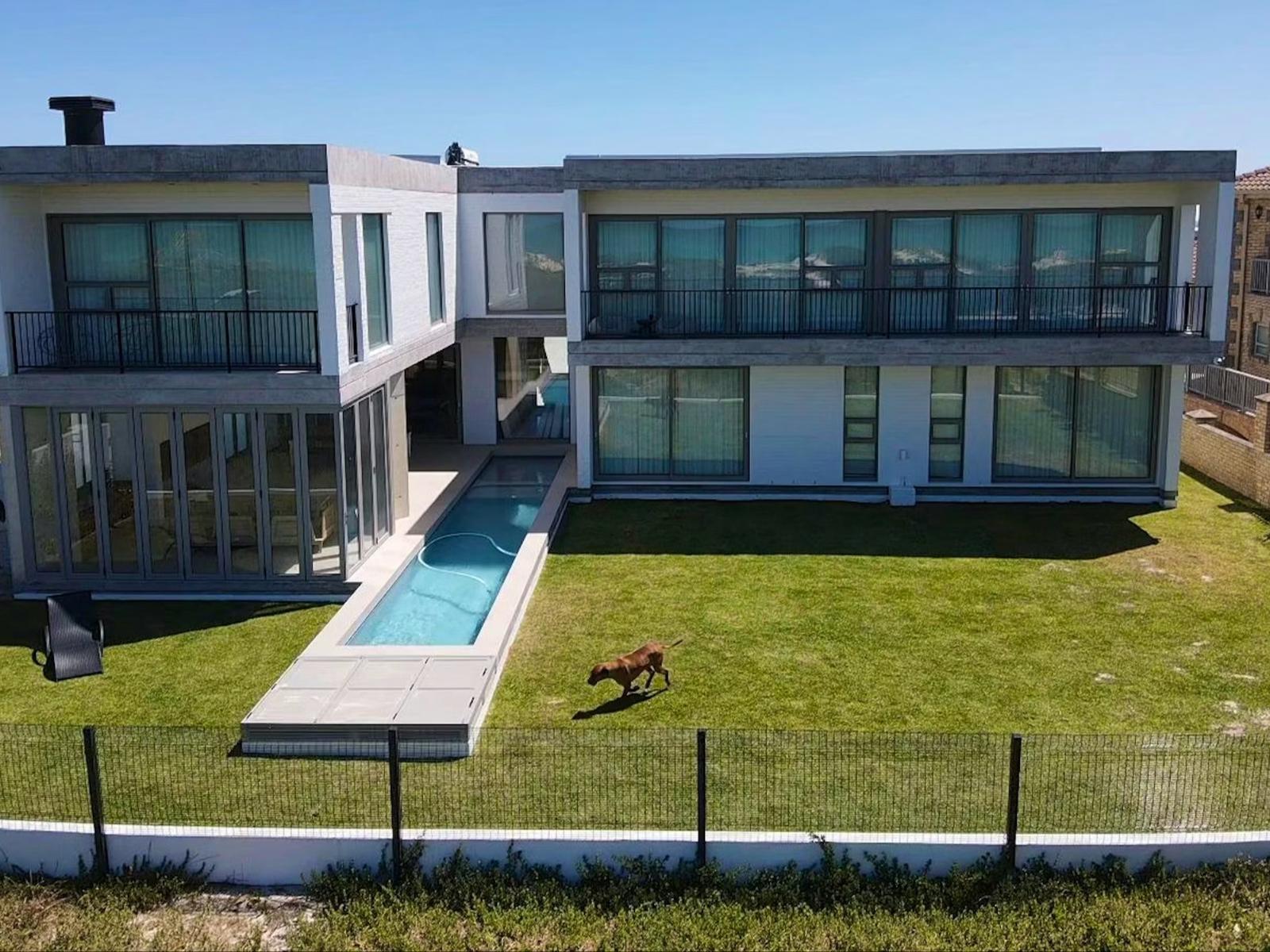
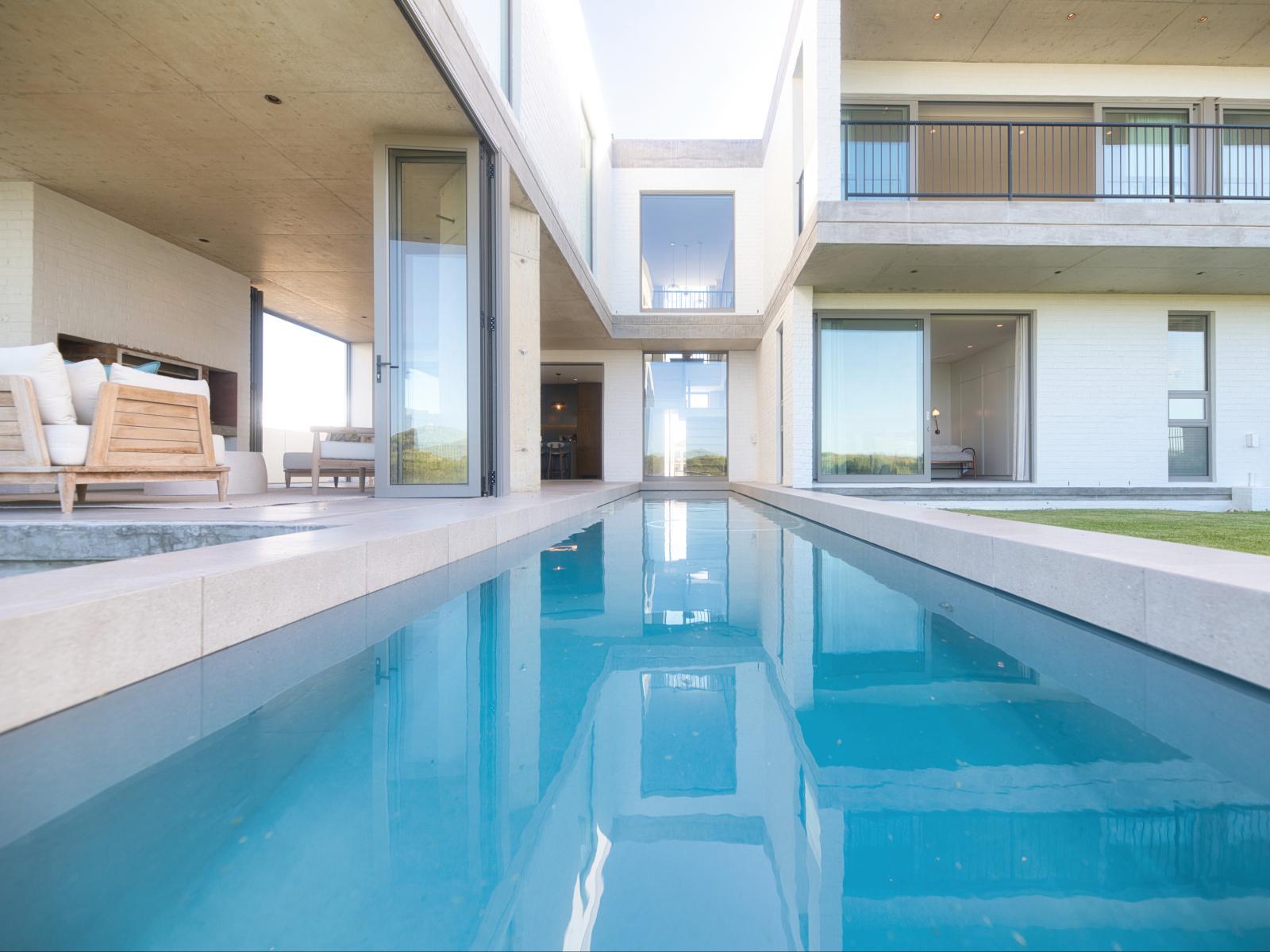
At the upper end of the local market, a handful of well-appointed guesthouses and holiday homes cater to visitors who want more comfort without traveling to a larger town. These properties typically include private pools or direct beach access, and some offer additional services such as boat trip arrangements or guided fishing outings. The gap between mid-range and upper-tier is not enormous in a town this size, so the distinction generally comes down to views and finishing quality rather than a dramatic difference in service level.
Because availability is limited, especially over school holidays and the peak summer months from December through January, securing a booking well in advance is advisable regardless of budget tier.
---
## Best Time to Visit Struisbaai
The Overberg coast follows a Mediterranean-style climate pattern: warm, dry summers and mild, wetter winters. Summer, running from November through February, brings the longest days and warmest temperatures, making it the most popular period for beach visits, swimming, and fishing off the rocks. This is also when school holiday traffic peaks, and the town, usually quiet, sees a noticeable influx of South African families.
Spring, from September through November, is arguably the most rewarding season for nature-focused visitors. Fynbos along the coastal dunes flowers through this period, and southern right whales are commonly spotted just offshore during their annual migration, which typically runs from July through November. Autumn, from March to May, offers warm days with fewer crowds and generally settled weather.
Winter months, June through August, bring cooler temperatures and occasional rain, but the coast remains accessible and accommodation is easier to find at shorter notice. Anglers often prefer winter for certain species, and the whale-watching season extends well into these months. Those planning hiking in the surrounding national park should note that winter conditions can make some trails muddy but not impassable for anyone reasonably prepared.
---
## Getting to Struisbaai
The most practical way to reach Struisbaai is by car. From Cape Town, the drive covers roughly 250 kilometres and takes about two and a half to three hours via the N2 highway east, then south through Caledon and Bredasdorp on the R316. The roads are well-maintained and clearly signed from Bredasdorp, the regional hub about 30 kilometres north of the coast.
There is no commercial airport serving this part of the Overberg. The nearest airport with scheduled domestic flights is Cape Town International, which connects to Johannesburg, Durban, and other major South African cities. From the airport, a rental car is the most sensible option, as public transport connections to the southern tip region are limited.
Intercape and other long-distance bus operators service Bredasdorp from Cape Town, but no regular bus or taxi route continues to Struisbaai itself. Visitors without a car who reach Bredasdorp may be able to arrange a shuttle or taxi transfer through their accommodation. Once in town, the area is compact enough to cover on foot or by bicycle, with the main beach, harbor, and shops all within a short walk of most guesthouses.
For those arriving from the Garden Route, the R319 from Swellendam offers an alternative approach through wheat-farming country, adding a different perspective on the region's landscape.
---
## Struisbaai and Surrounding Areas
Struisbaai's position on the Agulhas plain puts it within easy reach of several distinct places, each worth a separate excursion.
**L'Agulhas**, four kilometres along the coast, is where visitors will find the Cape Agulhas lighthouse, the oldest working lighthouse in South Africa and the official marker of the southernmost tip of the African continent. The lighthouse museum details the maritime history of this notoriously dangerous stretch of coastline, and the Agulhas National Park immediately surrounding it offers short walks through restio and fynbos vegetation. Standing at the geographic point where the Atlantic and Indian Oceans officially meet carries a particular significance for many first-time visitors.
**Arniston** (also known as Waenhuiskrans), 22 kilometres to the east, is a working fishing village with a cluster of whitewashed cottages occupied continuously for generations. A large sea cave south of the village, accessible at low tide and spacious enough to shelter a wagon, gives the settlement its Afrikaans name. The contrast with Struisbaai's more contemporary holiday character is striking, and the village restaurant draws visitors from across the region for fresh seafood.
**Napier**, 39 kilometres inland, is a small agricultural town recognised for its Victorian-era architecture and a community of artists who have established studios and galleries there. It makes a worthwhile half-day excursion for those interested in crafts and creative work outside the coastal setting.
**Baardskeerdersbos**, at 50 kilometres, is a tiny hamlet set among forested hills popular with hikers and mountain bikers. The terrain differs markedly from the exposed coastal plain, and the shift in scenery is much of the appeal for day-trippers based in Struisbaai.
**Van Dyks Bay** and **Kleinbaai**, at 67 and 68 kilometres respectively, sit along the Whale Coast and are the primary departure points for great white shark cage diving operations, particularly from Kleinbaai's busy Gansbaai harbour area. Both towns also support shore-based whale watching during the migration season.
---
## Planning Your Stay
Struisbaai draws most of its visitors during South African school holiday periods, particularly December and January, and again over Easter. If travel falls near these windows, booking two to three months ahead is sensible, especially for larger self-catering units that fill quickly with family groups.
When comparing properties, check whether a braai facility is included, as outdoor cooking is central to how many South Africans holiday and is often expected rather than mentioned in the listing description. Also confirm whether linen and towels are provided in self-catering units, as some owners charge extra or expect guests to supply their own.
Shopping in Struisbaai is limited to a few convenience stores. Those planning a week-long self-catering stay should stock up in Bredasdorp or at the shops in Agulhas before settling in. The town has no ATM, so arriving with adequate cash or confirming that cards are accepted at local outlets is a practical step worth taking before departure.
South African law requires a recreational fishing permit for anyone casting a line from the beach or rocks. These are available online through the Department of Forestry, Fisheries and the Environment and should be obtained before arriving. Cell signal is available in the town but can be patchy in more exposed coastal spots, so downloading offline maps in advance avoids unnecessary frustration.

Struisbaai's accommodation scene is modest in scale, reflecting the town's character as a quiet coastal retreat rather than a commercial resort. The local listing pool is small, and pricing varies considerably depending on the type and season, so it pays to search broadly and compare options before committing.
At the budget end, self-catering cottages and basic guesthouses form the backbone of available options. These typically sit within easy walking distance of the beach and harbor, giving guests access to the town's main draws without the overhead of hotel-style services. Self-catering suits visitors who want to cook fresh fish bought directly from the harbor, keeping costs manageable over a longer stay.
Mid-range options tend to offer more space and amenities, with some guesthouses providing en-suite rooms, communal braai facilities, and sea-facing verandas. Bed and breakfast properties in this tier often include a morning meal using local produce, which is a practical bonus given the limited restaurant options in the immediate area. Families and small groups frequently gravitate toward larger self-catering units that sleep four to eight people, which work out economically across a week-long stay.
At the upper end of the local market, a handful of well-appointed guesthouses and holiday homes cater to visitors who want more comfort without traveling to a larger town. These properties typically include private pools or direct beach access, and some offer additional services such as boat trip arrangements or guided fishing outings. The gap between mid-range and upper-tier is not enormous in a town this size, so the distinction generally comes down to views and finishing quality rather than a dramatic difference in service level.
Because availability is limited, especially over school holidays and the peak summer months from December through January, securing a booking well in advance is advisable regardless of budget tier.
---
## Best Time to Visit Struisbaai
The Overberg coast follows a Mediterranean-style climate pattern: warm, dry summers and mild, wetter winters. Summer, running from November through February, brings the longest days and warmest temperatures, making it the most popular period for beach visits, swimming, and fishing off the rocks. This is also when school holiday traffic peaks, and the town, usually quiet, sees a noticeable influx of South African families.
Spring, from September through November, is arguably the most rewarding season for nature-focused visitors. Fynbos along the coastal dunes flowers through this period, and southern right whales are commonly spotted just offshore during their annual migration, which typically runs from July through November. Autumn, from March to May, offers warm days with fewer crowds and generally settled weather.
Winter months, June through August, bring cooler temperatures and occasional rain, but the coast remains accessible and accommodation is easier to find at shorter notice. Anglers often prefer winter for certain species, and the whale-watching season extends well into these months. Those planning hiking in the surrounding national park should note that winter conditions can make some trails muddy but not impassable for anyone reasonably prepared.
---
## Getting to Struisbaai
The most practical way to reach Struisbaai is by car. From Cape Town, the drive covers roughly 250 kilometres and takes about two and a half to three hours via the N2 highway east, then south through Caledon and Bredasdorp on the R316. The roads are well-maintained and clearly signed from Bredasdorp, the regional hub about 30 kilometres north of the coast.
There is no commercial airport serving this part of the Overberg. The nearest airport with scheduled domestic flights is Cape Town International, which connects to Johannesburg, Durban, and other major South African cities. From the airport, a rental car is the most sensible option, as public transport connections to the southern tip region are limited.
Intercape and other long-distance bus operators service Bredasdorp from Cape Town, but no regular bus or taxi route continues to Struisbaai itself. Visitors without a car who reach Bredasdorp may be able to arrange a shuttle or taxi transfer through their accommodation. Once in town, the area is compact enough to cover on foot or by bicycle, with the main beach, harbor, and shops all within a short walk of most guesthouses.
For those arriving from the Garden Route, the R319 from Swellendam offers an alternative approach through wheat-farming country, adding a different perspective on the region's landscape.
---
## Struisbaai and Surrounding Areas
Struisbaai's position on the Agulhas plain puts it within easy reach of several distinct places, each worth a separate excursion.
**L'Agulhas**, four kilometres along the coast, is where visitors will find the Cape Agulhas lighthouse, the oldest working lighthouse in South Africa and the official marker of the southernmost tip of the African continent. The lighthouse museum details the maritime history of this notoriously dangerous stretch of coastline, and the Agulhas National Park immediately surrounding it offers short walks through restio and fynbos vegetation. Standing at the geographic point where the Atlantic and Indian Oceans officially meet carries a particular significance for many first-time visitors.
**Arniston** (also known as Waenhuiskrans), 22 kilometres to the east, is a working fishing village with a cluster of whitewashed cottages occupied continuously for generations. A large sea cave south of the village, accessible at low tide and spacious enough to shelter a wagon, gives the settlement its Afrikaans name. The contrast with Struisbaai's more contemporary holiday character is striking, and the village restaurant draws visitors from across the region for fresh seafood.
**Napier**, 39 kilometres inland, is a small agricultural town recognised for its Victorian-era architecture and a community of artists who have established studios and galleries there. It makes a worthwhile half-day excursion for those interested in crafts and creative work outside the coastal setting.
**Baardskeerdersbos**, at 50 kilometres, is a tiny hamlet set among forested hills popular with hikers and mountain bikers. The terrain differs markedly from the exposed coastal plain, and the shift in scenery is much of the appeal for day-trippers based in Struisbaai.
**Van Dyks Bay** and **Kleinbaai**, at 67 and 68 kilometres respectively, sit along the Whale Coast and are the primary departure points for great white shark cage diving operations, particularly from Kleinbaai's busy Gansbaai harbour area. Both towns also support shore-based whale watching during the migration season.
---
## Planning Your Stay
Struisbaai draws most of its visitors during South African school holiday periods, particularly December and January, and again over Easter. If travel falls near these windows, booking two to three months ahead is sensible, especially for larger self-catering units that fill quickly with family groups.
When comparing properties, check whether a braai facility is included, as outdoor cooking is central to how many South Africans holiday and is often expected rather than mentioned in the listing description. Also confirm whether linen and towels are provided in self-catering units, as some owners charge extra or expect guests to supply their own.
Shopping in Struisbaai is limited to a few convenience stores. Those planning a week-long self-catering stay should stock up in Bredasdorp or at the shops in Agulhas before settling in. The town has no ATM, so arriving with adequate cash or confirming that cards are accepted at local outlets is a practical step worth taking before departure.
South African law requires a recreational fishing permit for anyone casting a line from the beach or rocks. These are available online through the Department of Forestry, Fisheries and the Environment and should be obtained before arriving. Cell signal is available in the town but can be patchy in more exposed coastal spots, so downloading offline maps in advance avoids unnecessary frustration.
Struisbaai Kaart
Nabygeleë Bestemmings
Blaai Deur Alle Struisbaai Akkommodasie
Bekyk al 0 akkommodasie-opsies in Struisbaai met foto's, pryse en beskikbaarheid.
Blaai Deur Alle Akkommodasie