Laingsburg Reis- & Akkommodasiegids
Jou volledige gids om Laingsburg, Suid-Afrika te besoek.
Laingsburg provides a quiet base for exploring the Karoo's wide landscapes and historical sites. The town features a museum that details its past events and local culture. With its central location on major routes, it serves as a convenient spot for travelers seeking rest and discovery.
## Accommodation in Laingsburg
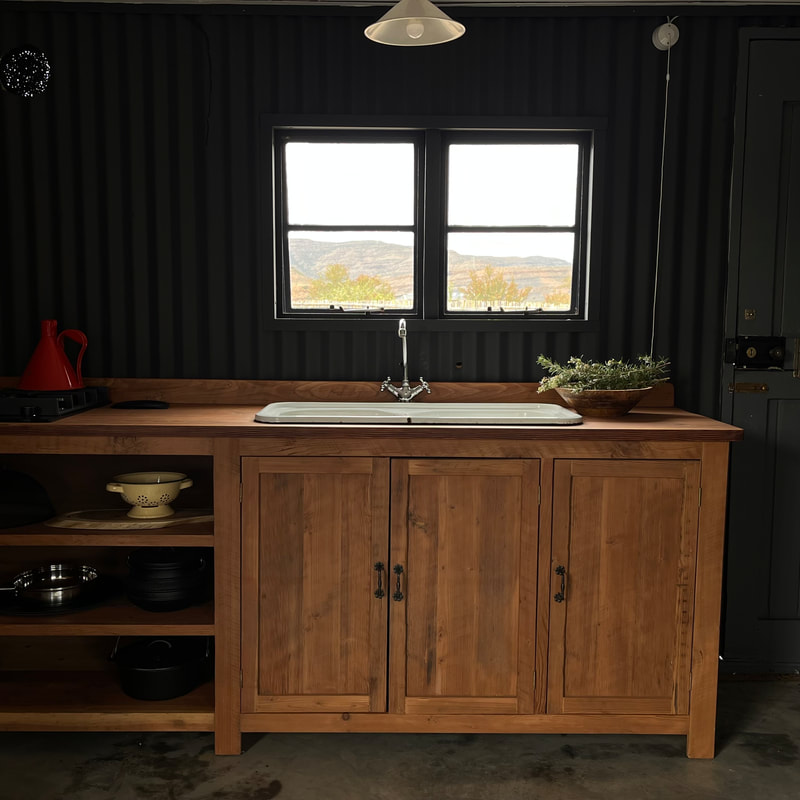
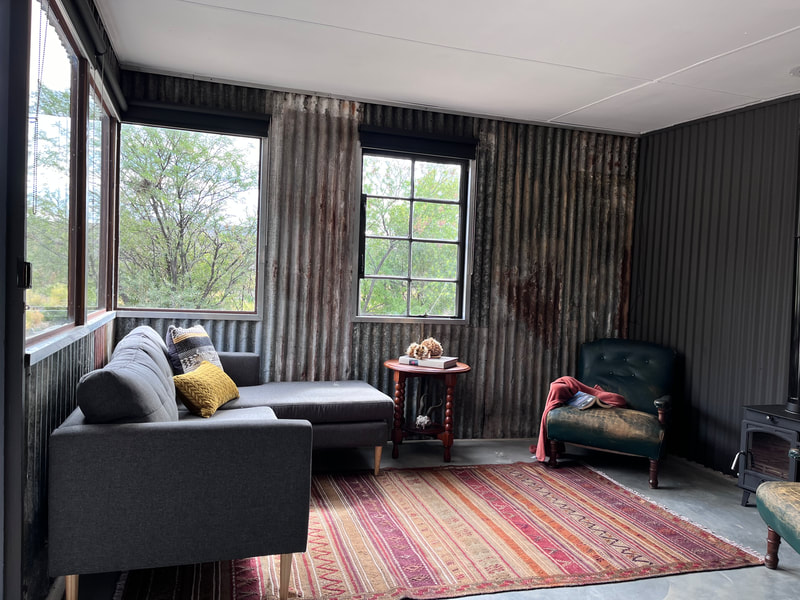
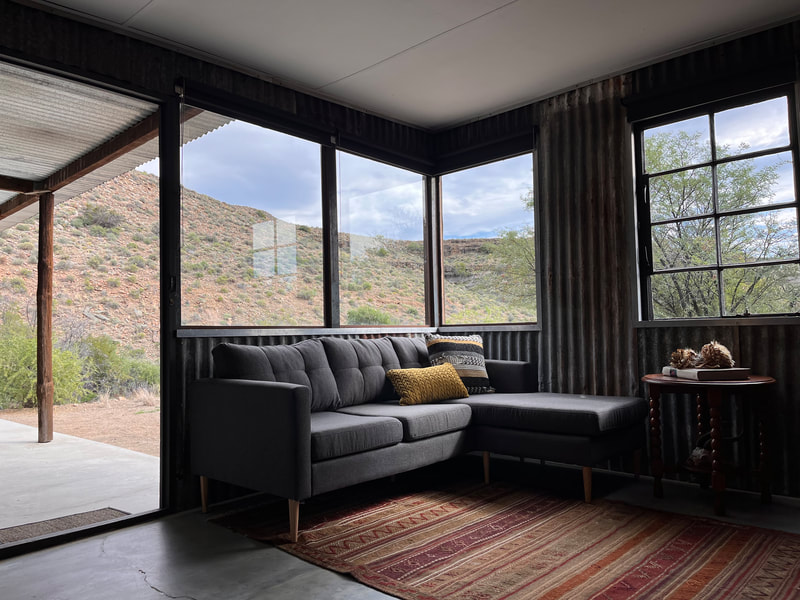
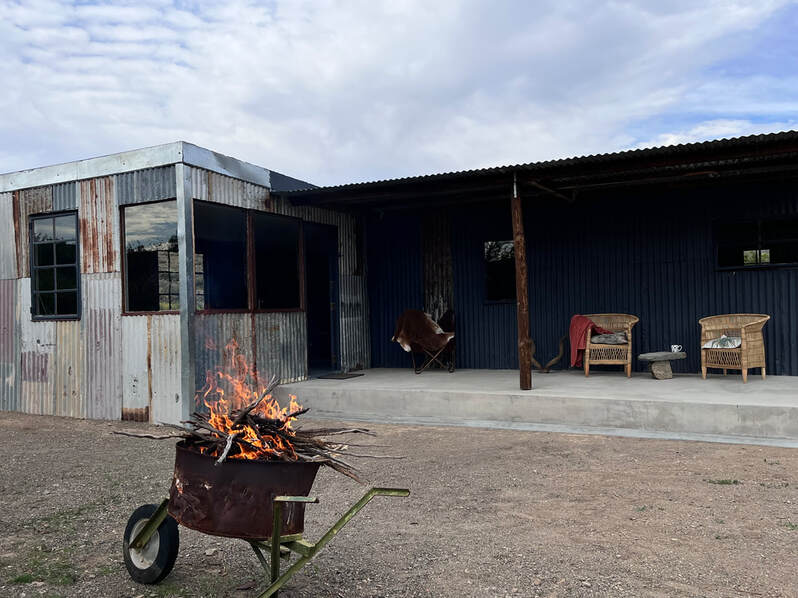
The accommodation offering in Laingsburg is modest, shaped by the town's role as a rural Karoo stopover rather than a developed tourist destination. This platform currently lists no properties with confirmed pricing, though options do exist across different budget levels for travellers who seek them out through local channels or direct contact with hosts.
At the budget end of the scale, basic guesthouses and overnight stopovers cater to travellers moving through on the N1. These are typically owner-operated, with simple rooms and sometimes a breakfast option, and they reflect the practical character of Karoo hospitality rather than any particular aesthetic.
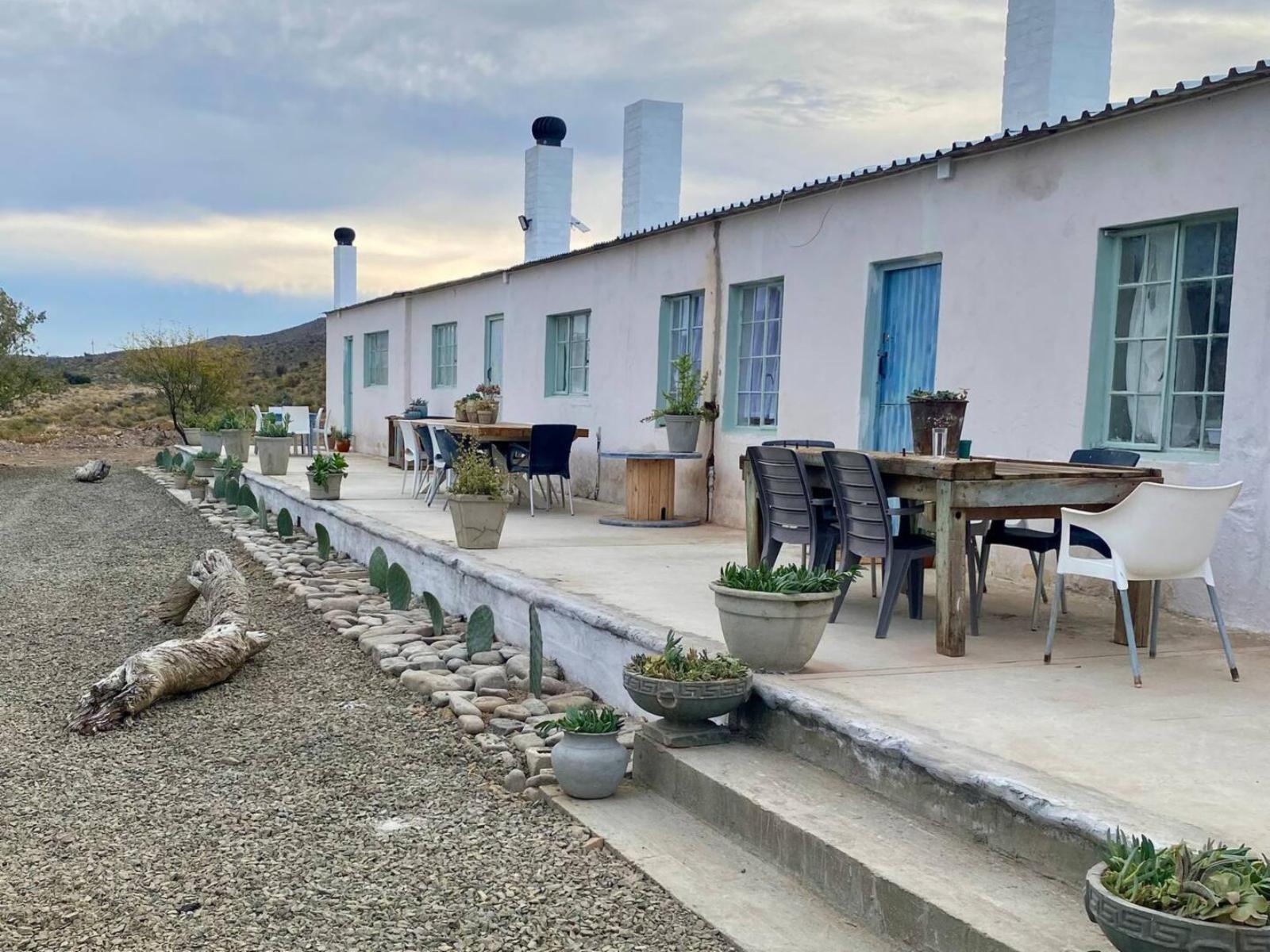
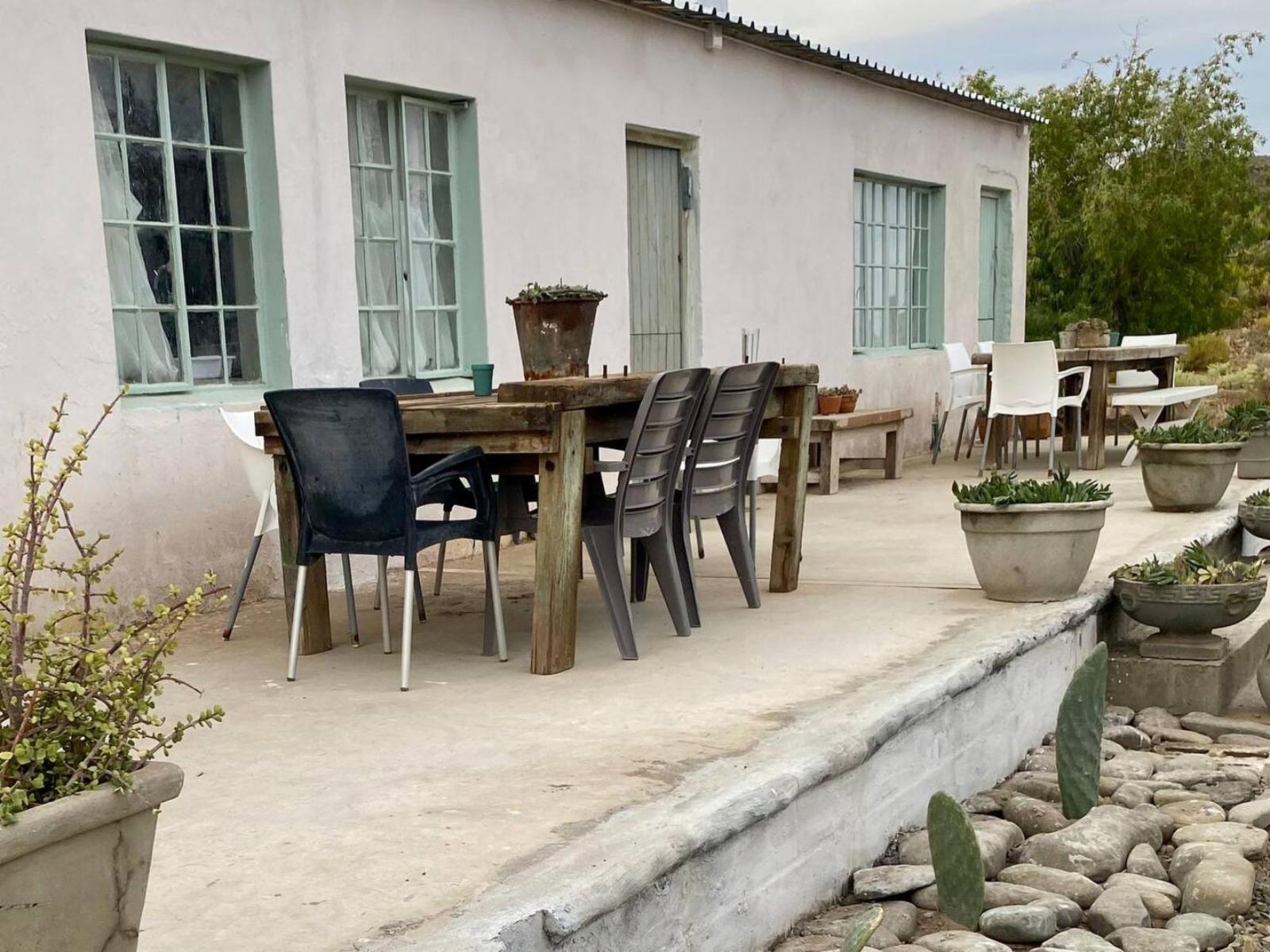
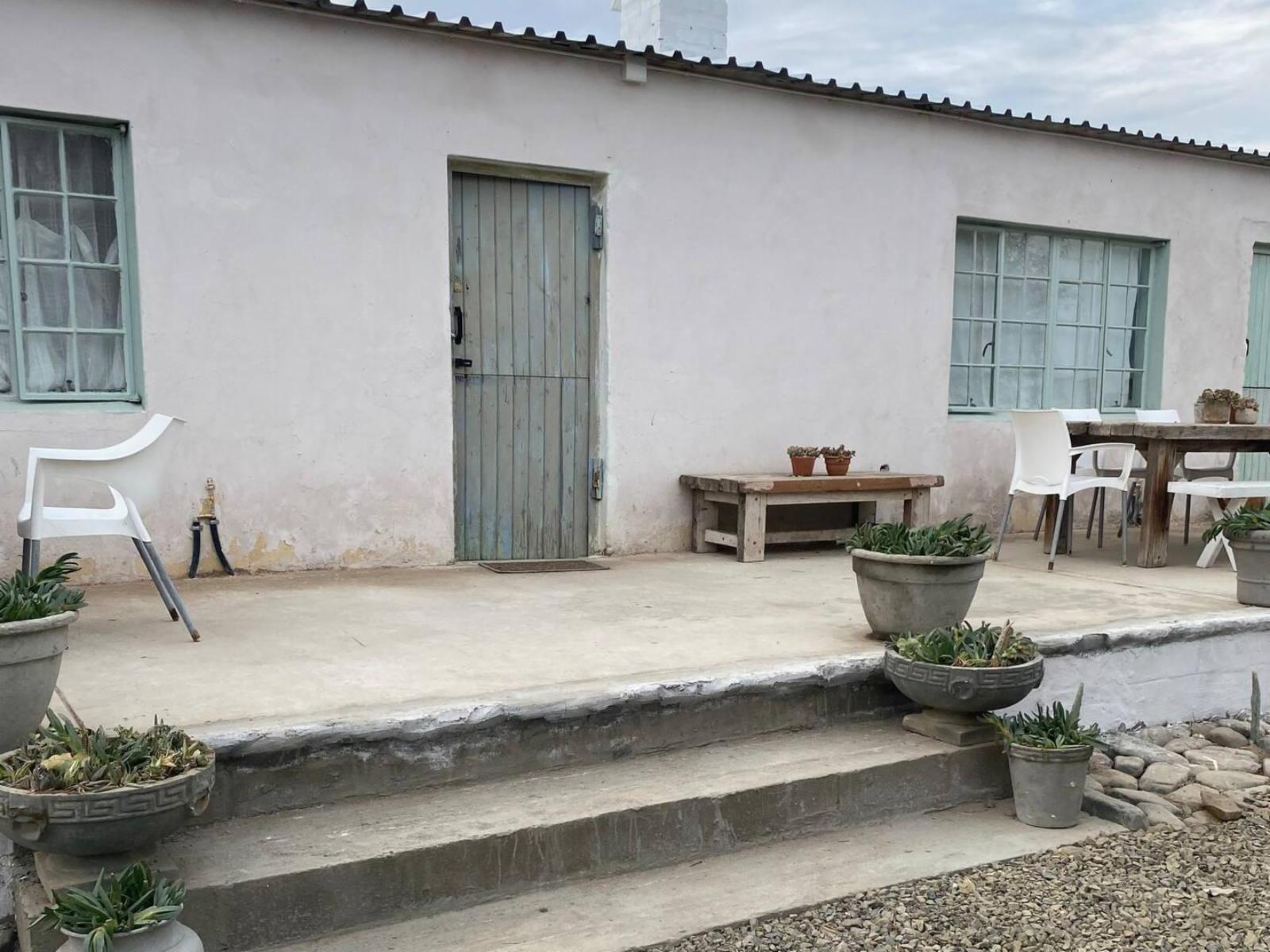
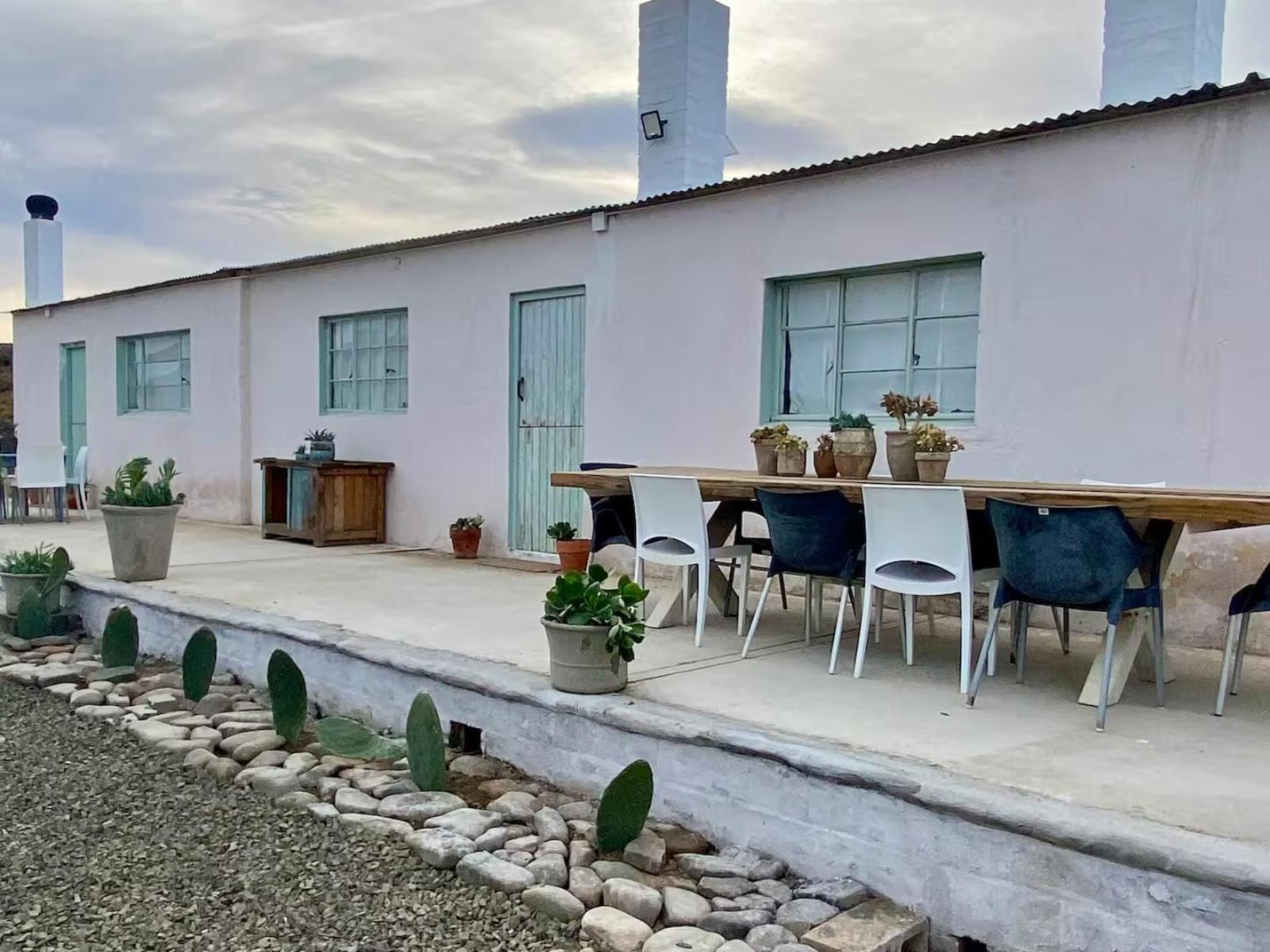
Mid-range travellers tend to find the most rewarding experiences on farm stays and self-catering cottages in the surrounding district. Working sheep farms that have converted a cottage or spare room into accommodation are common in this region, and staying on one gives genuine exposure to the landscape and farming life. Meals on these properties often feature lamb and other locally sourced produce, and owners are generally happy to direct visitors toward walking routes or wildlife spots on the land.
For those wanting more comfort, a small number of guesthouses operate with en-suite rooms and more attentive service. Facilities remain limited compared to what you would find in larger towns, but the personal character of small Karoo guesthouses tends to compensate. Hosts at this level often have deep knowledge of the area's history and natural environment, which adds considerable value for curious travellers.
Across all tiers, stays of more than one night reward patience. Travellers who book for two or three nights and allow time to walk the hills or simply sit in the open landscape tend to leave with a more complete sense of the Karoo than those who stop only for the night.
---
## Best Time to Visit Laingsburg
Summer runs hot and dry from November through February, with temperatures in Laingsburg regularly exceeding 35°C. These conditions make extended outdoor activity uncomfortable, particularly hiking during midday. Visits in summer are manageable, but any outdoor plans should be scheduled for early morning.
Autumn and spring offer the most agreeable conditions for most visitors. March to May brings cooling temperatures after the summer heat, while August to October sees the semi-desert landscape respond to winter rainfall with patches of wildflower colour. These shoulder months are generally the best periods for walking, birdwatching, and extended time outdoors.
Winter, from June to July, is cold and clear. Overnight temperatures can drop below freezing, and snow occasionally dusts higher ground in the surrounding hills. The clear, cold air and minimal light pollution produce exceptional stargazing conditions, making this a worthwhile period for those drawn to the southern hemisphere sky. Birdwatching also peaks in winter, as migratory species pass through the region.
There is no pronounced peak tourist season in Laingsburg itself. School holiday periods, particularly December, Easter, and July, see heavier traffic on the N1 and can affect the availability of the limited accommodation in and around the town, so advance booking during these windows is sensible.
---
## Getting to Laingsburg
The N1 national highway runs directly through Laingsburg, placing the town approximately 270 kilometres from Cape Town, a drive of roughly three hours under normal conditions. This makes it a practical rest stop on the long run between Cape Town and the South African interior. Coming from the east, Beaufort West lies around 130 kilometres further along the N1.
There is no airport in or near Laingsburg. The closest facilities with regular commercial services are Cape Town International Airport, which handles most international arrivals to the Western Cape, and George Airport approximately 280 kilometres to the south-west. Most visitors to this part of the Karoo arrive by car, either driving from Cape Town or hiring a vehicle on arrival.
Long-distance bus services operated by companies such as Intercape stop in Laingsburg on Cape Town to Johannesburg routes, which provides a public transport option for those without their own vehicle. Once in the town, however, a car becomes effectively essential. Reaching farm properties, making day trips into the surrounding countryside, or exploring any of the nearby towns all require private transport.
A standard passenger vehicle handles the N1 without any difficulty. A high-clearance vehicle becomes worth considering if you intend to use gravel farm roads, particularly after rain.
---
## Laingsburg and Surrounding Areas
Six towns within 100 kilometres offer quite different experiences and can be combined effectively with a Laingsburg base on a multi-day regional loop.
Ladismith, 50 kilometres to the south, sits between two mountain ranges in the Klein Karoo and is well known for its cheese production. The dramatic Towerkop peak frames the town from above. Cycling through the surrounding orchards and picking up locally made products makes it a satisfying half-day trip.
Touwsrivier, 79 kilometres west, is a small railway settlement on the approach to the Hex River Valley. Its character is unpretentious and working-class, and the landscape on the road toward it shifts noticeably from flat Karoo scrub to more dramatic mountain scenery, which makes the drive itself rewarding.
Calitzdorp, 86 kilometres south, has built a specific reputation for port wine. Several cellars in the area produce fortified wines that are sold and tasted on-site, and the town is better equipped for wine tourism than its size suggests. It provides a useful contrast to the sparse Karoo character of the surrounding region.
Sutherland, 91 kilometres north, sits at high altitude in the Northern Cape and is home to the South African Astronomical Observatory. Public viewing nights are open to visitors, and the observatory's location in one of the darkest parts of southern Africa makes this a strong purpose-built destination for anyone with an interest in astronomy.
Montagu, 95 kilometres to the south-west, is known for rock climbing in the Cogmanskloof area and for the Montagu Baths hot springs. It is more developed for tourism than the other nearby towns, with a broader selection of restaurants and shops, and offers a livelier contrast to quieter Karoo travel.
Swellendam, 100 kilometres south, is one of the oldest towns in South Africa, with a preserved historical district centred on the Drostdy Museum. The Langeberg Mountains behind the town are accessible via walking routes in the Marloth Nature Reserve.
---
## Planning Your Stay
With limited accommodation stock in Laingsburg, early booking matters more than in most towns of comparable size. Most properties operate with only a few rooms, and even modest tourist traffic during school holidays can fill them. Contacting properties directly rather than relying solely on online listings is often more productive, as not all operations in smaller Karoo towns maintain consistently updated booking platforms.
Before confirming a reservation, establish whether meals are included or available on-site. Laingsburg has few restaurant options, and driving out for dinner is not always practical after a full day on the road. A property that provides dinner and breakfast on request makes a significant practical difference to the experience.
Check the access route to your chosen property. Some stays are reached via several kilometres of unpaved track, and road conditions after rain can affect whether a standard vehicle will manage the approach. Ask the host directly about this when you make contact.
For any day trip into the surrounding district, carry water and a downloaded offline map. Mobile coverage is unreliable across much of the Karoo, and a mechanical issue on a remote gravel road requires self-sufficiency. Smaller establishments in the area may operate on a cash-only basis or have intermittent card facilities, so carrying some cash regardless of your usual preference is practical before arriving.

The accommodation offering in Laingsburg is modest, shaped by the town's role as a rural Karoo stopover rather than a developed tourist destination. This platform currently lists no properties with confirmed pricing, though options do exist across different budget levels for travellers who seek them out through local channels or direct contact with hosts.
At the budget end of the scale, basic guesthouses and overnight stopovers cater to travellers moving through on the N1. These are typically owner-operated, with simple rooms and sometimes a breakfast option, and they reflect the practical character of Karoo hospitality rather than any particular aesthetic.
Mid-range travellers tend to find the most rewarding experiences on farm stays and self-catering cottages in the surrounding district. Working sheep farms that have converted a cottage or spare room into accommodation are common in this region, and staying on one gives genuine exposure to the landscape and farming life. Meals on these properties often feature lamb and other locally sourced produce, and owners are generally happy to direct visitors toward walking routes or wildlife spots on the land.
For those wanting more comfort, a small number of guesthouses operate with en-suite rooms and more attentive service. Facilities remain limited compared to what you would find in larger towns, but the personal character of small Karoo guesthouses tends to compensate. Hosts at this level often have deep knowledge of the area's history and natural environment, which adds considerable value for curious travellers.
Across all tiers, stays of more than one night reward patience. Travellers who book for two or three nights and allow time to walk the hills or simply sit in the open landscape tend to leave with a more complete sense of the Karoo than those who stop only for the night.
---
## Best Time to Visit Laingsburg
Summer runs hot and dry from November through February, with temperatures in Laingsburg regularly exceeding 35°C. These conditions make extended outdoor activity uncomfortable, particularly hiking during midday. Visits in summer are manageable, but any outdoor plans should be scheduled for early morning.
Autumn and spring offer the most agreeable conditions for most visitors. March to May brings cooling temperatures after the summer heat, while August to October sees the semi-desert landscape respond to winter rainfall with patches of wildflower colour. These shoulder months are generally the best periods for walking, birdwatching, and extended time outdoors.
Winter, from June to July, is cold and clear. Overnight temperatures can drop below freezing, and snow occasionally dusts higher ground in the surrounding hills. The clear, cold air and minimal light pollution produce exceptional stargazing conditions, making this a worthwhile period for those drawn to the southern hemisphere sky. Birdwatching also peaks in winter, as migratory species pass through the region.
There is no pronounced peak tourist season in Laingsburg itself. School holiday periods, particularly December, Easter, and July, see heavier traffic on the N1 and can affect the availability of the limited accommodation in and around the town, so advance booking during these windows is sensible.
---
## Getting to Laingsburg
The N1 national highway runs directly through Laingsburg, placing the town approximately 270 kilometres from Cape Town, a drive of roughly three hours under normal conditions. This makes it a practical rest stop on the long run between Cape Town and the South African interior. Coming from the east, Beaufort West lies around 130 kilometres further along the N1.
There is no airport in or near Laingsburg. The closest facilities with regular commercial services are Cape Town International Airport, which handles most international arrivals to the Western Cape, and George Airport approximately 280 kilometres to the south-west. Most visitors to this part of the Karoo arrive by car, either driving from Cape Town or hiring a vehicle on arrival.
Long-distance bus services operated by companies such as Intercape stop in Laingsburg on Cape Town to Johannesburg routes, which provides a public transport option for those without their own vehicle. Once in the town, however, a car becomes effectively essential. Reaching farm properties, making day trips into the surrounding countryside, or exploring any of the nearby towns all require private transport.
A standard passenger vehicle handles the N1 without any difficulty. A high-clearance vehicle becomes worth considering if you intend to use gravel farm roads, particularly after rain.
---
## Laingsburg and Surrounding Areas
Six towns within 100 kilometres offer quite different experiences and can be combined effectively with a Laingsburg base on a multi-day regional loop.
Ladismith, 50 kilometres to the south, sits between two mountain ranges in the Klein Karoo and is well known for its cheese production. The dramatic Towerkop peak frames the town from above. Cycling through the surrounding orchards and picking up locally made products makes it a satisfying half-day trip.
Touwsrivier, 79 kilometres west, is a small railway settlement on the approach to the Hex River Valley. Its character is unpretentious and working-class, and the landscape on the road toward it shifts noticeably from flat Karoo scrub to more dramatic mountain scenery, which makes the drive itself rewarding.
Calitzdorp, 86 kilometres south, has built a specific reputation for port wine. Several cellars in the area produce fortified wines that are sold and tasted on-site, and the town is better equipped for wine tourism than its size suggests. It provides a useful contrast to the sparse Karoo character of the surrounding region.
Sutherland, 91 kilometres north, sits at high altitude in the Northern Cape and is home to the South African Astronomical Observatory. Public viewing nights are open to visitors, and the observatory's location in one of the darkest parts of southern Africa makes this a strong purpose-built destination for anyone with an interest in astronomy.
Montagu, 95 kilometres to the south-west, is known for rock climbing in the Cogmanskloof area and for the Montagu Baths hot springs. It is more developed for tourism than the other nearby towns, with a broader selection of restaurants and shops, and offers a livelier contrast to quieter Karoo travel.
Swellendam, 100 kilometres south, is one of the oldest towns in South Africa, with a preserved historical district centred on the Drostdy Museum. The Langeberg Mountains behind the town are accessible via walking routes in the Marloth Nature Reserve.
---
## Planning Your Stay
With limited accommodation stock in Laingsburg, early booking matters more than in most towns of comparable size. Most properties operate with only a few rooms, and even modest tourist traffic during school holidays can fill them. Contacting properties directly rather than relying solely on online listings is often more productive, as not all operations in smaller Karoo towns maintain consistently updated booking platforms.
Before confirming a reservation, establish whether meals are included or available on-site. Laingsburg has few restaurant options, and driving out for dinner is not always practical after a full day on the road. A property that provides dinner and breakfast on request makes a significant practical difference to the experience.
Check the access route to your chosen property. Some stays are reached via several kilometres of unpaved track, and road conditions after rain can affect whether a standard vehicle will manage the approach. Ask the host directly about this when you make contact.
For any day trip into the surrounding district, carry water and a downloaded offline map. Mobile coverage is unreliable across much of the Karoo, and a mechanical issue on a remote gravel road requires self-sufficiency. Smaller establishments in the area may operate on a cash-only basis or have intermittent card facilities, so carrying some cash regardless of your usual preference is practical before arriving.
Laingsburg Kaart
Nabygeleë Bestemmings
Blaai Deur Alle Laingsburg Akkommodasie
Bekyk al 0 akkommodasie-opsies in Laingsburg met foto's, pryse en beskikbaarheid.
Blaai Deur Alle Akkommodasie