Accommodation in Grahamstown
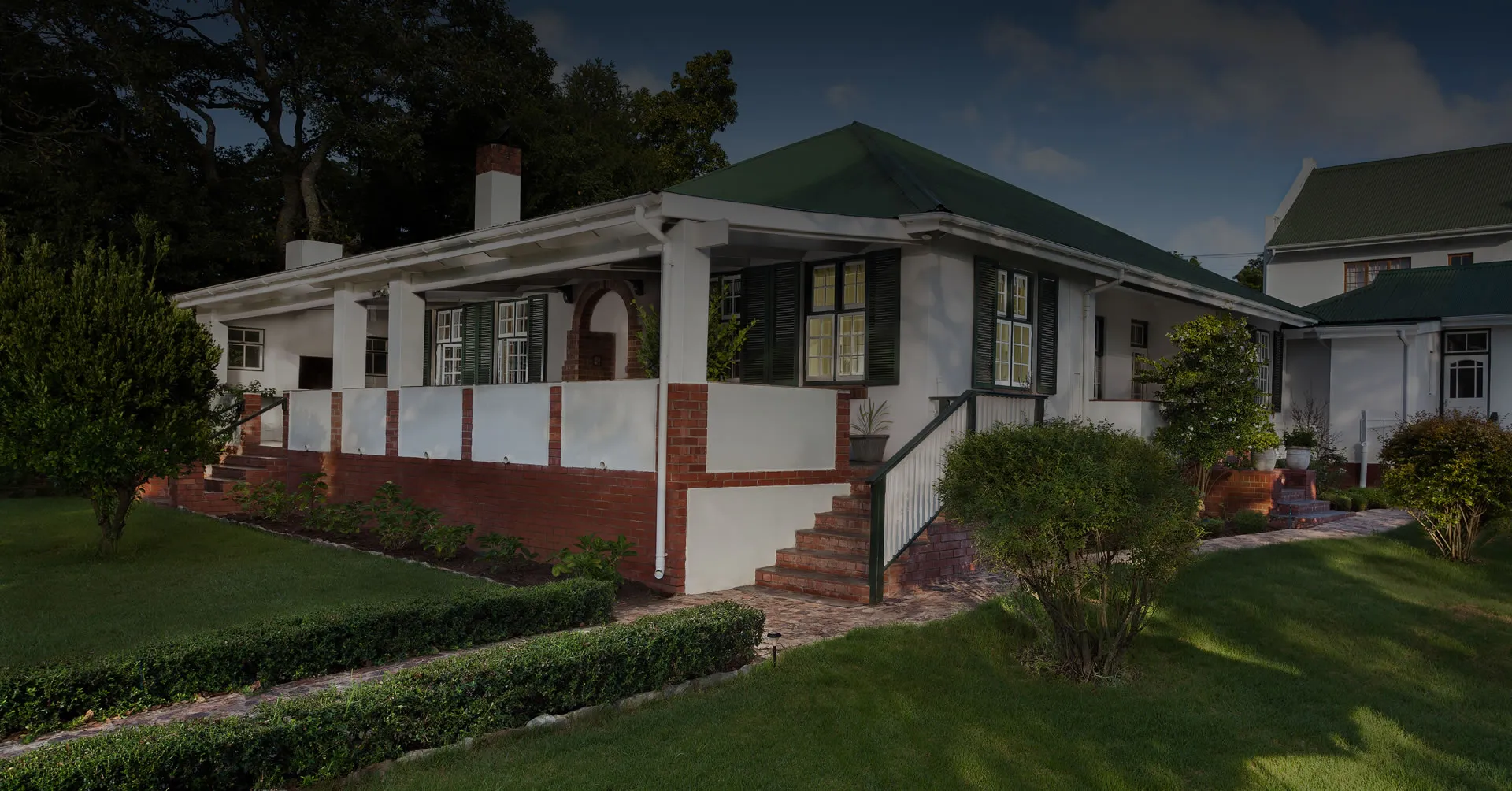
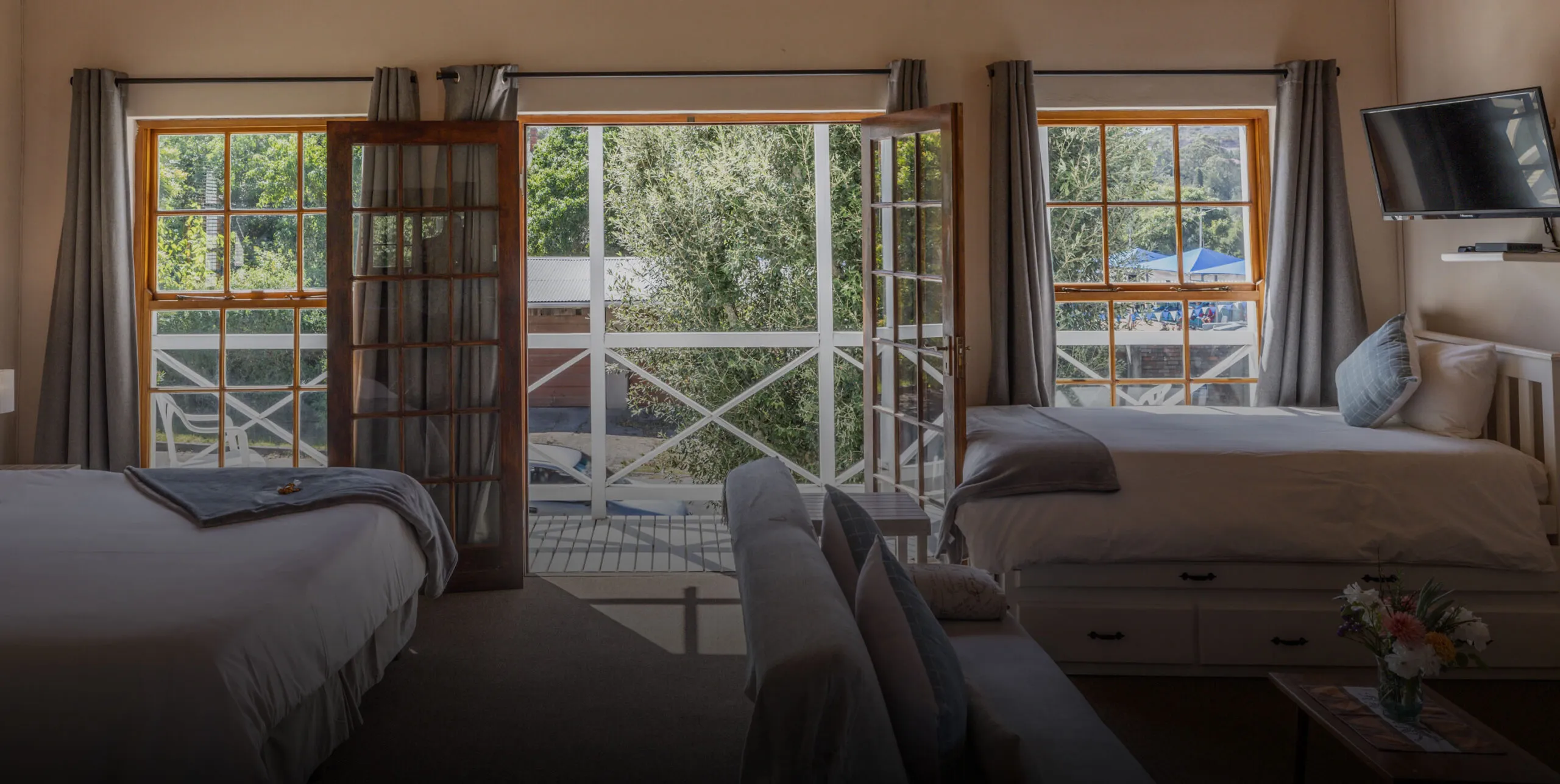
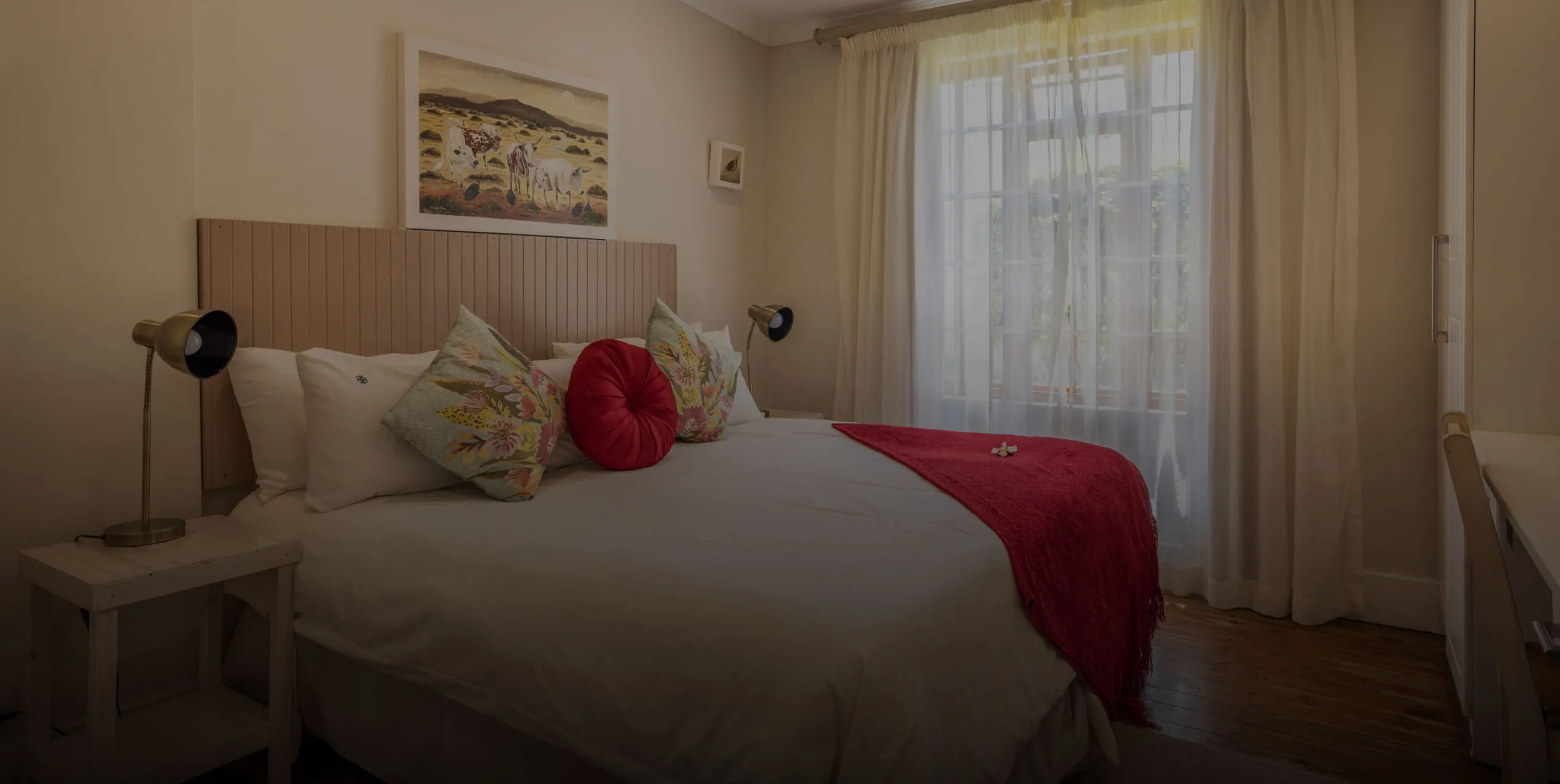
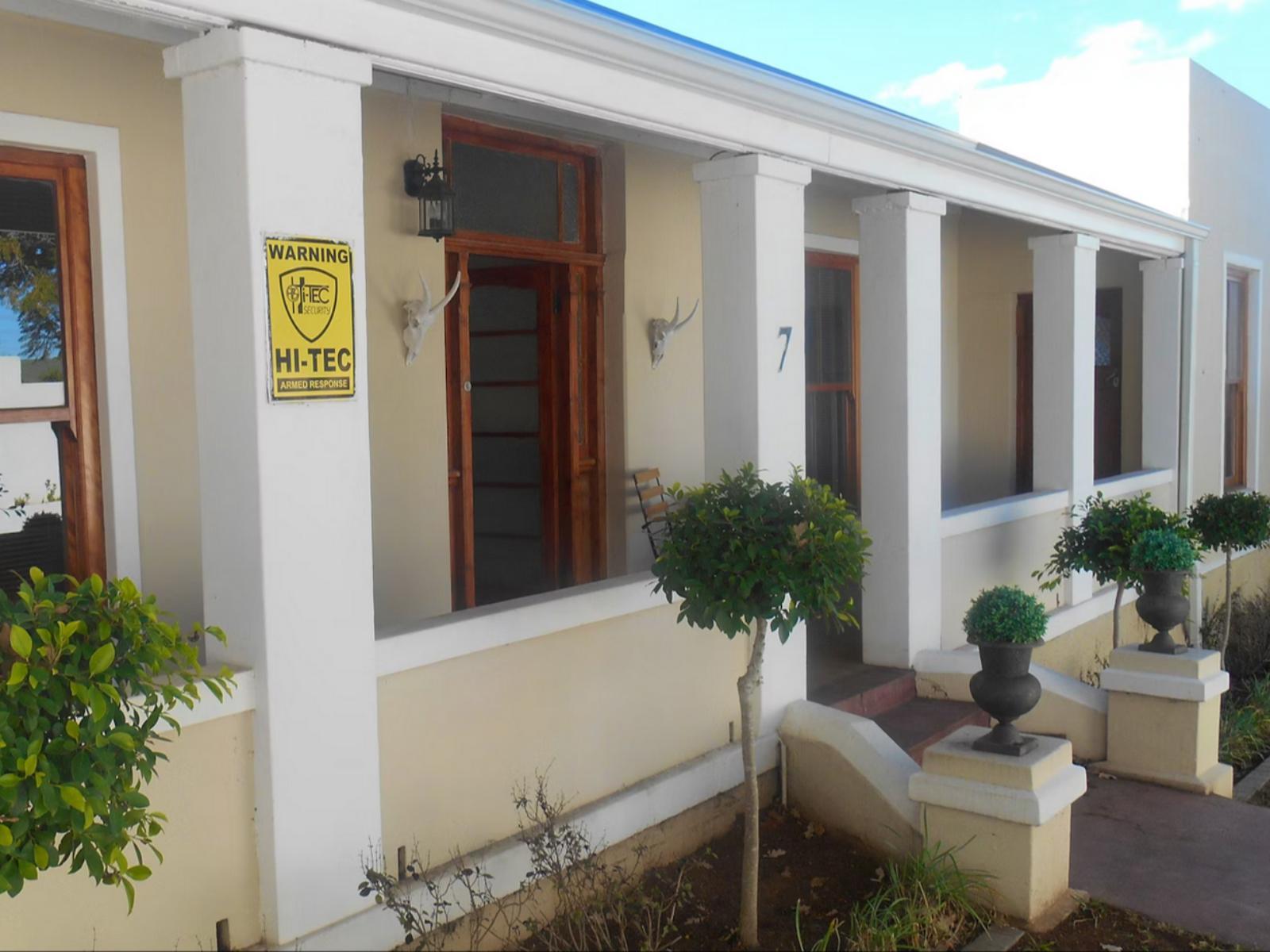
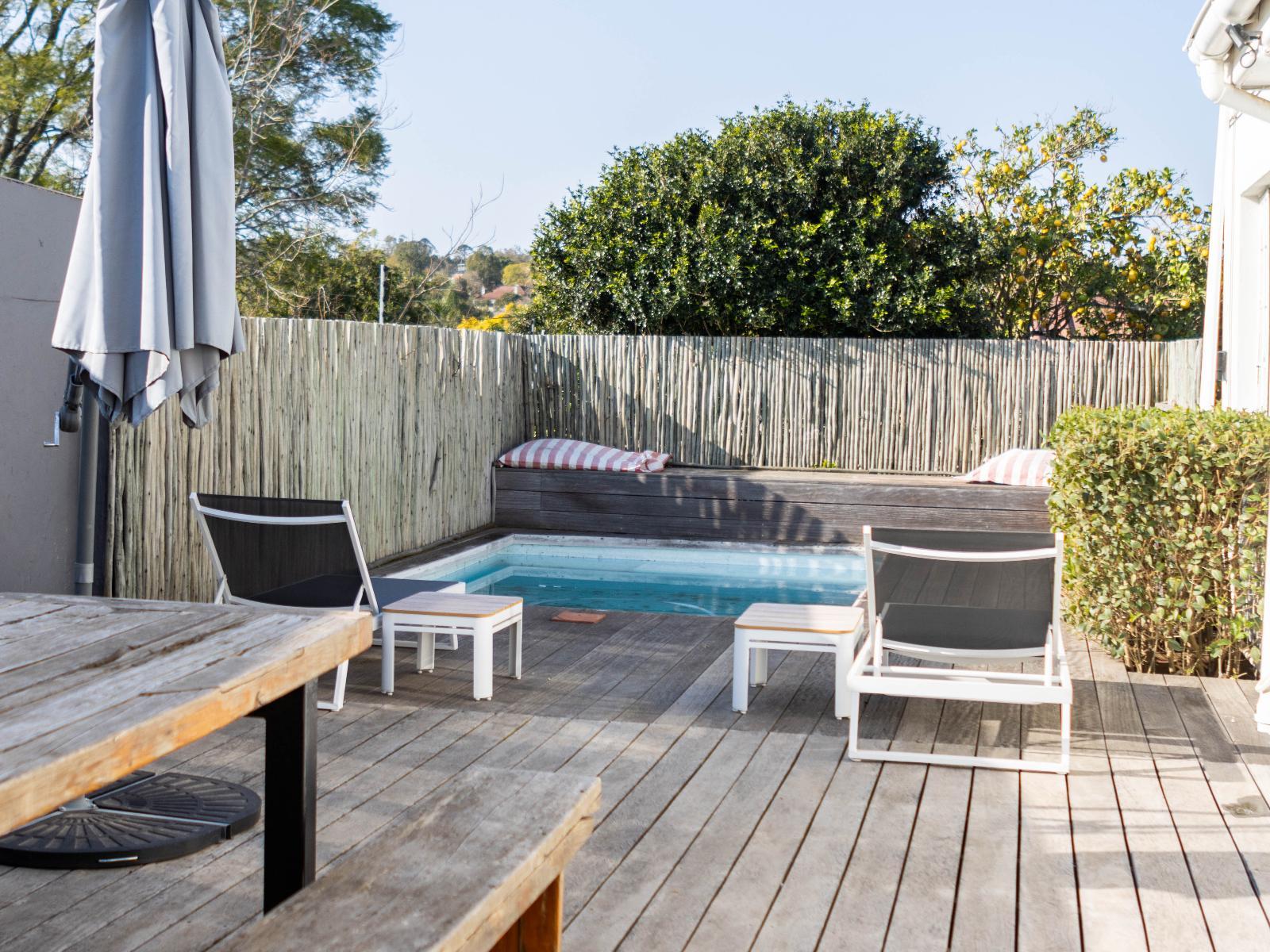
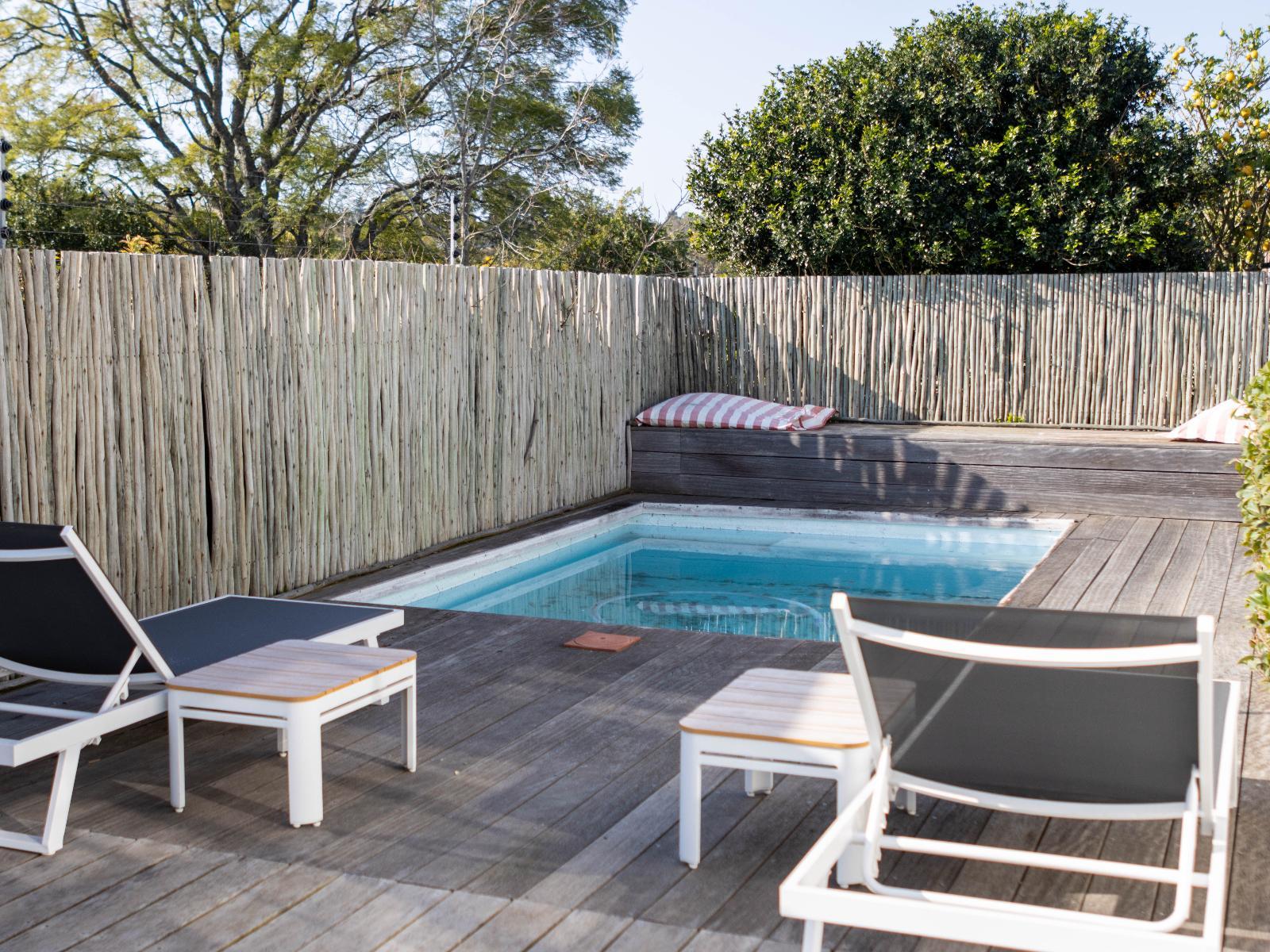
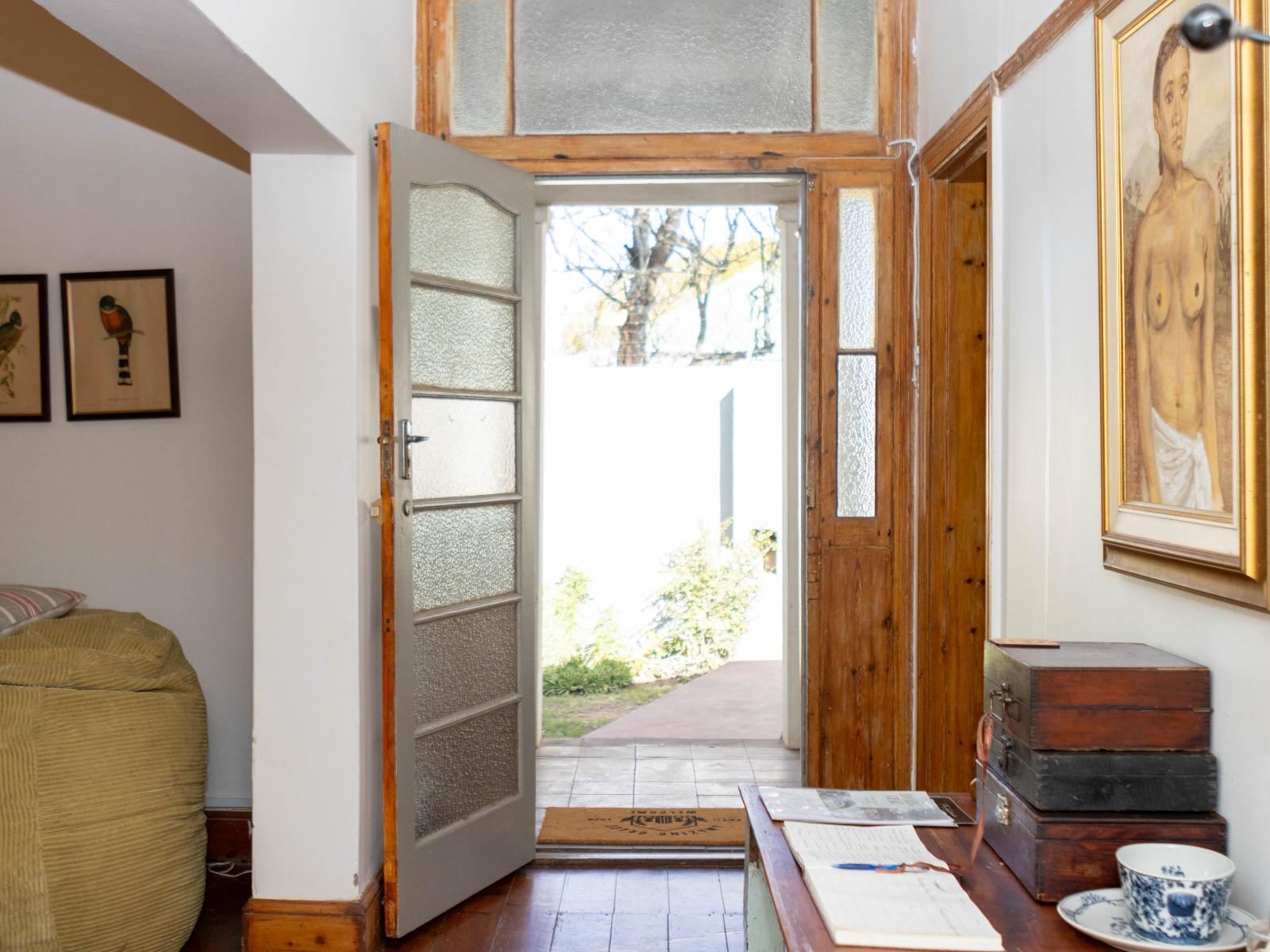
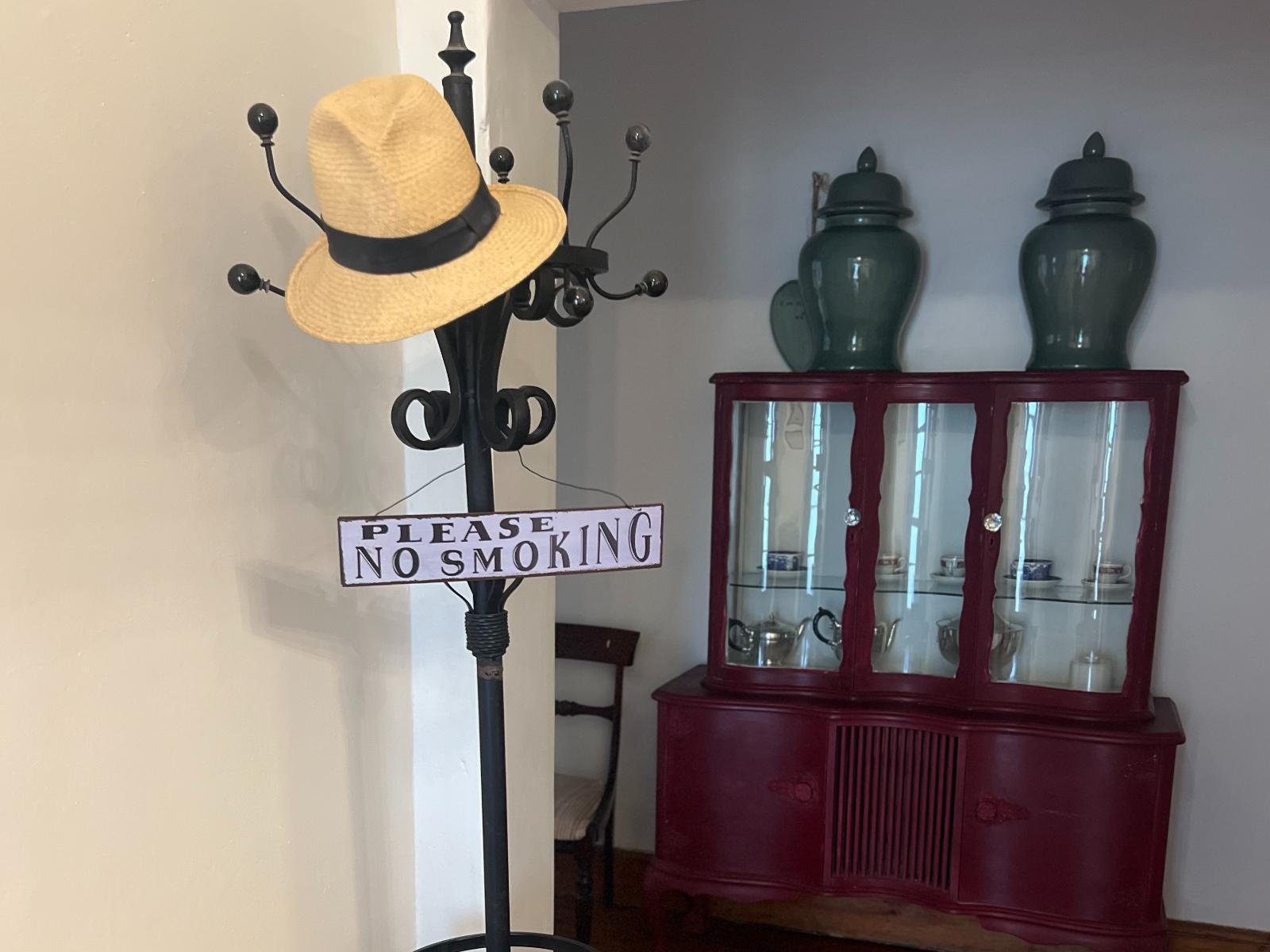
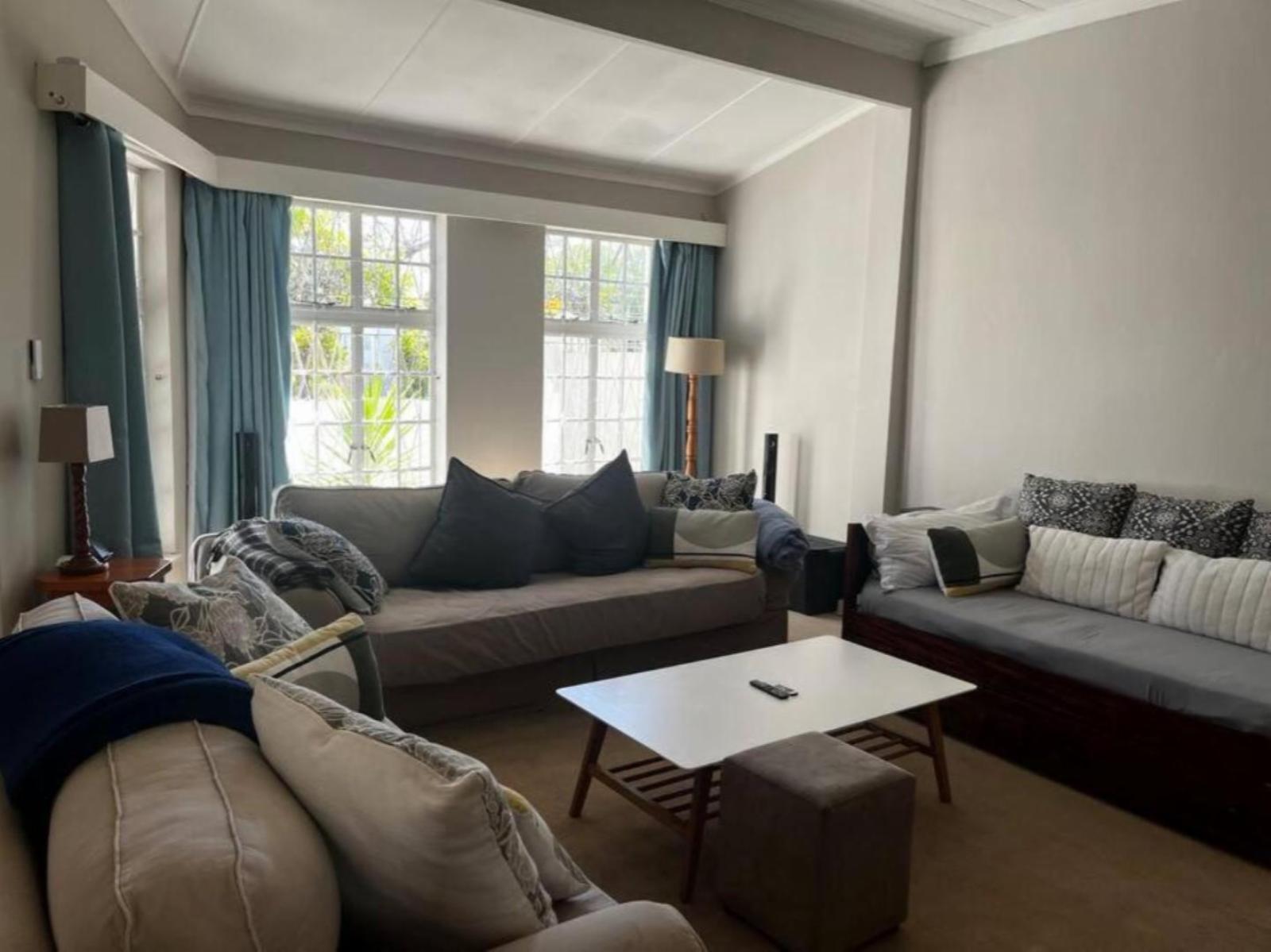
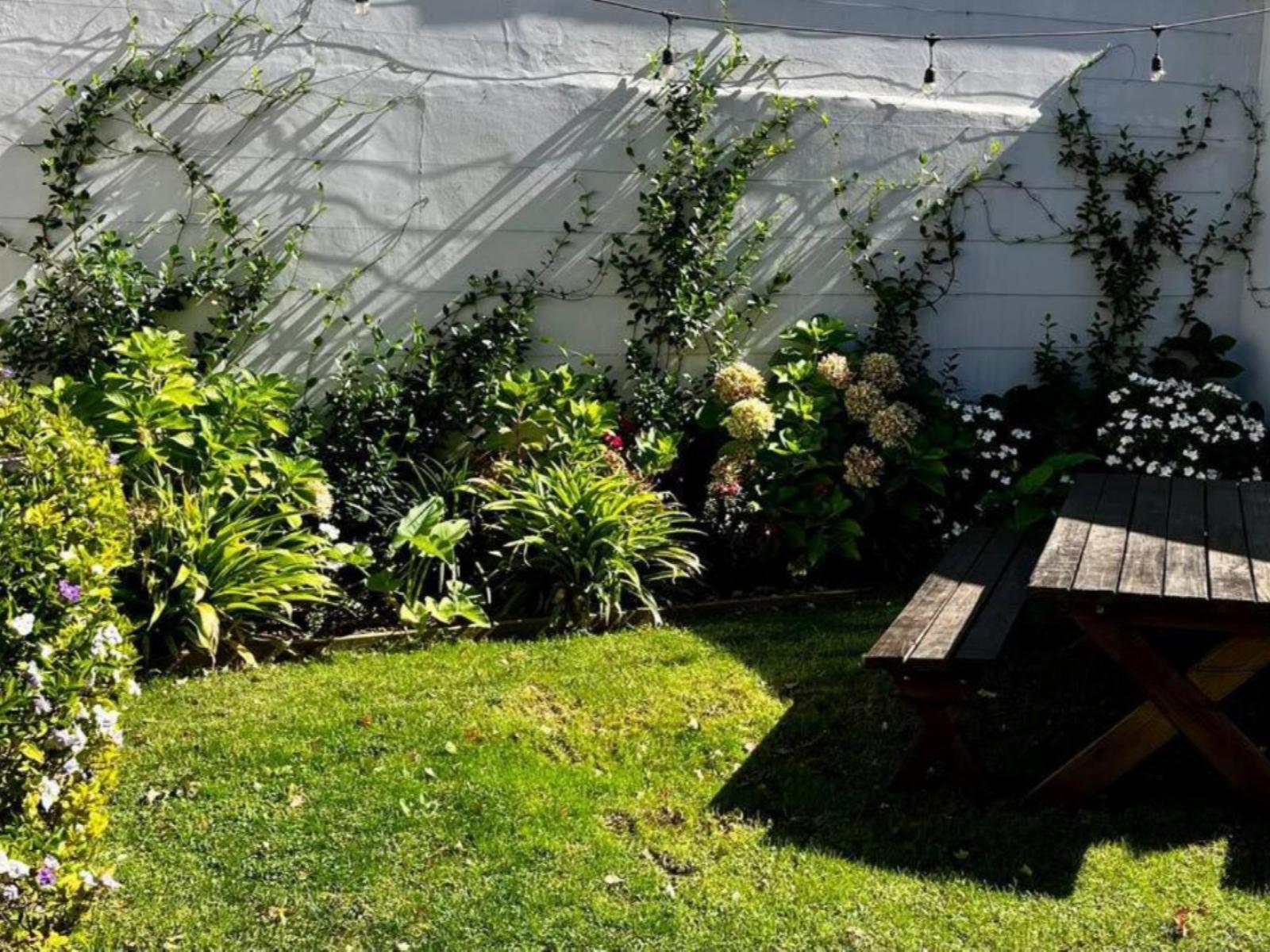
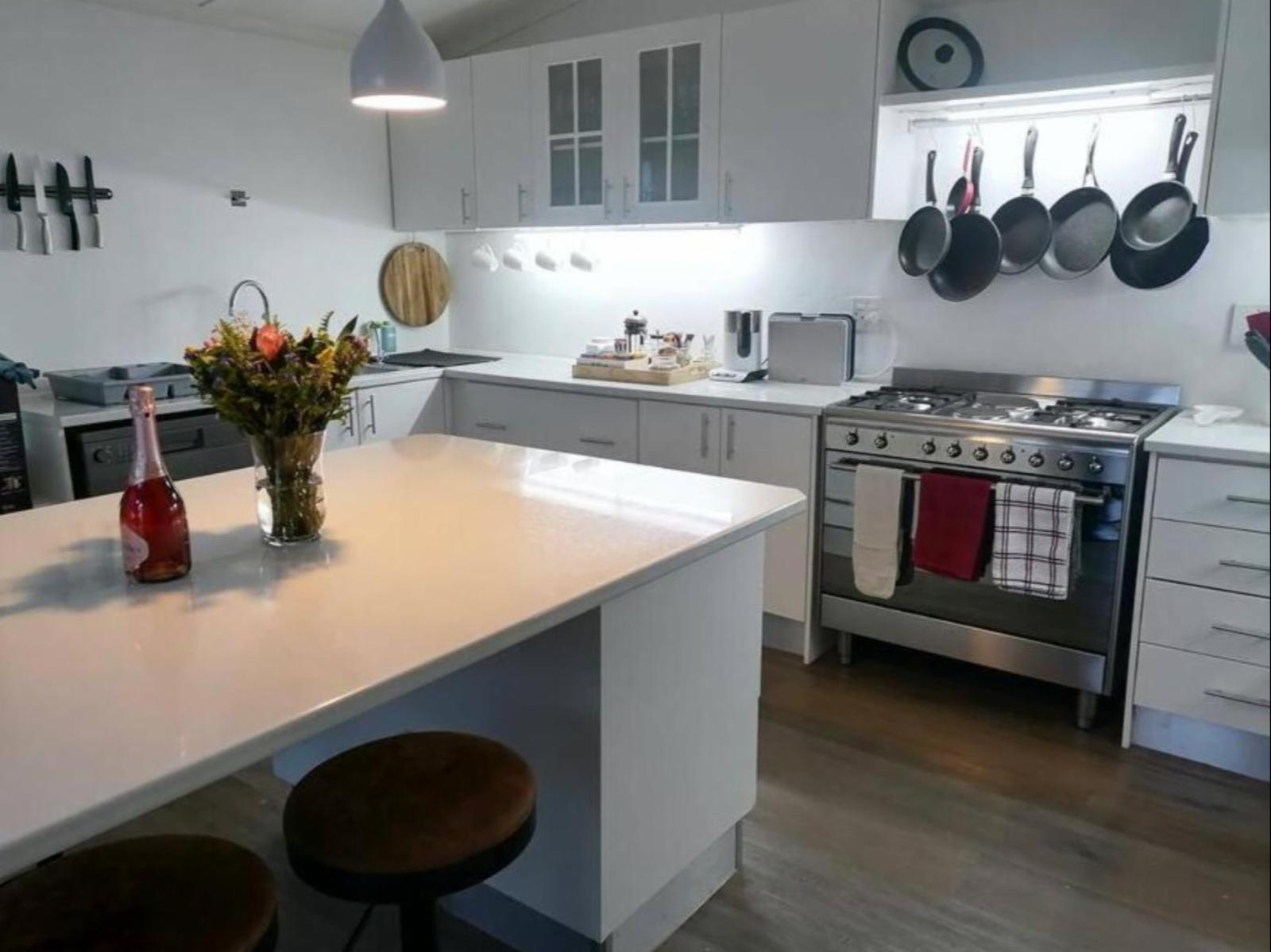
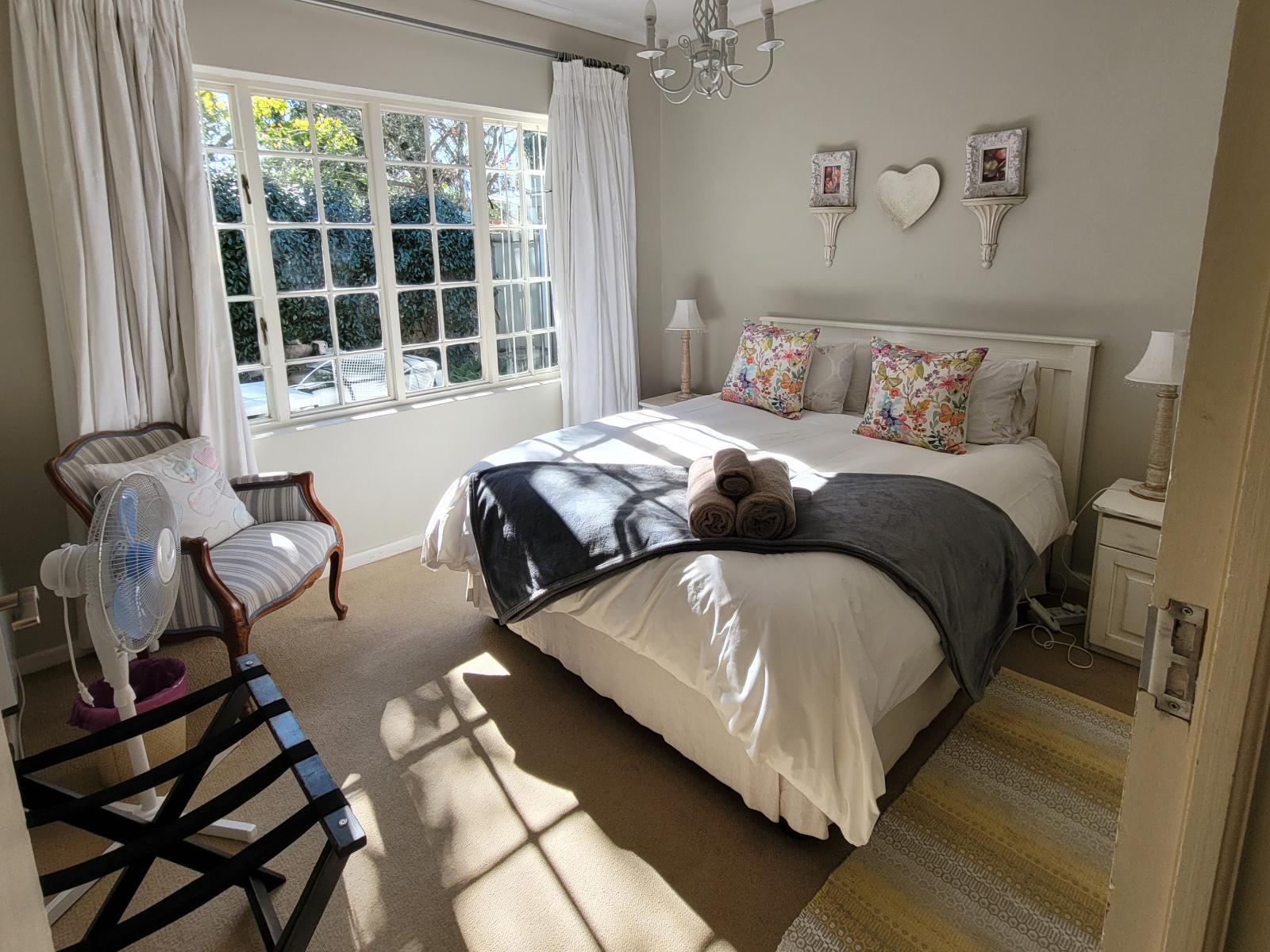
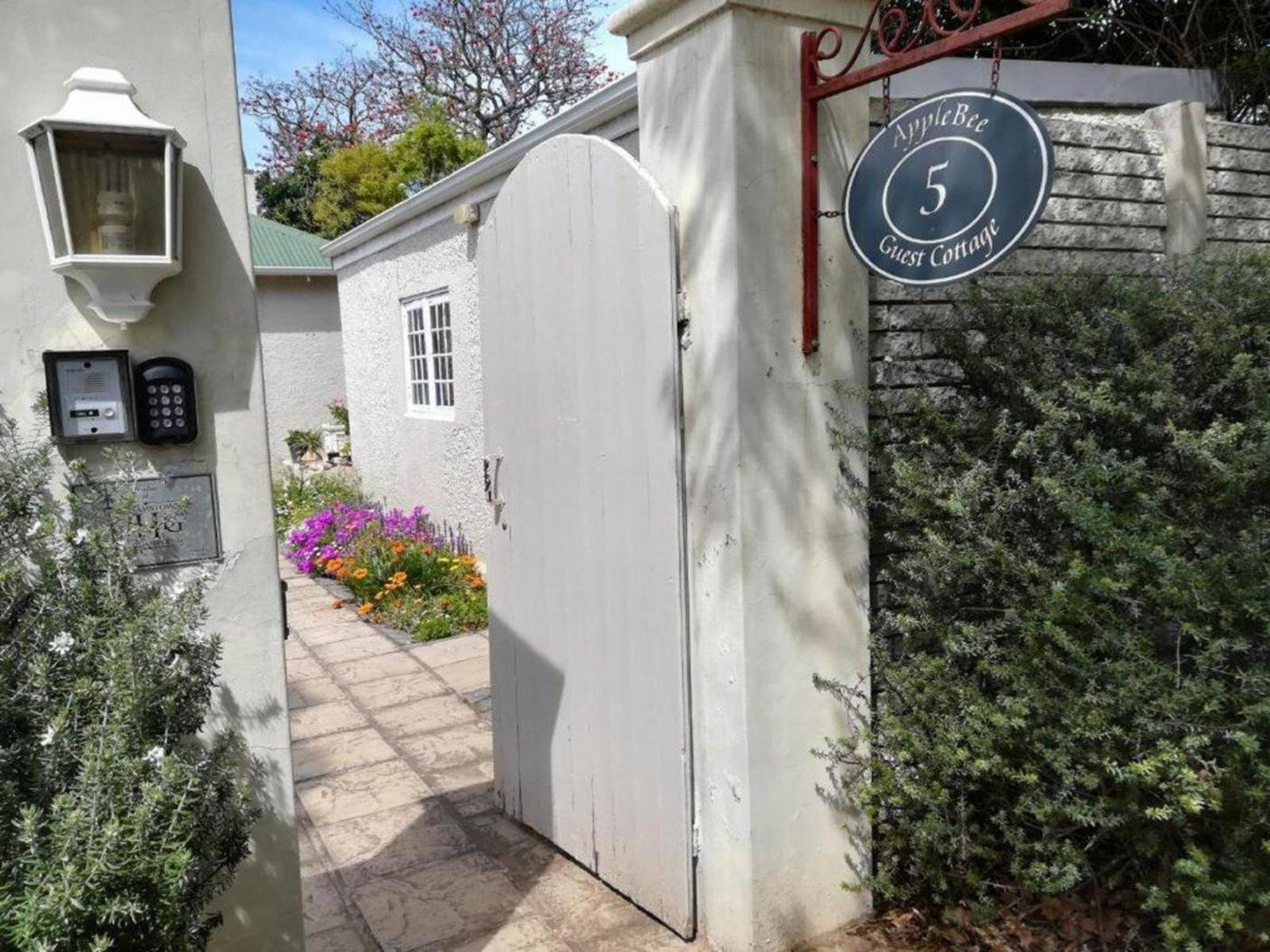
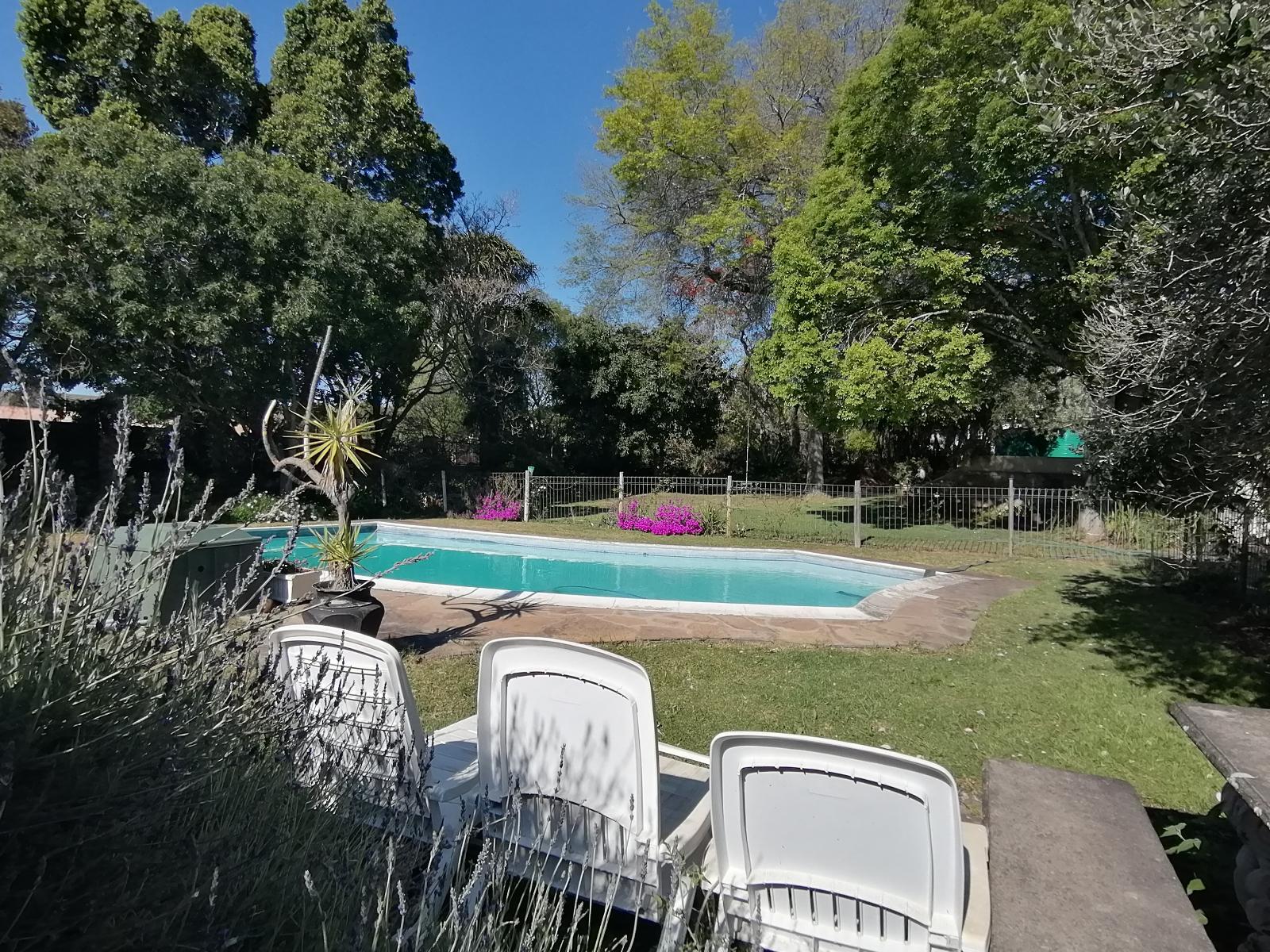
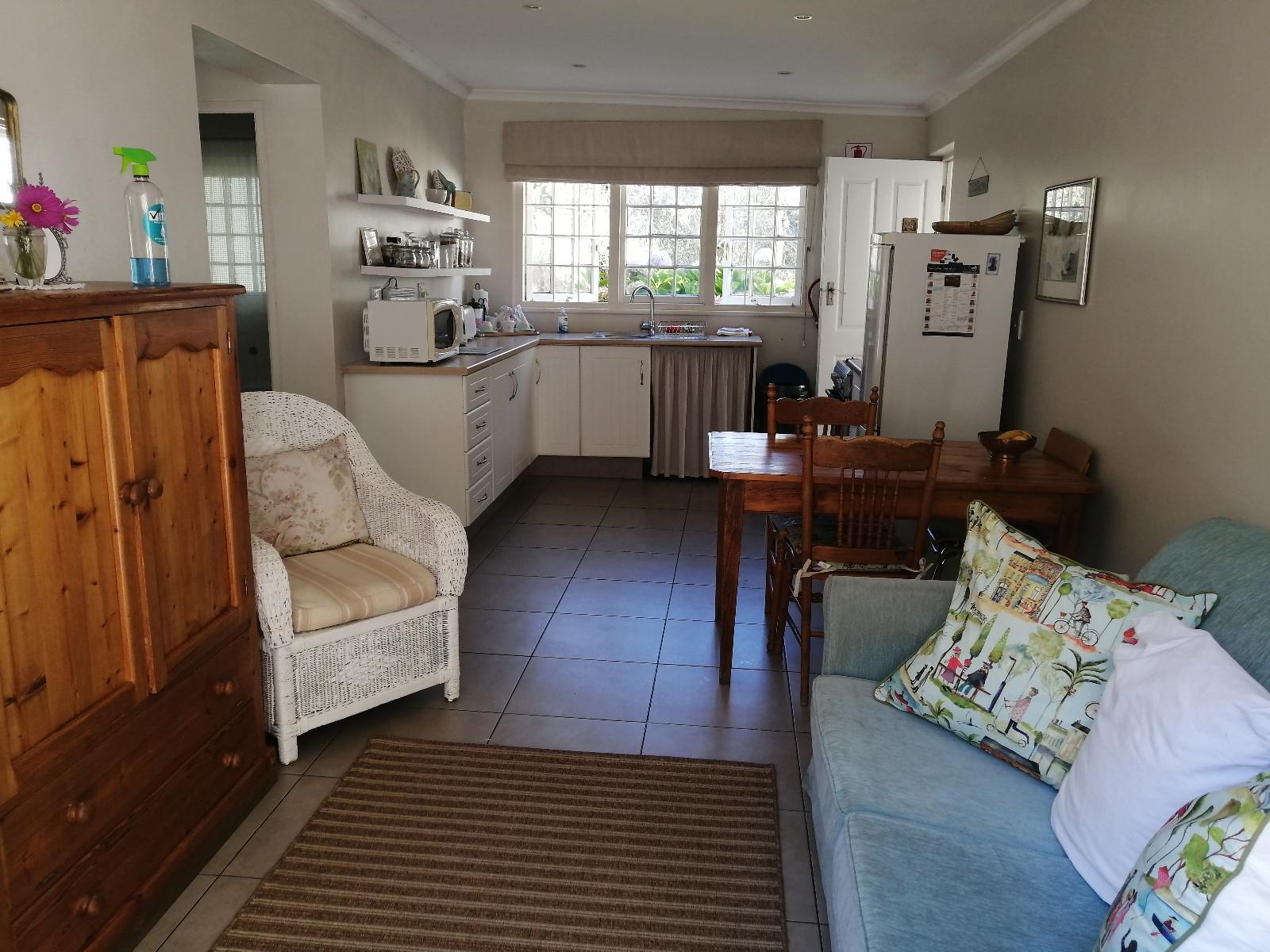
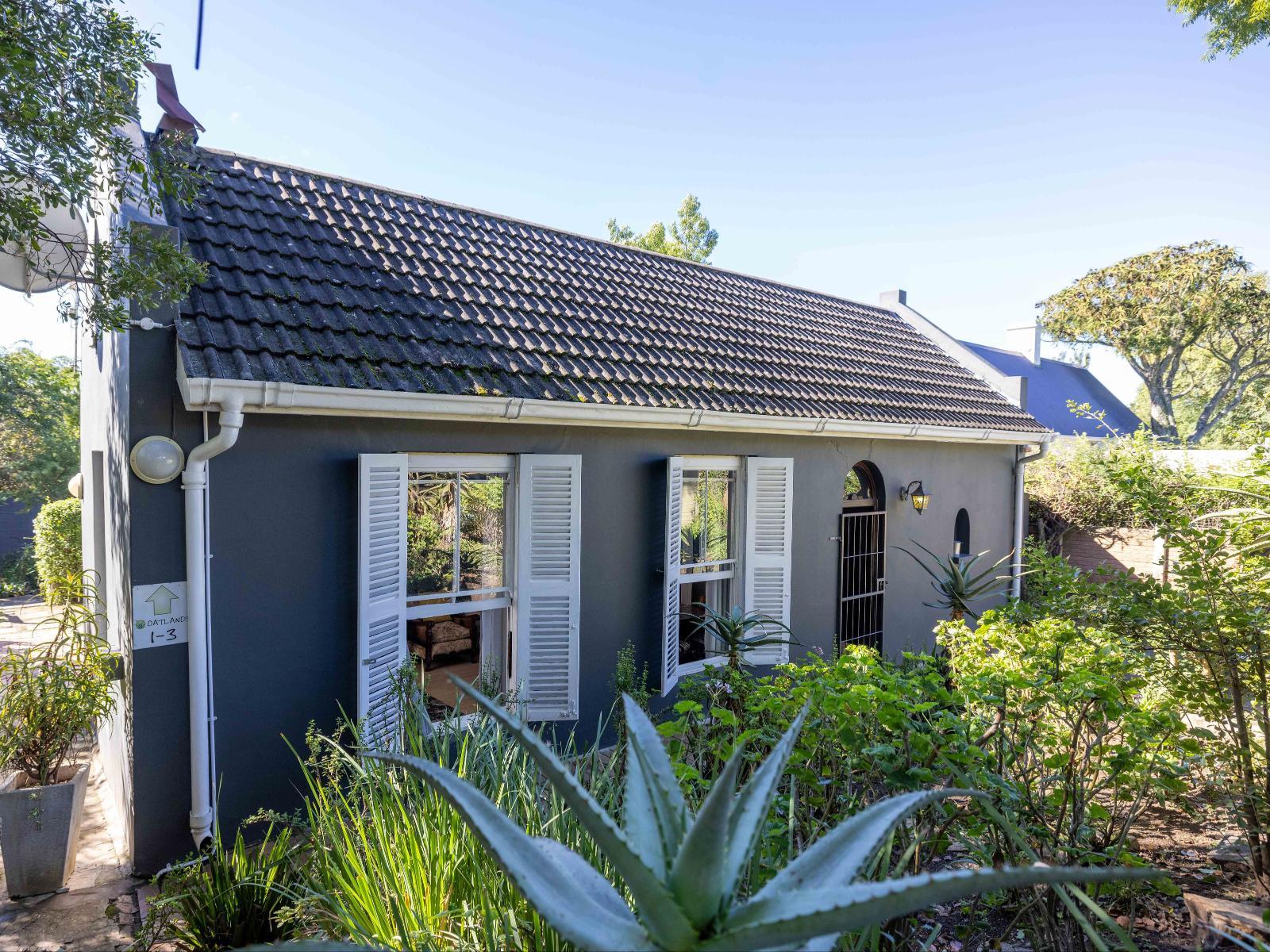
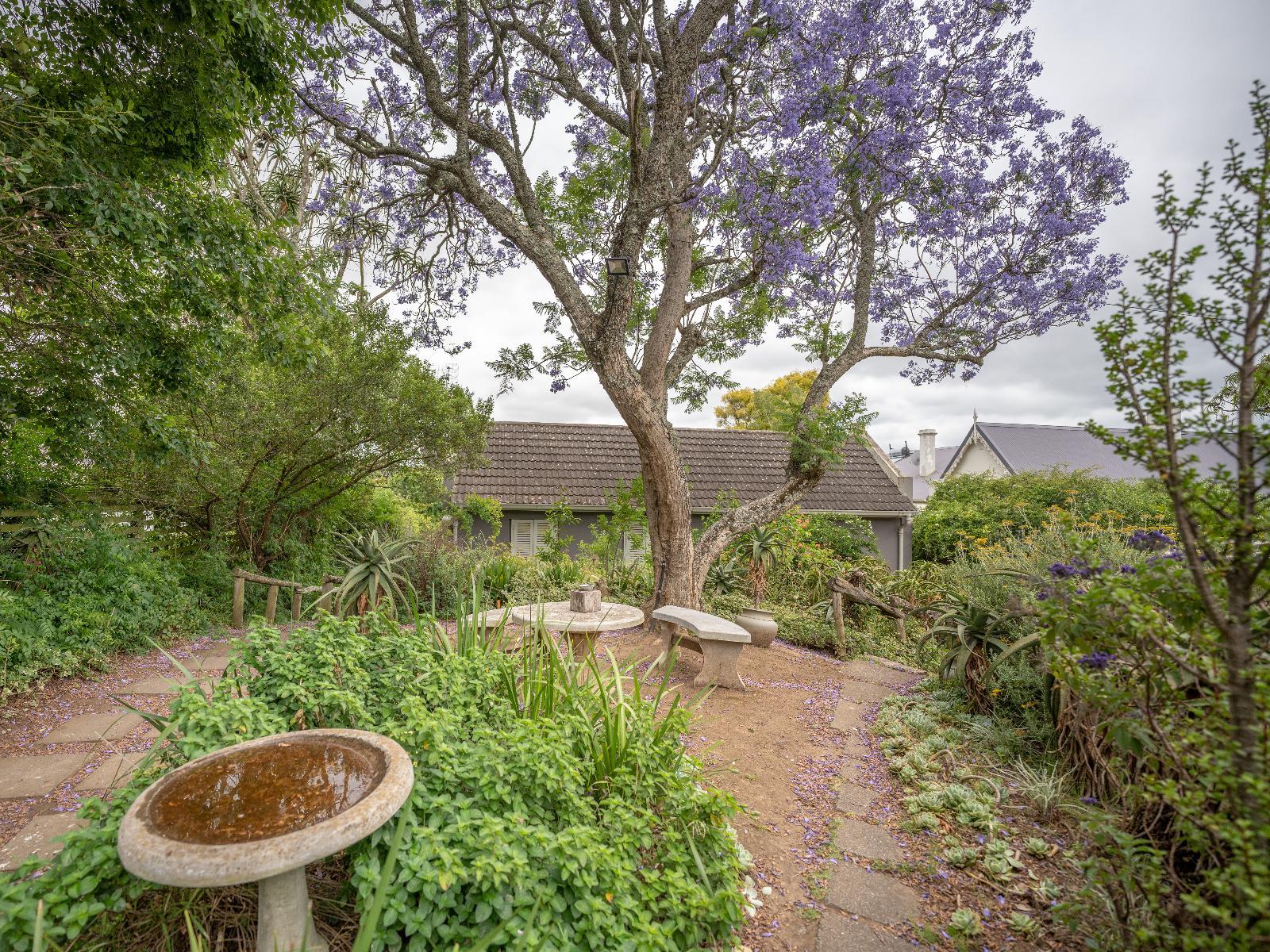
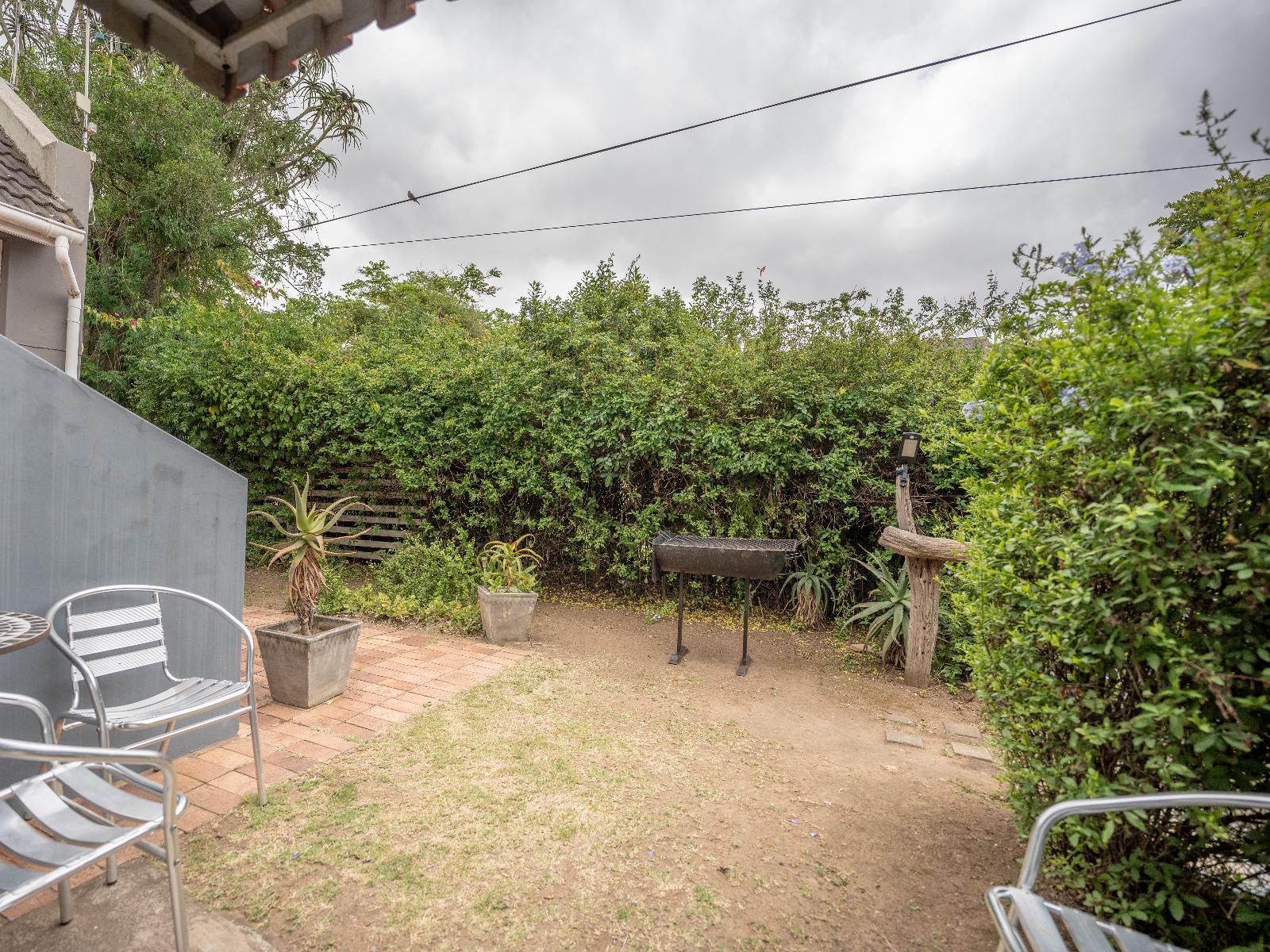
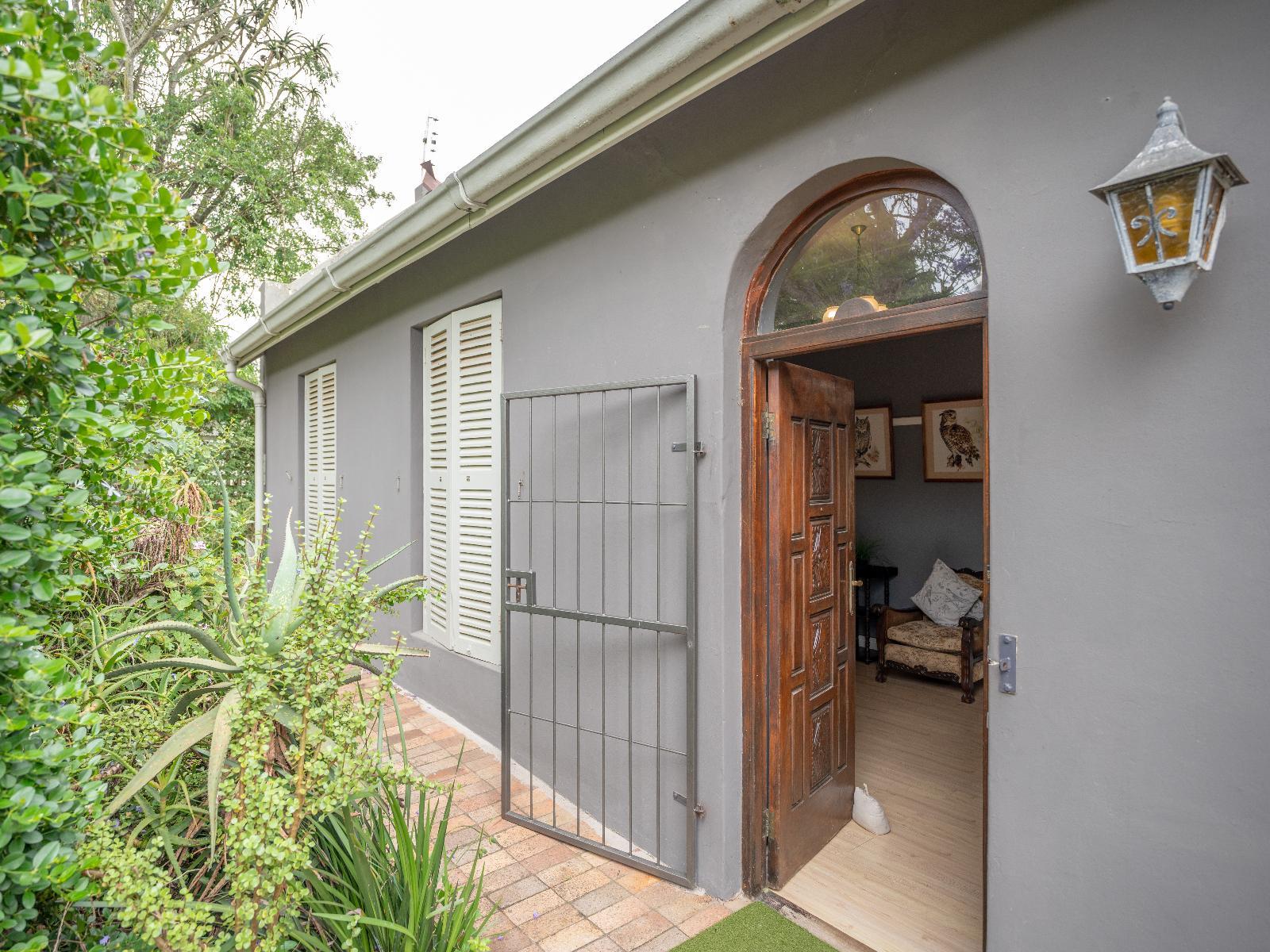
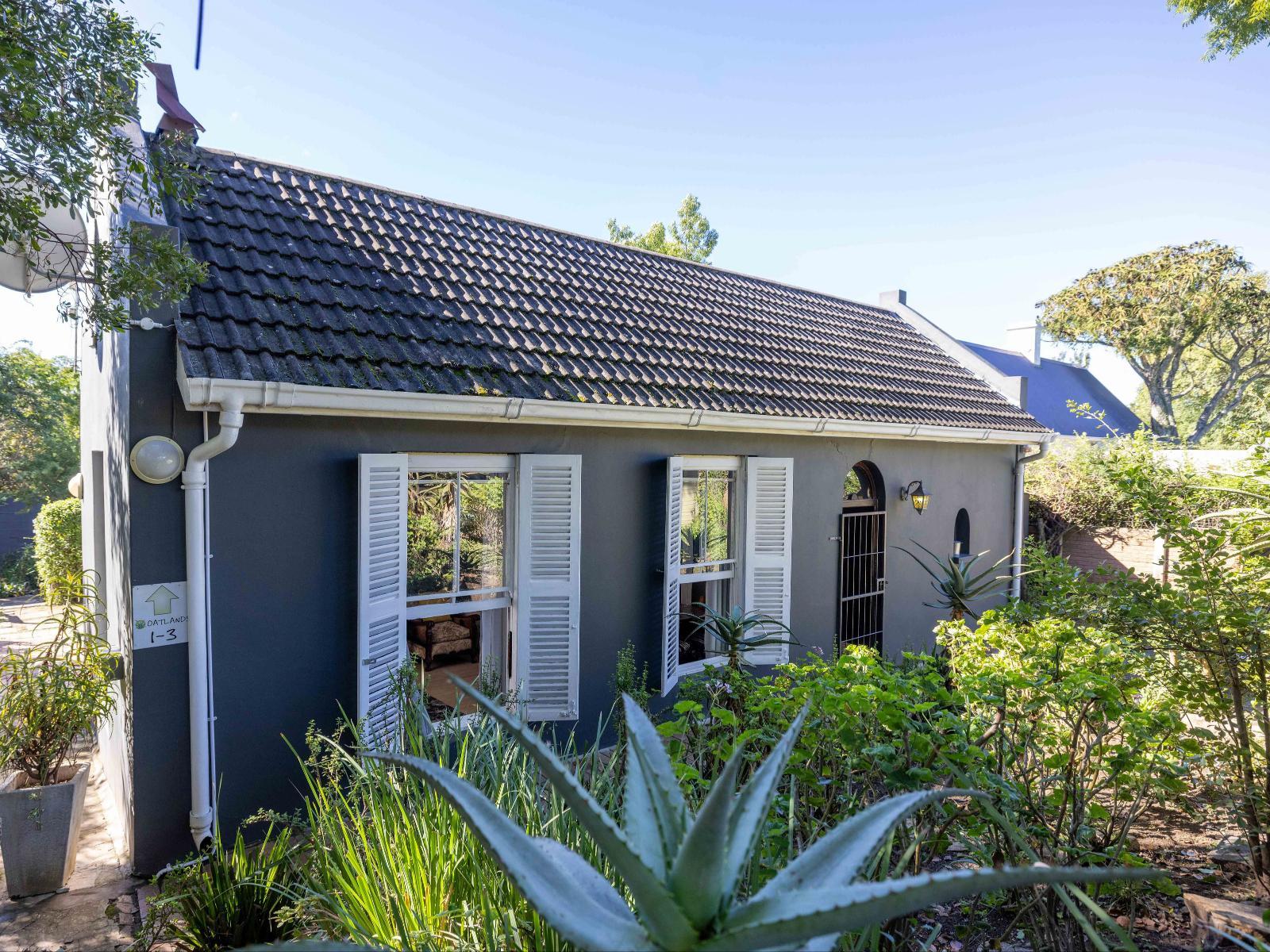
The accommodation offering in Grahamstown is compact: two properties are currently available, with nightly rates sitting between R1,495 and R1,650, averaging R1,573. Both are guest houses, a format that suits the town's scale well. These are typically owner-operated properties in older homes near the town center, offering a more personal alternative to chain hotels.
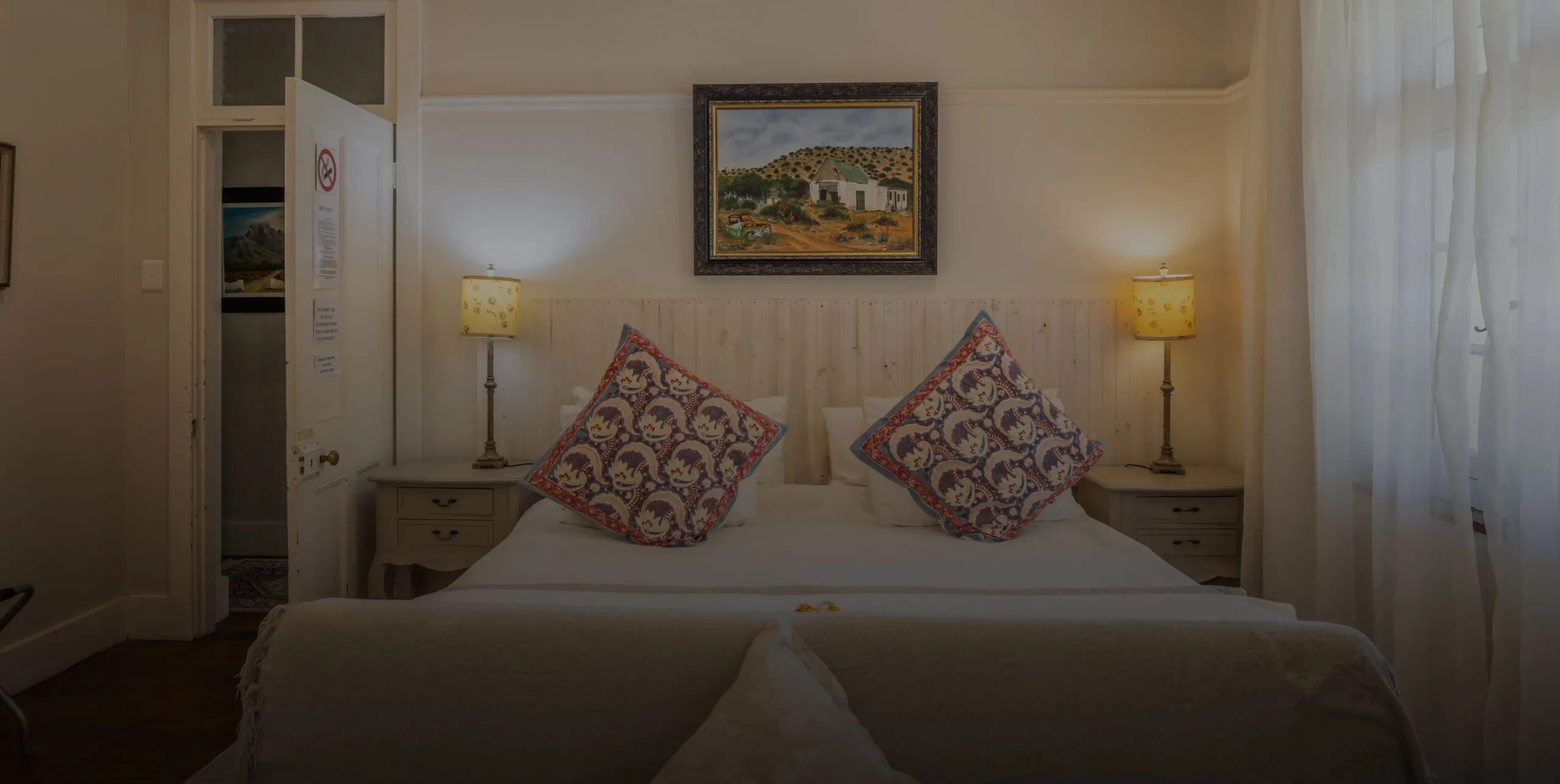
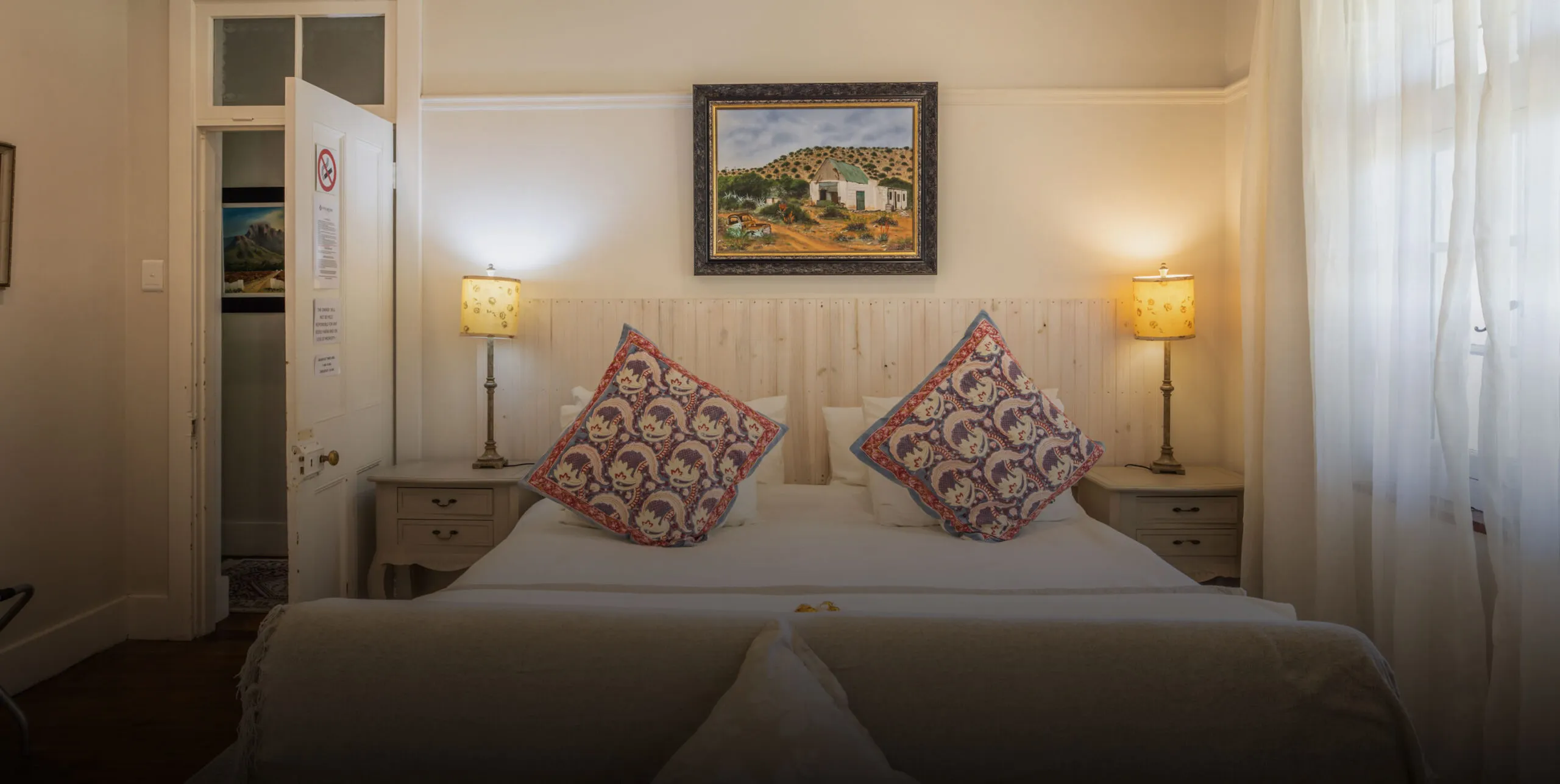
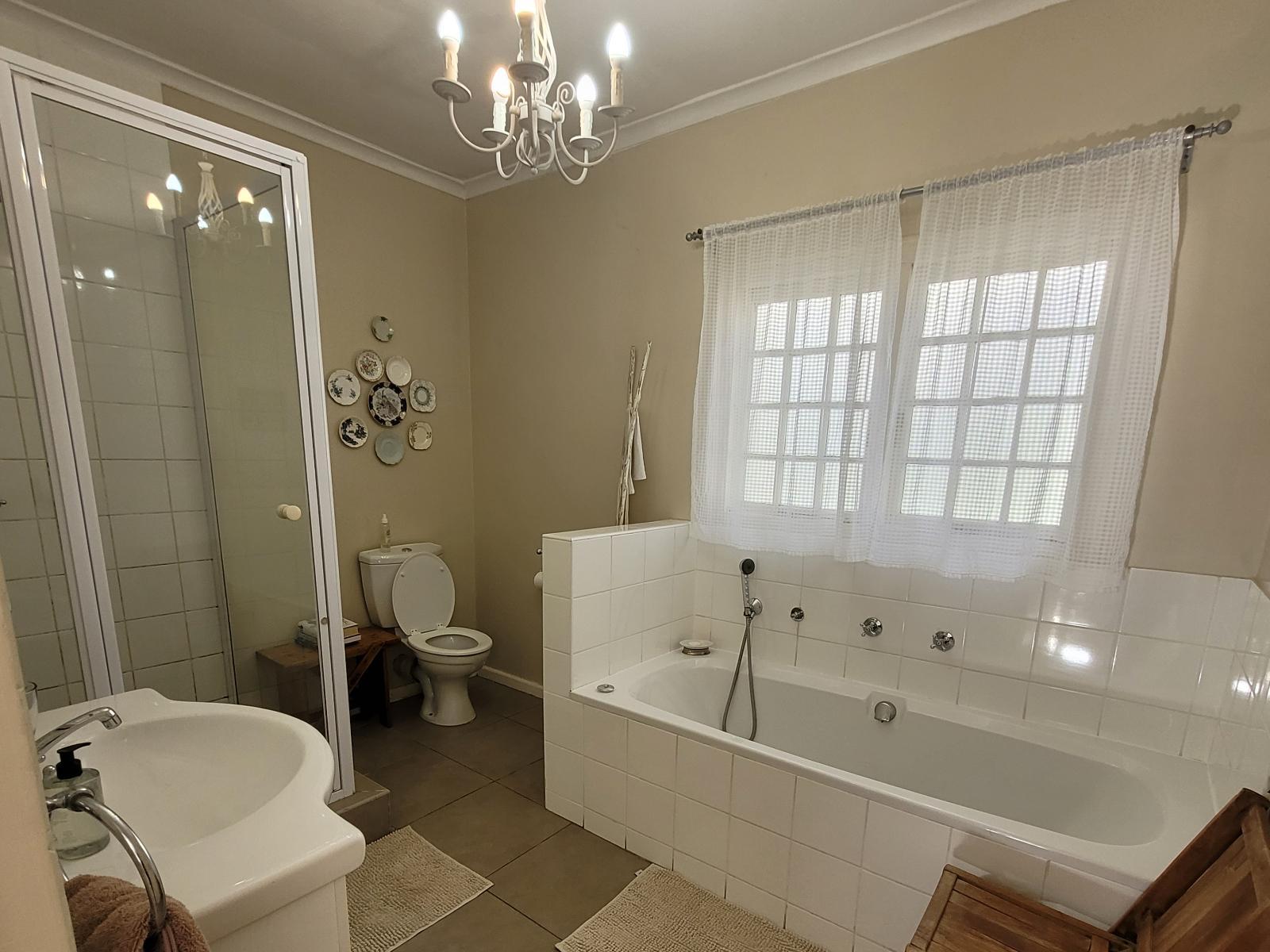
The guest house experience here leans toward the informal and attentive. Owners are often long-term locals who can offer practical recommendations: where to eat, which routes work best for day trips, and what to factor in when exploring the surrounding countryside. Rooms are generally en-suite with secure parking available. Breakfast is usually included or priced at a small supplement, and Wi-Fi is standard across both properties.
Both listings place guests within easy walking distance of the main museums, restaurants, and shops. The town center is compact enough to cover on foot for most of the day, which reduces reliance on a car once you have settled in.
For visitors using Grahamstown as a base for multi-night stays, the guest house format works well for couples, solo travelers, and small groups. Hosts are generally flexible with check-in times for guests arriving by long-distance transport. Booking ahead is advisable during peak winter periods, when the town draws visitors from across the country and availability across the limited number of properties tightens considerably.
Things to Do in Grahamstown
The 1820 Settlers National Monument stands on Gunfire Hill above the town. Completed in 1974, it was built to commemorate the British settlers who came to this part of the Eastern Cape in the early 19th century. The building offers views across the town and includes exhibition space covering settler history. It is among the more visited sites in the Eastern Cape interior.
The Albany Museum complex, a short walk from the main street, covers natural history and regional anthropology across several interconnected buildings. The History Museum and Natural Sciences Museum both hold substantial collections. Separately, the Observatory Museum on Bathurst Street contains a working camera obscura, one of a small number still functioning globally, housed in a building dating to the 1820s. Both are accessible on foot and can be covered in a half-day.
Golfers will find Grahamstown a practical base. The local course is accessible from the center, and the broader Eastern Cape region has additional courses within easy driving distance for those combining golf with sightseeing.
Outdoor options extend beyond the town. Hiking in the Howieson's Poort area is accessible from the town's edge. The Great Fish River, roughly an hour's drive away, draws birders and those interested in riverine bush walks. Several private game reserves operate within day-trip range, with guided drives covering plains game and, at some properties, the Big Five.
A walking tour of the High Street and Cathedral Street rewards those interested in the built environment. Both streets retain preserved Victorian and Edwardian facades, reflecting the town's development as a settlement and, later, a university town.
Best Time to Visit Grahamstown
Grahamstown has a temperate inland climate with four reasonably distinct seasons. Summer, from November through February, brings warm to hot days and regular afternoon thunderstorms. Heavy rainfall during this period can affect gravel road conditions and makes some hiking tracks difficult, but vegetation is at its densest and bird activity is high, which suits naturalists and birders.
Autumn and spring, roughly March to May and September to October, offer the most settled conditions. Temperatures are moderate, rainfall is lower, and the countryside is easier to navigate on foot and by car. These months work well for day trips and longer drives through the interior.
Winter runs from June to August, with mild days, clear air, and low humidity. It is the most comfortable time for walking and sightseeing. July is the peak month: the National Arts Festival runs for two weeks, drawing theatre, music, dance, and visual arts productions from across South Africa and internationally. The festival generates significant visitor numbers and noticeably affects accommodation availability and the character of the town. Planning travel around the festival requires booking well in advance.
For those who prefer a quieter visit, May and August offer similar weather to July with considerably less competition for accommodation and restaurants.
Getting to Grahamstown
The closest major airport is Port Elizabeth International (officially King Phalo Airport), roughly 130 kilometers southwest. From there, the N2 heads east before the route turns north toward Grahamstown, a drive of around 90 minutes under normal conditions.
From Johannesburg, the standard route follows the N1 south to Colesberg, then east via the N9 through the Karoo toward Graaff-Reinet and down through the Eastern Cape. The total distance is approximately 1,000 kilometers. Two days is a reasonable approach, with a night in Colesberg or the Karoo midway.
Cape Town travelers typically use the N2 east through George and Knysna before reaching Port Elizabeth and heading inland. The distance runs to around 800 kilometers and can be spread over two or three days for those stopping along the Garden Route.
Within Grahamstown, minibus taxis cover the main routes between the townships and the town center. Car hire from Port Elizabeth is the most flexible option for anyone intending to explore the wider region independently. Intercity bus services connect Grahamstown to Port Elizabeth and Johannesburg through operators including Intercape and Translux, with designated stops in the center.
Grahamstown and Surrounding Areas
Makhanda, listed at one kilometer from the center, is the official municipal name for Grahamstown itself. The city was formally renamed in 2018 to honor the Xhosa military leader Makhanda, and both names remain in everyday use. Visitors arriving in Grahamstown are already in Makhanda, so no separate journey is involved.
Assegaairivier, 23 kilometers east, is a small farming settlement in the valley of the Assegai River. There are no significant tourist facilities here, but the river corridor offers useful birding and a genuine sense of the agricultural Eastern Cape landscape away from the main roads.
Greenlands, 33 kilometers out, is a farming district with little visitor infrastructure. The drive through the area passes through characteristic valley bushveld and Eastern Cape scrub, making it more of a scenic route than a destination in its own right.
Bathurst, 35 kilometers south, is one of the more satisfying day trips from Grahamstown. Established in the early 19th century as a settler outpost, the town retains a number of original buildings, among them the Pig & Whistle Inn, said to be one of the oldest continuously licensed premises in South Africa. The Summerhill Farm pineapple plantation just outside town is a regional landmark. A half-day excursion covers the main points comfortably.
Riebeek-oos, 37 kilometers northwest, is a small valley settlement with limited facilities but scenic surroundings. It suits those exploring the quieter interior roads rather than the main tourist routes.
Port Alfred, 46 kilometers southeast, provides a complete contrast to Grahamstown. The town sits around the Kowie River estuary, with a working marina, East Beach for surfing, and waterfront restaurants. River cruises on the Kowie are a popular draw, and the coastal bush and dune walking tracks offer accessible short hikes. A full day out and back is straightforward from Grahamstown.
Planning Your Stay
With two properties available, options are limited and it is worth booking as soon as travel dates are confirmed. Availability can fall quickly during busy periods, and last-minute alternatives in the immediate area are scarce.
When comparing the two properties, check whether breakfast is included in the rate or charged separately, since this affects effective daily costs. Confirm parking arrangements before arriving, as some older town-center buildings have restricted off-street space. Ask about Wi-Fi reliability if connectivity matters for work or ongoing travel planning.
Grahamstown is a functioning university town. Alongside the larger annual visitor events, there are periodic smaller influxes during graduation ceremonies, academic conferences, and cultural programming throughout the year. These create short-notice availability pressures that are less predictable than the main seasonal calendar.
For guests planning day trips through the surrounding area, ask your host for current information on road conditions, particularly on gravel routes after wet weather. Local hosts carry reliable, up-to-date knowledge on what is open, what requires advance booking, and how long different routes realistically take. Confirm check-in and check-out times clearly when booking, since many smaller properties do not staff a front desk around the clock.