Maxambeni Reis- & Akkommodasiegids
Jou volledige gids om Maxambeni, Suid-Afrika te besoek.
Maxambeni is a small rural community in the Eastern Cape, set in the rolling hills and river valleys of the former Transkei region. The surrounding landscape draws visitors interested in the Wild Coast's quieter inland areas, where traditional Xhosa culture remains a strong part of daily life.
## Accommodation in Maxambeni
The accommodation landscape in this part of the Wild Coast is shaped by the area's rural character rather than any established tourism infrastructure. With no properties currently listed on major booking platforms, visitors planning a stay in Maxambeni itself will need to make arrangements informally or through direct contact with local guesthouses and community accommodation providers. Pricing varies too widely to summarise in a standard range, reflecting the informal nature of supply in this part of the Eastern Cape.
At the budget end, travellers can expect basic guesthouses and backpacker-style rooms in the surrounding communities. These are typically run by local families and offer a bed, simple meals, and direct access to the rural landscape. The experience is functional rather than polished, which suits independent travellers whose priorities are the environment and the community rather than amenities.
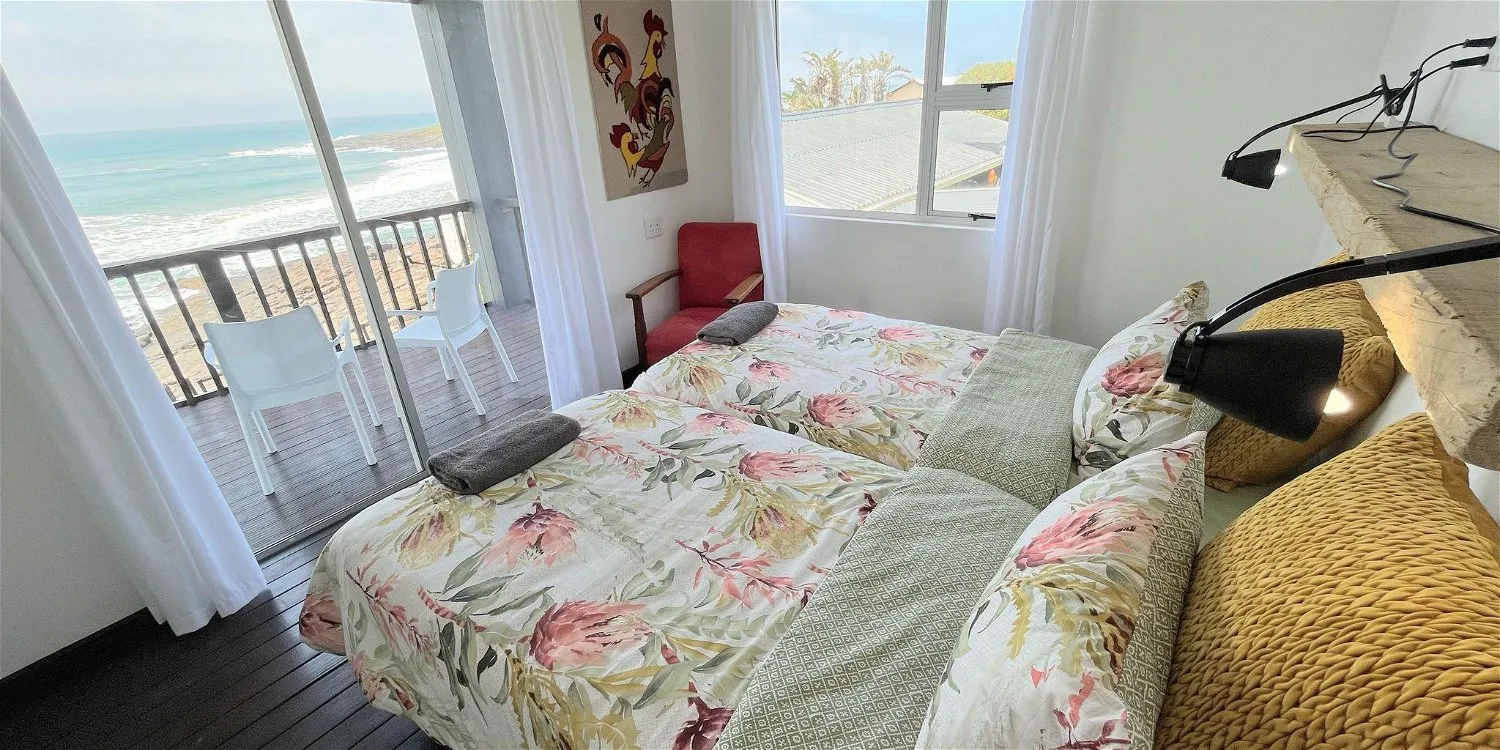
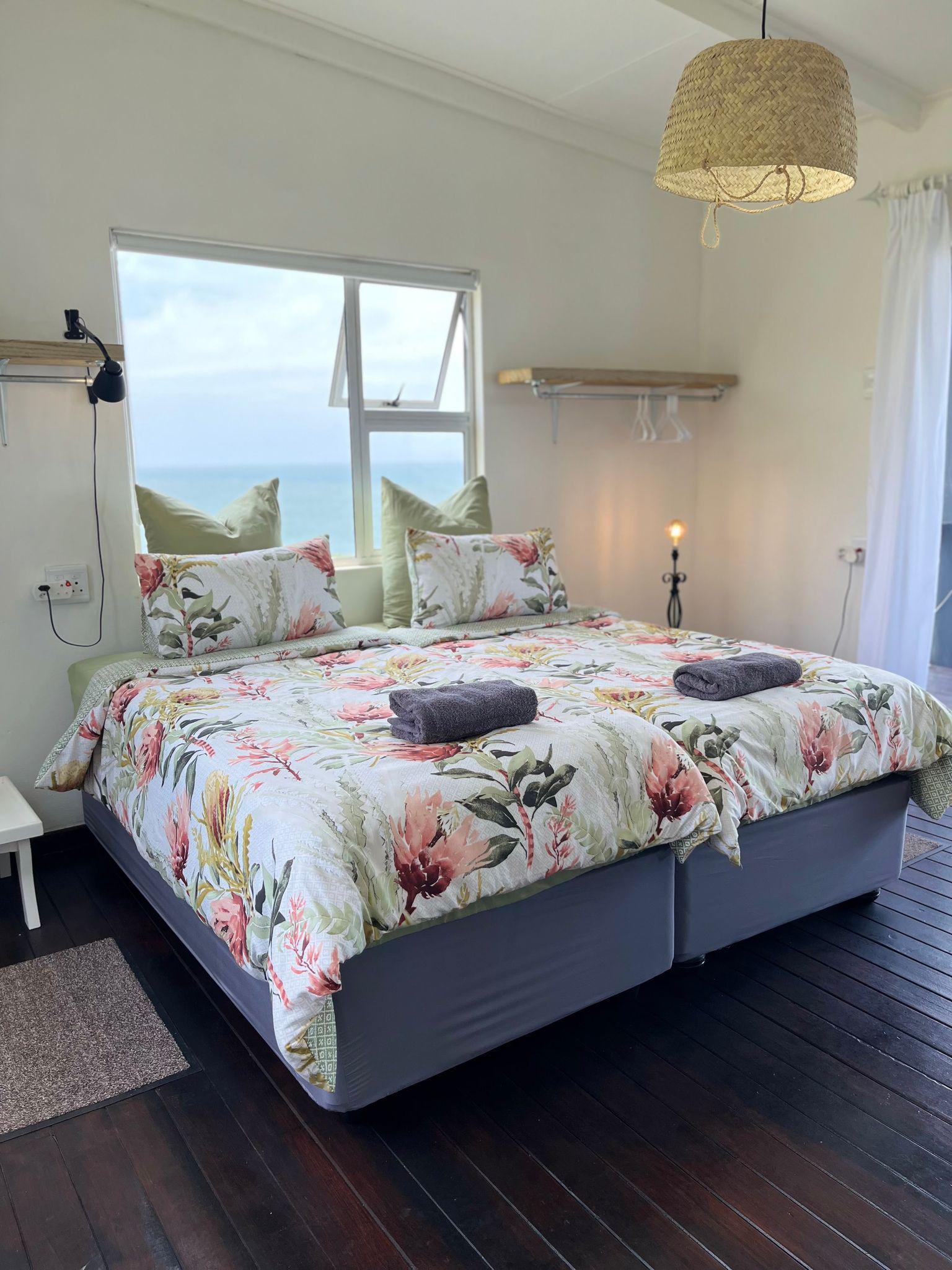
The mid-range tier, where it exists along this corridor, tends toward self-catering cottages and small guesthouses with outdoor space. Facilities are modest but serviceable, often with views across the grassland hills toward the coast. These options work well for couples or small groups who want some independence while staying in a setting that is genuinely away from the tourist circuit.
Upper-tier options are limited in this immediate area, but small lodges and eco-retreats operate in the broader Wild Coast belt. Where they exist, they offer meals, some guided activities, and more reliable facilities. These properties typically require advance booking as they run with small guest numbers and availability is tight.
Regardless of tier, self-sufficiency is an asset here. Carrying sufficient supplies, confirming all arrangements before departure, and being prepared for limited mobile connectivity and variable road access will make any stay considerably more straightforward. Visitors accustomed to standardised booking platforms will need to adjust their approach and make direct enquiries.
---
## Best Time to Visit Maxambeni
The Wild Coast section of the Eastern Cape has a subtropical climate, with warm, wet summers and mild winters. The rainy season runs broadly from October through April, with the heaviest falls concentrated between November and February. During this period, unsealed roads in the area can become impassable after sustained rain, and river crossings that are routine in dry conditions may not be. Travellers arriving in summer should check road conditions before setting out from a main town.
The dry winter months, from May through August, offer the most reliable travel conditions. Temperatures along the coastal belt remain mild even in the coldest months, and reduced rainfall keeps the roads open and the rivers manageable. This window suits walking and outdoor exploration better than the wet season, with clear days and comfortable temperatures during daylight hours.
Spring, from September into October, brings warming weather before the rains return and can be a good compromise. The landscape greens up quickly once rain arrives, so the transition period between dry and wet seasons offers both pleasant conditions and a landscape in the early stages of renewal.
There is no pronounced international tourist peak in this part of the Eastern Cape, but domestic travel along the Wild Coast increases noticeably over December and the Easter long weekend. School holiday periods bring South African families to coastal communities throughout the region, so those travelling outside these windows will find a quieter experience overall.
---
## Getting to Maxambeni
The nearest regional airport with scheduled domestic services is King Phalo Airport in East London, approximately 180 kilometres to the southwest. From there, the standard driving route follows the N2 national road northeast toward Mthatha before branching onto secondary roads that connect the Wild Coast communities. The full drive takes roughly three to four hours depending on road conditions on the final approach.
Mthatha, the largest urban centre in this part of the Eastern Cape, sits approximately 80 to 100 kilometres inland from this coastal stretch and serves as a practical last stop for fuel, groceries, and any supplies needed before heading into more rural areas. Intercity bus services from both Durban and East London reach Mthatha, making it a viable point of arrival for travellers without a vehicle who intend to arrange local transport from there.
Within the area, private transport is the most practical option. The road network includes tarred main routes and unsealed secondary tracks, and conditions on the latter vary with the season and recent rainfall. A vehicle with reasonable ground clearance handles the terrain more comfortably than a standard sedan. Shared taxis serve the main arterial routes between towns but coverage thins out on roads leading to smaller settlements. Hiring a car in East London before departure gives the most flexibility and avoids dependence on infrequent local connections once away from the main towns.
---
## Maxambeni and Surrounding Areas
Maxambeni sits at the edge of Mazeppa Bay, which lies less than a kilometre away and is one of the better-known landmarks on the central Wild Coast. The bay is recognised for its small tidal island, accessible by a suspension footbridge, and the surrounding beach is relatively easy to reach compared to many spots on this coastline. Anglers and surfers come specifically for the breaks near the headland and the rock fishing along the point.
Gqiba, about 21 kilometres away, centres on a river mouth environment where the appeal lies in estuarine birdwatching and quiet walks rather than any organised tourist infrastructure. The setting is typical of the smaller Wild Coast inlets, where the meeting of river and sea creates distinct habitats that reward patient observation.
Ngqantsingana, at roughly 24 kilometres, represents the more distinctly inland character of this coastal belt. The surrounding landscape of open grassland and scattered homesteads is a useful illustration of how the former Transkei interior looks beyond the coastal fringe, and it complements the beach-focused destinations for visitors wanting a broader sense of the region.
Morgans Bay, 38 kilometres to the south, has a lagoon at the mouth of the Morgan River that is well suited to swimming and small-boat paddling. The village attracts South African domestic visitors looking for quieter conditions than the more accessible coastal resorts, and it has somewhat more developed visitor facilities than the Maxambeni area itself.
Gxarha, also at around 38 kilometres, draws surfers and anglers to its river mouth. The area has a following among regular return visitors who come for the consistent fishing and the relatively undisturbed beach environment.
Haga Haga, at 48 kilometres, is the furthest of the nearby destinations and has one of the longer-established guesthouses on this part of the coast. The beach there is broad, the access road manageable, and the village makes a natural day-trip option for anyone staying closer to Maxambeni.
---
## Planning Your Stay
Given that formal online listings in Maxambeni are currently absent, planning a visit requires a more direct approach than booking through standard platforms. Contacting accommodation providers by phone well ahead of arrival is the practical starting point. Local tourism offices in Mthatha and East London sometimes hold contact details for community guesthouses that do not maintain an online presence.
Before confirming any arrangement, ask specifically about road access from your intended approach direction and whether conditions are likely to be an issue at the time of year you are travelling. Confirm whether meals are provided, as the distance to the nearest shop may be further than expected, particularly for self-catering guests arriving without supplies.
December and Easter are the periods of highest domestic demand along the Wild Coast, and accommodation closer to Mazeppa Bay fills earlier during these windows. Visiting outside school holidays allows more flexibility and reduces the pressure to confirm everything weeks in advance.
Carry cash, as card payment facilities are unreliable in small rural communities. Download offline maps before leaving a main town, since mobile signal is inconsistent once away from the N2 corridor. Letting someone outside the area know your planned route and expected arrival is a sensible precaution for any rural Wild Coast travel.

The accommodation landscape in this part of the Wild Coast is shaped by the area's rural character rather than any established tourism infrastructure. With no properties currently listed on major booking platforms, visitors planning a stay in Maxambeni itself will need to make arrangements informally or through direct contact with local guesthouses and community accommodation providers. Pricing varies too widely to summarise in a standard range, reflecting the informal nature of supply in this part of the Eastern Cape.
At the budget end, travellers can expect basic guesthouses and backpacker-style rooms in the surrounding communities. These are typically run by local families and offer a bed, simple meals, and direct access to the rural landscape. The experience is functional rather than polished, which suits independent travellers whose priorities are the environment and the community rather than amenities.
The mid-range tier, where it exists along this corridor, tends toward self-catering cottages and small guesthouses with outdoor space. Facilities are modest but serviceable, often with views across the grassland hills toward the coast. These options work well for couples or small groups who want some independence while staying in a setting that is genuinely away from the tourist circuit.
Upper-tier options are limited in this immediate area, but small lodges and eco-retreats operate in the broader Wild Coast belt. Where they exist, they offer meals, some guided activities, and more reliable facilities. These properties typically require advance booking as they run with small guest numbers and availability is tight.
Regardless of tier, self-sufficiency is an asset here. Carrying sufficient supplies, confirming all arrangements before departure, and being prepared for limited mobile connectivity and variable road access will make any stay considerably more straightforward. Visitors accustomed to standardised booking platforms will need to adjust their approach and make direct enquiries.
---
## Best Time to Visit Maxambeni
The Wild Coast section of the Eastern Cape has a subtropical climate, with warm, wet summers and mild winters. The rainy season runs broadly from October through April, with the heaviest falls concentrated between November and February. During this period, unsealed roads in the area can become impassable after sustained rain, and river crossings that are routine in dry conditions may not be. Travellers arriving in summer should check road conditions before setting out from a main town.
The dry winter months, from May through August, offer the most reliable travel conditions. Temperatures along the coastal belt remain mild even in the coldest months, and reduced rainfall keeps the roads open and the rivers manageable. This window suits walking and outdoor exploration better than the wet season, with clear days and comfortable temperatures during daylight hours.
Spring, from September into October, brings warming weather before the rains return and can be a good compromise. The landscape greens up quickly once rain arrives, so the transition period between dry and wet seasons offers both pleasant conditions and a landscape in the early stages of renewal.
There is no pronounced international tourist peak in this part of the Eastern Cape, but domestic travel along the Wild Coast increases noticeably over December and the Easter long weekend. School holiday periods bring South African families to coastal communities throughout the region, so those travelling outside these windows will find a quieter experience overall.
---
## Getting to Maxambeni
The nearest regional airport with scheduled domestic services is King Phalo Airport in East London, approximately 180 kilometres to the southwest. From there, the standard driving route follows the N2 national road northeast toward Mthatha before branching onto secondary roads that connect the Wild Coast communities. The full drive takes roughly three to four hours depending on road conditions on the final approach.
Mthatha, the largest urban centre in this part of the Eastern Cape, sits approximately 80 to 100 kilometres inland from this coastal stretch and serves as a practical last stop for fuel, groceries, and any supplies needed before heading into more rural areas. Intercity bus services from both Durban and East London reach Mthatha, making it a viable point of arrival for travellers without a vehicle who intend to arrange local transport from there.
Within the area, private transport is the most practical option. The road network includes tarred main routes and unsealed secondary tracks, and conditions on the latter vary with the season and recent rainfall. A vehicle with reasonable ground clearance handles the terrain more comfortably than a standard sedan. Shared taxis serve the main arterial routes between towns but coverage thins out on roads leading to smaller settlements. Hiring a car in East London before departure gives the most flexibility and avoids dependence on infrequent local connections once away from the main towns.
---
## Maxambeni and Surrounding Areas
Maxambeni sits at the edge of Mazeppa Bay, which lies less than a kilometre away and is one of the better-known landmarks on the central Wild Coast. The bay is recognised for its small tidal island, accessible by a suspension footbridge, and the surrounding beach is relatively easy to reach compared to many spots on this coastline. Anglers and surfers come specifically for the breaks near the headland and the rock fishing along the point.
Gqiba, about 21 kilometres away, centres on a river mouth environment where the appeal lies in estuarine birdwatching and quiet walks rather than any organised tourist infrastructure. The setting is typical of the smaller Wild Coast inlets, where the meeting of river and sea creates distinct habitats that reward patient observation.
Ngqantsingana, at roughly 24 kilometres, represents the more distinctly inland character of this coastal belt. The surrounding landscape of open grassland and scattered homesteads is a useful illustration of how the former Transkei interior looks beyond the coastal fringe, and it complements the beach-focused destinations for visitors wanting a broader sense of the region.
Morgans Bay, 38 kilometres to the south, has a lagoon at the mouth of the Morgan River that is well suited to swimming and small-boat paddling. The village attracts South African domestic visitors looking for quieter conditions than the more accessible coastal resorts, and it has somewhat more developed visitor facilities than the Maxambeni area itself.
Gxarha, also at around 38 kilometres, draws surfers and anglers to its river mouth. The area has a following among regular return visitors who come for the consistent fishing and the relatively undisturbed beach environment.
Haga Haga, at 48 kilometres, is the furthest of the nearby destinations and has one of the longer-established guesthouses on this part of the coast. The beach there is broad, the access road manageable, and the village makes a natural day-trip option for anyone staying closer to Maxambeni.
---
## Planning Your Stay
Given that formal online listings in Maxambeni are currently absent, planning a visit requires a more direct approach than booking through standard platforms. Contacting accommodation providers by phone well ahead of arrival is the practical starting point. Local tourism offices in Mthatha and East London sometimes hold contact details for community guesthouses that do not maintain an online presence.
Before confirming any arrangement, ask specifically about road access from your intended approach direction and whether conditions are likely to be an issue at the time of year you are travelling. Confirm whether meals are provided, as the distance to the nearest shop may be further than expected, particularly for self-catering guests arriving without supplies.
December and Easter are the periods of highest domestic demand along the Wild Coast, and accommodation closer to Mazeppa Bay fills earlier during these windows. Visiting outside school holidays allows more flexibility and reduces the pressure to confirm everything weeks in advance.
Carry cash, as card payment facilities are unreliable in small rural communities. Download offline maps before leaving a main town, since mobile signal is inconsistent once away from the N2 corridor. Letting someone outside the area know your planned route and expected arrival is a sensible precaution for any rural Wild Coast travel.
Maxambeni Kaart
Nabygeleë Bestemmings
Blaai Deur Alle Maxambeni Akkommodasie
Bekyk al 0 akkommodasie-opsies in Maxambeni met foto's, pryse en beskikbaarheid.
Blaai Deur Alle Akkommodasie