Mkuze Reis- & Akkommodasiegids
Jou volledige gids om Mkuze, Suid-Afrika te besoek.
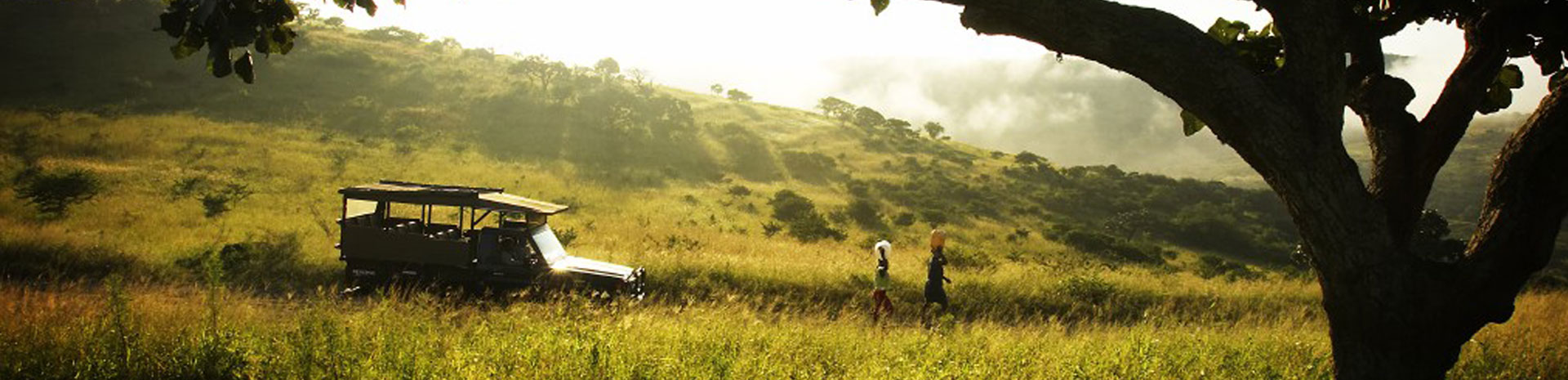
Mkuze is a gateway to South Africa's wild landscapes and abundant wildlife. The town provides easy access to the Mkuze Game Reserve for safaris and birdwatching. Visitors can enjoy the natural beauty and outdoor activities that make it an appealing spot for a holiday.
## Accommodation in Mkuze
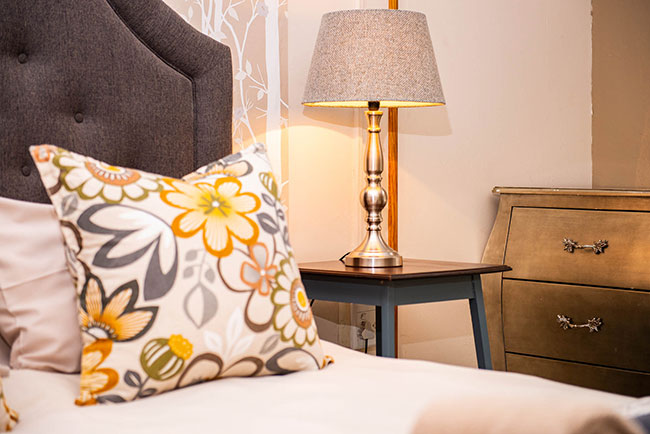
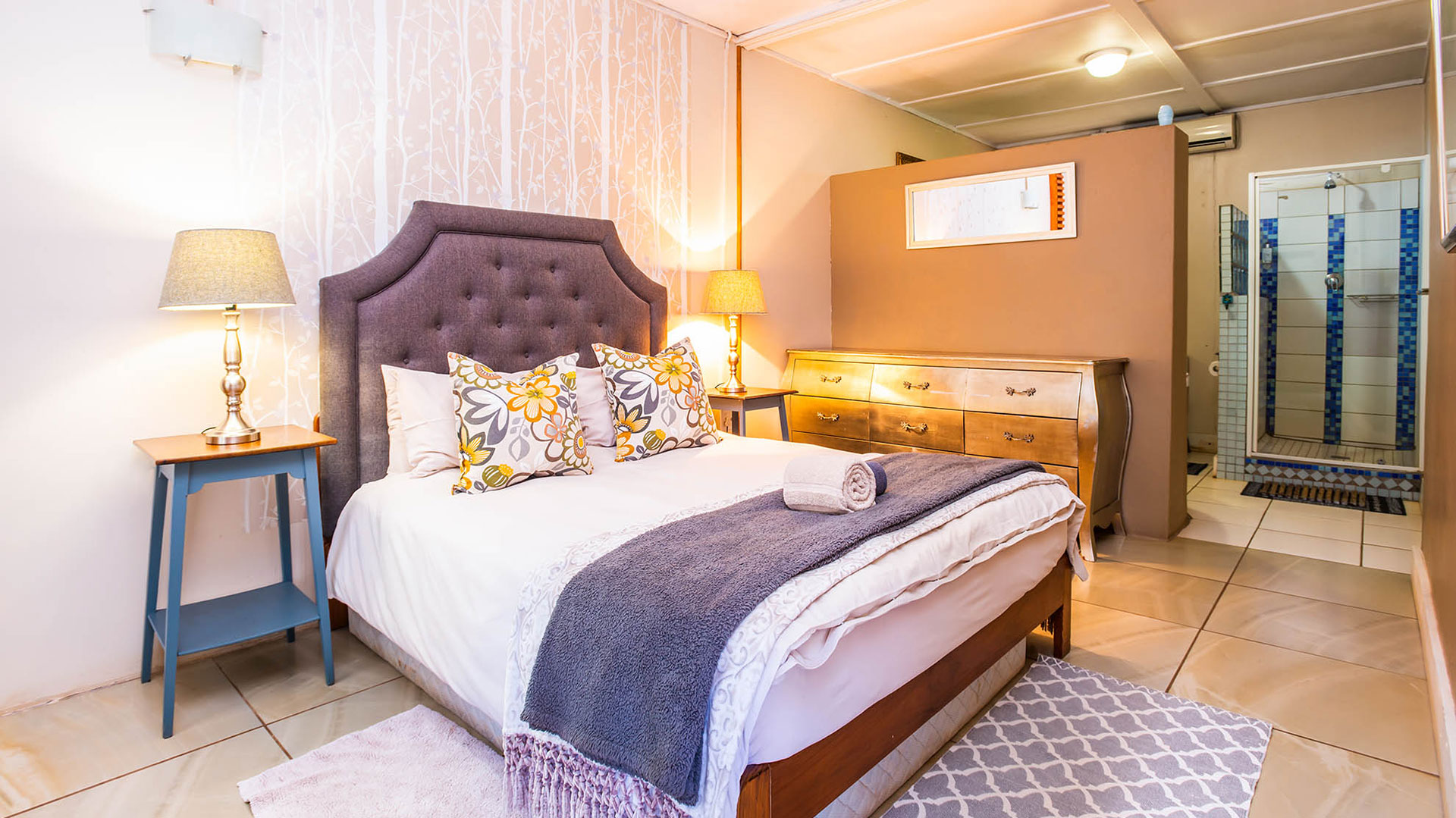
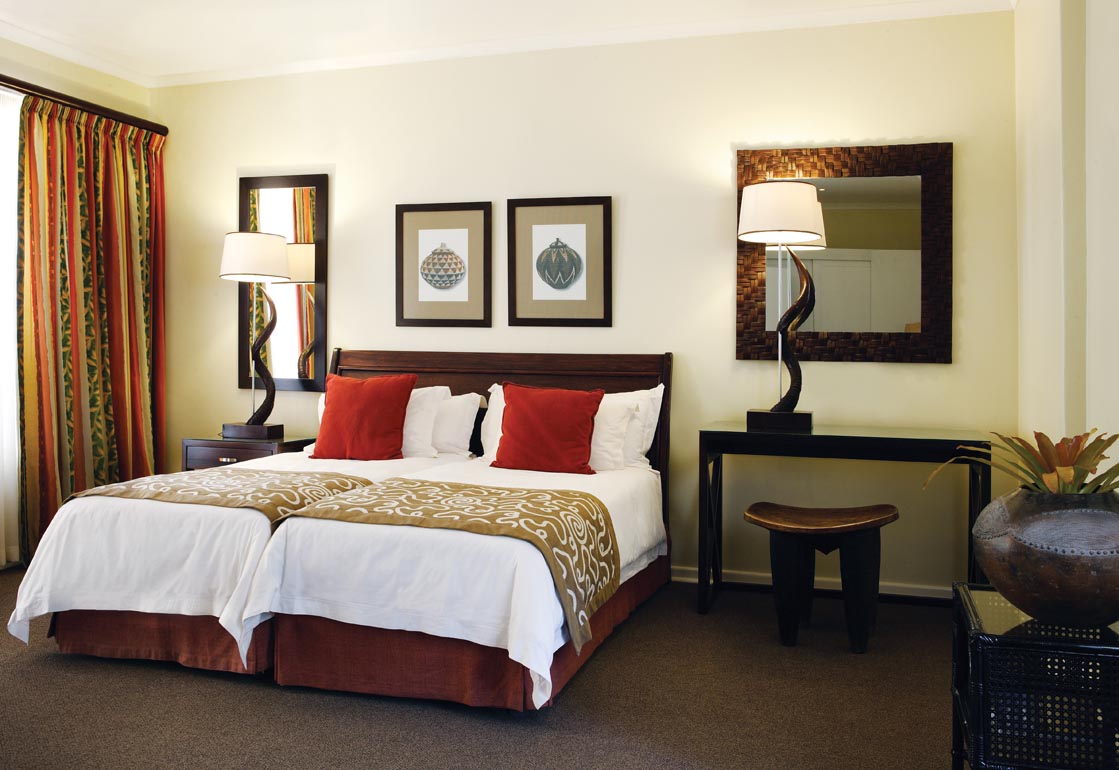
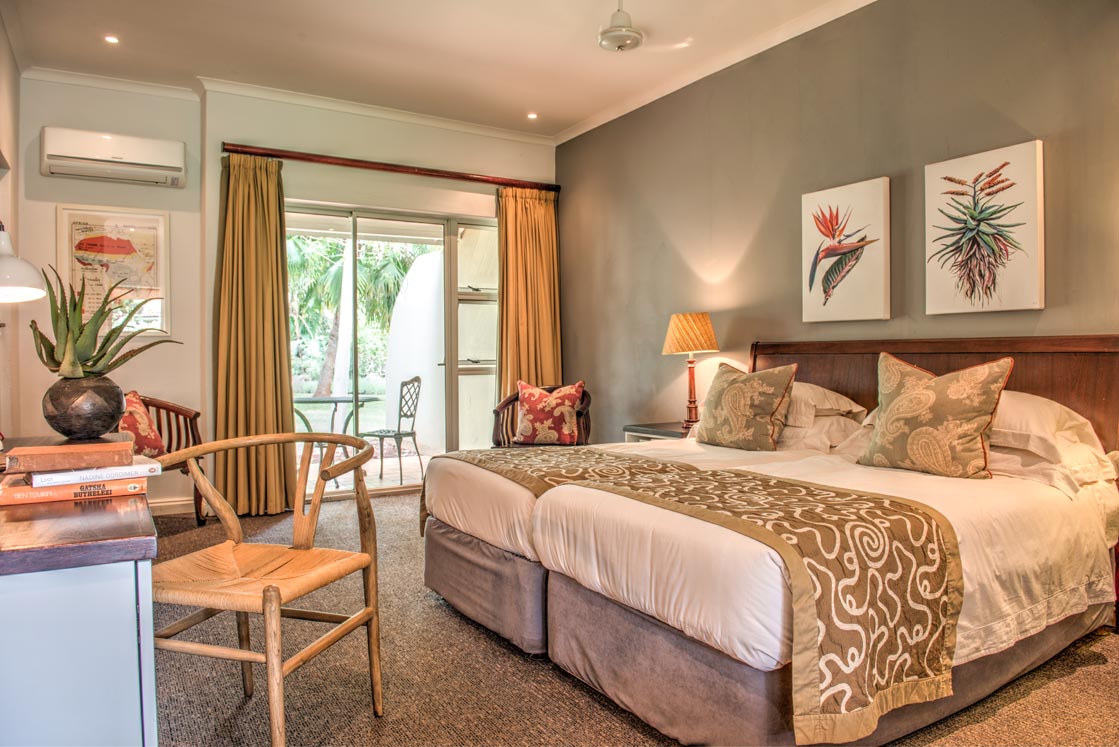
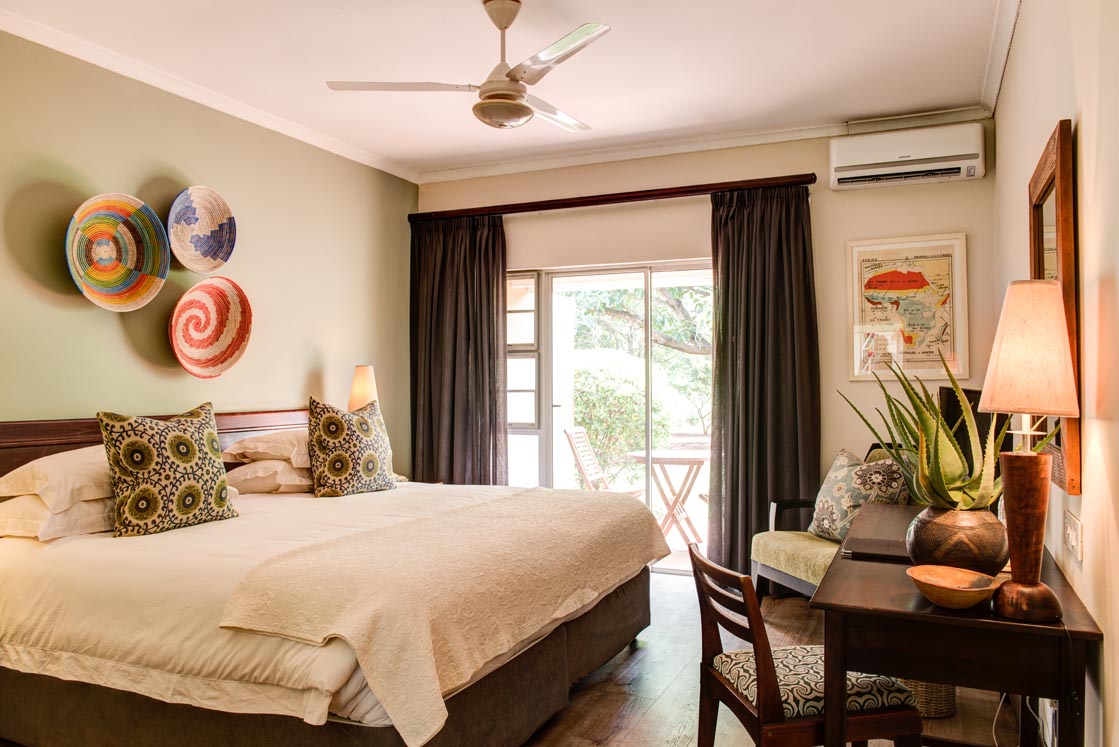
Mkuze's accommodation scene is modest by the standards of better-known safari towns, and current listings on this platform are still developing for the area. That said, the town and its immediate surrounds offer places to stay across different budget levels, and the options suit travellers looking for practicality and access to the bush rather than resort-style comfort.
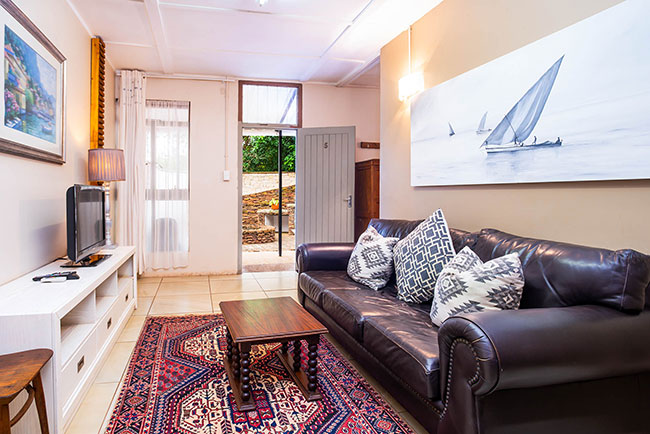
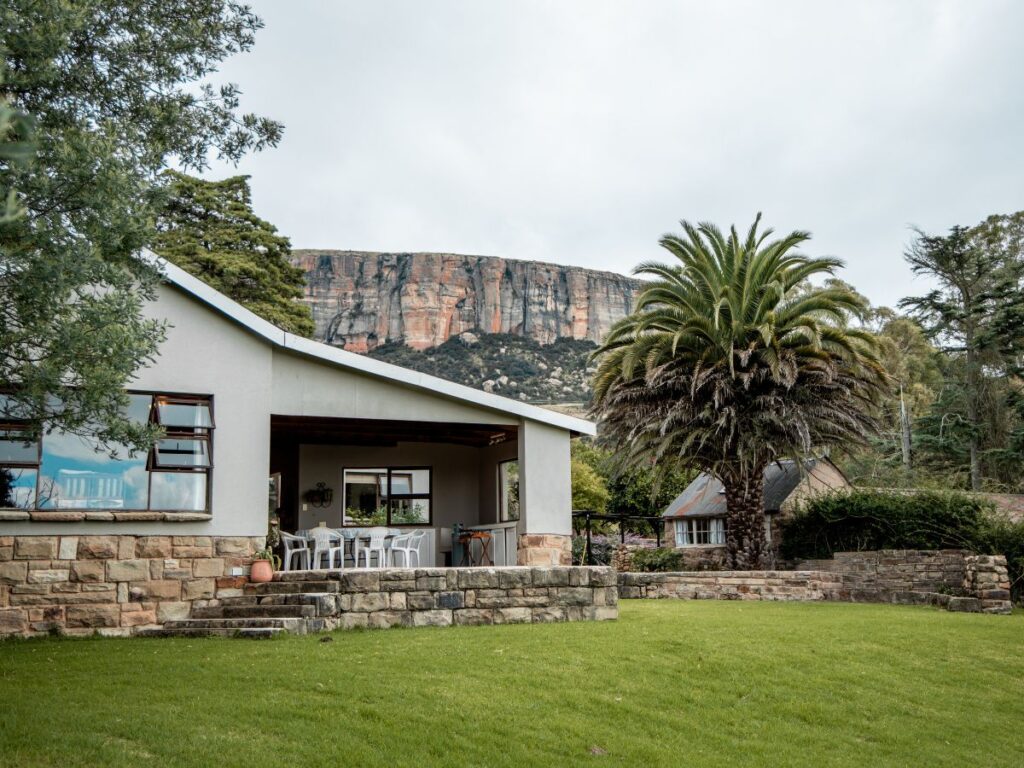
At the budget end, basic guesthouses and self-catering rooms within the town itself provide straightforward overnight stops. These are typically family-run, offering a clean room and sometimes a simple breakfast, and they appeal mainly to travellers using Mkuze as a road-trip pause along the N2 or as a staging point for an early departure into the game reserve the next morning.
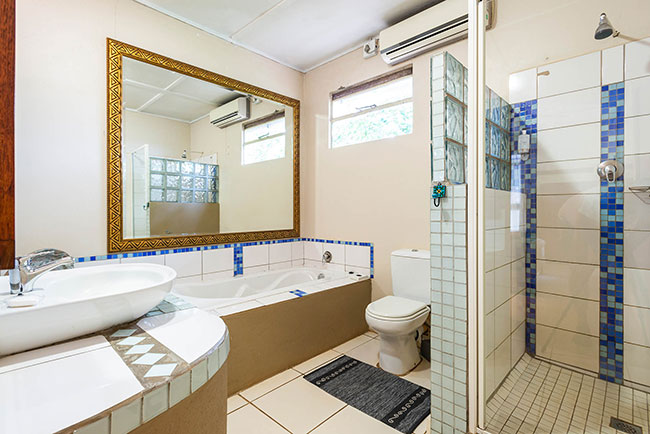
Mid-range lodges on the town's outskirts step up the comfort level, with private en-suite bathrooms, braai facilities, and small gardens that give a sense of space. These properties work well for couples or small groups who want a quieter base over several nights without paying full safari camp rates. Wi-Fi and parking are generally standard at this level.
The upper tier means camps and tented lodges operating within or directly adjacent to the Mkuze Game Reserve. These properties typically include guided game drives, meals, and walking trails as part of the package. Being inside the reserve changes the experience considerably: wildlife can be active right outside the accommodation, particularly at dawn, and there is no driving in and out through a gate at the end of each day.
Across all tiers, availability tightens considerably around South African school holidays and long weekends, when domestic travellers fill the area faster than casual online searches suggest. Confirming your booking directly with the property is common practice here.
## Best Time to Visit Mkuze
Mkuze sits in subtropical northern KwaZulu-Natal, and the season makes a significant difference to what you can expect. Summer, running from November through March, brings high humidity and heat regularly exceeding 30°C. Afternoon thunderstorms arrive frequently between December and February, and the bush fills out with thick green vegetation. Game viewing becomes harder during these months as animals shelter from midday heat, but birding is genuinely rewarding when migratory species are present.
Winter, from June to August, is the favoured season for wildlife watching. Vegetation thins significantly, opening sightlines to waterholes and riverine corridors where animals concentrate. Mornings can drop to around 10°C but warm to a comfortable low 20s by afternoon, and rain is rare. This is peak season, particularly for South African domestic visitors.
April and May, and again in September and October, offer a useful middle ground. Temperatures moderate, humidity drops from the summer peak, and the bush retains enough green cover to feel lush without obscuring visibility completely. These shoulder months avoid the busiest winter school holiday weeks while still offering good conditions for time outdoors. For first-time visitors undecided about timing, September is a reasonable all-round choice.
## Getting to Mkuze
The N2 highway passes directly through Mkuze, making road access from both Durban and the north straightforward. From Durban, the drive covers roughly 380 kilometres and takes four to five hours, passing the north coast cane fields before the landscape transitions to bushveld. From Johannesburg, the distance is approximately 550 kilometres via the N2 or N11, depending on your route through Swaziland or the KwaZulu-Natal interior.
The closest commercial airport is Richards Bay, around 130 kilometres to the south. Domestic flights from Johannesburg and Cape Town serve Richards Bay regularly, and a hire car from the airport is the most practical onward option. King Shaka International Airport in Durban offers more routes and is worth comparing if Richards Bay connections are inconvenient or expensive. Flying into Durban and driving up adds time but gives more flexibility on vehicle hire.
Once in Mkuze, a vehicle is essential. Public taxis and buses run along the N2 corridor but do not service the game reserve or the rural areas around it. Most visitors arrive with their own car or a rental. A standard sedan handles the roads in and around the reserve for much of the year, but a high-clearance vehicle is useful on farm tracks and during or after heavy rain. Some guided tour operators based locally can arrange transfers and day trips if driving independently is not preferred.
## Mkuze and Surrounding Areas
Jozini, 21 kilometres to the north, is the most practical nearby town for supplies. It sits below the Pongolapoort Dam wall and has fuel stations, ATMs, and supermarkets that Mkuze itself lacks. Many visitors stop here before or after time at the reserve to stock up.
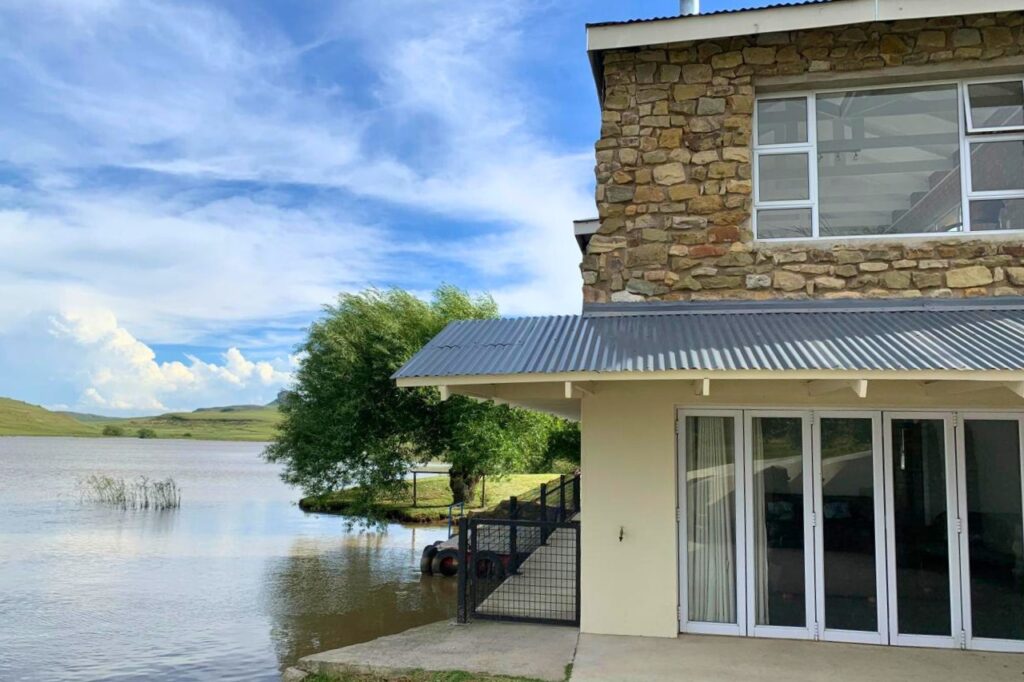
Jozini Lake, 35 kilometres out, is the reservoir created by that same dam on the Phongola River. The lake extends toward the Eswatini border and is one of the largest freshwater bodies in South Africa. Tigerfish and bass fishing draw anglers from across the region, and houseboating operations along the shores offer a very different kind of overnight stay from the bush camps closer to Mkuze.
Pongola lies 49 kilometres to the north-west and functions mainly as an agricultural centre built around sugar and game farming. The private conservancies in this area offer big five wildlife experiences, including hunting concessions, giving it a different character from state-managed reserves.
Nongoma, 50 kilometres to the south-west, carries distinct historical weight as the traditional seat of the Zulu Royal House. The Enyokeni Palace and the surrounding area are significant to understanding Zulu political history and culture, making Nongoma worth a deliberate half-day detour for travellers with that interest.
Hluhluwe, 52 kilometres south, provides access to the Hluhluwe-iMfolozi Park, one of the oldest proclaimed reserves in Africa and central to the recovery of the southern white rhino population. The park's terrain and wildlife population differ enough from Mkuze's game reserve to justify a day trip south rather than treating them as interchangeable.
Potgietershoop, at 68 kilometres, is a crossroads settlement rather than a destination and serves mainly as a reference point for navigation in the area.
## Planning Your Stay
Mkuze does not feature heavily on international travel itineraries, which can make it seem like a low-demand destination until South African school holidays arrive. The main pressure periods are December to January, Easter weekend, and the June and July winter school break. Camps within the game reserve and lodges in the area fill during these windows, sometimes weeks in advance. Booking two to three months ahead for any of these periods is sensible.
When comparing accommodation options, check carefully what is included in the rate. Camps inside the reserve frequently bundle park entry fees, guided game drives, and meals into a daily rate. This changes the value calculation considerably when set against a cheaper self-catering unit in town that requires its own grocery run to Jozini.
Mobile reception is unreliable once you leave the N2 or enter the reserve. Download offline maps before you travel and confirm the property's check-in hours and procedure in advance, as smaller lodges sometimes have unstaffed reception windows in the early morning or late evening.
Fill up with fuel in Mkuze town or Jozini before turning off onto reserve or farm roads. Distances between fuel stops are greater than visitors accustomed to city driving tend to expect, and some access roads add meaningful kilometres to what looks short on a map.

Mkuze's accommodation scene is modest by the standards of better-known safari towns, and current listings on this platform are still developing for the area. That said, the town and its immediate surrounds offer places to stay across different budget levels, and the options suit travellers looking for practicality and access to the bush rather than resort-style comfort.
At the budget end, basic guesthouses and self-catering rooms within the town itself provide straightforward overnight stops. These are typically family-run, offering a clean room and sometimes a simple breakfast, and they appeal mainly to travellers using Mkuze as a road-trip pause along the N2 or as a staging point for an early departure into the game reserve the next morning.
Mid-range lodges on the town's outskirts step up the comfort level, with private en-suite bathrooms, braai facilities, and small gardens that give a sense of space. These properties work well for couples or small groups who want a quieter base over several nights without paying full safari camp rates. Wi-Fi and parking are generally standard at this level.
The upper tier means camps and tented lodges operating within or directly adjacent to the Mkuze Game Reserve. These properties typically include guided game drives, meals, and walking trails as part of the package. Being inside the reserve changes the experience considerably: wildlife can be active right outside the accommodation, particularly at dawn, and there is no driving in and out through a gate at the end of each day.
Across all tiers, availability tightens considerably around South African school holidays and long weekends, when domestic travellers fill the area faster than casual online searches suggest. Confirming your booking directly with the property is common practice here.
## Best Time to Visit Mkuze
Mkuze sits in subtropical northern KwaZulu-Natal, and the season makes a significant difference to what you can expect. Summer, running from November through March, brings high humidity and heat regularly exceeding 30°C. Afternoon thunderstorms arrive frequently between December and February, and the bush fills out with thick green vegetation. Game viewing becomes harder during these months as animals shelter from midday heat, but birding is genuinely rewarding when migratory species are present.
Winter, from June to August, is the favoured season for wildlife watching. Vegetation thins significantly, opening sightlines to waterholes and riverine corridors where animals concentrate. Mornings can drop to around 10°C but warm to a comfortable low 20s by afternoon, and rain is rare. This is peak season, particularly for South African domestic visitors.
April and May, and again in September and October, offer a useful middle ground. Temperatures moderate, humidity drops from the summer peak, and the bush retains enough green cover to feel lush without obscuring visibility completely. These shoulder months avoid the busiest winter school holiday weeks while still offering good conditions for time outdoors. For first-time visitors undecided about timing, September is a reasonable all-round choice.
## Getting to Mkuze
The N2 highway passes directly through Mkuze, making road access from both Durban and the north straightforward. From Durban, the drive covers roughly 380 kilometres and takes four to five hours, passing the north coast cane fields before the landscape transitions to bushveld. From Johannesburg, the distance is approximately 550 kilometres via the N2 or N11, depending on your route through Swaziland or the KwaZulu-Natal interior.
The closest commercial airport is Richards Bay, around 130 kilometres to the south. Domestic flights from Johannesburg and Cape Town serve Richards Bay regularly, and a hire car from the airport is the most practical onward option. King Shaka International Airport in Durban offers more routes and is worth comparing if Richards Bay connections are inconvenient or expensive. Flying into Durban and driving up adds time but gives more flexibility on vehicle hire.
Once in Mkuze, a vehicle is essential. Public taxis and buses run along the N2 corridor but do not service the game reserve or the rural areas around it. Most visitors arrive with their own car or a rental. A standard sedan handles the roads in and around the reserve for much of the year, but a high-clearance vehicle is useful on farm tracks and during or after heavy rain. Some guided tour operators based locally can arrange transfers and day trips if driving independently is not preferred.
## Mkuze and Surrounding Areas
Jozini, 21 kilometres to the north, is the most practical nearby town for supplies. It sits below the Pongolapoort Dam wall and has fuel stations, ATMs, and supermarkets that Mkuze itself lacks. Many visitors stop here before or after time at the reserve to stock up.
Jozini Lake, 35 kilometres out, is the reservoir created by that same dam on the Phongola River. The lake extends toward the Eswatini border and is one of the largest freshwater bodies in South Africa. Tigerfish and bass fishing draw anglers from across the region, and houseboating operations along the shores offer a very different kind of overnight stay from the bush camps closer to Mkuze.
Pongola lies 49 kilometres to the north-west and functions mainly as an agricultural centre built around sugar and game farming. The private conservancies in this area offer big five wildlife experiences, including hunting concessions, giving it a different character from state-managed reserves.
Nongoma, 50 kilometres to the south-west, carries distinct historical weight as the traditional seat of the Zulu Royal House. The Enyokeni Palace and the surrounding area are significant to understanding Zulu political history and culture, making Nongoma worth a deliberate half-day detour for travellers with that interest.
Hluhluwe, 52 kilometres south, provides access to the Hluhluwe-iMfolozi Park, one of the oldest proclaimed reserves in Africa and central to the recovery of the southern white rhino population. The park's terrain and wildlife population differ enough from Mkuze's game reserve to justify a day trip south rather than treating them as interchangeable.
Potgietershoop, at 68 kilometres, is a crossroads settlement rather than a destination and serves mainly as a reference point for navigation in the area.
## Planning Your Stay
Mkuze does not feature heavily on international travel itineraries, which can make it seem like a low-demand destination until South African school holidays arrive. The main pressure periods are December to January, Easter weekend, and the June and July winter school break. Camps within the game reserve and lodges in the area fill during these windows, sometimes weeks in advance. Booking two to three months ahead for any of these periods is sensible.
When comparing accommodation options, check carefully what is included in the rate. Camps inside the reserve frequently bundle park entry fees, guided game drives, and meals into a daily rate. This changes the value calculation considerably when set against a cheaper self-catering unit in town that requires its own grocery run to Jozini.
Mobile reception is unreliable once you leave the N2 or enter the reserve. Download offline maps before you travel and confirm the property's check-in hours and procedure in advance, as smaller lodges sometimes have unstaffed reception windows in the early morning or late evening.
Fill up with fuel in Mkuze town or Jozini before turning off onto reserve or farm roads. Distances between fuel stops are greater than visitors accustomed to city driving tend to expect, and some access roads add meaningful kilometres to what looks short on a map.
Mkuze Kaart
Nabygeleë Bestemmings
Blaai Deur Alle Mkuze Akkommodasie
Bekyk al 0 akkommodasie-opsies in Mkuze met foto's, pryse en beskikbaarheid.
Blaai Deur Alle Akkommodasie