Pongola Reis- & Akkommodasiegids
Jou volledige gids om Pongola, Suid-Afrika te besoek.
Pongola provides opportunities for nature lovers with its river systems and nearby game reserves. The town serves as a gateway to explore diverse wildlife and outdoor pursuits in KwaZulu-Natal. Visitors can enjoy the area's varied landscapes while seeking comfortable stays.
## Accommodation in Pongola
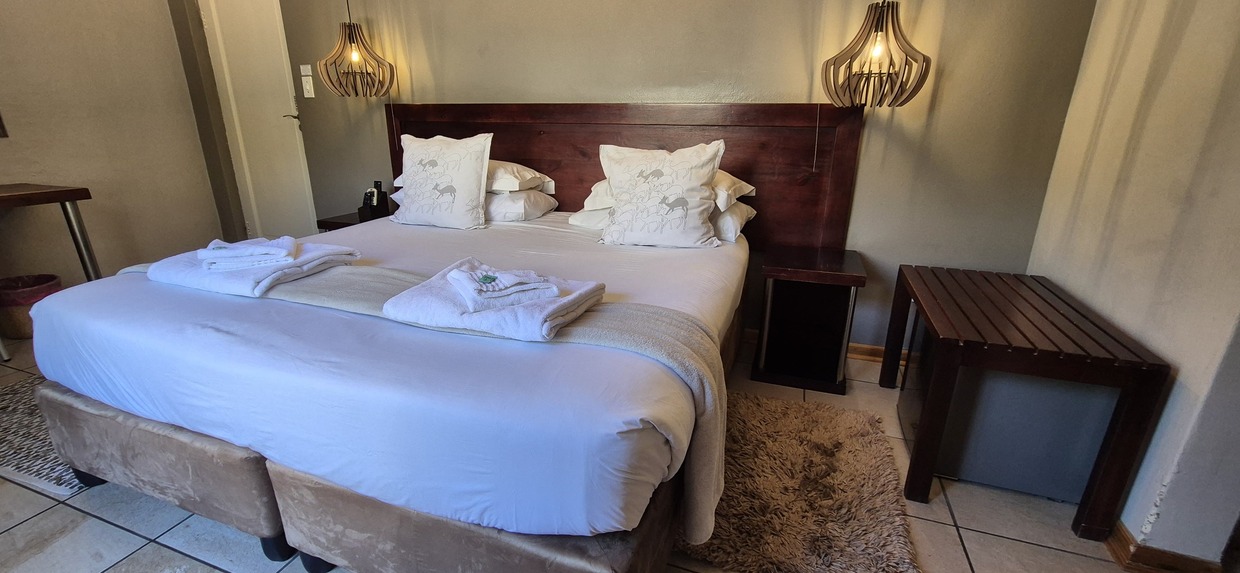
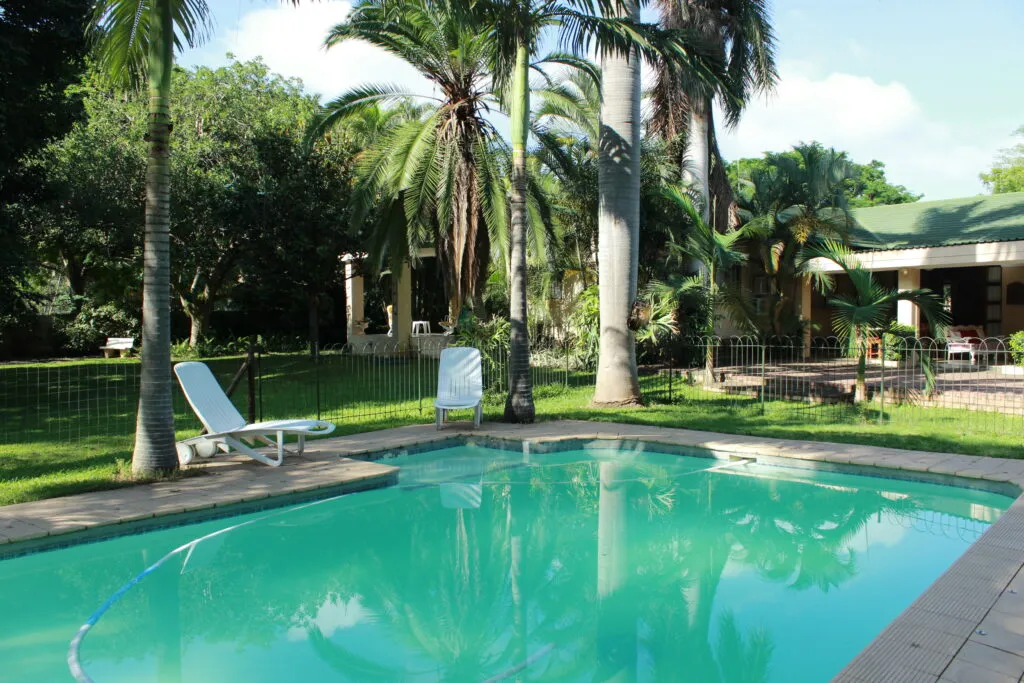
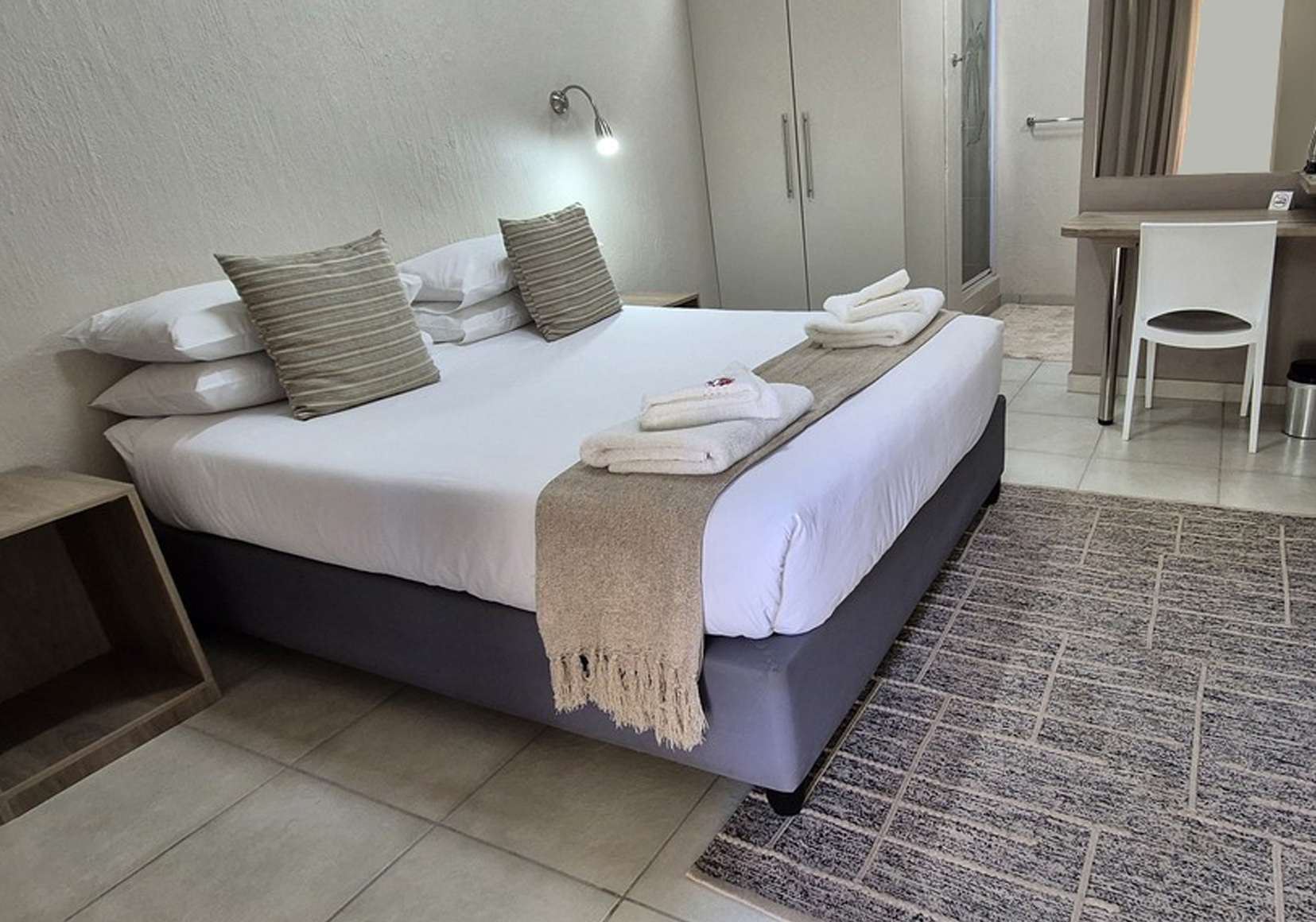
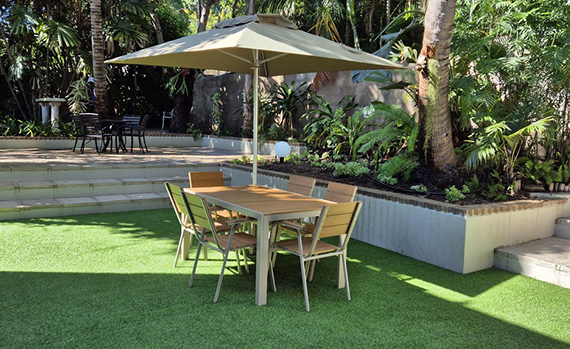
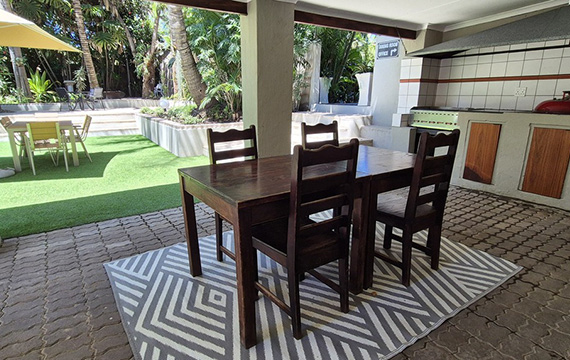
Pongola sits in sugar cane country in northern KwaZulu-Natal, and accommodation here reflects the working, rural character of the region rather than the polished experience of established coastal or safari circuits. With no properties currently listed through this platform, nightly rates are not established, and direct research into local operators is required. The range that exists spans different budgets, from simple riverside campsites through to game lodges in the surrounding bushveld.
At the budget end, riverside campsites offer basic facilities, a braai stand and ablution block, with direct water access. These suit self-sufficient travellers who bring their own gear and are not looking for comfort beyond the essentials. Basic guesthouses within the town serve visitors using Pongola as an overnight stop on longer routes heading north.
Self-catering chalets and small family-run lodges occupy the mid-range. These typically sit in the bushveld on the outskirts of town and include kitchen facilities, which is a practical consideration given the distance from major shopping centres. Rates tend to rise in the cooler, drier winter months when visitor numbers increase and conditions for spotting wildlife improve considerably. Some properties will negotiate on rates for extended stays during the quieter, hotter summer period.
Game lodges in the outer bushveld represent the upper tier. Most operate on all-inclusive packages covering guided game drives, meals, and accommodation with bush views. The model suits visitors who want logistics handled and activities built into the stay. These properties book up quickly and early direct contact is advisable, particularly for visits between May and August when peak season demand is highest.
For transit travellers needing a single overnight stop, functional roadside accommodation along the main routes into town provides a straightforward option without the commitment of a full lodge arrangement.
---
## Best Time to Visit Pongola
Pongola's subtropical climate allows year-round visits, though the season shapes conditions considerably.
Summer, from October through March, brings the bulk of annual rainfall and high temperatures. January and February are the most intense months, with heat regularly exceeding 35°C and humidity adding to the load. Dense summer vegetation makes wildlife harder to spot as animals move freely through thick cover. Birding, however, peaks during this period as migratory species arrive and water sources are active. Visitor numbers are lower in summer, which generally means more accommodation flexibility and quieter conditions at natural sites.
Winter runs from May through August. Daytime temperatures in the mid-20s are comfortable for outdoor activity, though June and July nights can be cold. Vegetation thins out considerably in the dry season, improving visibility for wildlife, and fishing conditions on regional waterways are more reliable during these months. This is the peak visitor season, driven by mid-year school holidays and generally more comfortable outdoor conditions. Wildlife watching and guided drives are most productive during this window.
April and September offer a practical middle ground. The heat has eased or has not yet arrived, rainfall is infrequent, and competition for accommodation is softer than during mid-winter. Wildlife is active and visible without the compressed bookings of the July school break. For those who want solid game-viewing conditions without peak-season crowds, these shoulder months are worth targeting.
---
## Getting to Pongola
Road travel is the standard approach. From Durban, the drive north along the N2 covers approximately 400 kilometres and takes around four hours under normal conditions. From Johannesburg, the route runs roughly 530 kilometres via Mpumalanga and into northern KwaZulu-Natal from the north. Both are tarred routes manageable in a standard vehicle, though the northern approach involves winding, hilly roads for the final stretch.
The nearest commercial airport with regular services is Richards Bay, a few hours south by road. King Shaka International Airport in Durban handles international arrivals and has more comprehensive car hire availability. No commercial flights serve Pongola directly, meaning fly-in visitors must budget for a substantial road transfer regardless of which airport they use.
Long-distance bus services running between Durban and destinations in Zimbabwe pass through Pongola, making the town reachable without a private vehicle. Local shared taxis cover routes within town and to surrounding communities. For anything beyond the immediate town centre, including wildlife areas, the lake, or day trips to nearby destinations, a hired or private vehicle is effectively necessary. Some properties can arrange transfers for guests arriving by public transport, but confirm this during booking rather than assuming it is available.
---
## Pongola and Surrounding Areas
The towns and natural areas within a reasonable drive of Pongola make a strong case for using the town as a multi-day base.
**Jozini Lake**, 22 kilometres away, is the most immediate draw. The dam backs up the Phongolo River into one of KwaZulu-Natal's largest inland bodies of water, framed to the east by the Lebombo mountains. Tigerfish and bream draw anglers from across the country. Boat-based game viewing is popular along the lake margins, where elephant, hippo, white rhino, and crocodile are regularly sighted. The Pongola Game Reserve, one of the oldest formally declared reserves in Africa, follows the lake shoreline and offers guided trails and drive-based wildlife experiences.
**Potgietershoop**, 44 kilometres south, is a small farming community with minimal formal visitor infrastructure. The drive through this corridor gives a sense of the working agricultural landscape of the region. It sits along routes that loop toward Jozini, making it a natural waypoint on a circuit drive rather than a primary destination.
**Jozini town** (45km) is the main commercial and administrative centre for this part of the province. Visitors use it for banking, fuel, and supplies. It also serves as a gateway to the iSimangaliso Wetland Park to the east, a UNESCO World Heritage Site encompassing coastal forest, wetlands, coral reefs, and marine life.
**Mkuze**, 49 kilometres from Pongola, gives access to the Mkuze Game Reserve. The reserve holds both black and white rhino alongside large populations of nyala and over 400 recorded bird species. The fig forest loop trail is one of the more distinctive short walks in the province. This area carries a malaria risk, and prophylaxis and other precautions are necessary before visiting.
**Nongoma**, 59 kilometres south, is the seat of the Zulu royal household. The eNdlunkulu royal palace is in the area, and Nongoma carries significant historical and cultural weight as the heartland of the Zulu kingdom. Ceremonies and public gatherings occur throughout the year, and for visitors interested in South African history alongside wildlife, it offers a genuinely different kind of day trip.
**Piet Retief**, 90 kilometres north in Mpumalanga, functions primarily as a resupply and fuel point. The town sits close to the eSwatini border and serves travellers arriving from the Highveld who need provisions before dropping into KwaZulu-Natal. As a destination in its own right it offers little beyond the practical.
---
## Planning Your Stay
Accommodation in Pongola is not well-represented on major international booking platforms, so direct contact with properties is often necessary. Call or email ahead when visiting during school holiday windows, particularly the mid-year break in June and July, Easter, and the December to January period. Domestic travellers book these windows well in advance, and availability disappears faster than online listings suggest.
Before confirming any booking, clarify what is included in the rate. Properties at the upper end commonly operate on all-inclusive packages covering meals and guided activities, while self-catering options assume you will provision yourself. For self-catering stays, confirm whether kitchen equipment and linen are provided, and check what grocery options exist, as they are limited beyond the town centre.
Mobile signal in town is adequate on major South African networks, but remote properties further into the bush may have little or no coverage. Download offline maps and save key contact details before leaving areas with connectivity. Guided game walks and lake fishing permits often have limited capacity and require advance booking, so arrange these before departure rather than on the day.
Carry cash. Card facilities at smaller properties and rural fuel stations are inconsistent. Fill up in town before heading to remote areas, and check that secure overnight parking is available if you are travelling with a loaded vehicle.

Pongola sits in sugar cane country in northern KwaZulu-Natal, and accommodation here reflects the working, rural character of the region rather than the polished experience of established coastal or safari circuits. With no properties currently listed through this platform, nightly rates are not established, and direct research into local operators is required. The range that exists spans different budgets, from simple riverside campsites through to game lodges in the surrounding bushveld.
At the budget end, riverside campsites offer basic facilities, a braai stand and ablution block, with direct water access. These suit self-sufficient travellers who bring their own gear and are not looking for comfort beyond the essentials. Basic guesthouses within the town serve visitors using Pongola as an overnight stop on longer routes heading north.
Self-catering chalets and small family-run lodges occupy the mid-range. These typically sit in the bushveld on the outskirts of town and include kitchen facilities, which is a practical consideration given the distance from major shopping centres. Rates tend to rise in the cooler, drier winter months when visitor numbers increase and conditions for spotting wildlife improve considerably. Some properties will negotiate on rates for extended stays during the quieter, hotter summer period.
Game lodges in the outer bushveld represent the upper tier. Most operate on all-inclusive packages covering guided game drives, meals, and accommodation with bush views. The model suits visitors who want logistics handled and activities built into the stay. These properties book up quickly and early direct contact is advisable, particularly for visits between May and August when peak season demand is highest.
For transit travellers needing a single overnight stop, functional roadside accommodation along the main routes into town provides a straightforward option without the commitment of a full lodge arrangement.
---
## Best Time to Visit Pongola
Pongola's subtropical climate allows year-round visits, though the season shapes conditions considerably.
Summer, from October through March, brings the bulk of annual rainfall and high temperatures. January and February are the most intense months, with heat regularly exceeding 35°C and humidity adding to the load. Dense summer vegetation makes wildlife harder to spot as animals move freely through thick cover. Birding, however, peaks during this period as migratory species arrive and water sources are active. Visitor numbers are lower in summer, which generally means more accommodation flexibility and quieter conditions at natural sites.
Winter runs from May through August. Daytime temperatures in the mid-20s are comfortable for outdoor activity, though June and July nights can be cold. Vegetation thins out considerably in the dry season, improving visibility for wildlife, and fishing conditions on regional waterways are more reliable during these months. This is the peak visitor season, driven by mid-year school holidays and generally more comfortable outdoor conditions. Wildlife watching and guided drives are most productive during this window.
April and September offer a practical middle ground. The heat has eased or has not yet arrived, rainfall is infrequent, and competition for accommodation is softer than during mid-winter. Wildlife is active and visible without the compressed bookings of the July school break. For those who want solid game-viewing conditions without peak-season crowds, these shoulder months are worth targeting.
---
## Getting to Pongola
Road travel is the standard approach. From Durban, the drive north along the N2 covers approximately 400 kilometres and takes around four hours under normal conditions. From Johannesburg, the route runs roughly 530 kilometres via Mpumalanga and into northern KwaZulu-Natal from the north. Both are tarred routes manageable in a standard vehicle, though the northern approach involves winding, hilly roads for the final stretch.
The nearest commercial airport with regular services is Richards Bay, a few hours south by road. King Shaka International Airport in Durban handles international arrivals and has more comprehensive car hire availability. No commercial flights serve Pongola directly, meaning fly-in visitors must budget for a substantial road transfer regardless of which airport they use.
Long-distance bus services running between Durban and destinations in Zimbabwe pass through Pongola, making the town reachable without a private vehicle. Local shared taxis cover routes within town and to surrounding communities. For anything beyond the immediate town centre, including wildlife areas, the lake, or day trips to nearby destinations, a hired or private vehicle is effectively necessary. Some properties can arrange transfers for guests arriving by public transport, but confirm this during booking rather than assuming it is available.
---
## Pongola and Surrounding Areas
The towns and natural areas within a reasonable drive of Pongola make a strong case for using the town as a multi-day base.
**Jozini Lake**, 22 kilometres away, is the most immediate draw. The dam backs up the Phongolo River into one of KwaZulu-Natal's largest inland bodies of water, framed to the east by the Lebombo mountains. Tigerfish and bream draw anglers from across the country. Boat-based game viewing is popular along the lake margins, where elephant, hippo, white rhino, and crocodile are regularly sighted. The Pongola Game Reserve, one of the oldest formally declared reserves in Africa, follows the lake shoreline and offers guided trails and drive-based wildlife experiences.
**Potgietershoop**, 44 kilometres south, is a small farming community with minimal formal visitor infrastructure. The drive through this corridor gives a sense of the working agricultural landscape of the region. It sits along routes that loop toward Jozini, making it a natural waypoint on a circuit drive rather than a primary destination.
**Jozini town** (45km) is the main commercial and administrative centre for this part of the province. Visitors use it for banking, fuel, and supplies. It also serves as a gateway to the iSimangaliso Wetland Park to the east, a UNESCO World Heritage Site encompassing coastal forest, wetlands, coral reefs, and marine life.
**Mkuze**, 49 kilometres from Pongola, gives access to the Mkuze Game Reserve. The reserve holds both black and white rhino alongside large populations of nyala and over 400 recorded bird species. The fig forest loop trail is one of the more distinctive short walks in the province. This area carries a malaria risk, and prophylaxis and other precautions are necessary before visiting.
**Nongoma**, 59 kilometres south, is the seat of the Zulu royal household. The eNdlunkulu royal palace is in the area, and Nongoma carries significant historical and cultural weight as the heartland of the Zulu kingdom. Ceremonies and public gatherings occur throughout the year, and for visitors interested in South African history alongside wildlife, it offers a genuinely different kind of day trip.
**Piet Retief**, 90 kilometres north in Mpumalanga, functions primarily as a resupply and fuel point. The town sits close to the eSwatini border and serves travellers arriving from the Highveld who need provisions before dropping into KwaZulu-Natal. As a destination in its own right it offers little beyond the practical.
---
## Planning Your Stay
Accommodation in Pongola is not well-represented on major international booking platforms, so direct contact with properties is often necessary. Call or email ahead when visiting during school holiday windows, particularly the mid-year break in June and July, Easter, and the December to January period. Domestic travellers book these windows well in advance, and availability disappears faster than online listings suggest.
Before confirming any booking, clarify what is included in the rate. Properties at the upper end commonly operate on all-inclusive packages covering meals and guided activities, while self-catering options assume you will provision yourself. For self-catering stays, confirm whether kitchen equipment and linen are provided, and check what grocery options exist, as they are limited beyond the town centre.
Mobile signal in town is adequate on major South African networks, but remote properties further into the bush may have little or no coverage. Download offline maps and save key contact details before leaving areas with connectivity. Guided game walks and lake fishing permits often have limited capacity and require advance booking, so arrange these before departure rather than on the day.
Carry cash. Card facilities at smaller properties and rural fuel stations are inconsistent. Fill up in town before heading to remote areas, and check that secure overnight parking is available if you are travelling with a loaded vehicle.
Pongola Kaart
Nabygeleë Bestemmings
Blaai Deur Alle Pongola Akkommodasie
Bekyk al 0 akkommodasie-opsies in Pongola met foto's, pryse en beskikbaarheid.
Blaai Deur Alle Akkommodasie