Accommodation in Noupoort
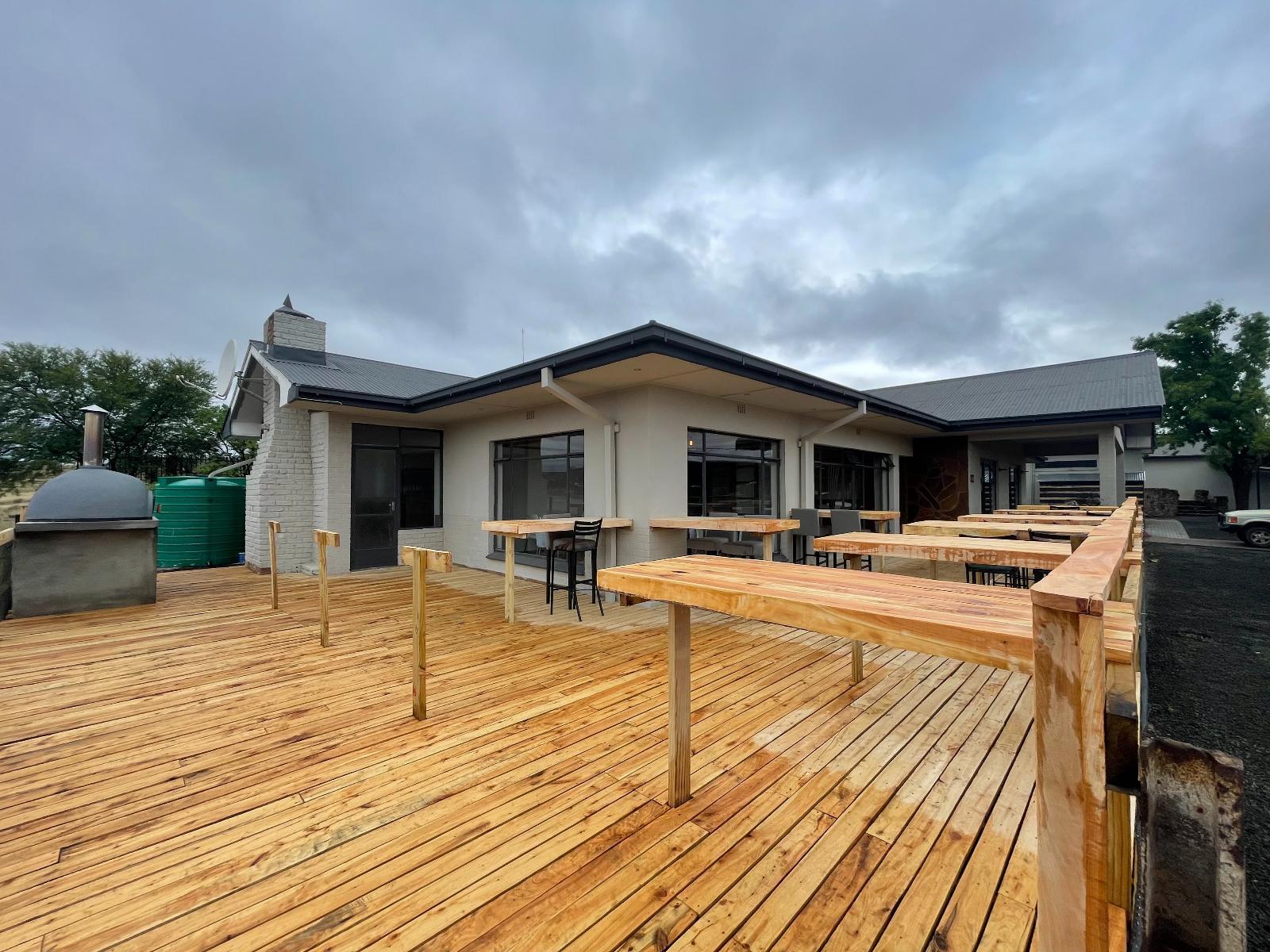
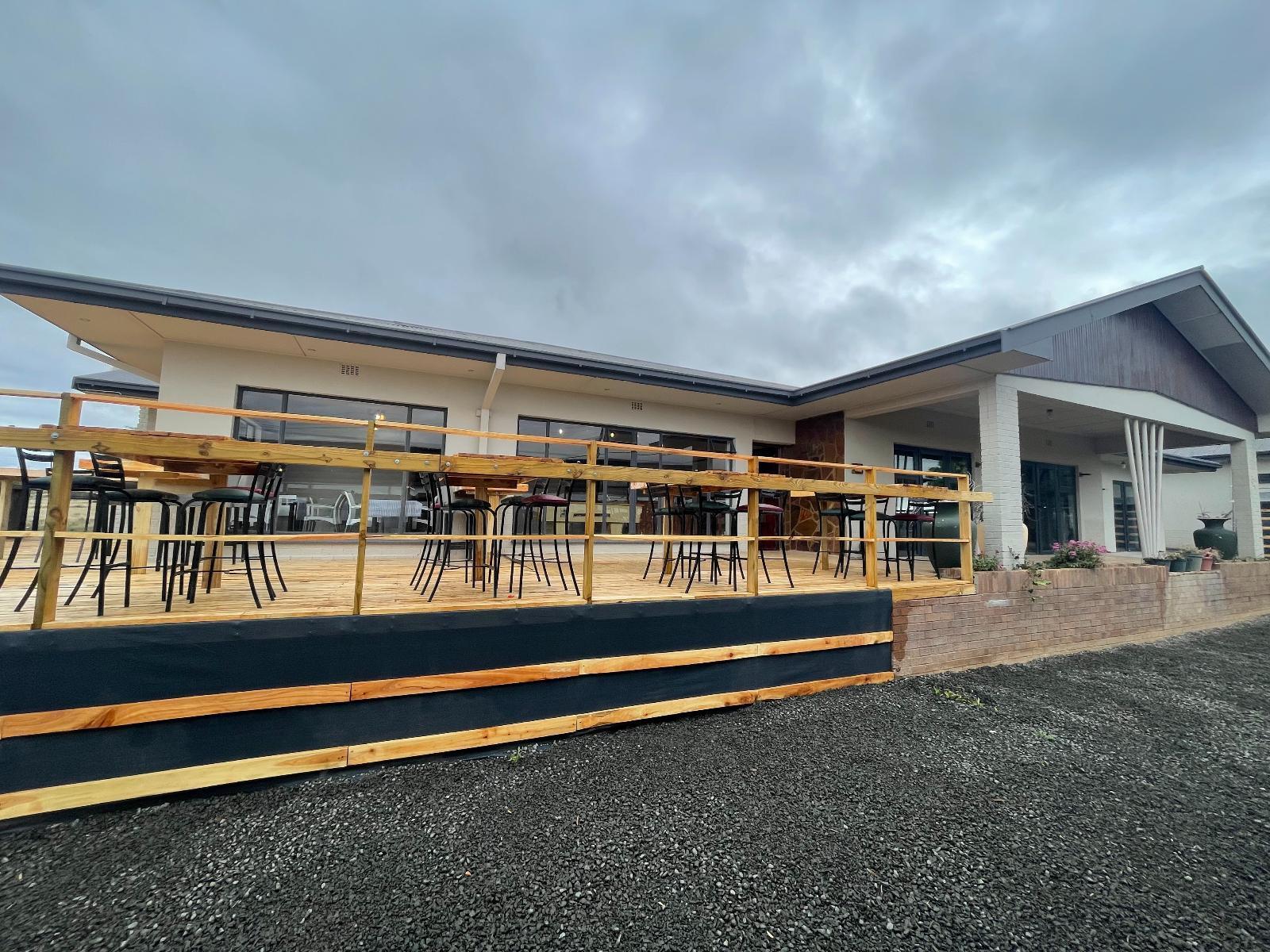
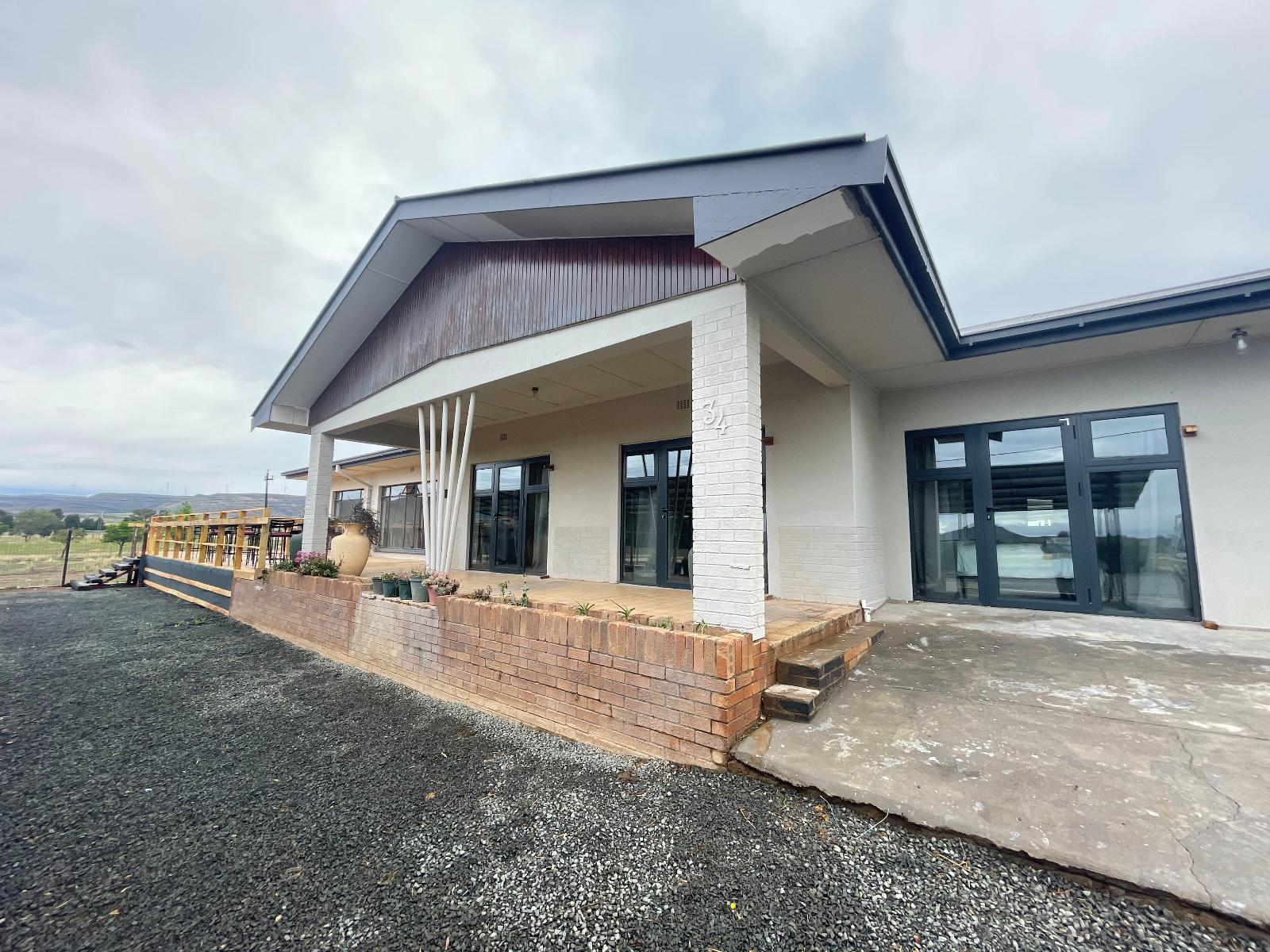
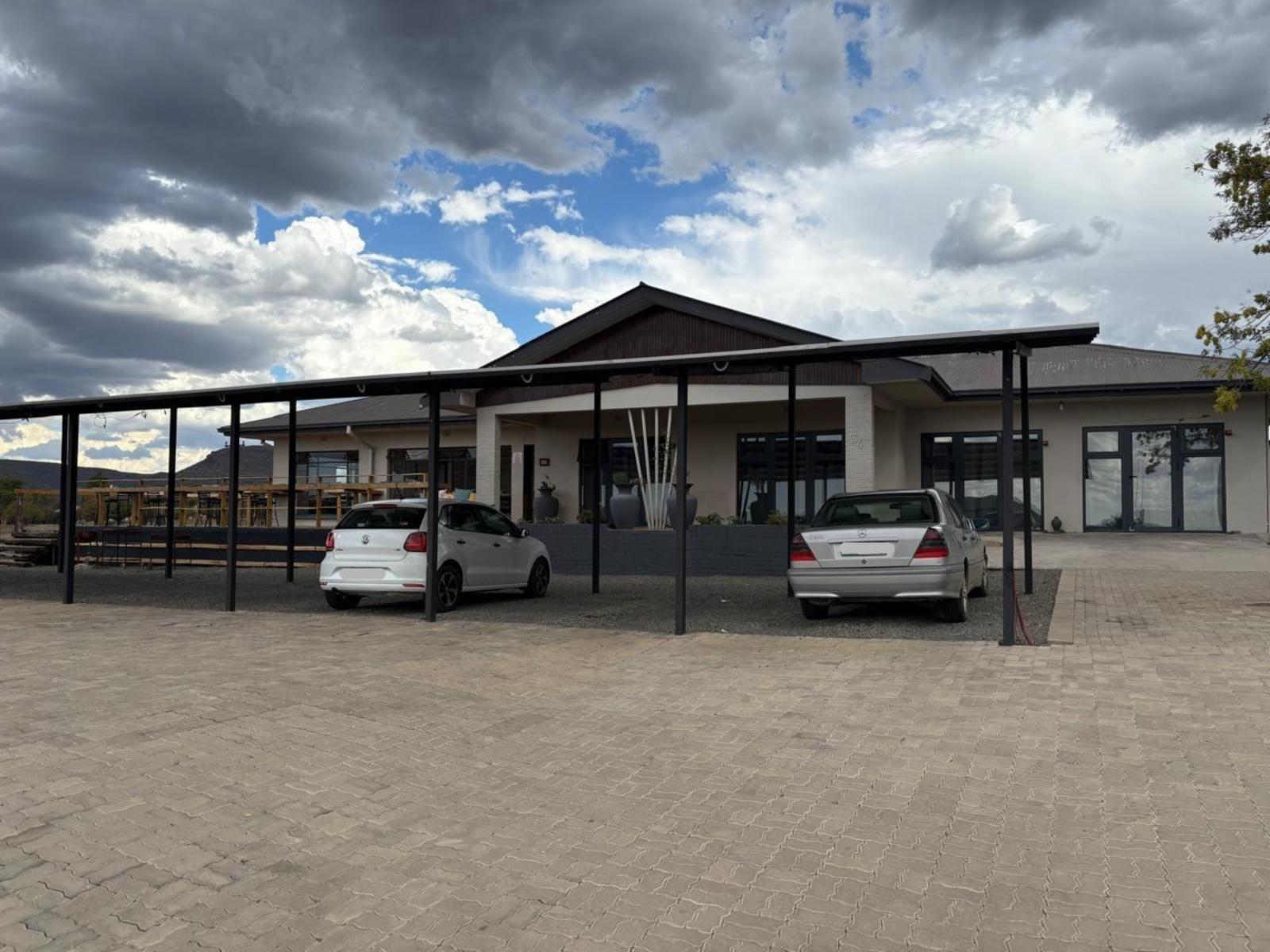
Noupoort draws travellers primarily as a stopover on the long Karoo crossing, and the accommodation market reflects this transit character. Most visitors arrive with a single night in mind, breaking the journey between Cape Town or Port Elizabeth and Johannesburg. With no properties currently listed on major booking platforms, travellers will need to approach local guesthouses and bed-and-breakfast establishments directly, as many smaller Karoo operators rely on phone bookings rather than centralised reservation systems.
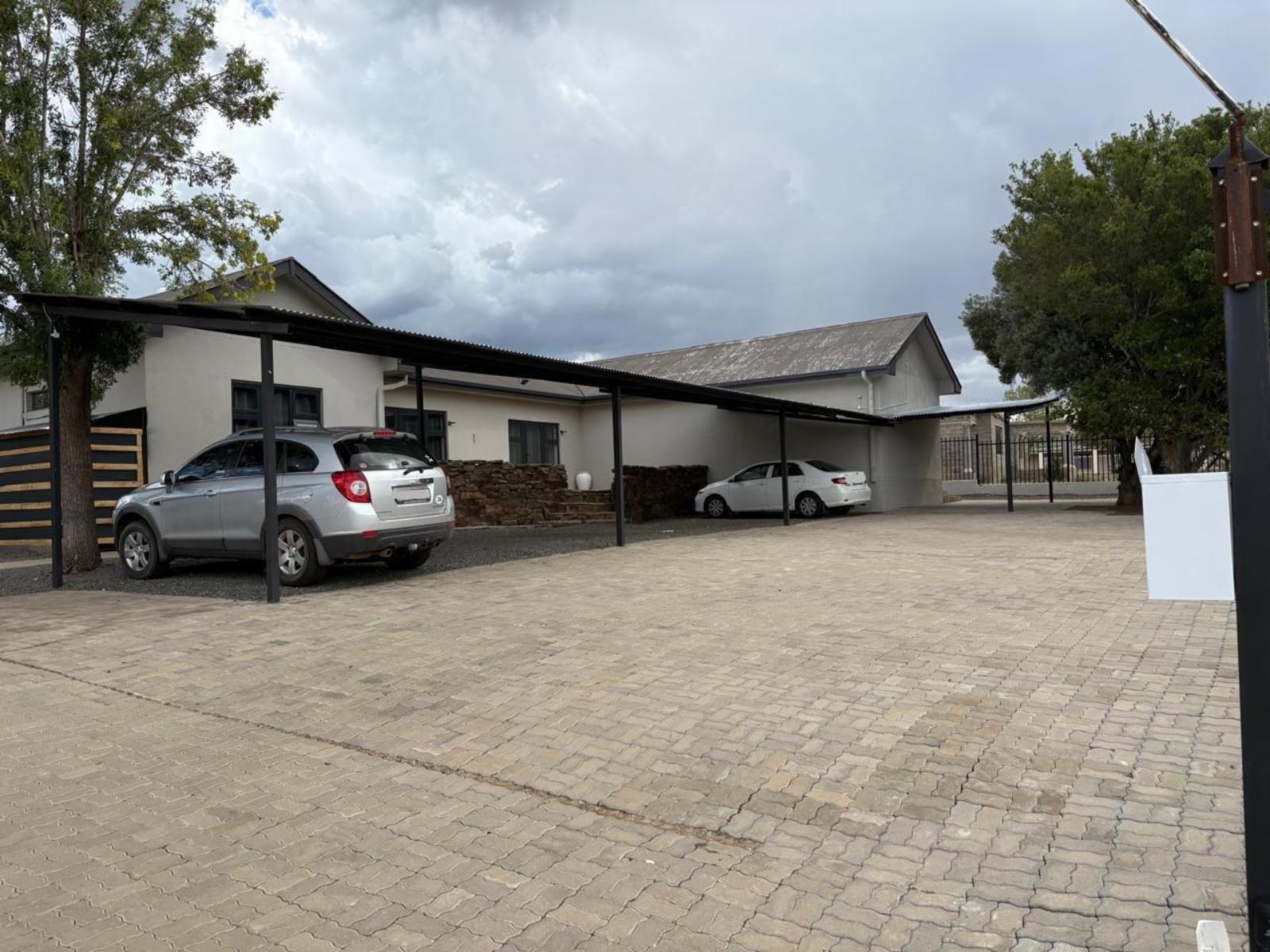
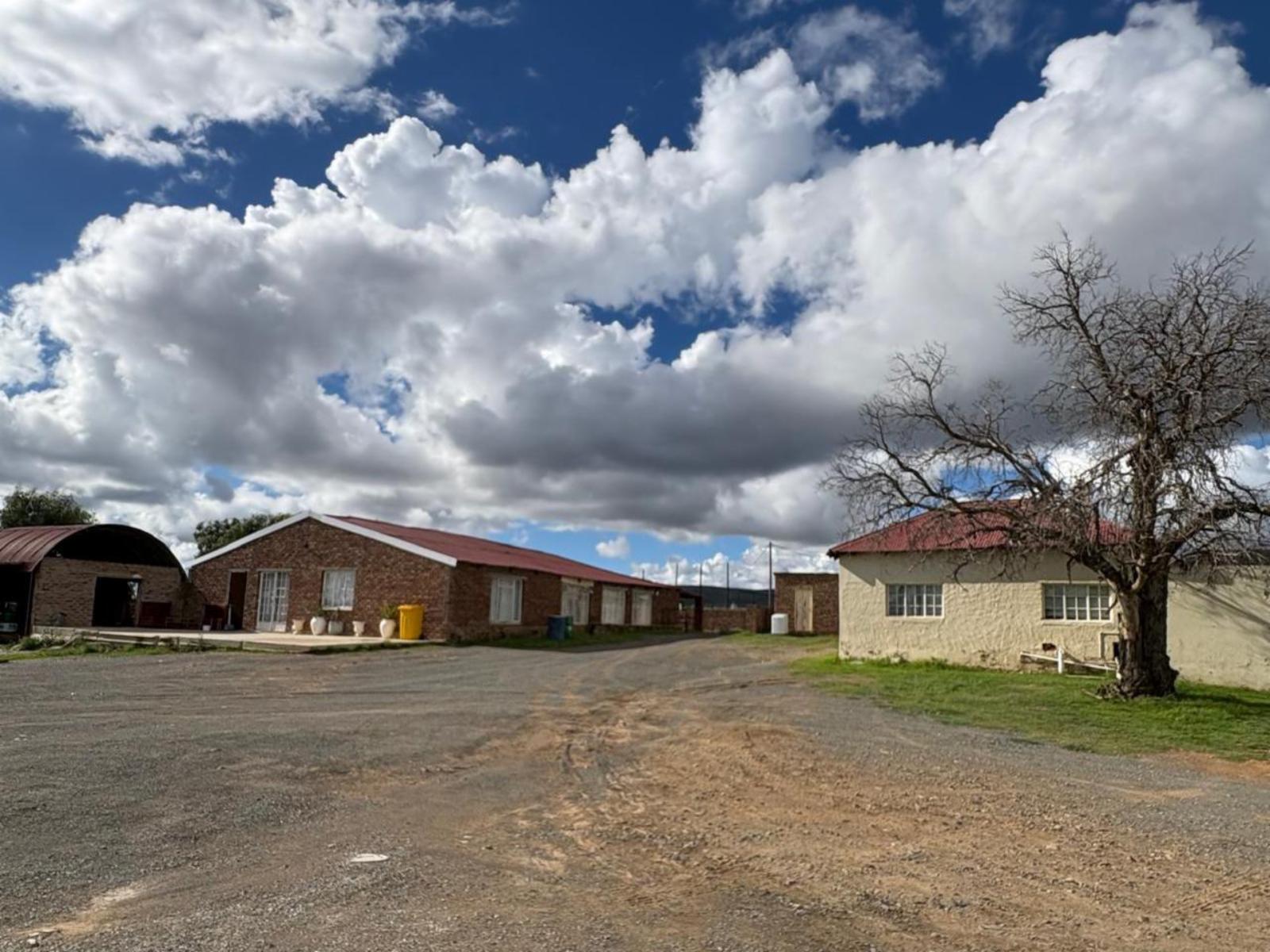
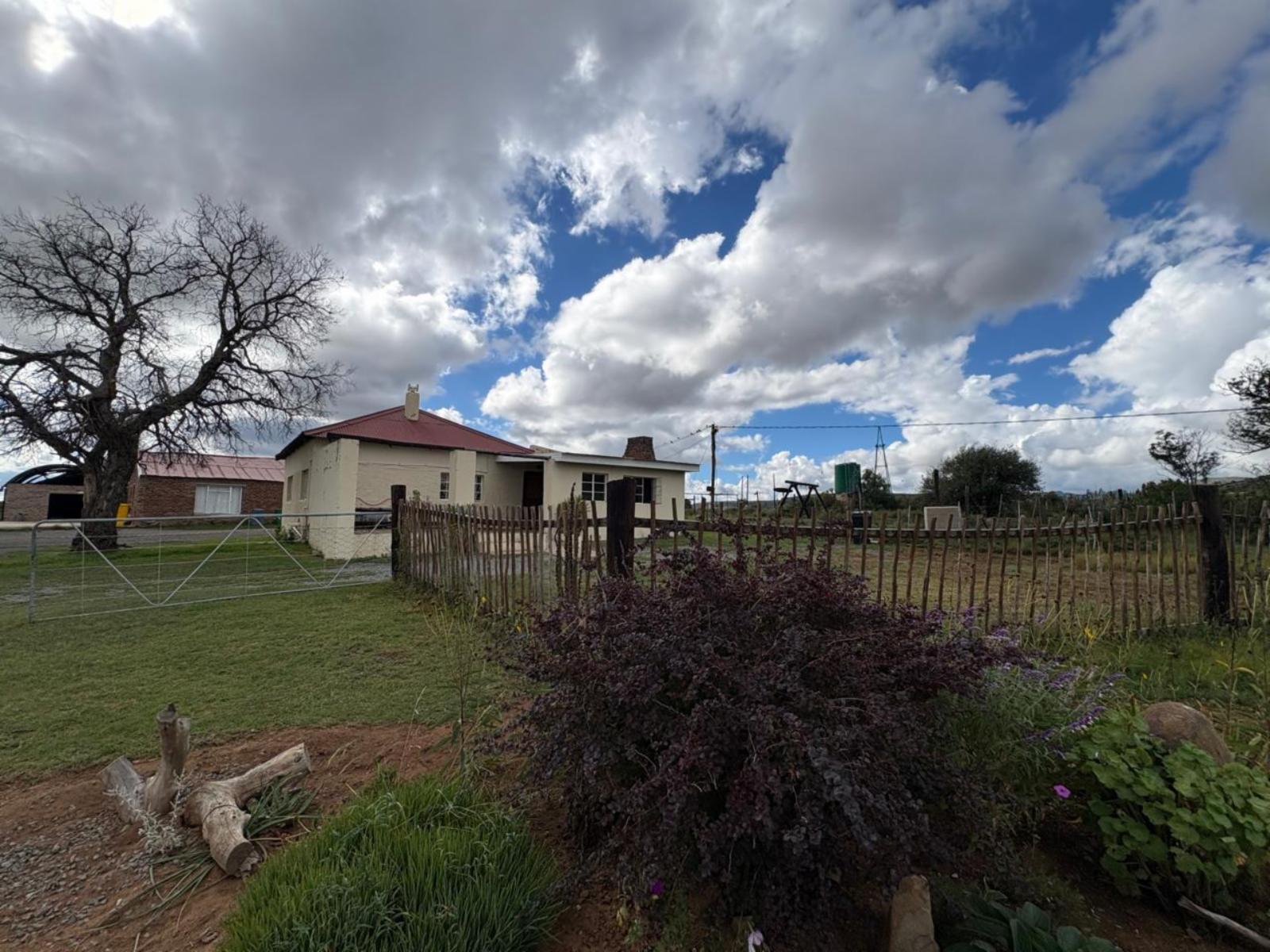
At the budget end, basic overnight rooms and self-catering units serve the practical traveller. These are typically family-run operations, and while standards vary, the tradition of Karoo hospitality tends toward straightforward and reliable service. Rooms are functional, and the experience is closer to staying with a local family than checking into a chain property.
Mid-range options step up to en-suite rooms with more amenities, and some establishments offer full breakfast. In this part of the world, that usually means a substantial cooked meal drawing on local lamb and Karoo produce, the kind that carries you well through a morning of driving. Some mid-range guesthouses occupy older buildings that reflect the town's late-19th-century origins, which gives them more character than their modest rates might suggest.
Upper-tier options in a town of Noupoort's size are limited rather than absent. Farm stays and guesthouses in the wider area can provide considerably more space and atmosphere than in-town alternatives. These suit visitors who intend to spend more than one night, with room to walk and no pressure to move on at checkout.
Current rates are not published centrally, so direct enquiry by phone is the practical approach. Because the number of properties is modest, booking ahead is sensible at any time of year. Walking in unannounced may work during quiet weekdays, but it is a risk not worth taking when you are hours from the next town.
Best Time to Visit Noupoort
The Upper Karoo operates on two seasonal extremes. Summer, from November through February, brings sustained heat, with temperatures regularly exceeding 35 degrees Celsius. The aridity makes it more bearable than humid coastal heat, but outdoor activity is best done early in the morning or in the evening. Afternoon thunderstorms occur, brief and dramatic, occasionally transforming the dry landscape overnight.
Winter is the sharper of the two seasons. From June through August, overnight frost is common, and cold fronts sweep through the Northern Cape with genuine force. Daytime temperatures in winter are often sunny and clear, which makes it the better season for walking the ancient rock formations of the surrounding Karoo, whose geology spans hundreds of millions of years. The winter night sky is another reason to visit during these months: low light pollution and dry air produce exceptional stargazing conditions, and the Milky Way is visible to the naked eye from almost anywhere in the area.
Spring, from September through October, offers moderate temperatures and the possibility of wildflowers following good winter rains. Autumn, March to May, is similarly temperate. Neither period generates a significant visitor peak, as Noupoort draws passing traffic year-round rather than destination tourists concentrated in any one season.
Getting to Noupoort
The N9 national road connects Noupoort westward to Middelburg in the Eastern Cape and eastward through the Karoo interior. For most travellers, the more familiar reference point is the N1, which passes through Colesberg 53 kilometres to the north, linking Cape Town (approximately 800 kilometres away) with Johannesburg (approximately 700 kilometres). The turn onto the N9 at Colesberg is the standard approach from either direction.
There is no commercial airport at Noupoort. The nearest airports with scheduled domestic services are Bloemfontein, roughly 250 kilometres to the northeast, and Gqeberha, formerly Port Elizabeth, approximately 340 kilometres to the southeast. The practical reality is that most visitors arrive by private vehicle, and the town's railway history is that: history. The station infrastructure that gave Noupoort its identity through the late 19th and 20th centuries is still visible, but passenger services on this route are infrequent and not practical for general travel.
Long-distance bus services on the N1 corridor stop at Colesberg rather than Noupoort itself. From Colesberg, onward road access requires private or chartered transport, as no regular shuttle connects the two towns. Travellers without a vehicle should confirm local arrangements before departure. Fuel is available in Noupoort, which matters on roads where the next station may be 80 kilometres away.
Noupoort and Surrounding Areas
Colesberg, 53 kilometres north, is the most functionally significant town in the region. It sits at the convergence point where the N1 meets the N9 and where traffic from the Western Cape, Eastern Cape, and Free State intersects. Its character is shaped by this crossroads function: busier, more commercially developed, and historically significant as a settlement with roots stretching back to early colonial-era land grants. Travellers using Noupoort as a base can easily make a half-day trip to Colesberg and back.
The localities further into the surrounding countryside are a different matter. Suurberg (64km), whose name translates as "sour mountain," is a farming district in the Karoo hinterland. The vegetation type associated with the name, sour grasses and dry shrub, has shaped grazing patterns here for generations, and the landscape is quintessentially sheep country.
Abelsruhe (68km) and Berseba (69km) sit within close range of each other and share a similar character. The name Berseba echoes the 19th-century missionary station naming conventions common across the Northern Cape, a history that gives these small localities a deeper timeline than their modest present suggests.
Fonteinplaas (70km) carries a name that translates directly as "fountain farm," pointing to the importance of a reliable water source in a landscape where springs and boreholes historically determined where settlement was viable. Kraaiplaas (71km), meaning "crow's place," sits at a comparable distance and reflects the same unadorned naming tradition of the region.
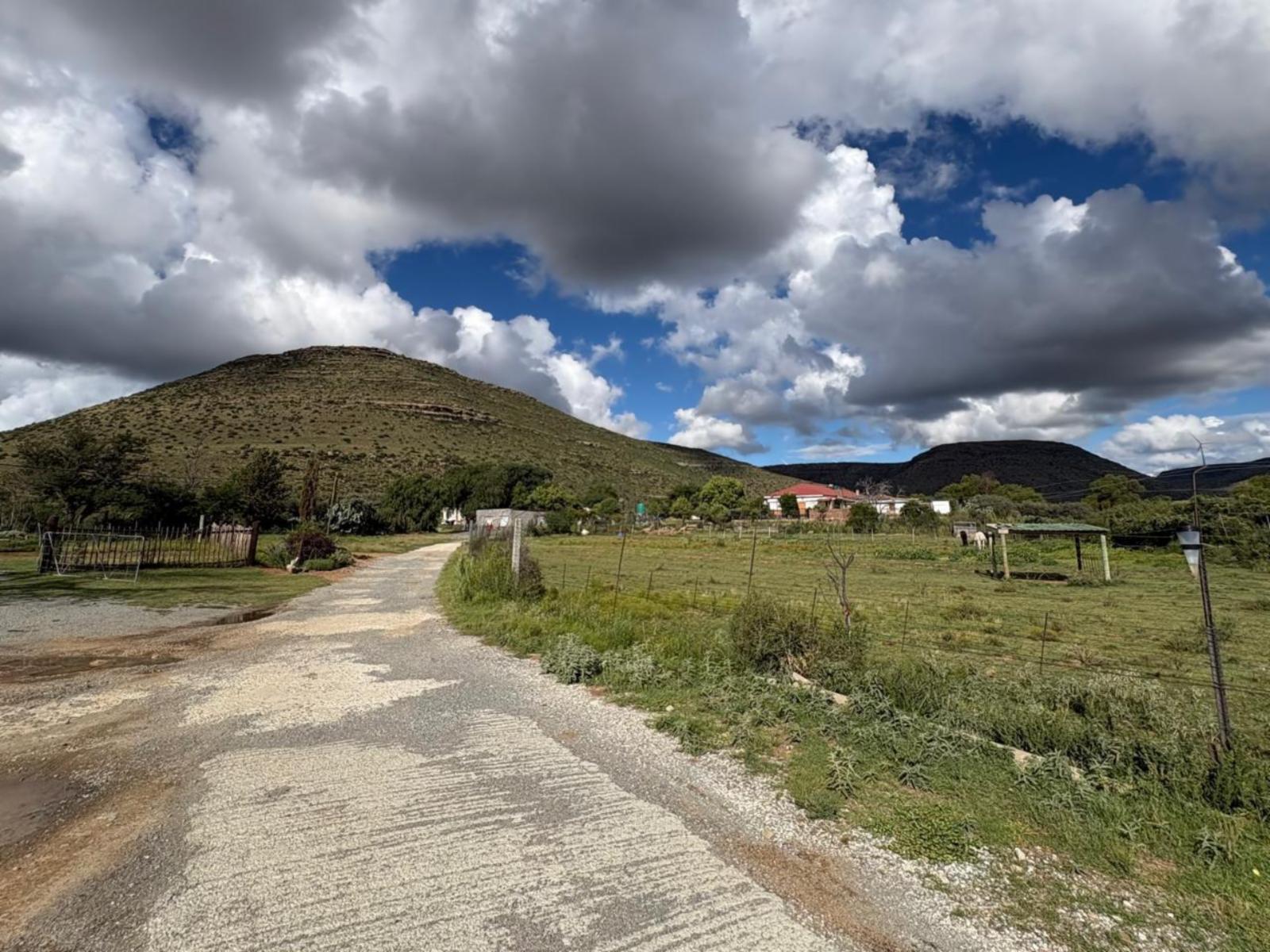
None of these destinations offer formal visitor infrastructure, but driving out to them along gravel roads gives a more complete picture of the working Karoo than the tarred routes allow. For visitors spending more than one night in Noupoort, they provide context for the landscape in a way that a single overnight stop cannot.
Planning Your Stay
Noupoort is not a place where a last-minute search on a major booking platform is likely to produce results. Finding accommodation requires some direct research: the Northern Cape tourism board maintains listings for smaller towns, and a phone call to a local guesthouse is often the most efficient route. When you do make contact, confirm check-in hours specifically. Small operators are often staffed only during defined windows, and arriving at 10pm without prior arrangement may leave you without access.
There is no strong booking season in Noupoort, but traffic along the N1 corridor increases noticeably over Easter and during the June-July school holidays. A few days' advance booking is sufficient for most of the year. Confirming the day before arrival is wise if your plans have changed, since a small property may re-let a room it believes is vacant.
If you intend to explore gravel roads in the surrounding area, ask your accommodation host about current road conditions. The Northern Cape's road updates are not always current online, but local knowledge is reliable. Standard vehicles manage most roads in dry weather, though a higher-clearance vehicle is useful if rain has fallen recently.
Carry cash. Card machines are present in Noupoort, but connectivity in small Karoo towns can be intermittent, and being caught without rand after a long day's driving is an avoidable inconvenience.