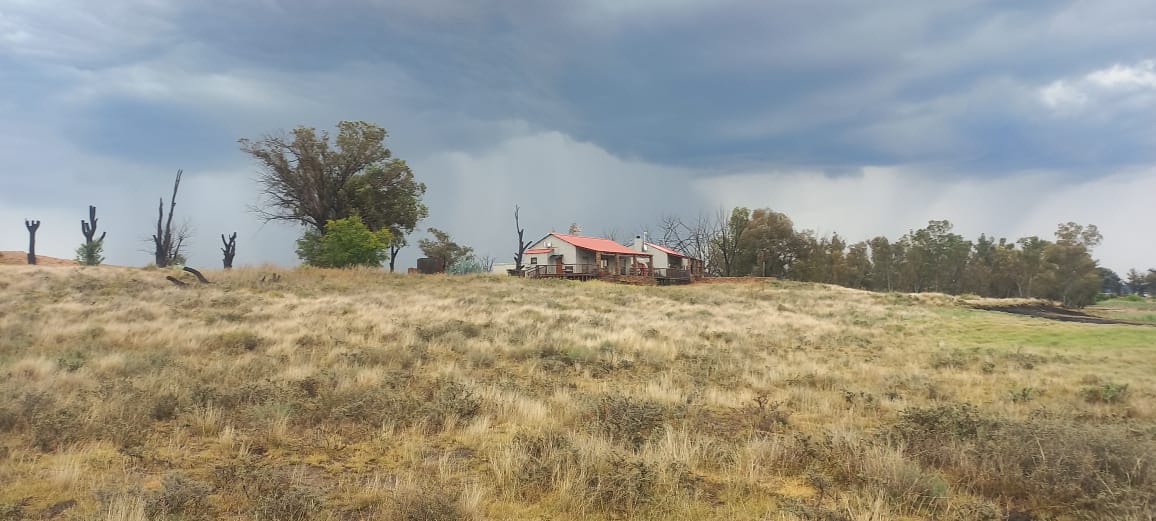
Accommodation in Berseba
Currently no properties are formally listed in Berseba, and price benchmarks for the area remain unestablished. This reflects the settlement's standing as a remote agricultural community rather than an organised tourist destination. Visitors planning to stay should approach accommodation as they would any working Karoo district: options are sparse and typically tied to the farming operations that define life here.
At the budget end of the spectrum, basic self-catering facilities on surrounding farms occasionally open to travellers who make prior arrangements directly with landowners. These are not polished tourism products but functional spaces, often in converted outbuildings or older farm cottages, where guests are expected to be self-sufficient. Bringing your own bedding, provisions, and cooking supplies is generally advisable, and the expectation is that you manage independently.
Mid-range options in the broader district tend to be farm stays offering a degree of comfort while remaining firmly rooted in the agricultural setting. Guests at these properties typically share meal times with the farming family, gain access to large tracts of open land, and experience the daily rhythms of the interior at close range. Rooms are clean and practical rather than designed for leisure, and the experience is shaped as much by the land as by the accommodation itself.
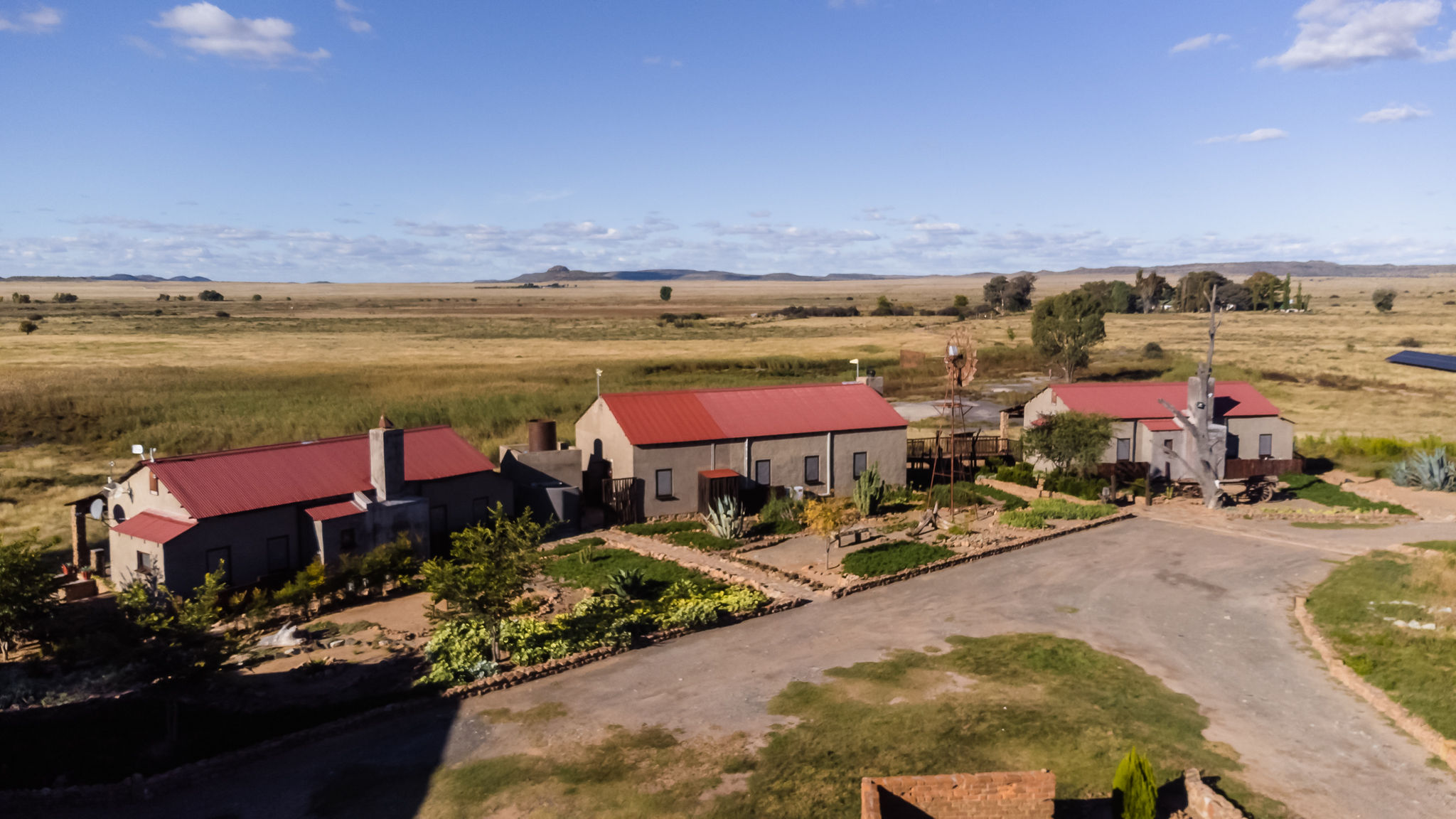
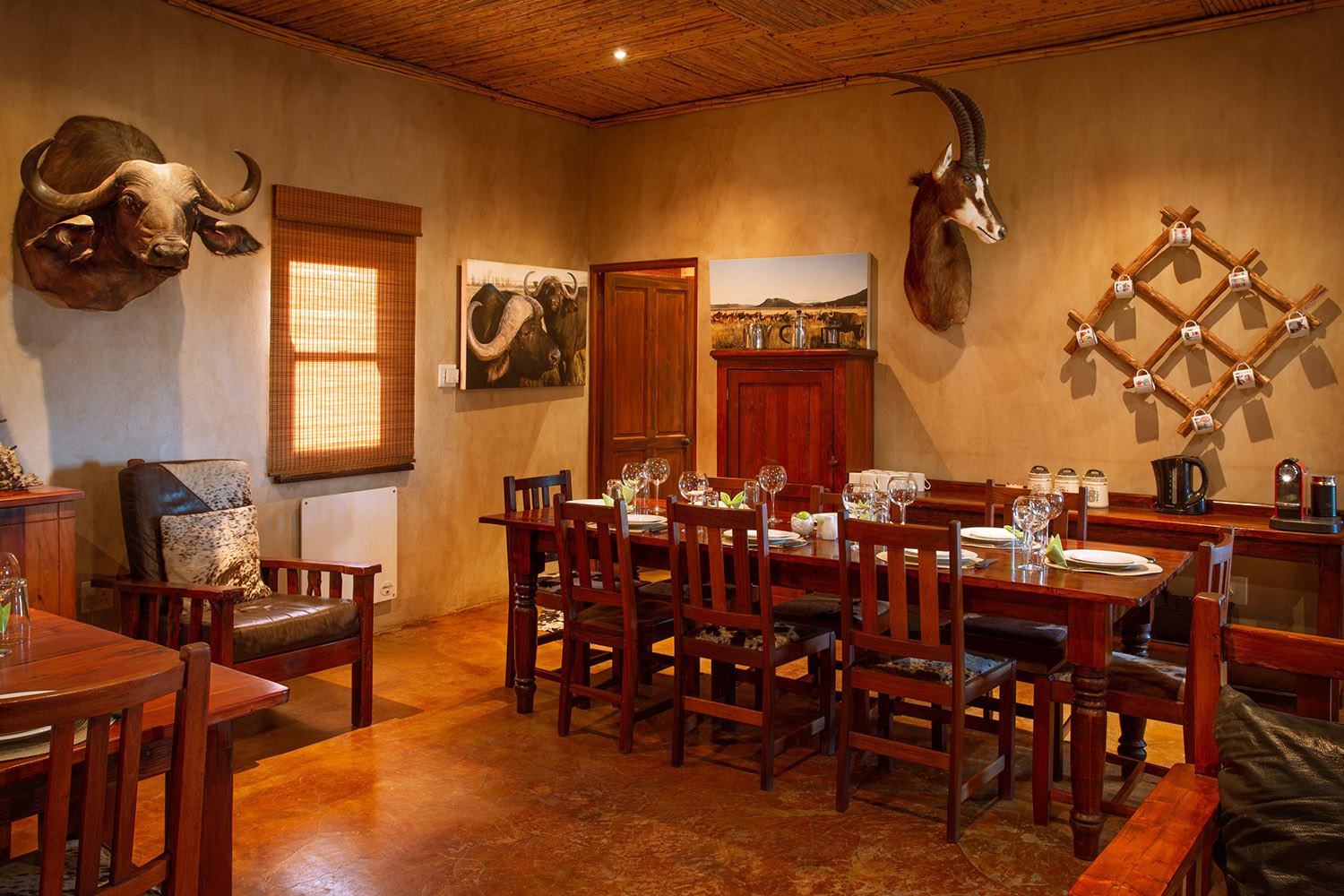
Upper-tier options, where they exist in the region, tend to take the form of renovated farmstead homesteads that have been adapted for guests without losing their period character. Stone floors, thick walls, and working fireplaces are common features. Many of the older buildings in this part of the Northern Cape date to the late 19th or early 20th century, reflecting the same missionary and colonial history that gave Berseba its origins as a London Missionary Society outpost.
Anyone seeking accommodation in Berseba should contact local farming communities well in advance. There is no walk-in infrastructure, no booking counter, and no commercial guesthouse district. Securing a place to stay means making direct contact and confirming arrangements before departure.
Best Time to Visit Berseba
The Northern Cape Karoo operates on temperature extremes, and the season you choose has a significant effect on what the visit is actually like.
Summer months from November through February bring intense heat, with afternoon temperatures frequently exceeding 40°C in the interior. Travel during this period demands careful planning. The practical windows for any outdoor activity narrow to early morning and late afternoon, and those not accustomed to dry heat may find the middle of the day difficult to manage without adequate shade and water.
Spring and autumn offer the most balanced conditions. Temperatures are moderate, the light across the flat terrain is sharp and specific, and the landscape settles into a quality that photographers and painters working the Karoo consistently seek out. Wildflowers after good winter rains can transform the broader region, though Berseba sits outside the formal Namaqualand flower routes and bloom timing is never guaranteed.
Winter, from June through July, brings cold nights and occasional frost. Days are typically mild and clear. Low humidity and almost no cloud cover make this the best season for night sky observation, which is one of the area's genuine draws given its distance from any urban light source. Visitors with an interest in the region's older architecture and historical character will also find the cooler months more comfortable for walking and exploring on foot.
There is no formal tourist peak season in Berseba. School holidays see some increased traffic along Northern Cape routes, but the town itself experiences no corresponding pressure on facilities or availability.
Getting to Berseba
Berseba is accessible by road but requires deliberate planning to reach. The nearest major airport is Upington, roughly 250 kilometres to the northwest, which handles domestic flights from Johannesburg and Cape Town. Kimberley Airport serves the eastern part of the province and is an alternative for travellers approaching from that direction, though it adds considerable driving time through the interior.
From Cape Town, the most direct route runs north on the N1 to Three Sisters, then branches onto secondary roads heading northeast into the Karoo. The drive takes approximately six to seven hours under normal conditions. From Johannesburg, travellers typically approach via the N12 or N14 through Kimberley, with a comparable journey time of around seven hours depending on road conditions and pace.
Prieska, approximately 80 kilometres to the northwest, is the nearest town with a reliable fuel station, a pharmacy, and grocery shops. Filling the tank and purchasing provisions there before heading to Berseba is essential rather than optional. Fuel availability in Berseba itself is unreliable, and the distance back to Prieska makes running low a genuine problem.
Public transport does not serve this area. Self-drive is the only practical means of arrival. A four-wheel-drive vehicle is not strictly required on the main access roads under dry conditions, but sections of gravel track can deteriorate significantly after rain, and a vehicle with reasonable ground clearance is strongly recommended. Offline navigation maps should be downloaded before departure, as mobile signal is patchy throughout the district.
Berseba and Surrounding Areas
The settlements and farming districts within 30 kilometres of Berseba all share the same Karoo agricultural foundation, with each offering a slightly different aspect of the interior for travellers using Berseba as a base.
Abelsruhe, 8 kilometres away, is a private landholding typical of the large farm estates that cover this part of the Northern Cape. It is not a formal tourist destination, but travellers with an interest in the region's pastoral history may find it worth arranging a visit through direct contact. The surrounding terrain is characteristic Karoo scrubland, open and largely unaltered.
Stoneleigh, at 11 kilometres, carries a name that reflects the English-influenced farm-naming conventions of the colonial period in this district. For those interested in place names as a window into settlement history, the contrast between English farm names and the Afrikaans ones nearby tells a layered story about who farmed this land and when.
Brandpoort and Suurberg, both approximately 25 kilometres from Berseba, lie deeper into the interior. Suurberg's name translates as "sour mountain" in Afrikaans, a practical description of the low hills' vegetation character, typical of areas where soil acidity limits what livestock can graze. Both these districts represent pastoral farming country that has continued largely on its own terms for well over a century.
Venterstad, 26 kilometres from Berseba, is the most substantial settlement in this cluster. It sits in relation to the Orange River and carries a different feel from the dry interior farms, with the river providing both geographic orientation and a degree of relief from the surrounding aridity. Basic services are available there, and the contrast with the landscape between the two points makes the drive itself worthwhile.
Geduldfontein, also at 26 kilometres, translates from Afrikaans as "patience spring" or "patience fountain." The name reflects the historical dependence on natural water sources across the dry plains, a preoccupation that shaped where farms were established and how they developed. It functions as working agricultural land and stands as a clear example of how water geography has determined settlement patterns across this corner of the country.
Planning Your Stay
Arranging a visit to Berseba takes more groundwork than most South African rural destinations. Properties in the area are not bookable through standard online platforms, which means direct contact with local farm owners is the primary path to securing a place to stay. Reaching out several weeks before your intended arrival date is sensible, both to confirm availability and to give farming households adequate preparation time.
Before confirming any arrangement, clarify what is included. Bedding, cooking equipment, firewood for cold evenings, and the source of drinking water are all practical questions worth asking directly and upfront. Mobile connectivity is limited throughout the area, so exchanging a landline number where possible provides a more reliable means of communication closer to the date.
All provisions and any medication should be purchased before arriving in the area, as resupply options once you are there are minimal. Carry water and emergency food supplies as a standard precaution on any drive beyond the last reliable fuel point.
For those travelling from a distance, building some flexibility into the itinerary is worthwhile. Gravel road conditions vary after rain, mobile navigation can be unreliable, and rural South Africa has a way of generating unexpected detours that are far easier to absorb with a buffer day. Travel insurance that specifically covers remote or rural areas is worth checking before departure, particularly for longer stays or trips involving older vehicles.