Accommodation in Maclear
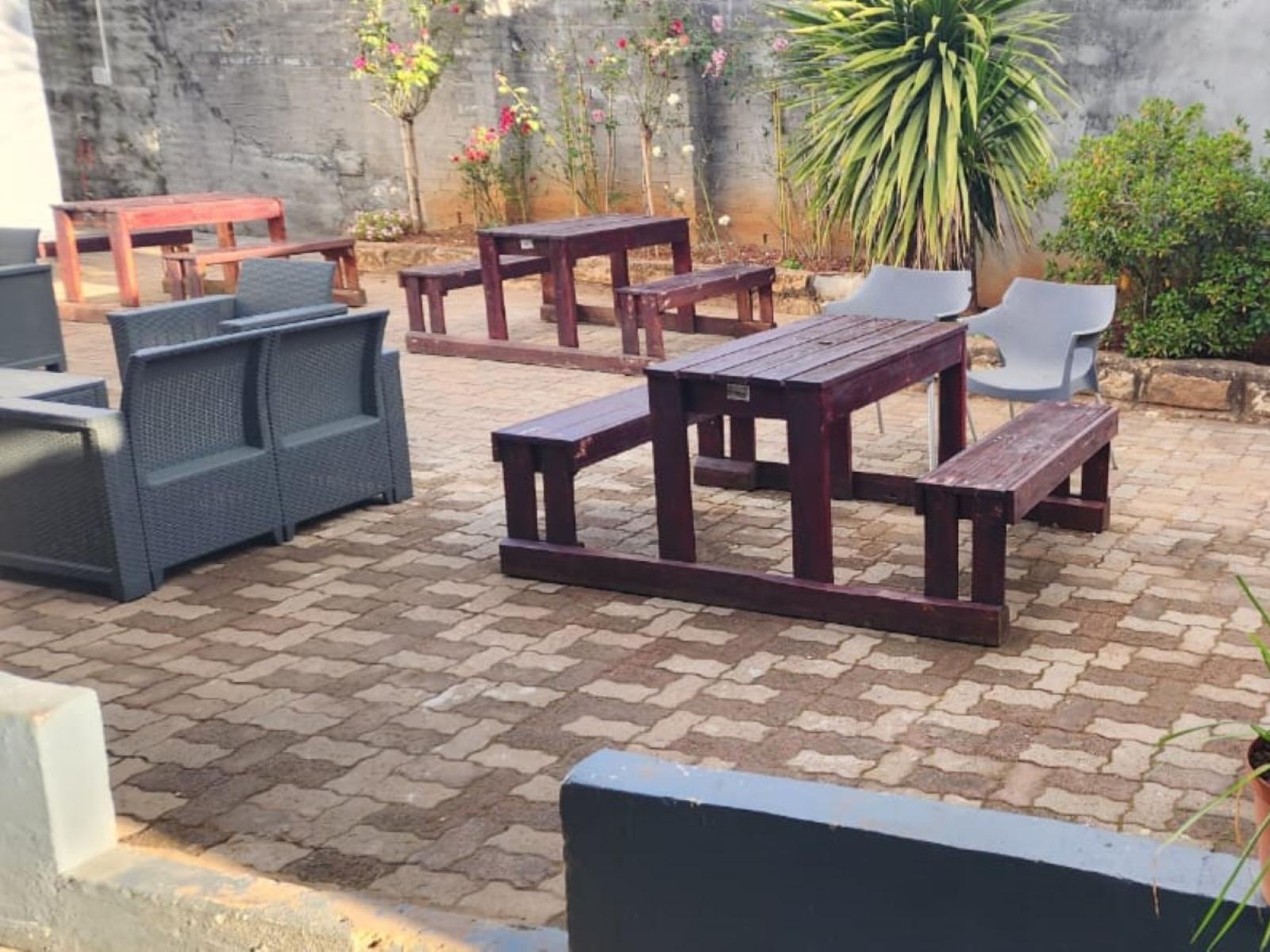
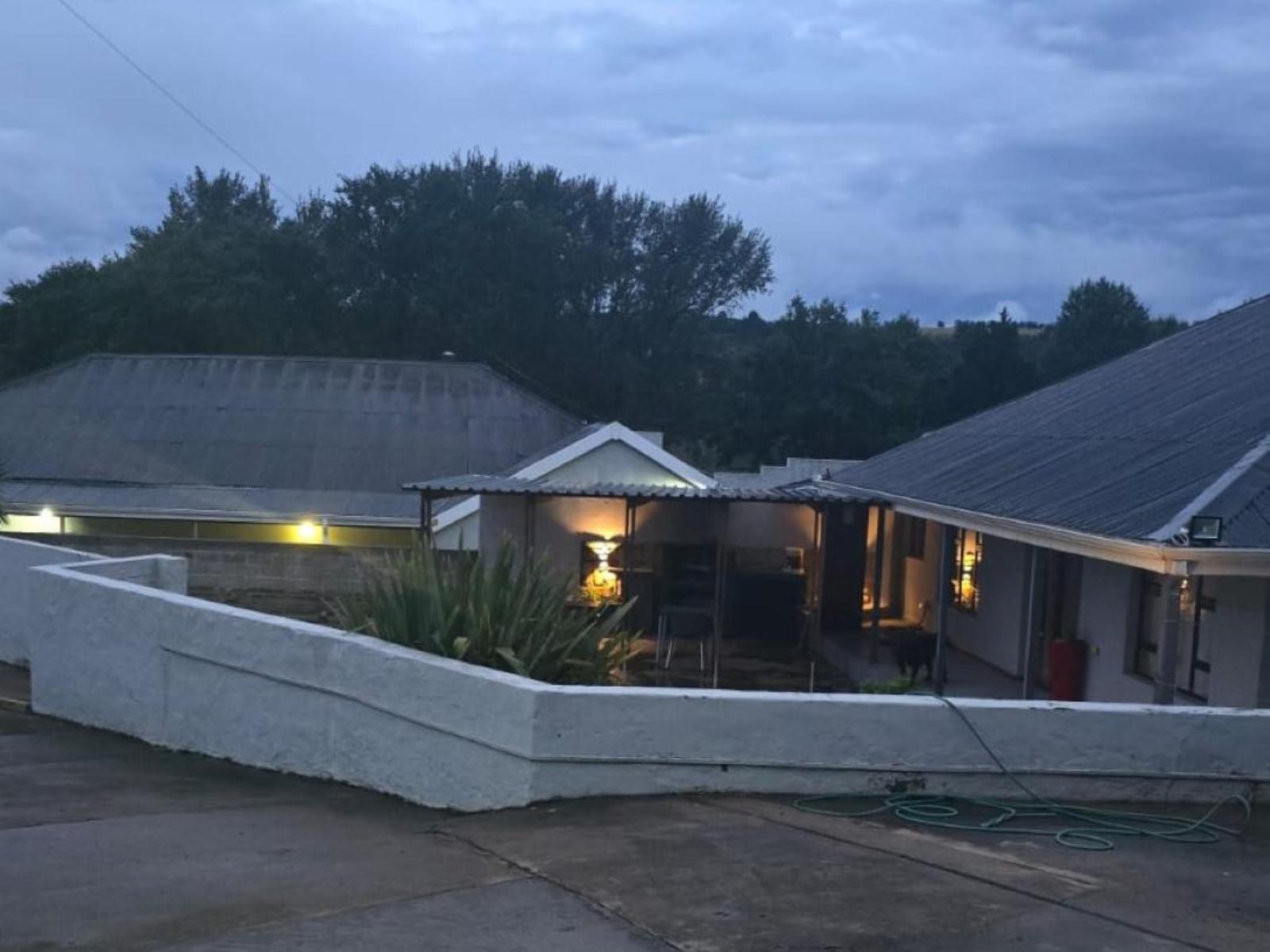
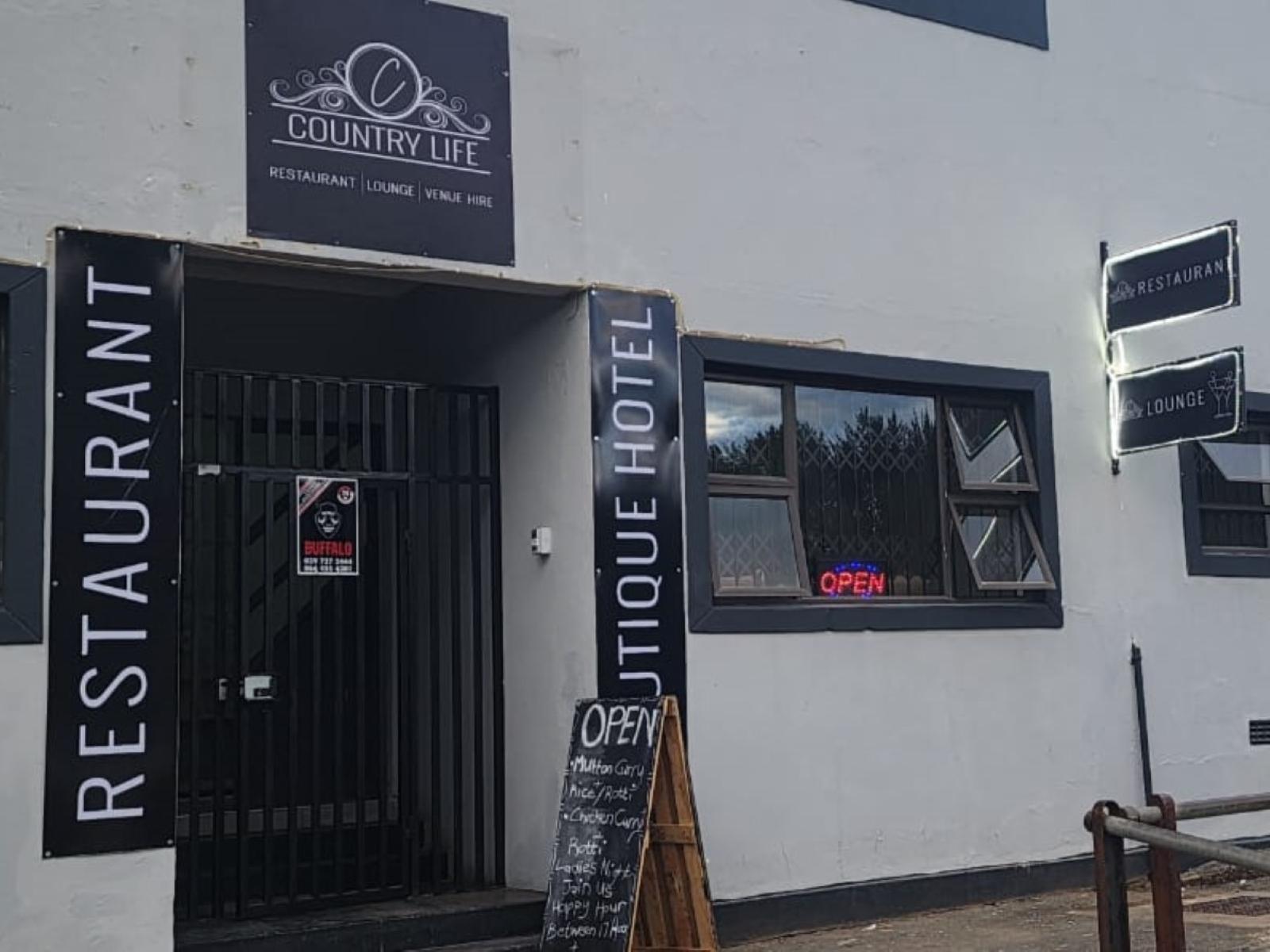
With no properties currently listed on major booking platforms, accommodation in Maclear operates largely through direct contact with local establishments. The town offers a modest but functional range of options that have historically served travellers passing through or using Maclear as a base for the surrounding Eastern Cape highlands.
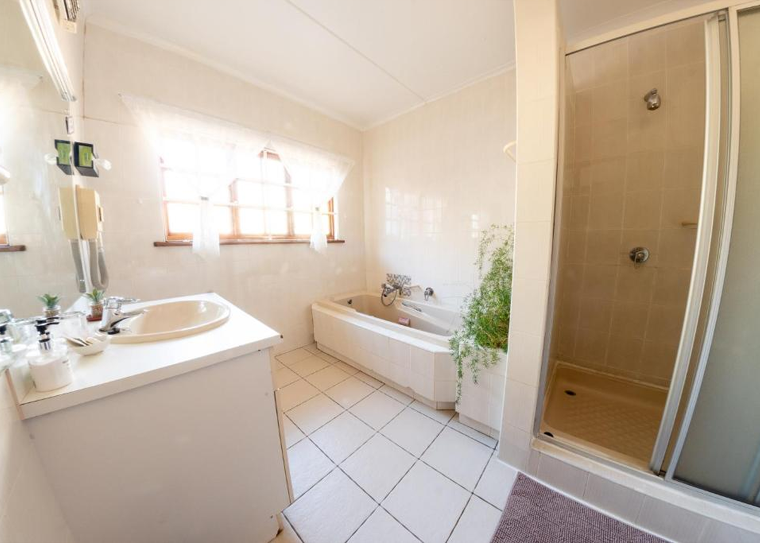
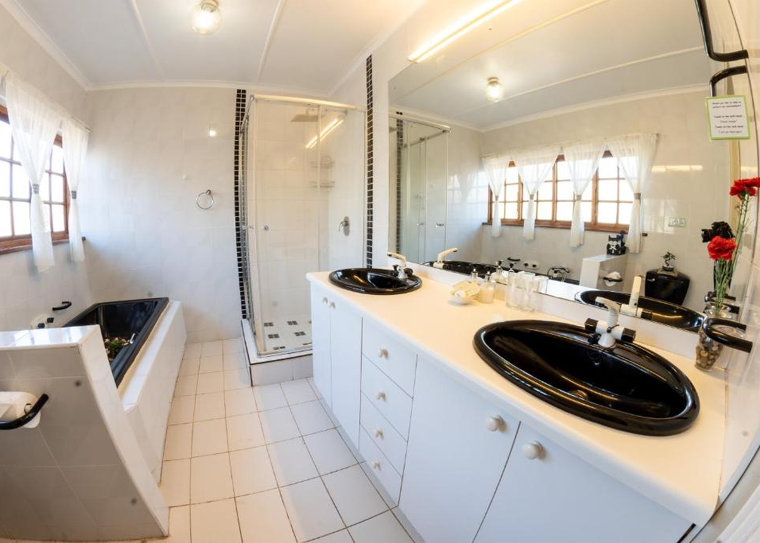
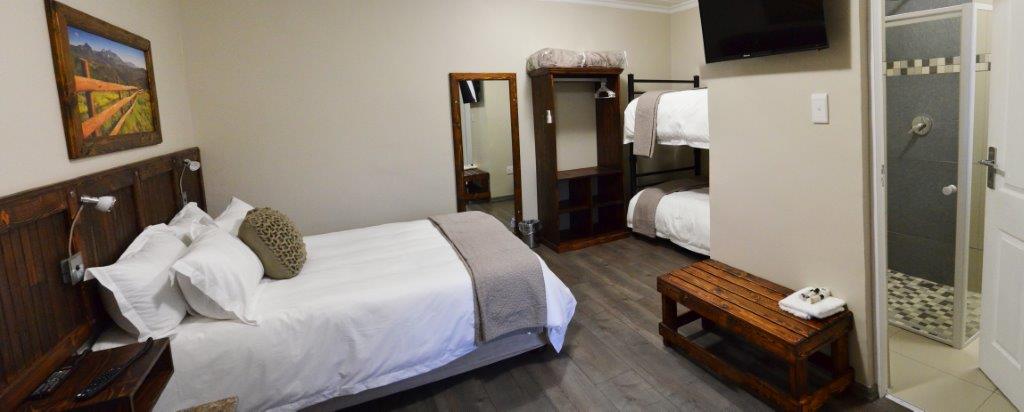
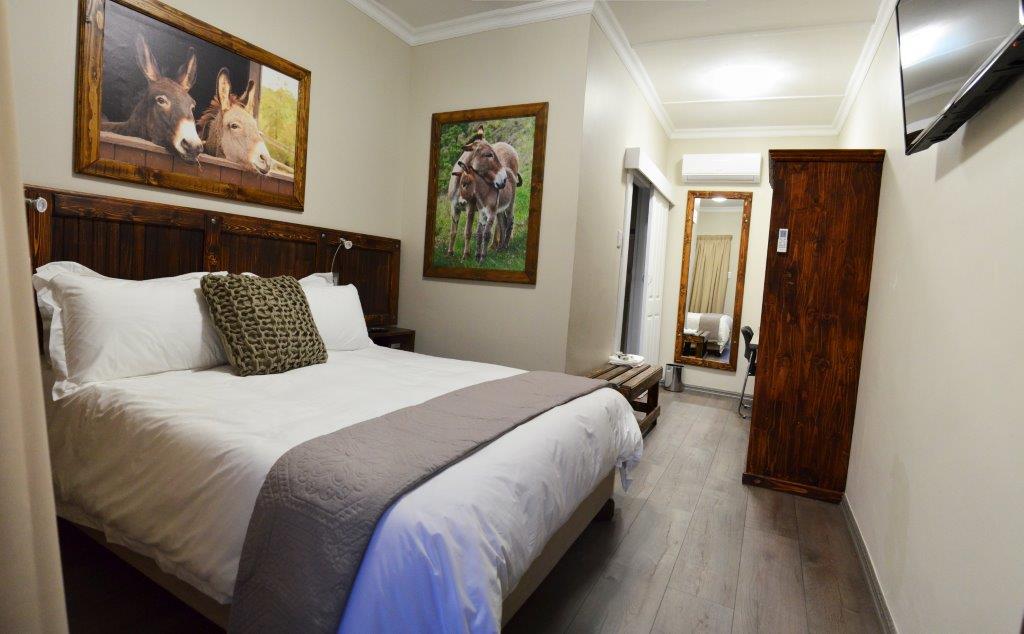
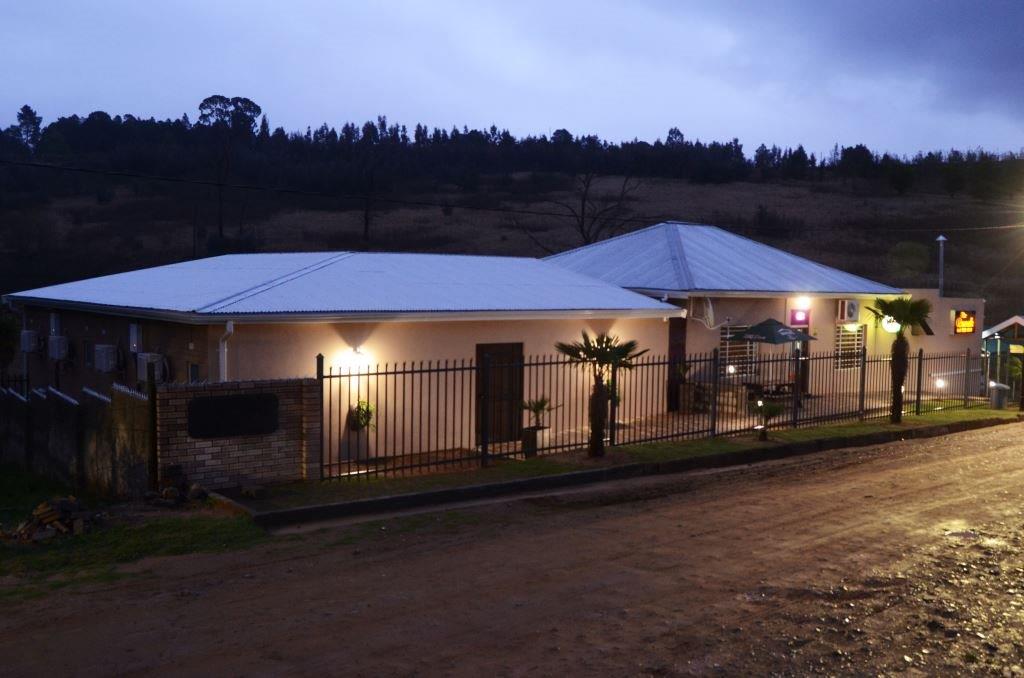
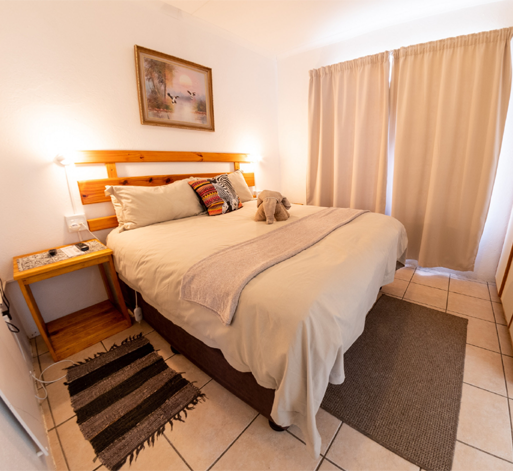
At the budget end, simple guesthouses and backpacker-style rooms provide basic facilities. These tend to be family-run operations where meals are included or available on request, and the owners often serve as informal guides to the area. The rates reflect the rural setting and practical approach to hospitality rather than any attempt at premium positioning.
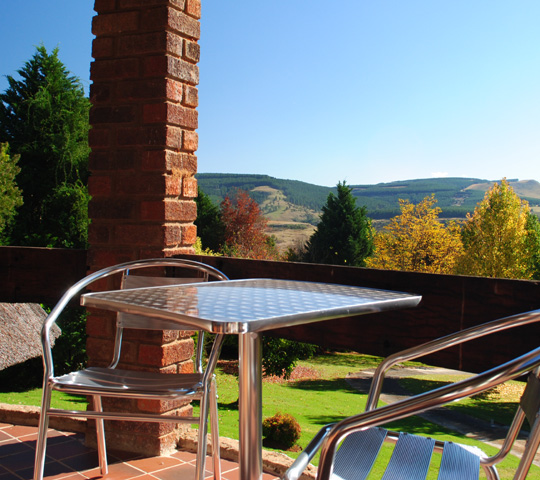
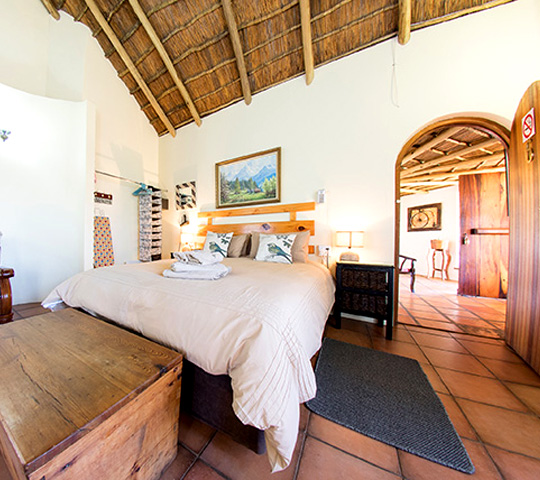
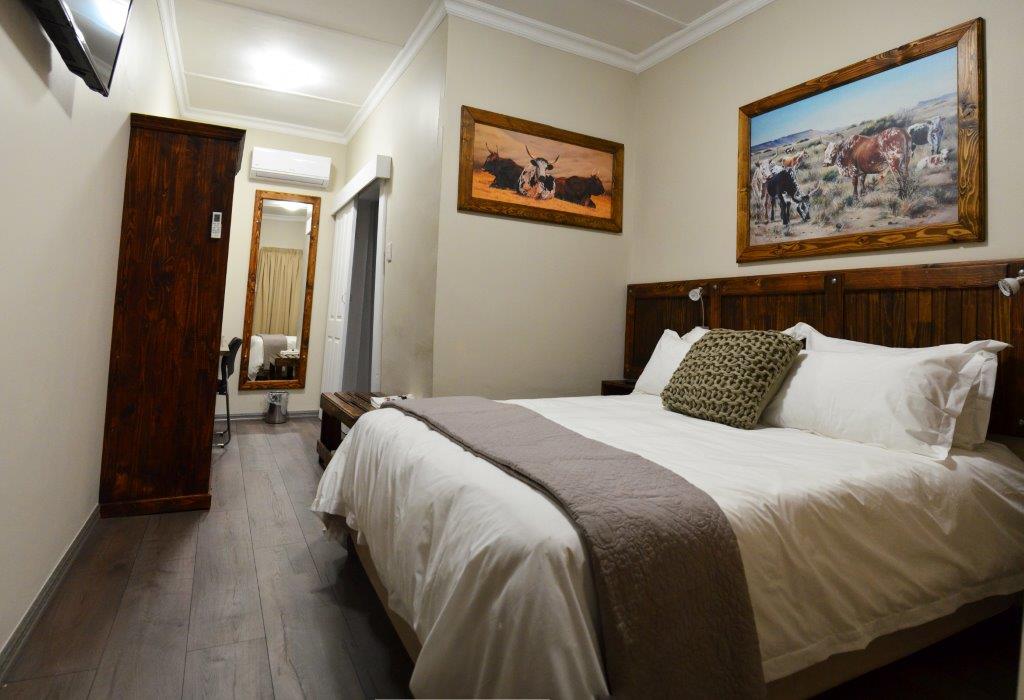
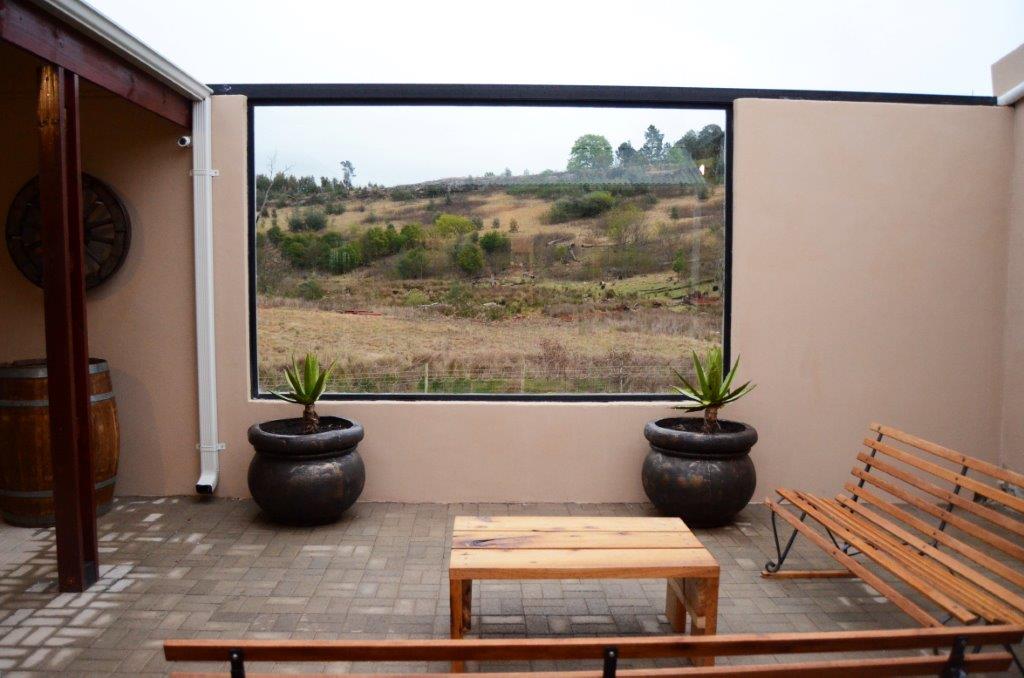
Mid-range travellers will find farm stays the most characterful option. The surrounding farmland has produced a number of working farms that take in guests, offering a more immersive experience of the Eastern Cape interior. Rooms on these properties are comfortable without being elaborate, and activities like fishing on private river stretches or walks along farm boundaries often come included. Self-catering cottages on private land also fall into this tier, giving families or groups more independence with cooking and scheduling.
For those wanting something a step above the standard guesthouse, a handful of more established country inns and lodges exist in the broader district. These typically offer guided trout fishing, horse riding, and home-cooked meals in a traditional South African country lodge style, oriented around outdoor activity rather than luxury amenities.
Because listings data is not currently available for Maclear through major aggregators, contacting the local tourism office directly or searching smaller regional directories will give a clearer picture of what is operating. The town is small enough that options fill quickly during school holidays and long weekends, so early contact with specific properties is advisable, particularly for farm stays that may have only two or three rooms available.
Best Time to Visit Maclear
Maclear sits at a moderate elevation in the Eastern Cape highlands, which gives it a noticeably different climate from the coastal regions. Summers, roughly October through March, bring warm days and frequent afternoon thunderstorms. The rain keeps the landscape green and rivers running well, which suits anglers and hikers who prefer lush conditions, but wet-weather gear is essential for any extended outdoor activity during this period.
Winter, from May to August, is the preferred season for most visitors. Days are dry and clear, temperatures are pleasant in the afternoon, and nights can drop sharply toward freezing, particularly at higher elevations nearby. This is the best time for trout fishing, as rivers run clearer and lower, and for birdwatching, when fewer leaves obscure sightlines through the riverine bush.
Spring, September to October, offers a middle ground, with wildflowers appearing across the hillsides and weather becoming increasingly reliable. The area is least crowded during autumn and early winter outside of the South African school calendar. The June and July school holiday period, along with Easter and December, sees the most demand on regional accommodation. Visitors with schedule flexibility should aim for May through early June, or late August, to find both good conditions and fewer competing bookings.
Getting to Maclear
The nearest commercial airport is East London Airport, approximately 300 kilometres to the south-east, with regular flights from Johannesburg, Cape Town, and Durban. From East London, the drive to Maclear takes around three to four hours, primarily via the R56 and R396 through the Eastern Cape interior.
From Johannesburg, the journey covers roughly 700 kilometres, typically seven to eight hours depending on the route through the Drakensberg foothills or via Bloemfontein. Durban is closer at around 450 kilometres, following the N3 south before cutting inland. The R396 is the main access road into Maclear, connecting it toward Rhodes to the north-east and Elliot to the south-west.
Roads within town are tarred and well maintained. Routes to outlying farm accommodation and some scenic areas turn to gravel and benefit from a vehicle with reasonable ground clearance, especially after rain.
There is no scheduled public transport directly serving Maclear. Shared taxis operate regionally and can be joined from Elliot or other surrounding towns, but require local knowledge and flexibility. For most practical purposes, a private vehicle is necessary, both to reach the town and to move around once there, particularly for any activity that takes you outside the immediate centre.
Maclear and Surrounding Areas
Nqanqarhu, effectively within walking distance of Maclear at around one kilometre, is the township component of the broader municipal area. The two settlements are functionally integrated, and Nqanqarhu is where much of the everyday community life takes place, from informal trade to local food. Visiting both parts of the town gives a more complete picture than the main commercial strip alone.
Rhodes, 48 kilometres away along mountain roads, is one of the most distinctive small settlements in the Eastern Cape. It draws fly-fishing enthusiasts to the Bokspruit River and surrounding mountain streams, which are among the better trout waters in the province. The village also sits close to Tiffindell, the highest ski resort in Africa, which operates during winter snowfall, typically June through July. The drive from Maclear to Rhodes passes through genuinely dramatic highland terrain and justifies the journey on its own terms, even without a specific destination in mind.
Gqaka, at 55 kilometres, is a rural area representing the working agricultural character of the broader district. It receives few visitors relative to Rhodes and does not offer established tourist infrastructure, but it suits travellers looking for a specific destination beyond the managed experience. The surrounding farming country here is typical of the Eastern Cape midlands.
Elliot and Khowa refer to the same town, 56 to 57 kilometres from Maclear, known by its former colonial name and its current official designation respectively. The town functions as the regional service centre for the area, offering more extensive shopping, banking, fuel, and medical facilities than Maclear itself. It is also a useful staging point for routes heading toward the central Eastern Cape or the Wild Coast to the south-east.
Planning Your Stay
Given that Maclear's accommodation does not feature extensively on mainstream booking platforms, the most reliable approach is direct contact with individual properties, either by phone or email. Searching regional South African accommodation directories and tourism association listings will turn up options that broader aggregators miss.
Before confirming any booking, establish whether the property includes meals. Self-catering options may require you to bring significant supplies from outside, as Maclear's local shops cover basics rather than specialist or bulk groceries. A supply run through Elliot on the way in avoids gaps. Fuel in town is generally available, but filling up before taking gravel roads into the surrounding areas reduces the chance of inconvenience.
If trout fishing is the primary purpose of the visit, confirm whether the property holds water rights or has arranged access to a private stretch of river. Much of the better fishing is on privately controlled land and requires prior arrangement rather than a general licence.
Mobile coverage on the major South African networks is functional within Maclear town but drops along many of the surrounding farm roads. Downloading offline maps before you arrive is practical. Medical and emergency services for the broader district are based in Elliot, so it is worth noting the relevant contact numbers before heading out on more remote excursions.