Mthatha Reis- & Akkommodasiegids
Jou volledige gids om Mthatha, Suid-Afrika te besoek.
Mthatha serves as the main urban center of the Eastern Cape's former Transkei region and acts as an important commercial hub for the surrounding rural communities. The town holds significance as the birthplace of Nelson Mandela and offers visitors a gateway to exploring the cultural heartland of the amaXhosa people.
## Accommodation in Mthatha
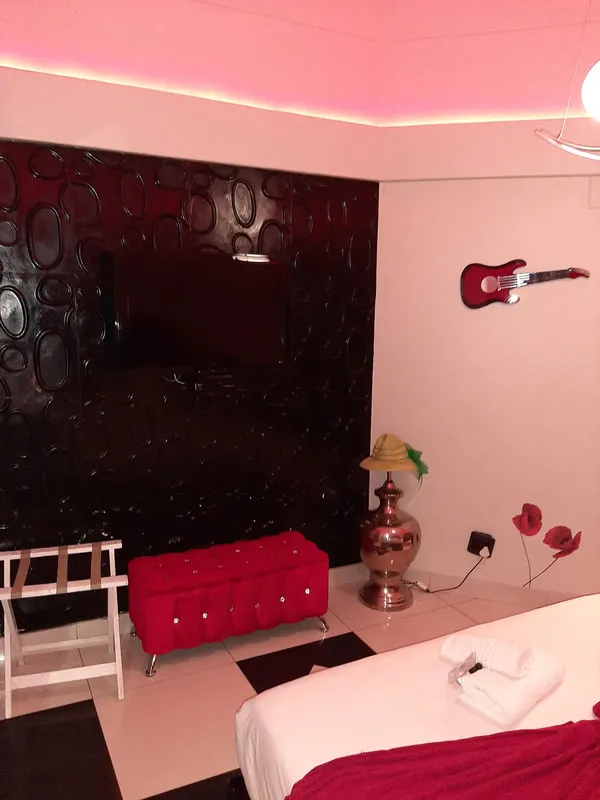
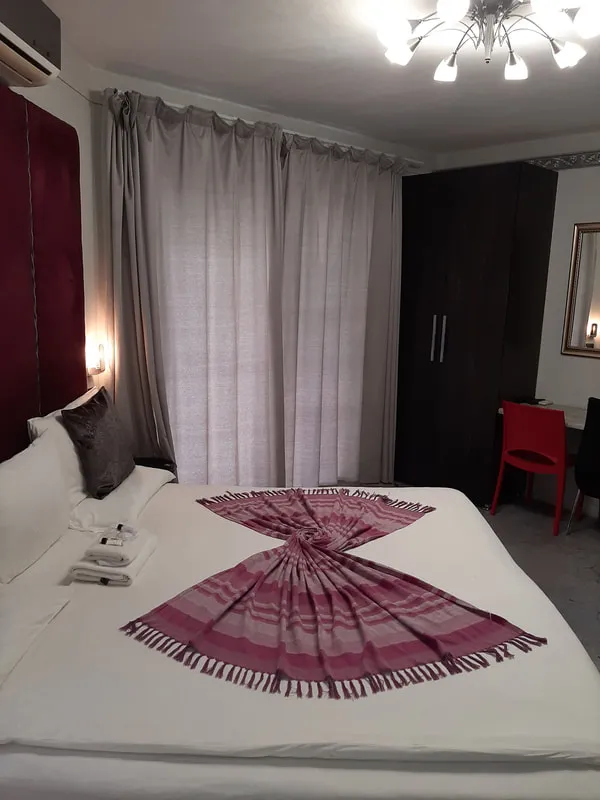
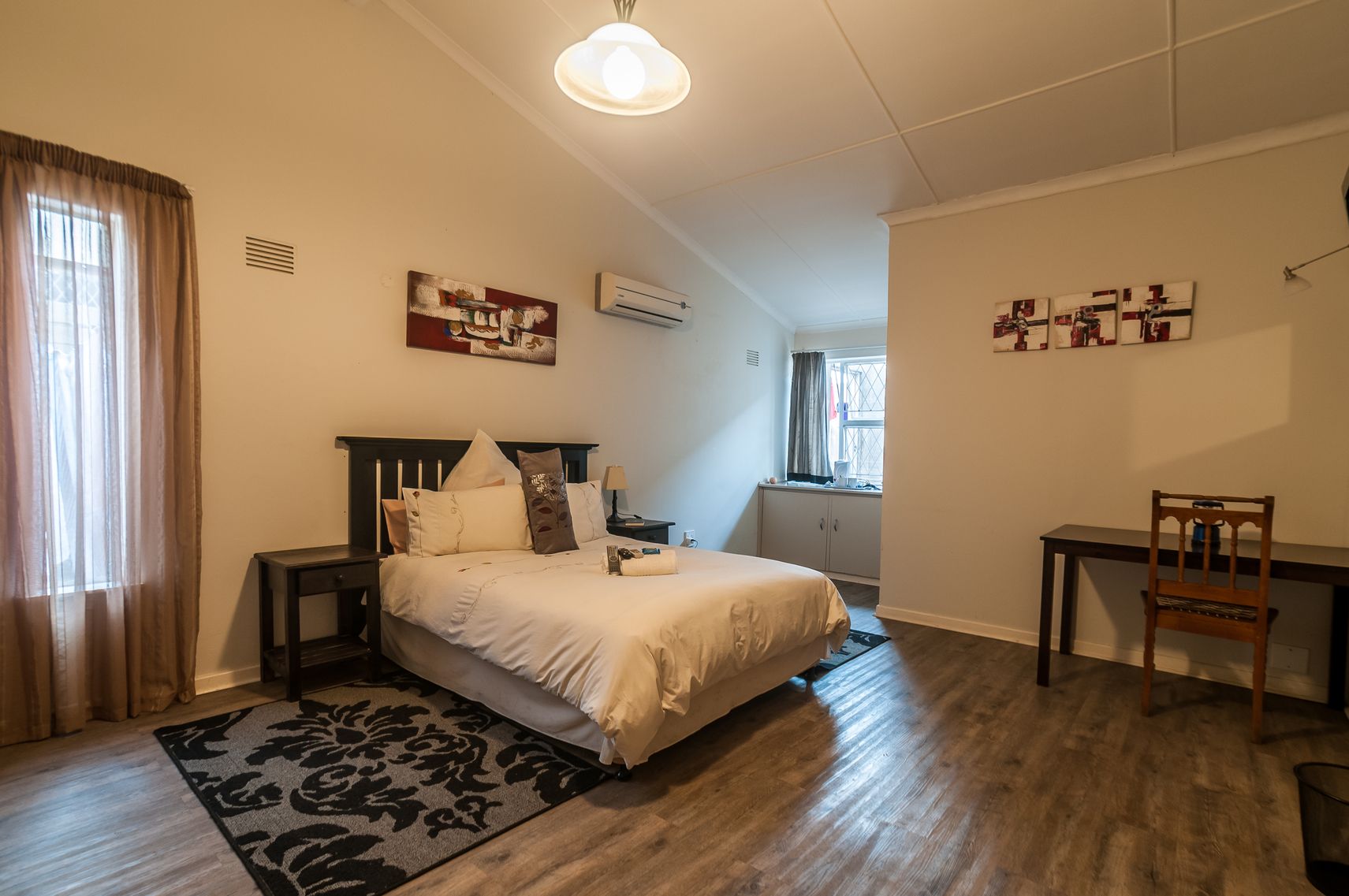
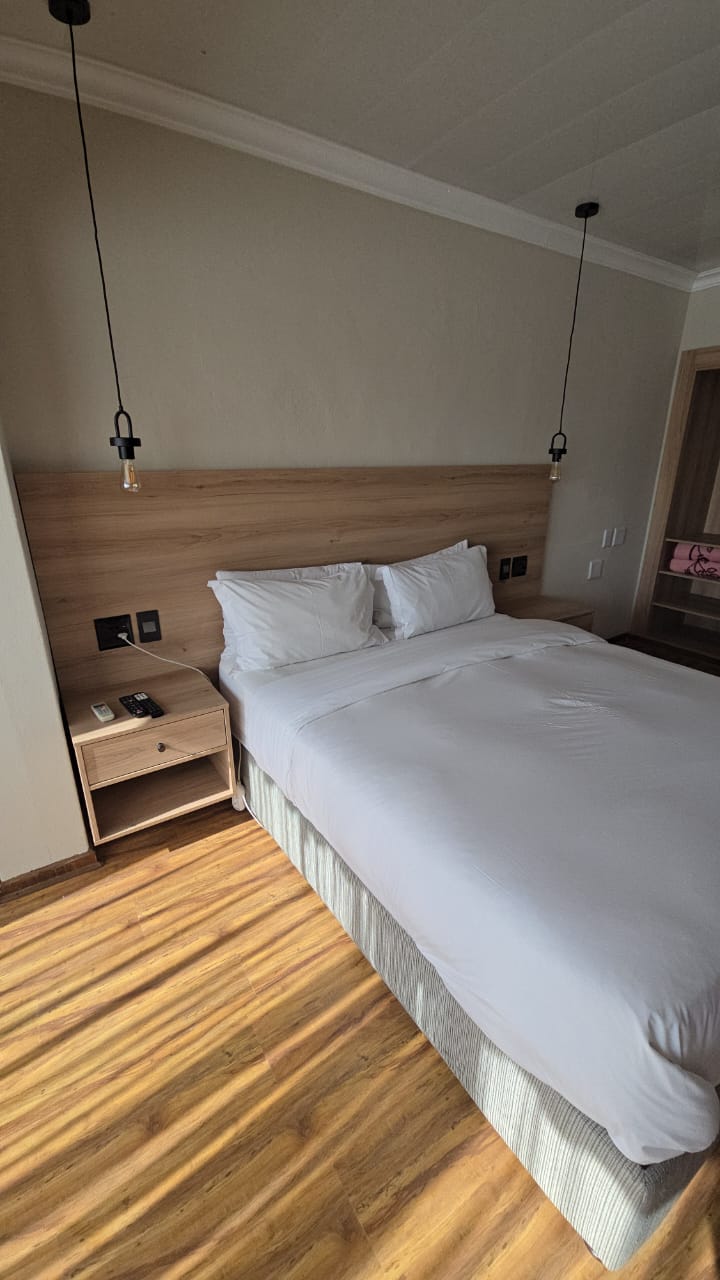
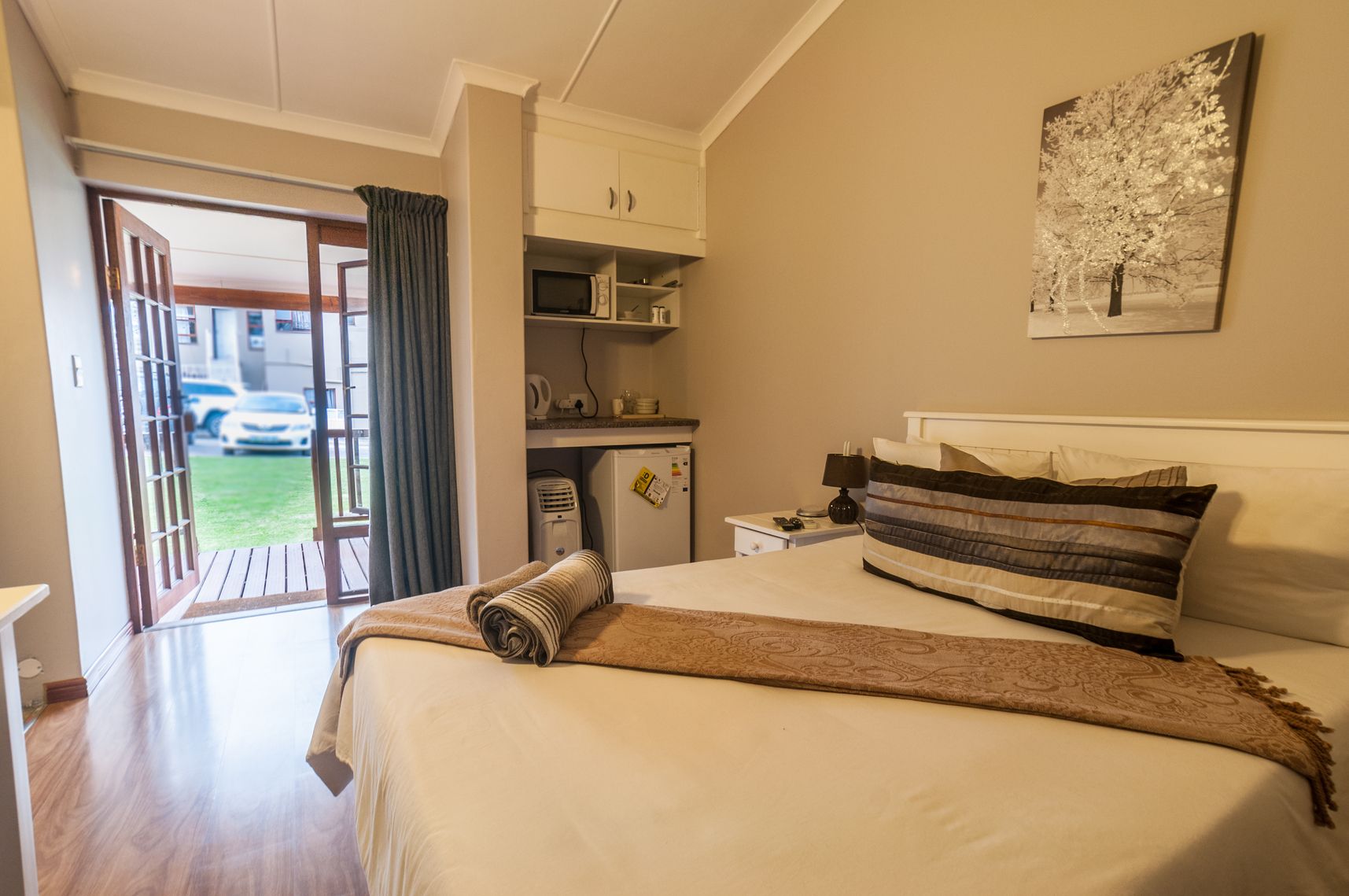
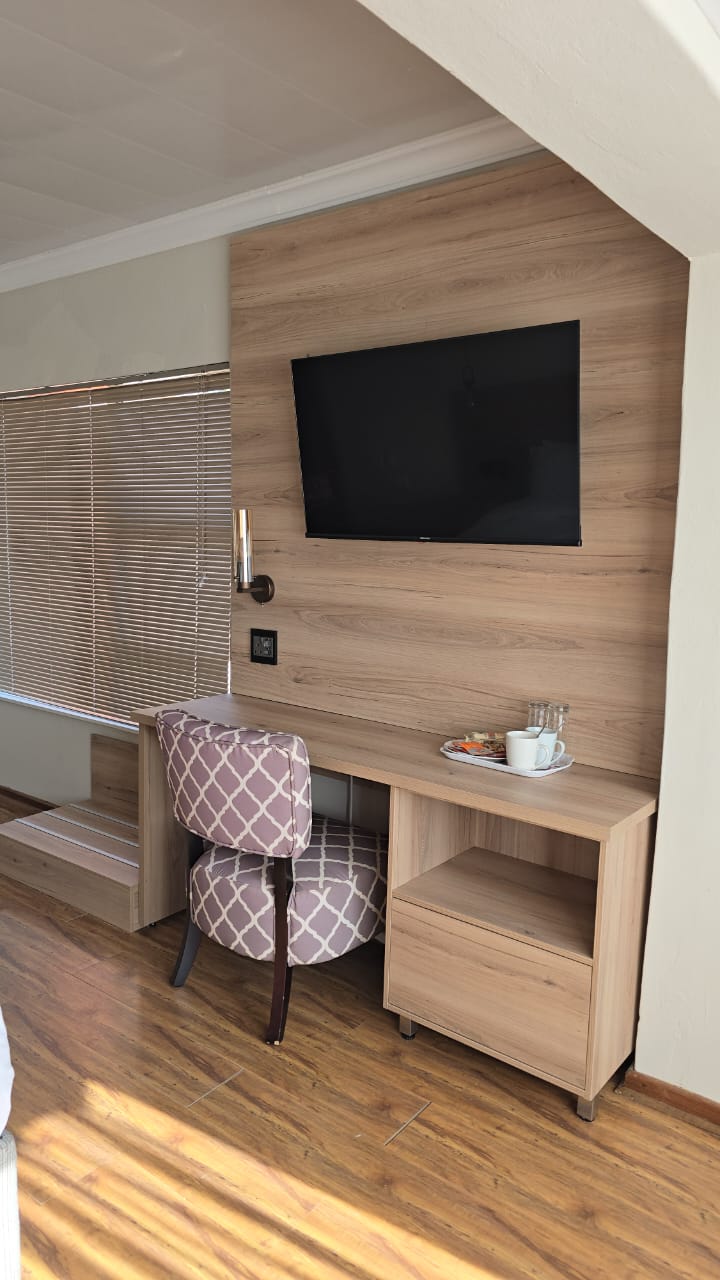
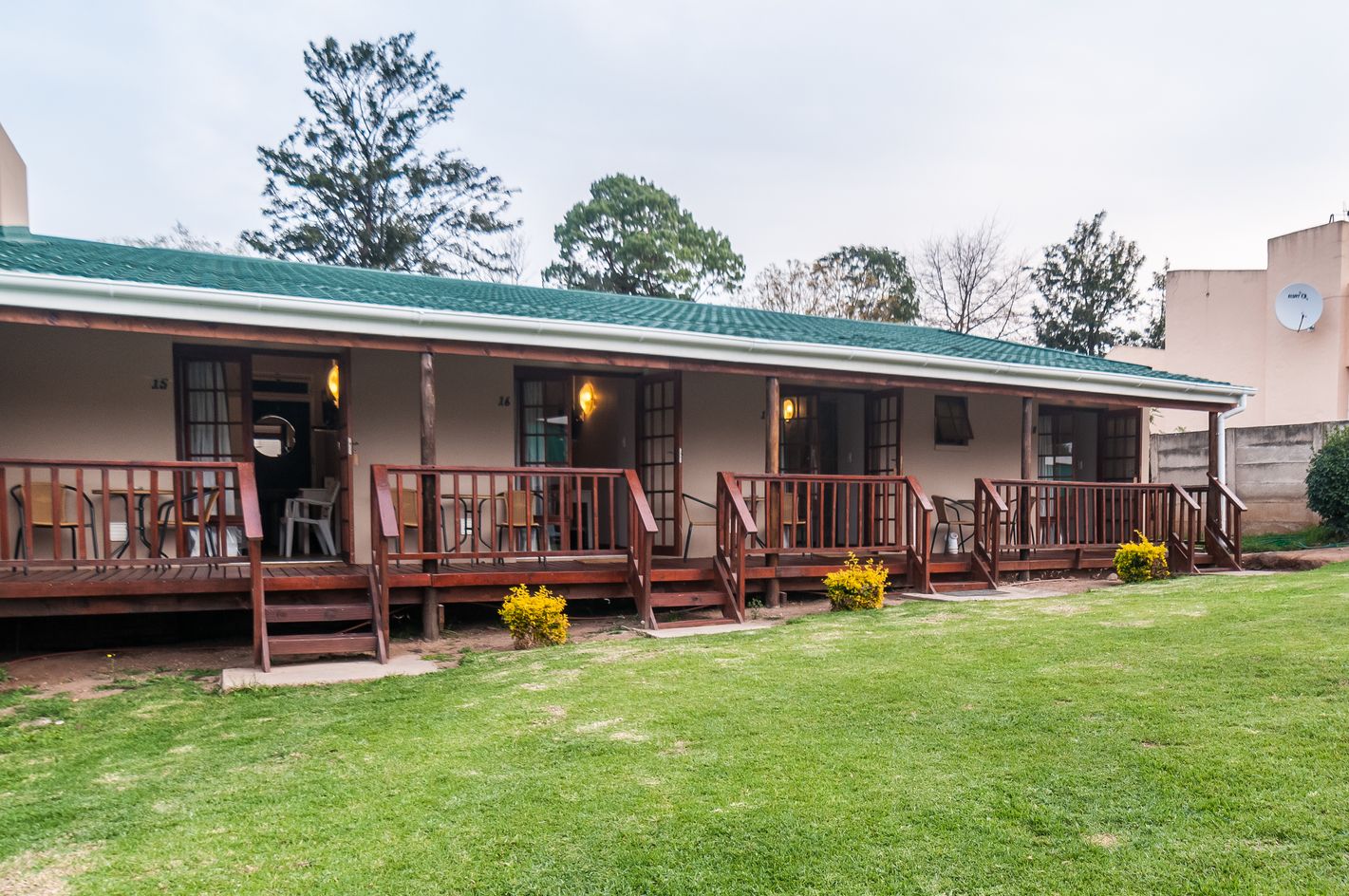
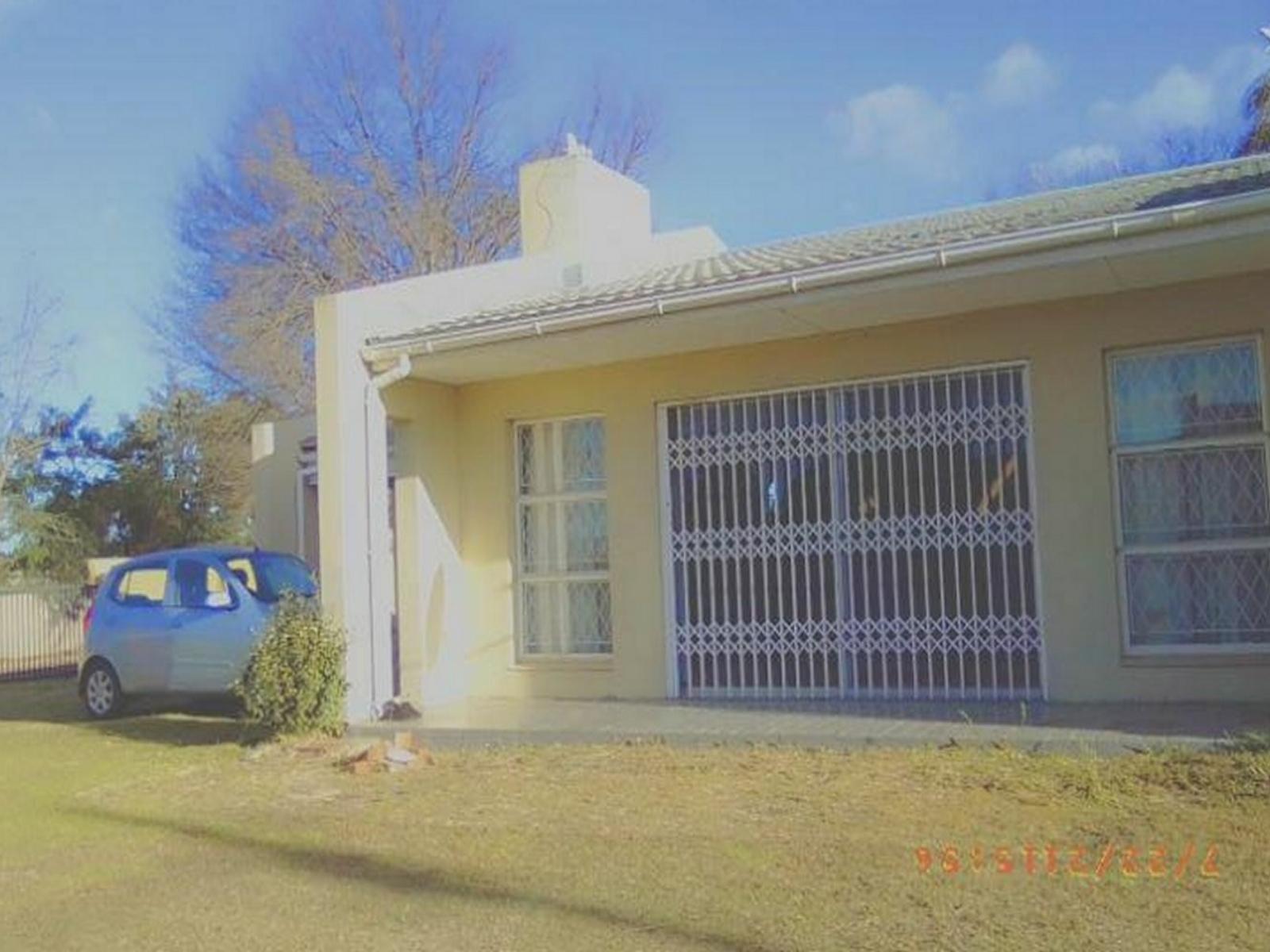
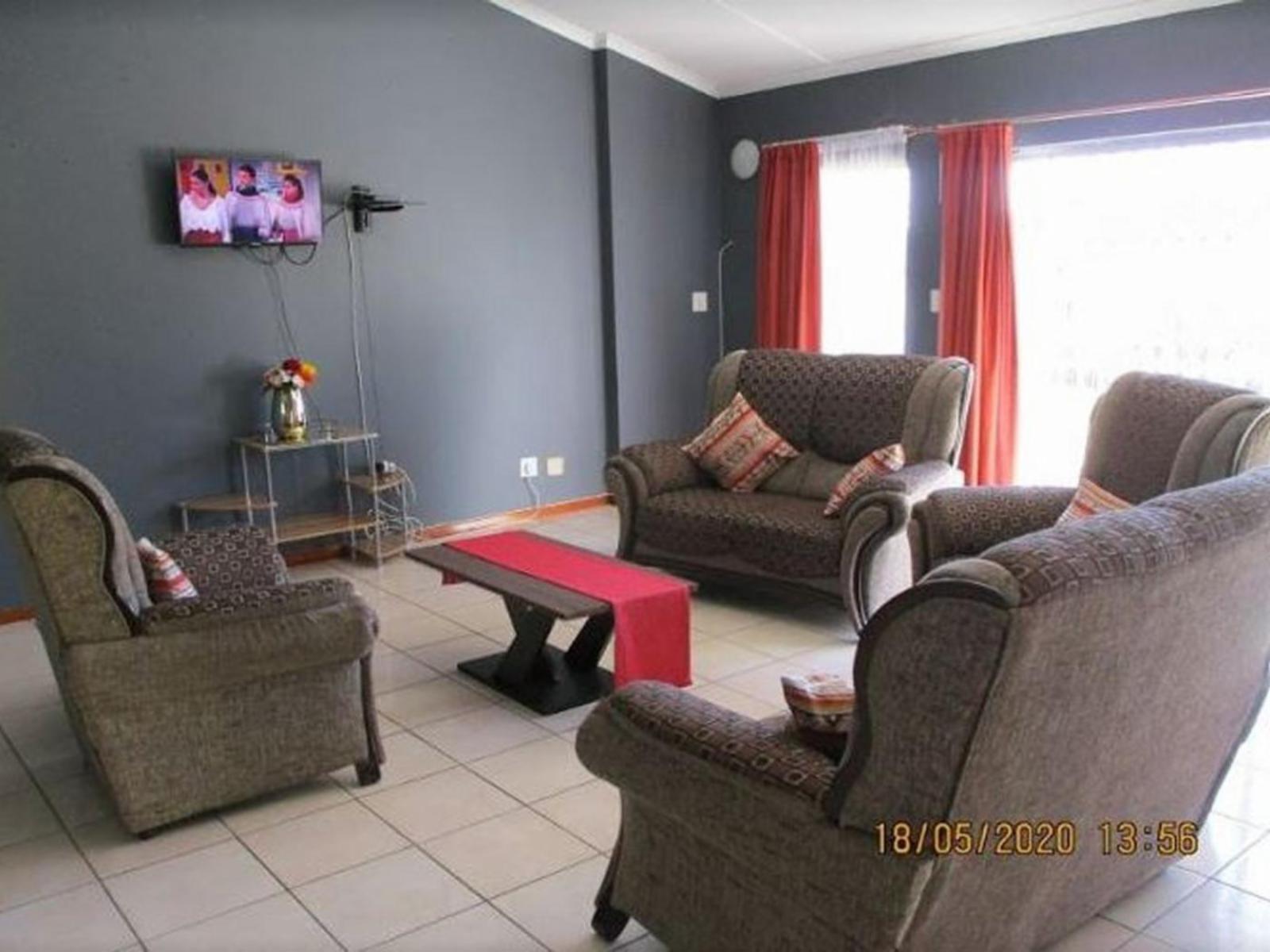
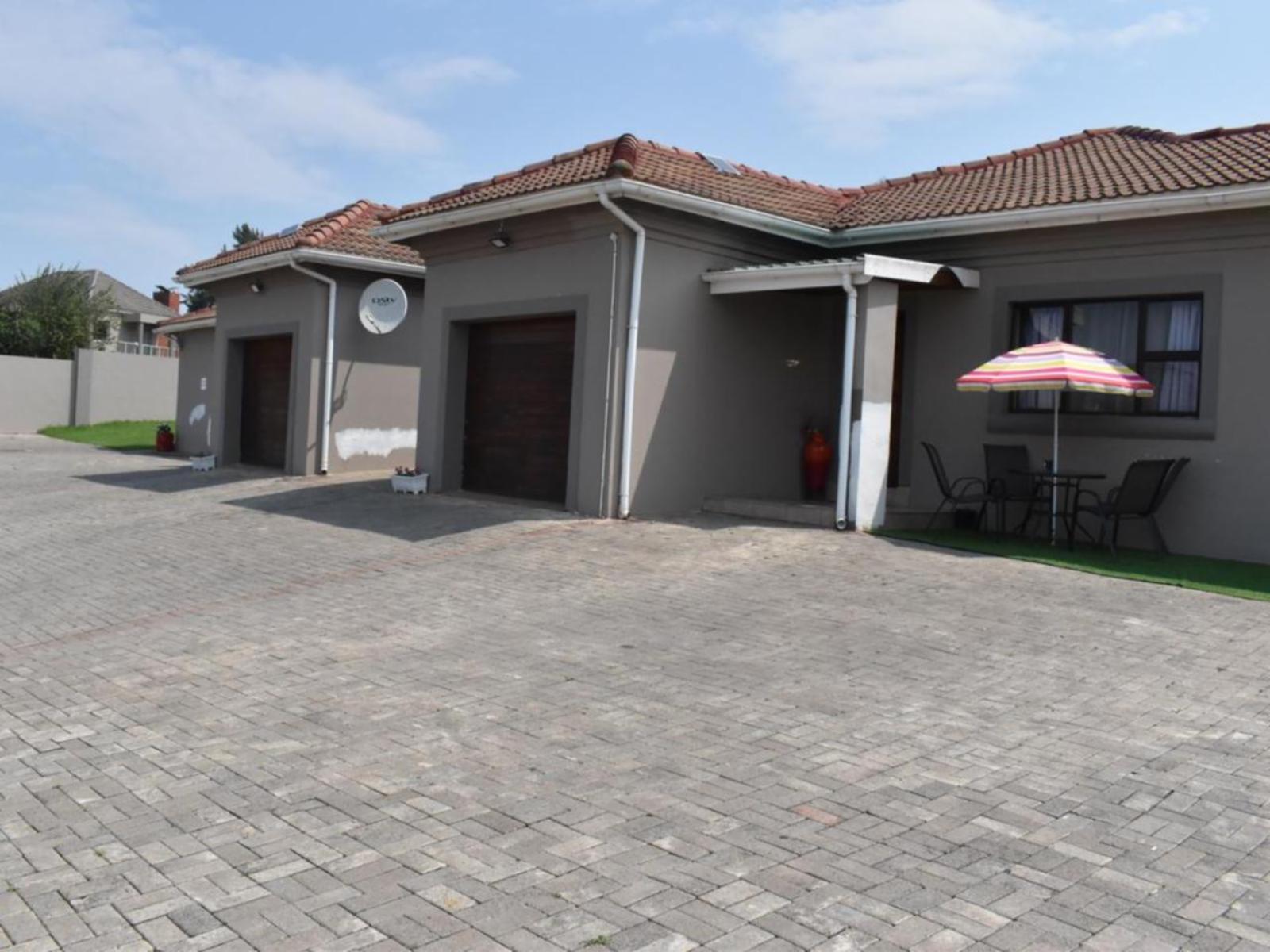
Mthatha's accommodation market is oriented primarily toward business travelers, visiting government officials, and people with family connections in the region rather than leisure tourism. The town currently has no listed properties on this platform and rates are not publicly confirmed, so prospective visitors should contact establishments directly for current pricing.
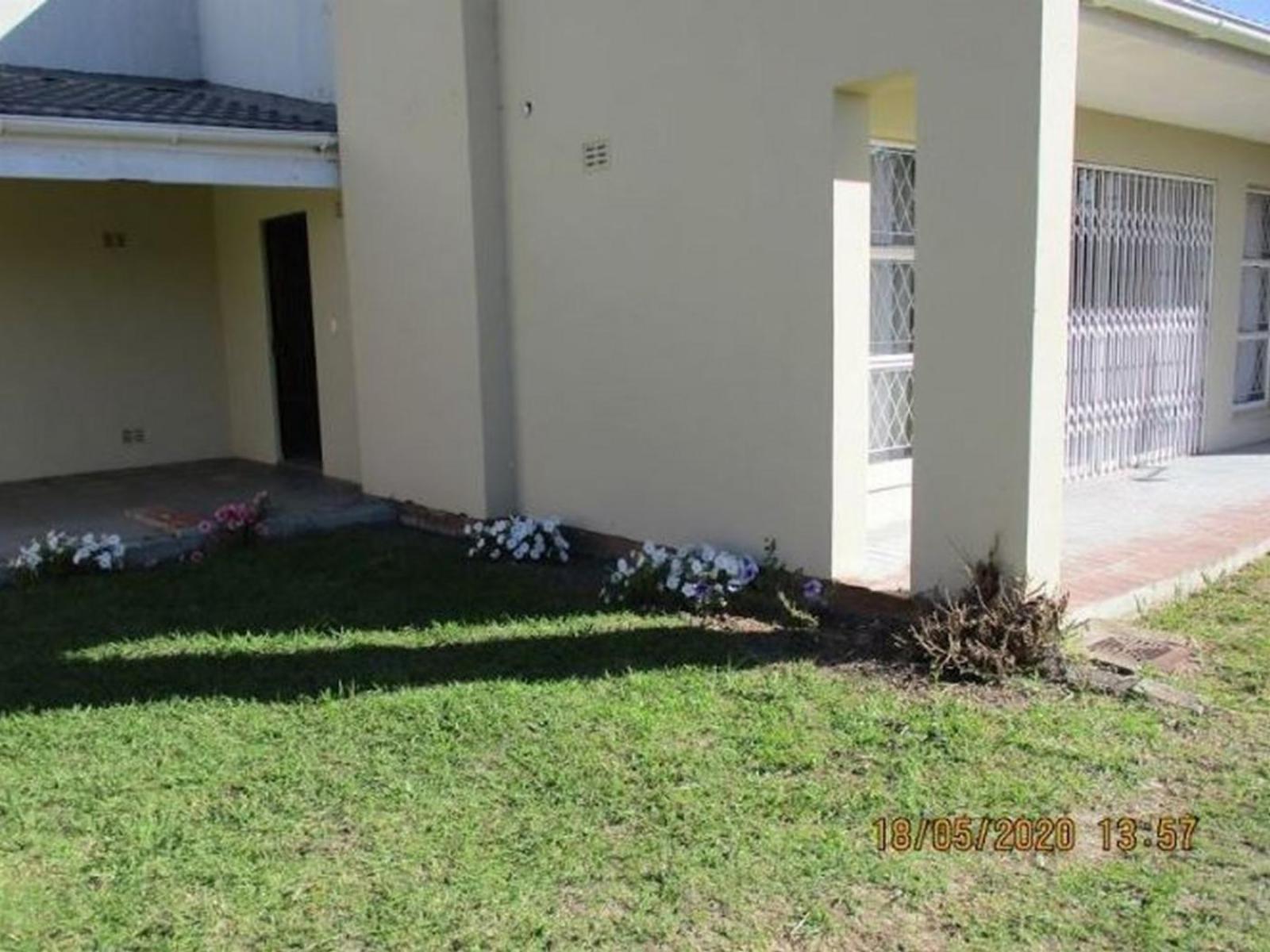
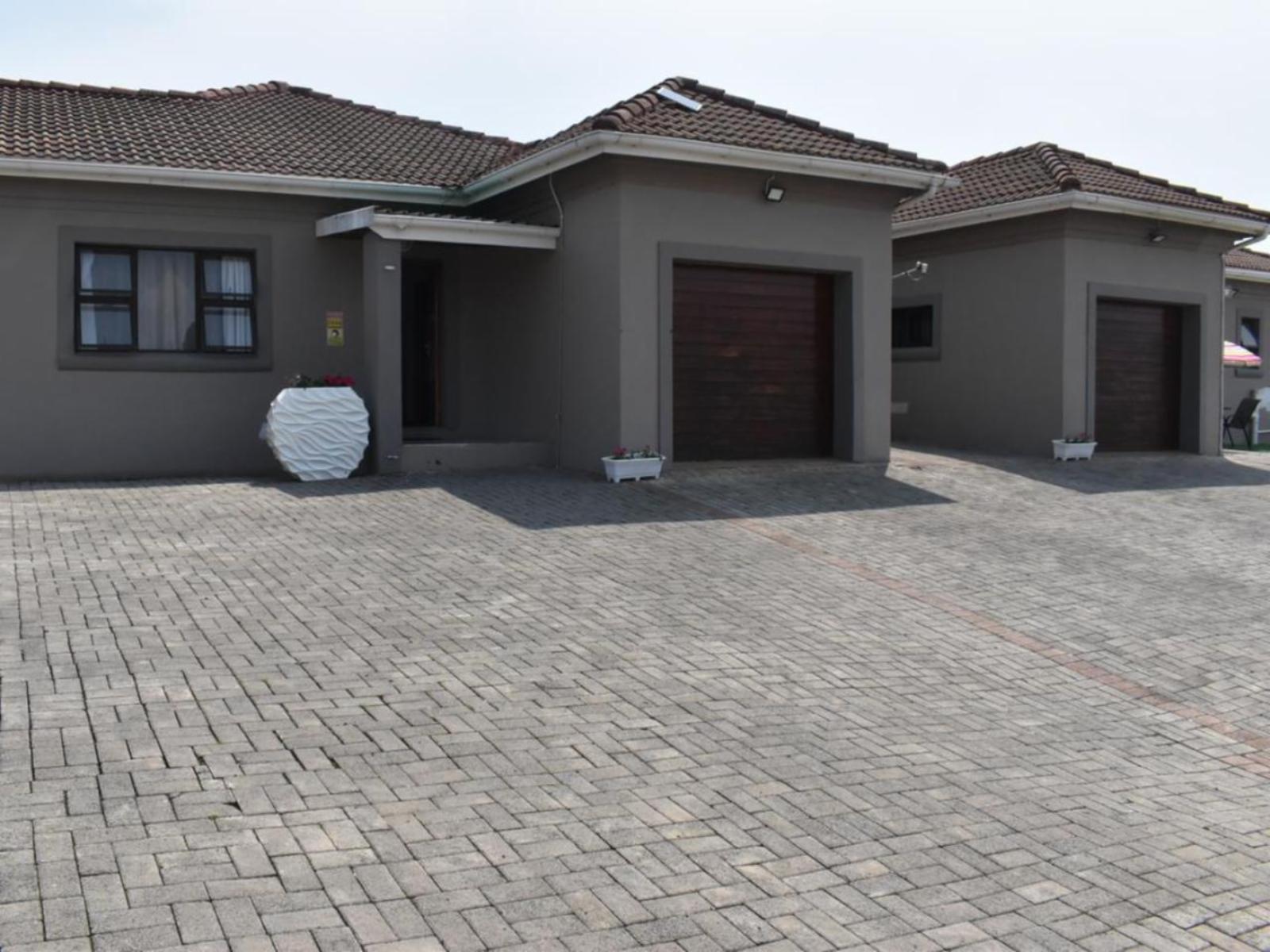
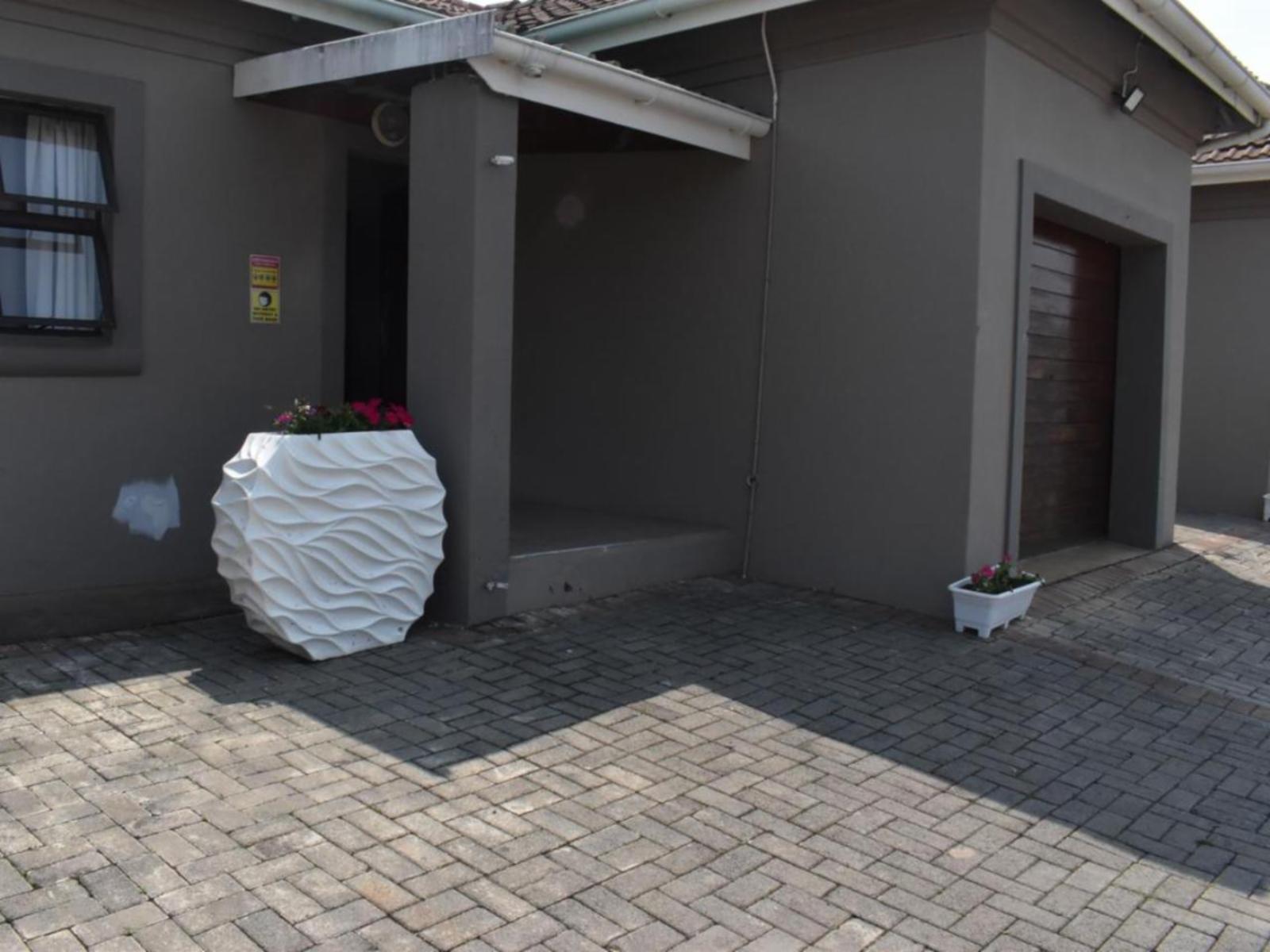
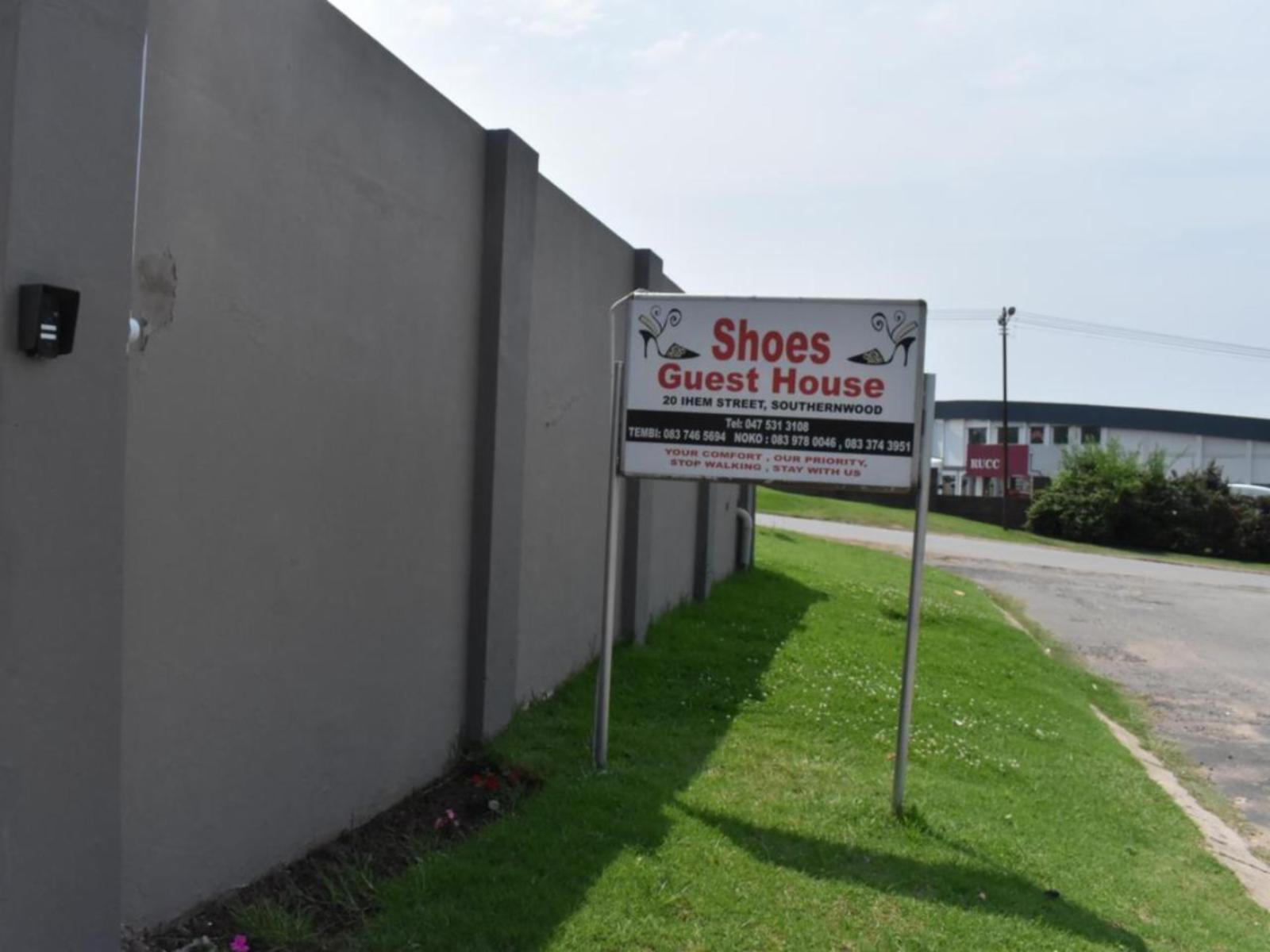
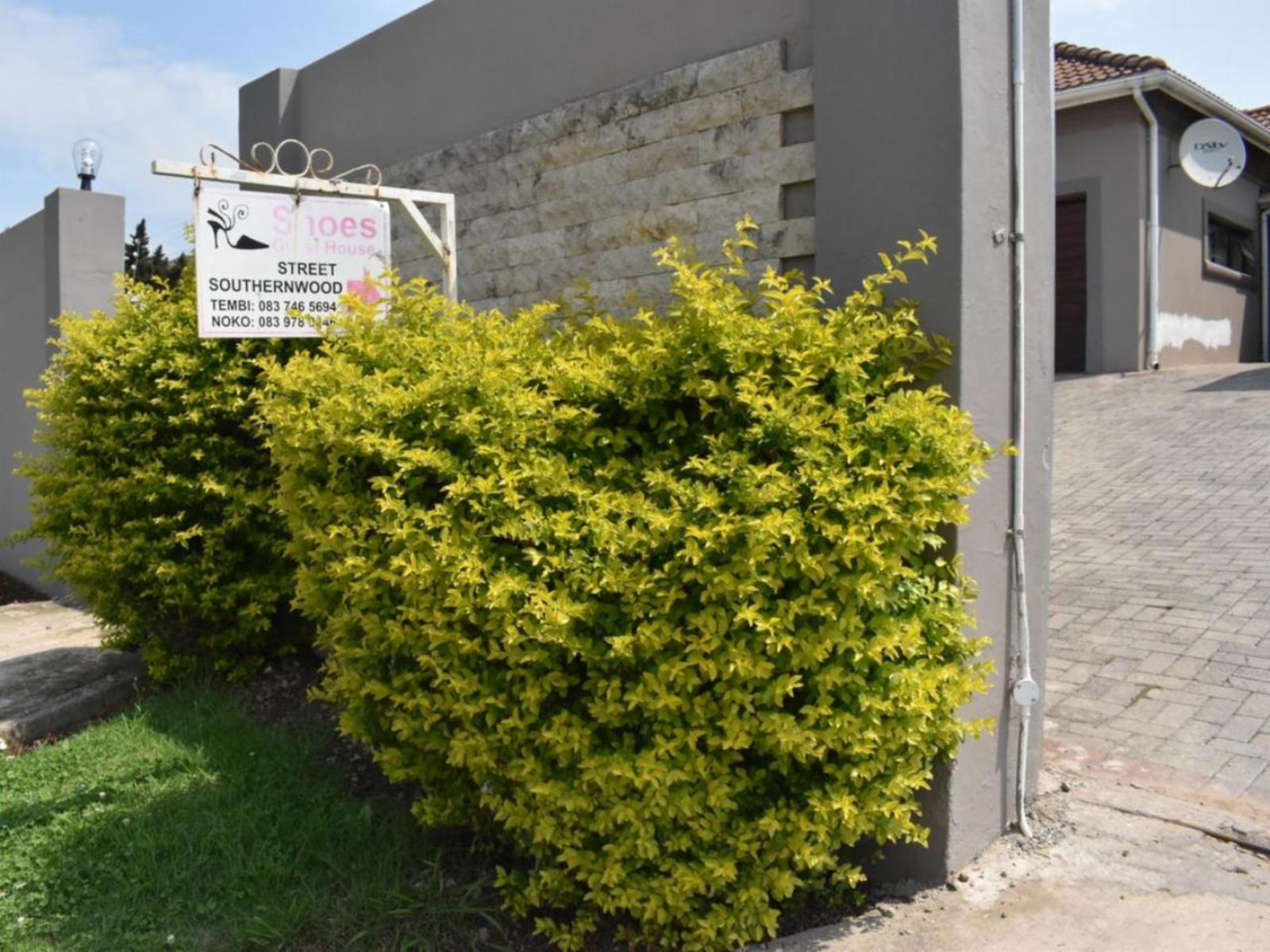
At the budget end, the town has several guesthouses and small bed-and-breakfast operations run out of private homes, particularly in residential suburbs like Southernwood. These tend to offer basic but clean rooms, sometimes with breakfast included, and they serve the town's large student population from Walter Sisulu University as well as long-distance travelers stopping along the N2. Standards vary considerably between properties, and reading recent reviews matters more here than in established tourist markets.
Mid-range options include a handful of properly managed guesthouses and smaller hotels that cater to contractors, NGO workers, and business travelers who need more predictable conditions. These properties generally offer en-suite bathrooms, secure parking, and either a restaurant or a kitchen facility. Booking ahead is recommended, as these fill quickly during the week when government and business activity peaks.
At the upper end, Mthatha has a few larger hotel establishments that have served as conference venues and can accommodate group travel. These offer the most consistent service quality in the town along with meeting facilities and on-site dining. The gap between mid-range and upper-tier options is narrower than in major South African cities, and the top-end choices here would be considered mid-range by Johannesburg or Cape Town standards.
Self-catering units appear across various price points, which suits travelers planning multi-night stays who want to manage their own meals. Given Mthatha's role as a service hub for the surrounding rural areas, accommodation availability can tighten significantly during school holidays, government payment weeks, and major events at the university.
## Best Time to Visit Mthatha
Mthatha has a temperate interior climate shaped by its elevation of roughly 740 meters above sea level. Summers run from November through February and bring warm temperatures in the high 20s Celsius alongside significant rainfall, much of it arriving as afternoon thunderstorms. The green landscape during summer is appealing, but unpaved roads in the surrounding rural areas can become difficult to navigate after heavy rain, which affects access to the Wild Coast communities southeast of the town.
Winter months from June to August are dry and mild by day, often cooling sharply at night. This is generally the most comfortable period for travel, with clear skies and good visibility across the rolling hills of the former Transkei. Roads in drier conditions are more forgiving, making it easier to reach outlying areas.
Spring, particularly September and October, offers a reasonable balance of warmth and manageable rainfall. Autumn in March and April follows summer's rains and tends to produce lush conditions with fewer storms.
The town does not have a defined tourist high season in the conventional sense. School holidays, particularly the December-January period and Easter, bring increased movement through the area and tighter accommodation availability. Traveling outside these windows makes logistics noticeably easier.
## Getting to Mthatha
Mthatha Airport, IATA code UTT, operates a small number of daily flights connecting the town to Johannesburg's OR Tambo International. Airlink has historically been the principal carrier on this route, with Cape Town connections sometimes requiring a stopover. The airport is compact, and car hire desks are available on arrival, which is the most practical option for anyone intending to explore the surrounding region or reach the Wild Coast communities to the southeast.
By road, the N2 highway is the primary approach. From East London, the drive covers roughly 230 kilometers and takes approximately two and a half hours, passing through Butterworth and several smaller centers. From Durban, the distance is around 560 kilometers. Travelers from Johannesburg face approximately 880 kilometers of driving, which makes the flight the more sensible choice.
Translux, Greyhound, and City to City buses operate services through Mthatha on routes between Cape Town, East London, and Durban, stopping at the main bus terminal in town. Minibus taxis serve routes throughout the former Transkei and are the primary transport for local residents, though routes and departure times require local knowledge to use effectively. Within the town itself, minibus taxis handle most shared travel, and metered taxis are available for direct trips.
## Mthatha and Surrounding Areas
Mthatha functions as the main service hub for a broad section of the former Transkei, and several destinations worth visiting sit within an hour's drive.
**Coffee Bay** (57km) is the destination most visitors pair with a stay in Mthatha. This small coastal settlement on the Wild Coast draws surfers, backpackers, and travelers interested in spending time where traditional Xhosa village life and low-key tourism coexist directly. The area around Coffee Bay includes the Hole in the Wall, a sea-carved rock arch a few kilometers along the coast that gives a sense of the dramatic coastline in this part of the Eastern Cape. The road is partly unpaved and requires care after rain, so checking conditions before setting out is worthwhile.
**Gqubeni** (44km) sits in the rolling hills between Mthatha and the coast, representing the pastoral landscape typical of this region. Scattered homesteads with rondavel structures and grazing livestock characterize the countryside here, and passing through gives a direct picture of rural life away from any tourist infrastructure.
**Jalamba** (50km) and **Gqaka** (52km) are small communities along the routes heading toward the Wild Coast. Both are practical stopping points rather than destinations in themselves, reflecting the agricultural character of the interior hills.
**Mngcibe** (56km) lies further toward the coast and provides access to a section of the Wild Coast that sees very little organized tourism. The terrain becomes steeper and greener as the land drops toward the river systems and the sea.
**Lutsheni** (57km), in a similar direction to Coffee Bay, is a small rural community in the coastal hills. Like Mngcibe, it sees fewer visitors than the named Wild Coast settlements and suits travelers interested in quieter, less-trafficked areas of the coast.
## Planning Your Stay
Accommodation in Mthatha books faster than the town's profile as a leisure destination might suggest, driven by business and government travel rather than tourism. Booking at least a week ahead is advisable for mid-week stays, and further in advance during school holidays. Last-minute availability is unreliable, particularly in the better-managed properties.
Before confirming a booking, check whether the property has secure off-street parking. This matters more in Mthatha than in many South African towns, and it is worth confirming directly rather than assuming. Also establish whether meals are included or available on-site, since dining options vary considerably by neighborhood.
If your itinerary includes Coffee Bay or other Wild Coast communities, ask your accommodation about road conditions on the route, particularly in summer. A vehicle with reasonable ground clearance handles the unpaved sections more comfortably.
ATMs from major South African banks are available in the town's shopping centers, and fuel is readily accessible. Mobile data coverage is reliable within Mthatha, though it becomes patchy in the more remote stretches between the town and the coast. Carry cash if you intend to travel into rural areas where card facilities are absent. Hluleka Nature Reserve on the Wild Coast is also reachable as a longer day trip from the town for those interested in coastal hiking, but confirm road access and reserve entry requirements before departing.

Mthatha's accommodation market is oriented primarily toward business travelers, visiting government officials, and people with family connections in the region rather than leisure tourism. The town currently has no listed properties on this platform and rates are not publicly confirmed, so prospective visitors should contact establishments directly for current pricing.
At the budget end, the town has several guesthouses and small bed-and-breakfast operations run out of private homes, particularly in residential suburbs like Southernwood. These tend to offer basic but clean rooms, sometimes with breakfast included, and they serve the town's large student population from Walter Sisulu University as well as long-distance travelers stopping along the N2. Standards vary considerably between properties, and reading recent reviews matters more here than in established tourist markets.
Mid-range options include a handful of properly managed guesthouses and smaller hotels that cater to contractors, NGO workers, and business travelers who need more predictable conditions. These properties generally offer en-suite bathrooms, secure parking, and either a restaurant or a kitchen facility. Booking ahead is recommended, as these fill quickly during the week when government and business activity peaks.
At the upper end, Mthatha has a few larger hotel establishments that have served as conference venues and can accommodate group travel. These offer the most consistent service quality in the town along with meeting facilities and on-site dining. The gap between mid-range and upper-tier options is narrower than in major South African cities, and the top-end choices here would be considered mid-range by Johannesburg or Cape Town standards.
Self-catering units appear across various price points, which suits travelers planning multi-night stays who want to manage their own meals. Given Mthatha's role as a service hub for the surrounding rural areas, accommodation availability can tighten significantly during school holidays, government payment weeks, and major events at the university.
## Best Time to Visit Mthatha
Mthatha has a temperate interior climate shaped by its elevation of roughly 740 meters above sea level. Summers run from November through February and bring warm temperatures in the high 20s Celsius alongside significant rainfall, much of it arriving as afternoon thunderstorms. The green landscape during summer is appealing, but unpaved roads in the surrounding rural areas can become difficult to navigate after heavy rain, which affects access to the Wild Coast communities southeast of the town.
Winter months from June to August are dry and mild by day, often cooling sharply at night. This is generally the most comfortable period for travel, with clear skies and good visibility across the rolling hills of the former Transkei. Roads in drier conditions are more forgiving, making it easier to reach outlying areas.
Spring, particularly September and October, offers a reasonable balance of warmth and manageable rainfall. Autumn in March and April follows summer's rains and tends to produce lush conditions with fewer storms.
The town does not have a defined tourist high season in the conventional sense. School holidays, particularly the December-January period and Easter, bring increased movement through the area and tighter accommodation availability. Traveling outside these windows makes logistics noticeably easier.
## Getting to Mthatha
Mthatha Airport, IATA code UTT, operates a small number of daily flights connecting the town to Johannesburg's OR Tambo International. Airlink has historically been the principal carrier on this route, with Cape Town connections sometimes requiring a stopover. The airport is compact, and car hire desks are available on arrival, which is the most practical option for anyone intending to explore the surrounding region or reach the Wild Coast communities to the southeast.
By road, the N2 highway is the primary approach. From East London, the drive covers roughly 230 kilometers and takes approximately two and a half hours, passing through Butterworth and several smaller centers. From Durban, the distance is around 560 kilometers. Travelers from Johannesburg face approximately 880 kilometers of driving, which makes the flight the more sensible choice.
Translux, Greyhound, and City to City buses operate services through Mthatha on routes between Cape Town, East London, and Durban, stopping at the main bus terminal in town. Minibus taxis serve routes throughout the former Transkei and are the primary transport for local residents, though routes and departure times require local knowledge to use effectively. Within the town itself, minibus taxis handle most shared travel, and metered taxis are available for direct trips.
## Mthatha and Surrounding Areas
Mthatha functions as the main service hub for a broad section of the former Transkei, and several destinations worth visiting sit within an hour's drive.
**Coffee Bay** (57km) is the destination most visitors pair with a stay in Mthatha. This small coastal settlement on the Wild Coast draws surfers, backpackers, and travelers interested in spending time where traditional Xhosa village life and low-key tourism coexist directly. The area around Coffee Bay includes the Hole in the Wall, a sea-carved rock arch a few kilometers along the coast that gives a sense of the dramatic coastline in this part of the Eastern Cape. The road is partly unpaved and requires care after rain, so checking conditions before setting out is worthwhile.
**Gqubeni** (44km) sits in the rolling hills between Mthatha and the coast, representing the pastoral landscape typical of this region. Scattered homesteads with rondavel structures and grazing livestock characterize the countryside here, and passing through gives a direct picture of rural life away from any tourist infrastructure.
**Jalamba** (50km) and **Gqaka** (52km) are small communities along the routes heading toward the Wild Coast. Both are practical stopping points rather than destinations in themselves, reflecting the agricultural character of the interior hills.
**Mngcibe** (56km) lies further toward the coast and provides access to a section of the Wild Coast that sees very little organized tourism. The terrain becomes steeper and greener as the land drops toward the river systems and the sea.
**Lutsheni** (57km), in a similar direction to Coffee Bay, is a small rural community in the coastal hills. Like Mngcibe, it sees fewer visitors than the named Wild Coast settlements and suits travelers interested in quieter, less-trafficked areas of the coast.
## Planning Your Stay
Accommodation in Mthatha books faster than the town's profile as a leisure destination might suggest, driven by business and government travel rather than tourism. Booking at least a week ahead is advisable for mid-week stays, and further in advance during school holidays. Last-minute availability is unreliable, particularly in the better-managed properties.
Before confirming a booking, check whether the property has secure off-street parking. This matters more in Mthatha than in many South African towns, and it is worth confirming directly rather than assuming. Also establish whether meals are included or available on-site, since dining options vary considerably by neighborhood.
If your itinerary includes Coffee Bay or other Wild Coast communities, ask your accommodation about road conditions on the route, particularly in summer. A vehicle with reasonable ground clearance handles the unpaved sections more comfortably.
ATMs from major South African banks are available in the town's shopping centers, and fuel is readily accessible. Mobile data coverage is reliable within Mthatha, though it becomes patchy in the more remote stretches between the town and the coast. Carry cash if you intend to travel into rural areas where card facilities are absent. Hluleka Nature Reserve on the Wild Coast is also reachable as a longer day trip from the town for those interested in coastal hiking, but confirm road access and reserve entry requirements before departing.
Mthatha Kaart
Nabygeleë Bestemmings
Blaai Deur Alle Mthatha Akkommodasie
Bekyk al 0 akkommodasie-opsies in Mthatha met foto's, pryse en beskikbaarheid.
Blaai Deur Alle Akkommodasie