Overberg Reis- & Akkommodasiegids
Jou volledige gids om Overberg, Suid-Afrika te besoek.
Overberg offers diverse landscapes from rugged coastlines to rolling farmlands, making it an appealing spot for those seeking relaxation and outdoor adventures. The area features opportunities for wildlife viewing and exploring historical sites, with options for comfortable stays that suit various budgets. Visitors can enjoy the region's natural attractions while planning their itinerary around seasonal events.
## Accommodation in Overberg
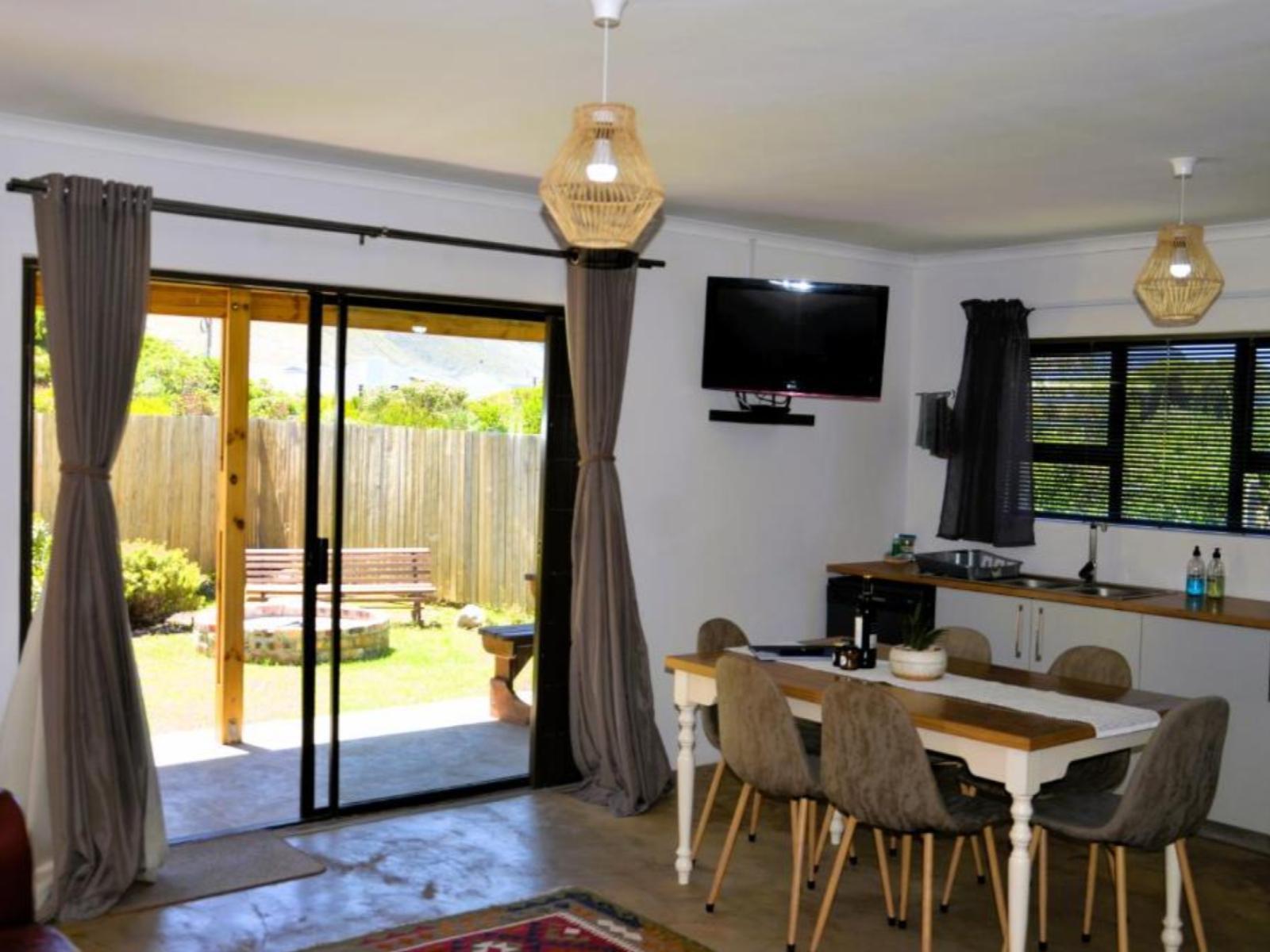
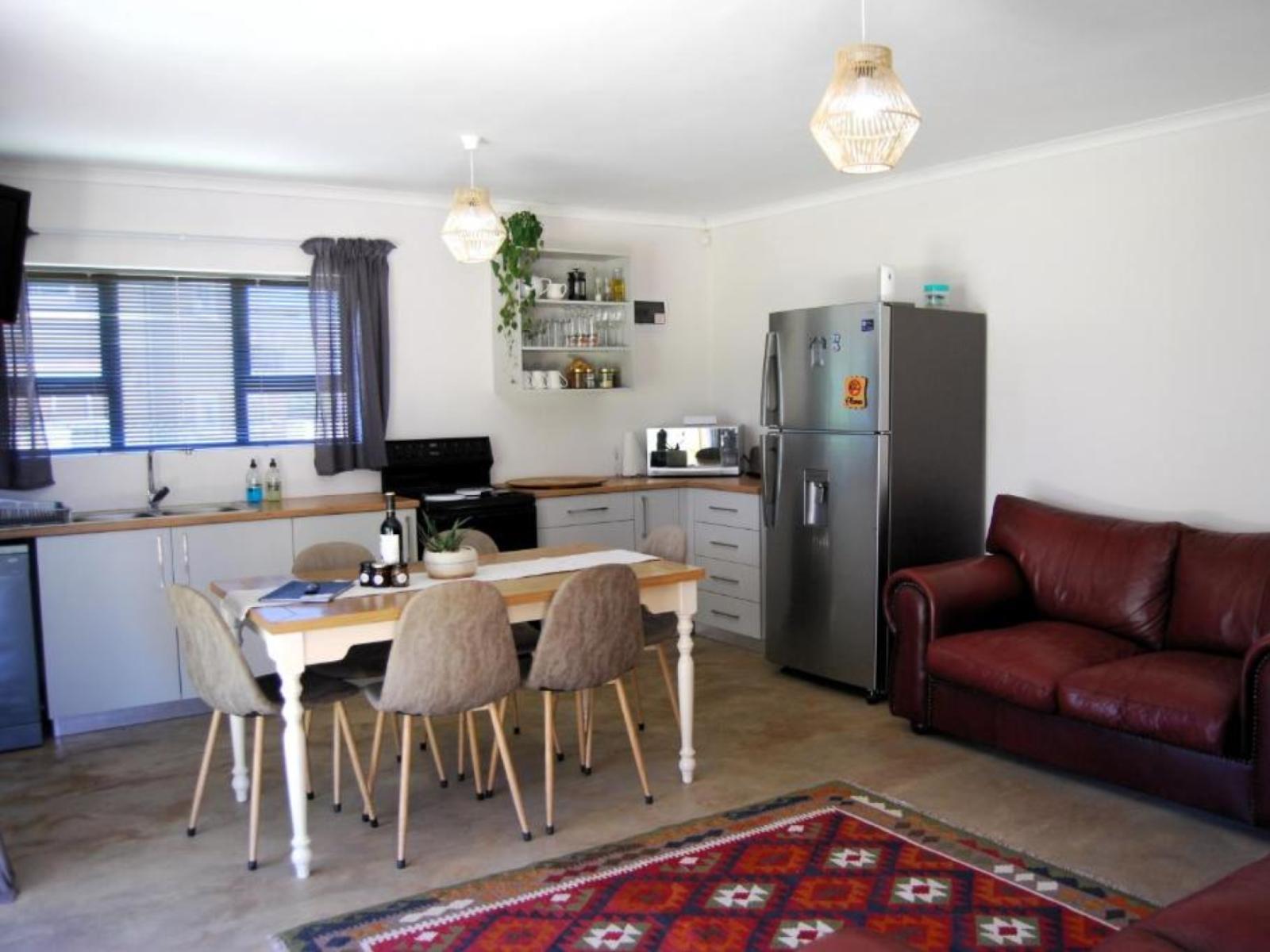
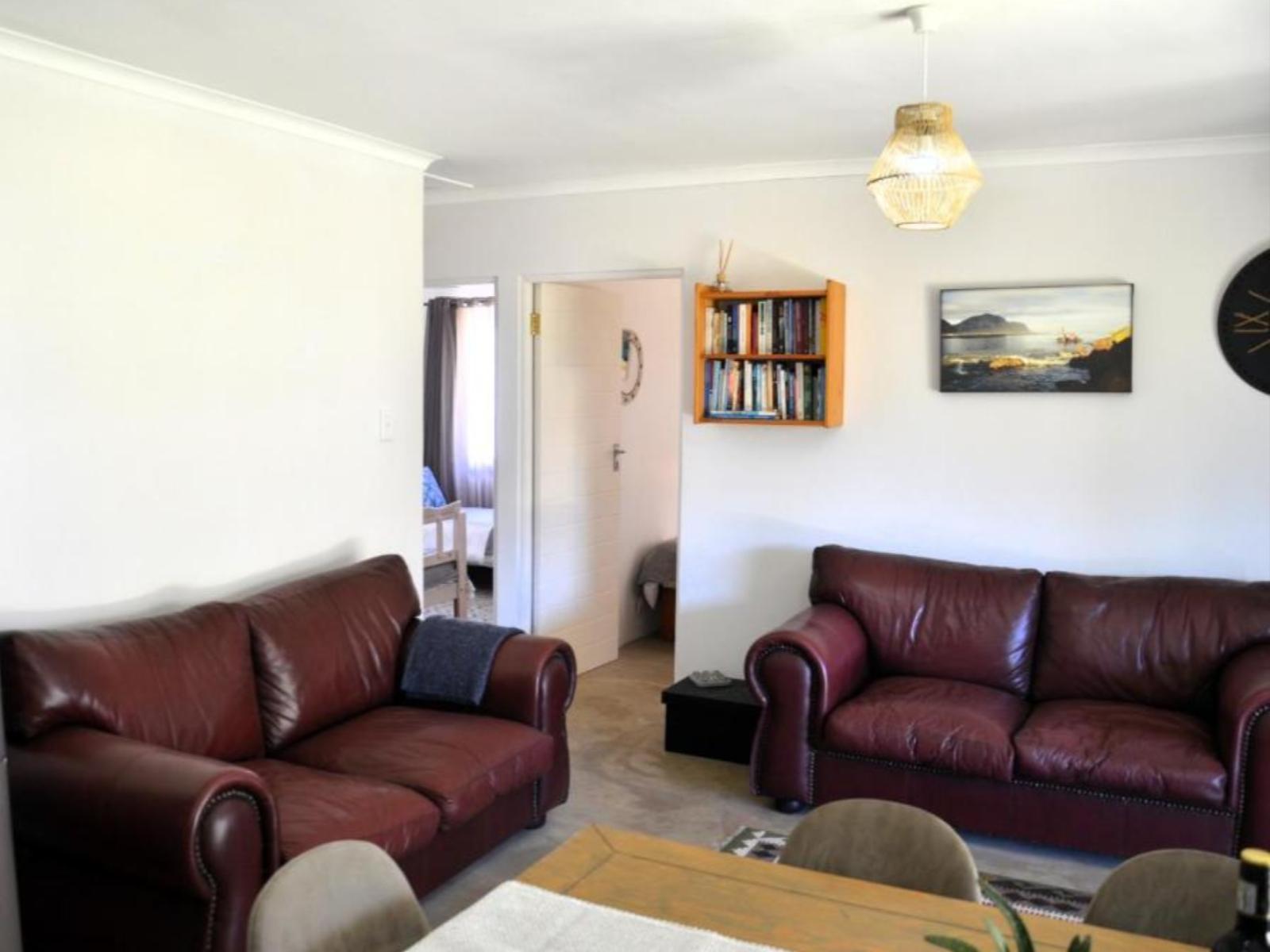
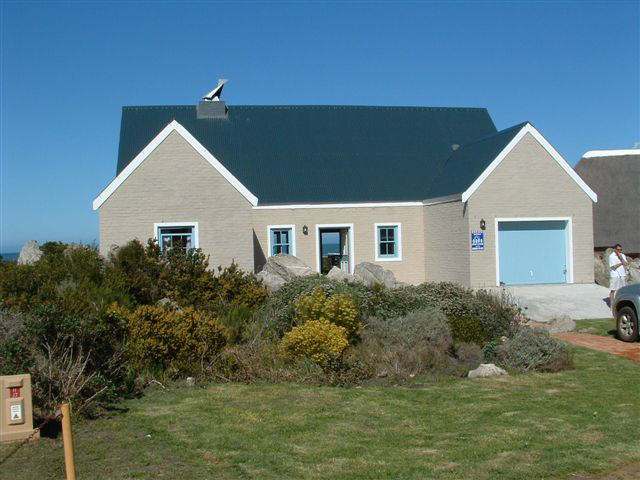
The Overberg draws visitors looking for a slower pace, and its accommodation reflects that character. Currently no properties are listed on this platform for the area, though the region supports options across several price points and styles. Pricing varies considerably depending on location and property type, with coastal stays generally costing more than inland alternatives.
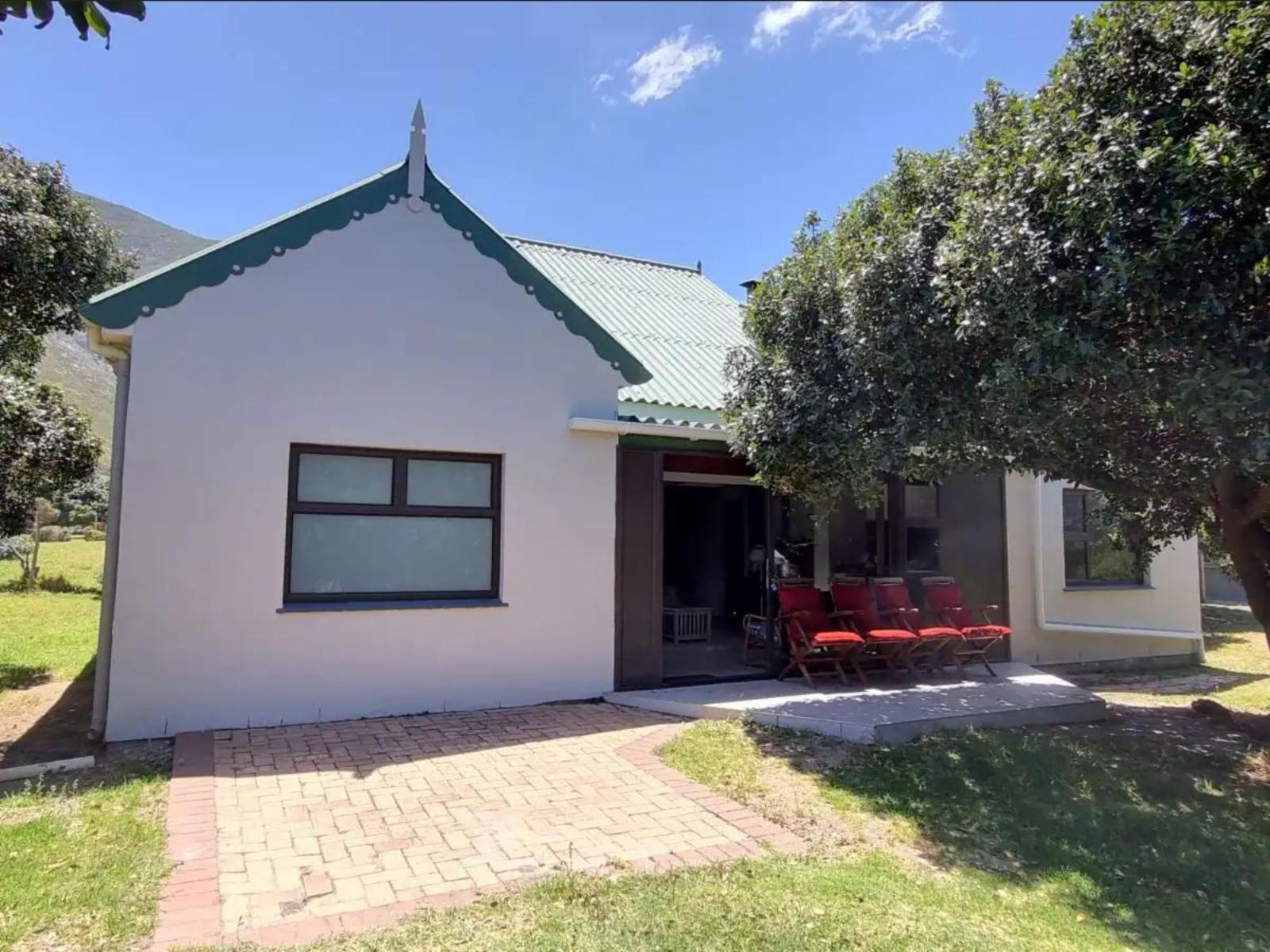
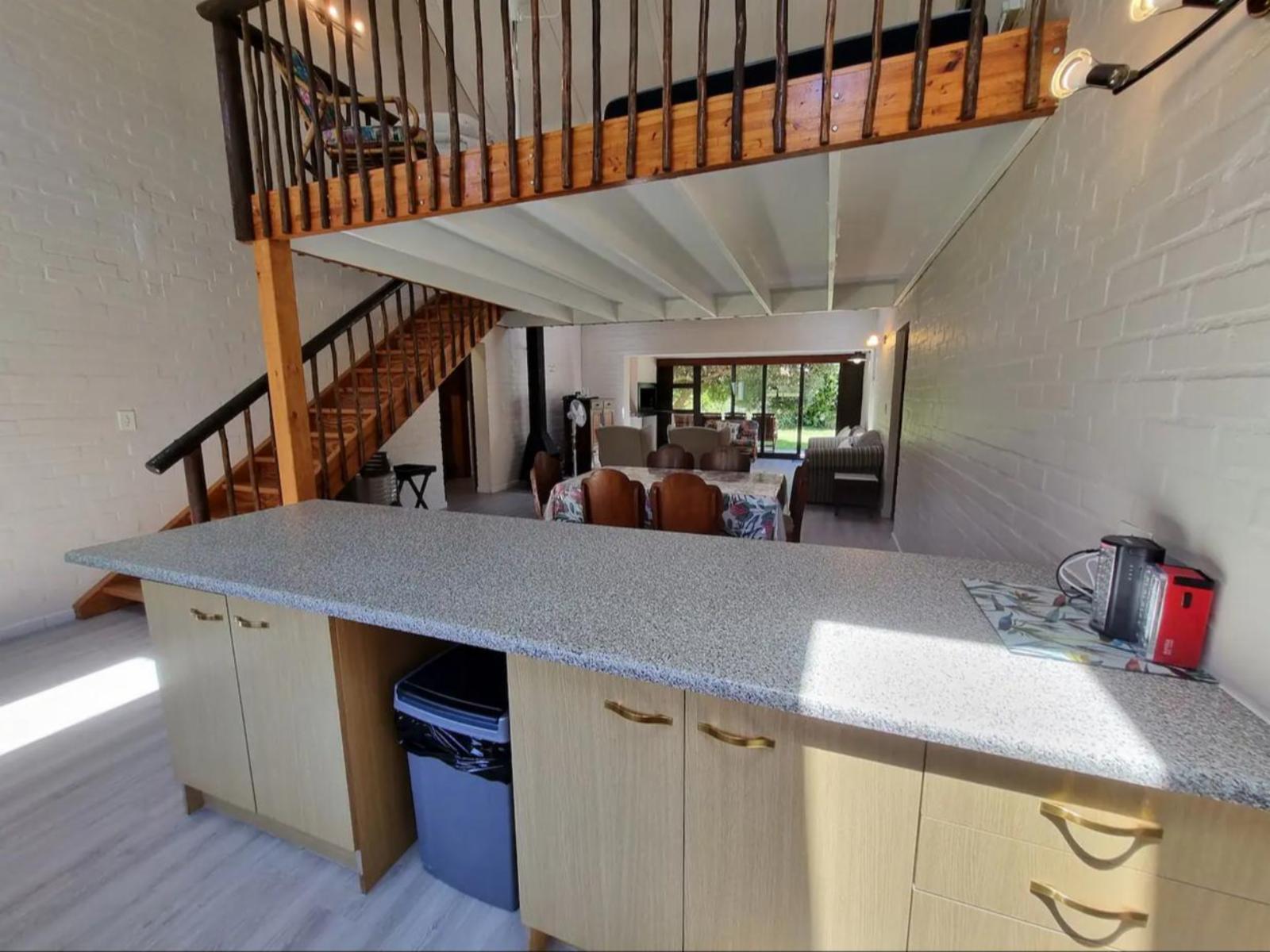
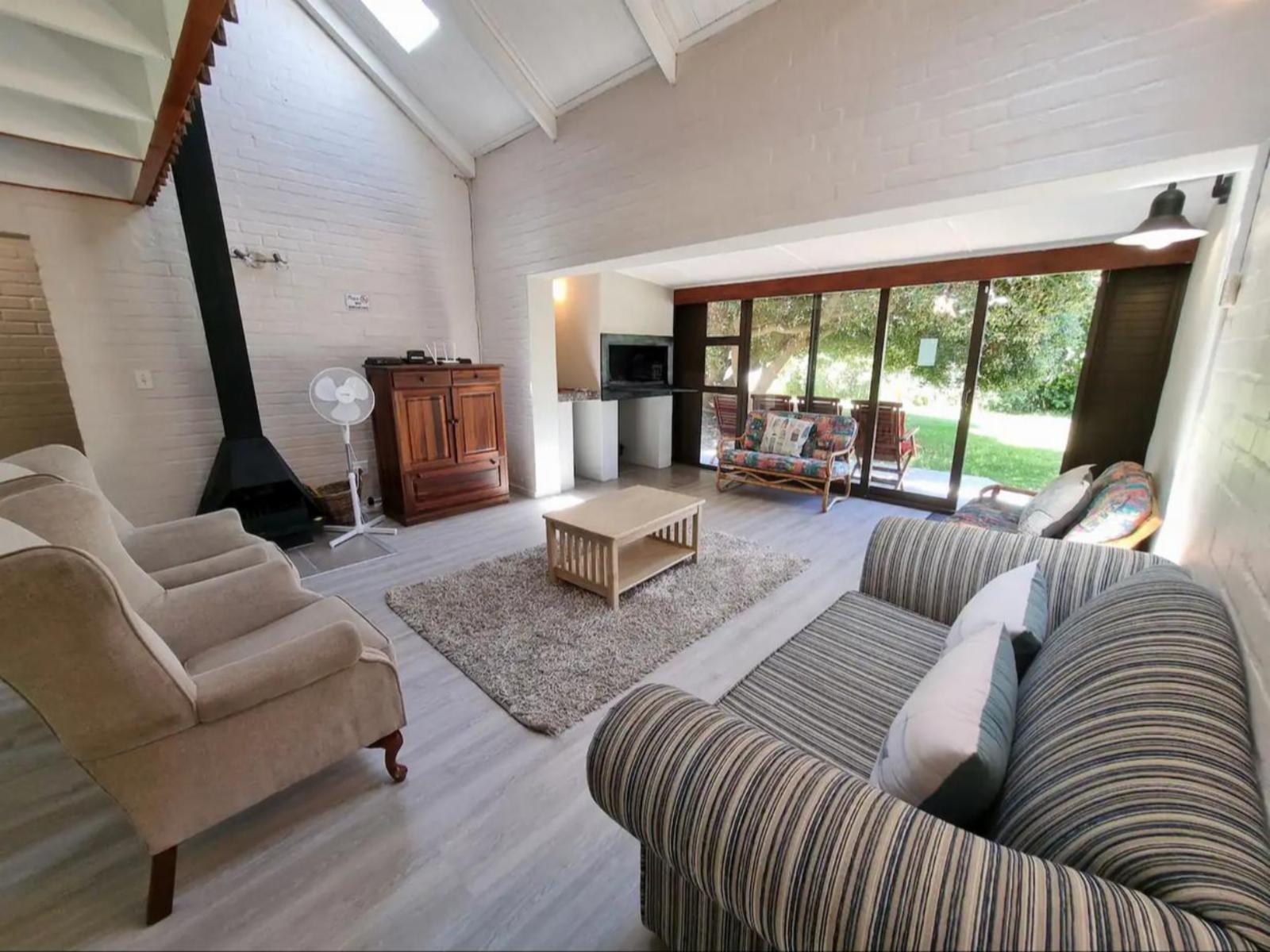
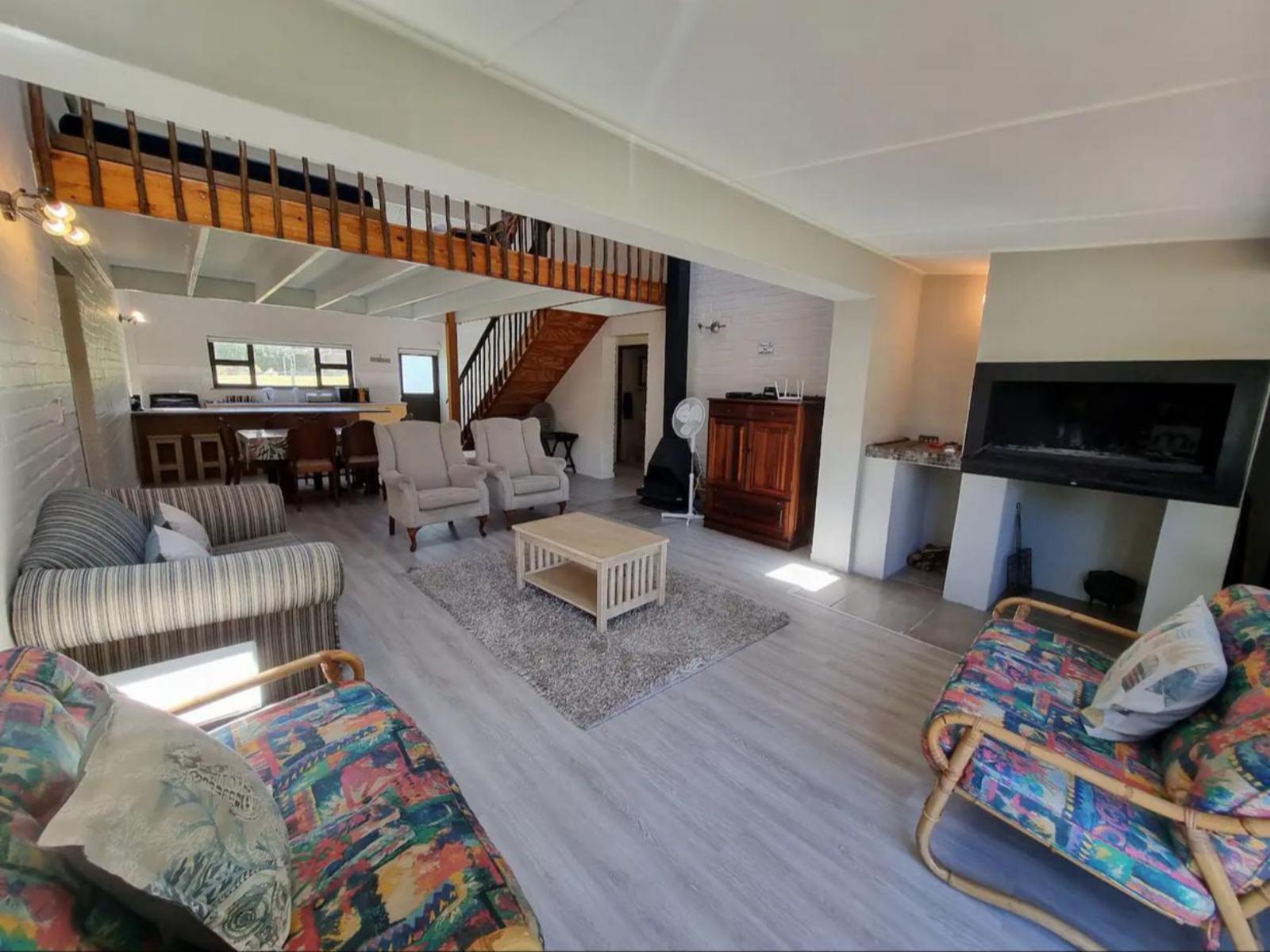
At the budget end, self-catering cottages and basic guesthouses are common throughout the smaller inland towns. These suit visitors who plan to spend most of their time outdoors and need little more than a clean, functional base. Shared facilities and simpler kitchens are typical at this tier, and the trade-off is usually a more central position in town at a lower nightly rate.
Mid-range stays shift the emphasis toward comfort and character. Farm stays and bed-and-breakfasts are particularly well-represented around Hermanus and Swellendam, where owners frequently provide practical local knowledge that improves a trip considerably. These properties often include breakfast made from produce sourced nearby, which suits travelers who prefer to start the day without the hassle of finding a café.
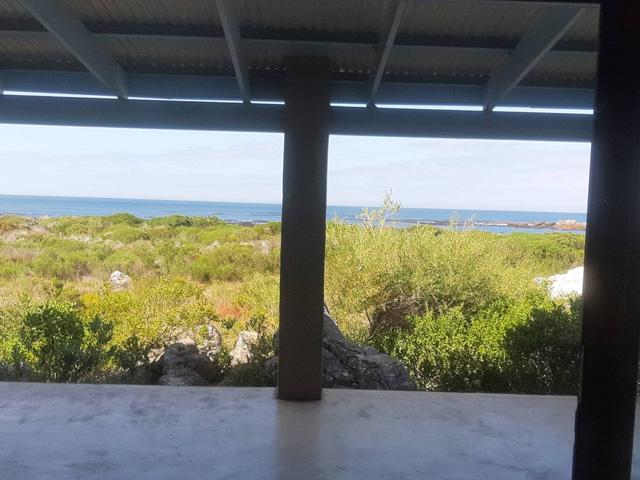
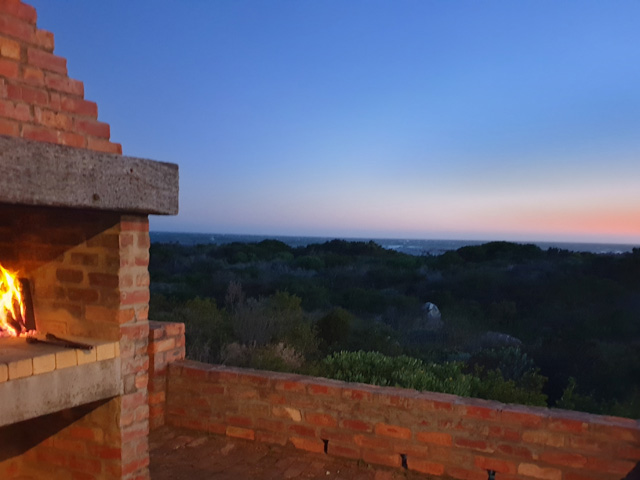
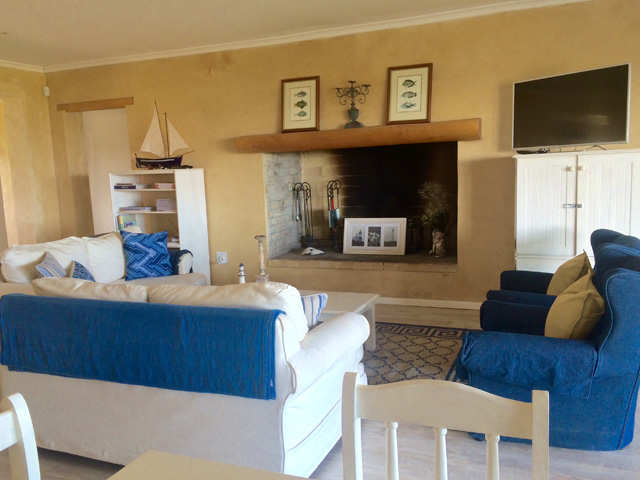
Toward the upper end of the market, boutique guesthouses and small lodges offer more polished finishes, with some positioned to take advantage of sea views or access to nature areas. Amenities like pools, in-room fireplaces, and on-site dining distinguish these properties from mid-range options. Demand at this tier is consistent, particularly during school holidays and the peak summer months, making early booking advisable.
Hermanus has the highest concentration of accommodation across all tiers. For a quieter experience, properties in towns like Bredasdorp, Arniston, or Stanford offer a different character, placing visitors away from the main tourist areas and closer to the agricultural and fishing communities that define much of the Overberg.
---
## Best Time to Visit Overberg
The Overberg has a Mediterranean climate, with warm, dry summers and mild, occasionally wet winters. This pattern makes the region accessible year-round, though each season has different strengths.
The most visited period runs from June to December, driven largely by the presence of southern right whales along the coastline near Hermanus. Numbers peak between August and October, when sightings from shore are most frequent. This is also when accommodation demand is highest and planning ahead becomes essential.
Spring, from September to November, is particularly appealing inland. Canola fields turn yellow across the farming areas, and wildflowers bloom across the lowland heathlands, making drives through the Overberg more visually interesting than at any other time of year.
December through February brings South African school holidays and summer heat. The coast is busy during this period and smaller towns see noticeably more visitors. Traveling in January or February rather than December avoids some of the congestion while keeping the warm weather.
From March to May, the pace slows and visitor numbers drop. Autumn temperatures remain comfortable for walking, and the landscape shifts as orchards and vineyards in the surrounding valleys change color. This window suits travelers who prefer a quieter trip without sacrificing decent weather.
---
## Getting to Overberg
Cape Town International Airport is the main entry point for domestic and international travelers. From the airport, car rental is strongly recommended, as public transport between Overberg towns is sparse and unreliable for most itineraries.
The N2 highway connects Cape Town to the Overberg, with the most direct route to Hermanus branching off via the R43 through Sir Lowry's Pass. The drive from Cape Town takes roughly one hour under normal conditions, covering approximately 100 kilometers. A longer alternative follows the coastal road, adding scenic value if time allows.
Within the region, all major destinations are reachable by car. Swellendam lies approximately 200 kilometers from Cape Town along the N2. Cape Agulhas, the southernmost point of the African continent, is reached via Bredasdorp on the R319, adding another 90 kilometers beyond Swellendam. Driving between Overberg towns typically takes between 30 minutes and two hours depending on the route.
Shuttle services between Cape Town and Hermanus operate on a limited schedule, primarily during peak holiday periods. For travel beyond Hermanus to other parts of the Overberg, private transport is effectively the only practical option. Visitors who prefer not to drive should arrange transfers through their accommodation in advance rather than relying on local connections.
---
## Overberg and Surrounding Areas
Several communities close to Overberg reward a detour and complement the region as a base for broader exploration.
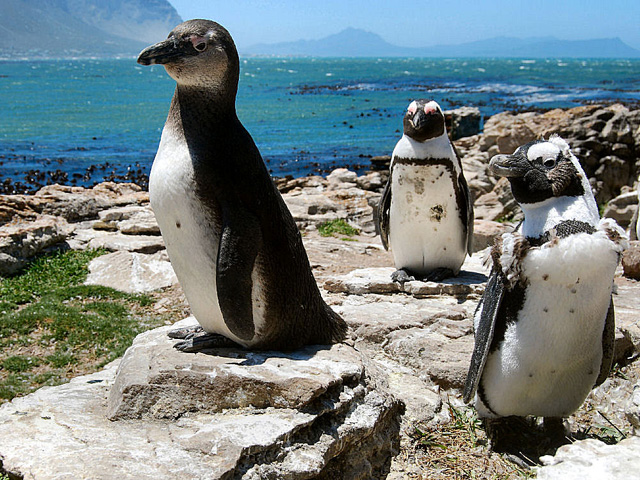
**Betty's Bay**, 2 kilometers away, has two distinct draws. Stony Point is a protected African penguin colony on the rocky coastline, one of the few mainland sites where visitors can observe the birds at close range without a boat trip. The Harold Porter National Botanical Garden covers over 190 hectares of mountain fynbos, wetland, and stream habitat, and is a well-regarded site for South African plant diversity. Both sites work well as a half-day outing.
**Pringle Bay**, 6 kilometers out, is a small coastal settlement with an informal atmosphere and a long beach. The Hangklip headland forms a visible landmark across the water, and the village suits visitors wanting quiet days with little structured activity. It is low-key by design and draws people who want to step away from organized tourism.
**Gordon's Bay**, at 23 kilometers, is a larger town on the edge of False Bay with a working marina, waterfront restaurants, and a beach popular with families. It offers more services than the smaller coastal villages and functions as a practical stop for supplies, a meal, or a longer seafood lunch.
**Vermont**, 24 kilometers from Overberg, sits alongside the Kleinrivier Lagoon. The lagoon attracts waders and waterfowl year-round, making it a good morning stop for birdwatchers, and the residential village has a noticeably quieter character than the town centers nearby.
**Grabouw**, 26 kilometers away, is a working fruit farming town on the approach to the Elgin Valley. Apple orchards dominate the surrounding hills, and the town has a functional rather than tourist character, serving primarily as a gateway to the valley and a stopping point for drivers on the N2.
**Elgin**, at 27 kilometers, is a cooler inland valley producing apples and wine. Several wine estates offer tastings, and the climate here produces wines with a different profile from warmer South African regions. It makes a practical afternoon excursion that adds an agricultural dimension to any Overberg trip.
---
## Planning Your Stay
Booking ahead is important for visits during the peak season. Properties in the most popular areas can fill weeks in advance during the busiest months, and waiting for last-minute availability is a poor strategy for that period. Outside of peak season, availability is generally more forgiving, though confirming bookings before traveling is still sensible.
When comparing properties, check the catering arrangement carefully. Self-catering suits visitors planning flexible day trips, while bed-and-breakfast options remove the need to shop for supplies on arrival. In more remote parts of the Overberg, the nearest shop or restaurant may be a 20-minute drive, which affects how meals need to be planned.
Reading recent guest reviews saves time, as standards across the region vary. Comments about water pressure, road access, and heating are particularly relevant for rural properties, some of which are older and not always well-maintained. Check whether gravel road access is required, especially after wet weather.
Two sites worth arranging in advance are the De Hoop Nature Reserve, which requires pre-booked accommodation and entry, and the Elim mission station, a national heritage site preserving 19th-century thatched architecture. Elim is best treated as a dedicated half-day stop rather than a quick detour, and it rewards visitors who read a little about its history beforehand.

The Overberg draws visitors looking for a slower pace, and its accommodation reflects that character. Currently no properties are listed on this platform for the area, though the region supports options across several price points and styles. Pricing varies considerably depending on location and property type, with coastal stays generally costing more than inland alternatives.
At the budget end, self-catering cottages and basic guesthouses are common throughout the smaller inland towns. These suit visitors who plan to spend most of their time outdoors and need little more than a clean, functional base. Shared facilities and simpler kitchens are typical at this tier, and the trade-off is usually a more central position in town at a lower nightly rate.
Mid-range stays shift the emphasis toward comfort and character. Farm stays and bed-and-breakfasts are particularly well-represented around Hermanus and Swellendam, where owners frequently provide practical local knowledge that improves a trip considerably. These properties often include breakfast made from produce sourced nearby, which suits travelers who prefer to start the day without the hassle of finding a café.
Toward the upper end of the market, boutique guesthouses and small lodges offer more polished finishes, with some positioned to take advantage of sea views or access to nature areas. Amenities like pools, in-room fireplaces, and on-site dining distinguish these properties from mid-range options. Demand at this tier is consistent, particularly during school holidays and the peak summer months, making early booking advisable.
Hermanus has the highest concentration of accommodation across all tiers. For a quieter experience, properties in towns like Bredasdorp, Arniston, or Stanford offer a different character, placing visitors away from the main tourist areas and closer to the agricultural and fishing communities that define much of the Overberg.
---
## Best Time to Visit Overberg
The Overberg has a Mediterranean climate, with warm, dry summers and mild, occasionally wet winters. This pattern makes the region accessible year-round, though each season has different strengths.
The most visited period runs from June to December, driven largely by the presence of southern right whales along the coastline near Hermanus. Numbers peak between August and October, when sightings from shore are most frequent. This is also when accommodation demand is highest and planning ahead becomes essential.
Spring, from September to November, is particularly appealing inland. Canola fields turn yellow across the farming areas, and wildflowers bloom across the lowland heathlands, making drives through the Overberg more visually interesting than at any other time of year.
December through February brings South African school holidays and summer heat. The coast is busy during this period and smaller towns see noticeably more visitors. Traveling in January or February rather than December avoids some of the congestion while keeping the warm weather.
From March to May, the pace slows and visitor numbers drop. Autumn temperatures remain comfortable for walking, and the landscape shifts as orchards and vineyards in the surrounding valleys change color. This window suits travelers who prefer a quieter trip without sacrificing decent weather.
---
## Getting to Overberg
Cape Town International Airport is the main entry point for domestic and international travelers. From the airport, car rental is strongly recommended, as public transport between Overberg towns is sparse and unreliable for most itineraries.
The N2 highway connects Cape Town to the Overberg, with the most direct route to Hermanus branching off via the R43 through Sir Lowry's Pass. The drive from Cape Town takes roughly one hour under normal conditions, covering approximately 100 kilometers. A longer alternative follows the coastal road, adding scenic value if time allows.
Within the region, all major destinations are reachable by car. Swellendam lies approximately 200 kilometers from Cape Town along the N2. Cape Agulhas, the southernmost point of the African continent, is reached via Bredasdorp on the R319, adding another 90 kilometers beyond Swellendam. Driving between Overberg towns typically takes between 30 minutes and two hours depending on the route.
Shuttle services between Cape Town and Hermanus operate on a limited schedule, primarily during peak holiday periods. For travel beyond Hermanus to other parts of the Overberg, private transport is effectively the only practical option. Visitors who prefer not to drive should arrange transfers through their accommodation in advance rather than relying on local connections.
---
## Overberg and Surrounding Areas
Several communities close to Overberg reward a detour and complement the region as a base for broader exploration.
**Betty's Bay**, 2 kilometers away, has two distinct draws. Stony Point is a protected African penguin colony on the rocky coastline, one of the few mainland sites where visitors can observe the birds at close range without a boat trip. The Harold Porter National Botanical Garden covers over 190 hectares of mountain fynbos, wetland, and stream habitat, and is a well-regarded site for South African plant diversity. Both sites work well as a half-day outing.
**Pringle Bay**, 6 kilometers out, is a small coastal settlement with an informal atmosphere and a long beach. The Hangklip headland forms a visible landmark across the water, and the village suits visitors wanting quiet days with little structured activity. It is low-key by design and draws people who want to step away from organized tourism.
**Gordon's Bay**, at 23 kilometers, is a larger town on the edge of False Bay with a working marina, waterfront restaurants, and a beach popular with families. It offers more services than the smaller coastal villages and functions as a practical stop for supplies, a meal, or a longer seafood lunch.
**Vermont**, 24 kilometers from Overberg, sits alongside the Kleinrivier Lagoon. The lagoon attracts waders and waterfowl year-round, making it a good morning stop for birdwatchers, and the residential village has a noticeably quieter character than the town centers nearby.
**Grabouw**, 26 kilometers away, is a working fruit farming town on the approach to the Elgin Valley. Apple orchards dominate the surrounding hills, and the town has a functional rather than tourist character, serving primarily as a gateway to the valley and a stopping point for drivers on the N2.
**Elgin**, at 27 kilometers, is a cooler inland valley producing apples and wine. Several wine estates offer tastings, and the climate here produces wines with a different profile from warmer South African regions. It makes a practical afternoon excursion that adds an agricultural dimension to any Overberg trip.
---
## Planning Your Stay
Booking ahead is important for visits during the peak season. Properties in the most popular areas can fill weeks in advance during the busiest months, and waiting for last-minute availability is a poor strategy for that period. Outside of peak season, availability is generally more forgiving, though confirming bookings before traveling is still sensible.
When comparing properties, check the catering arrangement carefully. Self-catering suits visitors planning flexible day trips, while bed-and-breakfast options remove the need to shop for supplies on arrival. In more remote parts of the Overberg, the nearest shop or restaurant may be a 20-minute drive, which affects how meals need to be planned.
Reading recent guest reviews saves time, as standards across the region vary. Comments about water pressure, road access, and heating are particularly relevant for rural properties, some of which are older and not always well-maintained. Check whether gravel road access is required, especially after wet weather.
Two sites worth arranging in advance are the De Hoop Nature Reserve, which requires pre-booked accommodation and entry, and the Elim mission station, a national heritage site preserving 19th-century thatched architecture. Elim is best treated as a dedicated half-day stop rather than a quick detour, and it rewards visitors who read a little about its history beforehand.
Overberg Kaart
Nabygeleë Bestemmings
Blaai Deur Alle Overberg Akkommodasie
Bekyk al 0 akkommodasie-opsies in Overberg met foto's, pryse en beskikbaarheid.
Blaai Deur Alle Akkommodasie