Pringle Bay Reis- & Akkommodasiegids
Jou volledige gids om Pringle Bay, Suid-Afrika te besoek.
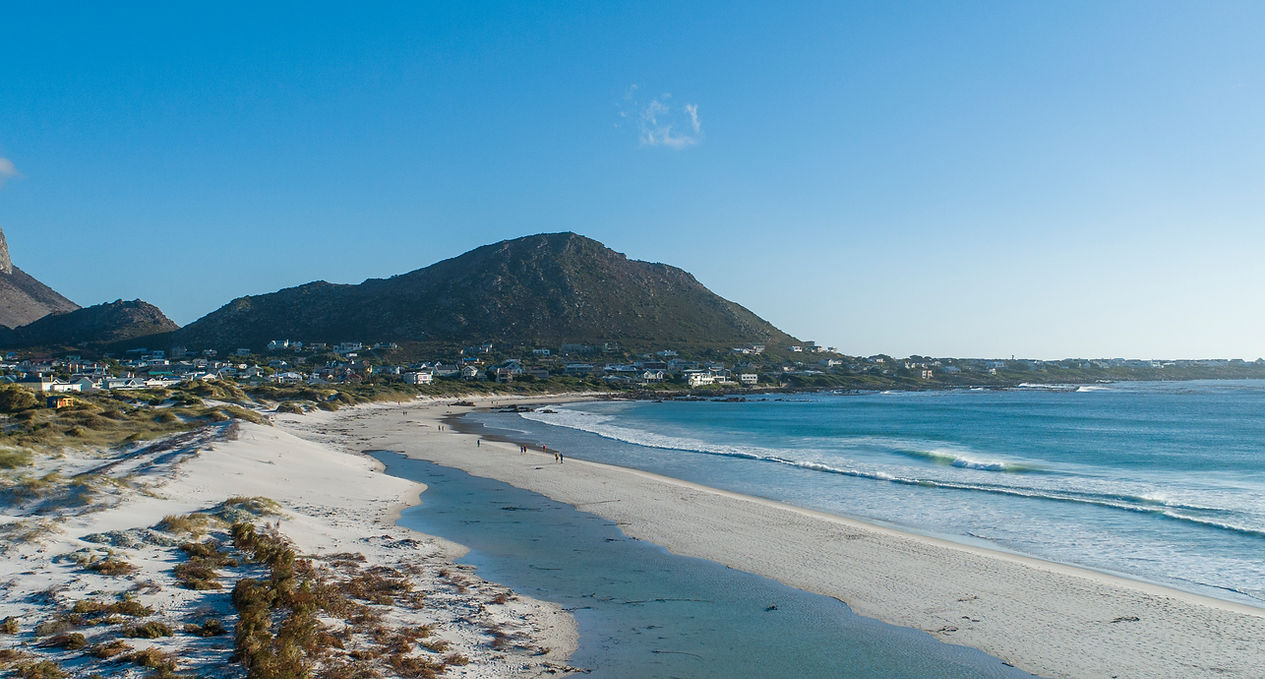
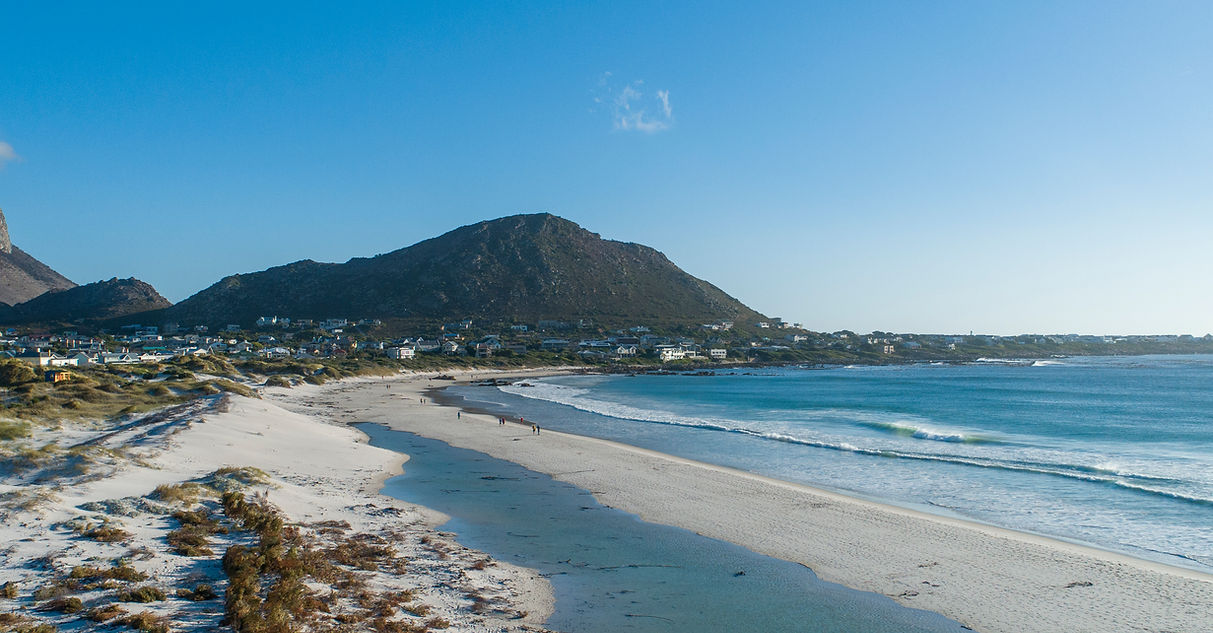
Pringle Bay provides a tranquil coastal experience with its sandy shores and nearby hiking trails. The village is home to unique fynbos plants and offers chances for birdwatching and relaxation. Its proximity to Cape Town makes it an appealing option for short getaways.
## Accommodation in Pringle Bay
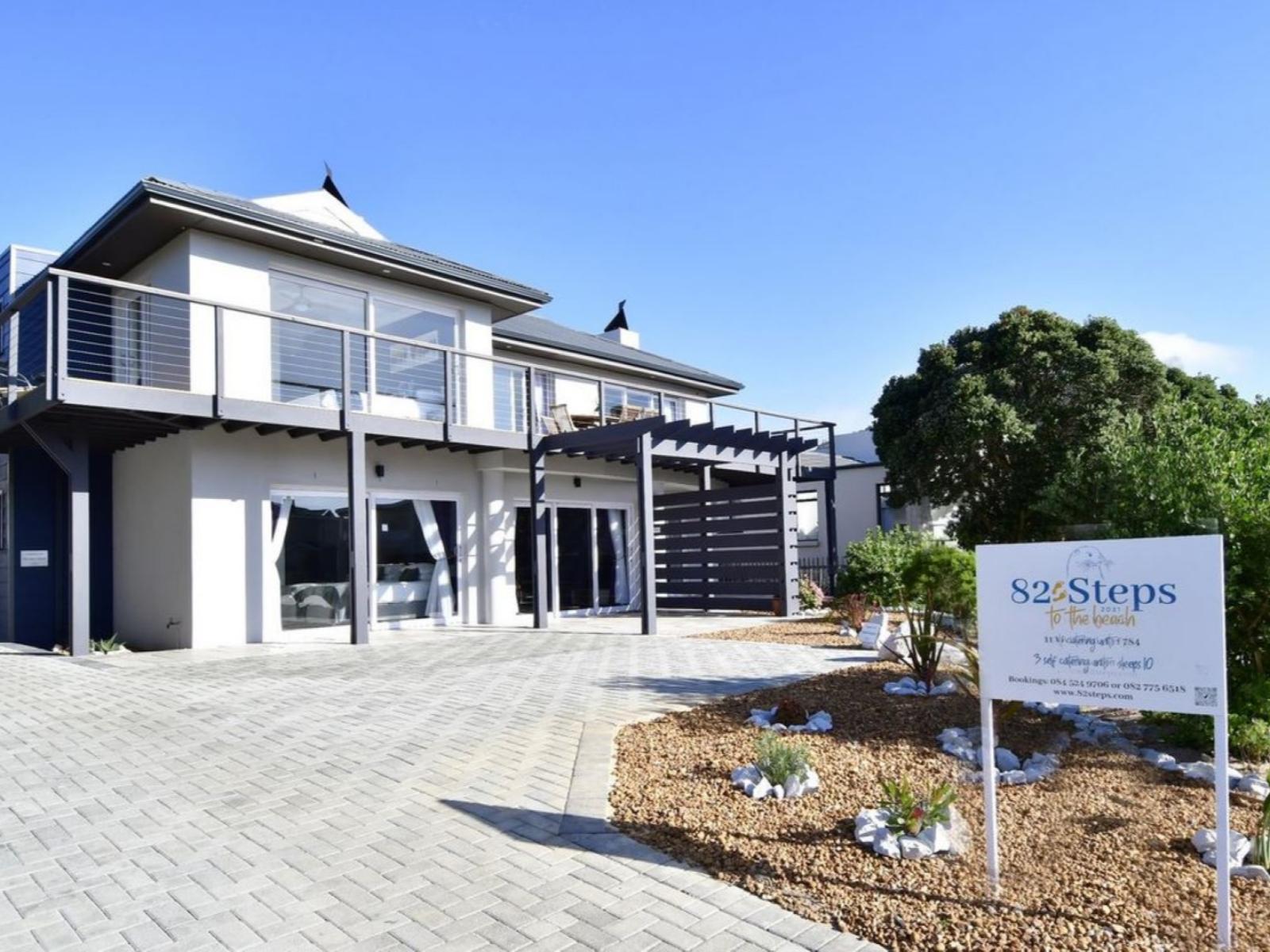
The village has not yet accumulated a significant pool of listed properties on centralised booking platforms, with current listings sitting at zero and no established price benchmarks available. That absence of aggregated data does not mean accommodation is scarce. Pringle Bay has long attracted repeat visitors who book directly through local guesthouses, holiday rental agents, and word-of-mouth recommendations rather than through large international platforms.
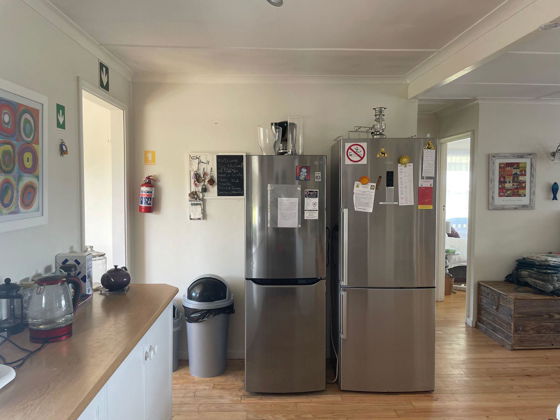
At the budget end, self-catering cottages and studio units are the most practical option for independent travellers. These typically sit a few streets from the beach, offering basic amenities without the overhead of full-service hospitality. Families and groups travelling on a tighter budget often favour this approach, as cooking in a shared kitchen and walking to the shore becomes the natural rhythm of the stay.
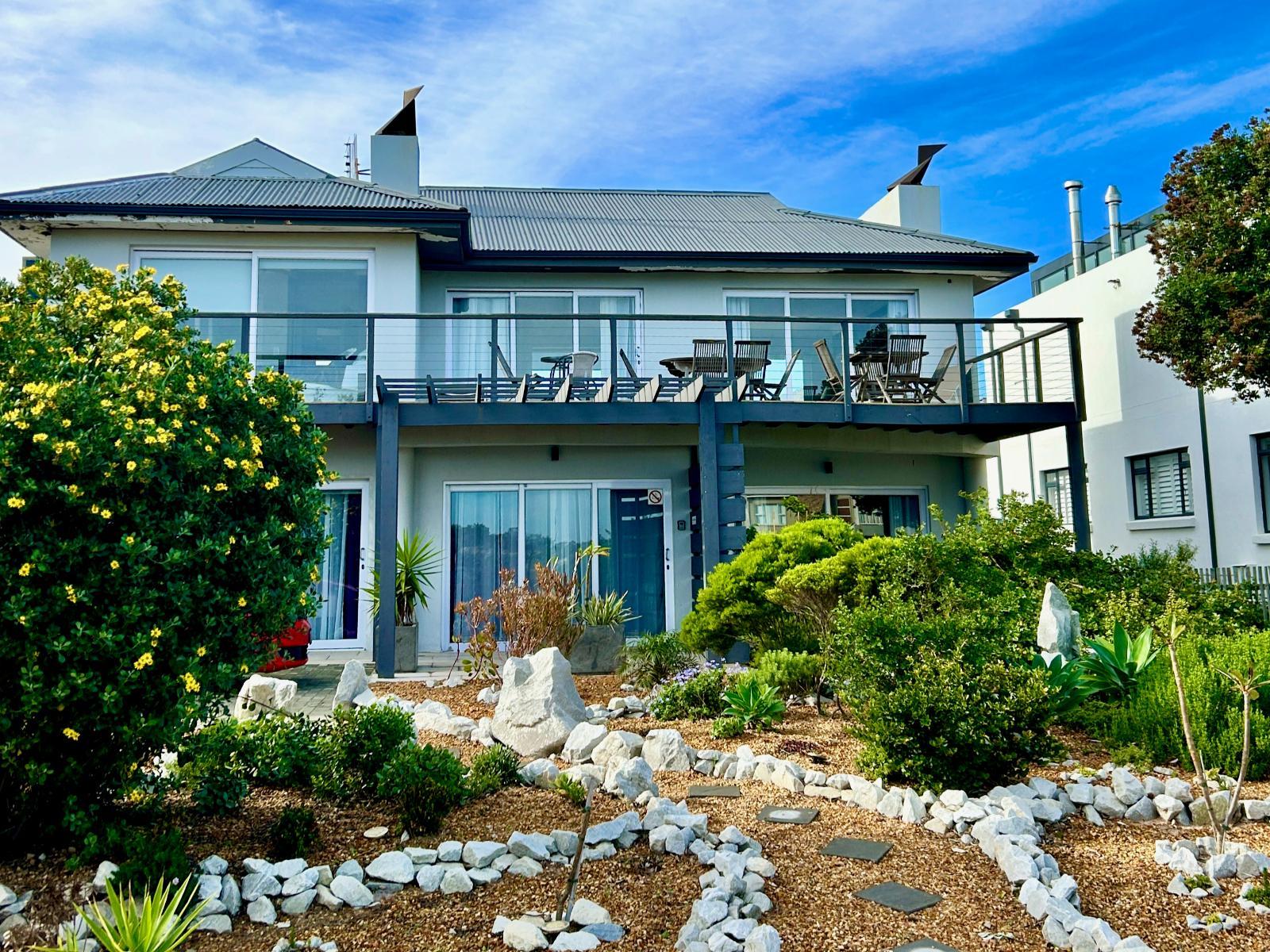
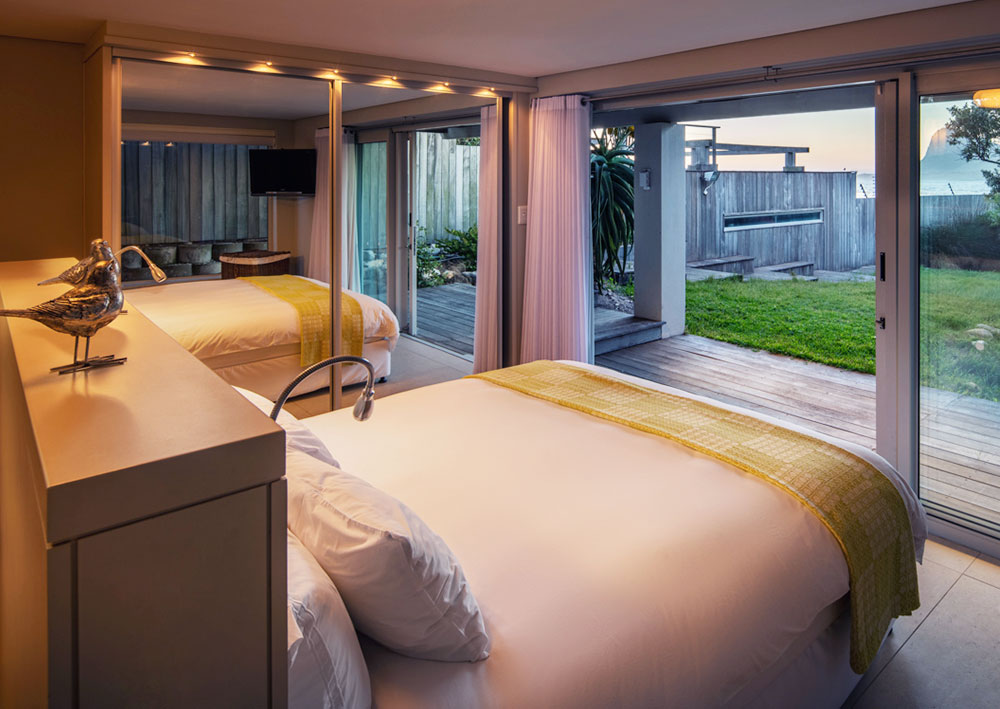
Mid-range options tend to be fully-equipped holiday homes, sometimes with gardens facing the mountain or the coast. Several properties in this category accommodate four to eight guests comfortably, making them well-suited for group bookings. The area's character is shaped largely by these privately-owned houses, which carry more personality than a standard hotel room and keep visitors within walking distance of the main beach.
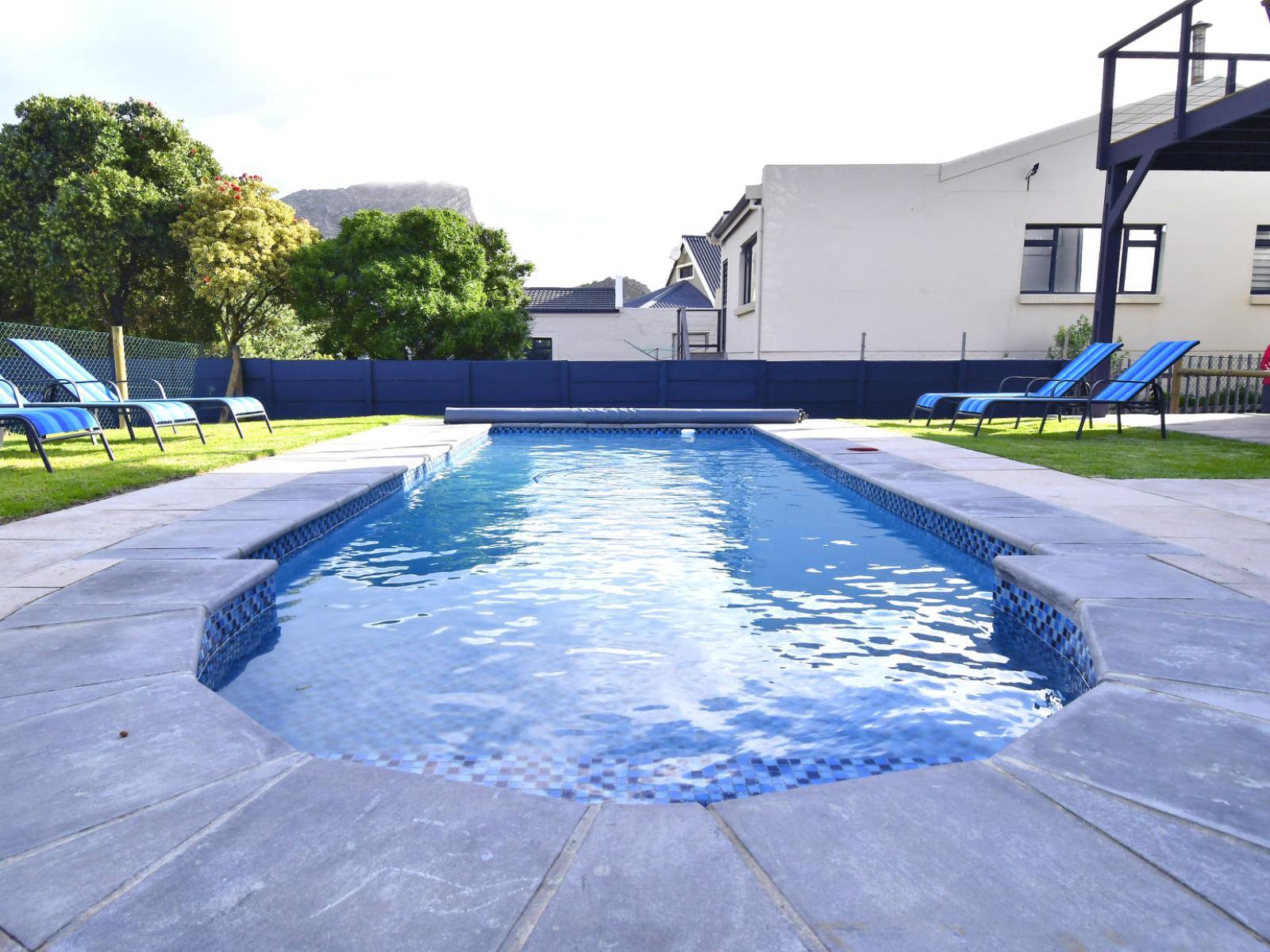
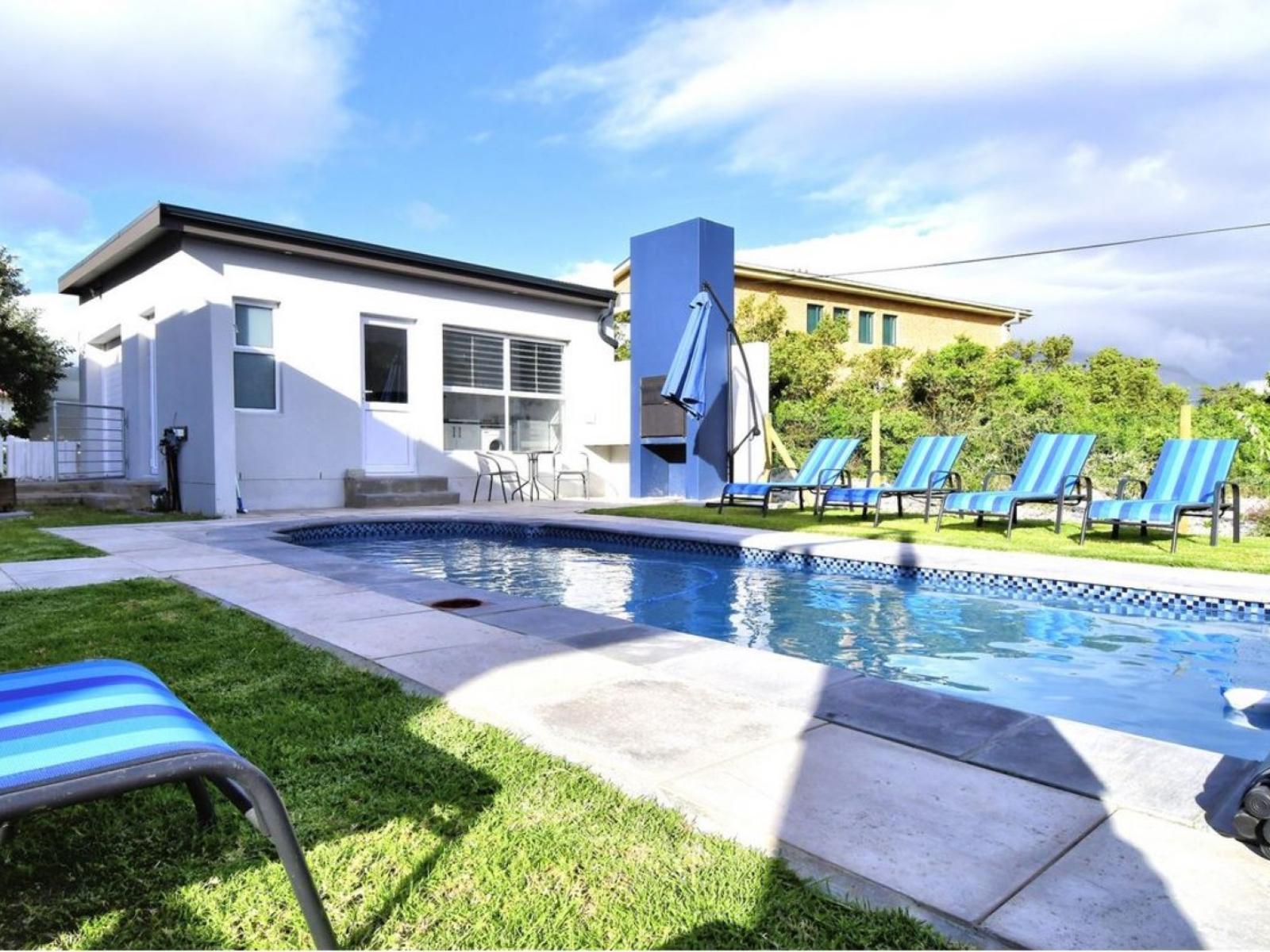
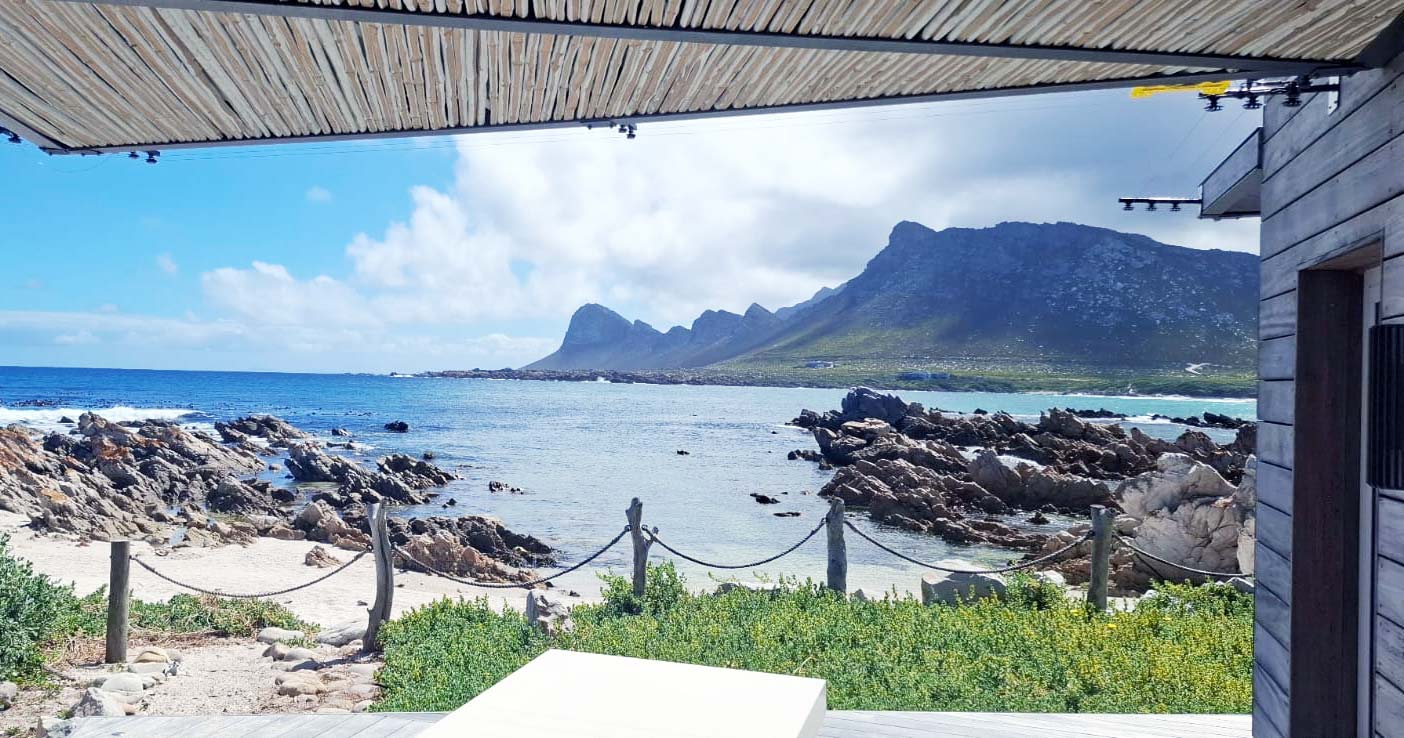
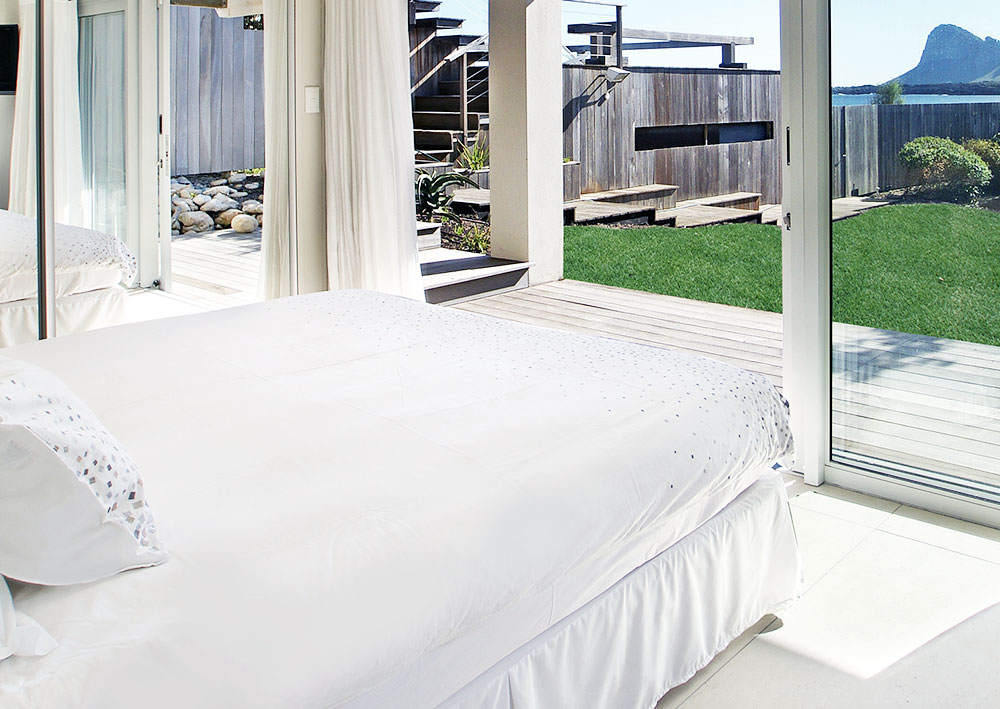
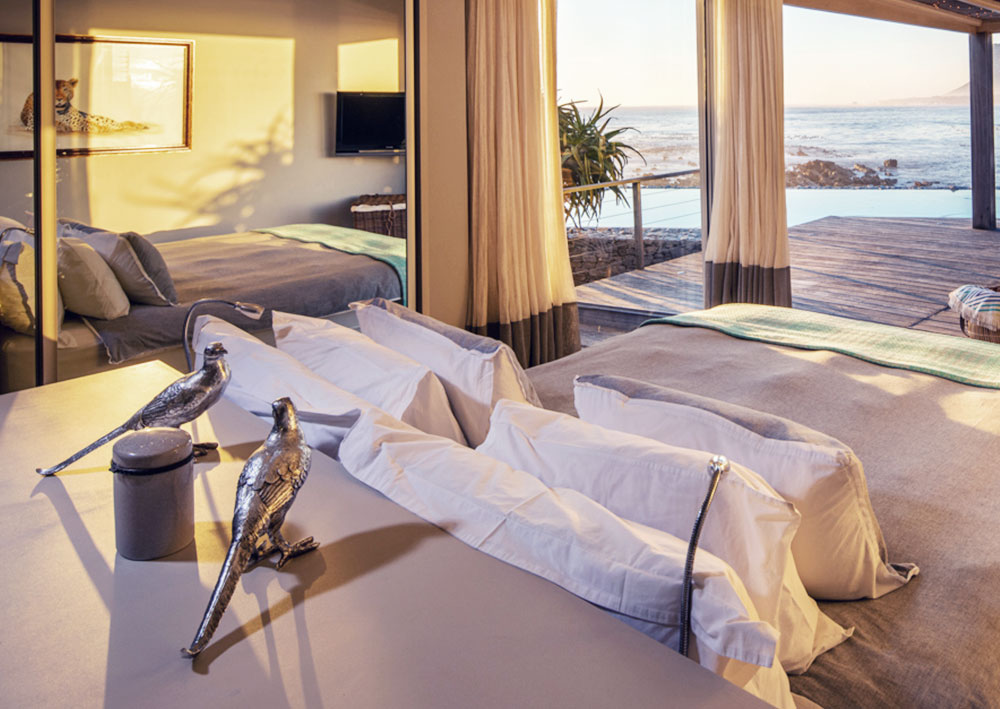
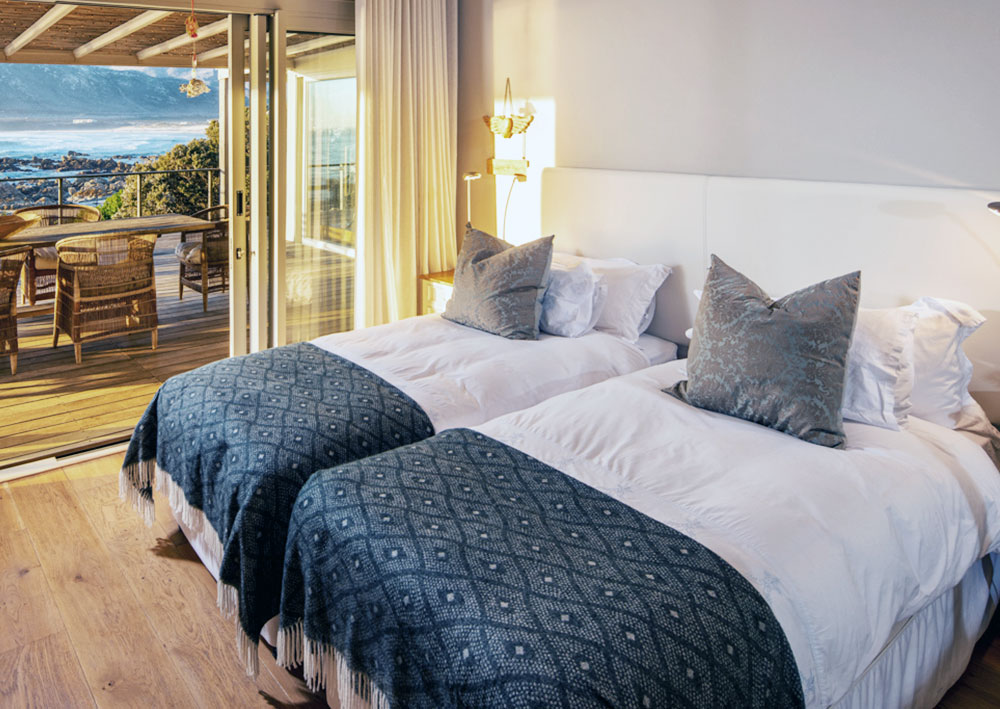
At the upper end of what the village offers, select guesthouses and larger holiday homes with sea views or private pools represent the closest thing to premium accommodation here. These are not resort-scale properties. Pringle Bay's size simply does not support that kind of development, and many visitors consider that a feature rather than a limitation. There is no large hotel, no conference centre, and no chain accommodation presence.
Booking directly through local property managers or established Western Cape holiday rental agencies remains the most reliable approach given the sparse online listing inventory. Availability in peak summer weeks narrows quickly, and properties rarely sit on short-notice markets during December and January.
---
## Best Time to Visit Pringle Bay
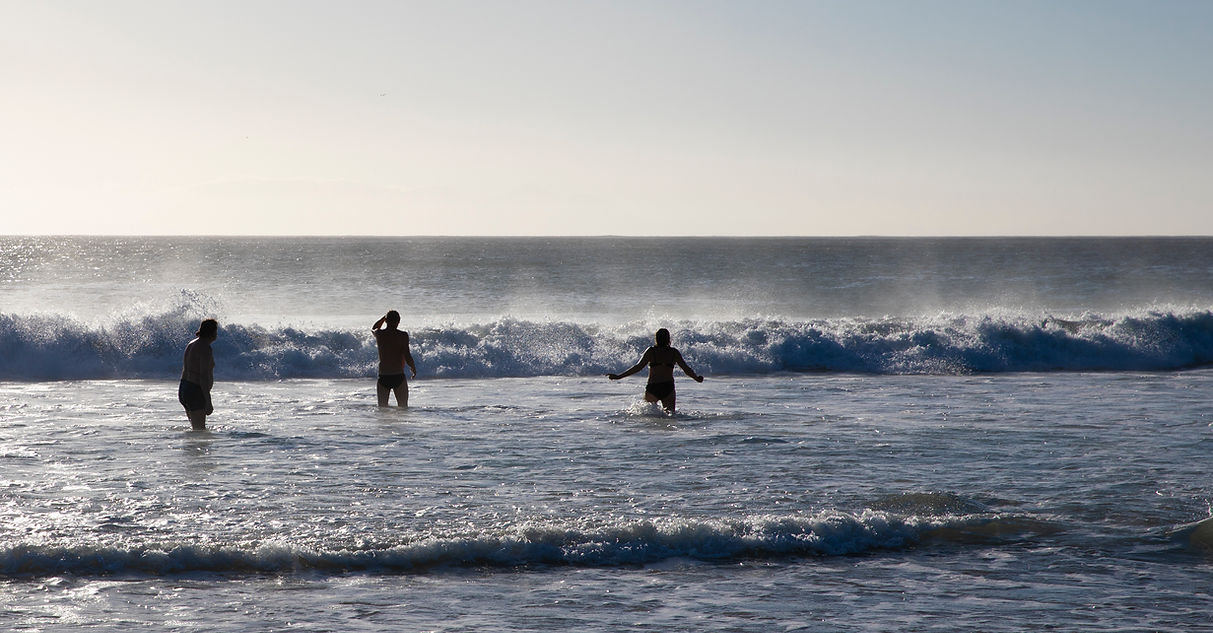
Summer, from November through February, brings the warmest and driest conditions to the village. Water temperatures in False Bay peak during this period, making the beaches accessible for swimming. These months also see the highest visitor numbers, particularly South African families during the school holiday break from mid-December to mid-January.
Spring and autumn offer a quieter alternative without sacrificing too much comfort. September and October see the Kogelberg Biosphere Reserve come alive with flowering proteas and ericas, drawing botanists and hikers seeking colour across the fynbos. April and May tend to stay mild, with fewer crowds and reasonable beach weather on most days.
Winter, from June through August, is cooler and wetter, with competing south-easterly and north-westerly winds depending on the week. This is, however, precisely when southern right whales move close inshore along False Bay, making June to November the primary window for sightings from the rocks and viewpoints around the village. Serious whale watchers often choose these cooler months deliberately. Early morning walks along the shore in July can yield multiple sightings without any dedicated boat trip.
---
## Getting to Pringle Bay
Cape Town International Airport is the most practical entry point for international and domestic visitors, sitting roughly 90 kilometres west of Pringle Bay. The drive from the airport follows the N2 highway south-east before turning off toward the coast, taking around 75 minutes under normal traffic conditions. Most visitors hire a car at the airport or through a Cape Town agency, as no scheduled public transport connects the village to the city.
From Cape Town's city centre, the R44 runs along the False Bay shoreline through Muizenberg and Fish Hoek before continuing east toward the village. This coastal road takes slightly longer than the inland highway route but offers consistent sea views along its length. Drivers arriving from the Winelands or the Overberg corridor can approach via the N2 and turn south at the Bot River interchange, reaching the village through a series of mountain passes.
Once in Pringle Bay, a car is essential. The village grid is compact and walkable, but reaching trailheads, the botanical garden in the next town, or the surrounding reserve requires transport. Fuel and basic provisions are available in nearby coastal towns. There is no car hire operation within the village itself, so sorting transport before arrival is necessary.
---
## Pringle Bay and Surrounding Areas
Pringle Bay sits at the coastal edge of the Overberg region, which begins roughly 6 kilometres inland. The Overberg stretches east toward Hermanus and Swellendam, covering wheat farms, sheep country, and nature reserves. Treating Pringle Bay as a coastal anchor while taking day drives into the broader Overberg allows visitors to move between very different landscapes without changing base.
Betty's Bay, 8 kilometres to the east, is the most immediately useful neighbour. The Harold Porter National Botanical Garden sits within the town and offers short, well-maintained paths through a variety of fynbos species including restios, ericas, and proteas in various stages of bloom depending on the month. Betty's Bay also holds an established African penguin colony at the Stony Point reserve, where boardwalks allow close observation of the birds with minimal disturbance. Entry to both sites requires a small conservation fee.
Gordon's Bay, 22 kilometres north along the coast road, marks the beginning of a more urbanised stretch. It has a working harbour with a small fishing fleet and a yacht club, alongside cafes and restaurants on the waterfront. The town is useful for banking, provisioning, and a sit-down restaurant meal in a setting that still feels connected to the sea.
Strand, 27 kilometres further north, extends a long Blue Flag beach and offers a wider range of supermarkets and commercial services. It functions primarily as a resupply and service hub rather than a destination worth lingering in.
Inland, Grabouw sits 28 kilometres away through the mountains and is at the centre of South Africa's largest apple and pear producing region. The drive through the Houw Hoek and Elgin valleys passes working orchards, and roadside stalls sell fruit in season at prices well below what shops charge.
Elgin, 29 kilometres from Pringle Bay, adds a wine dimension to the inland options. The valley has developed a reputation for cool-climate varieties including Sauvignon Blanc and Pinot Noir, with several estates offering tastings in surroundings that contrast sharply with the coastal character of the base.
---
## Planning Your Stay
Given that online listing inventory for Pringle Bay is currently thin on major platforms, starting a search through local Western Cape holiday rental agencies or regional property managers will return more results than using international aggregators alone. Many owners manage bookings privately or through smaller regional agents who do not list broadly online.
Peak season runs from mid-December to mid-January and fills quickly. Properties for that window typically go six to twelve months in advance, and last-minute availability is rare. June through August offers considerably more flexibility, though properties with good coastal positions still move early once the whale season draws interest.
Before confirming a booking, check the property's water supply situation. Parts of the Western Cape have experienced periodic restrictions, and some smaller cottages rely on tanks or boreholes rather than municipal supply. Asking directly about this is reasonable. Also confirm the actual distance to the beach, as "sea view" covers a wide range of proximity.
Mobile reception and internet connectivity are adequate for casual use but not reliable enough to support remote work without testing the connection in advance. The nearest ATM is in a neighbouring town, so arriving with sufficient cash avoids unnecessary driving. Check-in arrangements vary considerably between properties, as many owners are not based on-site.

The village has not yet accumulated a significant pool of listed properties on centralised booking platforms, with current listings sitting at zero and no established price benchmarks available. That absence of aggregated data does not mean accommodation is scarce. Pringle Bay has long attracted repeat visitors who book directly through local guesthouses, holiday rental agents, and word-of-mouth recommendations rather than through large international platforms.
At the budget end, self-catering cottages and studio units are the most practical option for independent travellers. These typically sit a few streets from the beach, offering basic amenities without the overhead of full-service hospitality. Families and groups travelling on a tighter budget often favour this approach, as cooking in a shared kitchen and walking to the shore becomes the natural rhythm of the stay.
Mid-range options tend to be fully-equipped holiday homes, sometimes with gardens facing the mountain or the coast. Several properties in this category accommodate four to eight guests comfortably, making them well-suited for group bookings. The area's character is shaped largely by these privately-owned houses, which carry more personality than a standard hotel room and keep visitors within walking distance of the main beach.
At the upper end of what the village offers, select guesthouses and larger holiday homes with sea views or private pools represent the closest thing to premium accommodation here. These are not resort-scale properties. Pringle Bay's size simply does not support that kind of development, and many visitors consider that a feature rather than a limitation. There is no large hotel, no conference centre, and no chain accommodation presence.
Booking directly through local property managers or established Western Cape holiday rental agencies remains the most reliable approach given the sparse online listing inventory. Availability in peak summer weeks narrows quickly, and properties rarely sit on short-notice markets during December and January.
---
## Best Time to Visit Pringle Bay
Summer, from November through February, brings the warmest and driest conditions to the village. Water temperatures in False Bay peak during this period, making the beaches accessible for swimming. These months also see the highest visitor numbers, particularly South African families during the school holiday break from mid-December to mid-January.
Spring and autumn offer a quieter alternative without sacrificing too much comfort. September and October see the Kogelberg Biosphere Reserve come alive with flowering proteas and ericas, drawing botanists and hikers seeking colour across the fynbos. April and May tend to stay mild, with fewer crowds and reasonable beach weather on most days.
Winter, from June through August, is cooler and wetter, with competing south-easterly and north-westerly winds depending on the week. This is, however, precisely when southern right whales move close inshore along False Bay, making June to November the primary window for sightings from the rocks and viewpoints around the village. Serious whale watchers often choose these cooler months deliberately. Early morning walks along the shore in July can yield multiple sightings without any dedicated boat trip.
---
## Getting to Pringle Bay
Cape Town International Airport is the most practical entry point for international and domestic visitors, sitting roughly 90 kilometres west of Pringle Bay. The drive from the airport follows the N2 highway south-east before turning off toward the coast, taking around 75 minutes under normal traffic conditions. Most visitors hire a car at the airport or through a Cape Town agency, as no scheduled public transport connects the village to the city.
From Cape Town's city centre, the R44 runs along the False Bay shoreline through Muizenberg and Fish Hoek before continuing east toward the village. This coastal road takes slightly longer than the inland highway route but offers consistent sea views along its length. Drivers arriving from the Winelands or the Overberg corridor can approach via the N2 and turn south at the Bot River interchange, reaching the village through a series of mountain passes.
Once in Pringle Bay, a car is essential. The village grid is compact and walkable, but reaching trailheads, the botanical garden in the next town, or the surrounding reserve requires transport. Fuel and basic provisions are available in nearby coastal towns. There is no car hire operation within the village itself, so sorting transport before arrival is necessary.
---
## Pringle Bay and Surrounding Areas
Pringle Bay sits at the coastal edge of the Overberg region, which begins roughly 6 kilometres inland. The Overberg stretches east toward Hermanus and Swellendam, covering wheat farms, sheep country, and nature reserves. Treating Pringle Bay as a coastal anchor while taking day drives into the broader Overberg allows visitors to move between very different landscapes without changing base.
Betty's Bay, 8 kilometres to the east, is the most immediately useful neighbour. The Harold Porter National Botanical Garden sits within the town and offers short, well-maintained paths through a variety of fynbos species including restios, ericas, and proteas in various stages of bloom depending on the month. Betty's Bay also holds an established African penguin colony at the Stony Point reserve, where boardwalks allow close observation of the birds with minimal disturbance. Entry to both sites requires a small conservation fee.
Gordon's Bay, 22 kilometres north along the coast road, marks the beginning of a more urbanised stretch. It has a working harbour with a small fishing fleet and a yacht club, alongside cafes and restaurants on the waterfront. The town is useful for banking, provisioning, and a sit-down restaurant meal in a setting that still feels connected to the sea.
Strand, 27 kilometres further north, extends a long Blue Flag beach and offers a wider range of supermarkets and commercial services. It functions primarily as a resupply and service hub rather than a destination worth lingering in.
Inland, Grabouw sits 28 kilometres away through the mountains and is at the centre of South Africa's largest apple and pear producing region. The drive through the Houw Hoek and Elgin valleys passes working orchards, and roadside stalls sell fruit in season at prices well below what shops charge.
Elgin, 29 kilometres from Pringle Bay, adds a wine dimension to the inland options. The valley has developed a reputation for cool-climate varieties including Sauvignon Blanc and Pinot Noir, with several estates offering tastings in surroundings that contrast sharply with the coastal character of the base.
---
## Planning Your Stay
Given that online listing inventory for Pringle Bay is currently thin on major platforms, starting a search through local Western Cape holiday rental agencies or regional property managers will return more results than using international aggregators alone. Many owners manage bookings privately or through smaller regional agents who do not list broadly online.
Peak season runs from mid-December to mid-January and fills quickly. Properties for that window typically go six to twelve months in advance, and last-minute availability is rare. June through August offers considerably more flexibility, though properties with good coastal positions still move early once the whale season draws interest.
Before confirming a booking, check the property's water supply situation. Parts of the Western Cape have experienced periodic restrictions, and some smaller cottages rely on tanks or boreholes rather than municipal supply. Asking directly about this is reasonable. Also confirm the actual distance to the beach, as "sea view" covers a wide range of proximity.
Mobile reception and internet connectivity are adequate for casual use but not reliable enough to support remote work without testing the connection in advance. The nearest ATM is in a neighbouring town, so arriving with sufficient cash avoids unnecessary driving. Check-in arrangements vary considerably between properties, as many owners are not based on-site.
Pringle Bay Kaart
Nabygeleë Bestemmings
Blaai Deur Alle Pringle Bay Akkommodasie
Bekyk al 0 akkommodasie-opsies in Pringle Bay met foto's, pryse en beskikbaarheid.
Blaai Deur Alle Akkommodasie