Port Nolloth Reis- & Akkommodasiegids
Jou volledige gids om Port Nolloth, Suid-Afrika te besoek.
1
Eiendom
Vanaf
R2,060
/ nag
Gemiddeld
R2,060
/ nag
Gewildste
Guest house
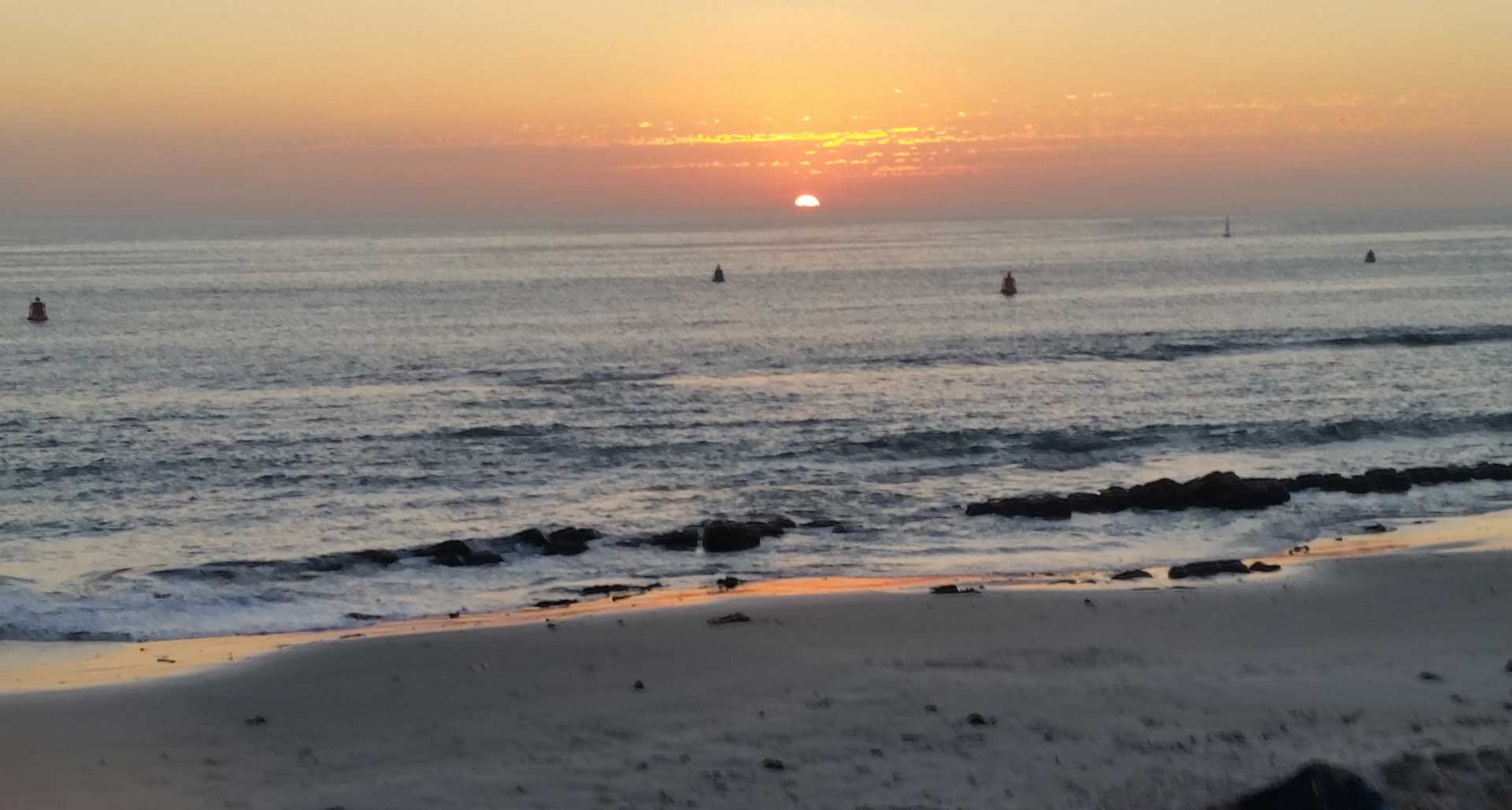
Port Nolloth provides a quiet coastal experience with its fishing harbor and nearby beaches. The area features opportunities for outdoor activities and a glimpse into diamond mining history. Staying here allows travelers to appreciate the simple rhythms of seaside life.
## Accommodation in Port Nolloth
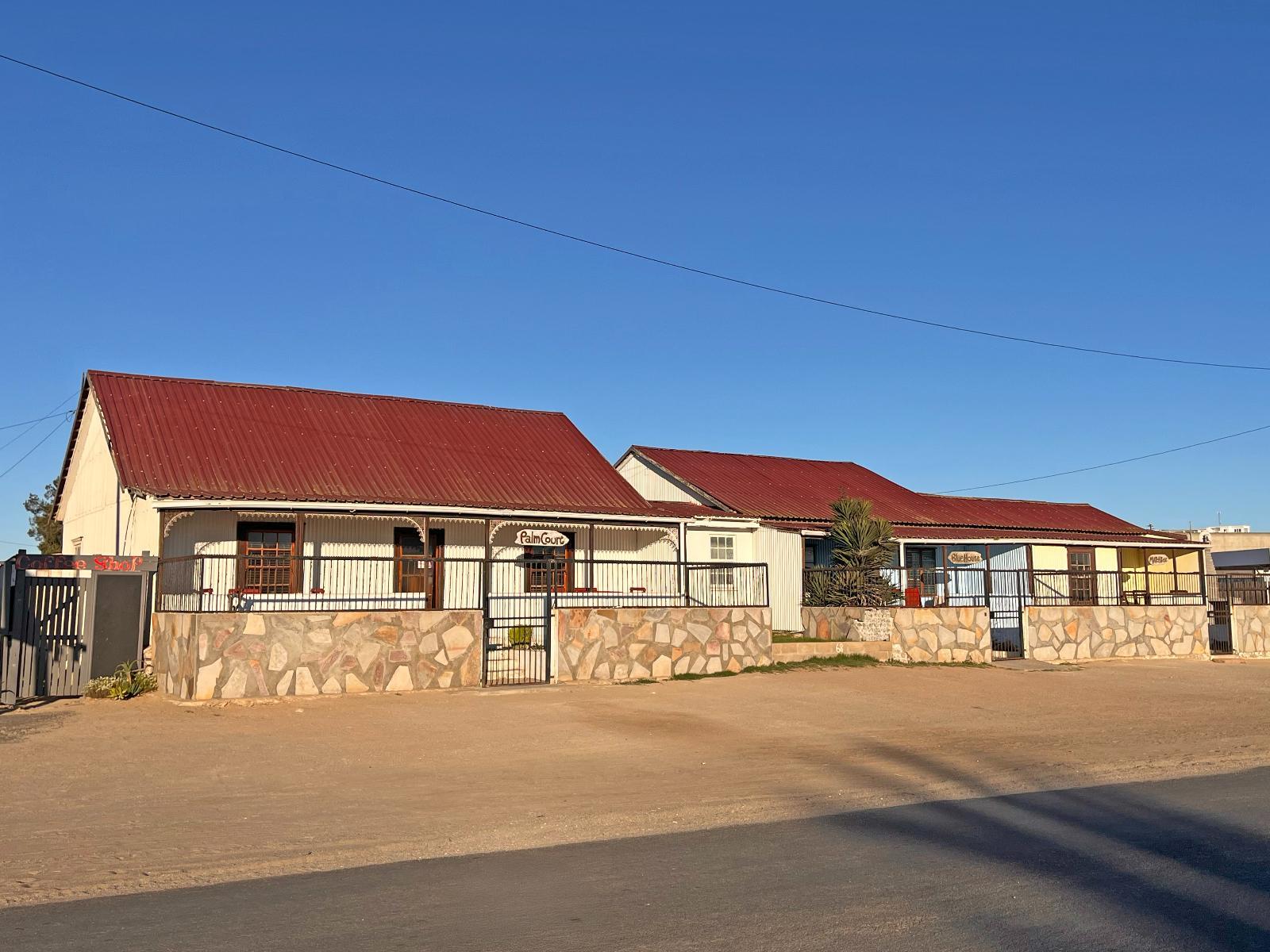
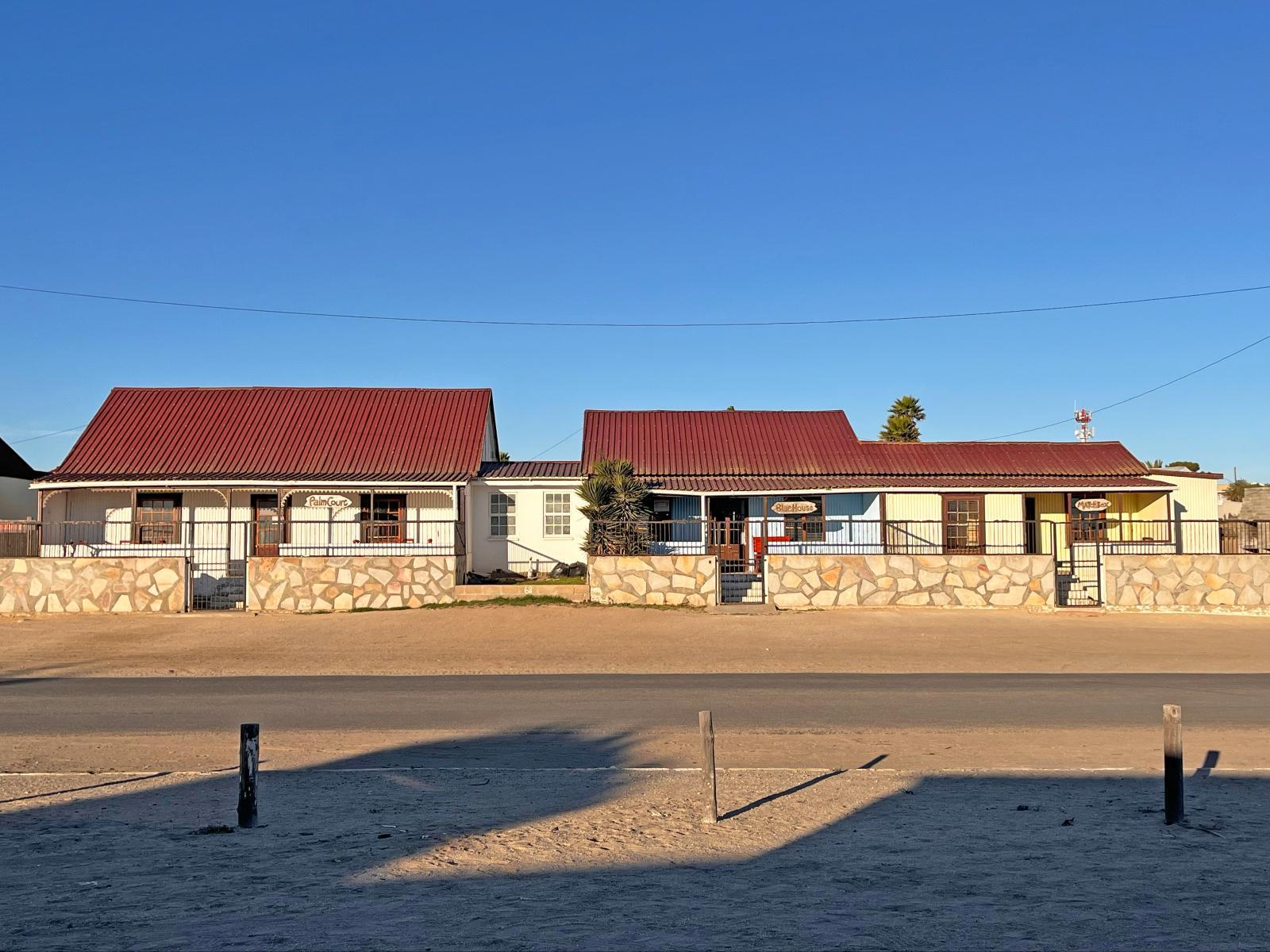
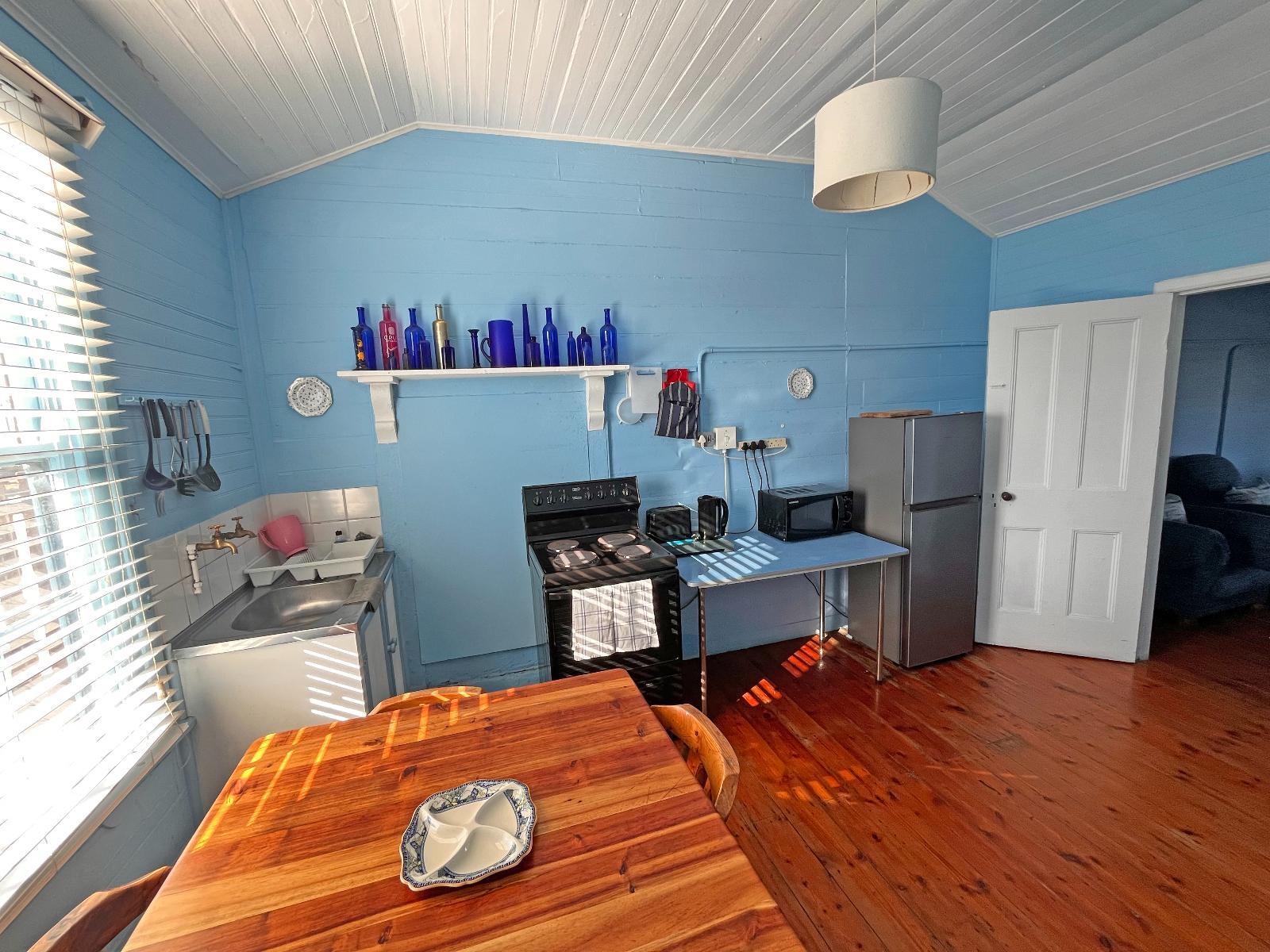
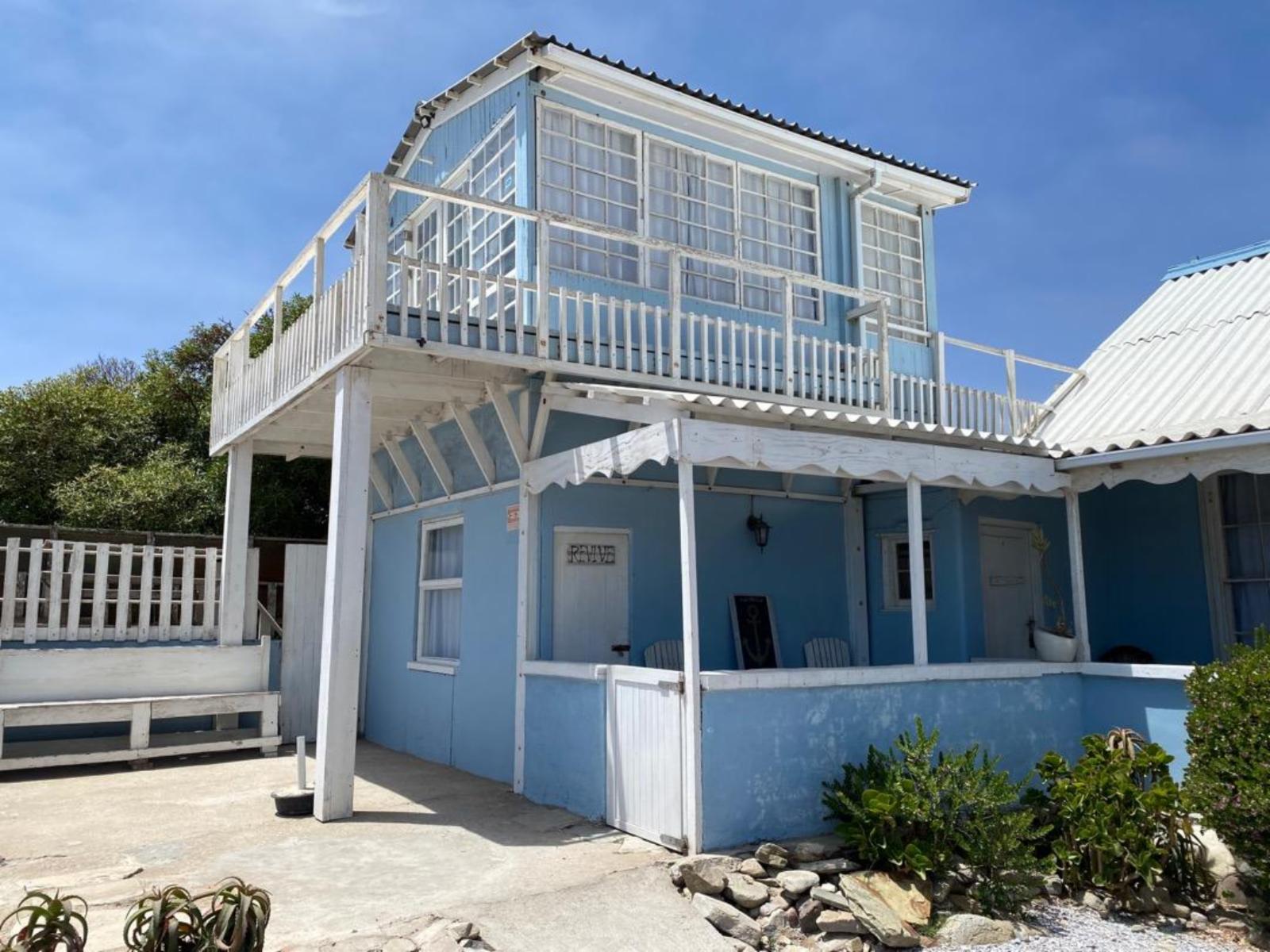
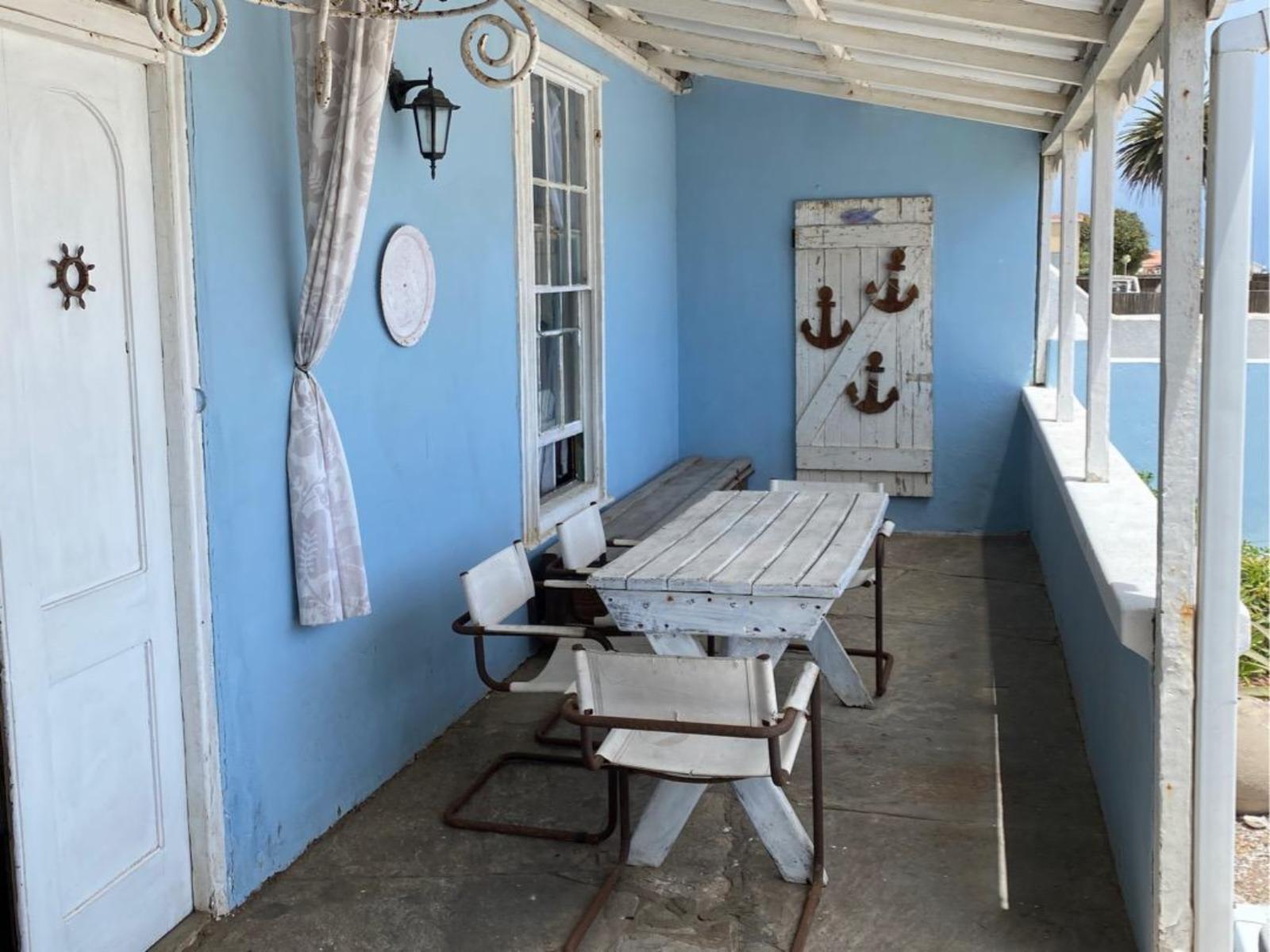
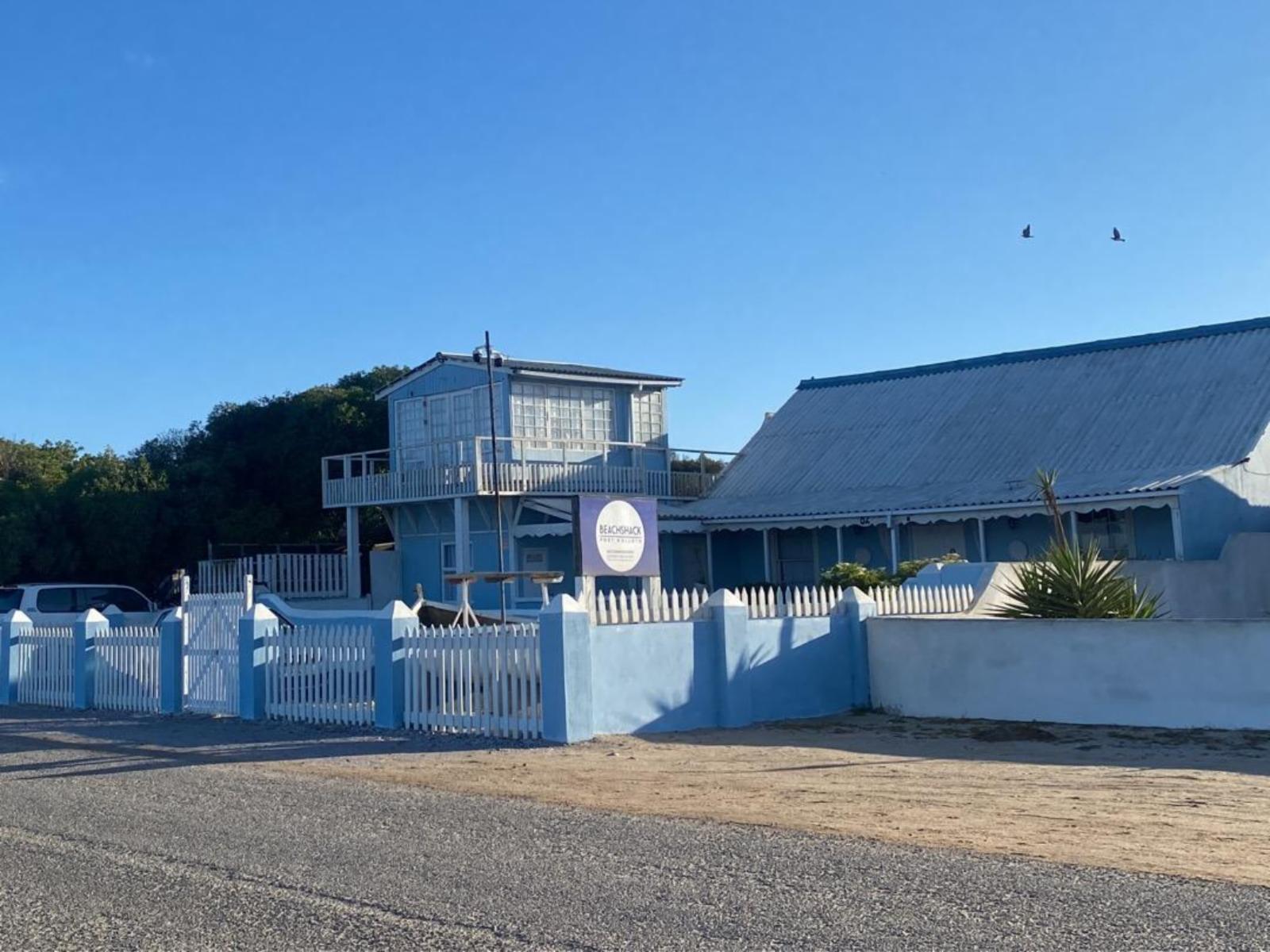
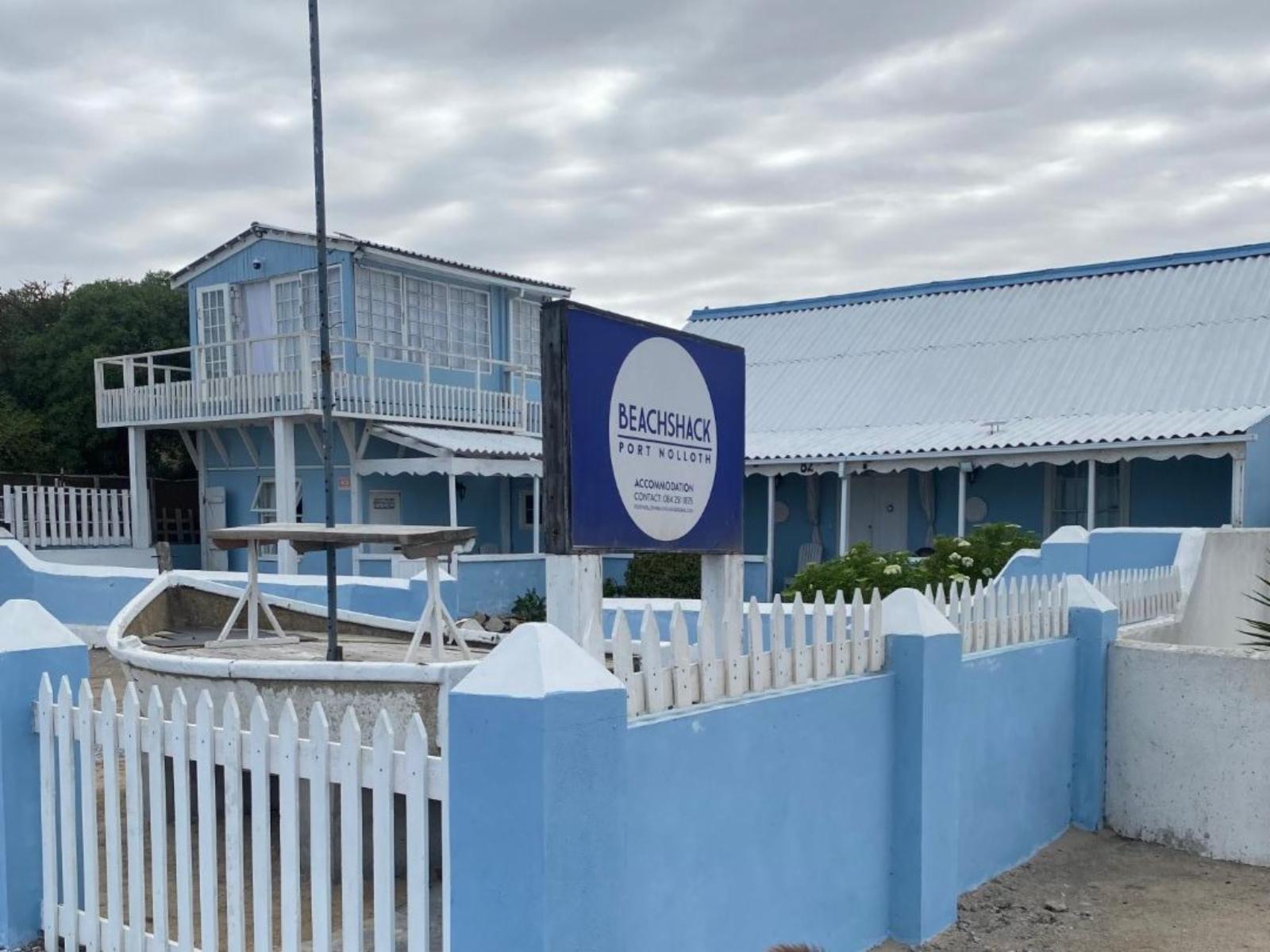
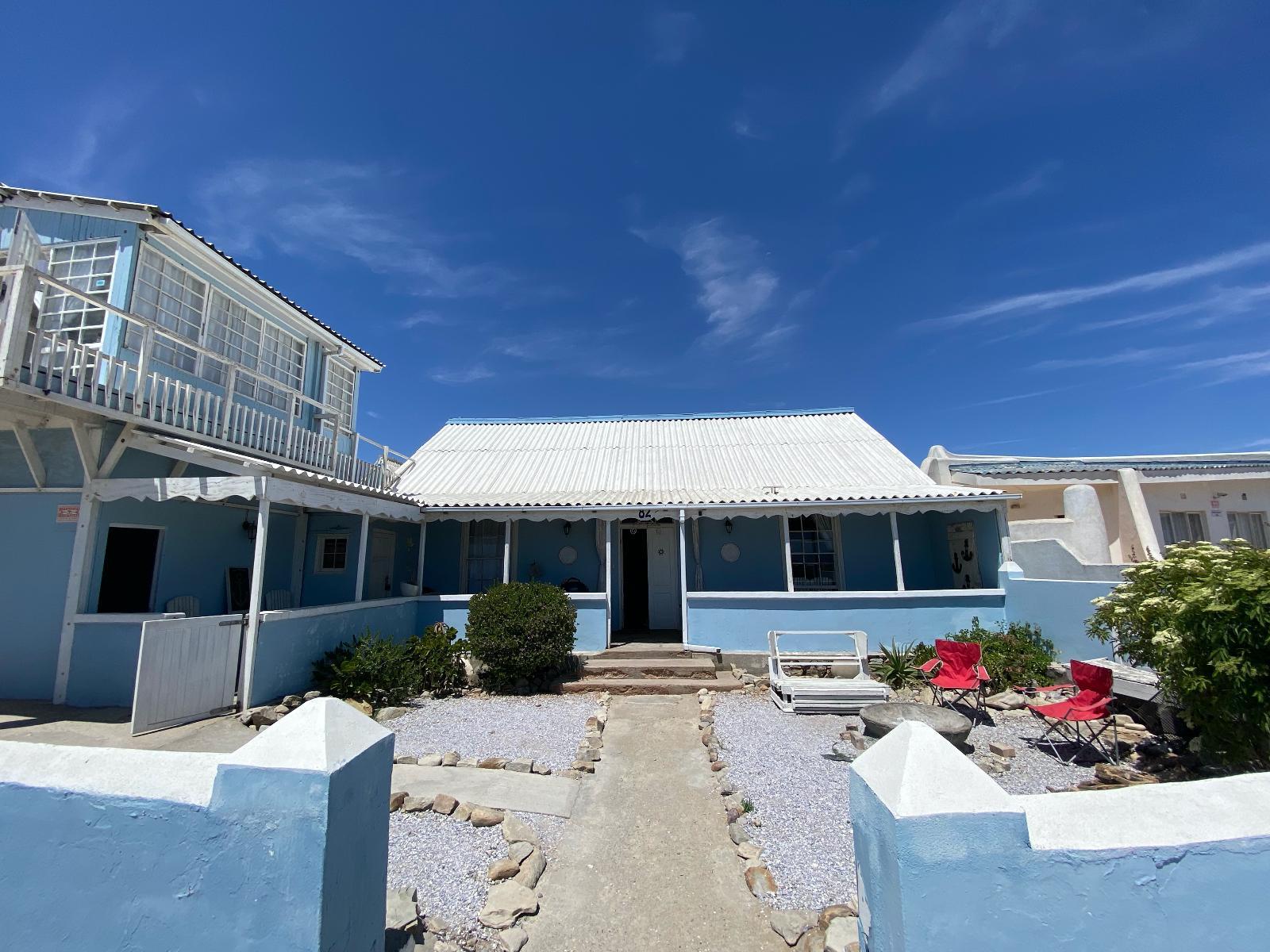
Port Nolloth's accommodation scene is small and practical, which suits the town's character as a working coastal settlement rather than a developed tourism destination. With just one listed property available at around R2,060 per night, choices are focused rather than varied, but that simplicity reflects the place rather than a failing.
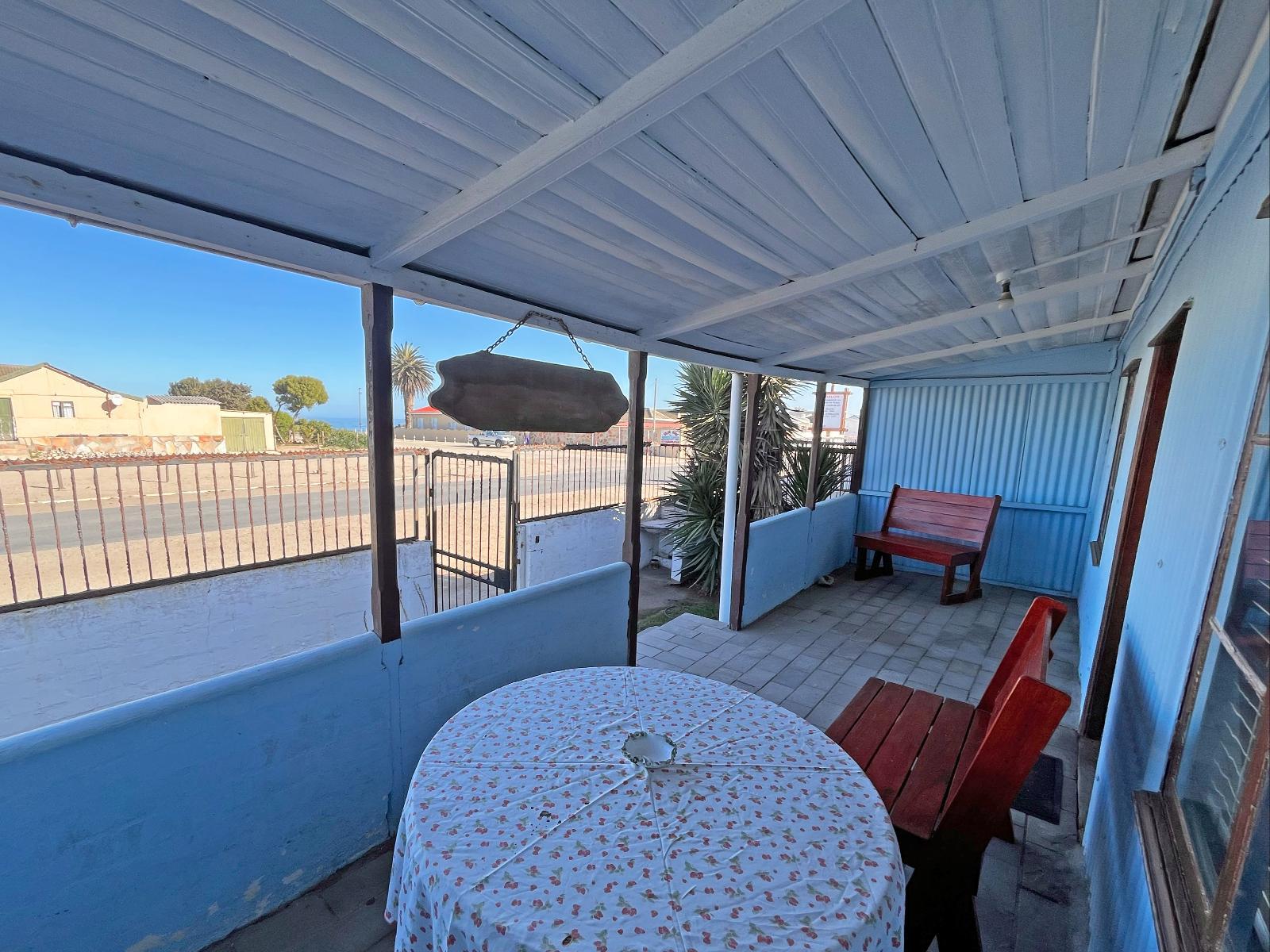
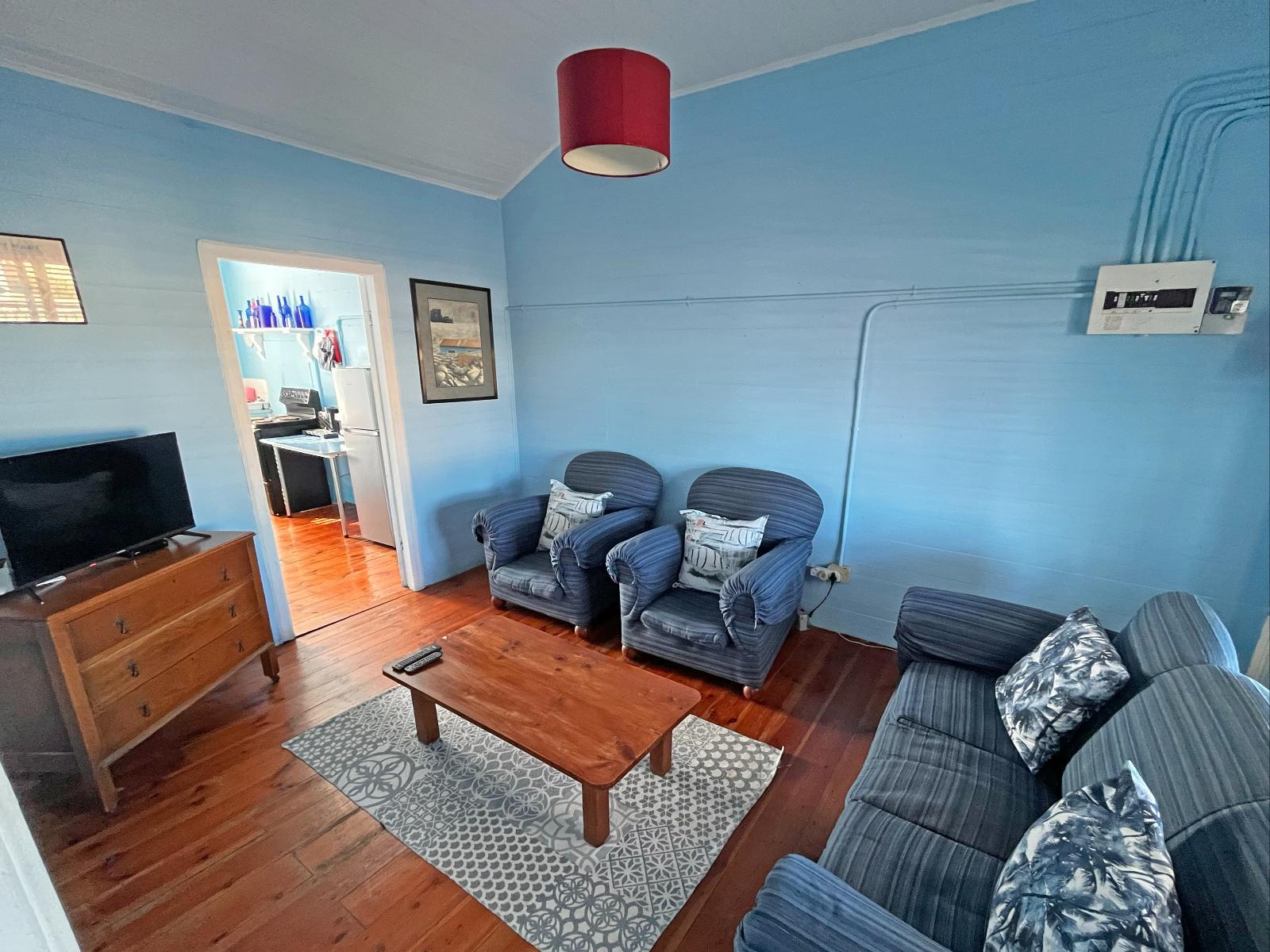
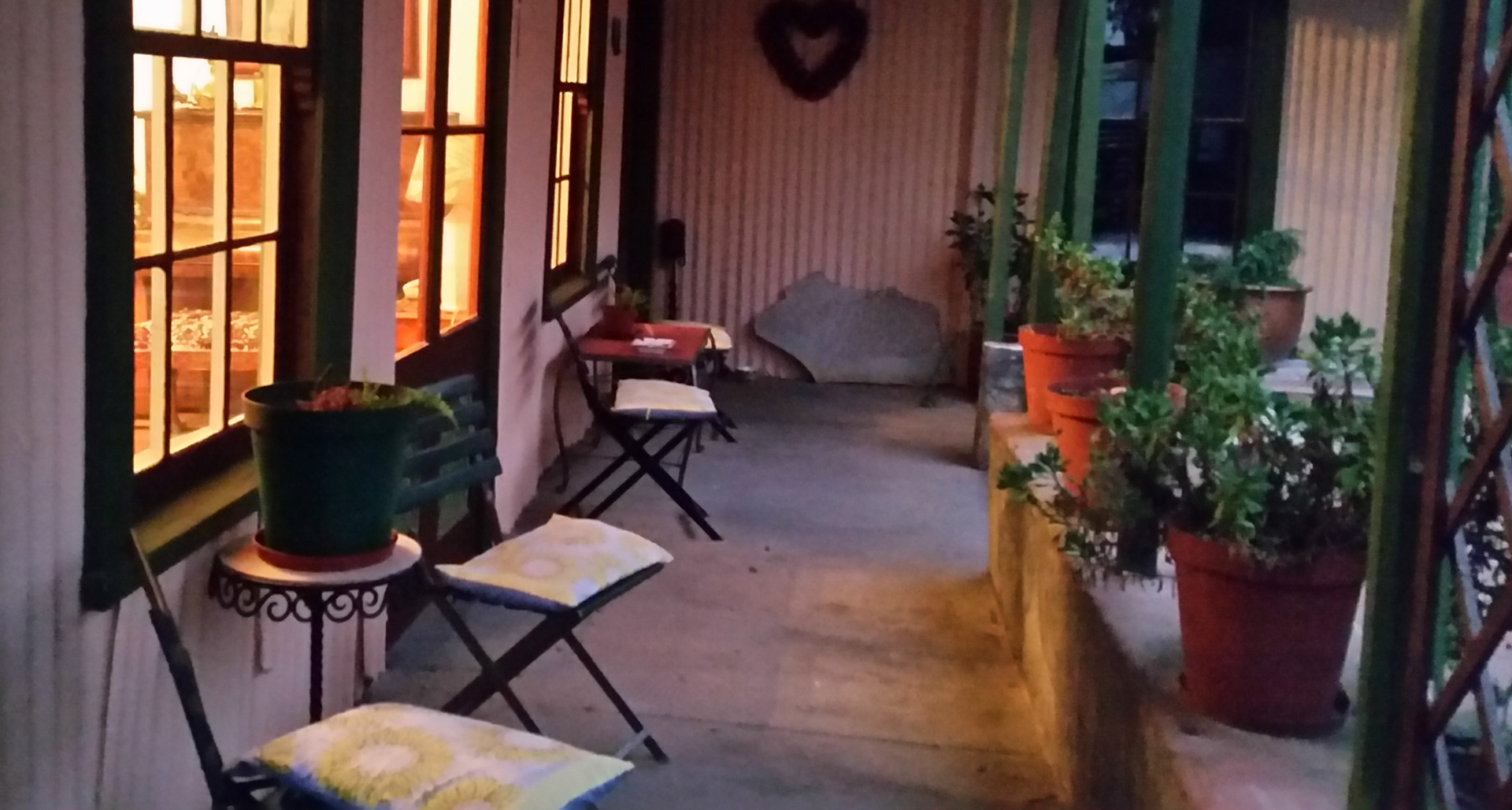
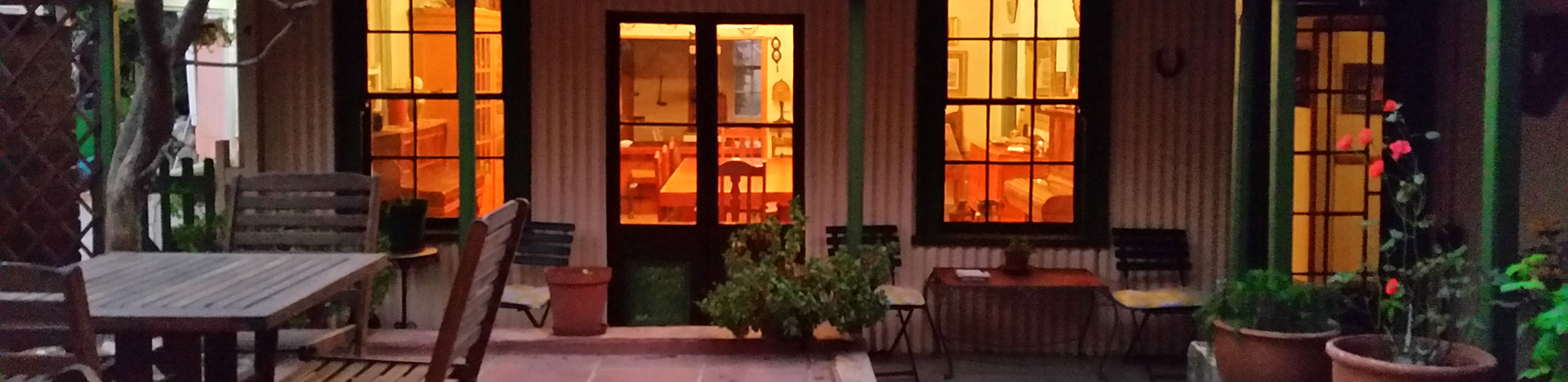
The available accommodation is a guest house, the format that works best in a town of this size. Guest houses here tend to be owner-operated, positioned within easy reach of the waterfront, and aimed at travellers who want a decent bed and proximity to the sea rather than hotel-style facilities. Breakfasts are commonly included or available on request, and hosts in working fishing ports like this one are often the most useful source of local knowledge you will find. Fishing conditions, boat operators, where to buy fresh catch that morning: that kind of information is rarely on any website.
What the town lacks in volume it compensates for in directness. There are no multi-storey hotels obscuring the ocean view, and stays feel personal rather than transactional. The guest house format means sharing a breakfast table with someone who has been returning here for years is more likely than finding yourself part of a coach-tour crowd. That low-key atmosphere is part of what draws people back.
For travellers who want self-catering flexibility, it is worth contacting the property directly before booking. Some operators in small towns along this coast can arrange kitchen access or self-contained units on request, even when the listing does not explicitly advertise it. If you plan to arrive with fishing rods, dive equipment, or other gear, ask about storage arrangements in advance. The inventory is thin enough that planning ahead pays off, particularly if your travel dates coincide with wildflower season in the broader region.
## Best Time to Visit Port Nolloth
The cold Benguela Current keeps Port Nolloth cooler than most visitors expect from a South African coastal town. Ocean temperatures rarely exceed 14°C even in summer, which makes the sea better suited to observation than swimming.
Spring, from August through October, is the most rewarding season for most visitors. The surrounding Namaqualand region transforms during this period as annual wildflowers cover the semi-arid landscape in colour. The precise peak varies with rainfall, but September is generally the most reliable month. This is the closest the area gets to a peak tourism period, and accommodation fills quickly during these weeks.
Summer brings warmer air temperatures but also stronger coastal winds and frequent morning fog, a characteristic of the Benguela system. Boat trips can be disrupted and visibility over the water is inconsistent. Winter, from May through July, is the quietest period: cooler and drier, with smaller visitor numbers and a calmer waterfront. Certain fish species are more reliably caught in these cooler months, making it the preferred season for serious anglers.
Seabirds and Cape fur seals are present along the shoreline throughout the year, so wildlife observation is not season-dependent in the way that the wildflower spectacle is. Fog can appear in any month, particularly in the mornings, so planning boat excursions for the afternoon tends to give better conditions.
## Getting to Port Nolloth
From Cape Town, Port Nolloth is roughly 600 kilometres by road. The most direct route follows the N7 north through Namaqualand to Springbok, then turns west on the R382 for the final stretch to the coast. The drive takes around six to seven hours and is best treated as a full day's journey rather than something to rush. The road through Namaqualand passes good scenery and is worth leaving time to stop.
There is no commercial airport in Port Nolloth. The nearest option with scheduled services is Springbok, though flights there are infrequent and typically require a connection through Cape Town. Most visitors arrive by private vehicle, which is the practical choice given the town's location and the absence of any meaningful public transport infrastructure in this part of the Northern Cape.
Within Port Nolloth, the town is compact enough to manage on foot for most day-to-day purposes. A vehicle becomes useful when you want to explore the rocky shoreline areas north or south of the centre, or for making longer trips inland. There are no formal taxi services or bus routes within the town. If you are hiring a car, collect it in Cape Town or Springbok rather than expecting options on arrival. Filling up with fuel before leaving Springbok is sensible given the distances involved in any direction from Port Nolloth.
## Port Nolloth and Surrounding Areas
The most accessible inland destination from Port Nolloth is Okiep, roughly 105 kilometres to the east. Okiep is a former copper-mining town with a history that pre-dates much of the formal settlement of the Northern Cape interior. Copper was extracted here from the mid-19th century, attracting British and American mining operations that shaped the town's layout, architecture, and infrastructure. The old mine workings and some of the preserved industrial machinery remain, giving Okiep a character rooted in its extractive past rather than in tourism or agriculture.
For visitors using Port Nolloth as a base, Okiep works well as a day trip that adds historical and geological depth to the region. The two towns were once connected by a narrow-gauge railway built to transport copper ore to the coast for export. That line no longer operates, but understanding its role explains a great deal about why Port Nolloth developed the way it did, and why the two places have a linked rather than parallel history.
Okiep today is a quiet town with a small resident population. Tourism facilities are limited, and visitors generally come for the heritage interest rather than for restaurants or shops. A morning or afternoon is usually enough to walk through the main areas, take in the museum if it is open, and appreciate the surrounding landscape of low kopjes and semi-arid scrub. The drive between Port Nolloth and Okiep passes through terrain that rewards attention in its own right, particularly from late winter through spring when the roadside vegetation flowers along the R382 corridor. Anyone with an interest in the industrial history of South Africa's mineral regions will find Okiep provides context that the coast alone cannot offer.
## Planning Your Stay
With only one listed property in Port Nolloth, availability is the first practical consideration. During the Namaqualand wildflower season, which typically peaks in September, that single property can be fully committed several weeks in advance. Contact the host directly early if your travel dates fall in that window.
Before confirming a booking, clarify what the nightly rate includes. In smaller coastal towns, rates sometimes cover breakfast or evening meals, and sometimes do not. Knowing this upfront shapes your daily budget and logistics, because dining options in Port Nolloth are limited and the nearest supermarket with a full range of stock is in Springbok.
If activities like fishing, boat trips, or exploring the coastline are part of your plan, ask the property about local contacts and gear storage before you arrive. Owner-operators in a working port often have connections that are not findable through any online search, and those introductions can be more useful than anything you might arrange independently.
Think about your primary reason for visiting before setting dates. Wildflowers call for September; fishing and coastal solitude suit the winter months. Given the remoteness of the area, it is worth ensuring your vehicle is reliable and that you carry basic supplies on the road. Travel insurance is a reasonable precaution when any mechanical, medical, or weather-related disruption will take significantly longer to resolve than it would in a more connected location.

Port Nolloth's accommodation scene is small and practical, which suits the town's character as a working coastal settlement rather than a developed tourism destination. With just one listed property available at around R2,060 per night, choices are focused rather than varied, but that simplicity reflects the place rather than a failing.
The available accommodation is a guest house, the format that works best in a town of this size. Guest houses here tend to be owner-operated, positioned within easy reach of the waterfront, and aimed at travellers who want a decent bed and proximity to the sea rather than hotel-style facilities. Breakfasts are commonly included or available on request, and hosts in working fishing ports like this one are often the most useful source of local knowledge you will find. Fishing conditions, boat operators, where to buy fresh catch that morning: that kind of information is rarely on any website.
What the town lacks in volume it compensates for in directness. There are no multi-storey hotels obscuring the ocean view, and stays feel personal rather than transactional. The guest house format means sharing a breakfast table with someone who has been returning here for years is more likely than finding yourself part of a coach-tour crowd. That low-key atmosphere is part of what draws people back.
For travellers who want self-catering flexibility, it is worth contacting the property directly before booking. Some operators in small towns along this coast can arrange kitchen access or self-contained units on request, even when the listing does not explicitly advertise it. If you plan to arrive with fishing rods, dive equipment, or other gear, ask about storage arrangements in advance. The inventory is thin enough that planning ahead pays off, particularly if your travel dates coincide with wildflower season in the broader region.
## Best Time to Visit Port Nolloth
The cold Benguela Current keeps Port Nolloth cooler than most visitors expect from a South African coastal town. Ocean temperatures rarely exceed 14°C even in summer, which makes the sea better suited to observation than swimming.
Spring, from August through October, is the most rewarding season for most visitors. The surrounding Namaqualand region transforms during this period as annual wildflowers cover the semi-arid landscape in colour. The precise peak varies with rainfall, but September is generally the most reliable month. This is the closest the area gets to a peak tourism period, and accommodation fills quickly during these weeks.
Summer brings warmer air temperatures but also stronger coastal winds and frequent morning fog, a characteristic of the Benguela system. Boat trips can be disrupted and visibility over the water is inconsistent. Winter, from May through July, is the quietest period: cooler and drier, with smaller visitor numbers and a calmer waterfront. Certain fish species are more reliably caught in these cooler months, making it the preferred season for serious anglers.
Seabirds and Cape fur seals are present along the shoreline throughout the year, so wildlife observation is not season-dependent in the way that the wildflower spectacle is. Fog can appear in any month, particularly in the mornings, so planning boat excursions for the afternoon tends to give better conditions.
## Getting to Port Nolloth
From Cape Town, Port Nolloth is roughly 600 kilometres by road. The most direct route follows the N7 north through Namaqualand to Springbok, then turns west on the R382 for the final stretch to the coast. The drive takes around six to seven hours and is best treated as a full day's journey rather than something to rush. The road through Namaqualand passes good scenery and is worth leaving time to stop.
There is no commercial airport in Port Nolloth. The nearest option with scheduled services is Springbok, though flights there are infrequent and typically require a connection through Cape Town. Most visitors arrive by private vehicle, which is the practical choice given the town's location and the absence of any meaningful public transport infrastructure in this part of the Northern Cape.
Within Port Nolloth, the town is compact enough to manage on foot for most day-to-day purposes. A vehicle becomes useful when you want to explore the rocky shoreline areas north or south of the centre, or for making longer trips inland. There are no formal taxi services or bus routes within the town. If you are hiring a car, collect it in Cape Town or Springbok rather than expecting options on arrival. Filling up with fuel before leaving Springbok is sensible given the distances involved in any direction from Port Nolloth.
## Port Nolloth and Surrounding Areas
The most accessible inland destination from Port Nolloth is Okiep, roughly 105 kilometres to the east. Okiep is a former copper-mining town with a history that pre-dates much of the formal settlement of the Northern Cape interior. Copper was extracted here from the mid-19th century, attracting British and American mining operations that shaped the town's layout, architecture, and infrastructure. The old mine workings and some of the preserved industrial machinery remain, giving Okiep a character rooted in its extractive past rather than in tourism or agriculture.
For visitors using Port Nolloth as a base, Okiep works well as a day trip that adds historical and geological depth to the region. The two towns were once connected by a narrow-gauge railway built to transport copper ore to the coast for export. That line no longer operates, but understanding its role explains a great deal about why Port Nolloth developed the way it did, and why the two places have a linked rather than parallel history.
Okiep today is a quiet town with a small resident population. Tourism facilities are limited, and visitors generally come for the heritage interest rather than for restaurants or shops. A morning or afternoon is usually enough to walk through the main areas, take in the museum if it is open, and appreciate the surrounding landscape of low kopjes and semi-arid scrub. The drive between Port Nolloth and Okiep passes through terrain that rewards attention in its own right, particularly from late winter through spring when the roadside vegetation flowers along the R382 corridor. Anyone with an interest in the industrial history of South Africa's mineral regions will find Okiep provides context that the coast alone cannot offer.
## Planning Your Stay
With only one listed property in Port Nolloth, availability is the first practical consideration. During the Namaqualand wildflower season, which typically peaks in September, that single property can be fully committed several weeks in advance. Contact the host directly early if your travel dates fall in that window.
Before confirming a booking, clarify what the nightly rate includes. In smaller coastal towns, rates sometimes cover breakfast or evening meals, and sometimes do not. Knowing this upfront shapes your daily budget and logistics, because dining options in Port Nolloth are limited and the nearest supermarket with a full range of stock is in Springbok.
If activities like fishing, boat trips, or exploring the coastline are part of your plan, ask the property about local contacts and gear storage before you arrive. Owner-operators in a working port often have connections that are not findable through any online search, and those introductions can be more useful than anything you might arrange independently.
Think about your primary reason for visiting before setting dates. Wildflowers call for September; fishing and coastal solitude suit the winter months. Given the remoteness of the area, it is worth ensuring your vehicle is reliable and that you carry basic supplies on the road. Travel insurance is a reasonable precaution when any mechanical, medical, or weather-related disruption will take significantly longer to resolve than it would in a more connected location.
Tipes Akkommodasie in Port Nolloth
Akkommodasiepryse in Port Nolloth
| Tipe | Inskrywings | Vanaf | Gemiddeld | Tot |
|---|---|---|---|---|
| Guest house | 1 | R2,060 | R2,117 | R2,300 |
Port Nolloth Kaart
Nabygeleë Bestemmings
Blaai Deur Alle Port Nolloth Akkommodasie
Bekyk al 1 akkommodasie-opsies in Port Nolloth met foto's, pryse en beskikbaarheid.
Blaai Deur Alle Akkommodasie