Stoneleigh Reis- & Akkommodasiegids
Jou volledige gids om Stoneleigh, Suid-Afrika te besoek.
Stoneleigh is a small settlement in the Northern Cape, positioned in the vast Karoo landscape between Colesberg and Middelburg. The area serves as a quiet stopover point for travellers crossing the interior, offering access to the region's distinctive semi-desert terrain and wide-open spaces.
## Accommodation in Stoneleigh
Accommodation options around Stoneleigh are sparse, which reflects the area's character as a working farming district rather than an established tourism destination. With no properties currently listed through this platform, travellers planning a stay should research directly through regional tourism offices or farm stay directories for the Northern Cape. Pricing information is unavailable at this stage, and supply is limited across all categories.
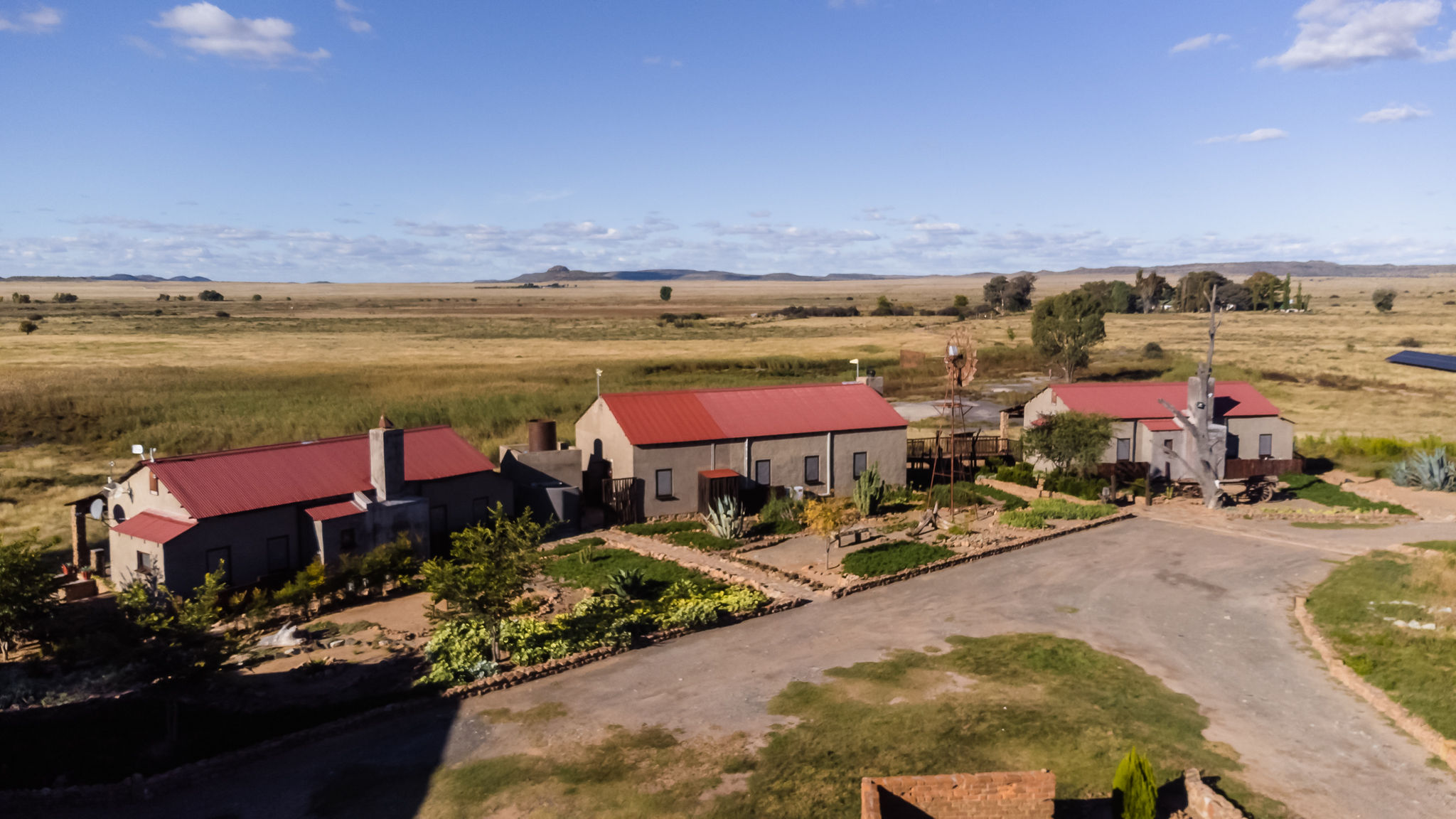
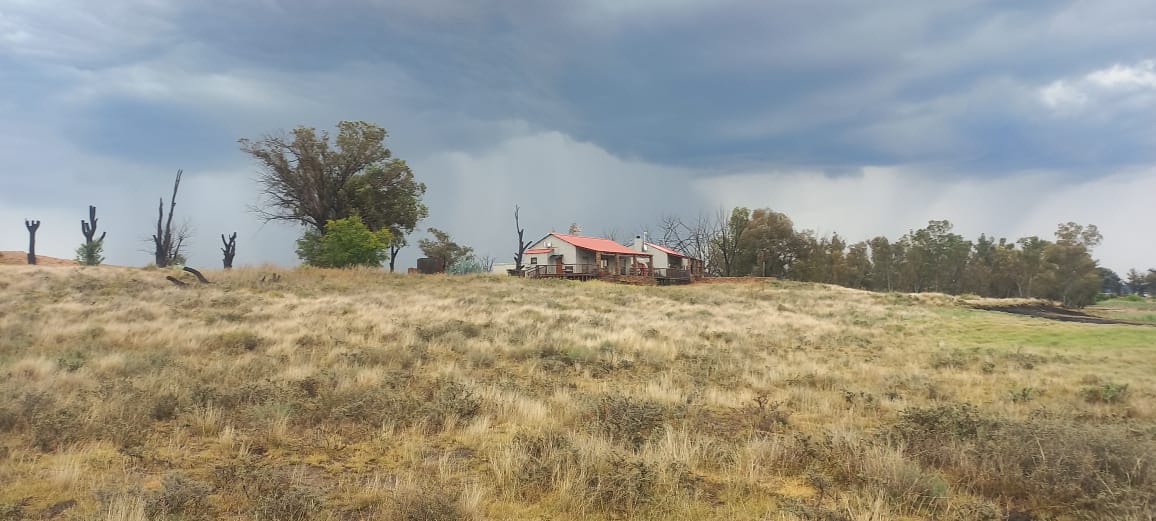
That said, the Karoo interior has a long tradition of farm stays and guesthouses catering to travellers passing through or seeking time in the open landscape. At the budget end, self-catering cottages on working farms are the most common arrangement in this region. These typically offer basic but comfortable facilities, a kitchen, and access to the surrounding land. The appeal is straightforward: space, quiet, and a close-up view of how sheep farming operates in the semi-arid interior.
Mid-range options tend to take the form of guest farms where the owner or manager is on site and meals are available by arrangement. These establishments lean into the Karoo setting, with wide stoeps, unfussy furnishings, and proximity to farm activities. Nights at this tier often mean early mornings with livestock and evenings watching the sky darken over flat plains without a light in sight.
At the upper end of what the broader region offers, refurbished heritage farmhouses and small game lodges provide a more considered level of hospitality, with guided activities and inclusive meals. This category is less common immediately around Stoneleigh but exists within a reasonable drive, particularly along routes heading east toward the Sneeuberg.
Travellers should allow time to confirm what is actually open and accessible before departing. The farming calendar and seasonal conditions can influence which properties take guests at any given time.
---
## Best Time to Visit Stoneleigh
The Upper Karoo operates on extremes, and timing a visit well makes a significant difference to the experience. Summer, running from November through February, brings intense heat: daytime temperatures regularly exceed 35 degrees Celsius, and midday hours outdoors can be punishing. Most of the region's annual rainfall arrives as thunderstorms during these months, which occasionally transforms sections of the plains with brief flushes of green. Evenings cool noticeably, making summer nights more comfortable than the days suggest.
Winter, from June through August, is cold and dry. Frost arrives most nights, and temperatures drop sharply after sunset. The days compensate with exceptional clarity, still air, and visibility stretching far across the plains. This season suits birdwatchers and walkers who prefer cooler conditions, and the Karoo Korhaan and various lark species are active in the early morning.
Stargazing benefits from winter's dry, stable atmosphere. The night skies here are genuinely dark, and the southern Milky Way is well positioned during the cooler months.
Autumn, particularly April and May, offers the most practical window for most visitors. Temperatures moderate, the summer rain has finished, and the crowds that pass through on long weekends have thinned. Spring can produce wildflowers after good rains but is less predictable.
---
## Getting to Stoneleigh
Stoneleigh sits on the N9 highway and is reached almost entirely by private vehicle. Colesberg, approximately 50 kilometres to the south, is the closest town with fuel, a supermarket, and accommodation if needed before the final leg. Colesberg sits at the junction of the N1 and N9, connecting travellers arriving from Johannesburg (roughly 500 kilometres north on the N1), Cape Town (approximately 750 kilometres south), and Gqeberha (around 450 kilometres east via the N9 and N10).
There is no scheduled public transport serving Stoneleigh directly. Intercity buses stop at Colesberg, and travellers without a vehicle would need to arrange onward transport from there, either through a hired car or a private arrangement with the property they are visiting.
The nearest airports with regular commercial services are in Bloemfontein, roughly 200 kilometres to the north, and in Gqeberha to the southeast. Both have connections to Johannesburg and Cape Town. Hiring a vehicle at the airport is the practical approach for visiting this part of the Northern Cape independently.
Roads along the N9 corridor are generally in acceptable condition. Side roads leading to farms and smaller localities may be untarred and benefit from a vehicle with decent ground clearance, particularly in summer when rain can erode surface tracks.
---
## Stoneleigh and Surrounding Areas
The settlements within reach of Stoneleigh are all small farming communities or localities sharing the same character: wide distances, dry plains, and the particular quiet of the interior.
**Abelsruhe**, 5 kilometres away, is the nearest neighbouring locality. The name is of German origin, meaning something close to "Abel's rest," a trace of the European settler families who took up farms in this district during the 19th century. There is no visitor infrastructure to speak of, but the short distance makes it part of the immediate farming landscape around Stoneleigh.
**Berseba**, 11 kilometres out, carries a biblical place name that appears elsewhere in the Northern Cape, typically associated with mission station activity by 19th-century Protestant missionaries. Communities with this name often developed around a church and a school serving the surrounding farming population. The history here points to a layered colonial and pastoral past worth noting for those with an interest in the Cape frontier period.
**Brandpoort**, 15 kilometres from Stoneleigh, translates as "fire gate" in Afrikaans. Place names of this kind in the Karoo typically refer to a geographical feature or an event tied to the founding of a farm. The terrain in this direction begins to show a slightly more broken topography as the flat plains give way to lower ridges.
**Geduldfontein**, 16 kilometres distant, means "patience fountain" in Afrikaans. Farm names throughout the Karoo frequently reflect the hardships of early settlement, and springs or water sources defined where farming was viable in this dry country. The fountain element of the name marks this as a historically significant water point in the district.
**Suurberg**, also at 16 kilometres, translates as "sour mountain." The name refers to the vegetation type on the high ground, where sour veld grasses are less palatable for livestock than sweet veld. The terrain likely rises noticeably from the surrounding plain, providing a change in elevation and broader views across the basin.
**Koppiesfontein**, the furthest at 23 kilometres, combines two classic Karoo landscape features: koppies (the flat-topped rocky hills that punctuate the plains) and a spring. It represents the outer edge of the farming network accessible from Stoneleigh and gives some sense of the scale of the district.
---
## Planning Your Stay
Given limited accommodation supply and long distances between towns in this part of the Northern Cape, planning ahead is not optional. Contact properties directly well before your intended dates, and confirm that they are actively taking guests. Demand for farm stays across the Karoo rises during school holidays and the Easter long weekend, so these periods require earlier booking than you might expect.
Before confirming, ask specifically what meals are provided and whether self-catering is an option. Also check the road condition to the property, particularly in summer when tracks can deteriorate after rain. Confirm mobile coverage at the property if you need to stay reachable, as signal can be intermittent across much of the interior.
Fuel and supplies deserve attention before you leave the main road. Stock up on provisions well in advance of arrival, as restocking during a stay may not be straightforward depending on the distance to the nearest town. The same applies to any medications or specific food requirements.
Travellers with dogs or other pets should confirm arrangements with the property before booking. Working farms have their own animals and routines, and an unannounced pet can complicate matters. Arriving with offline maps already downloaded, a printed confirmation, and realistic expectations about connectivity will make the stay considerably smoother.

Accommodation options around Stoneleigh are sparse, which reflects the area's character as a working farming district rather than an established tourism destination. With no properties currently listed through this platform, travellers planning a stay should research directly through regional tourism offices or farm stay directories for the Northern Cape. Pricing information is unavailable at this stage, and supply is limited across all categories.
That said, the Karoo interior has a long tradition of farm stays and guesthouses catering to travellers passing through or seeking time in the open landscape. At the budget end, self-catering cottages on working farms are the most common arrangement in this region. These typically offer basic but comfortable facilities, a kitchen, and access to the surrounding land. The appeal is straightforward: space, quiet, and a close-up view of how sheep farming operates in the semi-arid interior.
Mid-range options tend to take the form of guest farms where the owner or manager is on site and meals are available by arrangement. These establishments lean into the Karoo setting, with wide stoeps, unfussy furnishings, and proximity to farm activities. Nights at this tier often mean early mornings with livestock and evenings watching the sky darken over flat plains without a light in sight.
At the upper end of what the broader region offers, refurbished heritage farmhouses and small game lodges provide a more considered level of hospitality, with guided activities and inclusive meals. This category is less common immediately around Stoneleigh but exists within a reasonable drive, particularly along routes heading east toward the Sneeuberg.
Travellers should allow time to confirm what is actually open and accessible before departing. The farming calendar and seasonal conditions can influence which properties take guests at any given time.
---
## Best Time to Visit Stoneleigh
The Upper Karoo operates on extremes, and timing a visit well makes a significant difference to the experience. Summer, running from November through February, brings intense heat: daytime temperatures regularly exceed 35 degrees Celsius, and midday hours outdoors can be punishing. Most of the region's annual rainfall arrives as thunderstorms during these months, which occasionally transforms sections of the plains with brief flushes of green. Evenings cool noticeably, making summer nights more comfortable than the days suggest.
Winter, from June through August, is cold and dry. Frost arrives most nights, and temperatures drop sharply after sunset. The days compensate with exceptional clarity, still air, and visibility stretching far across the plains. This season suits birdwatchers and walkers who prefer cooler conditions, and the Karoo Korhaan and various lark species are active in the early morning.
Stargazing benefits from winter's dry, stable atmosphere. The night skies here are genuinely dark, and the southern Milky Way is well positioned during the cooler months.
Autumn, particularly April and May, offers the most practical window for most visitors. Temperatures moderate, the summer rain has finished, and the crowds that pass through on long weekends have thinned. Spring can produce wildflowers after good rains but is less predictable.
---
## Getting to Stoneleigh
Stoneleigh sits on the N9 highway and is reached almost entirely by private vehicle. Colesberg, approximately 50 kilometres to the south, is the closest town with fuel, a supermarket, and accommodation if needed before the final leg. Colesberg sits at the junction of the N1 and N9, connecting travellers arriving from Johannesburg (roughly 500 kilometres north on the N1), Cape Town (approximately 750 kilometres south), and Gqeberha (around 450 kilometres east via the N9 and N10).
There is no scheduled public transport serving Stoneleigh directly. Intercity buses stop at Colesberg, and travellers without a vehicle would need to arrange onward transport from there, either through a hired car or a private arrangement with the property they are visiting.
The nearest airports with regular commercial services are in Bloemfontein, roughly 200 kilometres to the north, and in Gqeberha to the southeast. Both have connections to Johannesburg and Cape Town. Hiring a vehicle at the airport is the practical approach for visiting this part of the Northern Cape independently.
Roads along the N9 corridor are generally in acceptable condition. Side roads leading to farms and smaller localities may be untarred and benefit from a vehicle with decent ground clearance, particularly in summer when rain can erode surface tracks.
---
## Stoneleigh and Surrounding Areas
The settlements within reach of Stoneleigh are all small farming communities or localities sharing the same character: wide distances, dry plains, and the particular quiet of the interior.
**Abelsruhe**, 5 kilometres away, is the nearest neighbouring locality. The name is of German origin, meaning something close to "Abel's rest," a trace of the European settler families who took up farms in this district during the 19th century. There is no visitor infrastructure to speak of, but the short distance makes it part of the immediate farming landscape around Stoneleigh.
**Berseba**, 11 kilometres out, carries a biblical place name that appears elsewhere in the Northern Cape, typically associated with mission station activity by 19th-century Protestant missionaries. Communities with this name often developed around a church and a school serving the surrounding farming population. The history here points to a layered colonial and pastoral past worth noting for those with an interest in the Cape frontier period.
**Brandpoort**, 15 kilometres from Stoneleigh, translates as "fire gate" in Afrikaans. Place names of this kind in the Karoo typically refer to a geographical feature or an event tied to the founding of a farm. The terrain in this direction begins to show a slightly more broken topography as the flat plains give way to lower ridges.
**Geduldfontein**, 16 kilometres distant, means "patience fountain" in Afrikaans. Farm names throughout the Karoo frequently reflect the hardships of early settlement, and springs or water sources defined where farming was viable in this dry country. The fountain element of the name marks this as a historically significant water point in the district.
**Suurberg**, also at 16 kilometres, translates as "sour mountain." The name refers to the vegetation type on the high ground, where sour veld grasses are less palatable for livestock than sweet veld. The terrain likely rises noticeably from the surrounding plain, providing a change in elevation and broader views across the basin.
**Koppiesfontein**, the furthest at 23 kilometres, combines two classic Karoo landscape features: koppies (the flat-topped rocky hills that punctuate the plains) and a spring. It represents the outer edge of the farming network accessible from Stoneleigh and gives some sense of the scale of the district.
---
## Planning Your Stay
Given limited accommodation supply and long distances between towns in this part of the Northern Cape, planning ahead is not optional. Contact properties directly well before your intended dates, and confirm that they are actively taking guests. Demand for farm stays across the Karoo rises during school holidays and the Easter long weekend, so these periods require earlier booking than you might expect.
Before confirming, ask specifically what meals are provided and whether self-catering is an option. Also check the road condition to the property, particularly in summer when tracks can deteriorate after rain. Confirm mobile coverage at the property if you need to stay reachable, as signal can be intermittent across much of the interior.
Fuel and supplies deserve attention before you leave the main road. Stock up on provisions well in advance of arrival, as restocking during a stay may not be straightforward depending on the distance to the nearest town. The same applies to any medications or specific food requirements.
Travellers with dogs or other pets should confirm arrangements with the property before booking. Working farms have their own animals and routines, and an unannounced pet can complicate matters. Arriving with offline maps already downloaded, a printed confirmation, and realistic expectations about connectivity will make the stay considerably smoother.
Stoneleigh Kaart
Nabygeleë Bestemmings
Blaai Deur Alle Stoneleigh Akkommodasie
Bekyk al 0 akkommodasie-opsies in Stoneleigh met foto's, pryse en beskikbaarheid.
Blaai Deur Alle Akkommodasie