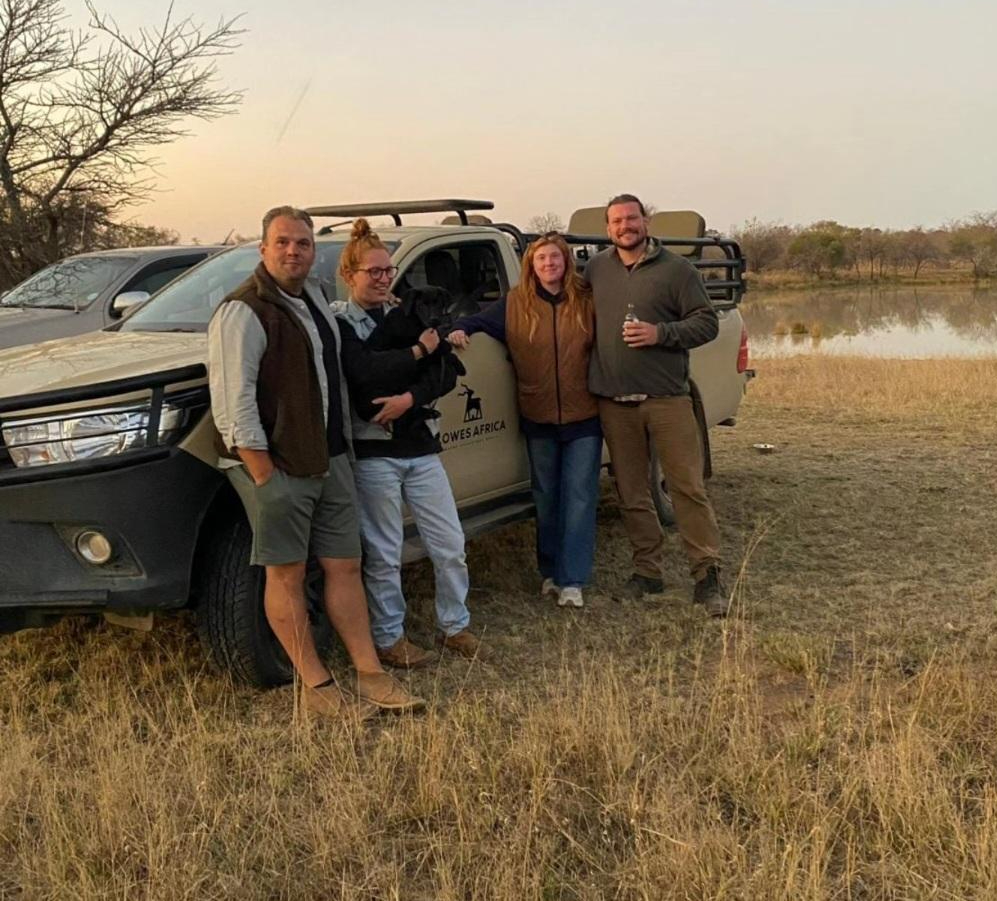
Vaalwater Reis- & Akkommodasiegids
Jou volledige gids om Vaalwater, Suid-Afrika te besoek.
Vaalwater provides a gateway to the expansive Waterberg region with its natural landscapes and wildlife reserves. The town features a relaxed atmosphere that appeals to those interested in outdoor exploration. Staying here allows easy access to activities like game viewing and hiking trails.
## Accommodation in Vaalwater
Vaalwater's accommodation landscape spans from modest self-catering chalets to fully guided safari lodge experiences, shaped by the town's position as a gateway to the Waterberg's game and wilderness areas. Current listings on this platform stand at 0 properties, with nightly rates not yet indexed, but operators throughout the district offer options across every budget tier when booked directly.
Budget travellers typically gravitate toward farm stays and basic self-catering chalets on working agricultural properties. These are mostly family-run, offering a kitchen or kitchenette, outdoor braai facilities, and clean if unremarkable rooms. The appeal is less about the property itself and more about proximity to the bush at a sensible price. Several of these operations double as smallholdings, where guests encounter cattle, free-range chickens, and the general pace of rural farming life alongside more typical tourist amenities.
The mid-range tier is anchored by guesthouses and bed-and-breakfast properties, both in town and on small private reserves on the outskirts. En-suite rooms, a cooked breakfast, and an informed host who can advise on where to spend the day are the standard offering. Some guesthouses sit on their own smallholdings with resident game, allowing guests to walk among impala or kudu without driving anywhere at all.
At the upper end, private safari lodges operate on fully inclusive packages that fold accommodation, meals, and guided game activities into a single rate. These properties position themselves within or directly adjacent to larger private reserves, and the predator sightings, early morning bush walks, and evening light over open savannah are central to the experience rather than optional extras. Elevated viewing decks and open-plan rooms facing the bush are a common design choice at this level, and guides are typically accredited and knowledgeable about the local ecology.
Booking directly with the property is advisable for longer stays or specific requirements. Flexibility around arrival times, extra nights, and group arrangements tends to be greater than through booking platforms.
---
## Best Time to Visit Vaalwater
Vaalwater follows a summer-rainfall climate. Temperatures from November to February regularly exceed 35°C, and afternoon thunderstorms arrive with some frequency, often building quickly and clearing within an hour. The rains revive the vegetation rapidly, creating dense ground cover that greens the landscape but reduces sightlines into the bush and makes some dirt tracks unreliable after heavy falls.
The dry season, running from May through August, draws most visitors with a wildlife focus. June and July nights can drop to near-freezing, so packing layers is practical even when daytime temperatures feel mild. As surface water contracts, animals concentrate around remaining waterholes, which simplifies spotting and reduces the time spent searching. Vegetation thins to its lowest density by mid-winter, allowing much longer views into the landscape.
September and October sit in a shoulder season with distinct advantages. Temperatures climb back toward summer levels, but the bush has not yet fully recovered. Antelope species begin calving in spring, which draws predator activity and makes sightings more dynamic. Migratory bird species start arriving in October, with numbers building through summer, so birdwatchers who can tolerate the heat will find the warmer months more productive than the cold, dry ones.
---
## Getting to Vaalwater
The standard road approach from Johannesburg follows the N1 north to Bela-Bela, then turns west on the R516 into the Waterberg. The total distance runs to approximately 250 kilometres, with a typical travel time of around three hours under normal conditions. From Pretoria, the same route applies with a slightly shorter starting distance, saving roughly 30 to 40 minutes.
Bela-Bela functions as the natural pause point for fuel, food, and supplies before the final stretch. The R516 between Bela-Bela and Vaalwater is tarred and in reasonable condition, though side roads leading to individual farms and reserves vary considerably. Some gravel tracks require a vehicle with higher clearance, a factor that matters most during or immediately after the wet season when surfaces become loose or rutted.
No commercial flights operate into an airport near Vaalwater. OR Tambo International in Johannesburg handles the majority of arrivals flying into South Africa from abroad or connecting domestically. A hired car from the airport is the most practical arrangement, as personal transport is genuinely necessary for getting around the district. Private charter flights can use smaller airstrips in the Waterberg, which is worth confirming directly with lodge operators if that is an option being considered.
Once in the area, public transport is essentially absent. The distances between attractions, farms, and reserves make a personal vehicle not just convenient but necessary.
---
## Vaalwater and Surrounding Areas
The communities and localities within an hour's drive of Vaalwater are predominantly agricultural, connected by cattle farming, game ranching, and the conservation work that defines much of this part of Limpopo.
**Wolwefontein**, 20 kilometres away, is a small rural locality typical of the Waterberg interior. The surrounding land runs to cattle and game farming, and the settlement itself is minimal, serving local agricultural operations more than passing visitors. For those wanting to see the working-farm side of the region without any tourism infrastructure, this general area gives a clear picture.
**Goedgedacht**, 21 kilometres from Vaalwater, carries an Afrikaans name translating roughly as "good thought," a convention common among historic farms in this part of South Africa. The land around it reflects the wider district character: low hills, mixed bushveld, and the quiet associated with areas that see very little through-traffic.
**Waterberg**, the mountain range 29 kilometres from town, is where the geological and ecological significance of the district becomes most visible. The sandstone formations here are ancient, and the area holds UNESCO Biosphere Reserve status, recognising both its biodiversity and the conservation management in place. Makapan Valley, with its fossil and archaeological record of early human occupation, falls within this broader landscape and draws researchers and visitors with an interest in natural history.
**Hartebeespoort**, 39 kilometres out, offers a useful service stop with shops, a fuel station, and basic hospitality options. Travellers arriving from the east or resupplying mid-trip find it a practical waypoint.
**Elandsbosch**, 41 kilometres from Vaalwater, is a farming locality in open bushveld terrain. Its name references the eland, historically one of the dominant large antelope across this landscape, and some of that wildlife presence persists in the surrounding area today.
**Glentig**, the furthest of the listed nearby destinations at 45 kilometres, is a quiet rural community. Like its neighbours, it forms part of the agricultural backbone of the Waterberg rather than functioning as a visitor destination in its own right, but the drive through connects you to the broader character of the region.
---
## Planning Your Stay
South African school holidays and long weekends push up demand across the Waterberg. The April, July, and December holiday periods see properties fill quickly, and popular lodges can book out weeks or months in advance during peak windows. Aiming to confirm accommodation at least six weeks ahead for these periods is sensible, and eight to ten weeks is better for December.
When comparing properties, check the minimum stay requirement. Many self-catering and lodge options in this region require a two-night minimum at weekends, and some operate on fixed check-in days rather than flexible arrival. Clarify upfront whether activities such as guided walks or drives are included or carry a separate cost, as this varies considerably between operators and affects the real price of a stay significantly.
Access roads are worth confirming before departure. Some properties reached by gravel track require a high-clearance vehicle, and conditions change seasonally. Cell reception drops in parts of the Waterberg, so saving the property's direct contact number and a WhatsApp alternative offline before leaving town is practical. Cash remains useful at smaller operations, as card facilities are not always reliable in areas with limited connectivity.

Vaalwater's accommodation landscape spans from modest self-catering chalets to fully guided safari lodge experiences, shaped by the town's position as a gateway to the Waterberg's game and wilderness areas. Current listings on this platform stand at 0 properties, with nightly rates not yet indexed, but operators throughout the district offer options across every budget tier when booked directly.
Budget travellers typically gravitate toward farm stays and basic self-catering chalets on working agricultural properties. These are mostly family-run, offering a kitchen or kitchenette, outdoor braai facilities, and clean if unremarkable rooms. The appeal is less about the property itself and more about proximity to the bush at a sensible price. Several of these operations double as smallholdings, where guests encounter cattle, free-range chickens, and the general pace of rural farming life alongside more typical tourist amenities.
The mid-range tier is anchored by guesthouses and bed-and-breakfast properties, both in town and on small private reserves on the outskirts. En-suite rooms, a cooked breakfast, and an informed host who can advise on where to spend the day are the standard offering. Some guesthouses sit on their own smallholdings with resident game, allowing guests to walk among impala or kudu without driving anywhere at all.
At the upper end, private safari lodges operate on fully inclusive packages that fold accommodation, meals, and guided game activities into a single rate. These properties position themselves within or directly adjacent to larger private reserves, and the predator sightings, early morning bush walks, and evening light over open savannah are central to the experience rather than optional extras. Elevated viewing decks and open-plan rooms facing the bush are a common design choice at this level, and guides are typically accredited and knowledgeable about the local ecology.
Booking directly with the property is advisable for longer stays or specific requirements. Flexibility around arrival times, extra nights, and group arrangements tends to be greater than through booking platforms.
---
## Best Time to Visit Vaalwater
Vaalwater follows a summer-rainfall climate. Temperatures from November to February regularly exceed 35°C, and afternoon thunderstorms arrive with some frequency, often building quickly and clearing within an hour. The rains revive the vegetation rapidly, creating dense ground cover that greens the landscape but reduces sightlines into the bush and makes some dirt tracks unreliable after heavy falls.
The dry season, running from May through August, draws most visitors with a wildlife focus. June and July nights can drop to near-freezing, so packing layers is practical even when daytime temperatures feel mild. As surface water contracts, animals concentrate around remaining waterholes, which simplifies spotting and reduces the time spent searching. Vegetation thins to its lowest density by mid-winter, allowing much longer views into the landscape.
September and October sit in a shoulder season with distinct advantages. Temperatures climb back toward summer levels, but the bush has not yet fully recovered. Antelope species begin calving in spring, which draws predator activity and makes sightings more dynamic. Migratory bird species start arriving in October, with numbers building through summer, so birdwatchers who can tolerate the heat will find the warmer months more productive than the cold, dry ones.
---
## Getting to Vaalwater
The standard road approach from Johannesburg follows the N1 north to Bela-Bela, then turns west on the R516 into the Waterberg. The total distance runs to approximately 250 kilometres, with a typical travel time of around three hours under normal conditions. From Pretoria, the same route applies with a slightly shorter starting distance, saving roughly 30 to 40 minutes.
Bela-Bela functions as the natural pause point for fuel, food, and supplies before the final stretch. The R516 between Bela-Bela and Vaalwater is tarred and in reasonable condition, though side roads leading to individual farms and reserves vary considerably. Some gravel tracks require a vehicle with higher clearance, a factor that matters most during or immediately after the wet season when surfaces become loose or rutted.
No commercial flights operate into an airport near Vaalwater. OR Tambo International in Johannesburg handles the majority of arrivals flying into South Africa from abroad or connecting domestically. A hired car from the airport is the most practical arrangement, as personal transport is genuinely necessary for getting around the district. Private charter flights can use smaller airstrips in the Waterberg, which is worth confirming directly with lodge operators if that is an option being considered.
Once in the area, public transport is essentially absent. The distances between attractions, farms, and reserves make a personal vehicle not just convenient but necessary.
---
## Vaalwater and Surrounding Areas
The communities and localities within an hour's drive of Vaalwater are predominantly agricultural, connected by cattle farming, game ranching, and the conservation work that defines much of this part of Limpopo.
**Wolwefontein**, 20 kilometres away, is a small rural locality typical of the Waterberg interior. The surrounding land runs to cattle and game farming, and the settlement itself is minimal, serving local agricultural operations more than passing visitors. For those wanting to see the working-farm side of the region without any tourism infrastructure, this general area gives a clear picture.
**Goedgedacht**, 21 kilometres from Vaalwater, carries an Afrikaans name translating roughly as "good thought," a convention common among historic farms in this part of South Africa. The land around it reflects the wider district character: low hills, mixed bushveld, and the quiet associated with areas that see very little through-traffic.
**Waterberg**, the mountain range 29 kilometres from town, is where the geological and ecological significance of the district becomes most visible. The sandstone formations here are ancient, and the area holds UNESCO Biosphere Reserve status, recognising both its biodiversity and the conservation management in place. Makapan Valley, with its fossil and archaeological record of early human occupation, falls within this broader landscape and draws researchers and visitors with an interest in natural history.
**Hartebeespoort**, 39 kilometres out, offers a useful service stop with shops, a fuel station, and basic hospitality options. Travellers arriving from the east or resupplying mid-trip find it a practical waypoint.
**Elandsbosch**, 41 kilometres from Vaalwater, is a farming locality in open bushveld terrain. Its name references the eland, historically one of the dominant large antelope across this landscape, and some of that wildlife presence persists in the surrounding area today.
**Glentig**, the furthest of the listed nearby destinations at 45 kilometres, is a quiet rural community. Like its neighbours, it forms part of the agricultural backbone of the Waterberg rather than functioning as a visitor destination in its own right, but the drive through connects you to the broader character of the region.
---
## Planning Your Stay
South African school holidays and long weekends push up demand across the Waterberg. The April, July, and December holiday periods see properties fill quickly, and popular lodges can book out weeks or months in advance during peak windows. Aiming to confirm accommodation at least six weeks ahead for these periods is sensible, and eight to ten weeks is better for December.
When comparing properties, check the minimum stay requirement. Many self-catering and lodge options in this region require a two-night minimum at weekends, and some operate on fixed check-in days rather than flexible arrival. Clarify upfront whether activities such as guided walks or drives are included or carry a separate cost, as this varies considerably between operators and affects the real price of a stay significantly.
Access roads are worth confirming before departure. Some properties reached by gravel track require a high-clearance vehicle, and conditions change seasonally. Cell reception drops in parts of the Waterberg, so saving the property's direct contact number and a WhatsApp alternative offline before leaving town is practical. Cash remains useful at smaller operations, as card facilities are not always reliable in areas with limited connectivity.
Vaalwater Kaart
Nabygeleë Bestemmings
Blaai Deur Alle Vaalwater Akkommodasie
Bekyk al 0 akkommodasie-opsies in Vaalwater met foto's, pryse en beskikbaarheid.
Blaai Deur Alle Akkommodasie