Glentig Reis- & Akkommodasiegids
Jou volledige gids om Glentig, Suid-Afrika te besoek.
1
Eiendom
Vanaf
R900
/ nag
Gemiddeld
R900
/ nag
Gewildste
Self-catering
Glentig is a small rural settlement in Limpopo province, located in the Waterberg region west of Polokwane. The area serves as a gateway to the surrounding bushveld and farmlands, offering visitors a quiet base for exploring the wider Waterberg landscape.
## Accommodation in Glentig
The accommodation options in Glentig are limited but purposeful. One property is listed, with rates at R900 per night, and the format is self-catering. That simplicity reflects the area itself: Glentig is not a tourist hub but a farming district where visitors are typically looking for space, quiet, and a genuine connection with the Limpopo countryside.
Self-catering suits this landscape. Guests manage their own meals, which makes stocking up at the last large town on the approach an essential part of trip preparation. In return, visitors get the flexibility of a private kitchen, no restaurant hours to work around, and the freedom to spend time outdoors without being hurried along.
At this price point, the accommodation sits in mid-range territory for rural Limpopo. Farm cottages and bush chalets in this region are typically functional rather than elaborate. Outdoor braai facilities, basic kitchens, and open space take precedence over hotel-style amenities. The emphasis is on the setting rather than the fitments, and for visitors who have come specifically for the Waterberg bushveld, that balance tends to suit.
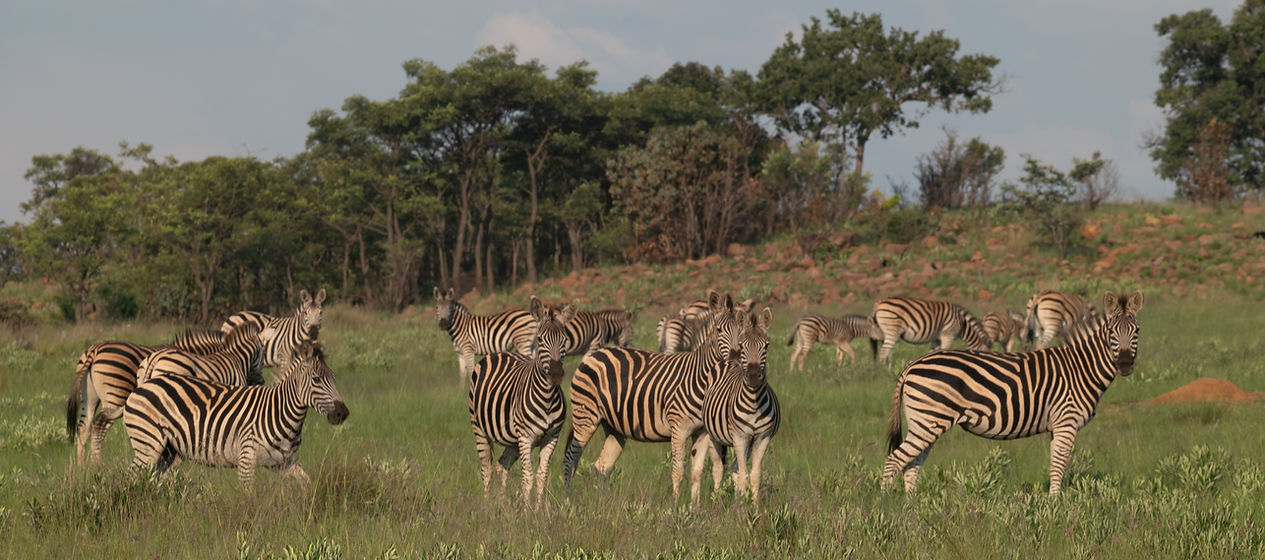
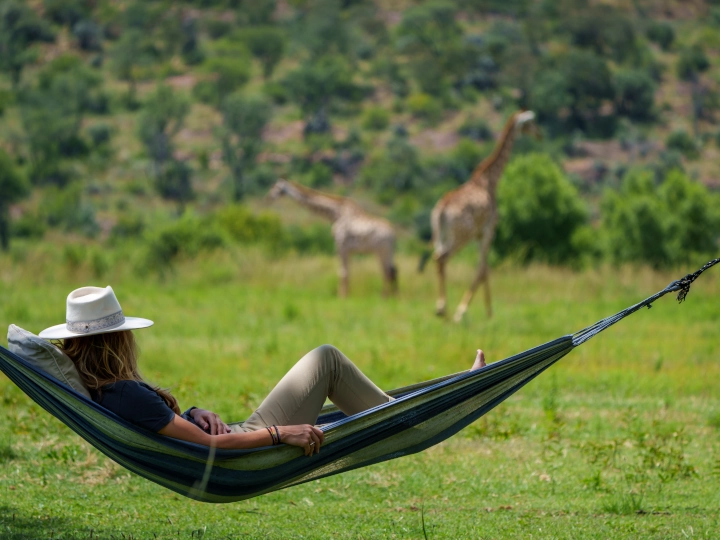
The wider Waterberg is known for game lodges and developed reserves, but properties around Glentig offer something different: farm-stay accommodation that places guests within the working rhythms of agricultural Limpopo. Expect livestock on the land, open veld views, and a level of quiet that is increasingly difficult to find. For families or small groups, this kind of property offers good value over a multi-night stay. With only one listing in the area, booking well ahead of public holidays and school breaks is strongly recommended.
## Things to Do in Glentig
Hot springs are the primary natural attraction near Glentig. The Waterberg district has thermal spring sites that draw visitors wanting to soak in warm, mineral-rich water after time on the road or on foot. The experience is more restorative than physically demanding, suited to those who want to slow down rather than pursue structured activities. Access arrangements vary between sites, so contacting the property in advance to confirm entry fees and opening hours is advisable.
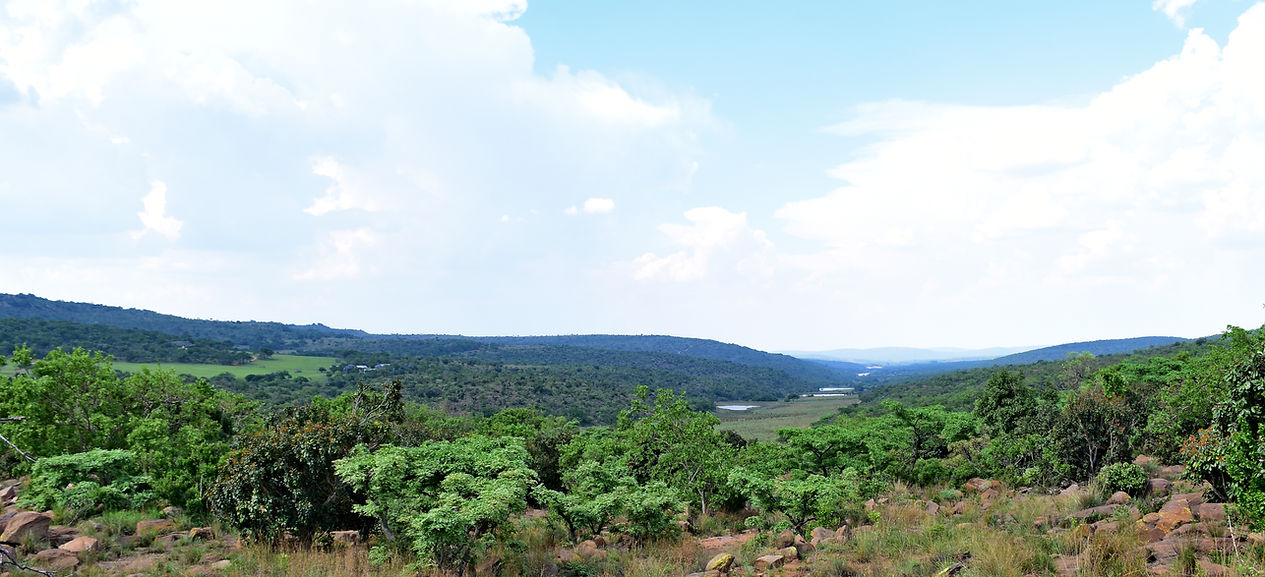
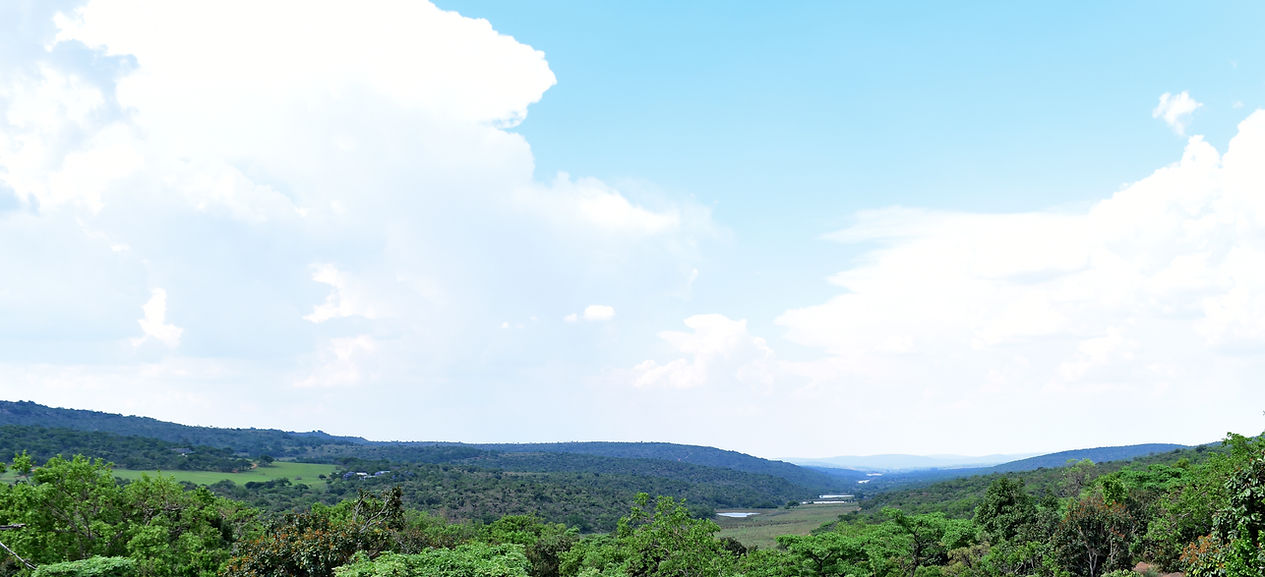
The surrounding bushveld rewards those willing to explore. Acacia and combretum woodland cover much of the terrain, and rocky outcrops and open grassland hold a diverse range of birdlife. Early morning is the most productive time, particularly in summer when migrants join the resident species. Raptors are frequently visible on thermals above the ridgelines.
Staying on a working farm introduces visitors to agricultural practices rarely seen by those from urban backgrounds. Most properties in this area run cattle or crop operations, and while formalised agri-tourism activities are not common, proximity to working land creates informal opportunities to observe how the district functions day to day.
After dark, low light pollution makes star-gazing particularly good. The Milky Way is visible on clear nights, and binoculars are useful both for this and for daytime birding. Driving the back roads between settlements gives a sense of the district's scale, the long stretches between farms conveying the remoteness that defines this part of the province.
## Best Time to Visit Glentig
Limpopo's Waterberg district has a pronounced wet and dry seasonal cycle. Summer runs from November through March, with daytime temperatures regularly exceeding 35 degrees Celsius and afternoon thunderstorms arriving frequently. The landscape is at its greenest during these months, and birdlife is most active, including migrants from further north and south. Extended outdoor activity during the heat of the day is difficult, though early mornings and evenings are more manageable.
Winter, from May through August, is dry and considerably cooler. Days are typically clear and mild, but temperatures drop sharply after sunset and can approach freezing overnight. Packing warm layers is practical regardless of how pleasant the daytime feels. Reduced vegetation in the dry season makes wildlife easier to spot through the thornveld, and this period coincides with the preferred travel time for most Waterberg visitors.
April and September offer a middle ground, with moderate temperatures, lower visitor numbers, and conditions generally favourable for outdoor activity. The rains have either not yet started or are tapering off, making these shoulder months worth considering for those with flexible travel dates.
## Getting to Glentig
Glentig sits approximately 70 kilometres west of Polokwane along the R33. The drive from the provincial capital takes roughly an hour. From Johannesburg, the route heads north on the N1 before turning west into the Waterberg, covering around three and a half hours in total. Pretoria is slightly closer at approximately three hours.
Polokwane International Airport handles scheduled flights from Johannesburg and a limited number of other domestic routes. Visitors arriving by air will need a hire car, as no public transport connects the city to Glentig. A private vehicle is essential both for reaching the area and for getting around during the stay, with no taxi or shuttle services operating along the R33 corridor.
Fill the tank before leaving the main highway. The R33 west of Polokwane passes through sparsely populated farming country with limited service infrastructure. The road surface is generally good and does not require a 4x4, though individual farm properties may have unpaved access tracks. Mobile signal can be unreliable on some stretches, so downloading offline maps before departure is sensible.
## Glentig and Surrounding Areas
The closest settlement to Glentig is Gemsbokfontein, 10 kilometres away. A small farming community within the same Mogalakwena municipal area, it functions as a rural community rather than a service centre and offers little in the way of visitor amenities. Its proximity gives context for the settlement density of this part of Limpopo: sparse, with large distances between inhabited places.
Elandsbosch, 19 kilometres distant, sits further into the Waterberg farming belt. The terrain is characteristic of this part of the province, open cattle country with rocky ridges in the background and a road network built for farm access rather than tourism.
Goedgedacht, 24 kilometres from Glentig, is another long-settled farming area. Properties bearing this name, meaning "good thought" in Afrikaans, appear across South Africa and typically represent large, established agricultural holdings. The surrounding landscape reflects the same patterns as the broader Waterberg interior.
Modimolle, formerly known as Nylstroom, lies 30 kilometres from Glentig and is the most significant town in the immediate region. The Nyl River floodplain on its outskirts is a well-documented birding site, flooding seasonally to create wetland habitat for waterbirds and waders. The town itself has supermarkets, restaurants, and fuel, making it the main services hub for this part of the district.
Naboomspruit, now officially Mookgophong, sits roughly 30 kilometres from Glentig along the N1 corridor. A small town with basic amenities, it serves both local farming communities and travellers on the national road. For visitors approaching Glentig from the south, it is a convenient last stop before turning west.
## Planning Your Stay
With one property listed in Glentig, advance booking is essential. The accommodation will fill over public holidays, school breaks, and long weekends, so confirm early if your dates are fixed rather than leaving it to chance.
Before booking, verify what the self-catering setup actually includes. Kitchen equipment varies considerably between rural properties. Some supply full cooking basics while others expect guests to bring their own. Check that braai facilities, firewood, and bedding and towels are all provided. These details matter more at a remote location where improvising is difficult.
Mobile signal can be patchy in rural parts of Limpopo. Save the host's contact number locally and download offline maps before departure. Let the host know your estimated arrival time directly, as farm stays rarely operate a front desk.
Ask about backup water and power arrangements before you go. Rural properties in the Waterberg can be subject to intermittent interruptions. Arrive with enough food for the full stay, as resupply trips consume time and fuel. A torch and a portable phone charger are sensible additions to any packing list.

The accommodation options in Glentig are limited but purposeful. One property is listed, with rates at R900 per night, and the format is self-catering. That simplicity reflects the area itself: Glentig is not a tourist hub but a farming district where visitors are typically looking for space, quiet, and a genuine connection with the Limpopo countryside.
Self-catering suits this landscape. Guests manage their own meals, which makes stocking up at the last large town on the approach an essential part of trip preparation. In return, visitors get the flexibility of a private kitchen, no restaurant hours to work around, and the freedom to spend time outdoors without being hurried along.
At this price point, the accommodation sits in mid-range territory for rural Limpopo. Farm cottages and bush chalets in this region are typically functional rather than elaborate. Outdoor braai facilities, basic kitchens, and open space take precedence over hotel-style amenities. The emphasis is on the setting rather than the fitments, and for visitors who have come specifically for the Waterberg bushveld, that balance tends to suit.
The wider Waterberg is known for game lodges and developed reserves, but properties around Glentig offer something different: farm-stay accommodation that places guests within the working rhythms of agricultural Limpopo. Expect livestock on the land, open veld views, and a level of quiet that is increasingly difficult to find. For families or small groups, this kind of property offers good value over a multi-night stay. With only one listing in the area, booking well ahead of public holidays and school breaks is strongly recommended.
## Things to Do in Glentig
Hot springs are the primary natural attraction near Glentig. The Waterberg district has thermal spring sites that draw visitors wanting to soak in warm, mineral-rich water after time on the road or on foot. The experience is more restorative than physically demanding, suited to those who want to slow down rather than pursue structured activities. Access arrangements vary between sites, so contacting the property in advance to confirm entry fees and opening hours is advisable.
The surrounding bushveld rewards those willing to explore. Acacia and combretum woodland cover much of the terrain, and rocky outcrops and open grassland hold a diverse range of birdlife. Early morning is the most productive time, particularly in summer when migrants join the resident species. Raptors are frequently visible on thermals above the ridgelines.
Staying on a working farm introduces visitors to agricultural practices rarely seen by those from urban backgrounds. Most properties in this area run cattle or crop operations, and while formalised agri-tourism activities are not common, proximity to working land creates informal opportunities to observe how the district functions day to day.
After dark, low light pollution makes star-gazing particularly good. The Milky Way is visible on clear nights, and binoculars are useful both for this and for daytime birding. Driving the back roads between settlements gives a sense of the district's scale, the long stretches between farms conveying the remoteness that defines this part of the province.
## Best Time to Visit Glentig
Limpopo's Waterberg district has a pronounced wet and dry seasonal cycle. Summer runs from November through March, with daytime temperatures regularly exceeding 35 degrees Celsius and afternoon thunderstorms arriving frequently. The landscape is at its greenest during these months, and birdlife is most active, including migrants from further north and south. Extended outdoor activity during the heat of the day is difficult, though early mornings and evenings are more manageable.
Winter, from May through August, is dry and considerably cooler. Days are typically clear and mild, but temperatures drop sharply after sunset and can approach freezing overnight. Packing warm layers is practical regardless of how pleasant the daytime feels. Reduced vegetation in the dry season makes wildlife easier to spot through the thornveld, and this period coincides with the preferred travel time for most Waterberg visitors.
April and September offer a middle ground, with moderate temperatures, lower visitor numbers, and conditions generally favourable for outdoor activity. The rains have either not yet started or are tapering off, making these shoulder months worth considering for those with flexible travel dates.
## Getting to Glentig
Glentig sits approximately 70 kilometres west of Polokwane along the R33. The drive from the provincial capital takes roughly an hour. From Johannesburg, the route heads north on the N1 before turning west into the Waterberg, covering around three and a half hours in total. Pretoria is slightly closer at approximately three hours.
Polokwane International Airport handles scheduled flights from Johannesburg and a limited number of other domestic routes. Visitors arriving by air will need a hire car, as no public transport connects the city to Glentig. A private vehicle is essential both for reaching the area and for getting around during the stay, with no taxi or shuttle services operating along the R33 corridor.
Fill the tank before leaving the main highway. The R33 west of Polokwane passes through sparsely populated farming country with limited service infrastructure. The road surface is generally good and does not require a 4x4, though individual farm properties may have unpaved access tracks. Mobile signal can be unreliable on some stretches, so downloading offline maps before departure is sensible.
## Glentig and Surrounding Areas
The closest settlement to Glentig is Gemsbokfontein, 10 kilometres away. A small farming community within the same Mogalakwena municipal area, it functions as a rural community rather than a service centre and offers little in the way of visitor amenities. Its proximity gives context for the settlement density of this part of Limpopo: sparse, with large distances between inhabited places.
Elandsbosch, 19 kilometres distant, sits further into the Waterberg farming belt. The terrain is characteristic of this part of the province, open cattle country with rocky ridges in the background and a road network built for farm access rather than tourism.
Goedgedacht, 24 kilometres from Glentig, is another long-settled farming area. Properties bearing this name, meaning "good thought" in Afrikaans, appear across South Africa and typically represent large, established agricultural holdings. The surrounding landscape reflects the same patterns as the broader Waterberg interior.
Modimolle, formerly known as Nylstroom, lies 30 kilometres from Glentig and is the most significant town in the immediate region. The Nyl River floodplain on its outskirts is a well-documented birding site, flooding seasonally to create wetland habitat for waterbirds and waders. The town itself has supermarkets, restaurants, and fuel, making it the main services hub for this part of the district.
Naboomspruit, now officially Mookgophong, sits roughly 30 kilometres from Glentig along the N1 corridor. A small town with basic amenities, it serves both local farming communities and travellers on the national road. For visitors approaching Glentig from the south, it is a convenient last stop before turning west.
## Planning Your Stay
With one property listed in Glentig, advance booking is essential. The accommodation will fill over public holidays, school breaks, and long weekends, so confirm early if your dates are fixed rather than leaving it to chance.
Before booking, verify what the self-catering setup actually includes. Kitchen equipment varies considerably between rural properties. Some supply full cooking basics while others expect guests to bring their own. Check that braai facilities, firewood, and bedding and towels are all provided. These details matter more at a remote location where improvising is difficult.
Mobile signal can be patchy in rural parts of Limpopo. Save the host's contact number locally and download offline maps before departure. Let the host know your estimated arrival time directly, as farm stays rarely operate a front desk.
Ask about backup water and power arrangements before you go. Rural properties in the Waterberg can be subject to intermittent interruptions. Arrive with enough food for the full stay, as resupply trips consume time and fuel. A torch and a portable phone charger are sensible additions to any packing list.
Tipes Akkommodasie in Glentig
Uitgesoekte Verblyf in Glentig
Witgatboom Boskamp
Selfsorg
Mookgophong
Vanaf R900
Witgatboom Boskamp
Selfsorg
Mookgophong
· 16.7km van Glentig
Vanaf
R900
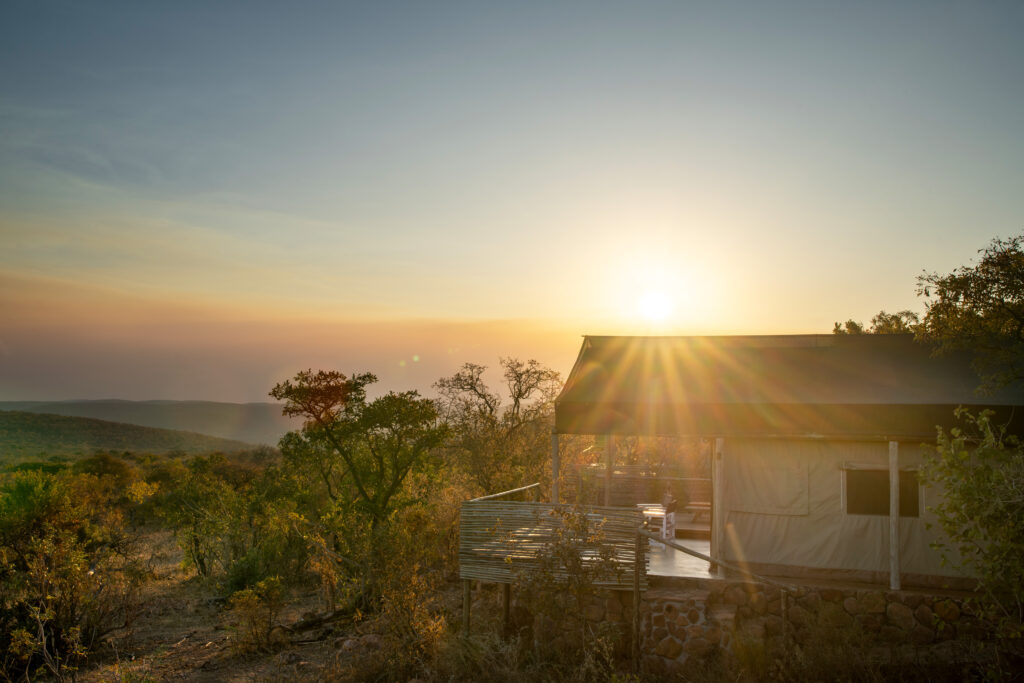
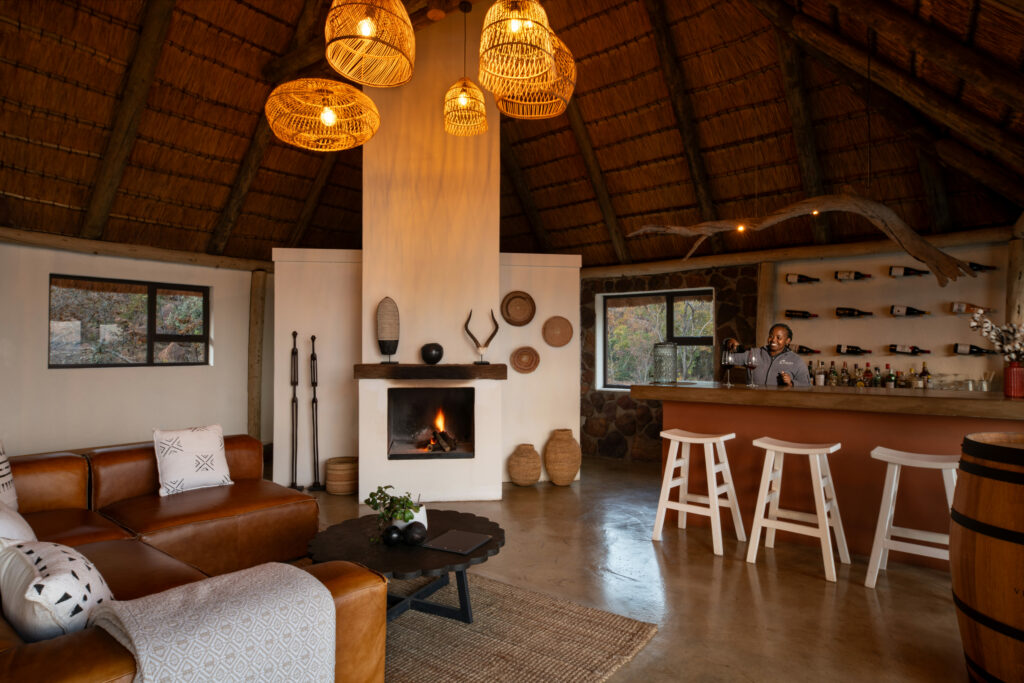
Witgatboom Boskamp is 'n Afrika-styl bushcamp op 'n privaatmalaaria-vry wildtuinlandgoed, 11 km buite Mookgophong in die Waterberg-distrik, Limpopo. Dit bestaan uit 7 rietgedekte chalets wat rondom 'n reusachtige boma gerangskik is, vir tot 21 gaste.
Slaap 17
Kinders welkom
Akkommodasiepryse in Glentig
| Tipe | Inskrywings | Vanaf | Gemiddeld | Tot |
|---|---|---|---|---|
| Self-catering | 1 | R900 | R1,631 | R3,480 |
Glentig Kaart
Nabygeleë Bestemmings
Blaai Deur Alle Glentig Akkommodasie
Bekyk al 1 akkommodasie-opsies in Glentig met foto's, pryse en beskikbaarheid.
Blaai Deur Alle Akkommodasie