Accommodation in Grassy Park
With 66 properties listed across the suburb and its immediate surrounds, the accommodation market here covers a broader range than the area's modest profile might suggest. Nightly rates start at R850 and reach R18,800, with an average of R2,883 across all listings.
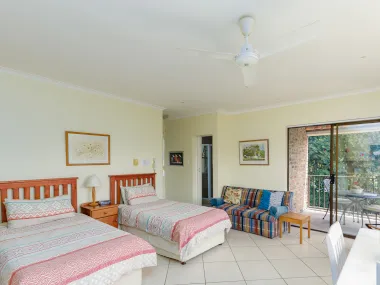
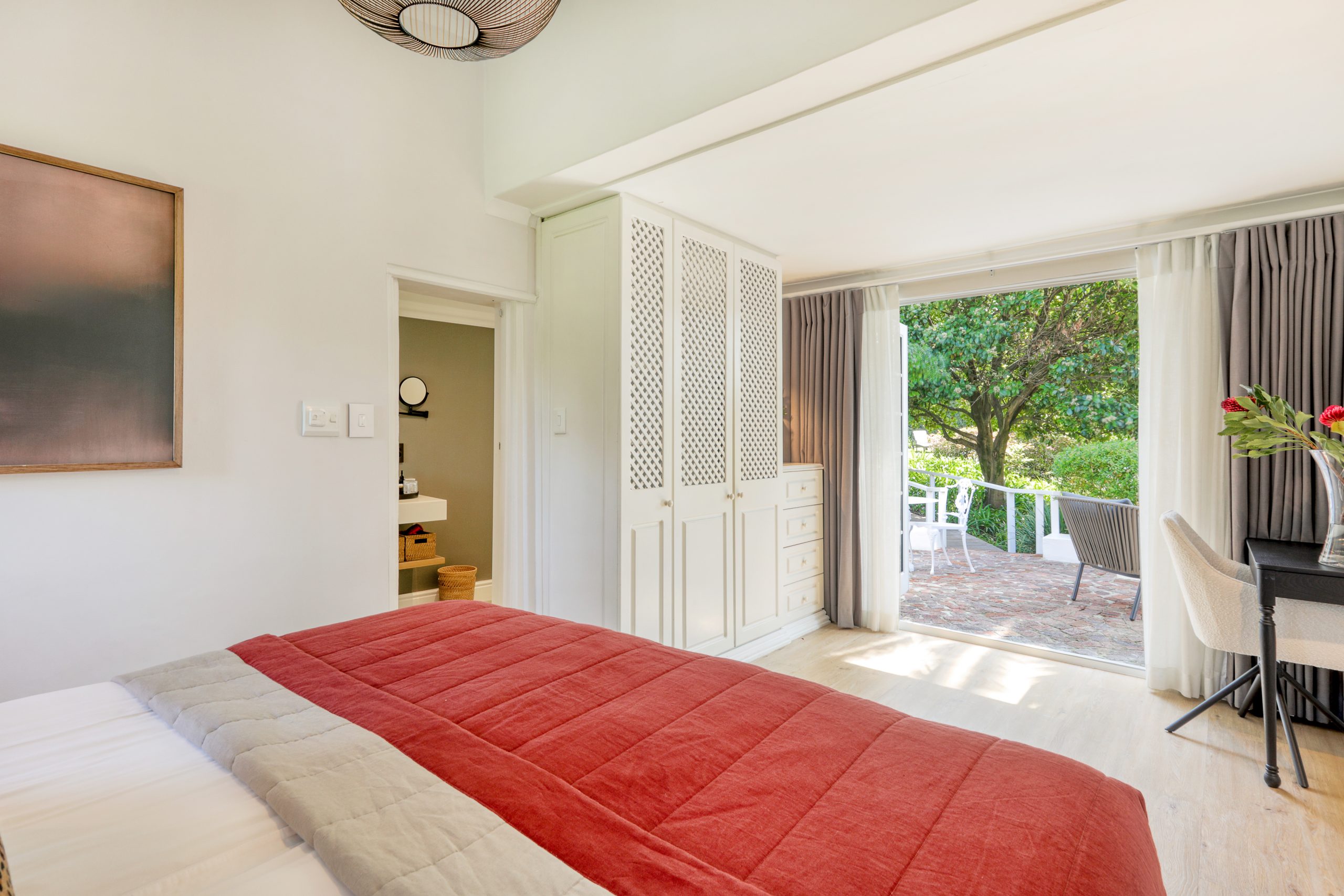
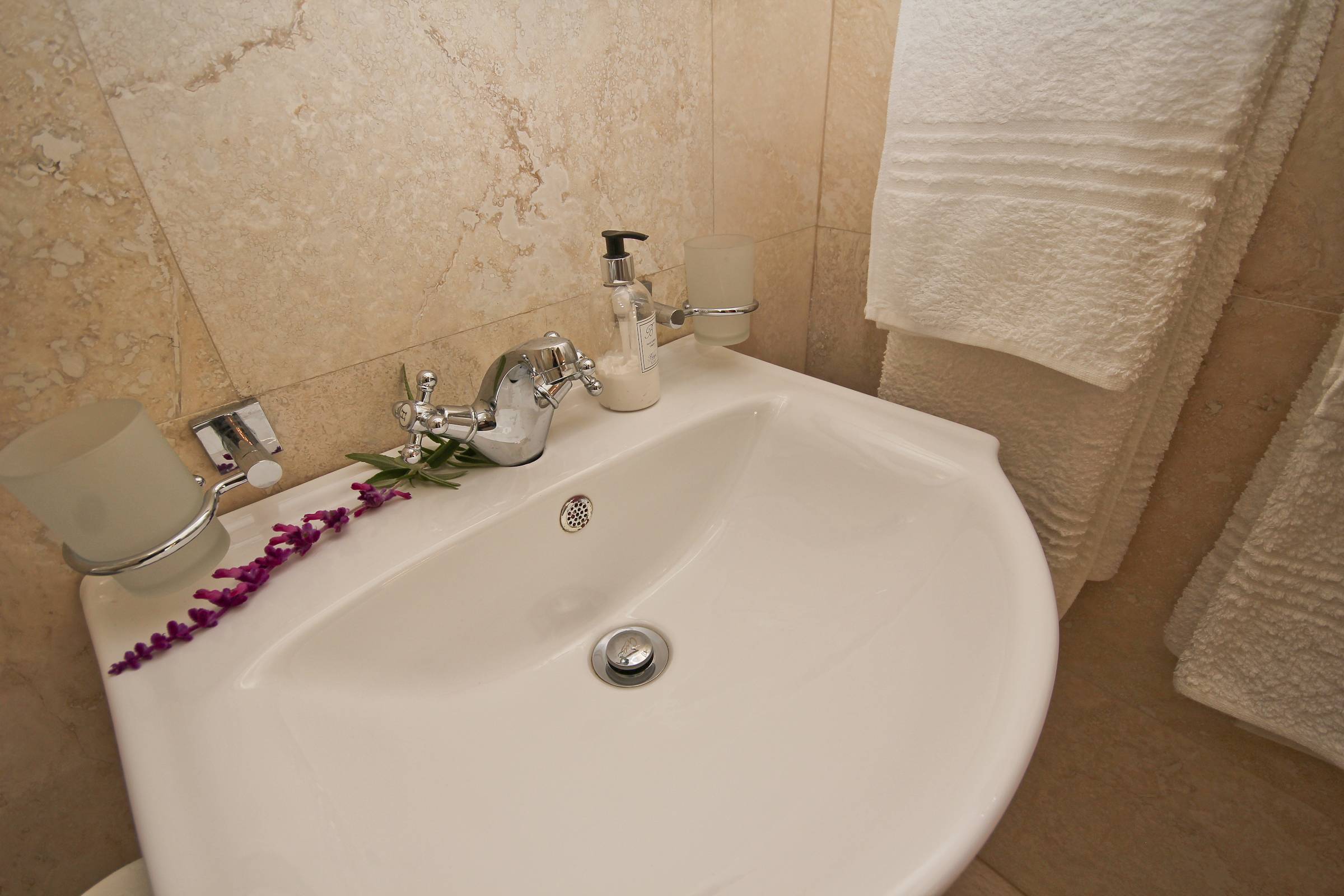
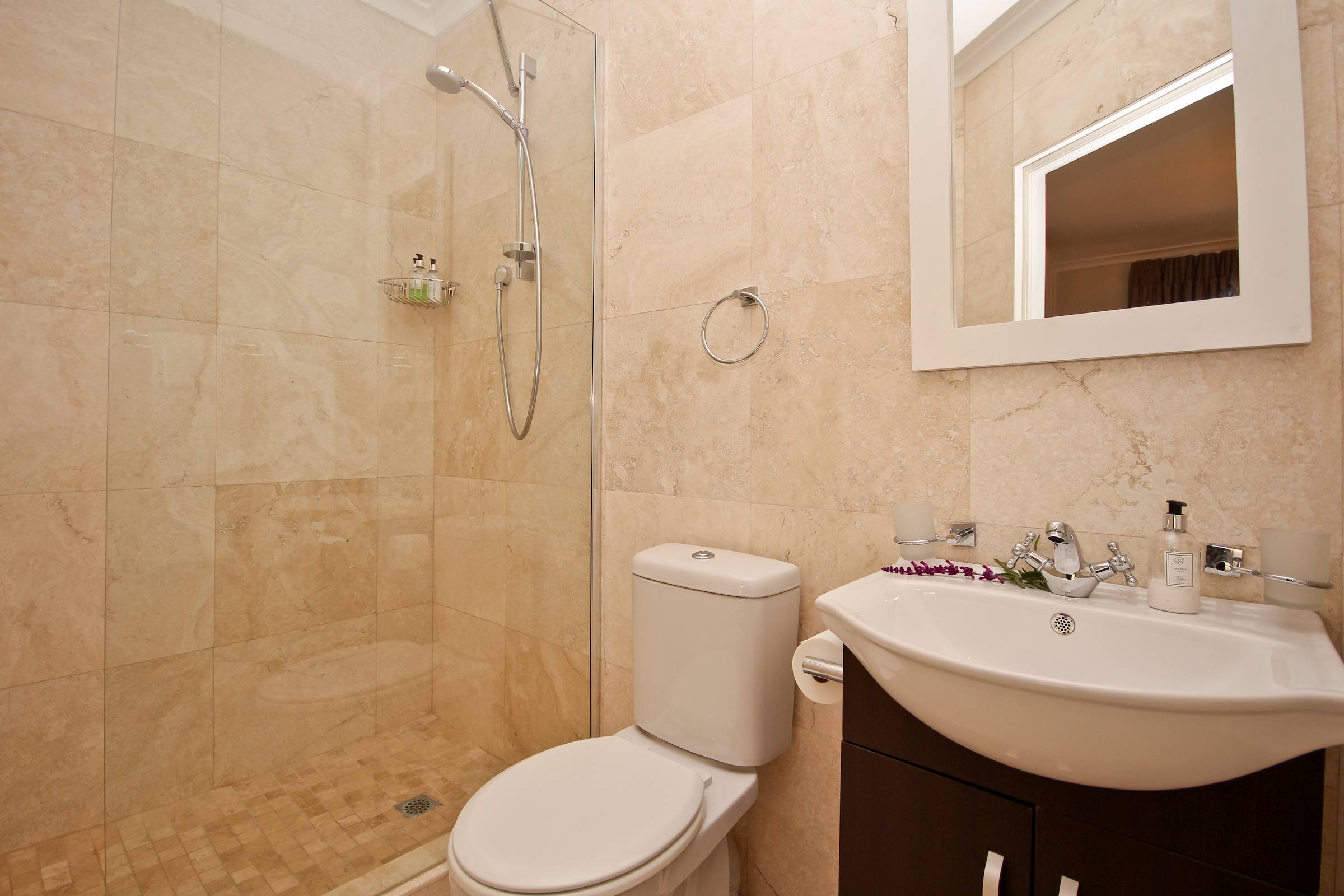
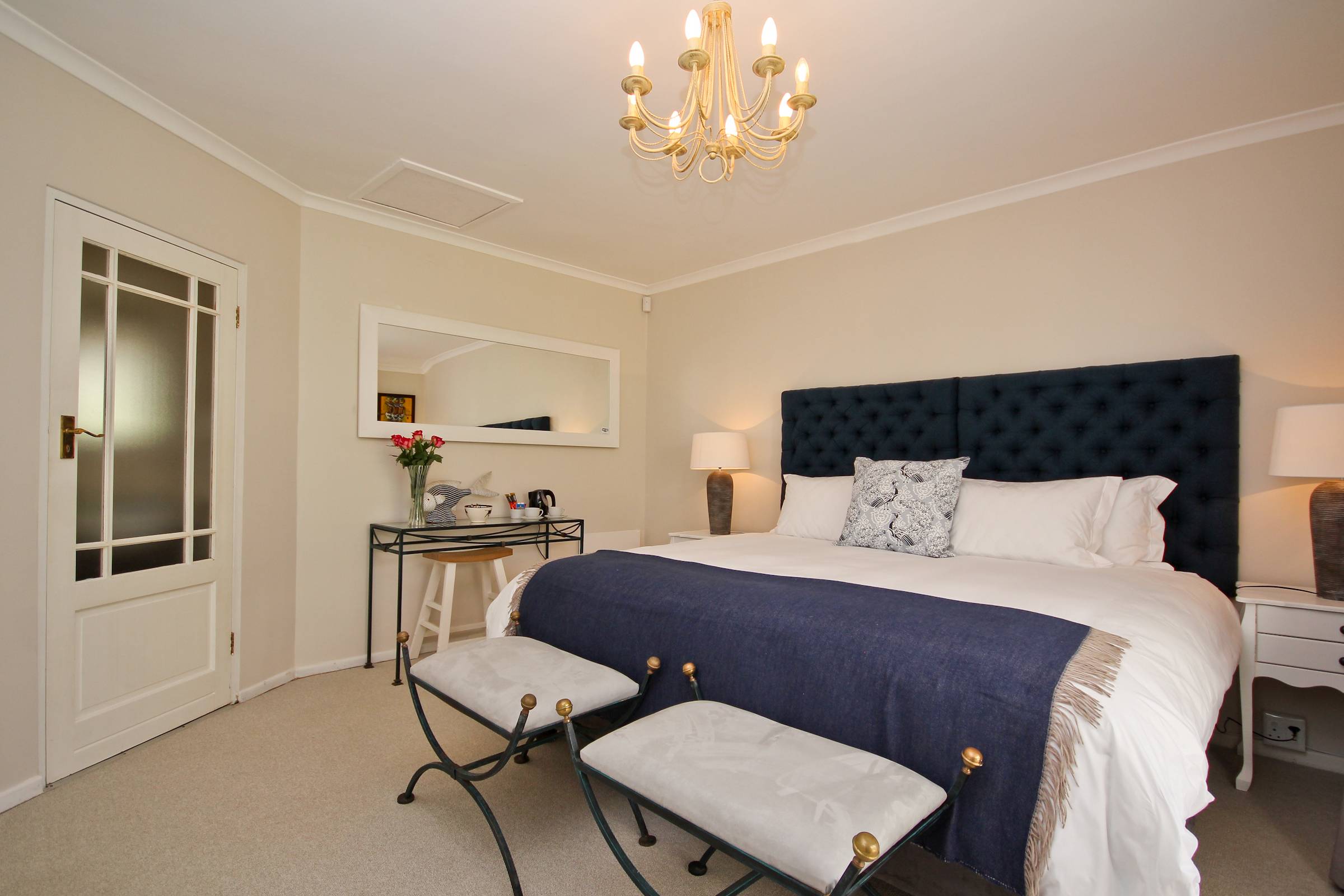
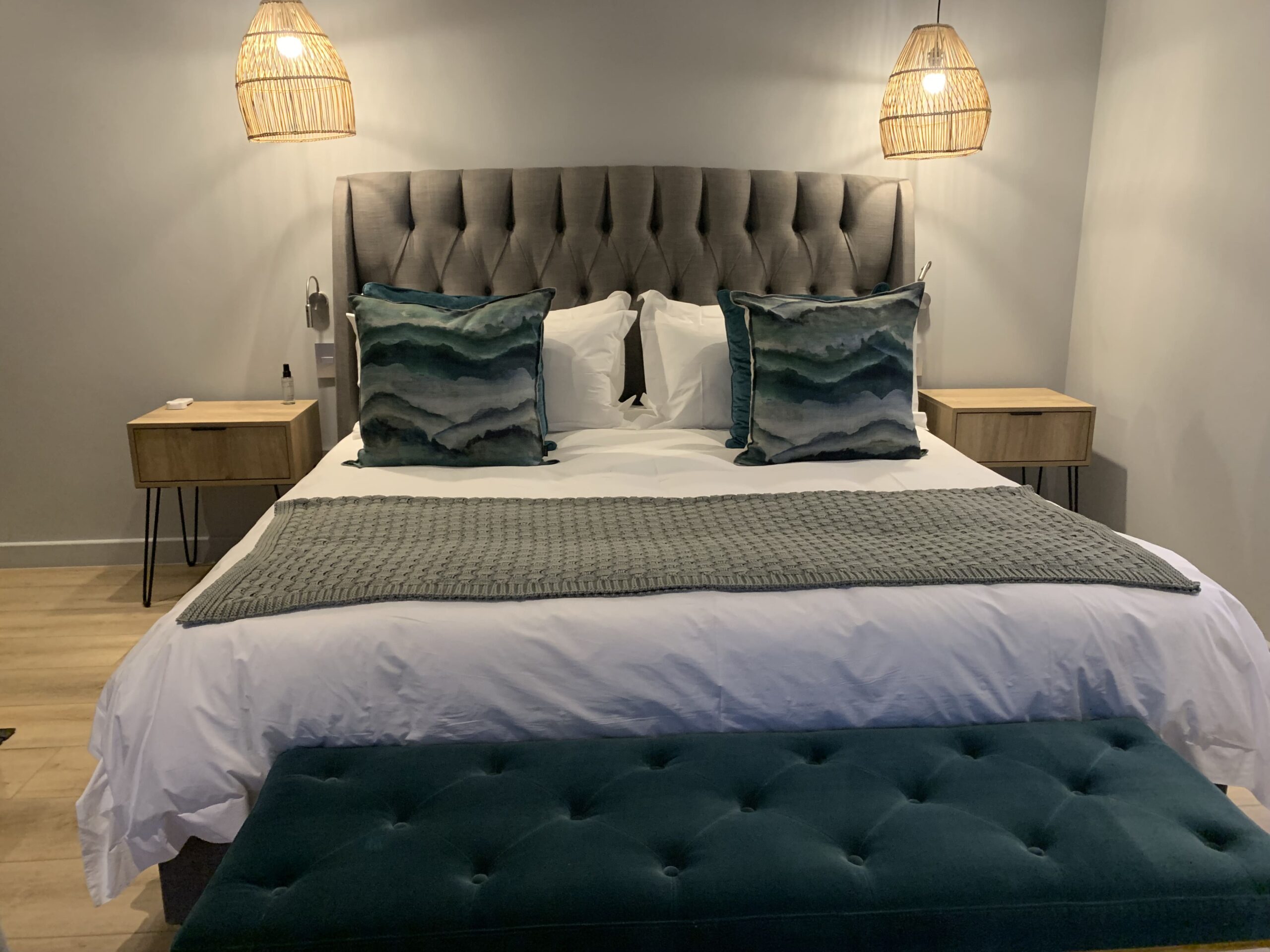
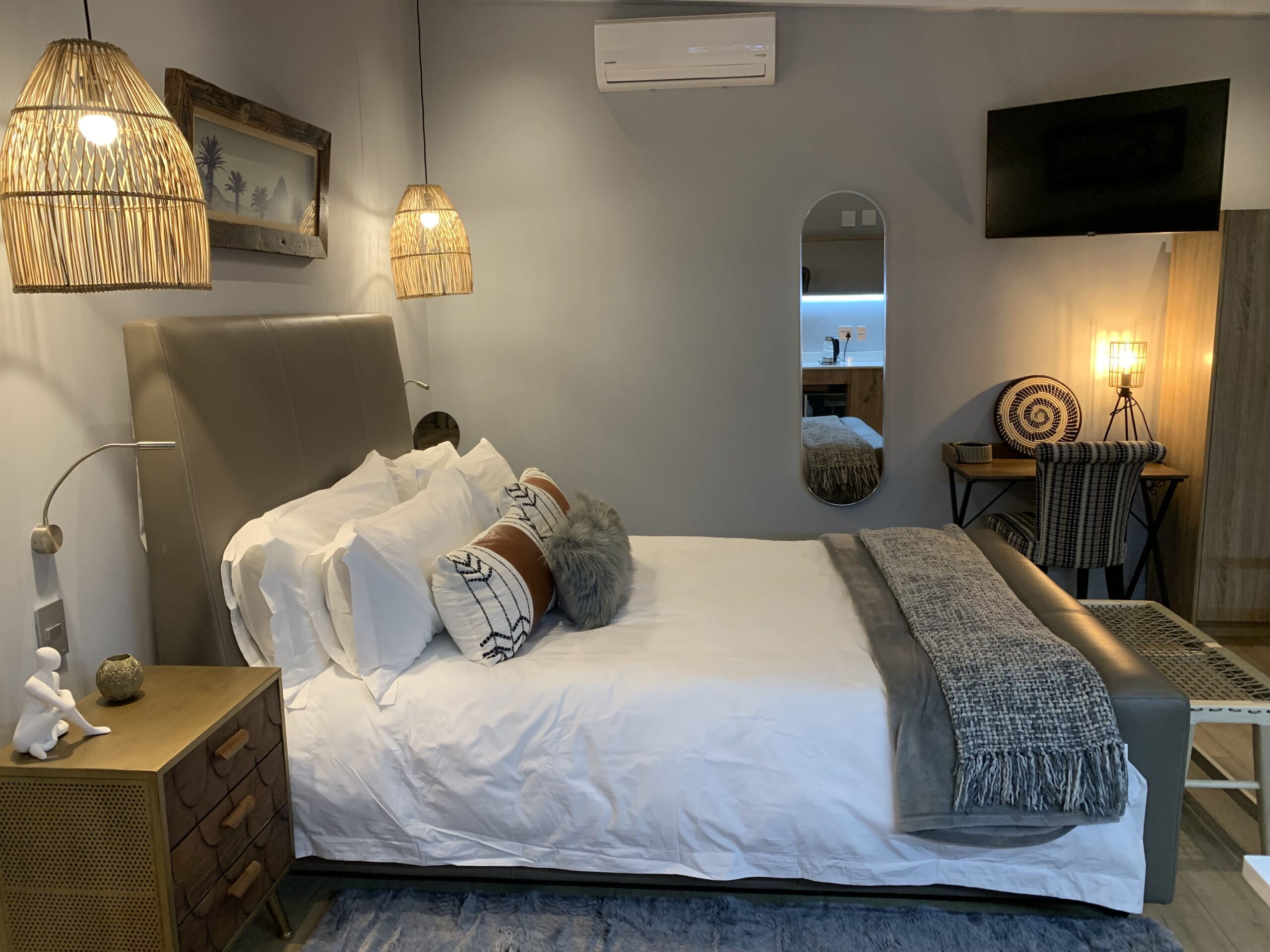
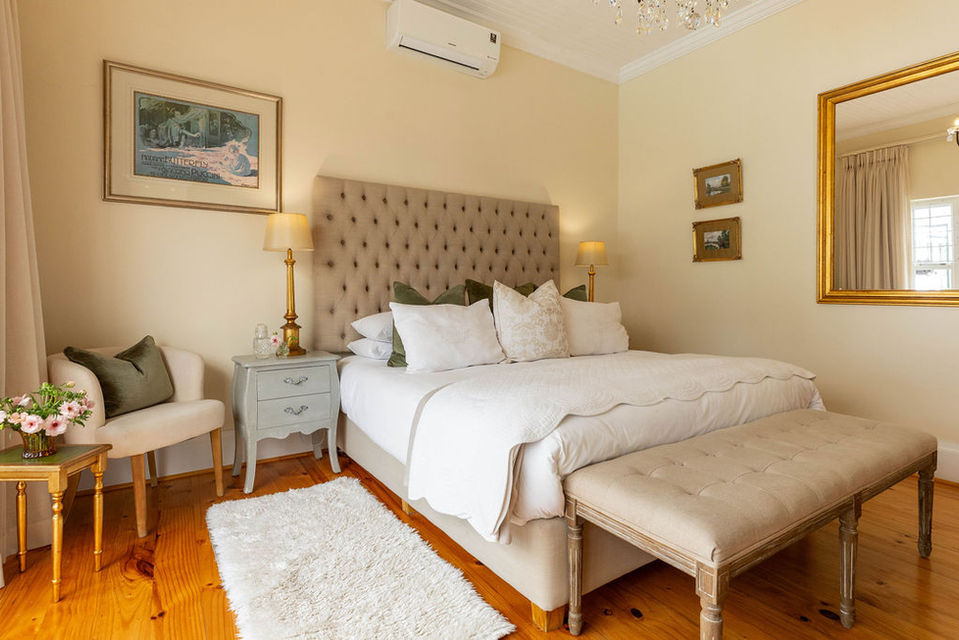
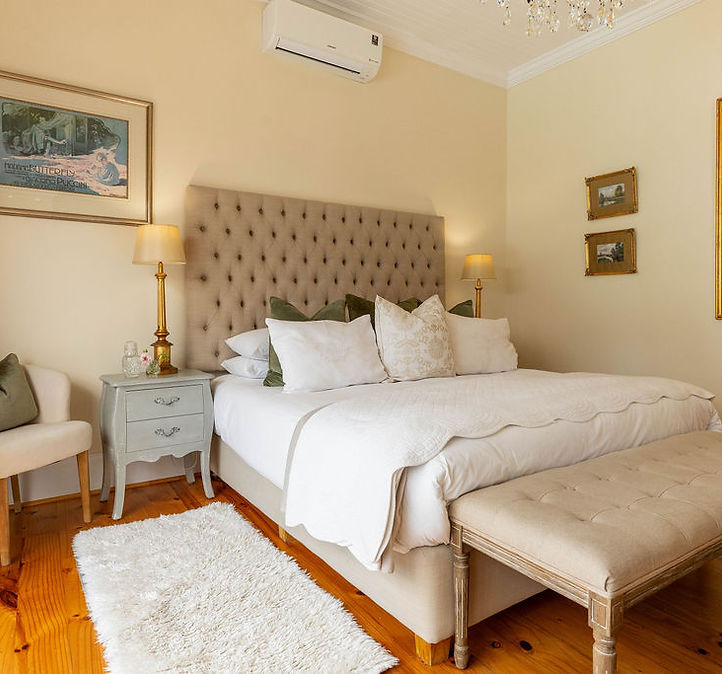
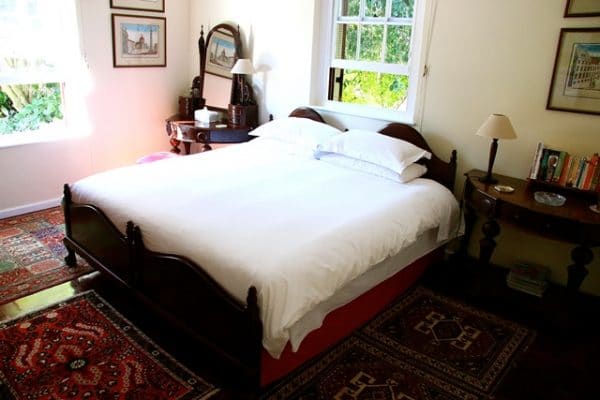
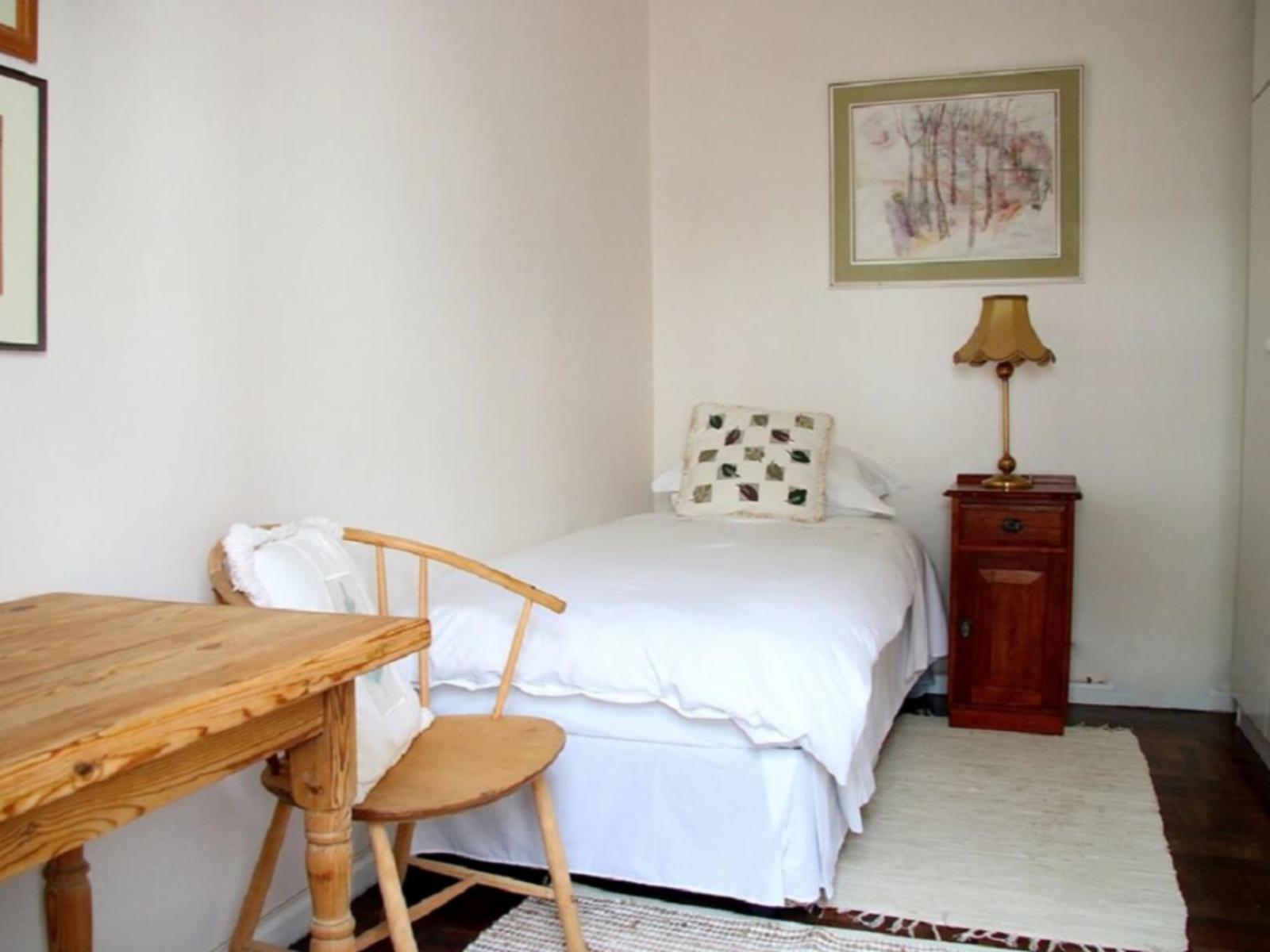
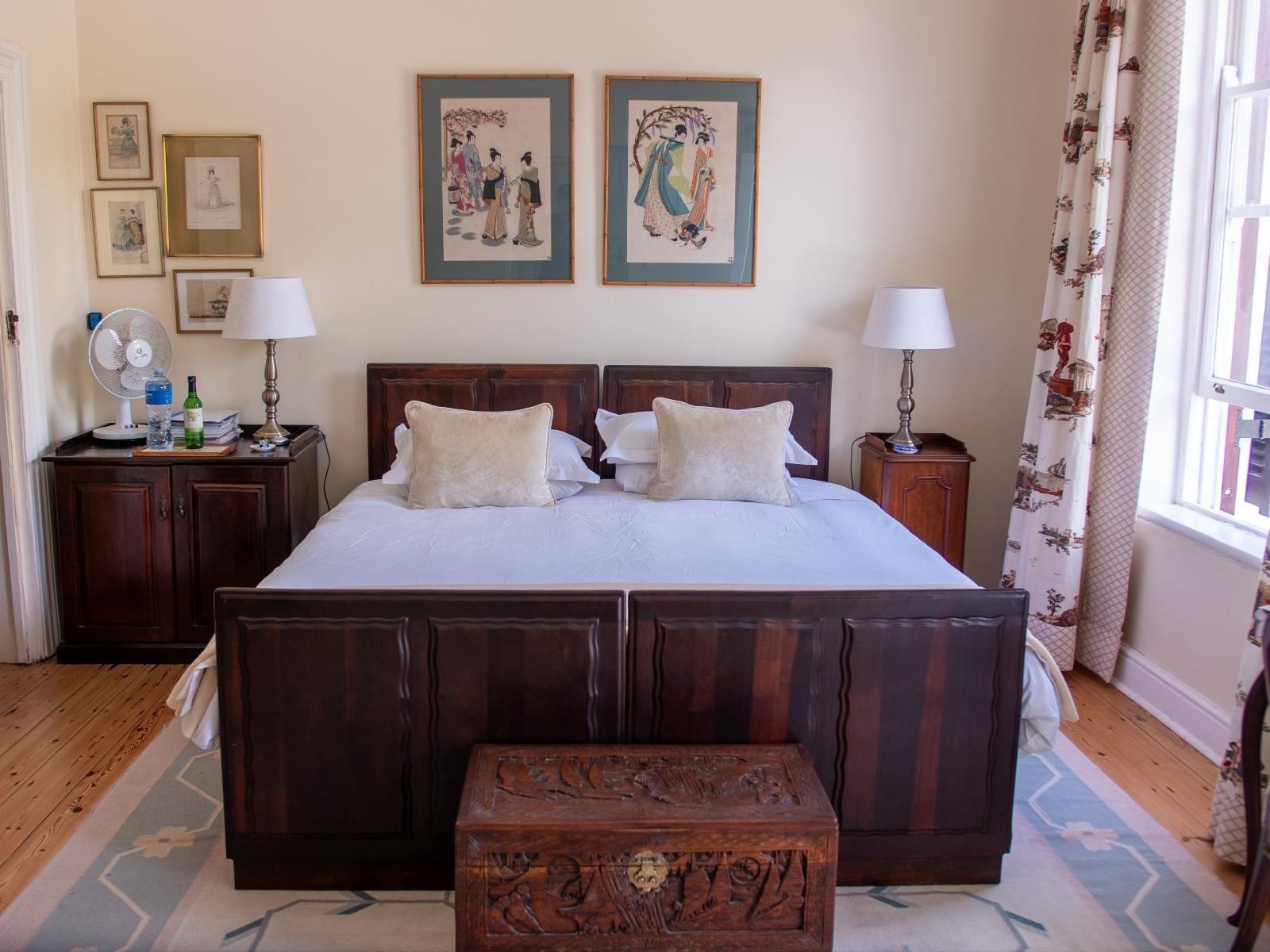
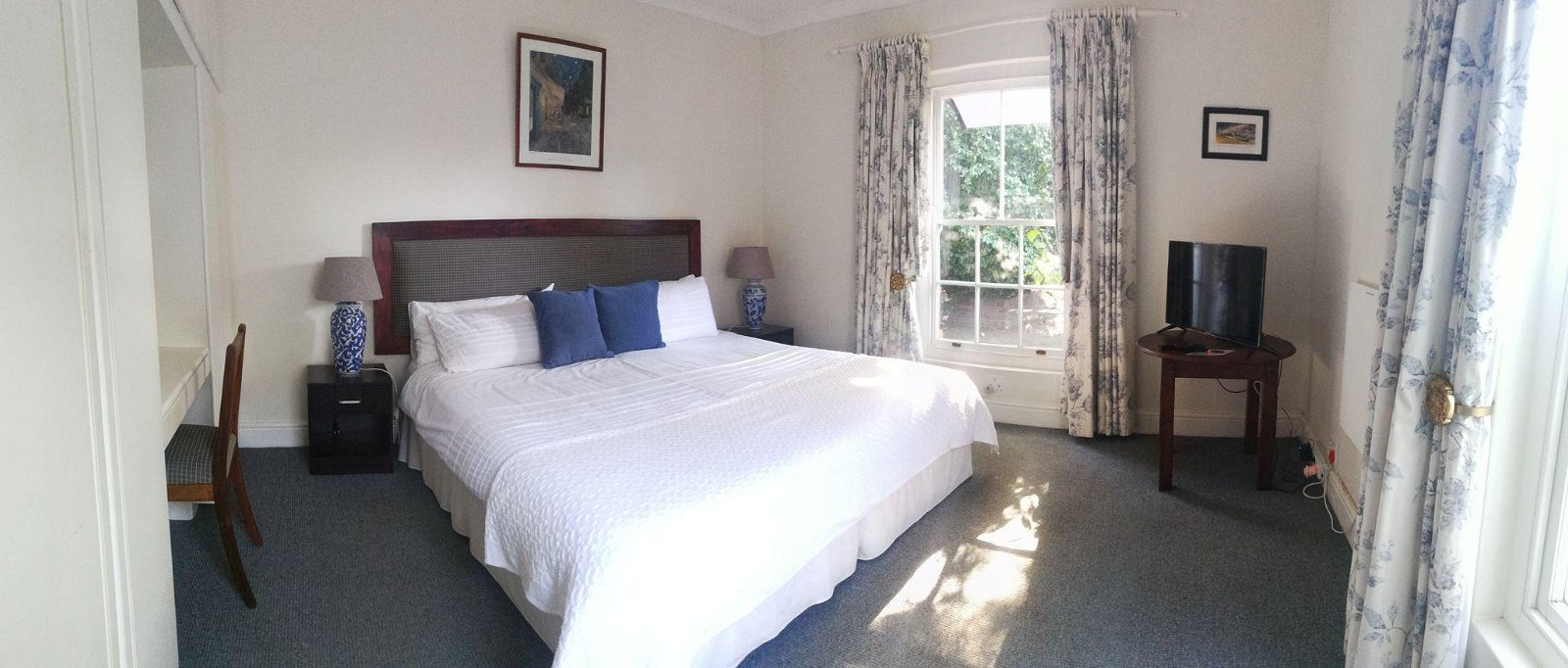
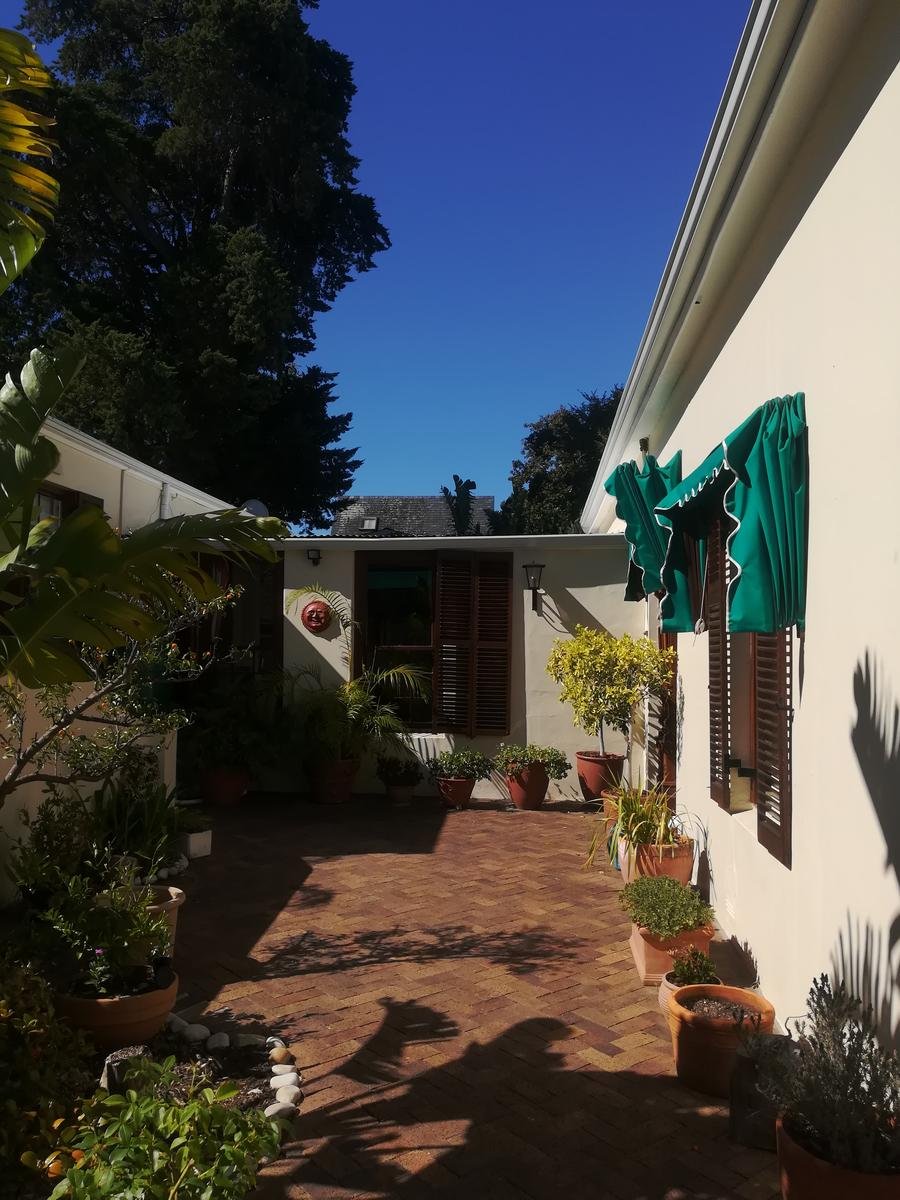
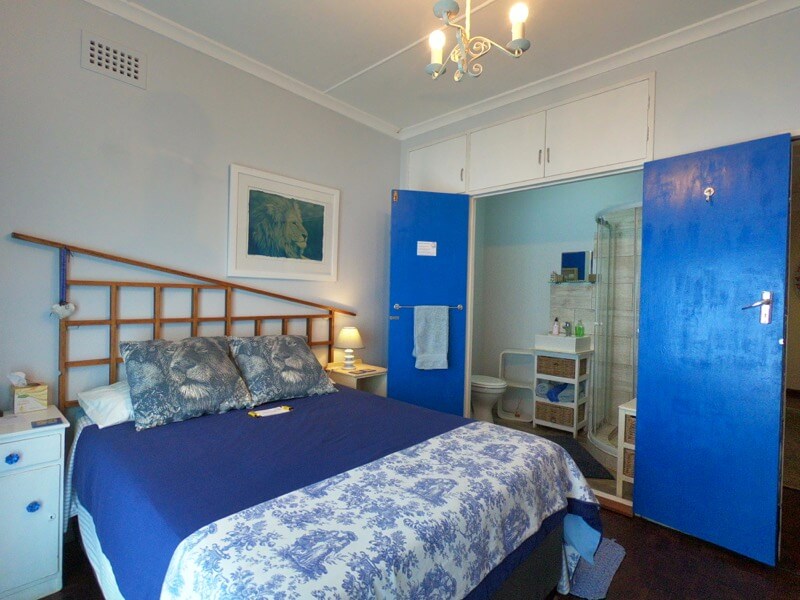
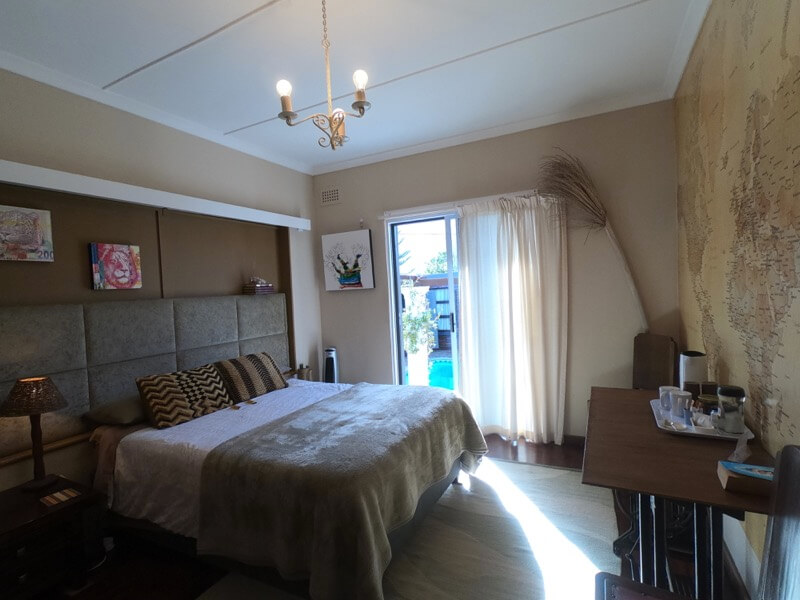
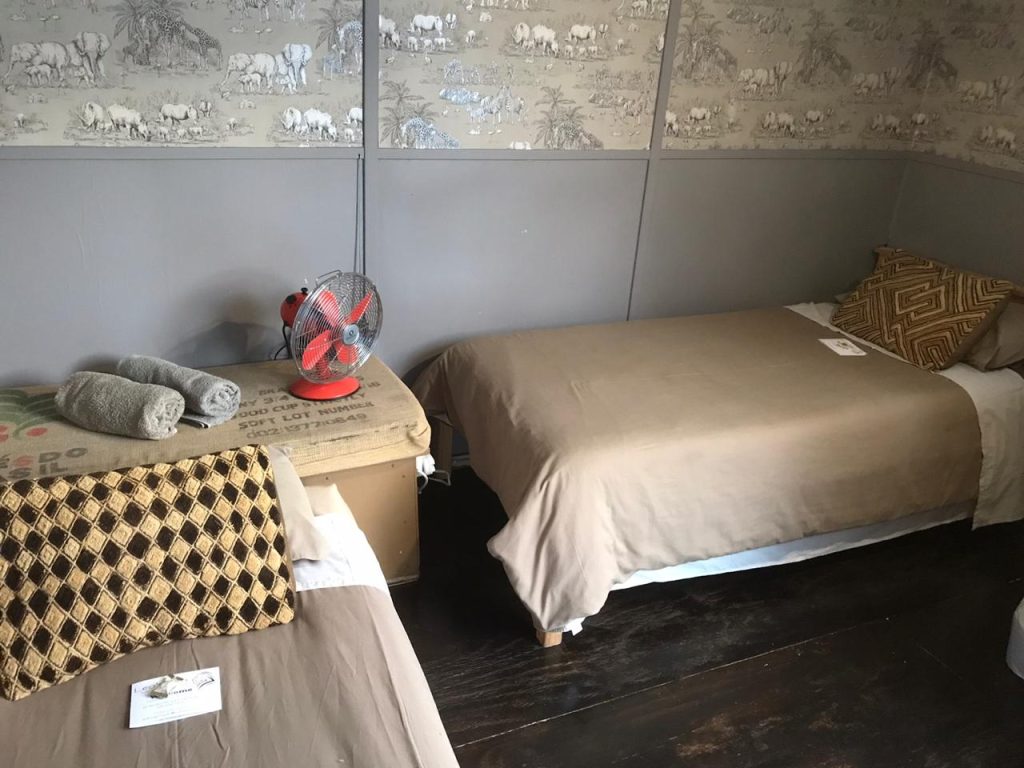
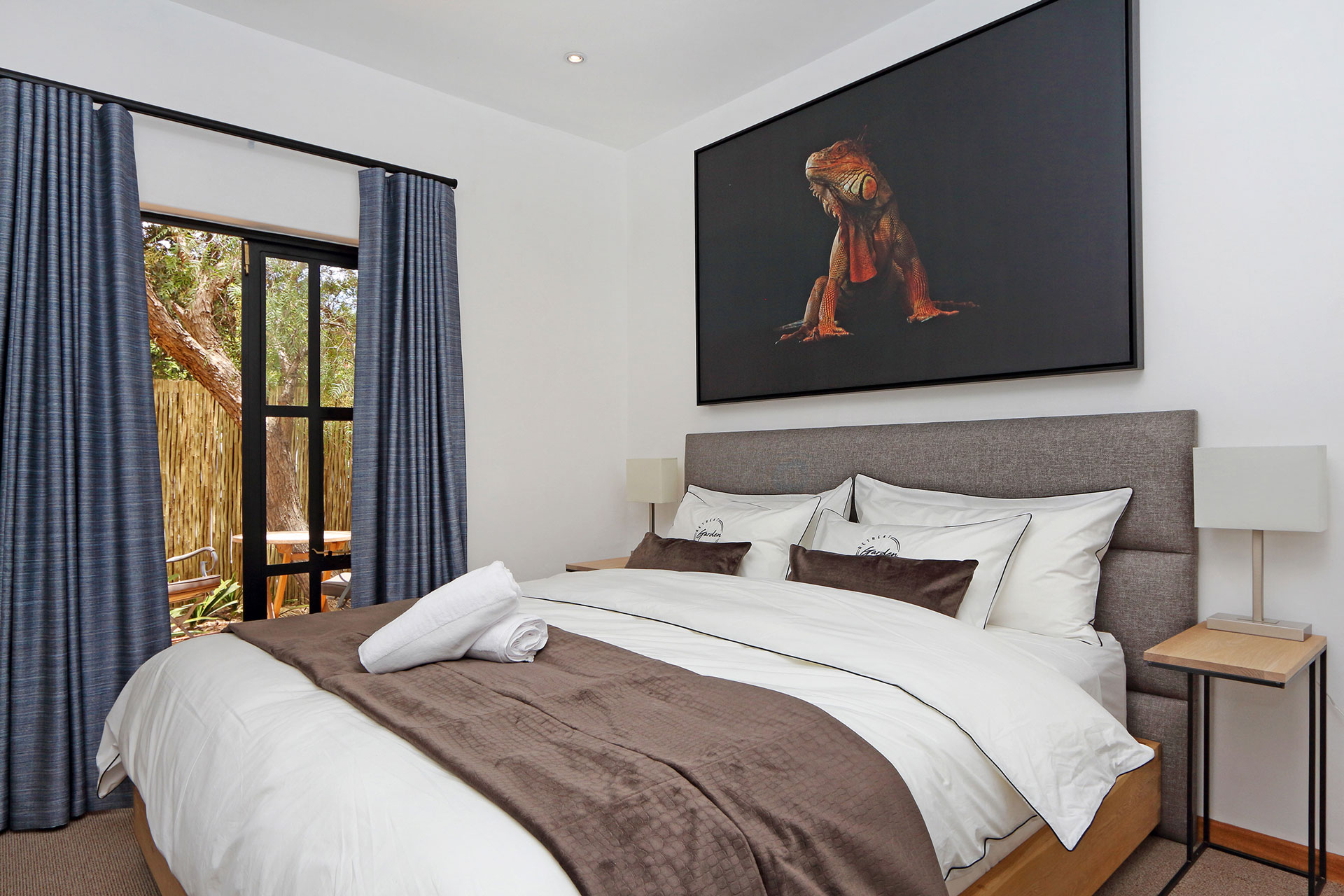
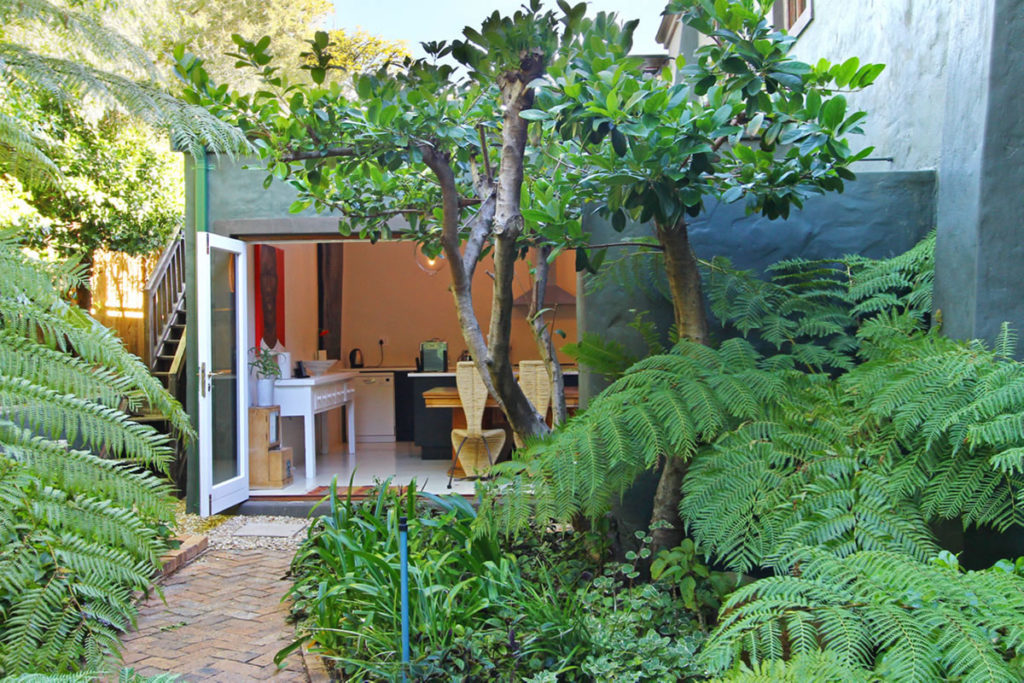
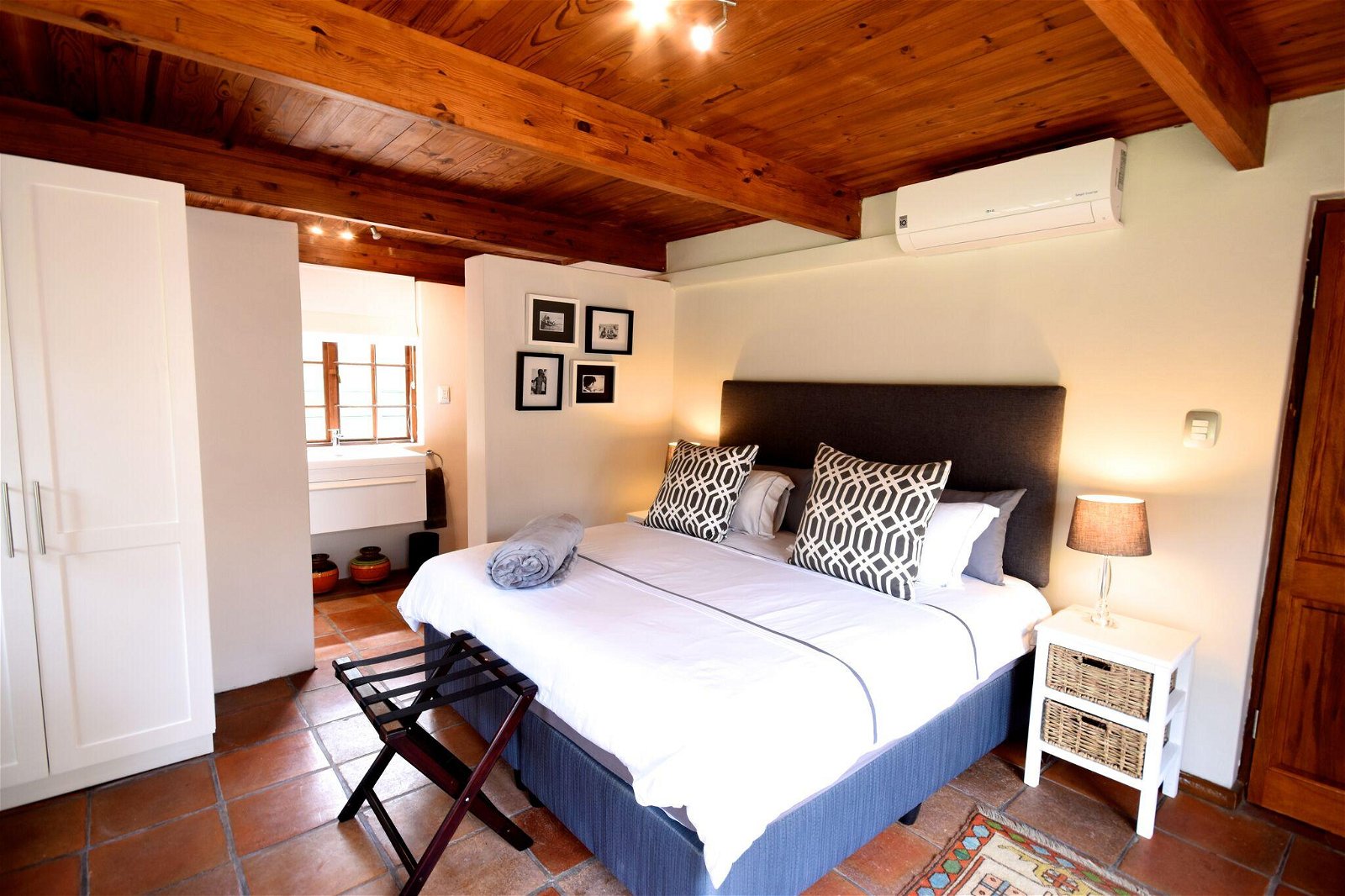
At the budget end, three hotels average around R2,130 per night and offer standard serviced rooms suited to short stays or travellers who prefer a structured setup. Bed and breakfast options account for around nine listings in total, averaging R2,748. These are typically owner-operated homes where a morning meal is included, and they tend to suit solo travellers or couples who value personal contact with a host and do not need a large independent space.
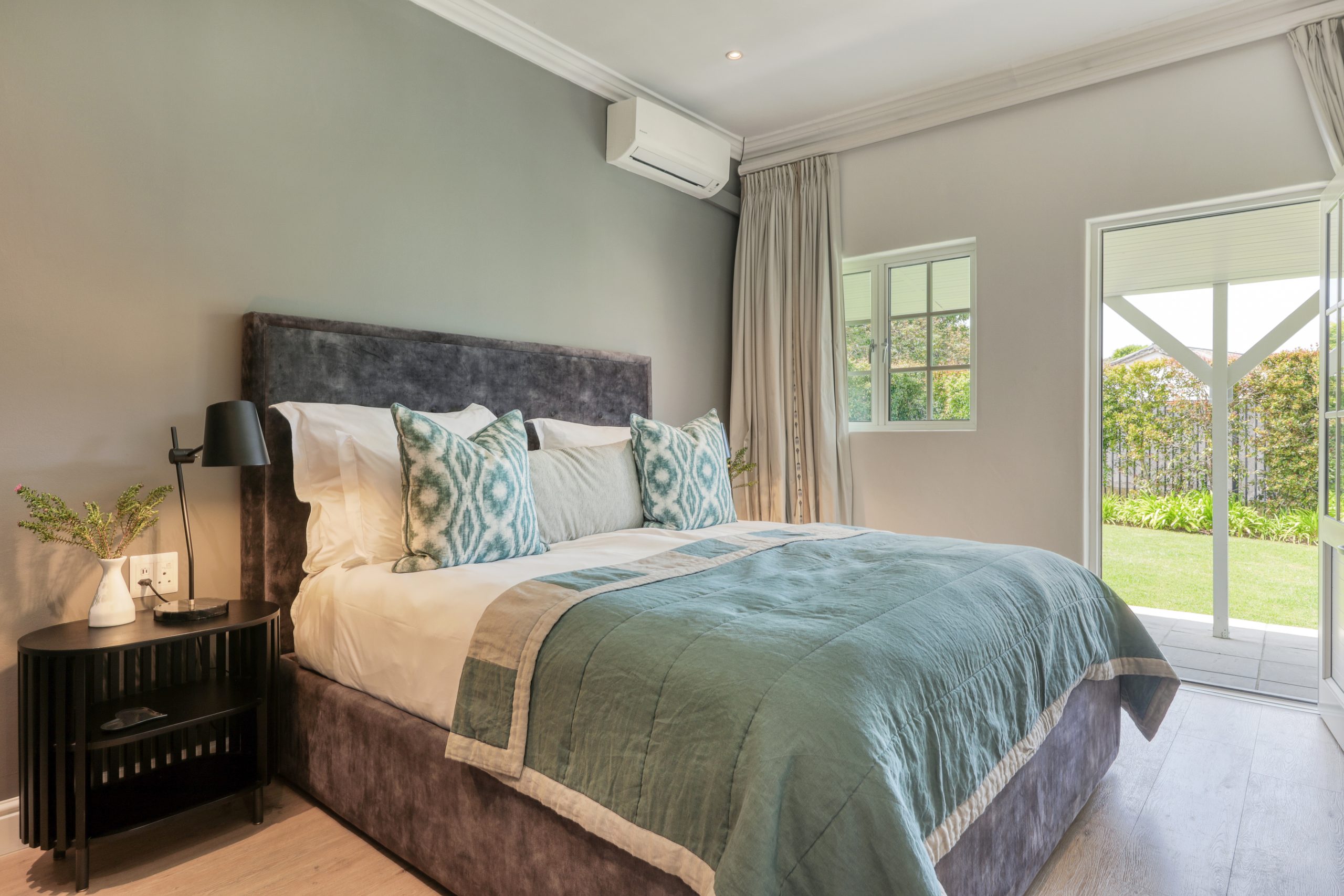
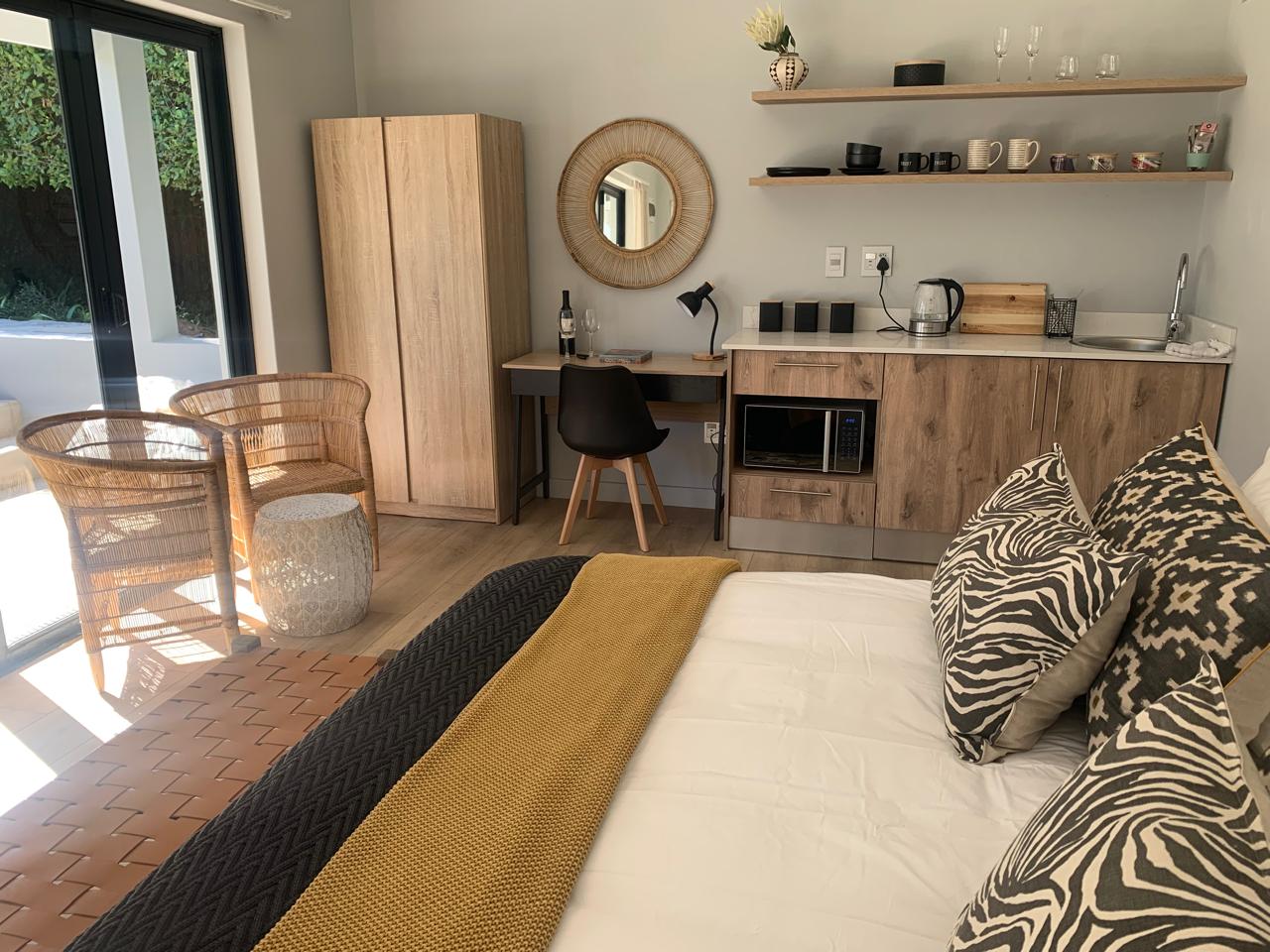
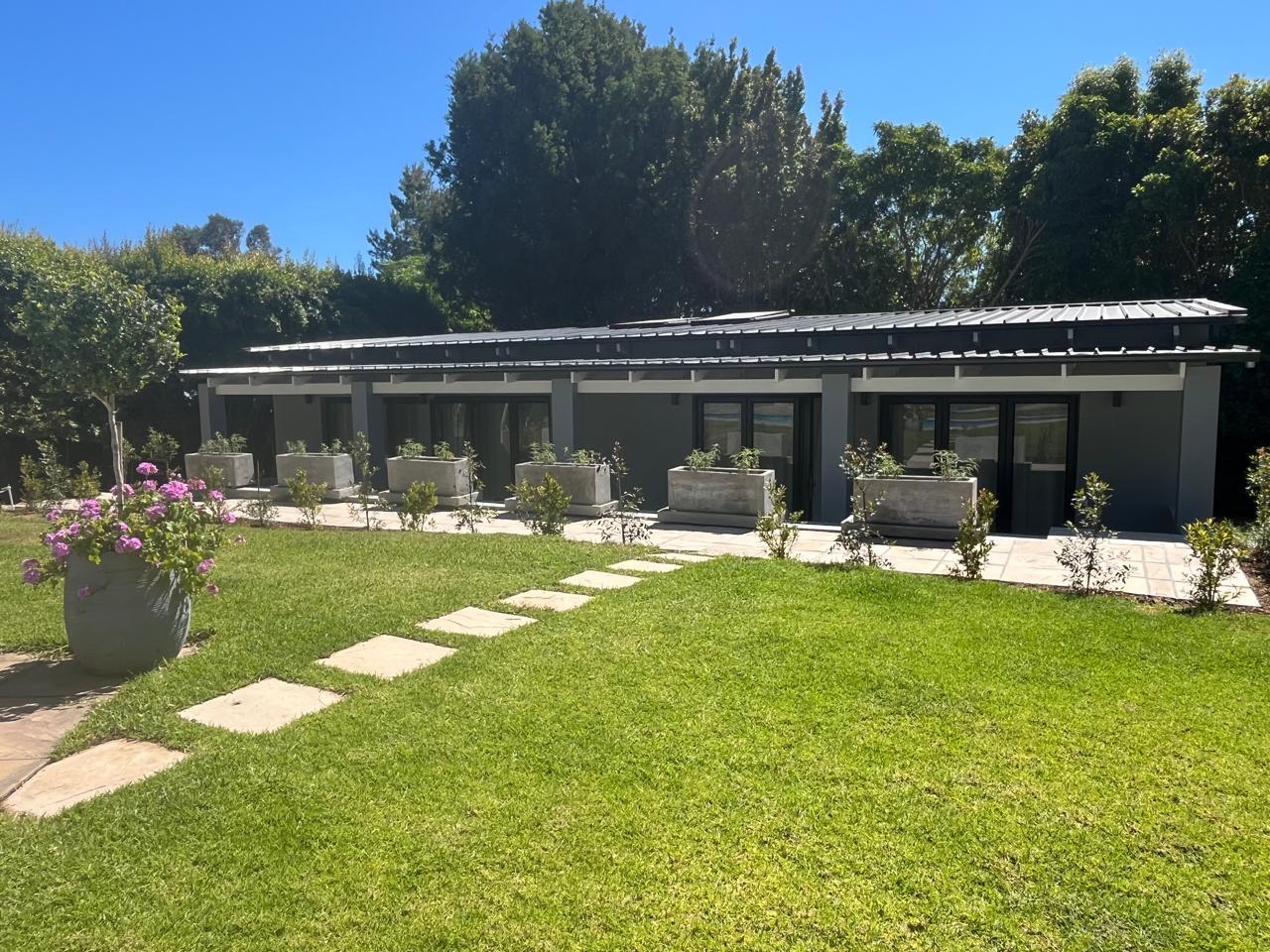
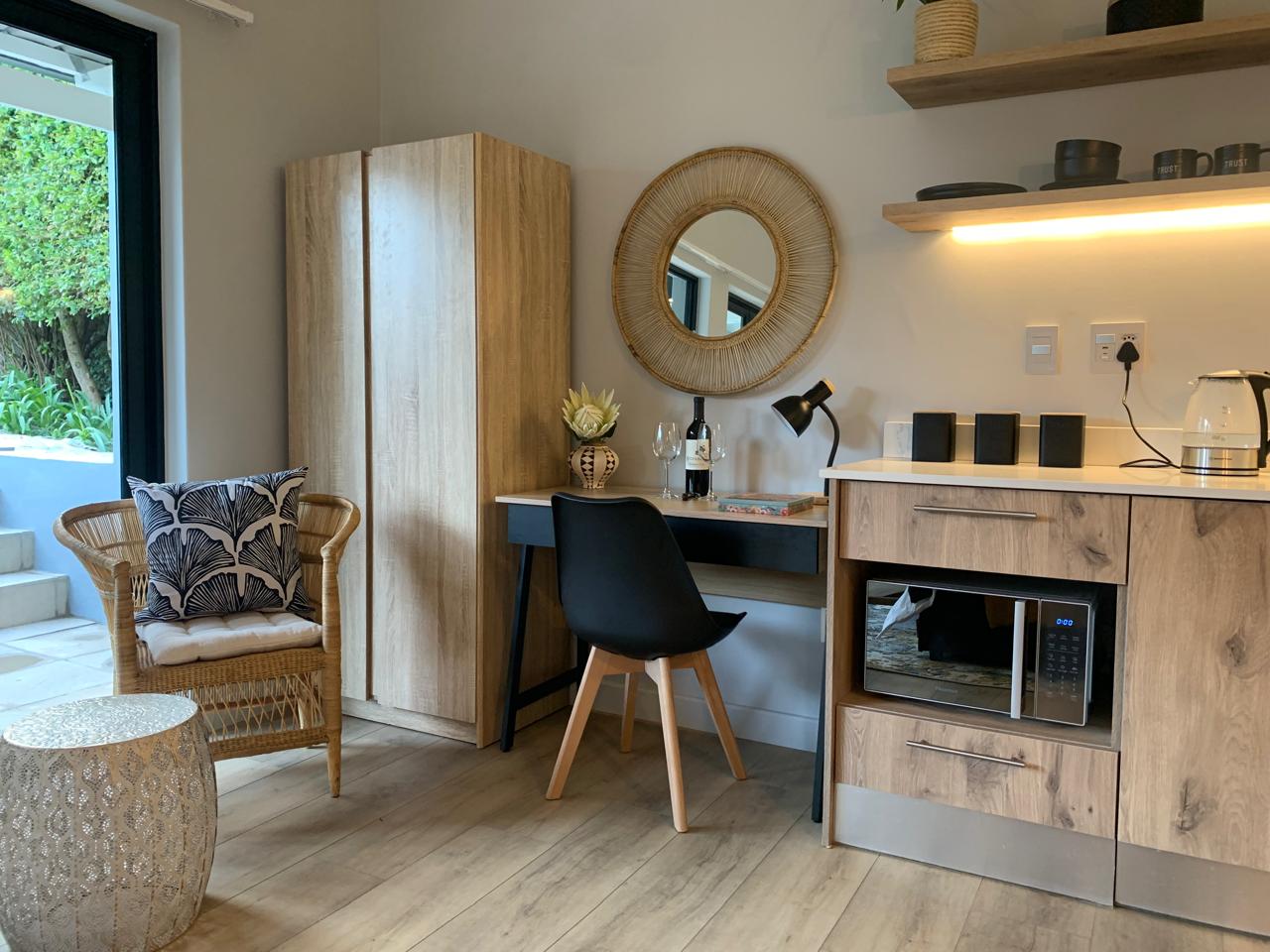
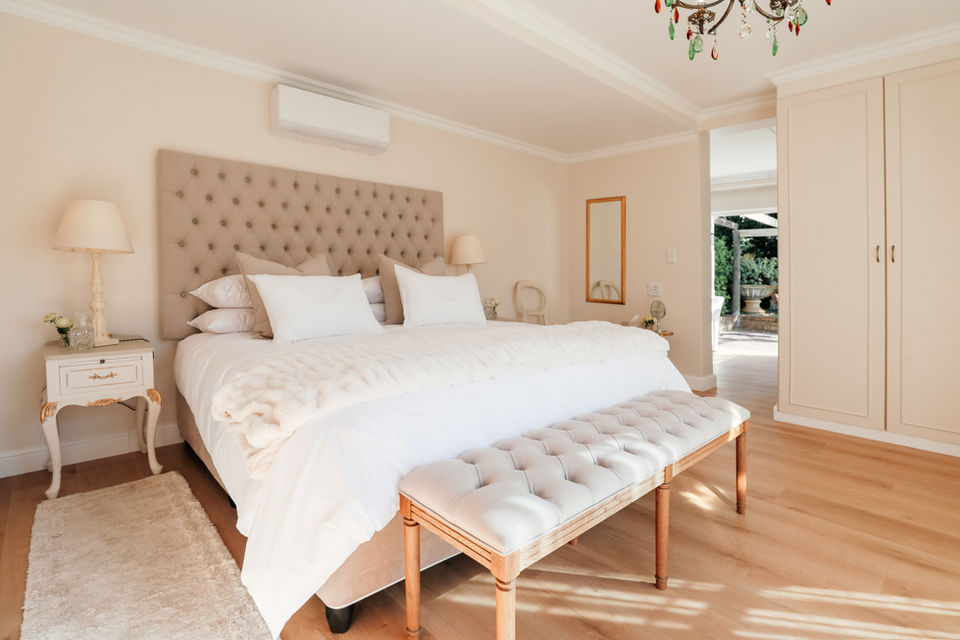
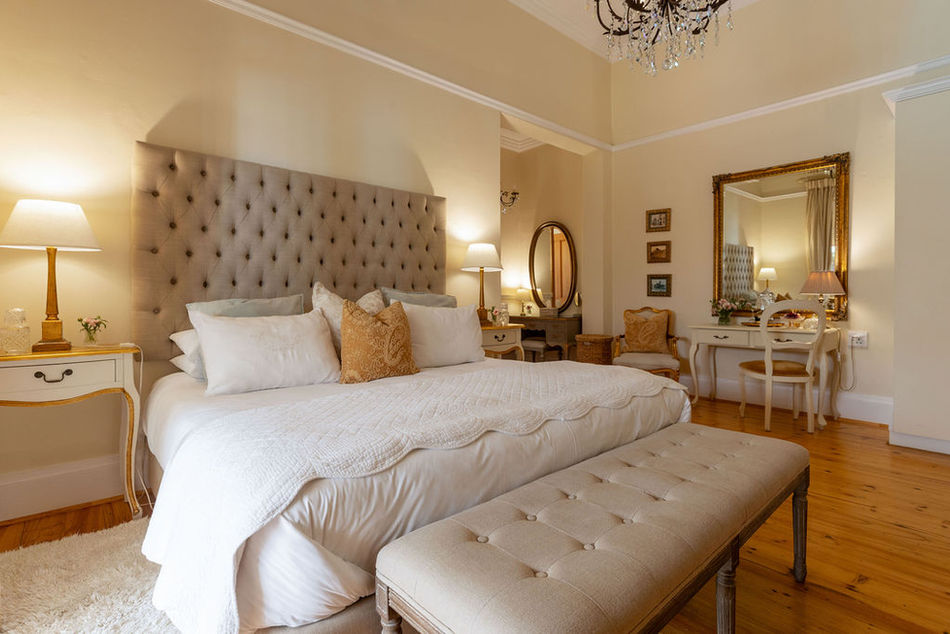
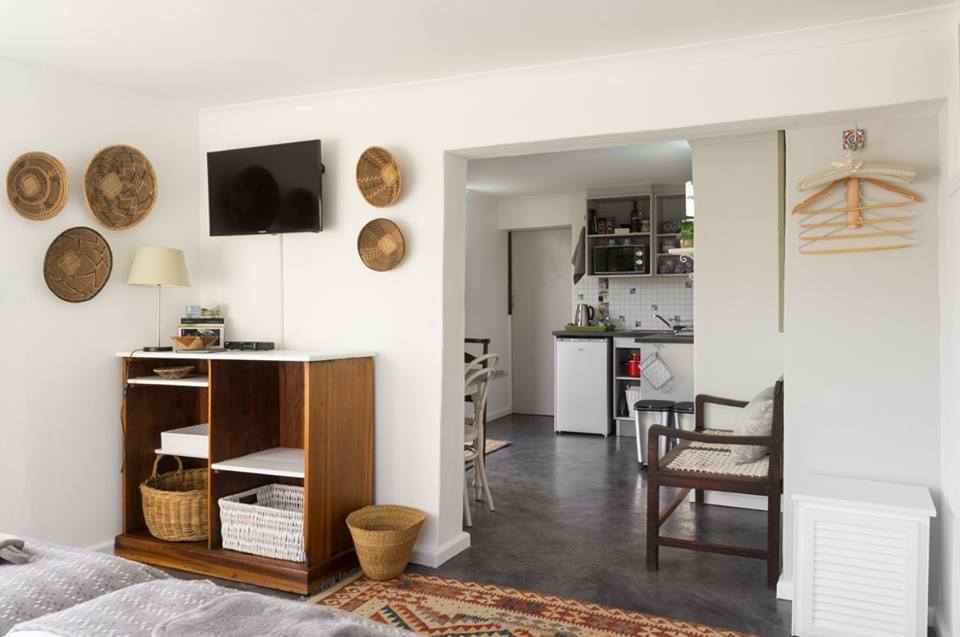
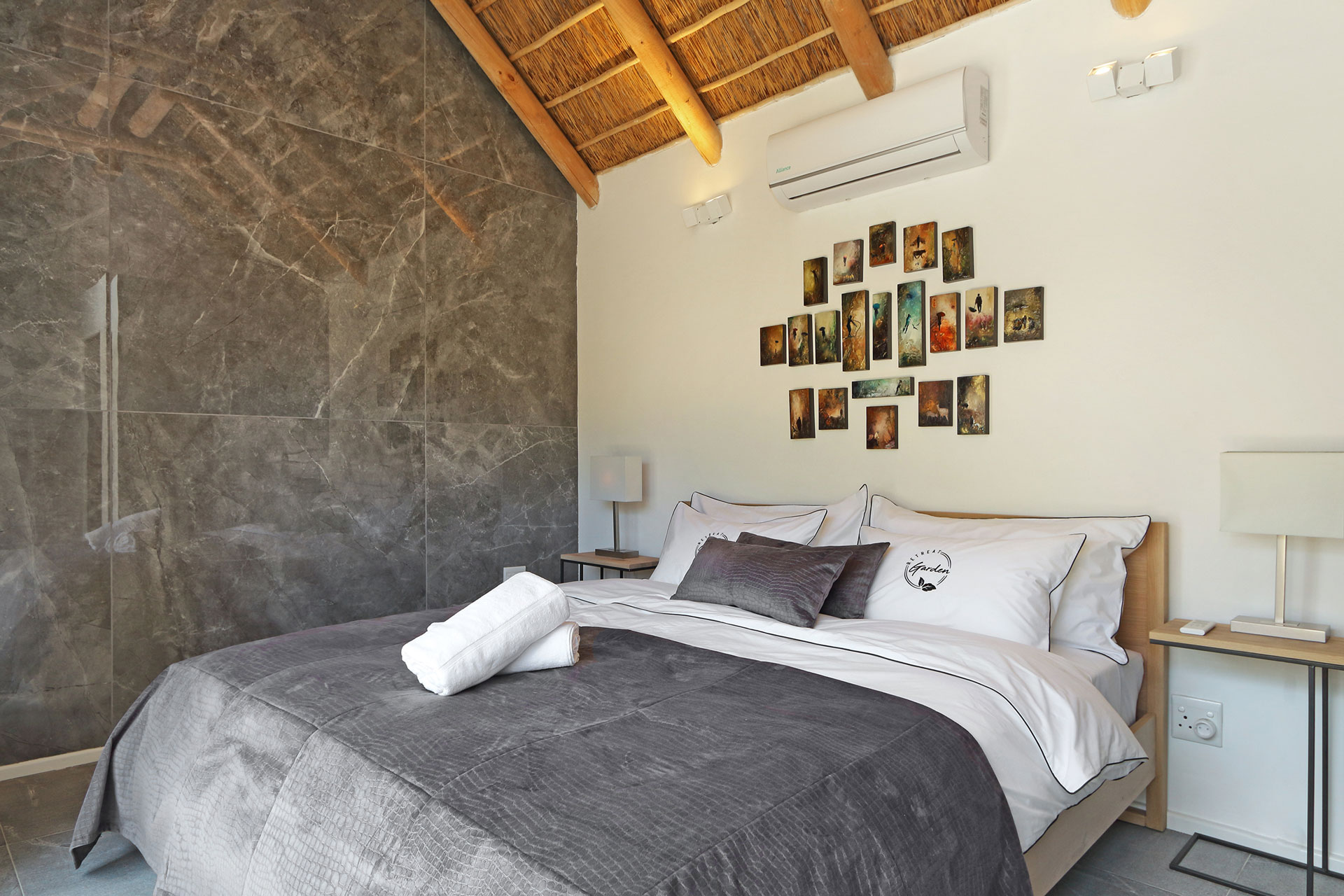
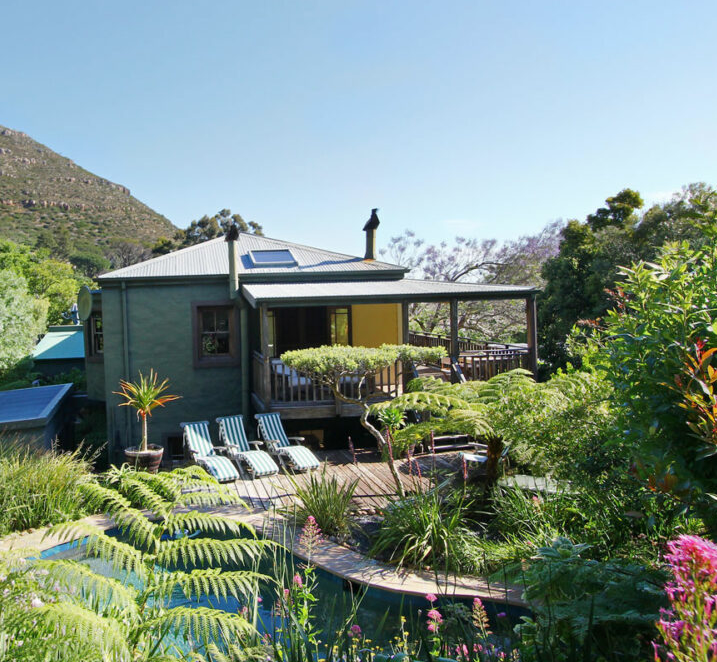
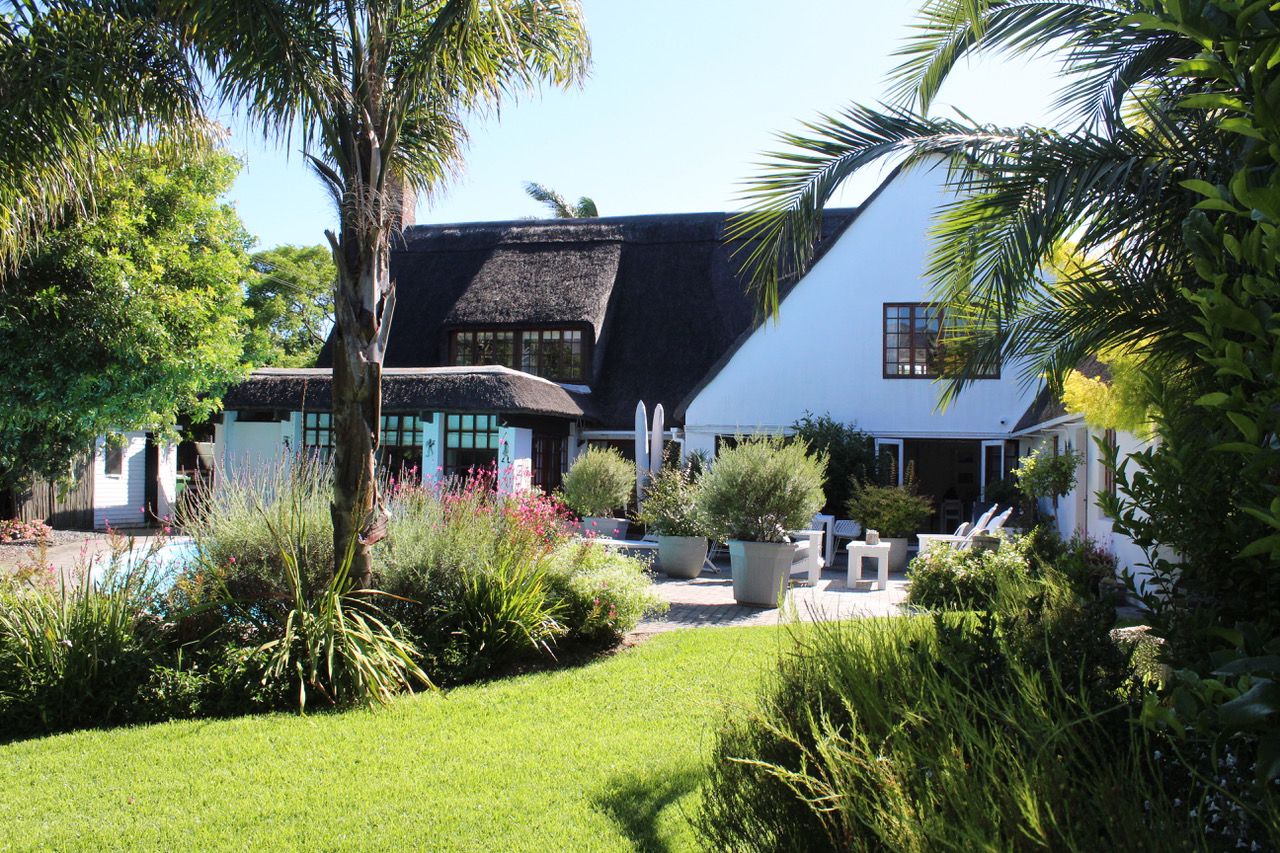
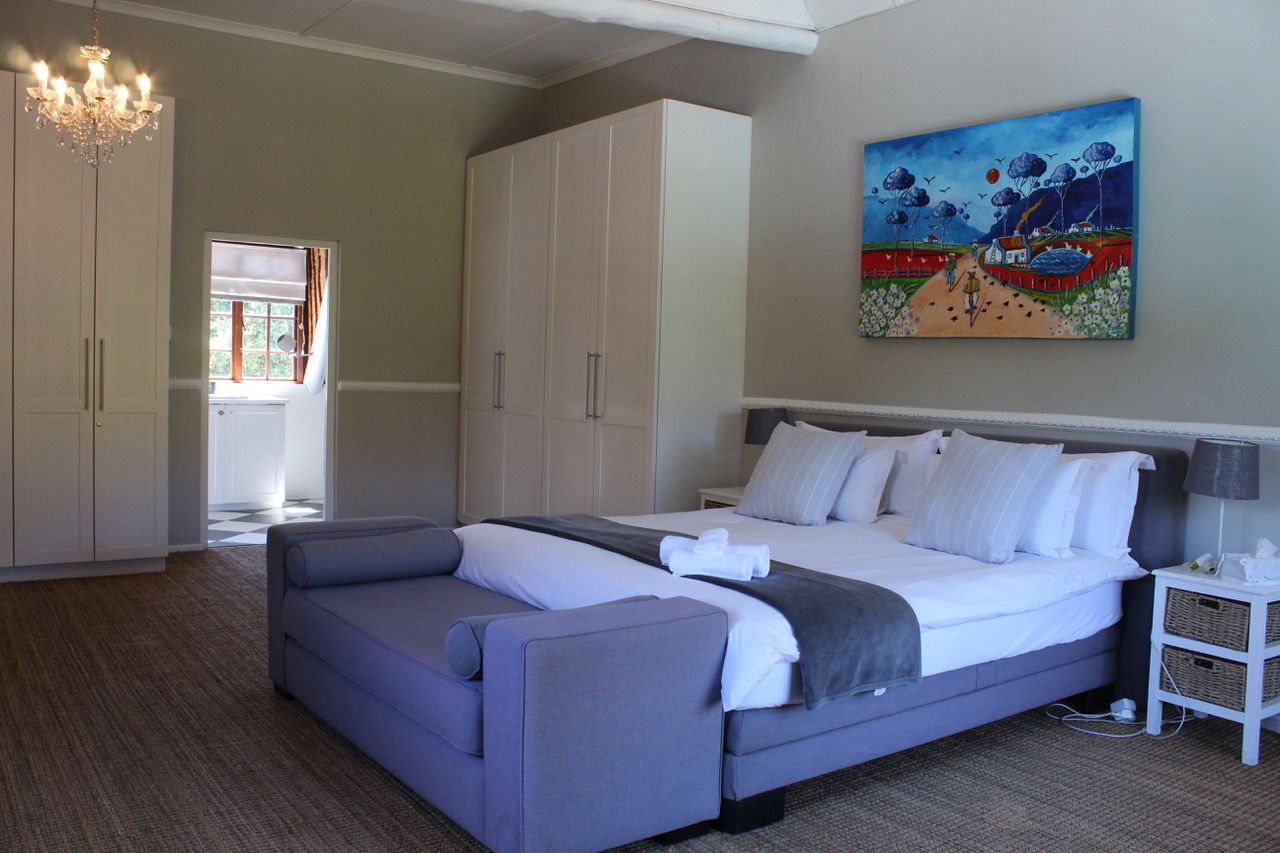
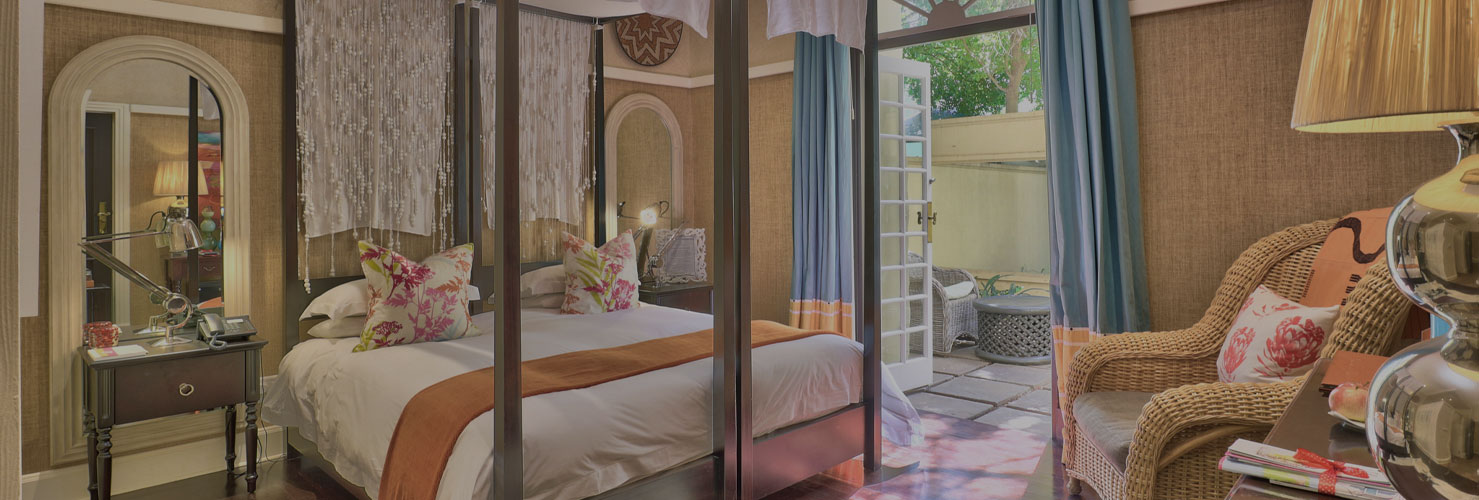
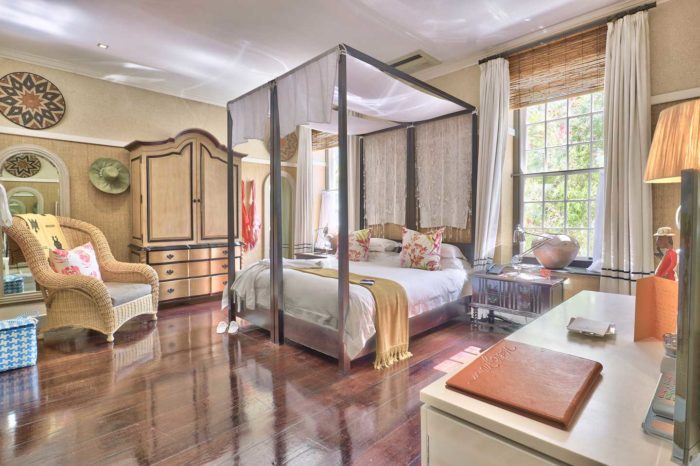
The mid-range is anchored by guest houses, which together make up the largest category with close to 30 properties. Averaging R3,973 per night, they offer more autonomy than a bed and breakfast while retaining some on-site presence. Apartments, averaging R2,839, work well for visits of a week or more where access to a kitchen and self-sufficiency matter more than additional services.
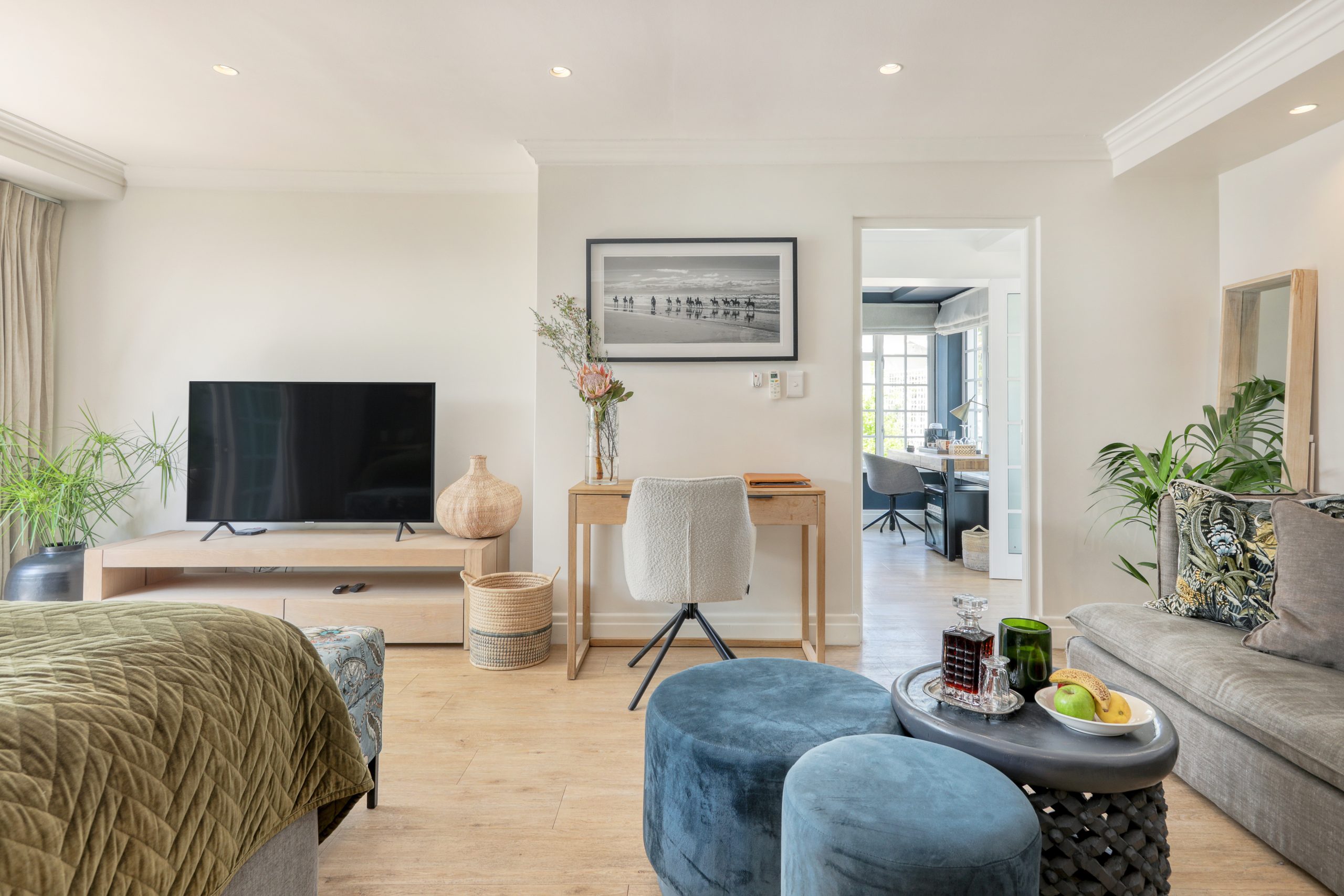
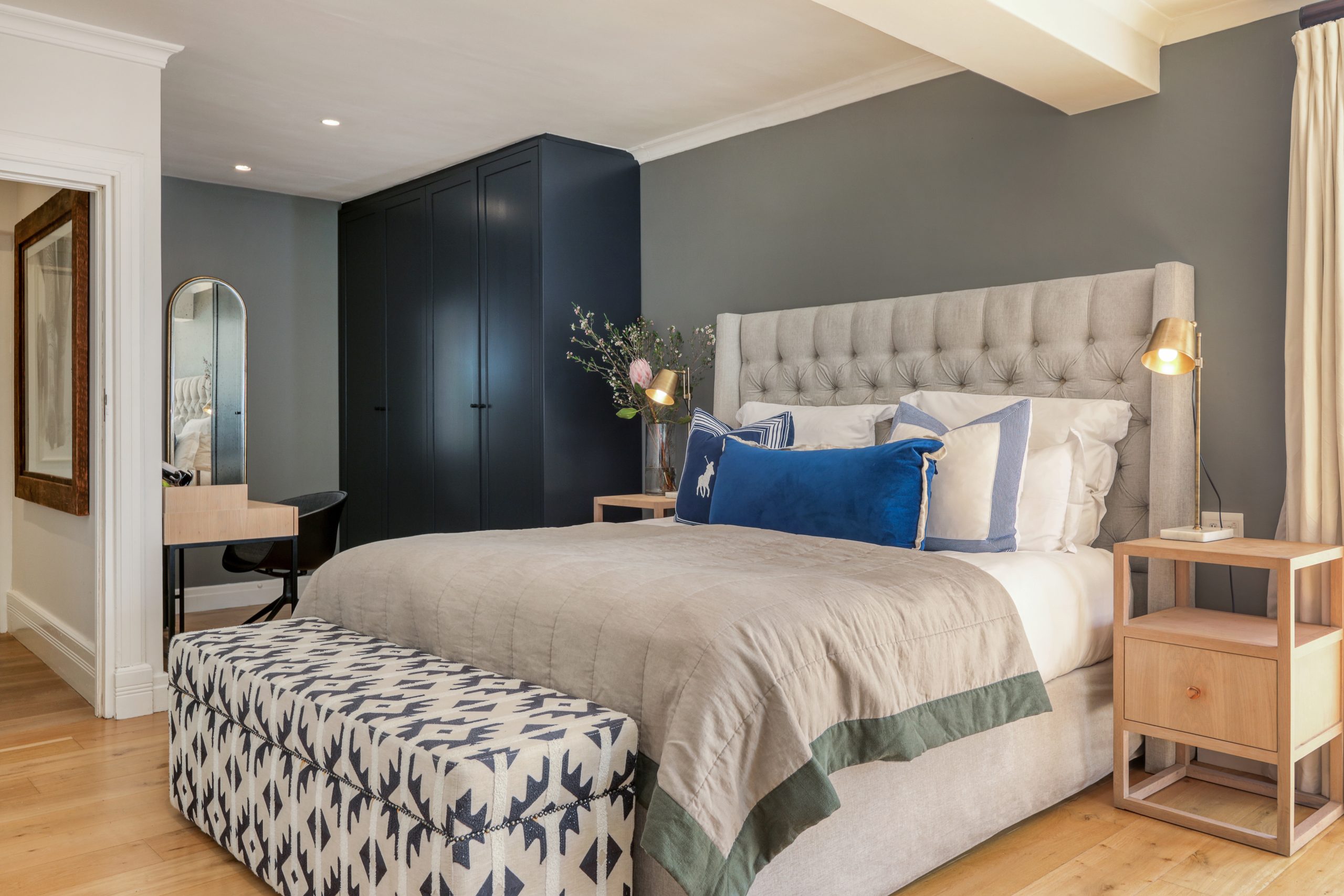
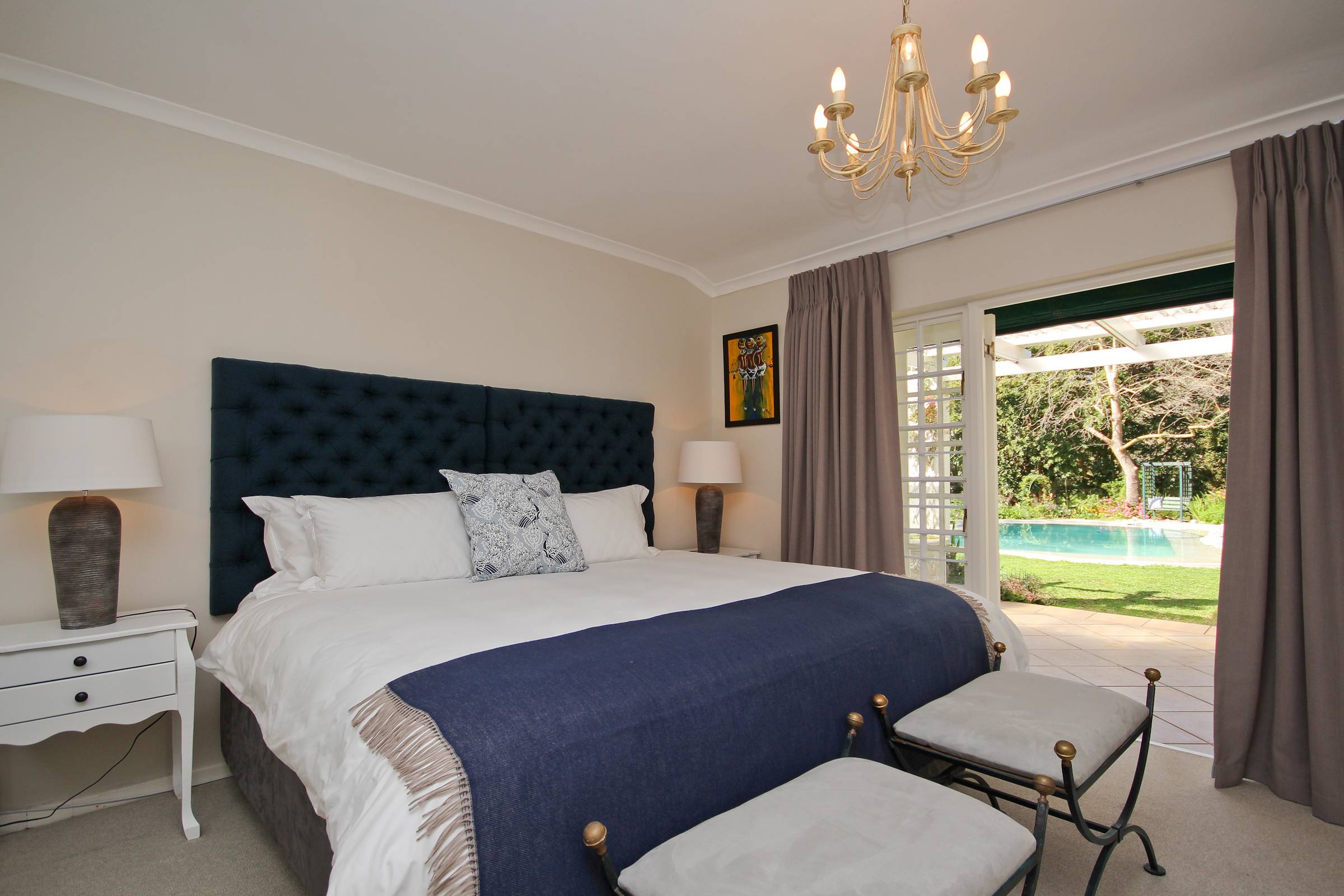
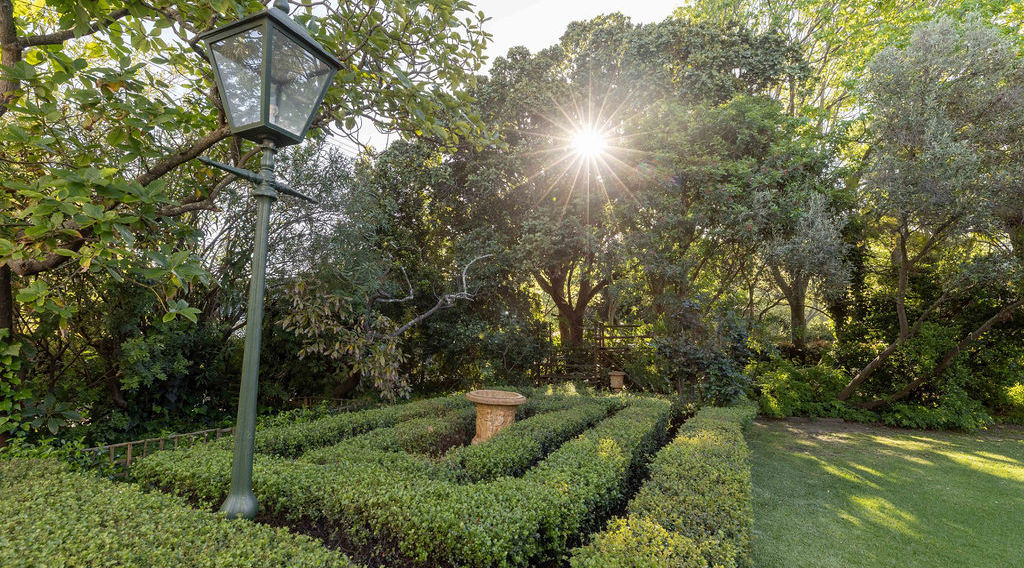
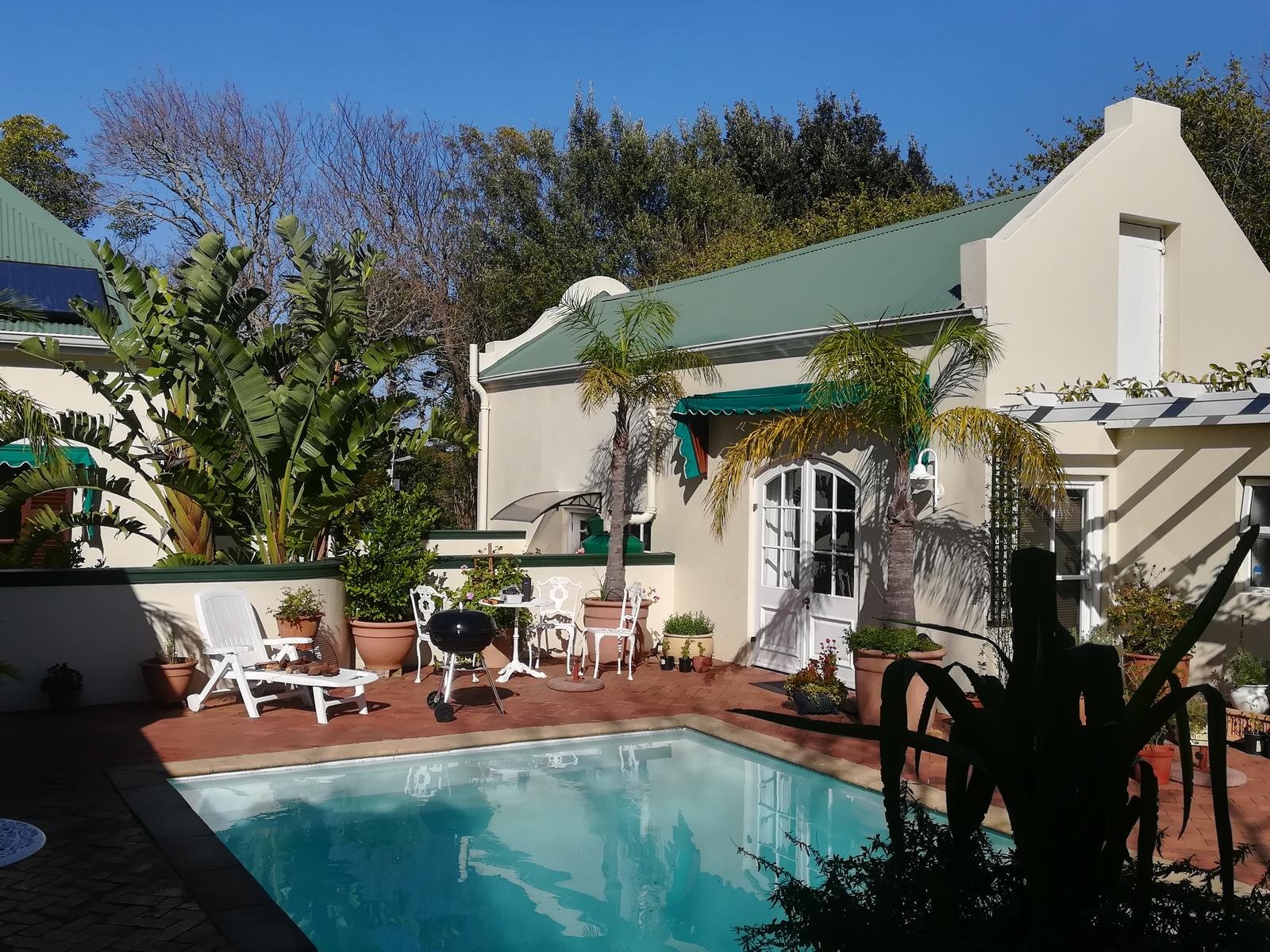
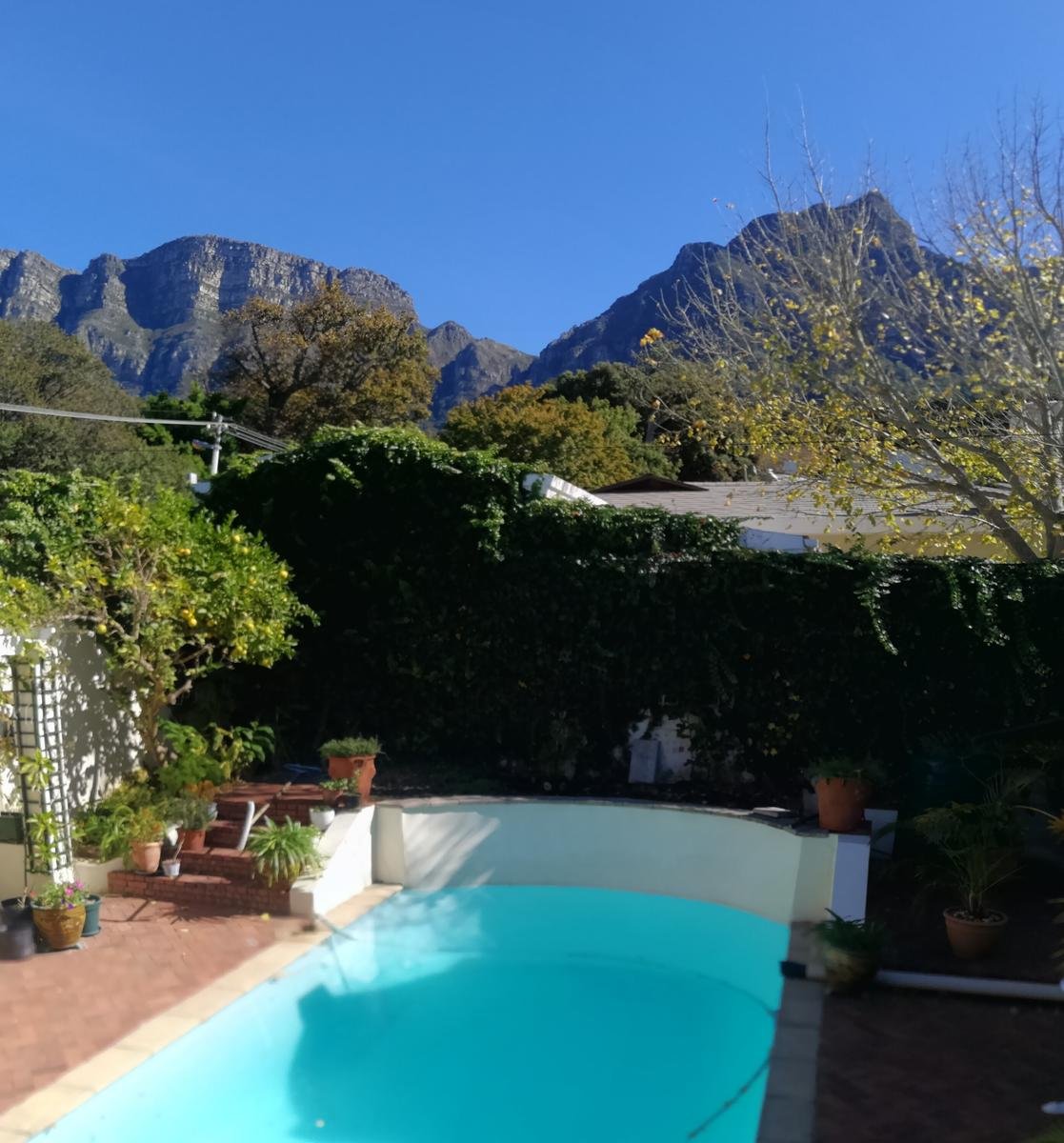
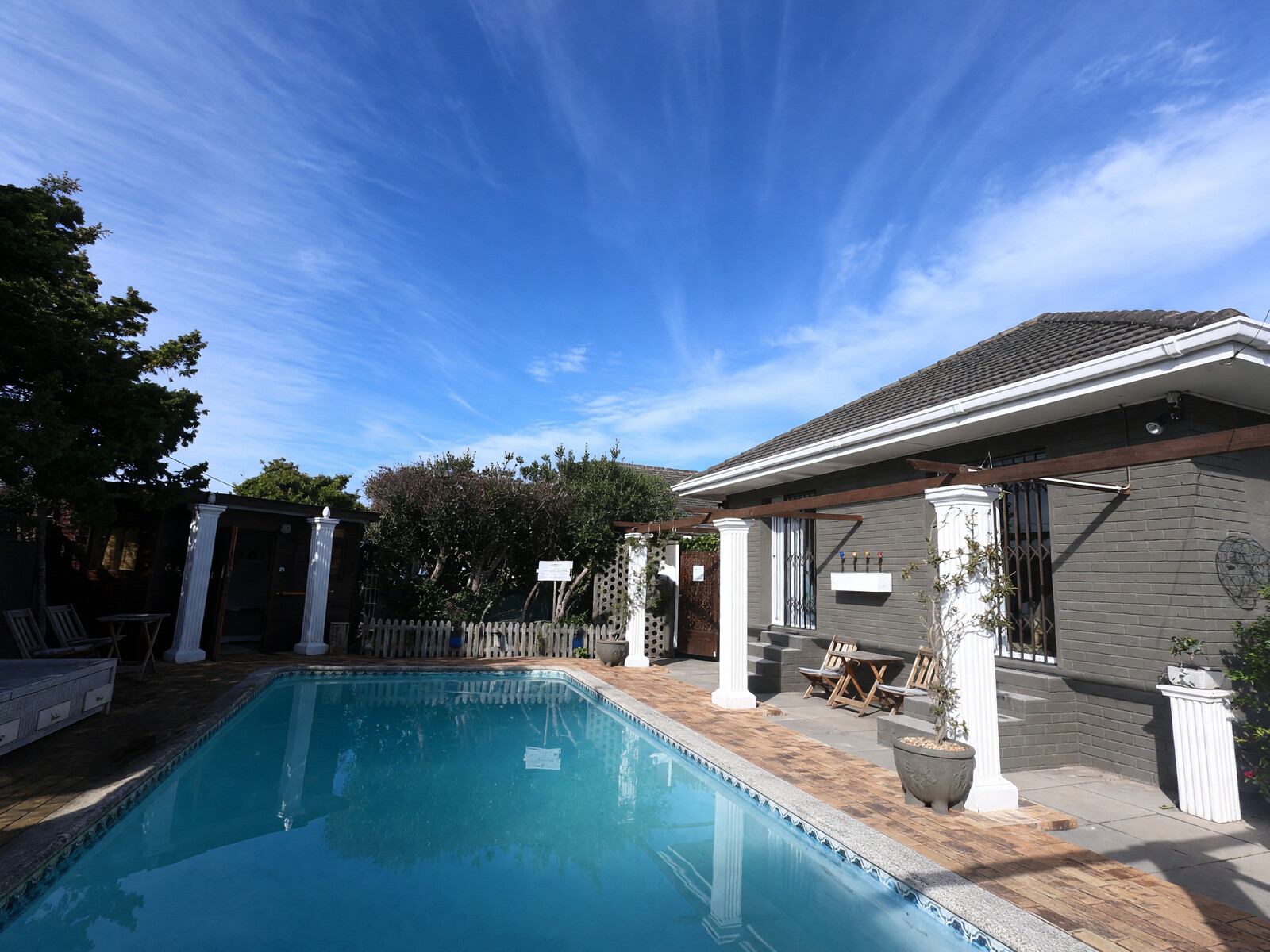
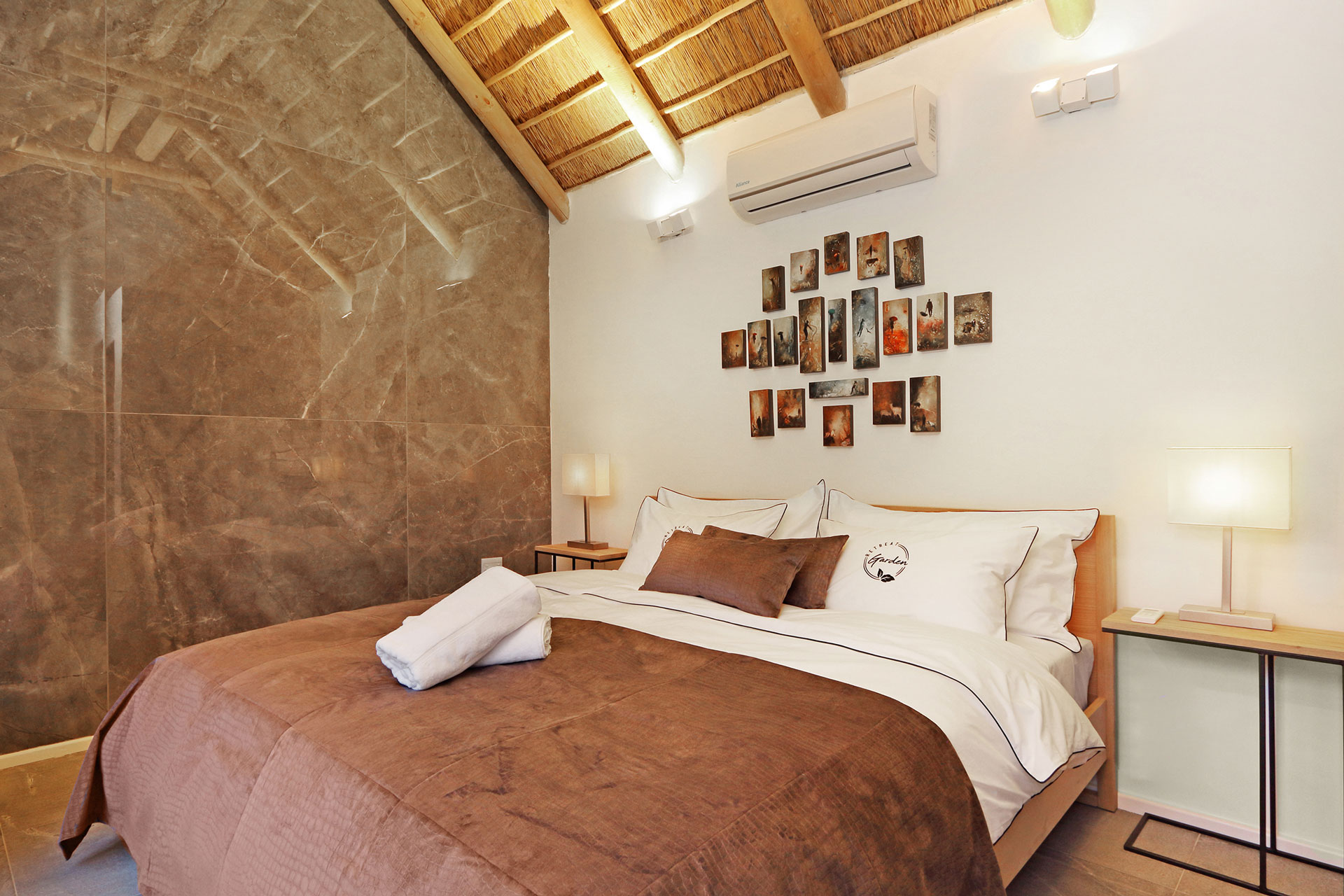
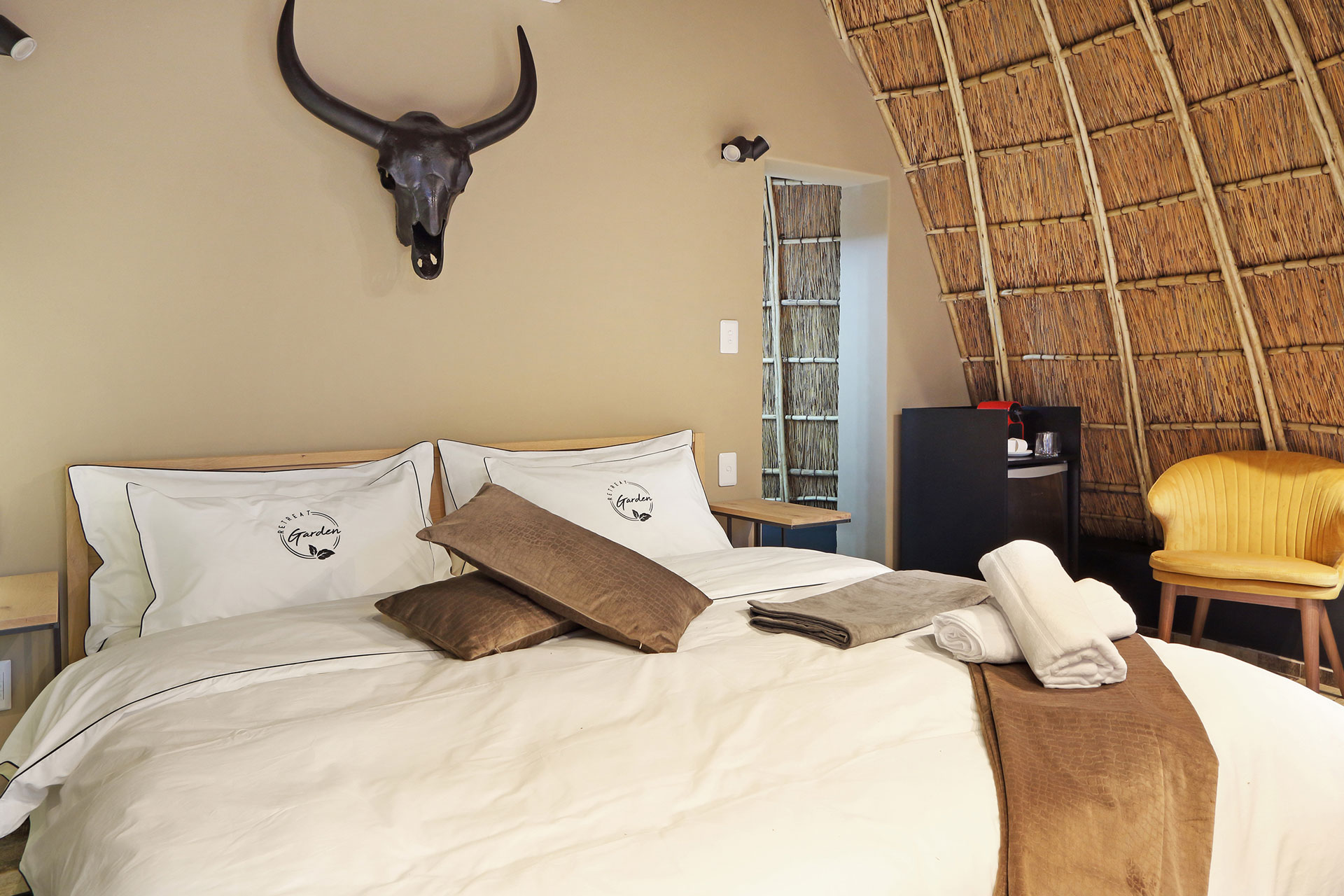
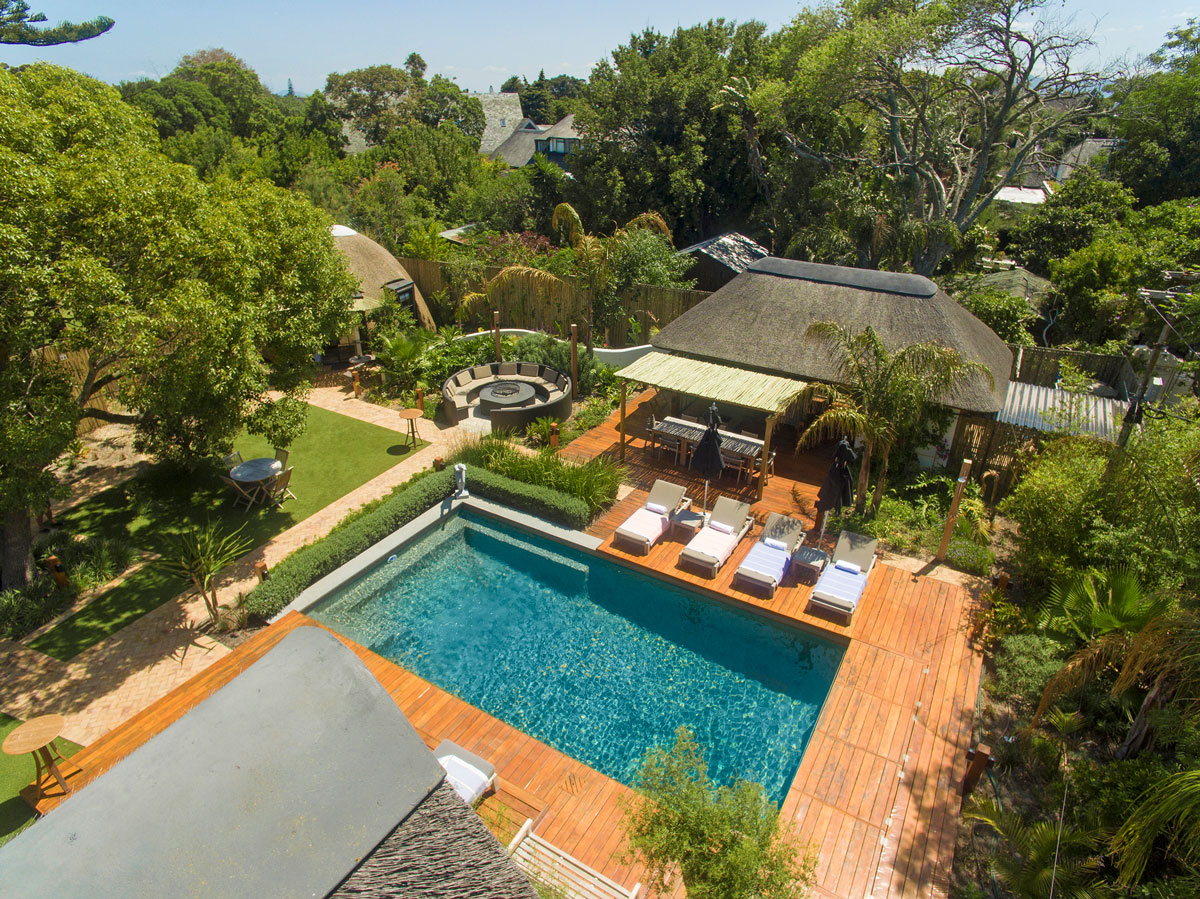
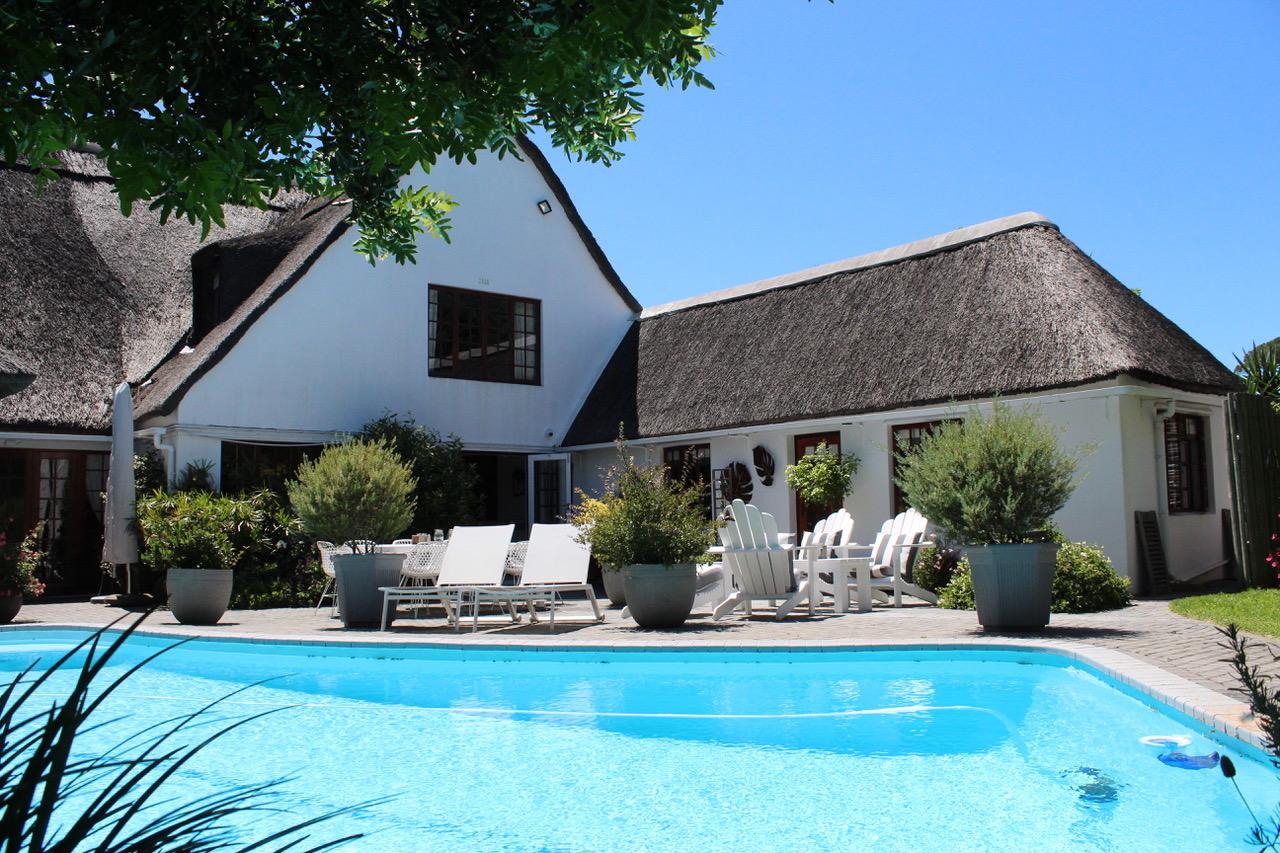
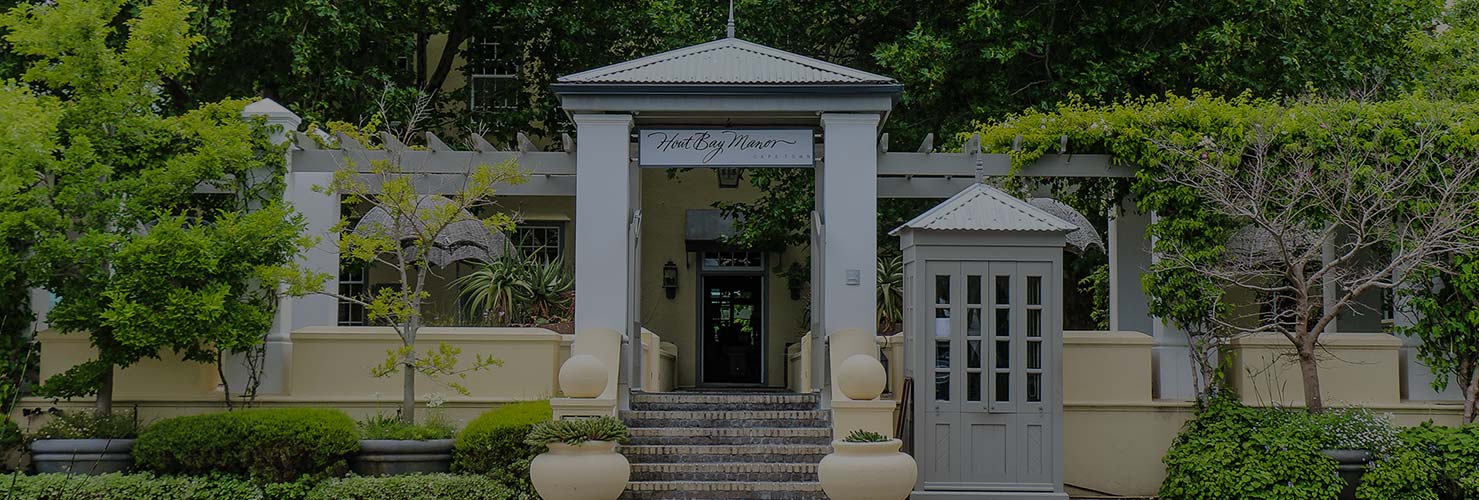
At the upper end, self-catering properties average R6,182 per night and typically consist of full homes or cottages with multiple bedrooms and outdoor areas, suited to groups or families. Seven boutique hotels average R7,268 and bring a more deliberate approach to design and amenities. Villas top the range at an average of R10,494 per night, offering the most private and spacious option, usually with gardens and pools. For visitors who want this level of accommodation without the price premium of central Cape Town, the southern suburbs provide a practical alternative where the same nightly spend buys considerably more space.
Things to Do in Grassy Park
Grassy Park has community parks and local sports facilities suited to informal outdoor activity, but visitors typically look outward for the area's more substantial draws.
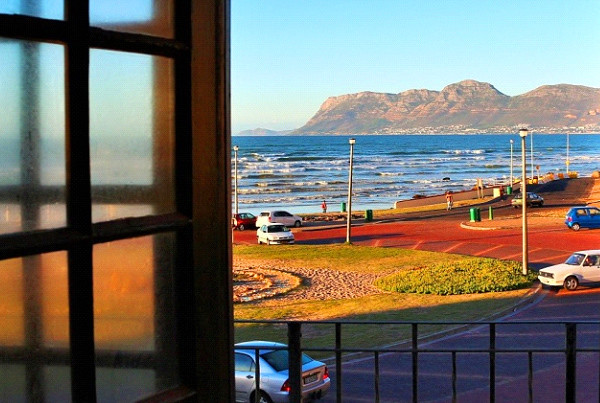
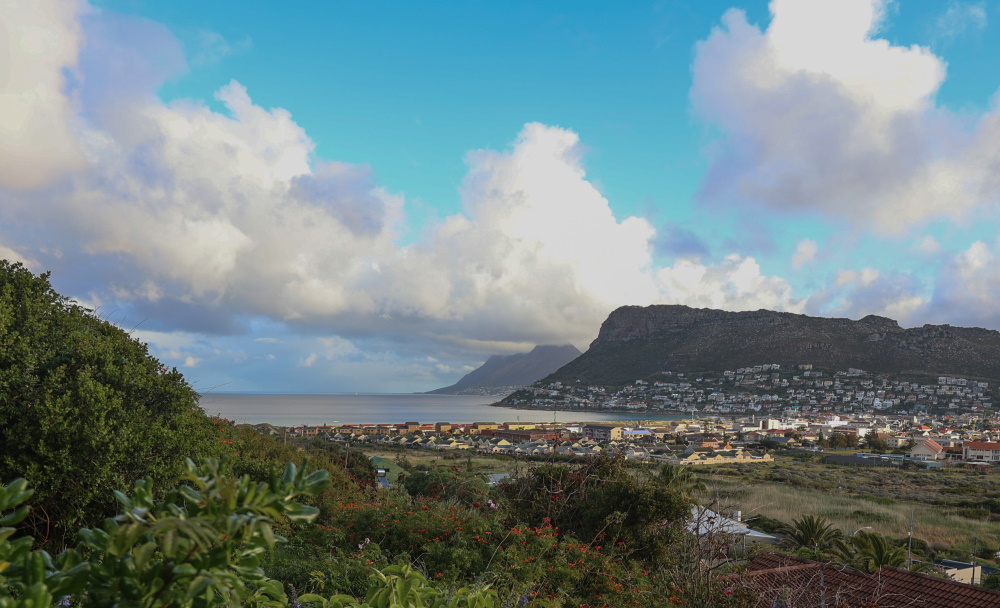
The beaches along the False Bay coastline, a short drive south-east, offer some of the most accessible surf on the Cape Peninsula. Water temperatures on this side of the peninsula run warmer than on the Atlantic coast, which makes swimming practical for a longer season. Several surf schools operate along the beachfront, running beginner lessons and hiring out boards by the hour. In peak summer weeks, the beach fills with families and day visitors from across Cape Town, and early mornings provide the calmest conditions for those who prefer fewer people.
The wine estates in the valley to the north are open daily for tastings and cellar tours. Several have full-service restaurants attached, making an unhurried afternoon visit straightforward. Tasting formats range from self-guided counter service to formal seated appointments, depending on the estate. Most visitors cover two or three properties in a single outing, with only a few minutes of driving between them.
Golf is another well-supported option in this part of the Cape. Several courses fall within 15km, and the combination of mountain scenery and well-maintained fairways attracts both local club players and visiting golfers. Tee times book up during the December and January school holiday period, so advance reservations are recommended for that window.
Within the suburb itself, the sports fields and parks provide space for walking and community activity. Weekend events on the local fields occasionally draw crowds from the surrounding streets and are worth checking if you happen to be passing.
Best Time to Visit Grassy Park
Grassy Park sits within the Western Cape's Mediterranean climate zone, where summers are dry and warm and winters bring most of the year's rainfall. This rhythm is consistent enough to shape planning decisions for most types of visit.
Summer runs from November through February. December and January are the warmest months, with temperatures regularly in the mid-to-high twenties Celsius and long daylight hours. South African schools are on holiday through most of this period, and the southern suburbs see increased activity as a result. Accommodation books out more quickly and popular sites are busier than usual. March and April maintain pleasant temperatures without the peak-period crowds, making them a practical alternative for warm-weather travel.
Winter, from June through August, brings consistent rainfall and cooler conditions, typically between 10 and 18 degrees Celsius. South-westerly fronts add a raw quality to coastal areas during storms. That said, winter is the quietest period in the area, accommodation availability is at its highest, and indoor attractions operate without change through the cooler months.
The shoulder periods in May and September offer variable conditions without the extremes of either season. September in particular can produce warm, settled weather as spring takes hold, and it is a reasonable window for outdoor activity with noticeably fewer visitors than full summer.
Getting to Grassy Park
Cape Town International Airport is the main arrival point for visitors coming by air. It sits roughly 15km from Grassy Park, and the drive via the N2 highway takes around 20 to 30 minutes under normal conditions. Metered taxis, ride-hailing apps, and pre-booked shuttle services all operate from the terminal at any hour.
By road from central Cape Town, the M5 arterial route connects south through the suburbs to Grassy Park. The journey takes around 15 to 25 minutes in normal traffic, though peak-hour congestion on the M5 can lengthen this considerably. Drivers arriving from the Winelands or the Garden Route to the east approach via the N2, which feeds directly into the southern suburbs corridor.
The Metrorail suburban line serves Grassy Park and runs to Cape Town station at regular intervals on weekdays, with reduced frequency on weekends and public holidays. Golden Arrow buses operate across several routes in the area. Both provide lower-cost options for shorter trips, though service reliability can vary.
For exploring the Cape Peninsula more freely, renting a vehicle from the airport is the most practical approach. Many places worth visiting are not easily reached by public transport, and independent transport allows for self-paced movement. Uber and Bolt are active throughout the greater Cape Town area and handle local trips within the southern suburbs reliably.
Grassy Park and Surrounding Areas
Six destinations lie within 10km of Grassy Park, and each adds a distinct dimension to a stay in the suburb.
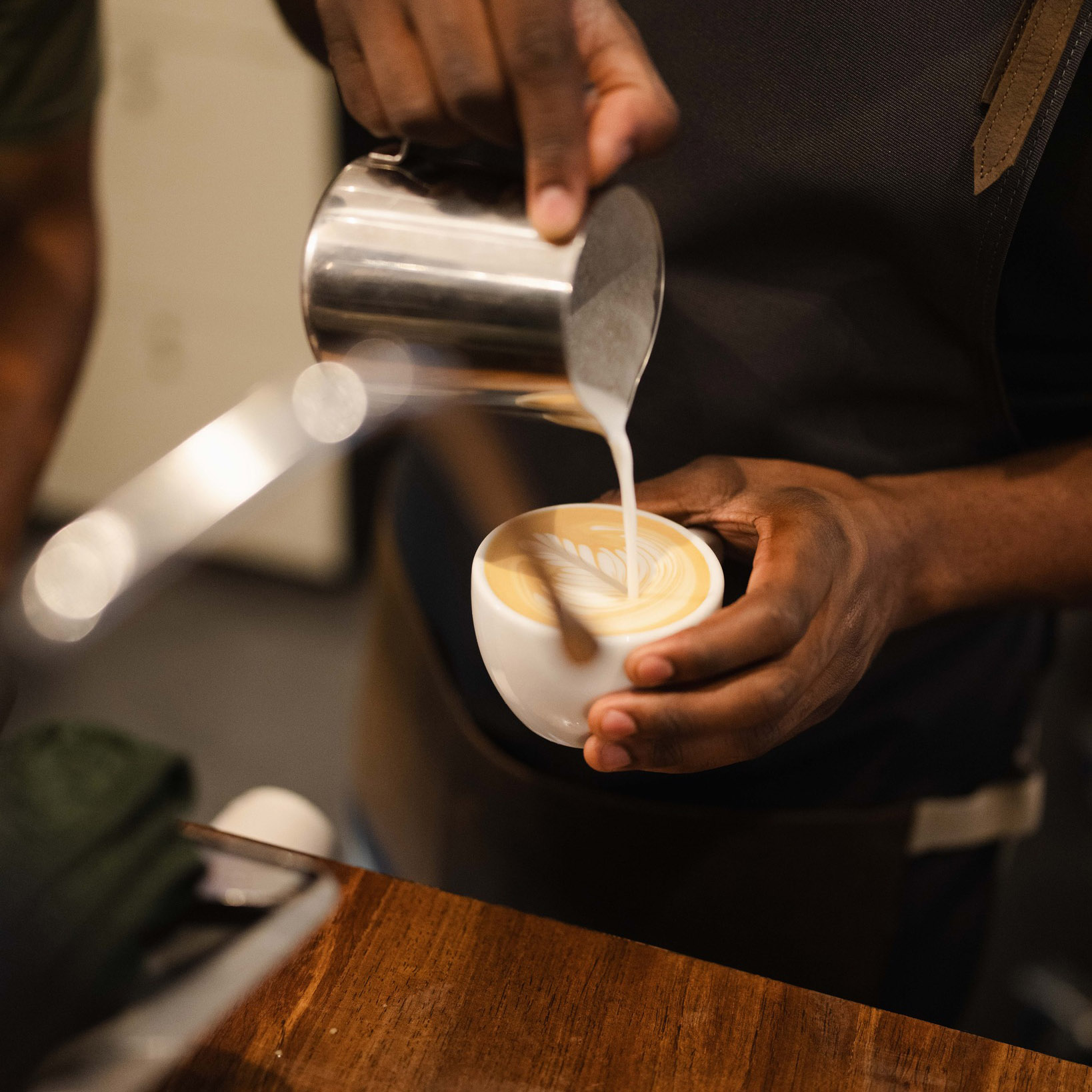
Muizenberg (7km) is a beach town on the western edge of False Bay with a character shaped by surf culture and a modest arts scene. The beachfront is long and sandy, and the Victorian bathing boxes near the southern end are a well-photographed local landmark. The town centre has a concentration of surf shops, independent cafes, and small galleries. It is more low-key than the Atlantic seaboard beach suburbs and draws a younger, more mixed crowd.
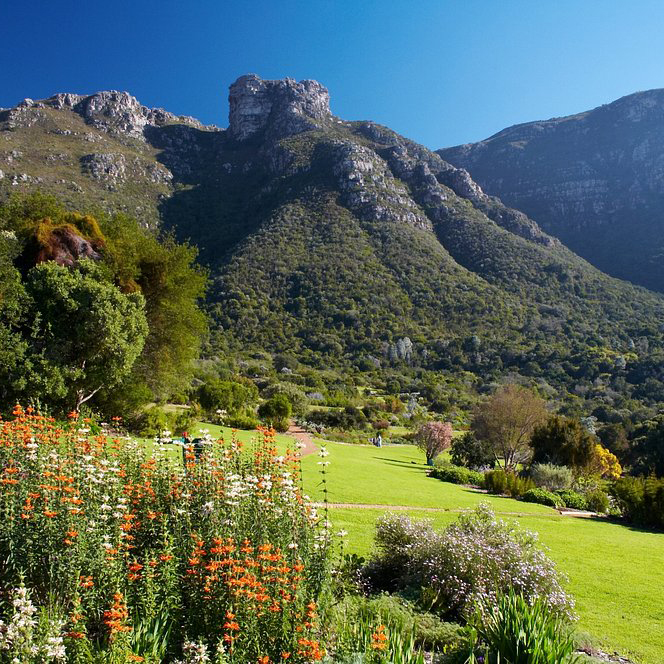
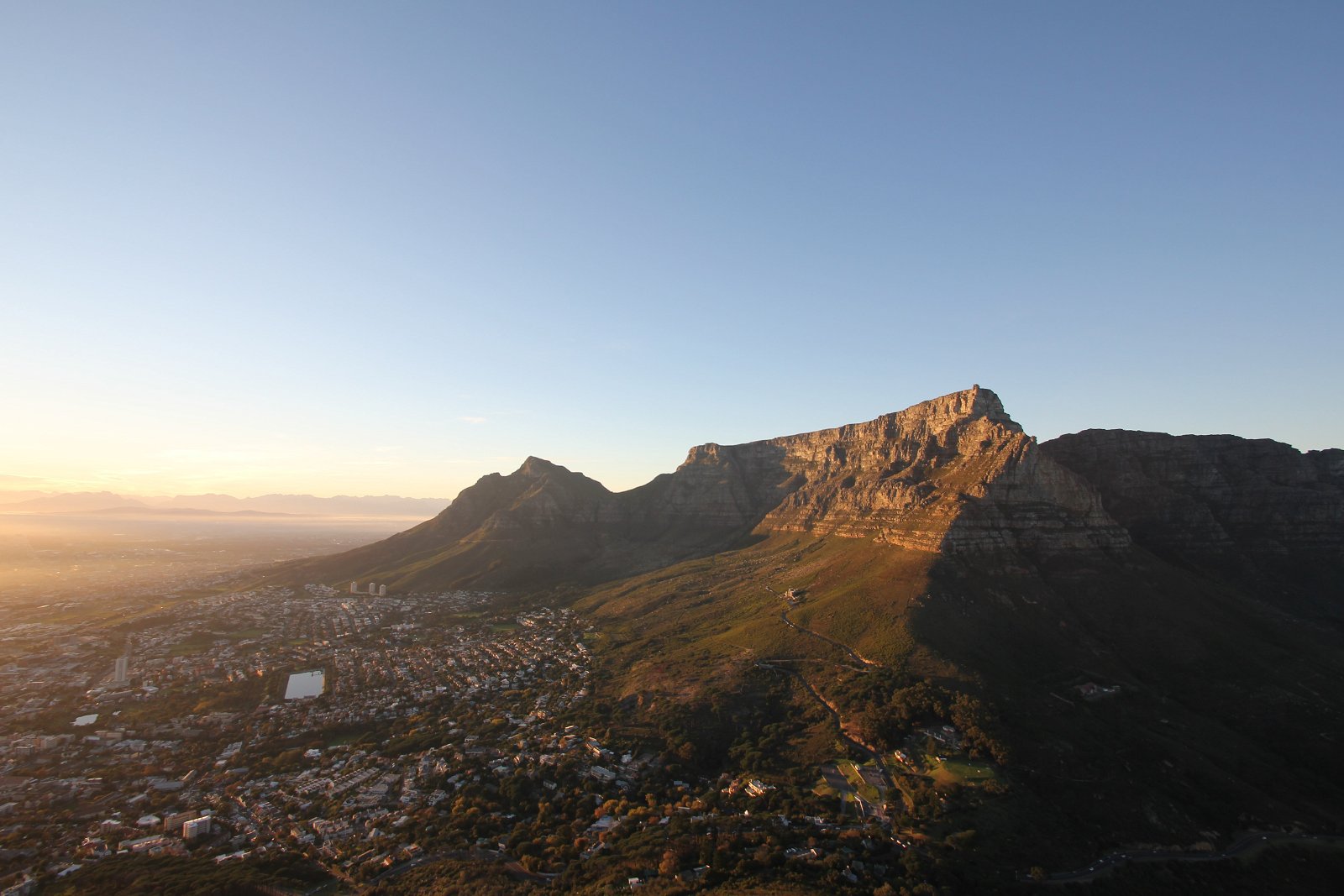
Constantia (6km) is the heart of Cape Town's wine country, with estates spread across the lower slopes of the Constantiaberg. Groot Constantia, founded in 1685, is the oldest and doubles as a heritage museum set within its original Cape Dutch manor house. Kirstenbosch National Botanical Garden also falls within this direction, occupying the eastern face of Table Mountain National Park. More than 7,000 plant species are displayed across 36 cultivated hectares, and a half-day visit covers the main sections without rushing.
Cape Town (7km) is the regional centre. The V&A Waterfront, Table Mountain's cable car station, the Bo-Kaap district, and the District Six Museum are among the most visited sites. A single day in the centre makes a dent, but most visitors return more than once over the course of a longer stay.
Claremont (8km) serves as a commercial hub for the southern suburbs. Cavendish Square is the main retail and cinema destination, with restaurants and coffee shops concentrated along the surrounding streets. It functions as a practical option for an evening out without the longer drive into town.
Rondebosch (10km) is defined by the University of Cape Town, whose hillside campus sits below Devil's Peak. The suburb has a student-influenced dining culture with several independent restaurants. From the upper streets, hiking trails feed directly into the Table Mountain National Park.
Guguletu (10km) provides a perspective on Cape Town that differs significantly from the winelands and beach suburbs. Mzoli's Place is the most visited spot, an informal butchery and outdoor braai venue that draws a broad cross-section of the city on Sundays. Township food tours and guided half-day visits through Guguletu are offered by several operators and provide context for the area's history and development.
Planning Your Stay
December and January are the highest-demand months across the southern suburbs, and properties fill well before the holiday period arrives. Booking two to three months ahead for those weeks is advisable. For travel between February and November, a few weeks of lead time is generally sufficient, though popular self-catering properties and smaller owner-run options can fill quickly around long weekends and the Easter school break.
Before confirming a booking, check what the rate covers. Some listings include meals and others do not, and the difference affects daily budgeting significantly. Off-street parking is worth confirming in advance for properties on residential streets, where space is not always guaranteed.
Load-shedding, South Africa's programme of scheduled power outages, remains a feature of daily life in the region. Many properties now list their backup arrangements, including generators and inverter systems. If continuous electricity matters for work or medical equipment, asking about this directly before booking is a practical step rather than an afterthought.
The southern suburbs are considered safe for everyday movement. Standard urban precautions apply: keeping valuables out of visible reach in parked vehicles and being aware of surroundings after dark. Most guesthouses and hotels will offer relevant local safety guidance on arrival.