## Accommodation in Keimoes
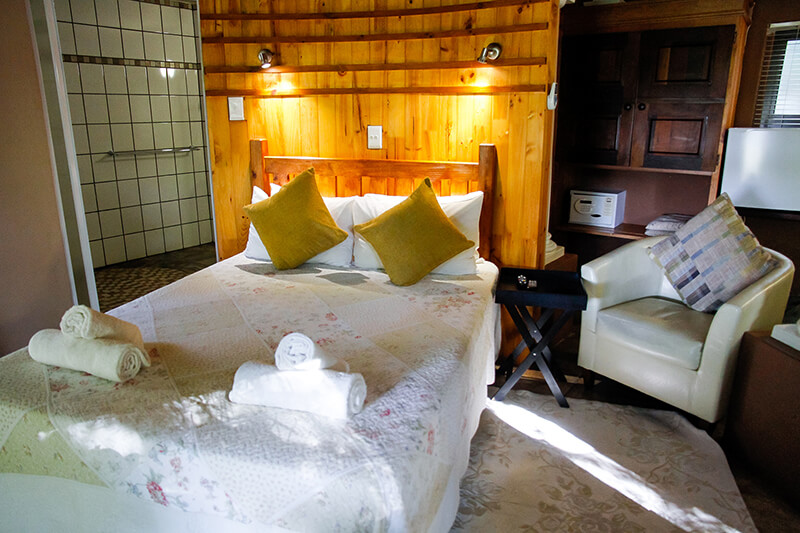
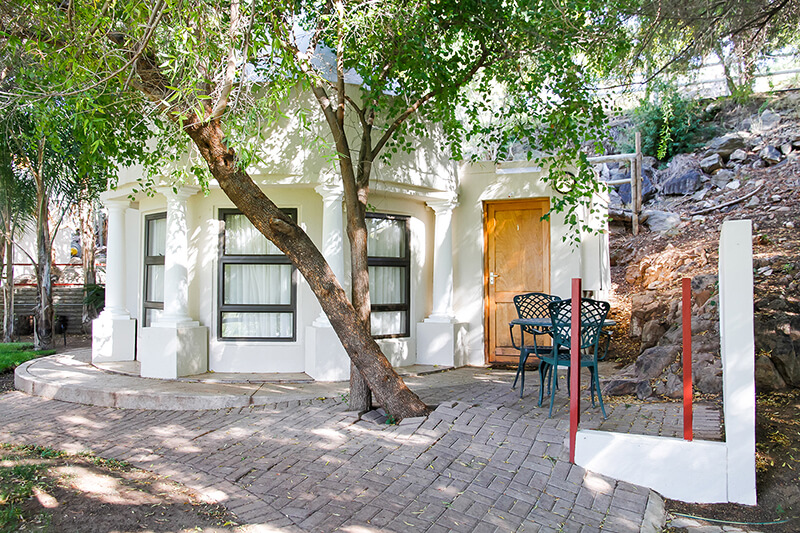
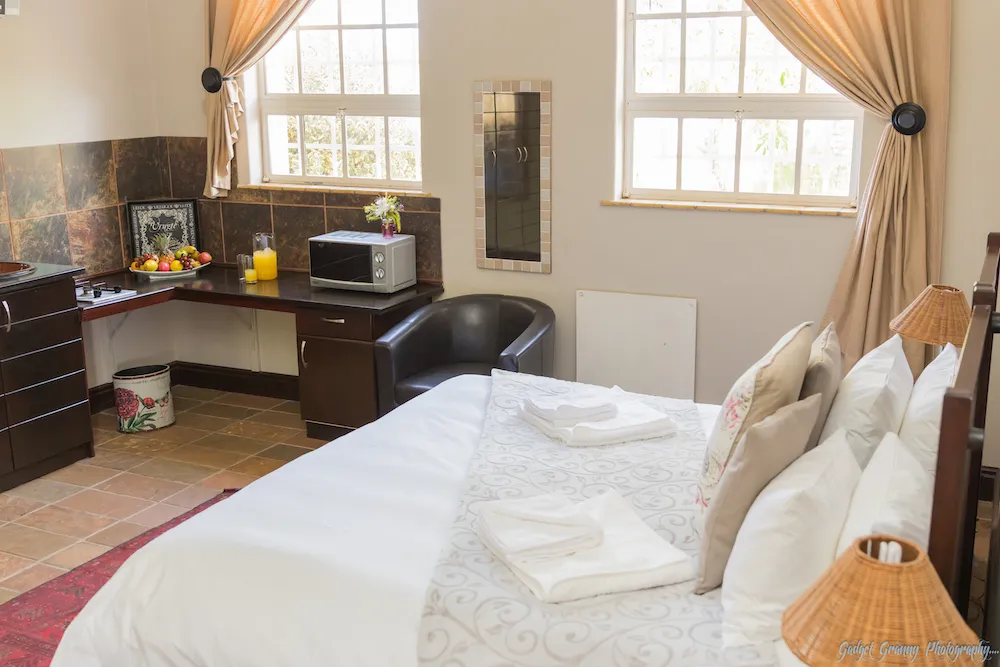
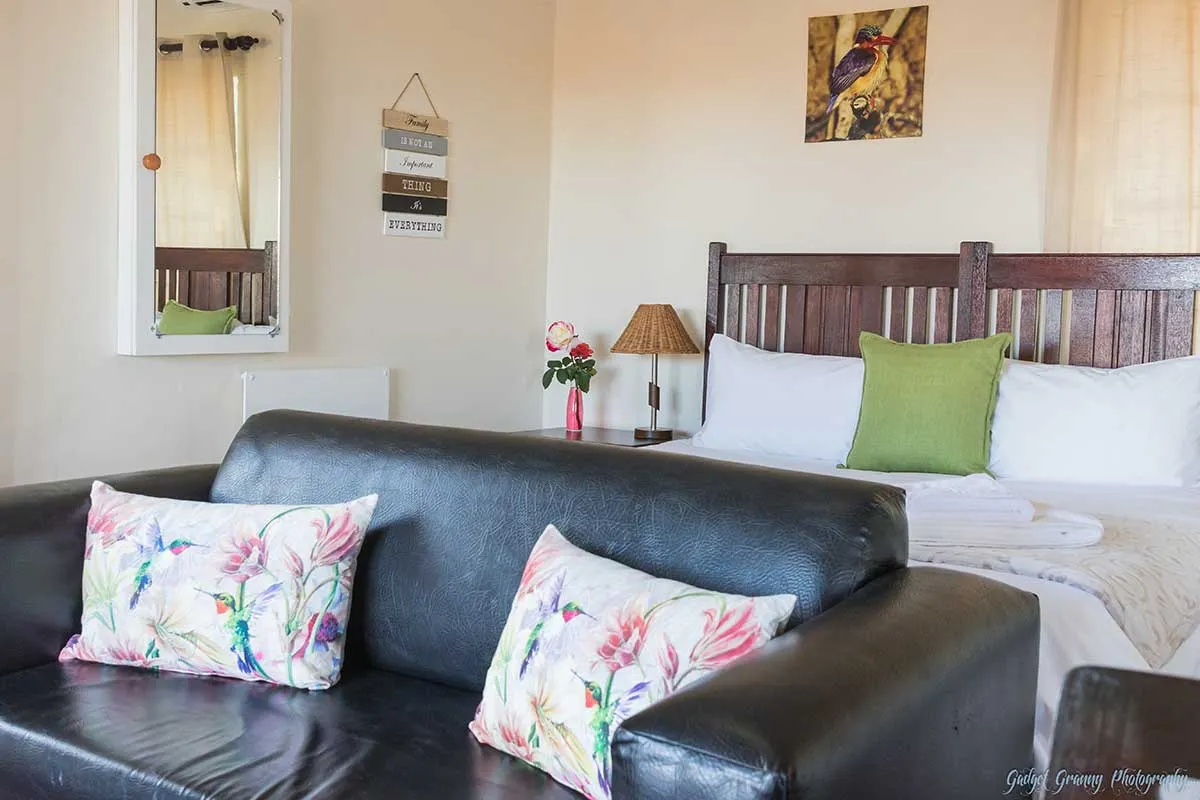
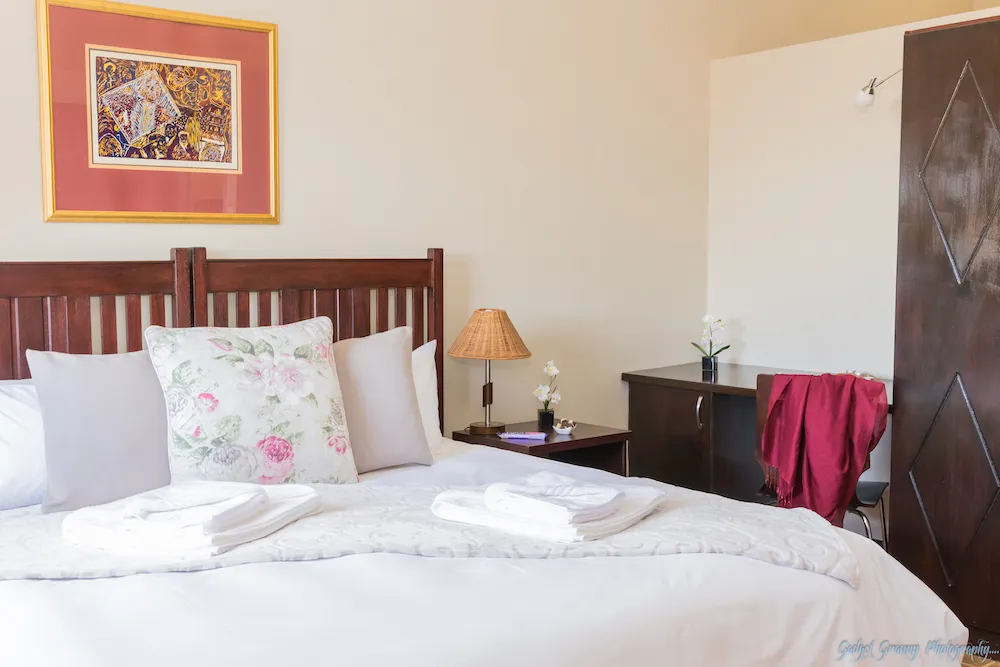
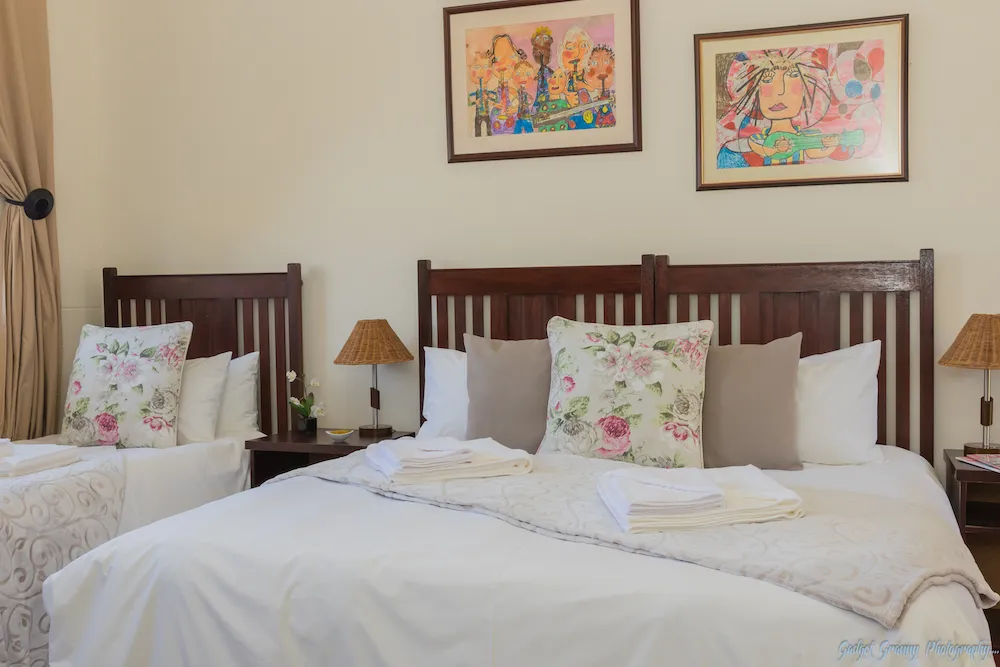
Keimoes has a single listed property, priced at R1,320 per night, and the accommodation on offer is a guesthouse. That figure reflects the town's scale accurately: this is a working agricultural community on the Orange River, not a resort, and the lodging follows suit.
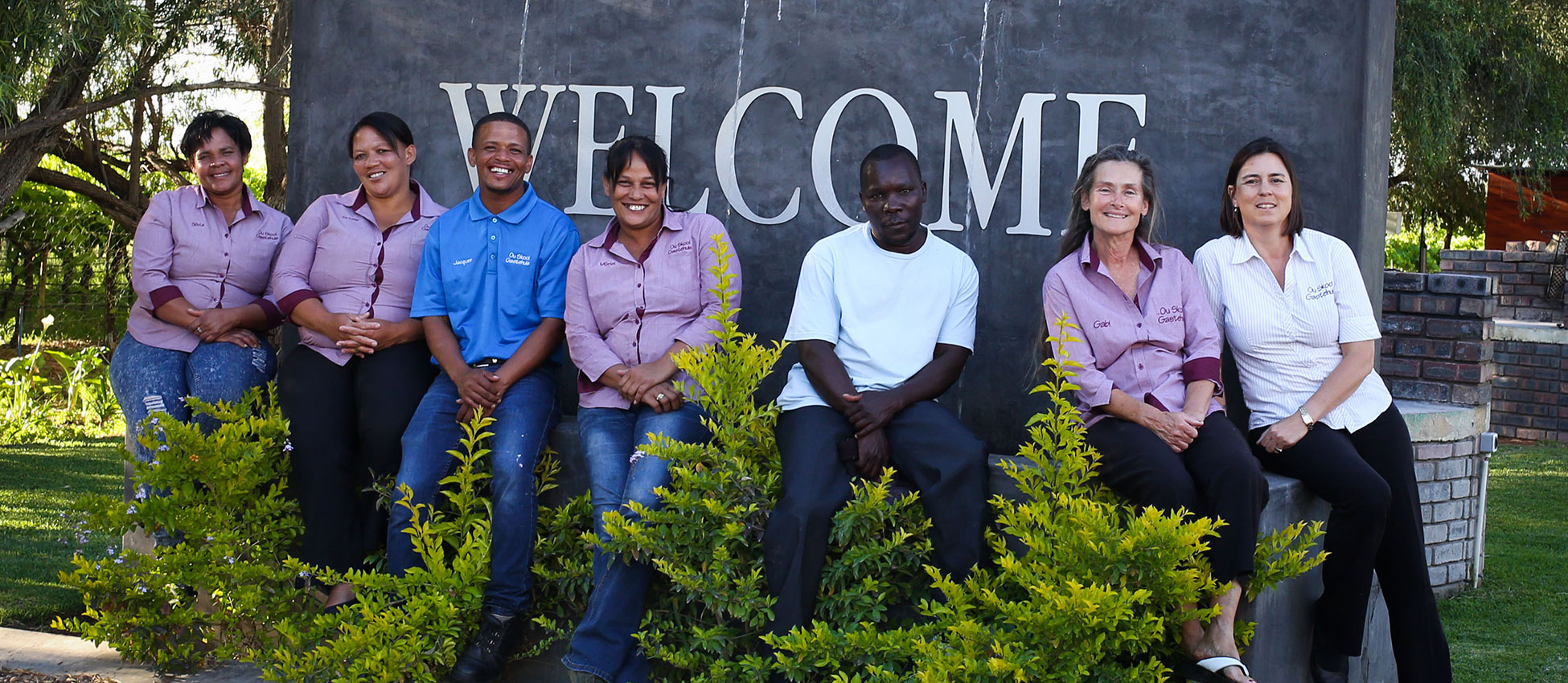
Guesthouses in this part of the Northern Cape are almost always owner-operated, which shapes a stay considerably. Breakfast is typically prepared by whoever runs the property, local knowledge comes from someone with direct experience of the area rather than a tour desk script, and questions about river access, farm visits, or back-road conditions get answered with real familiarity. The trade-off is that facilities are functional rather than elaborate. Expect clean, comfortable rooms, a shared or private bathroom, a common area, and secure parking rather than a pool or spa.
For most visitors to Keimoes, that combination is exactly what is needed. Self-driving travellers, birdwatchers, and people using the town as a base for the wider Orange River region are generally looking for reliable accommodation rather than a packaged experience. A well-run guesthouse gives you a secure place to park, somewhere to store equipment, and an early start for the river or surrounding farmland without fuss.
With only one property available, there is no buffer if your preferred option is full. Contacting the property directly, rather than depending entirely on third-party booking systems, gives you the best chance of confirming real-time availability. It also lets you ask specifics: whether secure trailer parking is on offer, what the breakfast arrangement looks like, and whether the property can assist with local activity suggestions.
## Best Time to Visit Keimoes
The Northern Cape runs hot and dry, and Keimoes sits fully in that zone. Summer, from November through February, brings daytime temperatures that regularly exceed 38°C and occasionally push into the low 40s. The Orange River rises in late summer as upstream rainfall raises water levels, which can affect conditions on the water and access to lower riverbanks. Despite the heat, this is when vineyards and orchards are at full production, with the grape harvest running through to March.
Winter, from June through August, is the preferred season for most visitors. Days are clear and mild, typically 18 to 22°C, while nights drop sharply and can approach freezing. Birdwatching along the river is most rewarding during these months, when migratory species are present and the vegetation is thinner. Spring, from September through October, offers a middle ground: temperatures are manageable, the semi-desert landscape responds to winter rain with more colour, and the river is fully accessible.
Peak visitor demand coincides with South African school holiday periods, particularly the June/July winter break and the December/January summer break. Accommodation across the Northern Cape fills quickly during these windows, so planning well ahead of these periods is advisable.
## Getting to Keimoes
The closest commercial airport is Upington International Airport, roughly 40 kilometres north of Keimoes. Regular flights connect Upington to Johannesburg, and car hire is available at the terminal. The drive south to Keimoes on the N14 takes around 30 to 40 minutes under normal conditions.
For those driving from Cape Town, the standard route runs north on the N1 to Beaufort West, then connects via the N10 and N14 toward the Orange River valley, covering approximately 870 kilometres. Most travellers break this over two days. From Johannesburg, the N14 runs west through the Kalahari for roughly 800 kilometres, making it a long but straightforward single-highway drive. Kimberley, at around 350 kilometres from Keimoes via the N8 and connecting roads, is a useful overnight stop for those coming from the east.
Once in Keimoes, a vehicle is not optional. The town itself is compact, but farms, river access points, and anything beyond the main road require driving, frequently on gravel. There is no tourist-oriented local transport of any kind. Fuel is available in Keimoes, though filling the tank before heading into more isolated stretches of the surrounding region is a habit worth keeping.
## Keimoes and Surrounding Areas
The closest settlement to Keimoes is Neilersdrift, just 5 kilometres away and sitting on the same stretch of the Orange River. The road connecting the two follows the water closely, and the short drive gives a clear picture of how irrigation channels have shaped land use along this corridor, with farms pressing right up to the riverbank.
Brakboschkolk, 27 kilometres from Keimoes, is a small community in the drier interior away from the river. It sees little tourist traffic but is a useful waypoint when driving the semi-arid landscape east of Keimoes, where conditions shift from irrigated orchards and vineyards to dry-land farming.
Kakamas, 35 kilometres west, carries more historical weight than its size might suggest. The town was established in the 1890s as a settlement for Cape Colony families, and the community constructed a network of irrigation canals that remain in agricultural use today. Kakamas is also the closest town to Augrabies Falls National Park, making it a natural staging point for visitors planning a day trip to the falls.
Upington, 40 kilometres north, is the regional centre for commerce, healthcare, and banking. It has a wider selection of supermarkets, fuel options, and restaurants than anywhere else in the area, and its airport makes it a practical entry and exit point for the trip as a whole.
Swaardraai and Trooilapspan, at 49 and 55 kilometres respectively, are smaller settlements on the edge of the open Kalahari. The landscape shifts noticeably from the river valley: red sand replaces riverine vegetation, and the scrub becomes sparser. The drive out to either settlement is worth doing if you want to experience the contrast between the irrigated Orange River corridor and the drier Kalahari interior without committing to a longer journey into the park.
## Planning Your Stay
The first and most important step is to confirm availability early. With one property in Keimoes, there is no fallback if that option is full on your travel dates. Calling or emailing the property directly is more reliable than assuming online calendars are current, and it gives you a chance to ask practical questions before you commit.
Before confirming, check a few things that matter in a town this size. Ask whether a self-catering kitchen is available: dining options in Keimoes are limited, and having access to a kitchen adds flexibility on a stay of more than one or two nights. Confirm parking arrangements if you are travelling with a 4x4, a loaded trailer, or a boat, since not all properties have space for oversized vehicles.
Road conditions are worth discussing with your host before heading out on secondary routes. Ground near the river can become temporarily impassable after summer rain events, and some tracks into the Kalahari interior deteriorate quickly without warning. Mobile signal is generally adequate in Keimoes but drops off on remote stretches, so downloading offline maps before leaving accommodation is practical. Cash remains a useful backup throughout the Northern Cape, as card machines in smaller towns can go offline after power interruptions and are not always restored quickly.