## Accommodation in Sabie
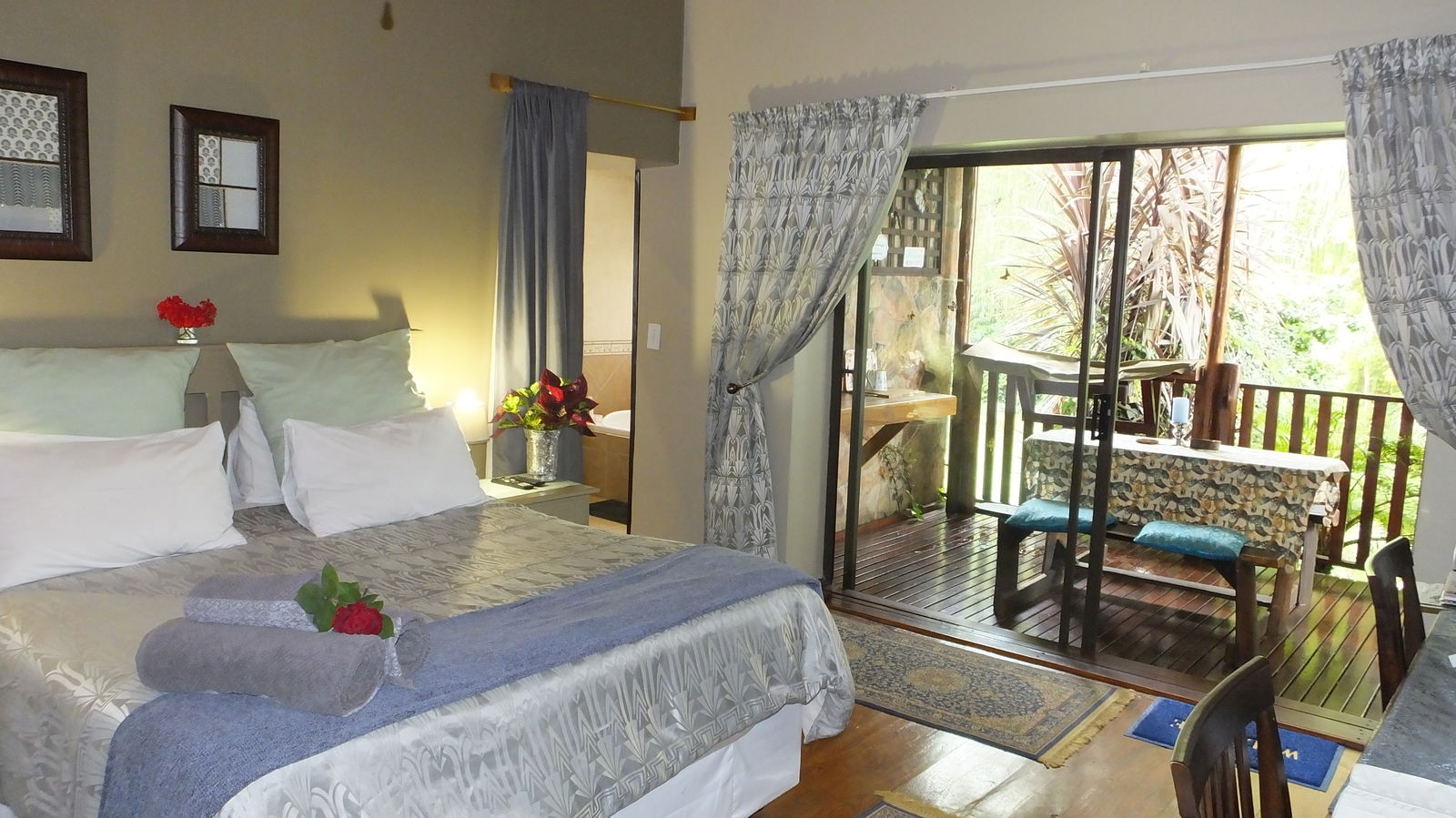
The accommodation listing for Sabie on this platform covers a single property, with nightly rates at R4,800, placing it at the mid-to-upper end of what visitors typically pay across the Mpumalanga highlands.
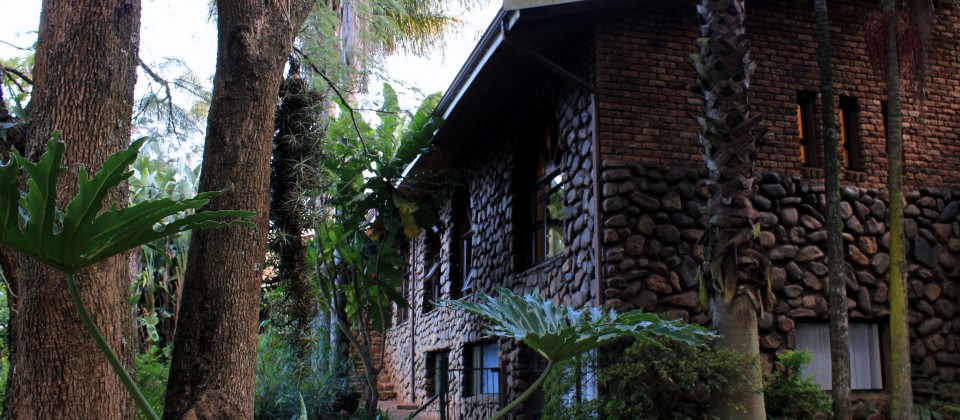
Guesthouses are the accommodation format that defines the Sabie experience, and the category suits a small highland town well. A guesthouse here is typically owner-operated, which changes the quality of the check-in interaction considerably from what a chain hotel provides. Hosts who have spent years in the area can advise specifically on which trails handle wet conditions, where along the river the fishing is producing, and how much lead time to allow before a particular escarpment viewpoint clears of morning cloud. That kind of practical, first-hand knowledge can significantly alter how a limited number of days gets used.
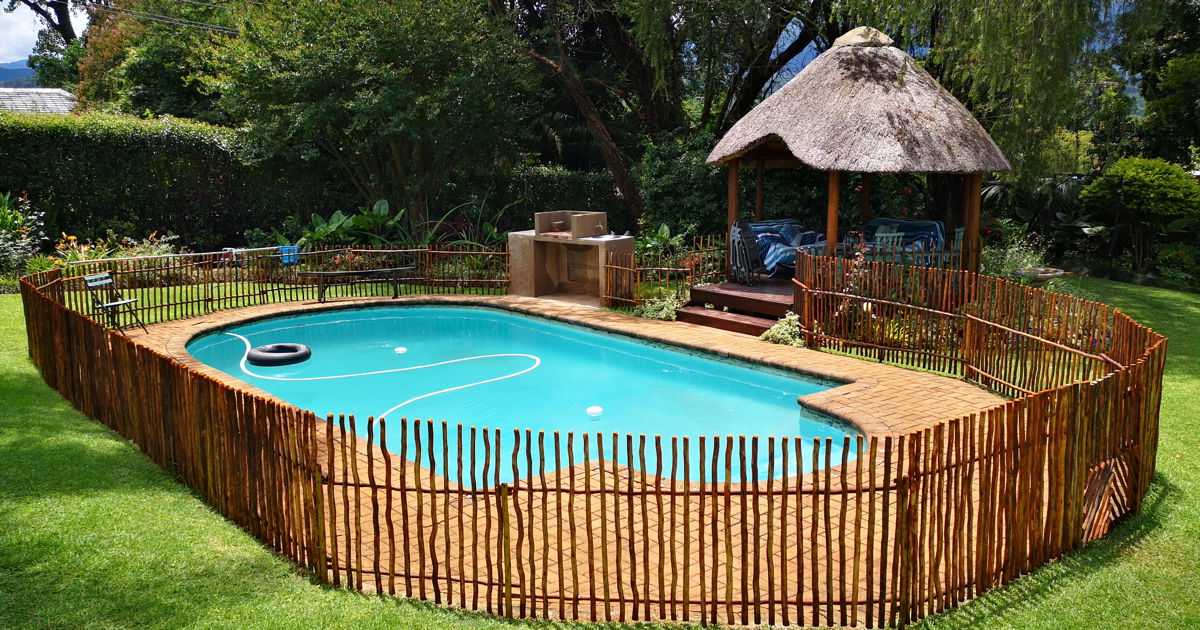
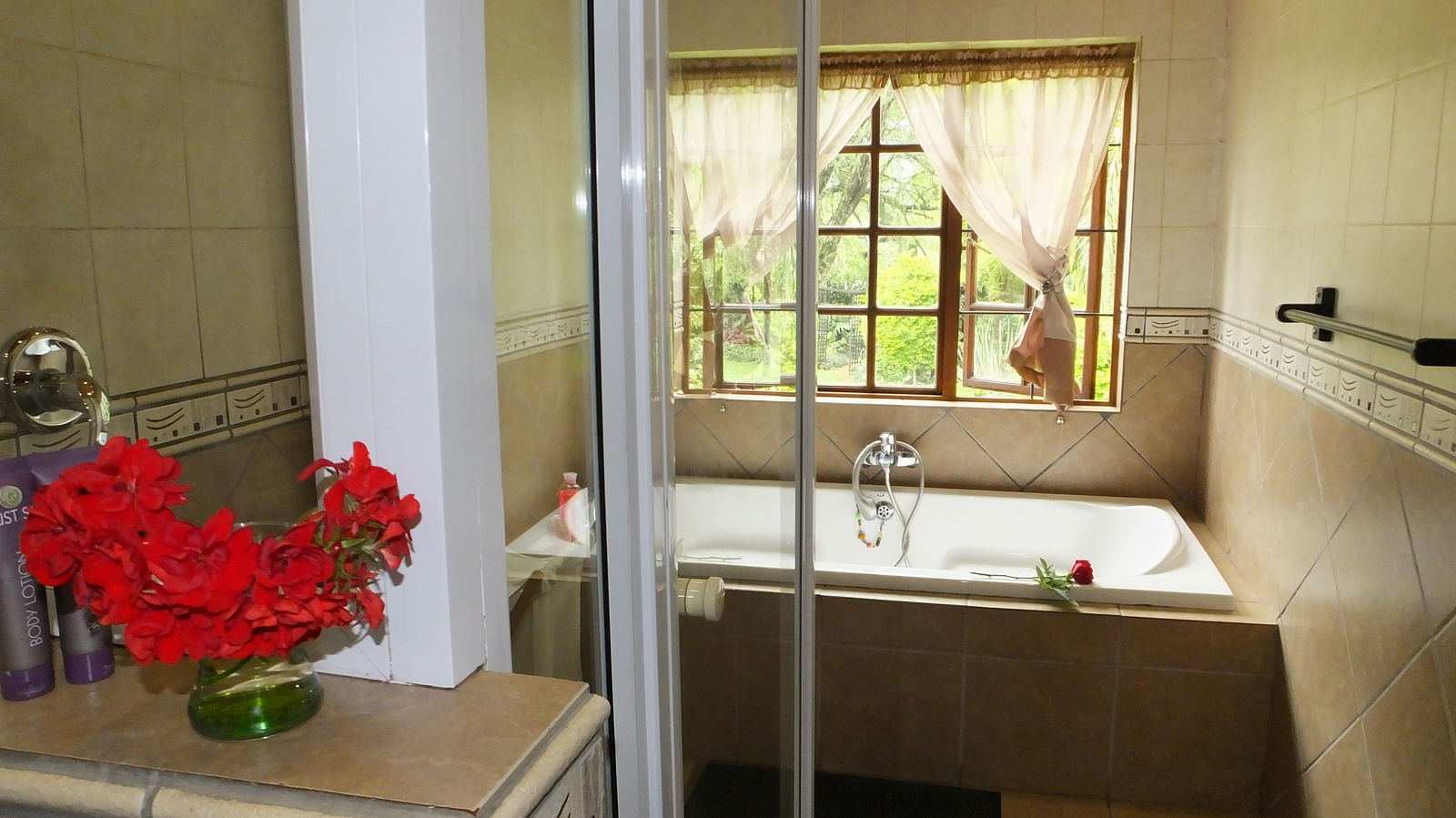
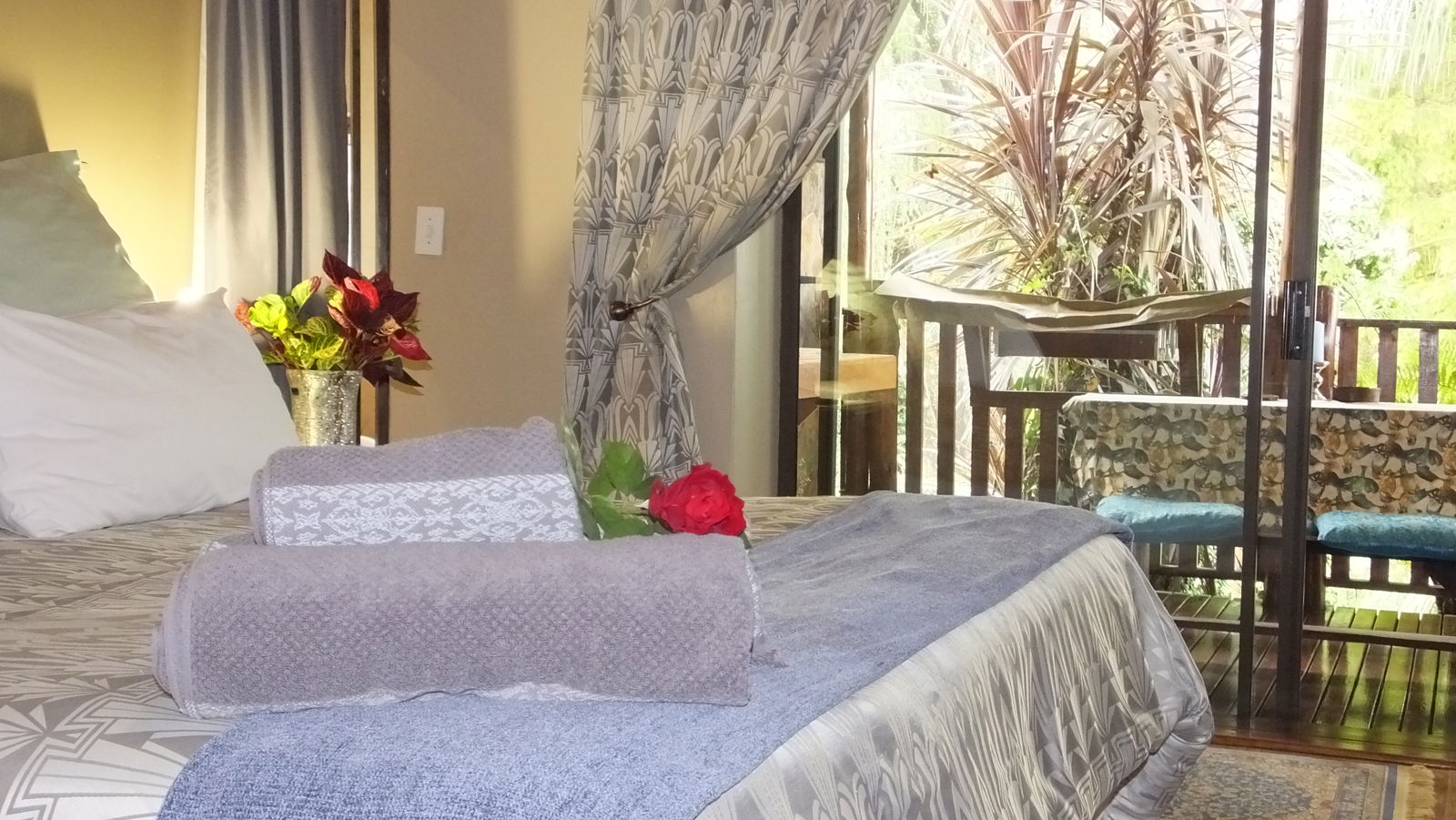
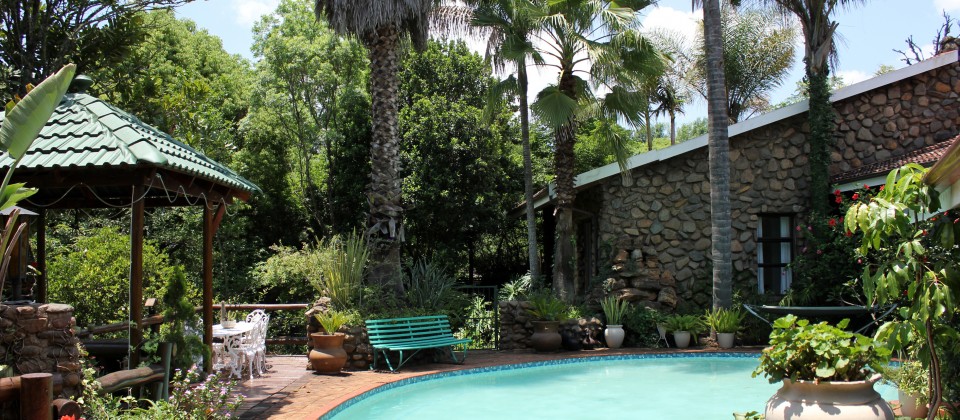
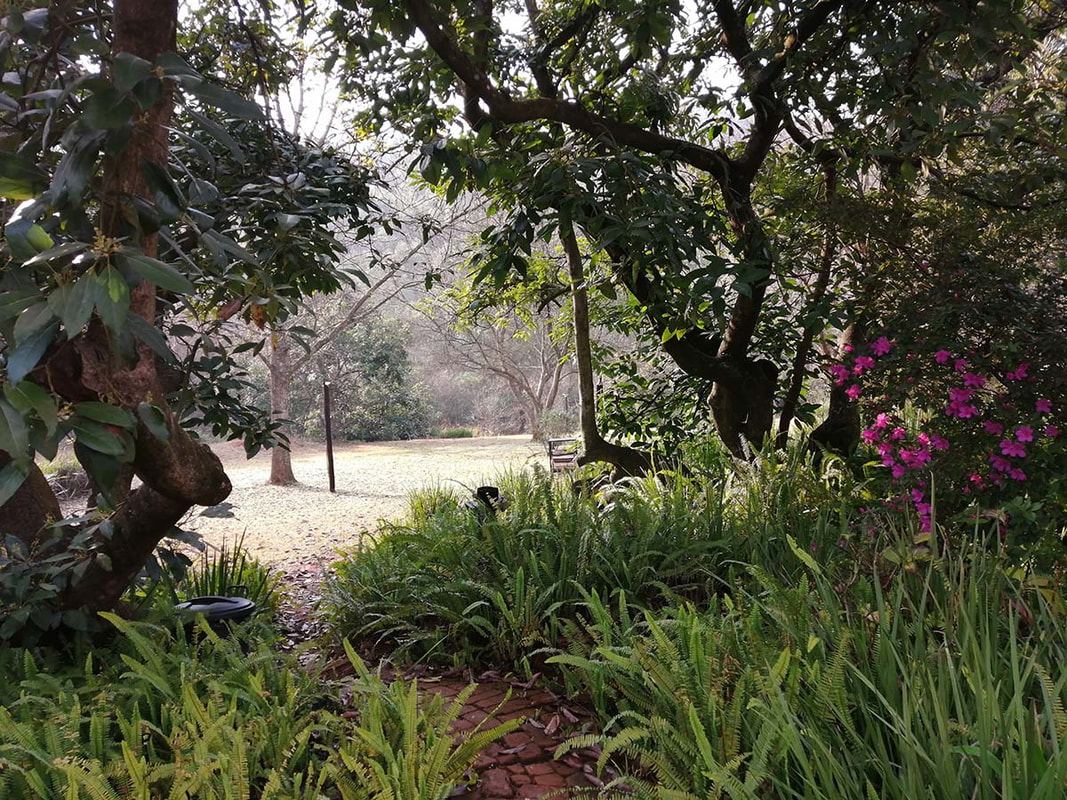
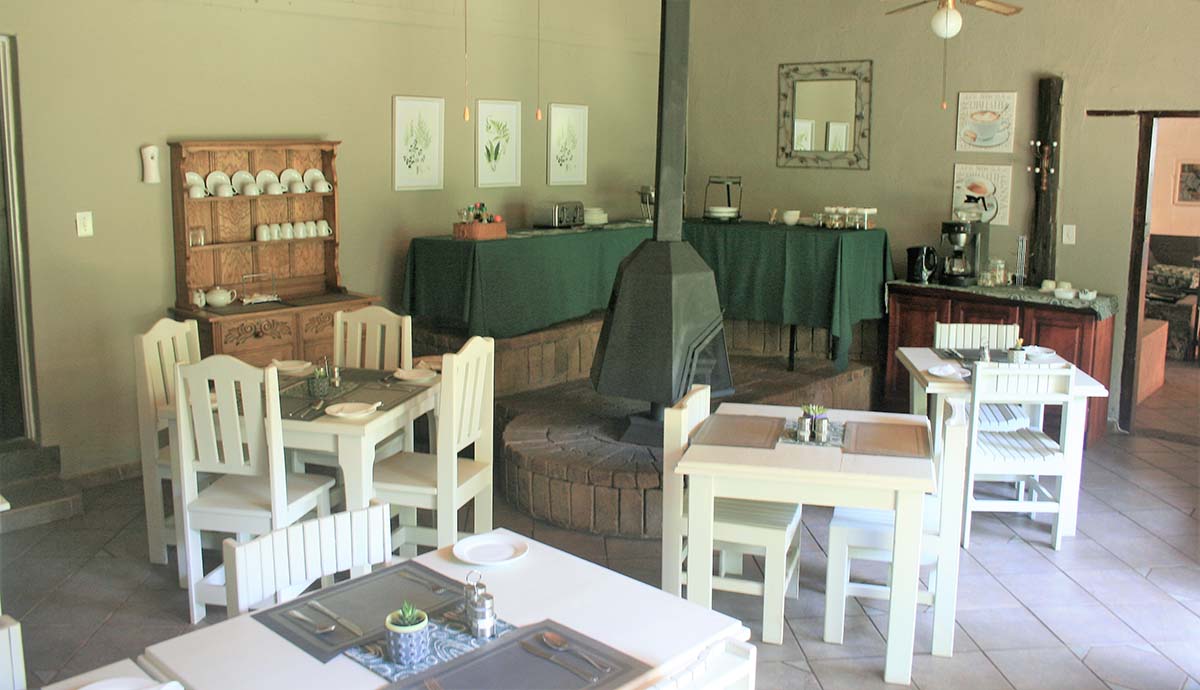
At the R4,800 nightly rate, guests can expect en-suite bathrooms, effective insulation against cold highland nights, and reliable hot water throughout the year. Braai facilities are standard at this price level, as outdoor cooking in the evening is built into how South African visitors approach a stay in this part of Mpumalanga. Breakfast is frequently included in the room rate, usually a full cooked option, which removes the need to find a café before an early departure toward the escarpment or the waterfalls. Private gardens or verandas are common, and some properties have direct access to paths through the surrounding indigenous forest.
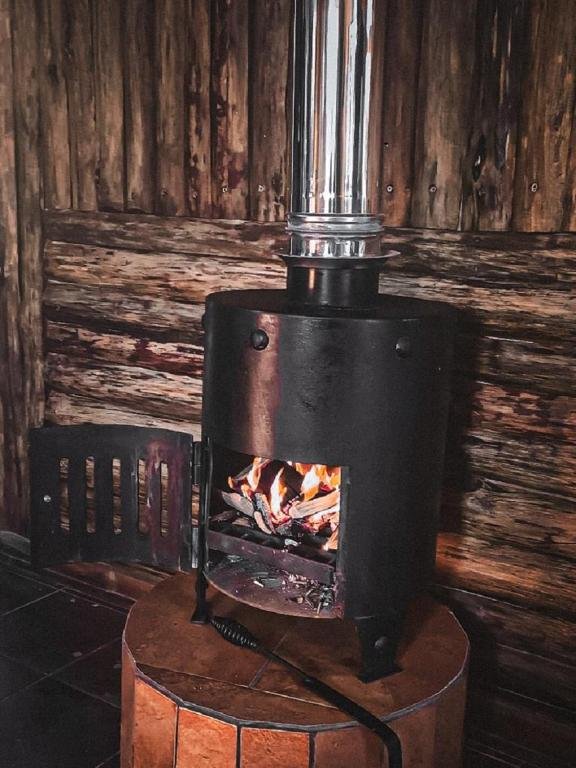
The highland setting shapes what good accommodation means in practical terms. Summer mornings in Sabie are cool even when midday temperatures are comfortable, and winter evenings in June or July drop sharply after dark. Effective heating and solid insulation are genuine considerations in the colder months, not secondary features. The altitude also keeps summer heat moderate, so a well-positioned guesthouse here remains comfortable through the warmest months without the air conditioning that is standard in lower-altitude lowveld properties further east.
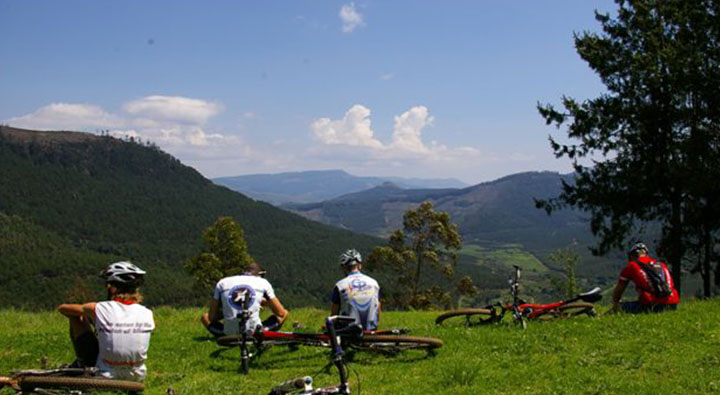
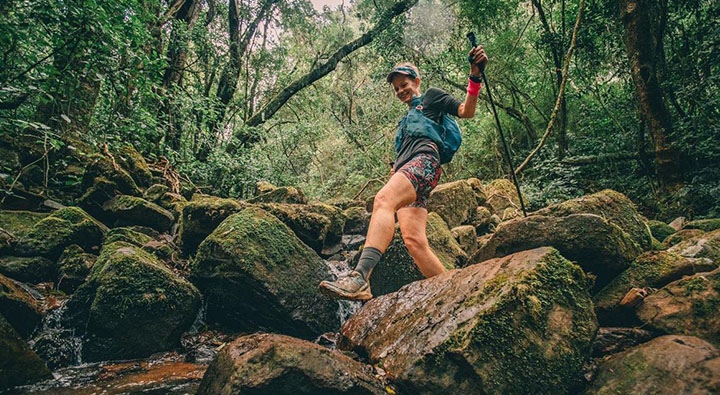
Some properties carry practical extras that reflect the environment: trail maps with routes graded by difficulty, contacts for local fishing guides, and recommendations for birding spots that do not appear in general tourism materials. These details are part of what distinguishes a well-run guesthouse from a functionally adequate one.
## Best Time to Visit Sabie
Sabie's subtropical highland climate divides into a wet season from October through April and a dry season from May to September, with each period offering noticeably different conditions.
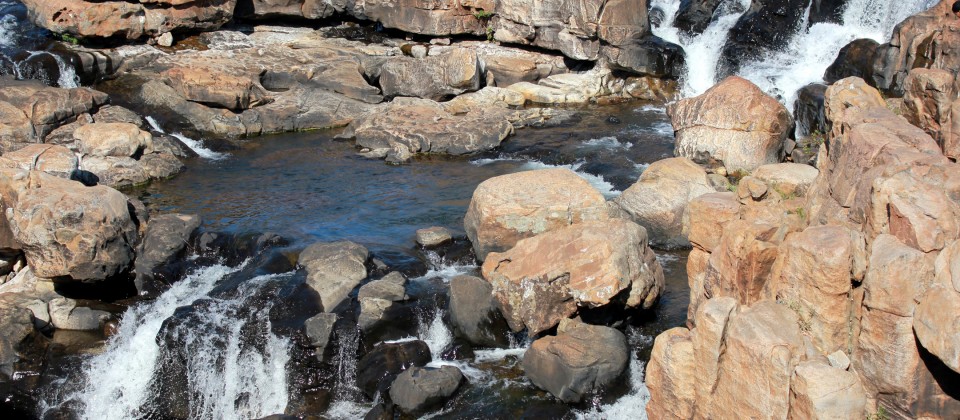
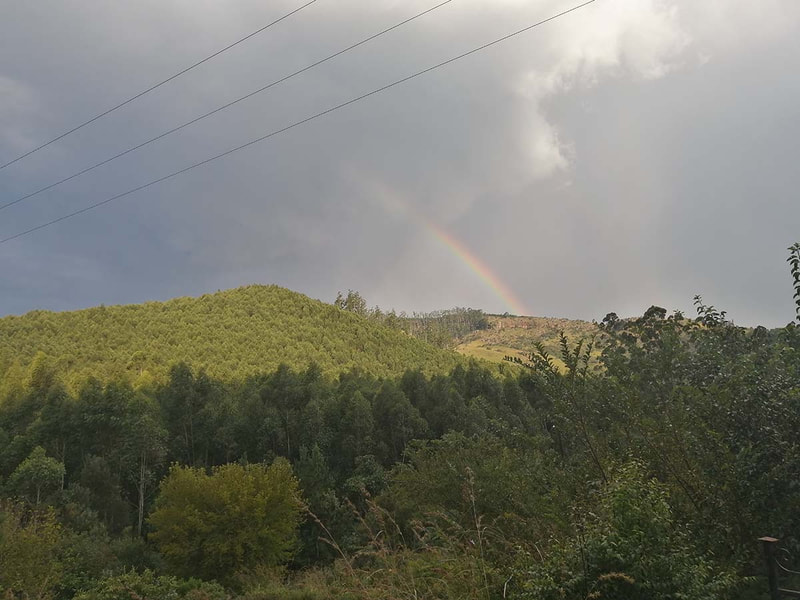
The wet season brings heavy afternoon thunderstorms that build quickly over the mountains. High rainfall keeps the area's waterfalls running at full volume, when they are most impressive and photography conditions along the trails are at their best. The surrounding forest stays dense and green through these months, and birdlife is at its most active. Accommodation fills during the Christmas school holiday and at Easter, so reservations for those dates need to be made several months ahead.
The dry winter brings clear skies, cold nights, and firm trail conditions. Temperatures in June and July fall to near-freezing after dark, and warm layers are necessary for evenings outdoors regardless of how warm the midday sun feels. Visibility on escarpment viewpoints improves noticeably without the moisture haze that summer brings. The July school holiday increases traffic on the main tourist roads through the region.
The shoulder periods, April to May and September to October, offer settled weather, thinner crowds, and waterfall flows that remain reasonable from the trailing edge of the rainy season.
## Getting to Sabie
By road from Johannesburg, the standard route follows the N4 east and then the R37 north, covering roughly 360 kilometres in approximately four hours under normal traffic. The R37 passes through plantation forestry and river valleys before climbing into Sabie, and the road surface is reliable throughout.
The nearest commercial airport is Kruger Mpumalanga International Airport (KMIA), approximately 46 kilometres south of Sabie. Flights connect KMIA with Johannesburg OR Tambo several times daily, and the drive from the airport to Sabie takes around 45 minutes. Car hire is available at KMIA and is effectively essential, as Sabie has no scheduled public transport and no taxi service extending to the surrounding natural areas and attractions.
From Durban, the drive takes approximately six to seven hours, typically routing via Piet Retief and then north into the Mpumalanga highlands. From Pretoria, the distance and timing are comparable to the Johannesburg route using the N4 east. Travellers approaching from the north can enter Sabie from the direction of Graskop along the R532, which adds scenic variety to the approach.
Within the town, the centre is compact and walkable. The main commercial strip, the local museum, and the nearest trail entry points are all accessible on foot. Any excursion beyond the immediate town centre requires a vehicle.
## Sabie and Surrounding Areas
The towns within 50 kilometres of Sabie are close enough for day trips, and each has a distinct character worth understanding before allocating time.
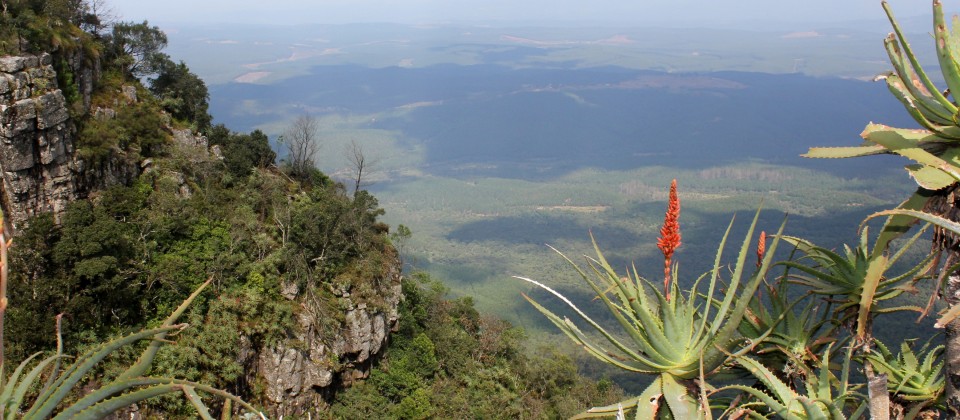
**Graskop**, 20 kilometres north, is the starting point for several of the Panorama Route's major escarpment viewpoints. God's Window, on the rim of the Drakensberg, gives open views across the lowveld toward Mozambique on clear days. The Graskop Gorge, a narrow canyon carved by the Treur River, is accessible by cable car that descends to the gorge floor and is also the launch point for the Big Swing, one of the more prominent adventure activities on this section of the route. The town has a longstanding association with pancake restaurants, a food tradition that has become genuinely tied to its identity rather than a manufactured tourist draw.
**Lydenburg**, 32 kilometres south-west via Long Tom Pass, draws visitors with its connection to the Anglo-Boer War retreat and the Lydenburg Heads, terracotta figures dated to around 500 CE that rank among the earliest sculptural objects found in southern Africa. The pass road itself is worth driving for the highland views and the historical framing it provides.
**White River**, 34 kilometres south-west, is a regional service centre with farm stalls, a modest craft and gallery presence, and casual dining options. It is more useful as a provisioning stop than a standalone destination, though the surrounding fruit farms make it worth a brief detour in season.
**Hazyview**, 36 kilometres east, is the primary access point for Kruger National Park's southern gates, including the Paul Kruger Gate. Tour operators, guided safari day trips, and self-drive vehicle hire all operate from Hazyview, along with supermarkets and gear shops that serve as the last reliable provisioning stop before the park.
**Mbombela**, 46 kilometres south and still widely referred to by its former name Nelspruit, is the provincial capital of Mpumalanga. It carries the region's main commercial and administrative infrastructure, including hospitals, shopping centres, and government offices.
## Planning Your Stay
With a single property currently listed for Sabie, availability is constrained by definition. Book well ahead for the Christmas period, Easter, and South African public holiday long weekends, when the wider Mpumalanga highlands fill simultaneously and alternatives across the region narrow quickly.
When comparing this listing against properties in neighbouring towns, consider which part of the itinerary will take most of your time. A Sabie base works well for highland trails and the escarpment viewpoints to the north. Staying further east positions you closer to the bushveld and national park access, but reduces the mountain access that makes Sabie a specific rather than a generic choice.
Before confirming, check whether breakfast is included in the rate, whether braai facilities are available on-site, and what the cancellation and deposit terms are. These details vary considerably between properties in the region and affect the effective total cost of a stay.
Fuel is available in Sabie during business hours but not reliably late at night, so plan accordingly before long evening drives on mountain roads. Mobile signal is adequate in the town centre but drops off on forest trails and along rural viewpoint roads. Downloading offline maps before arriving removes a common source of frustration. SANParks bookings for any national park entry in the region must be arranged separately and well in advance, as vehicle quotas at the gates apply on busy weekends.