Accommodation in Jane Furse
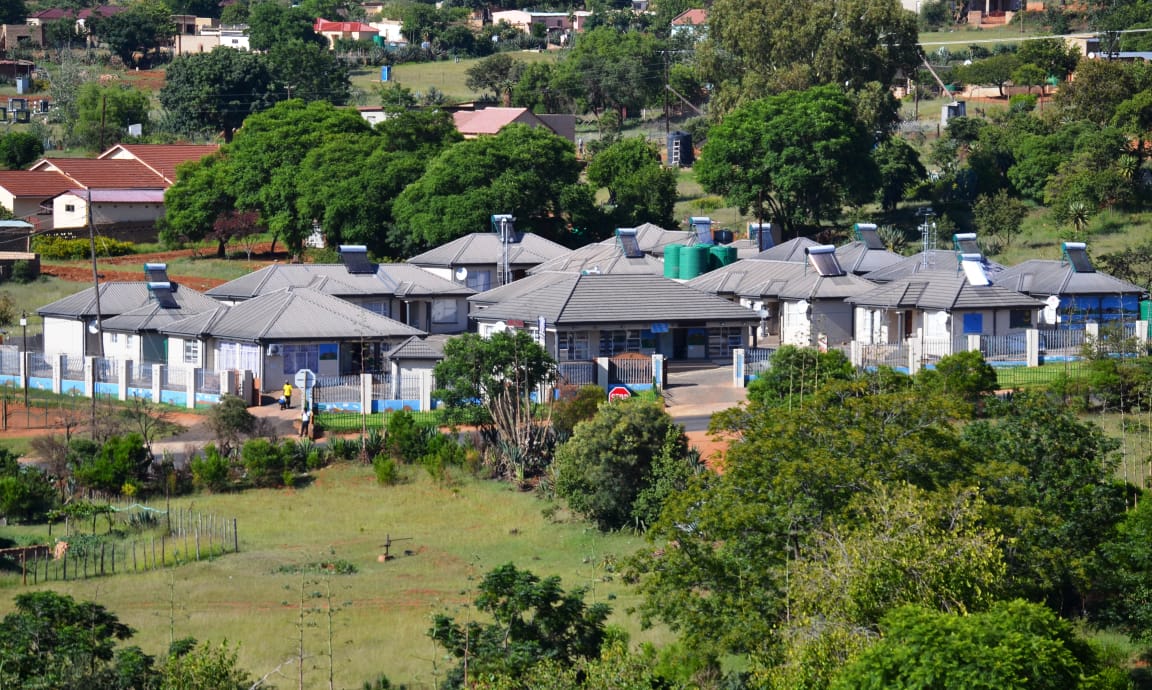
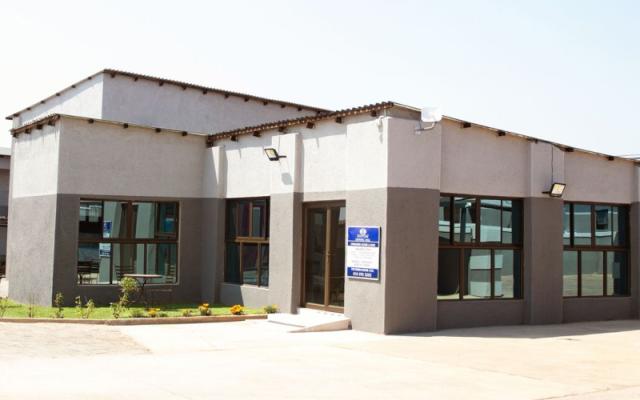
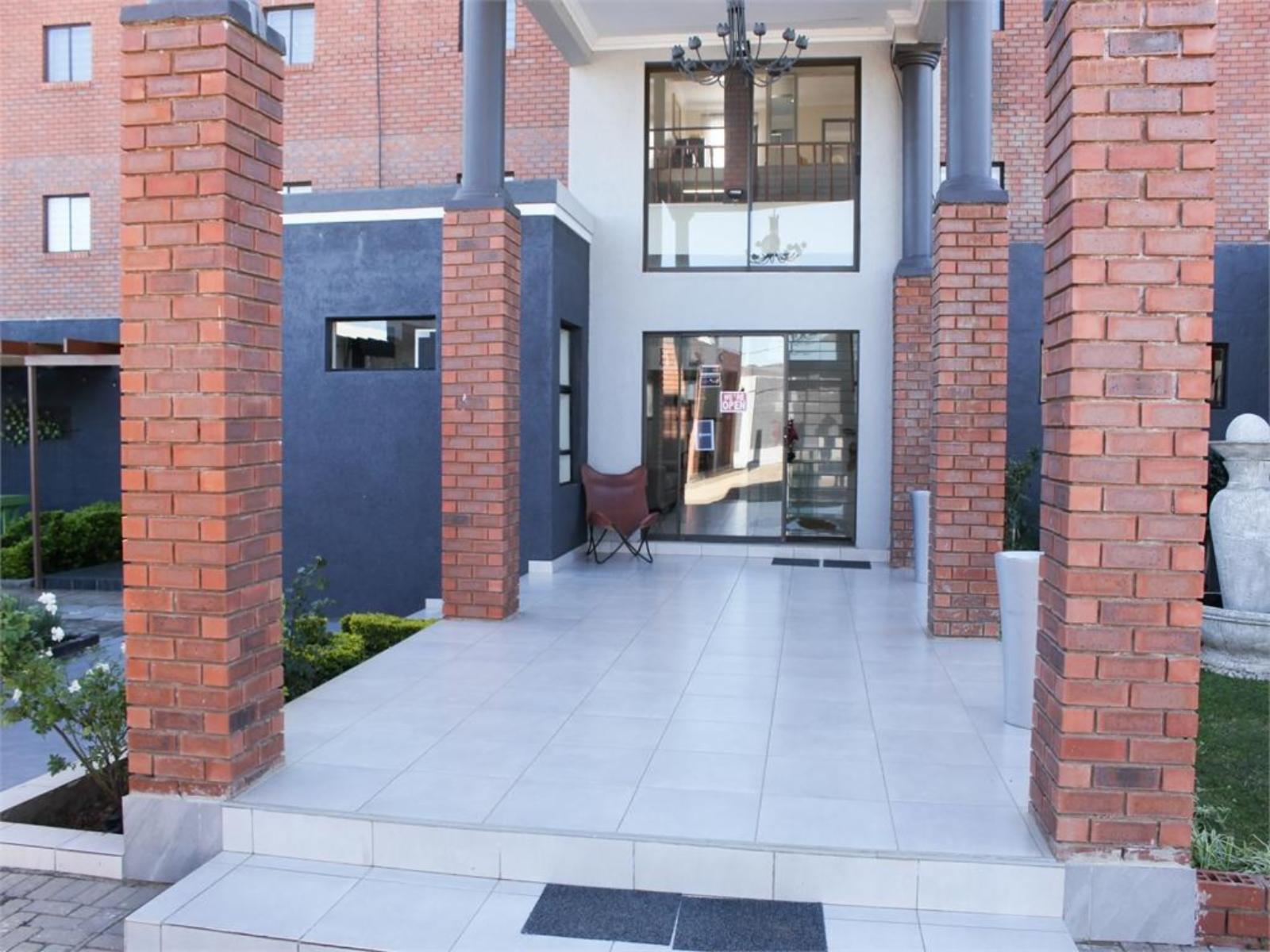
Jane Furse developed from a mission station founded in the early 20th century, and the infrastructure that followed, including the Jane Furse Memorial Hospital, shaped the town into a service hub for the wider district. Accommodation here reflects that functional character: properties exist primarily to serve visitors with a specific purpose, whether healthcare-related, professional, or rural tourism.
No properties are currently listed on major booking platforms, which means pricing and availability information is not centralised anywhere online. Local options operate through direct bookings and community referrals, which requires a different approach to travel planning than most South African destinations.
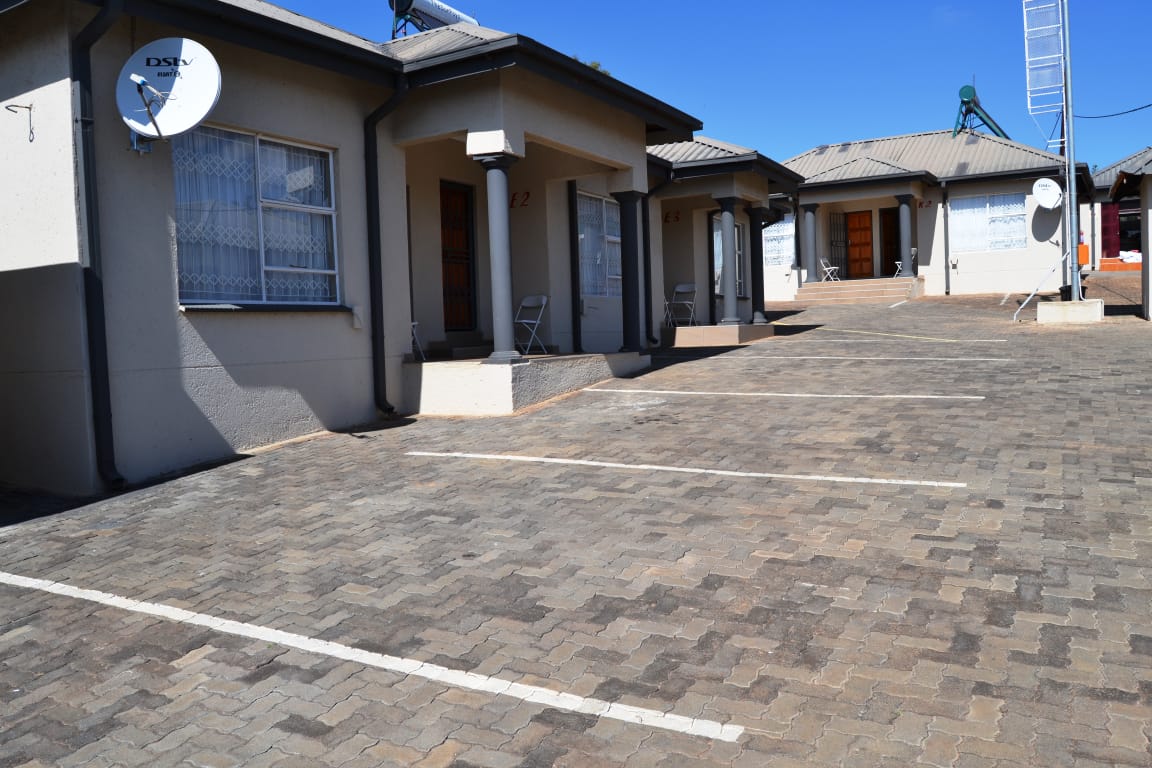
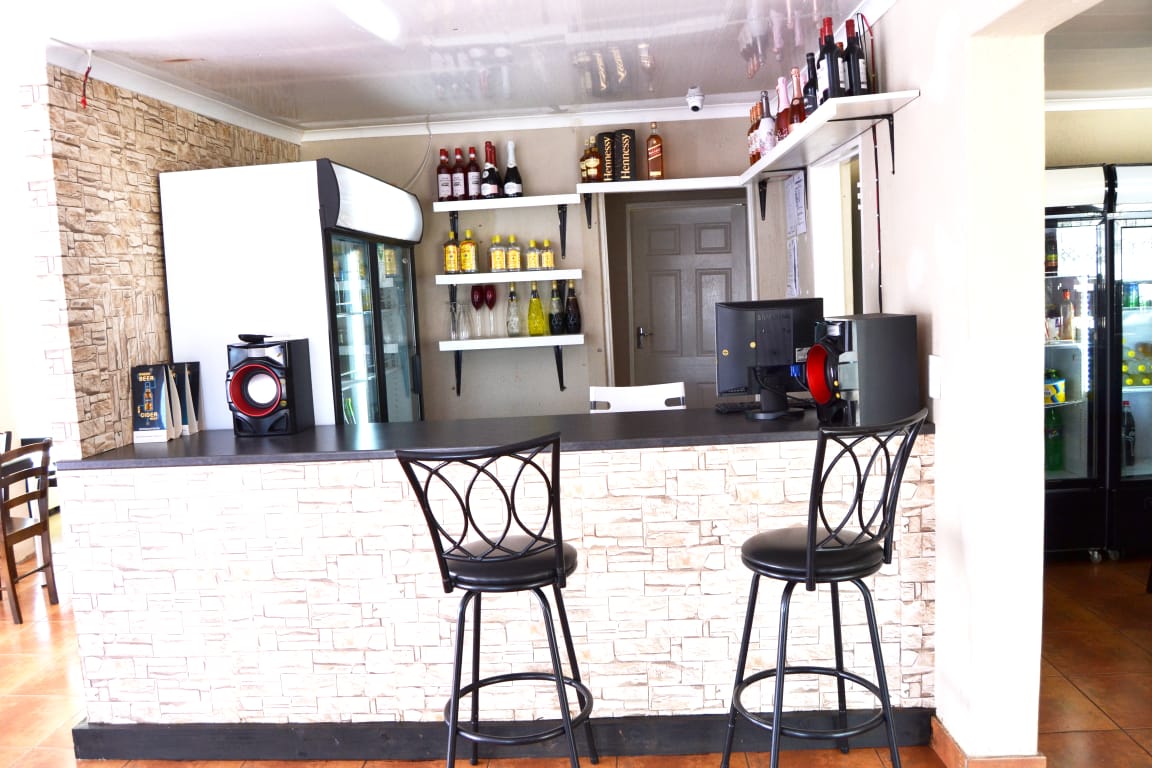
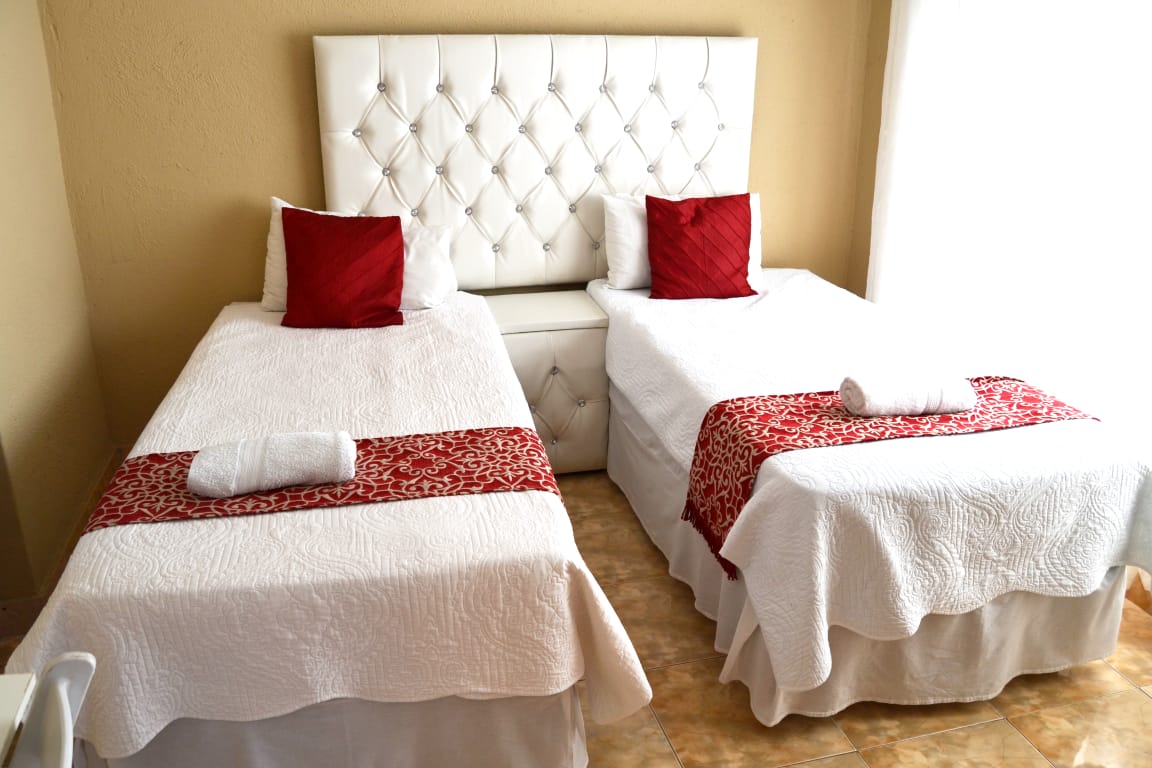
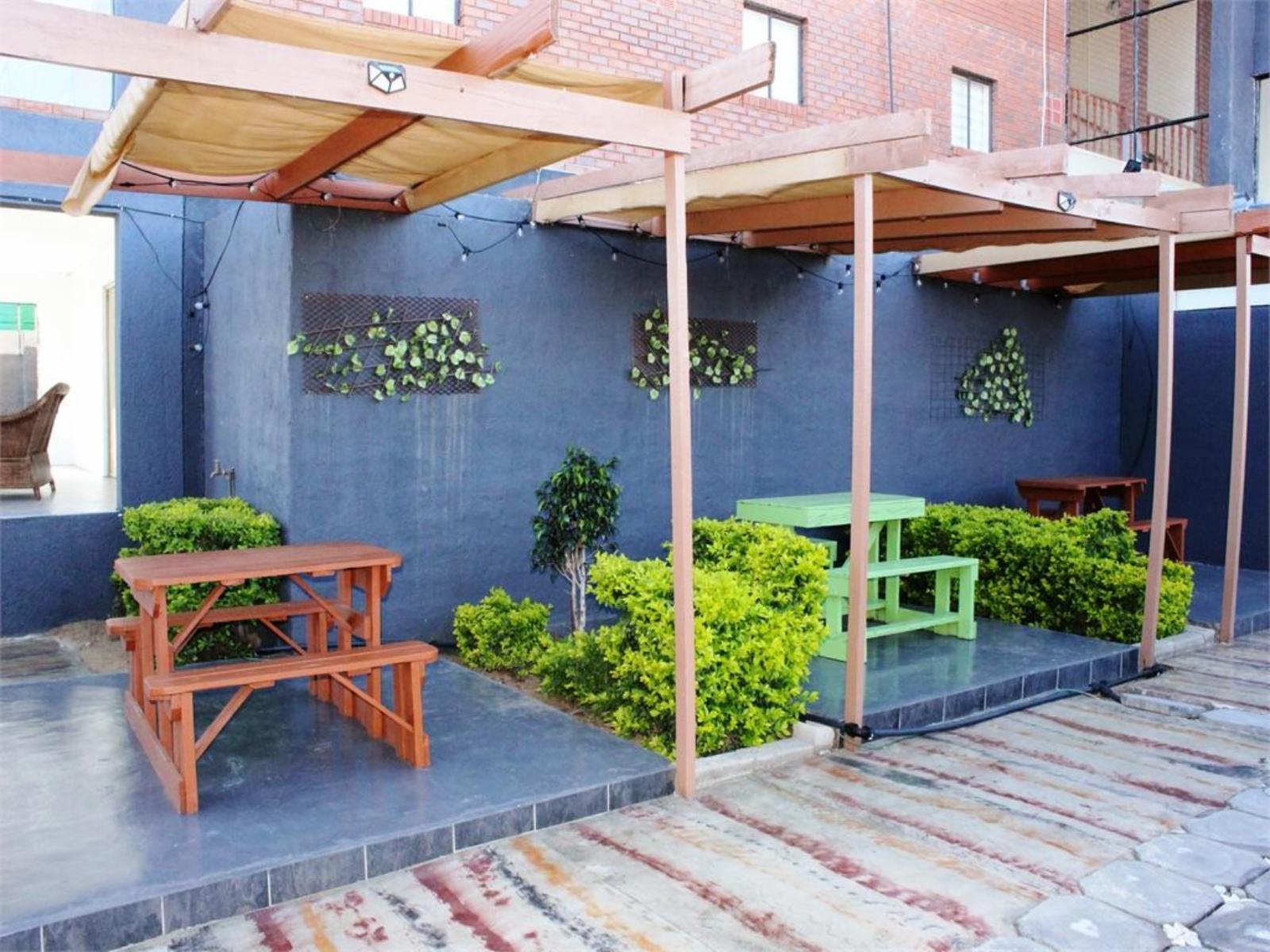
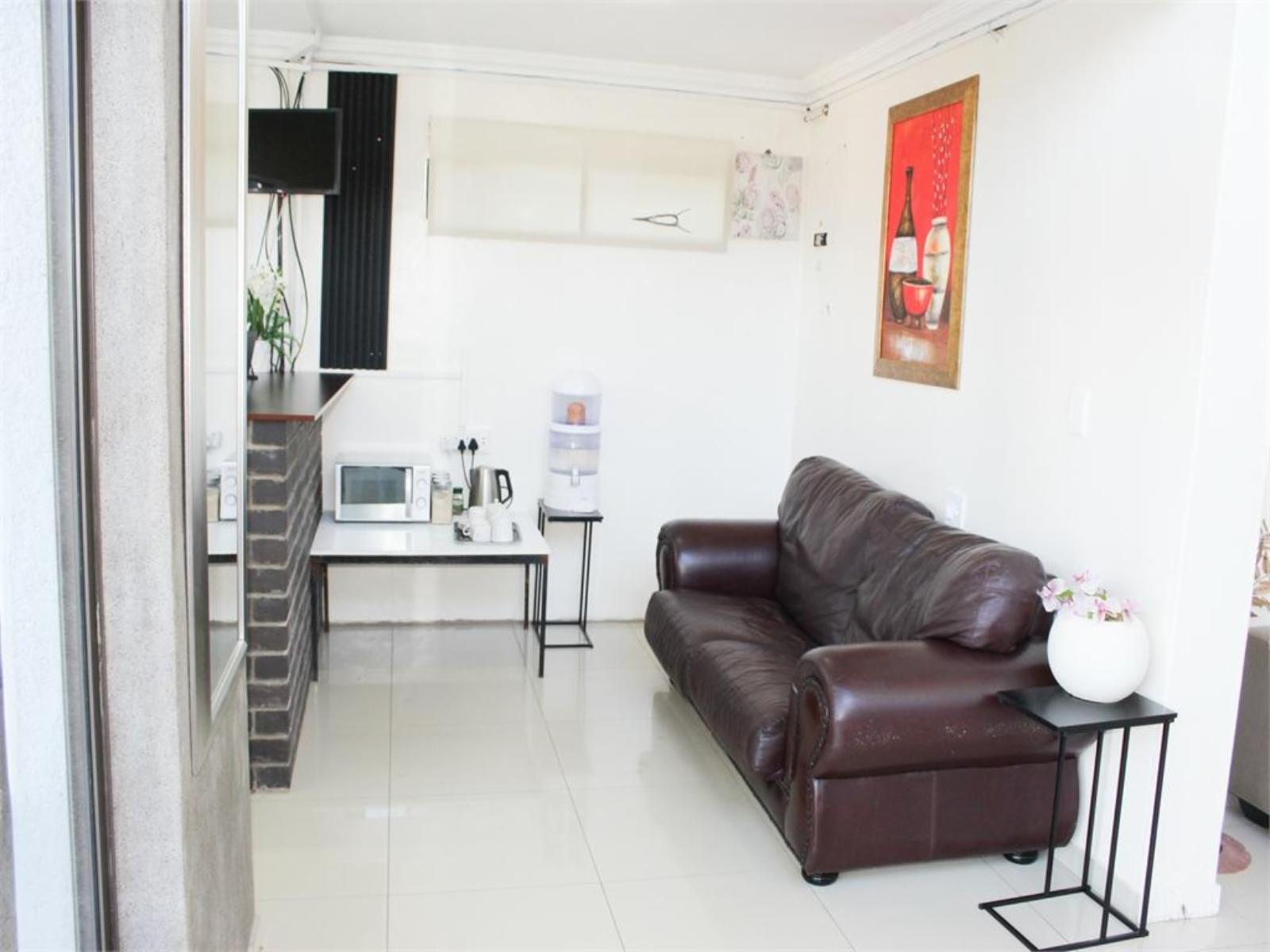
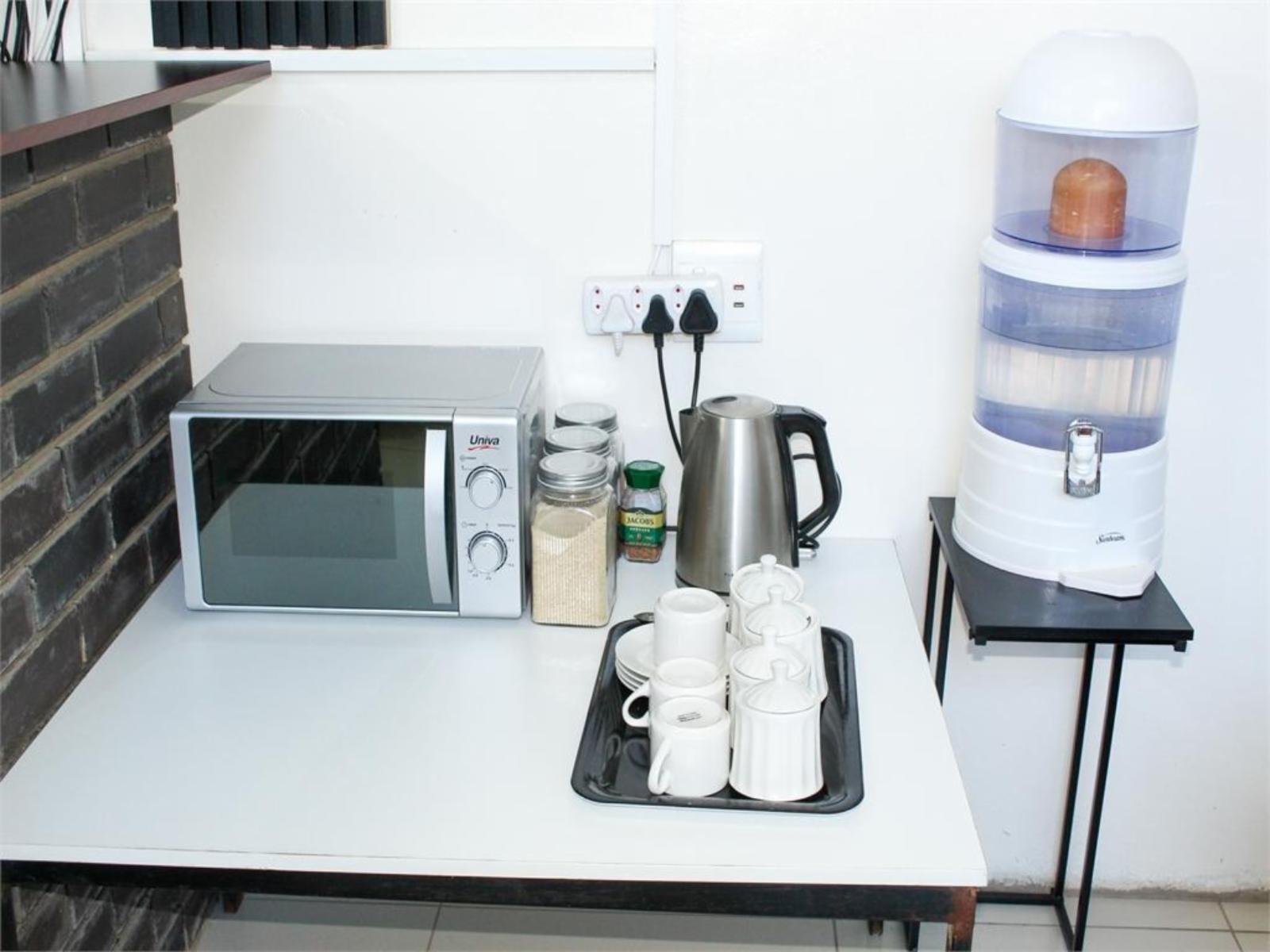
At the budget end, basic guesthouses offer clean rooms and simple meals. Breakfasts typically feature locally sourced produce, and hosts are usually well-placed to advise on the surroundings. These places prioritize function over atmosphere, but they meet the practical needs of most short-stay visitors without difficulty.
Mid-range options lean toward self-catering units and small lodges, which suit travelers spending several nights and wanting flexibility around meals. Some properties closer to the commercial center cater regularly to NGO workers and business visitors, offering reliable Wi-Fi and generator backup alongside standard room amenities, which matters given load shedding in the region.
Upper-tier stays are sparse within the town itself, though small lodges in the broader area occasionally offer more structured experiences. Guests willing to drive a short distance from the center can access properties that include guided walks and game-viewing as part of the package, providing a more considered rural experience.
Given the limited formal listings, contact establishments directly before committing to dates. Phone calls work more reliably than email with smaller guesthouses, and an advance conversation allows you to confirm road conditions and meal arrangements at the same time.
Best Time to Visit Jane Furse
This part of Limpopo has a subtropical climate with a clear wet season and a clear dry season. From October through April, temperatures regularly exceed 30°C and afternoon thunderstorms are common. The heat and humidity during this period make long stretches outdoors uncomfortable, though the landscape turns green and birdlife is active. Migratory species arrive from November onwards, which appeals to serious birders willing to tolerate the conditions.
The dry months from May to September are more suitable for hiking the surrounding hills and spending time outdoors. Days are warm and clear, though June and July bring genuinely cold nights, occasionally approaching freezing at higher elevations, so pack warm layers even if you expect to be outdoors in shirtsleeves during daylight hours.
Wildlife observation improves in the dry season. Vegetation thins as water sources concentrate animals, making sightings more consistent than in the thick summer growth. The Waterberg Biosphere Reserve, which encompasses parts of this region, is particularly rewarding during these months for antelope and bird species.
There is no defined tourist peak season in Jane Furse. Domestic visitors increase slightly around school holidays in July and December, but this has minimal effect on availability or the atmosphere of the area. For most purposes, the cooler dry months represent the clearest practical advantage.
Getting to Jane Furse
From Pretoria, the drive northeast to Jane Furse covers roughly 150 kilometers and takes about two hours under typical road conditions. The main route follows the N1 north before turning east through Mokopane, then continues via the R37 through Burgersfort into the Sekhukhune District. Travelers arriving from Johannesburg add around 30 minutes to that estimate.
The most convenient large airports are OR Tambo International in Johannesburg and Polokwane Airport to the northwest. Both are workable entry points, and renting a car at either gives the flexibility needed once you are in the area. Road quality on secondary routes in the district varies, particularly after summer rain, so allow extra time rather than planning tight connections between arrival and check-in.
For those without a car, buses from Pretoria and Johannesburg serve routes through the broader region. Minibus taxis connect Jane Furse to surrounding communities throughout the day, running on informal schedules rather than fixed timetables. These are practical for short hops between the town and nearby villages, but less reliable for long-distance travel with a fixed departure time.
Loskop Dam, roughly 60 kilometers to the southwest, is reachable as a day trip by car and is worth factoring into the itinerary if fishing or time on the water appeals.
Jane Furse and Surrounding Areas
Several traditional settlements lie within a short drive of Jane Furse and together they give a fuller picture of rural life in this corner of Limpopo.
Ga-Moretsele, 3 kilometers away, is the nearest neighbor and functions as an extension of the Jane Furse social orbit. Residents move regularly between the two areas for work and services, and a visitor is likely to pass through without registering it as a separate destination. Its proximity makes it useful as an easy first excursion on foot or by bicycle.
Ga-Mogashoa, at 12 kilometers, sits further into rolling terrain east of the main road. The area reflects the subsistence farming traditions of Pedi-speaking communities across this corridor, with small cultivated fields and livestock occupying the slopes. A drive through the settlement offers a ground-level view of how the land is worked seasonally.
Ga-Seopela (13 kilometers) and Ga-Phahla (15 kilometers) are connected to Jane Furse by routes that also serve local schools and clinics, so traffic is regular and roads are in reasonable shape. The scenery between these settlements and the town passes through some of the more varied topography in the district, making the drive worthwhile on its own terms.
Ga-Monlala, also 15 kilometers out, occupies hillier ground with views across the valley systems to the south. The terrain suits walking, and the area is quiet enough that a visitor on foot encounters more livestock than vehicles.
Phokwane, 18 kilometers from Jane Furse, is the furthest of these neighbors. The Leolo Mountains begin to define the skyline here and draw hikers looking for longer trails and more demanding elevation than the gentler terrain near the town center. It is worth a dedicated half-day.
Planning Your Stay
Book directly with accommodation providers and do this well before your intended arrival. Phone calls work more reliably than email for smaller guesthouses, and speaking to someone in advance gives you the chance to ask about current conditions rather than relying on information that may be months out of date.
Before confirming, ask specifically about generator availability. Card payment infrastructure is limited throughout the district, so arrive with enough cash to cover accommodation, fuel, and any market purchases. ATMs in smaller towns can run low on busy days and there may not be a nearby alternative.
If you plan to explore secondary roads between settlements, ask your host about conditions, particularly from November to March when rain can make unpaved routes temporarily impassable. A vehicle with reasonable ground clearance handles the area considerably better than a standard city car.
Two to three nights gives enough time to explore the town, make day trips to nearby settlements, and engage with the area's pace without feeling rushed. The weekly produce and craft markets run on days and at locations that shift seasonally, so check the current schedule with your host on arrival rather than planning around fixed assumptions made before you left home.