Accommodation in Marloth Park
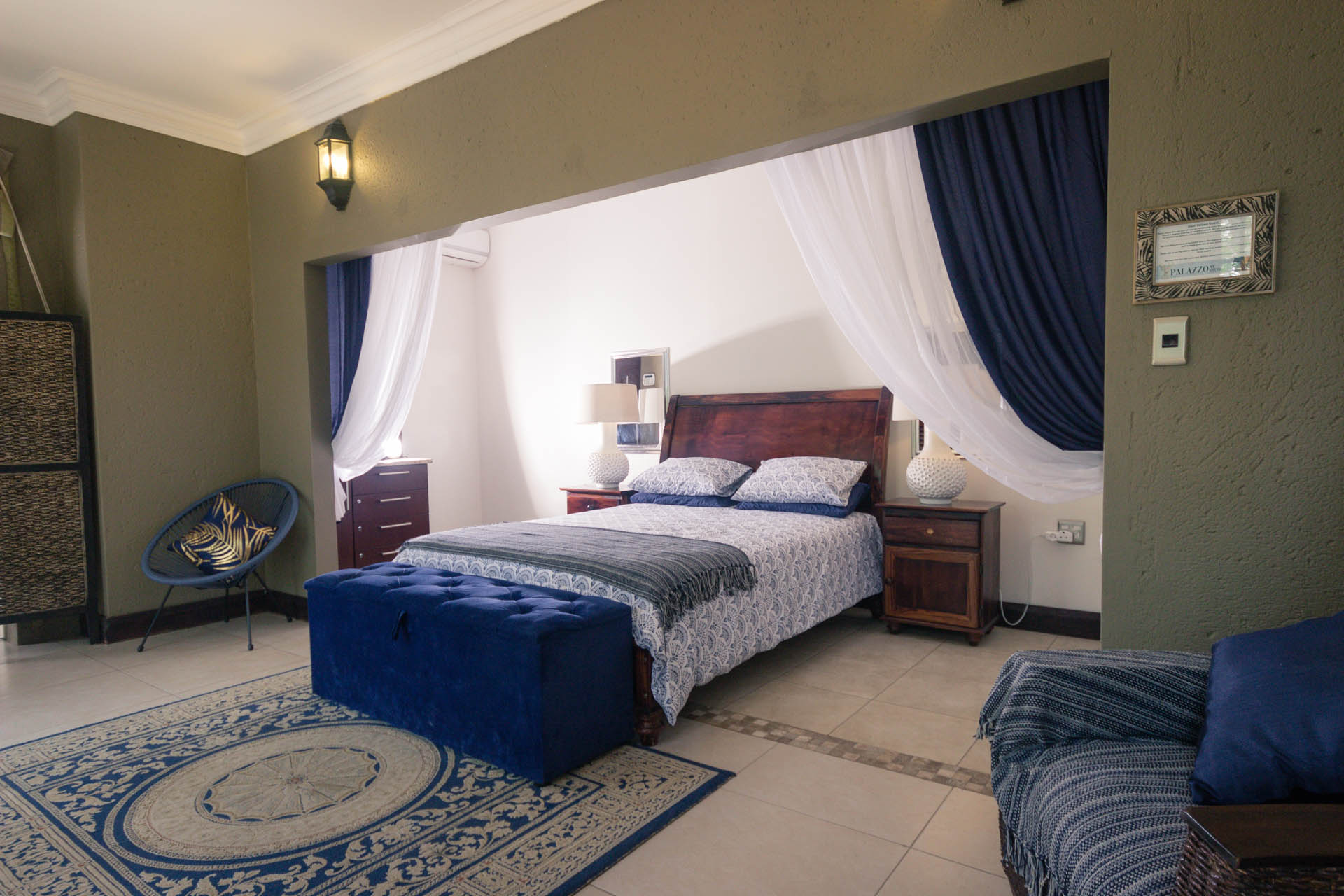
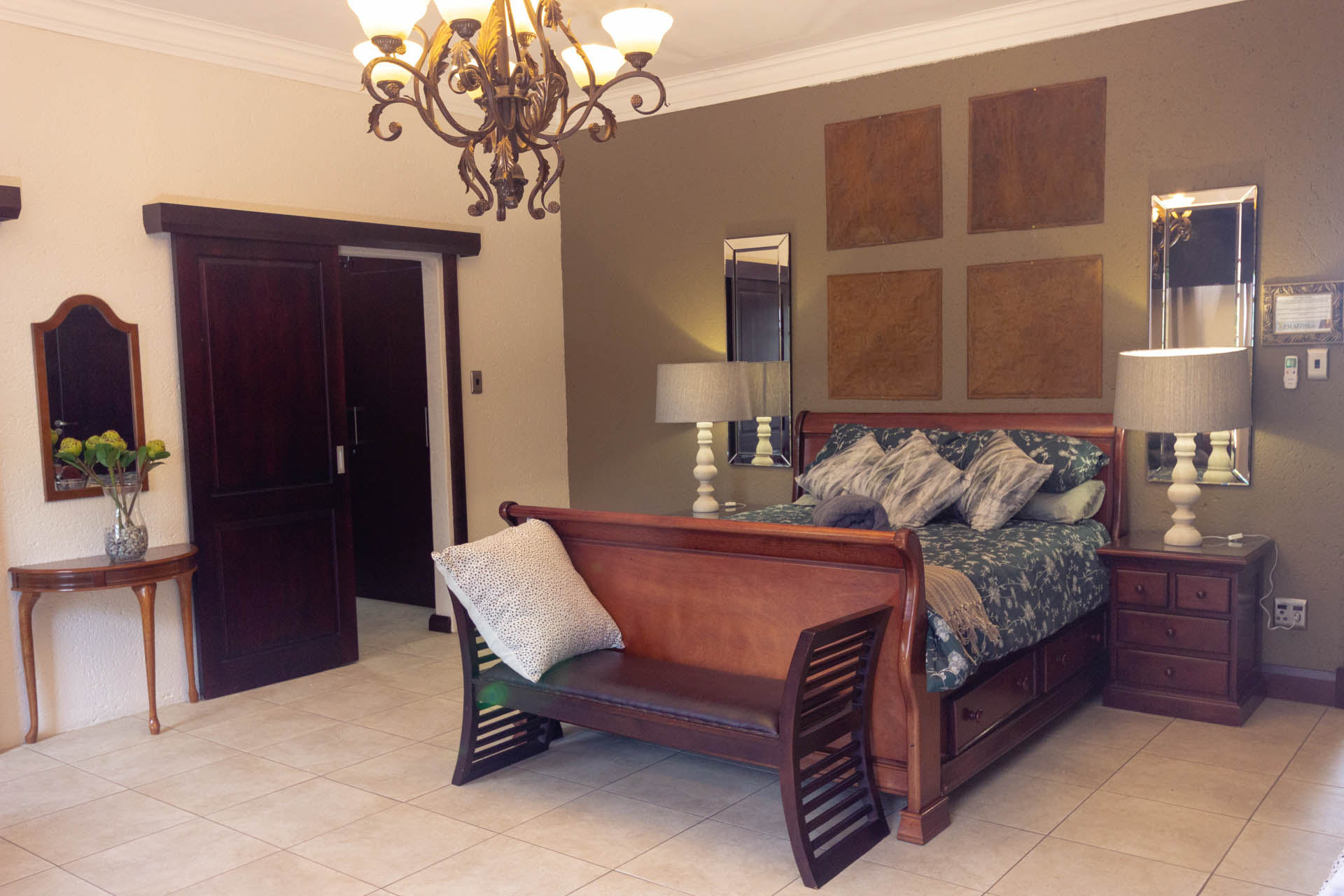
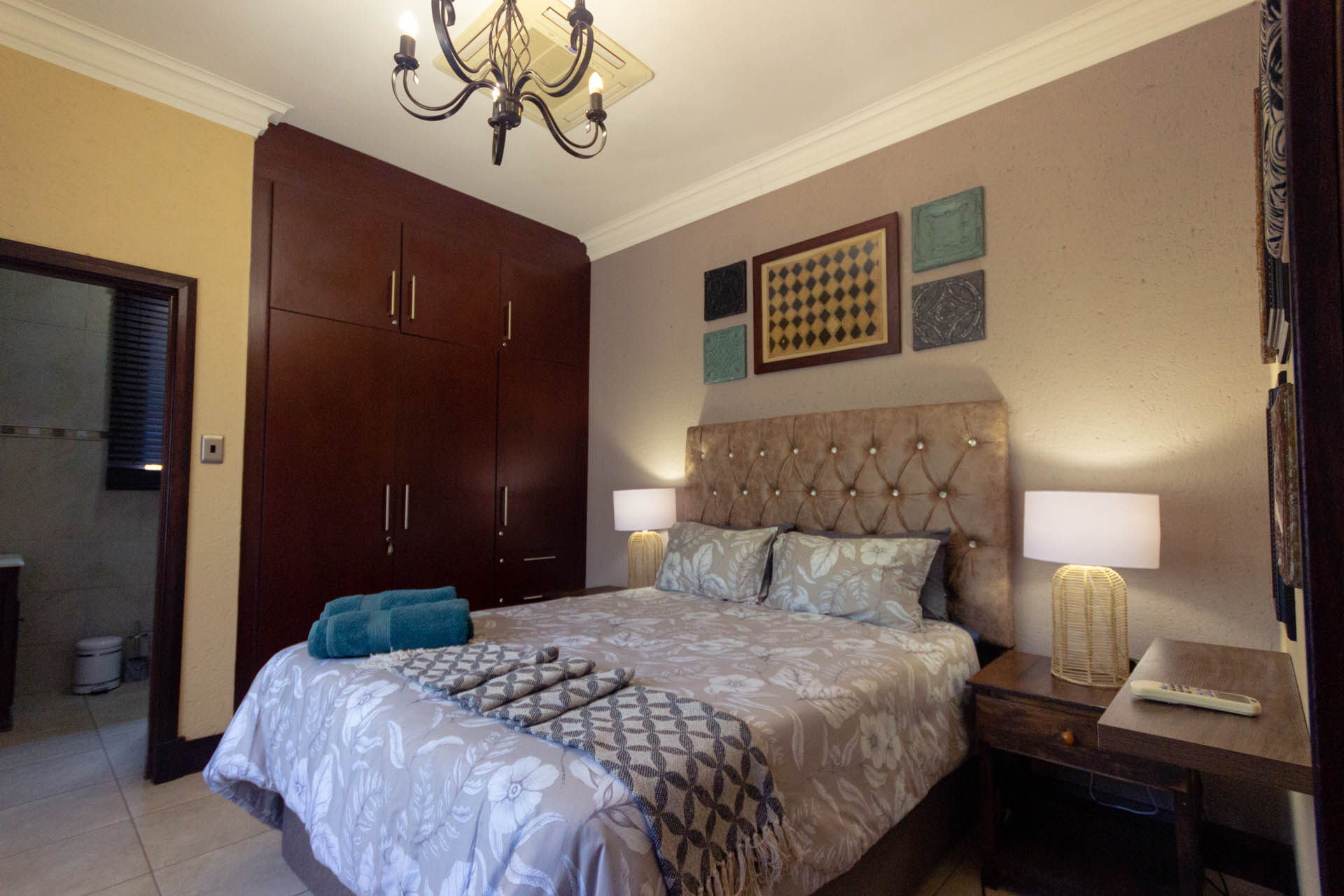
Across the estate's 9 listed properties, nightly rates run from R1,300 to R3,574, with the average sitting around R2,754. That range reflects a genuine spread in property style and experience, rather than simply size differences.
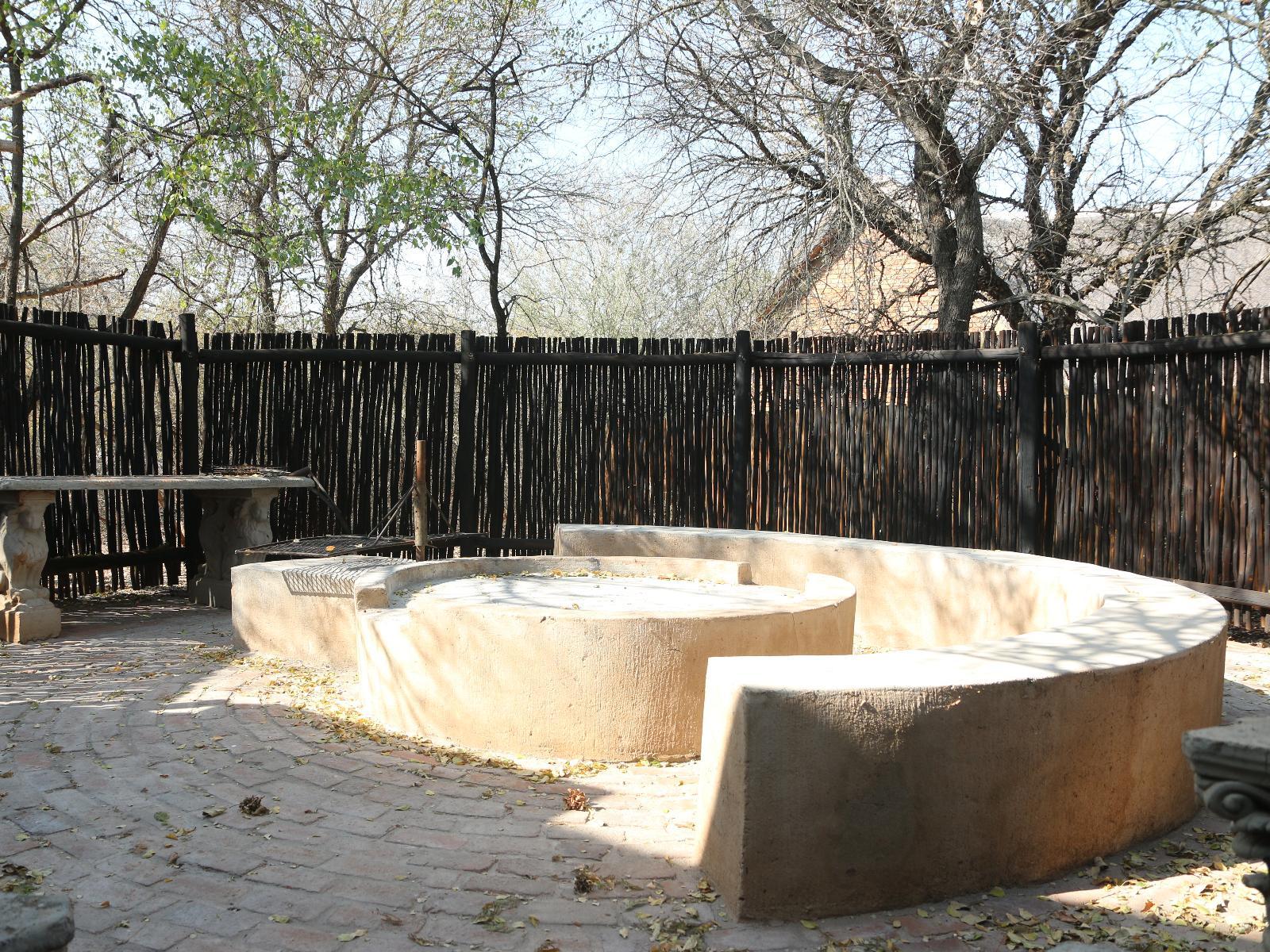
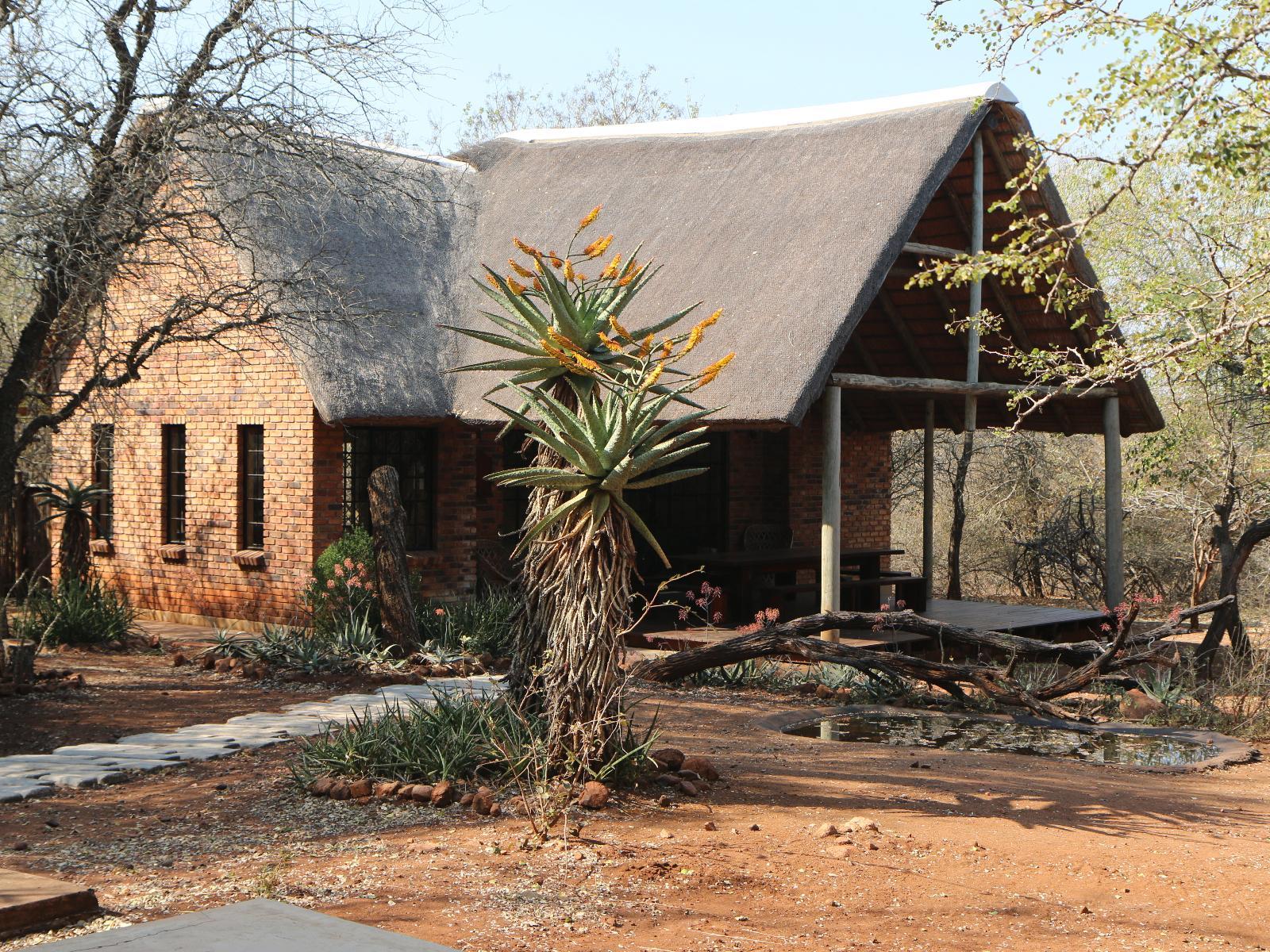
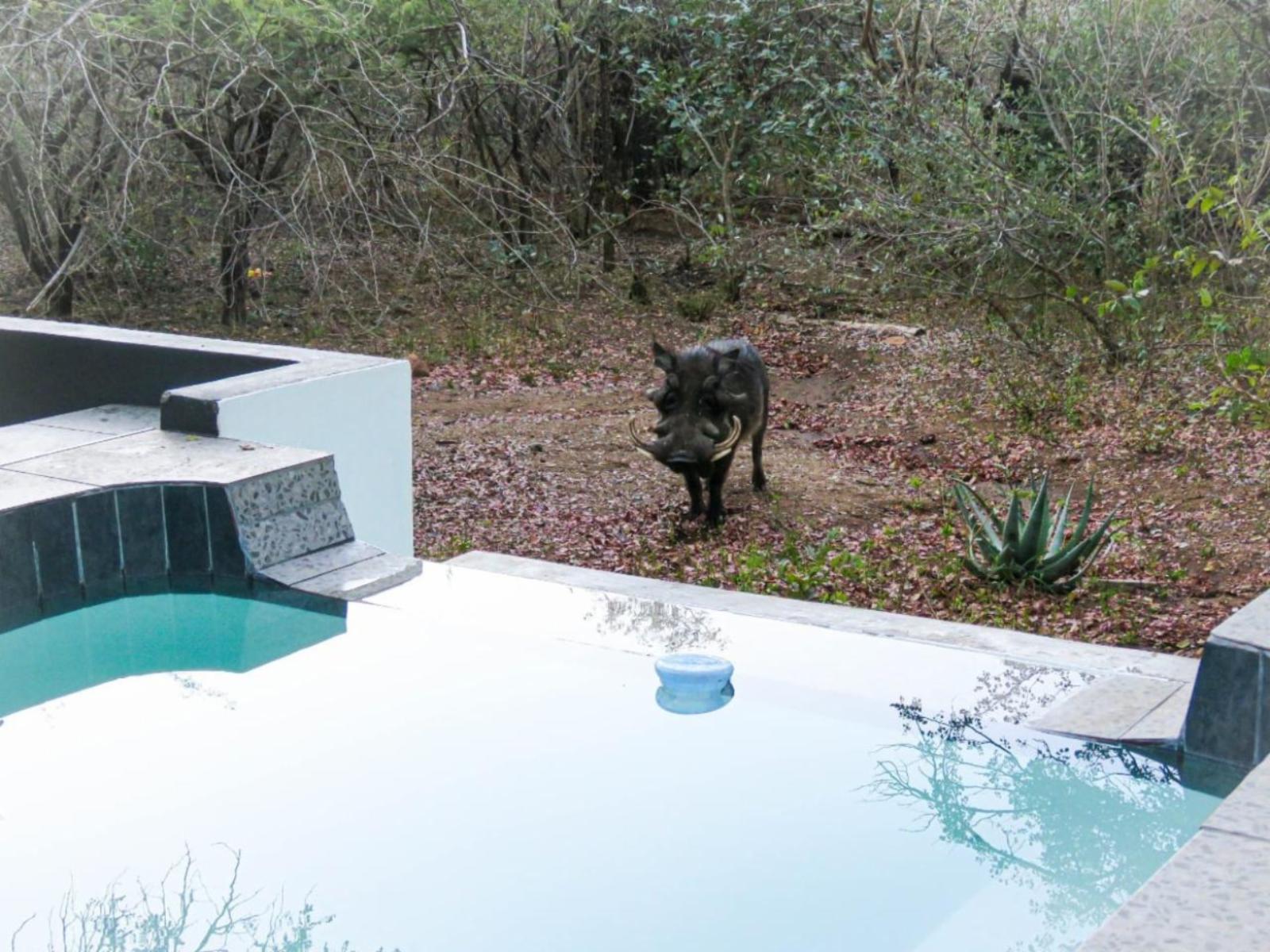
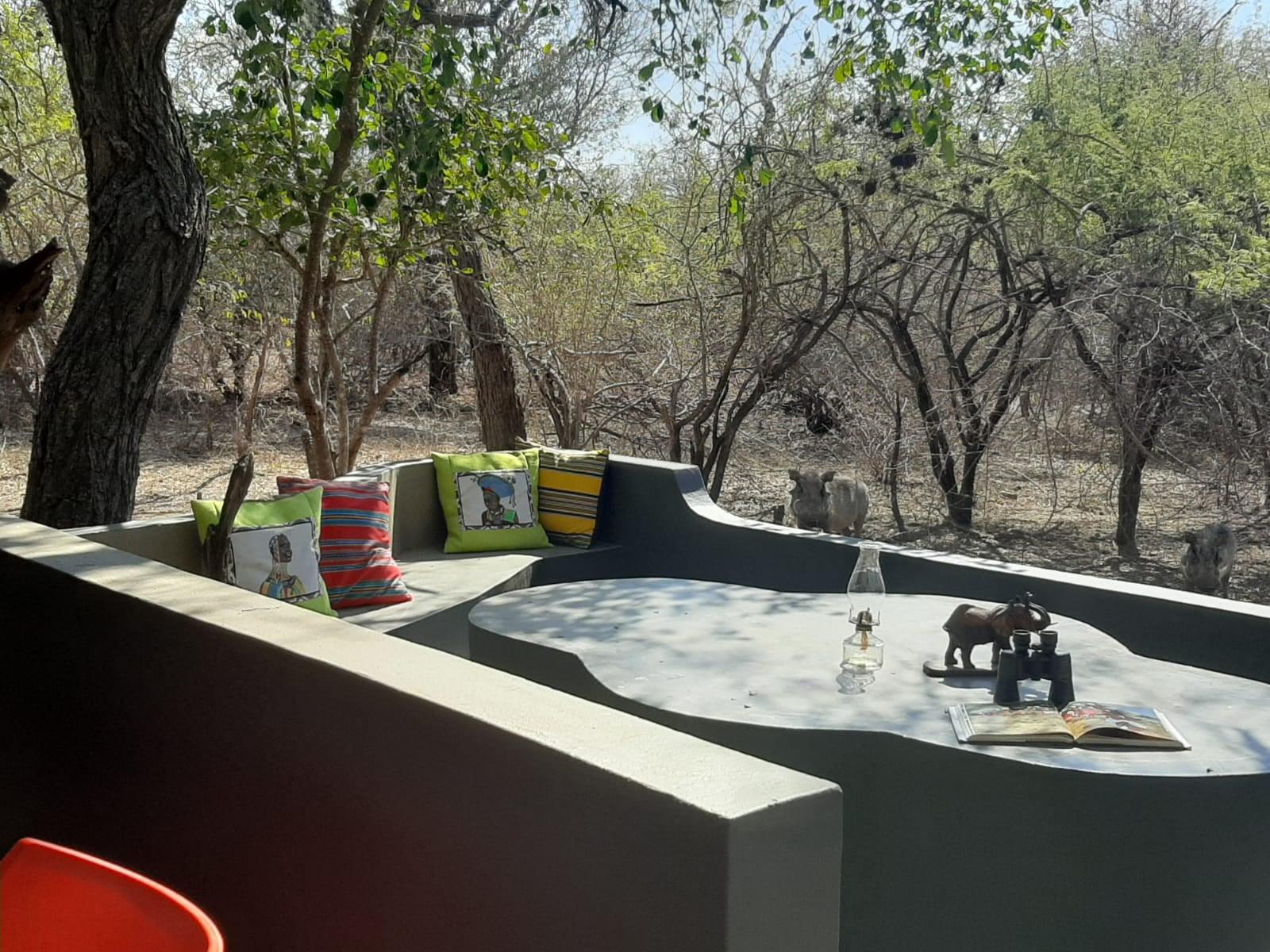
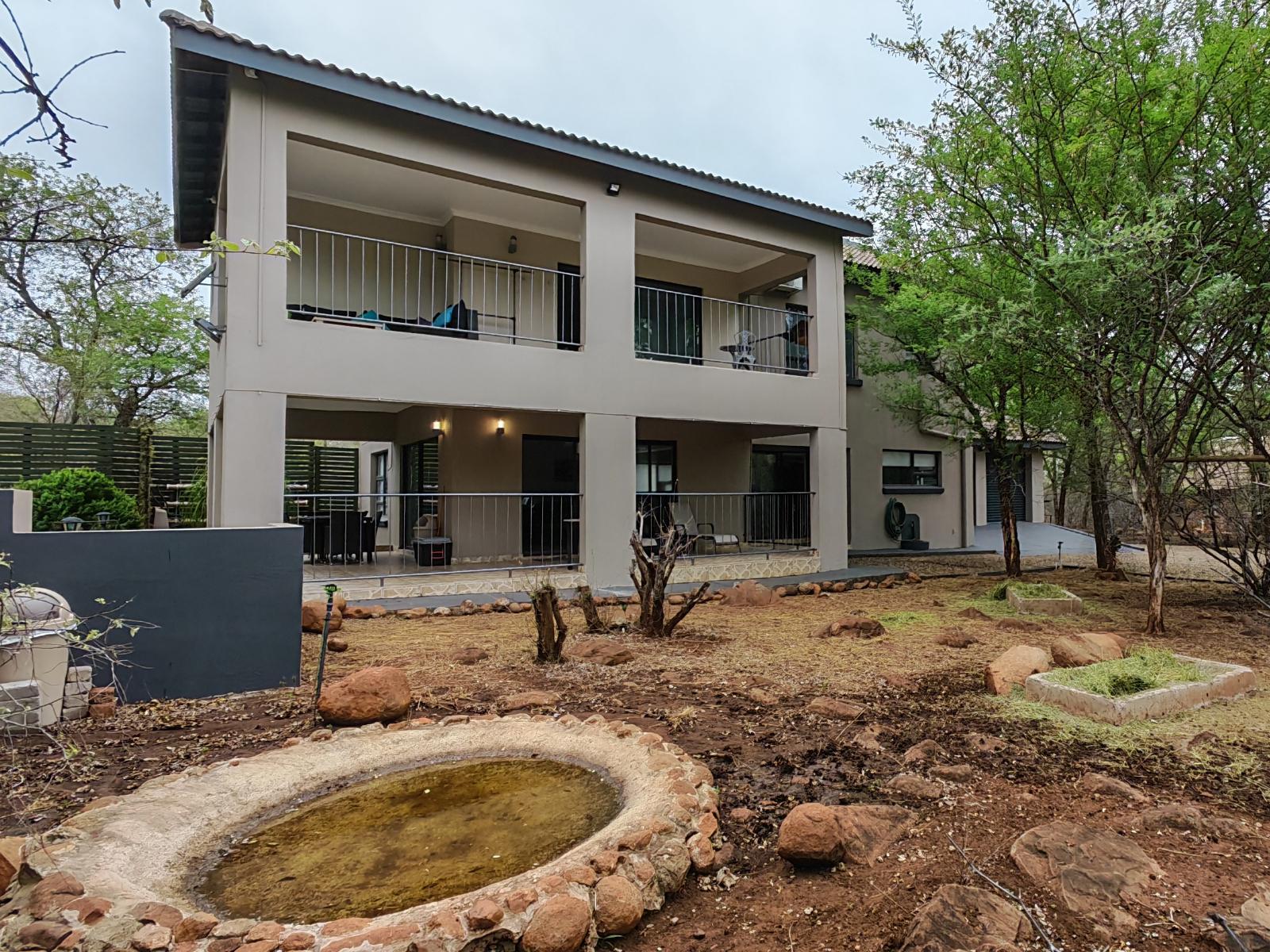
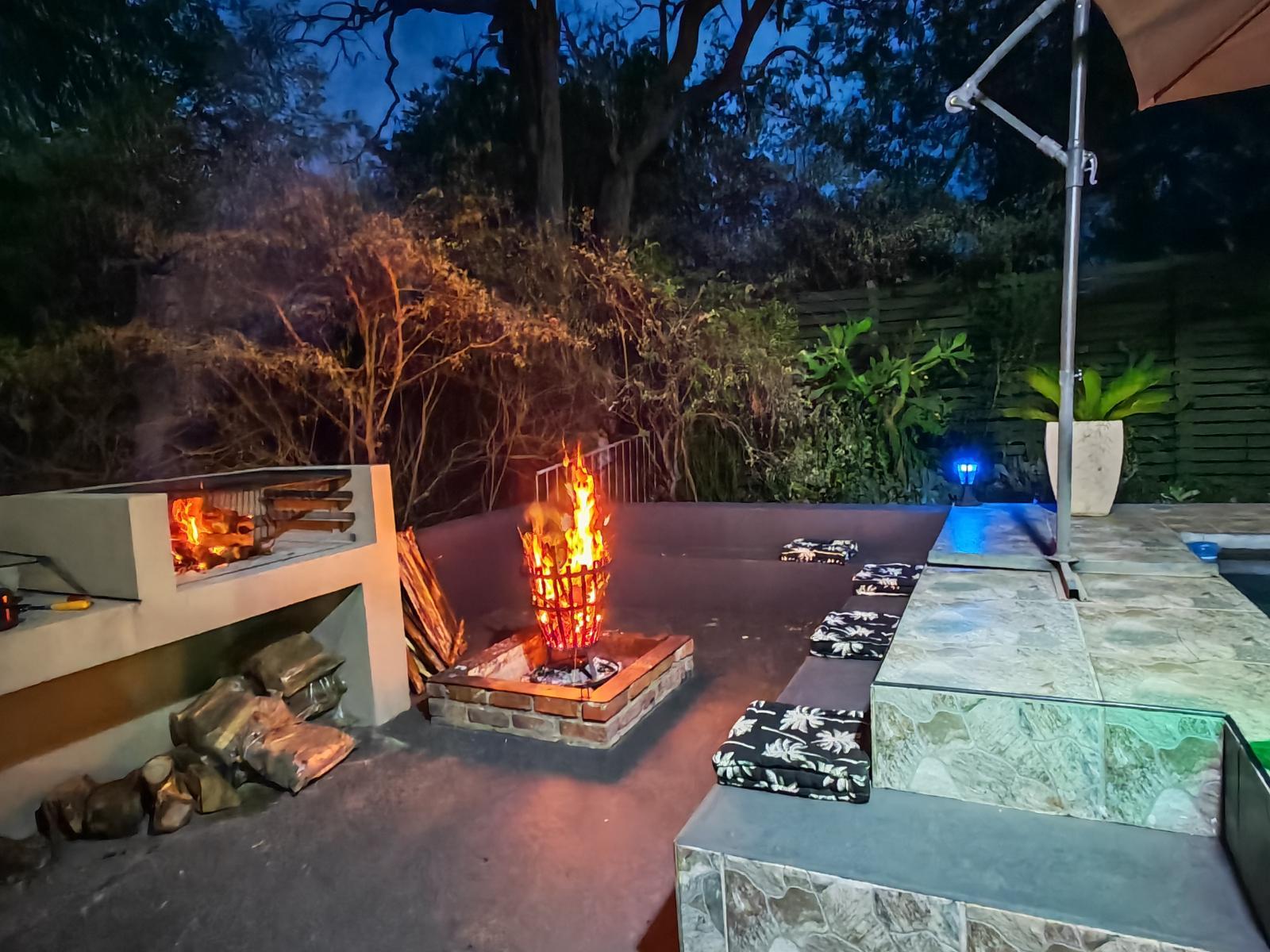
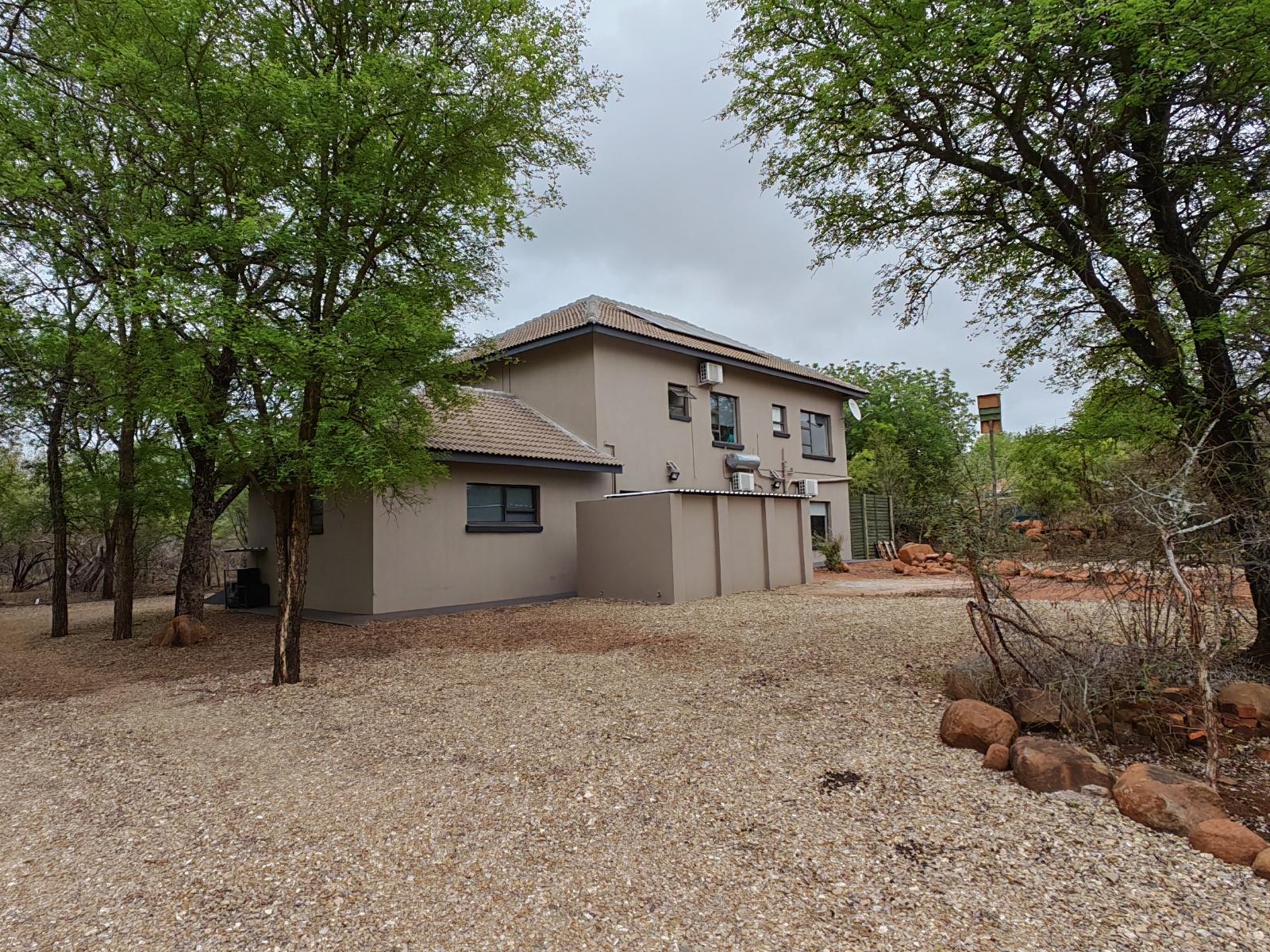
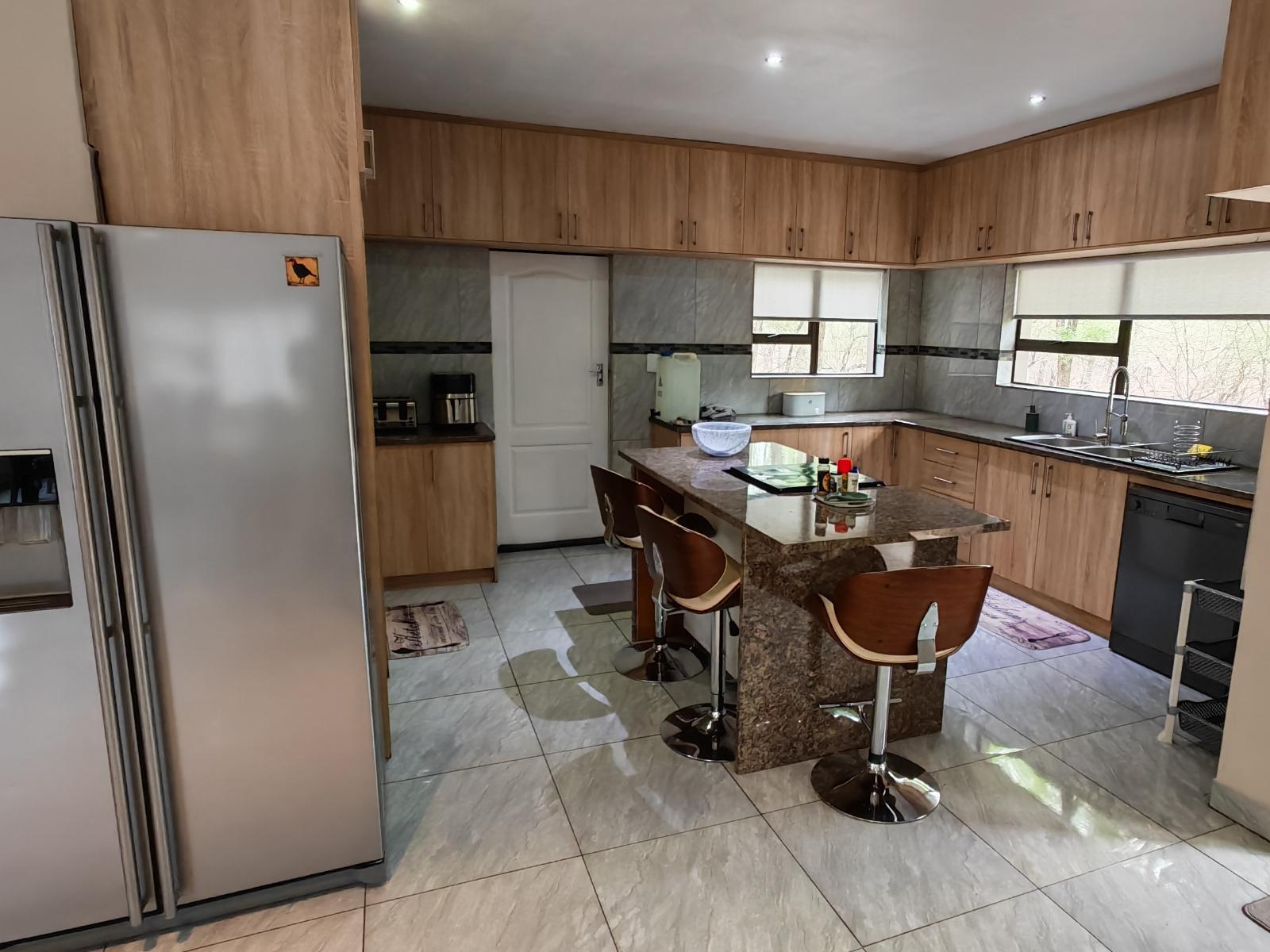
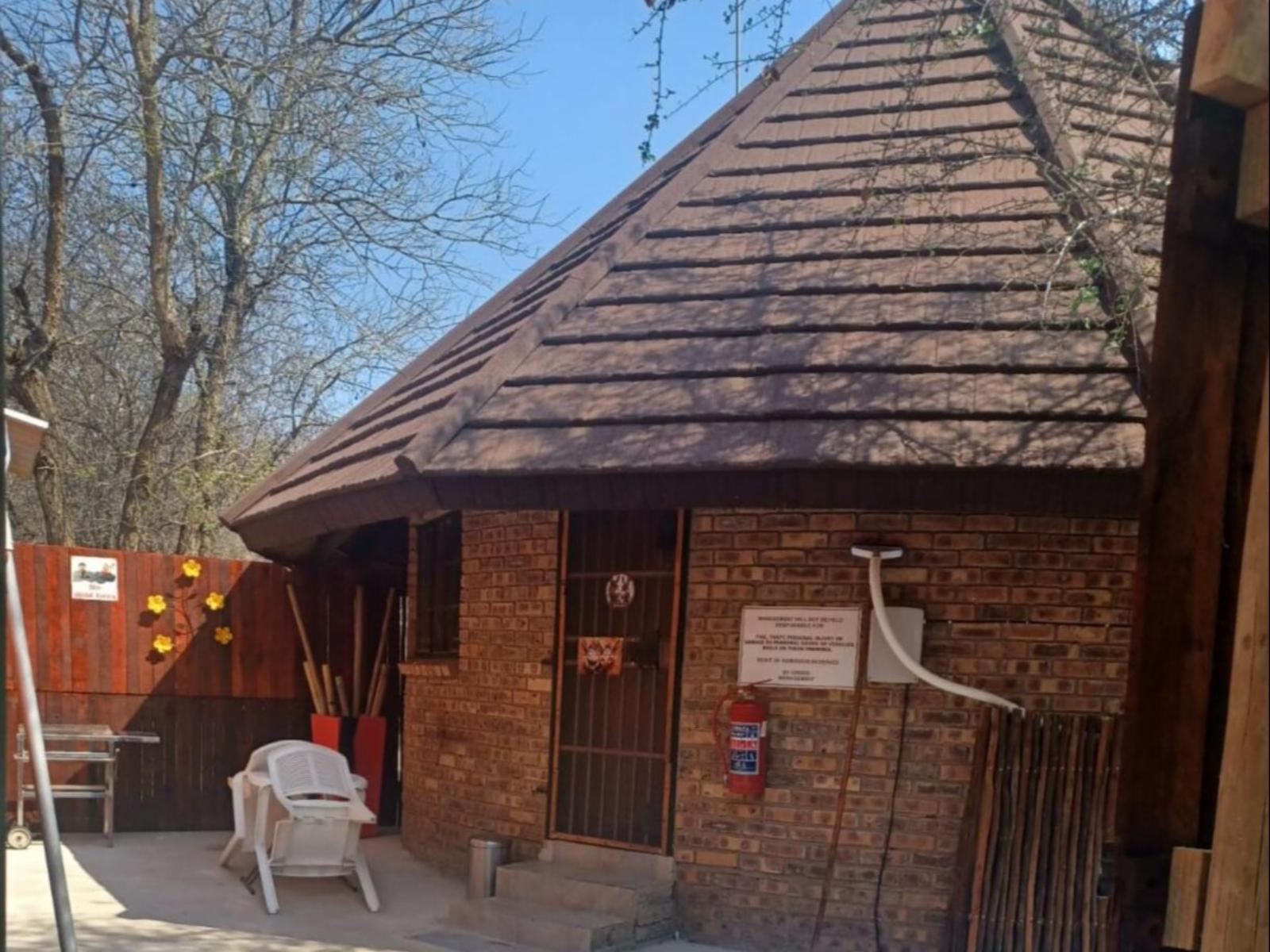
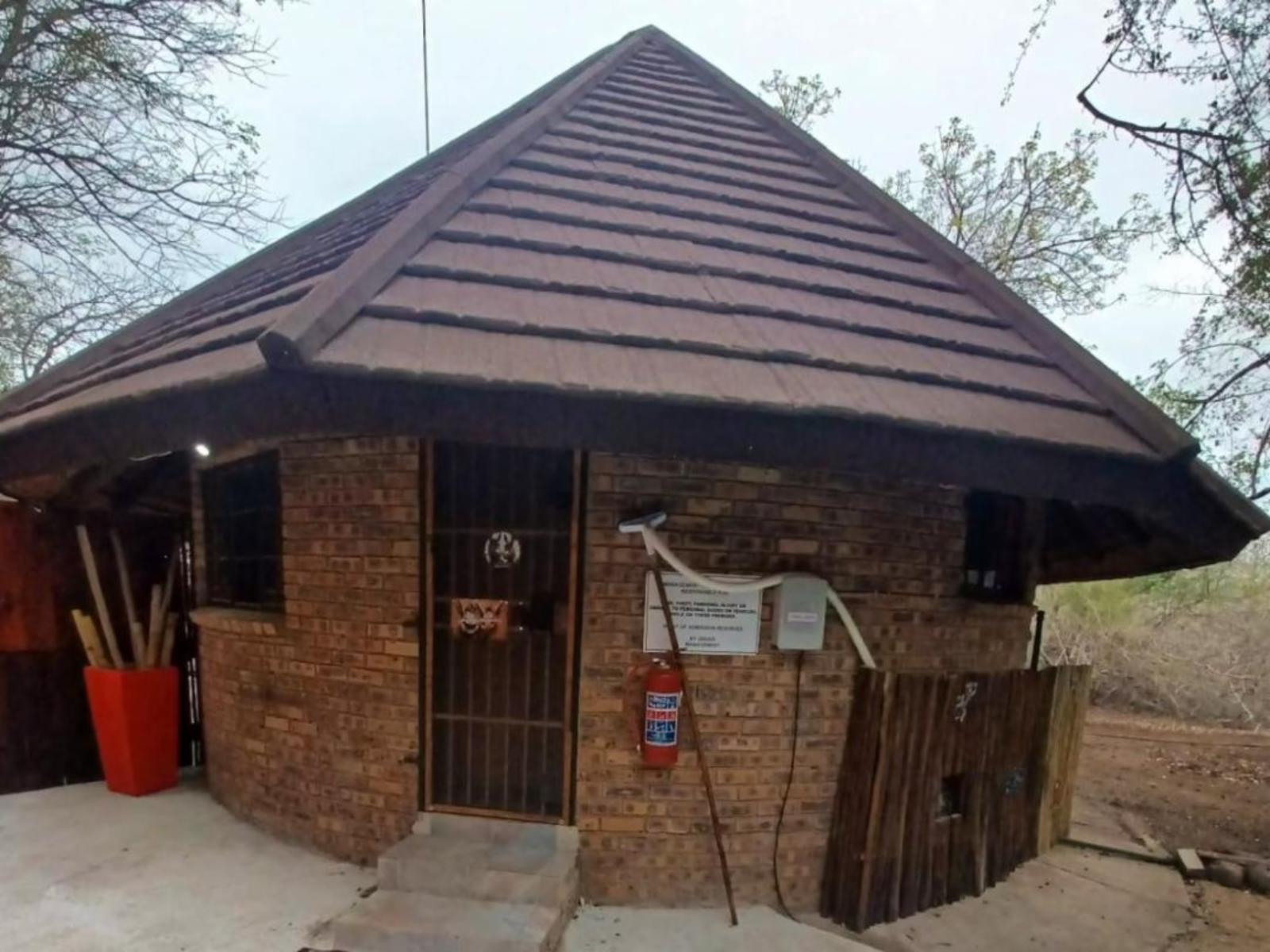
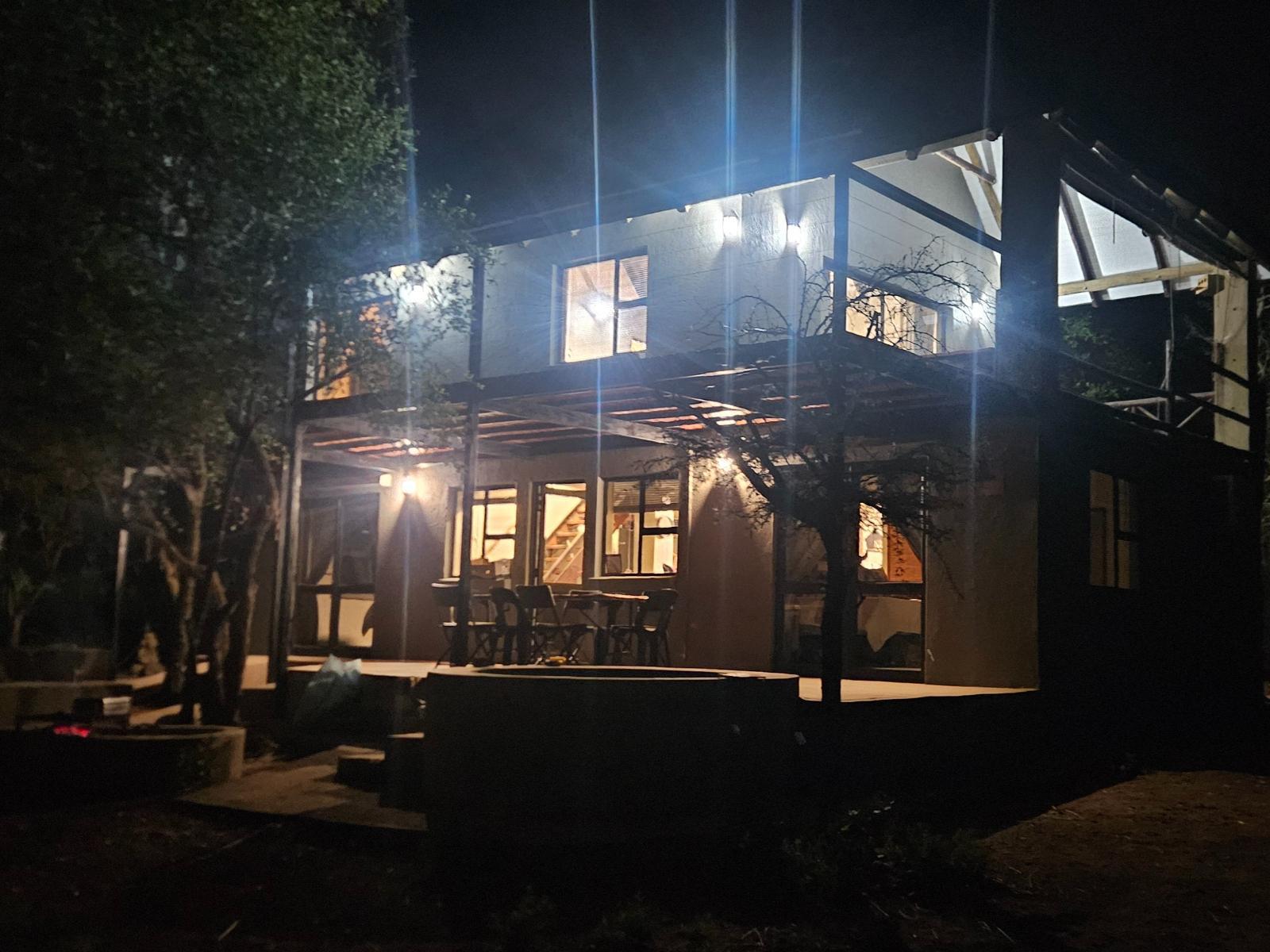
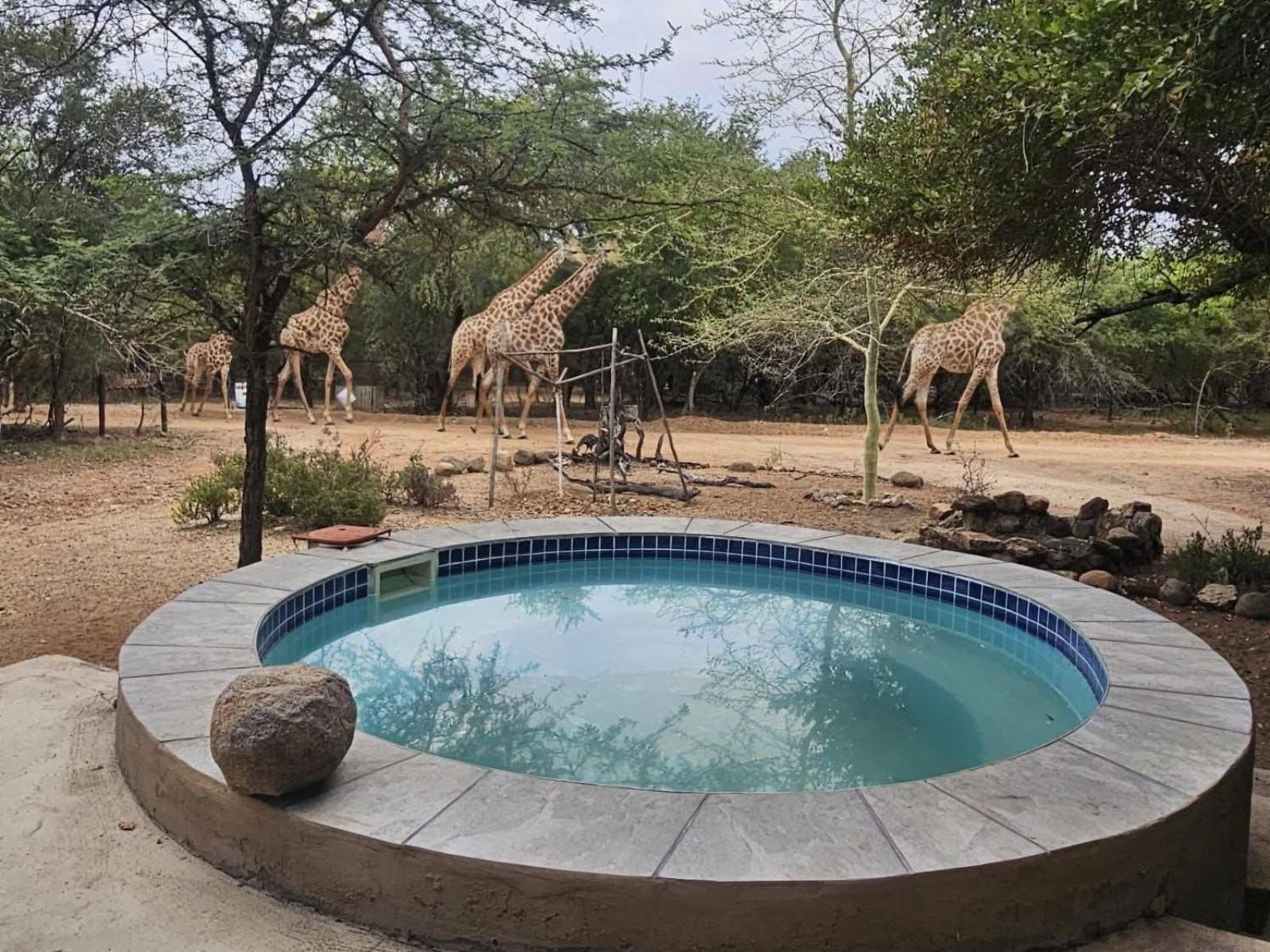
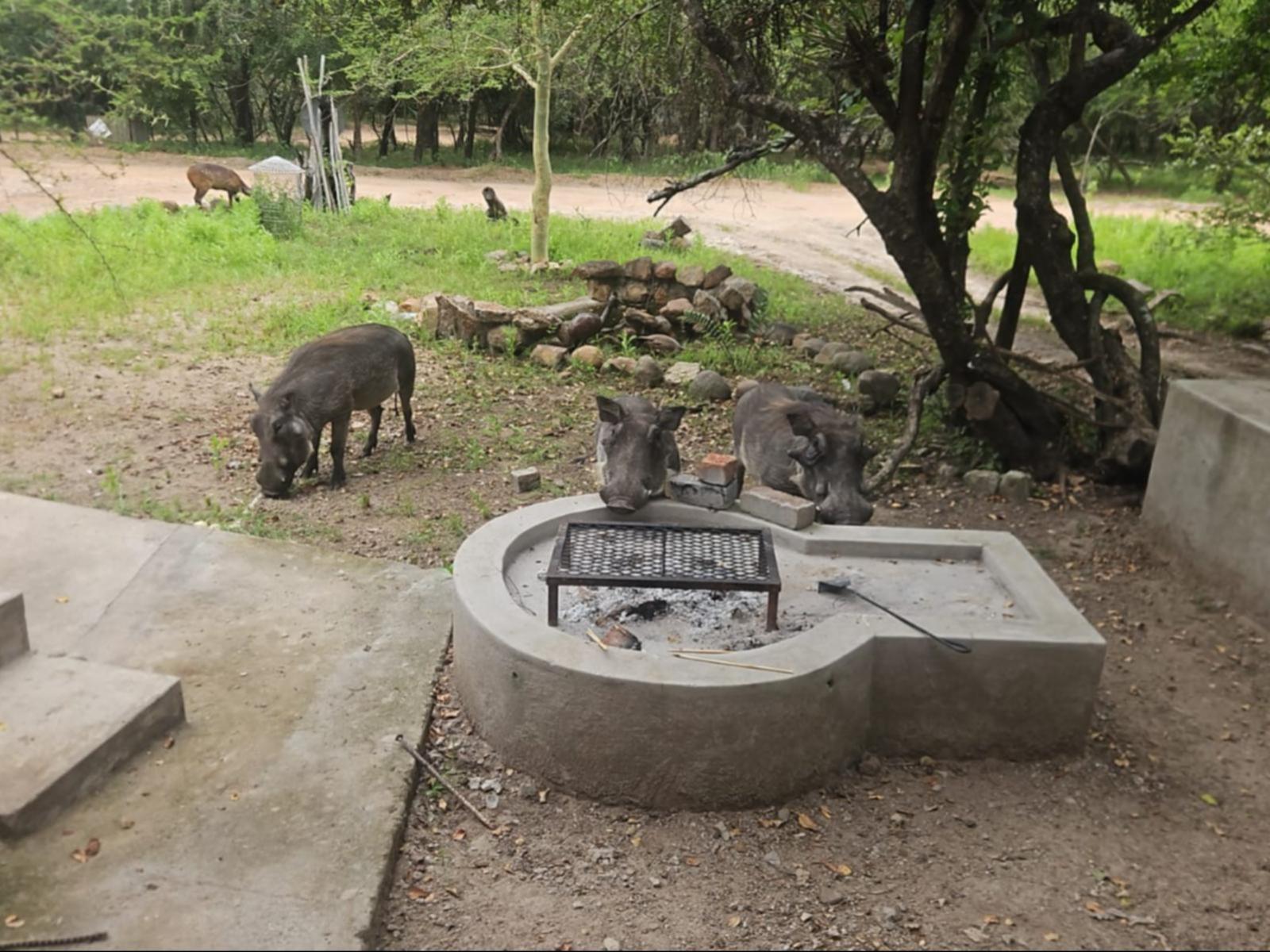
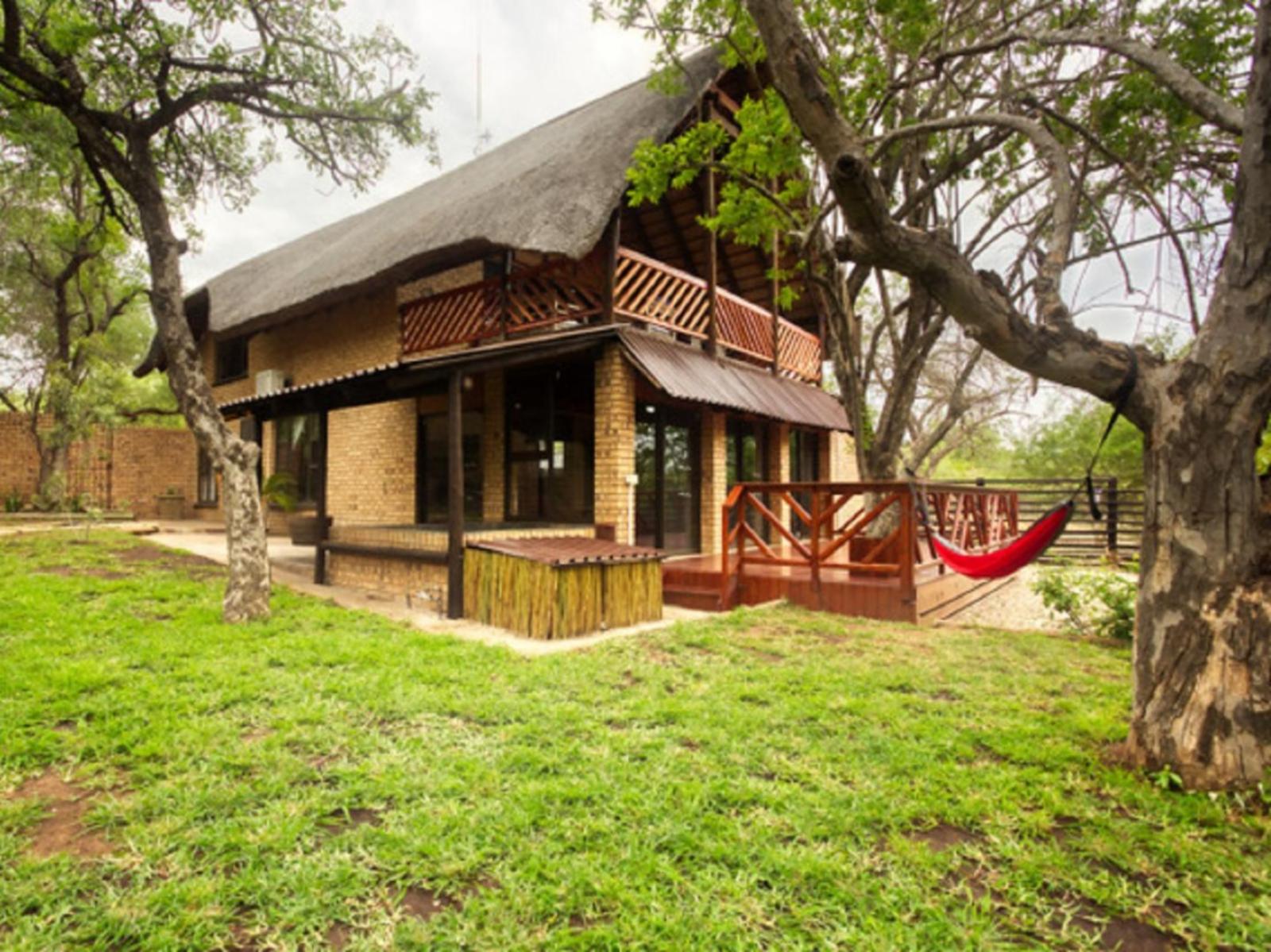
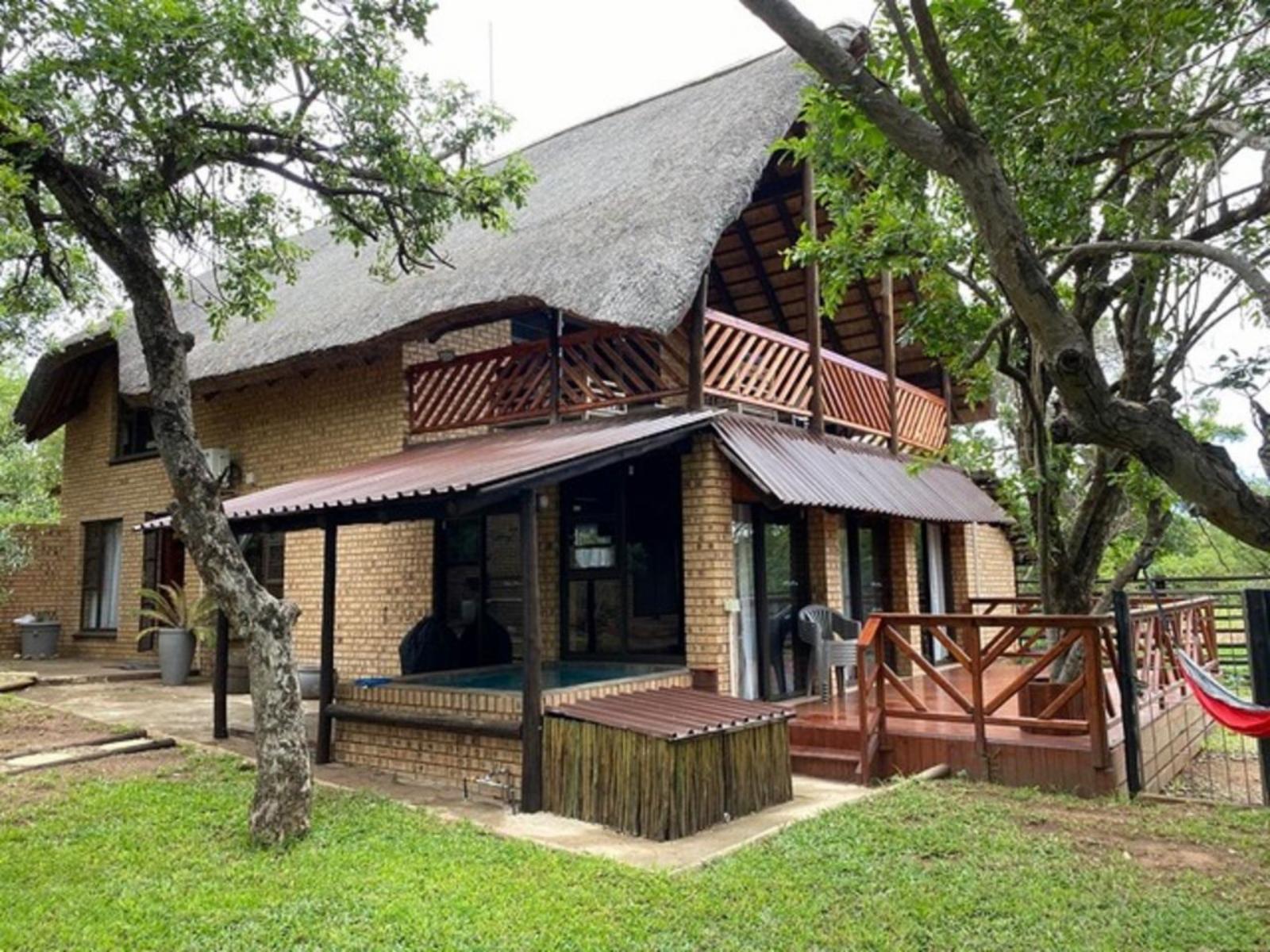
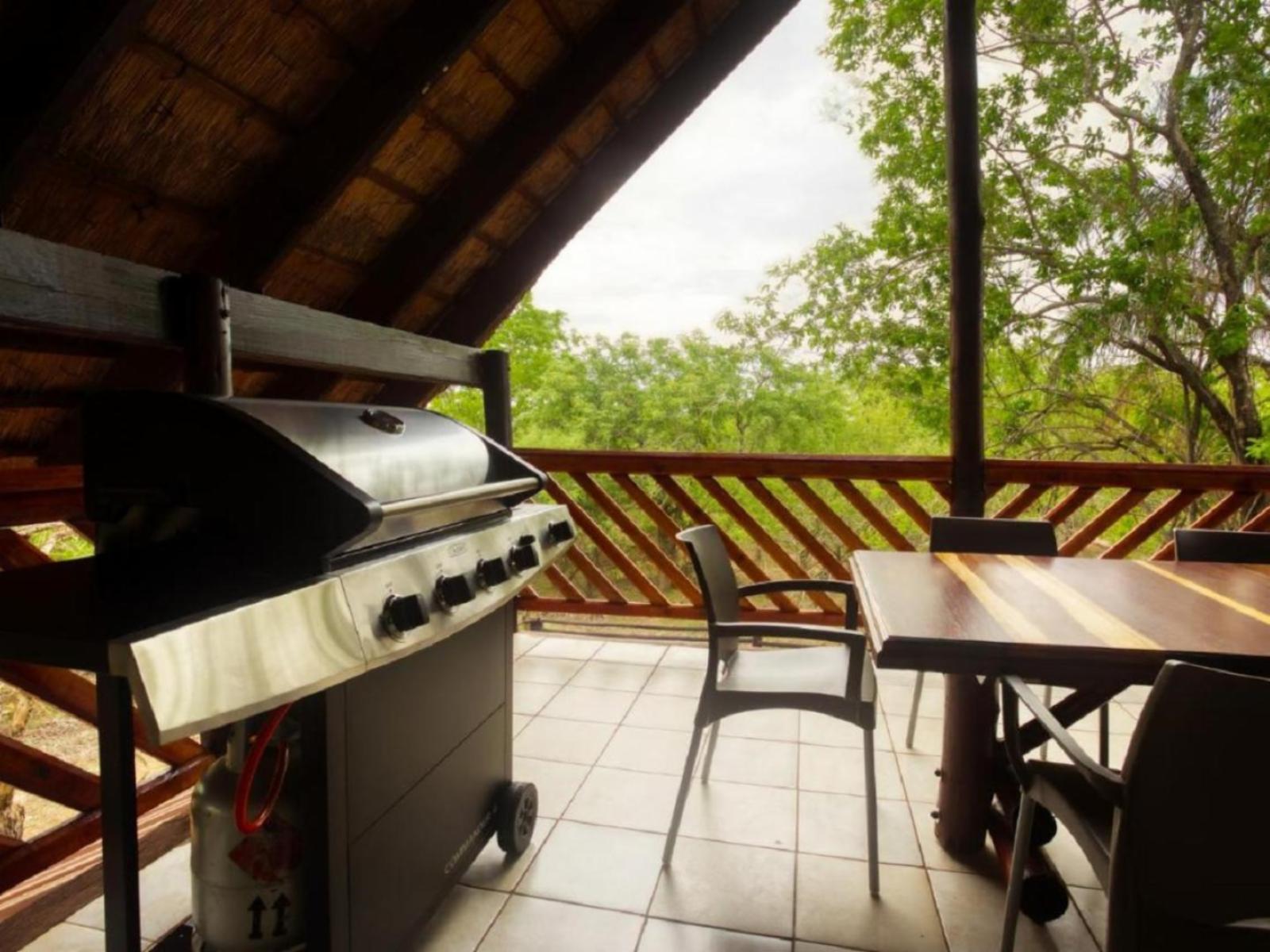
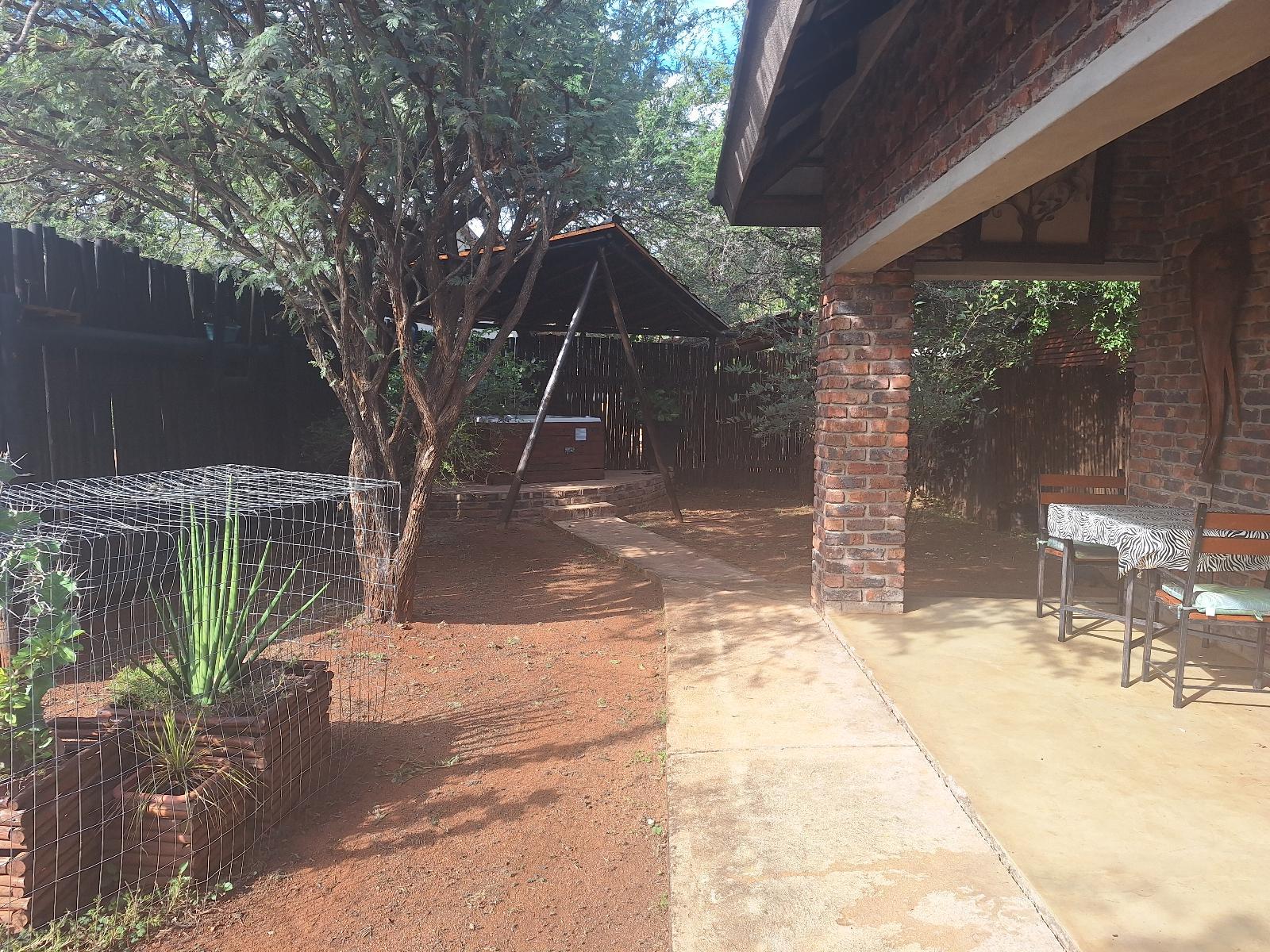
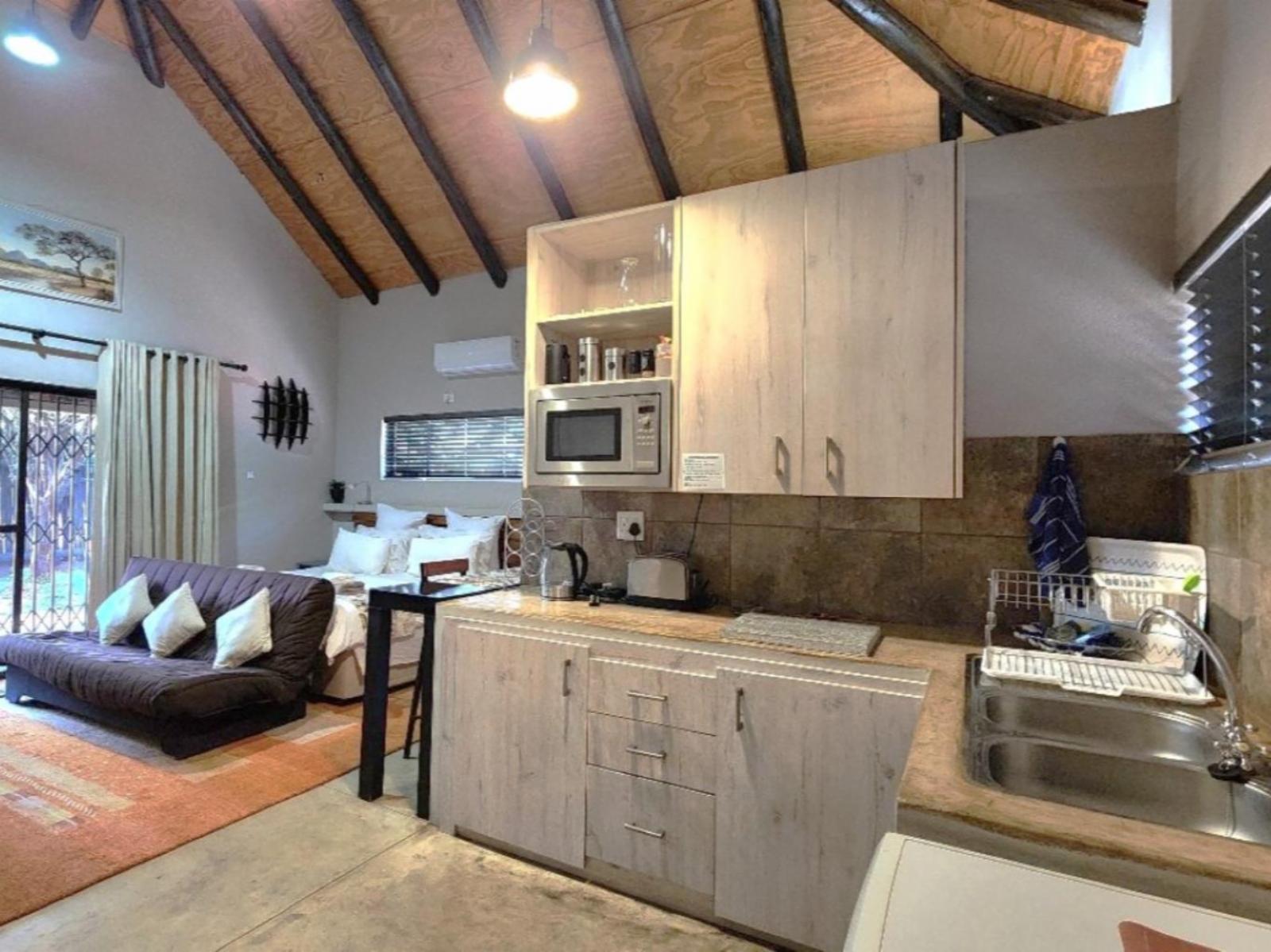
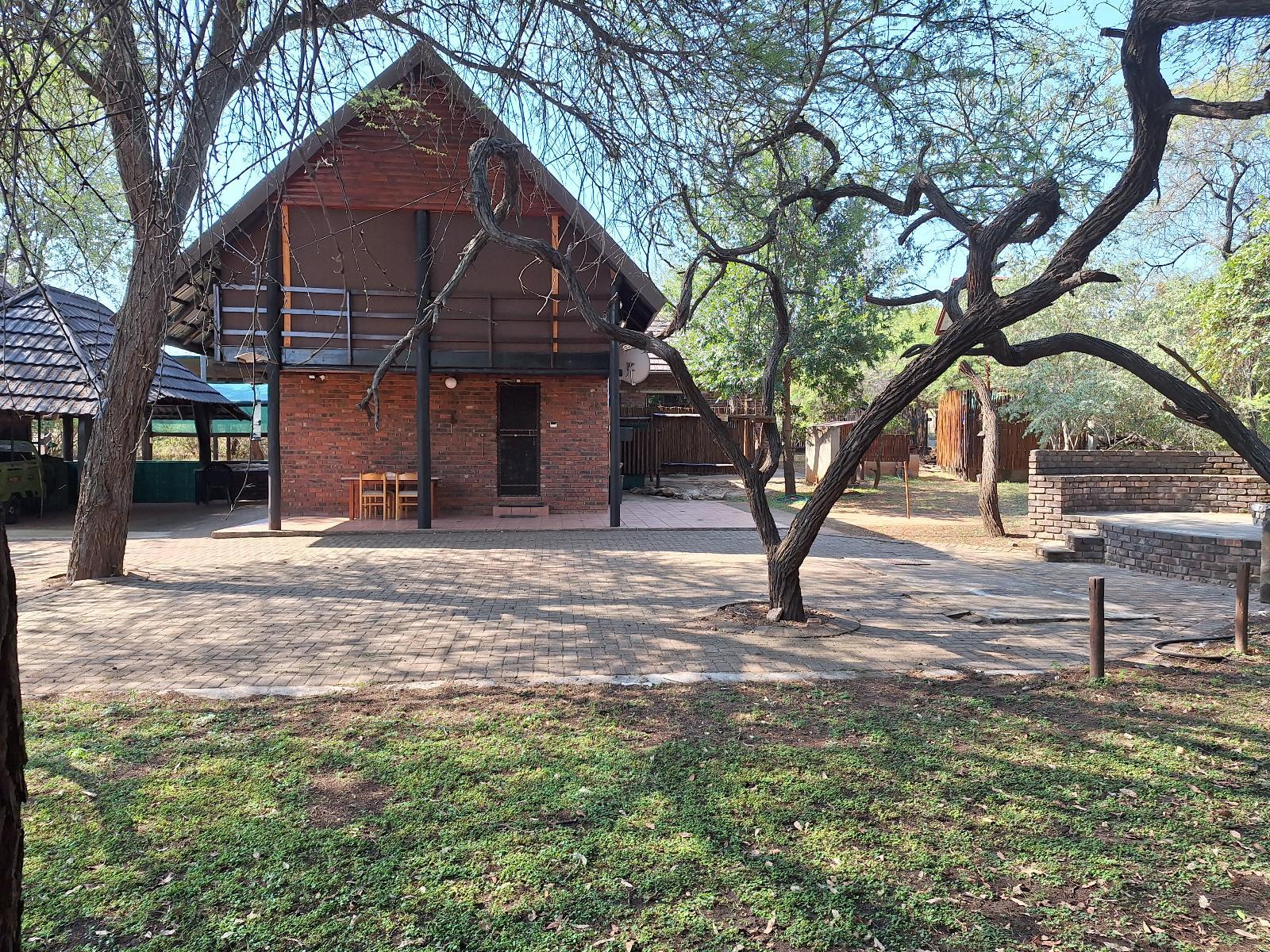
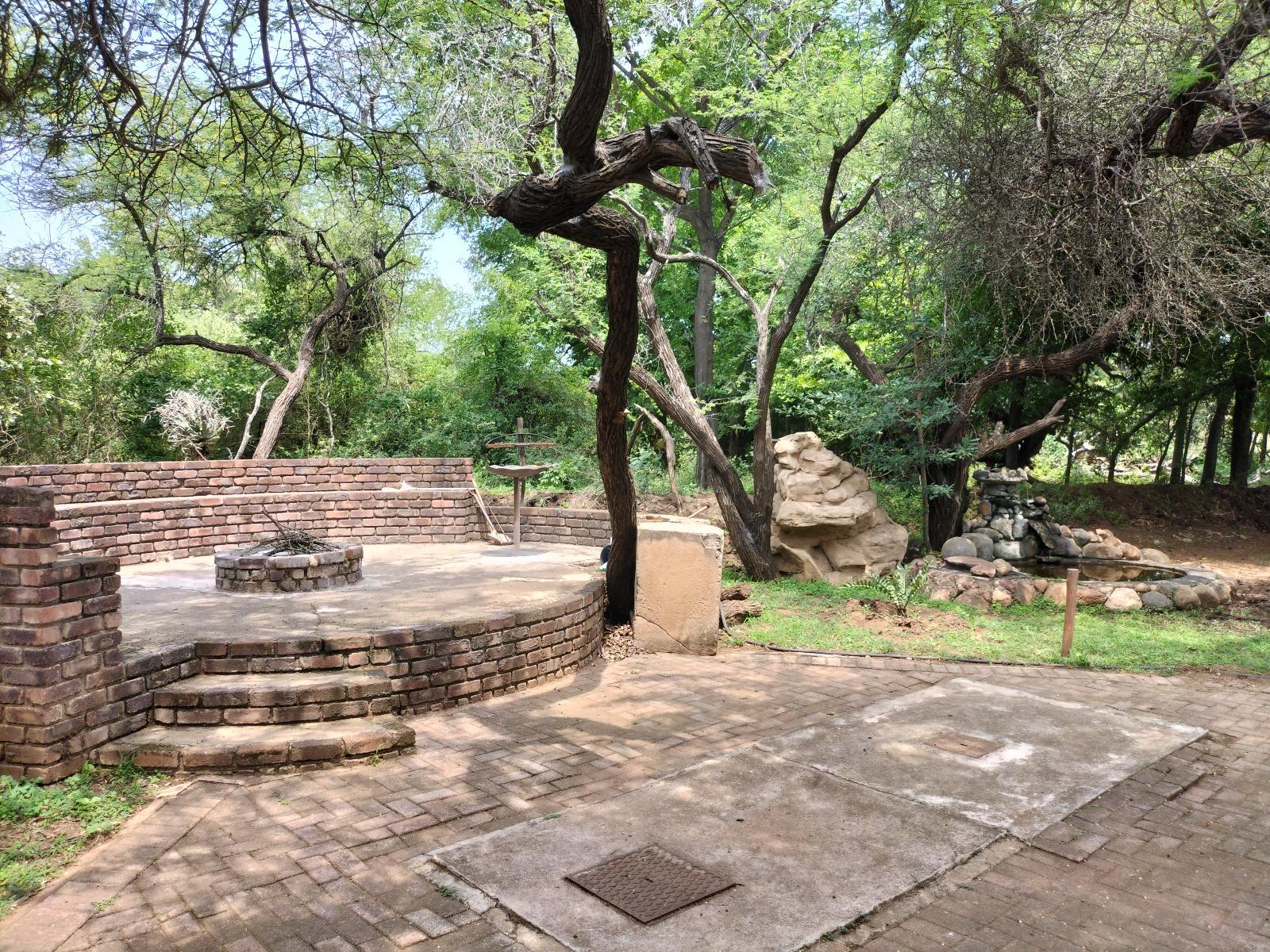
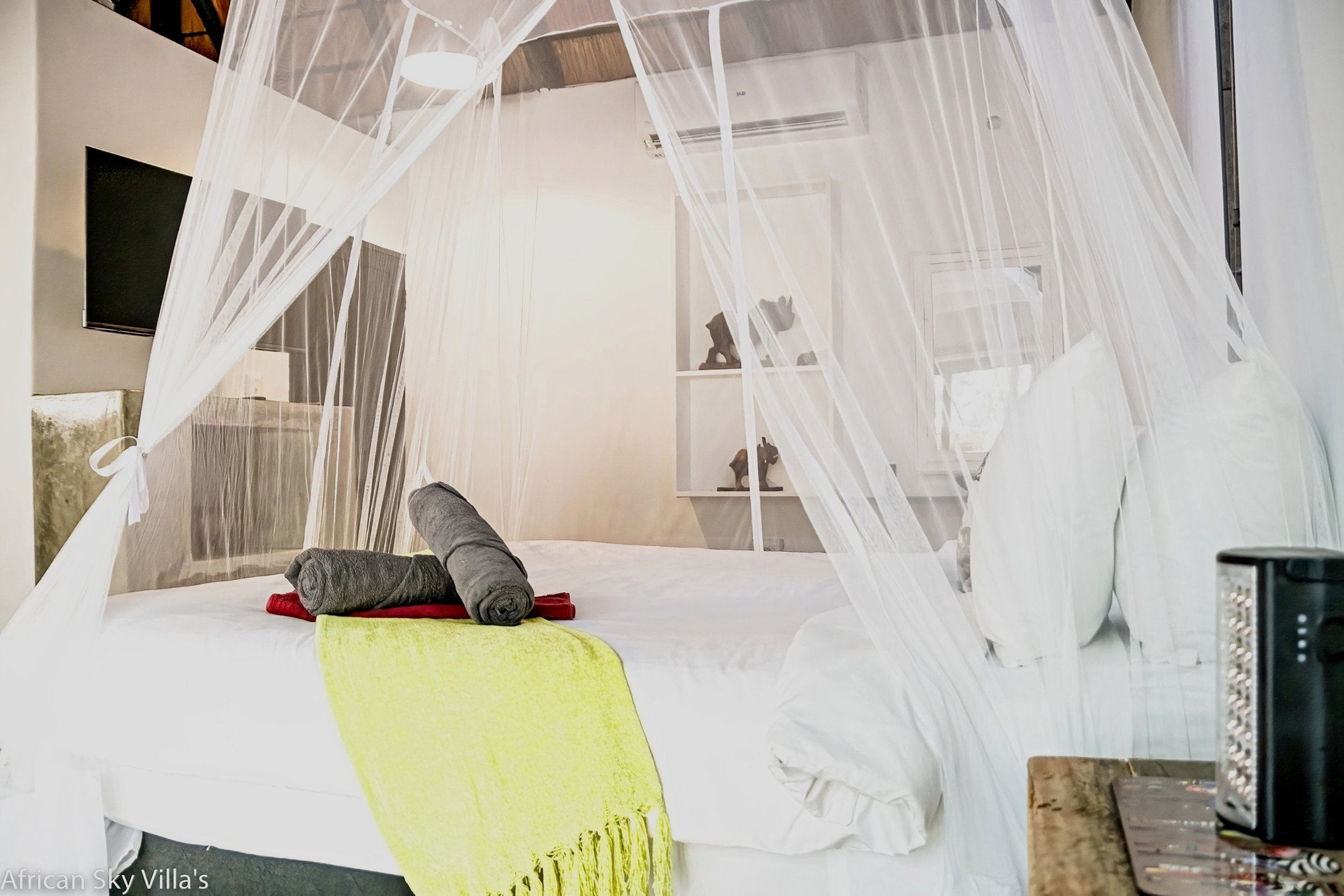
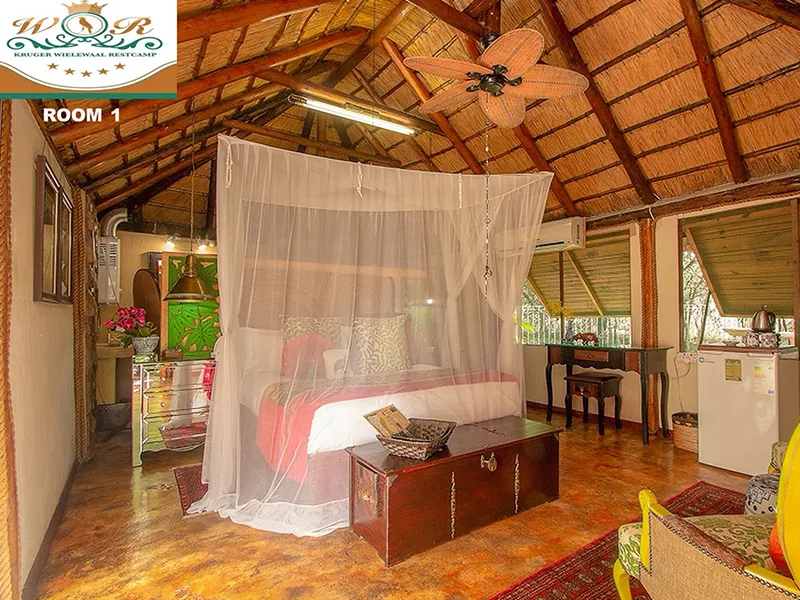
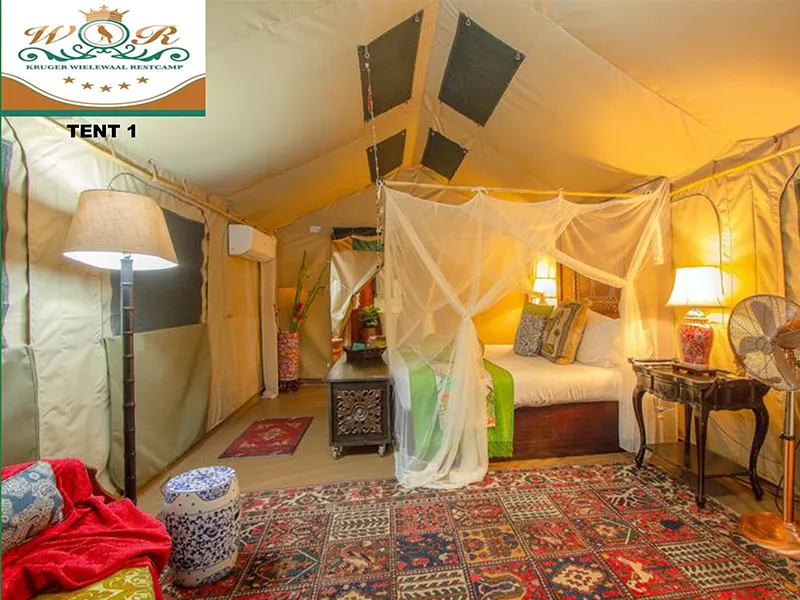
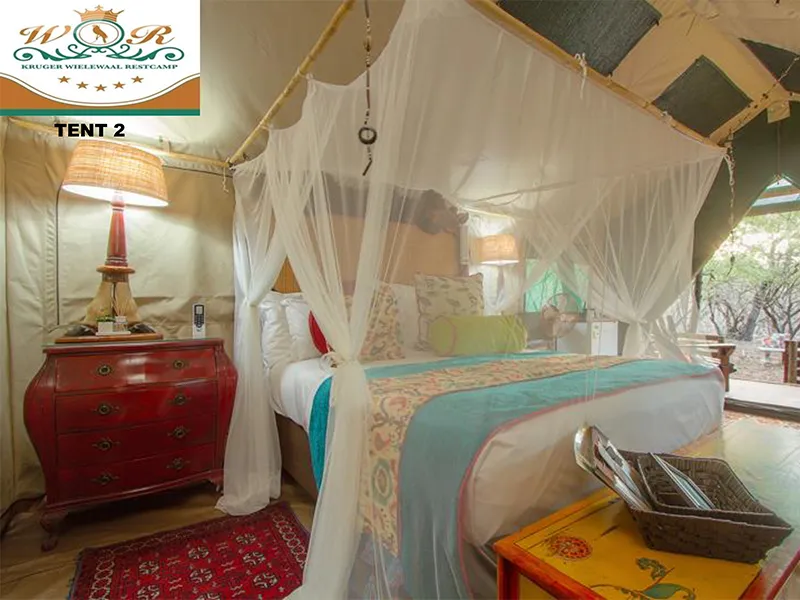
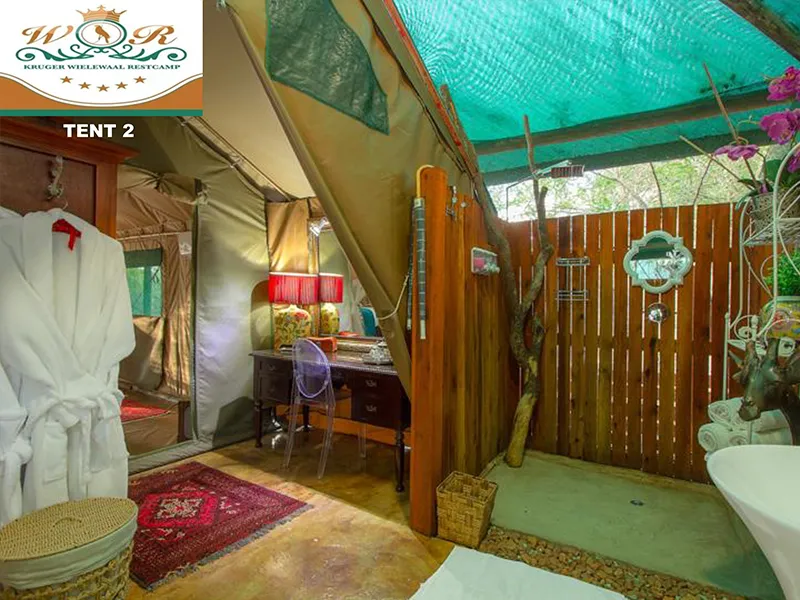
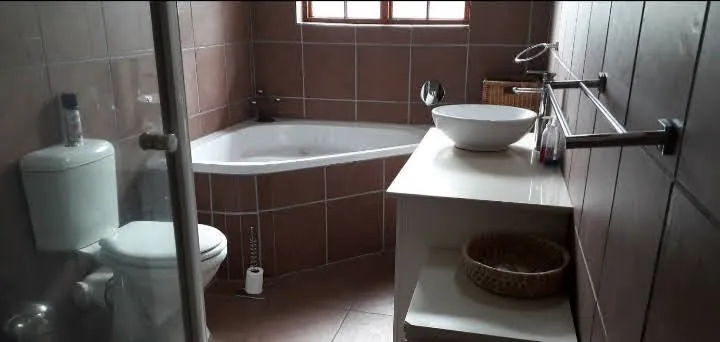
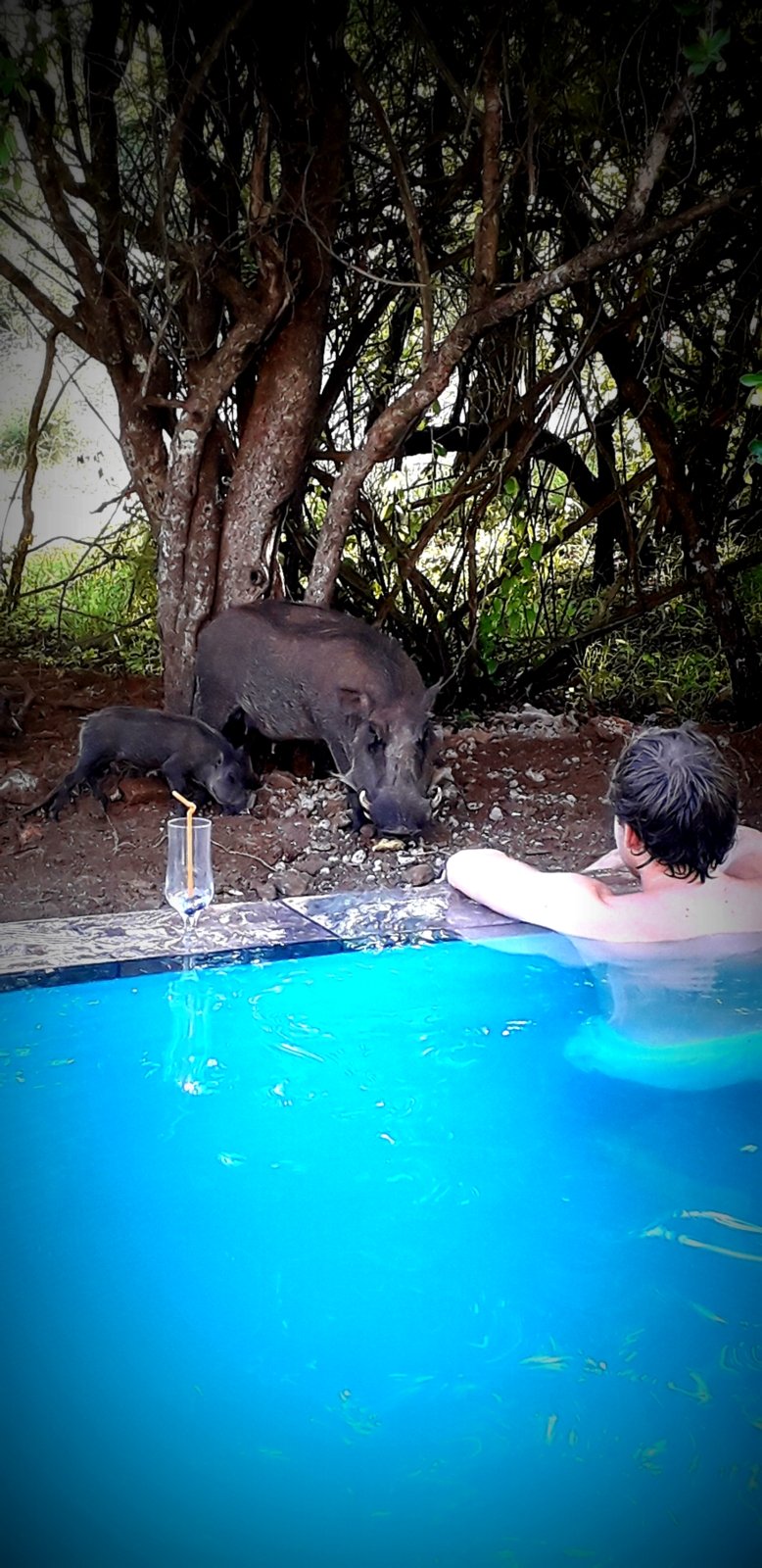
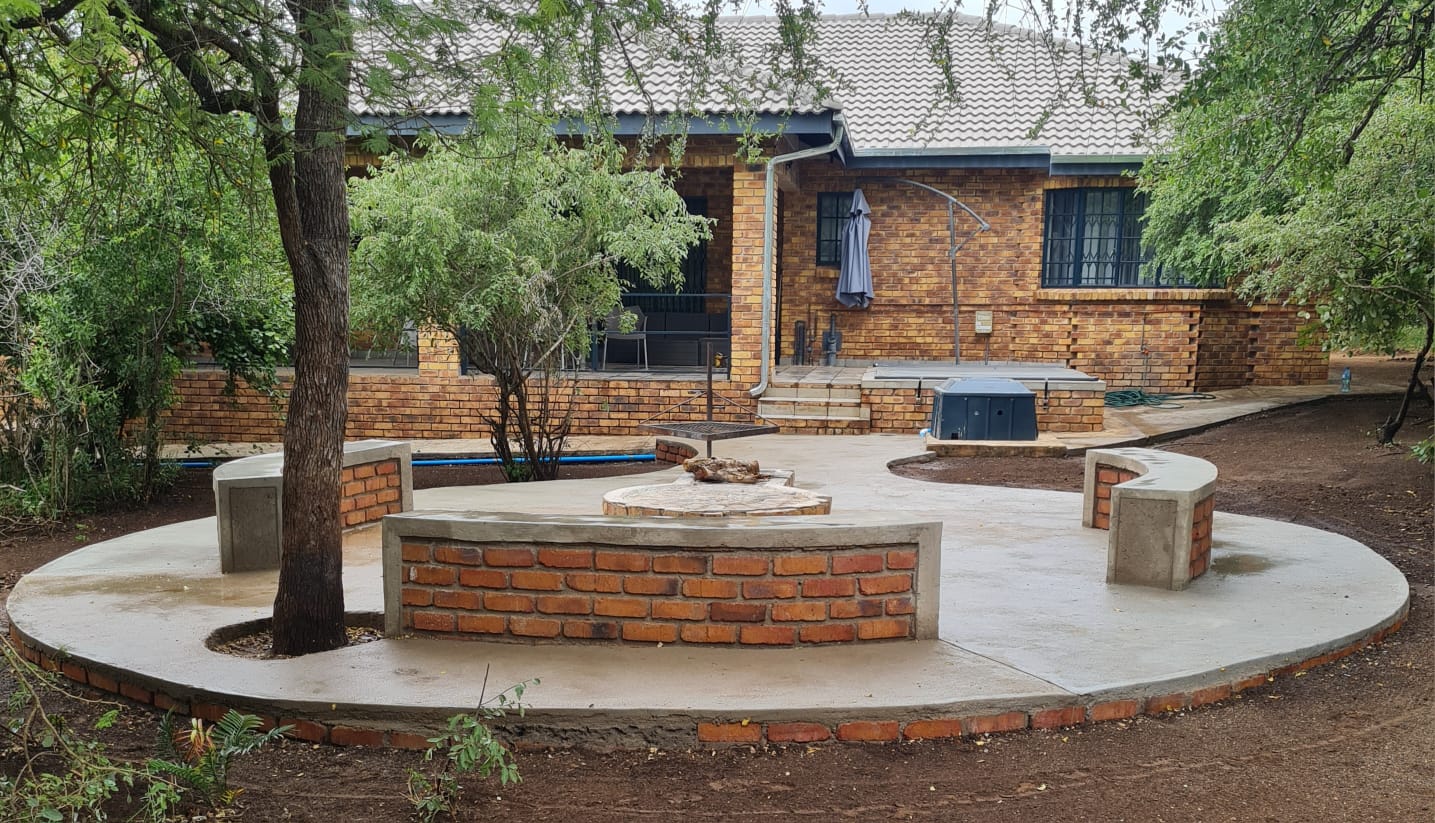
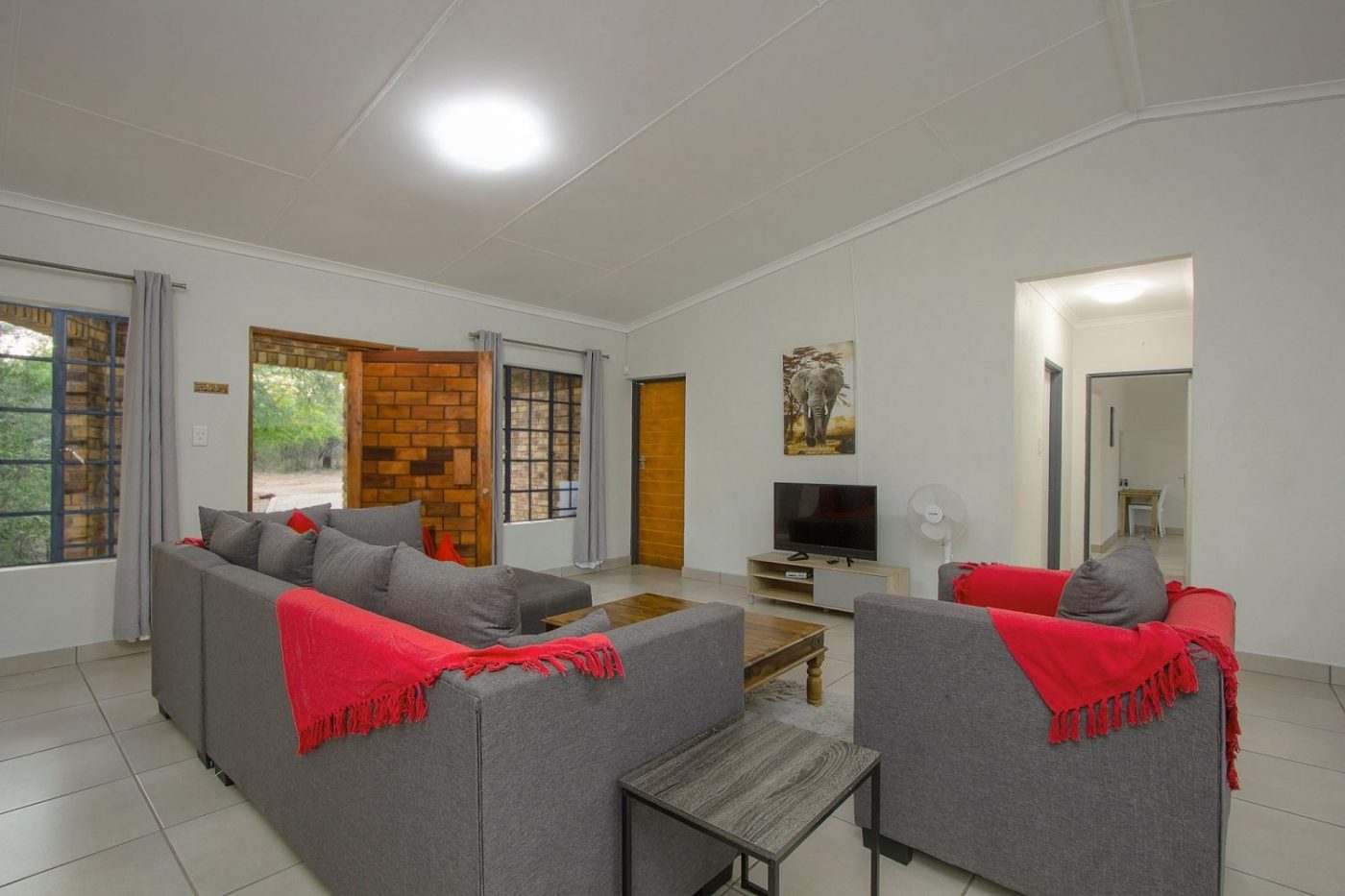
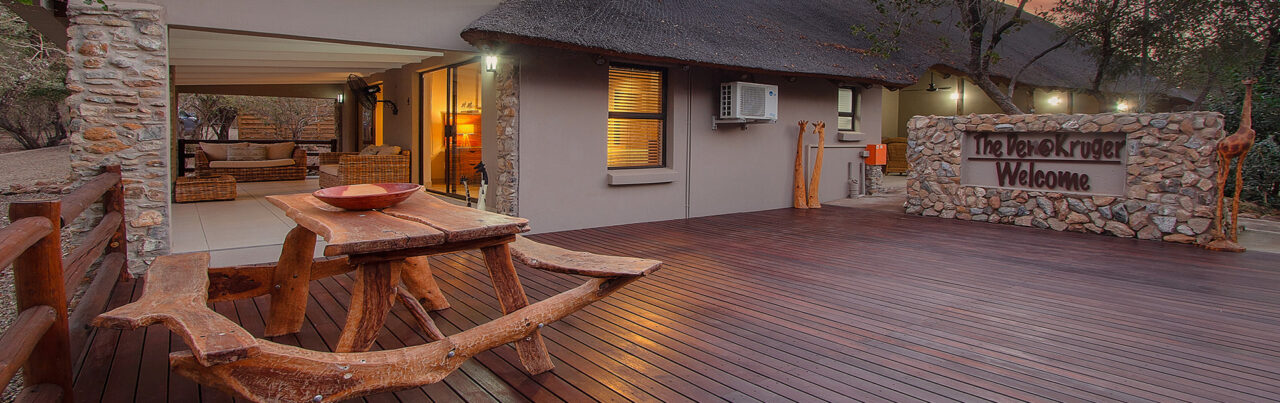
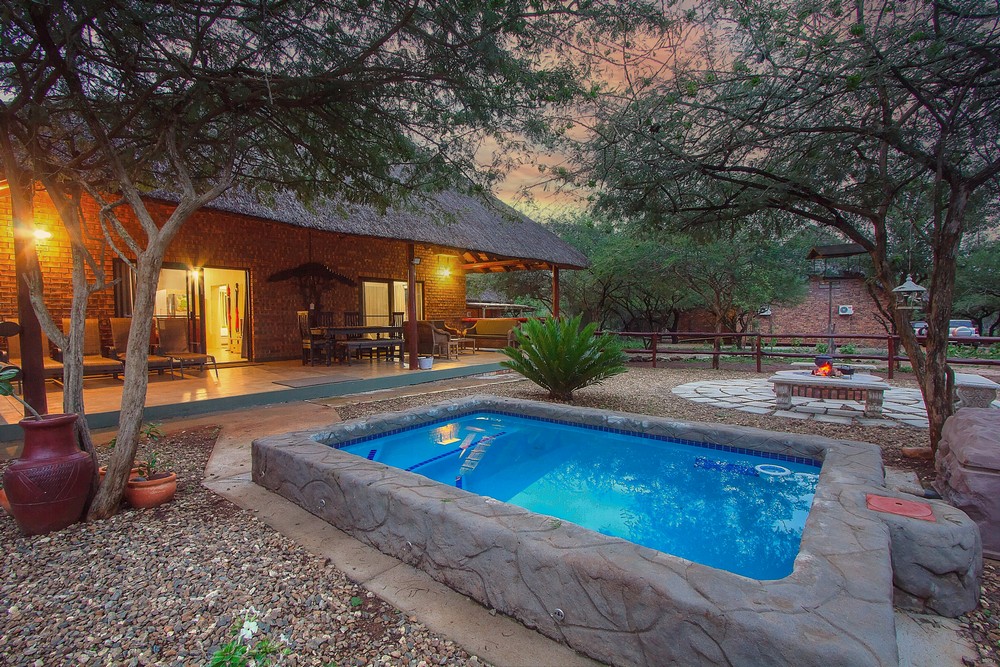
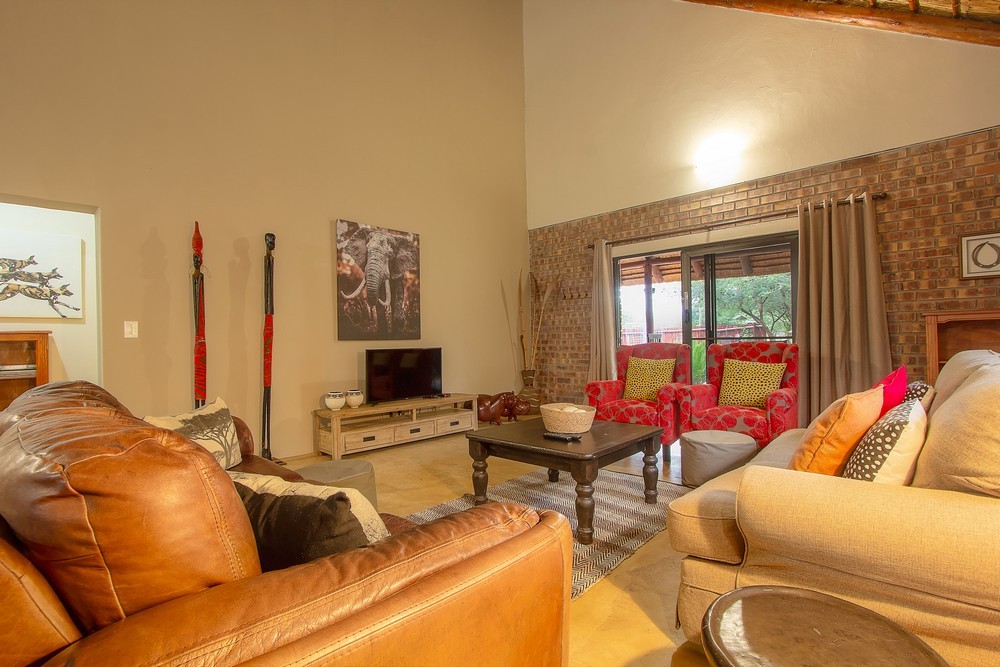
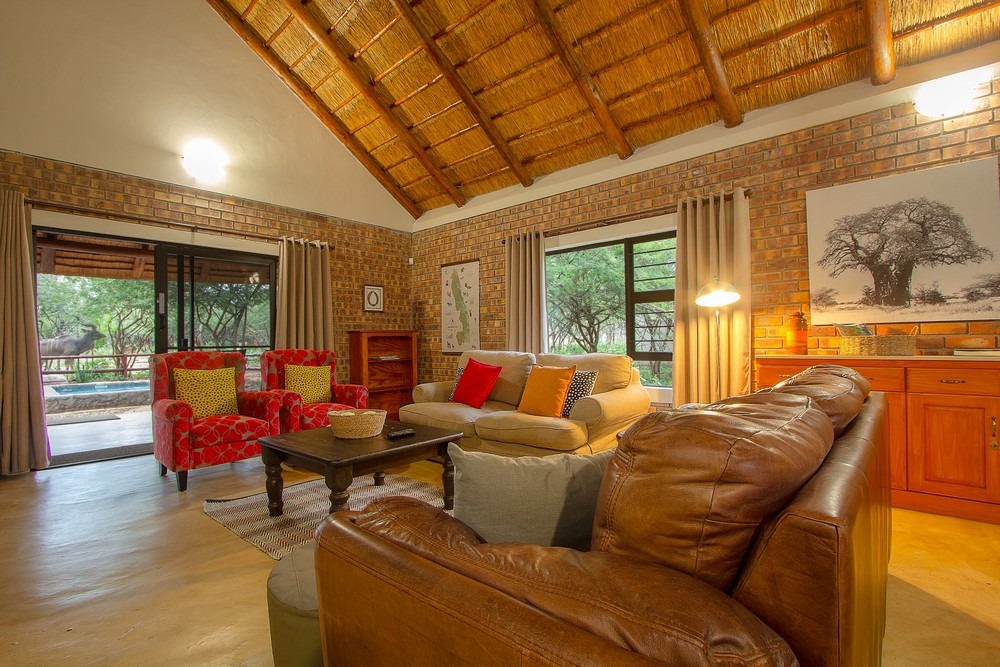
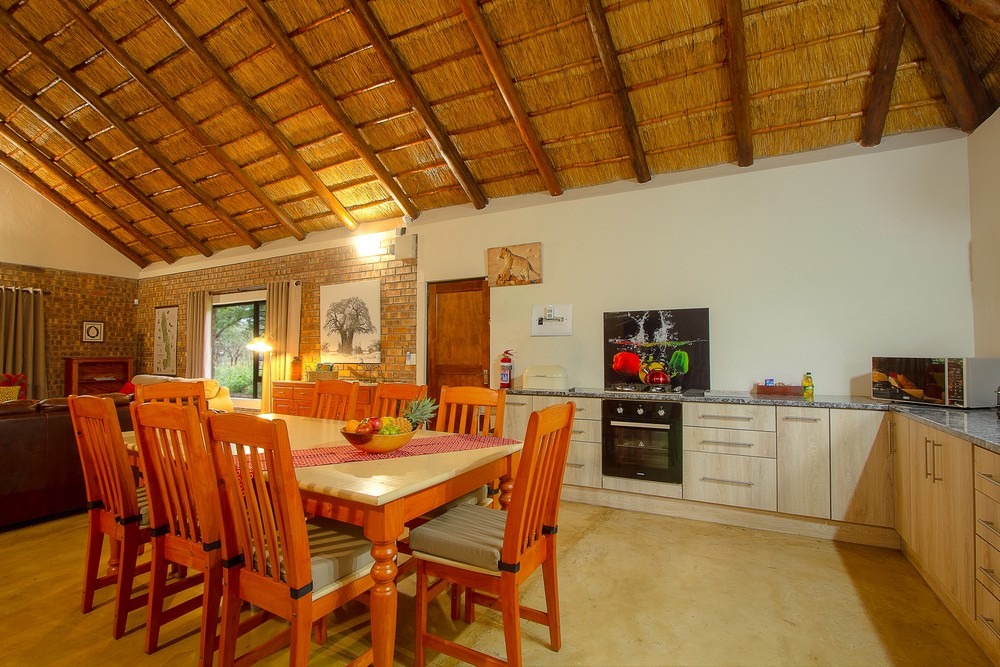
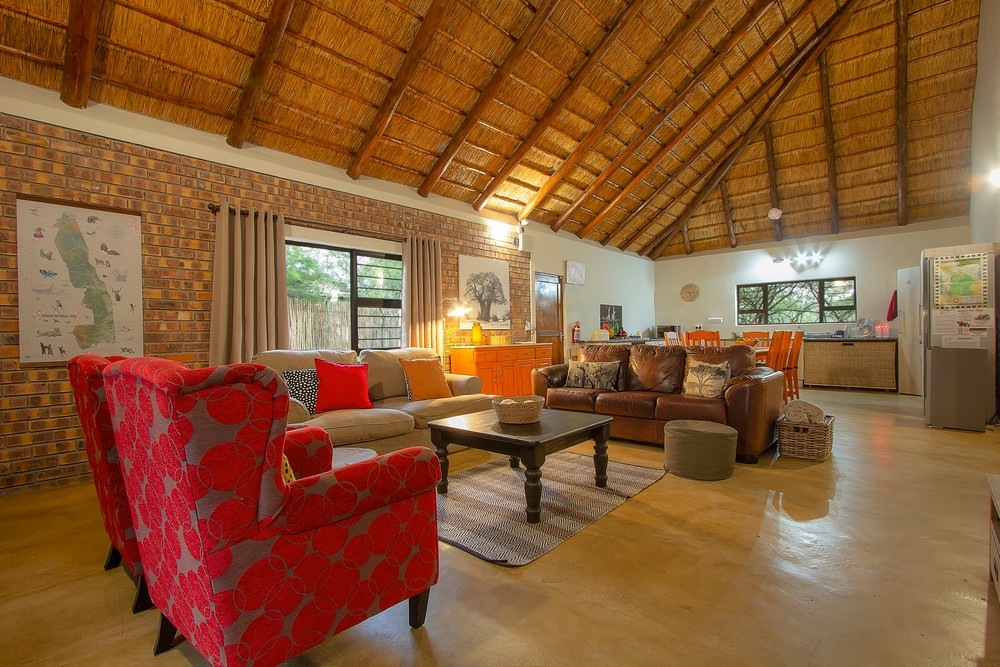
The more accessible price tier is covered by self-catering properties, where four options average around R2,146 per night. These are independently run houses or chalets with full kitchen facilities, outdoor braai setups, and gardens that give families room to move. Many sit on large plots where impala and warthog wander through at their own pace, and the self-contained format suits guests who want flexibility over structure. For a group splitting costs, this category offers good value relative to the experience.
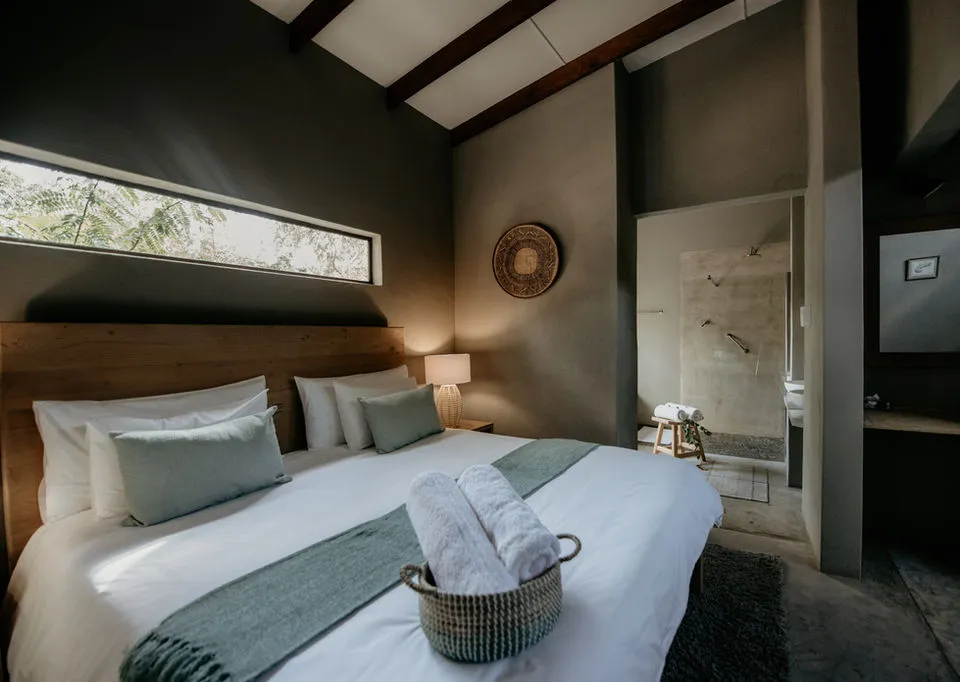
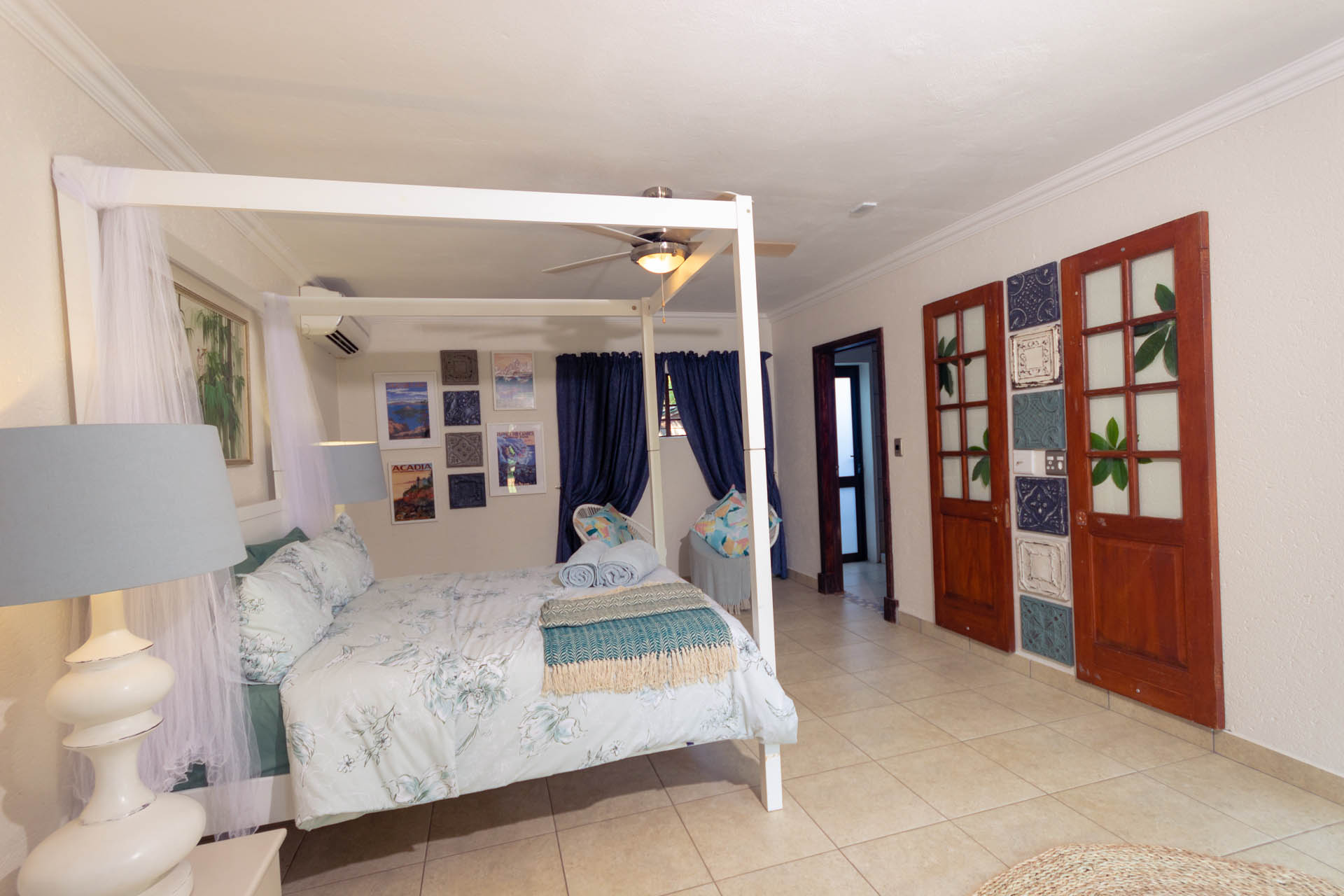
A bed and breakfast on the estate provides a middle ground, with a host on site, meals handled at the start of each day, and a more social atmosphere. This arrangement works well for couples or solo travellers who would rather not manage their own catering, and falls comfortably in the mid-range bracket.
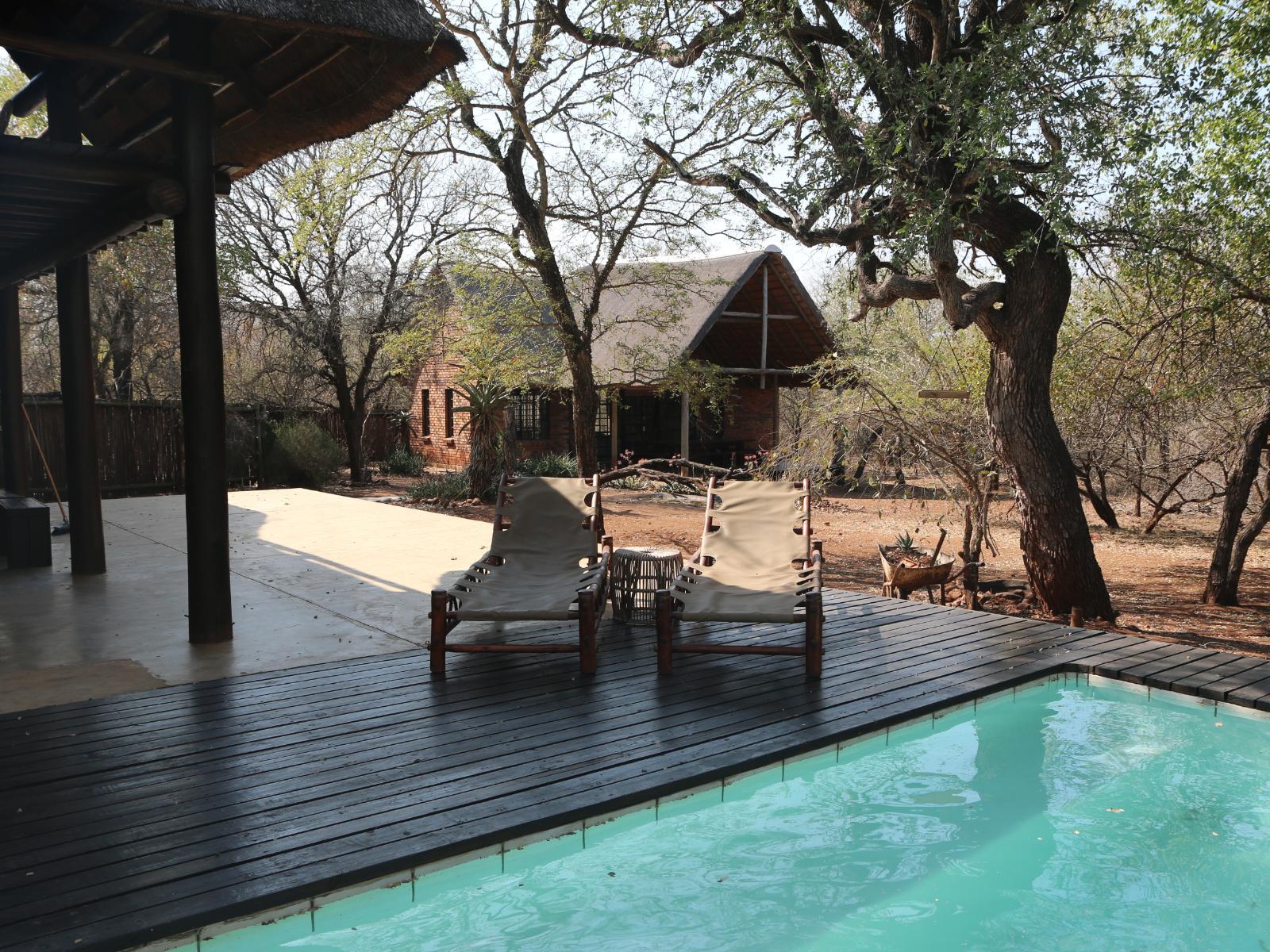
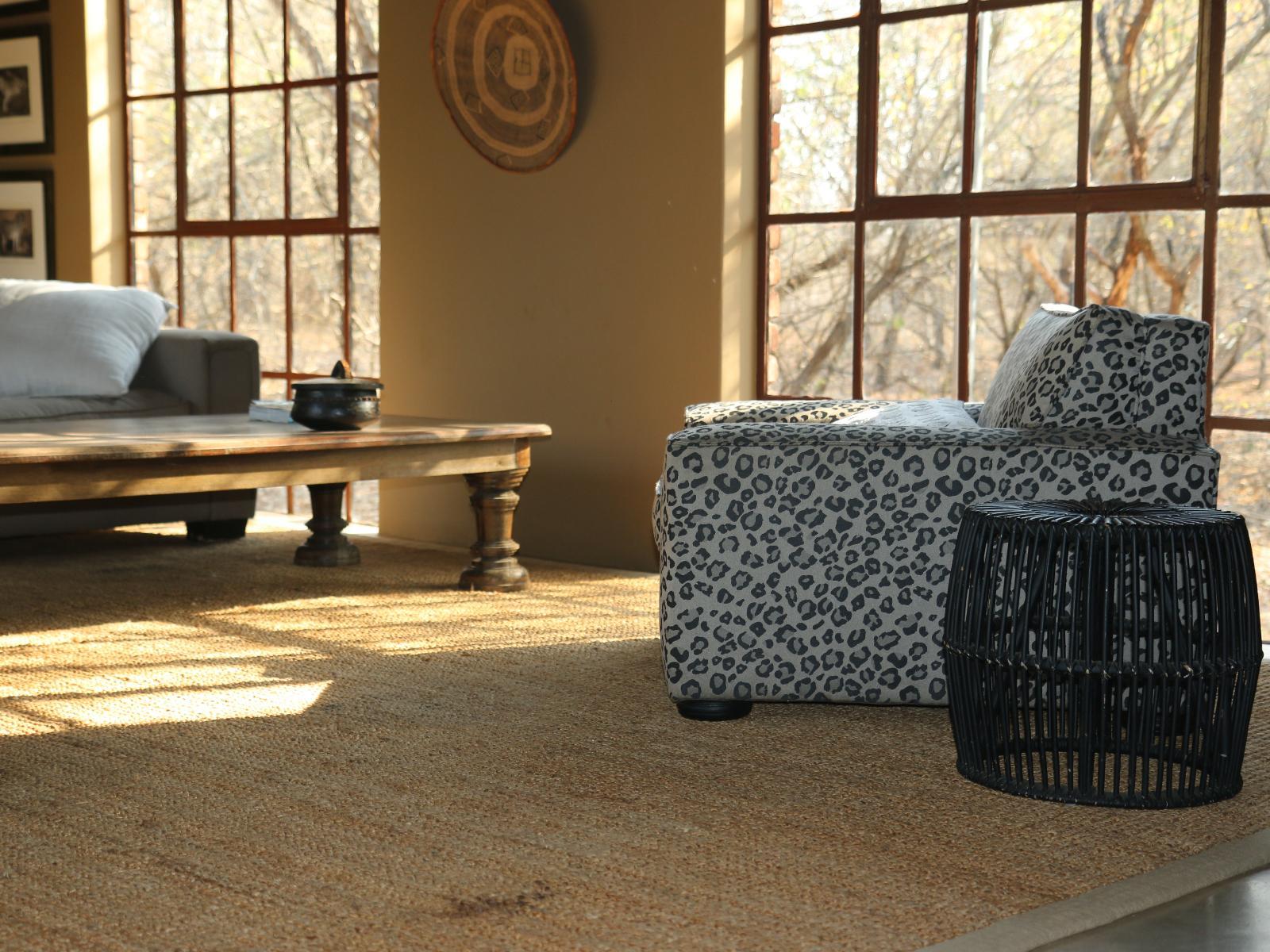
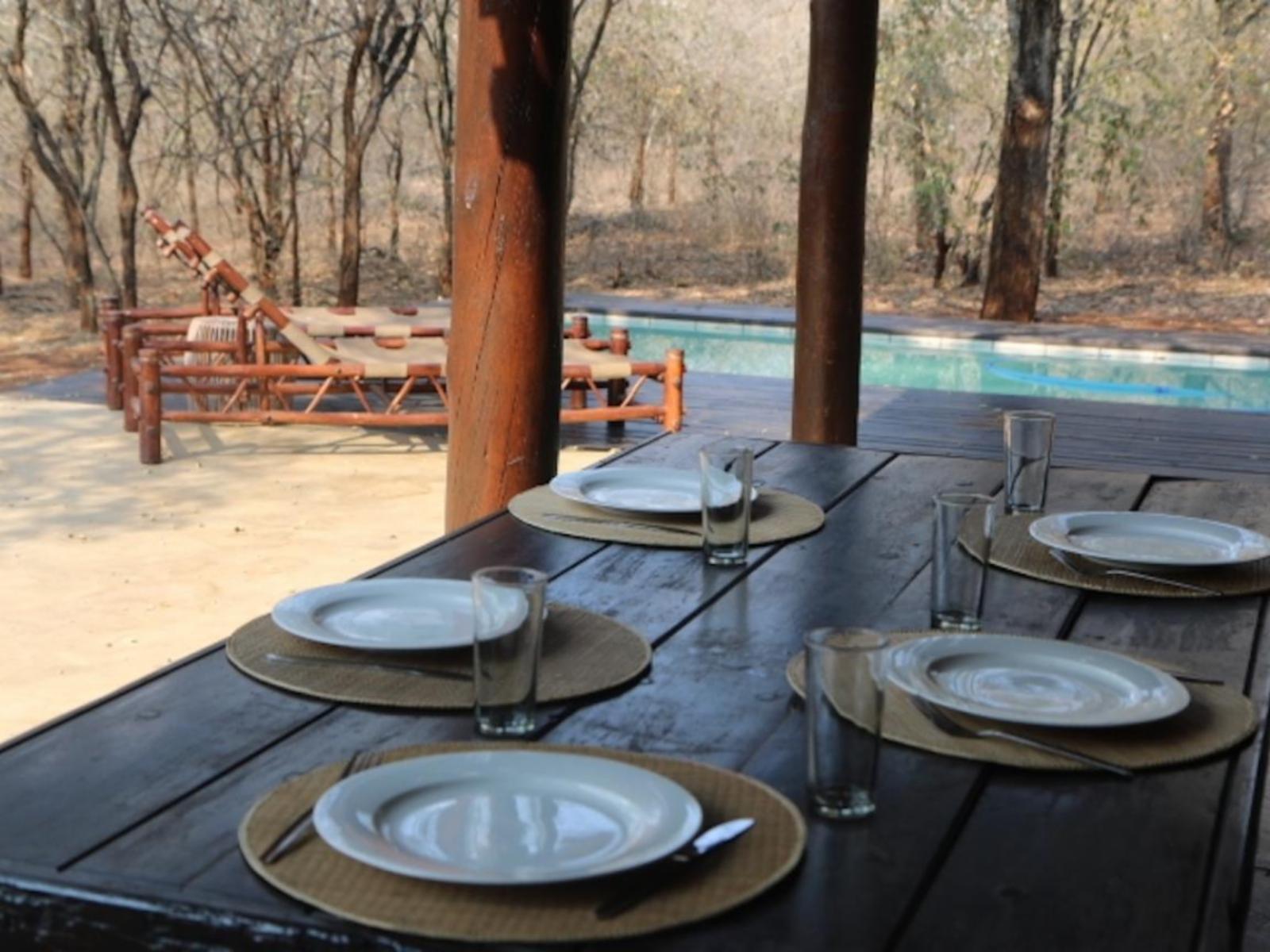
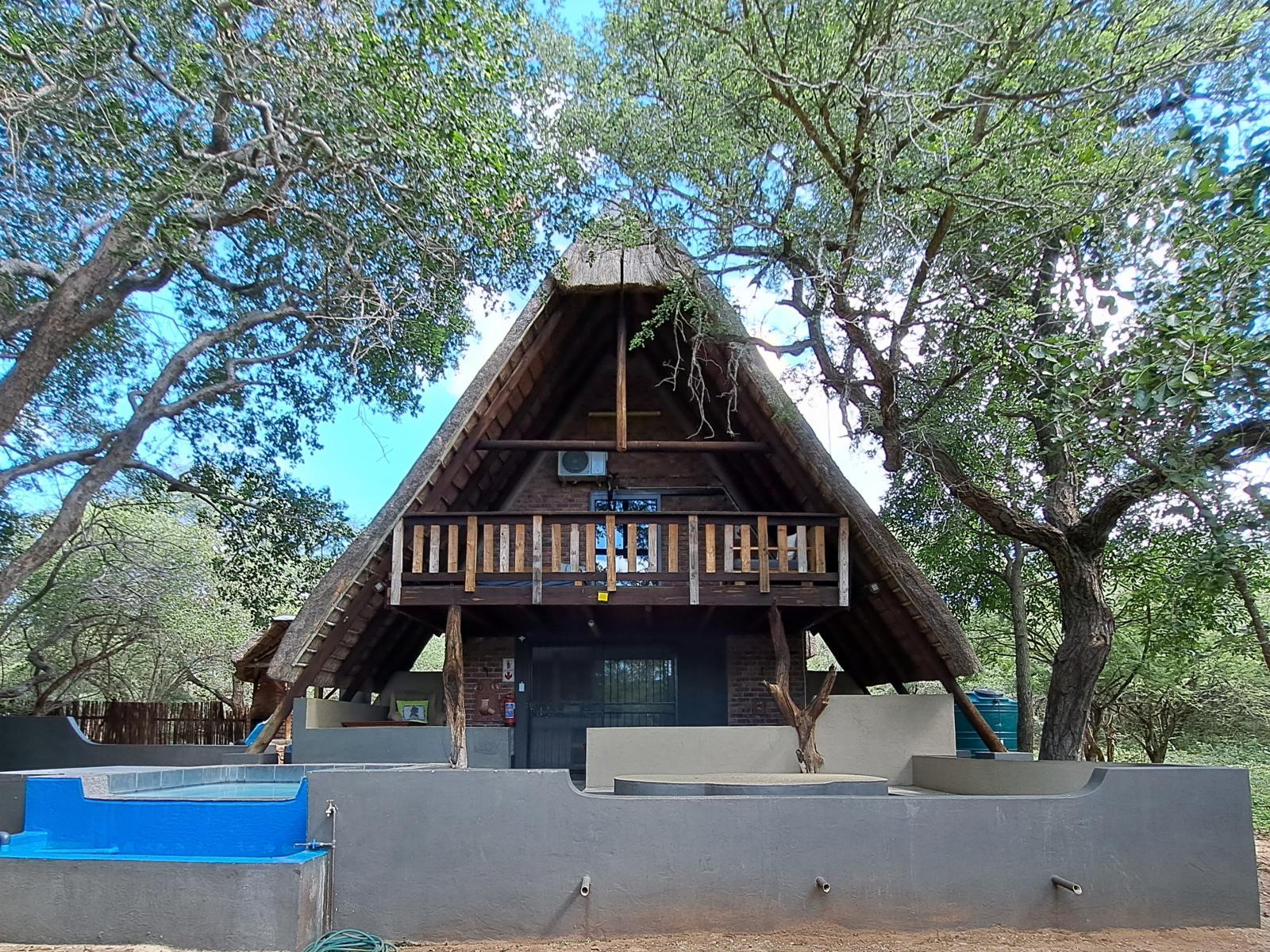
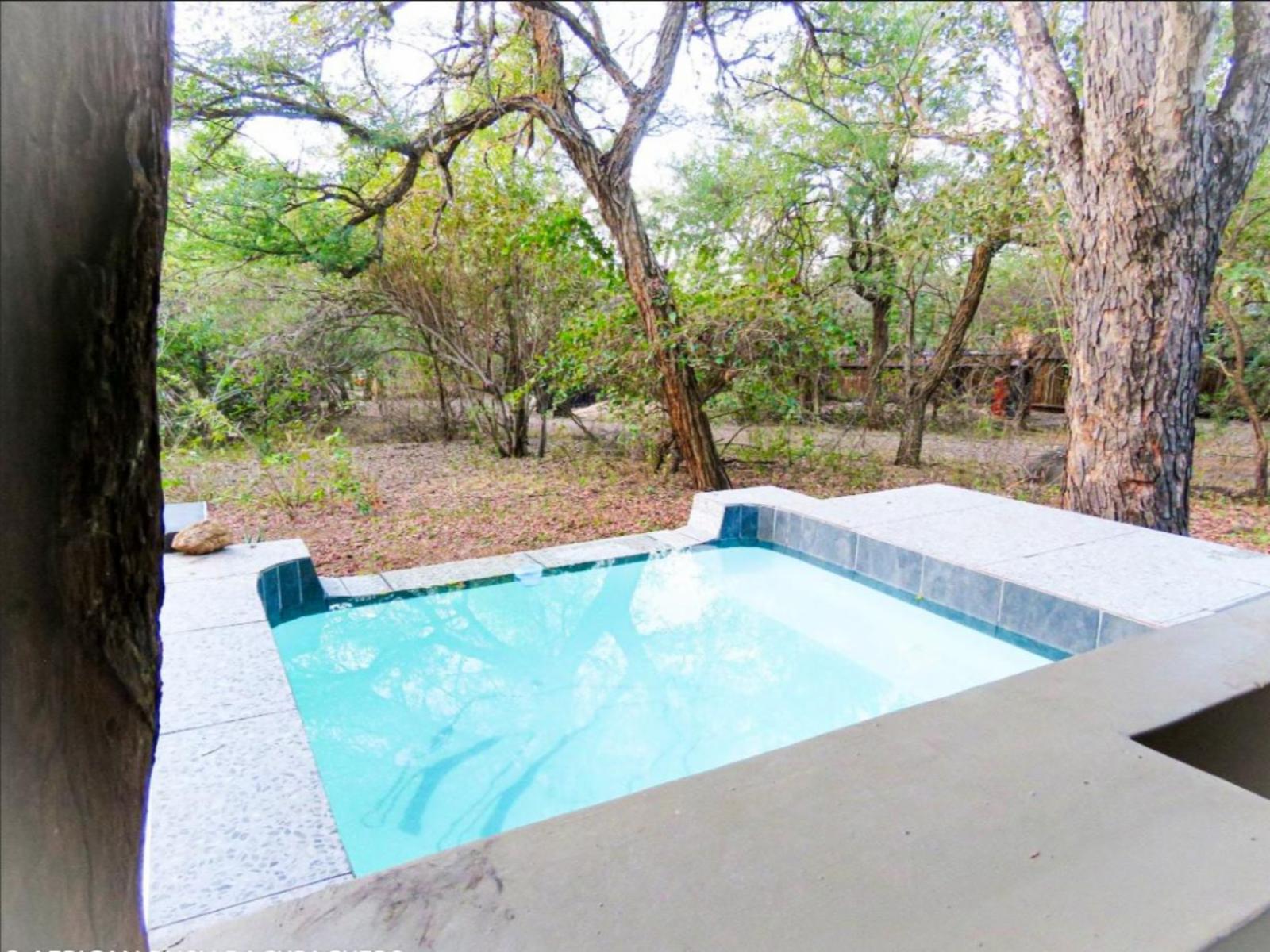
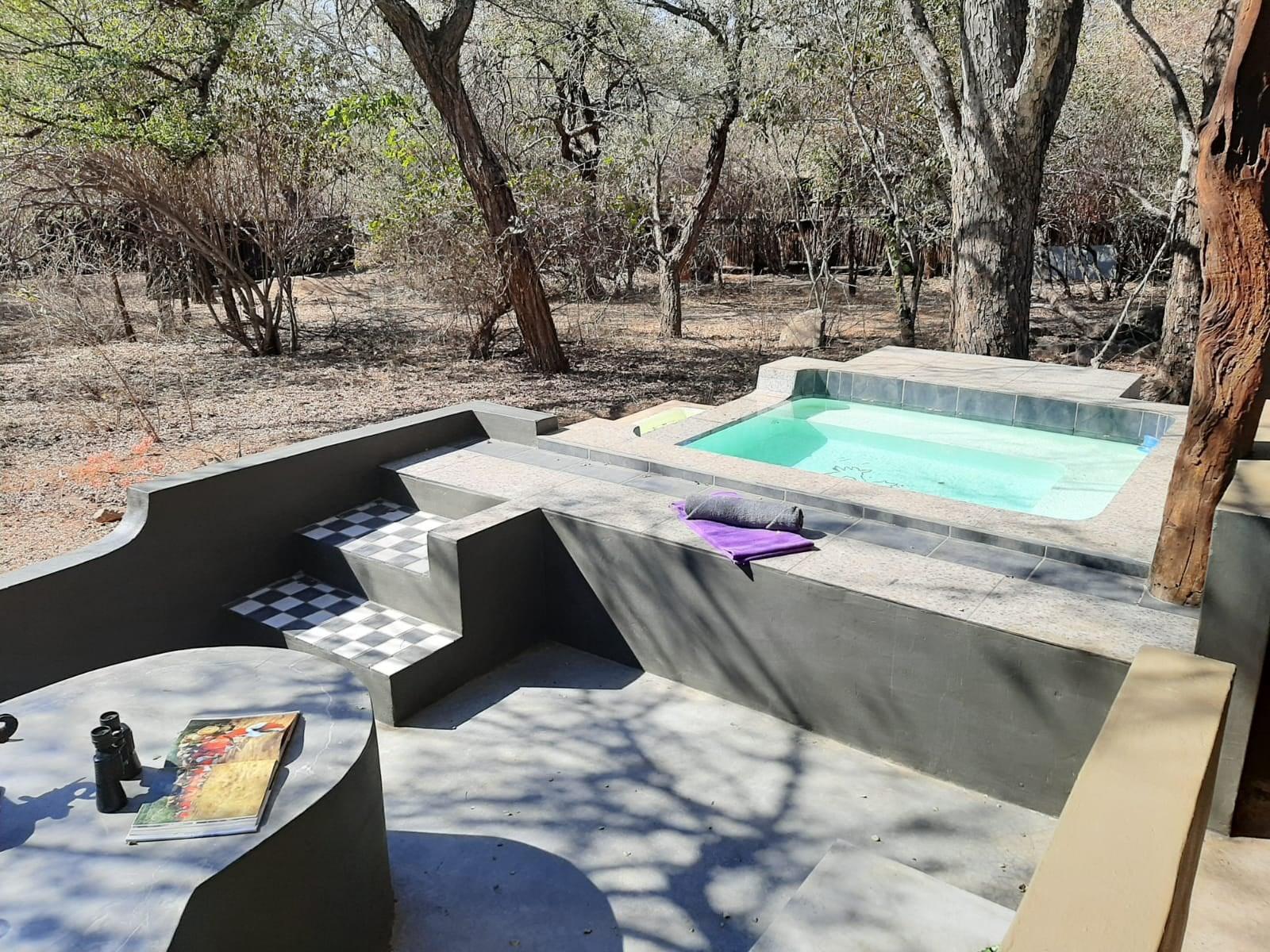
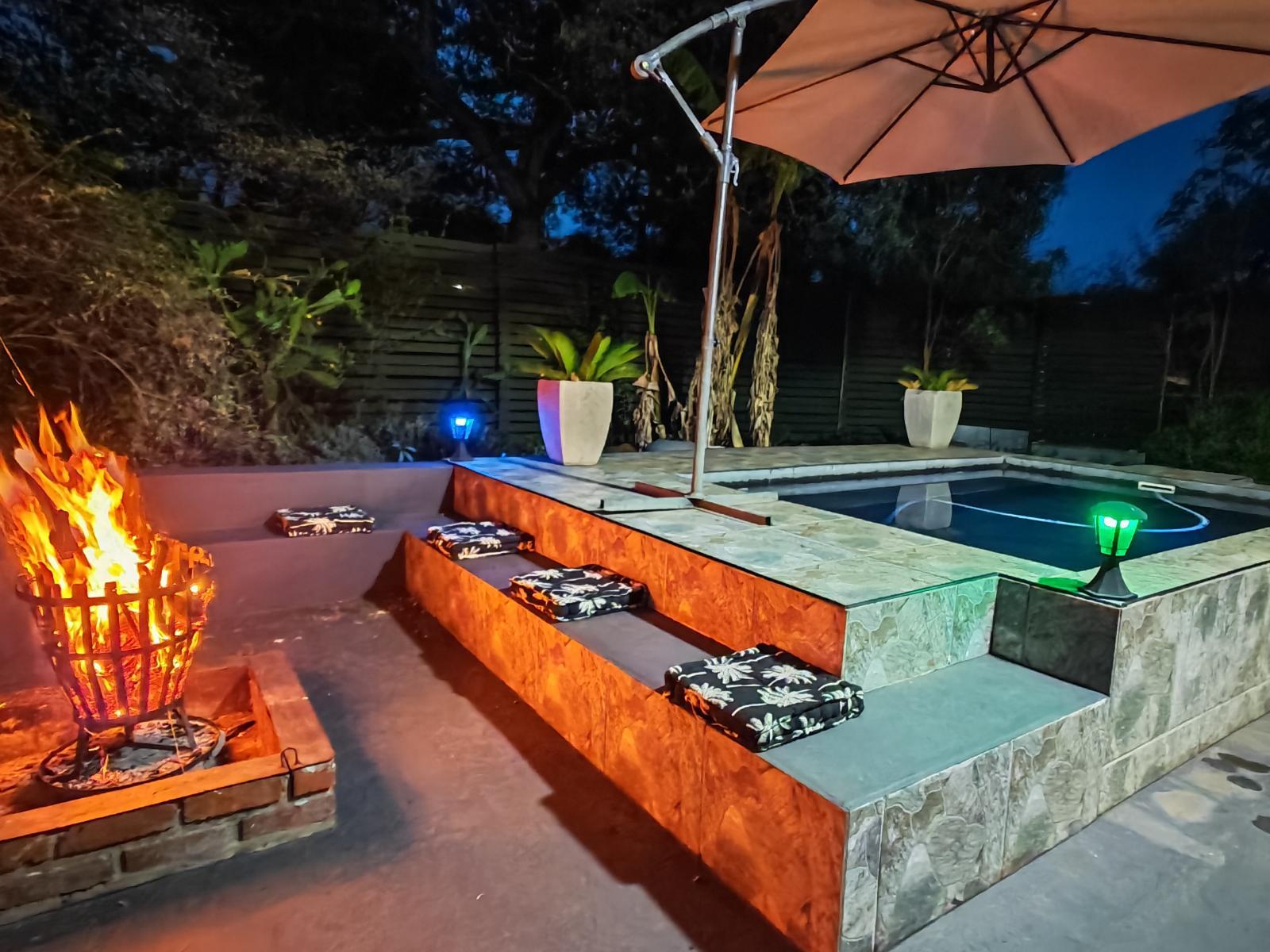
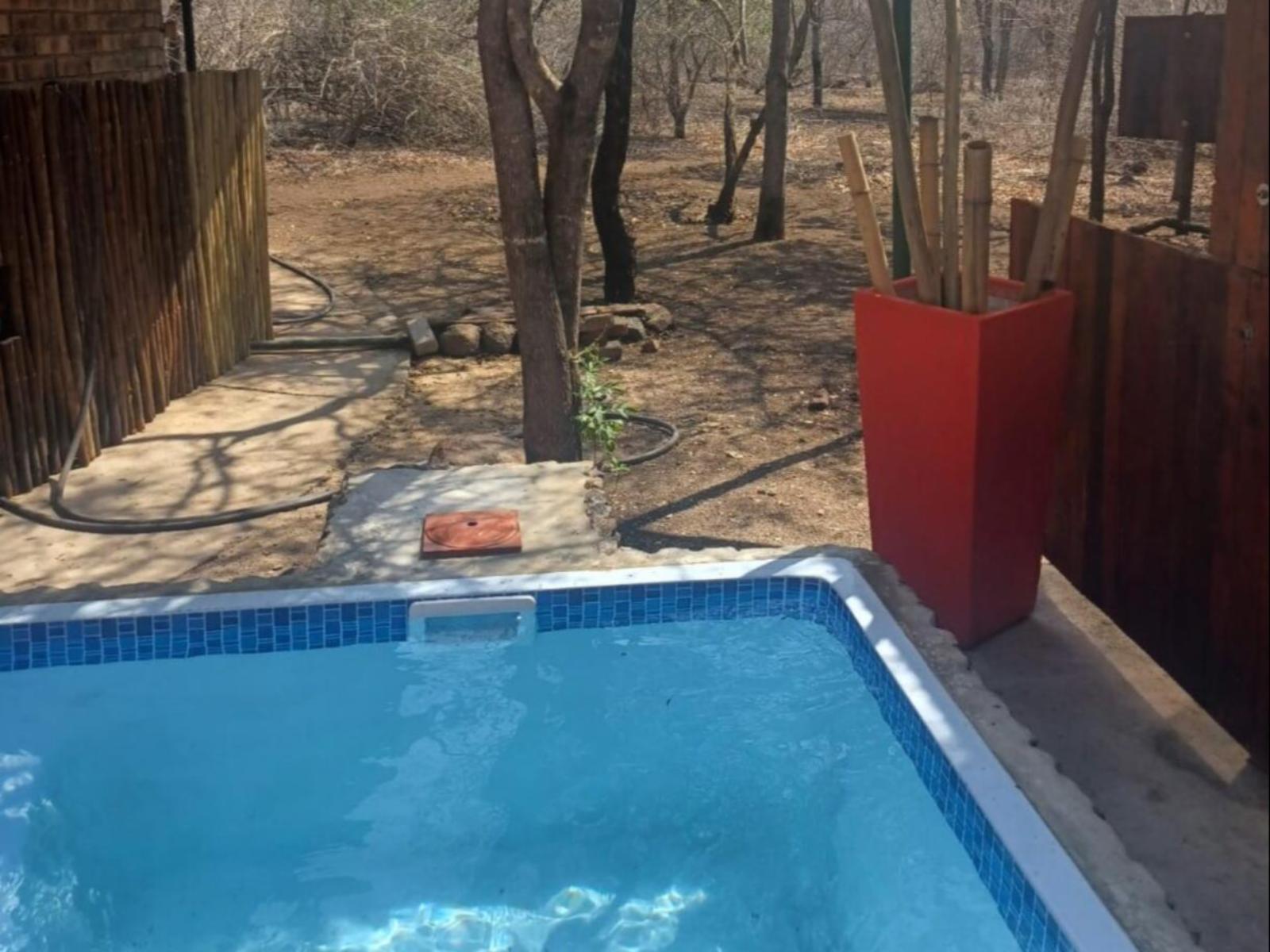
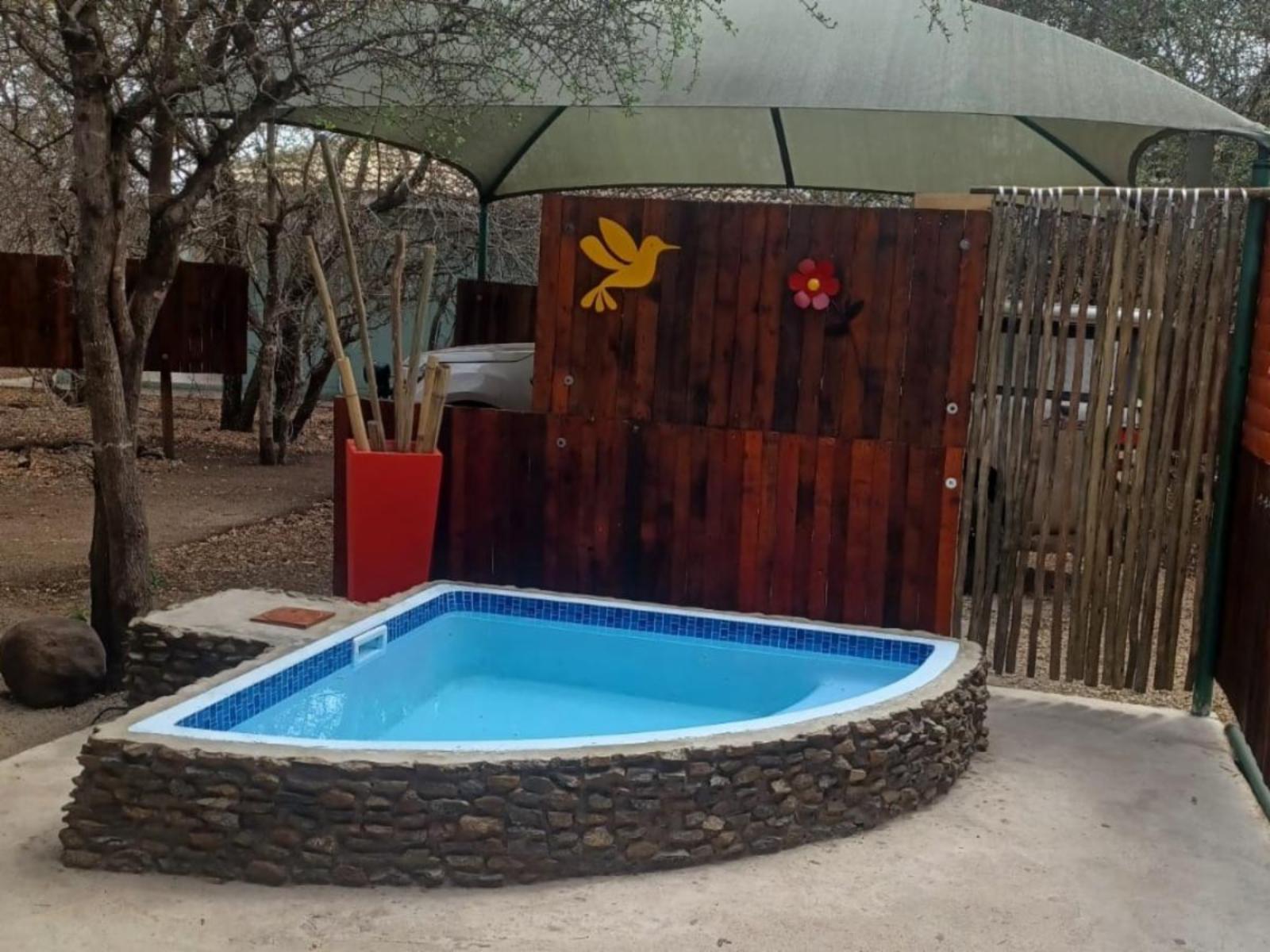
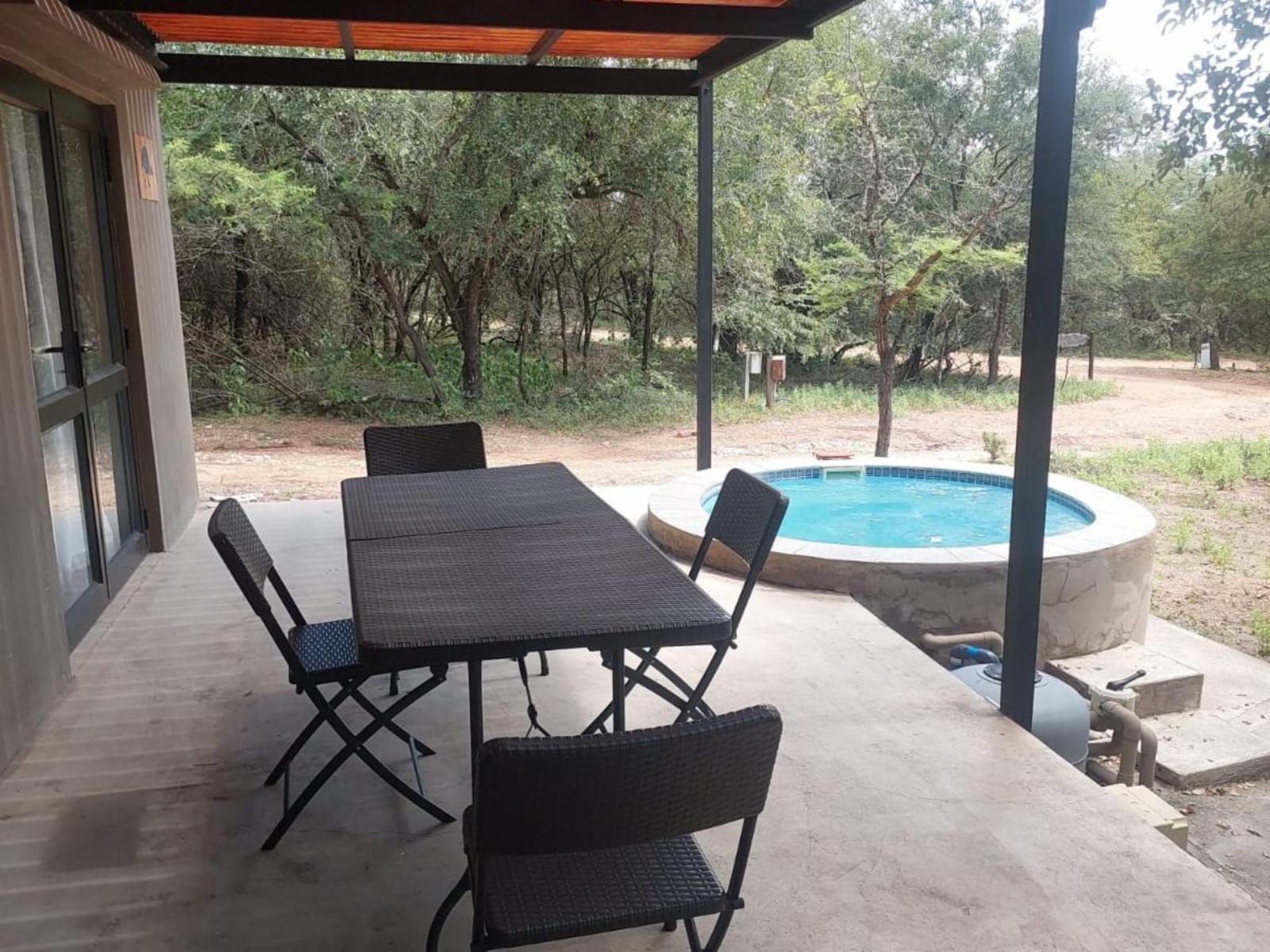
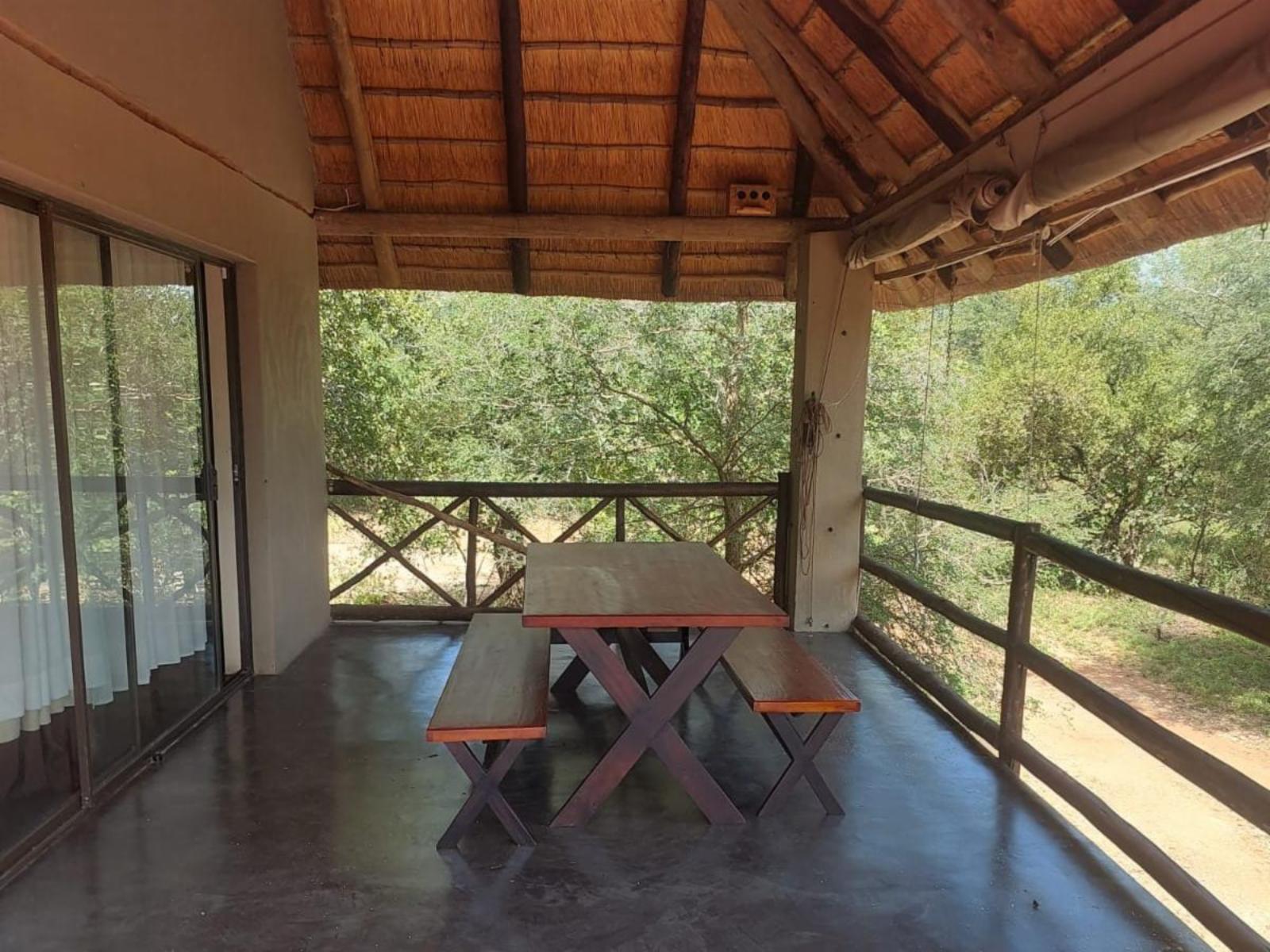
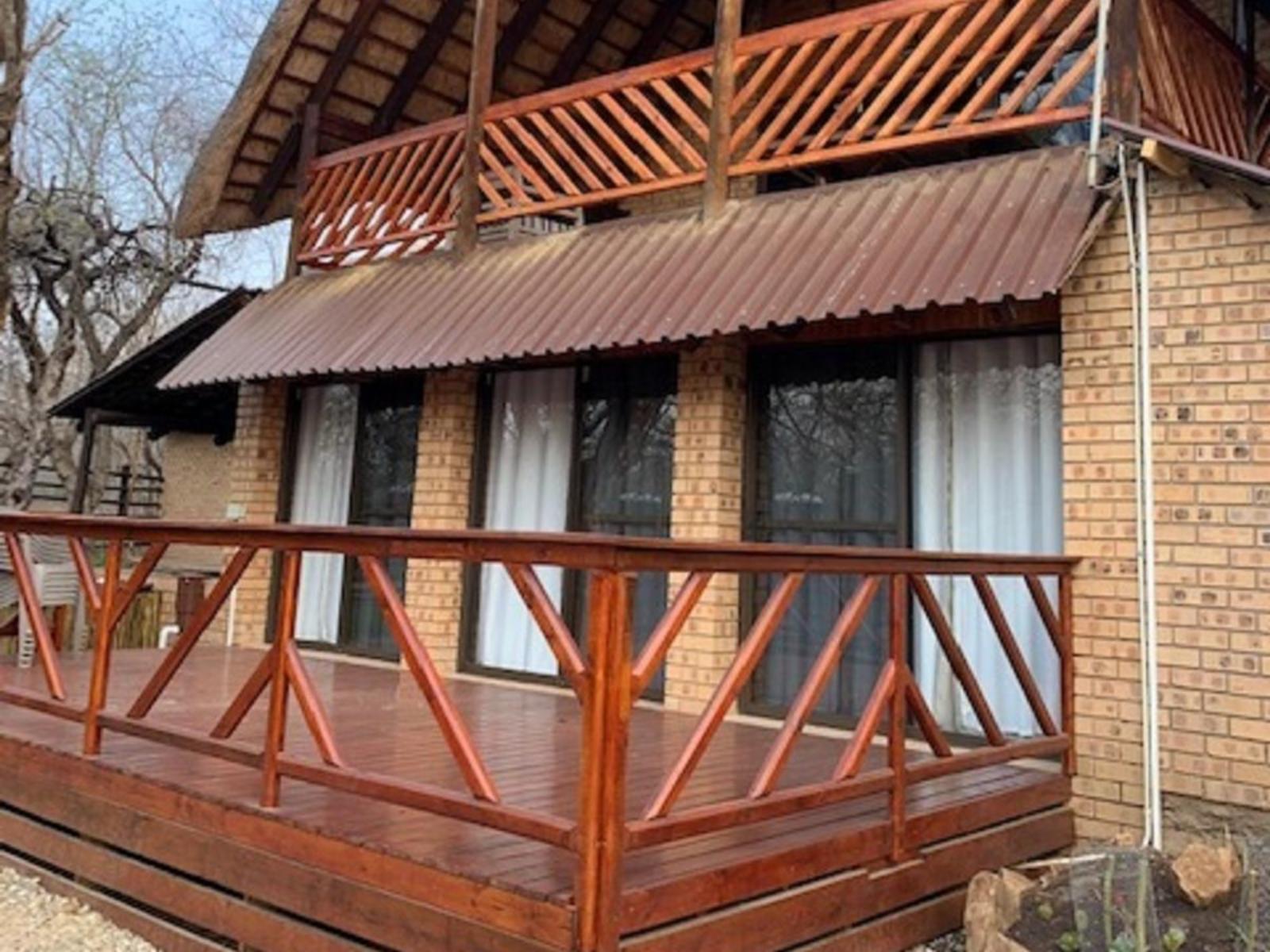
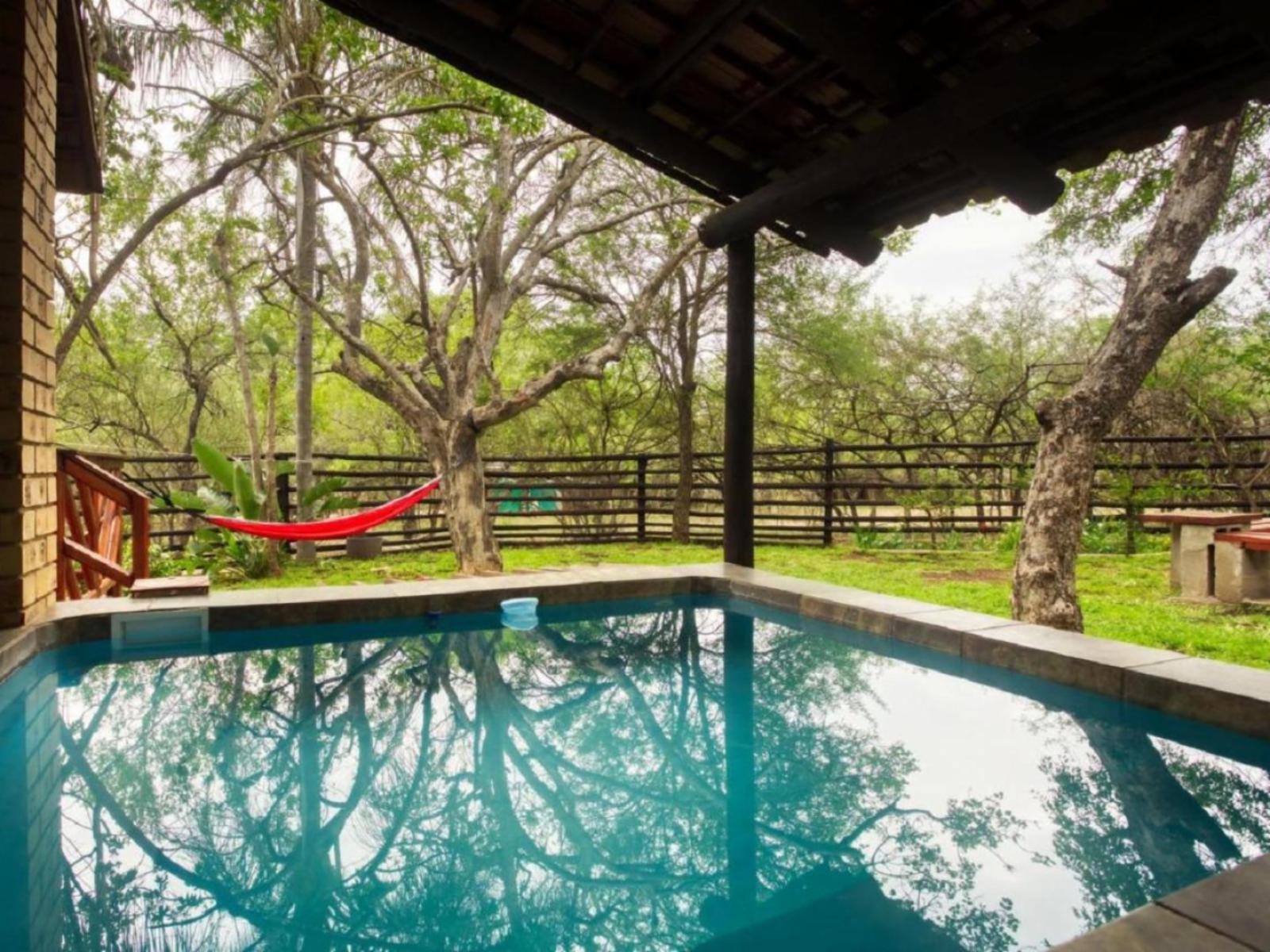
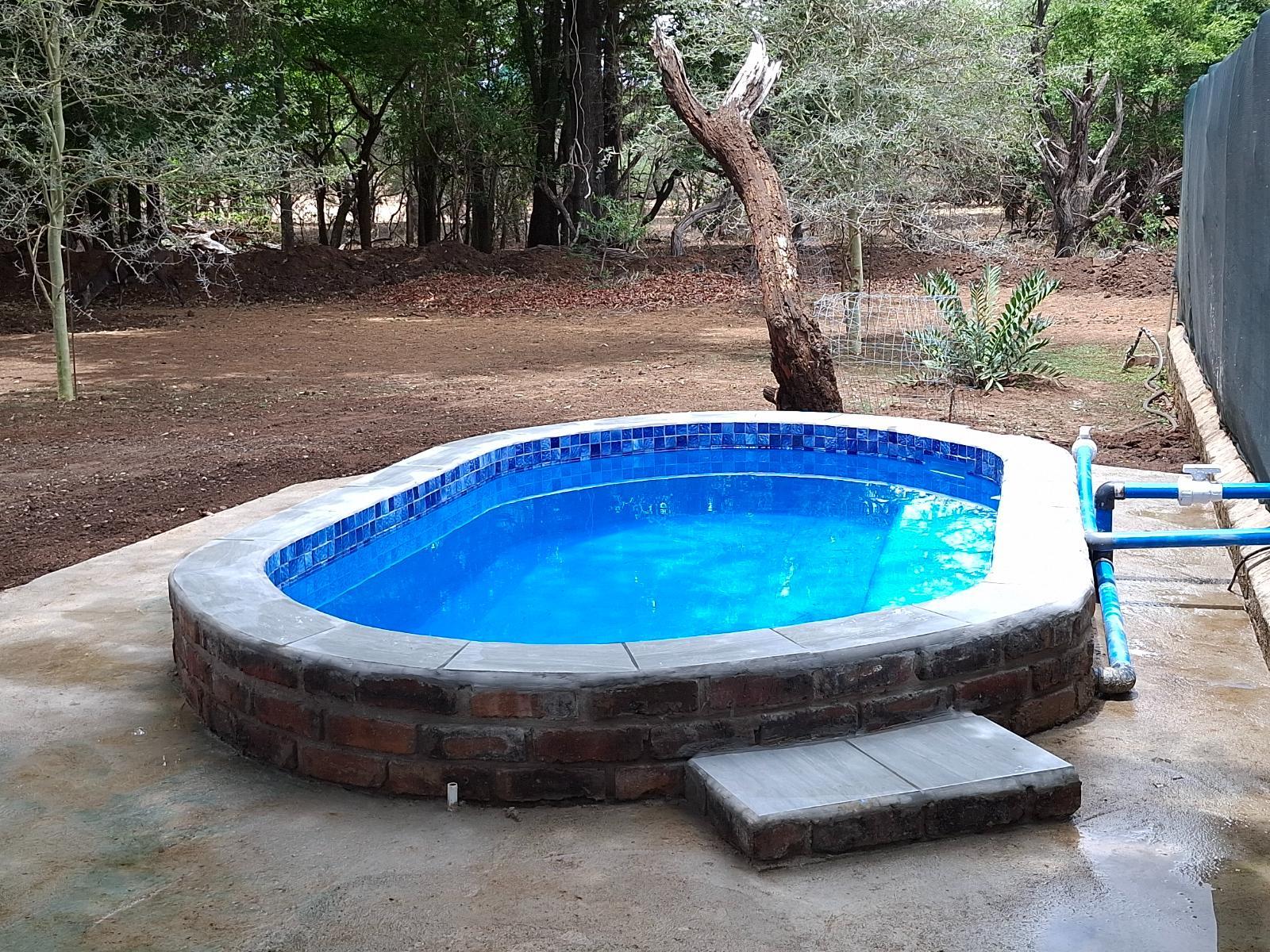
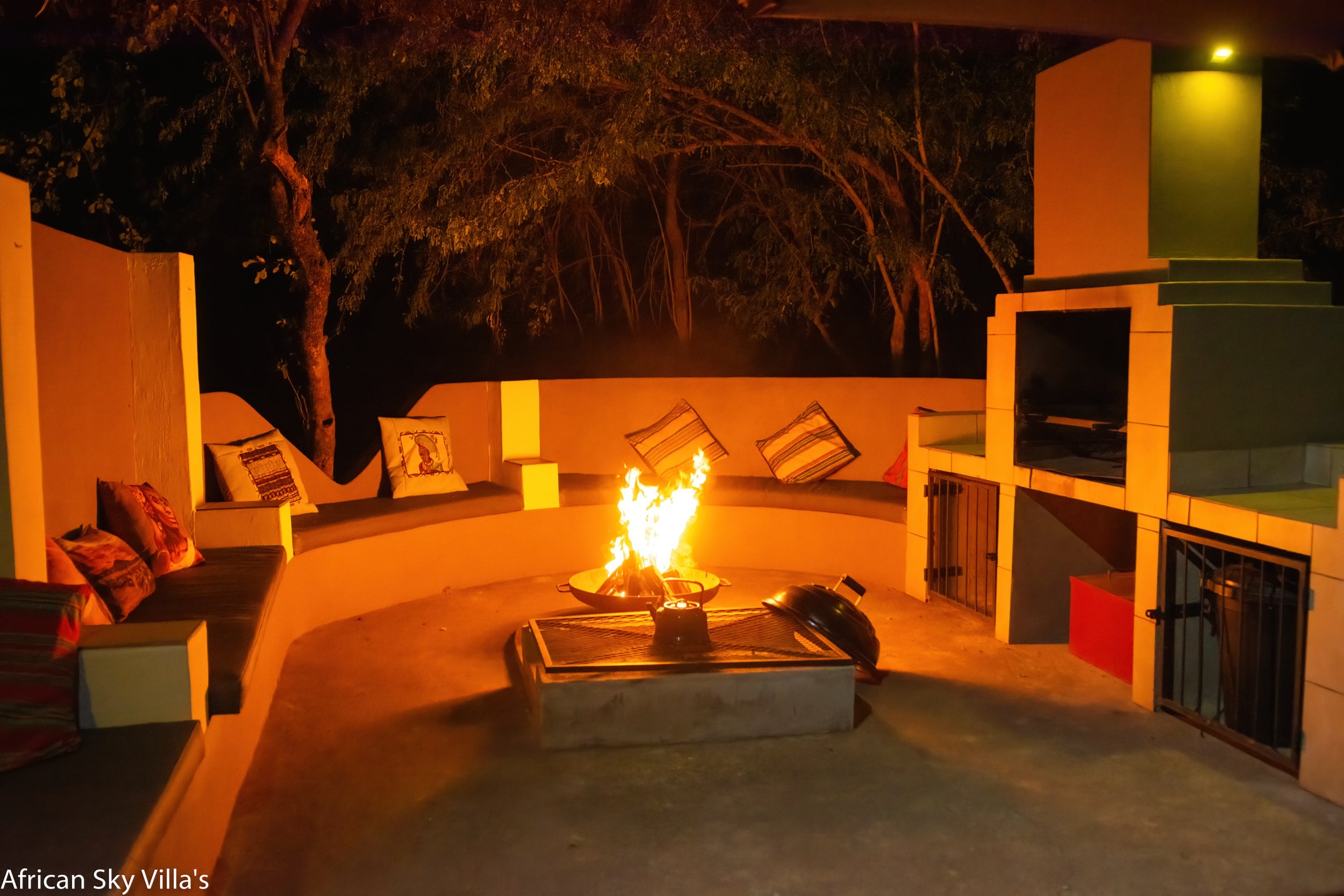
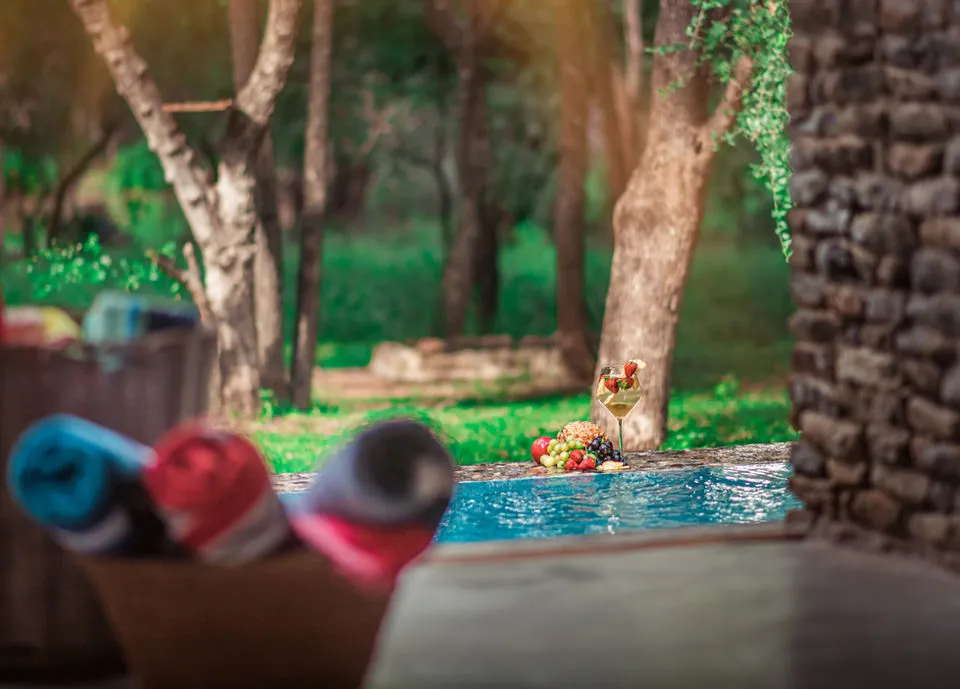
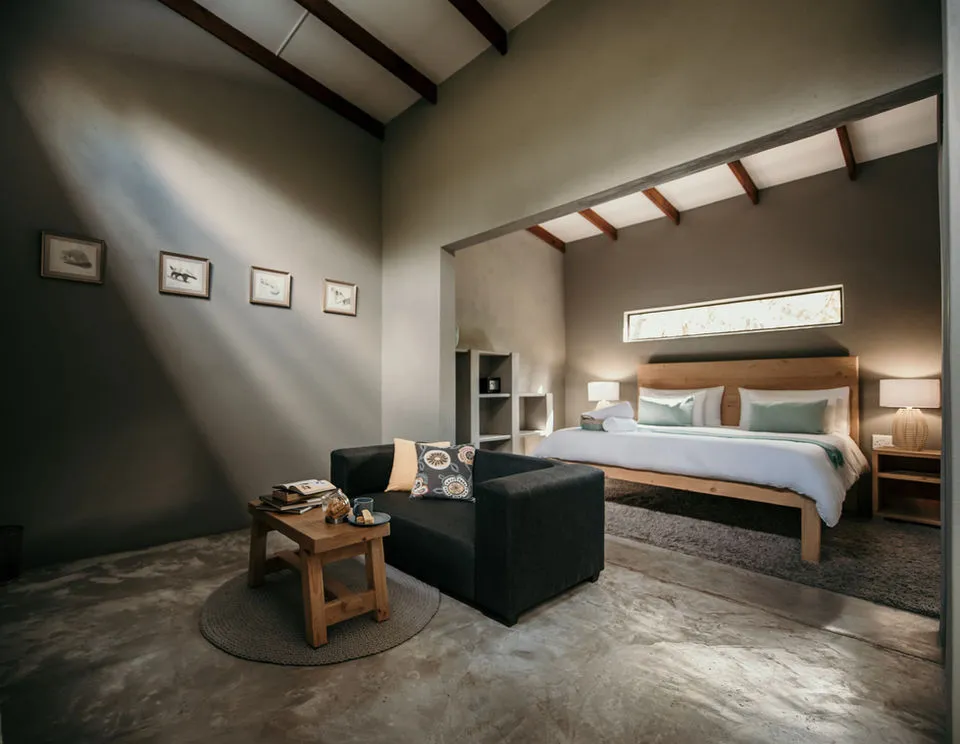
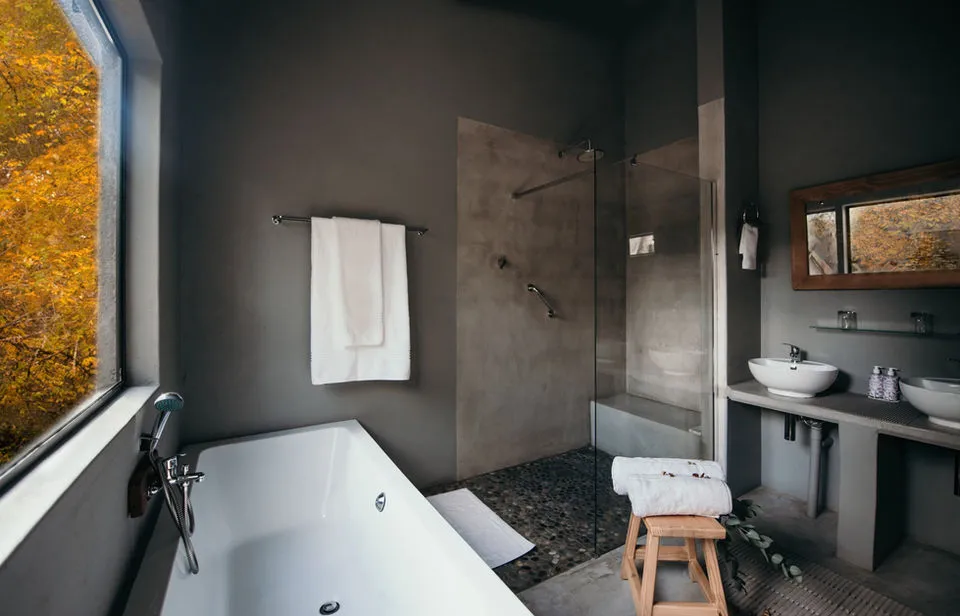
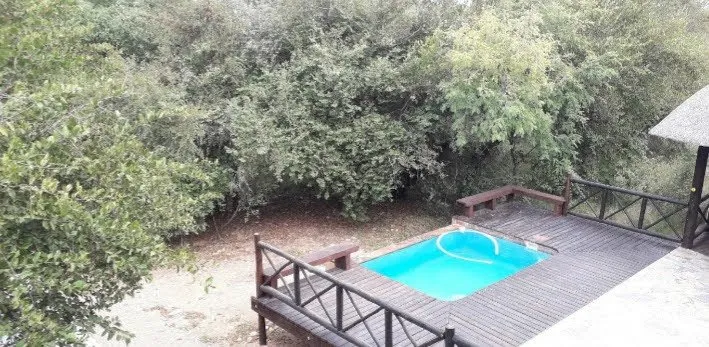
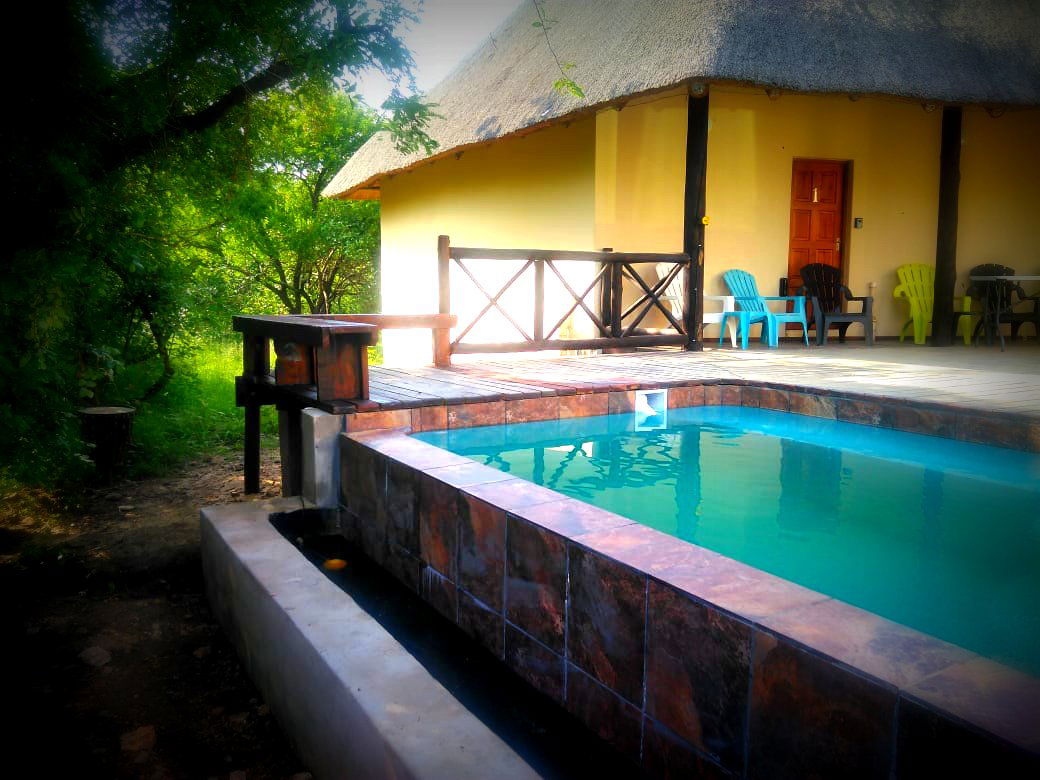
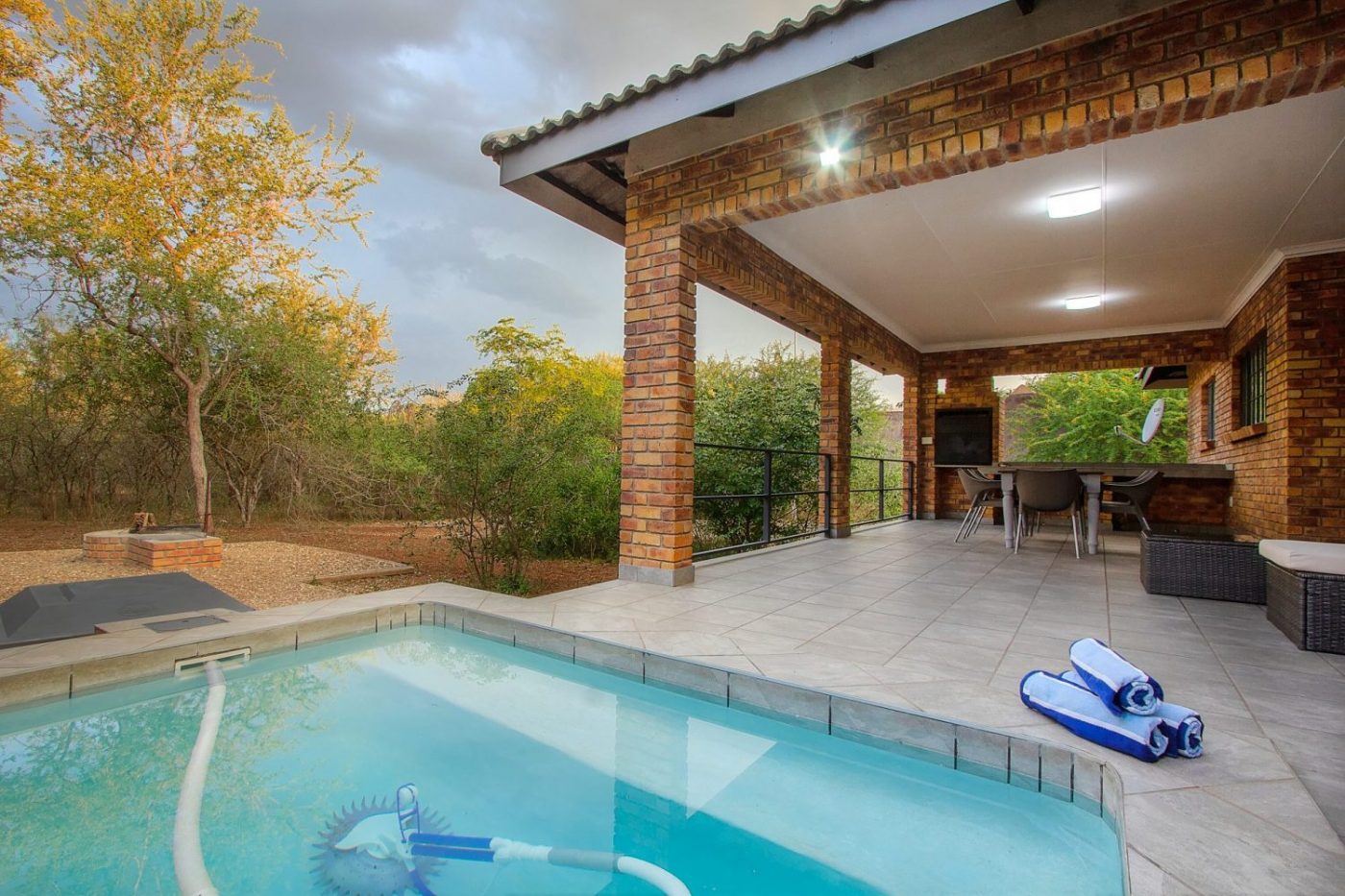
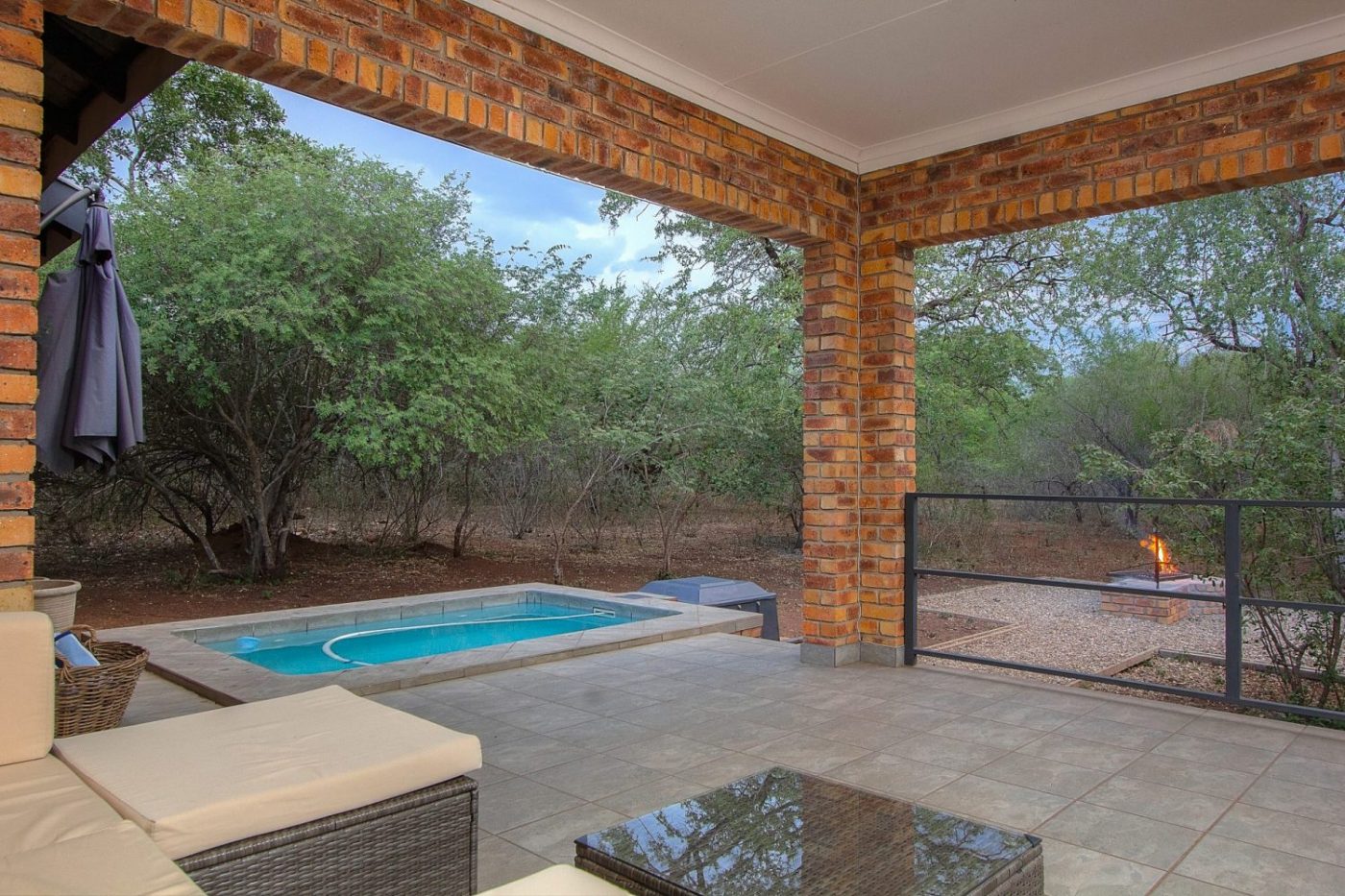
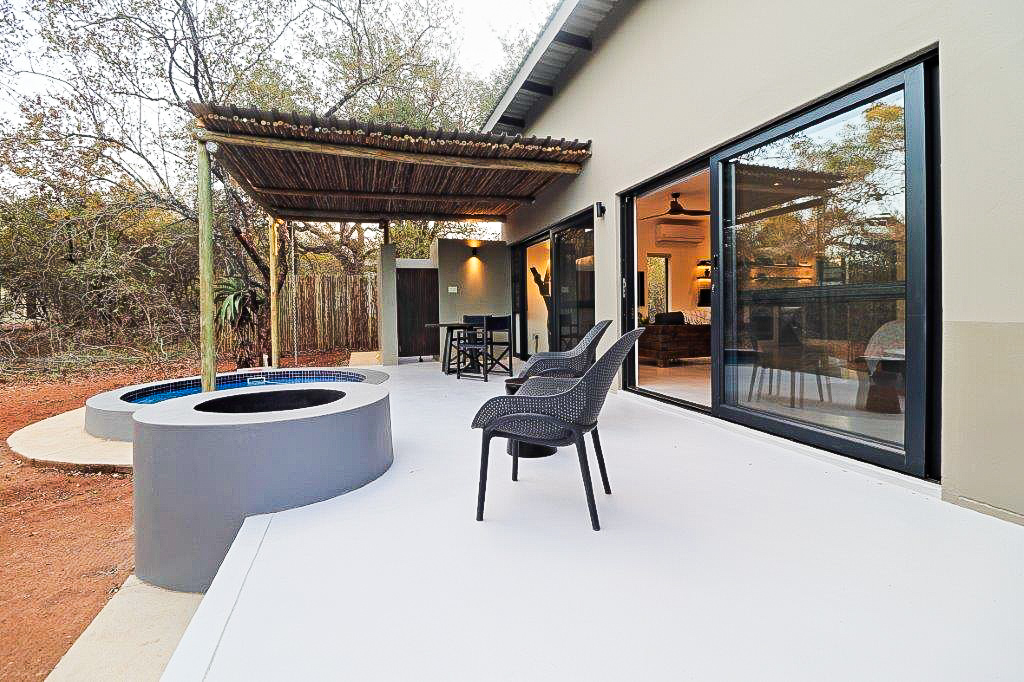
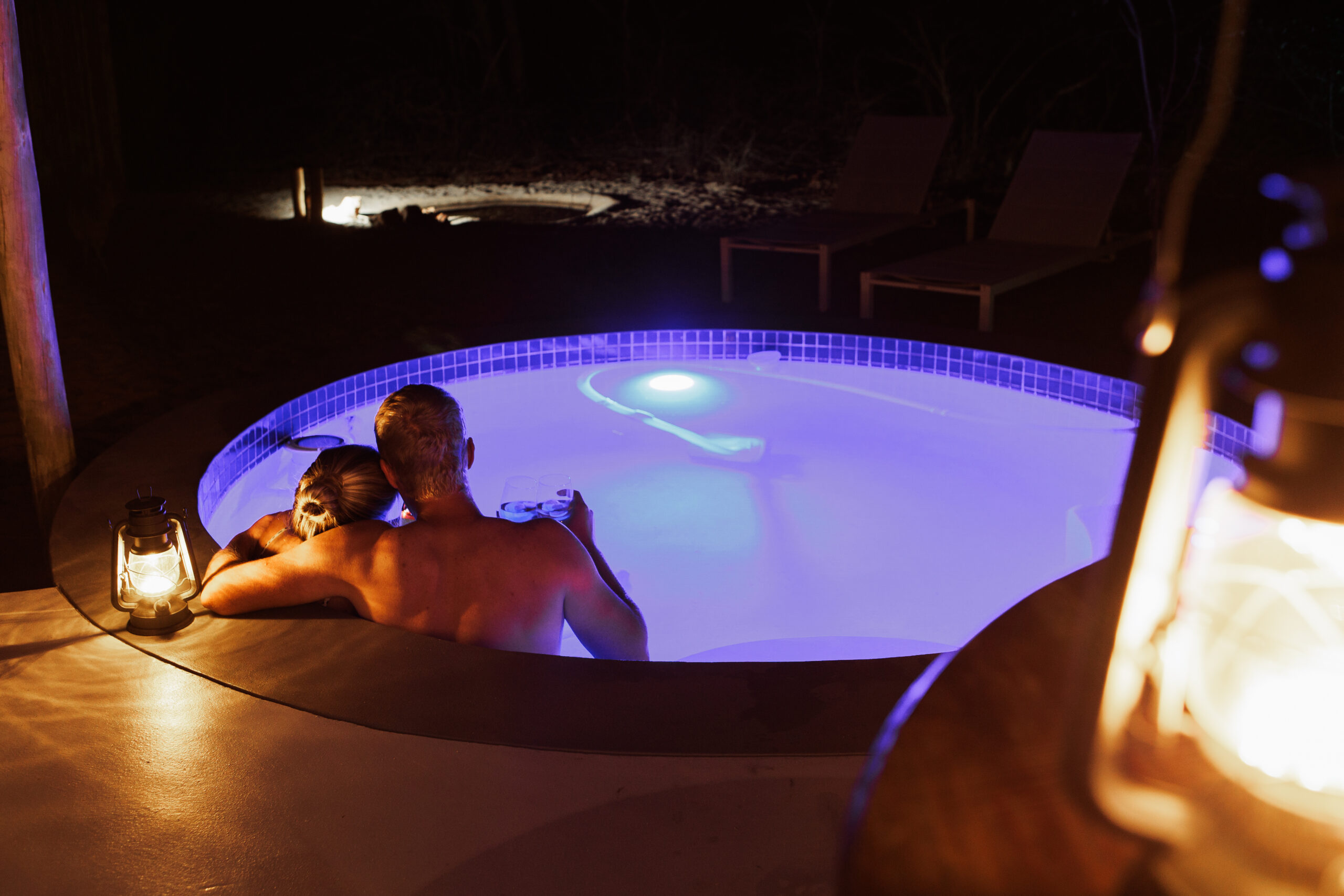
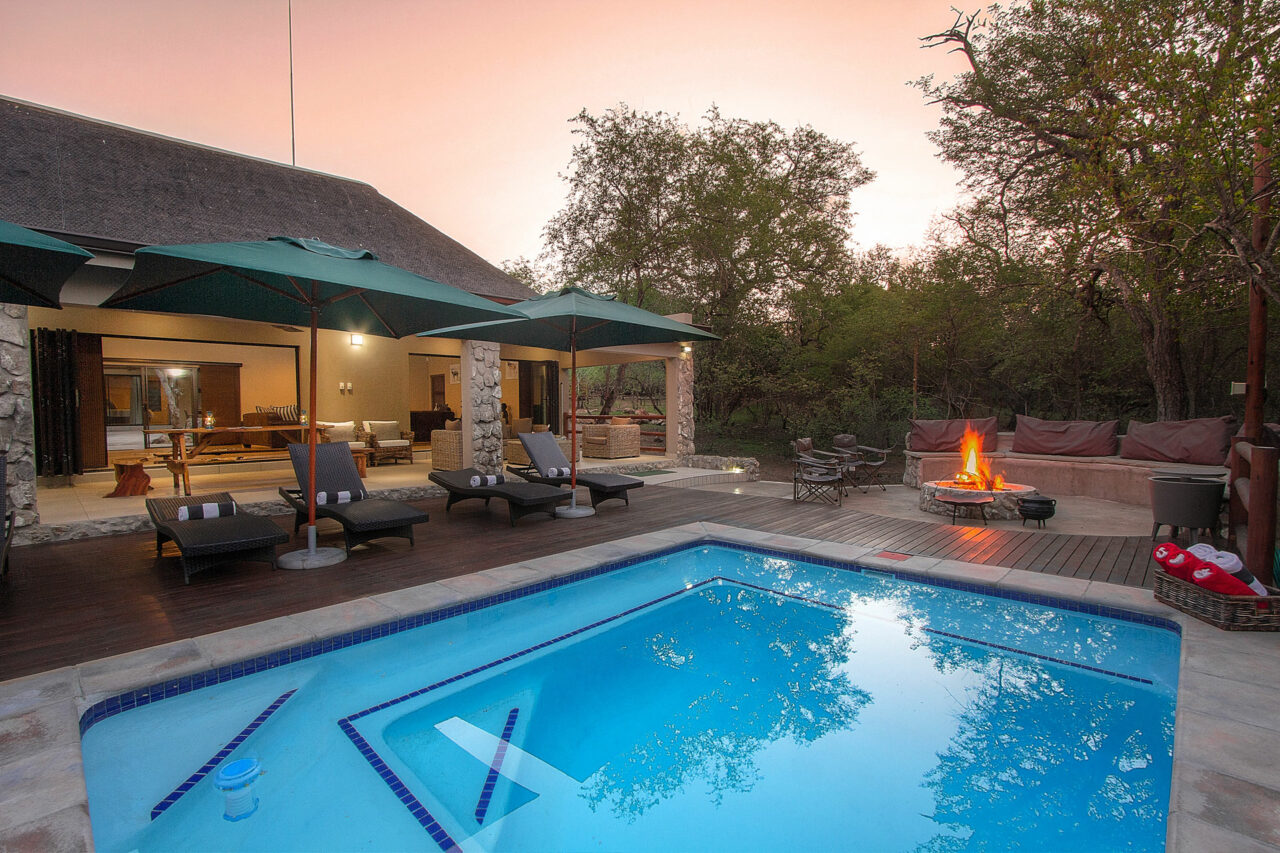
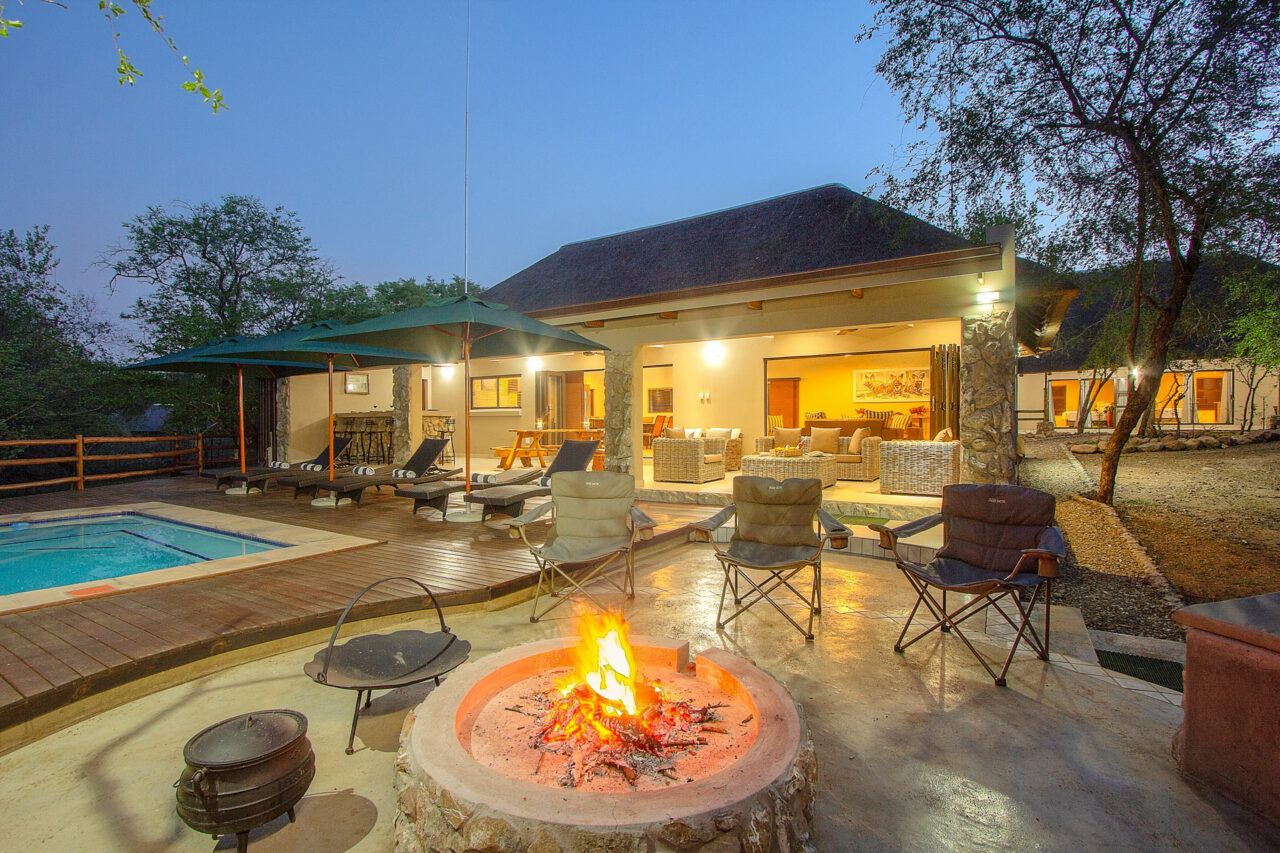
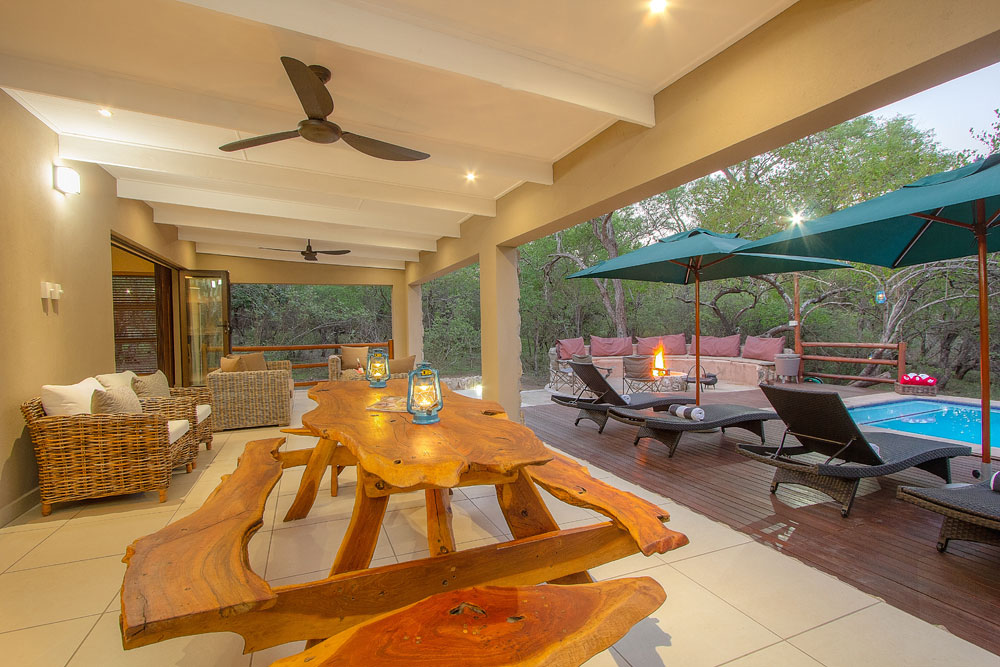
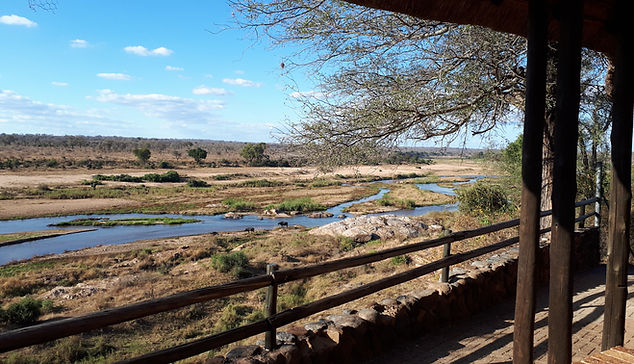
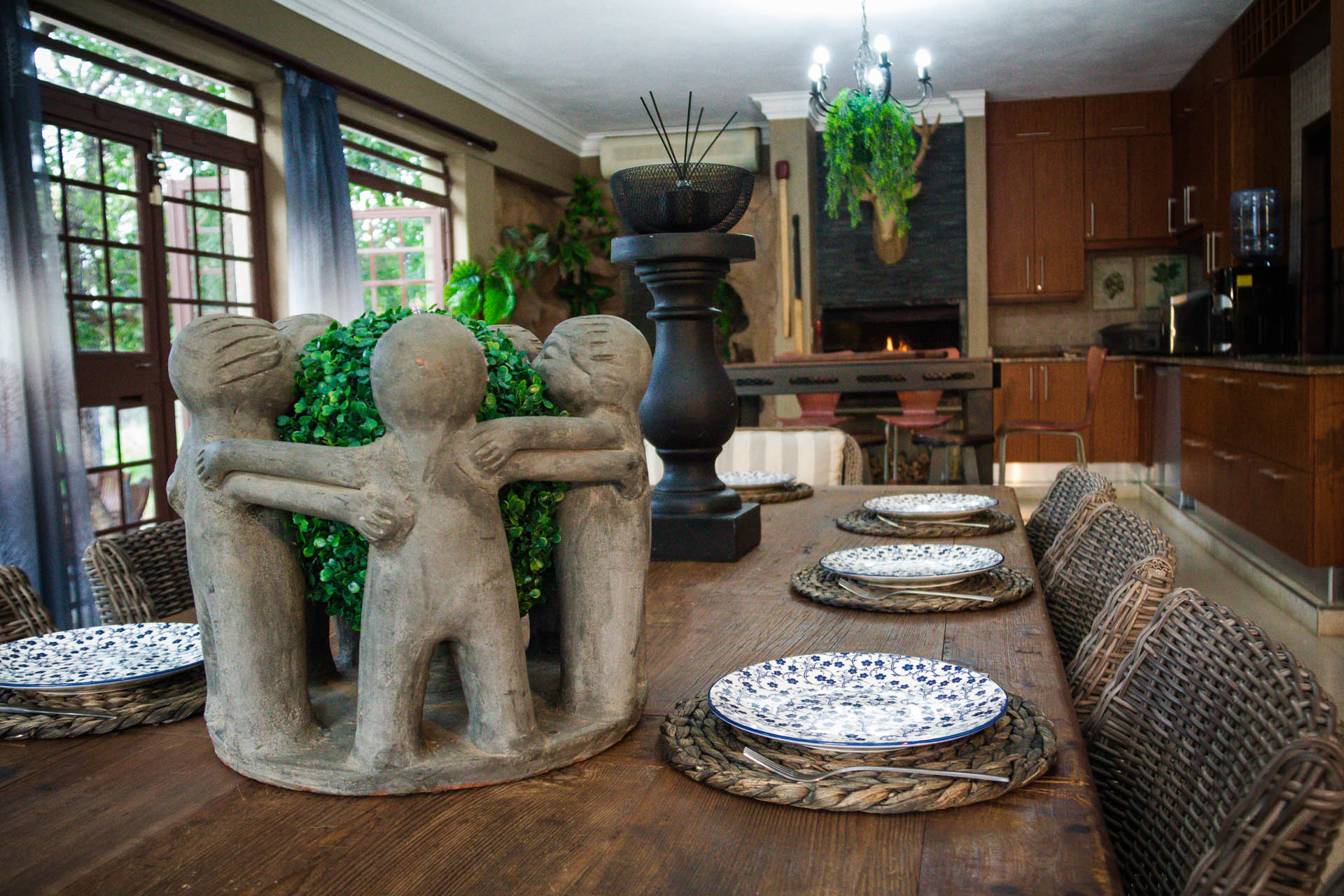
At the upper end, lodges make up four of the nine listings and average just over R3,800 per night. These properties tend to offer a higher standard of finish, with game-viewing decks, private pools, and in some cases on-site staff. The rates are more justified when split across a larger group, and most are configured with extended family gatherings or small celebrations in mind. Multiple bedrooms, spacious living areas and full outdoor entertaining setups are typical features at this tier.
Across all categories, demand outpaces supply during South African school holidays and long weekends. The estate's relatively small accommodation footprint means that once the most sought-after properties are claimed, options narrow quickly.
Best Time to Visit Marloth Park
The Lowveld climate divides into a hot, wet summer from October through March and a dry, cooler winter from April to September.
For wildlife viewing, the dry season delivers the most consistent results. From May to August, vegetation thins out, animals concentrate around shrinking water sources, and sightings become more predictable. June and July nights can drop to single figures, so warm layers are useful for early morning drives. The tradeoff is dusty roads and a drier landscape.
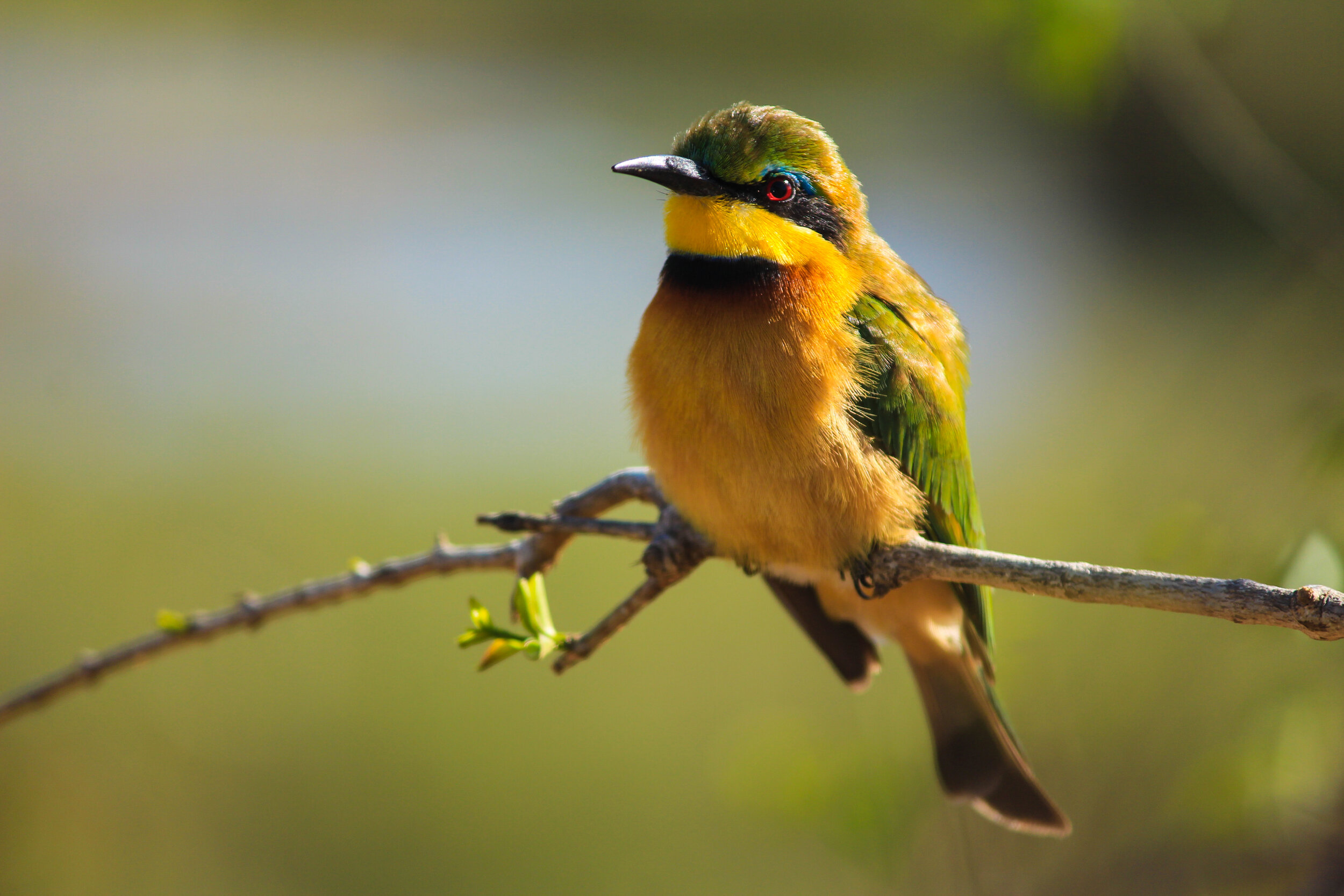
Summer turns the bush green but brings sustained heat, frequently above 35 degrees Celsius, along with afternoon thunderstorms. The season works well for birdwatchers: migratory species arrive from October onward and diversity along the riverbanks increases significantly. Game drives still produce sightings, but dense vegetation makes spotting harder.
The shoulder months of April and September occupy a practical middle ground. Temperatures ease, the grass starts drying, and visitor numbers are lower than during peak winter weeks. Early October often offers good game density before the bush thickens, though the rains can arrive unpredictably.
South African school holidays, particularly the December and Easter breaks, bring the highest concentration of visitors and the tightest accommodation availability.
Getting to Marloth Park
Marloth Park lies roughly 500 kilometres east of Johannesburg, accessible via the N4 highway through Mpumalanga. The drive takes four to five hours under normal conditions and is straightforward on well-maintained roads for the majority of the route.
The most practical airport for fly-in visitors is Kruger Mpumalanga International Airport (KMIA), near Nelspruit/Mbombela. Domestic flights operate daily from Johannesburg and Cape Town, and car hire desks are available at the terminal. From KMIA, the drive to the estate takes approximately 90 minutes.
From Pretoria, the journey follows the same N4 corridor and takes a similar amount of time to the Johannesburg route. Travellers coming from Durban face around six hours of driving, routed either through eSwatini or via Piet Retief.
A private vehicle is effectively a requirement once you arrive. The estate's internal roads are unpaved, and some sections become difficult after heavy rain. Standard sedans handle most roads in the dry season, but a vehicle with reasonable ground clearance is useful in summer. Wildlife uses the internal roads freely, which keeps speeds low regardless of surface conditions. No public transport serves the estate, and the distances involved in reaching the national park or nearby towns make relying on taxis impractical.
Marloth Park and Surrounding Areas
Hectorspruit, 14 kilometres from the estate, functions mainly as a transit point. It has a petrol station and basic supplies, convenient if arriving from the west and running low before reaching the gate.
Komatipoort, 20 kilometres south, is the principal service town for the area and worth knowing well. Supermarkets, a pharmacy, hardware stores, and several restaurants make it the practical choice for stocking up on provisions. The town borders Mozambique, and some visitors cross into Ressano Garcia for a change of scene. A valid passport is required, and border operating hours should be checked in advance.
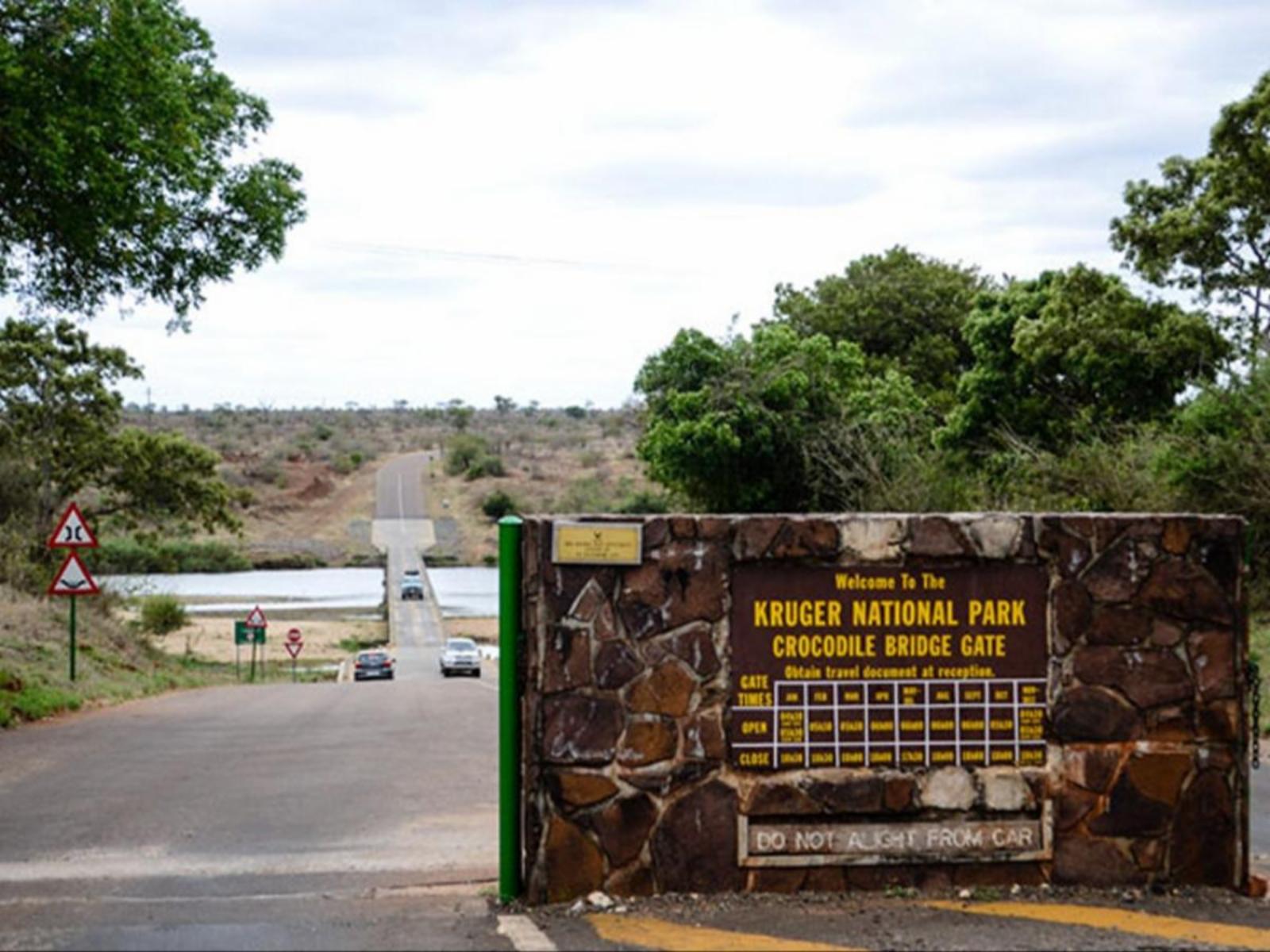
Malelane, 32 kilometres west, is a southern entry point to Kruger National Park. The gate here gives access to quieter sections of the park compared to the busier central corridors, and the surrounding farmland along the Crocodile River makes for a pleasant drive in its own right. A handful of accommodation options and a well-known garden centre near the town attract passing visitors.
Skukuza, at 45 kilometres, is the largest rest camp inside Kruger and the park's administrative centre. It has shops, restaurants, a small museum, and guided game activities running throughout the day. Day visitors can reach it from the park's southern gates, making a full day trip from Marloth Park entirely workable.
Njonjela, 68 kilometres northeast, is a smaller community with limited tourist infrastructure, primarily useful as a waypoint on longer routes through the region.
Hazyview, 74 kilometres away, is the furthest practical day trip but offers the broadest range of additional activities. The town sits at the gateway to the Panorama Route, giving access to the Blyde River Canyon, God's Window and Bourke's Luck Potholes. Several adventure operators based there offer zip-lining, white-water rafting and quad biking for those wanting something beyond game viewing.
Planning Your Stay
Given the limited number of properties on the estate, booking early has a practical rather than precautionary logic. The most well-positioned properties, particularly those with river views or large fenced plots, are claimed well in advance for the June and July peak. A lead time of two to three months is reasonable for popular periods.
When comparing options, check the fencing situation carefully. Fully enclosed plots keep animals out of the immediate living area, which matters if travelling with young children or pets. Open plots allow animals to move through the garden freely, which some guests prefer and others find unsettling after dark. Neither arrangement is inherently unsafe for adults, but knowing which you're booking avoids surprises on arrival.
For self-catering stays, confirm what kitchen equipment is provided, whether bedding and towels are included, and whether a braai is part of the setup. Some hosts supply a full kit; others expect guests to bring basics. A quick message to the property before arrival resolves most ambiguity.
Mobile signal inside Marloth Park varies by network and plot location. Downloading offline maps before arrival is sensible, and keeping a paper map as backup is a practical precaution. Fill up with fuel before entering the estate, as no filling stations operate inside. The estate also enforces specific rules around wildlife interactions, particularly the feeding of animals. Breaching these can result in fines, and the resident community generally takes enforcement seriously.