Accommodation in Outer West Durban
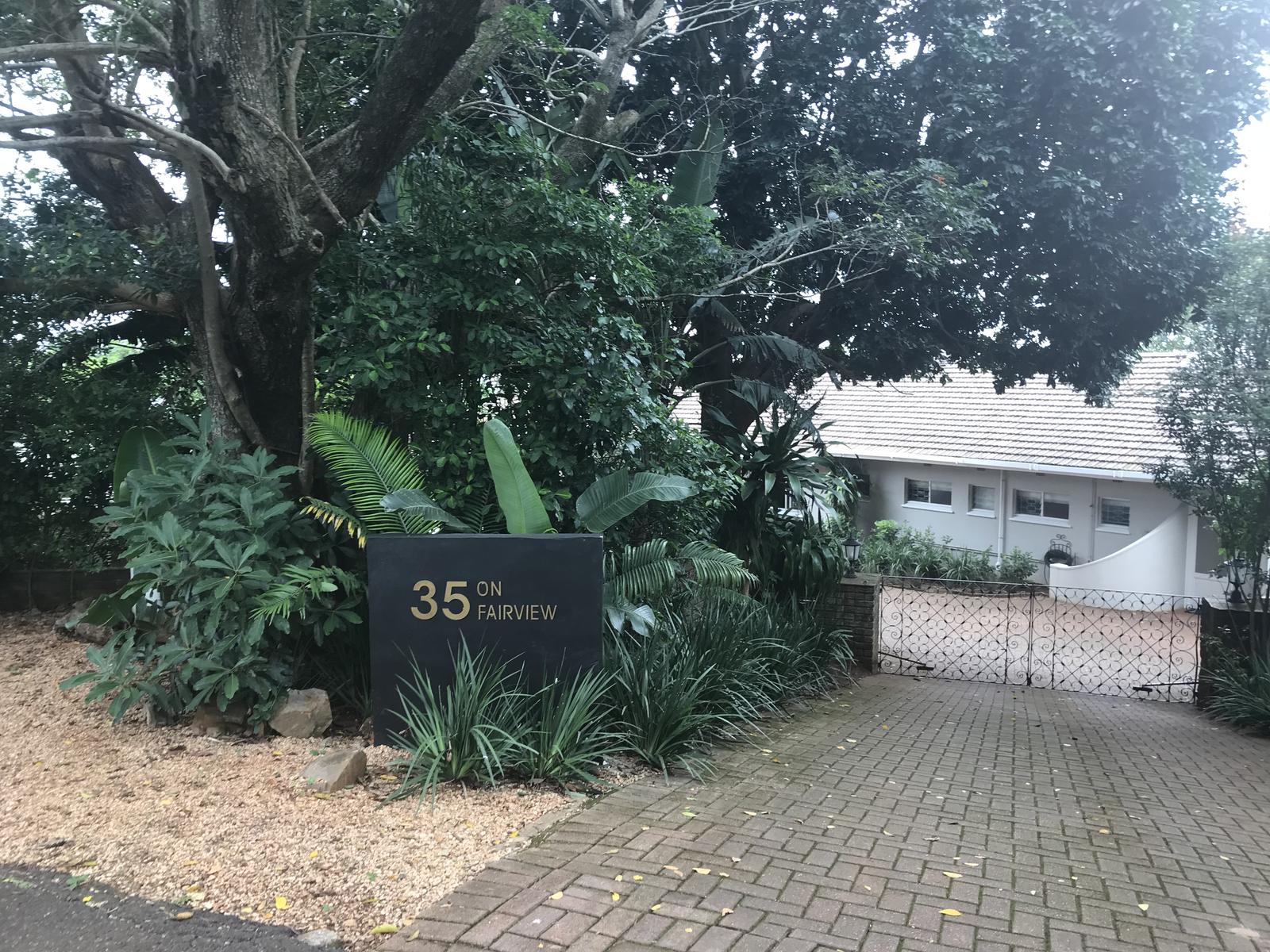
Ten properties across this area span R1,700 to R2,100 per night, with accommodation leaning toward the intimate and owner-operated rather than large hotel chains. The absence of branded hotel infrastructure reflects the character of the western suburbs themselves: predominantly residential, quiet, and oriented around community rather than mass tourism.
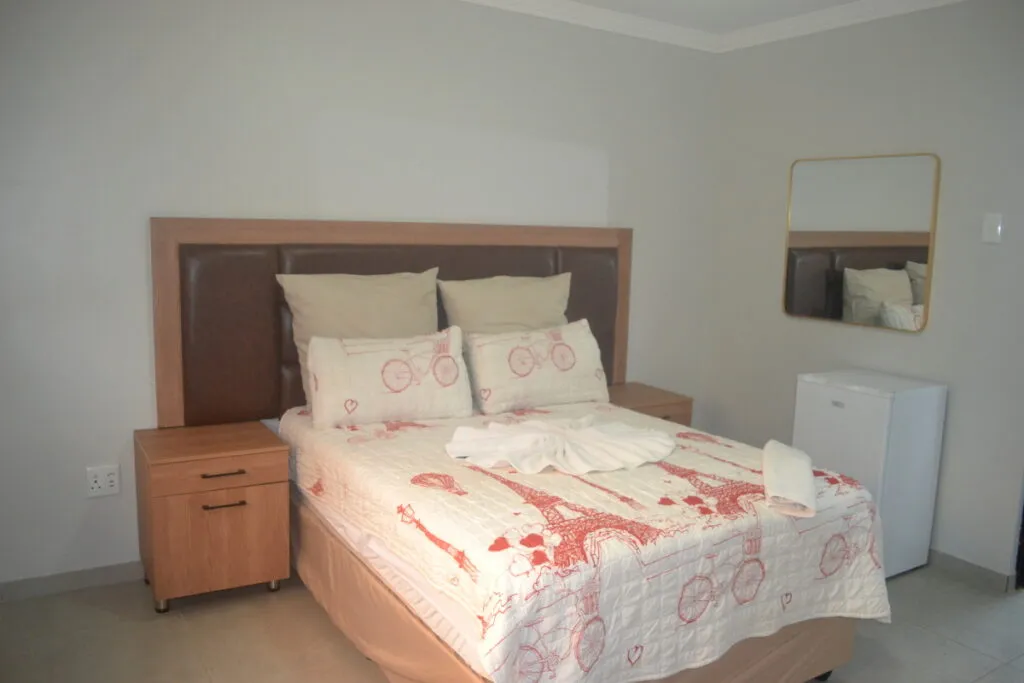
At the more affordable end, bed and breakfast options bring guests into family-run homes where a morning meal is included and local knowledge comes freely. These properties represent the most sociable way to experience the area, with hosts who tend to know the neighbourhood's rhythms and can recommend which roads to take and which local activities are worth the time.
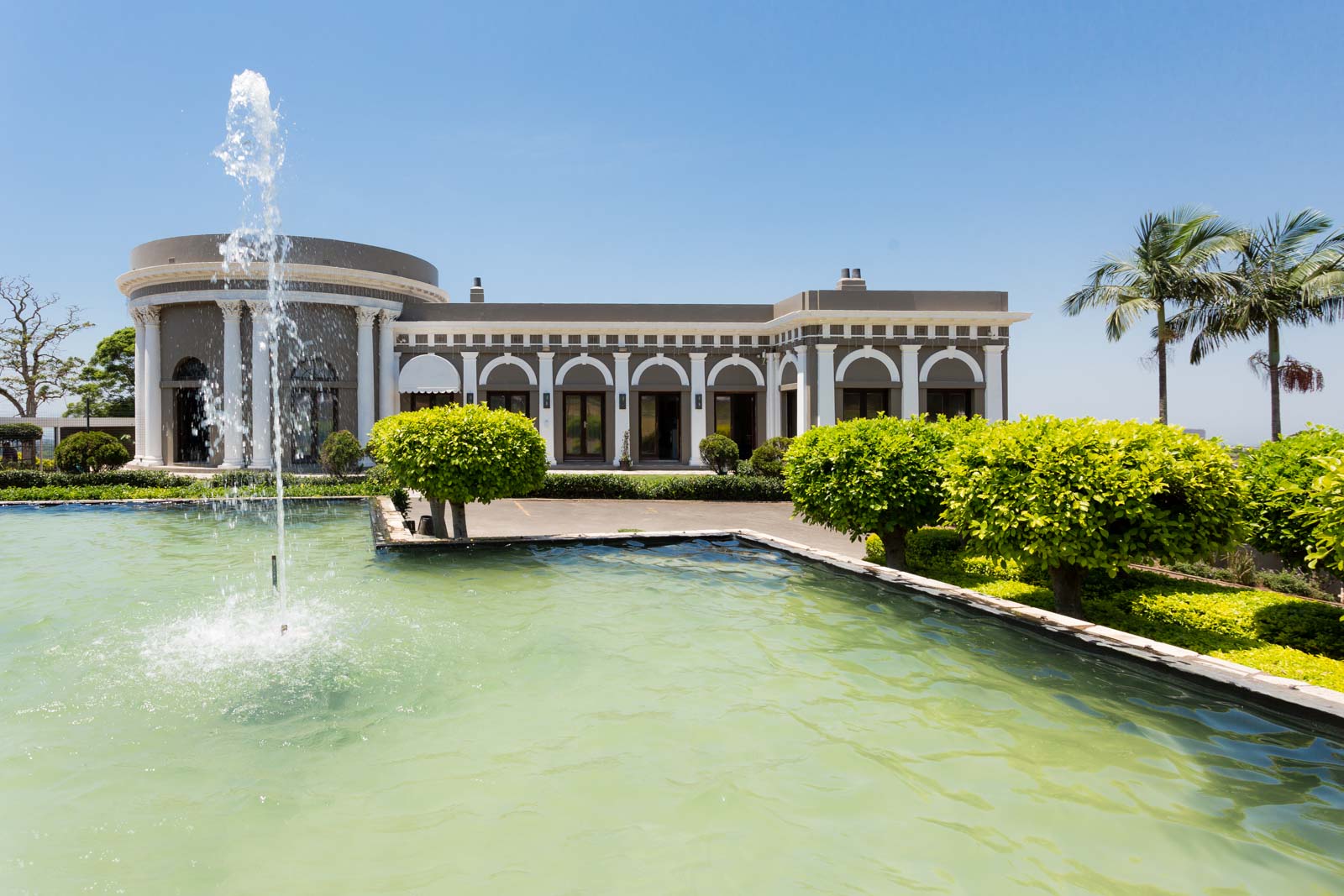
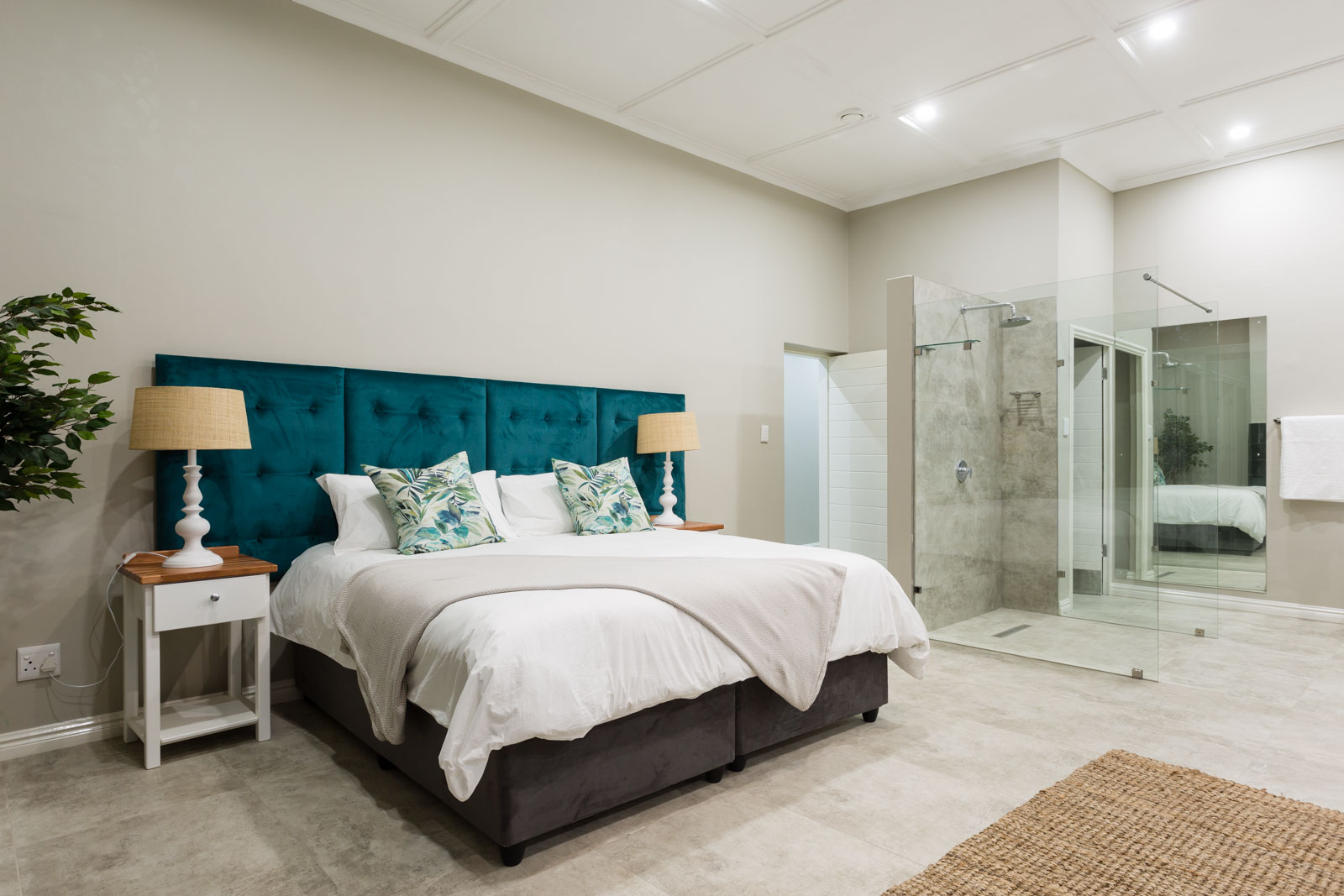
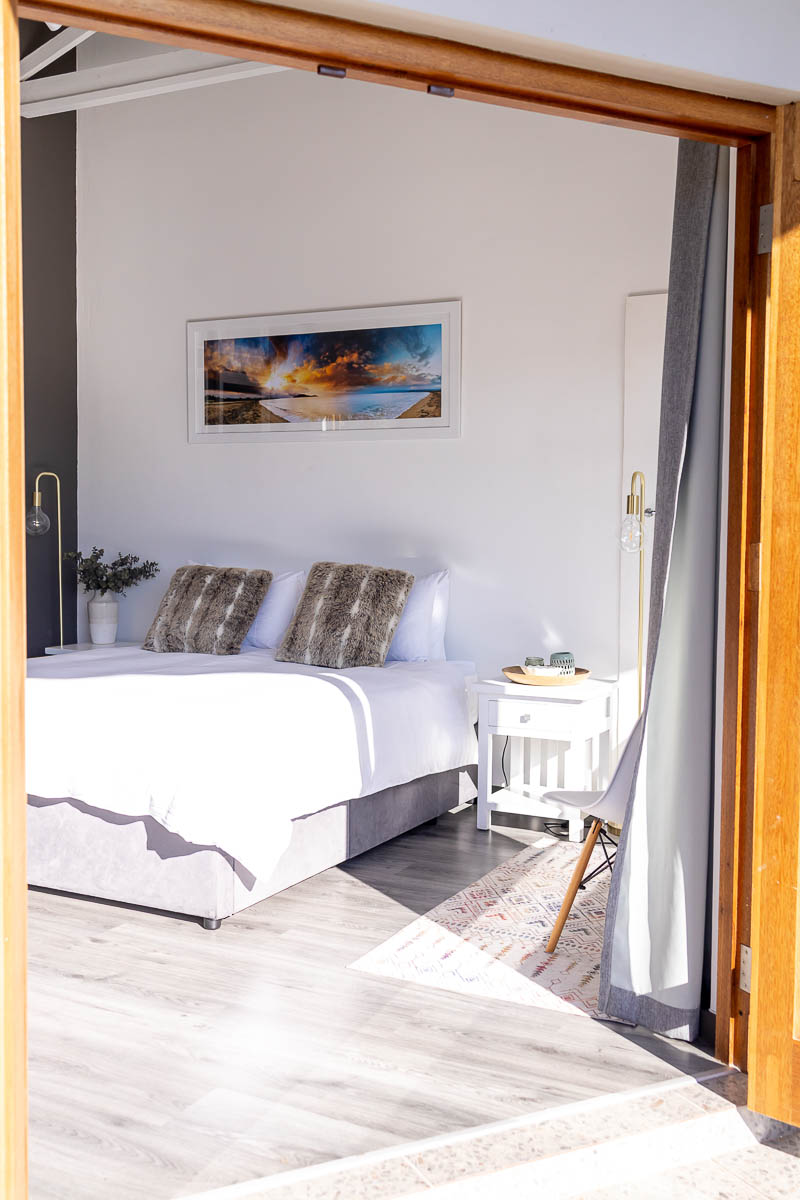
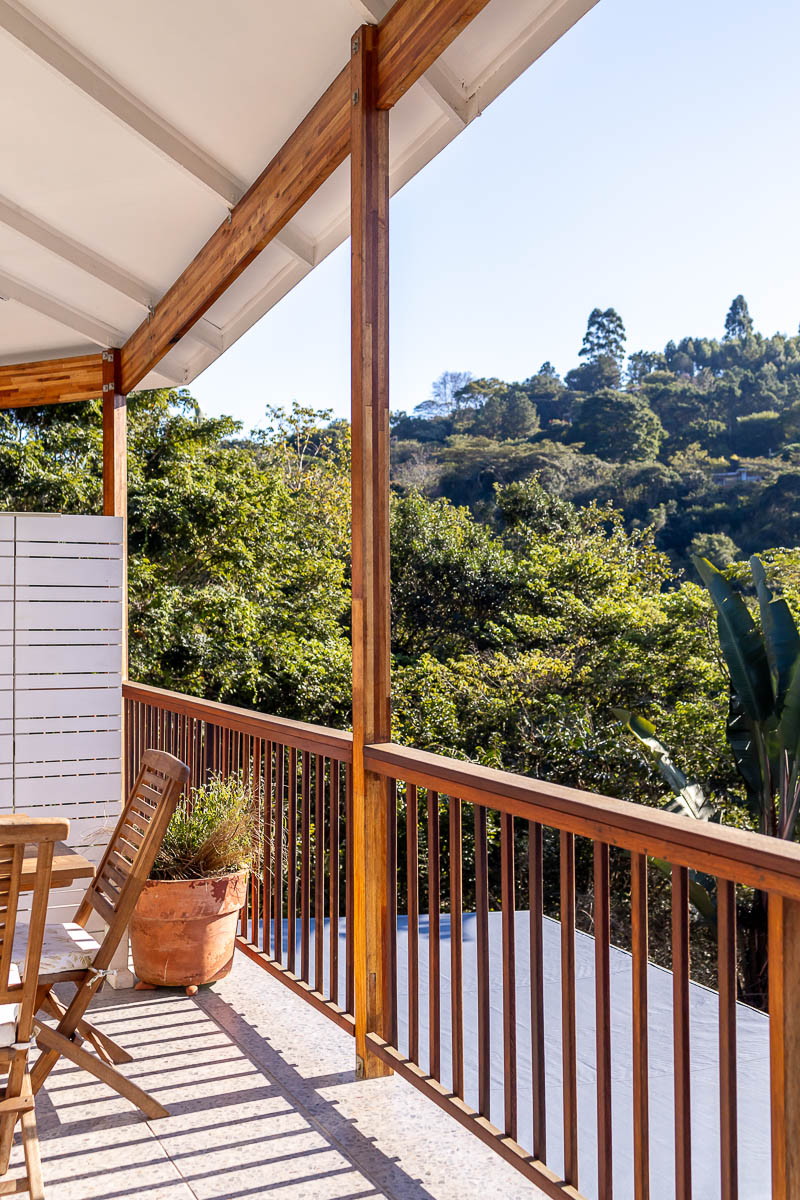
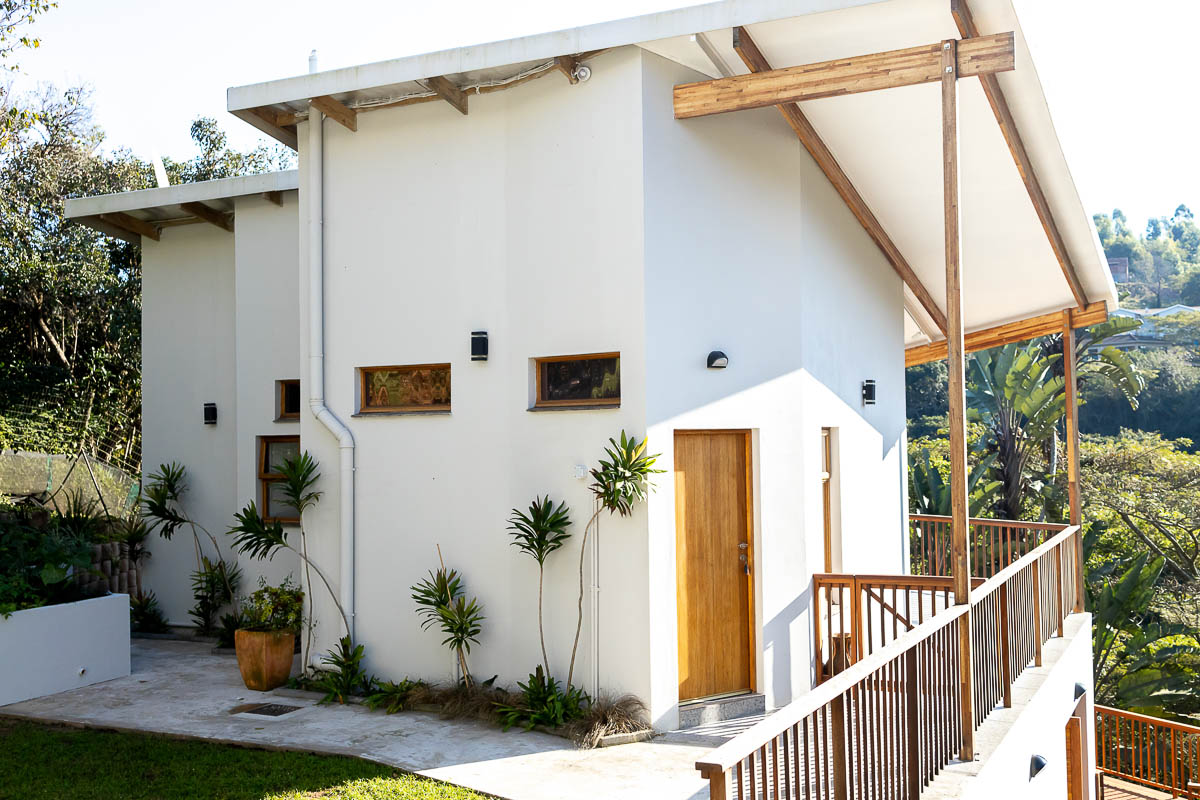
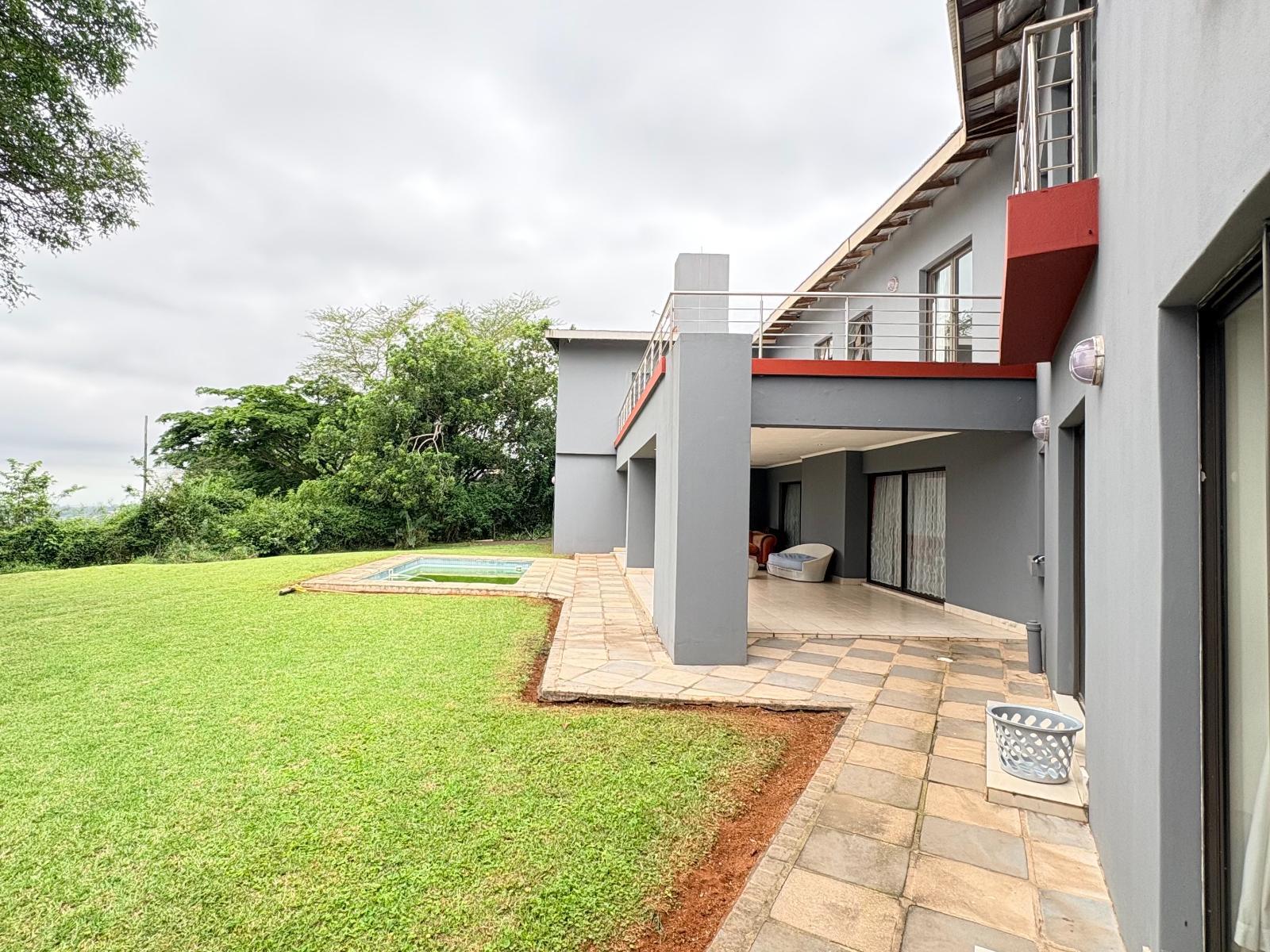
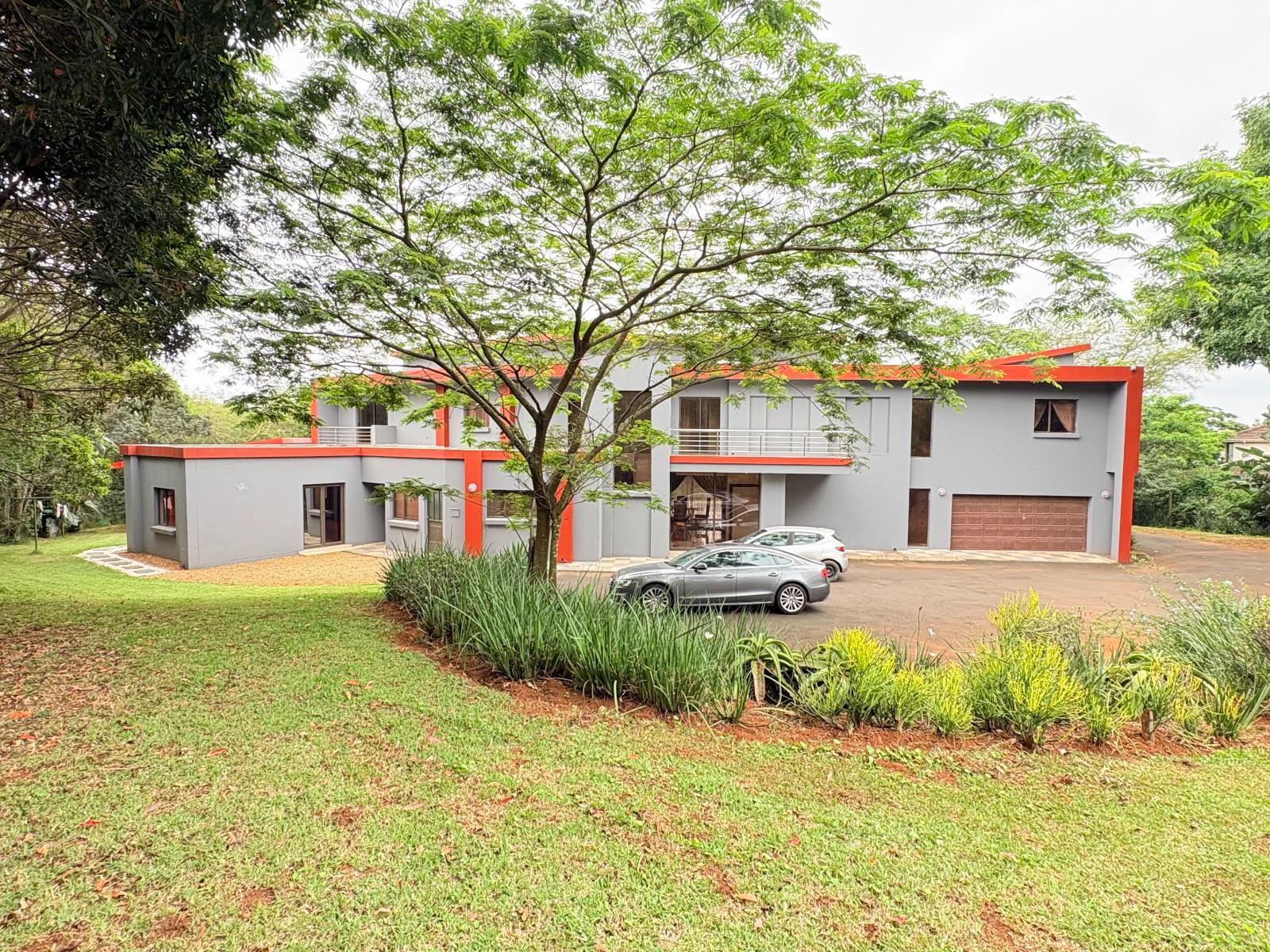
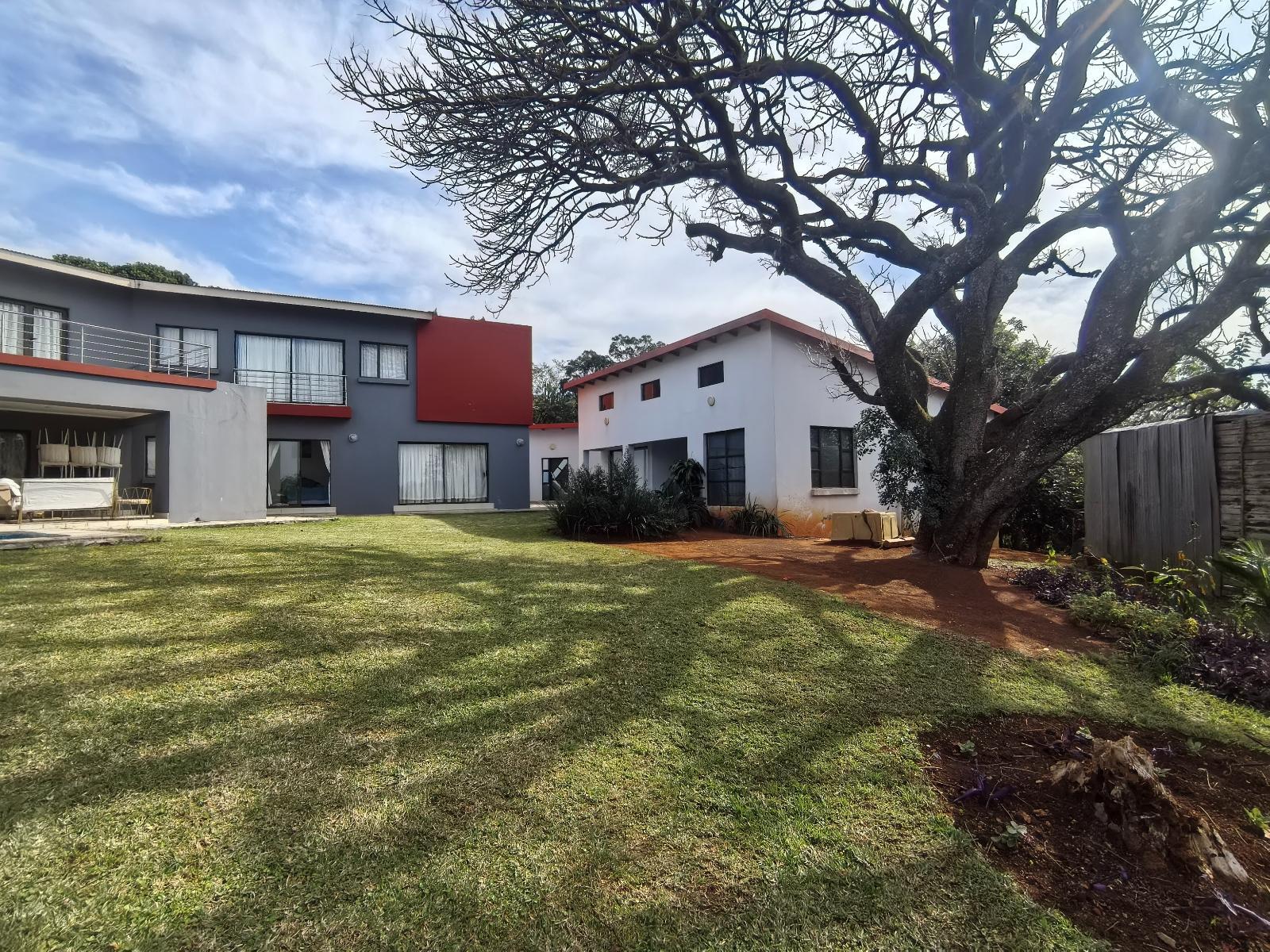
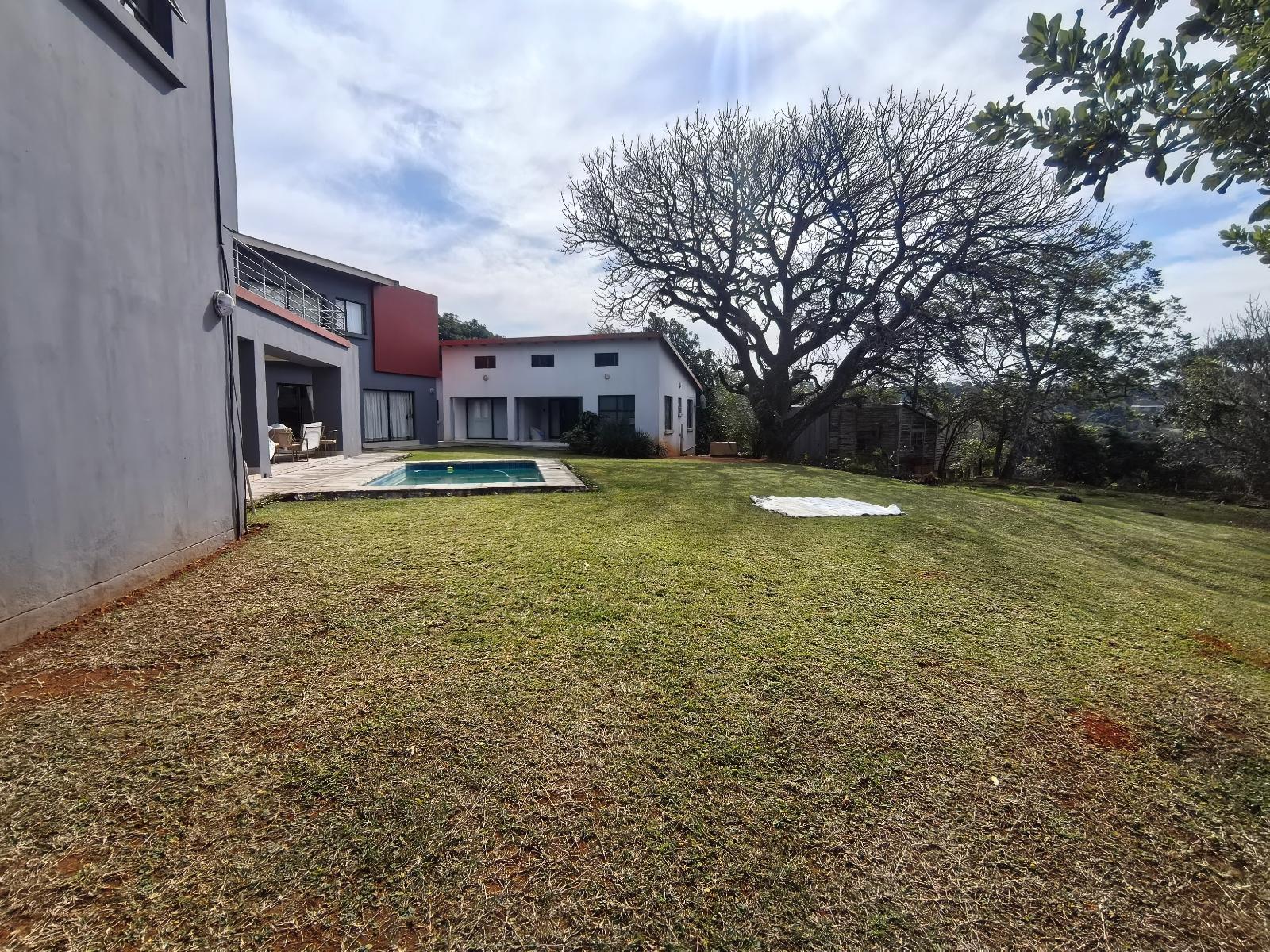
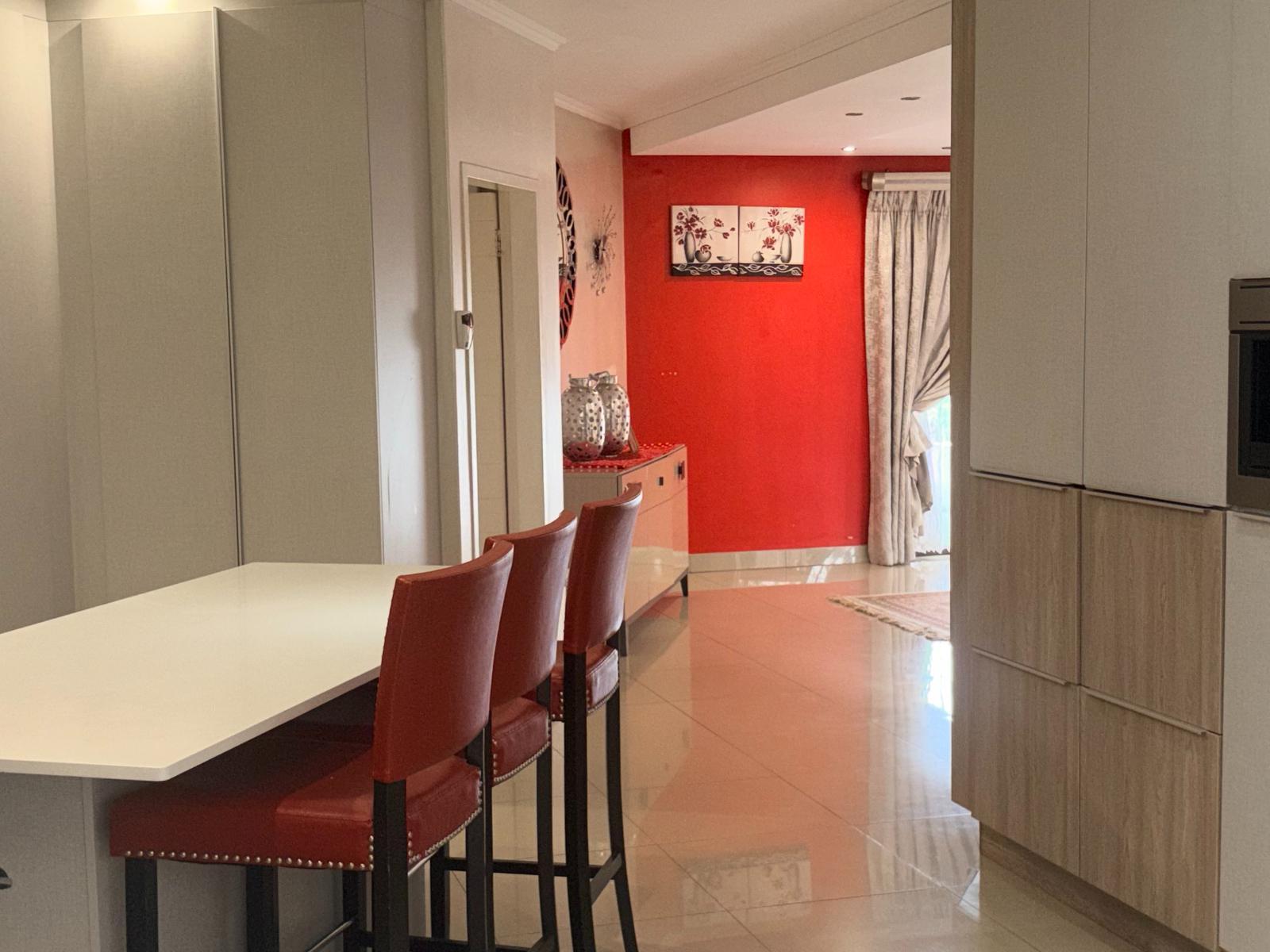
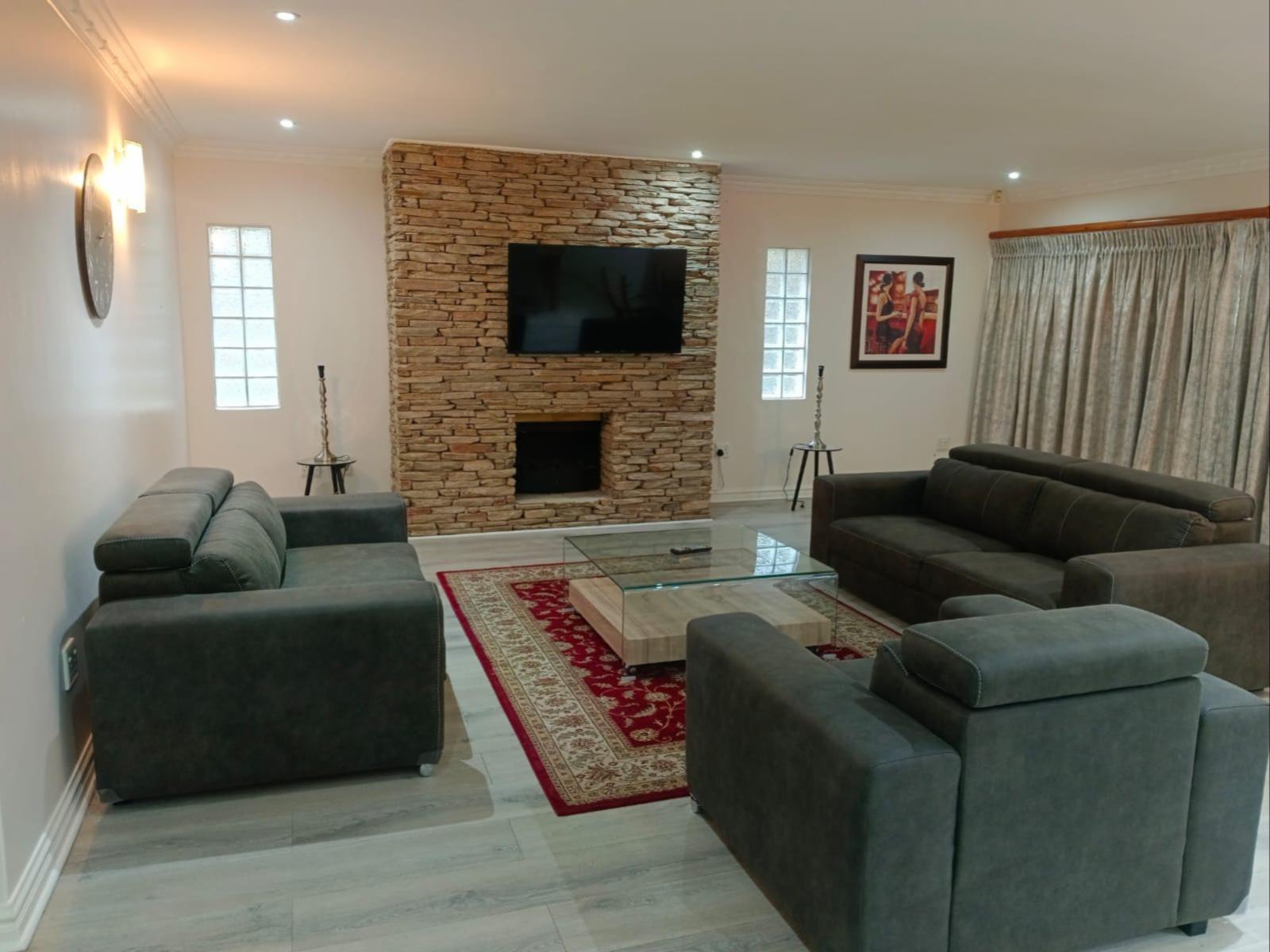
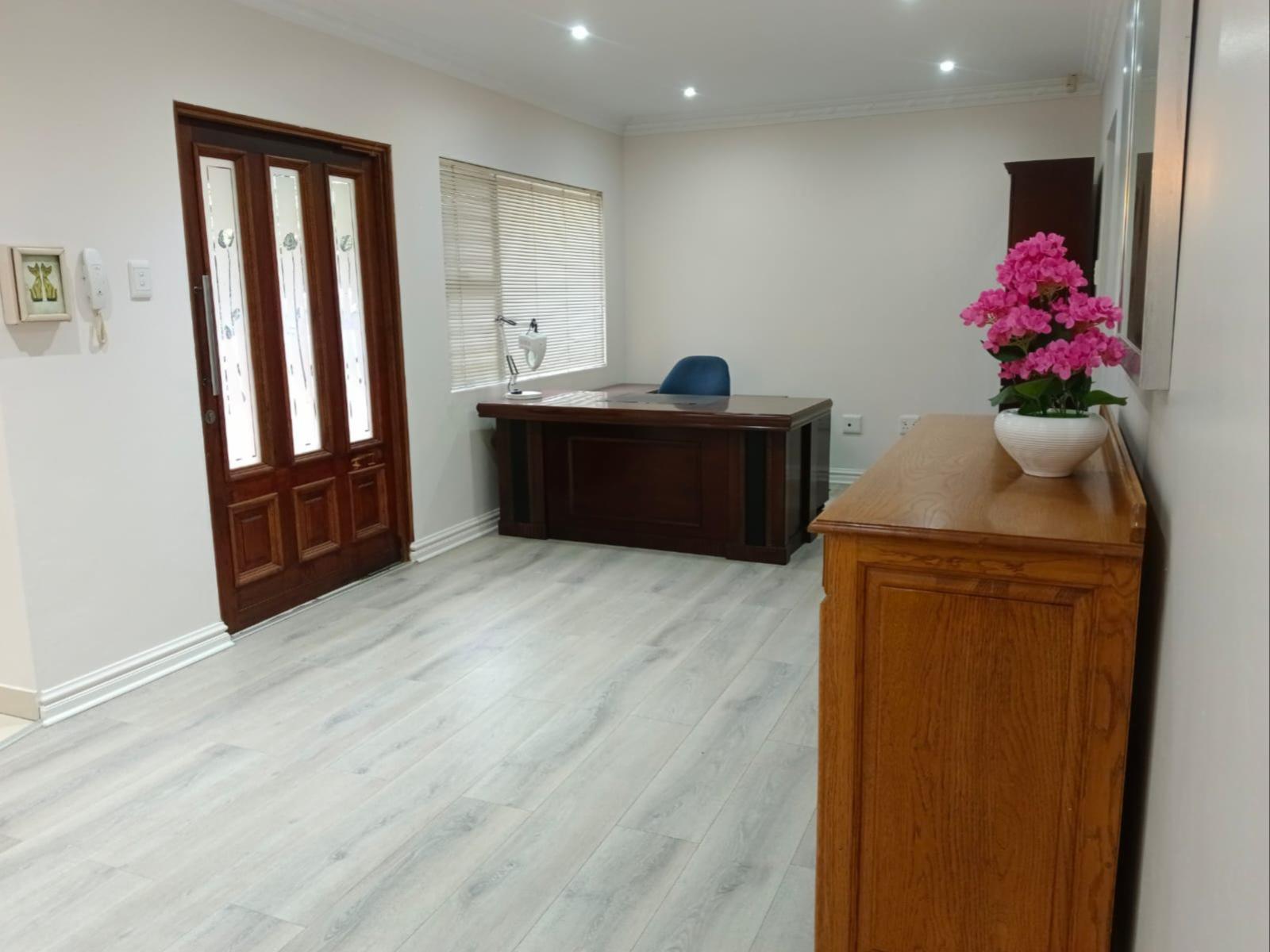
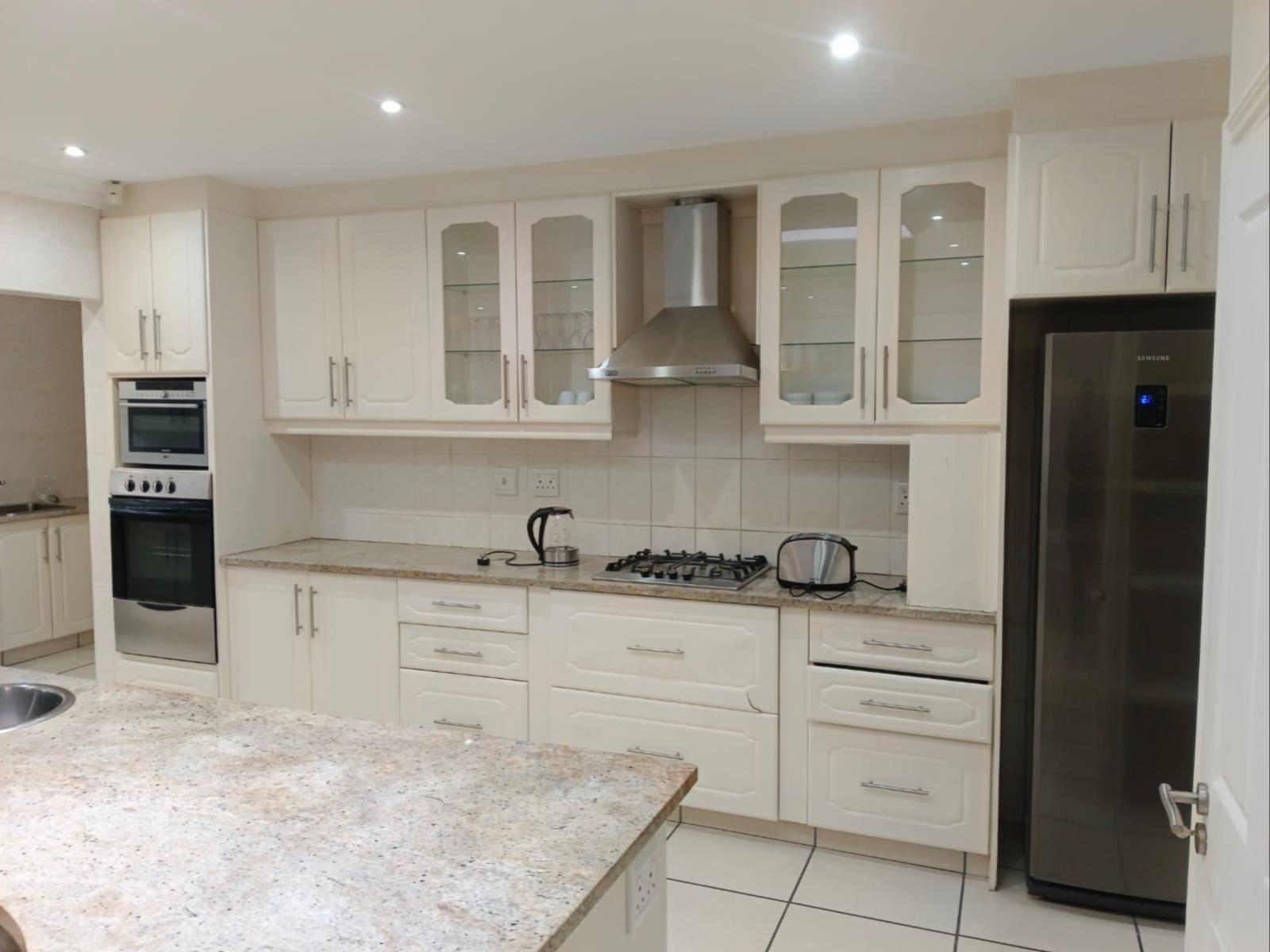
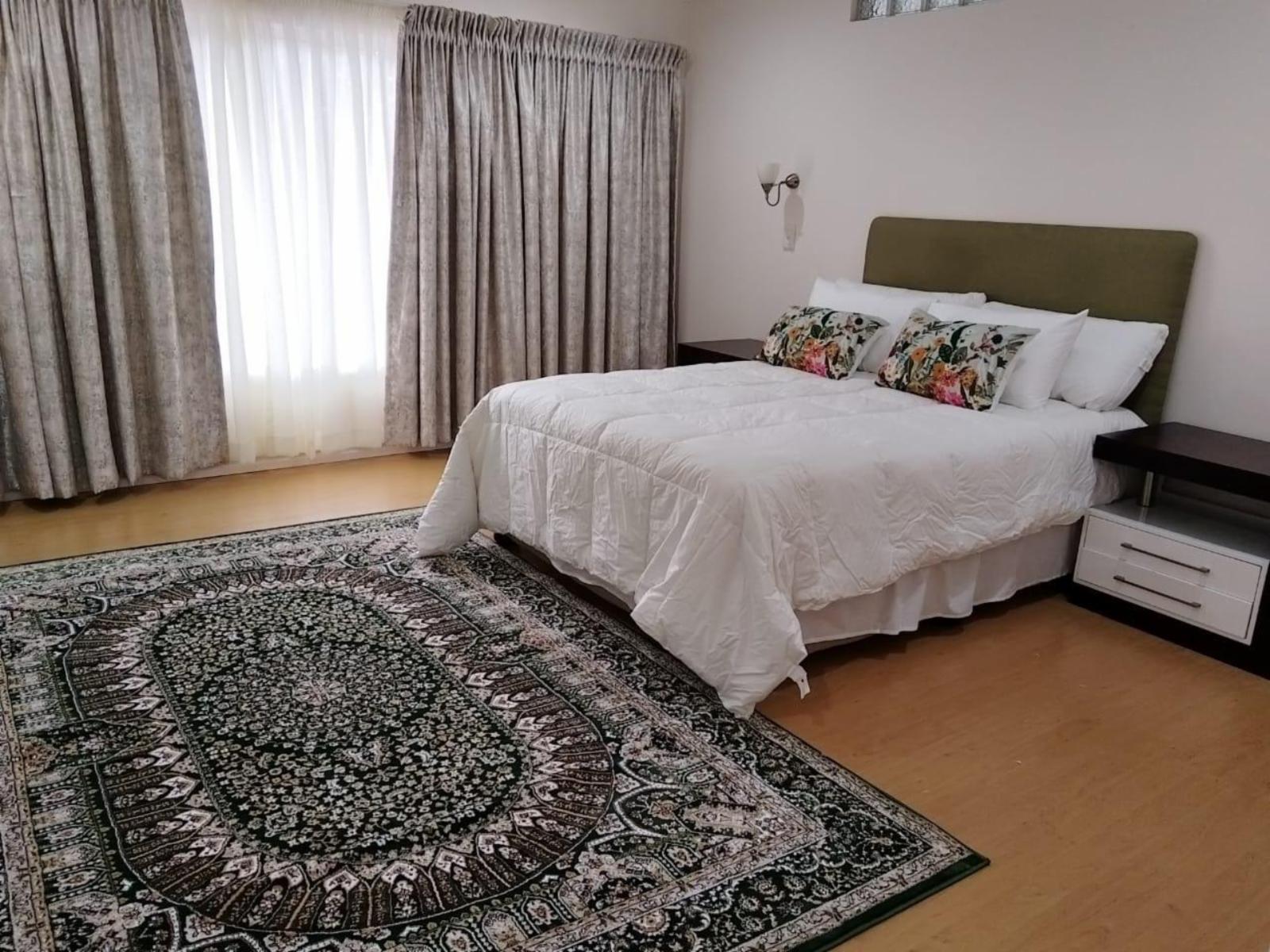
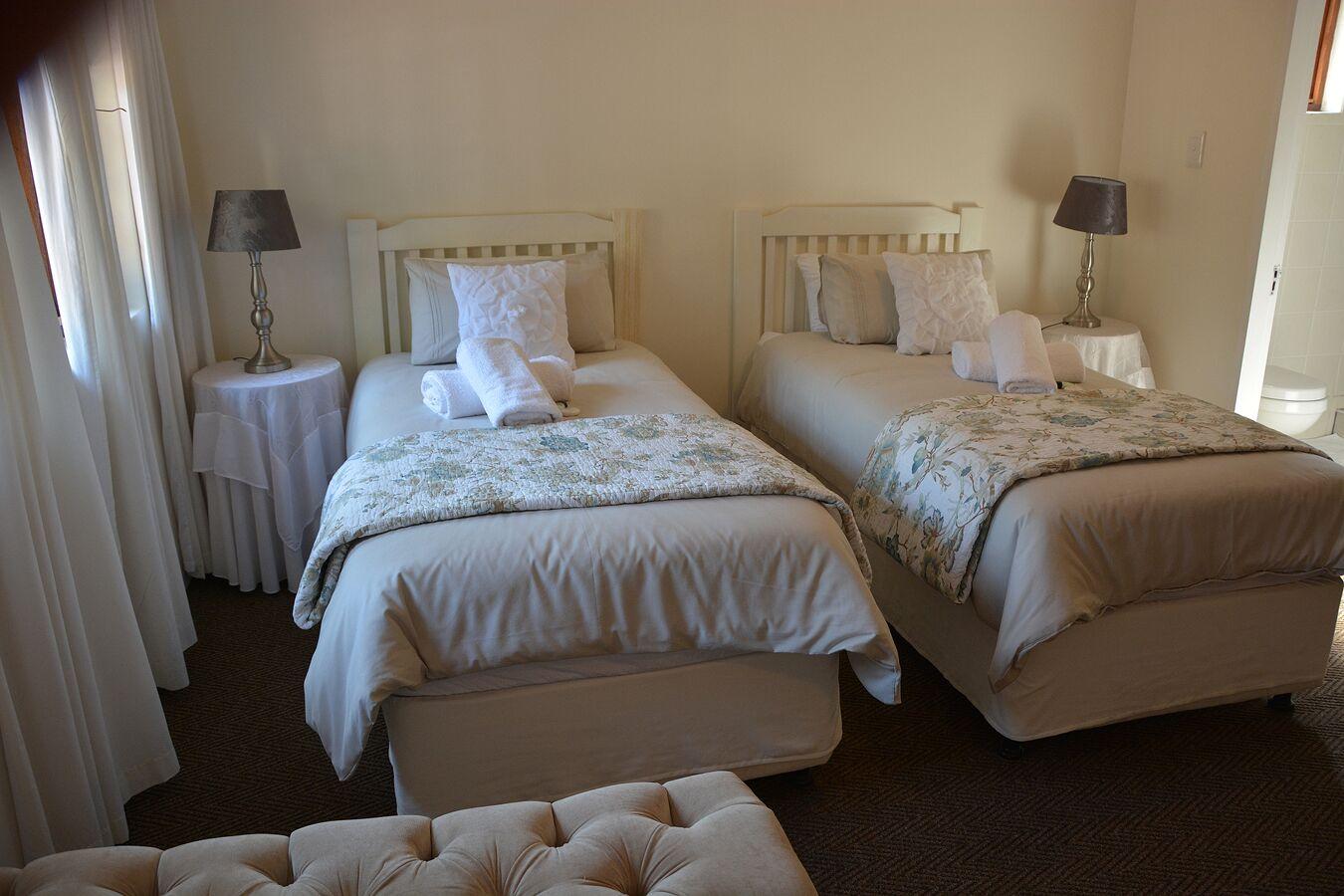
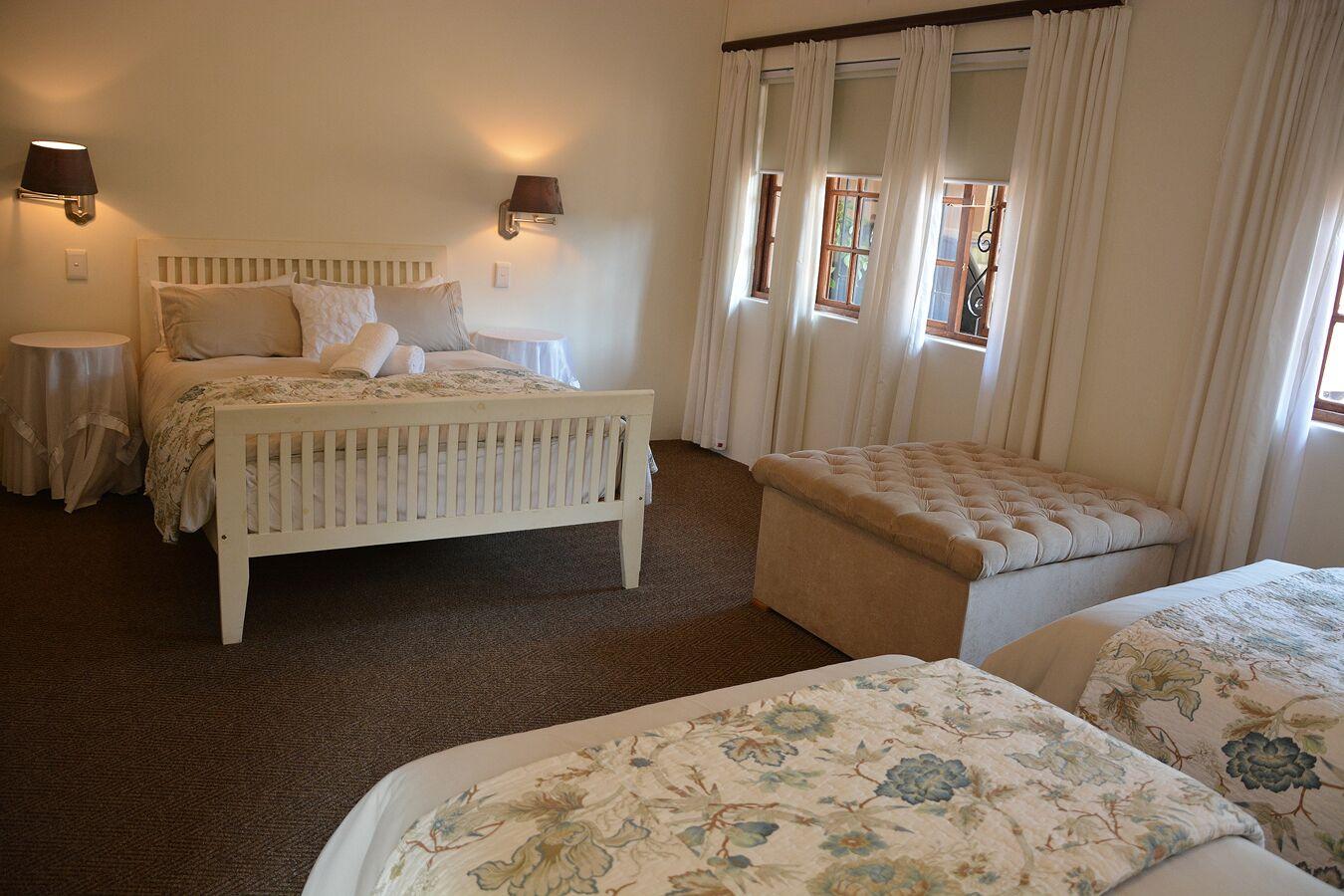
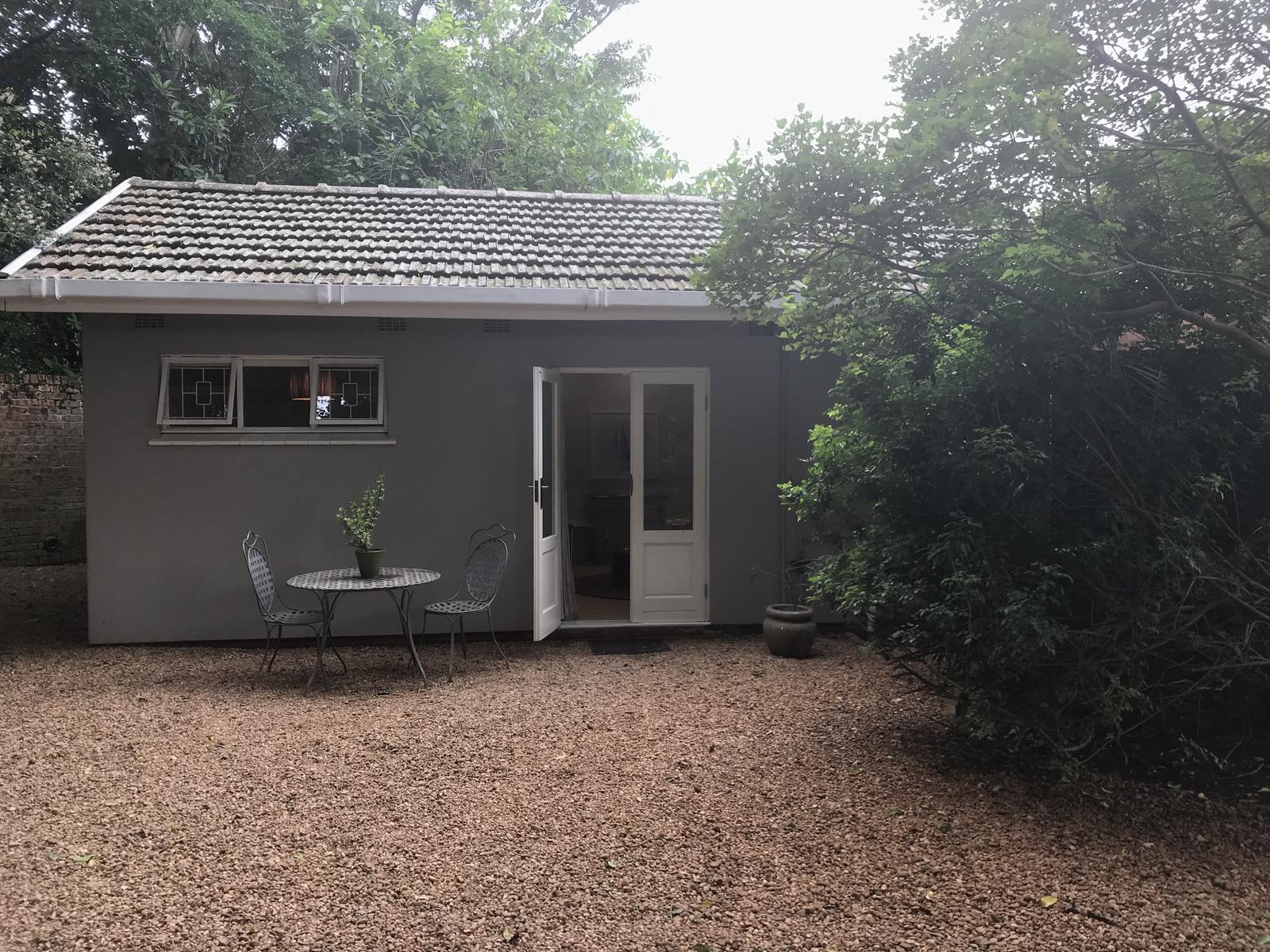
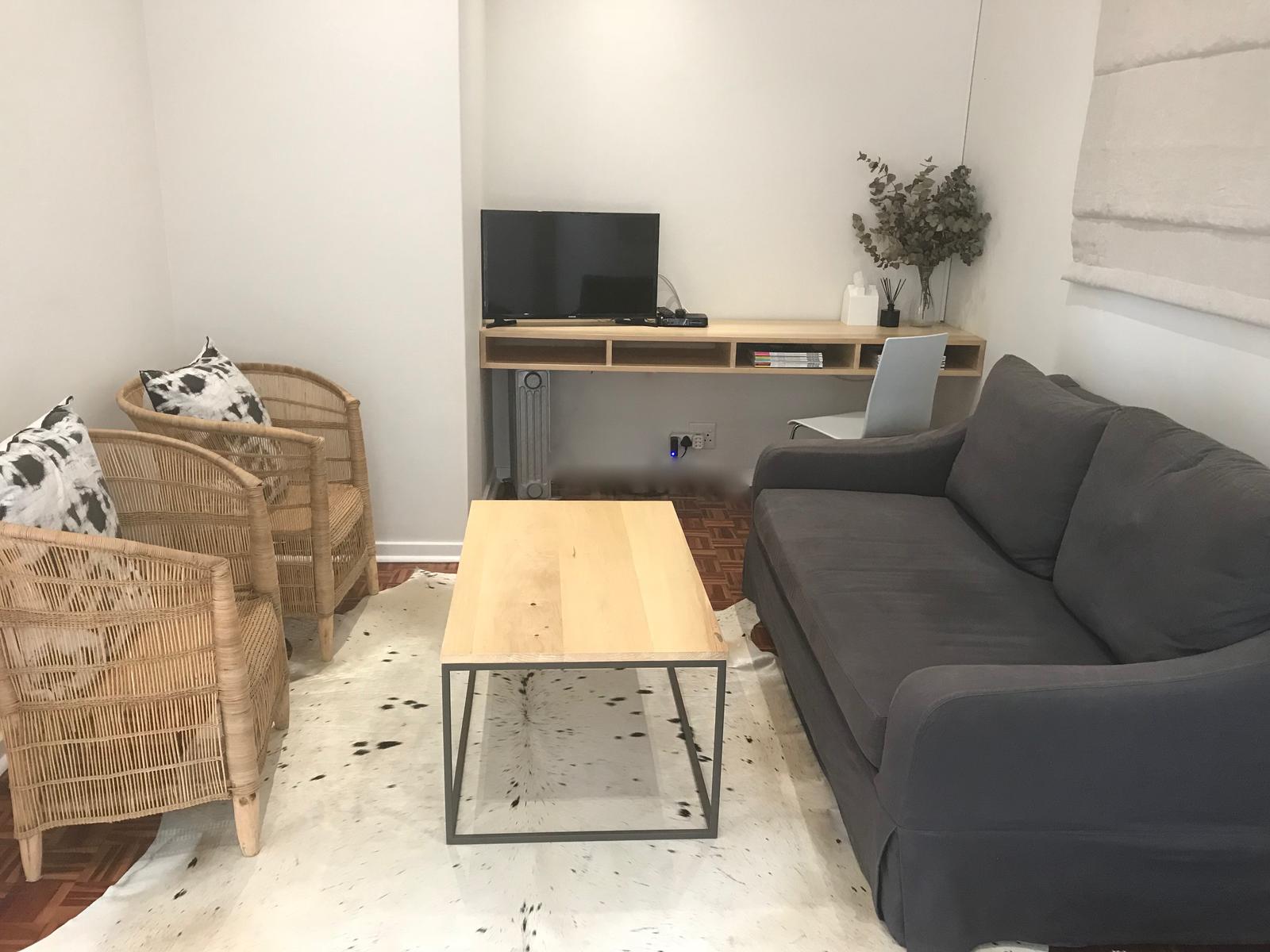
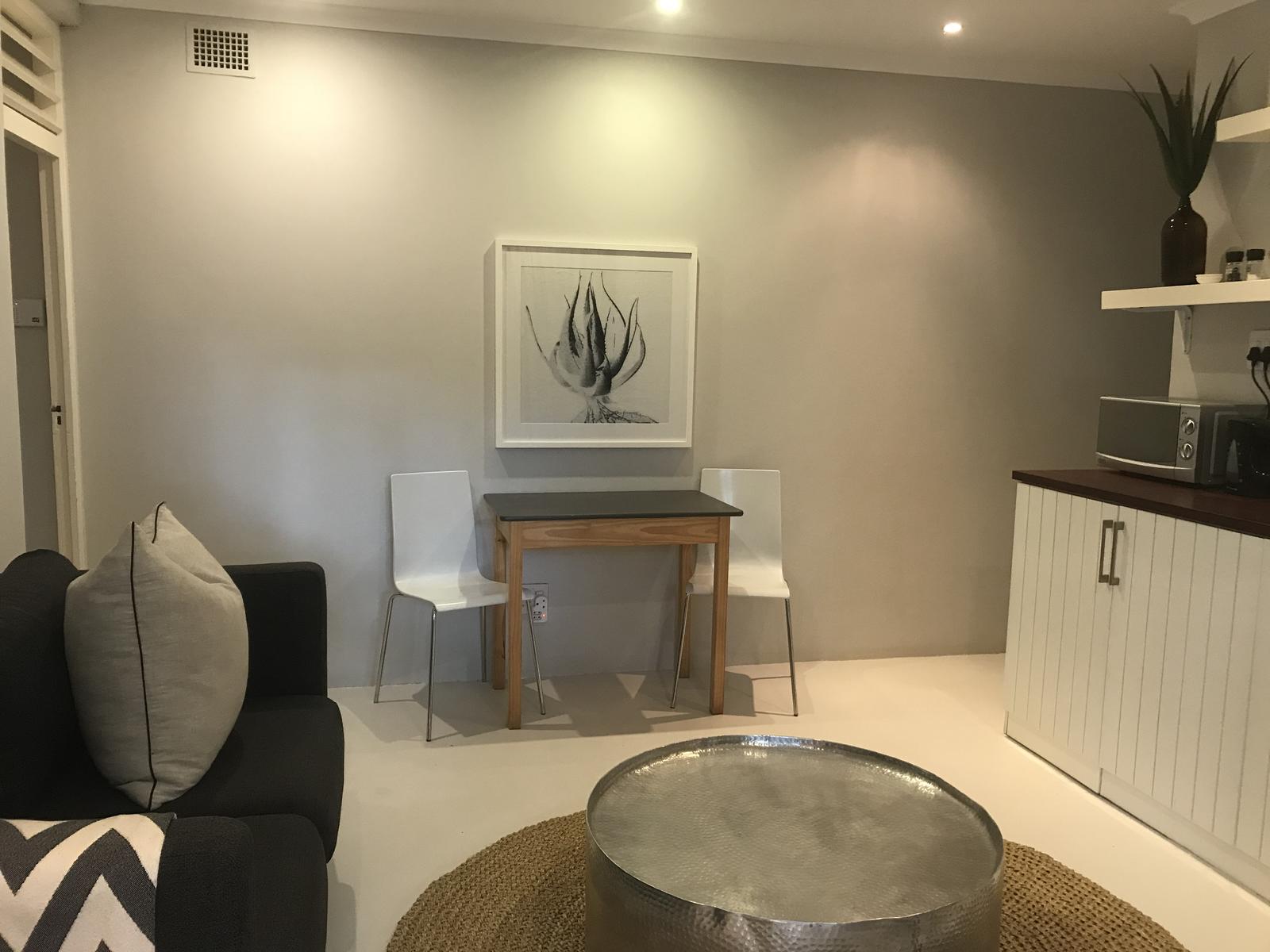
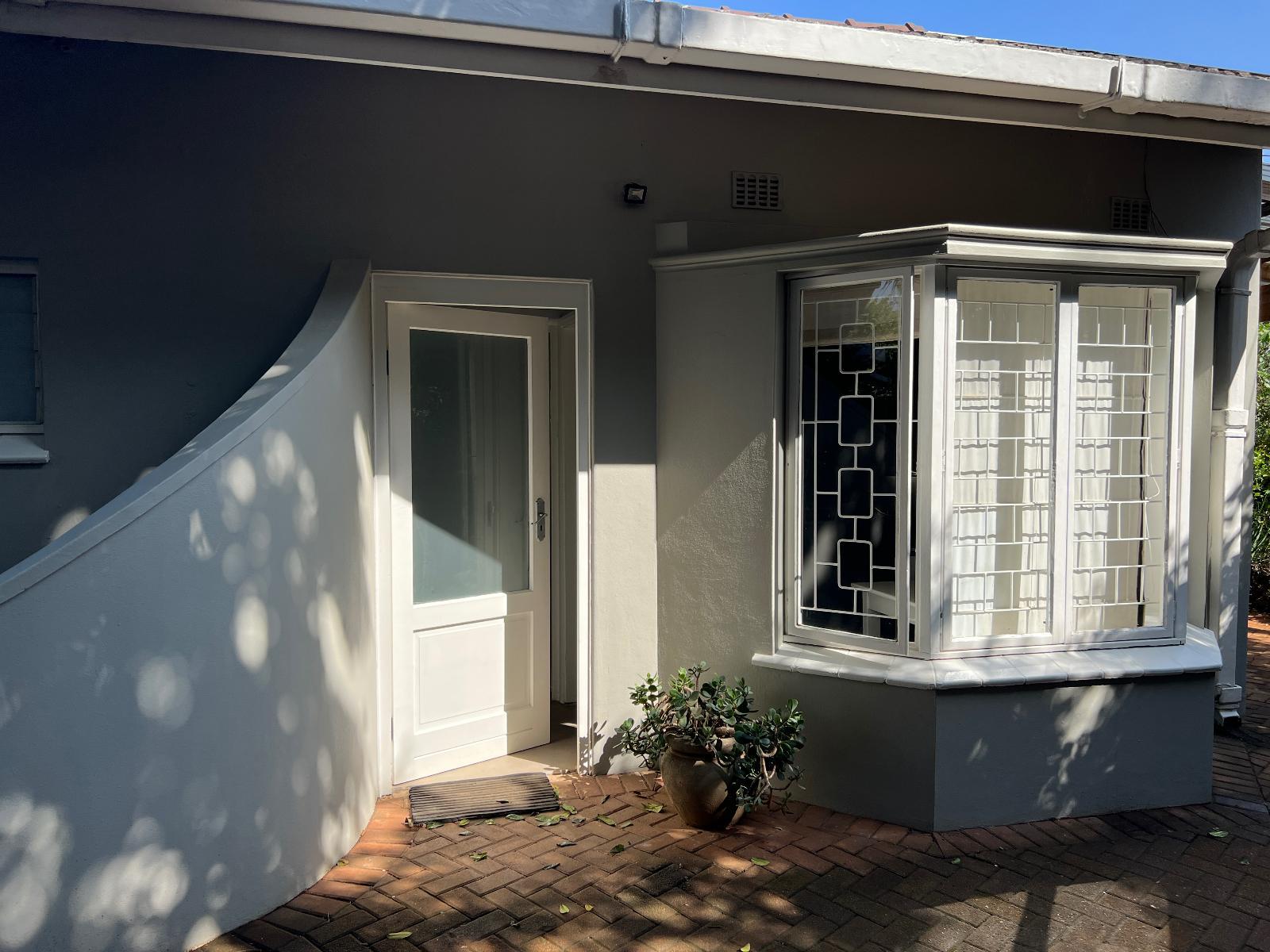
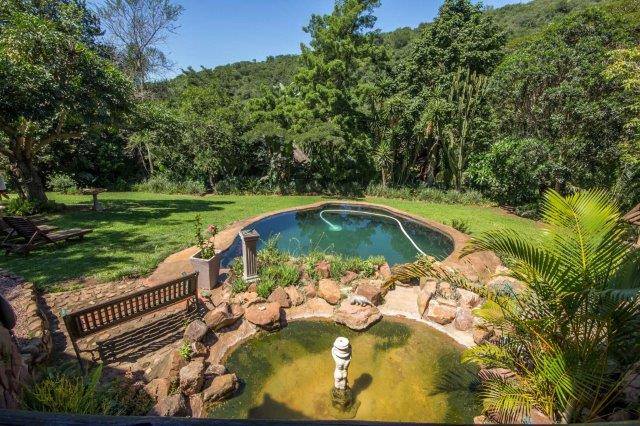
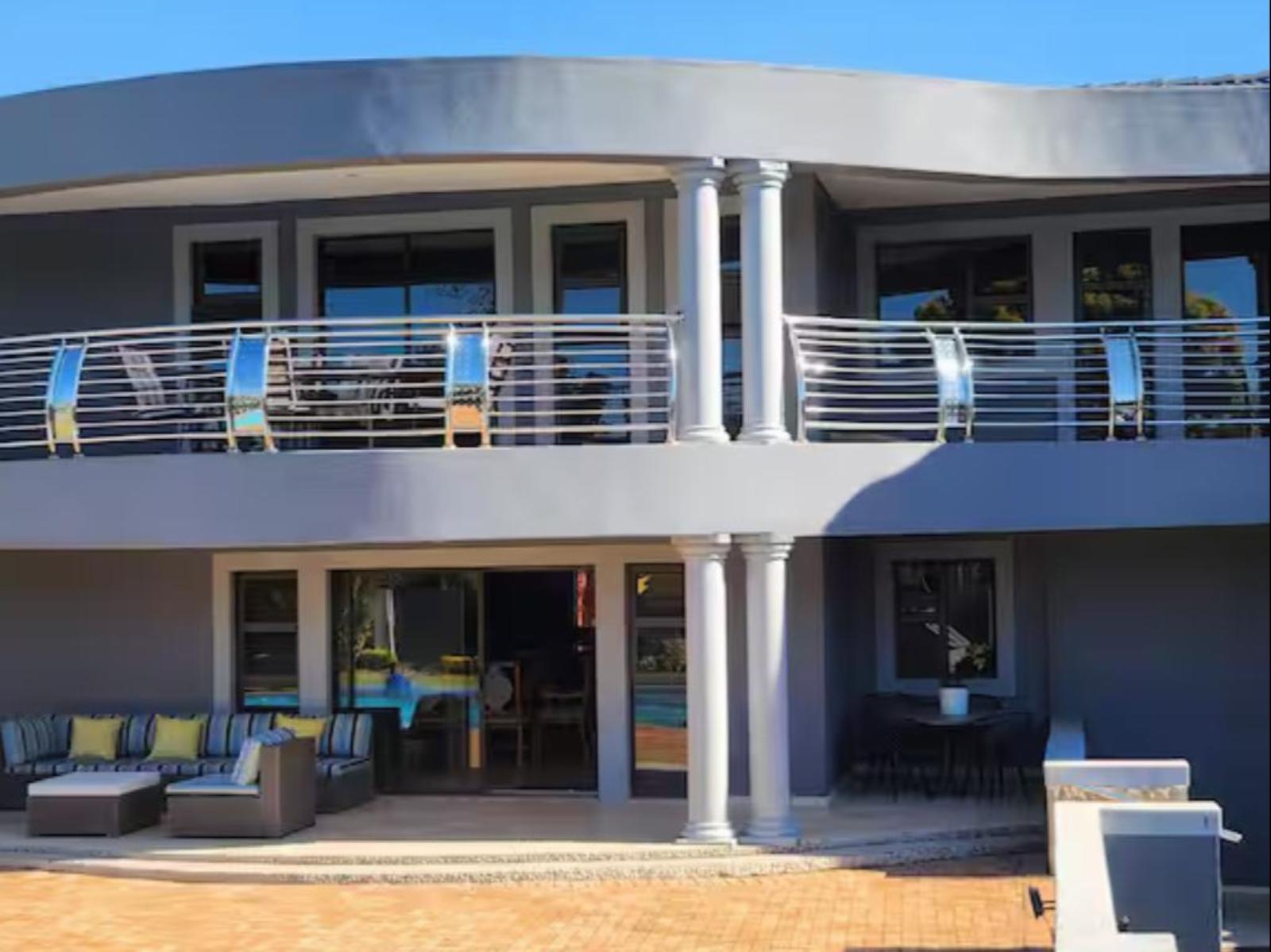
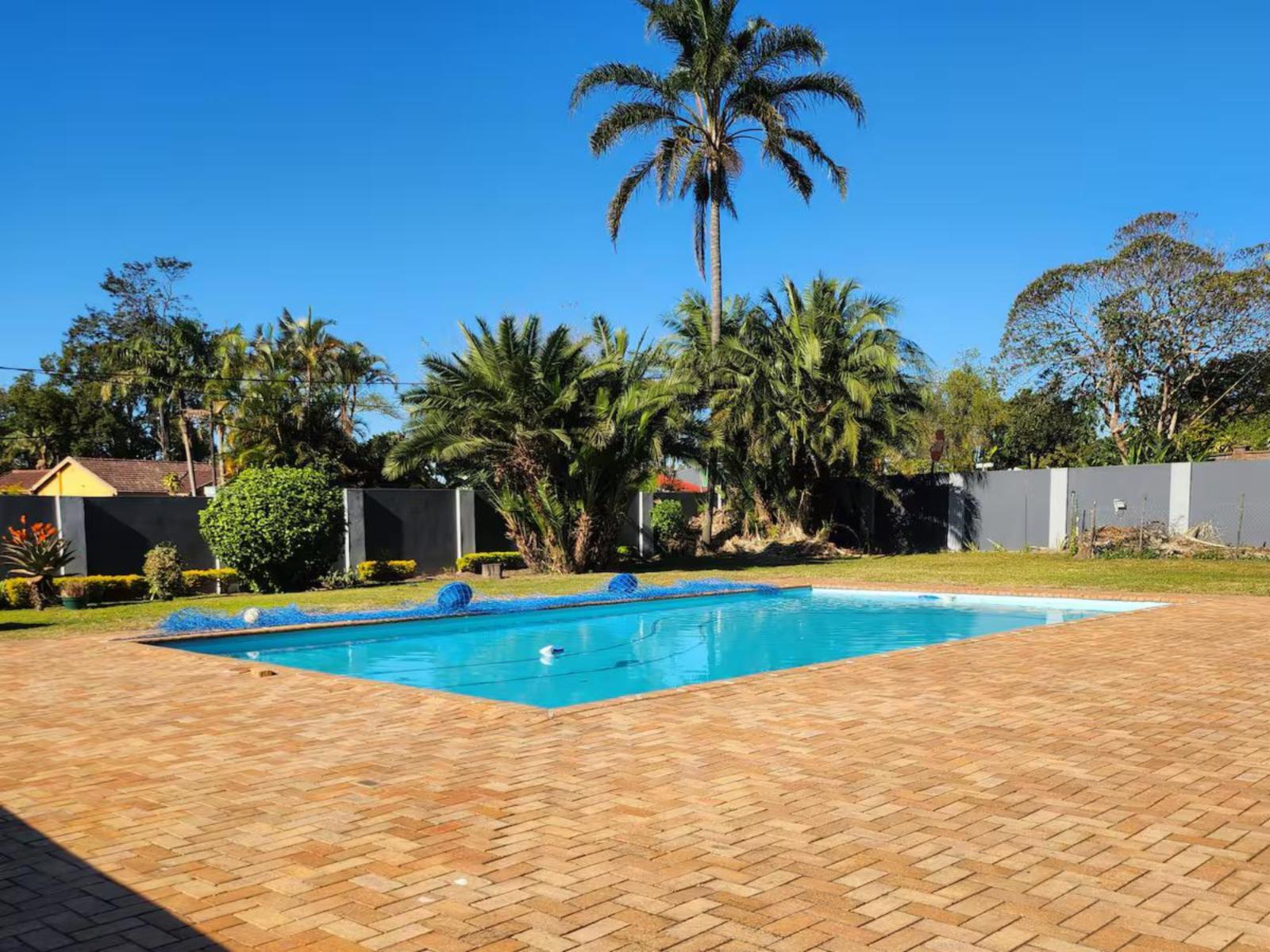
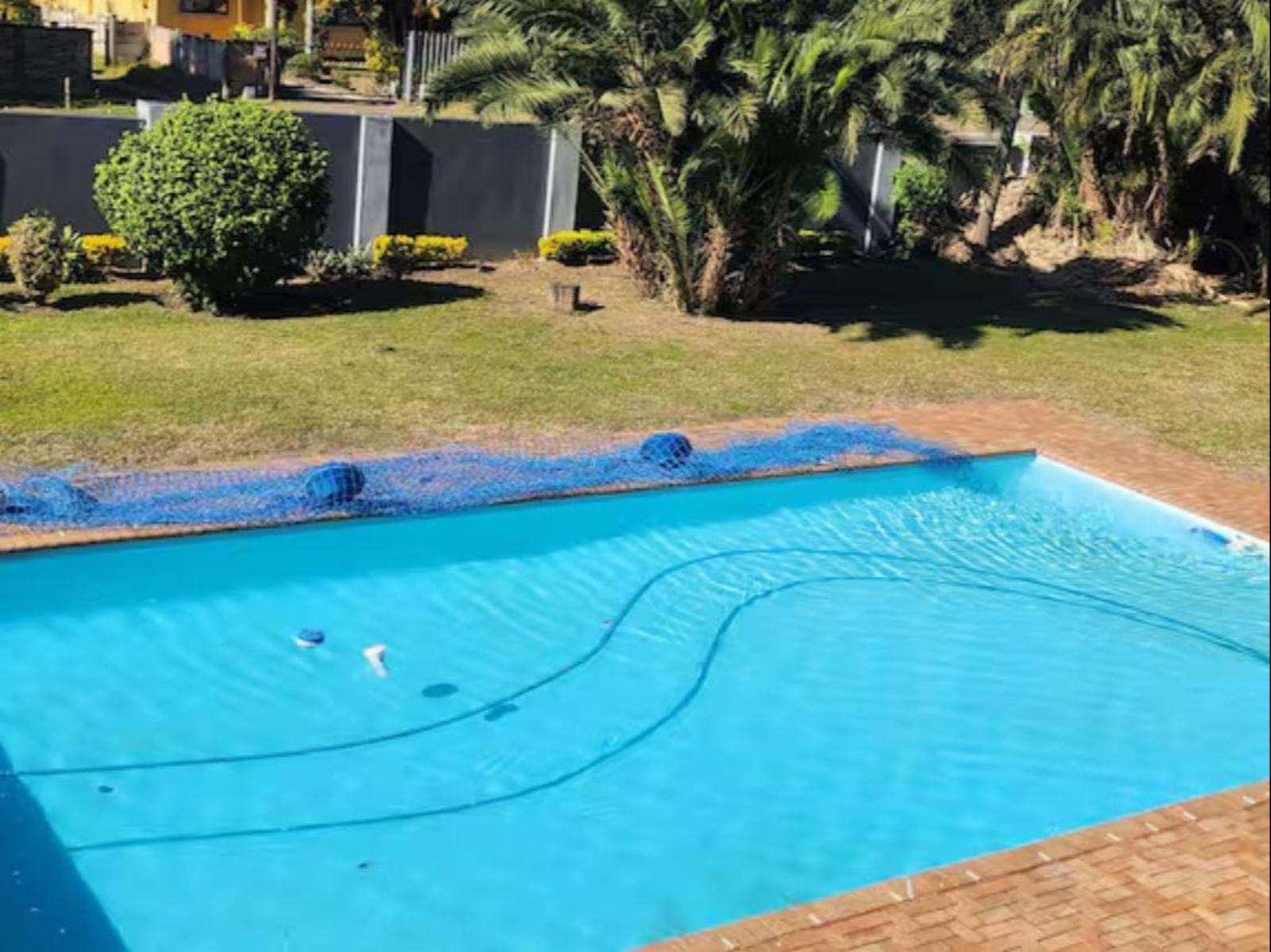
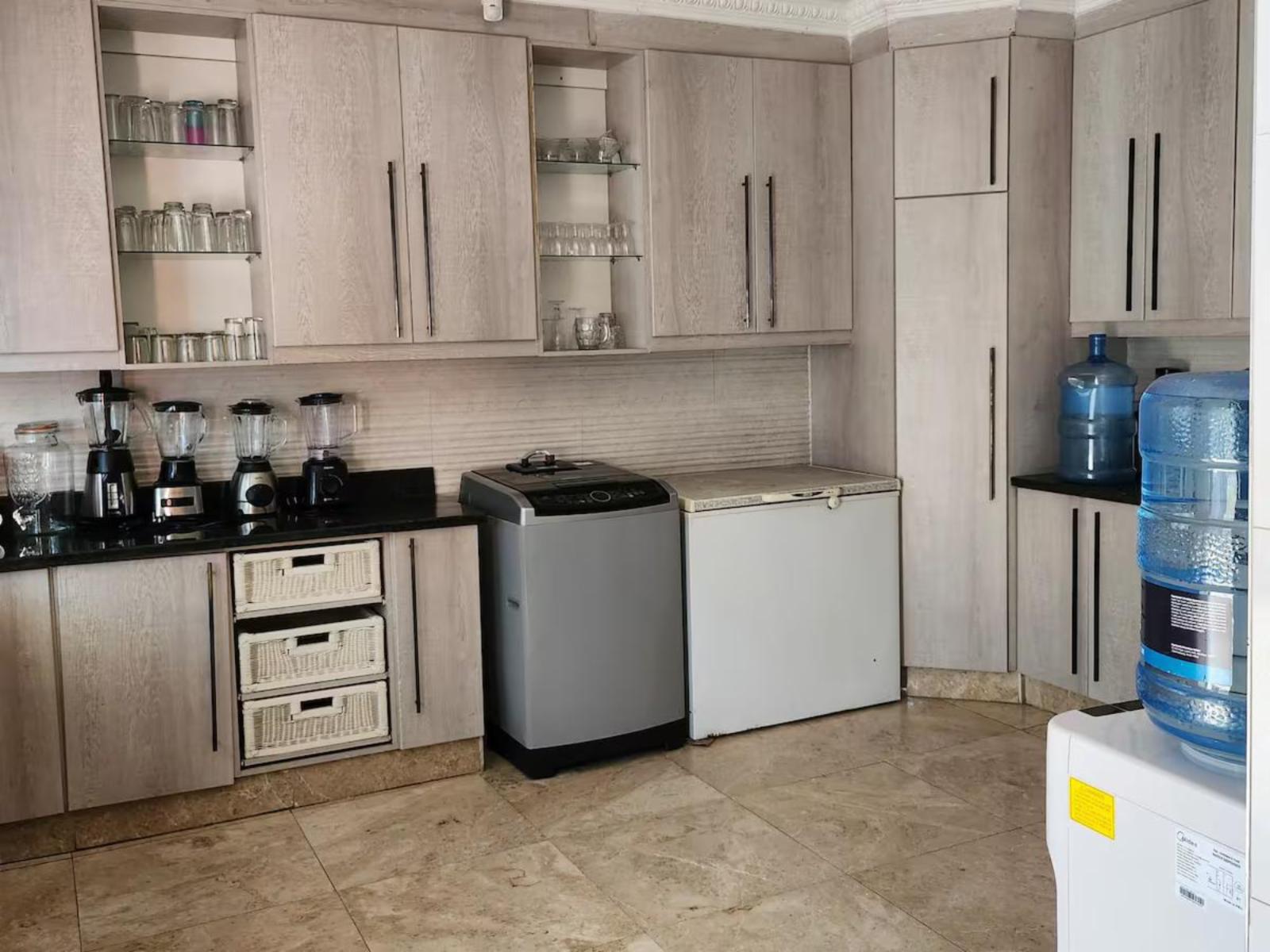
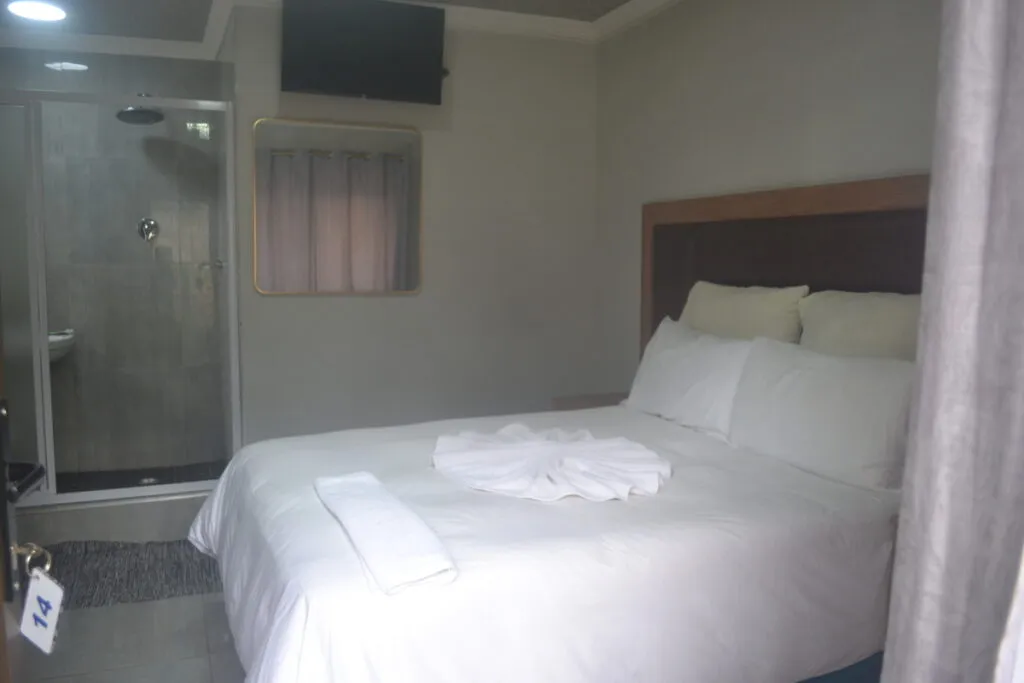
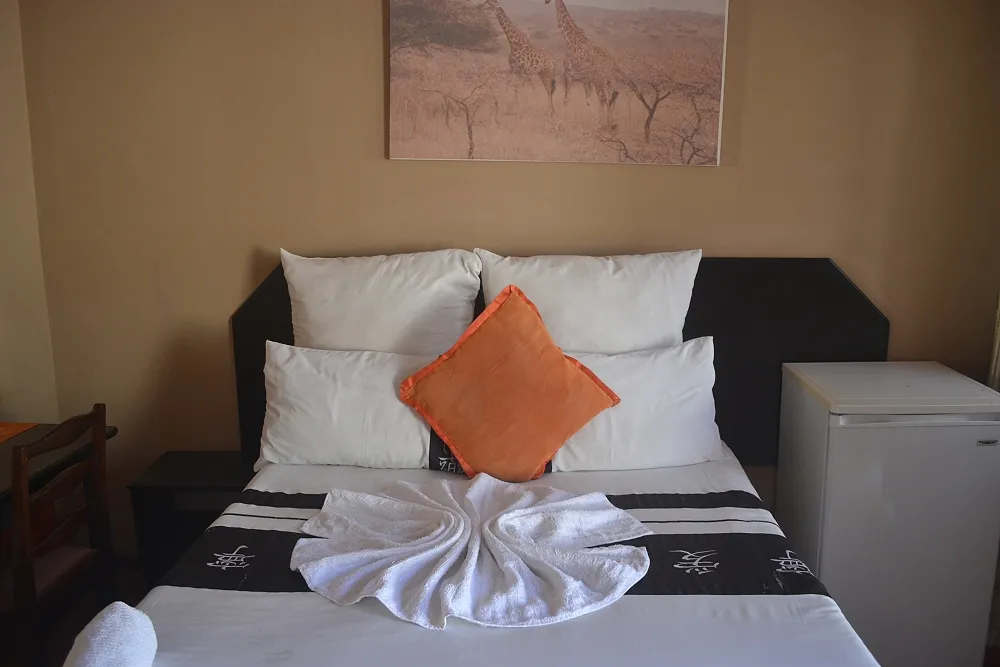
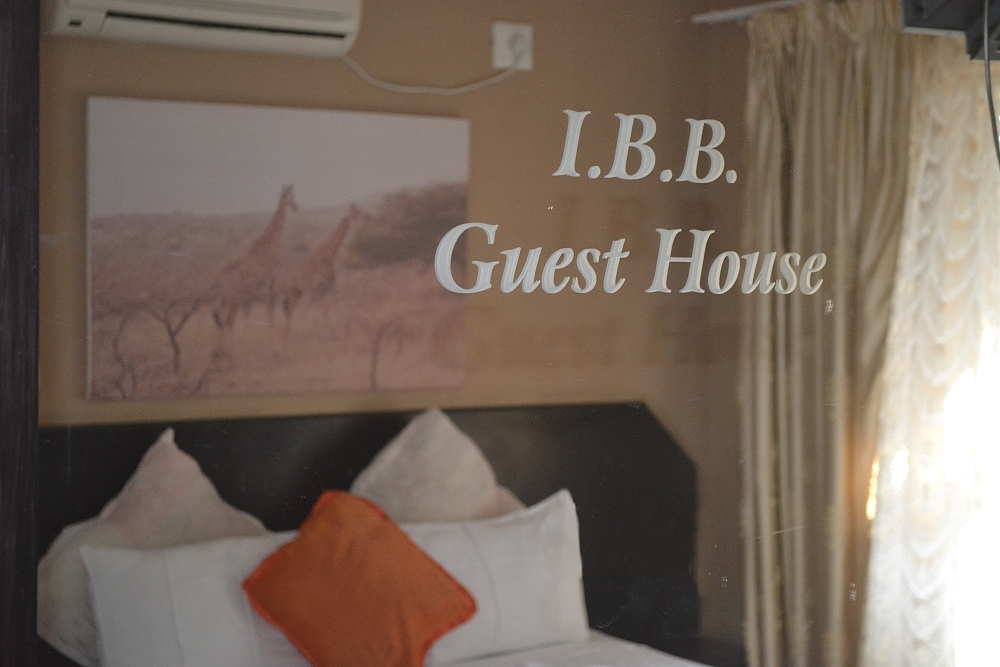
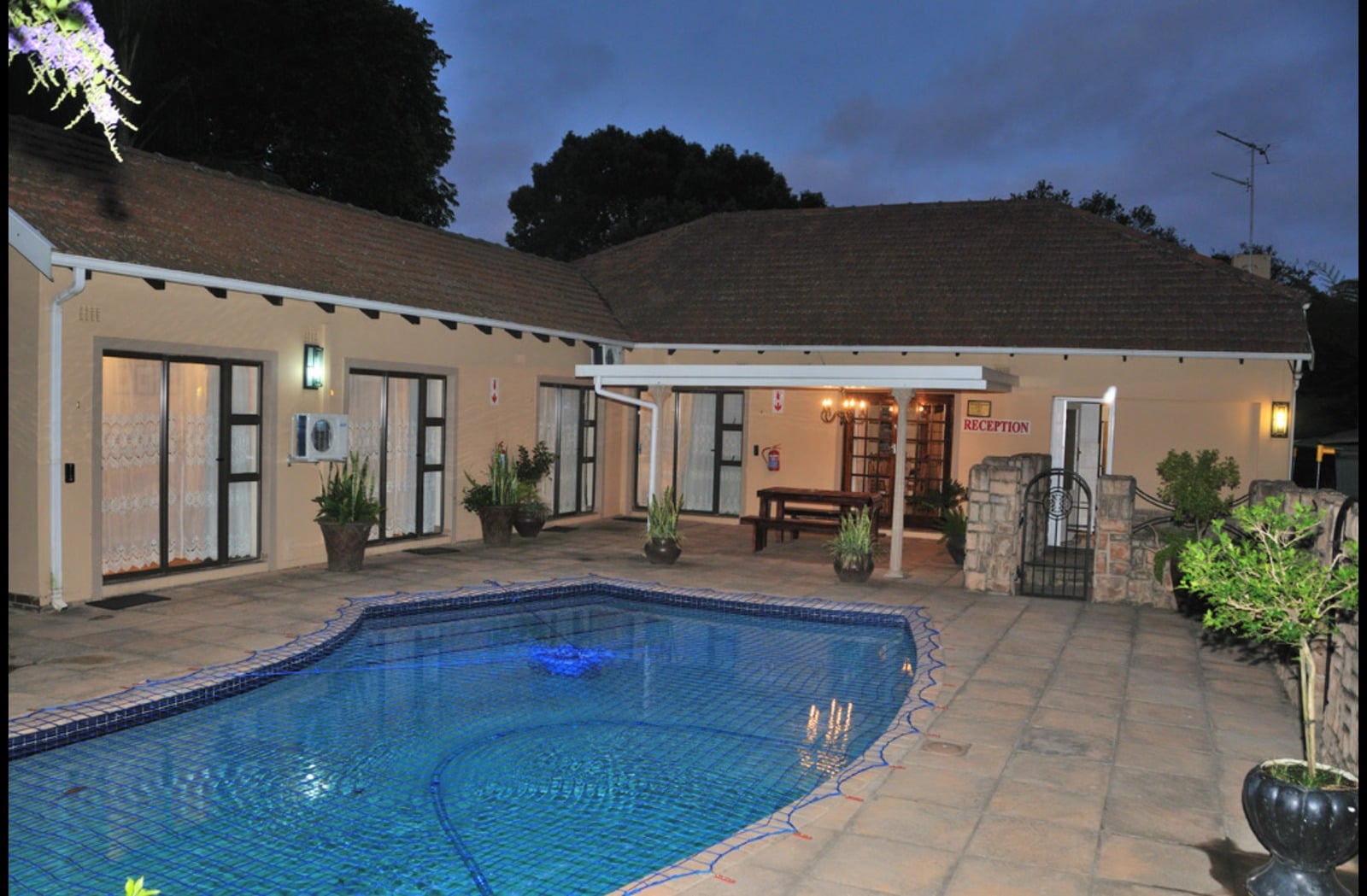
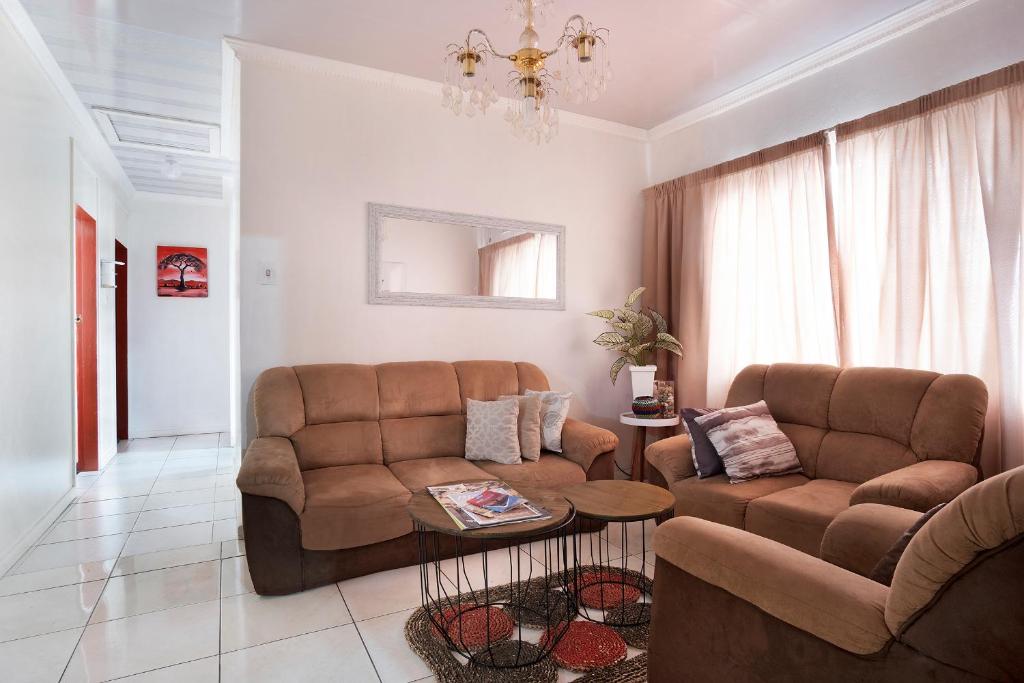
The middle tier is well-represented by guesthouses, which account for the majority of listings. Several operate with en-suite rooms, small pools, and landscaped gardens that take advantage of the cooler hillside climate. Guesthouses average around R1,786 per night and provide a settled, comfortable base. Cottages offer a self-catering alternative at a comparable price point, useful for longer stays or groups who prefer their own kitchen and living space. For families or travellers on extended trips, the cottage format allows domestic independence that a serviced guesthouse room does not.
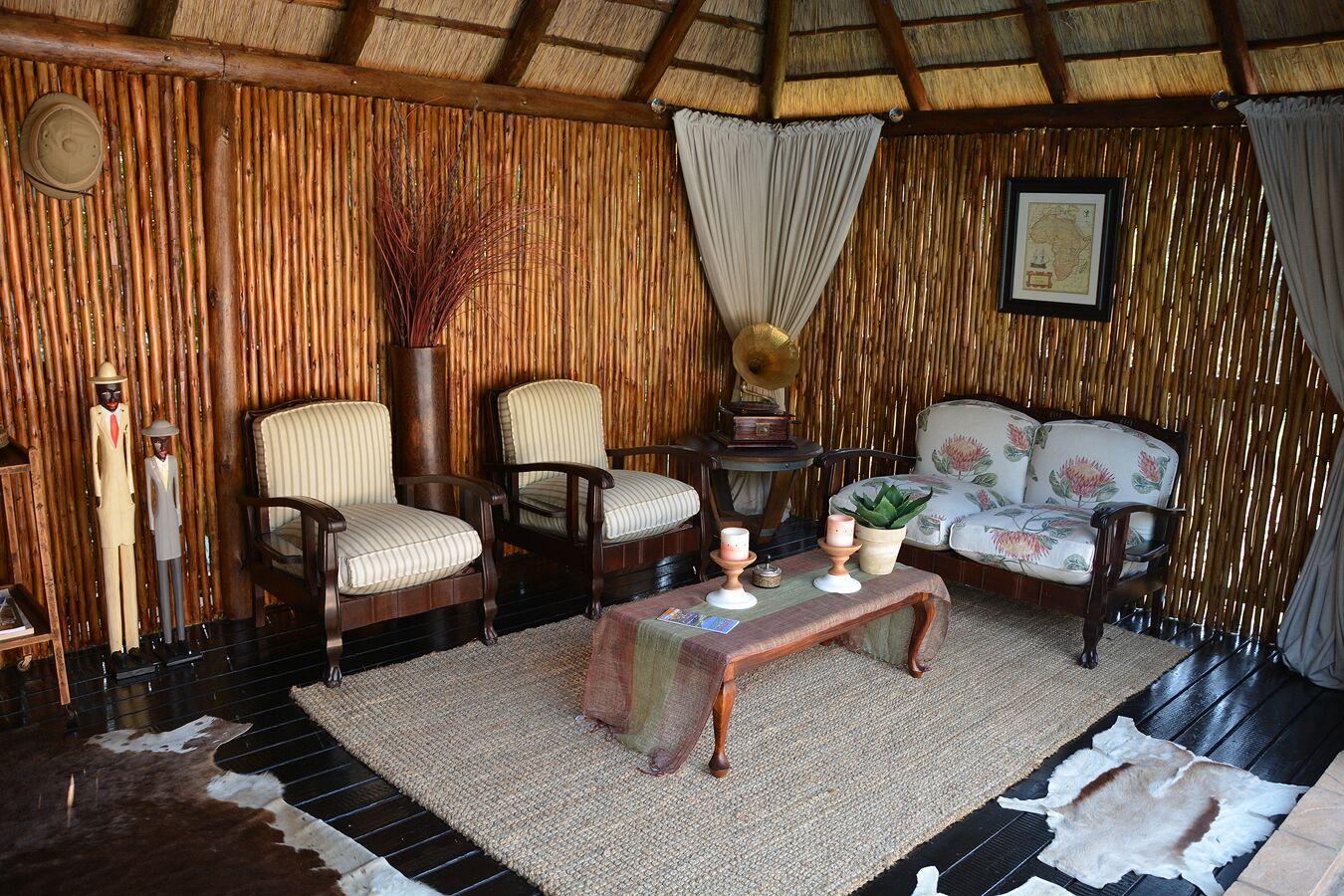
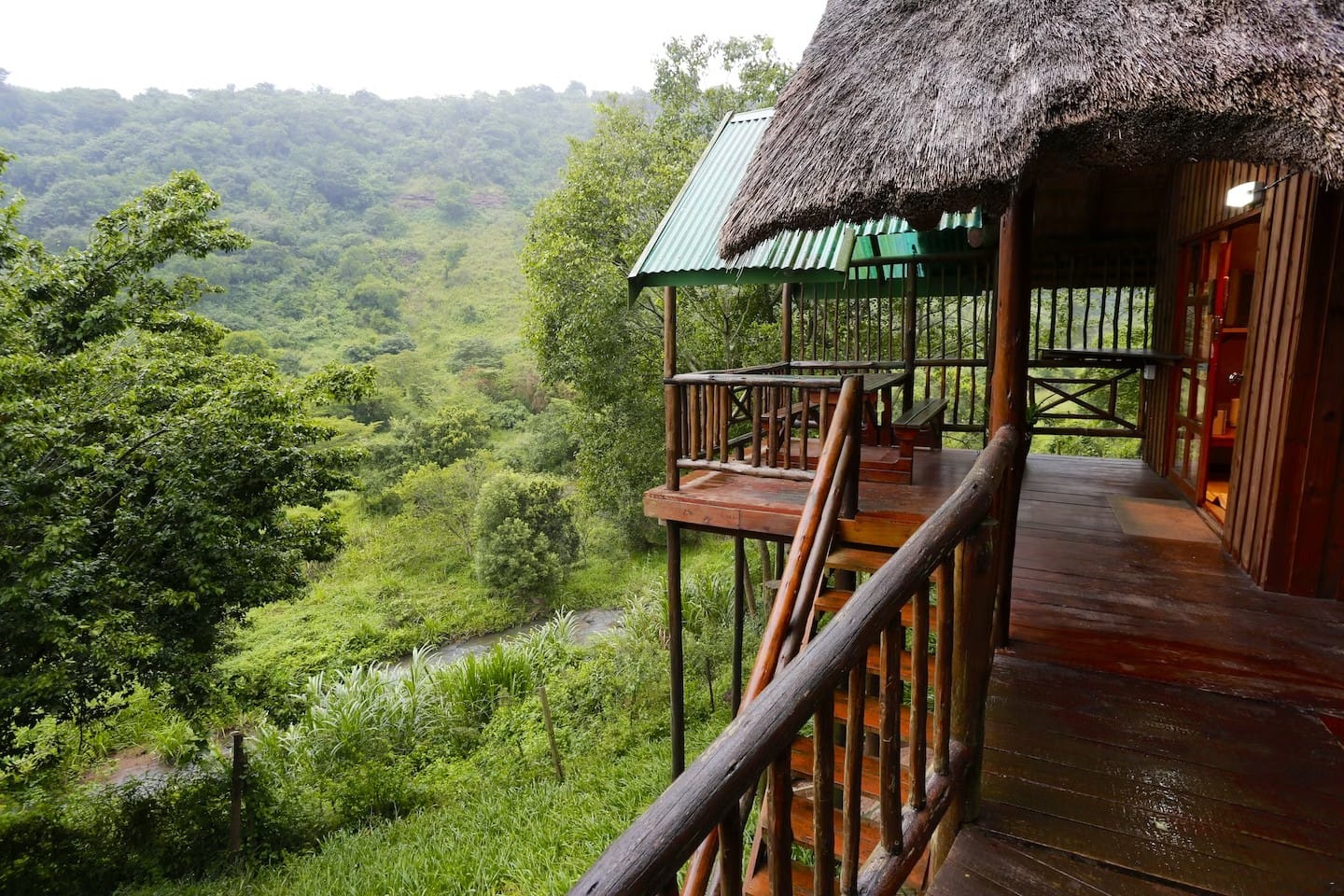
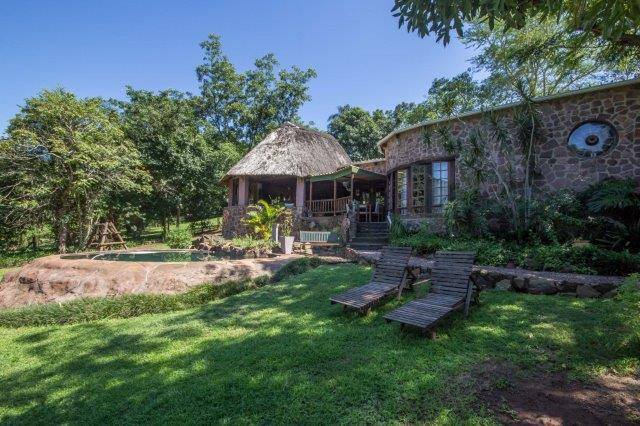
At the top end, a single lodge property reaches R2,100 per night. Lodge-style accommodation in this part of KwaZulu-Natal typically means more space, private outdoor areas, and a greater degree of separation from the surrounding residential streets. This tier suits couples on a weekend stay or travellers using the western suburbs as a staging point for the Natal Midlands.
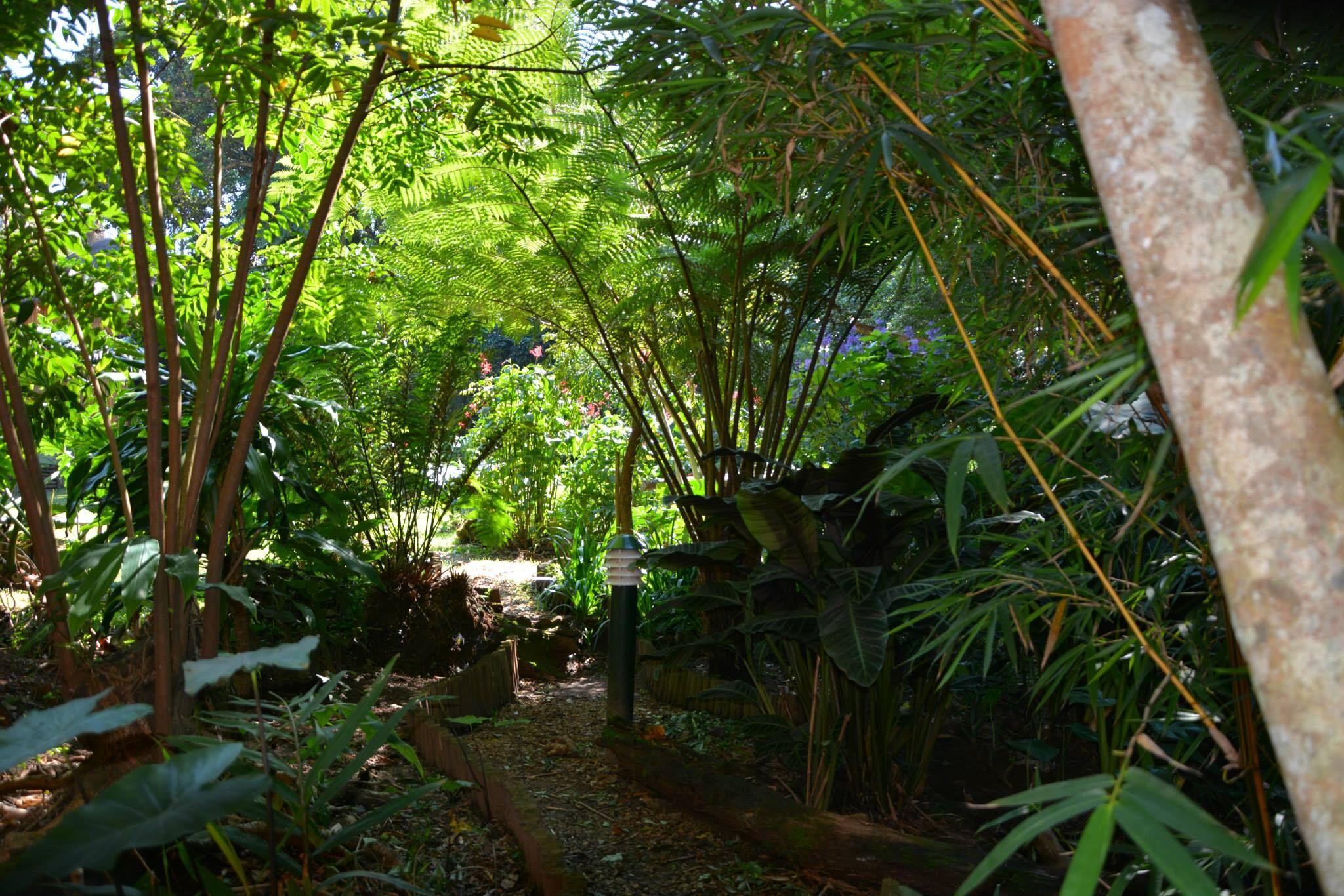
The overall character of accommodation here differs markedly from Durban's coastal strip. Properties tend to sit within residential or semi-rural settings, with gardens backing onto slopes or indigenous vegetation. Parking is generally not a concern, and most hosts can advise on local walking routes and the most direct ways to reach the escarpment country further inland.
Best Time to Visit Outer West Durban
The western suburbs sit at higher elevations than coastal Durban, which moderates the subtropical heat considerably. Summer, from November through February, brings warm temperatures alongside KwaZulu-Natal's characteristic afternoon thunderstorms. Morning conditions during these months are generally clear and pleasant, making early starts worthwhile for hiking or any extended time outdoors. Rain can arrive quickly and heavily, so carrying a waterproof layer is practical regardless of the morning forecast.
Winter, from June through August, provides the most comfortable conditions for visitors who struggle with humidity. Days are dry, clear, and mild, with overnight temperatures that rarely drop below 10°C. This season is broadly preferred for walking and exploring the countryside, and accommodation availability tends to be good outside of school holidays.
The Comrades Marathon passes through the western suburbs in late May or early June each year, drawing large crowds and causing a brief but significant spike in accommodation demand throughout the region. Travellers planning visits around that period should book well in advance.
September and October offer a useful middle ground, with fresh growth across the nature reserves, stable weather, and fewer crowd pressures than the December peak. These months work particularly well for first-time visitors who want to experience the area without competing for tables or trails.
Getting to Outer West Durban
King Shaka International Airport handles flights serving the greater Durban region, positioned roughly 50 kilometres north of the western suburbs. From the airport, the most practical route runs south along the N2 before connecting to the N3 national highway. The drive under normal traffic conditions takes between 45 minutes and an hour. Travellers arriving at peak hours should account for congestion on the approaches to urban Durban.
Those arriving by road from Johannesburg and other inland cities follow the N3, which descends toward the coast through the western area before reaching the city centre. Travellers stopping in the western suburbs can exit the highway before the densest urban traffic begins. Petrol stations and rest stops are spaced regularly along the N3, making it a manageable long-distance drive from the interior.
Once in the area, the M13 highway provides the primary east-west connection toward the city. Ride-hailing services operate reliably across the western suburbs, and metered taxis are available for shorter trips. Having a hired or private vehicle is the most practical arrangement for anyone planning day trips into the surrounding countryside or needing flexible timing between stops. Public bus routes connect the main western corridor to central Durban, but service frequency outside morning and afternoon commuting windows is limited.
Outer West Durban and Surrounding Areas
Hillcrest, 2 kilometres from the area, has grown into the main commercial and social hub of the western suburbs over the past two decades. Restaurants, independent retailers, and weekend farmers' markets occupy the central strip, drawing residents from across the broader region. For visitors based anywhere in the outer west, Hillcrest is the most accessible stopping point for a meal, fresh supplies, or a coffee between activities.
Botha's Hill, 3 kilometres away, sits along the historic wagon route that connected the coast to the Natal interior. The town retains a quieter, more deliberate pace than its nearest neighbour, with craft studios, a handful of independent restaurants, and the Botha's Hill Hotel among its landmarks. The setting suits an afternoon that does not need to be structured around a schedule.
Kloof, 7 kilometres out, is a leafy residential suburb whose main draw for visitors is proximity to Krantzkloof Nature Reserve. The reserve protects a substantial gorge system covered in indigenous forest, with trails that range from short accessible walks to longer half-day routes through riverine vegetation. Birdwatching opportunities are considerable, with coastal hinterland species present throughout the year.
Pinetown, 15 kilometres from the area, is primarily a light industrial and commercial centre. It provides larger retail facilities, including supermarkets and hardware stores, that smaller towns in the western suburbs do not carry. Cowies Hill, also at 15 kilometres, is a residential area with direct road access toward the coast and the N3 corridor.
Westville, the furthest of the nearby destinations at 19 kilometres, sits closer to urban Durban and bridges the gap between the suburban west and the city. Its restaurant scene and proximity to the University of KwaZulu-Natal's Howard College campus give it a livelier atmosphere than the quieter communities closer to the accommodation base.
Planning Your Stay
Booking several weeks in advance is sensible during school holidays and around major regional events. Outside these periods, most properties across the western suburbs have reasonable availability, and some may accommodate flexible or shorter-notice arrangements.
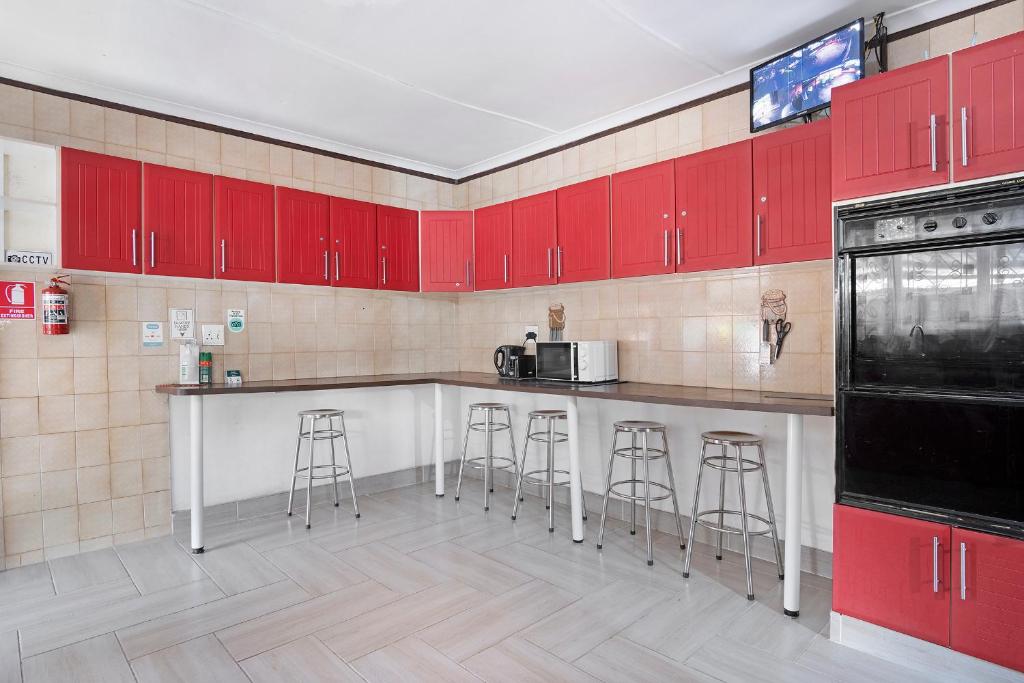
When comparing properties, decide early whether self-catering suits your trip better than a hosted breakfast. For short visits, a prepared morning meal simplifies logistics and removes one daily decision. For longer stays, a cottage with its own kitchen often makes more practical sense. Owner-managed properties in this area are typically responsive to direct contact before arrival, so asking specific questions about layout, access, or surrounding noise is straightforward.
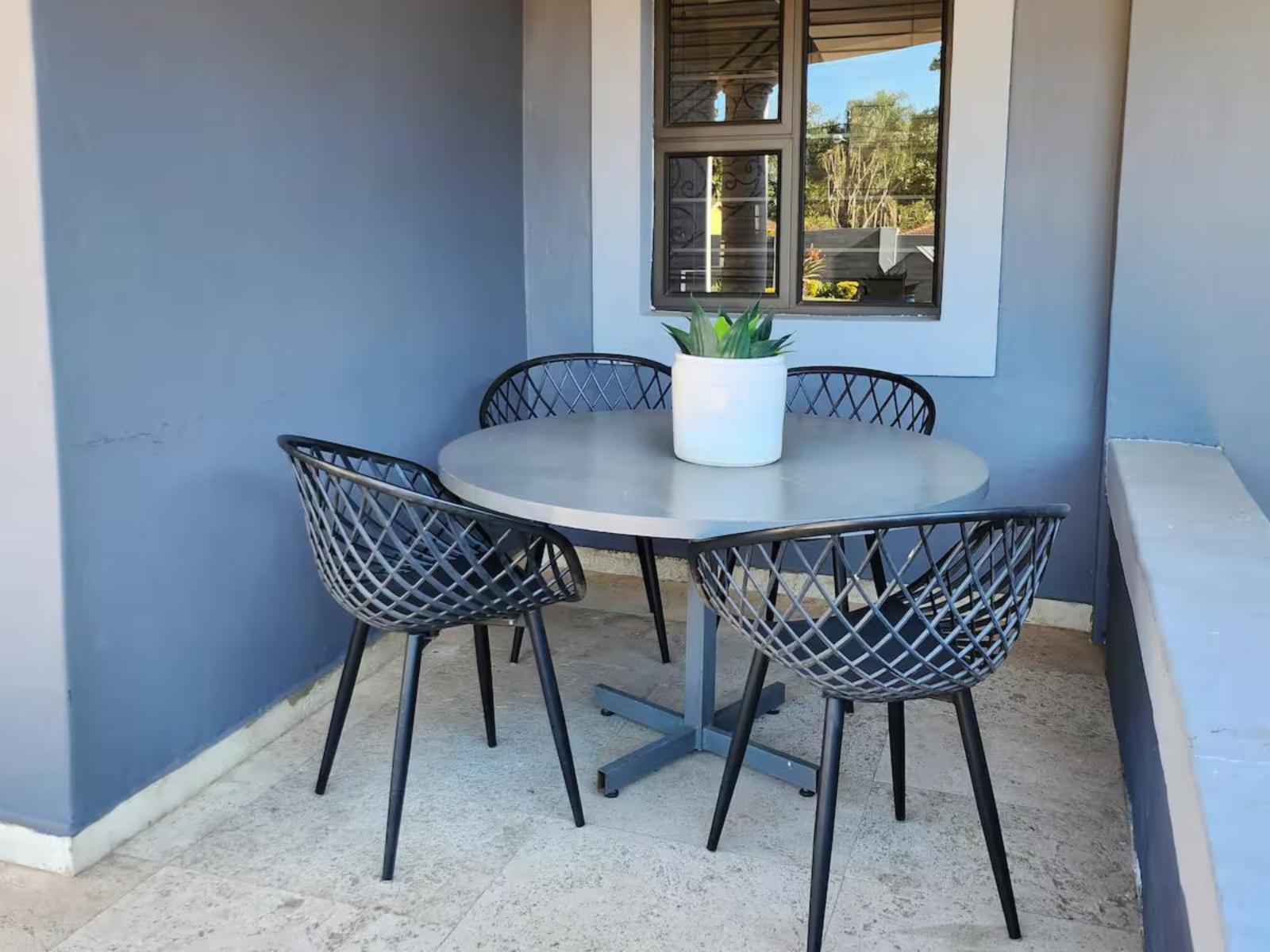
Check parking details if travelling with more than one vehicle or a larger hire car. Confirm whether the property provides starter kitchen supplies, towels, or provisions, since self-catering offerings vary considerably between listings here. If evenings outdoors matter to you, ask whether the property has functional outdoor seating, as conditions differ between hillside and valley positions.
Cell coverage is reliable throughout the western suburbs, and most properties offer internet access. Carrying some cash is useful for local markets and smaller businesses that do not accept card payments. After significant summer rainfall, checking road conditions before any planned excursion into the surrounding countryside is a sensible precaution.