Accommodation in Phalaborwa
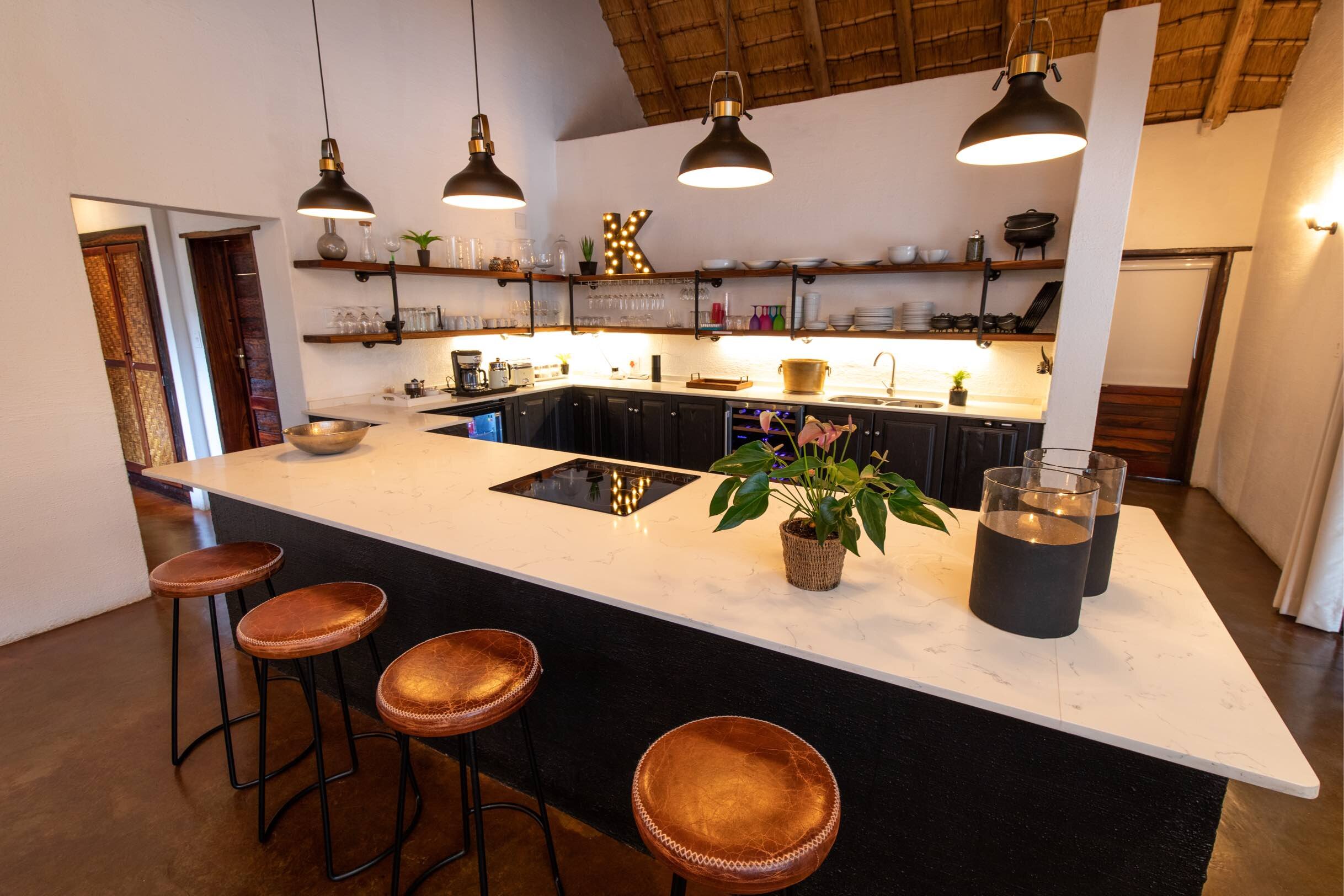
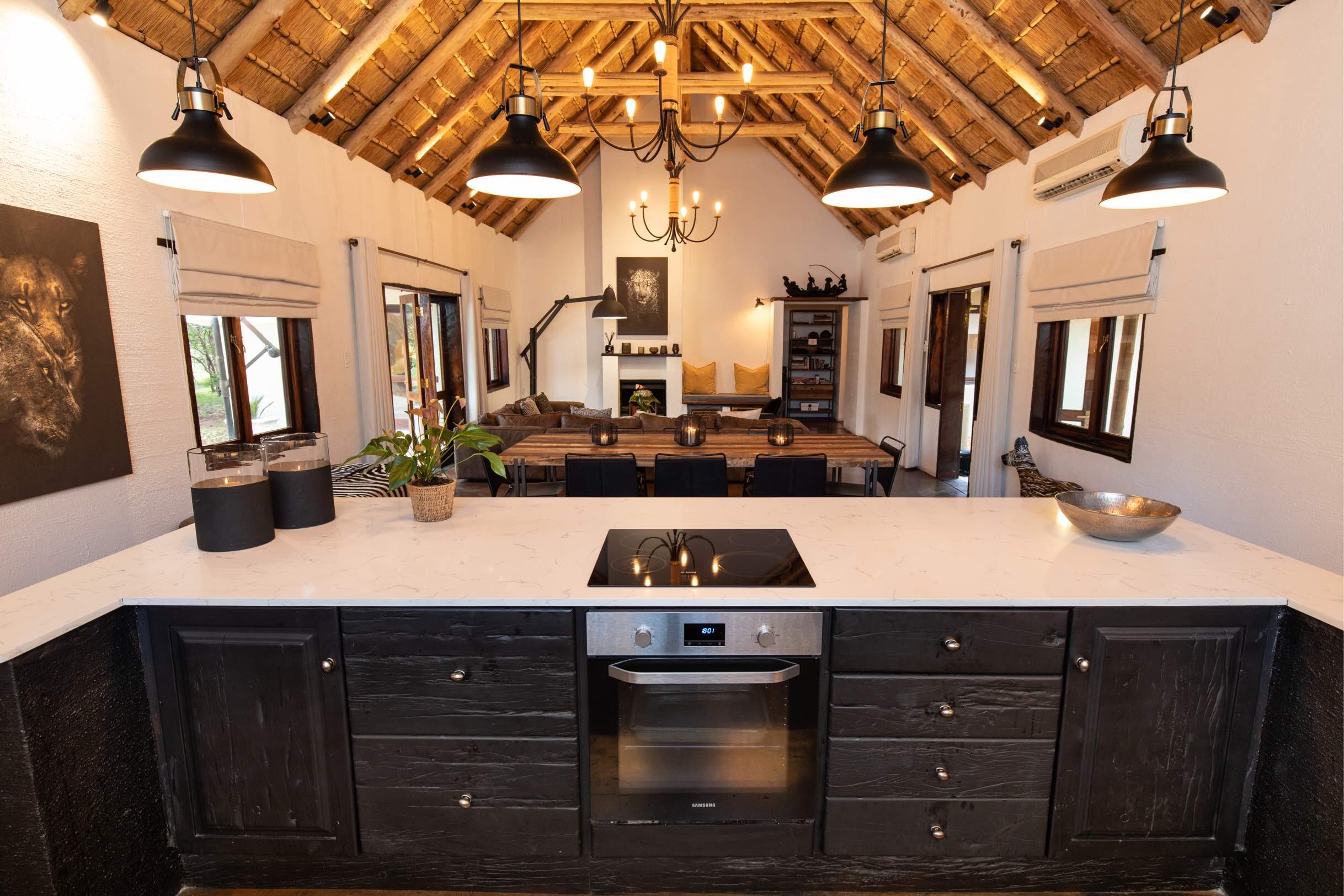
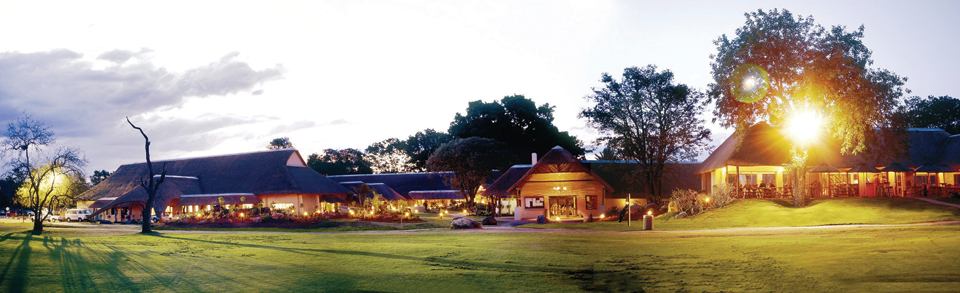
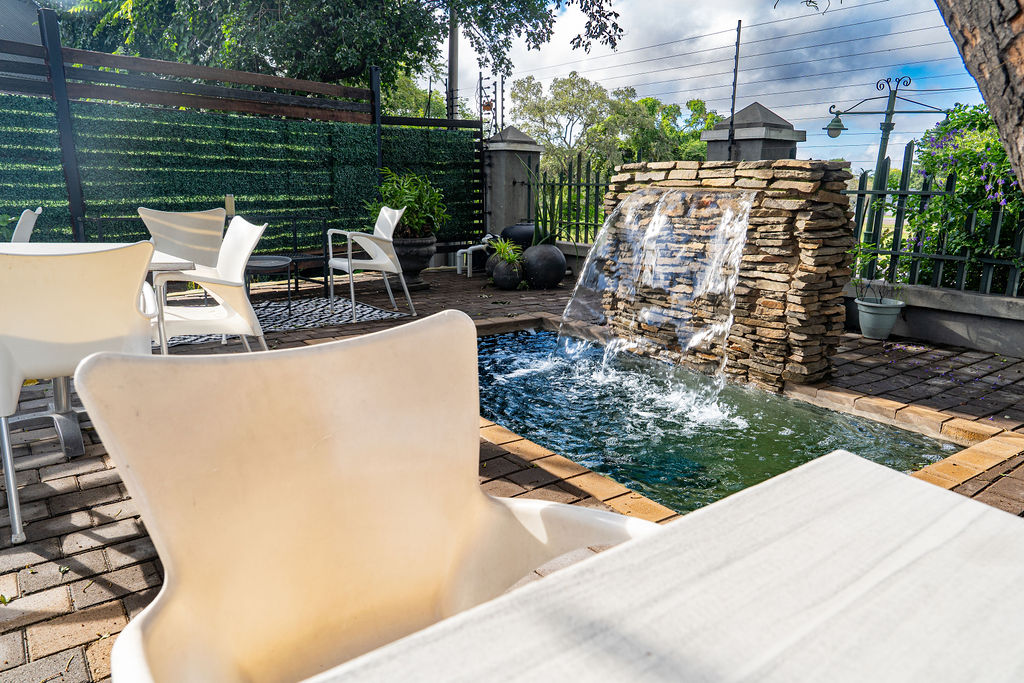
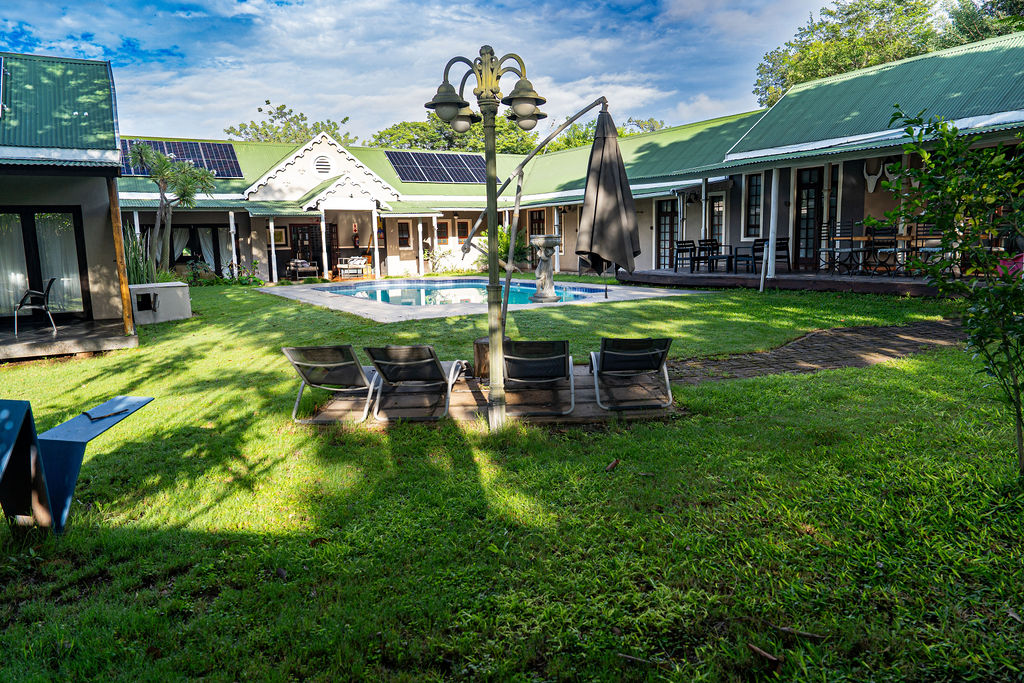
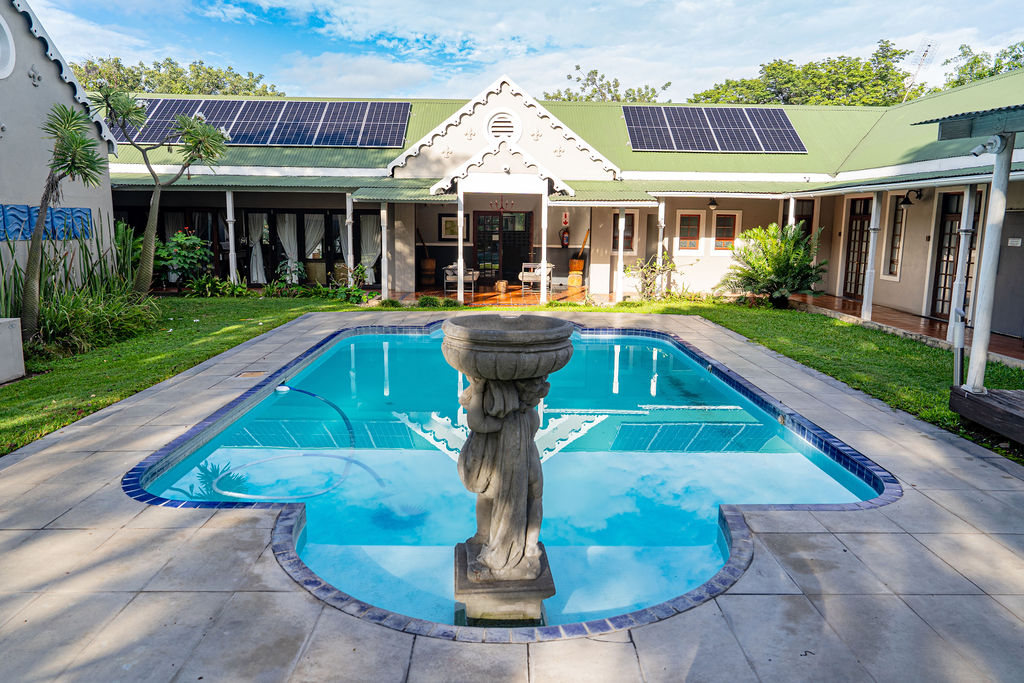
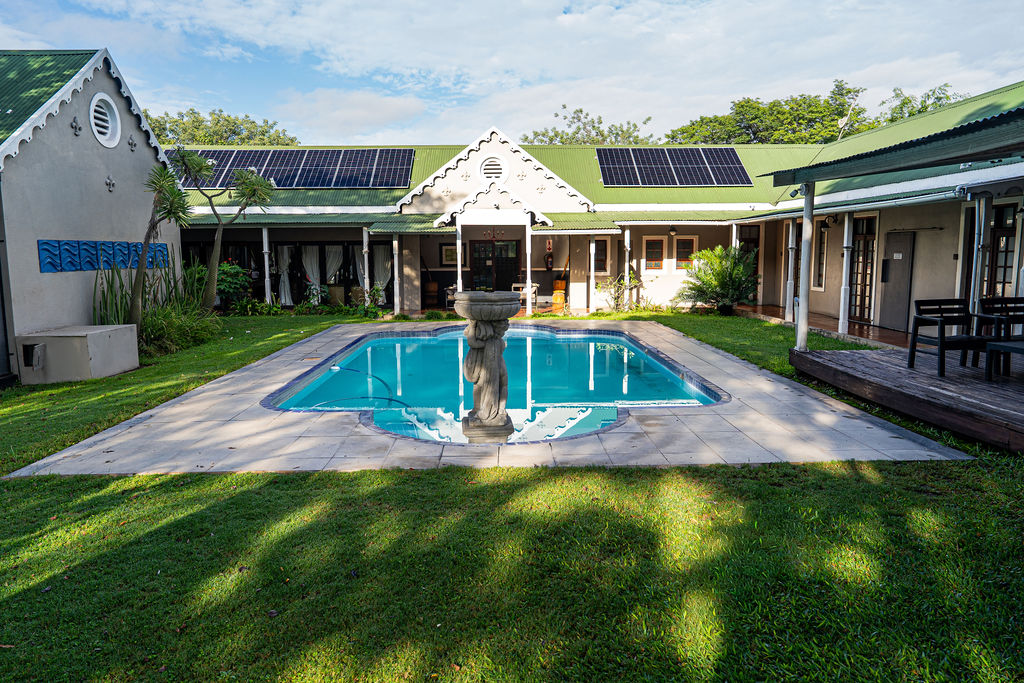
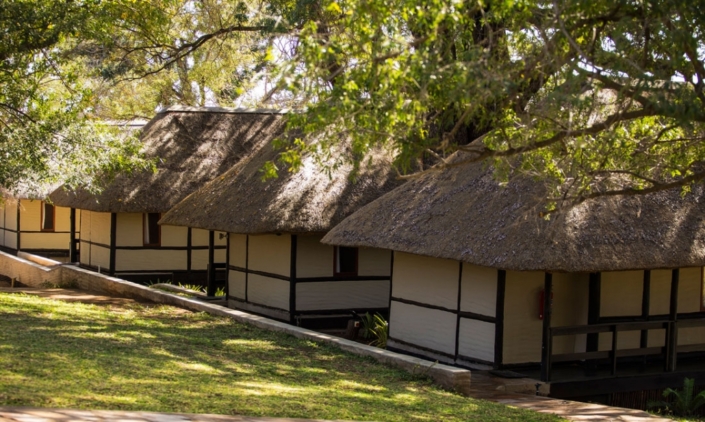
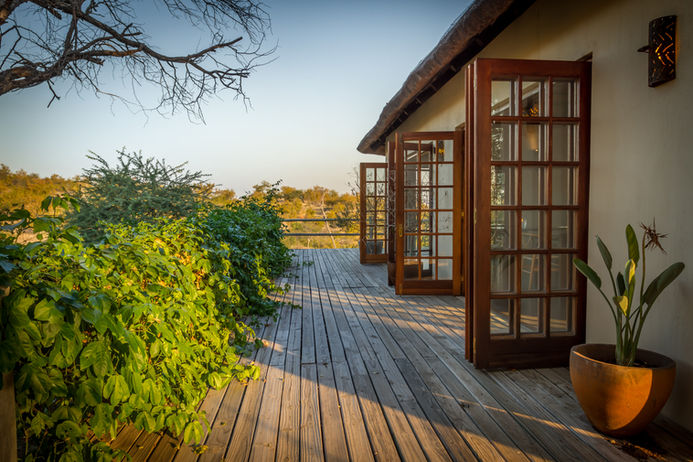
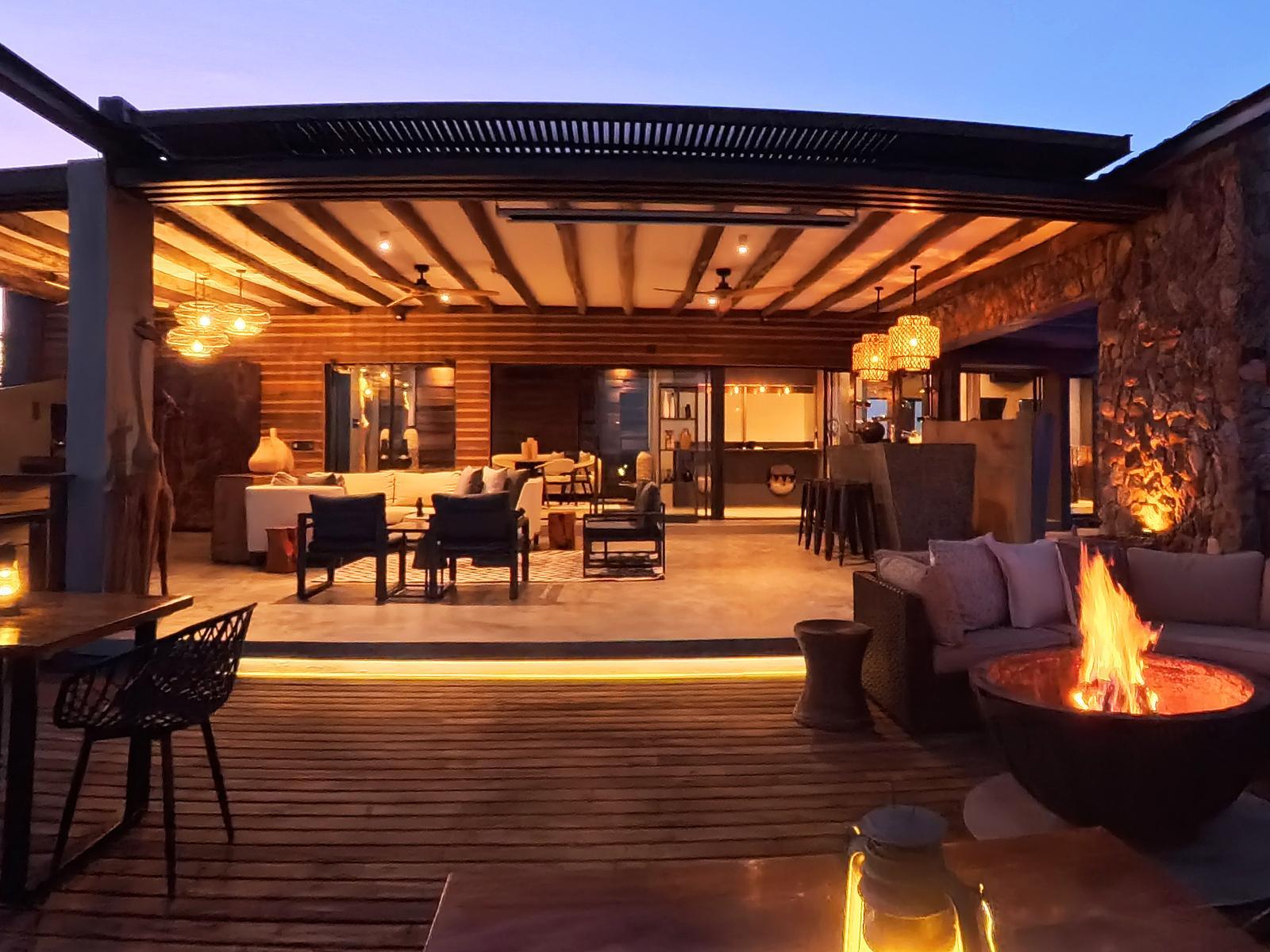
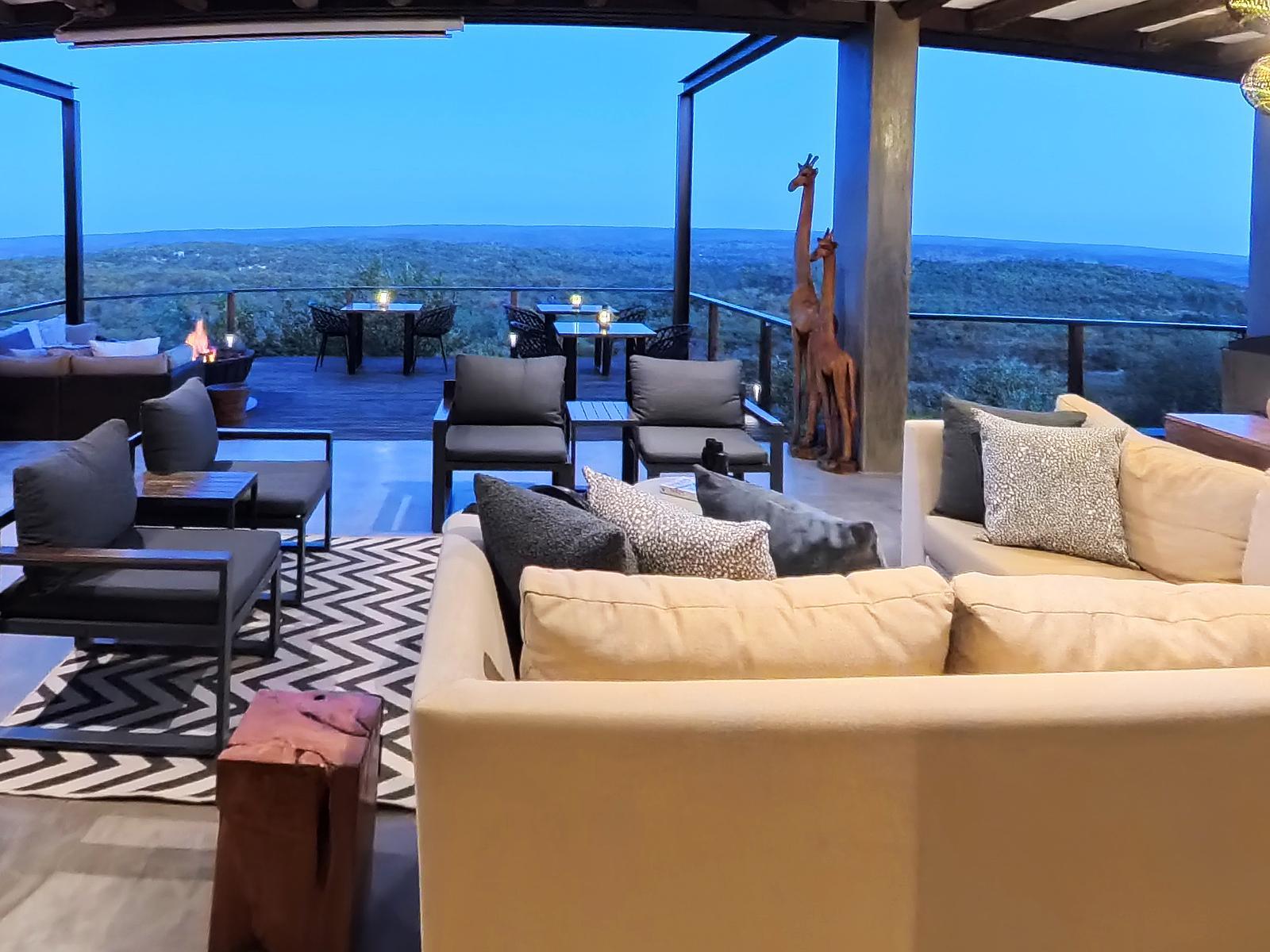
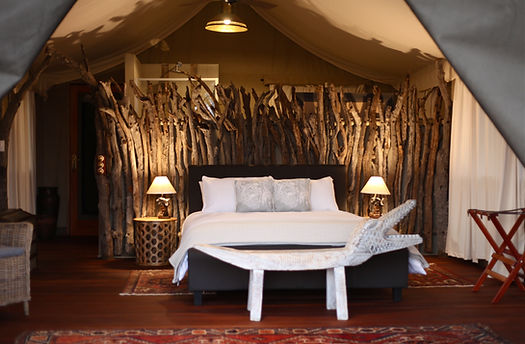
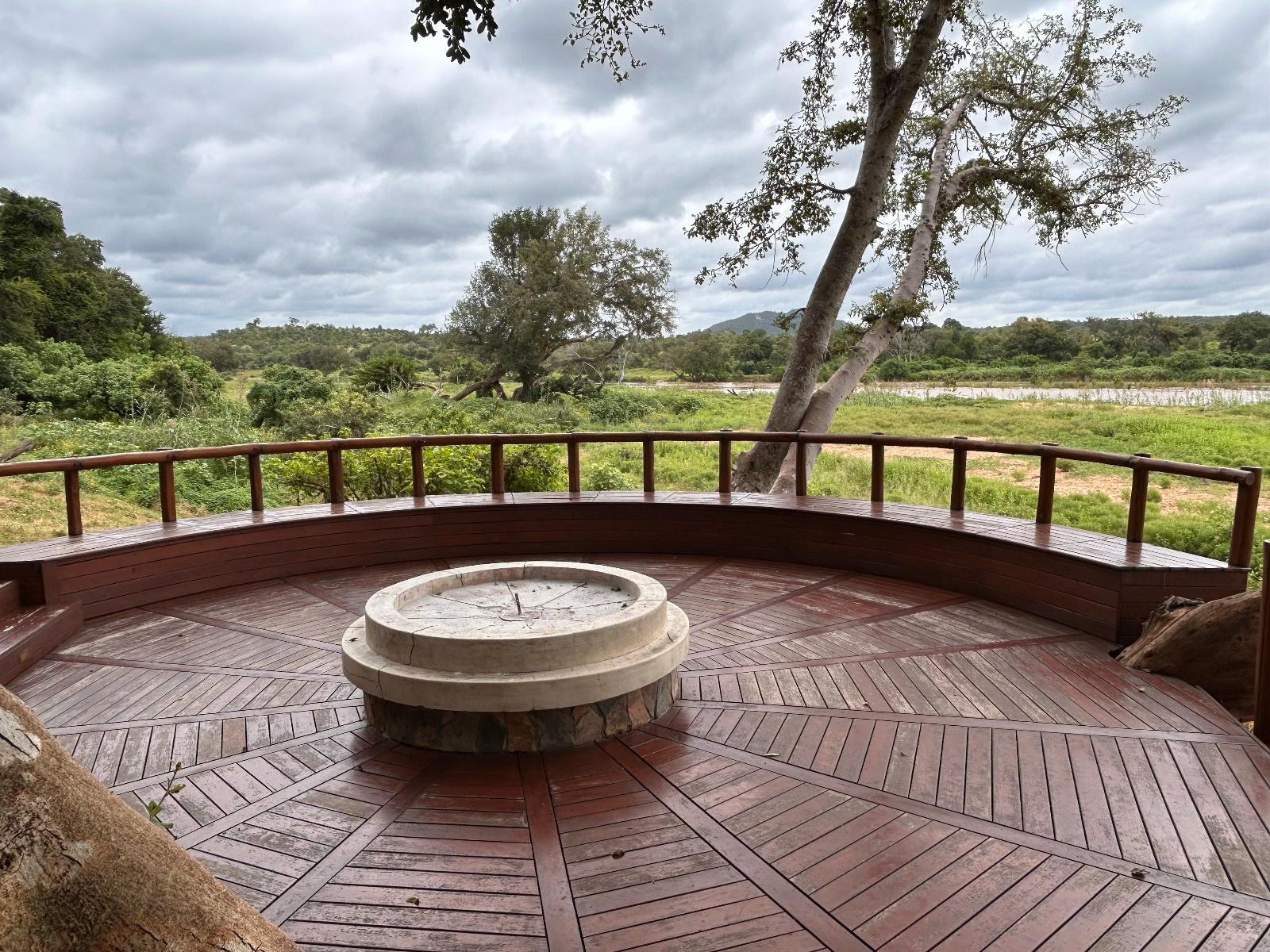
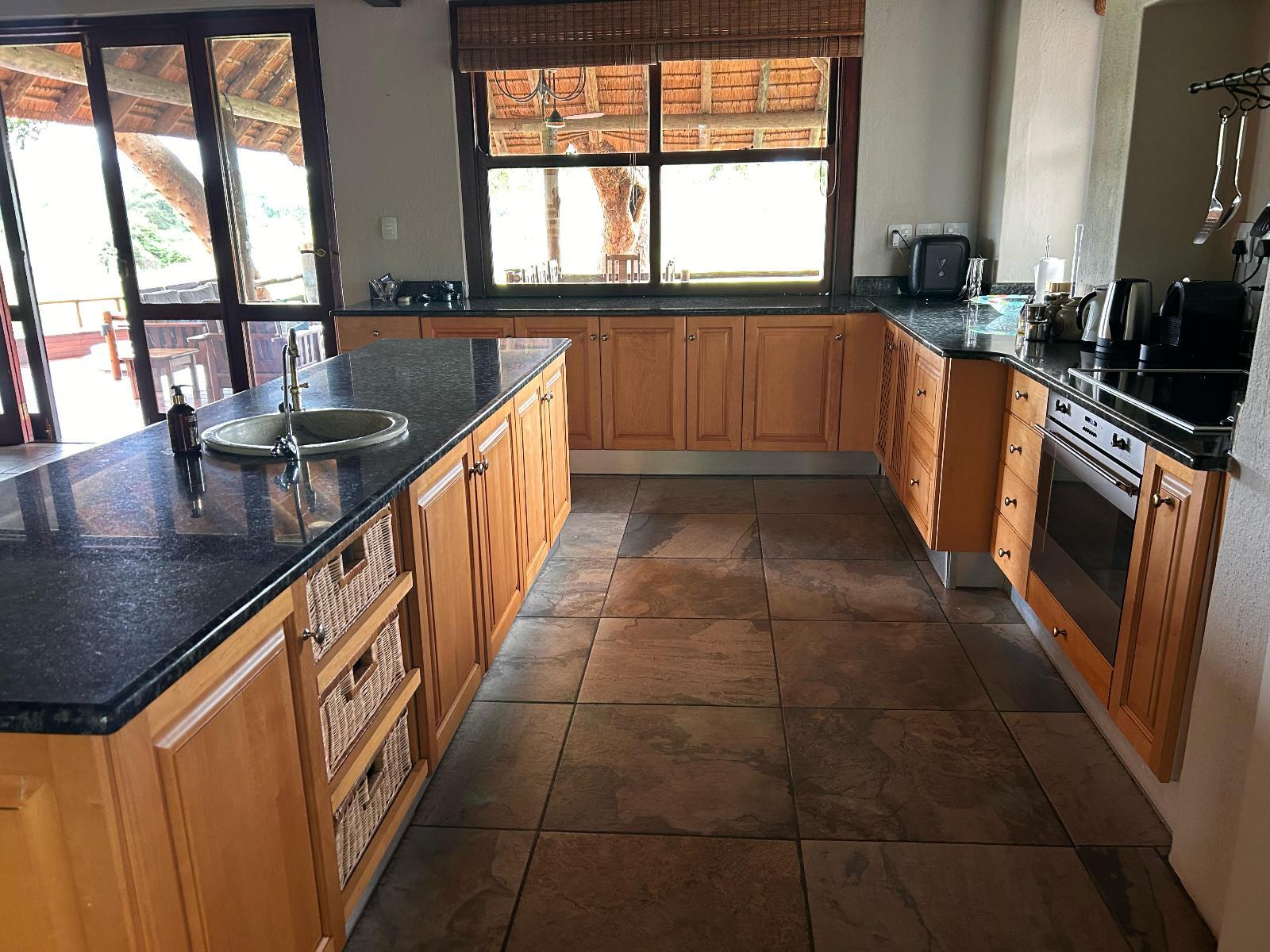
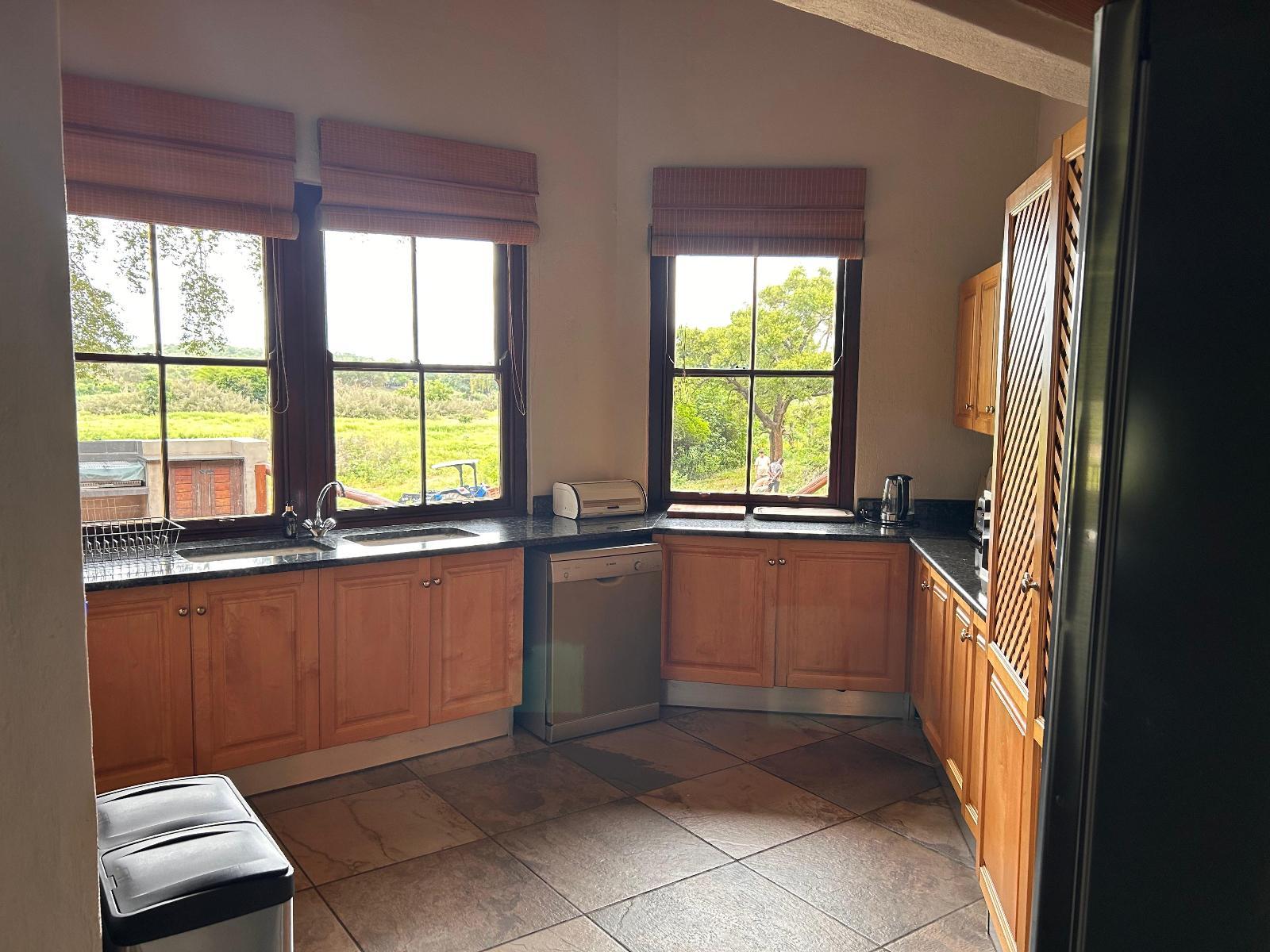
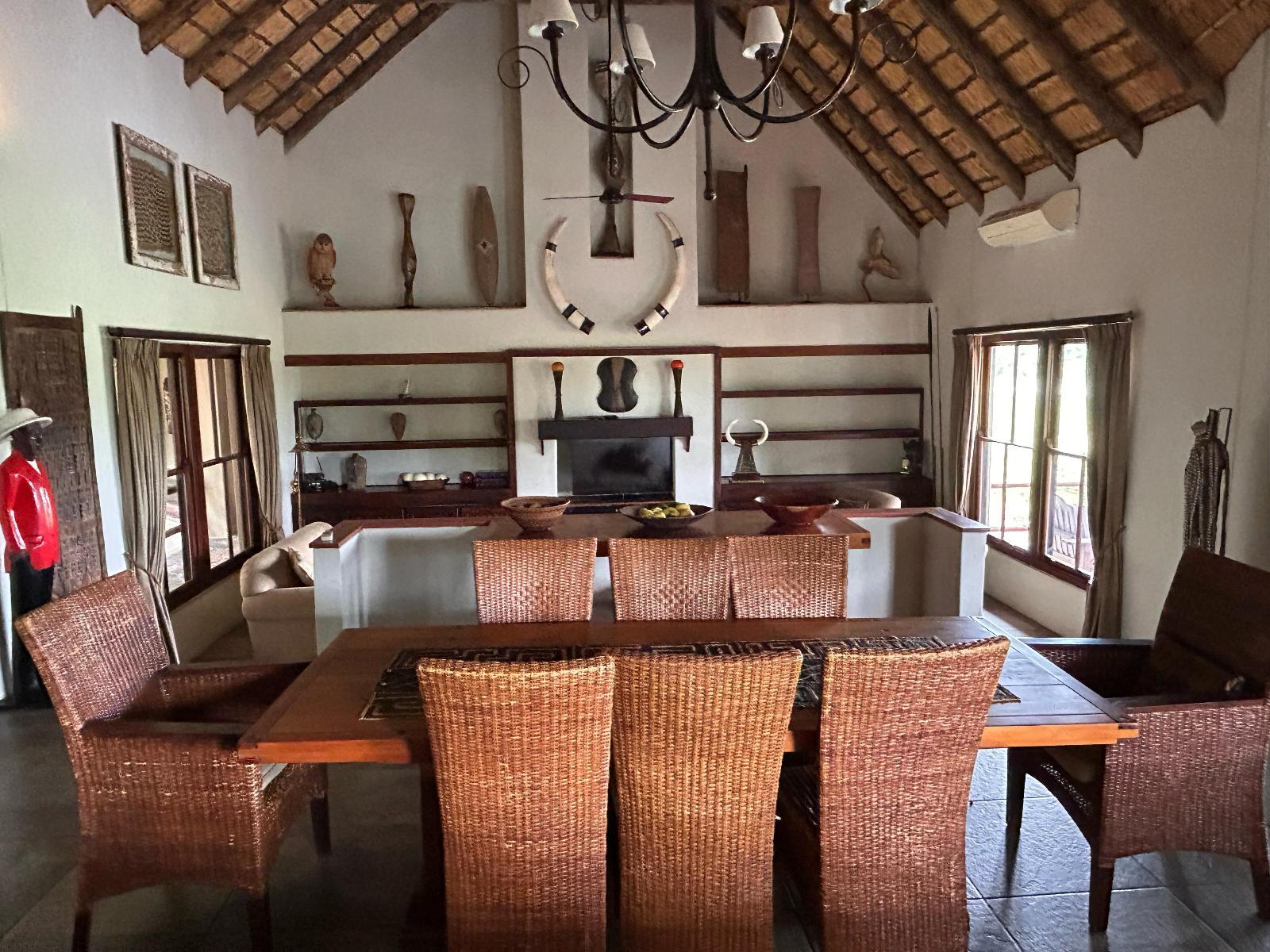
Phalaborwa's accommodation market is compact. With 1 property currently listed and pricing information not yet available, the options represented here lean toward the practical end of the spectrum. Guesthouses are the dominant property type, and they suit the town's character well. This is not a resort destination in the conventional sense, but rather a functional gateway with accommodation to match.
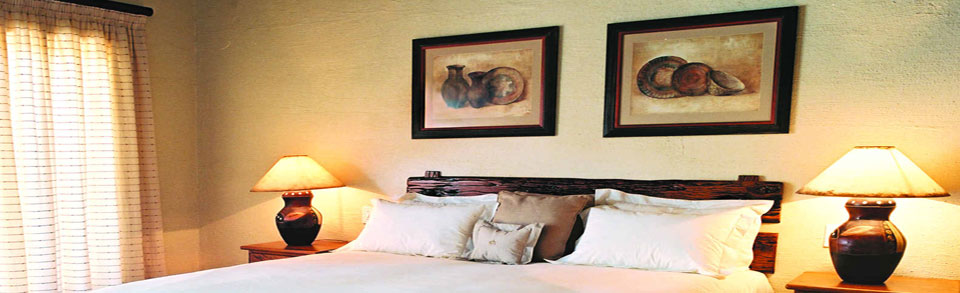
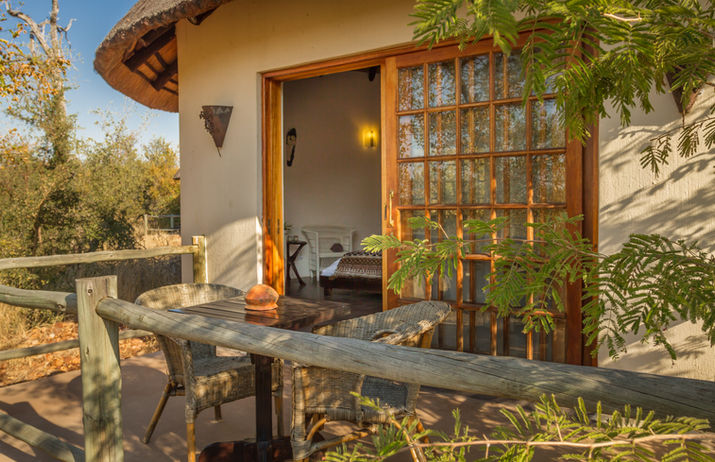
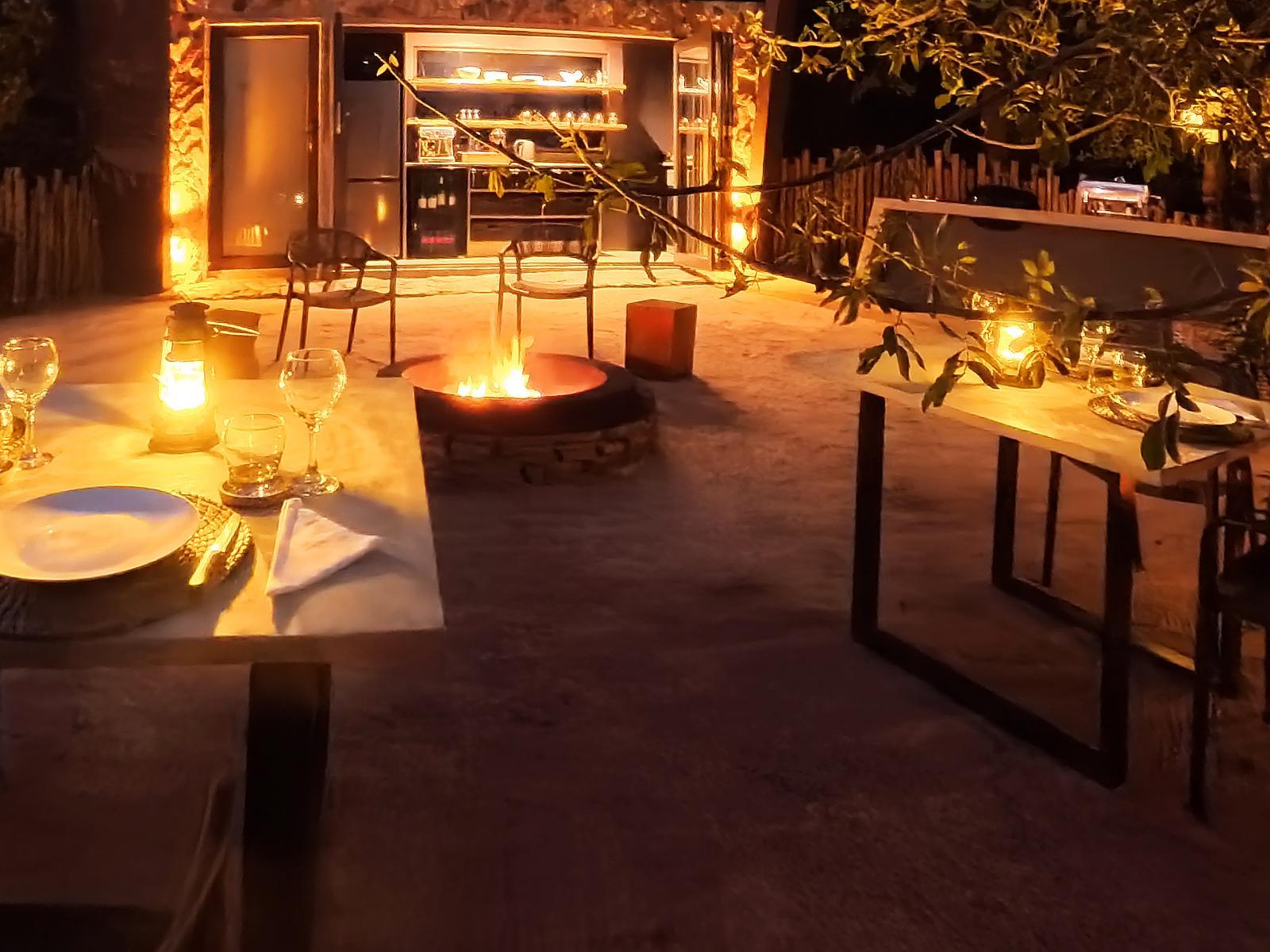
At the budget tier, guesthouses in Phalaborwa typically offer straightforward rooms, basic amenities, and shared or self-catering kitchen facilities. They are usually locally owned and operated, which means hosts often have useful first-hand knowledge of road conditions, game drive timings, and what is currently worth seeing in the area. For travelers whose days are spent inside Kruger or on guided excursions, a clean and functional guesthouse covers what is actually needed.
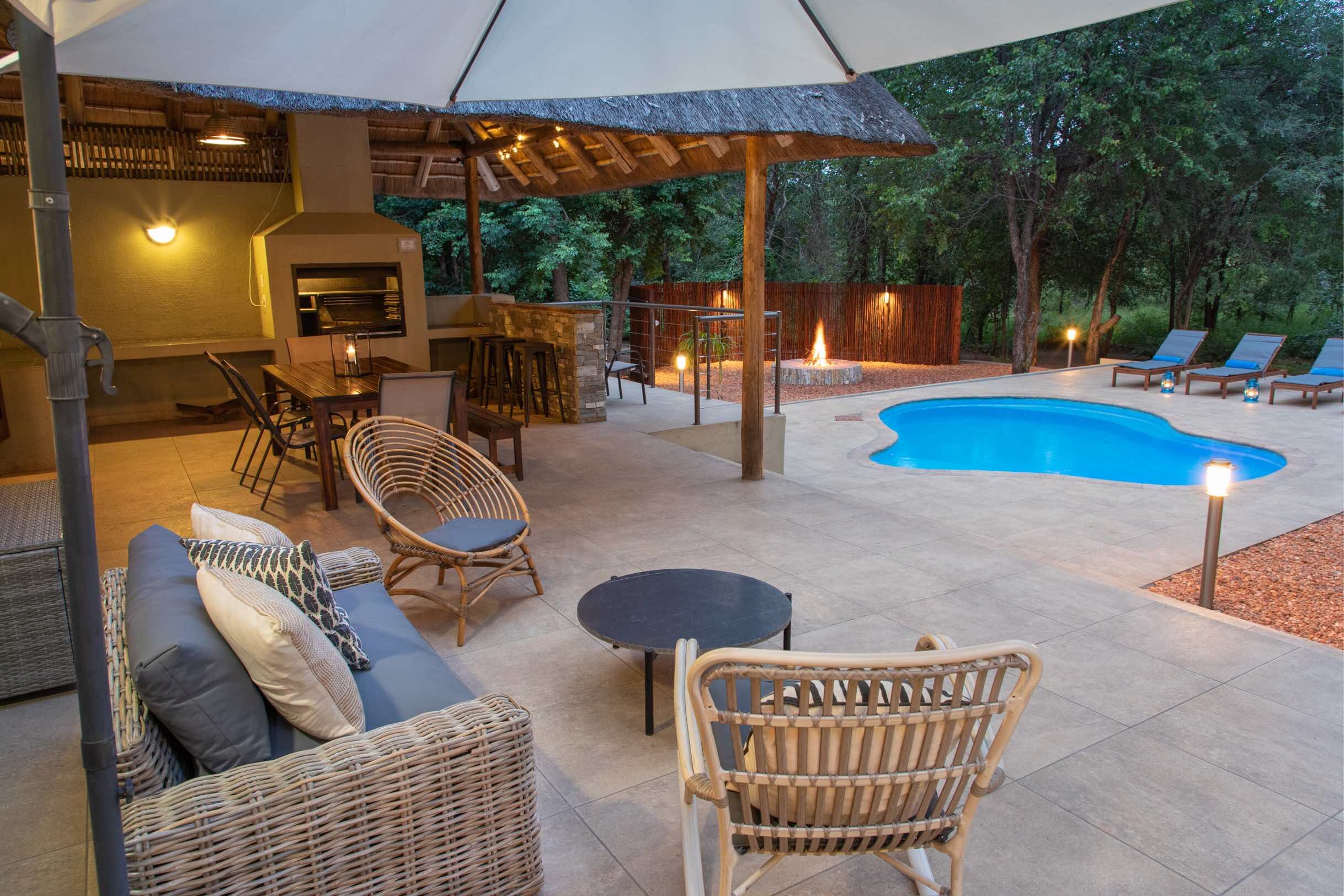
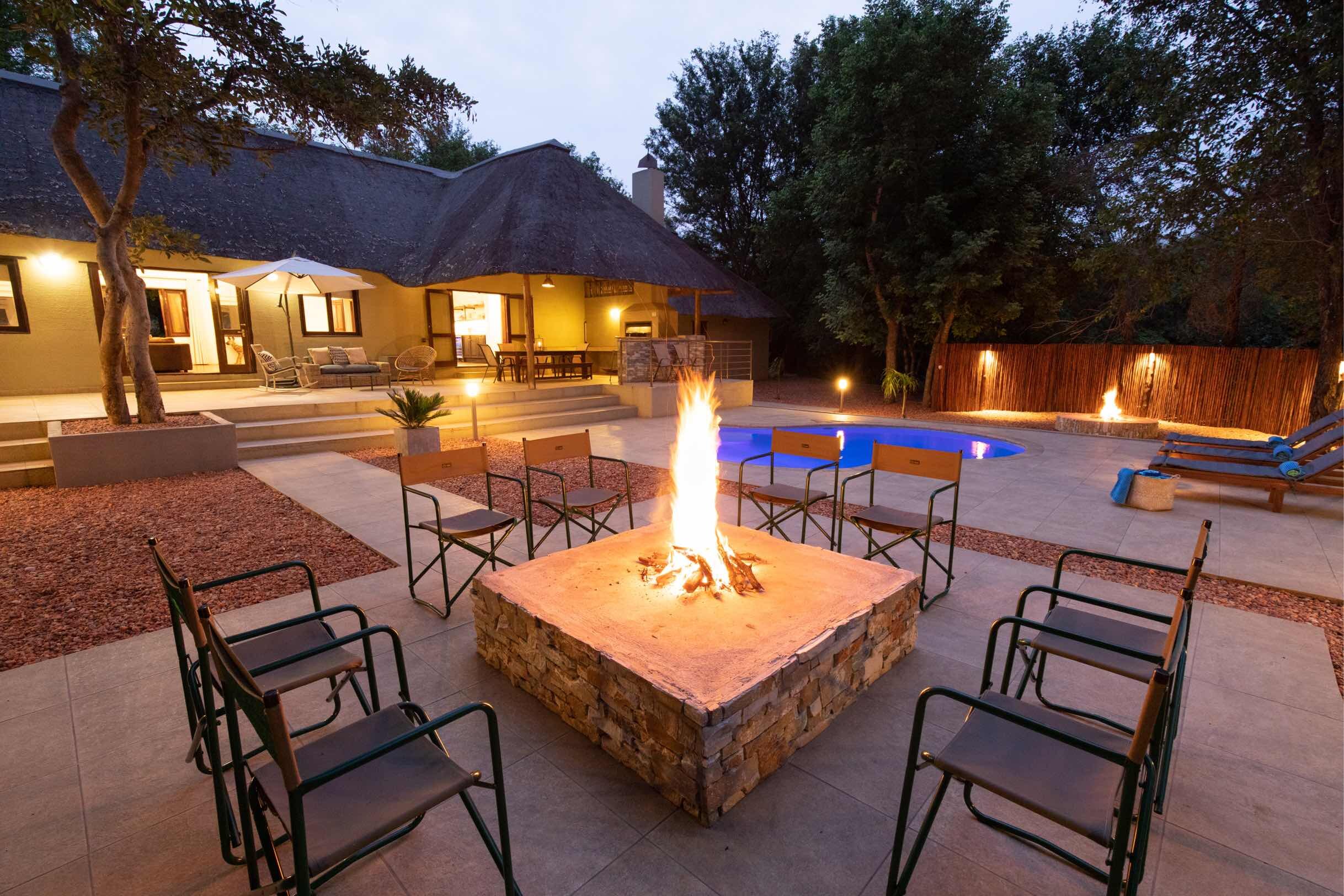
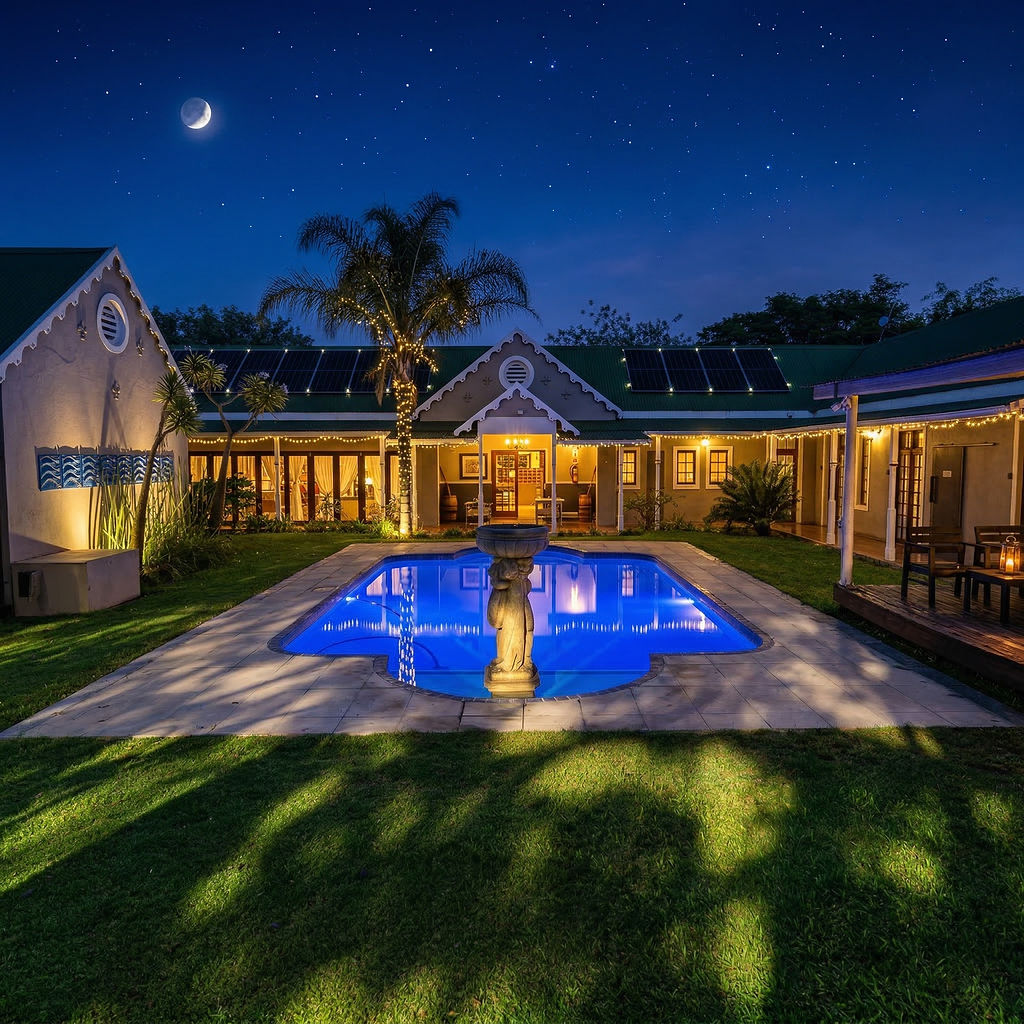
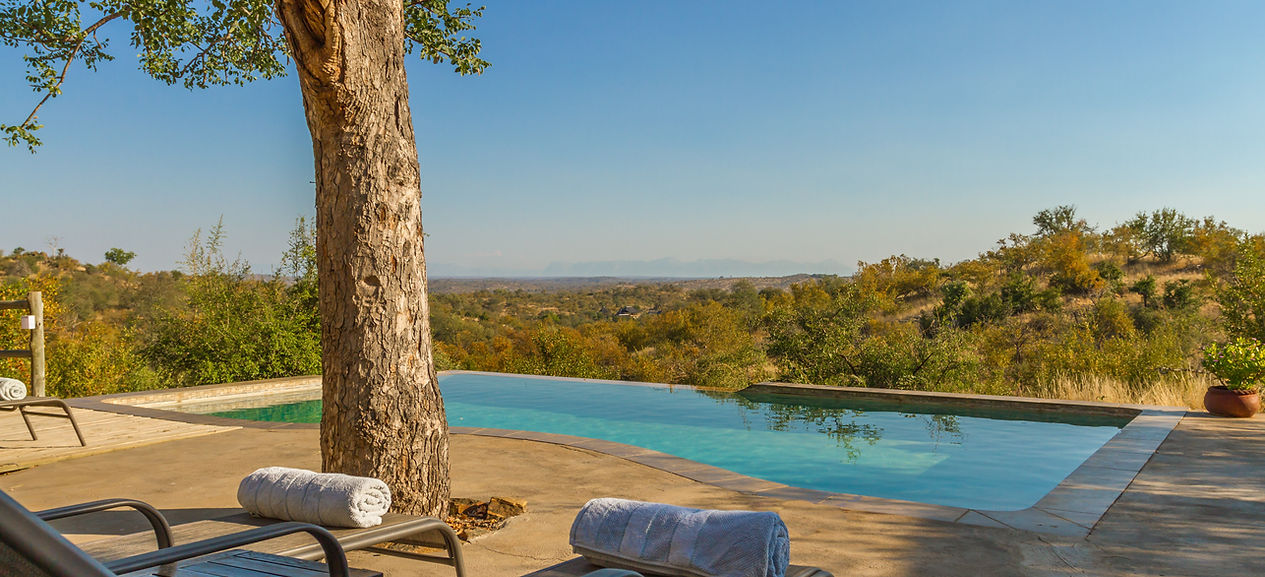
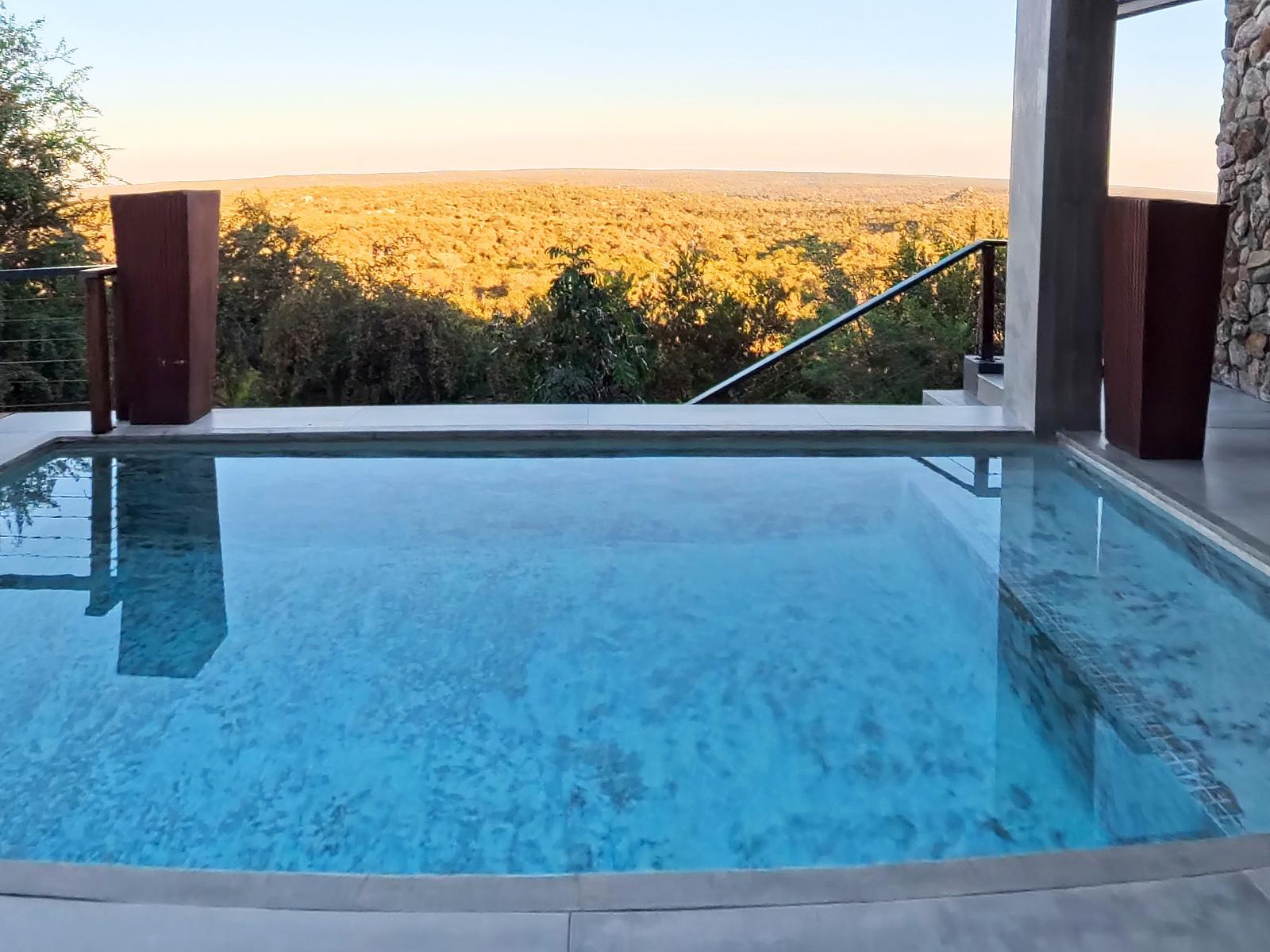
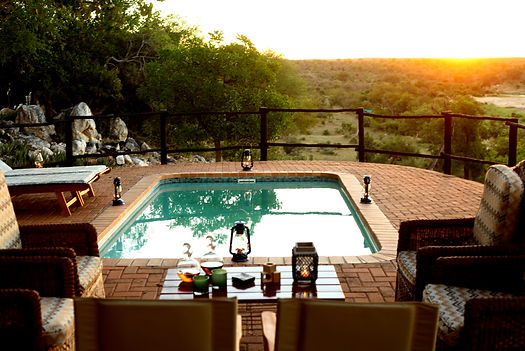
The broader Phalaborwa area, beyond what is currently listed here, does include properties with more comfort, including air-conditioned rooms, small swimming pools, and garden settings suited to the Lowveld heat. These can be found through Limpopo tourism directories or by contacting properties directly. Pricing in the region tends to shift with the dry season, when demand from wildlife tourism is highest, so checking current rates before assuming a budget is worthwhile.
When comparing properties, distance from the Phalaborwa Gate is one of the most practical filters. The gate is only about 5 kilometers from the town center, so the difference between a well-placed and poorly-placed guesthouse may only amount to ten minutes of driving time. That said, for early-morning game drive departures when gate queues form, even a short drive matters.
The town center itself is close enough to most properties that restaurants, fuel and shops are easily accessible on foot or by a short drive, which keeps logistics simple for visitors arriving by car or rental vehicle.
Things to Do in Phalaborwa
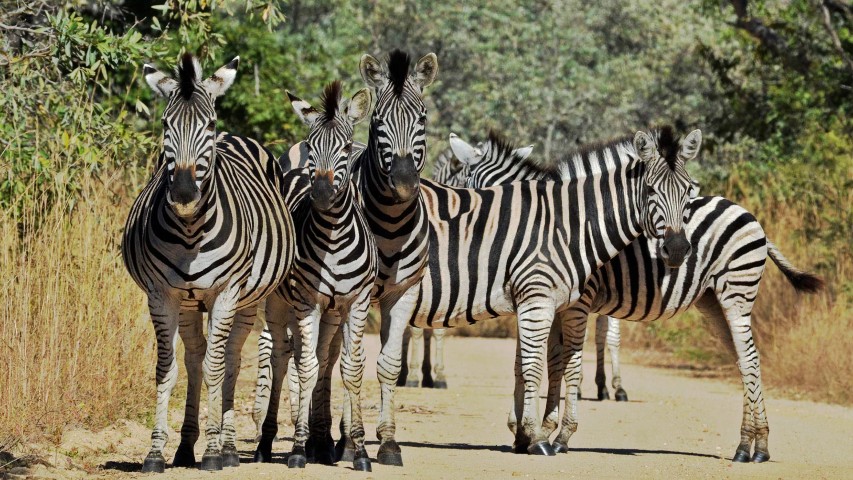
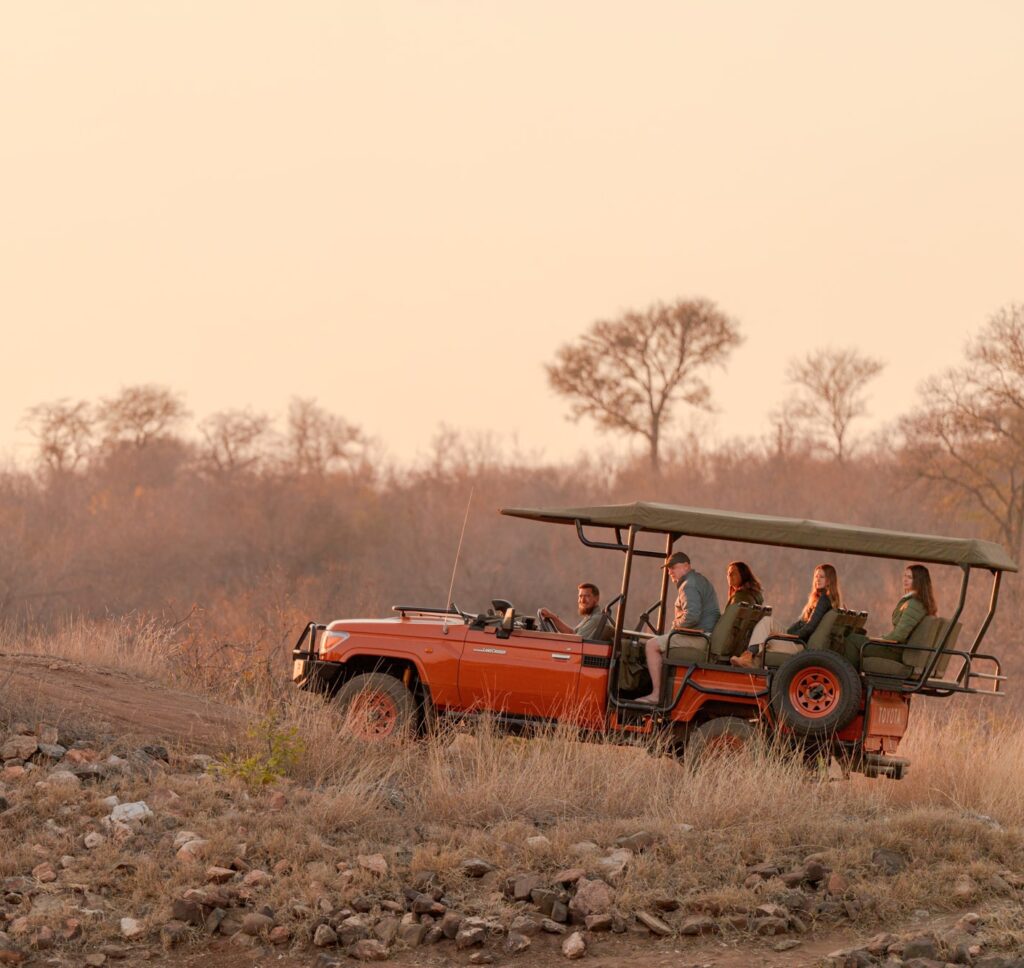
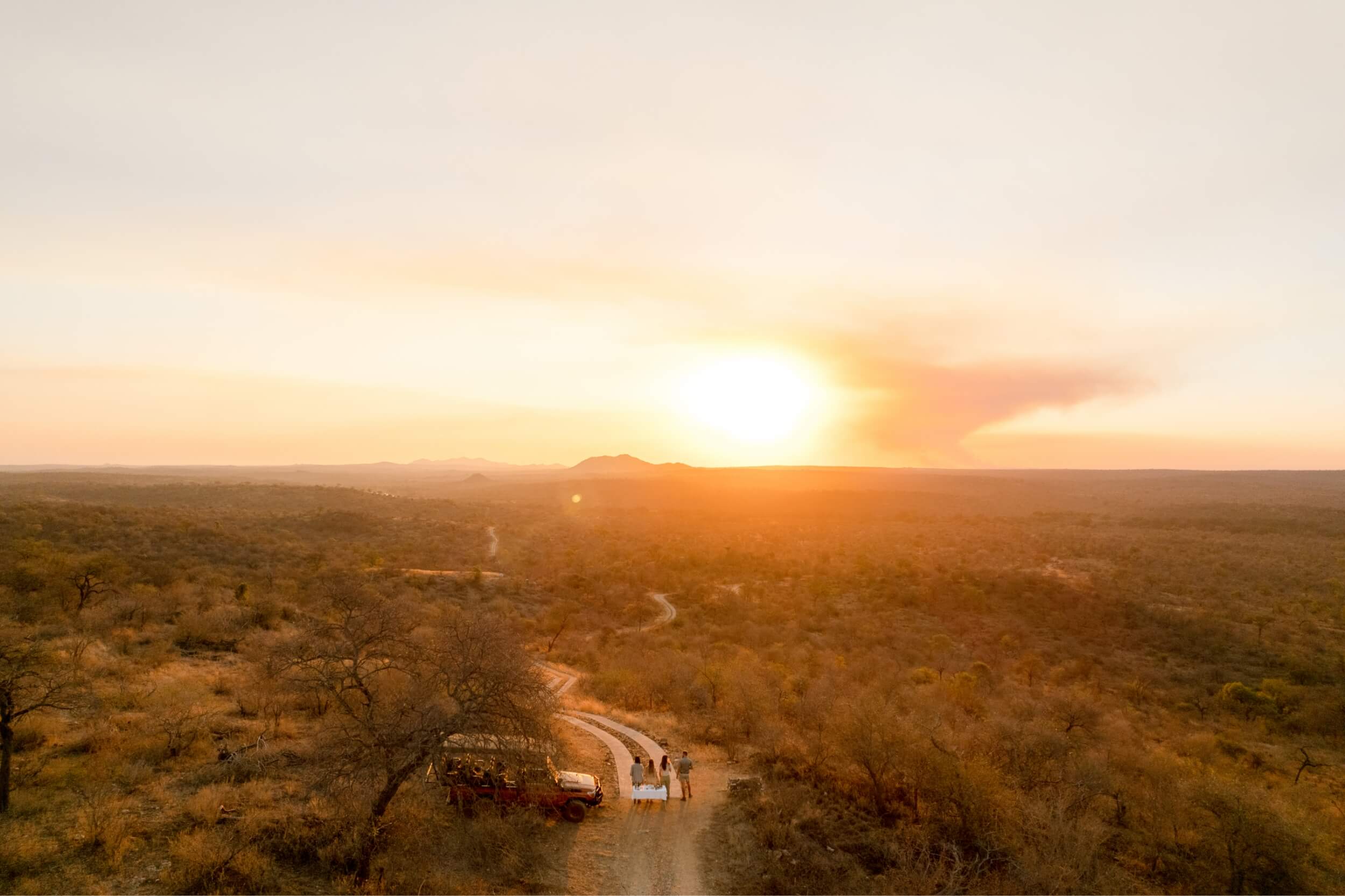
The Phalaborwa Gate into Kruger National Park sits roughly 5 kilometers from the town center, and for most visitors this proximity is the primary reason to be here at all. Self-drive game drives from this gate access the central and northern sections of the park, which are among the best areas for elephant sightings. Large herds move through the Letaba region seasonally, and lion, leopard and buffalo are present throughout. The gate opens at sunrise and closes at sunset, so an early start from town makes logistical sense.
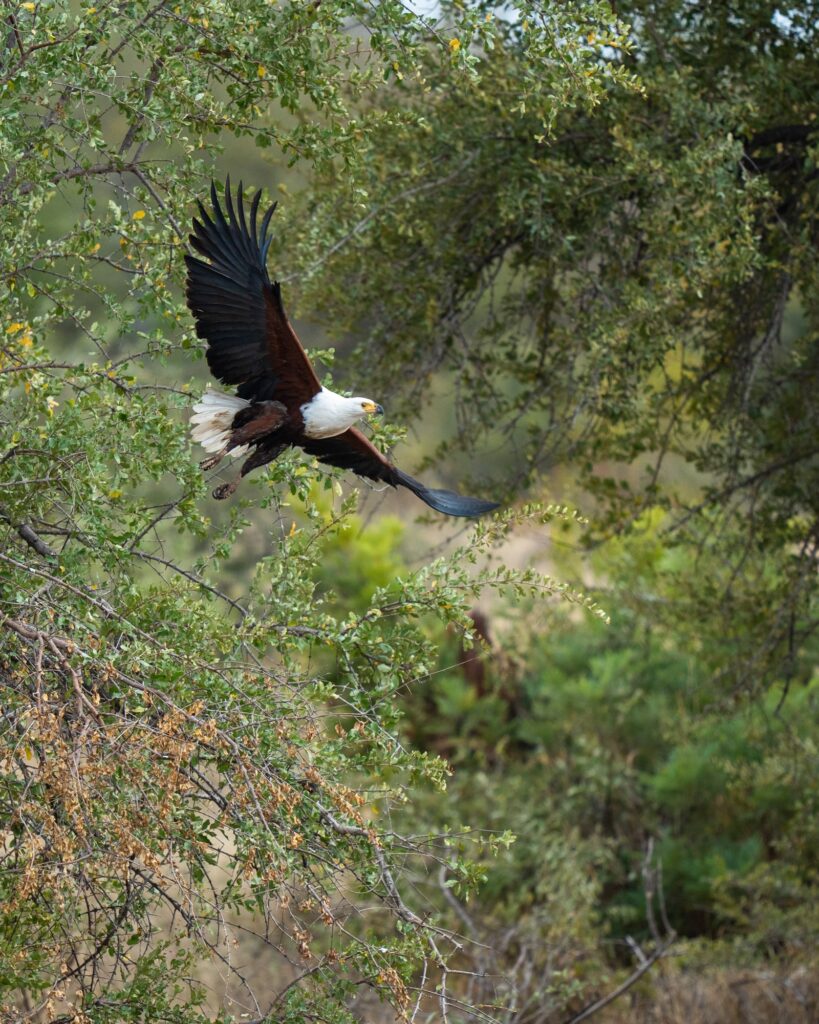
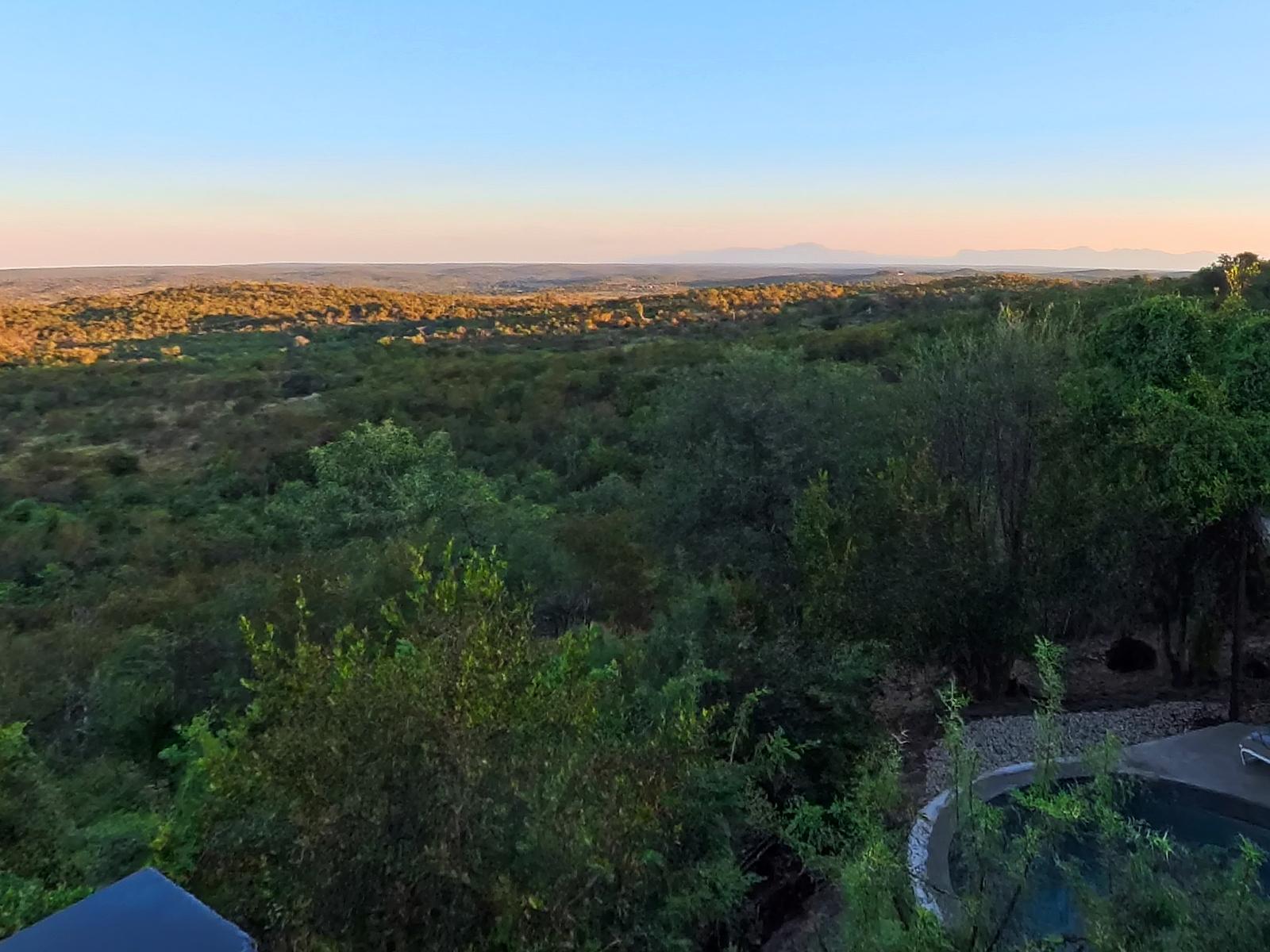
For those who want a walking experience rather than a vehicle-based safari, the Hans Merensky Nature Reserve provides hiking trails and a quieter setting than the national park. Birdwatching here is productive across most of the year. The Letaba River, which threads through this part of Limpopo, offers accessible riverbanks for fishing and picnics, with raptors and hornbills commonly sighted along the water.
The Foskor open-cast mine is one of the largest phosphate operations in the world, and guided tours have historically allowed visitors inside. It is worth confirming tour availability in advance, as access has not always been consistent. The mine is an unusual juxtaposition against the surrounding bush landscape and gives a concrete sense of how the town's economy was shaped.
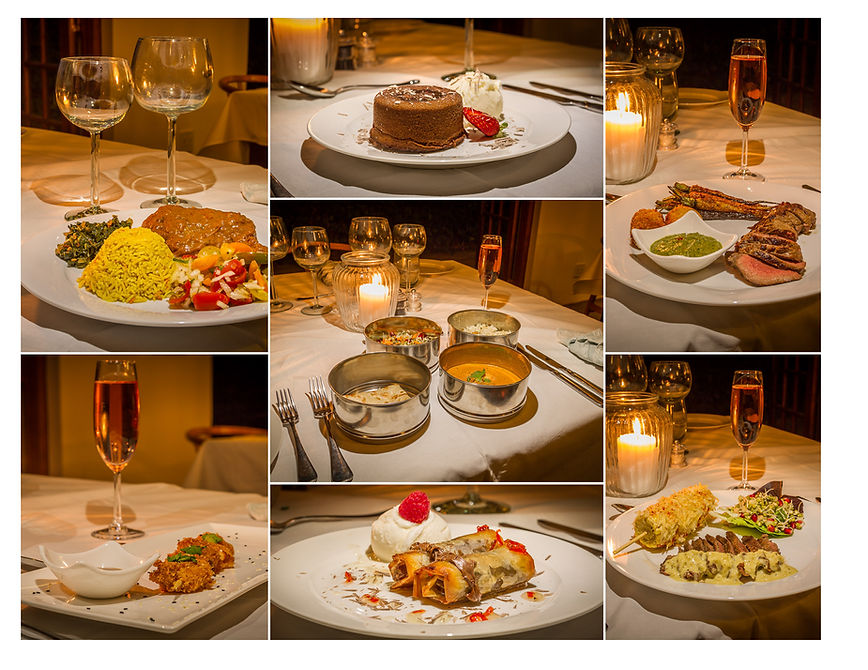
Phalaborwa's local museums document the region's geological and archaeological past, including evidence of iron-age metal smelting. Cultural sites connected to Sotho and Tsonga communities are also found in and around the town. Restaurants in the center serve local dishes including mopane worms and braaied meats, alongside more familiar South African fare, and the town's shopping centers make it easy to stock up on supplies before heading into the park.
Best Time to Visit Phalaborwa
The dry season, from May through September, is the most popular time to visit and generally the most rewarding for wildlife. Vegetation thins as the season progresses, making animals easier to see from vehicles, and water sources concentrate game at predictable points. Temperatures during June, July and August average around 25°C in the daytime, though nights can drop noticeably. This is comfortable weather for long outdoor days.
From October through March, the heat becomes significant, regularly exceeding 35°C. Afternoon thunderstorms arrive from around November and continue into March. The rain transforms the landscape quickly, and migratory birds appear in numbers, making this a productive season for birdwatchers. However, dense green vegetation makes large mammals harder to spot, and some tracks in reserves can become impassable after heavy rain.
The busiest periods align with South African school holidays, particularly the July winter break and the December-January summer holidays. These windows see higher accommodation demand and more traffic at the Phalaborwa Gate. Traveling during the shoulder months of April-May or September-October offers a reasonable balance between wildlife activity, manageable temperatures, and fewer visitors.
Getting to Phalaborwa
Hendrik Van Eck Airport serves Phalaborwa with scheduled flights from Johannesburg, and the flight takes roughly an hour. Car hire is available at the airport and is the most practical option, since public transport within and around the town is limited. Arriving with a booked vehicle removes a significant logistical problem.
By road from Johannesburg, the distance is approximately 480 kilometers, typically via the N1 north to Polokwane and then the R71 east through Tzaneen. The drive takes between five and six hours under normal conditions. The R71 is a well-maintained route and passes through the Tzaneen area and the lower escarpment, offering some of the more varied scenery in Limpopo on the way in.
From Polokwane, the provincial capital, the distance drops to around 270 kilometers along the same R71, making it a feasible connection point if you are traveling from the north. From Durban, the journey is considerably longer, around 700 kilometers, and involves either the N4 corridor or a route through Eswatini. Travelers coming from Cape Town will almost certainly find a connecting flight through Johannesburg more practical than a road trip.
Within the town, a rental car is the most useful asset. Taxis operate in the center but coverage outside it is unreliable, and driving yourself to the Phalaborwa Gate or nearby reserves is straightforward.
Phalaborwa and Surrounding Areas
The towns and communities within a 75-kilometer radius of Phalaborwa cover a range of characters, from wildlife tourism hubs to quiet rural service points.
Mica (39 km to the south) takes its name from the mineral deposits found in the area. It functions primarily as a small rural stop and is not a destination in itself, but it marks the route toward Hoedspruit and is a useful fuel and orientation point.
Hoedspruit (49 km) is the most developed nearby center for wildlife tourism. The town has a growing food and retail scene, a private airstrip receiving charter flights, and is surrounded by private game reserves including Kapama and Thornybush. The Hoedspruit Endangered Species Centre, focused on cheetah conservation and rehabilitation, is open to day visitors and is one of the more specific wildlife experiences available outside the national park boundaries.
Gravelotte (53 km) has a history tied to antimony mining and is a quiet, functional settlement. It is not set up for tourism but gives a clear picture of the mining-agricultural mix that defines much of this part of Limpopo.
Nalatsi (62 km) and Dingapong (71 km) are small rural communities. Driving through this stretch shows the dispersed settlement patterns of the Lowveld and the way villages relate to the surrounding land, but neither is a stop for visitors specifically.
Acornhoek (72 km) has more infrastructure than the other smaller centers, including medical services and fuel, and sits at the edge of the Greater Kruger wildlife corridor. Community-based conservation projects operate in this area, connecting local villages to the wildlife economy. It also sits on the road toward the Blyde River Canyon, making it a natural waypoint if you are extending your trip southwest toward that escarpment region.
Planning Your Stay
With limited listings currently available through this platform, cross-referencing with other sources before booking is a practical step. The Limpopo Tourism Agency and Greater Kruger tourism networks maintain directories of registered accommodation, and contacting guesthouses directly often surfaces availability or deals not visible through aggregators.
Booking ahead by at least two to three months is advisable for the July dry-season peak and around the December school holiday period. Outside those windows, lead times can be shorter, though properties near the Phalaborwa Gate do fill up as Kruger's popularity continues to grow.
Before confirming any property, check whether the room has air conditioning, since summer temperatures in Phalaborwa are serious. Secure parking, early check-in options and access to a braai or outdoor cooking area are worth confirming if your trip involves long drives and late arrivals. Ask specifically about the distance to the Phalaborwa Gate if early-morning game drives are central to your plans.
Data connectivity in the town center is reasonable, but drops off in rural areas around the reserves. Downloading offline maps of the Kruger road network and surrounding routes before you leave home avoids navigation issues in areas with no signal. A local SIM card with data is available in town and is inexpensive by comparison to roaming charges.