Accommodation in Saint Helena Bay
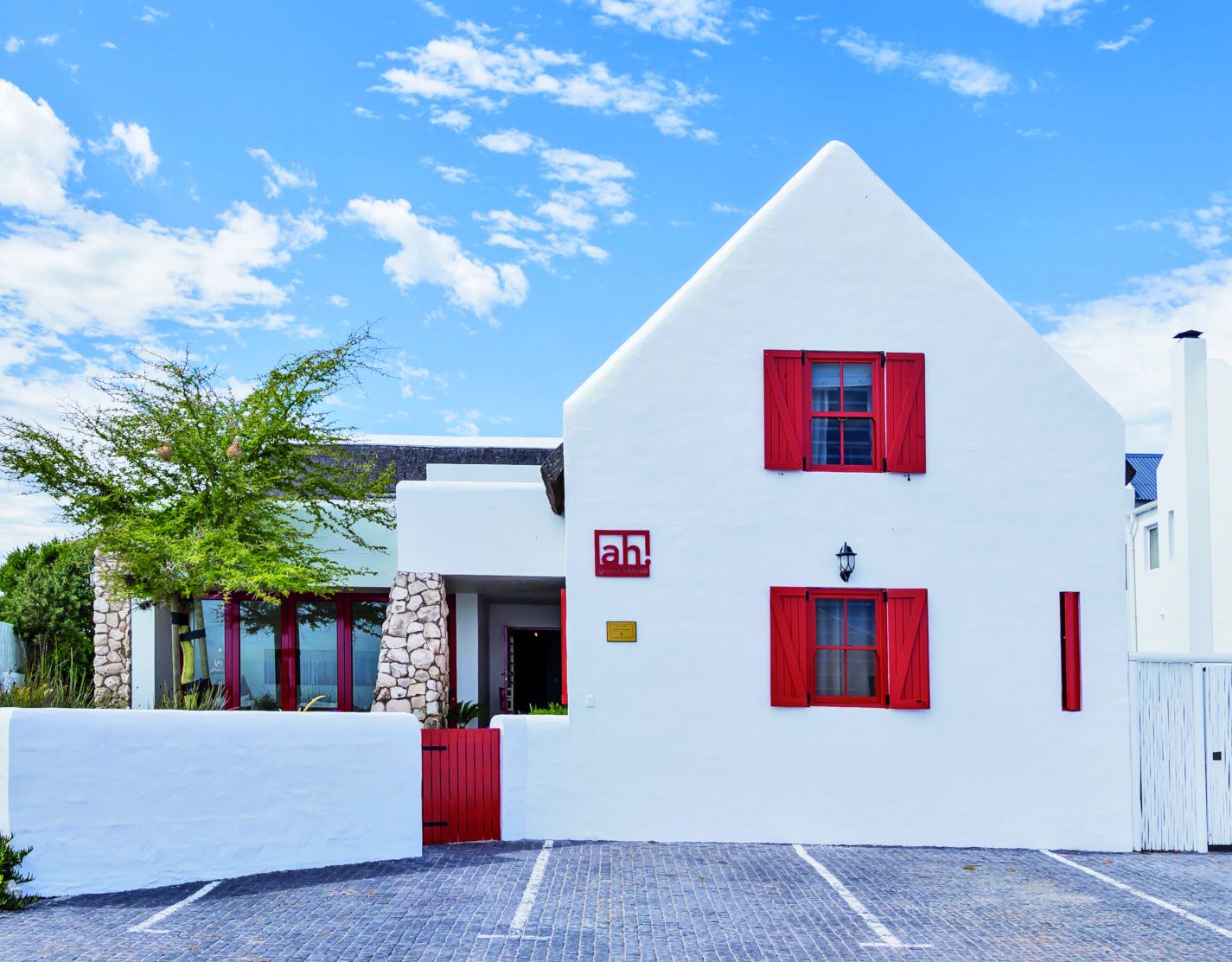
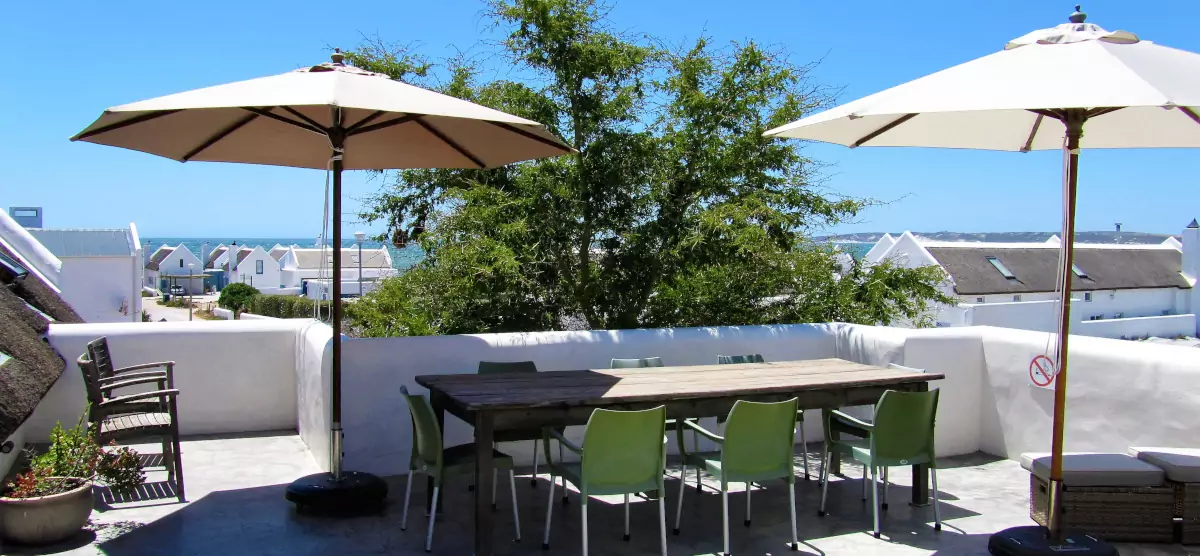
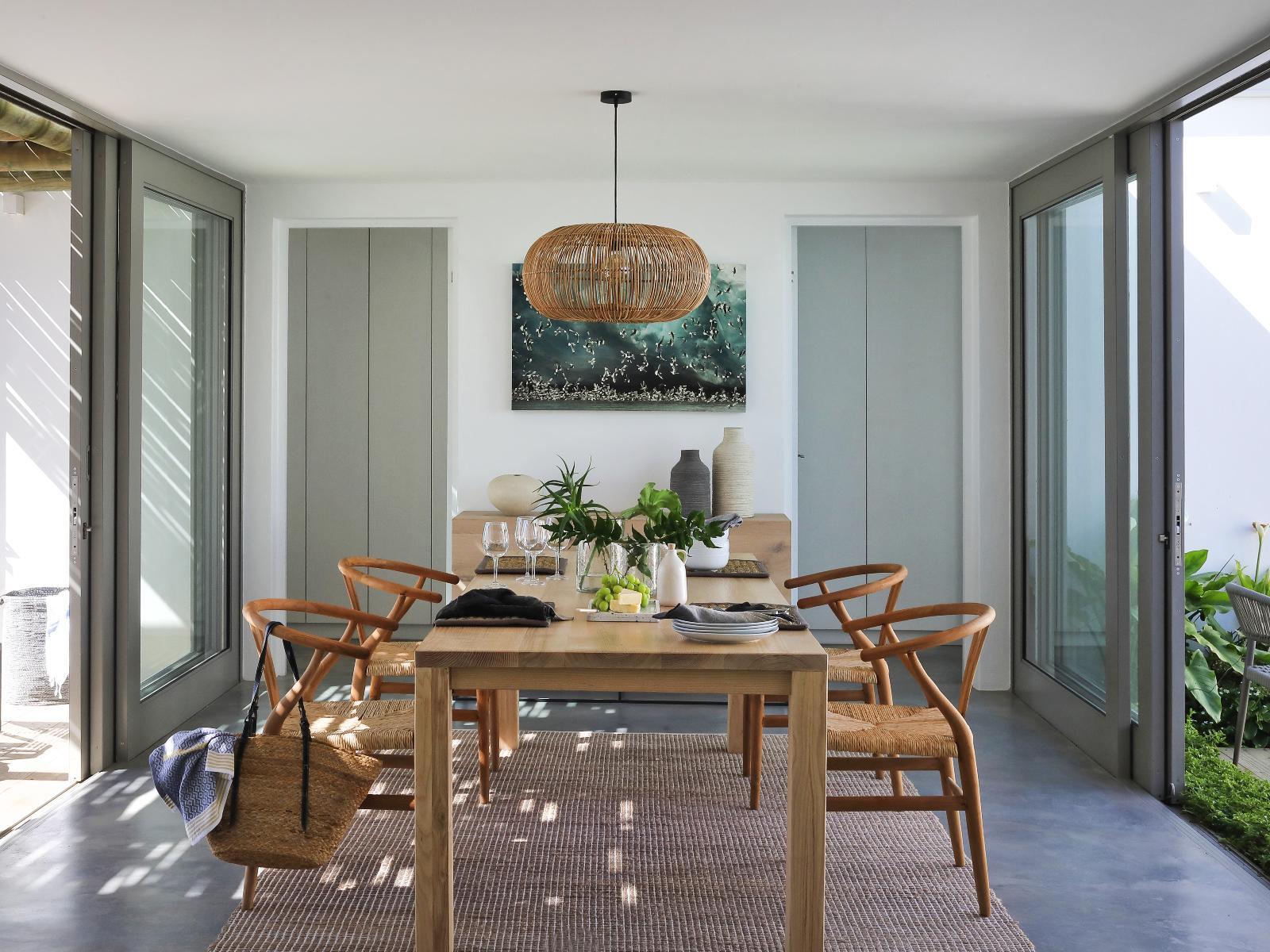
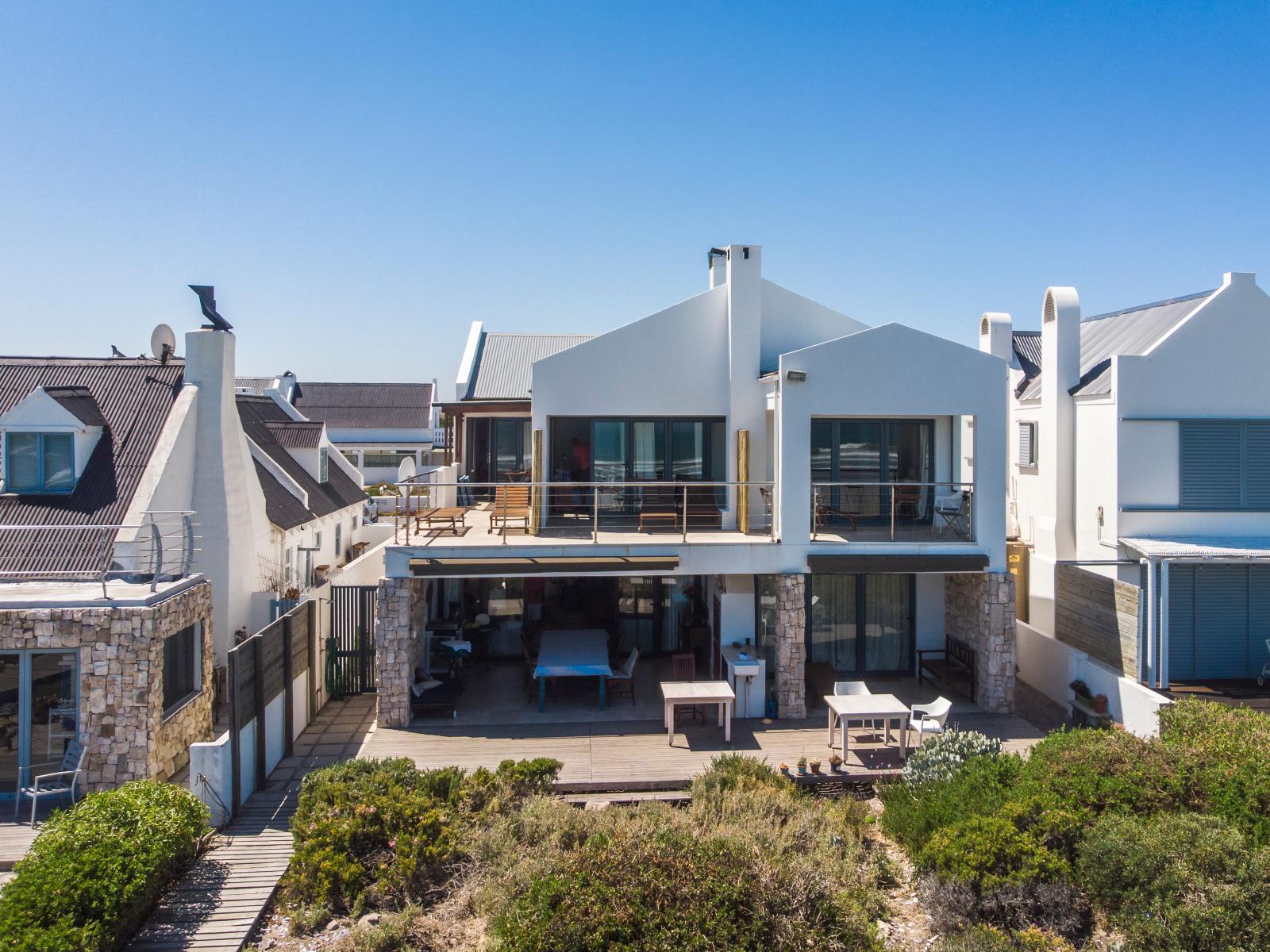
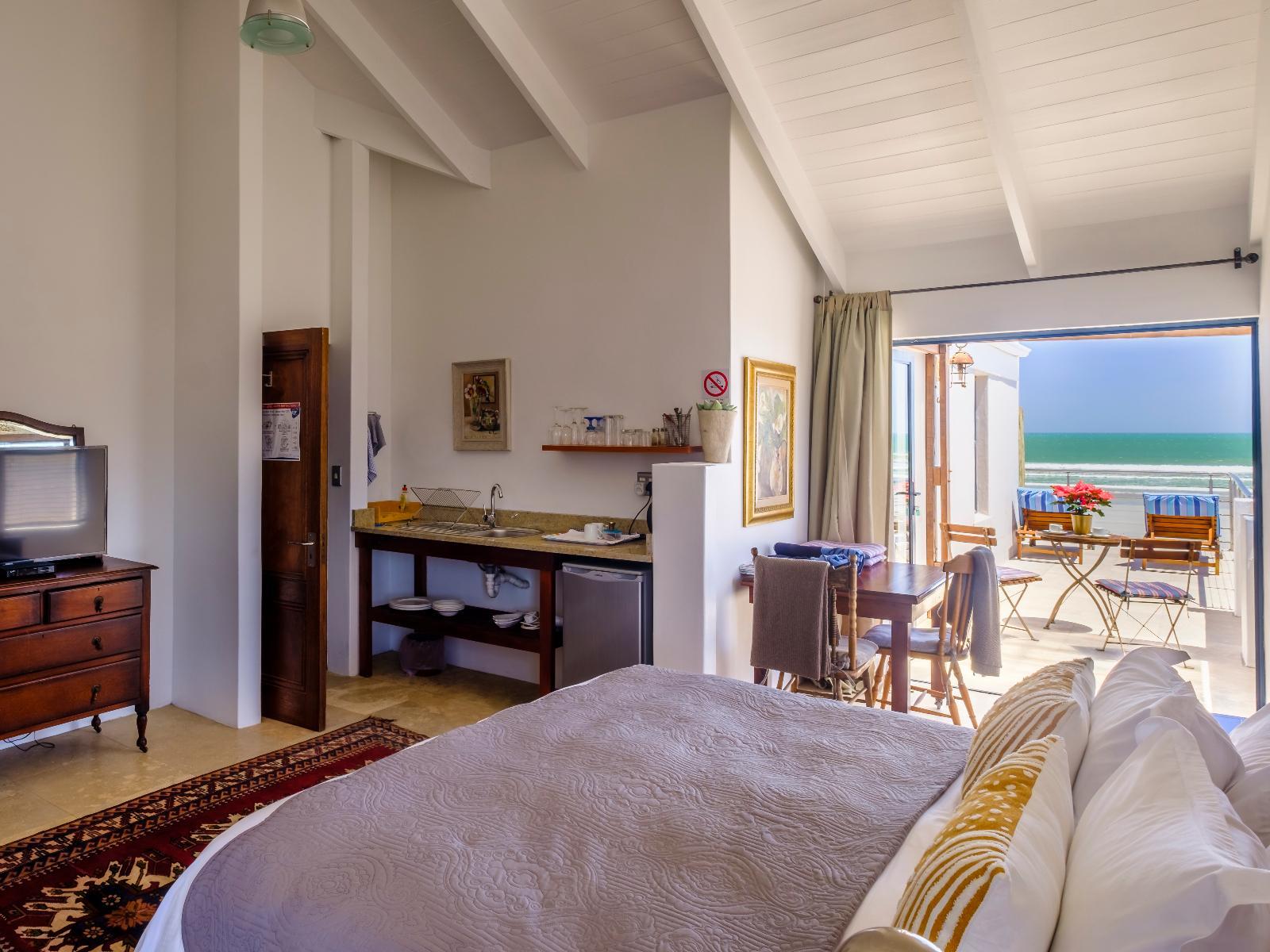
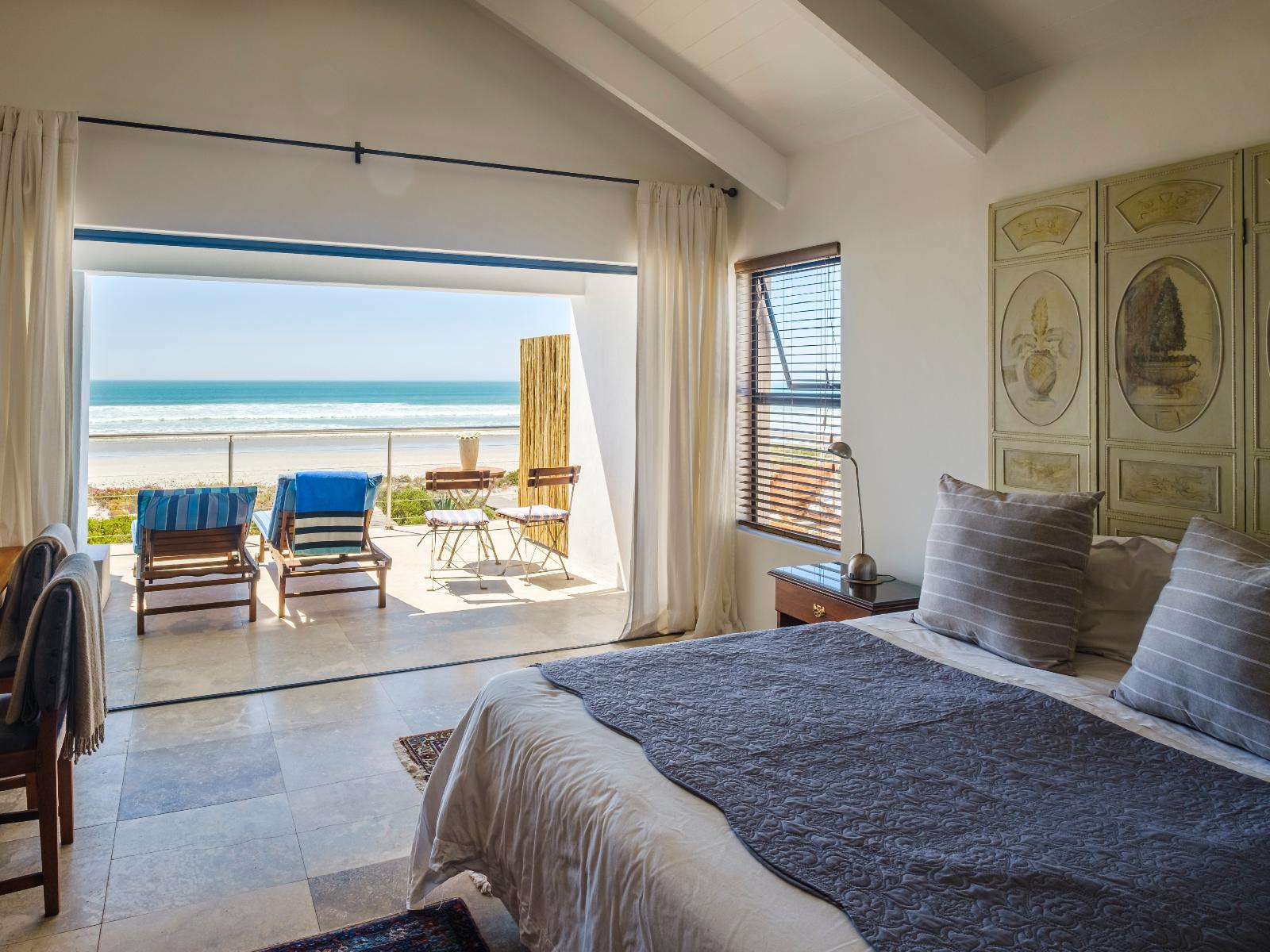
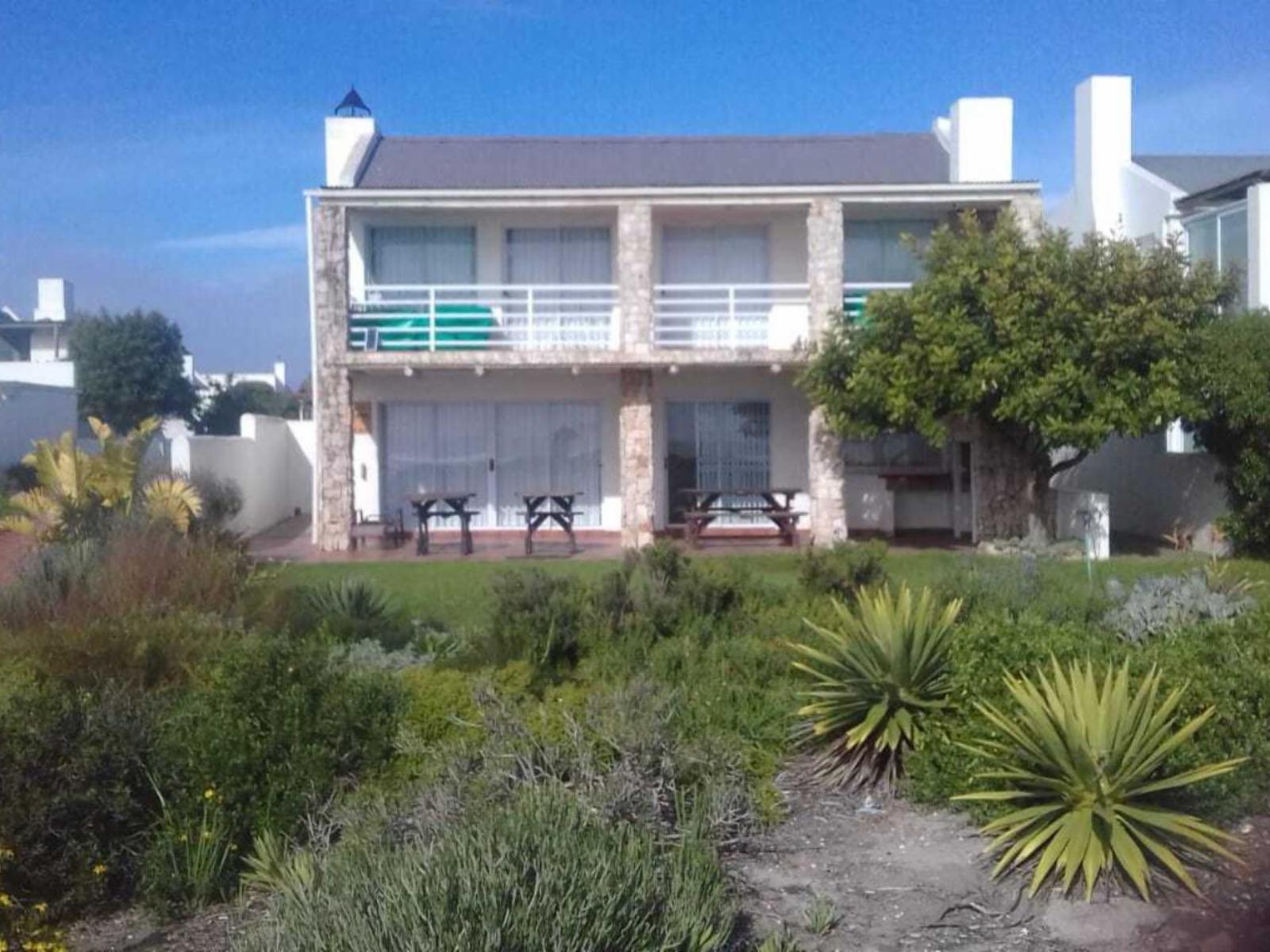
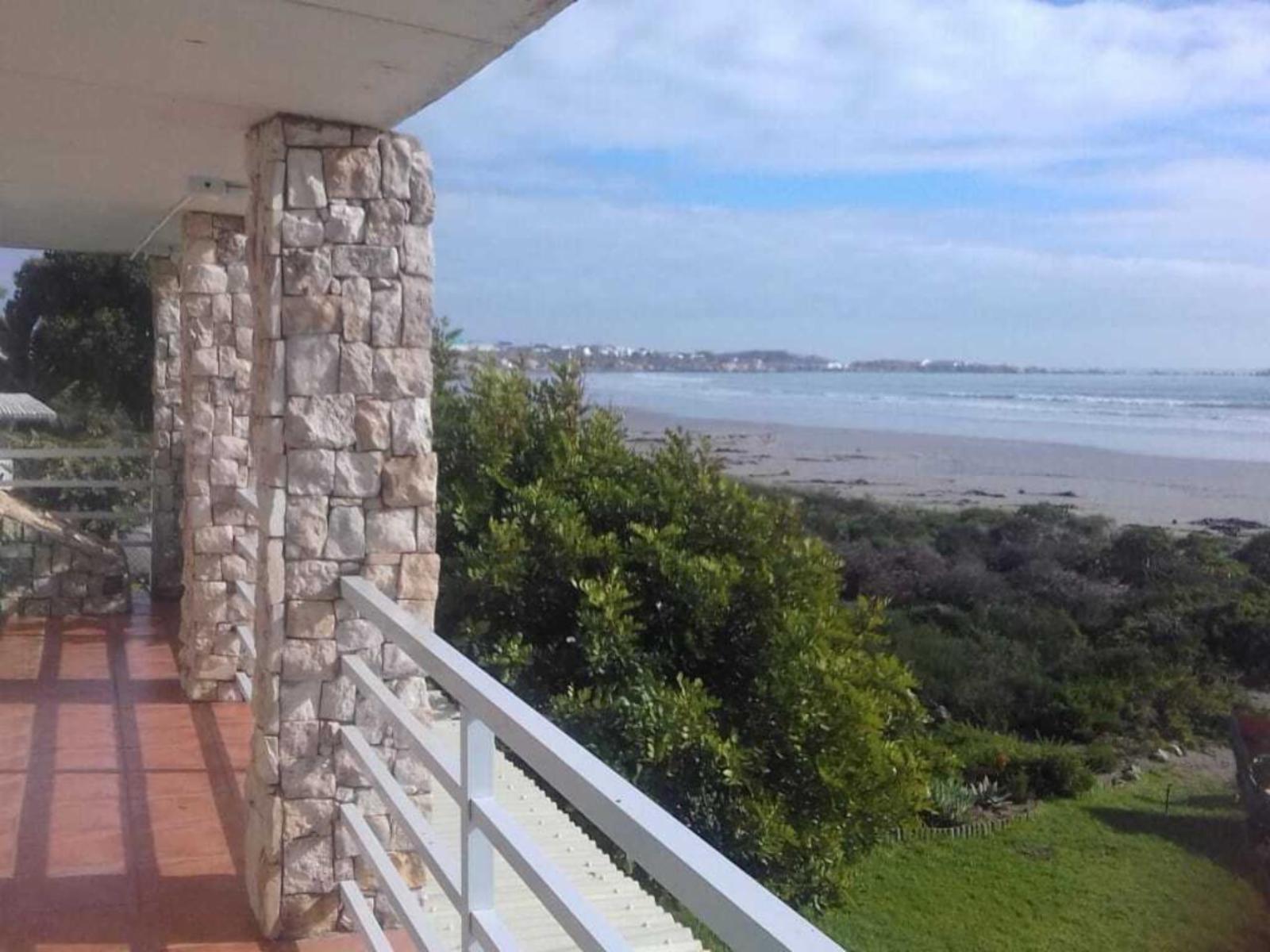
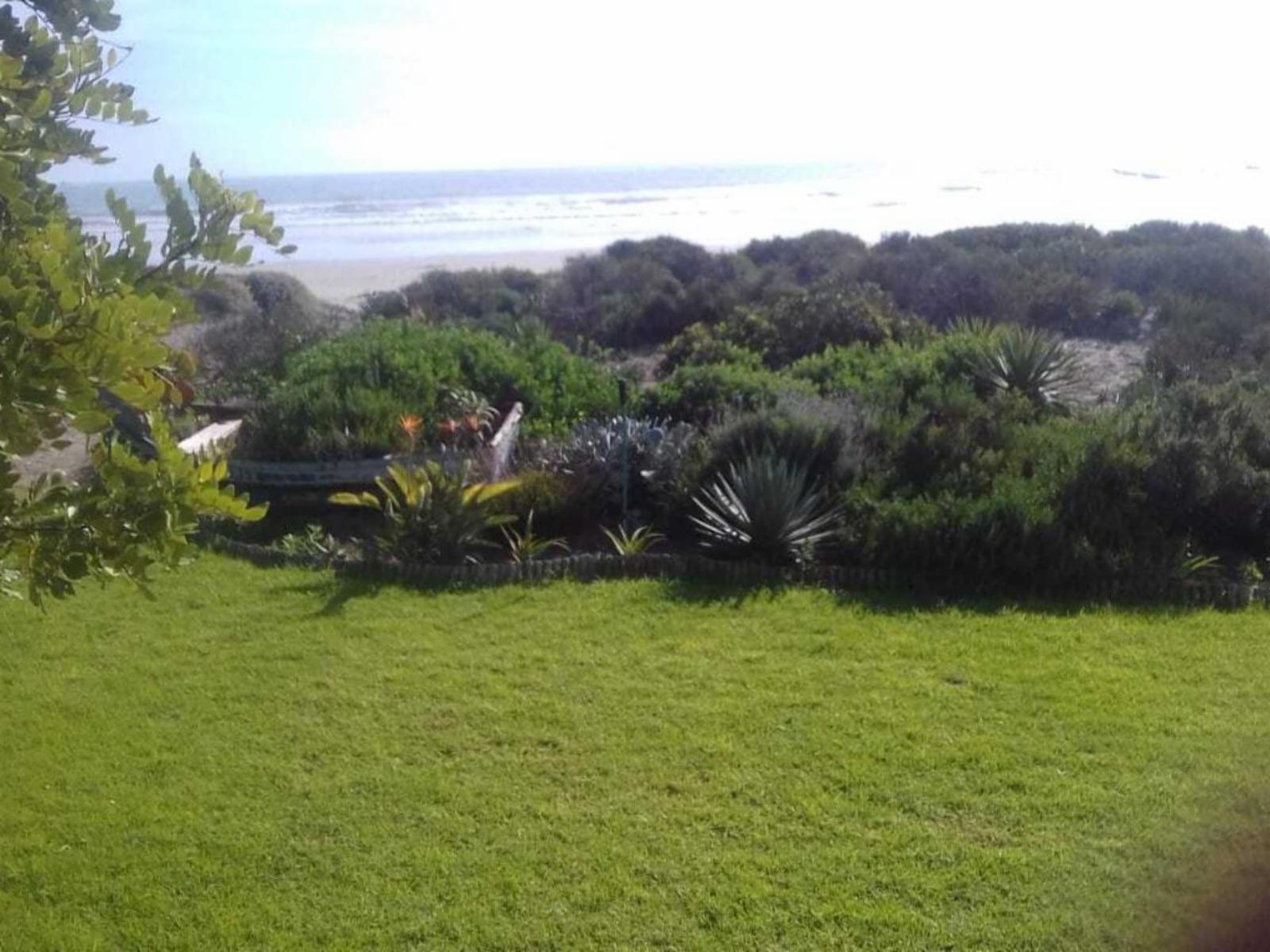
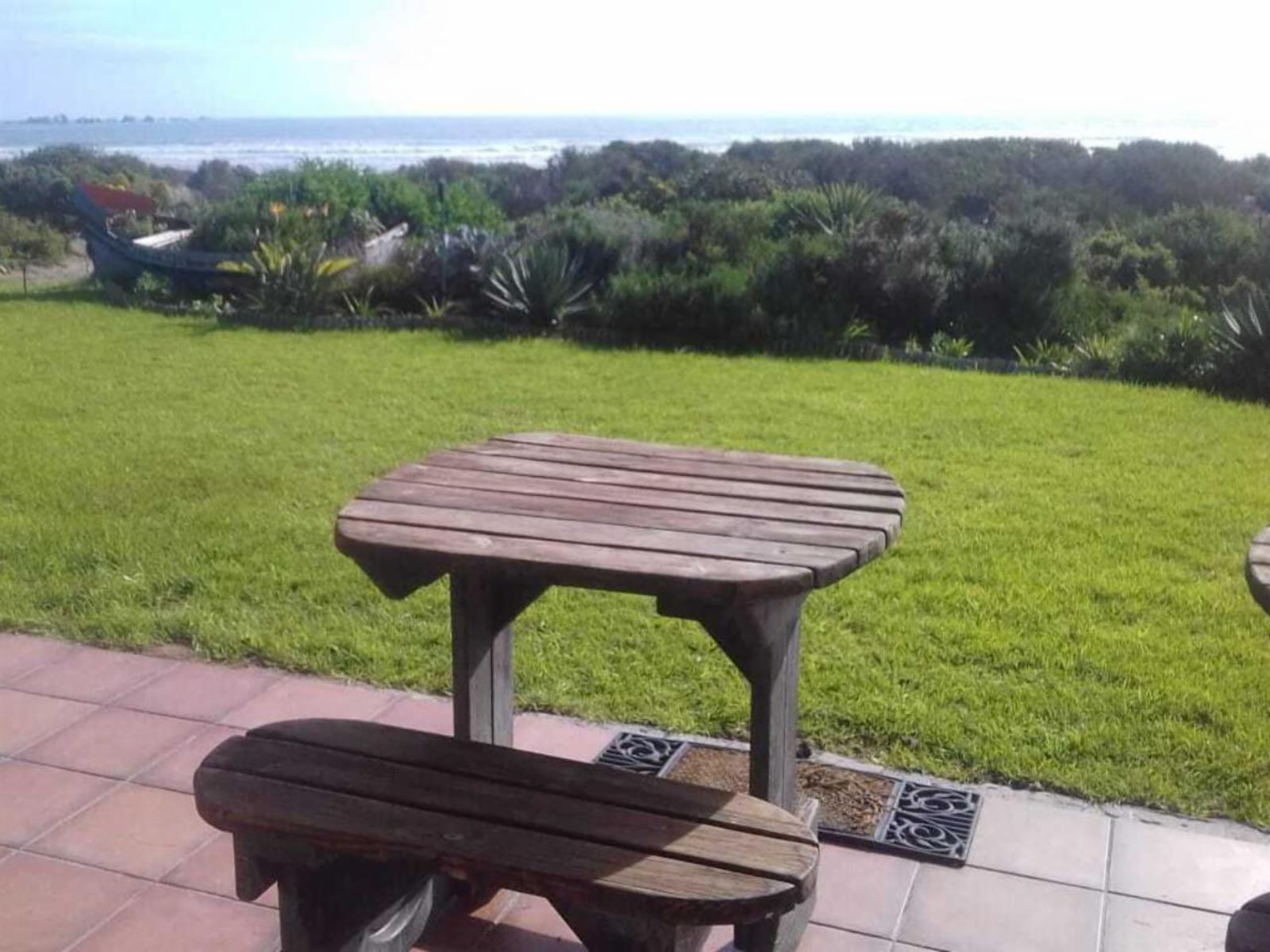
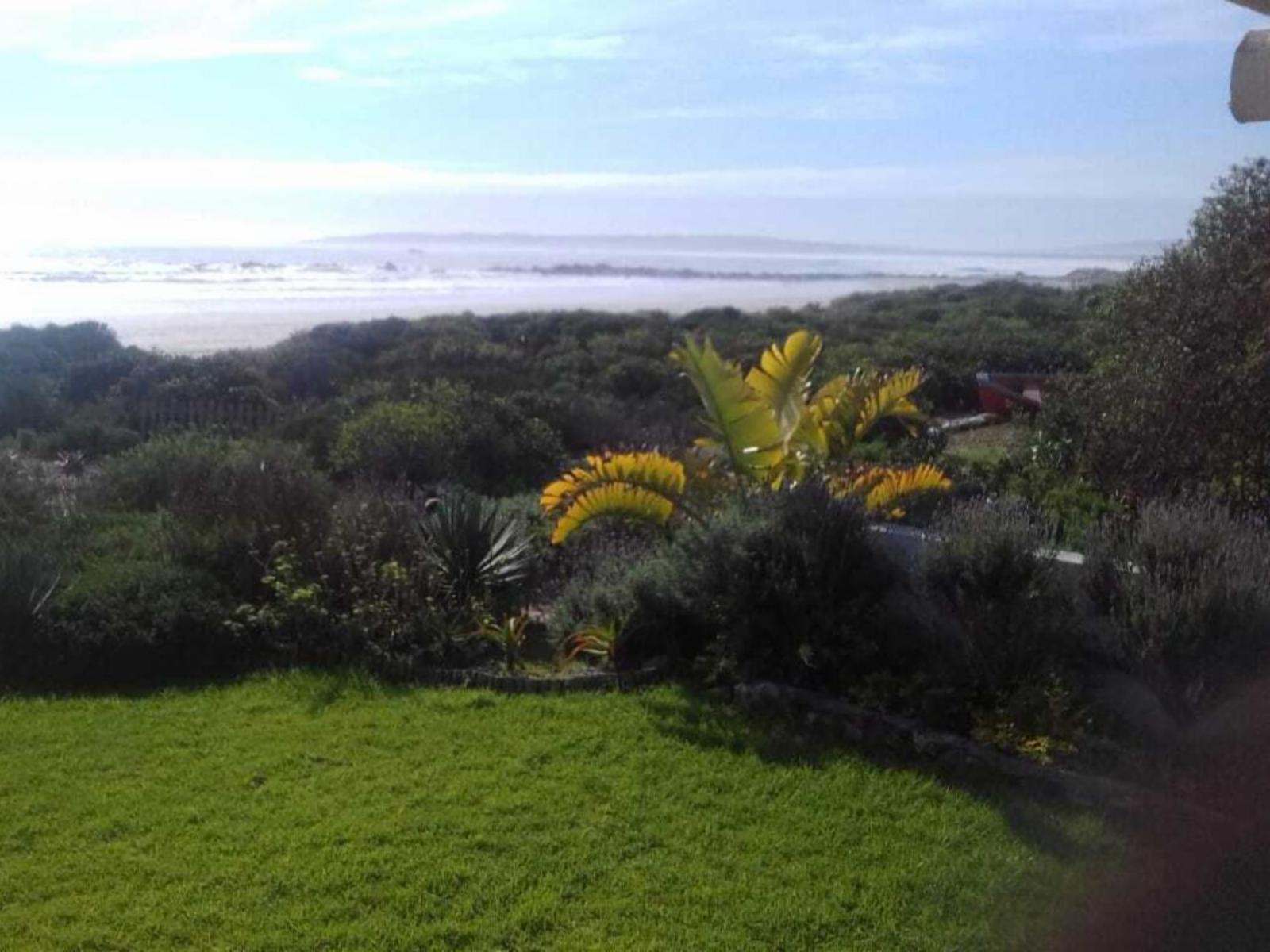
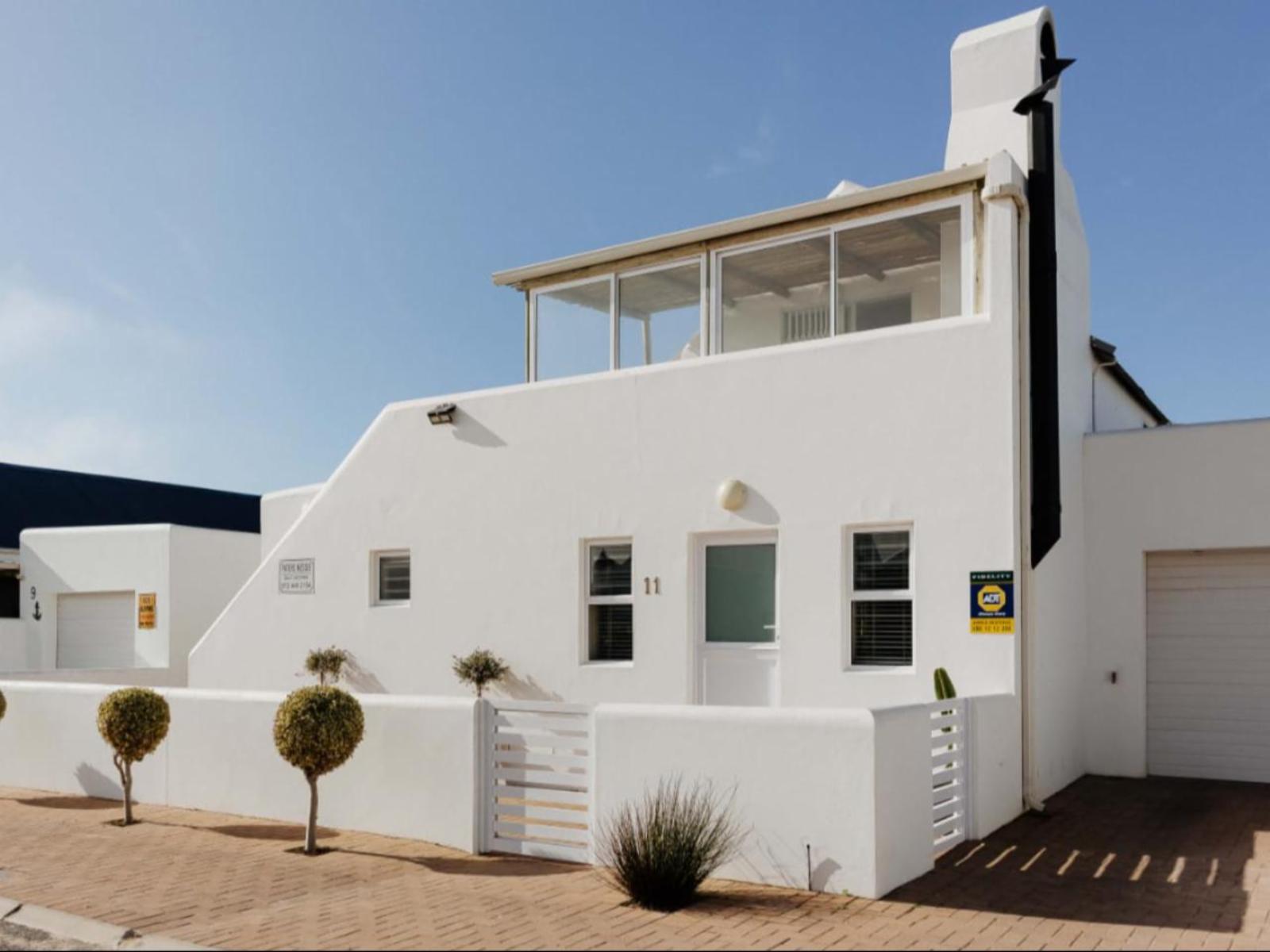
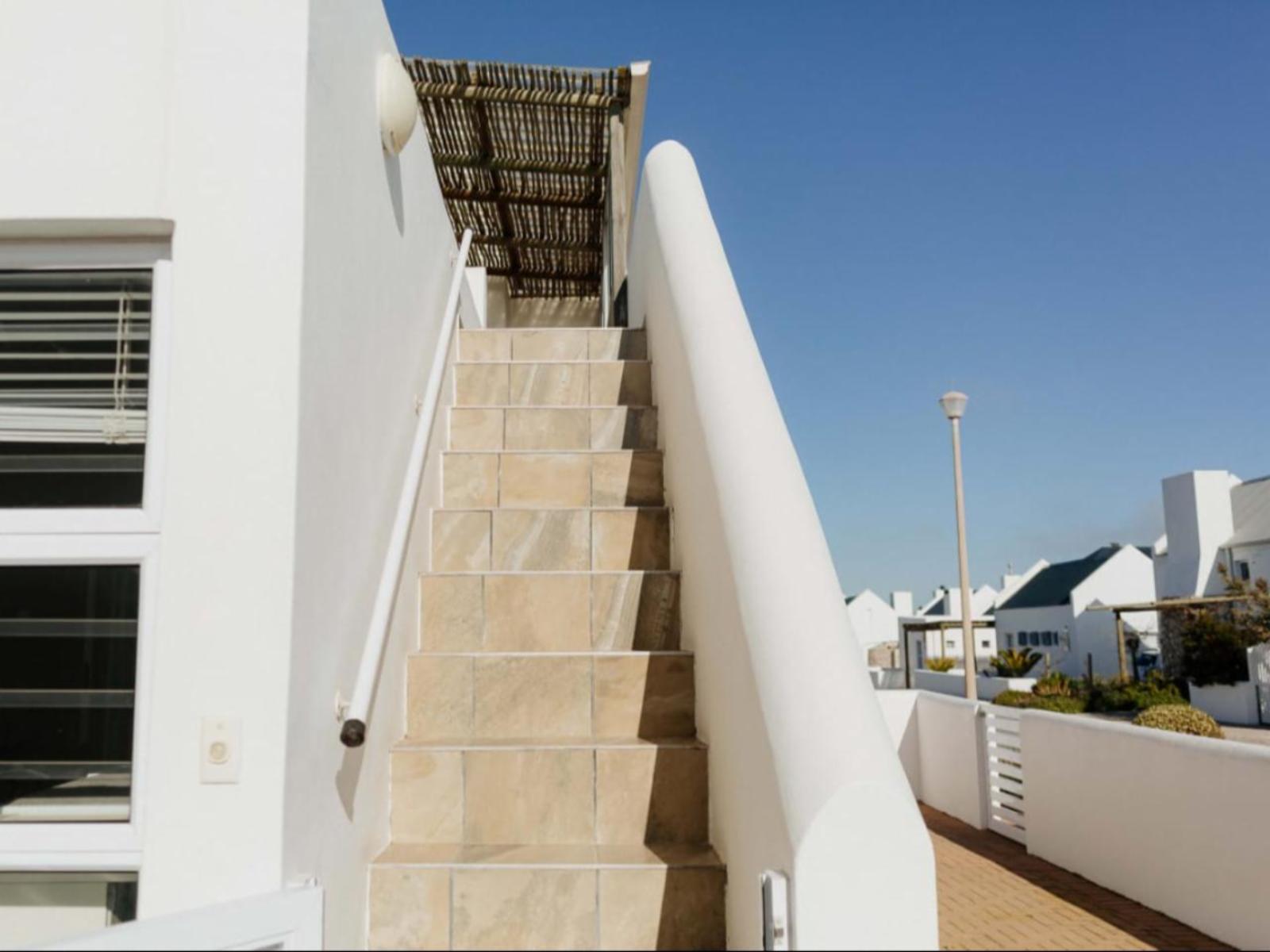
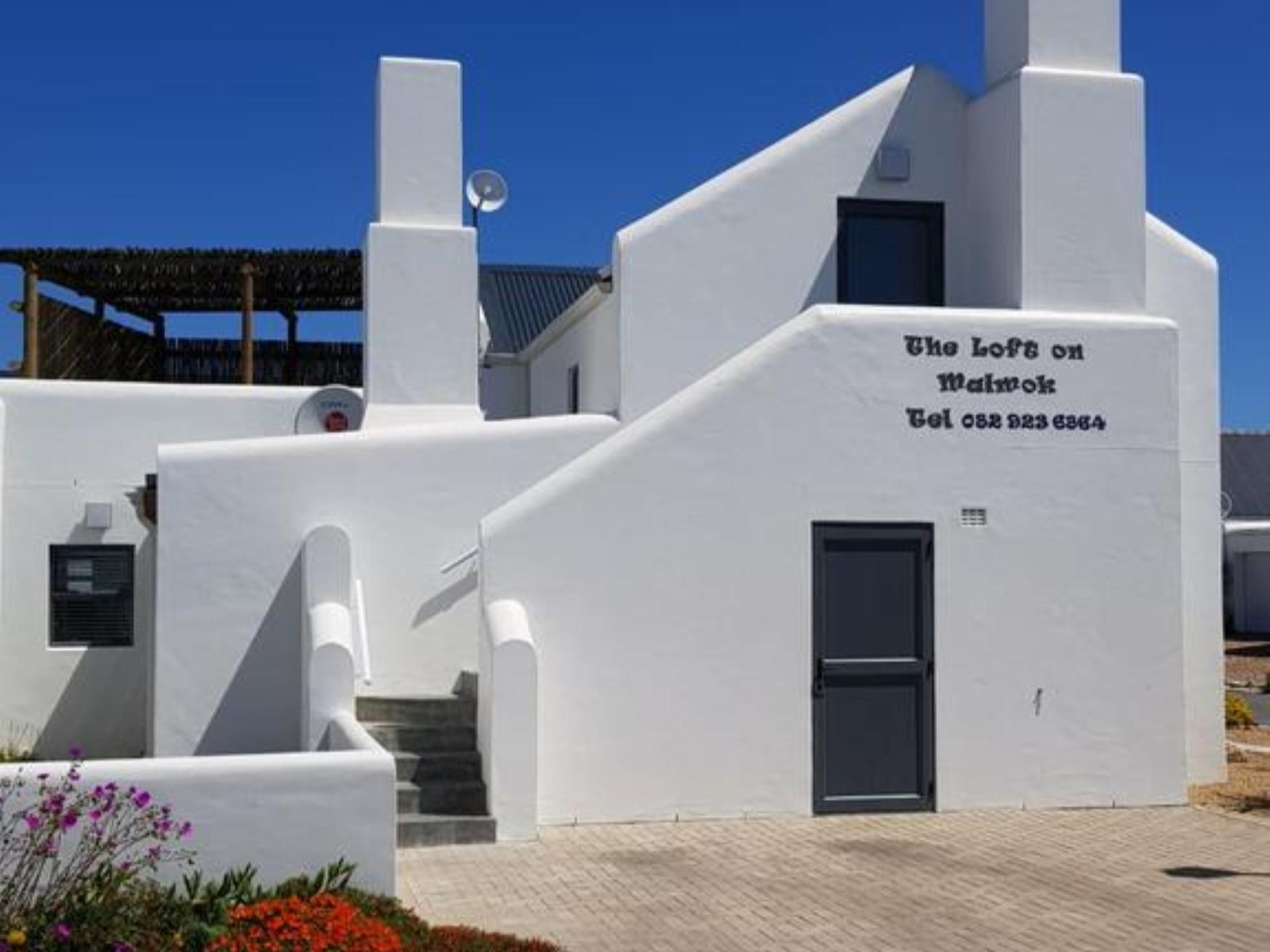
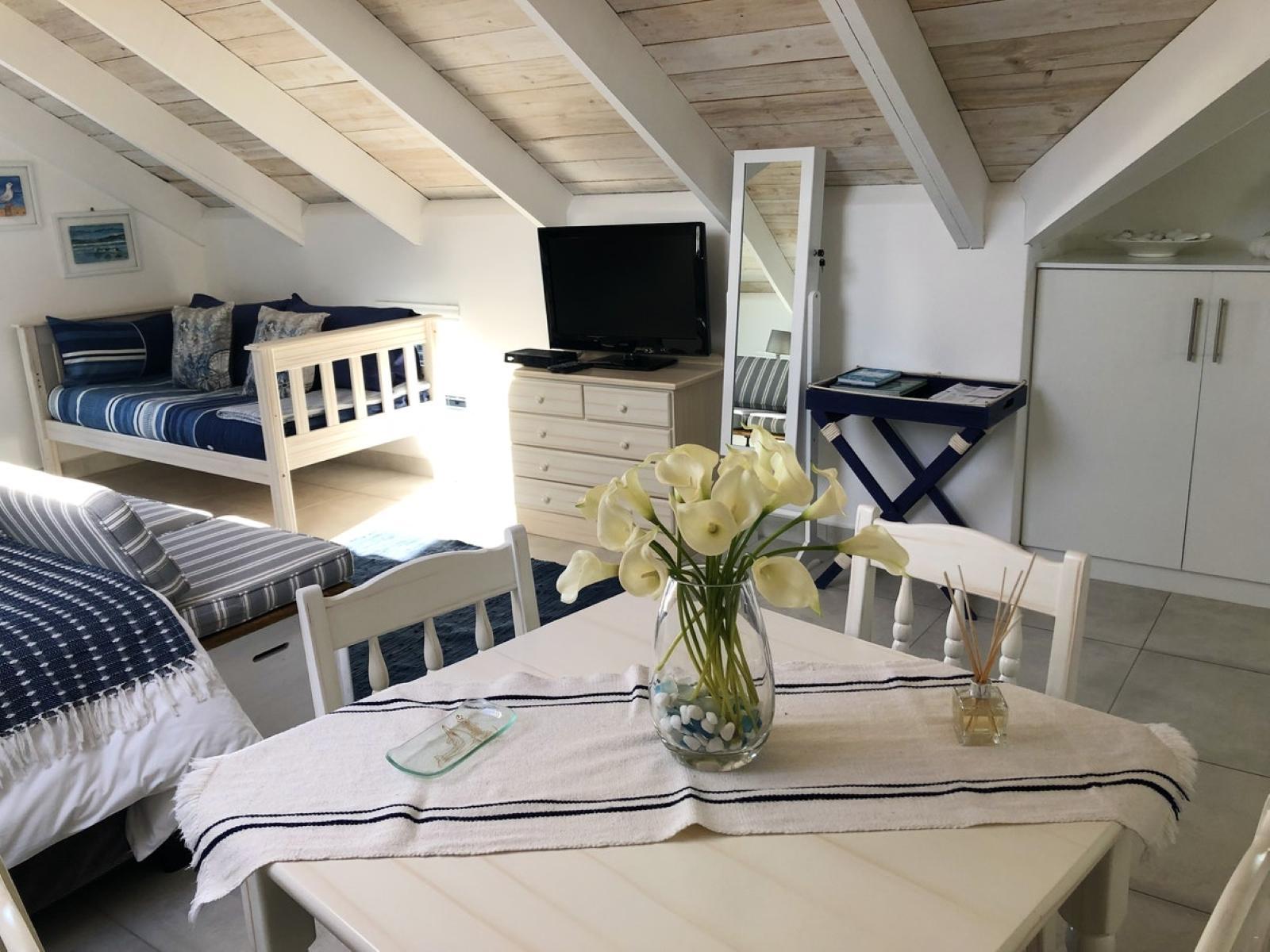
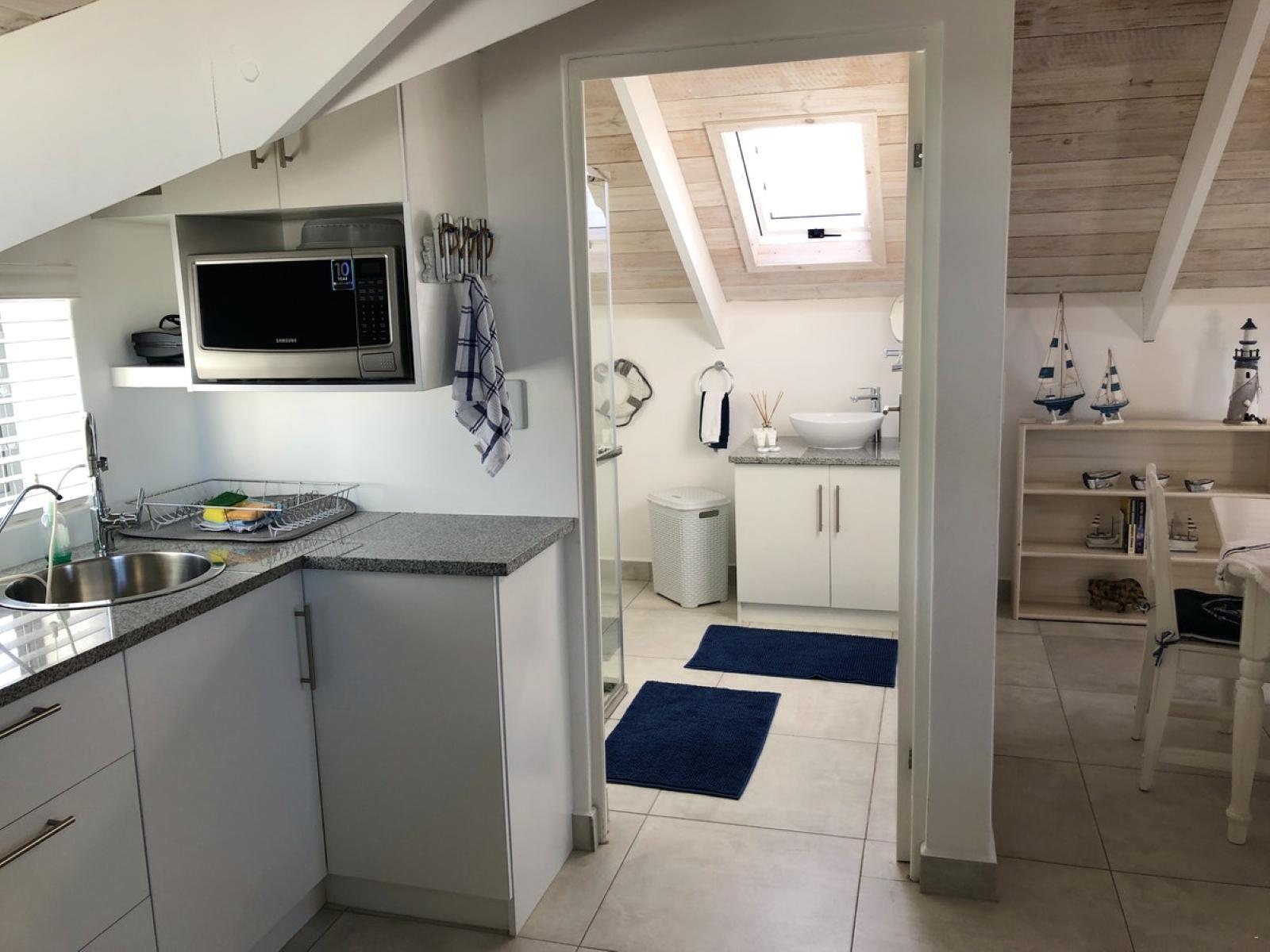
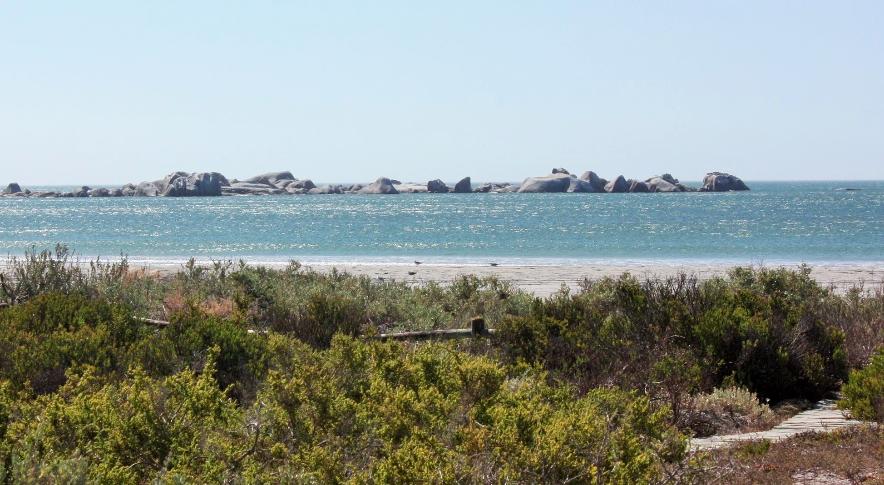
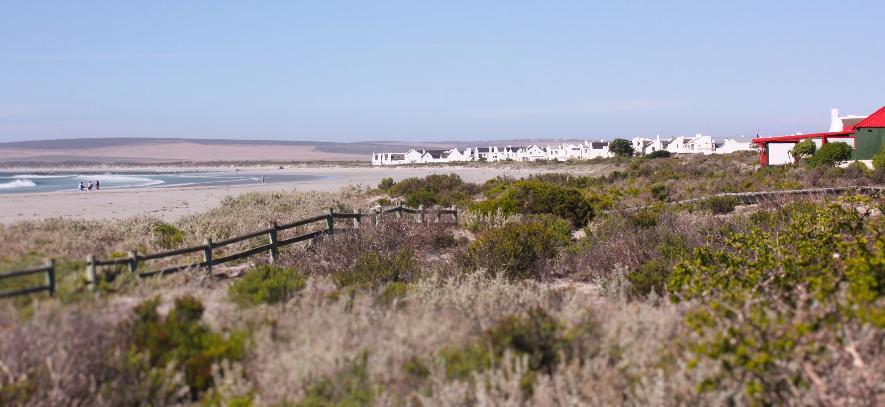
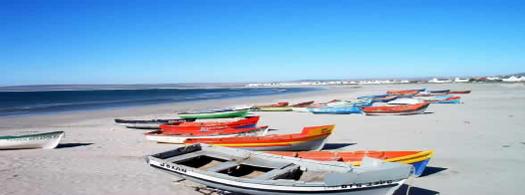
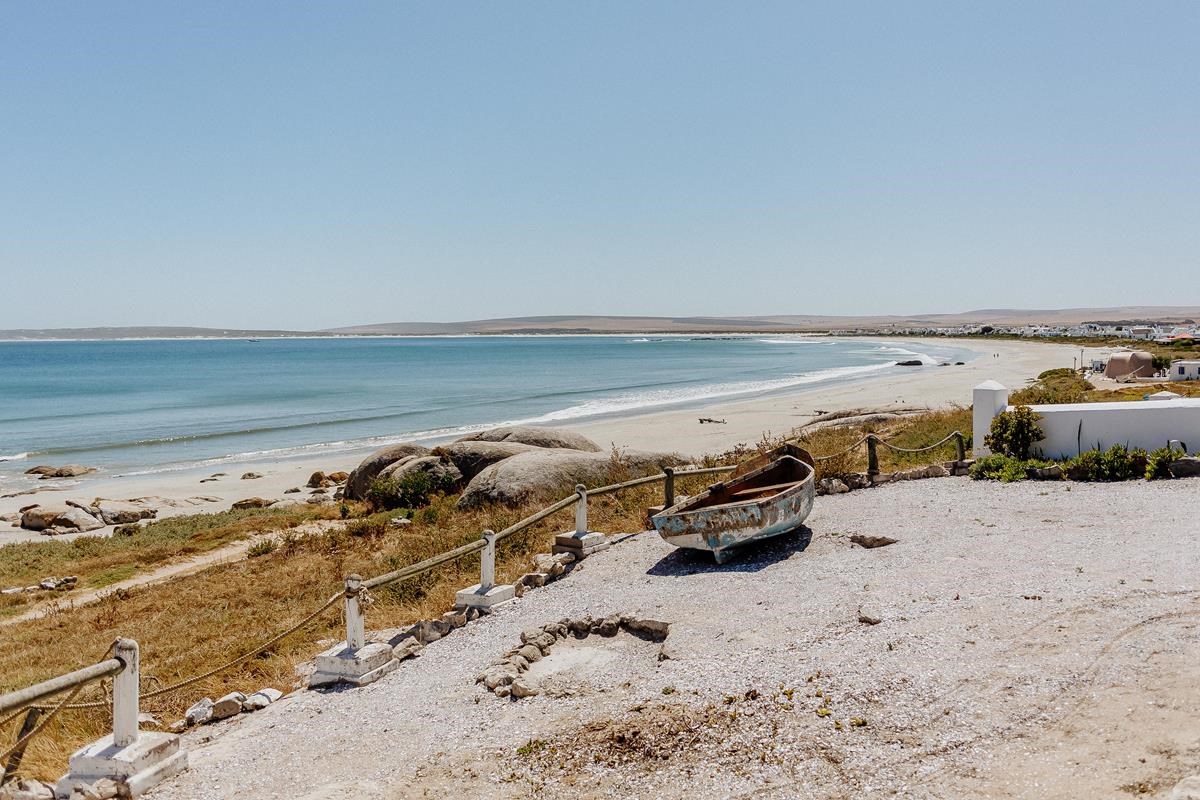
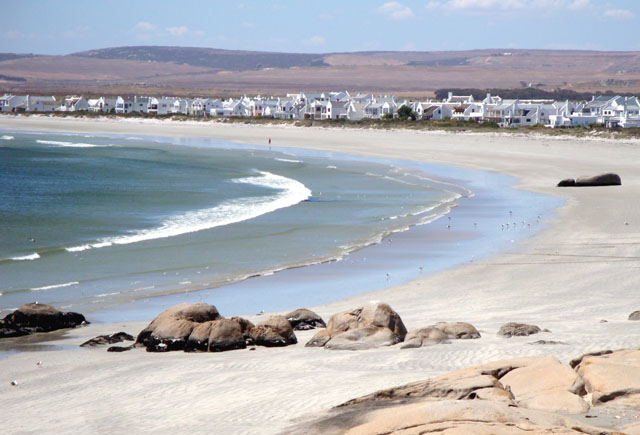
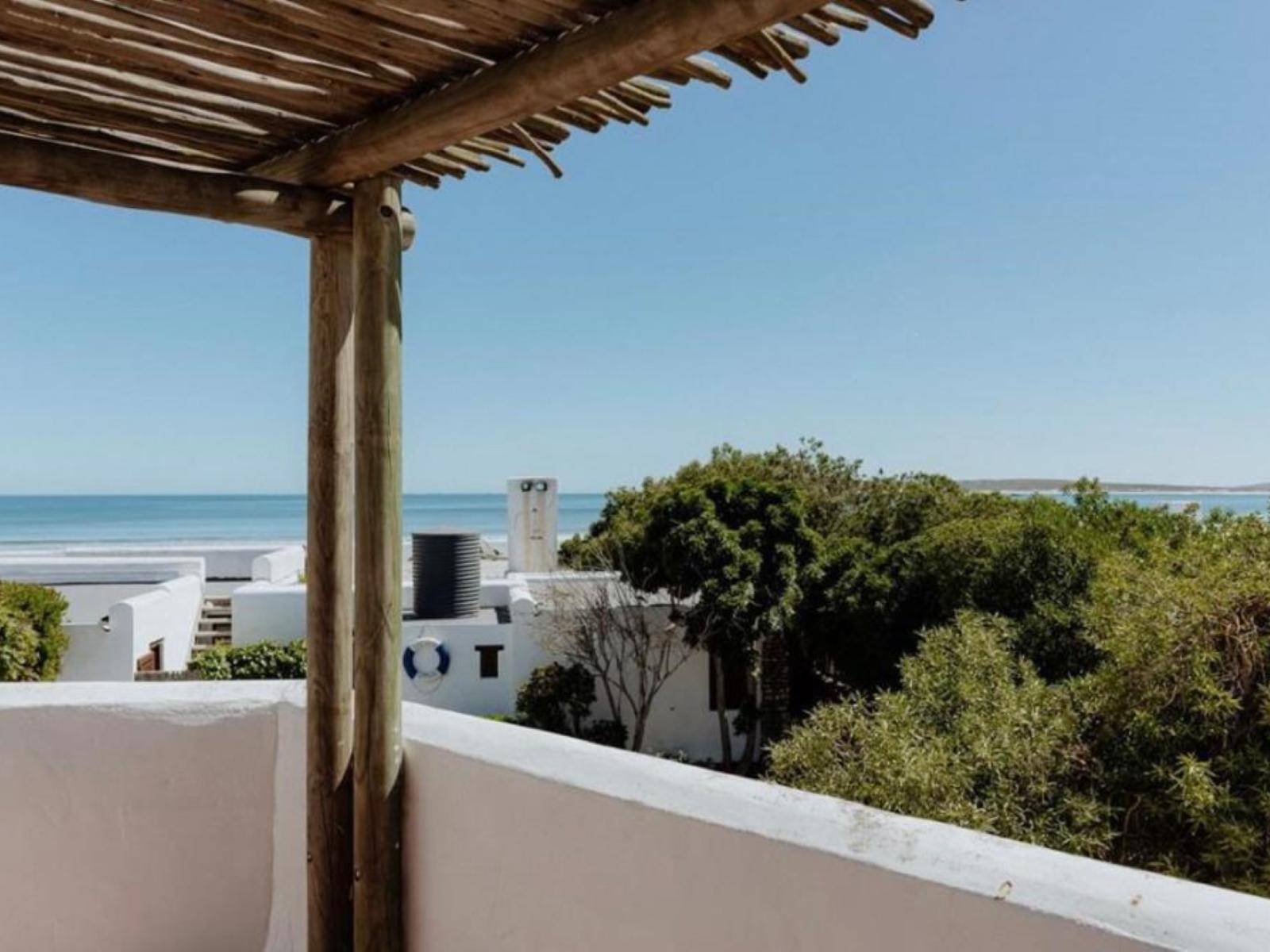
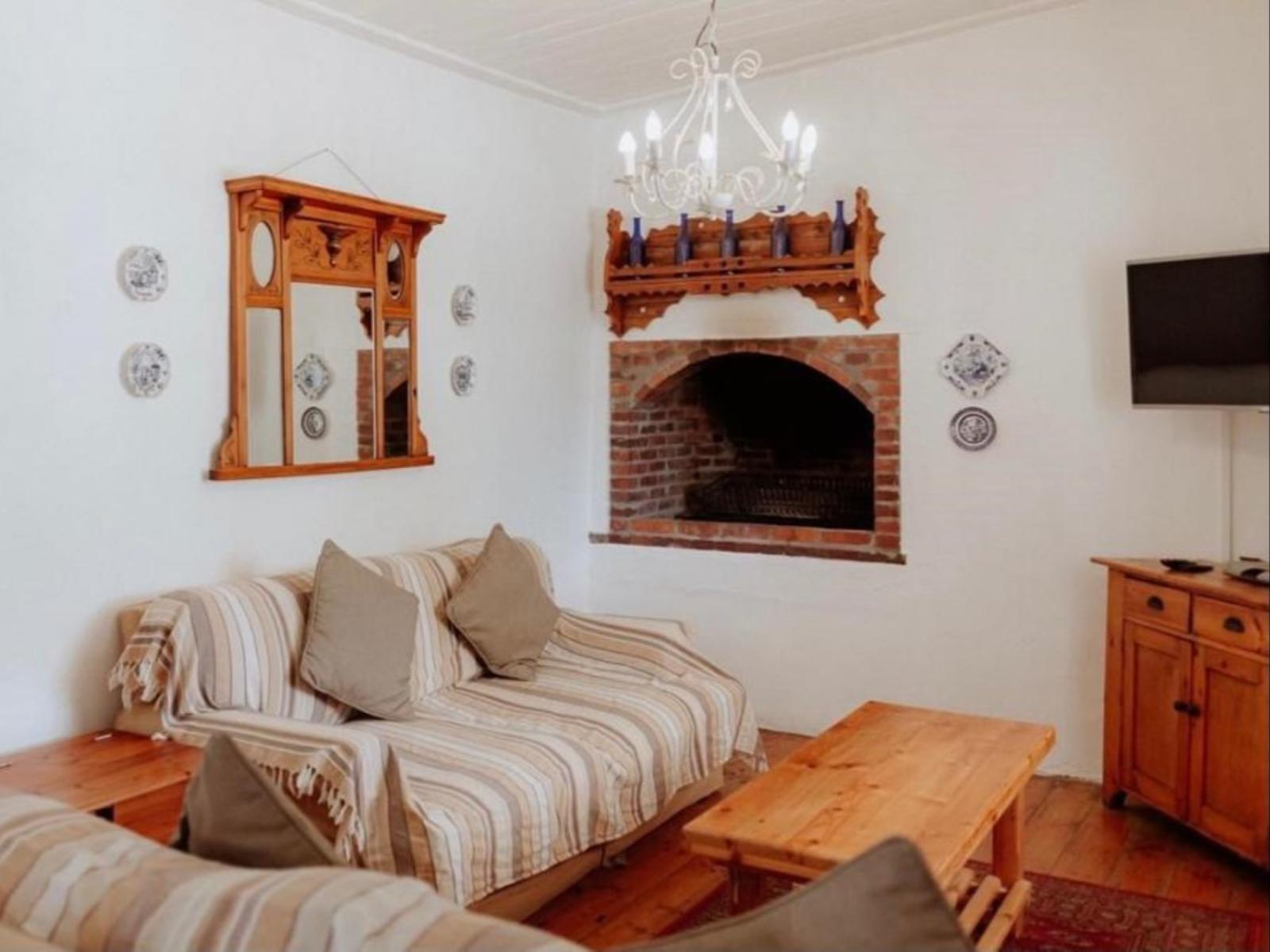
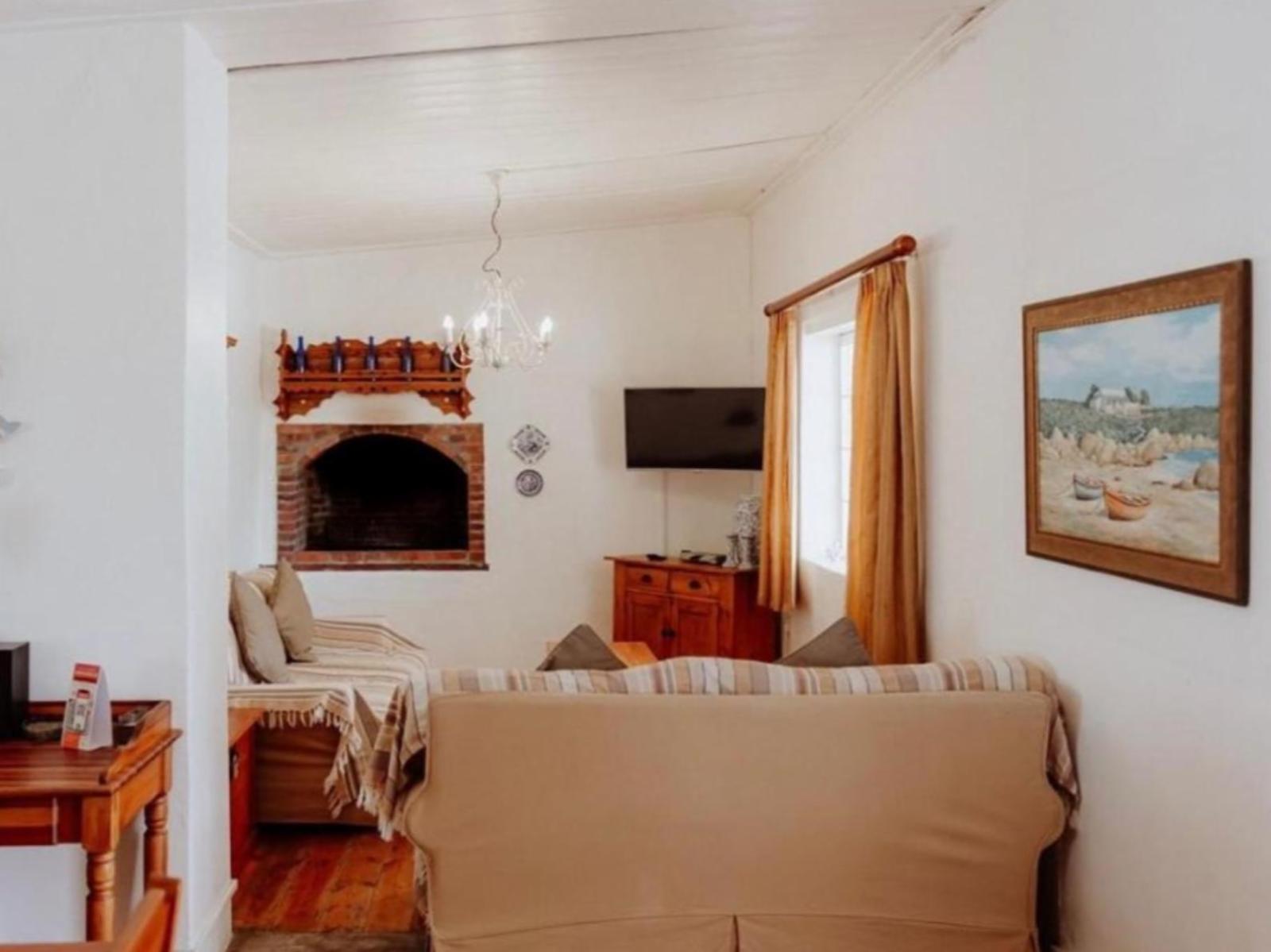
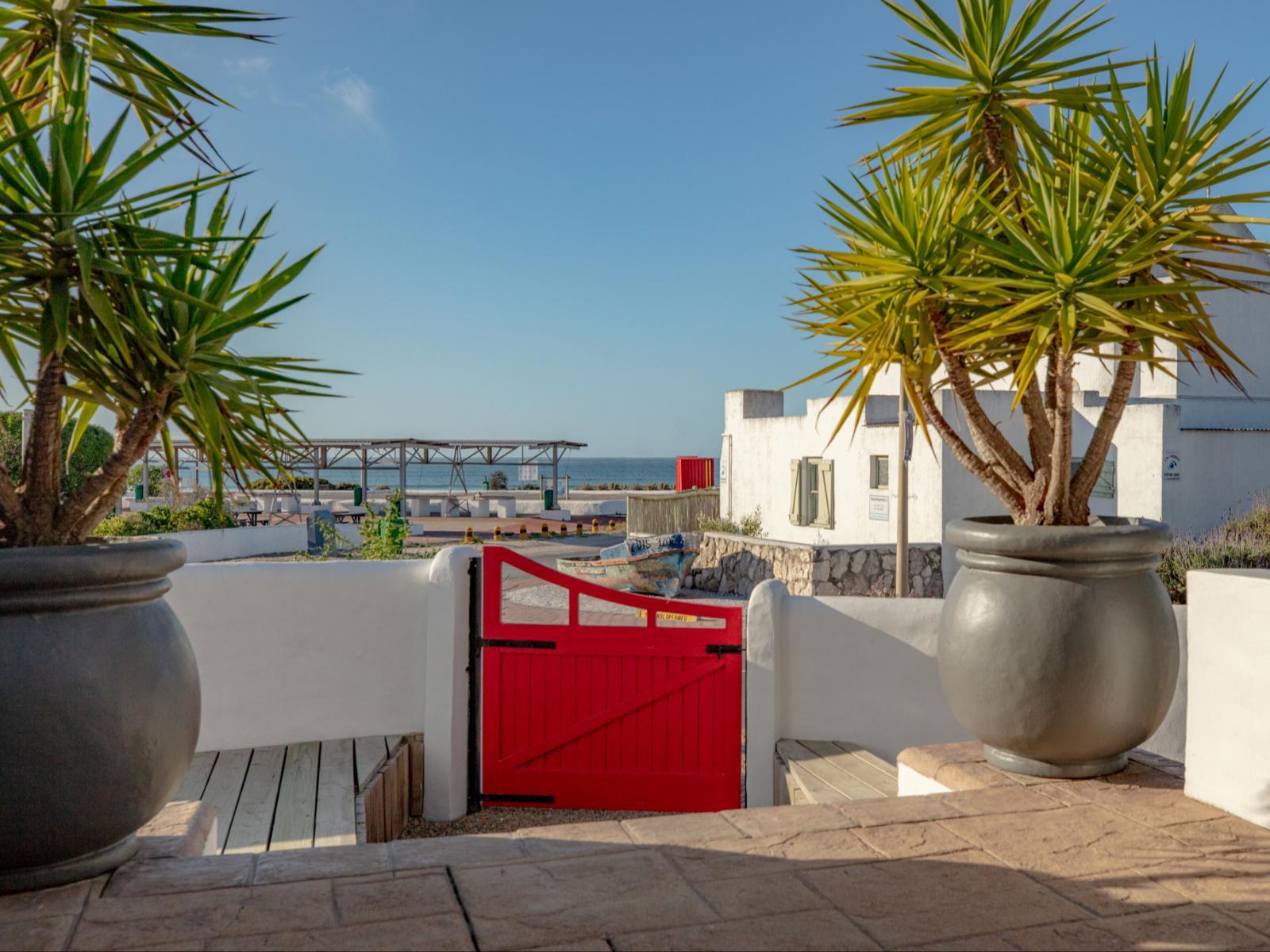
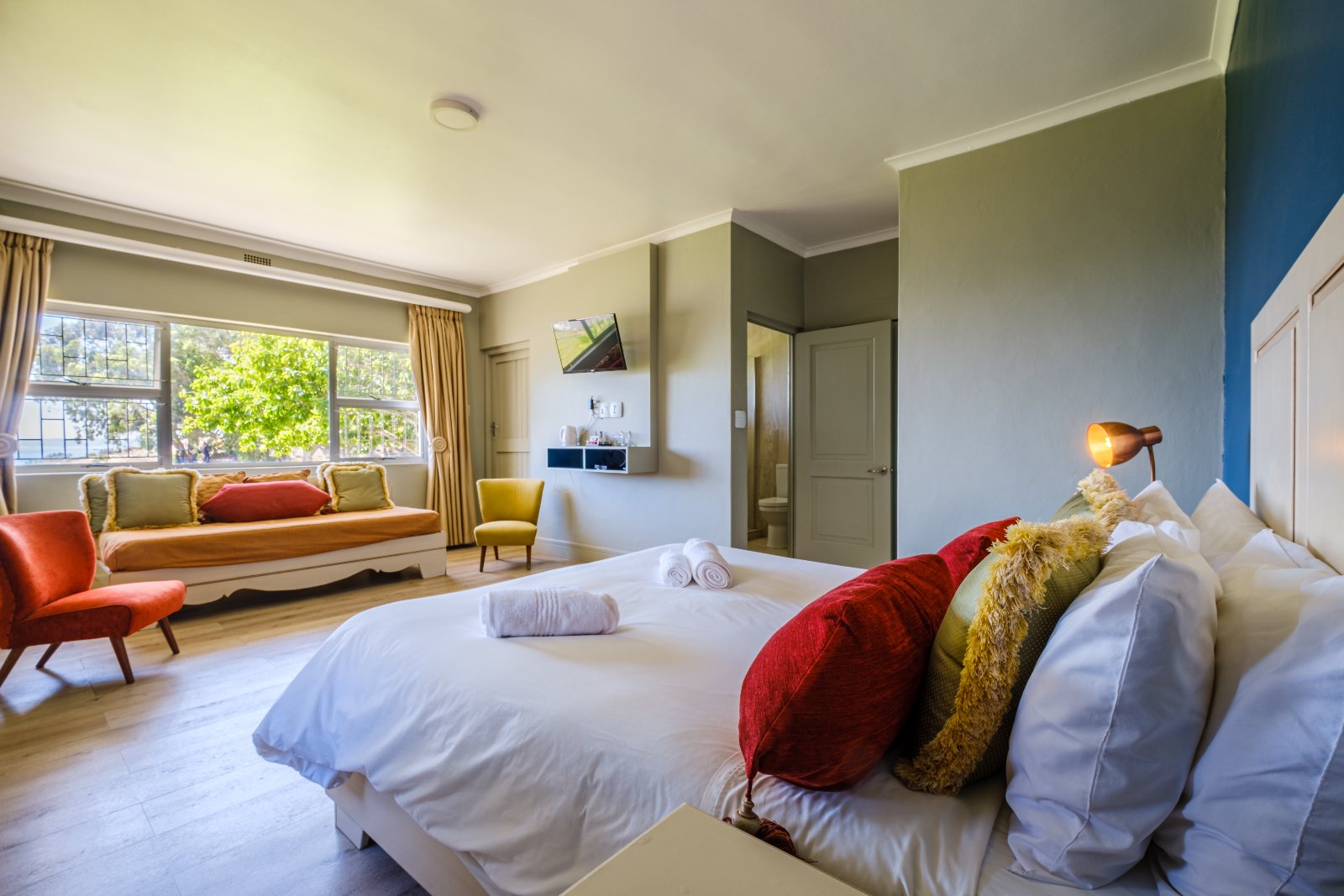
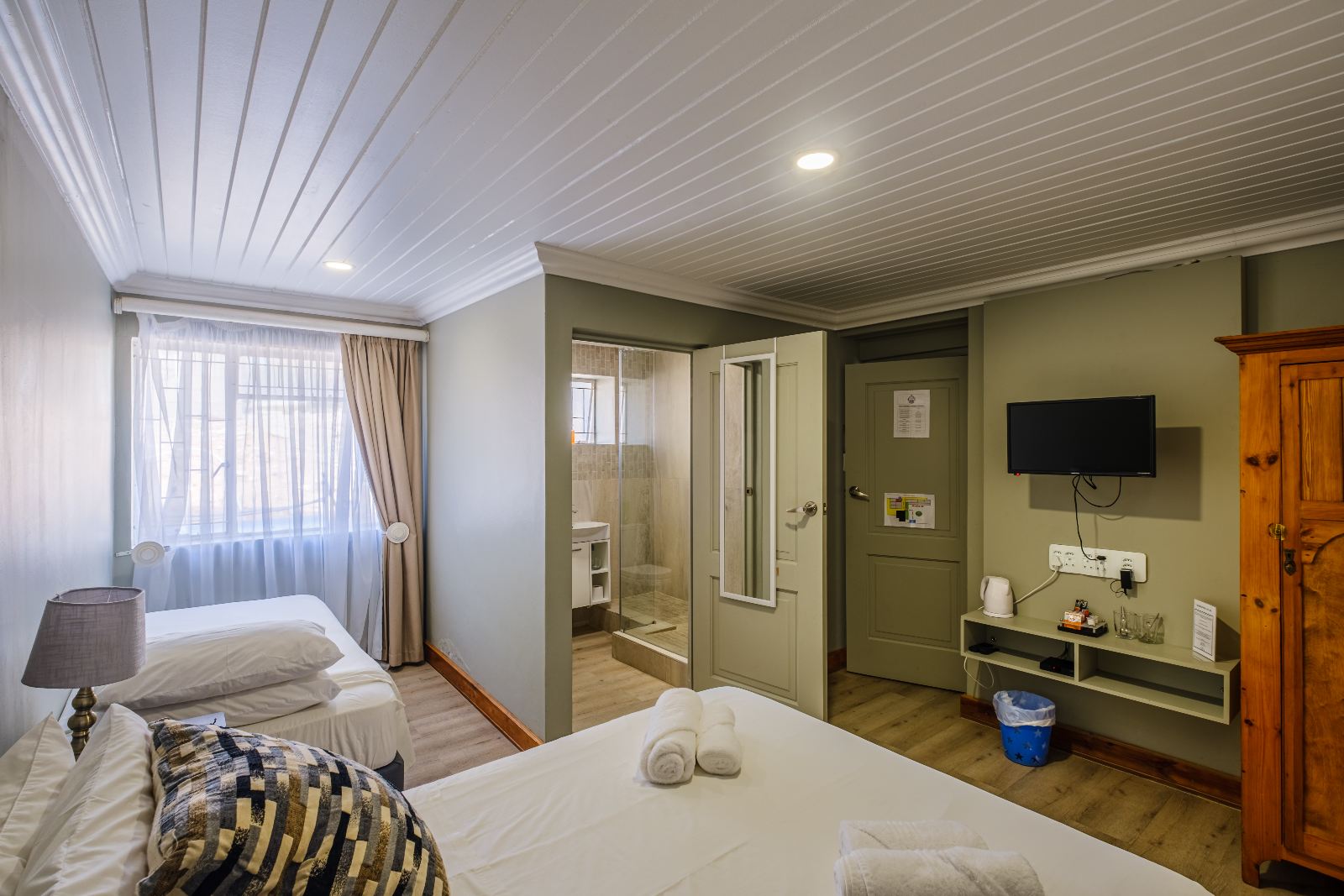
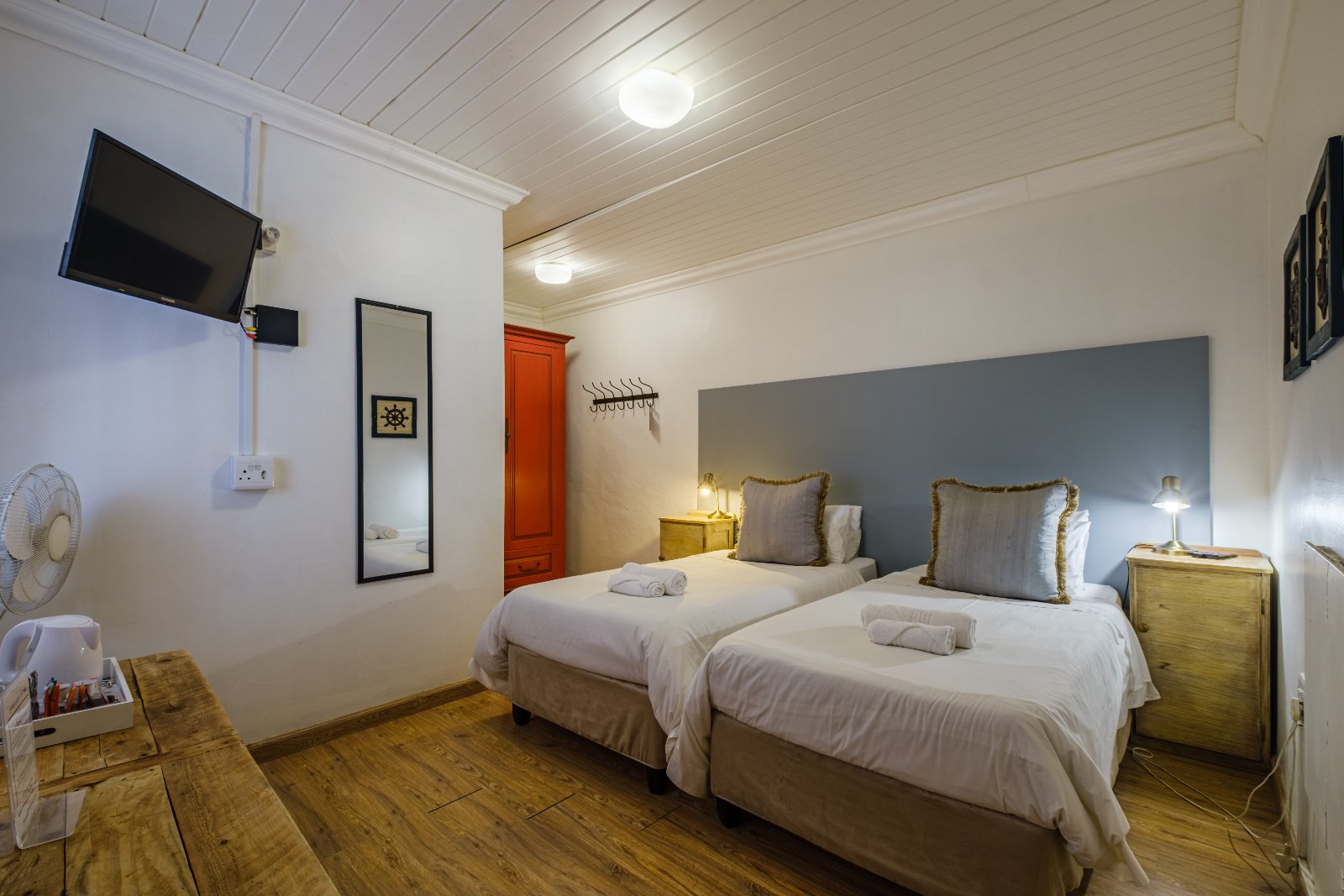
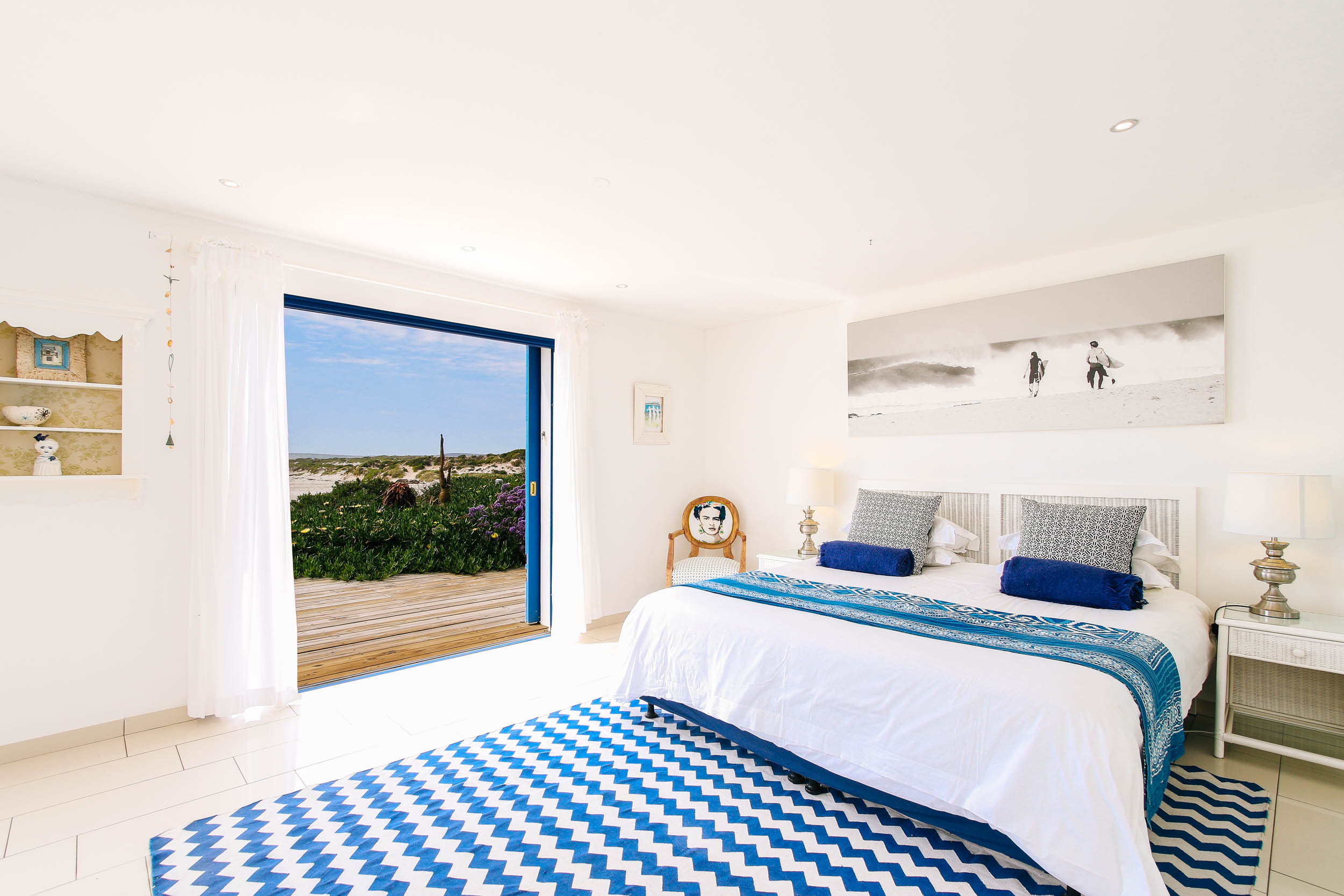
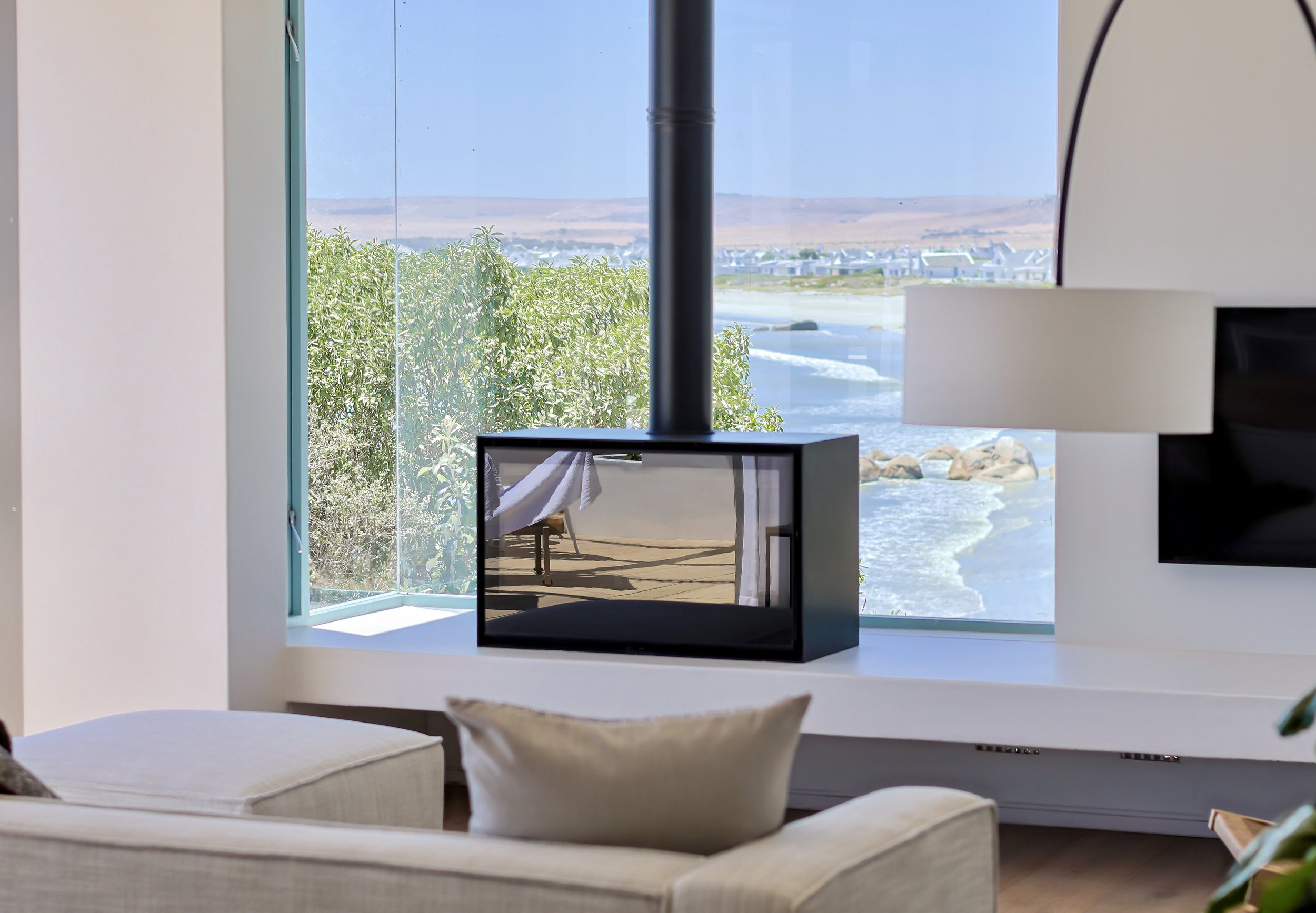
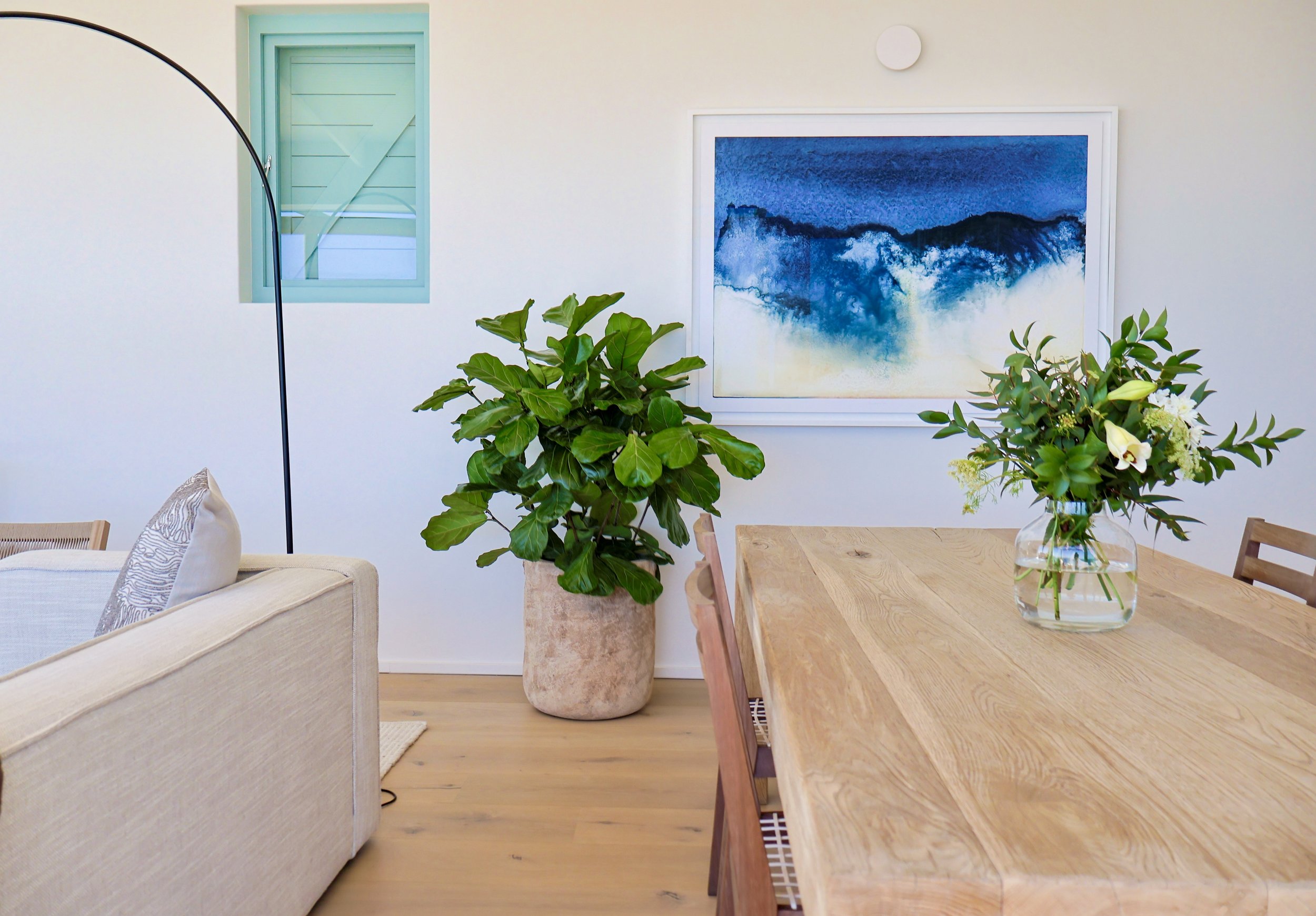
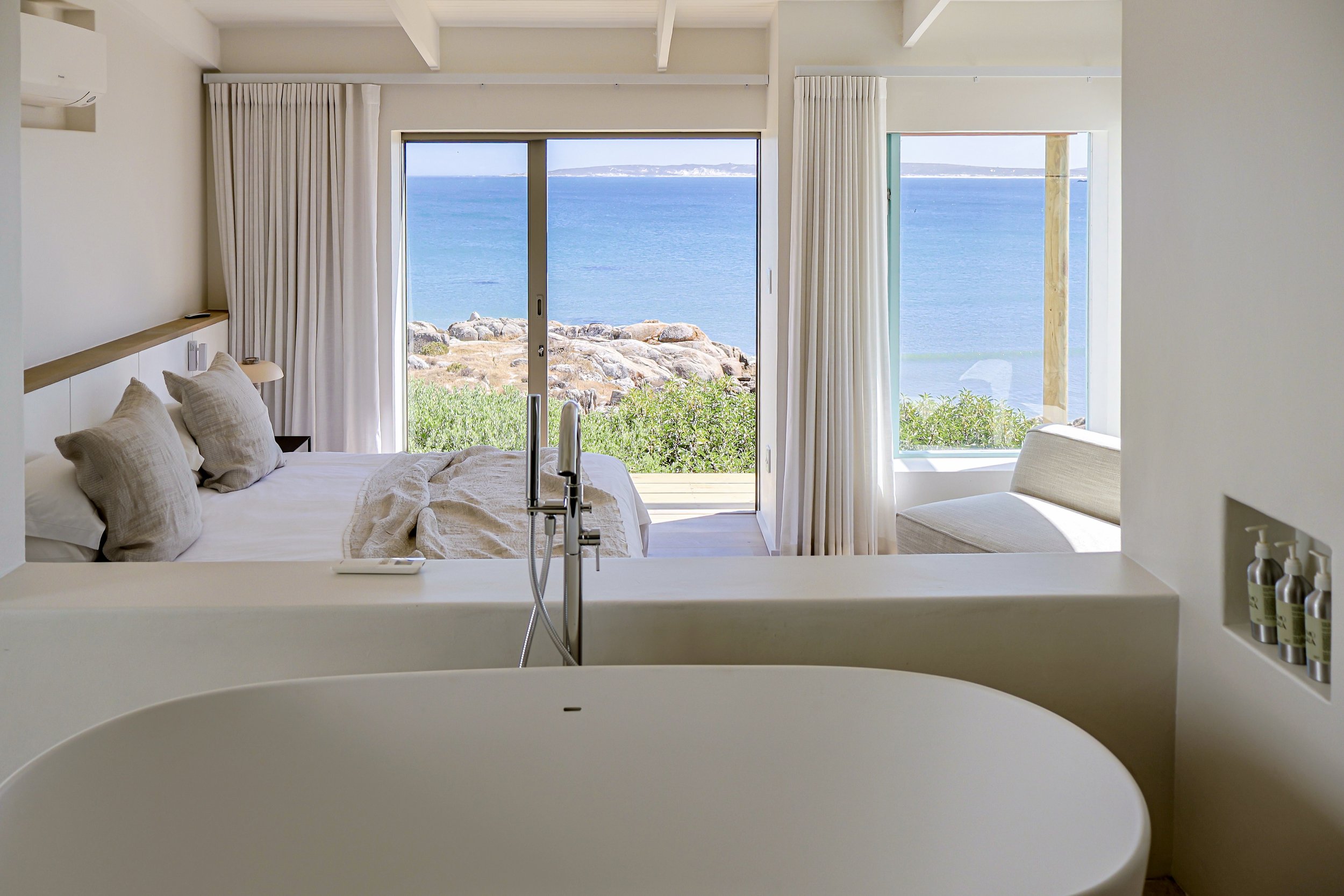
Saint Helena Bay is not a resort town, and the accommodation reflects that character. Most of what is available is small-scale and owner-managed: holiday homes, converted outbuildings, and guesthouses run by people who have chosen to live along this stretch of coast. The bay is large and its communities are spread out, so proximity to the water and to specific beaches varies considerably between properties. Across eighteen listed properties, nightly rates run from R900 to R6,080.
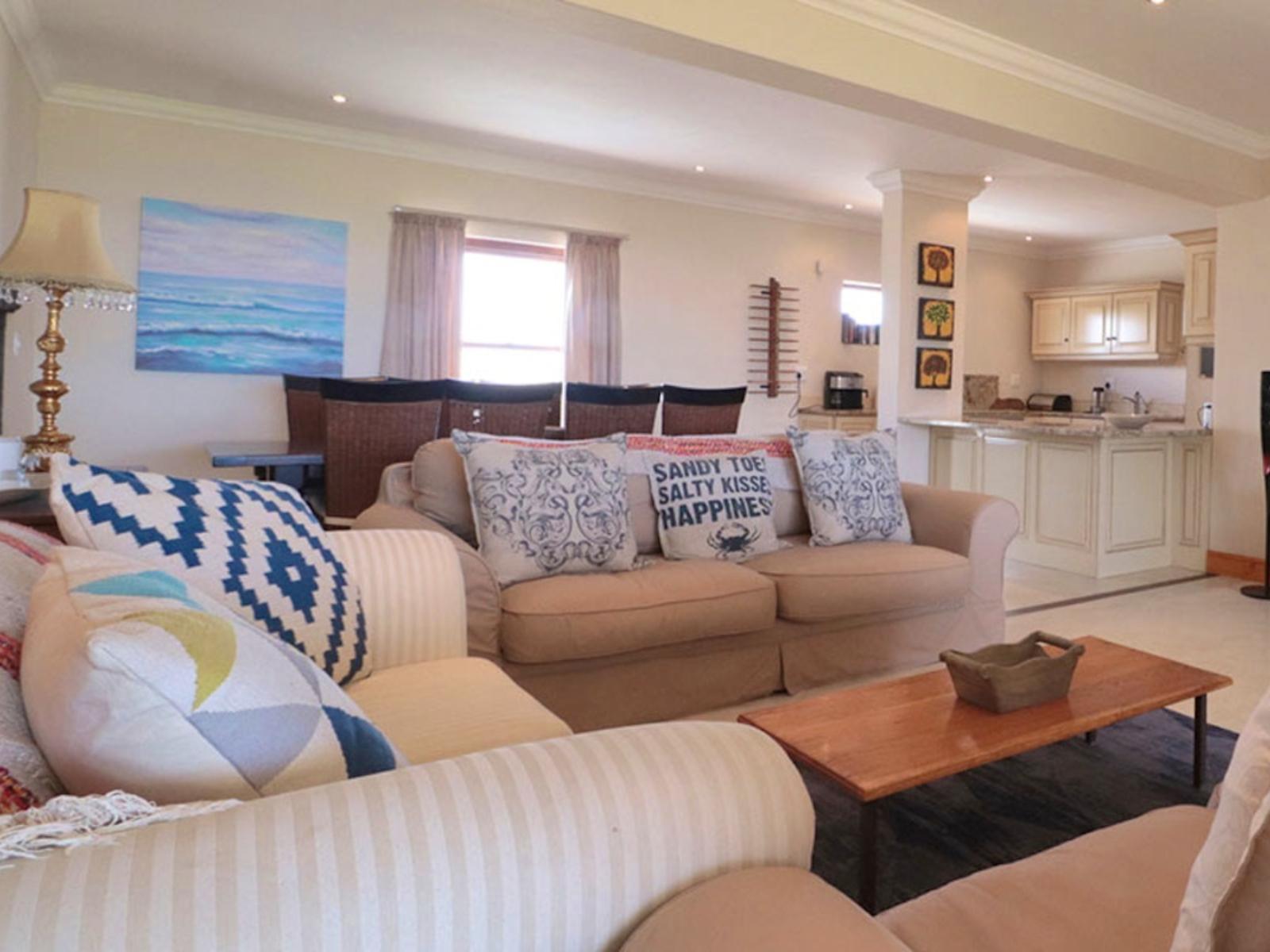
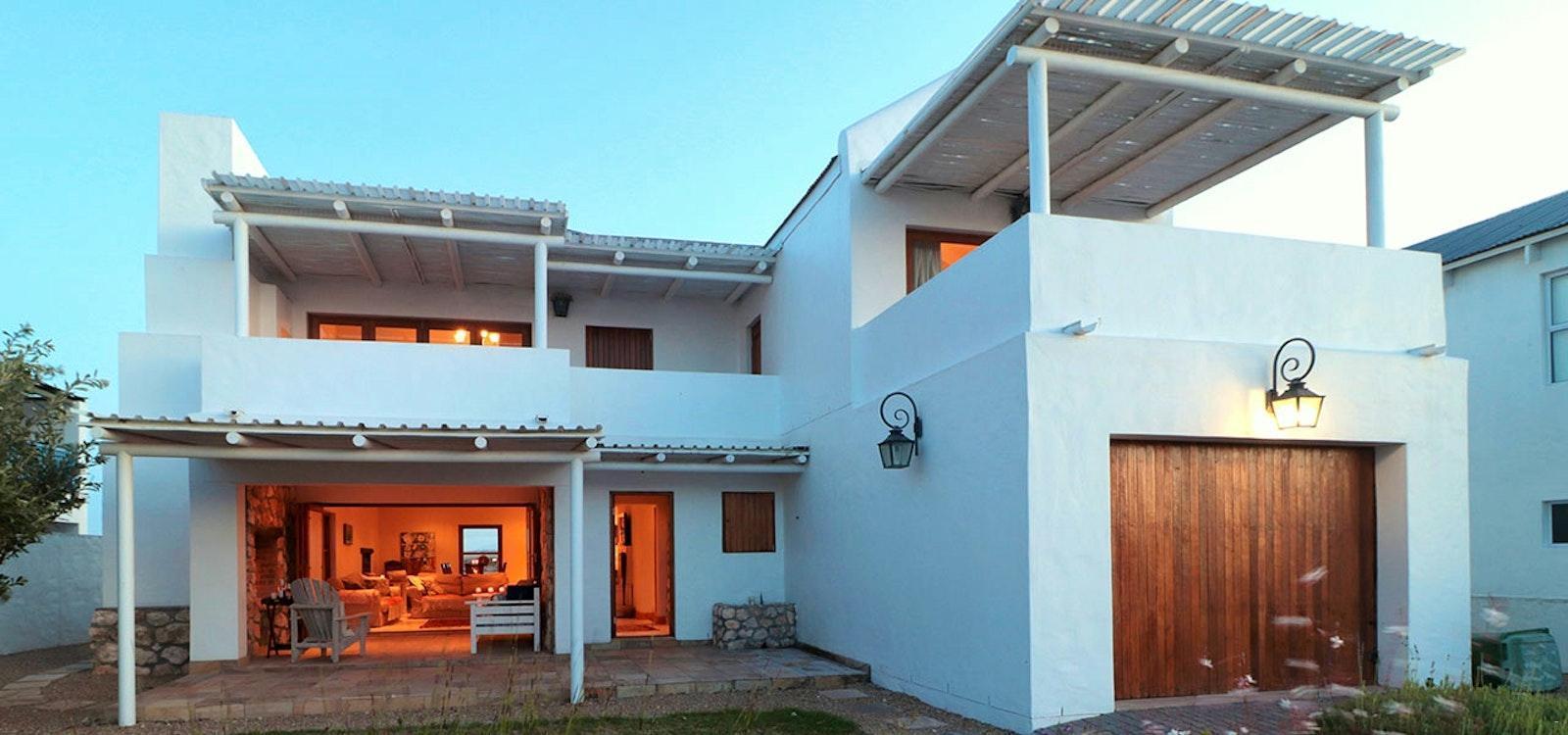
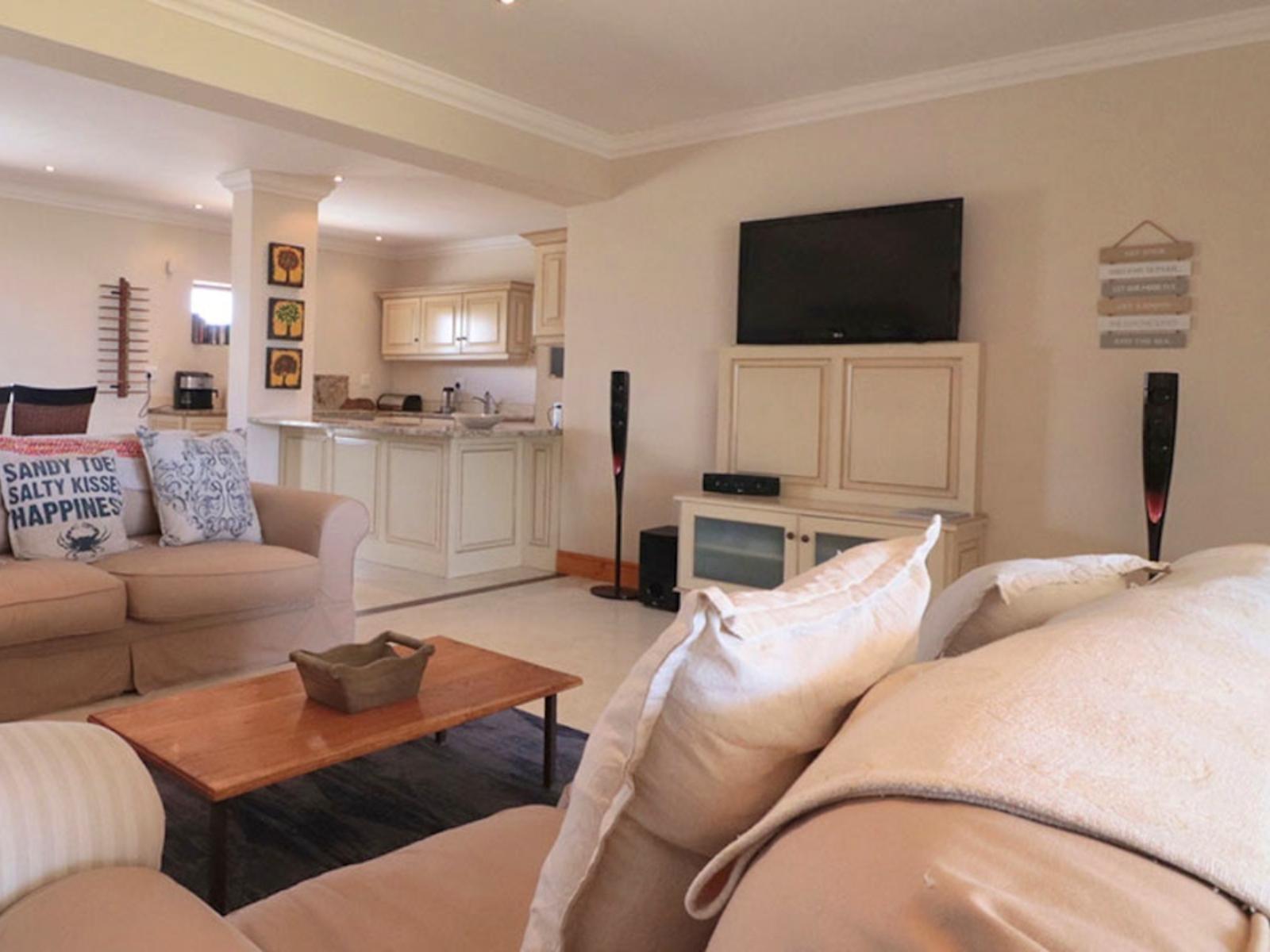
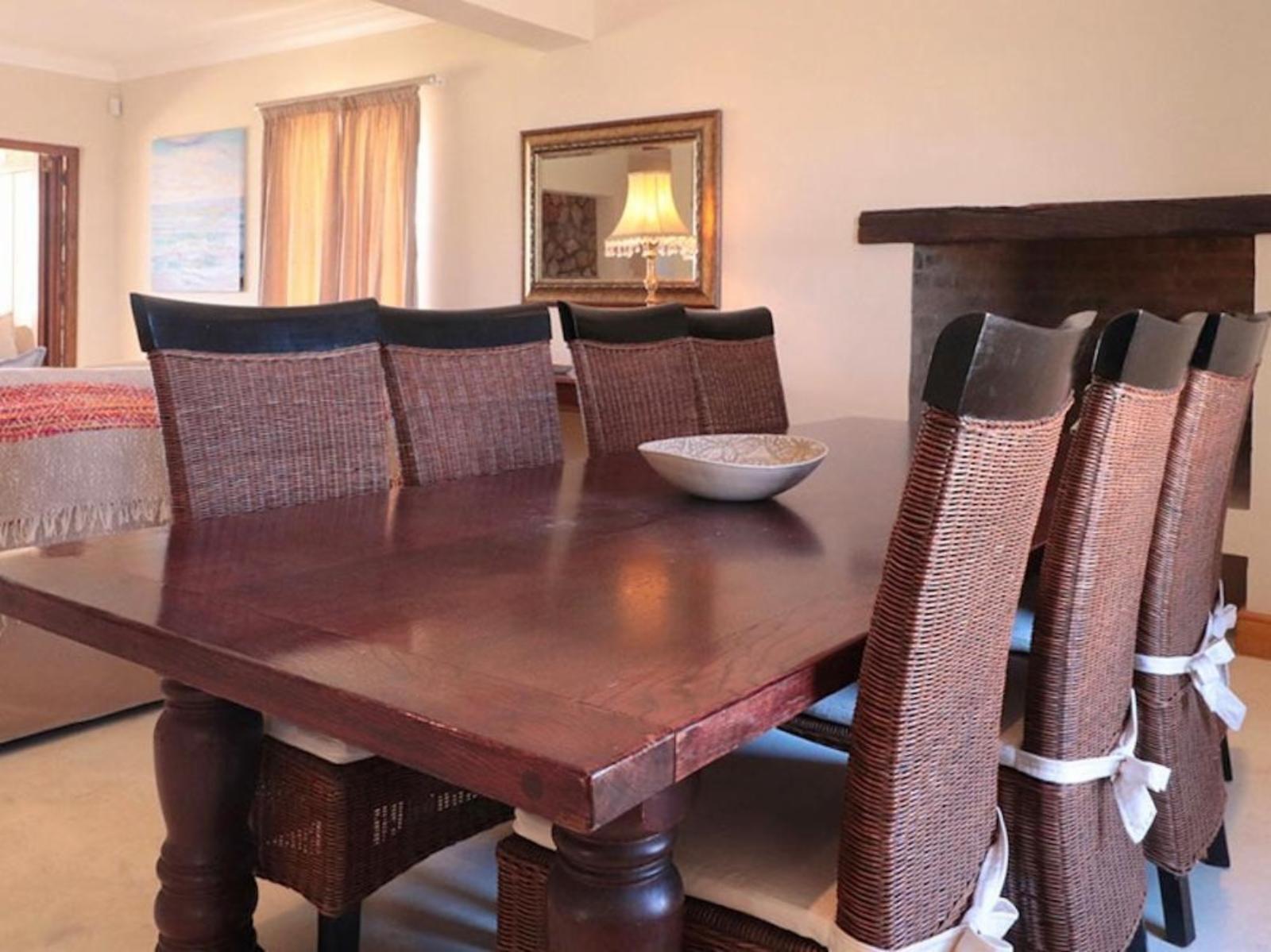
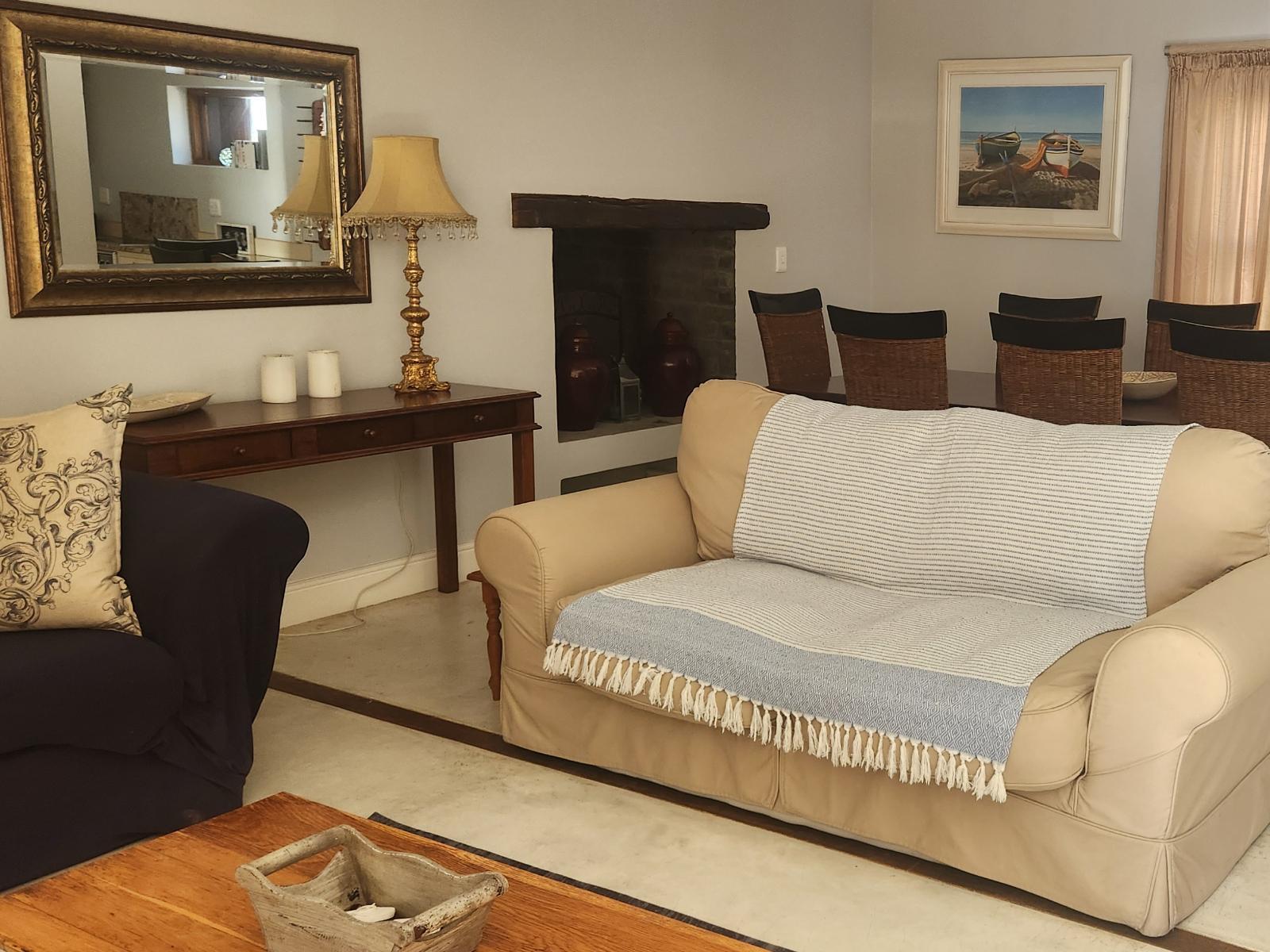
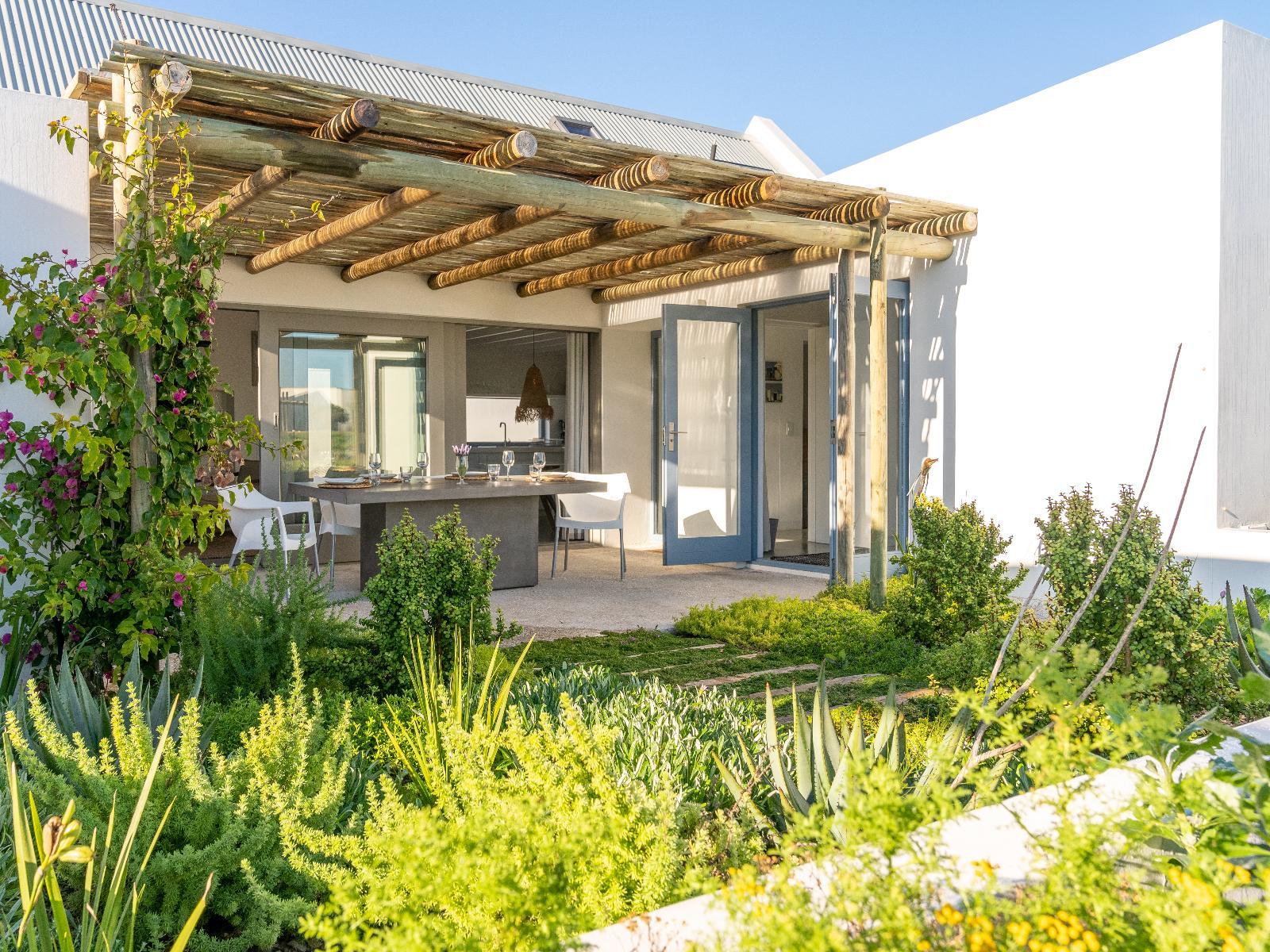
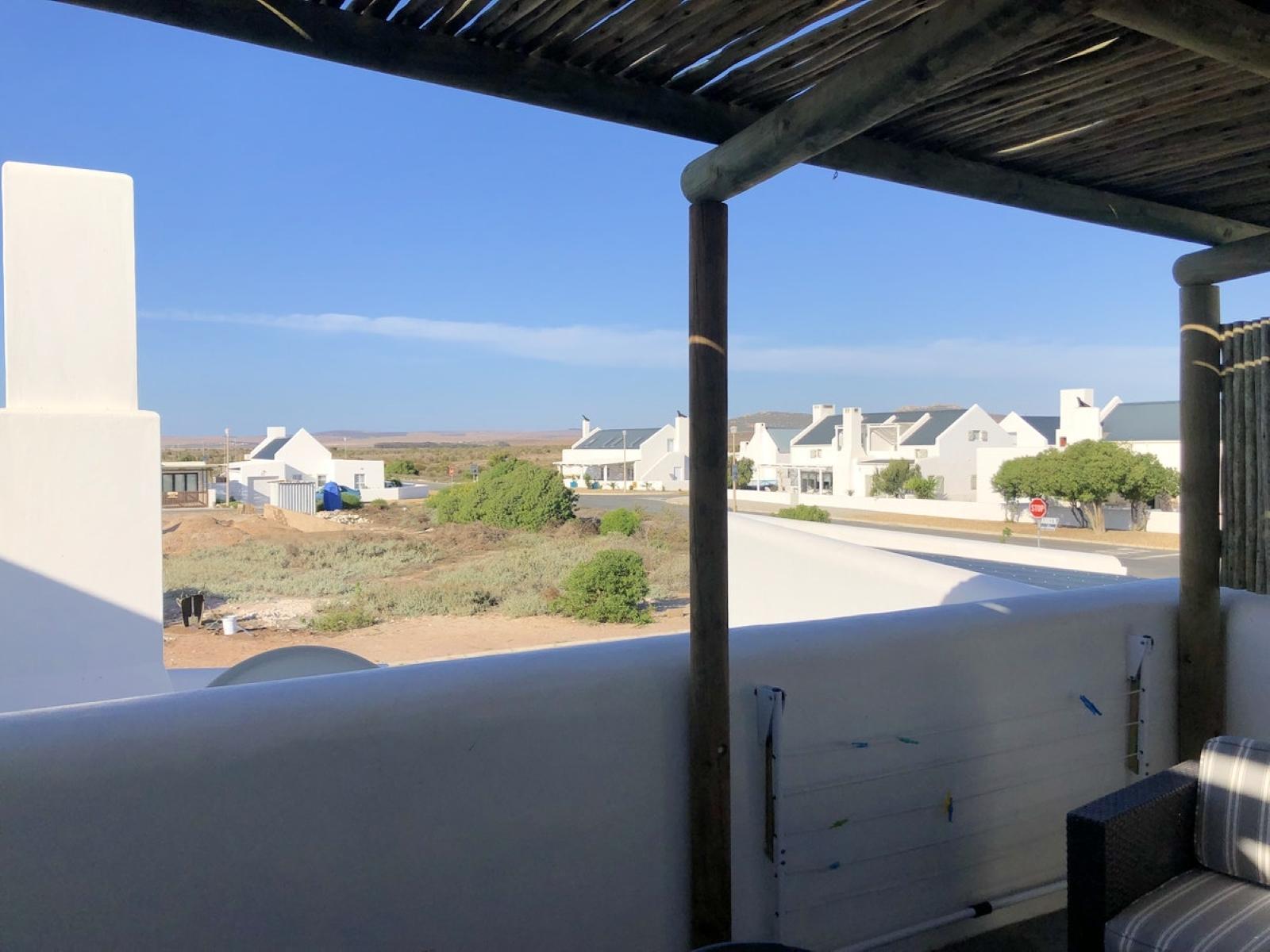
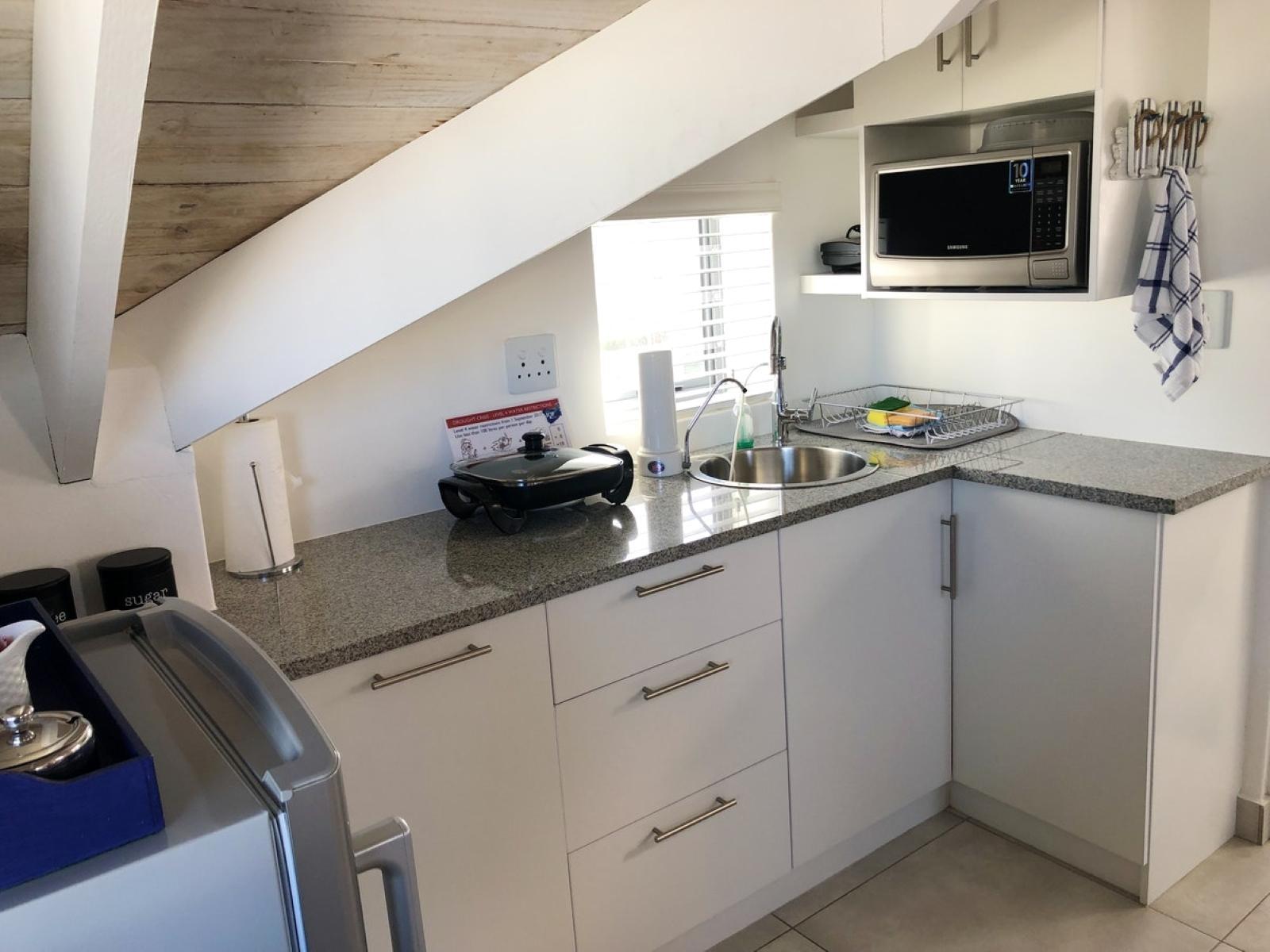
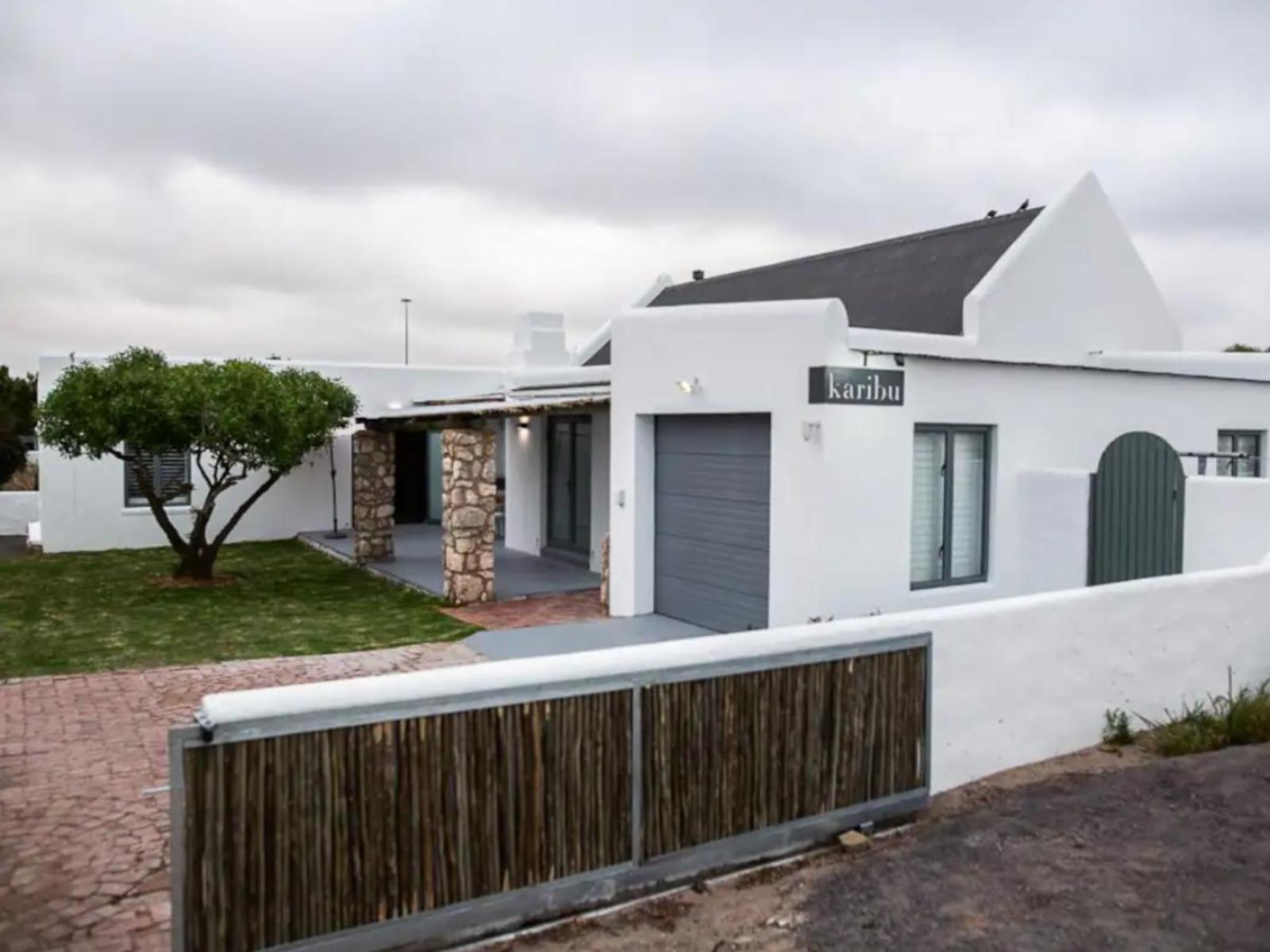
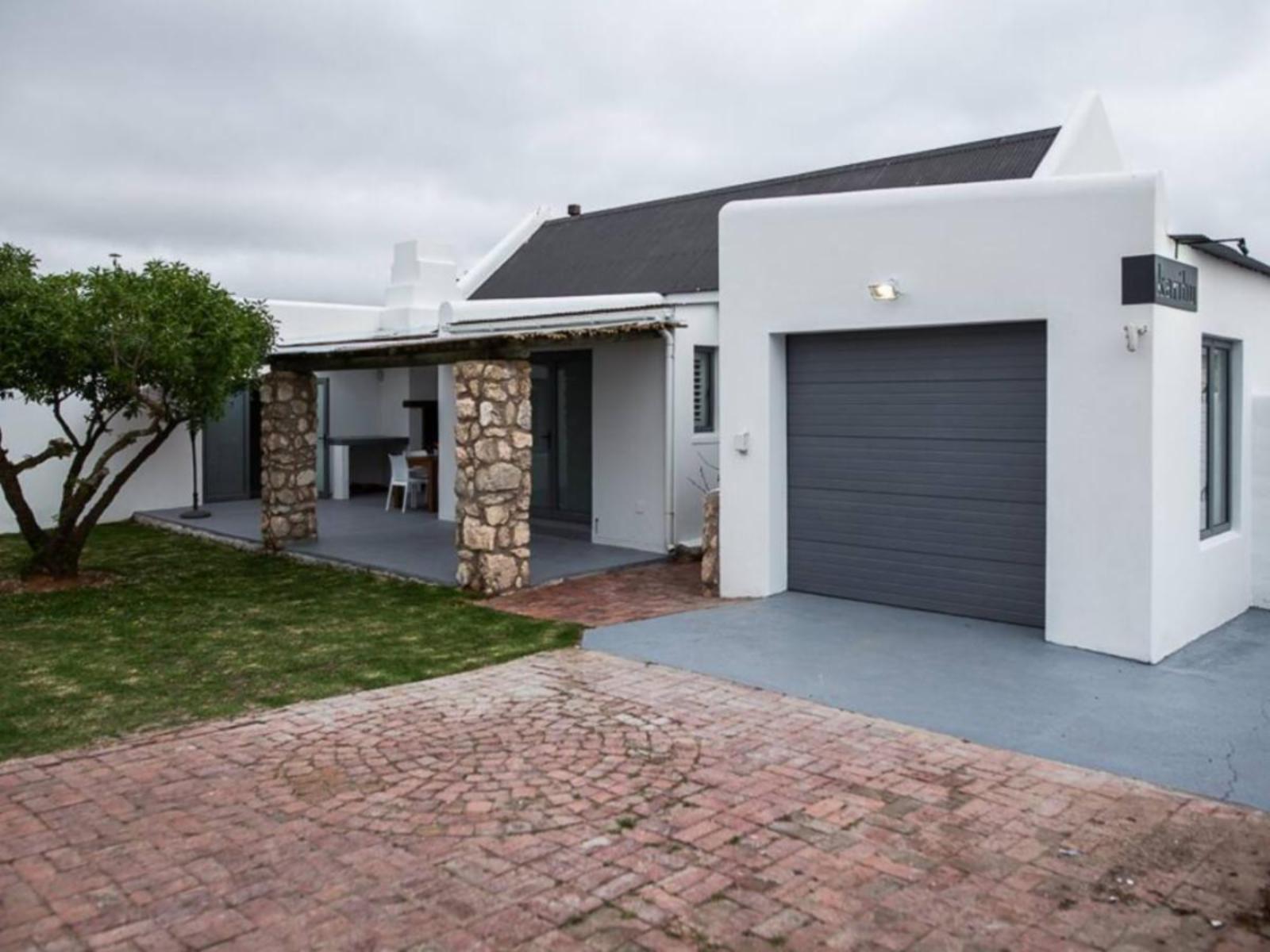
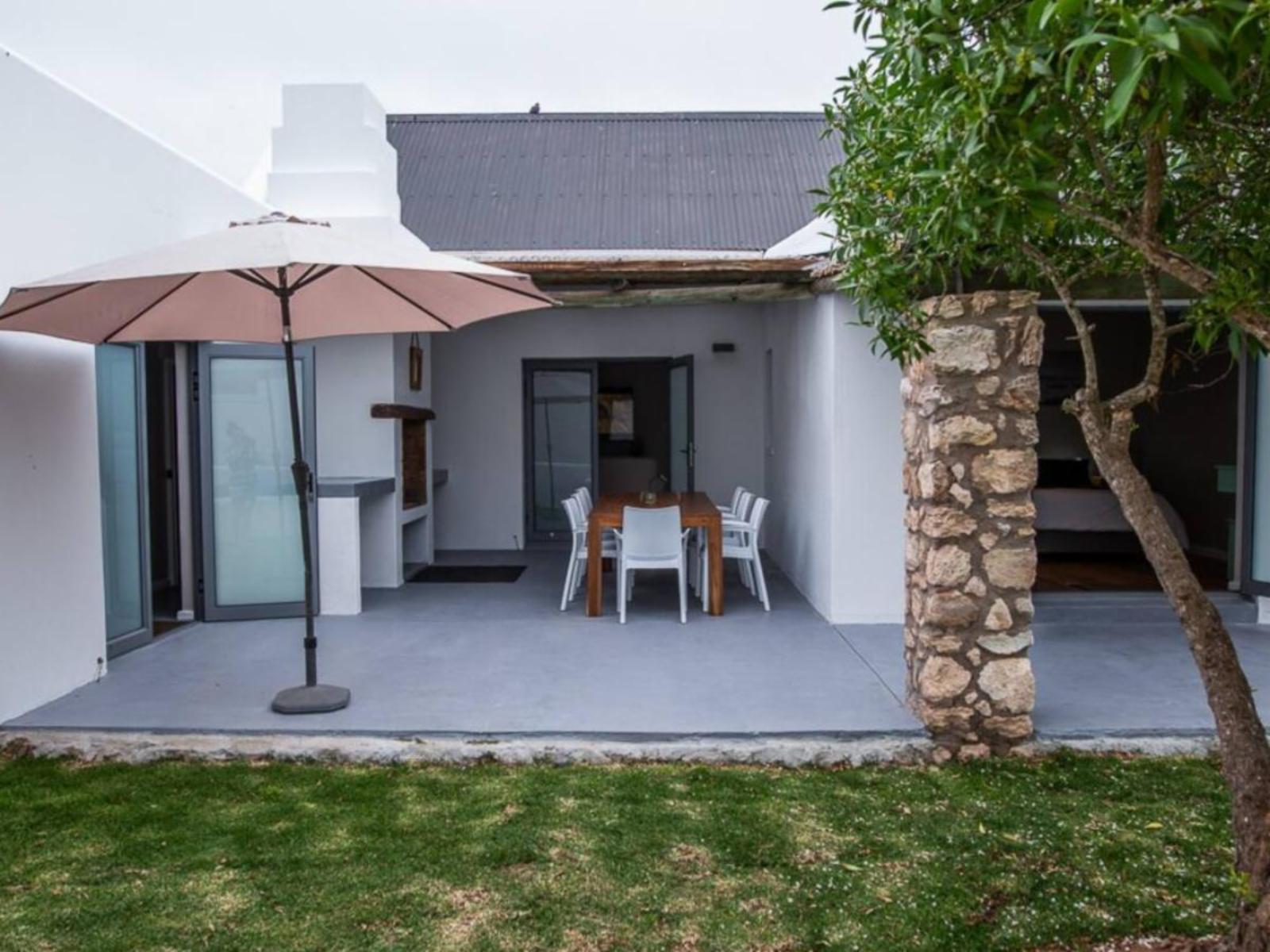
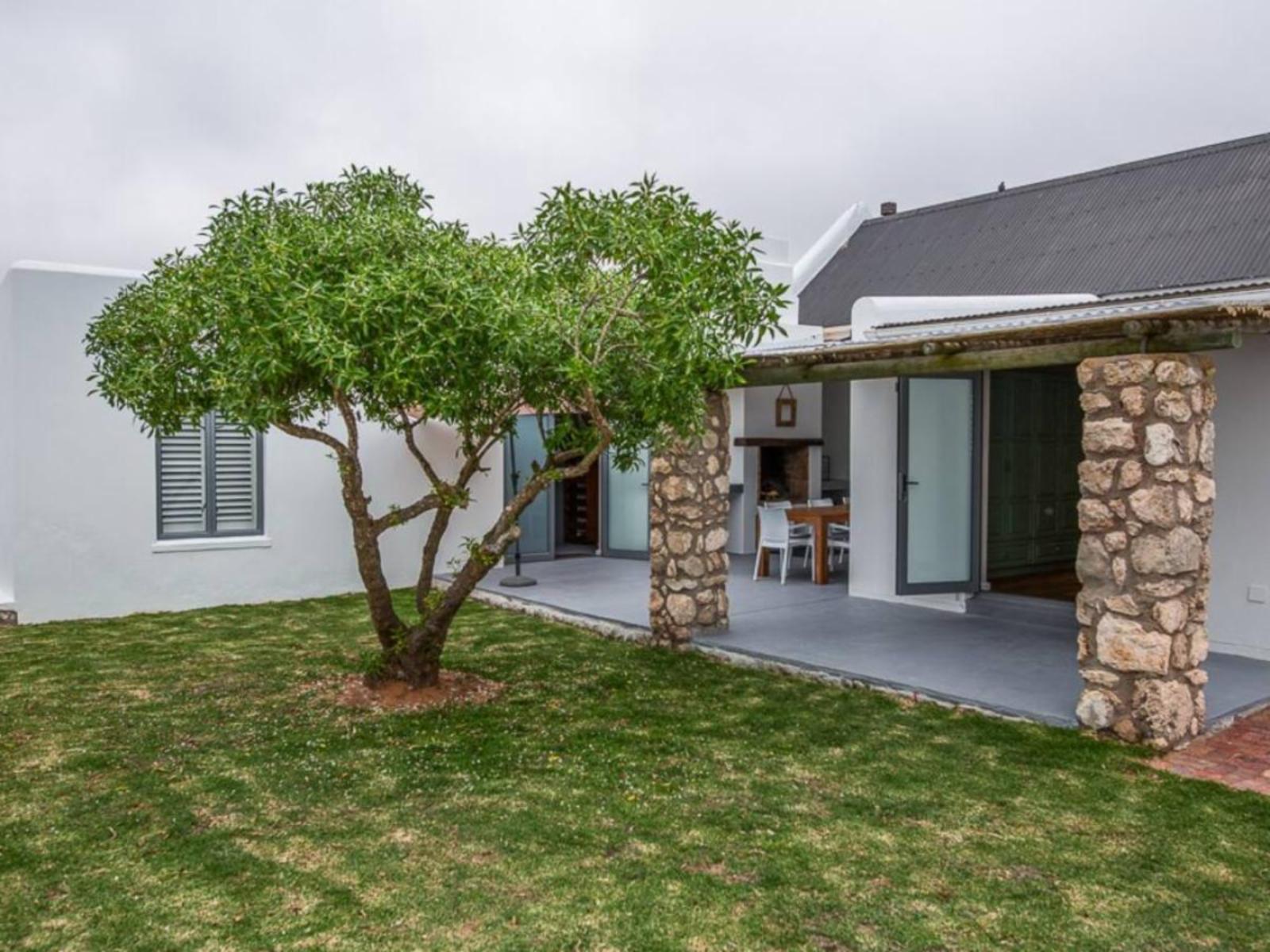
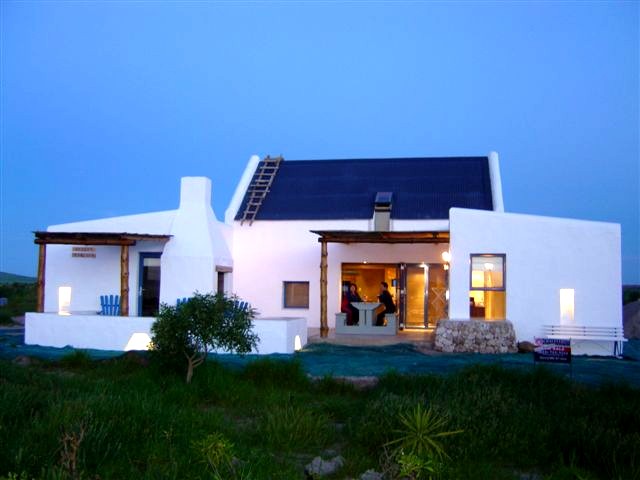
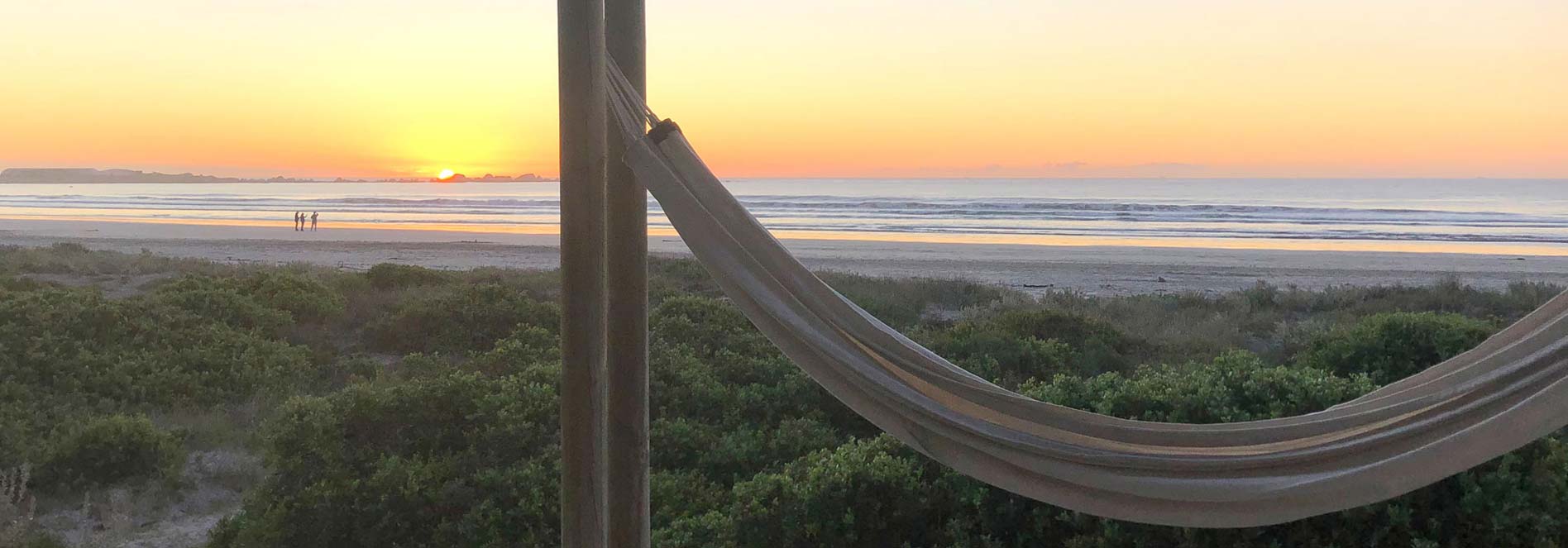
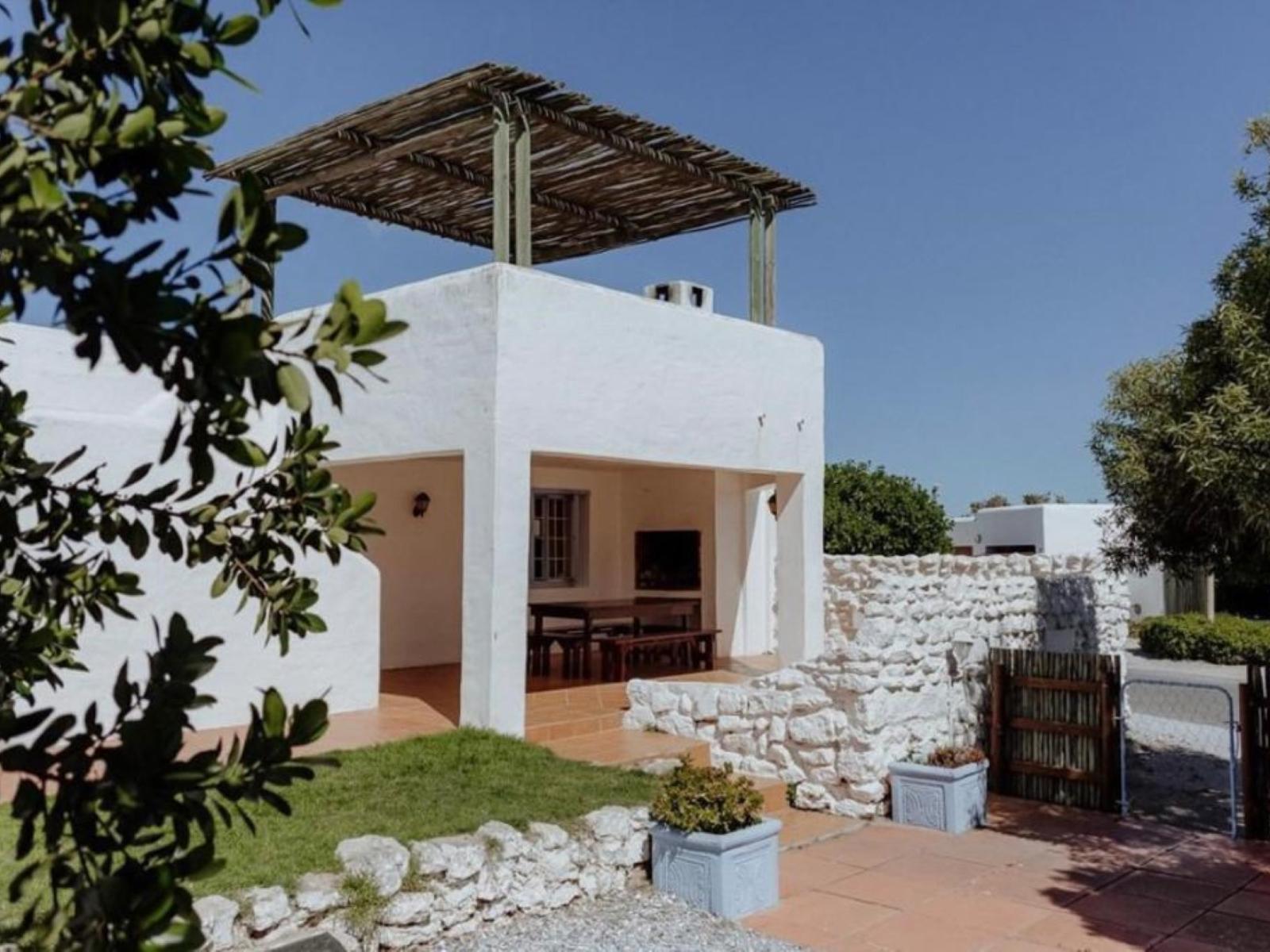
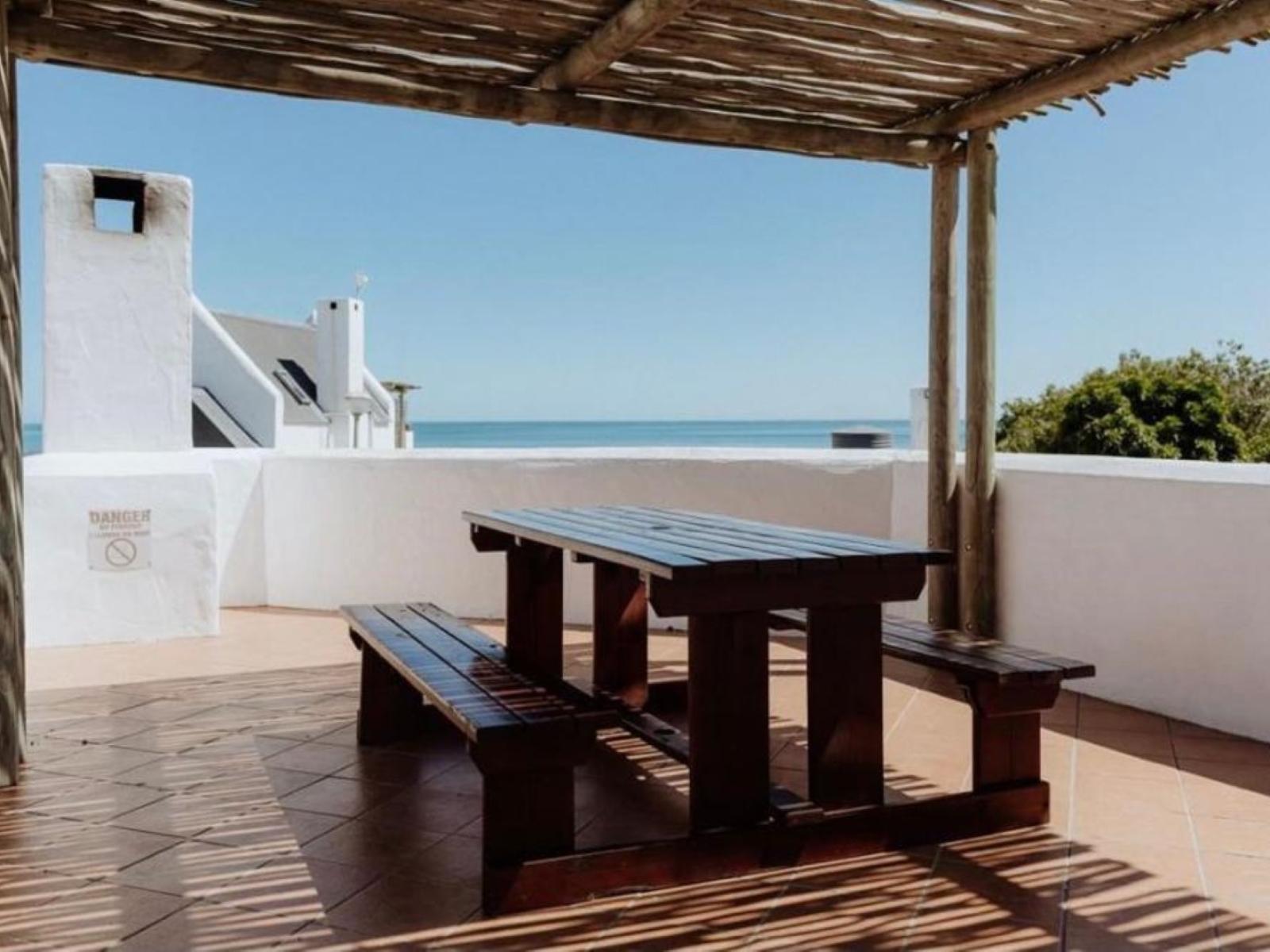
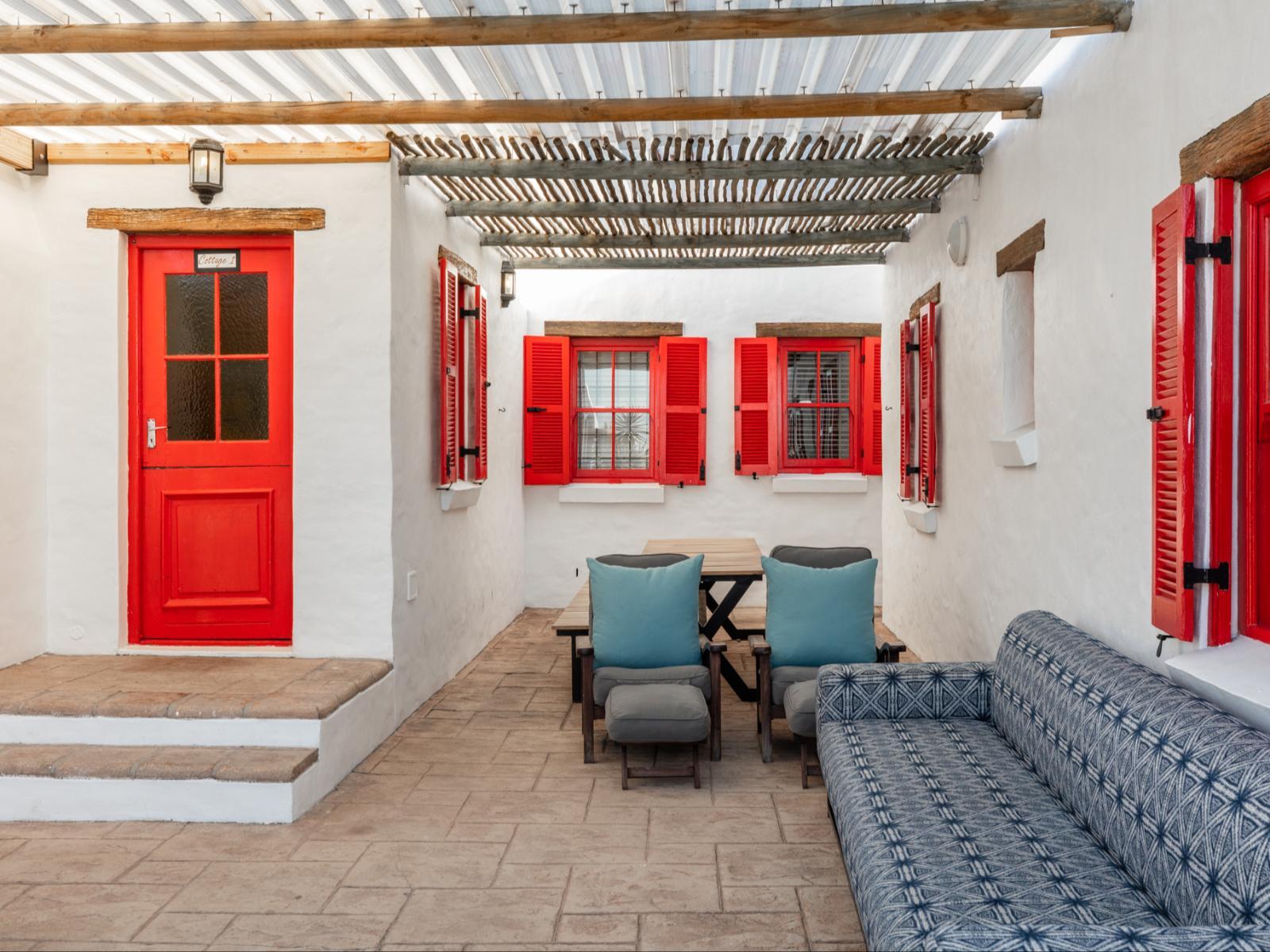
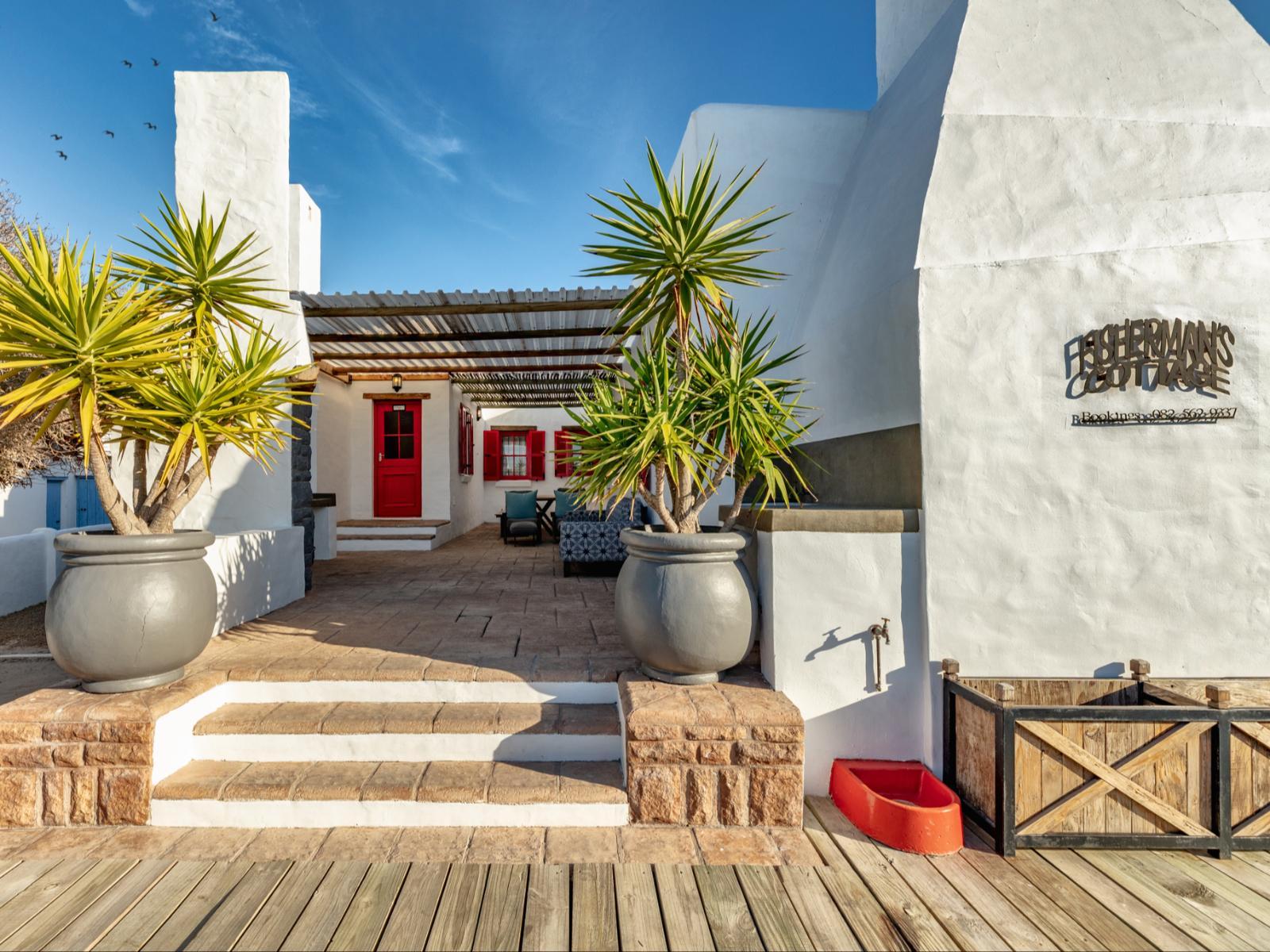
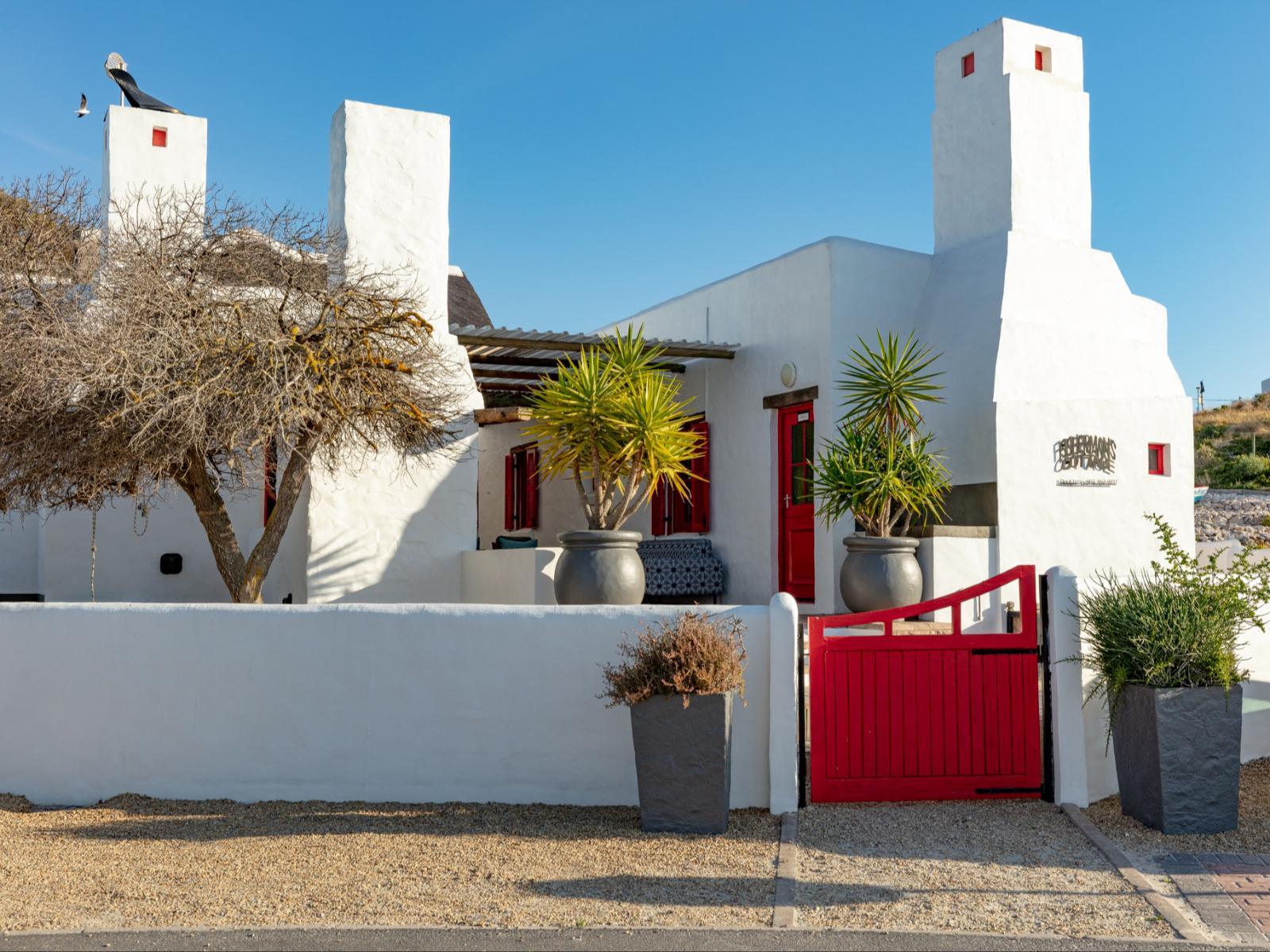
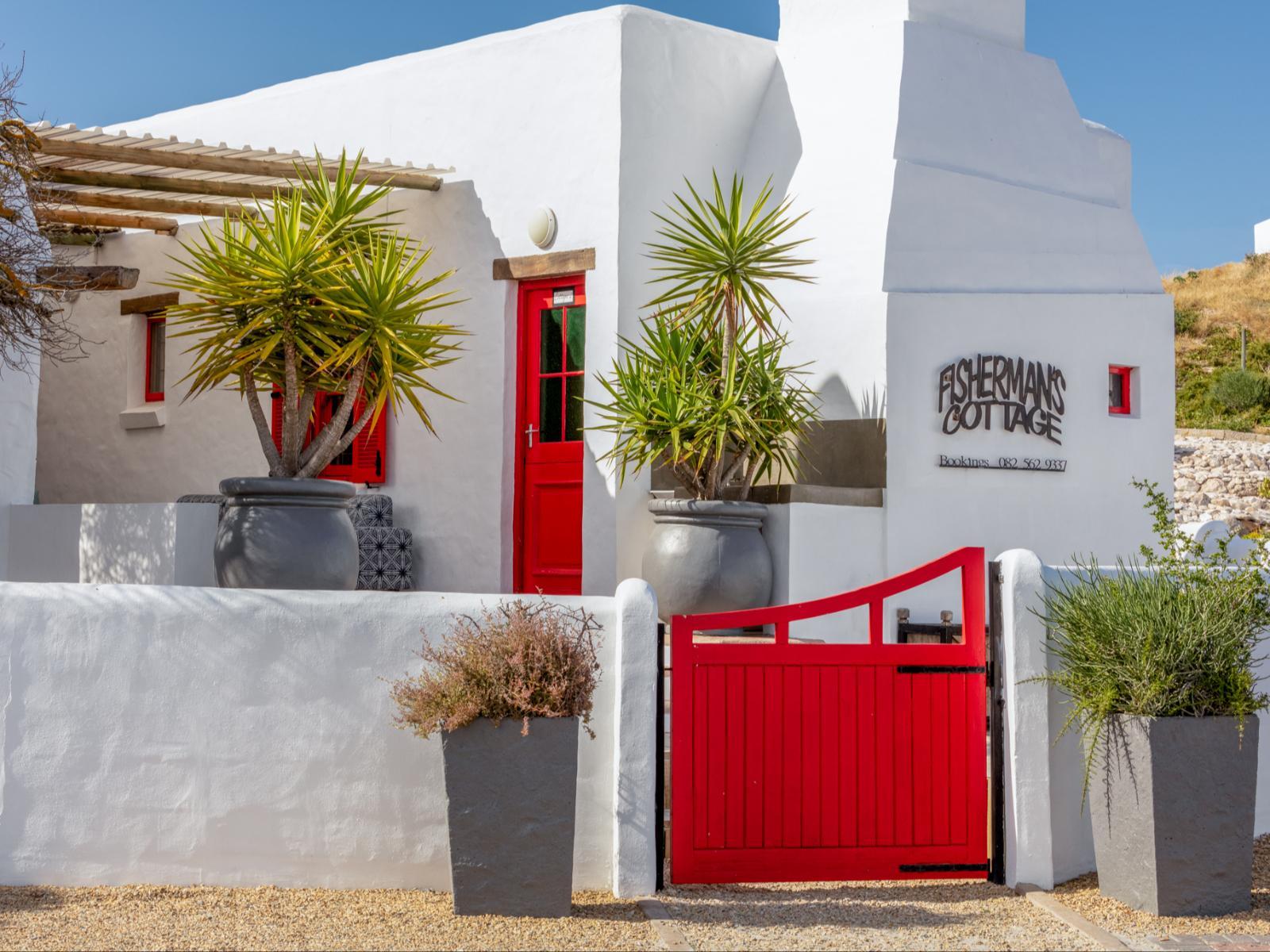
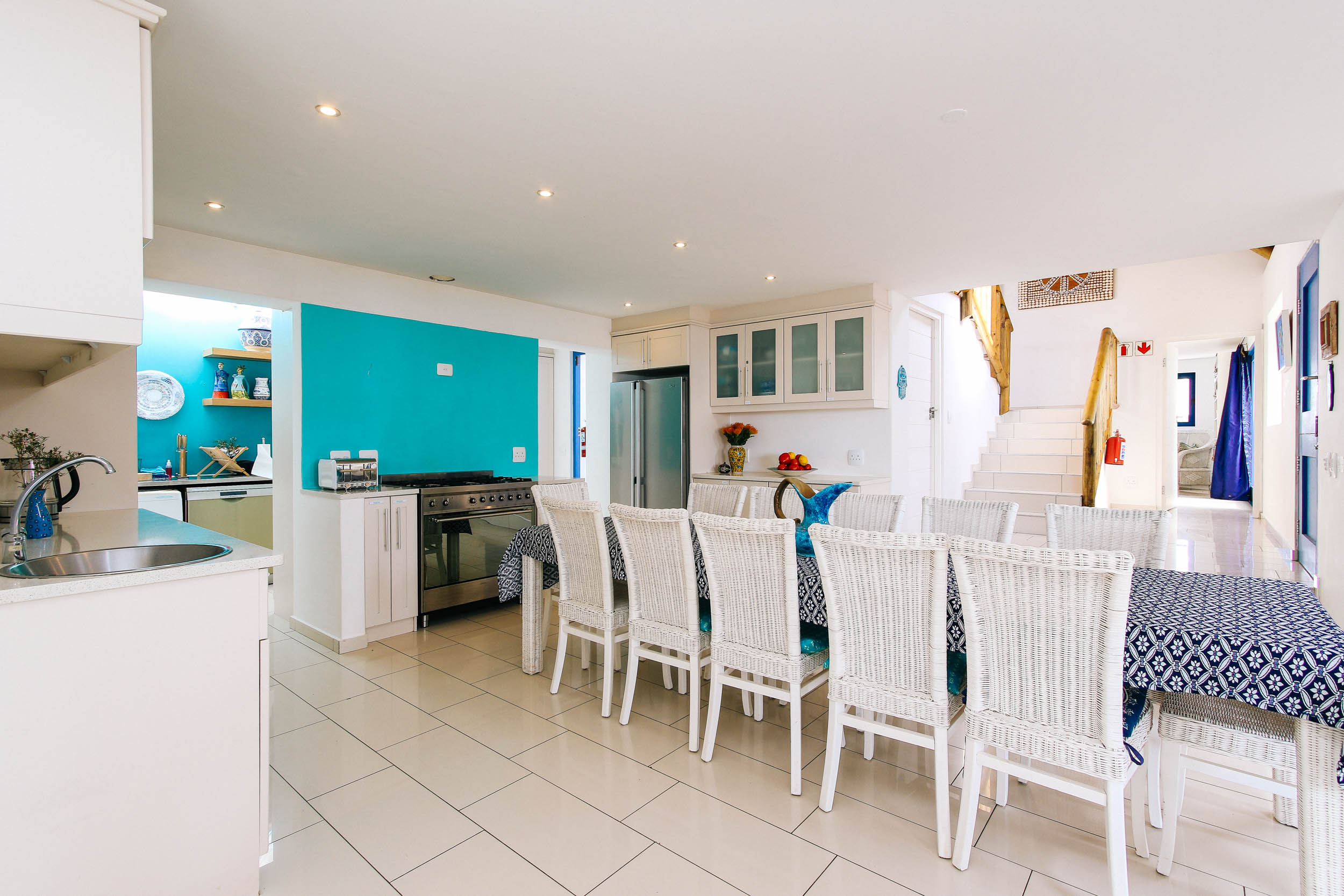
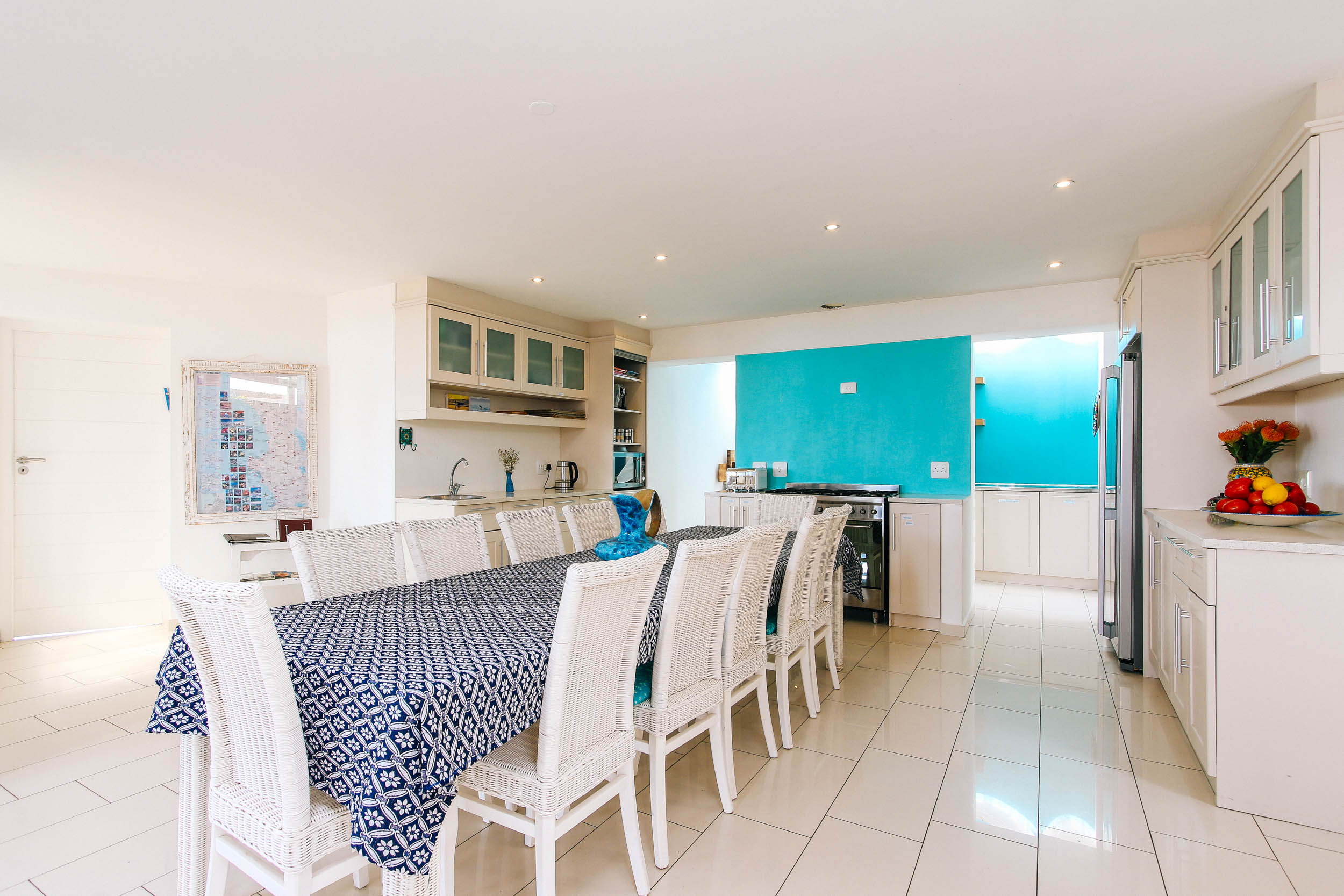
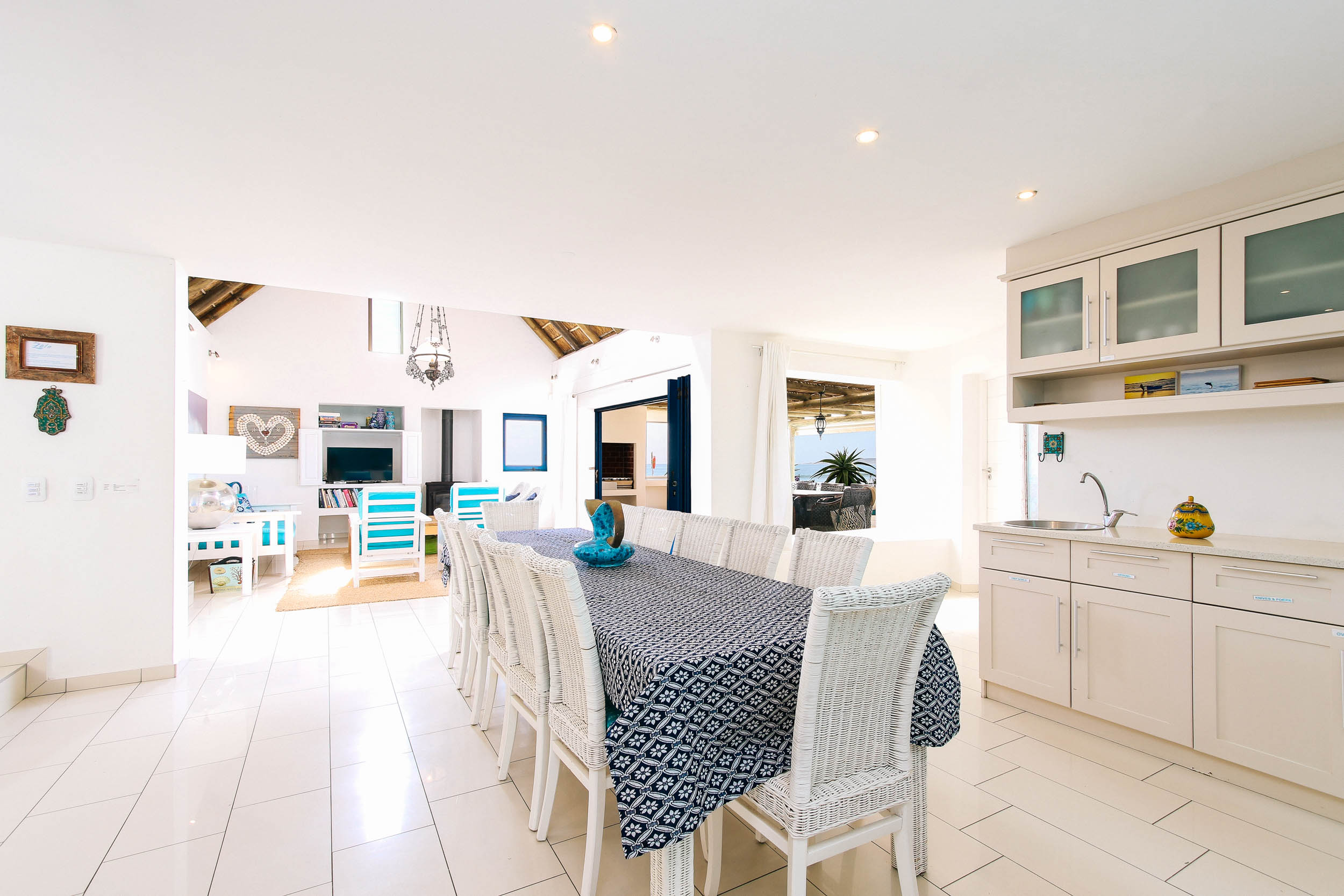
At the lower end, self-catering holiday homes dominate. Five listings in this category average around R2,133 a night and tend to be the first choice for families or groups who want a kitchen, space to spread out, and a short walk to the water. A standalone cottage rounds out this tier. The experience is direct: you shop, you cook, and you sit on the stoep in the evenings watching the light shift over the bay.
The mid-range brings a hotel averaging just over R3,400 a night, alongside a bed and breakfast. These suit couples or solo travellers who prefer someone else to manage breakfast and laundry without committing to guesthouse rates. Both offer a more formal service element than self-catering, without the impersonal scale of larger hotels.
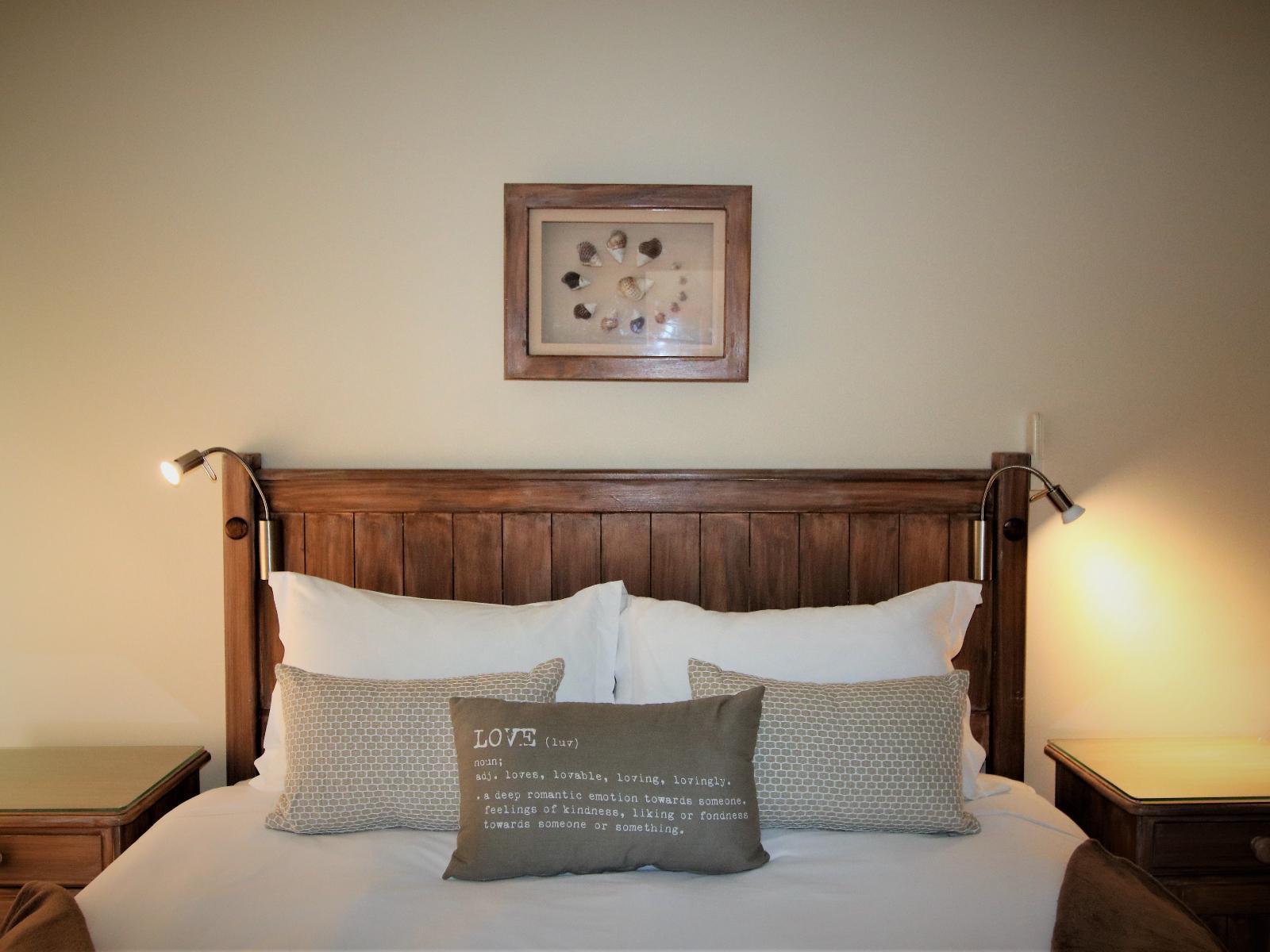
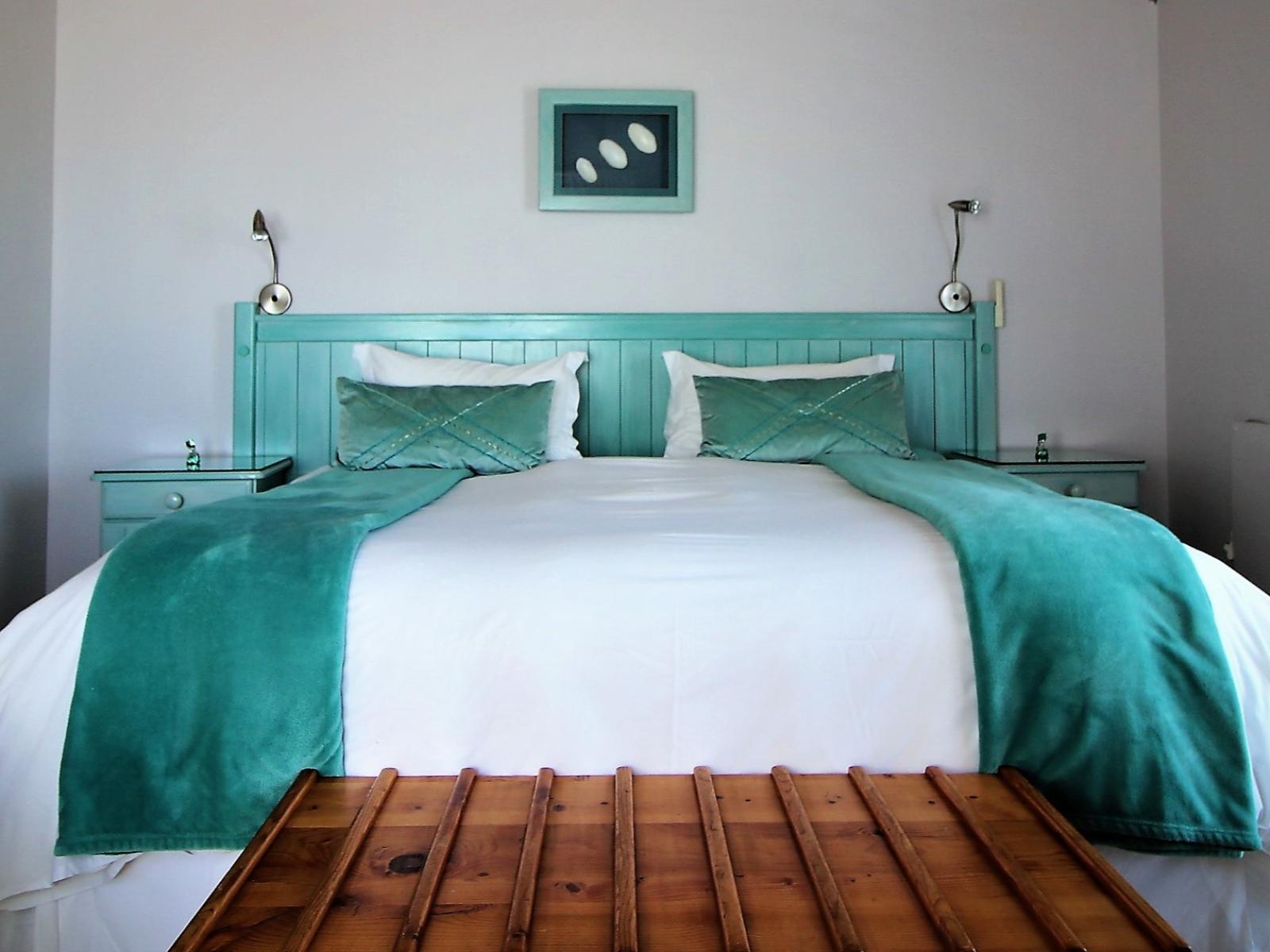
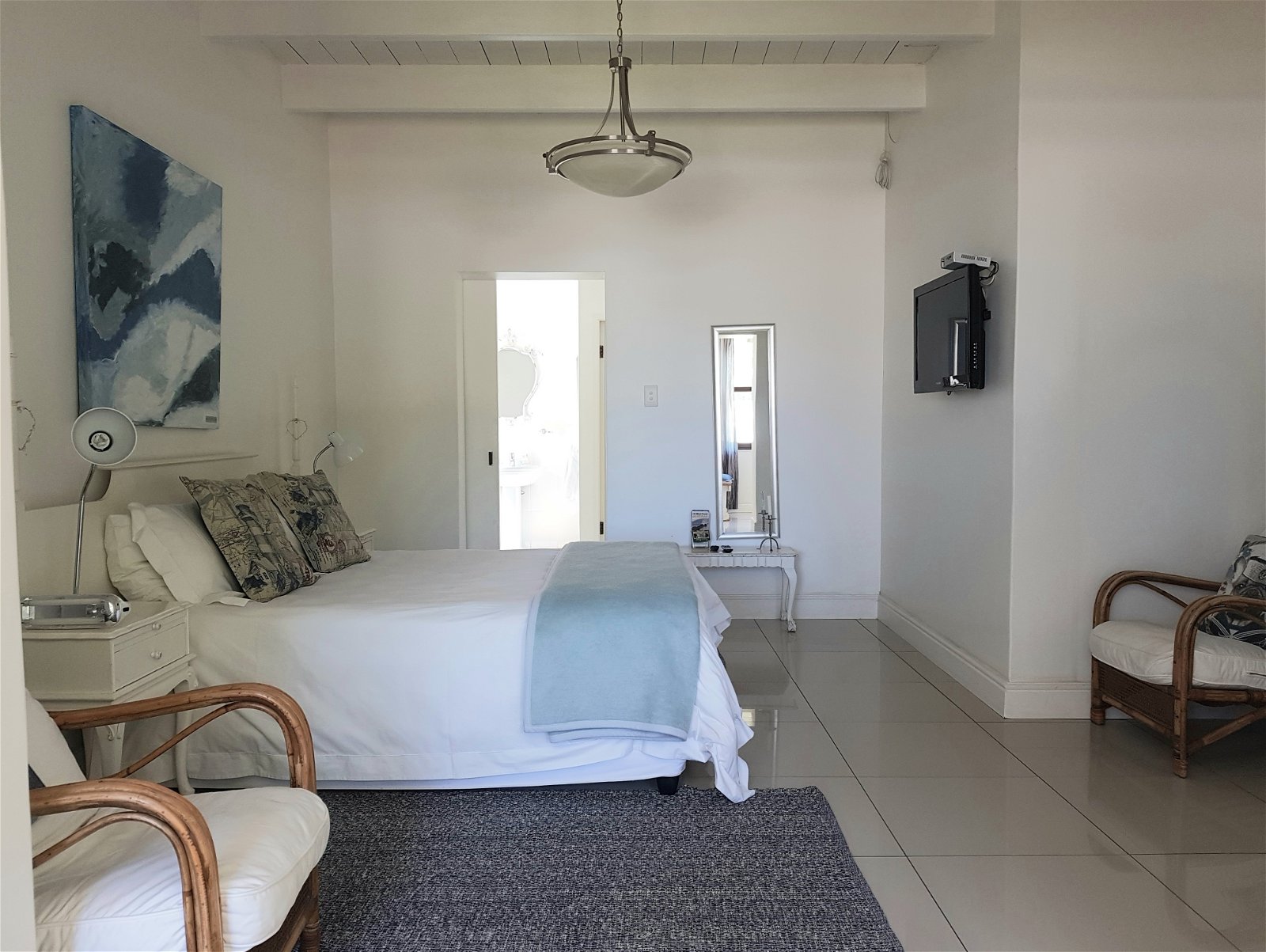
At the upper end, five guesthouses and a lodge sit in the R5,000 to R5,400 bracket. Guesthouses here typically offer included meals, better-appointed rooms, and sometimes water views or organised day activities. The lodge listing operates in a similar price band and draws visitors who want a more structured itinerary.
The most expensive options are the villas and the boutique hotel. Villas make sense for large groups, where the per-person rate becomes more manageable. The boutique hotel offers a more deliberate experience for those who want something beyond a standard room without the self-catering routine.
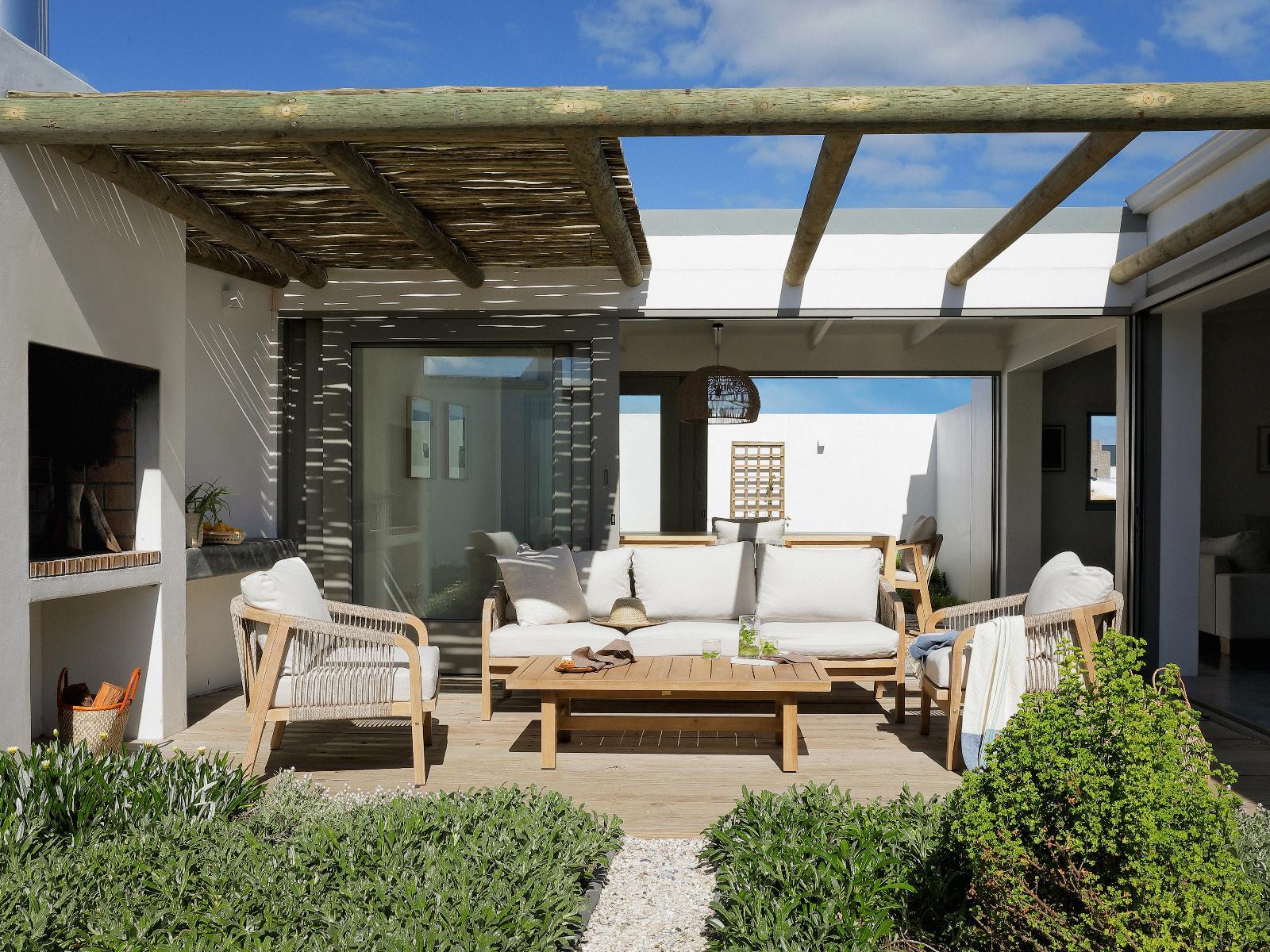
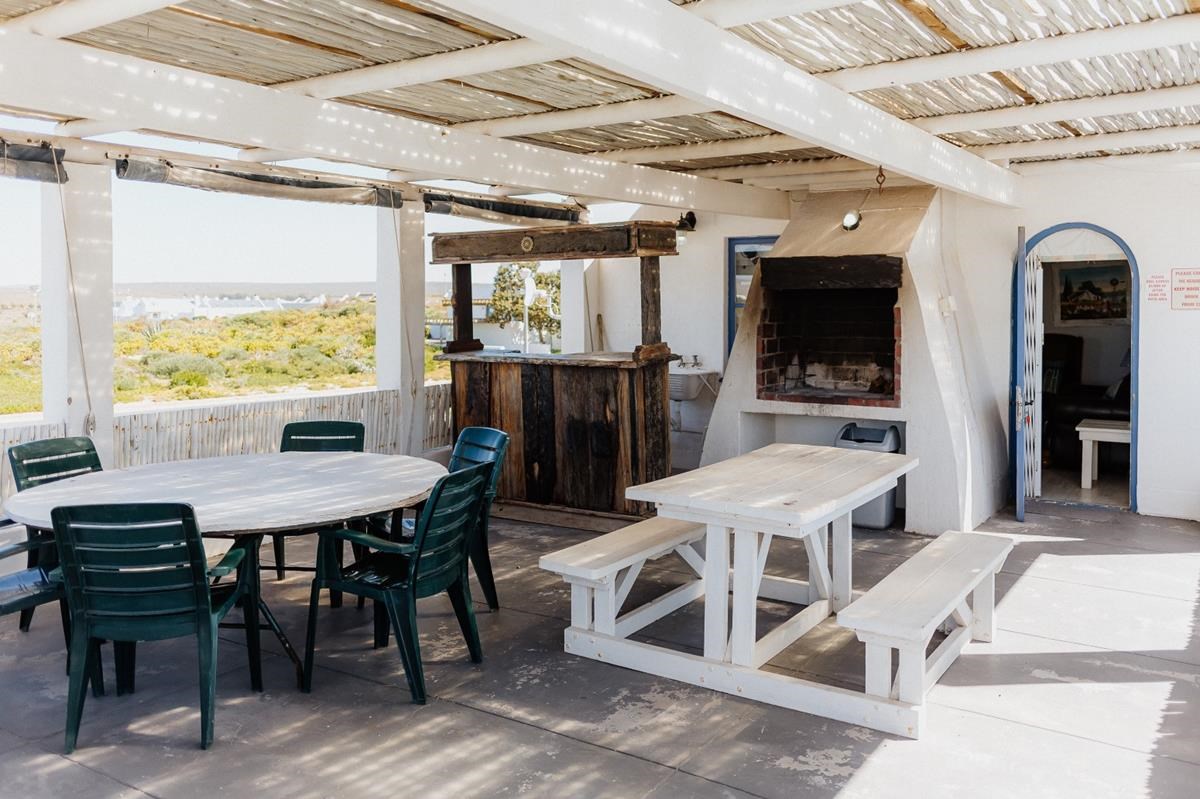
Most stays follow a similar rhythm regardless of category: mornings on the water or along the shore, afternoons on a deck, evenings around a braai.
Best Time to Visit Saint Helena Bay
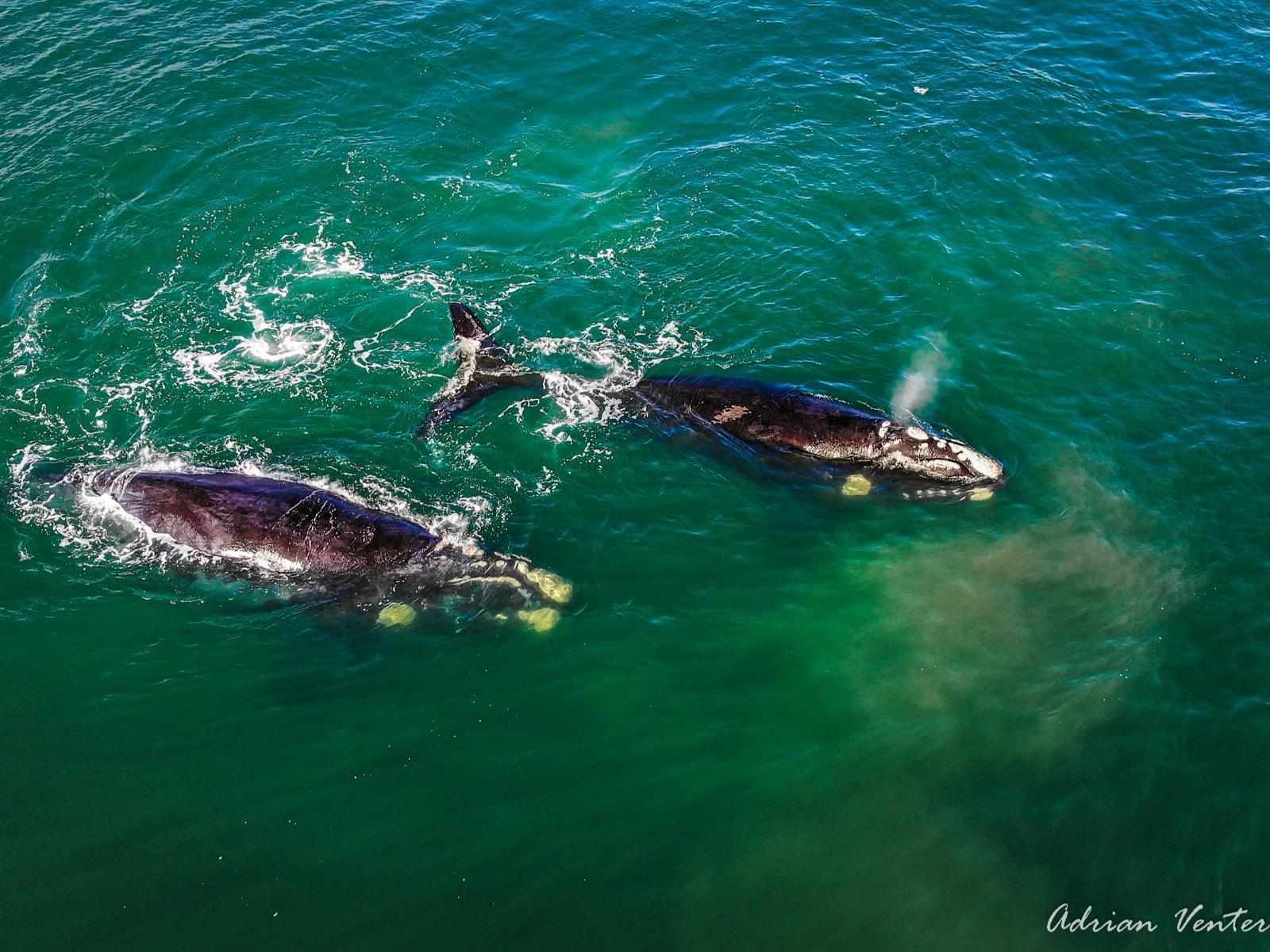
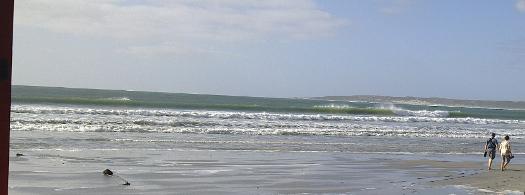
The whale-watching season runs from June to December, when southern right whales enter the bay to calve. Visitor numbers are at their lowest during this period, since most South African beach-goers head to warmer destinations over winter. The combination of reliable whale activity and uncrowded beaches makes the cooler months a practical choice for those whose visit is not weather-dependent. Dolphins are present in the bay year-round and are regularly spotted from the shore.
Spring, from August through October, adds a different draw. The fynbos in the surrounding countryside and the broader West Coast corridor come into flower, and organised wildflower routes operate across the region. Temperatures climb steadily and the days lengthen.
Summer is warm but often windy. The south-easterly sets in persistently from December through February, making beach time uncomfortable on exposed stretches and affecting sea conditions for boat trips. Flexibility in planning is useful during these months.
Autumn tends to be calm. The wind eases from March onward, the sea retains warmth from summer, and visitor numbers thin out noticeably. For those whose priority is comfort rather than wildlife, this is often the most settled window for a visit.
Getting to Saint Helena Bay
Cape Town International Airport is the main arrival point for international and domestic flights. From the airport, Saint Helena Bay is roughly 180 kilometres by road, a drive of around two hours depending on how quickly traffic clears the city.
The most common route follows the N1 north from Cape Town before joining the R27, which runs close to the coast through the West Coast's low-lying countryside. An alternative takes the N7 north through the Swartland and then cuts west toward the coast. Both roads are in good condition and well-signposted. Visitors arriving from the Winelands or the Boland can join either route via Malmesbury without returning to the city.
There is no scheduled public transport linking the bay to Cape Town or to the smaller coastal communities nearby. A rental car is the practical choice, both for the drive from the city and for getting around once there. All the surrounding settlements are connected by short road links, but none are accessible without a vehicle.
Petrol and grocery provisions are most easily handled at the larger service town roughly 23 kilometres from the bay before the final stretch. Arriving with a stocked cooler box avoids an extra trip out after settling in, particularly for self-catering stays.
Saint Helena Bay and Surrounding Areas
The bay sits within a cluster of distinct coastal communities, each with its own character. Distances between them are short, and most can be covered as half-day trips from a base in the area.
Britannia Bay, four kilometres away, is a quiet holiday settlement with a beach that draws families and anglers but has almost no tourist facilities. The appeal is precisely the absence of development along its stretch of coast. It works better as a short detour than as a standalone destination.
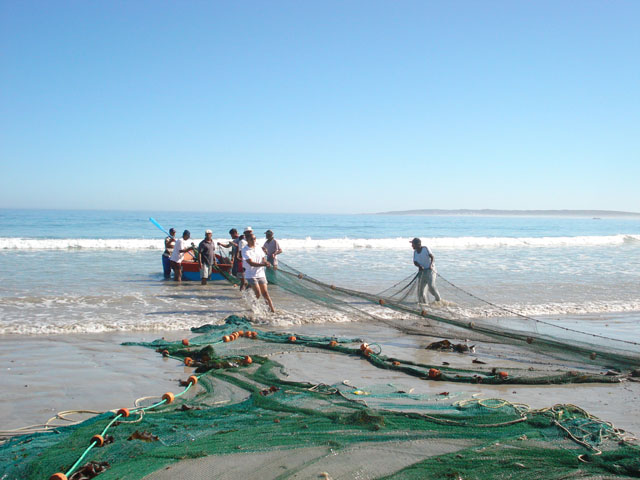
St Helena Bay village, six kilometres away, is a working fishing harbour town with a historically significant site at its centre. The Portuguese explorer Vasco da Gama anchored here in 1497, and a monument marks the landing point. The harbour activity and the maritime history give the village a more grounded feel than the neighbouring holiday-home communities.
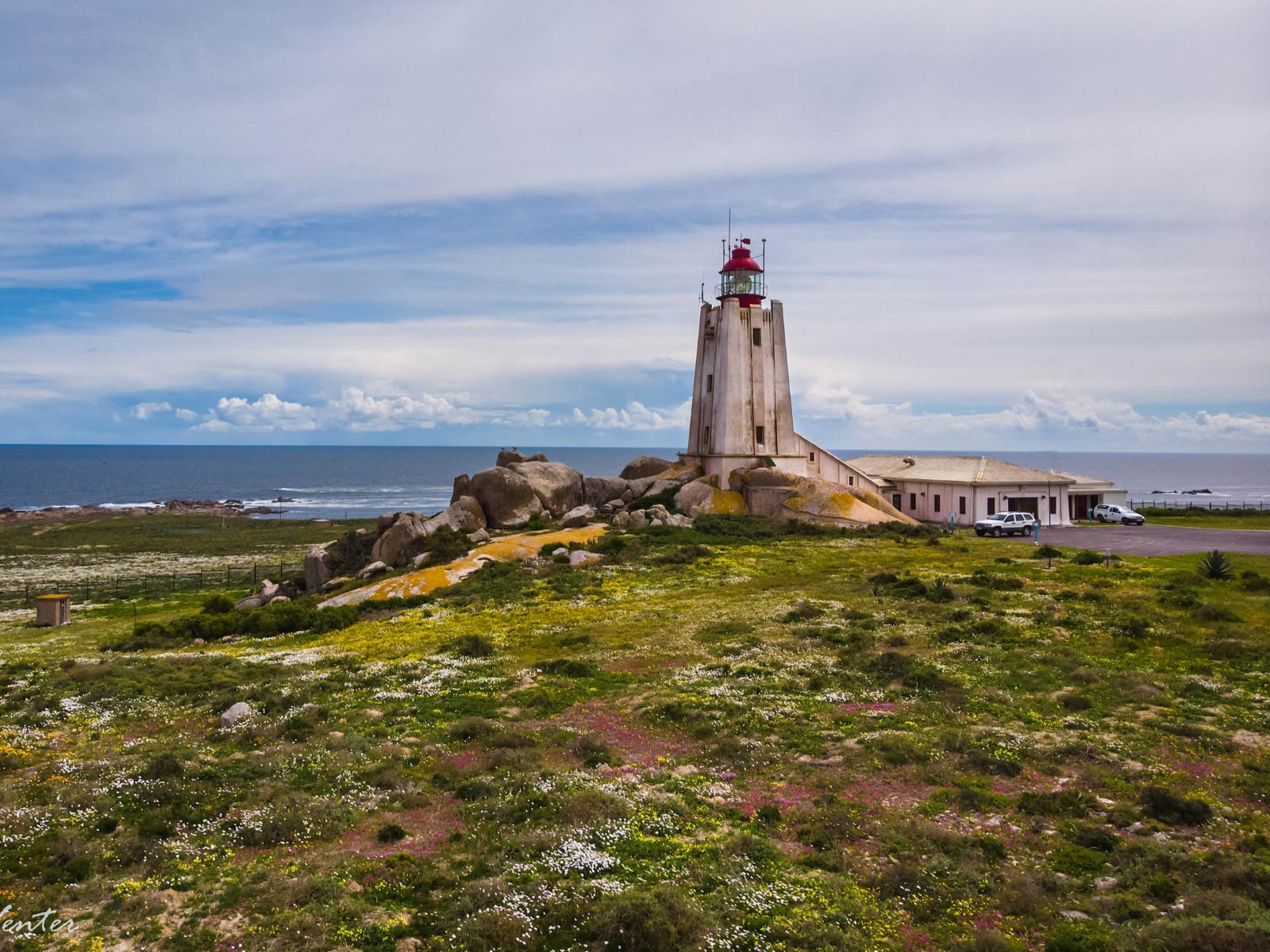
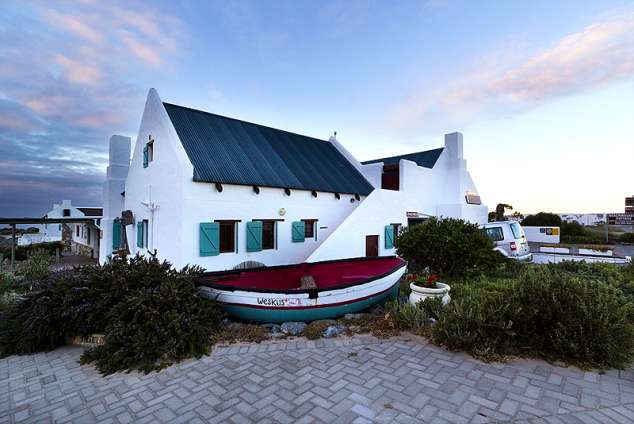
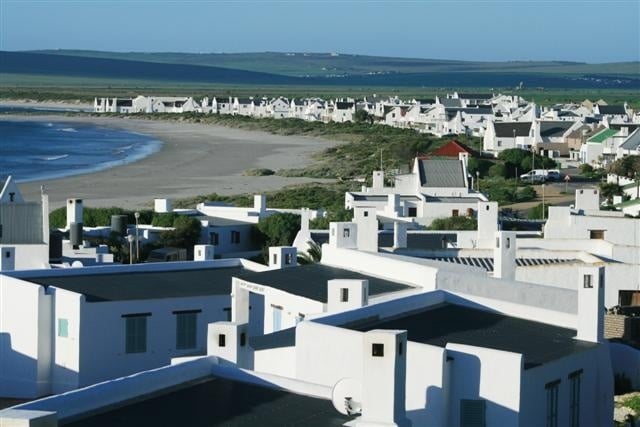
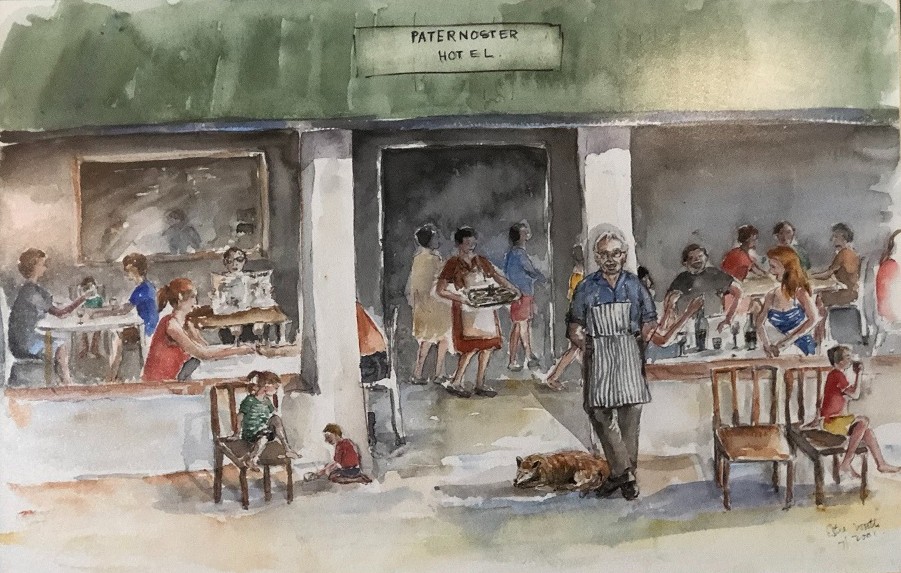
Paternoster, 14 kilometres away, is the most visited destination in the cluster. Its whitewashed fishing cottages, a growing restaurant scene, and access to the Cape Columbine Nature Reserve draw regular day-trippers from Cape Town on weekends. It is noticeably more developed than the bay area, with an atmosphere that has shifted with a decade of rising visitor numbers. Many people walk the beach south toward the Cape Columbine headland, which has a working lighthouse.
Velddrif, 21 kilometres north, sits at the mouth of the Berg River, one of the most productive birding estuaries on the West Coast. Hundreds of species use the wetlands across the seasons, and boat trips on the river run regularly for visitors. The town is also associated with bokkoms, a strongly flavoured dried fish that has been produced here for generations.
Vredenburg, 23 kilometres inland, is the commercial hub for the region. It has fuel stations, supermarkets, a hospital, and the retail services the coastal villages do not provide. Most visitors pass through at least once during a trip.
Dwarskersbos, 24 kilometres southeast, is a small beach settlement that attracts returning families rather than first-time visitors. There is minimal tourism infrastructure and the beach is largely undeveloped. For visitors based at Saint Helena Bay, it offers a straightforward day trip to a quieter stretch of coast.
Planning Your Stay
Demand peaks over school holidays, particularly December through January and over Easter. Properties with direct beach access or clear water views book out several months in advance during these periods. For a summer stay, confirming accommodation three to four months ahead is reasonable. Winter visits offer more flexibility, though well-positioned properties still fill on weekends during the main whale-watching months.
When comparing options, check whether the rate includes utilities. Some self-catering properties meter electricity separately, which can add noticeably to the cost of a week-long stay. Confirm whether linen and towels are provided and check the minimum-stay requirement: many weekend lets require two or three nights.
Mobile signal is adequate across most of the bay area but not consistent at every property. If working remotely during a stay, ask the host specifically about Wi-Fi reliability before confirming. The terms "sea views" and "beach access" can mean different things depending on the property, so asking for specifics before booking avoids surprises on arrival.
There is no tourism office in the bay area. Local knowledge comes from hosts or from other visitors. For water-based activities that depend on sea conditions, checking locally on the day is more reliable than planning in advance. Weather along this stretch of coast can shift quickly, and operators adjust their schedules accordingly.