Accommodation in Sea Point
Sea Point has 190 listed properties, with nightly rates running from R325 at the lowest to R30,000 at the top end and an average around R3,810. The range covers most budgets, though the experience varies substantially across it.
Budget-conscious travellers have limited but serviceable options. Backpacker accommodation is the most affordable category, suited to solo travellers spending most of their time outdoors. Lodges in the suburb average around R1,600 per night and tend to be smaller, owner-run properties with fewer facilities.
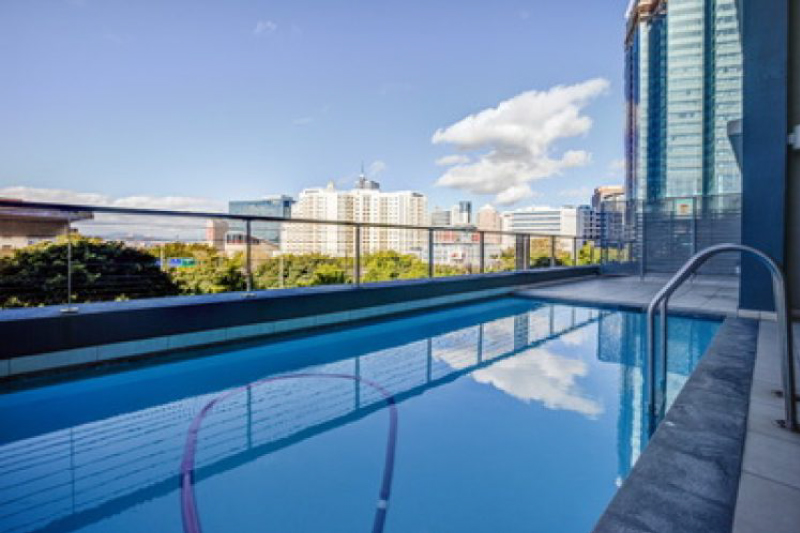
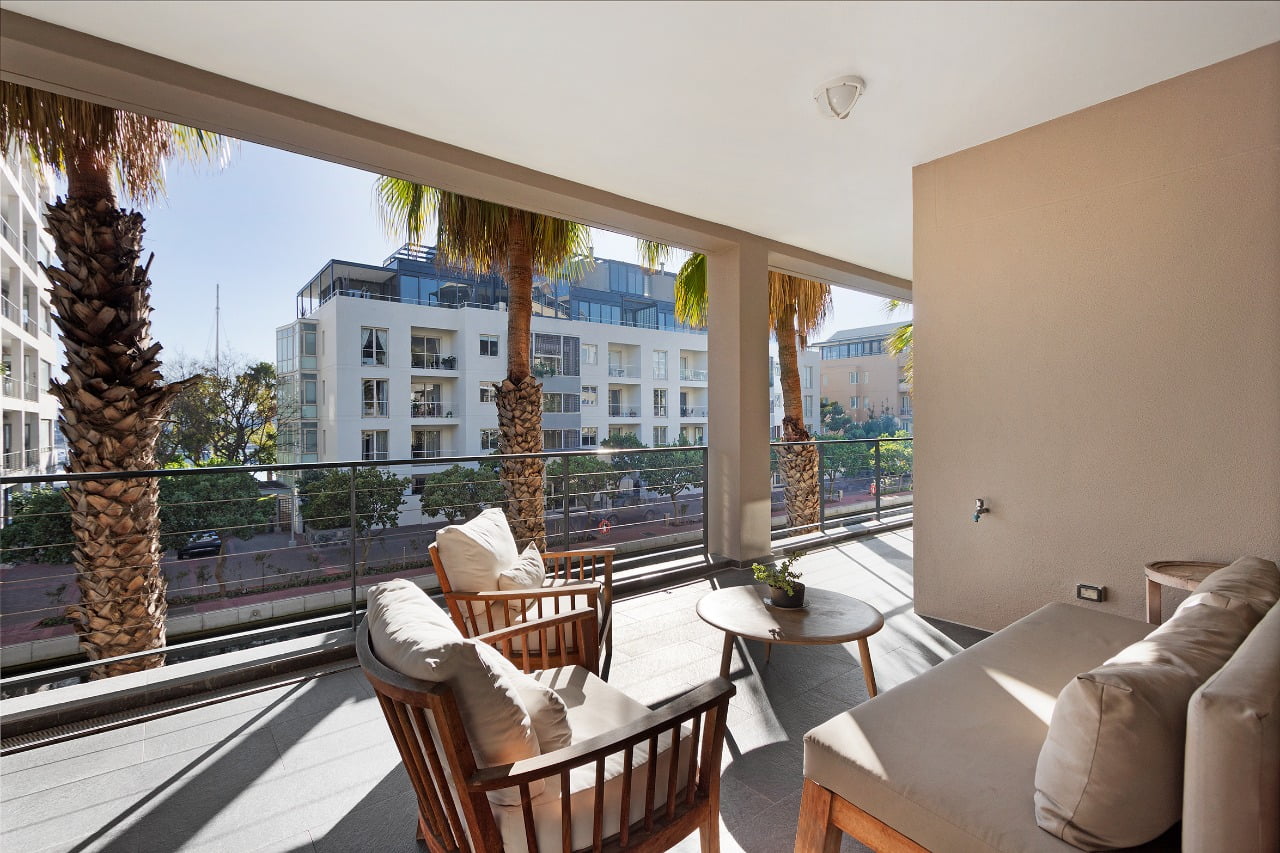
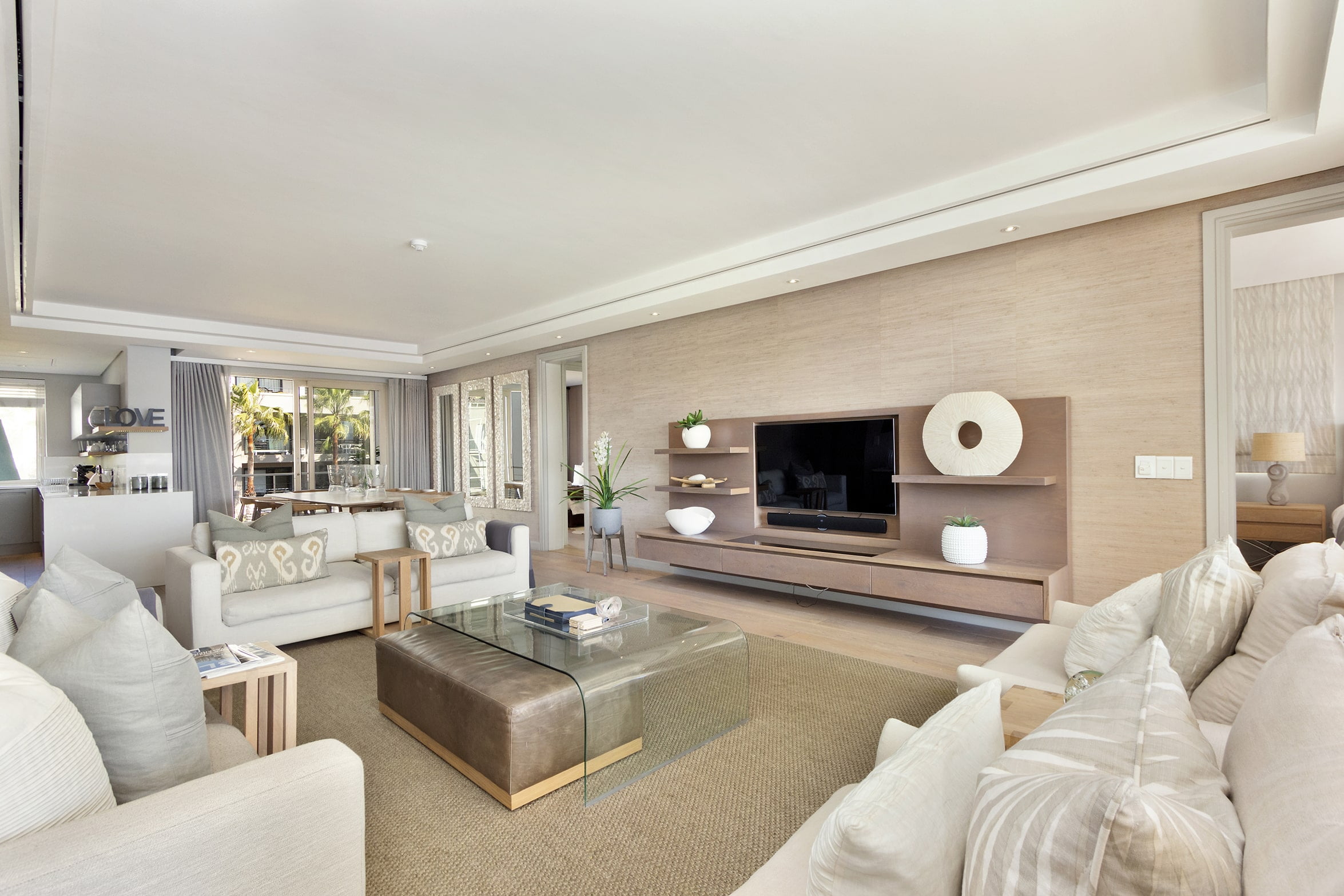
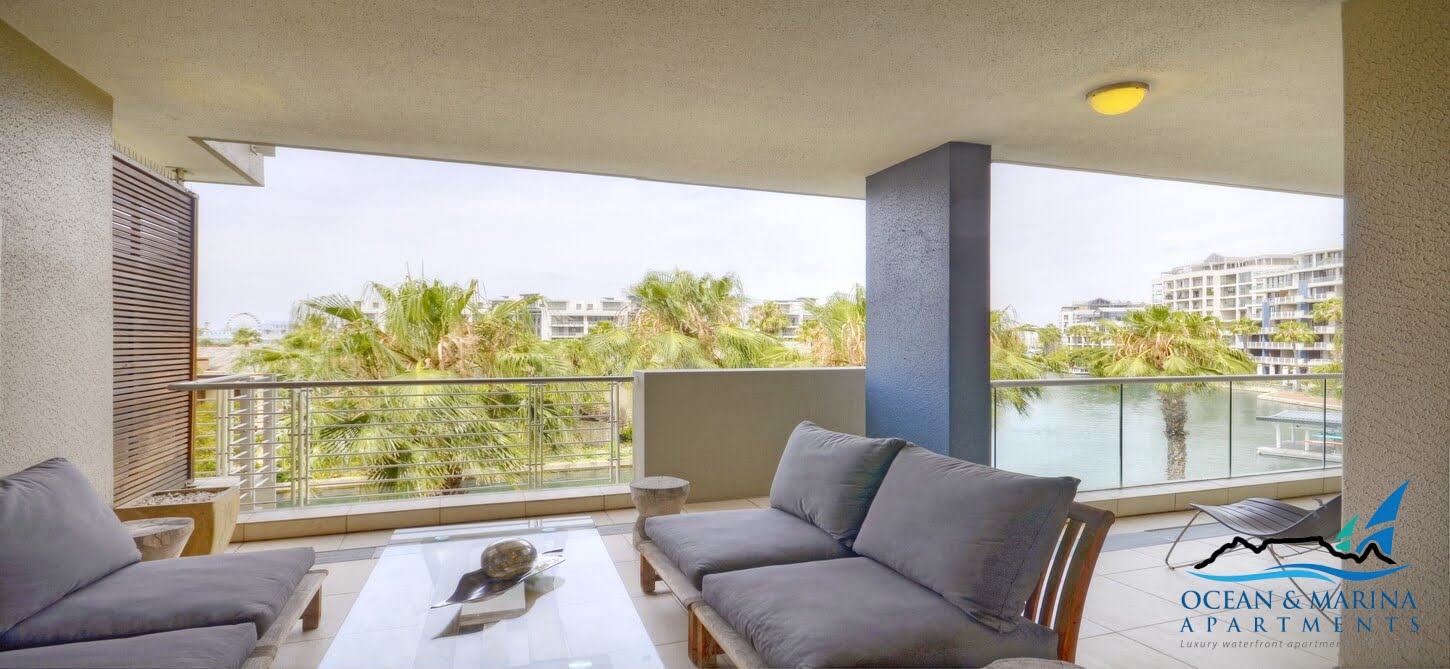
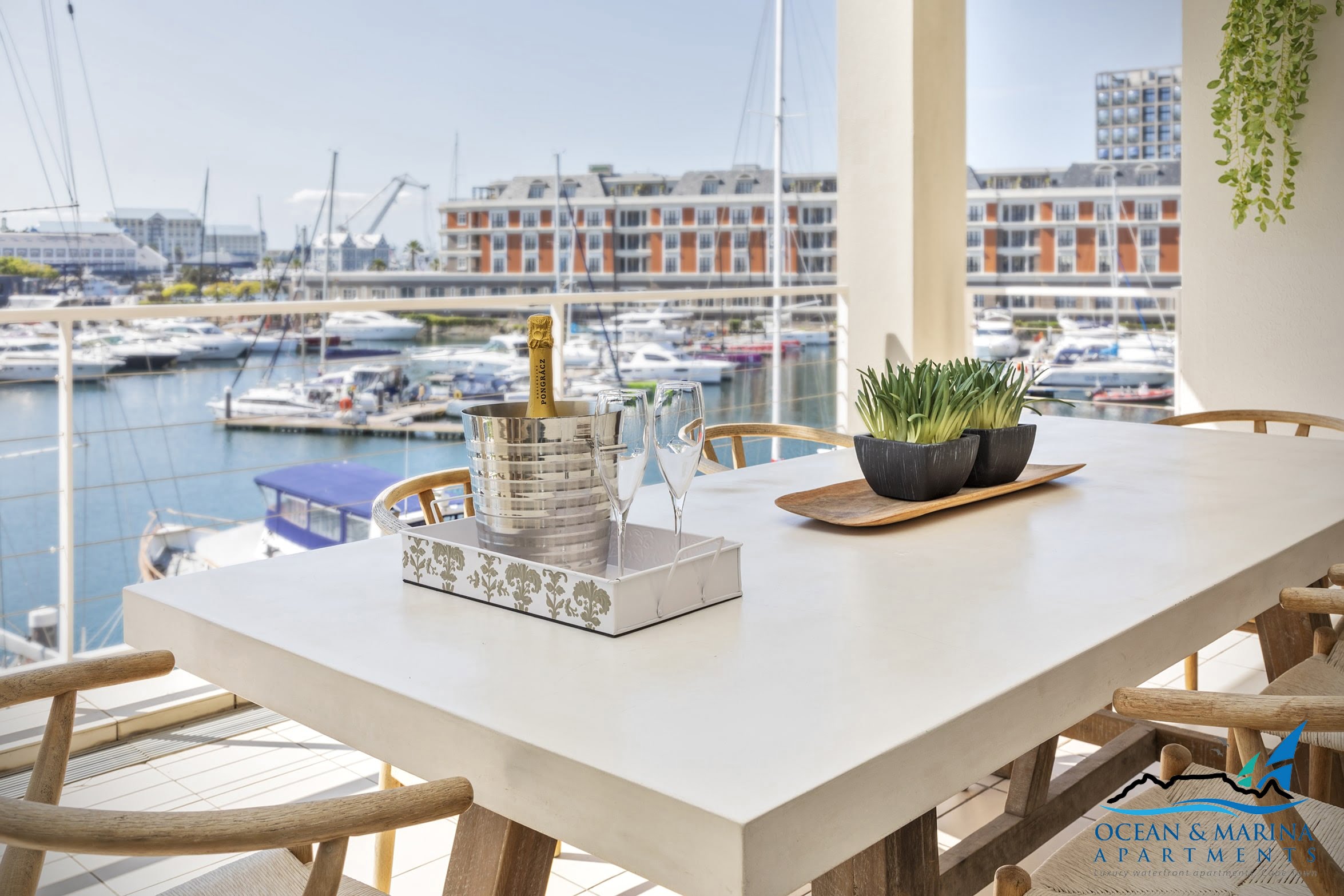
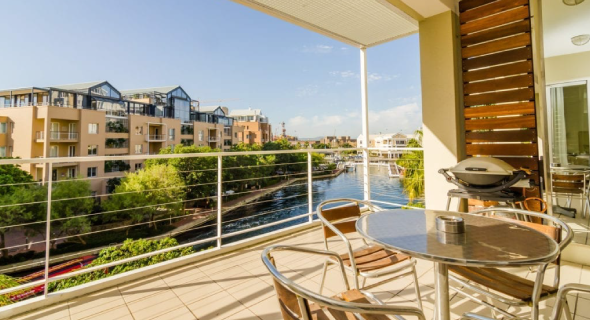
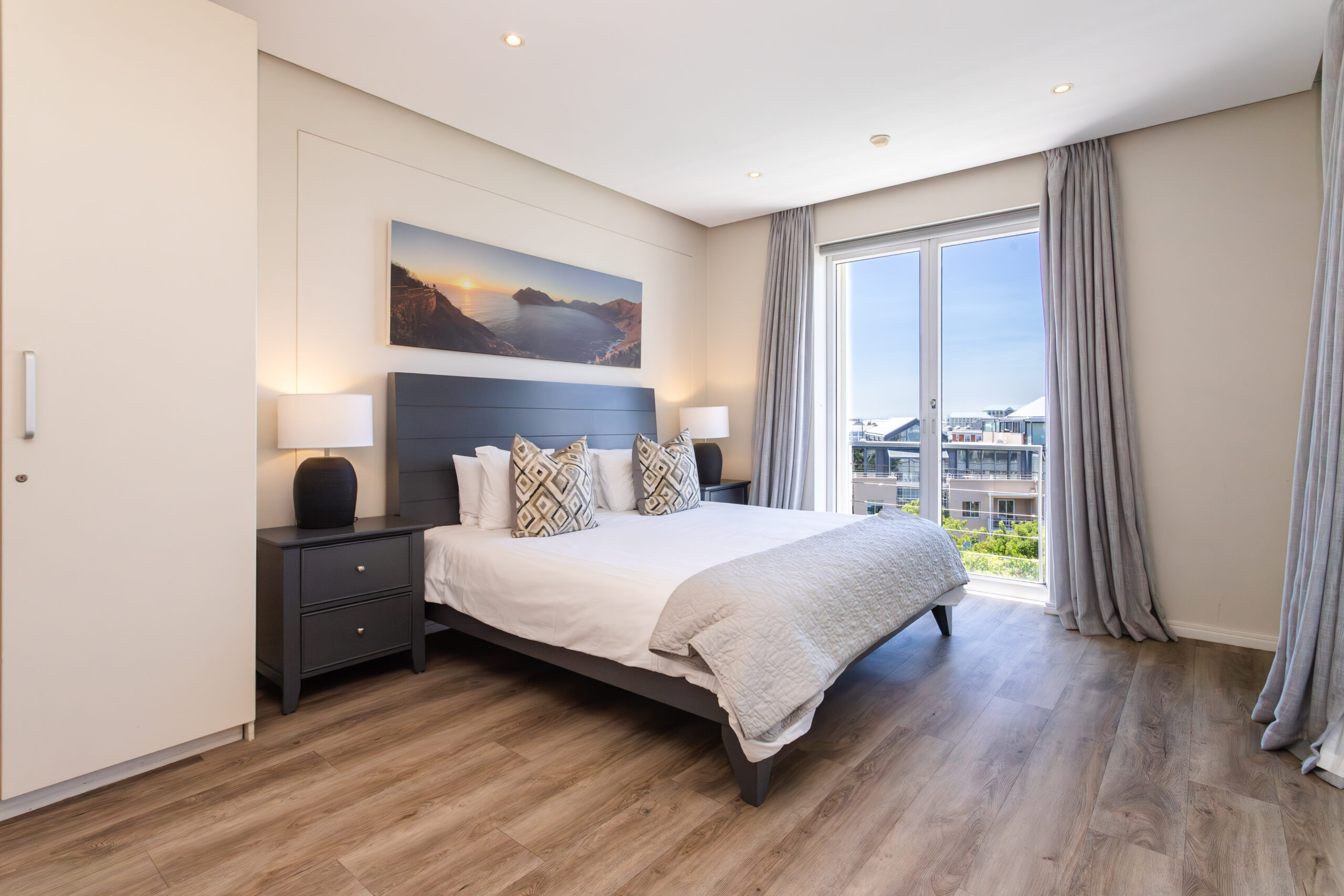
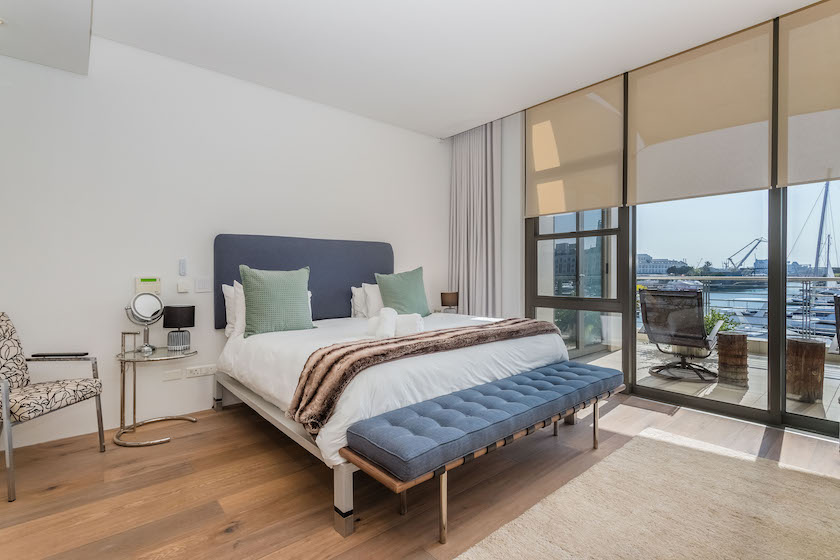
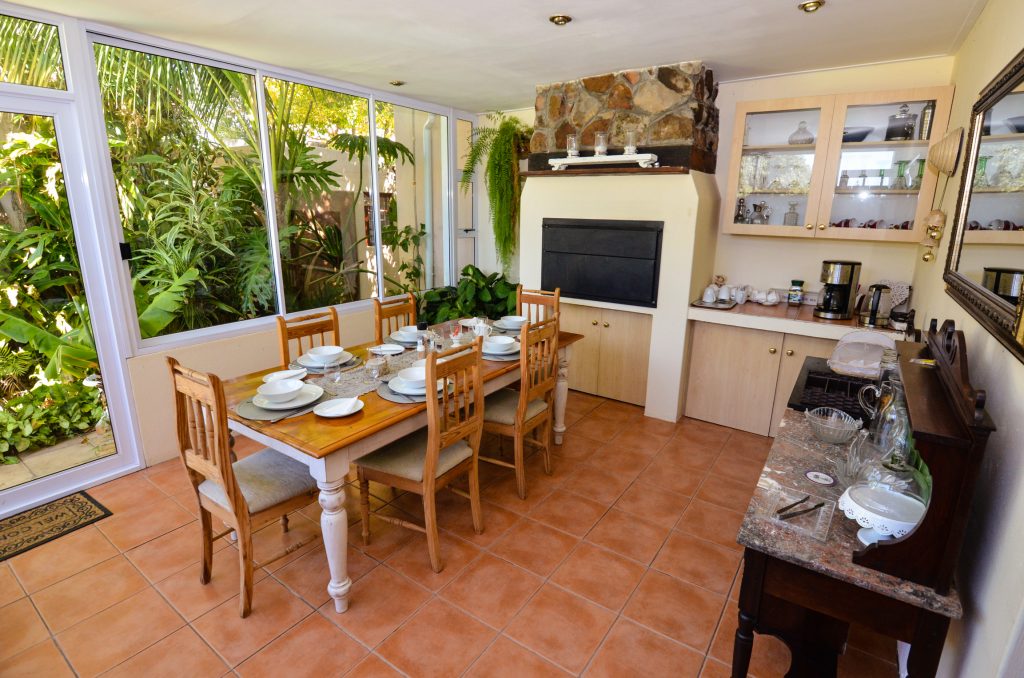
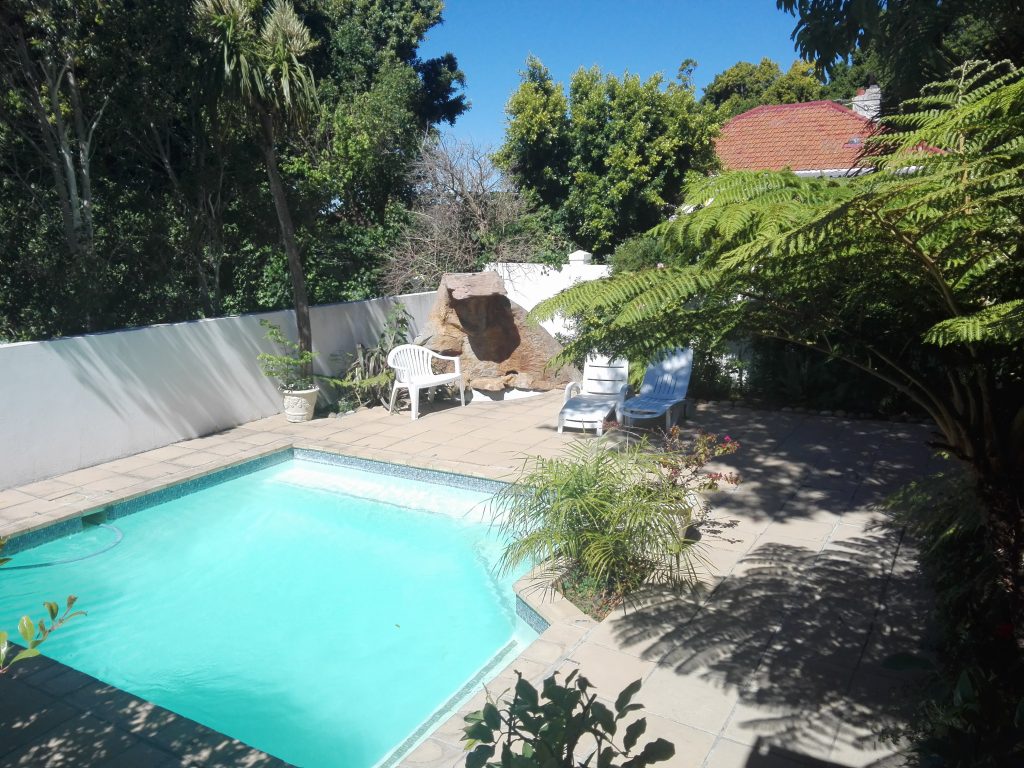
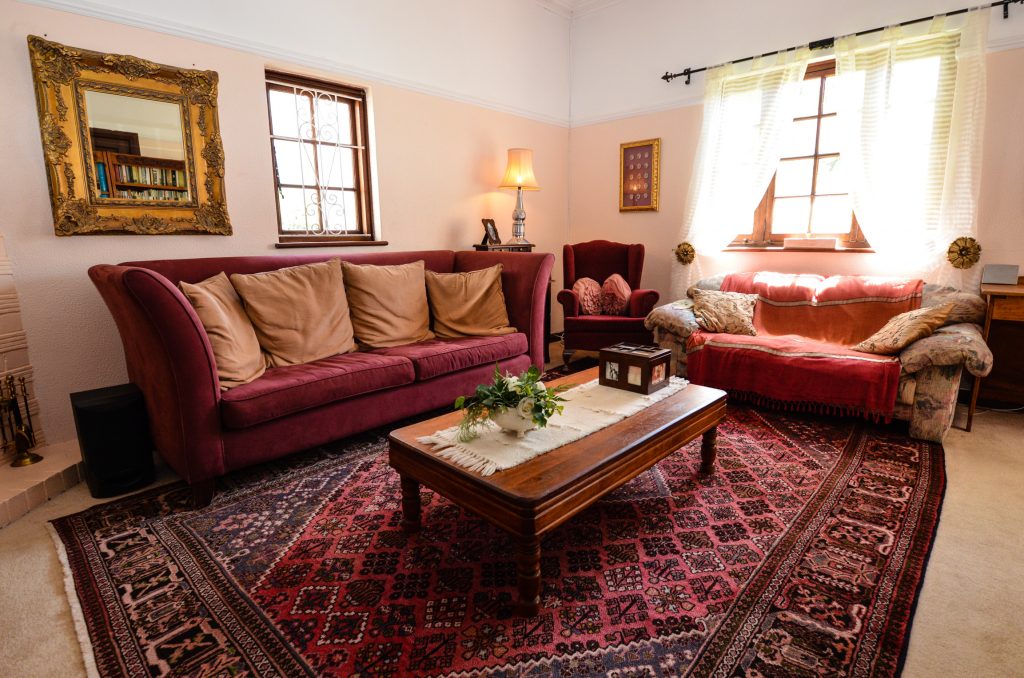
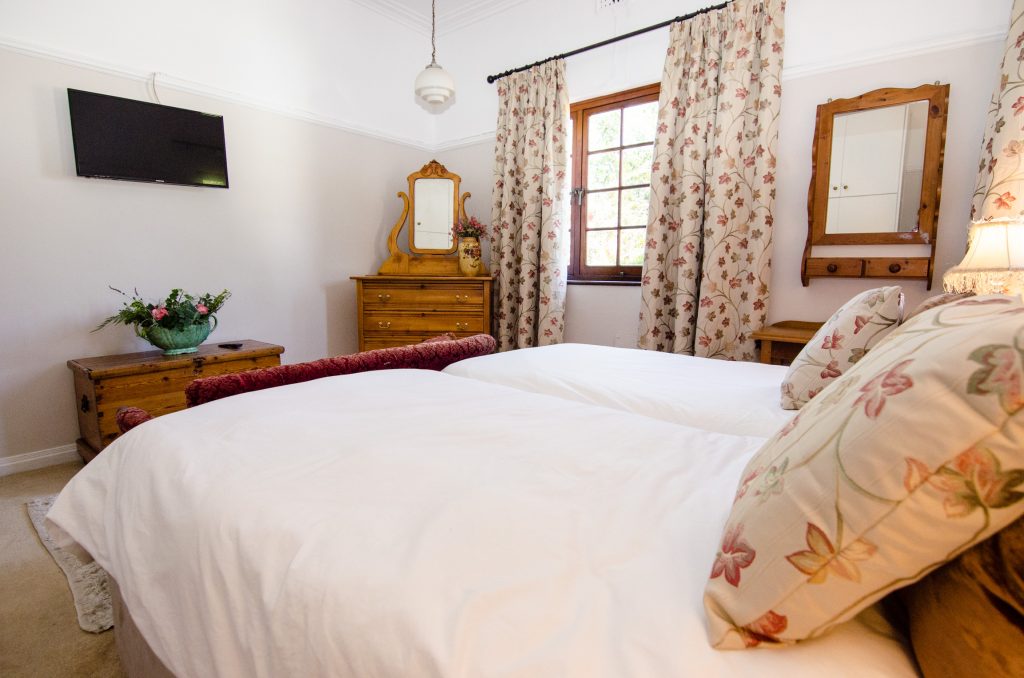
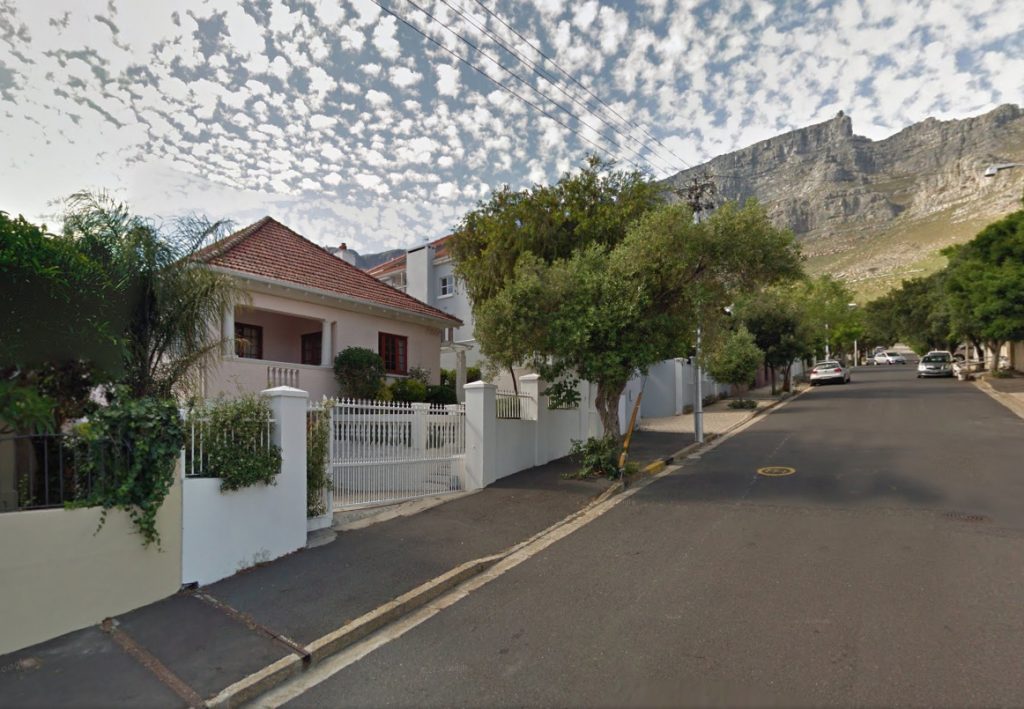
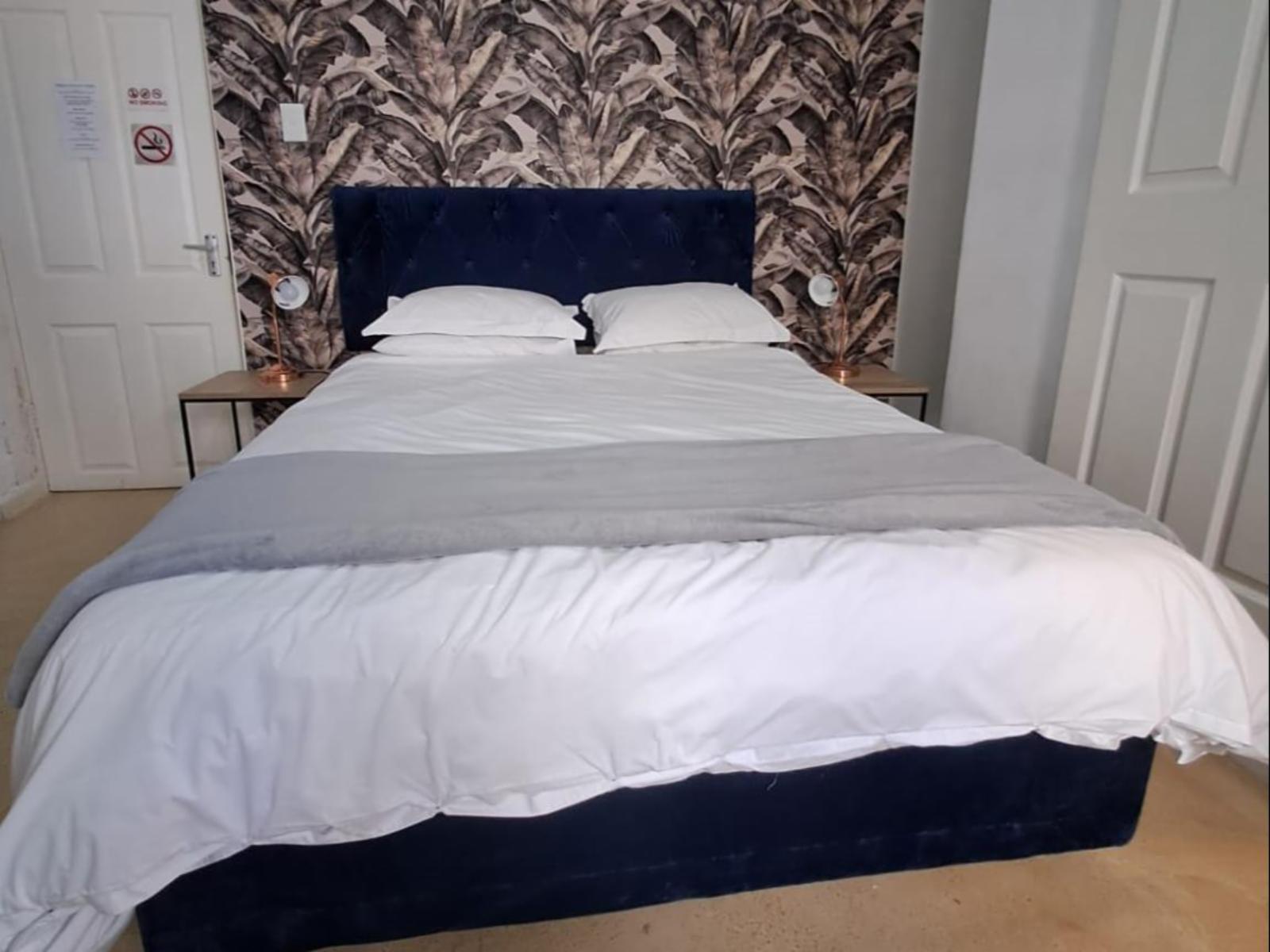
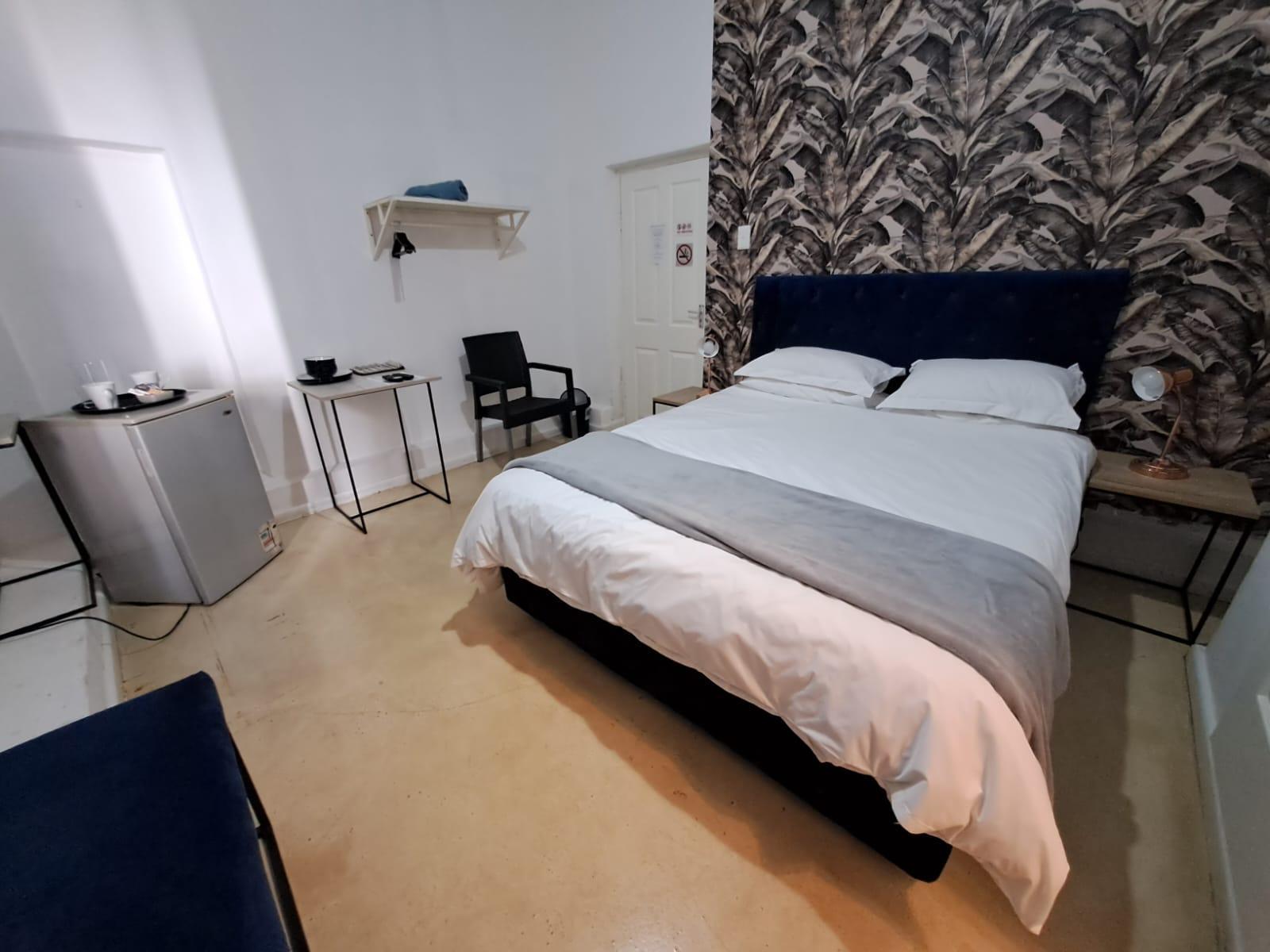
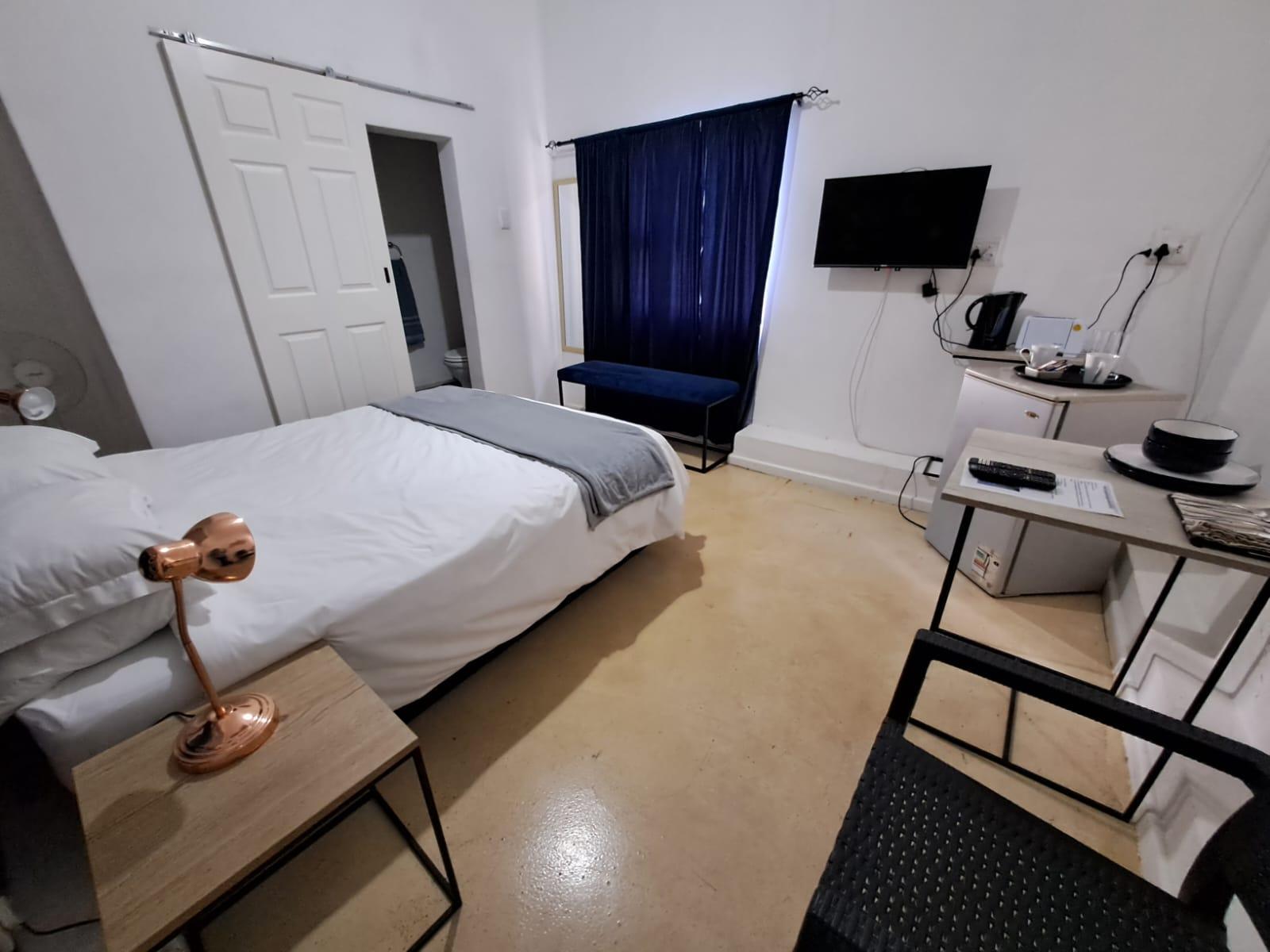
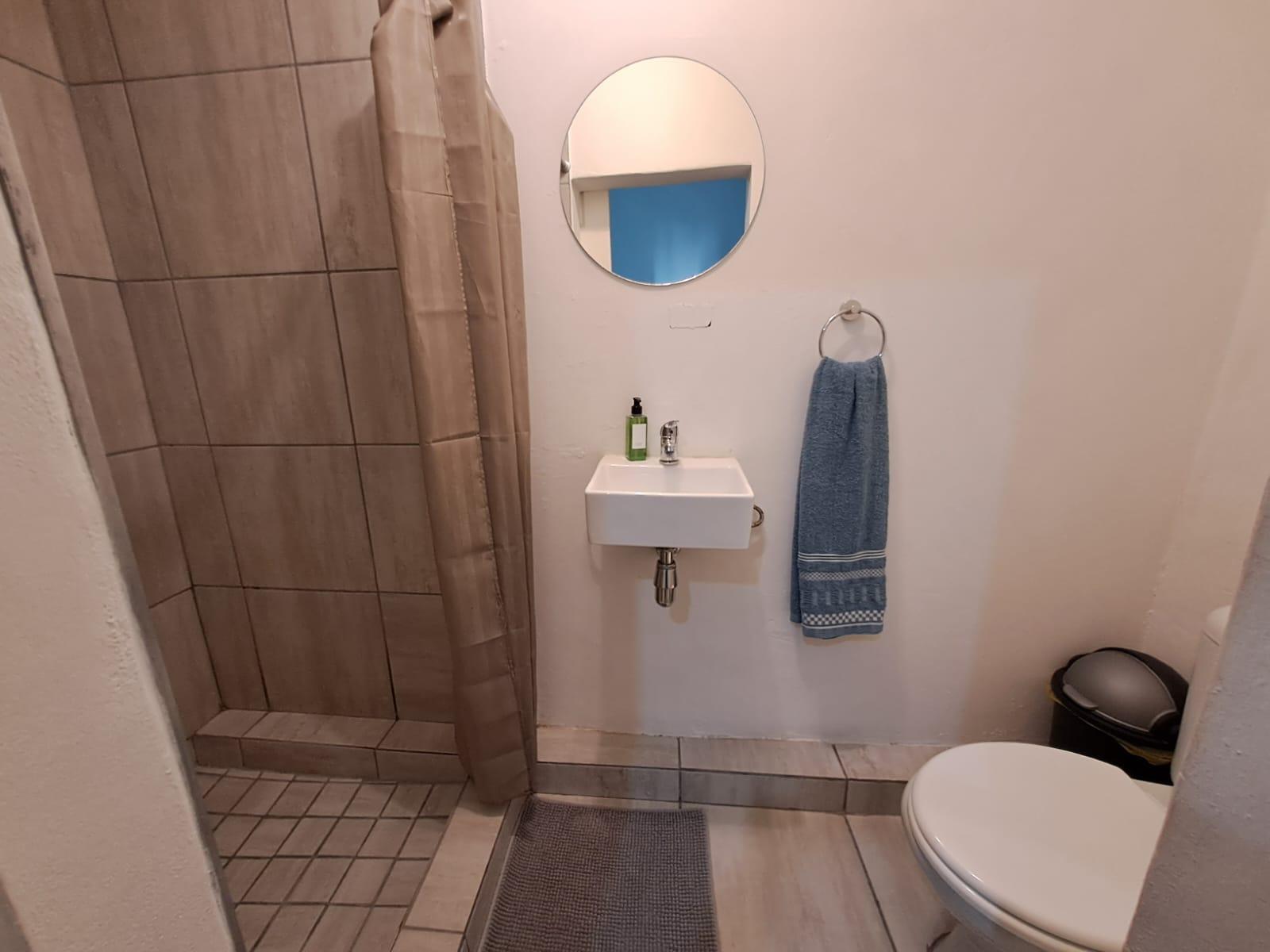
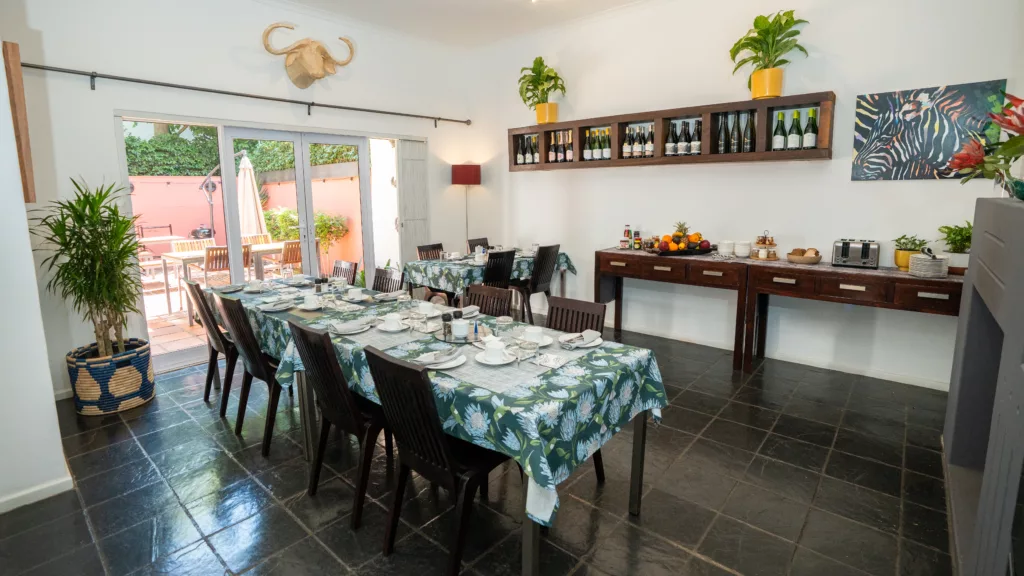
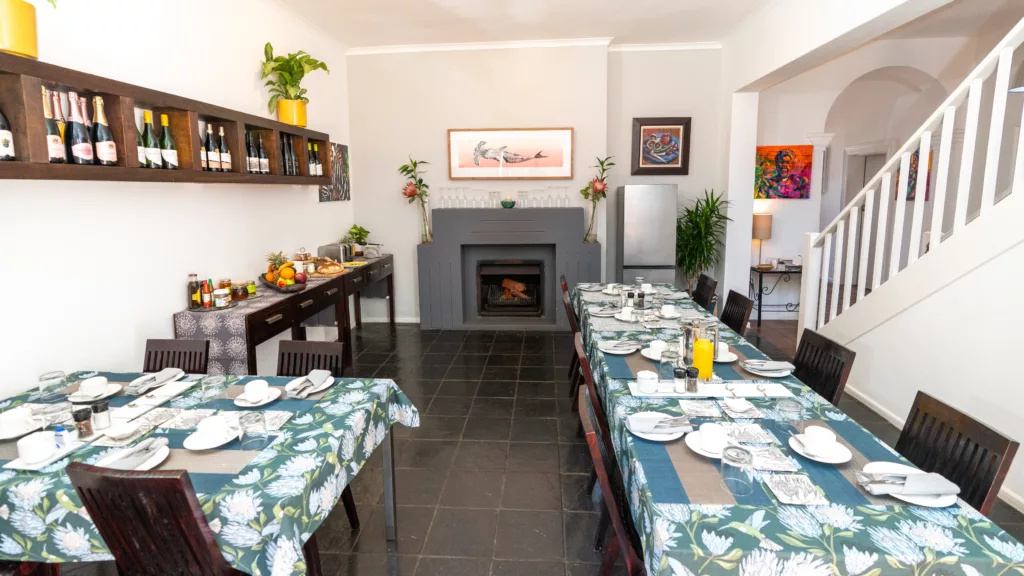
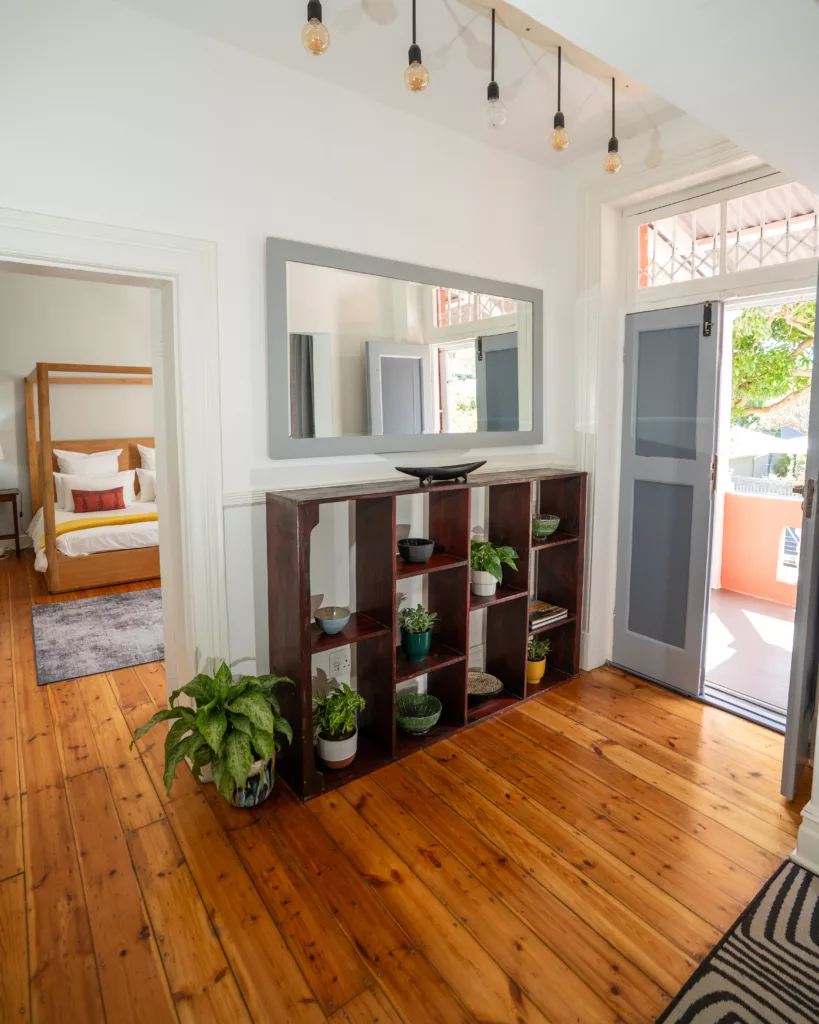
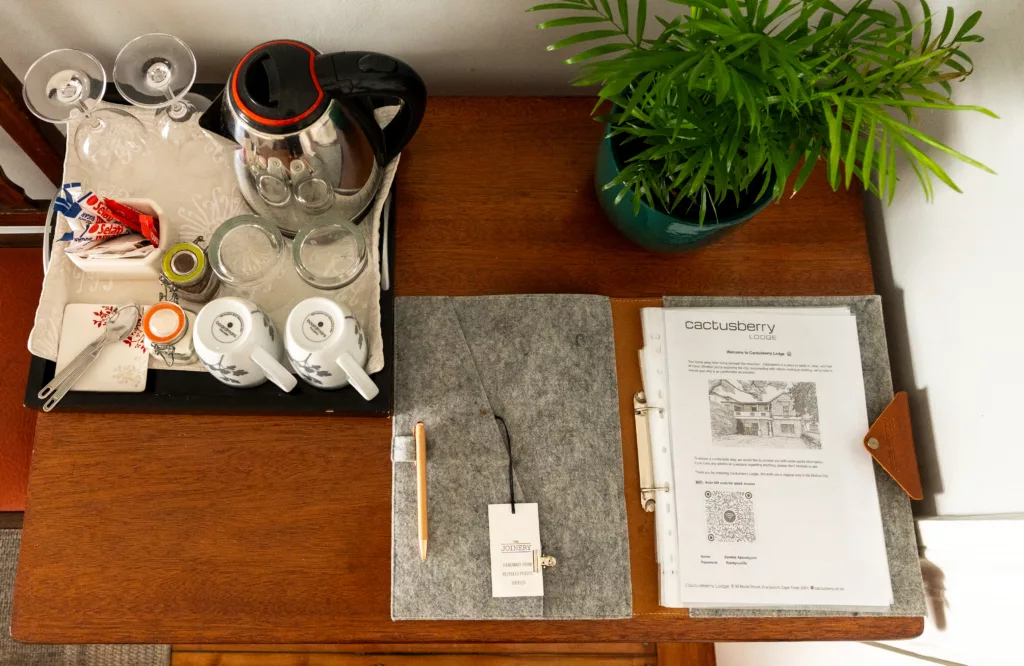
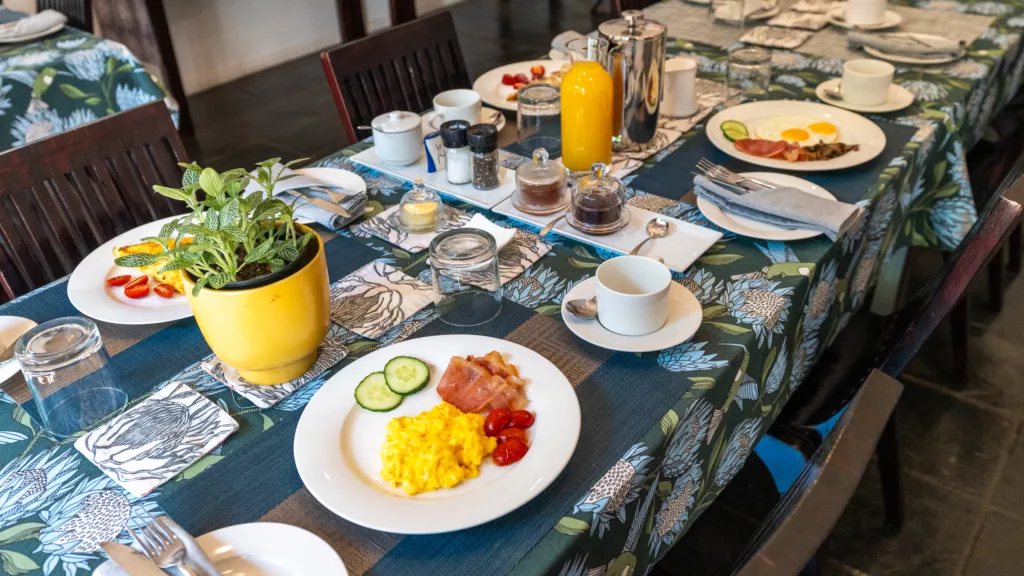
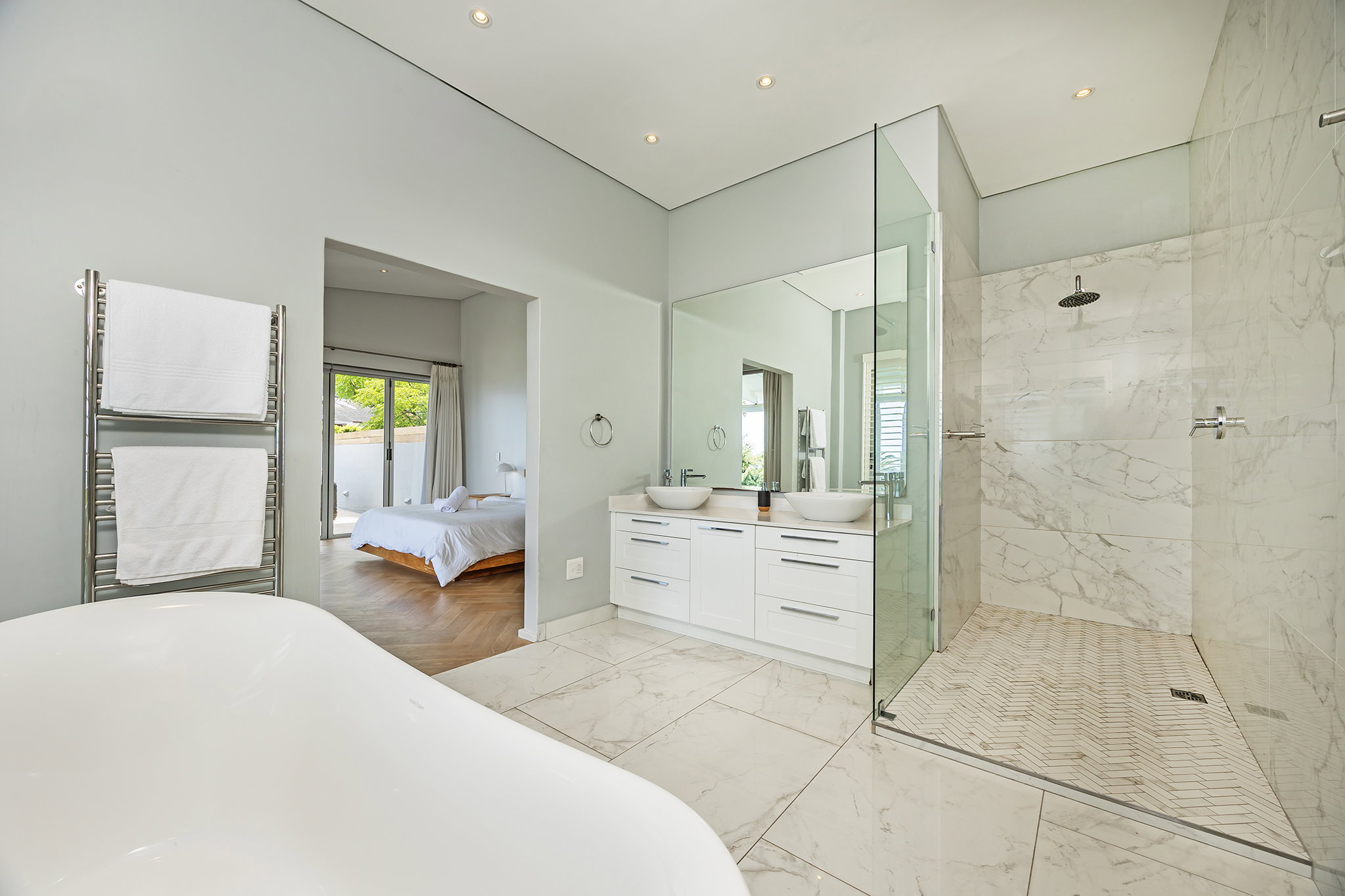
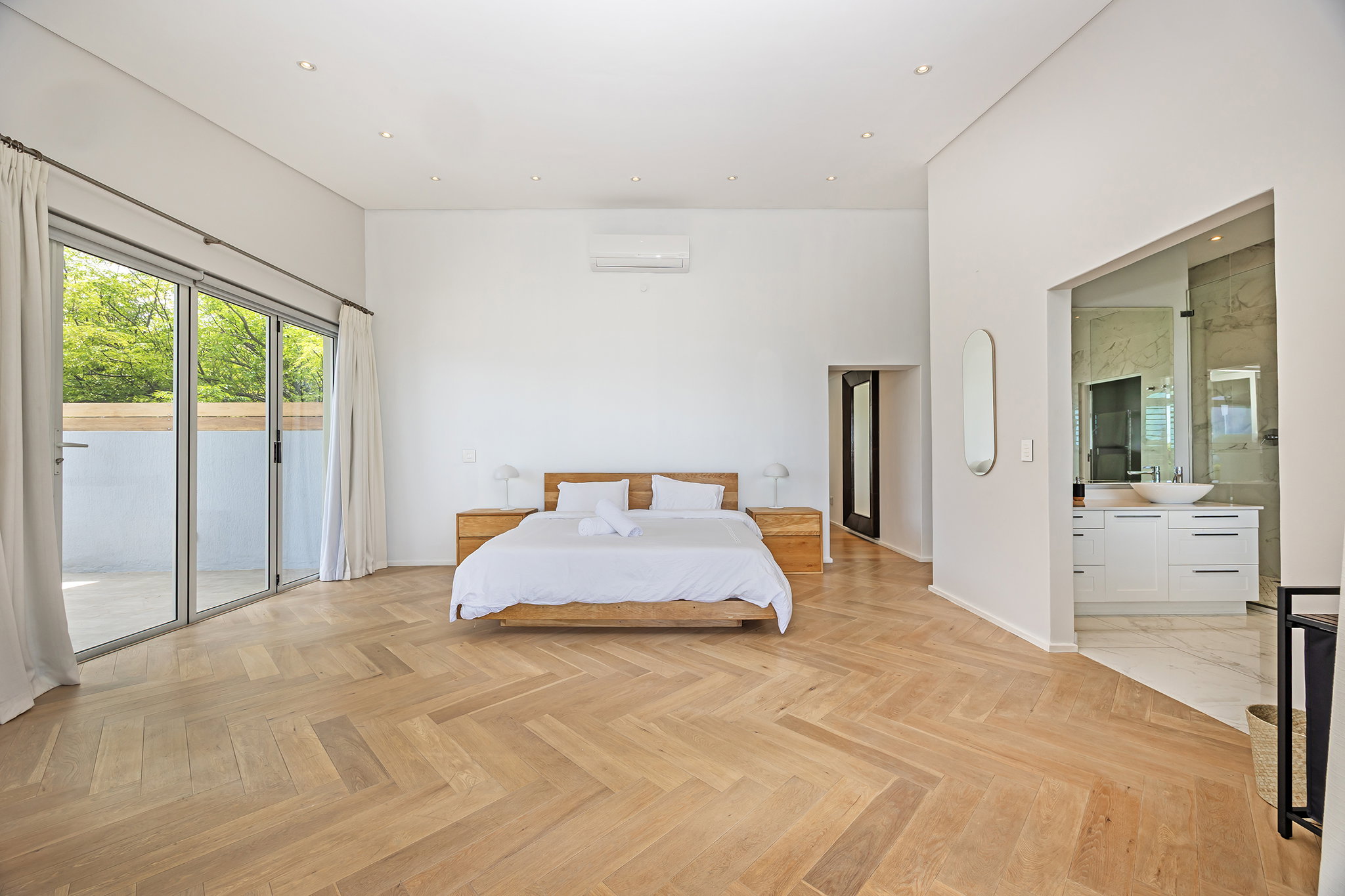
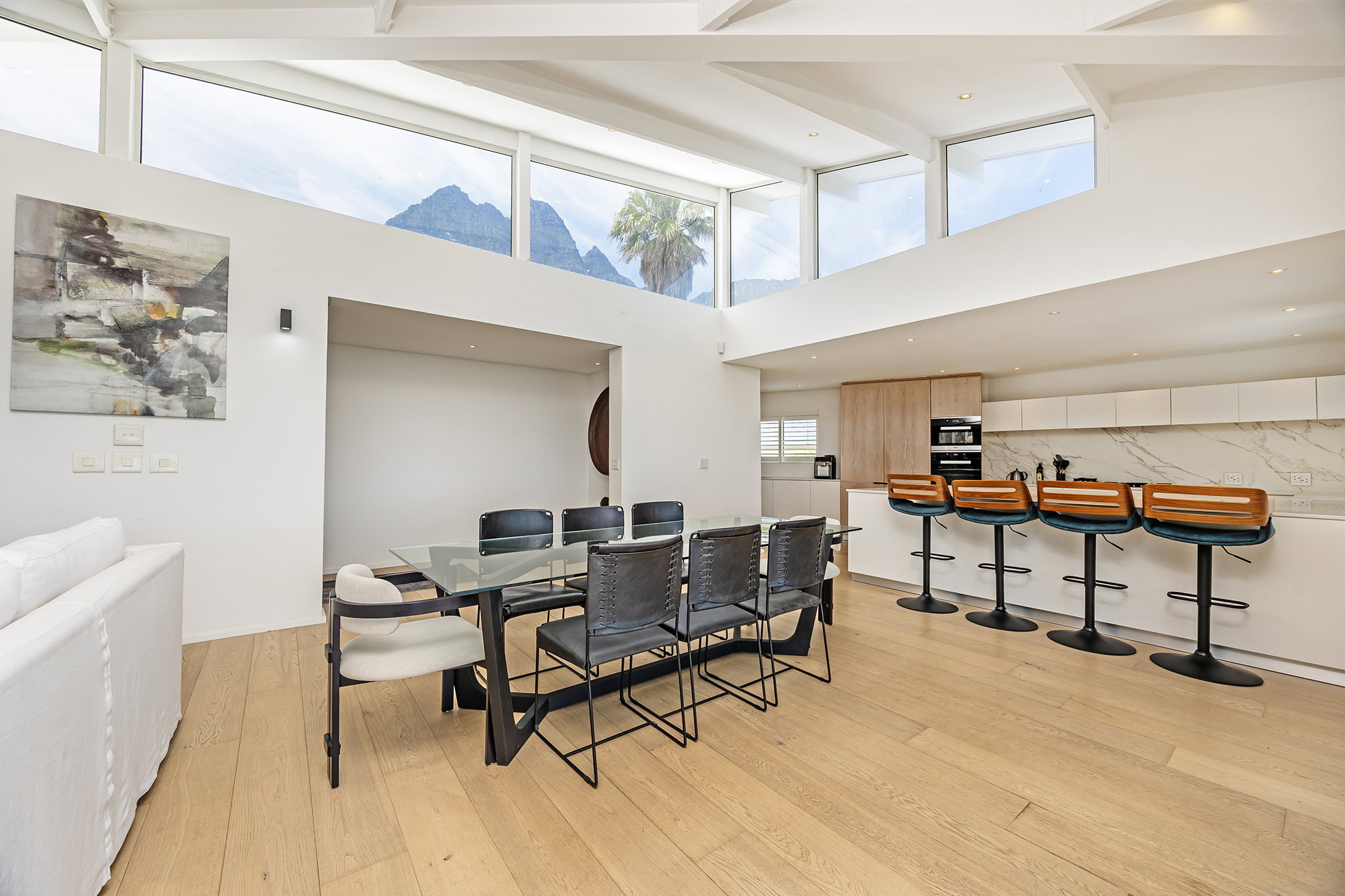
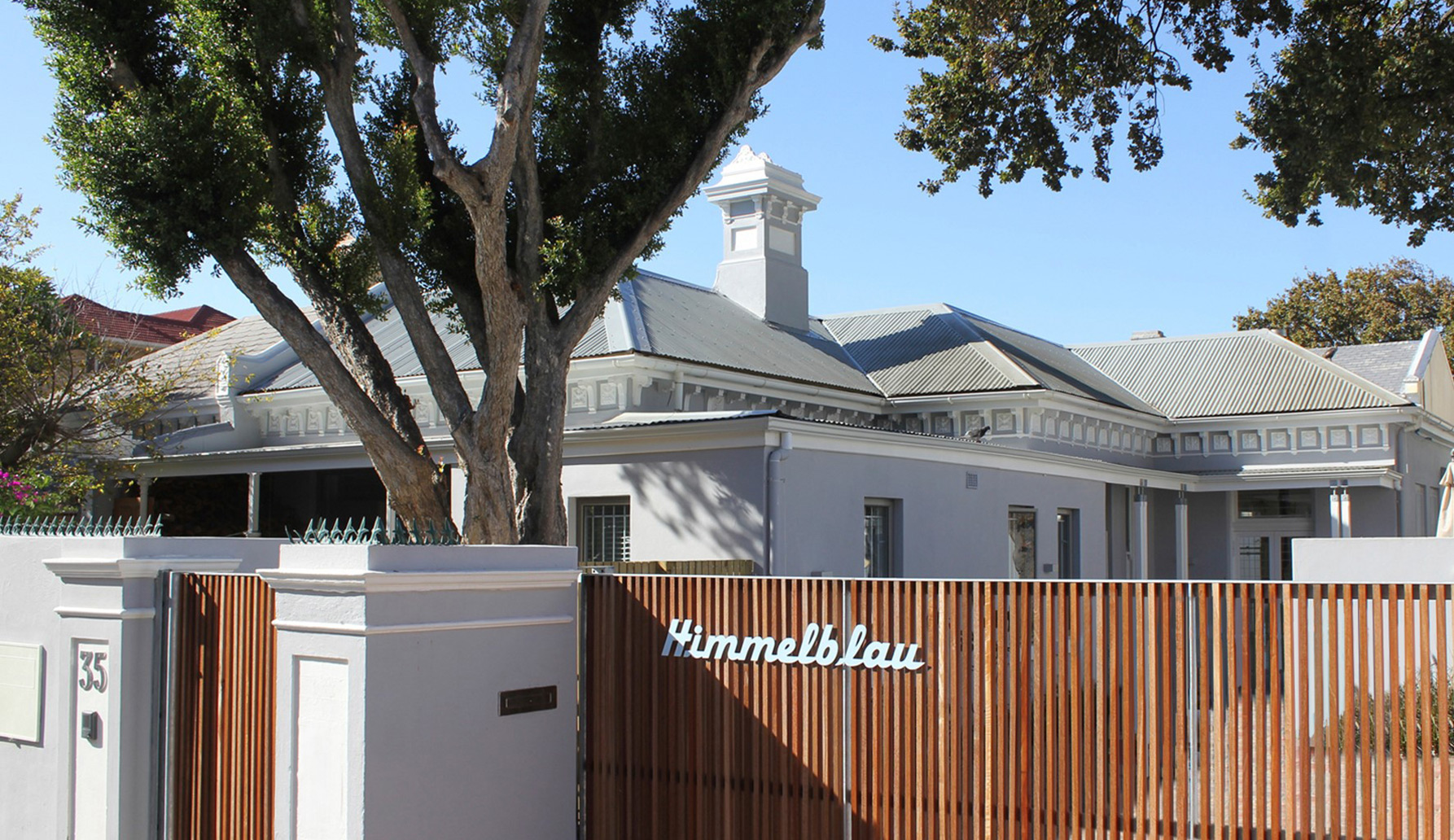
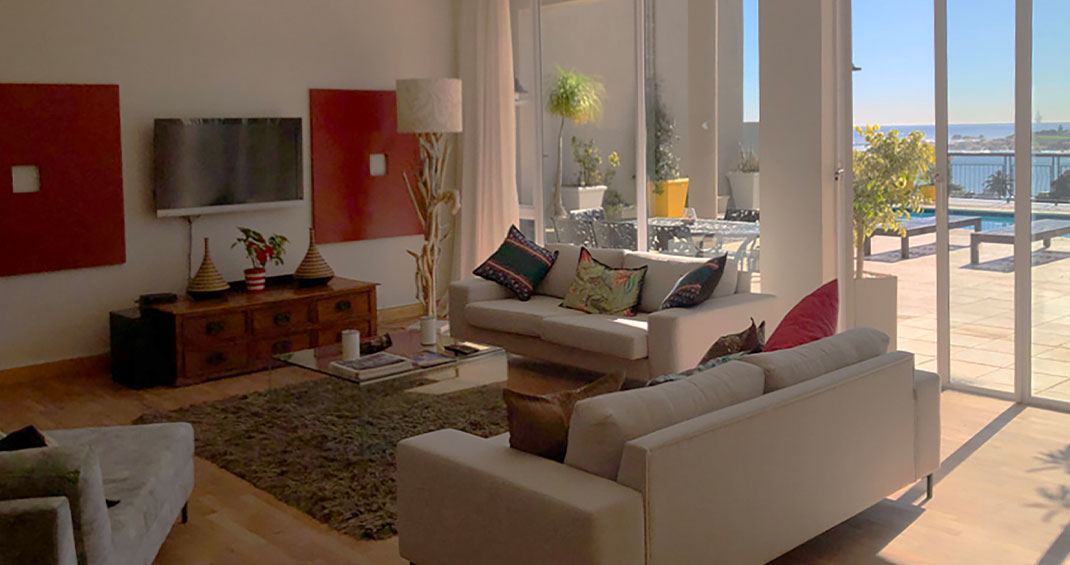
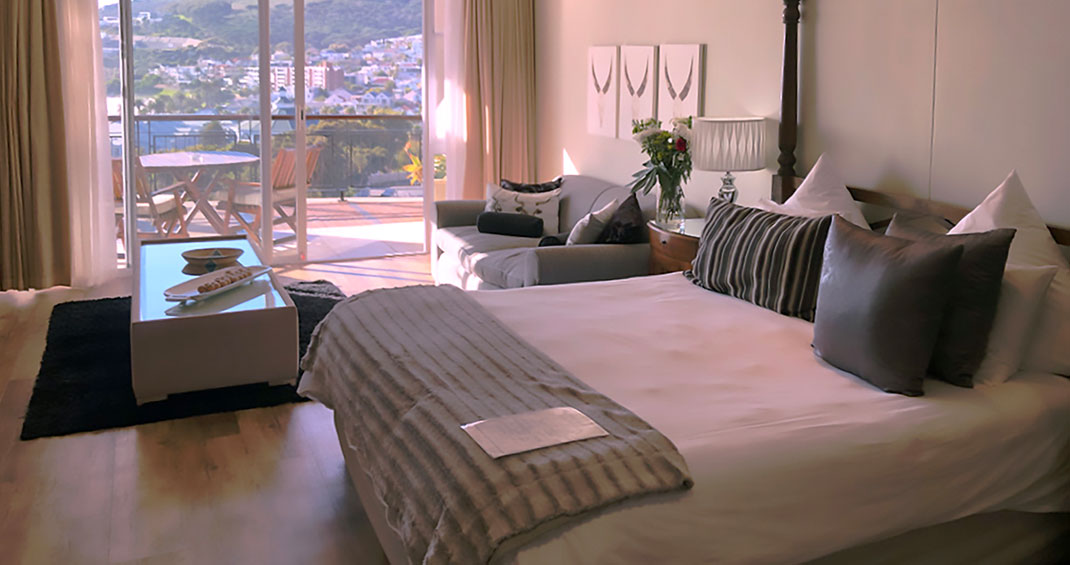
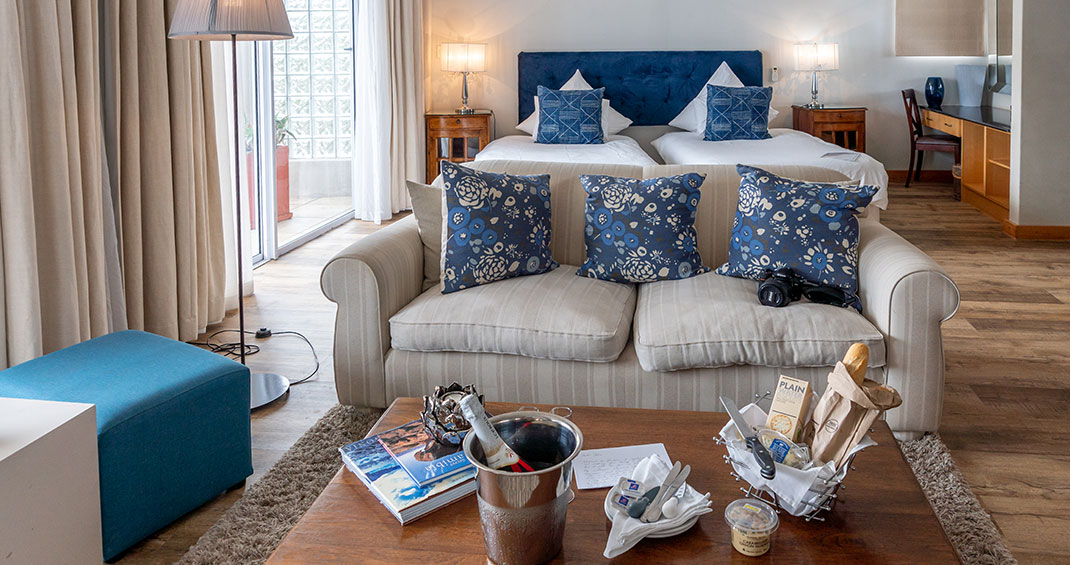
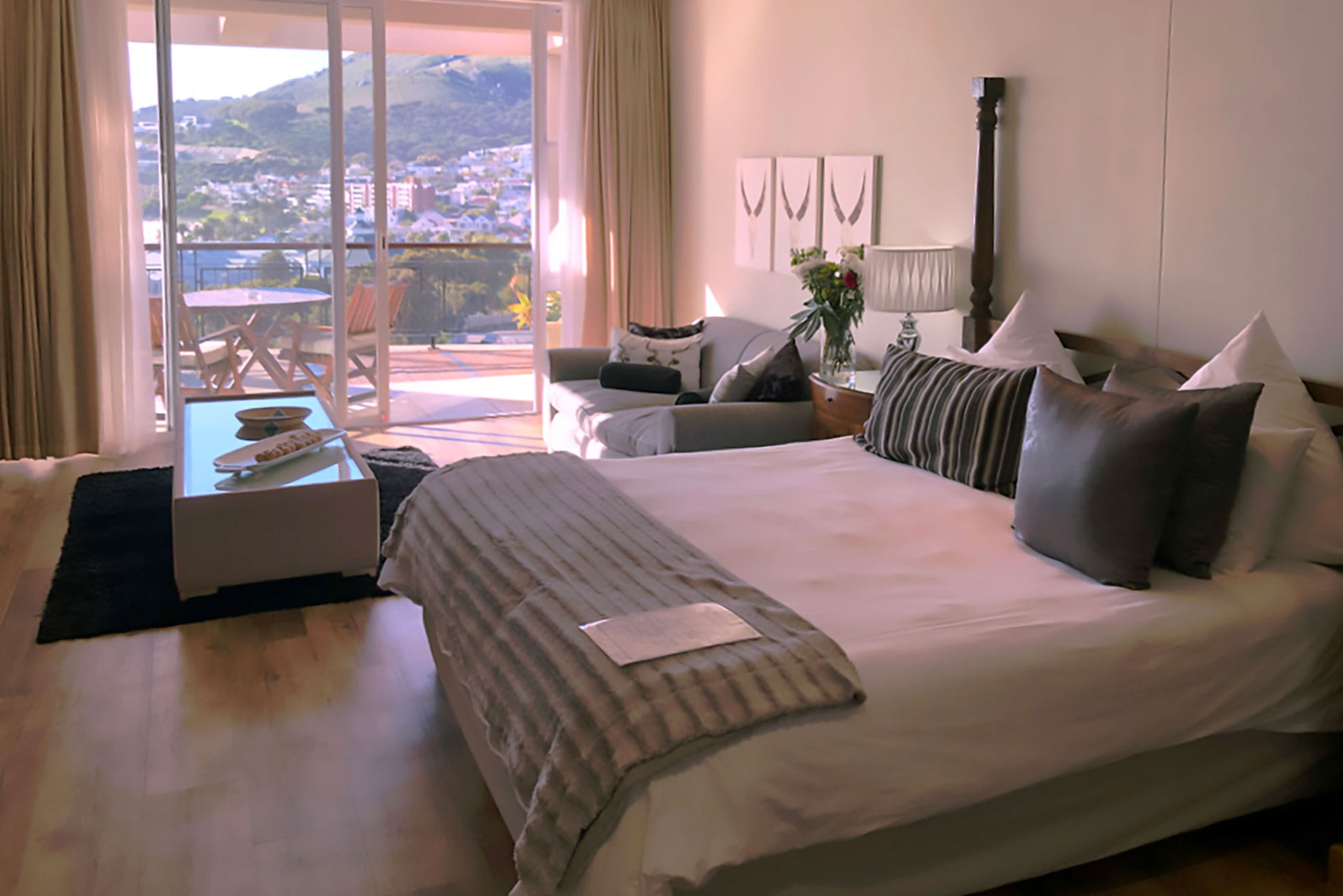
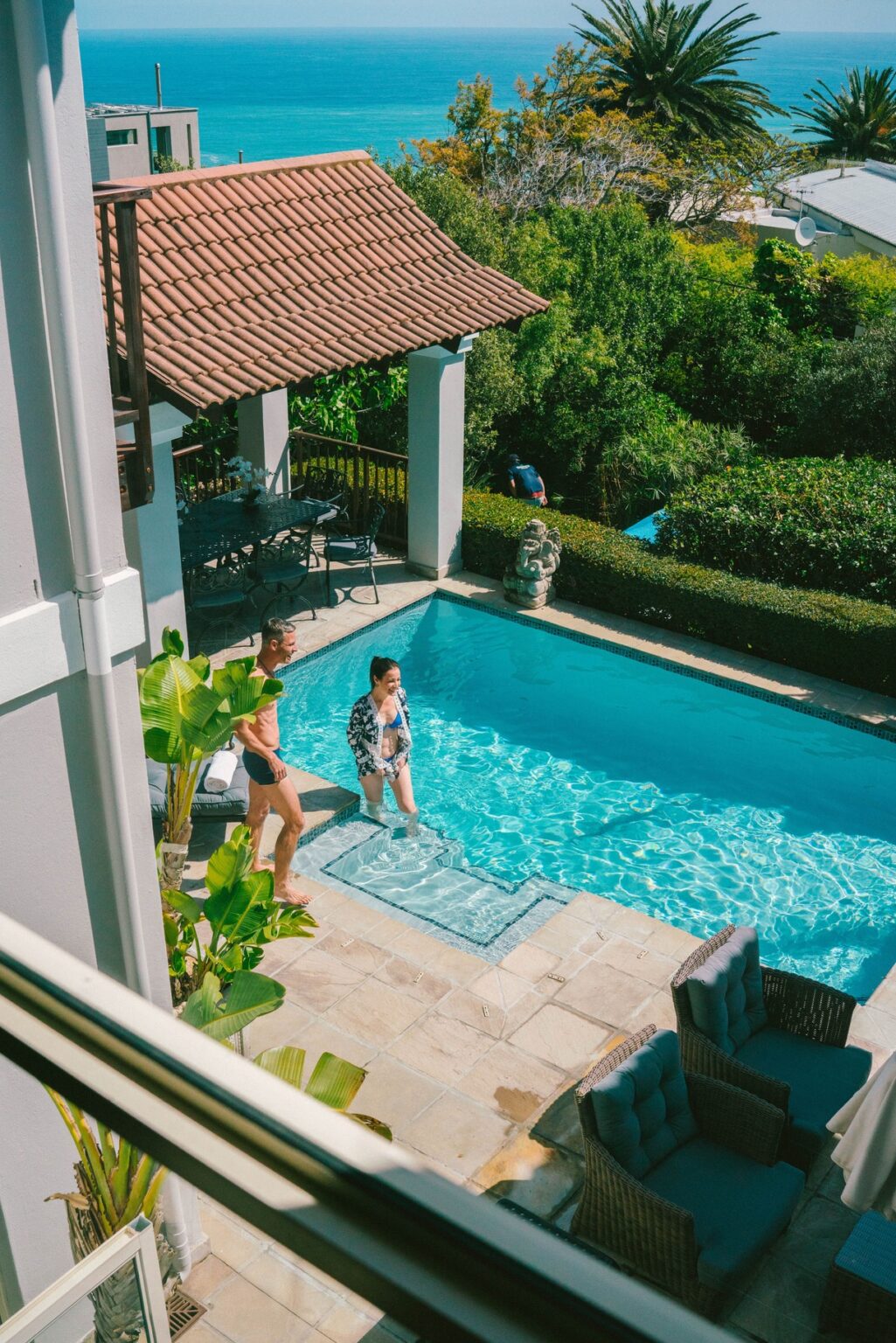
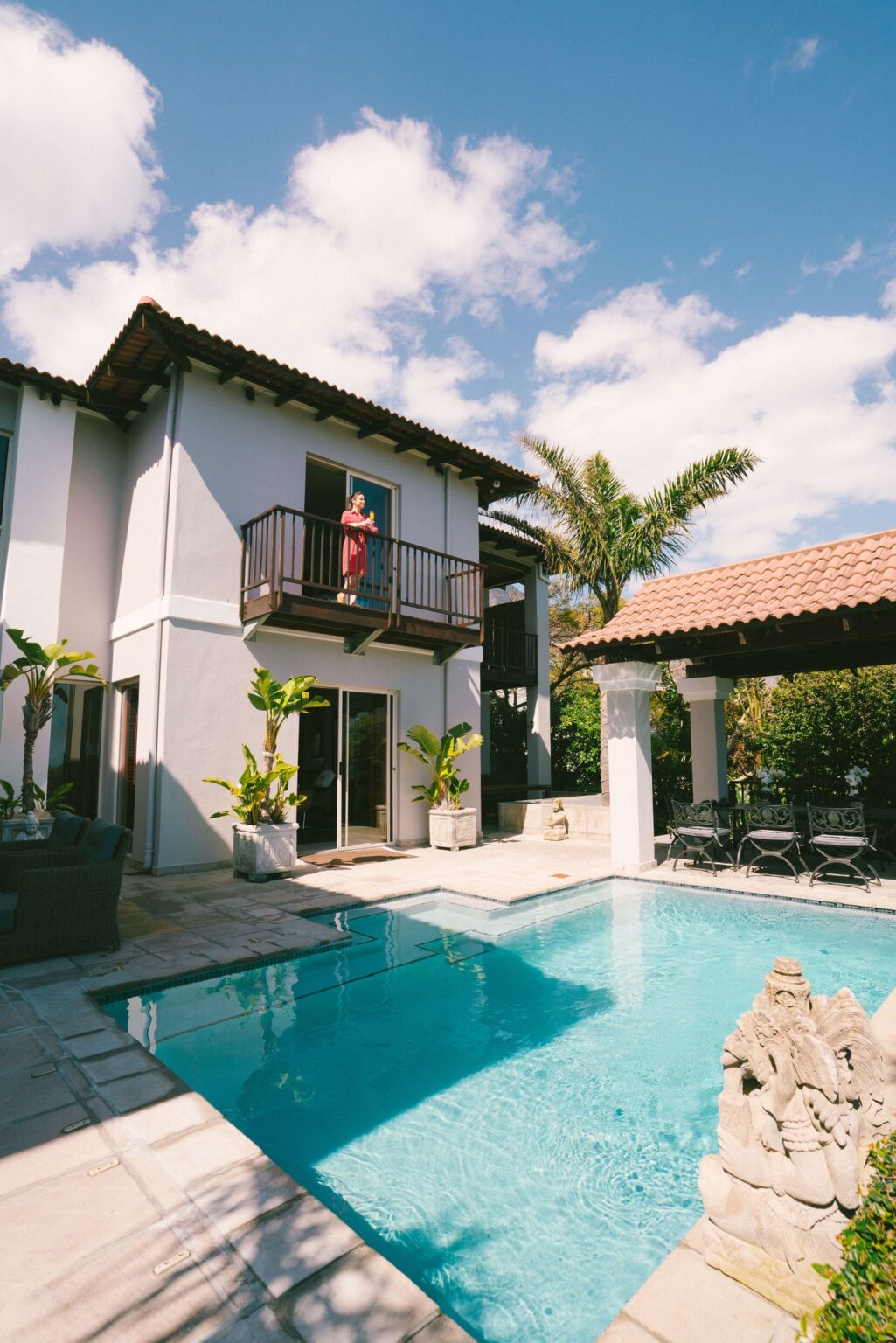
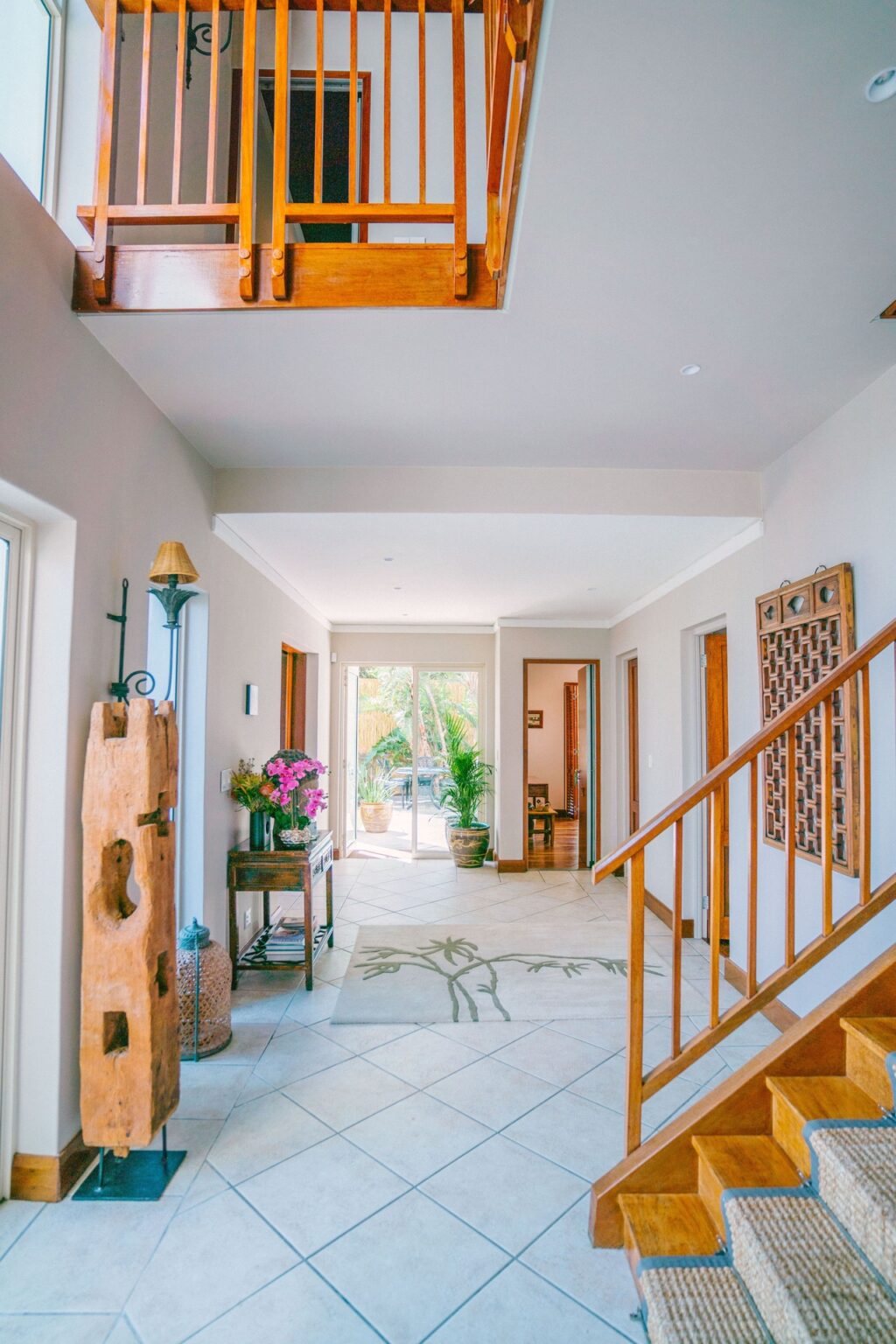
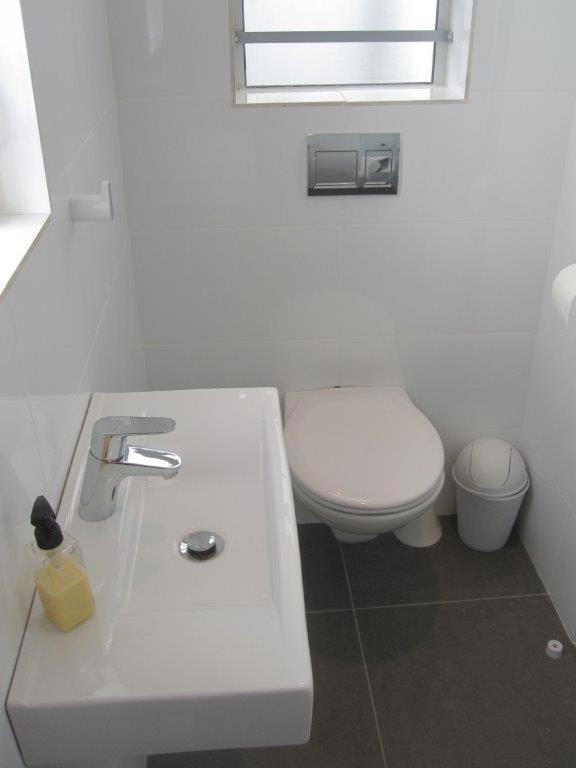
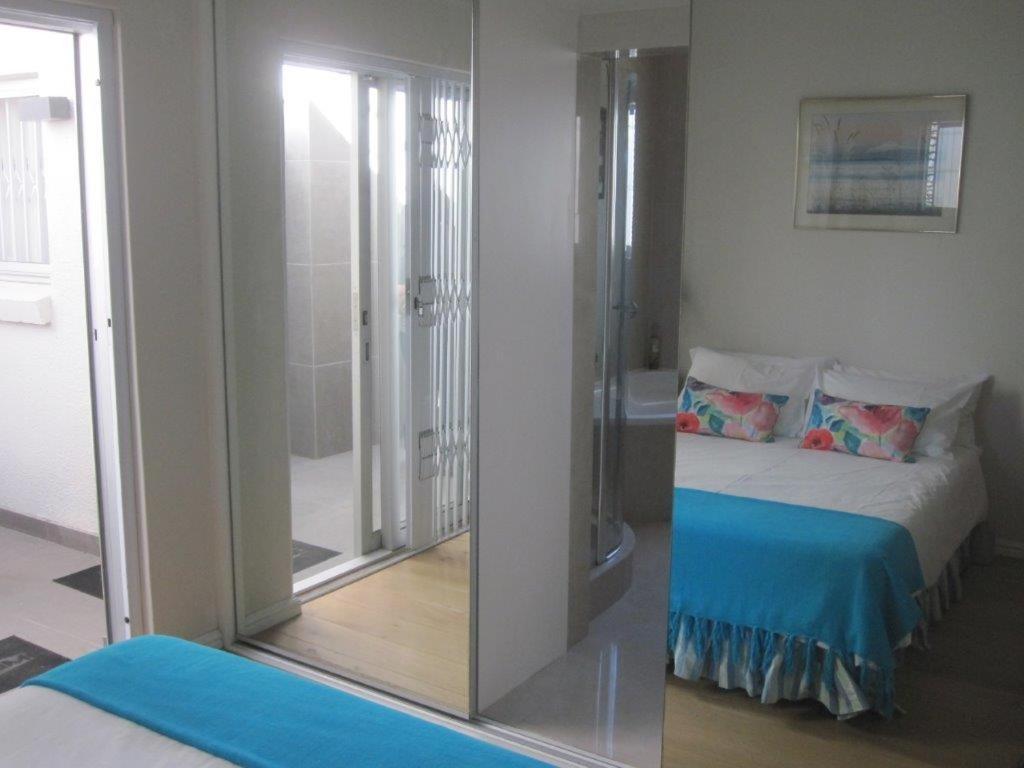
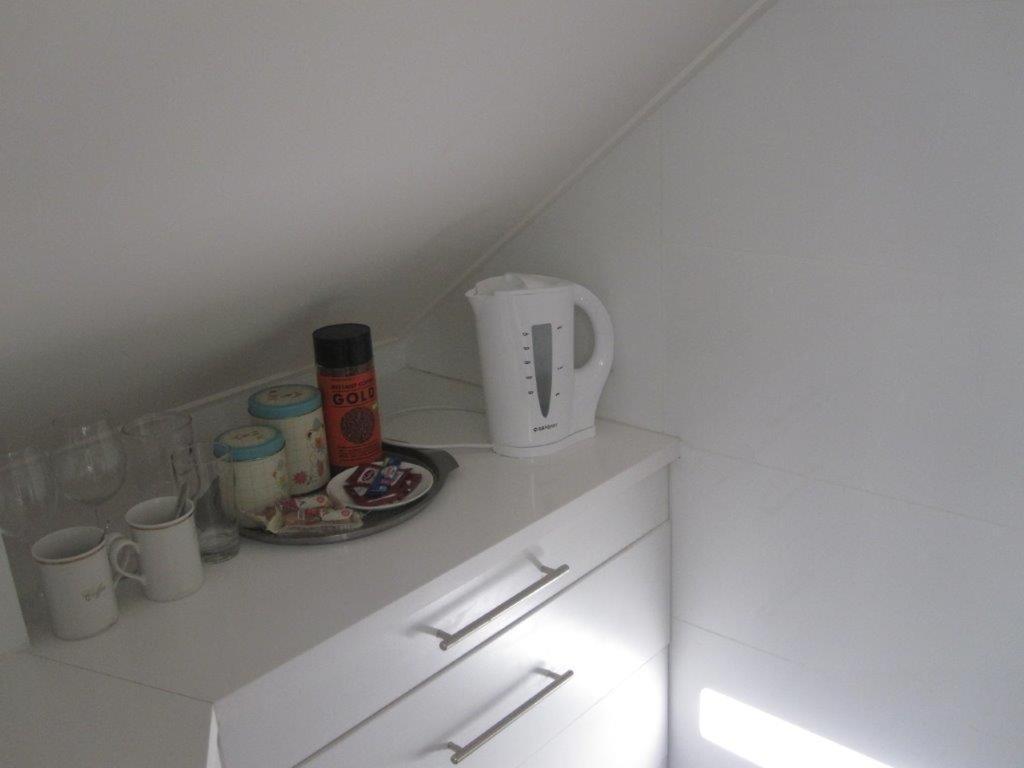
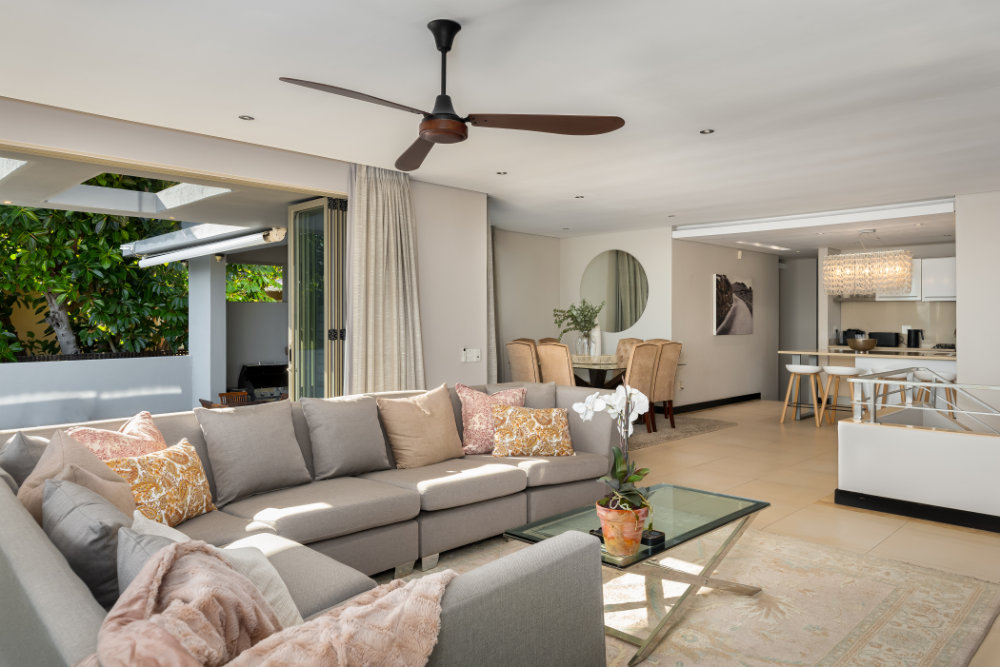
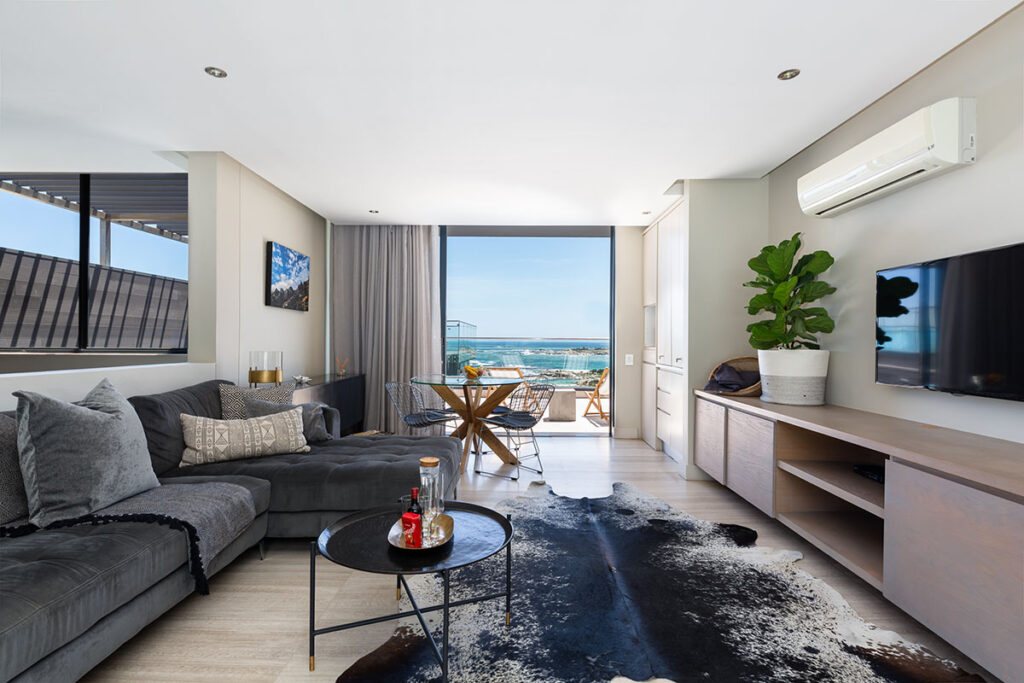
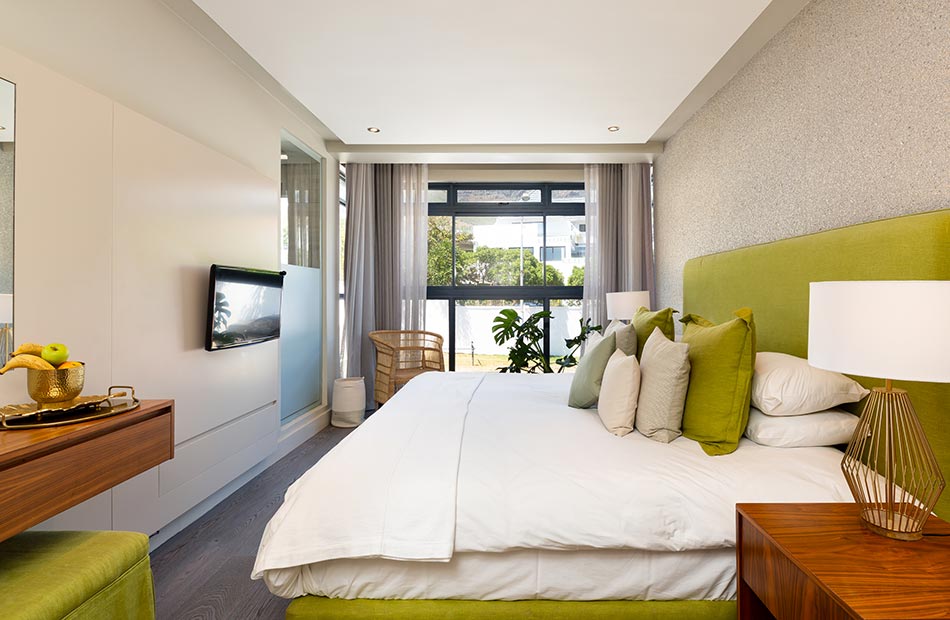
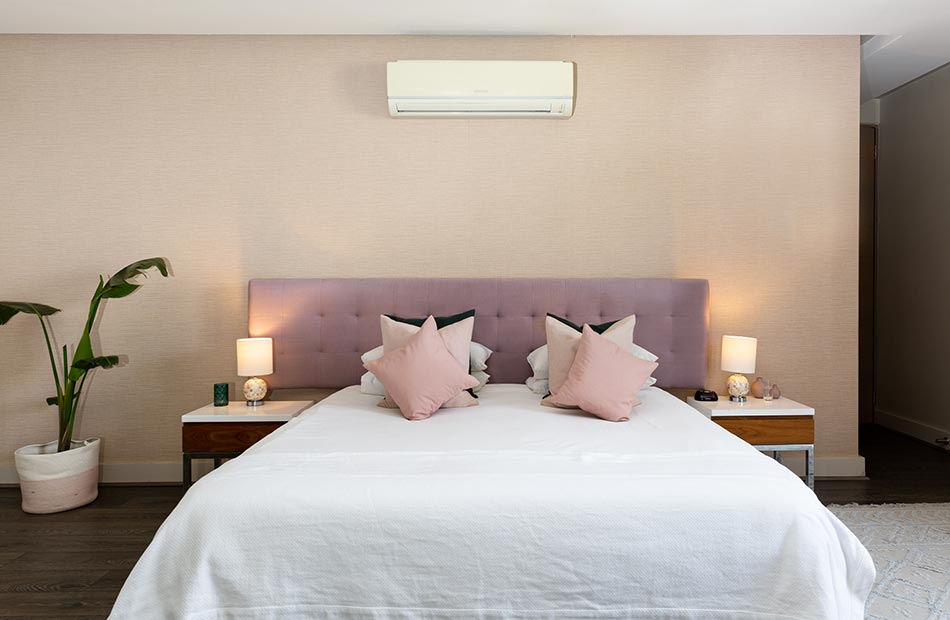
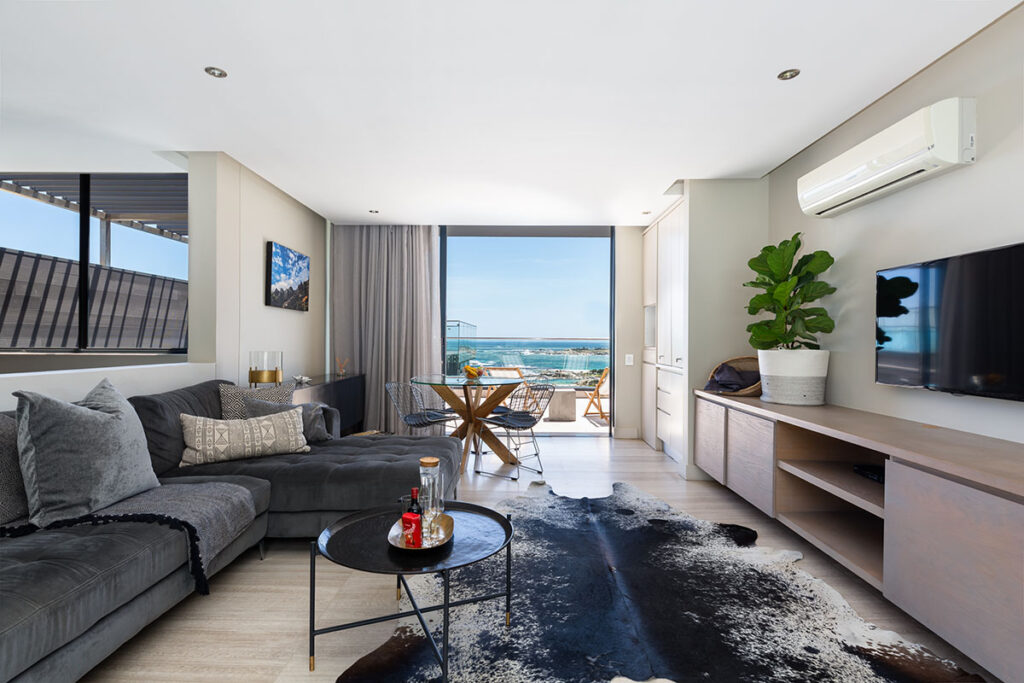
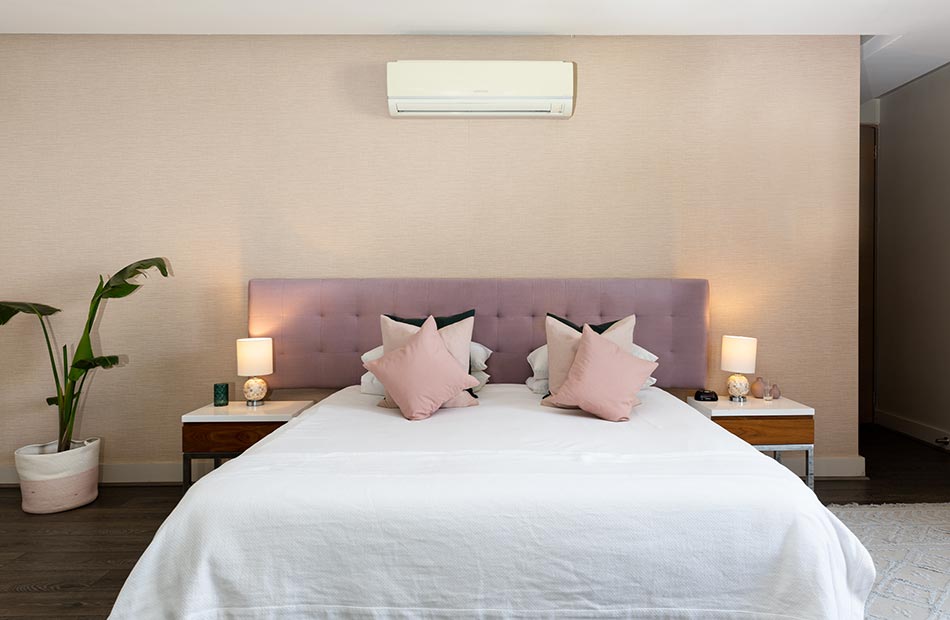
The mid-range bracket holds the largest share of Sea Point's supply. Guesthouses dominate, making up 76 of the 190 listed properties. Most occupy converted Victorian houses on quieter residential streets a block or two from the main road, with rates averaging around R4,240. Quality ranges from basic functional stays to well-kept properties with plunge pools and communal spaces. Self-catering units, popular with families and longer-stay guests, come in at a similar price point and offer the flexibility of a kitchen. Bed and breakfasts are typically owner-operated and personal in character, and apartments, often in newer buildings with partial sea views, run just above R5,000 per night.
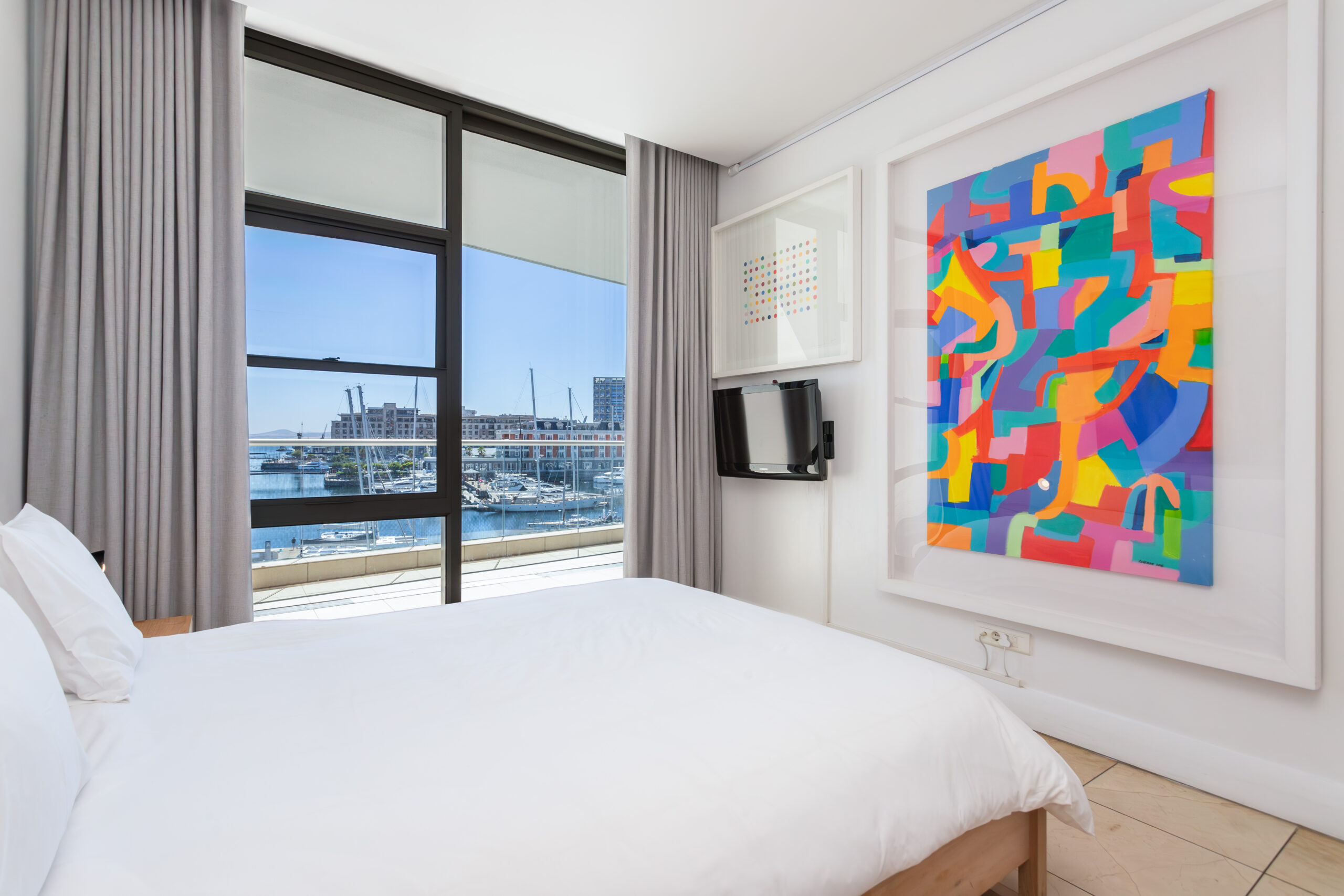
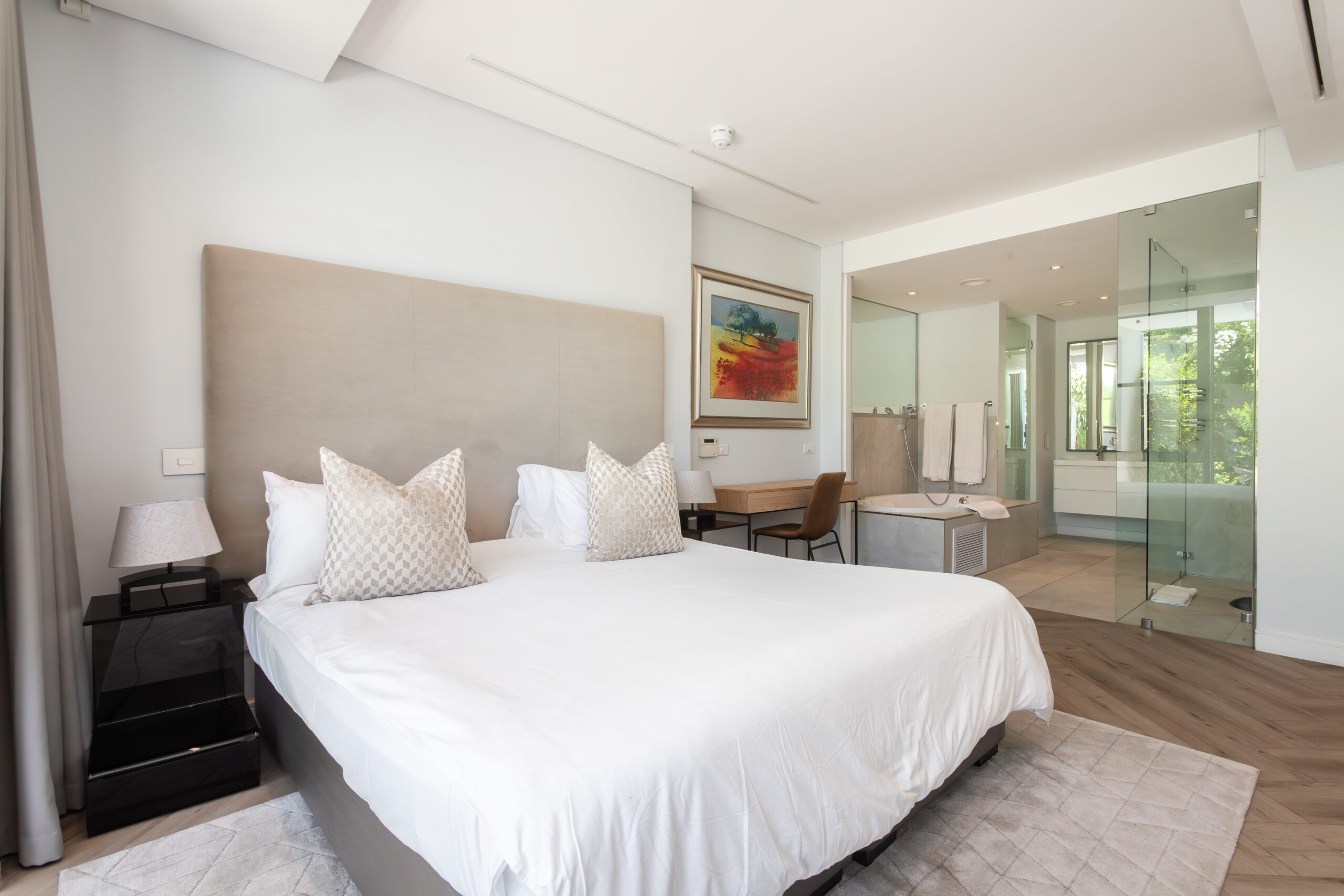
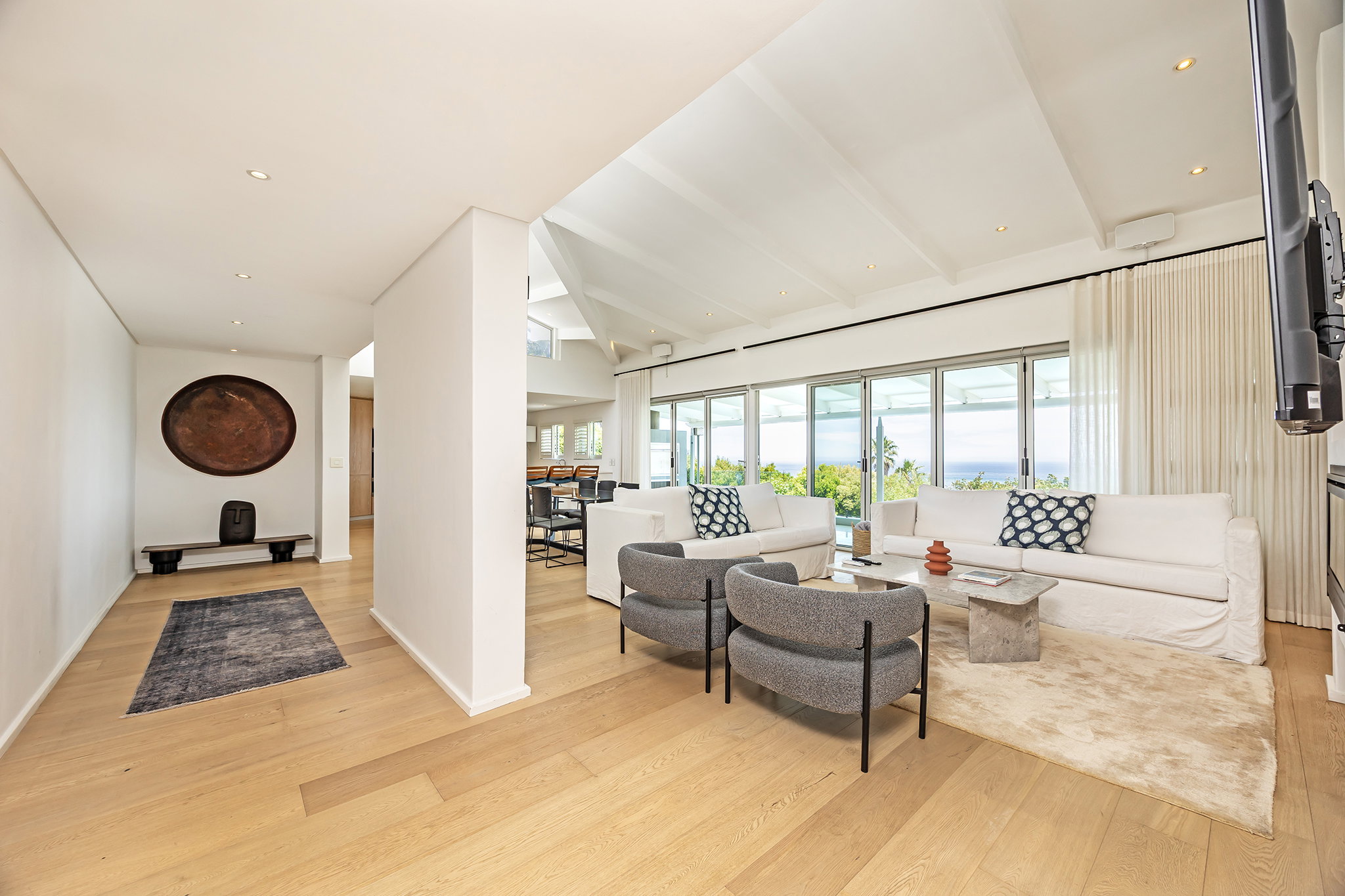
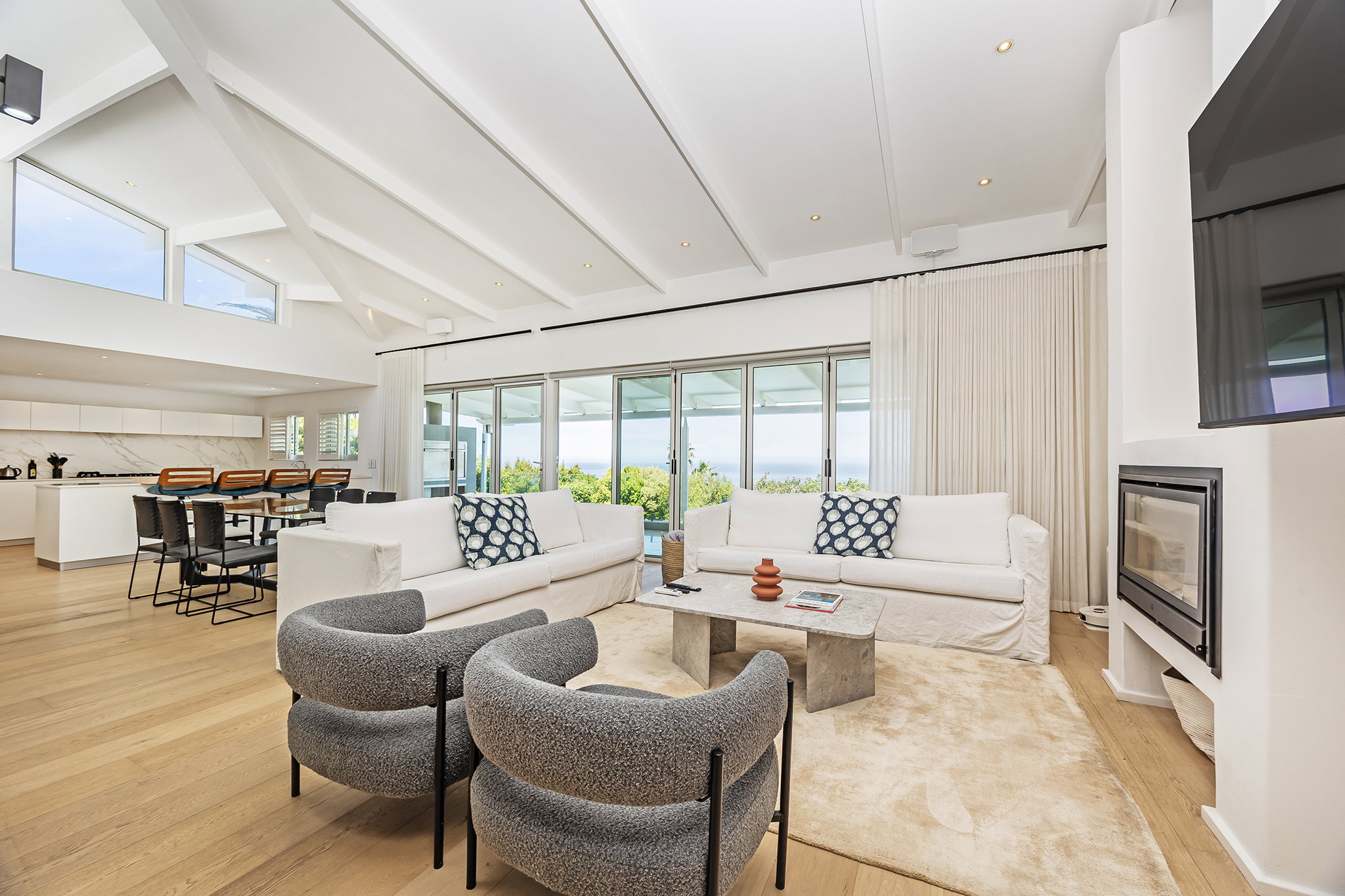
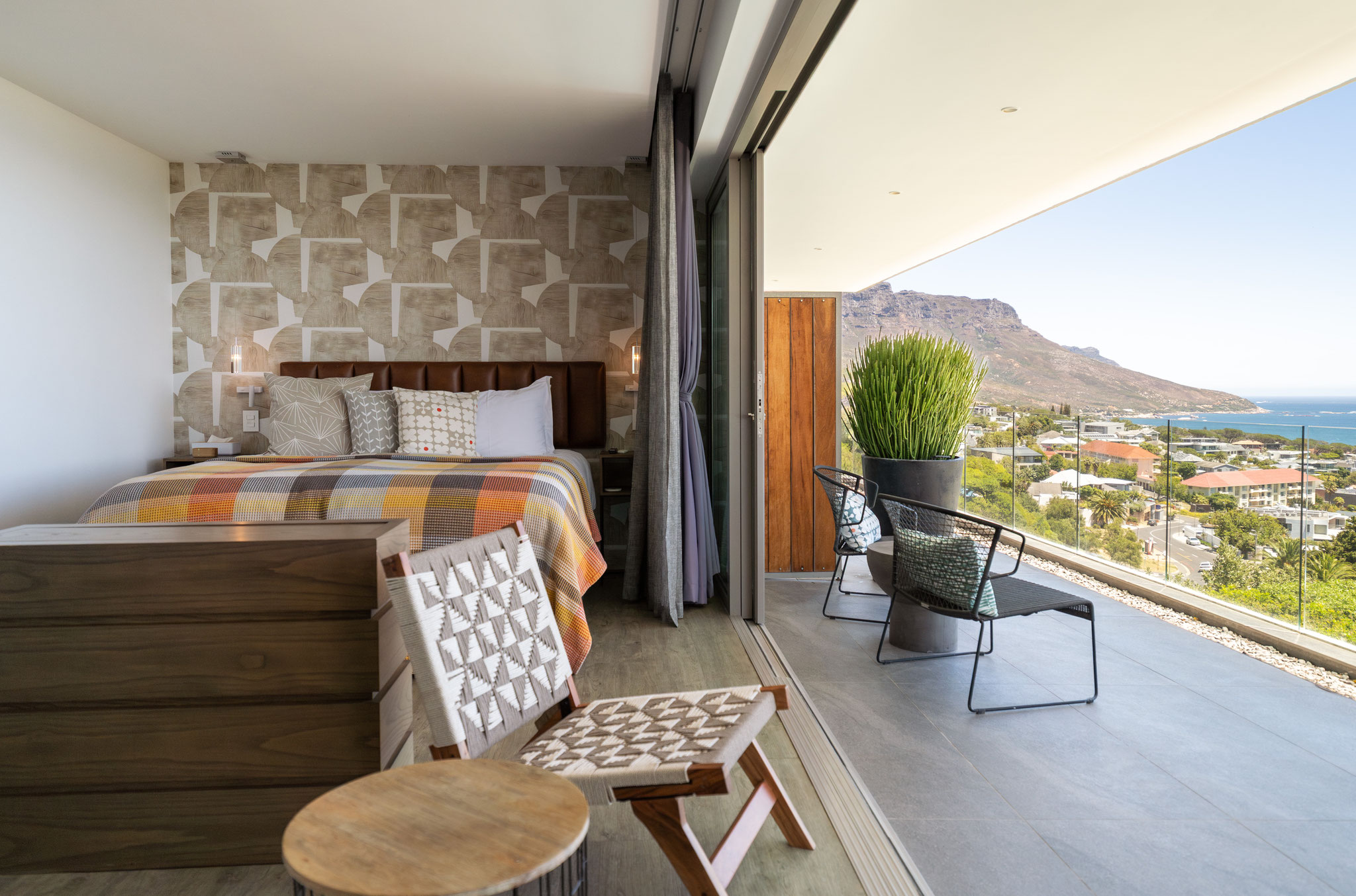
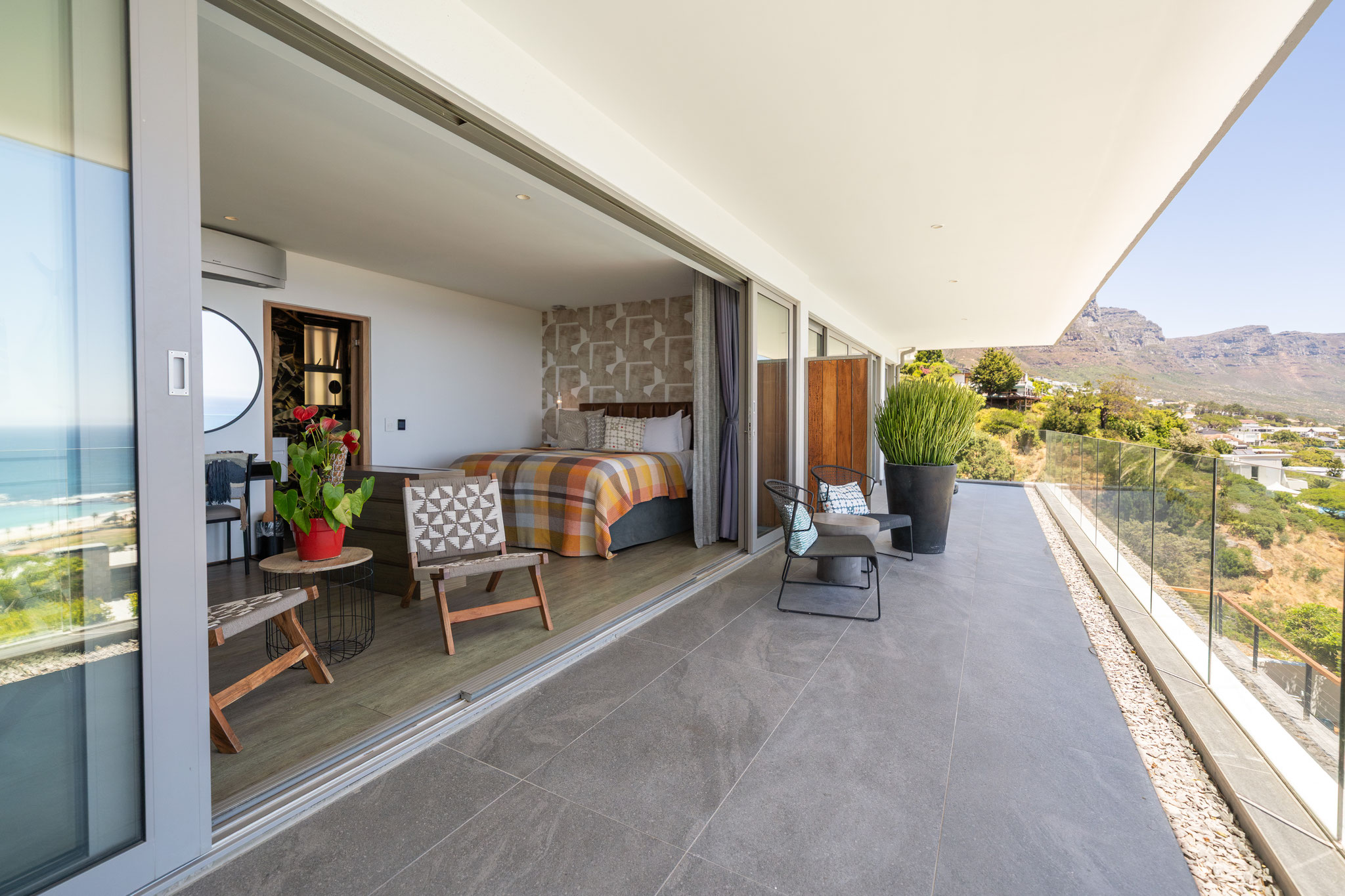
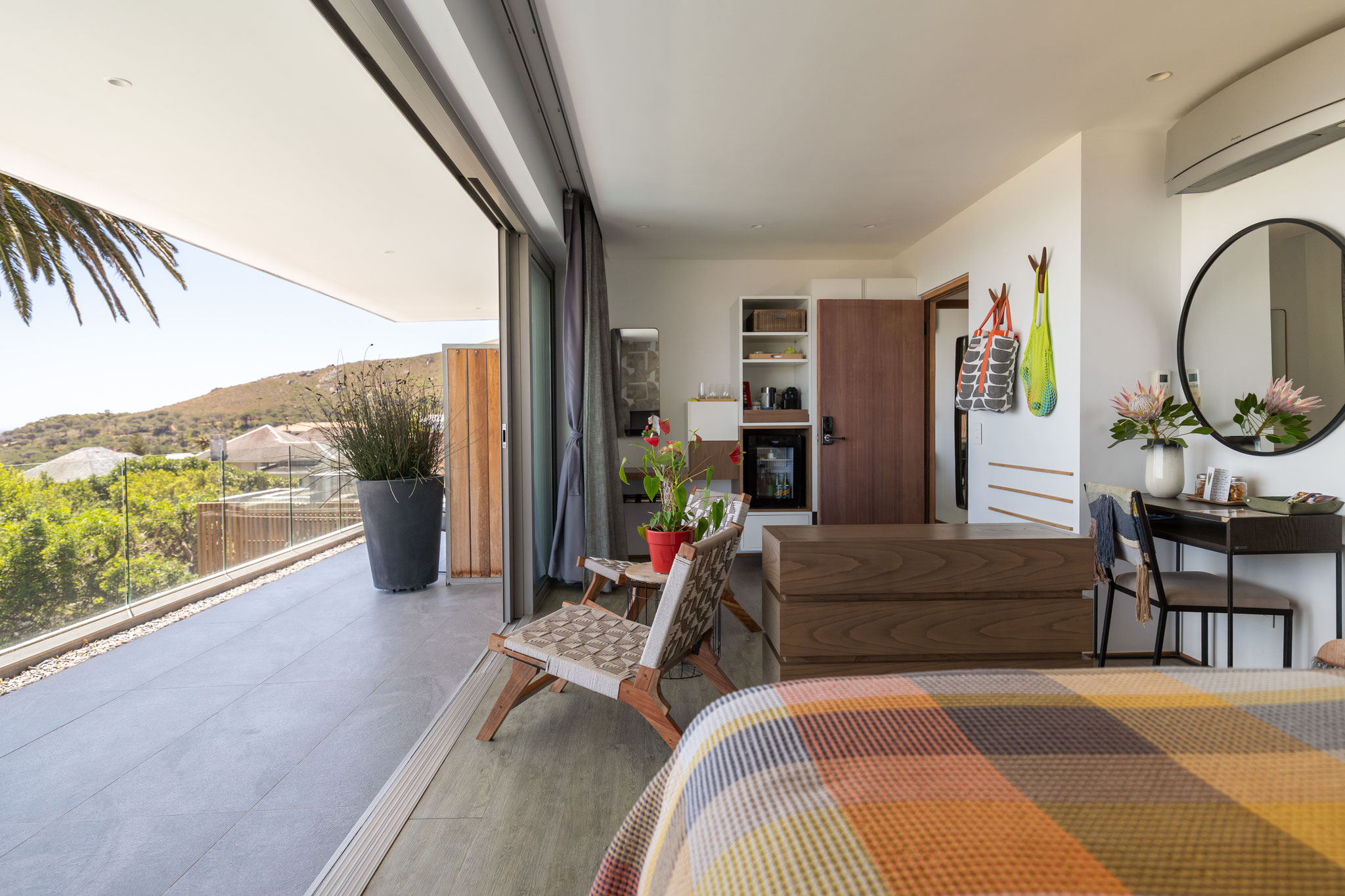
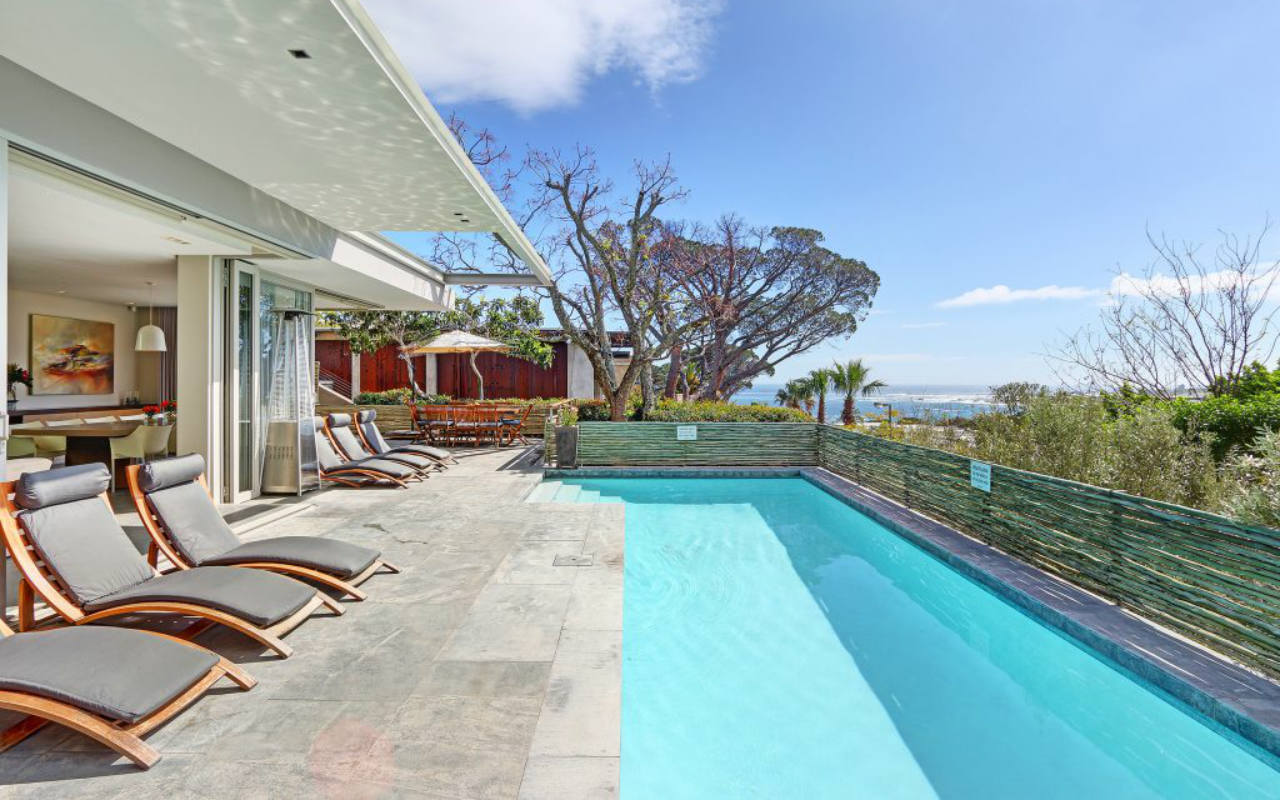
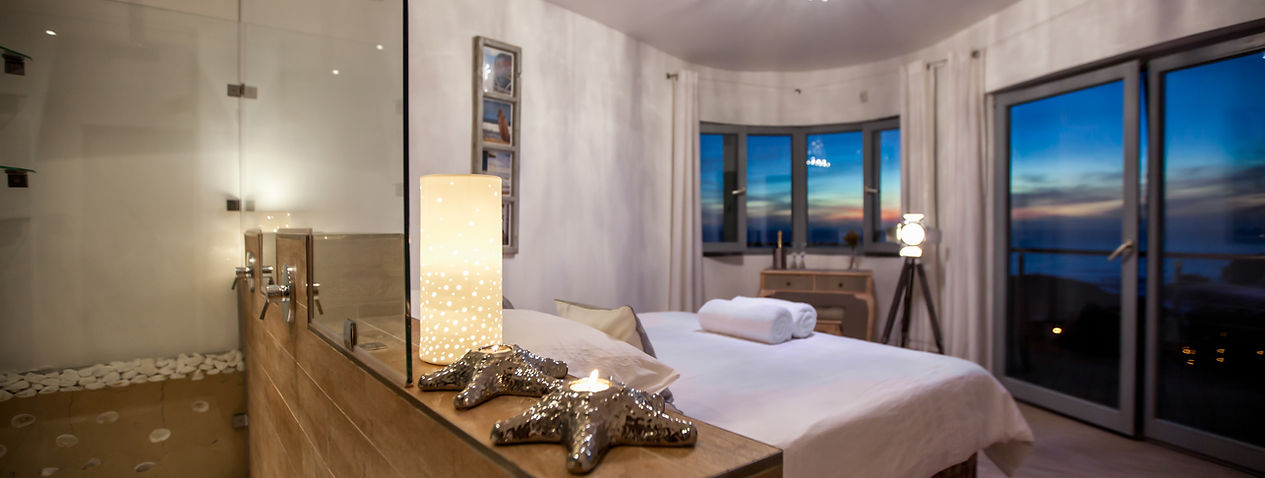
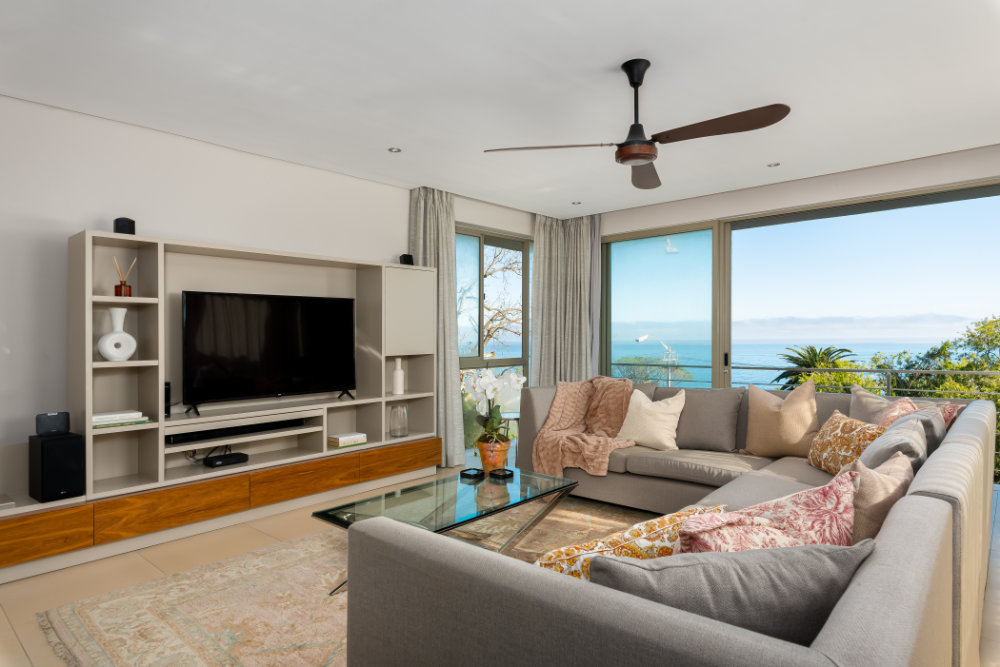
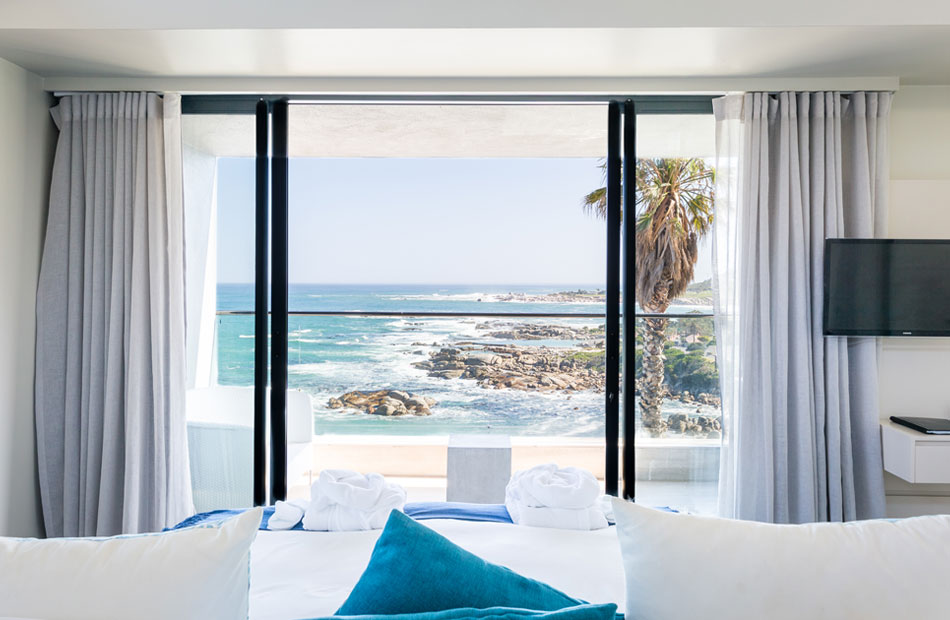
At the upper end, boutique hotels offer the most hotel-like experience in the suburb, with design-focused interiors, sea-facing rooms in the better-positioned properties, and on-site dining. There are 28 in the area, averaging around R7,373. Villas represent the top tier: full-property rentals averaging R12,512, suited to groups or families who want multiple bedrooms, a private pool, and space to spread out. A single cottage listing rounds out the options for those wanting something more standalone.
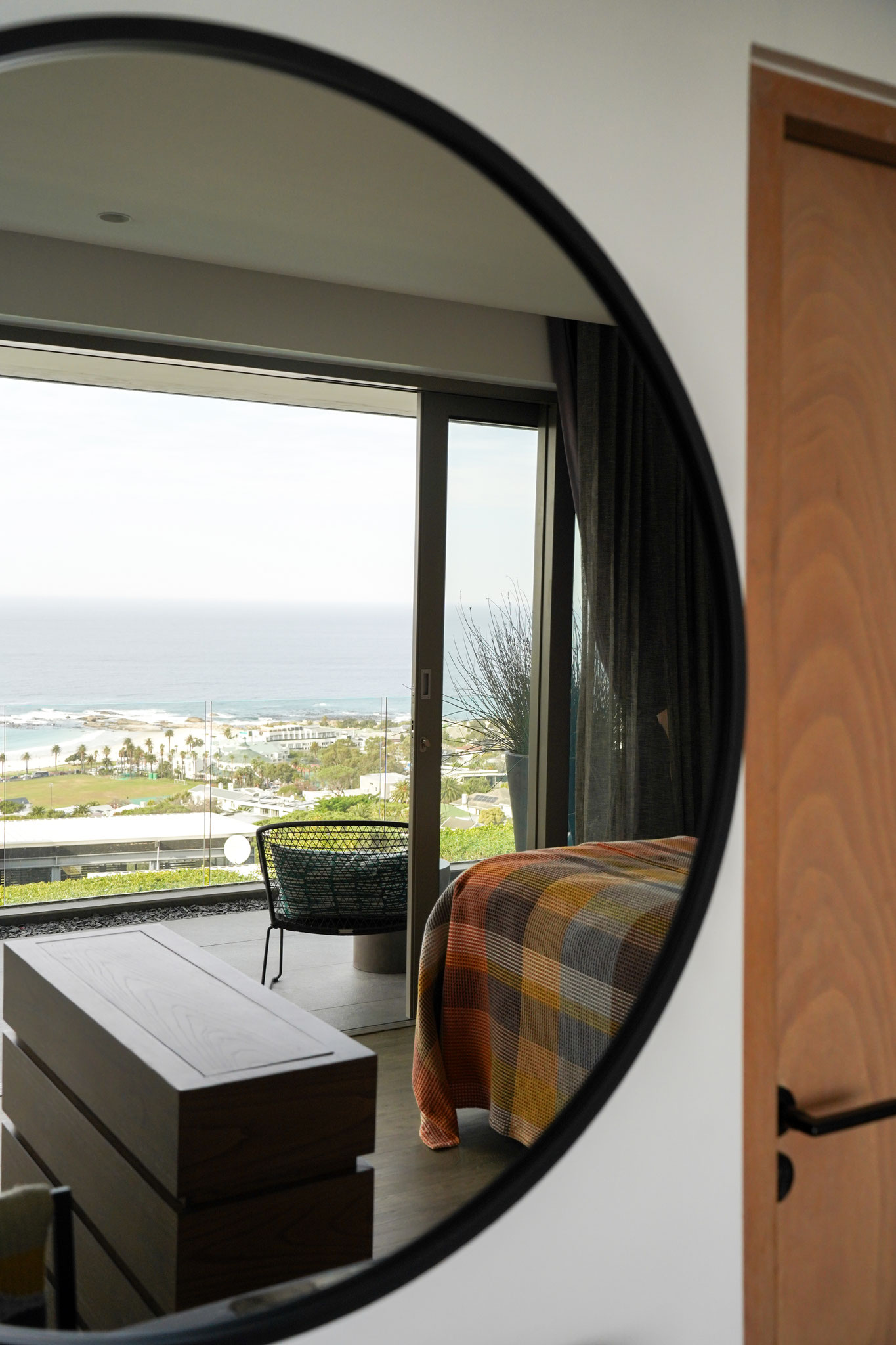
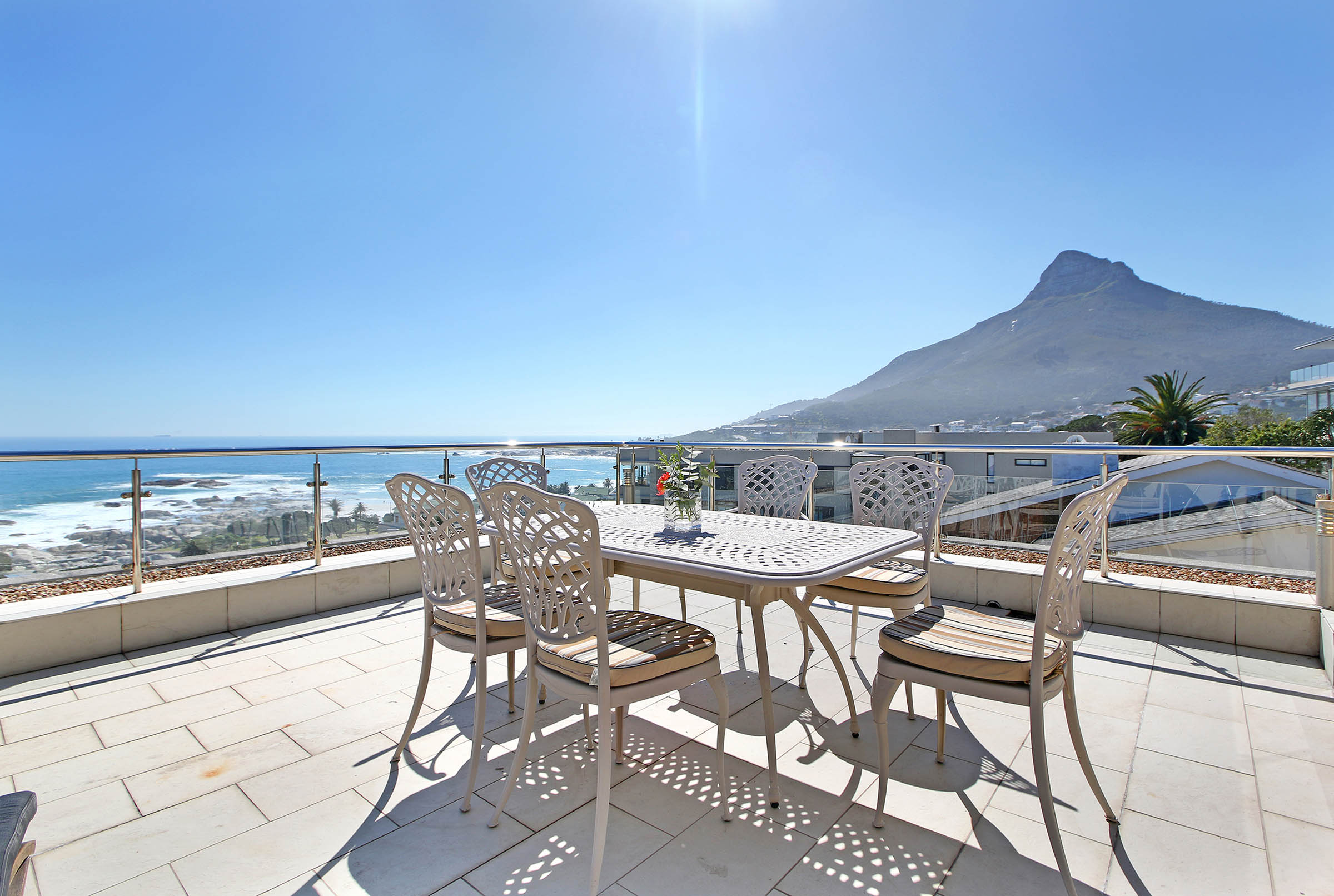
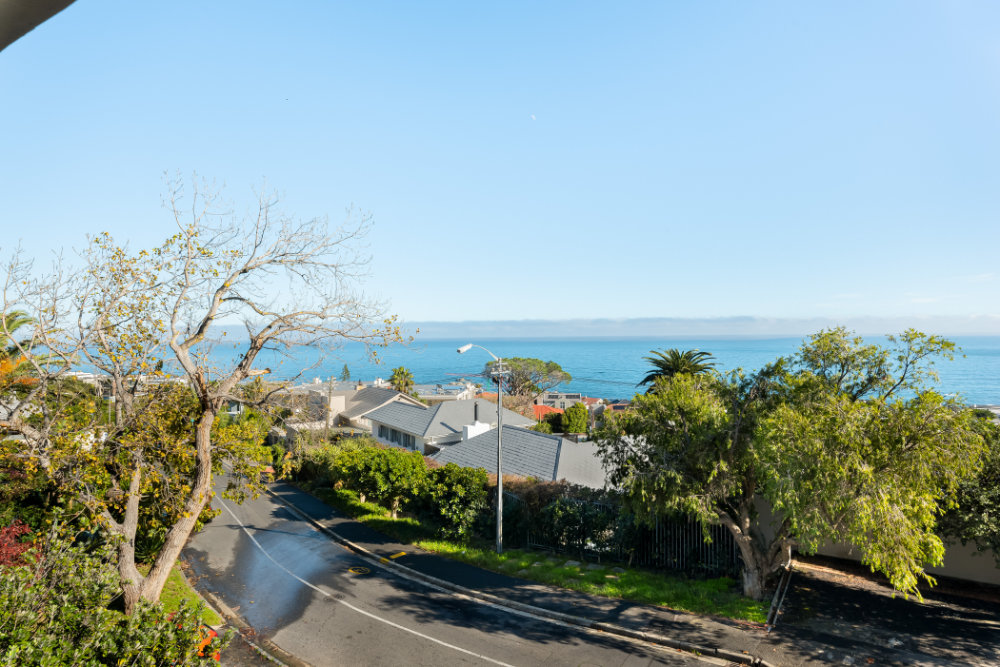
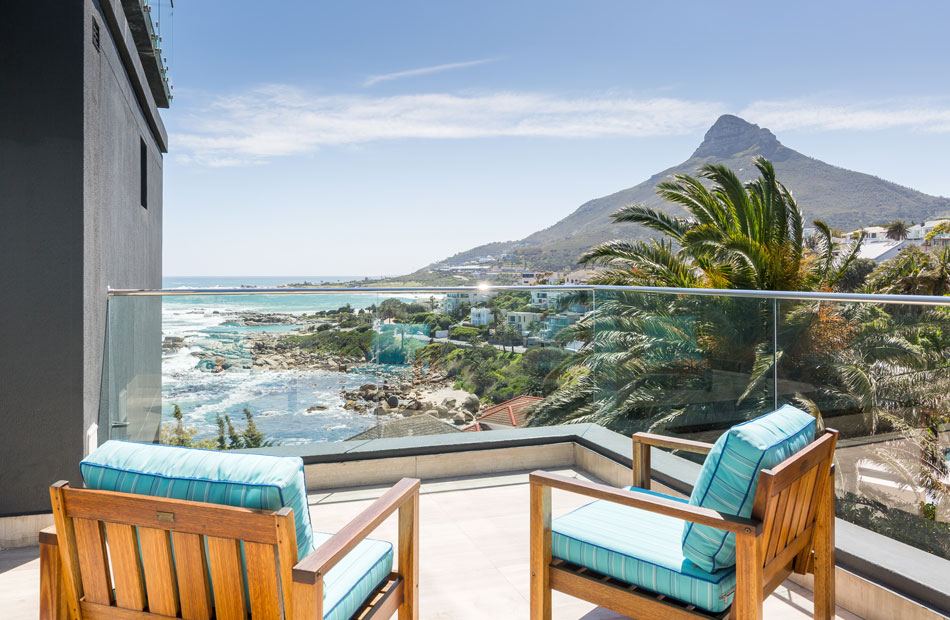
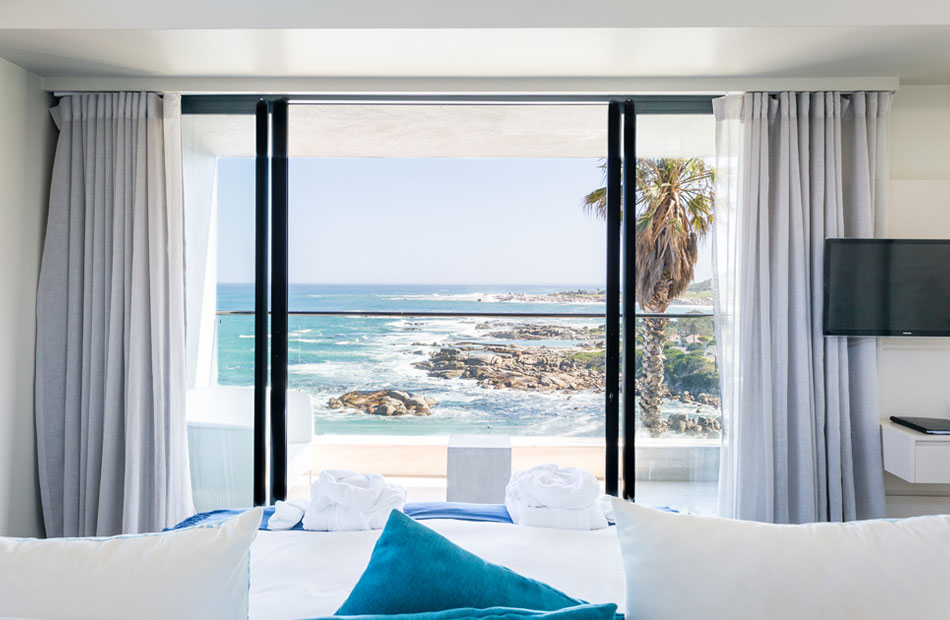
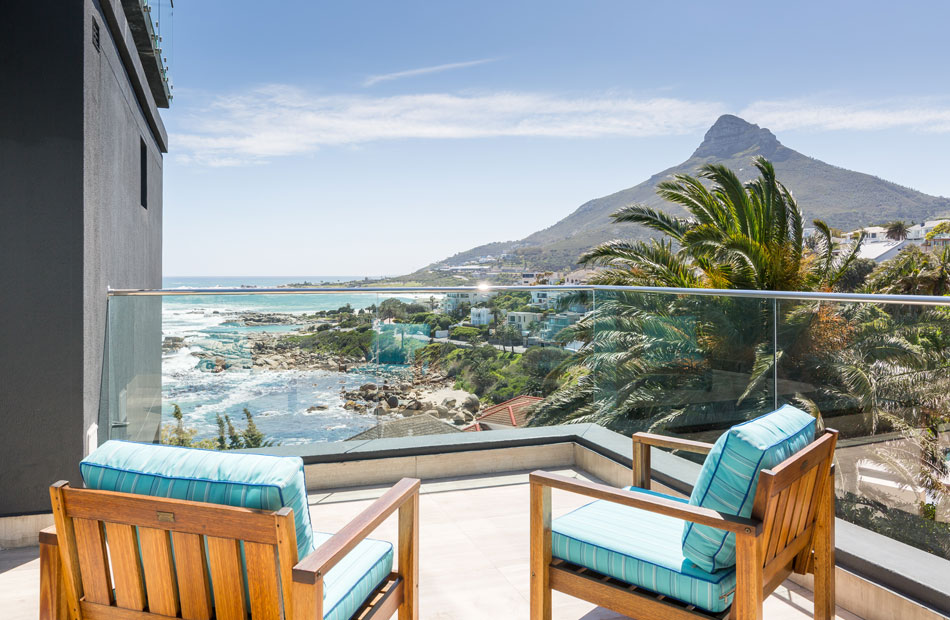
Sea Point's most sought-after properties at any budget level are those with unobstructed ocean views. These fill earliest during peak season, so early booking is worth the effort if a sea-facing room is a priority.
Things to Do in Sea Point
The Sea Point Promenade is the suburb's most-used public space, a paved seafront walkway running along the Atlantic in both directions. It is active at all hours, with early-morning joggers giving way to families and tourists as the day progresses. Along the route, the Sea Point Pavilion offers a more structured water option: an outdoor public pool complex with lap lanes, a children's splash area, and tidal pool access. Admission is low-cost and the facilities are well-maintained.
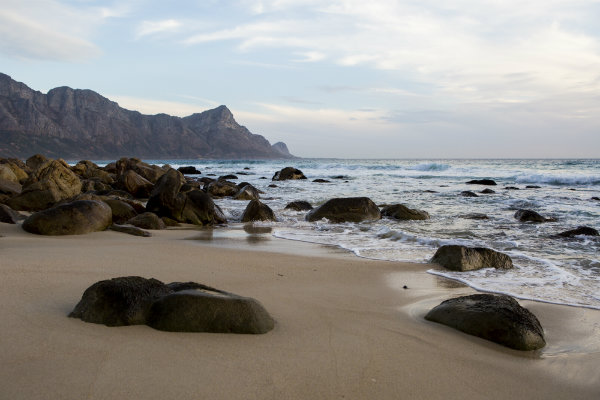
For beach time, the nearest sandy beaches require a short drive or walk south along the coastal path. The Atlantic off Sea Point is cold year-round, typically between 12 and 16 degrees Celsius due to the Benguela Current. Most visitors use it for sunbathing rather than sustained swimming. Those specifically after warmer water tend to head to the eastern side of the peninsula, where temperatures are noticeably higher in summer.
Wine tasting is a half-day trip from Sea Point. The Constantia valley, roughly 20 minutes by car, has several estates open for tastings and cellar tours. Groot Constantia is the oldest wine-producing farm in the country and includes a working cellar, guided tours, and a small historical museum. Smaller producers in the valley offer more relaxed tasting-room visits without advance booking.
Golf is accessible from Sea Point, with courses in the immediate area and further north along the coast. Milnerton Golf Club, about 15km north, is a links-style layout alongside a lagoon with views over Table Bay.
The Lion's Head hike starts from a car park off Signal Hill Road and follows a circular trail to the summit. The route is clearly marked and suitable for reasonably fit walkers without specialised equipment. Most people treat it as a half-day morning outing.
Best Time to Visit Sea Point
December through February is the peak period. Days are warm and mostly dry, with temperatures regularly above 25 degrees Celsius. The suburb is at full capacity, and the foreshore is busy from morning to late evening. The gap between Christmas and New Year is the single most crowded window, driven largely by domestic tourism from Gauteng.
March to May sees a notable drop in visitors. Temperatures remain pleasant, typically in the low 20s, and the beaches are far less crowded. April and May bring more overcast days and occasional rain, but sustained bad weather is uncommon, and this is arguably the most comfortable period for those who dislike crowds.
Winter (June to August) is the wettest and windiest stretch of the year. Cold fronts arrive from the northwest, temperatures drop to single digits at night, and outdoor pool facilities close. For whale watching, however, this is the relevant season. Southern right whales are present off the Cape coast between July and November, most reliably spotted from viewpoints along False Bay, about 30 minutes from Sea Point by car.
September to November brings improving conditions. The Fynbos across the Cape Floral Region blooms through spring, making the surrounding hiking terrain particularly rewarding. The southwesterly winds build again toward November, signalling the return of summer. This shoulder season offers a reasonable combination of good weather and manageable visitor numbers.
Getting to Sea Point
Cape Town International Airport is approximately 25km from Sea Point. Rideshare services (Uber and Bolt both operate from the arrivals area) take between 25 and 40 minutes in normal traffic. Weekday morning commuter periods on the N2 can push this toward an hour. Car hire desks are at the airport. The most direct driving route follows the N2 westbound, joining the M3 through De Waal Drive and emerging in the City Bowl before heading out along Somerset Road to the Atlantic Seaboard.
From the Cape Town city centre, Sea Point is about 4km along Beach Road or Somerset Road, typically 10 to 15 minutes by car. Stellenbosch, the main Winelands hub, is roughly 50km and 50 to 60 minutes away via the N2.
Cape Town does not have rail access to the Atlantic Seaboard. The MyCiti bus network covers the area: Route 104 connects the city centre to Sea Point and continues south, with stops along Main Road and Beach Road. A reloadable MyCiti card is required and available at major interchange stations and selected retailers. Services run regularly during the day but are infrequent late at night, making rideshare the practical default after around 9pm.
Cycling is suitable along the flat coastal section and into adjacent suburbs. Bicycle hire is available near the V&A Waterfront, a short ride from Sea Point.
Sea Point and Surrounding Areas
Green Point (2km) is the immediate neighbour to the east, connected via the seafront walkway without any clear dividing line. It is home to the Cape Town Stadium, which hosts international rugby and football matches and occasional concerts. The Green Point Urban Park, built on the stadium's surrounding land, includes biodiversity gardens, a children's play area, and a small wetland section. The Main Road strip in Green Point has a well-developed restaurant and bar scene and makes a natural extension of a Sea Point evening out without needing transport.
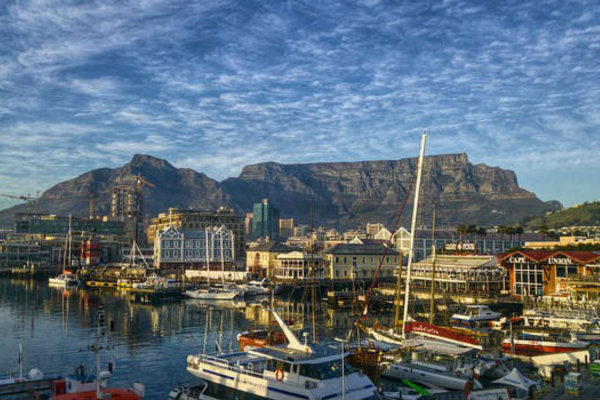
Cape Town (4km) is the commercial and historical centre of the region. The V&A Waterfront includes the Zeitz Museum of Contemporary Art Africa, one of the largest collections of African contemporary art in the world, and the ferry terminal for Robben Island day trips. Bo-Kaap, the Cape Malay quarter on the slopes of Signal Hill, is a short walk from the waterfront and is known for its brightly painted houses and koesisters. Most visitors make day trips from Sea Point into the CBD rather than the reverse.
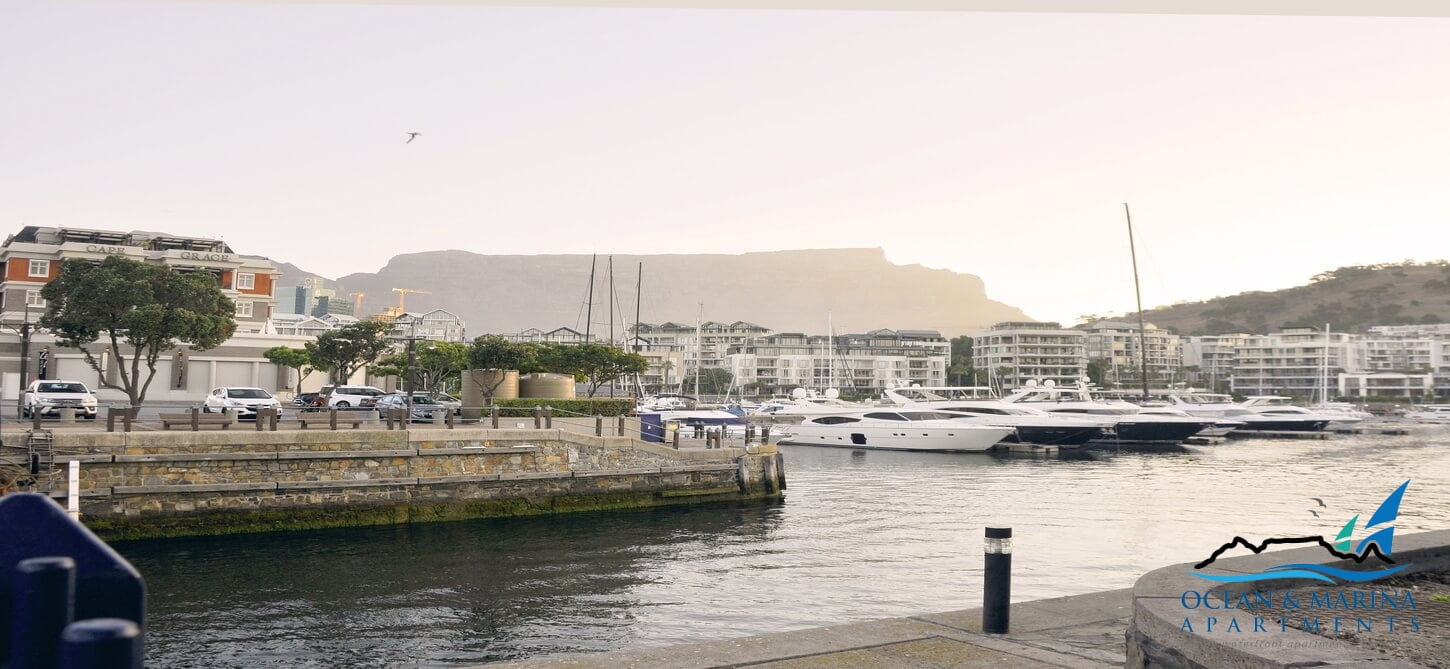
Camps Bay (4km) sits south along the Seaboard and is the coast's most recognisable suburb. The beach is wide with white sand, and the Twelve Apostles mountain range forms a sharp backdrop. Immediately behind the beach, a strip of restaurants and bars is active from midday through to late evening. Camps Bay is reachable on foot from Sea Point along the coastal path in around 25 to 30 minutes.
Rosebank (9km) and Rondebosch (10km) are residential southern suburbs, primarily useful as waypoints on the route toward Kirstenbosch National Botanical Garden and the Cape Peninsula drive south toward Cape Point. Both have neighbourhood shopping and cafes without being significant visitor destinations.
Kaapstad (9km) is the Afrikaans designation for the Cape Town city centre, the same hub described above.
Planning Your Stay
Demand peaks sharply in December and January. For festive-season travel, securing accommodation four to six months out gives a meaningful choice of properties and avoids the worst of the surge pricing. Outside school holidays, particularly in autumn and spring, two to four weeks' notice is generally enough and last-minute availability is common.
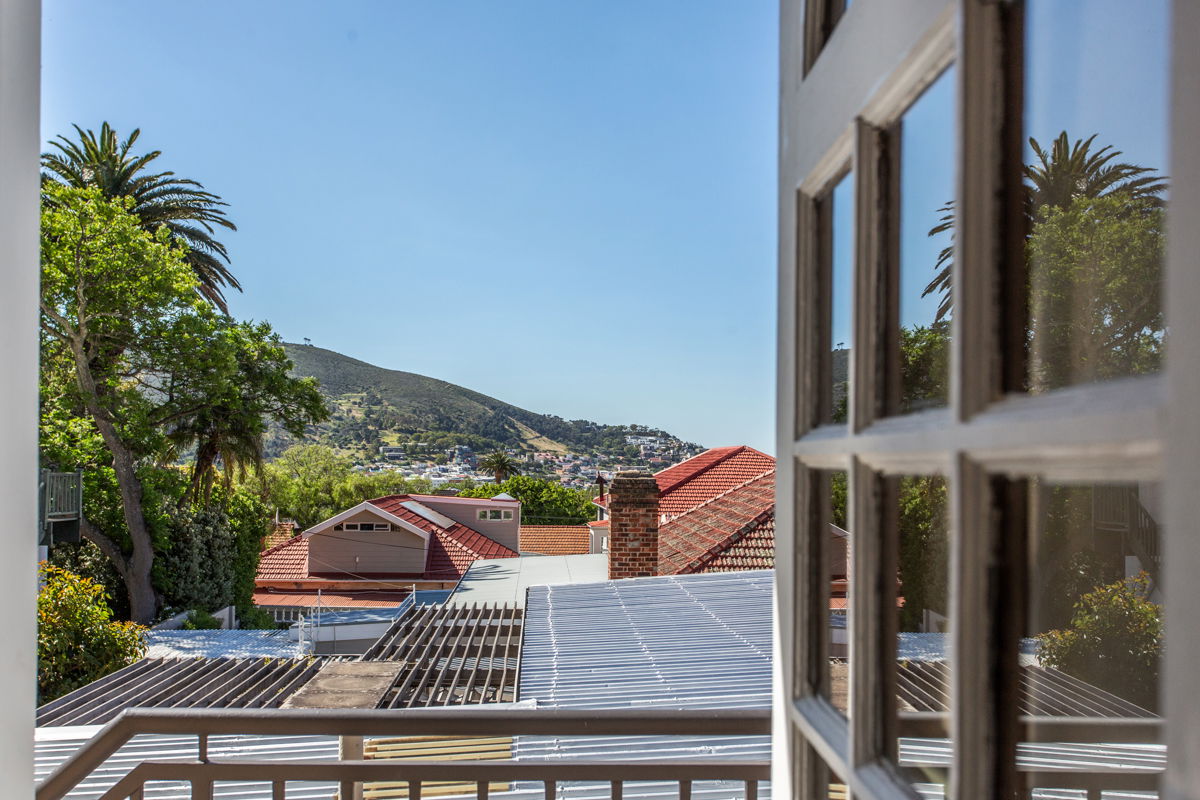
Location within Sea Point matters more than the suburb name suggests. Properties on Beach Road or the lower end of Main Road are flat and close to the seafront. Those on upper residential streets toward Signal Hill can be a steep 10 to 15-minute walk from the Promenade, which affects daily logistics. Check the property's map position rather than relying on descriptions alone.
Parking is worth confirming before booking. On-street parking in Sea Point requires payment during the day, and many smaller guesthouses and self-catering properties do not have off-street bays. If you are hiring a car, factor this into your property choice.
For self-catering bookings, check what the unit actually includes. Linen, kitchen equipment, and cleaning frequency vary widely and are not always listed explicitly. Clarify these details before paying a deposit and confirm the cancellation policy, which can differ significantly between owner-managed properties and those listed through agencies.
Sea Point is comfortable to walk during daylight hours. After dark, use rideshare for longer distances, particularly to and from the city centre.