Accommodation in Vaalkrans
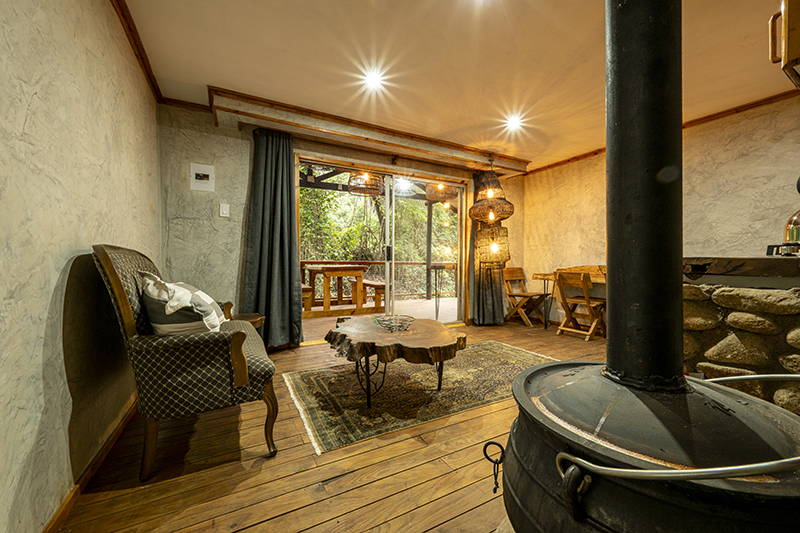
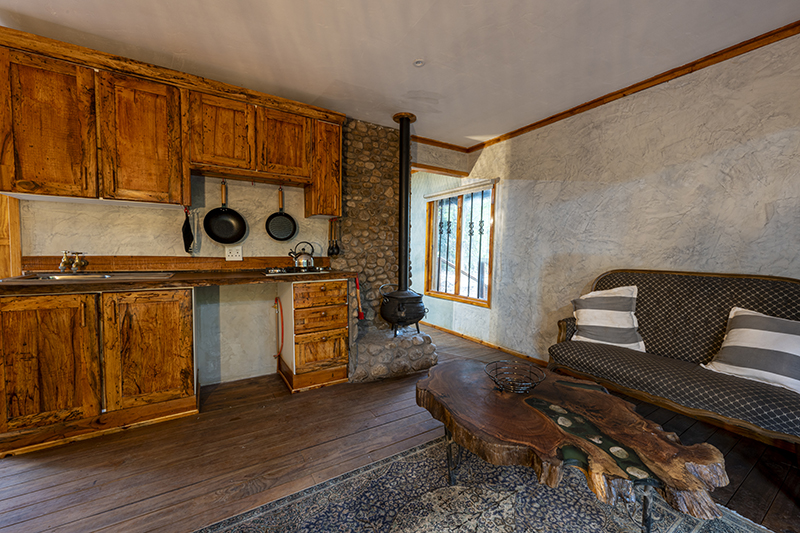
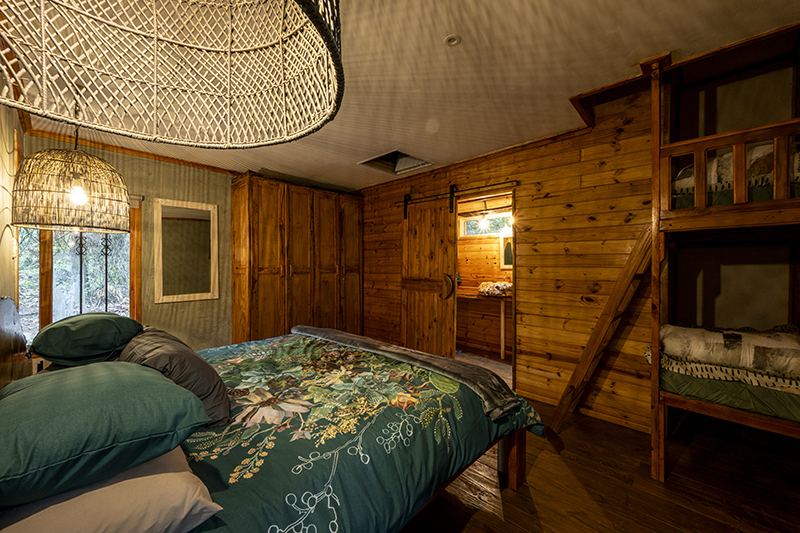
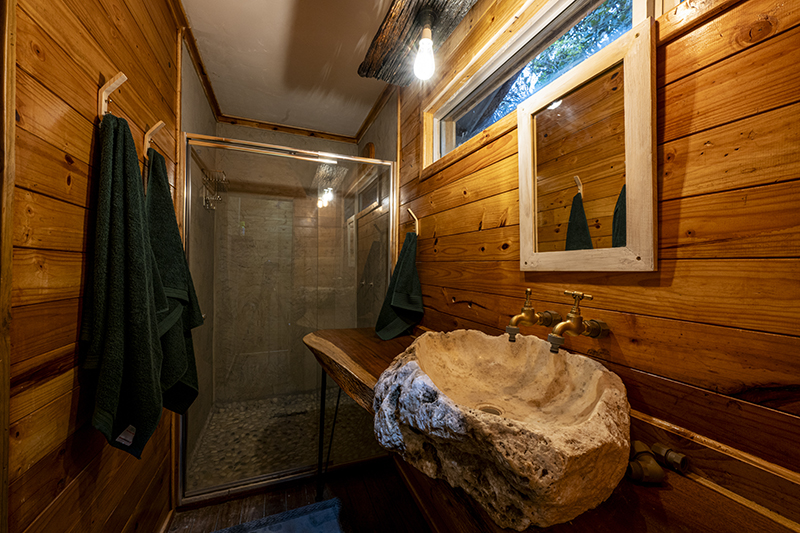
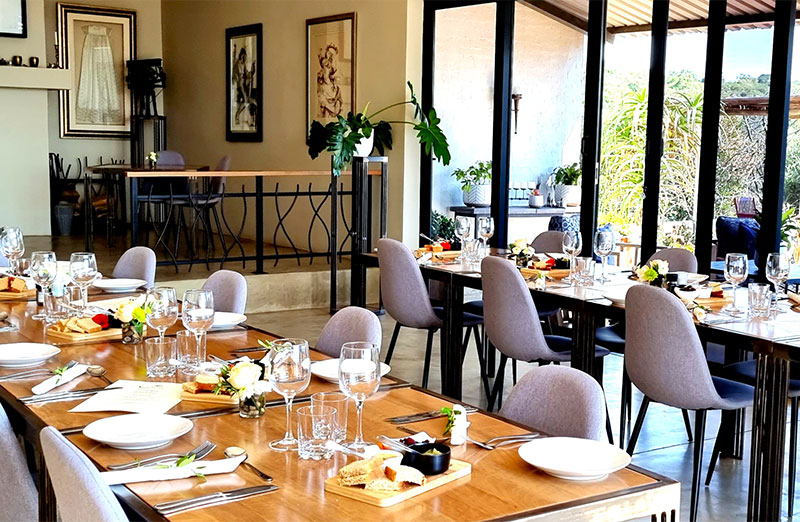
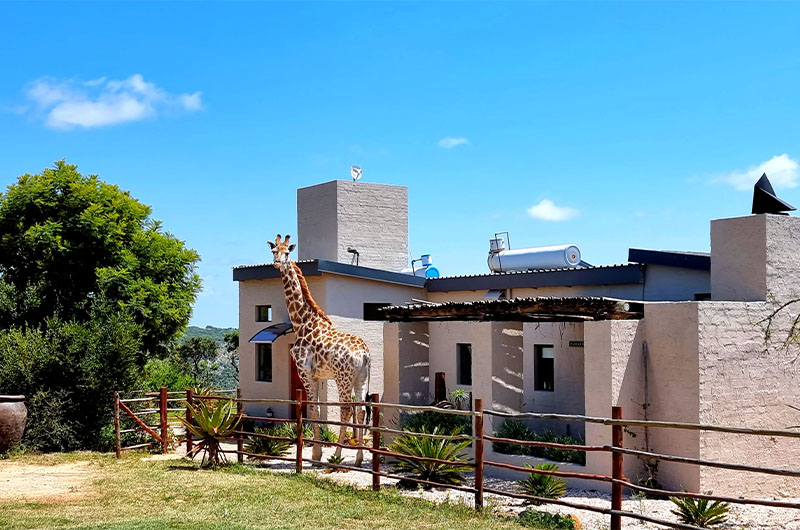
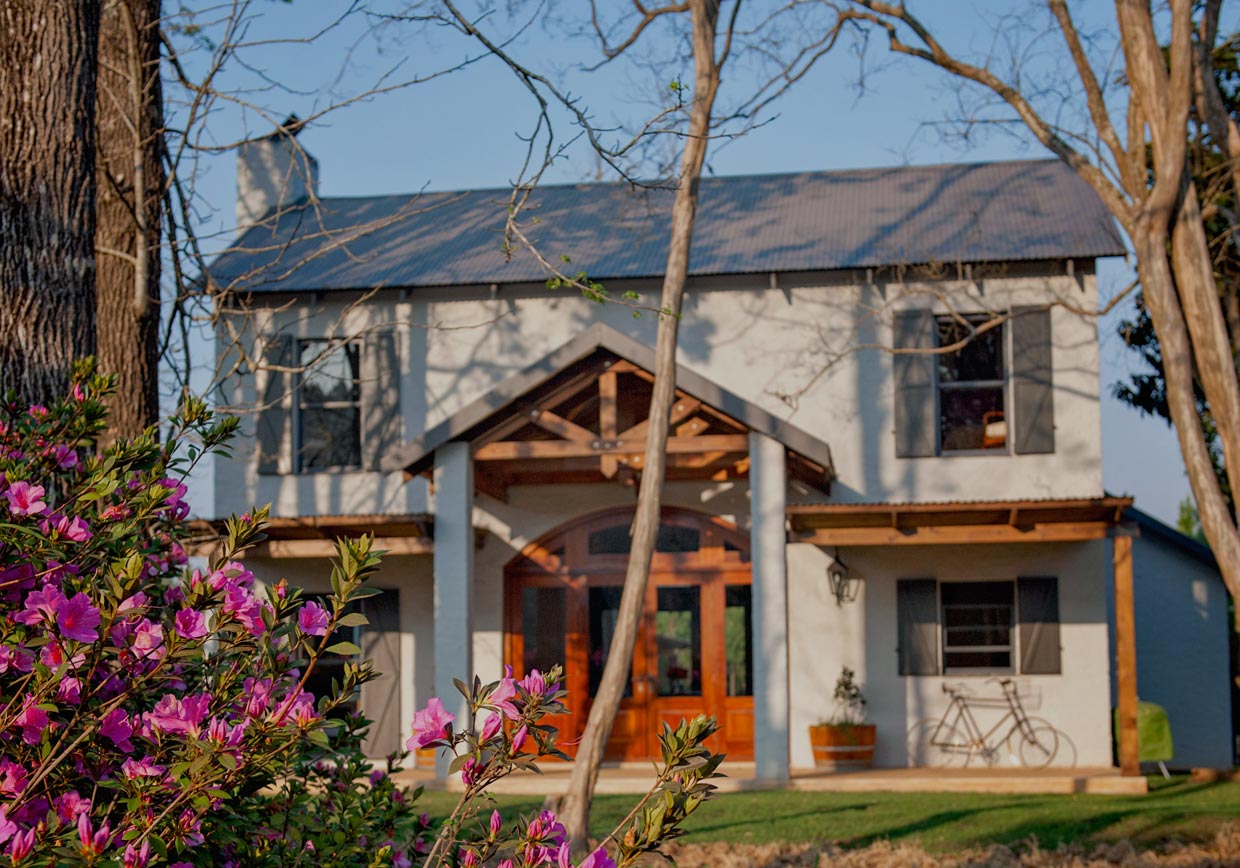
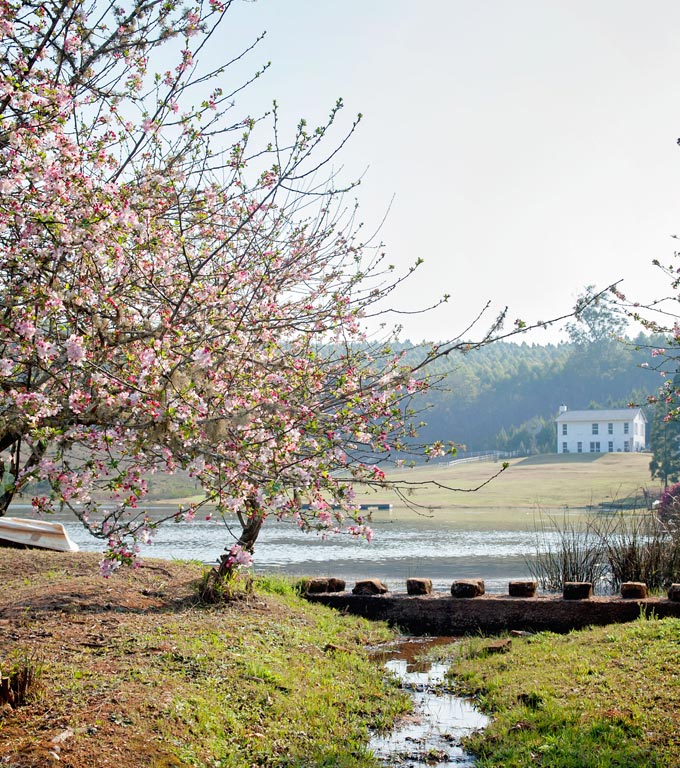
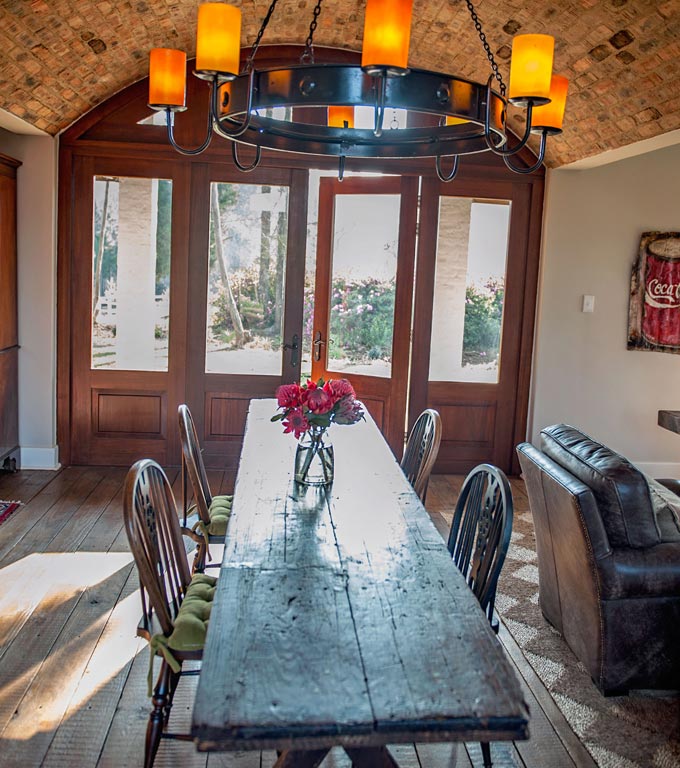
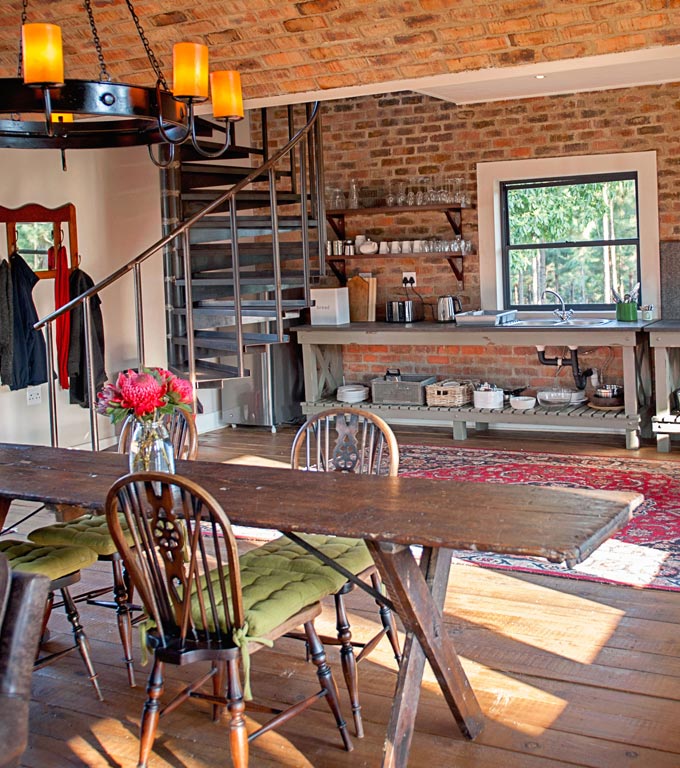
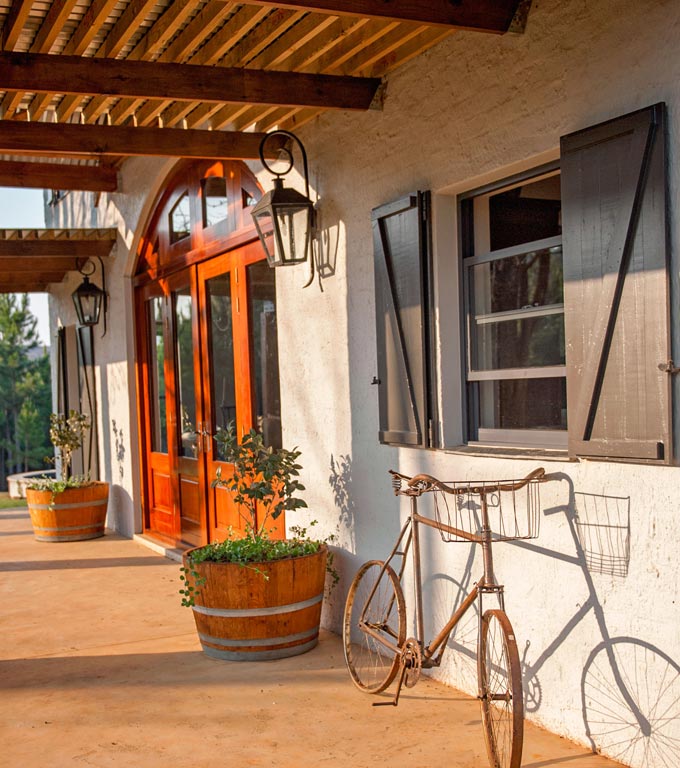
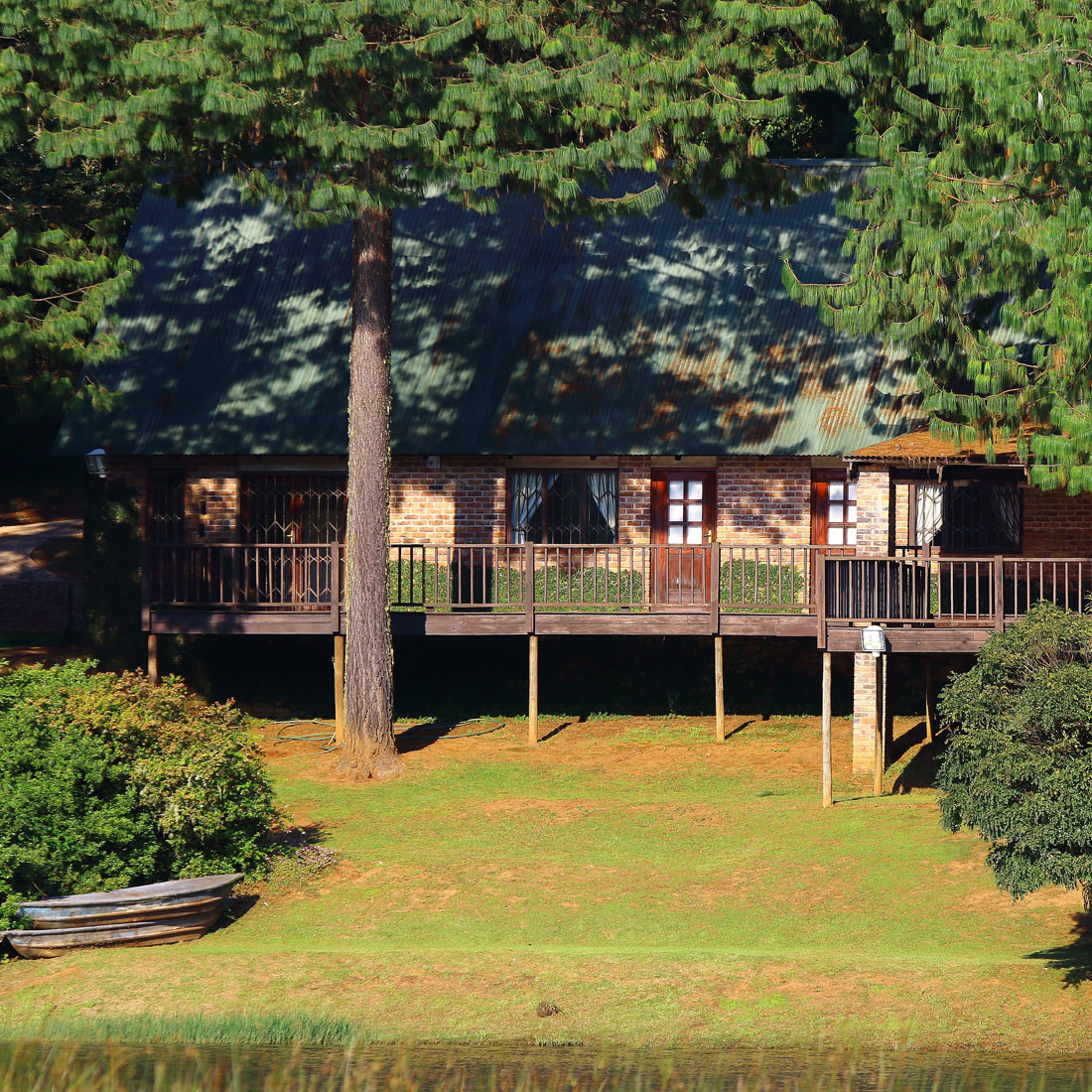
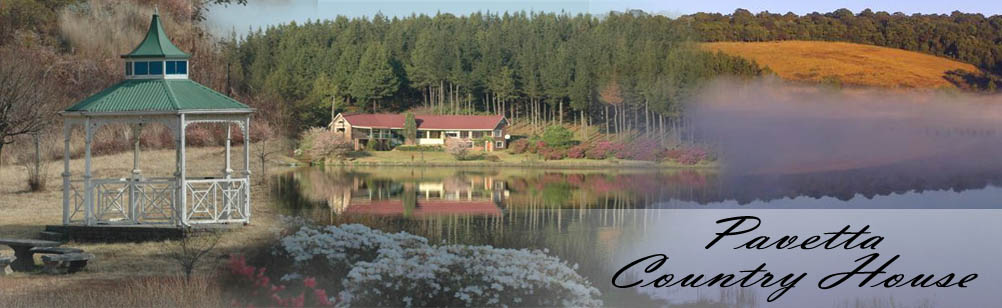
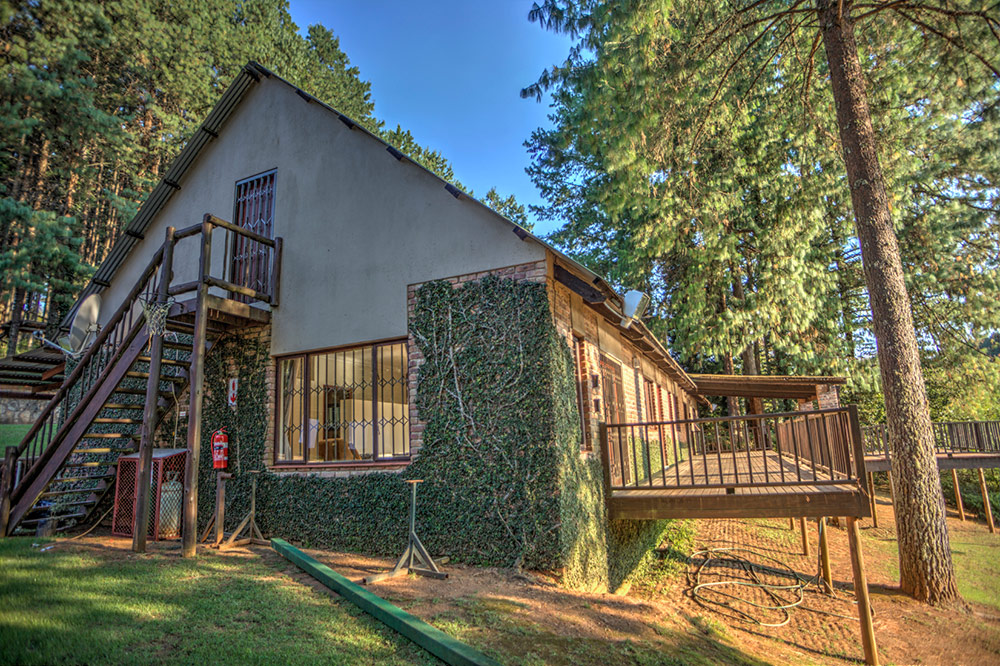
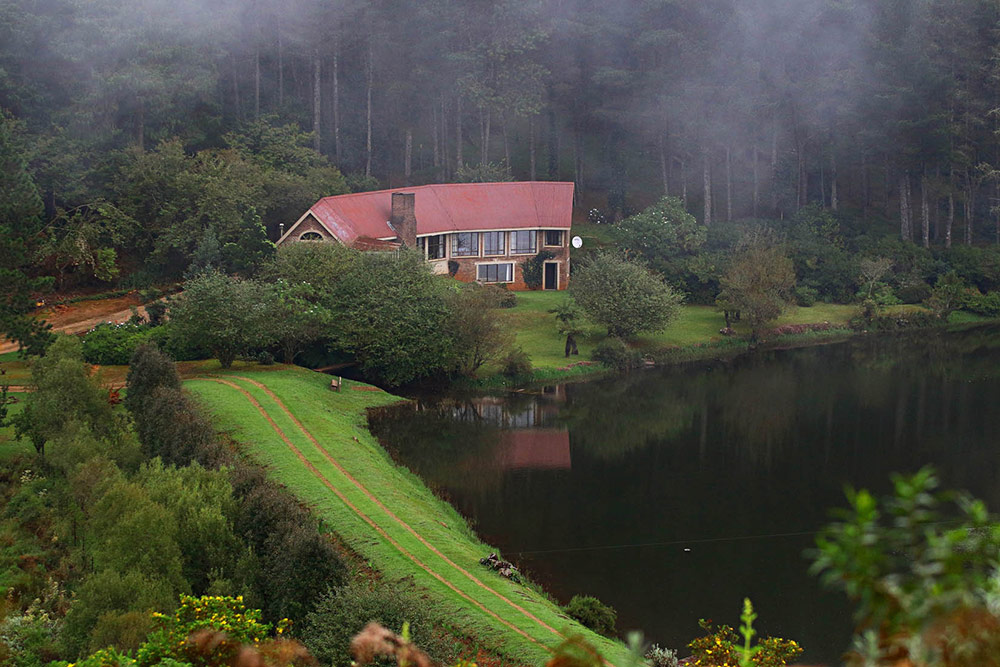
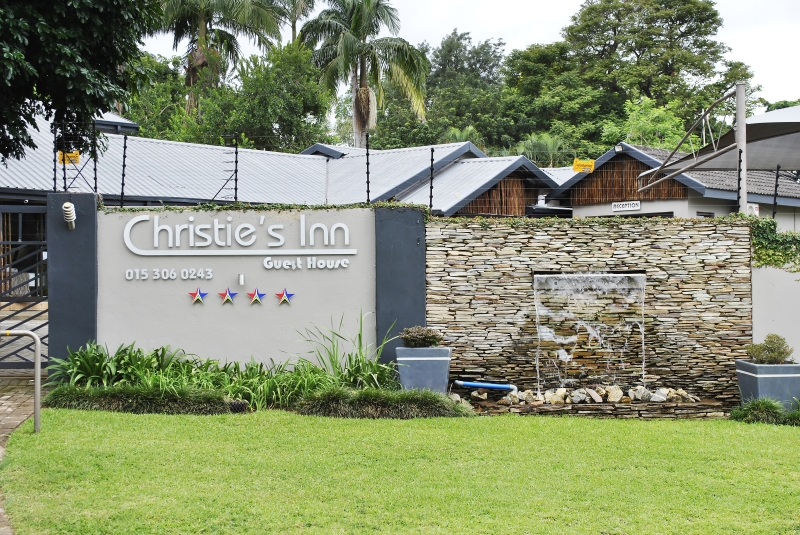
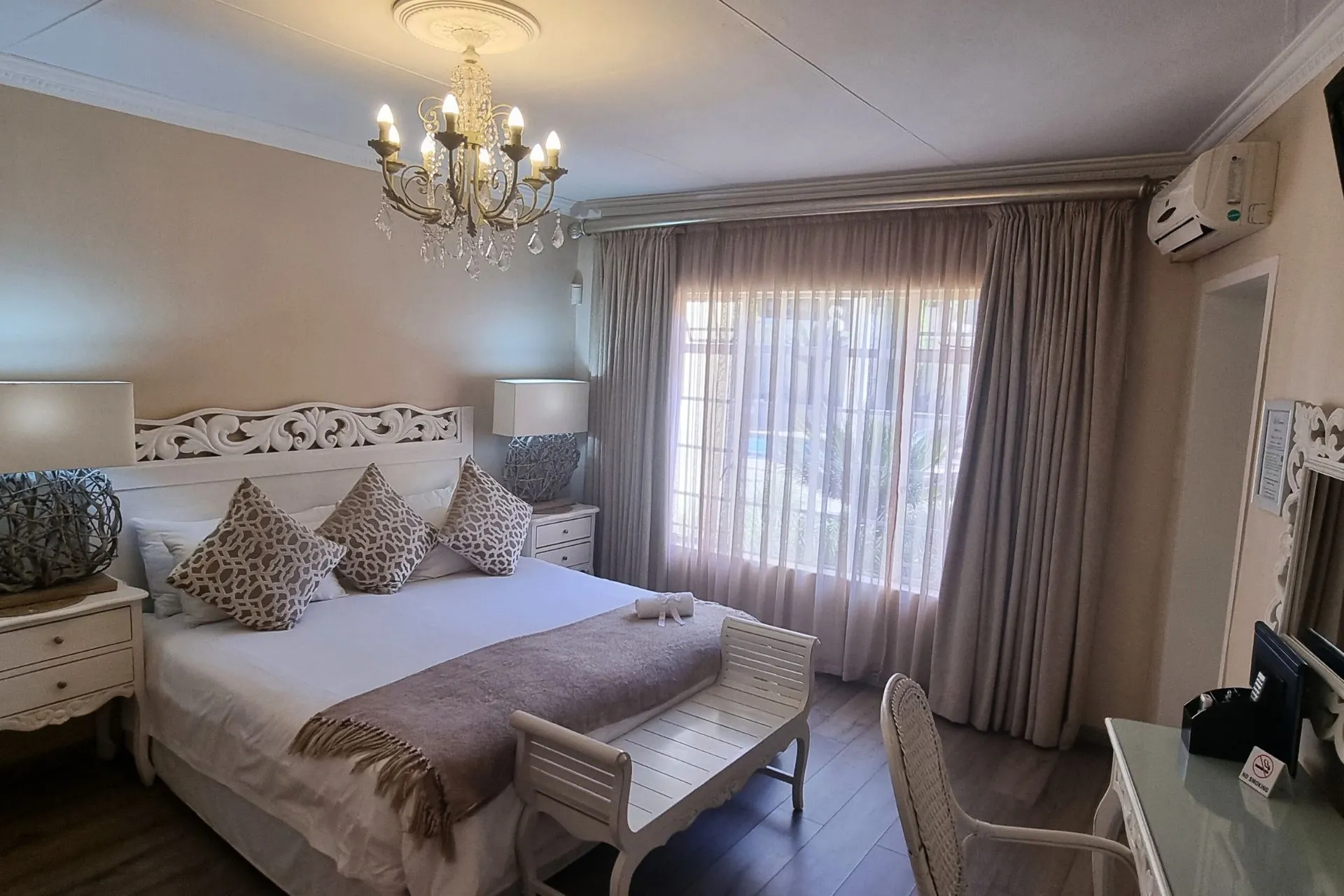
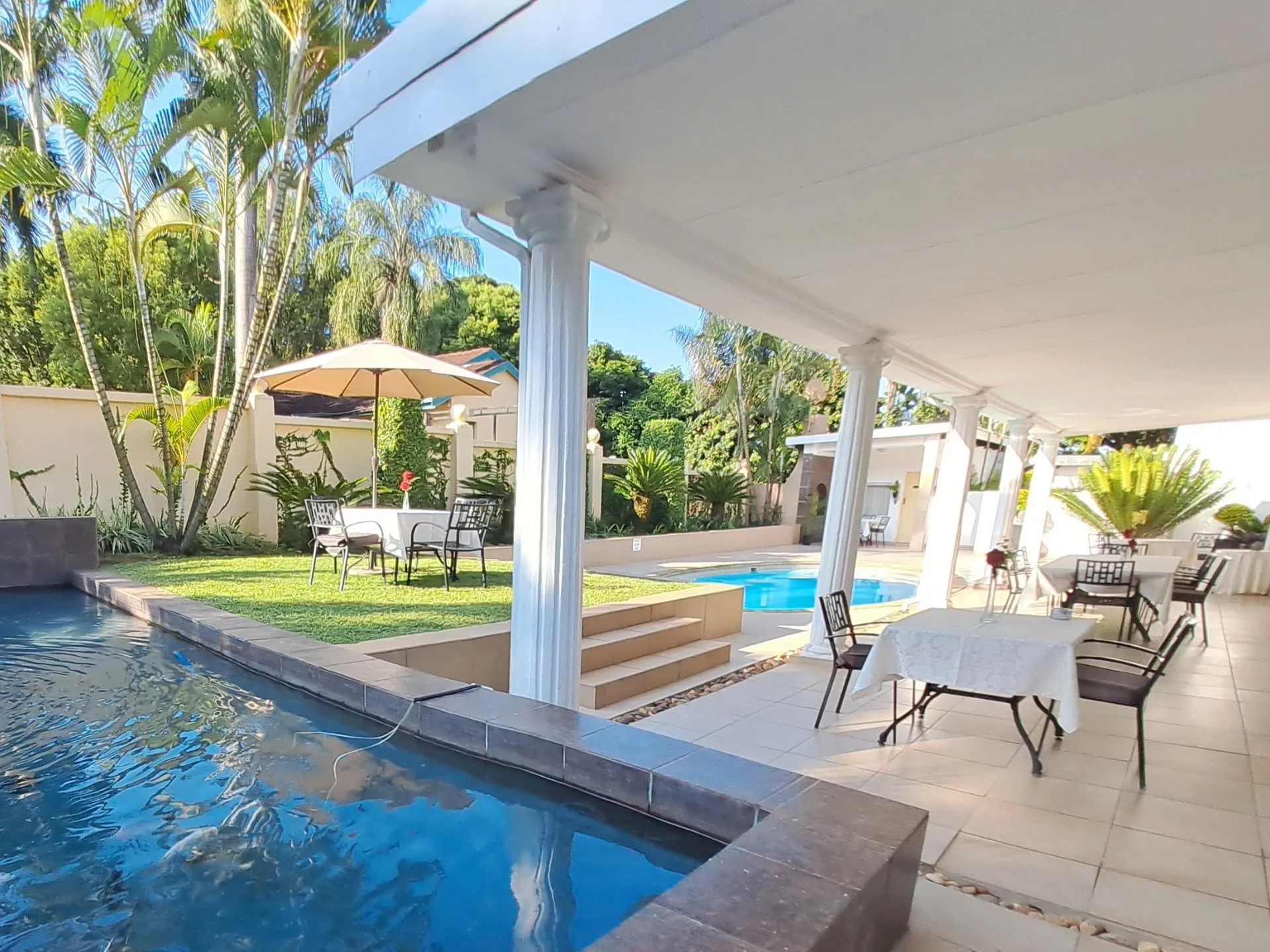
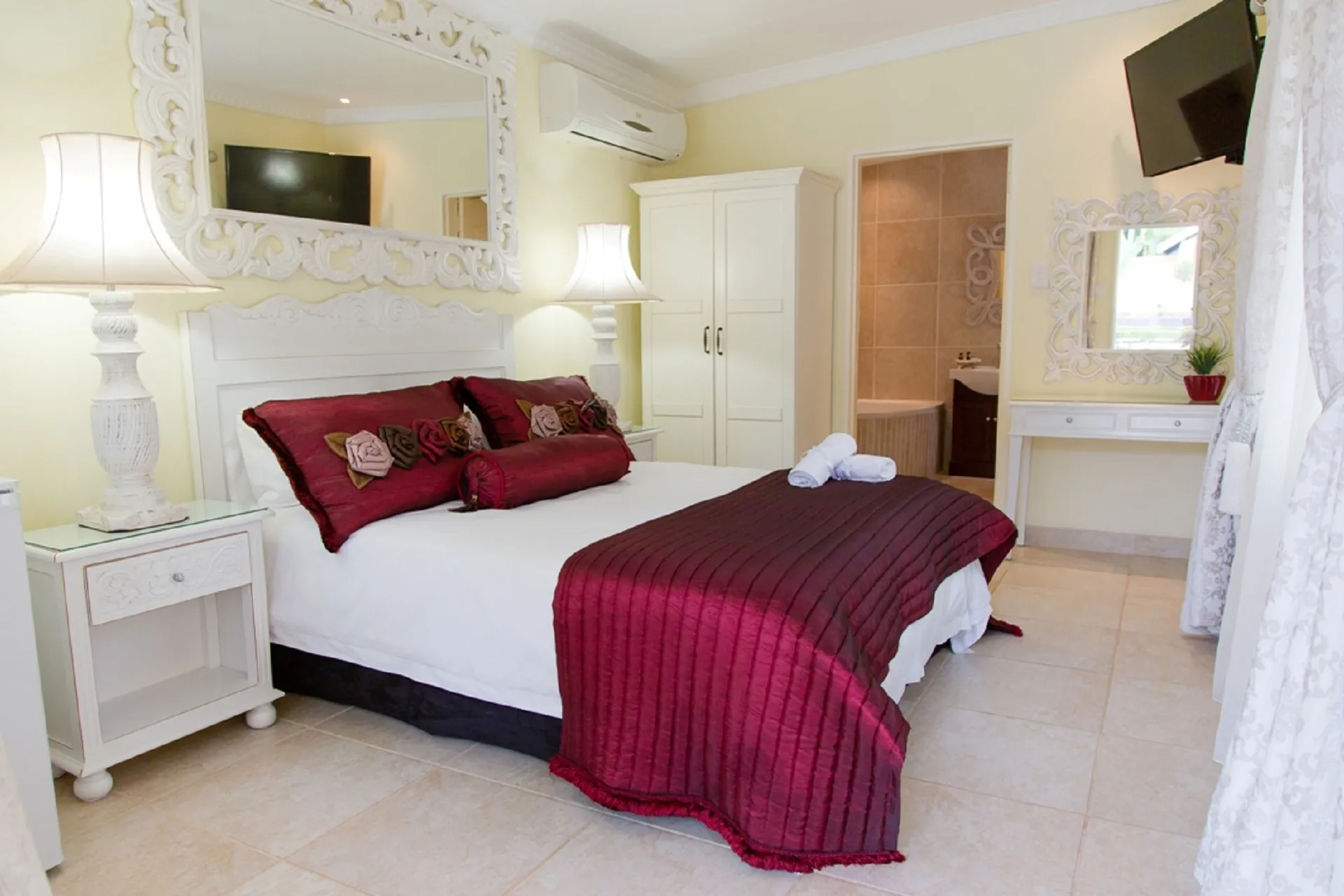
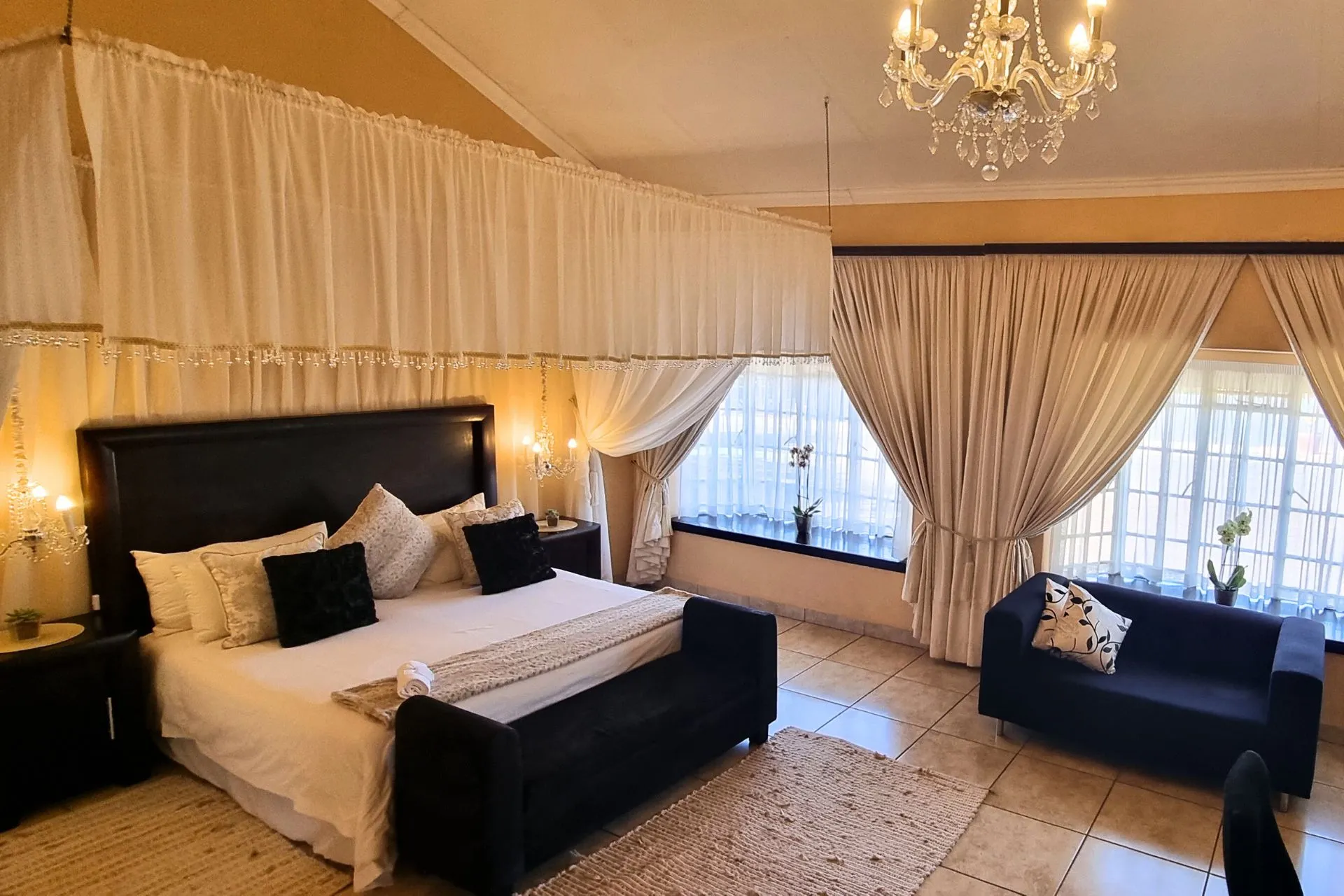
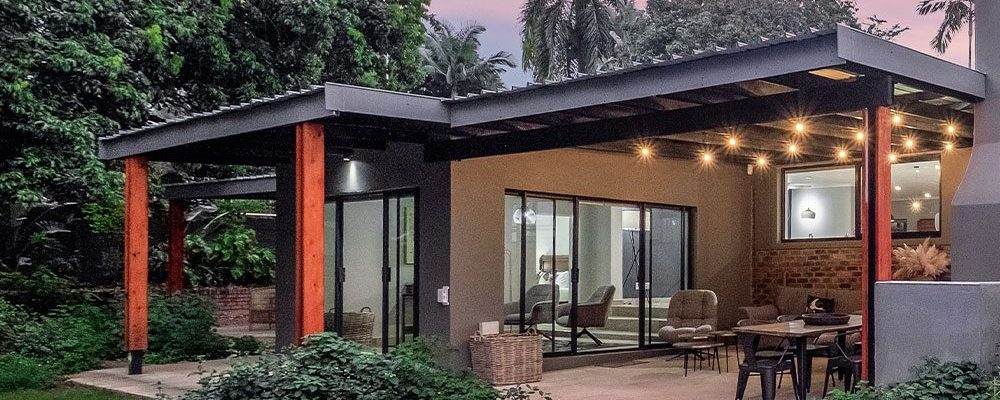
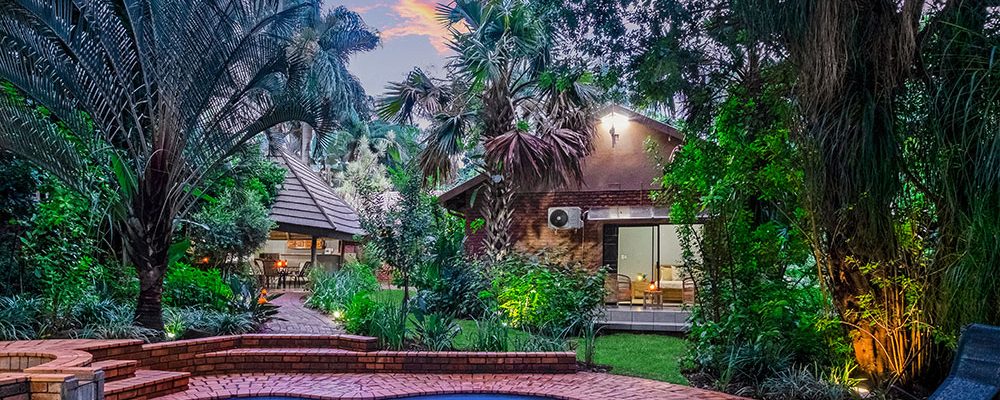
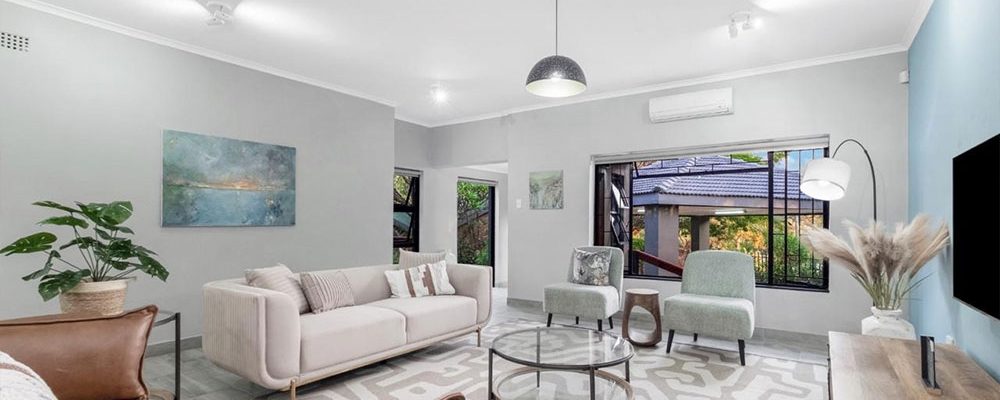
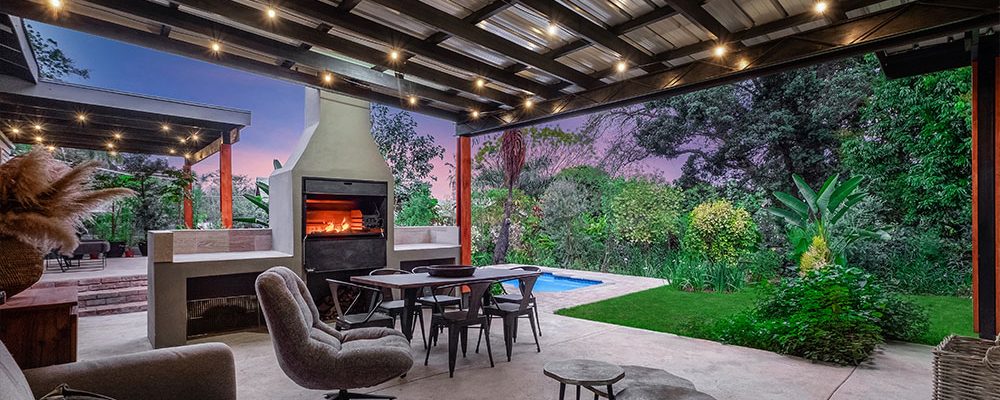
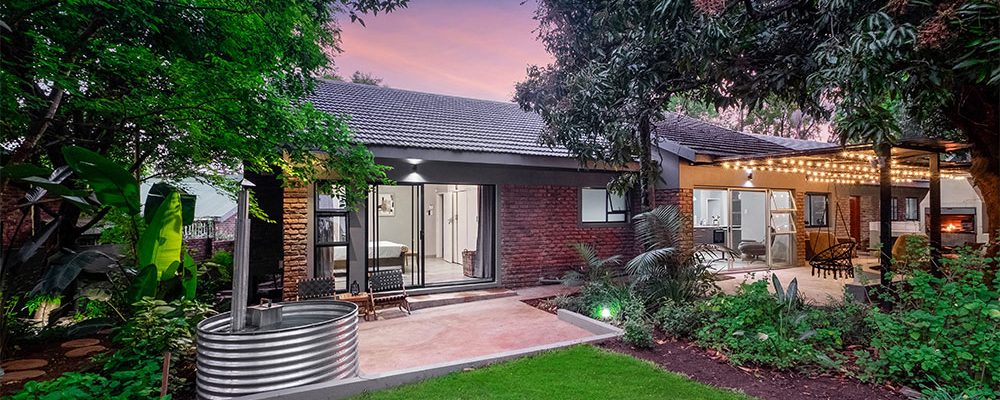
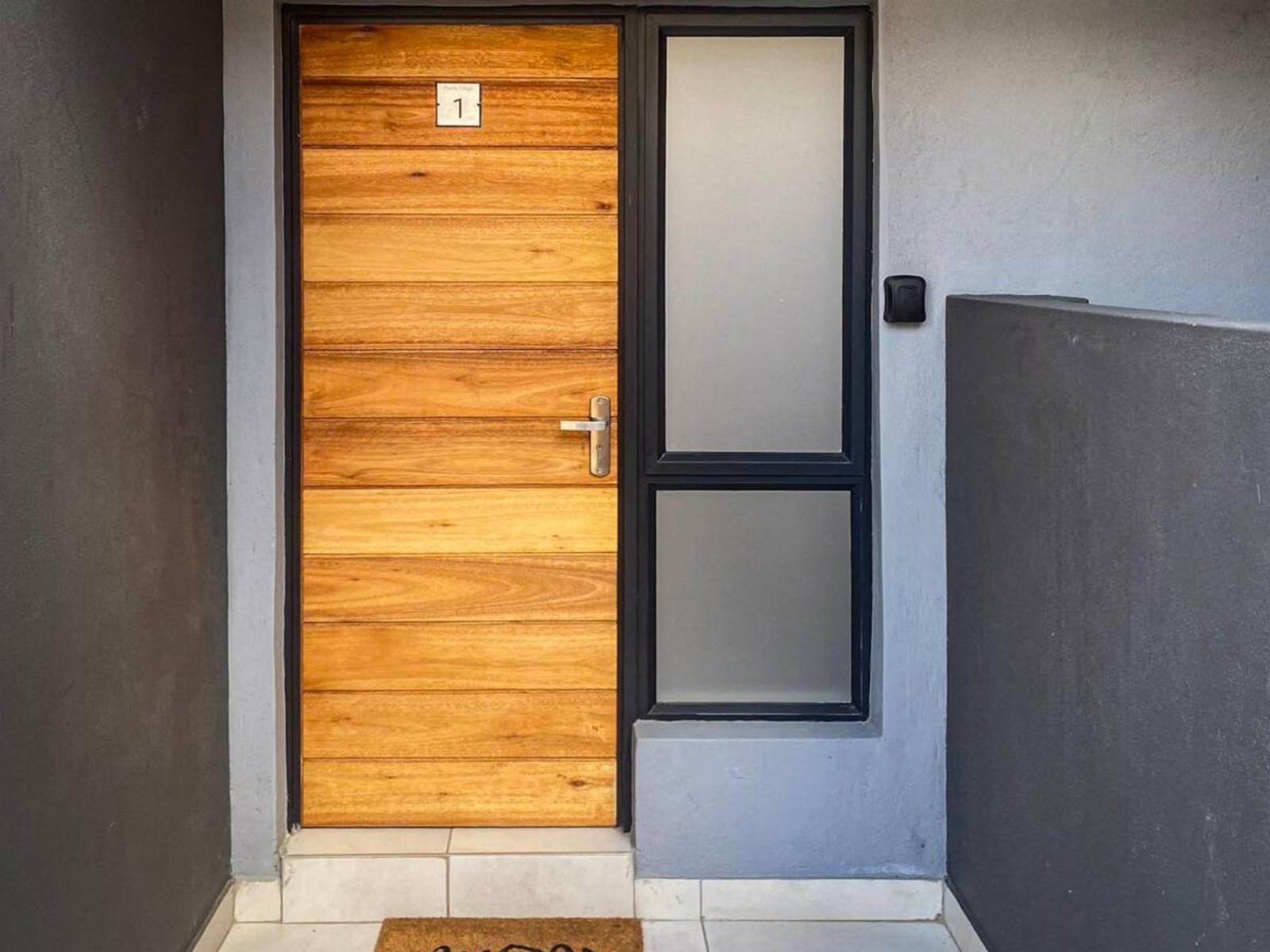
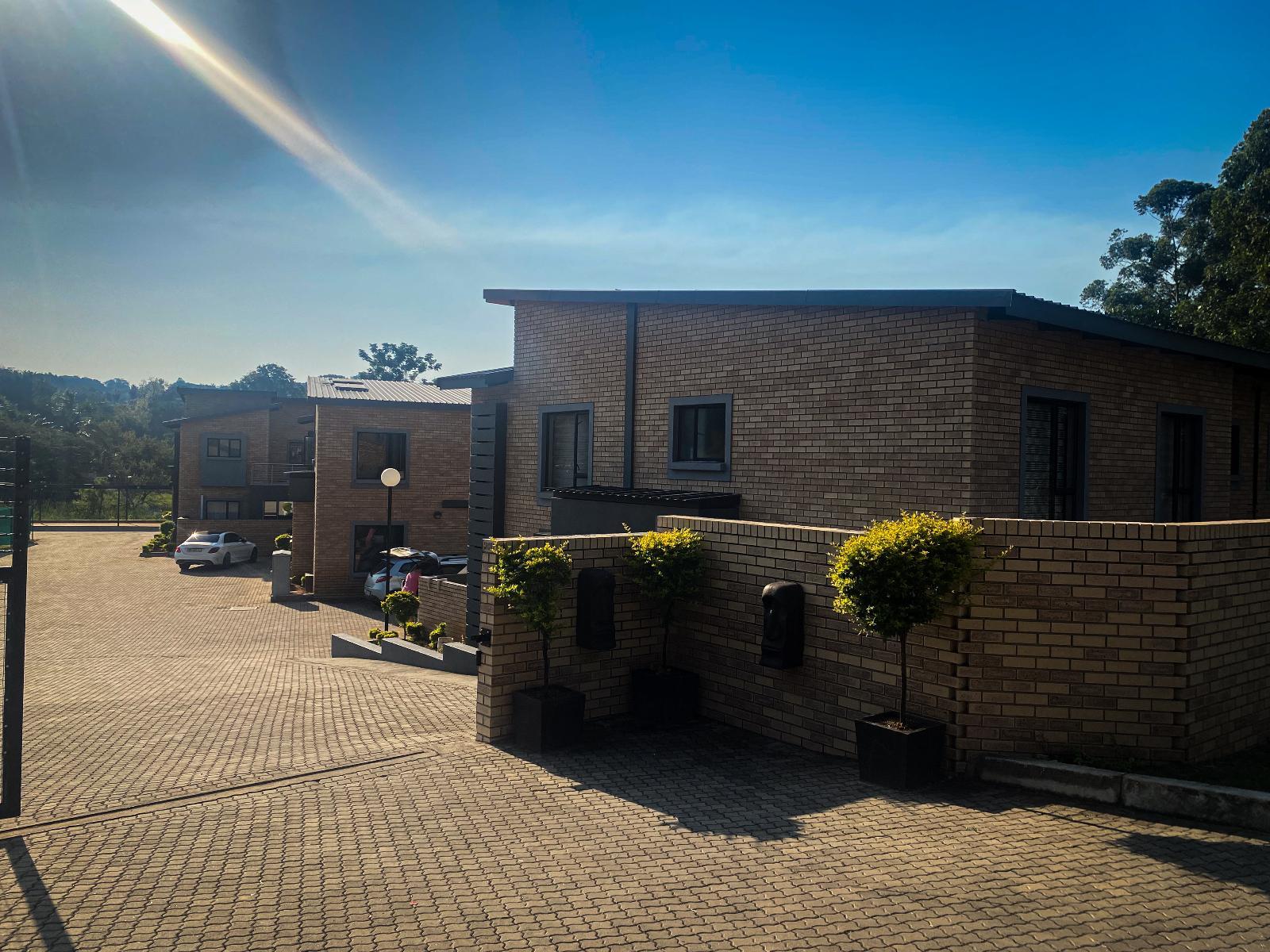
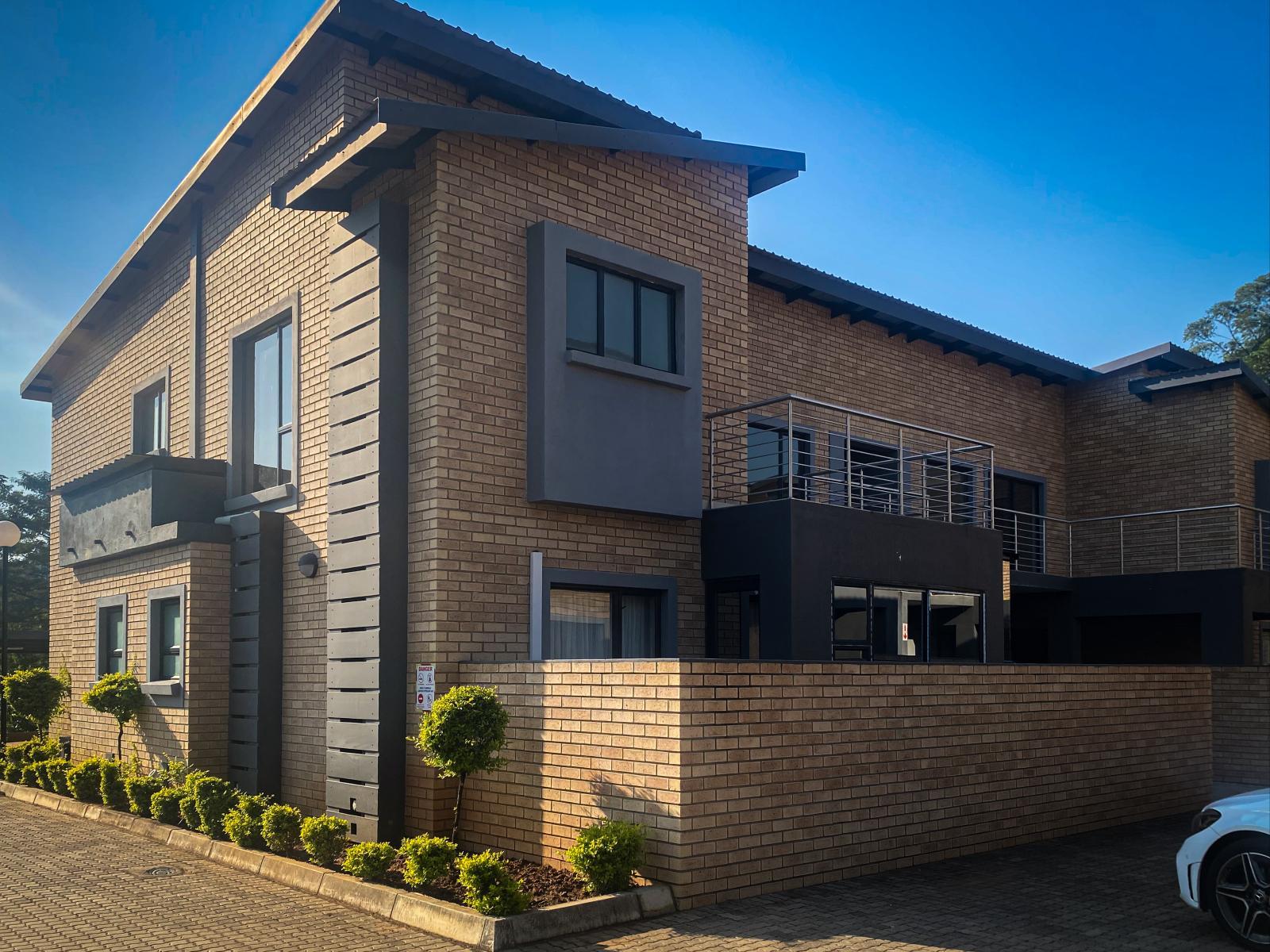
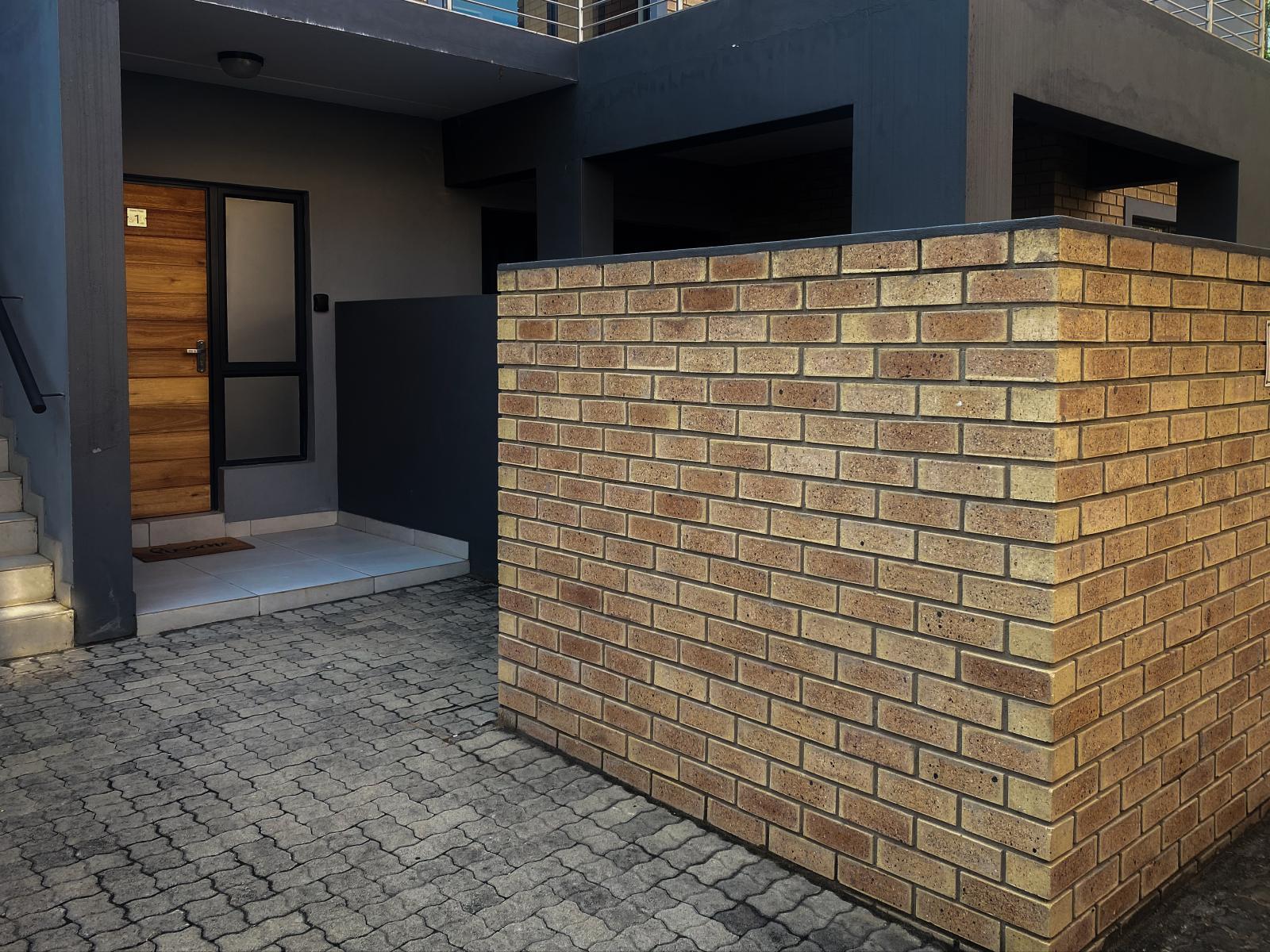
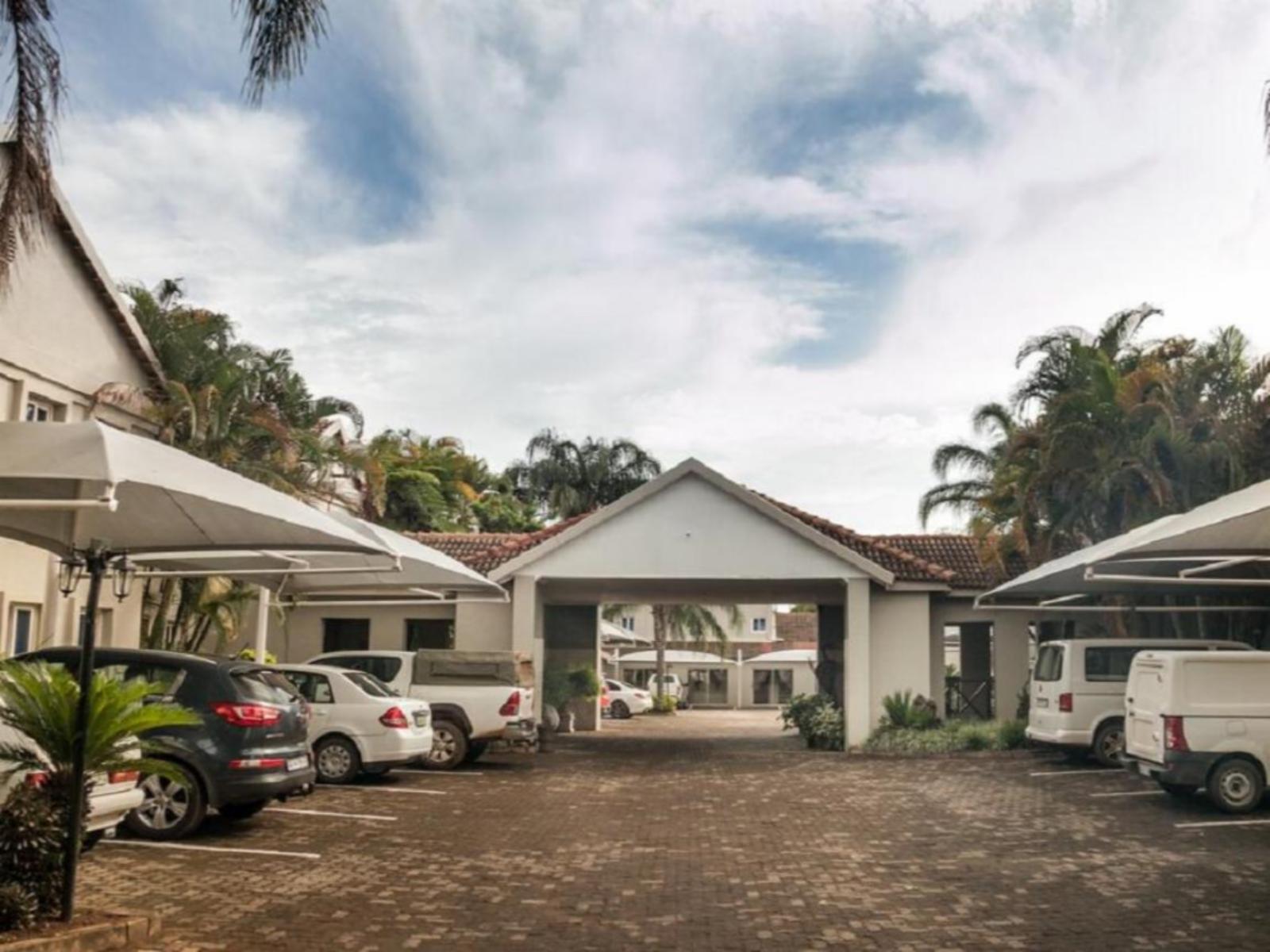
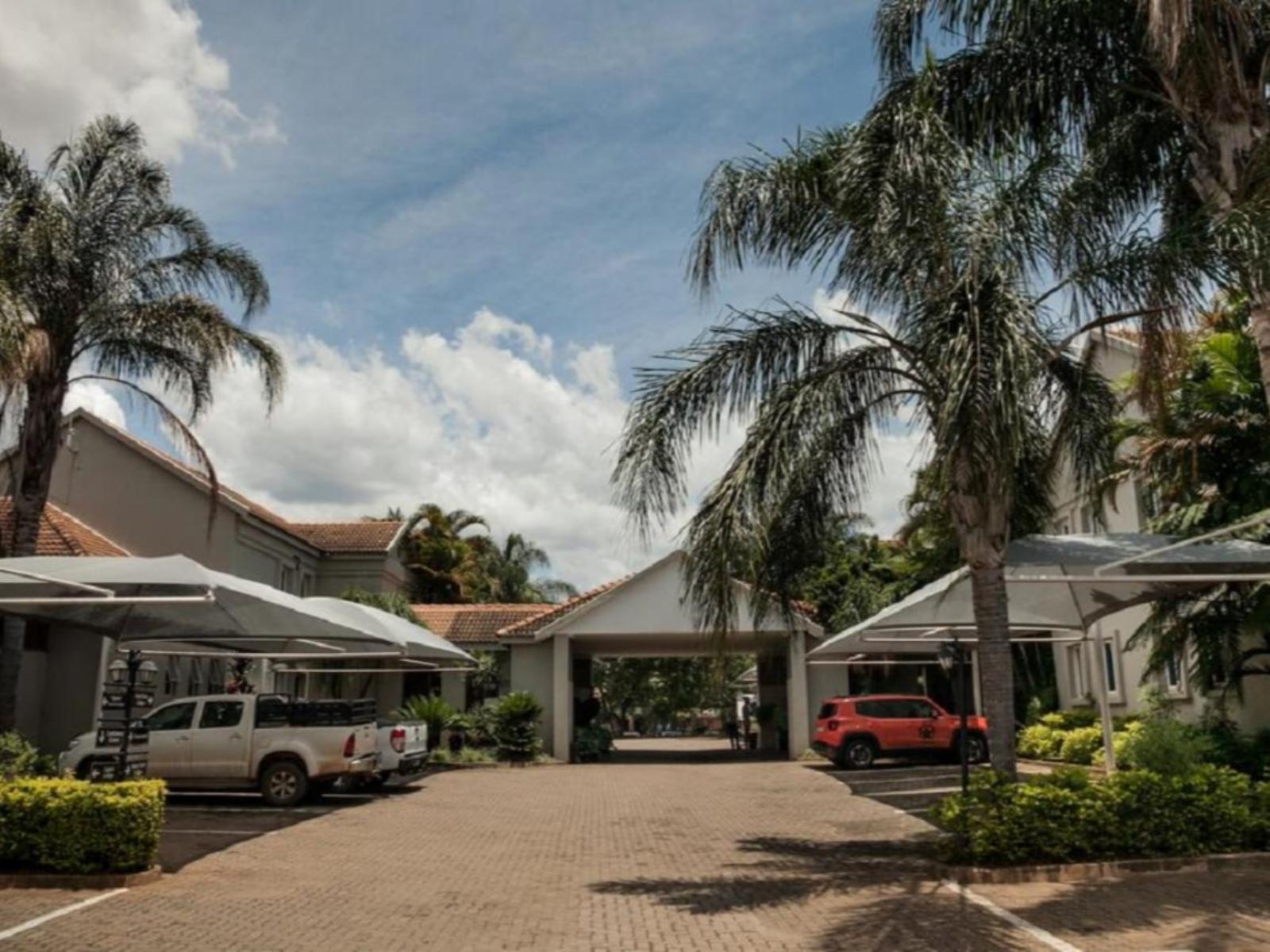
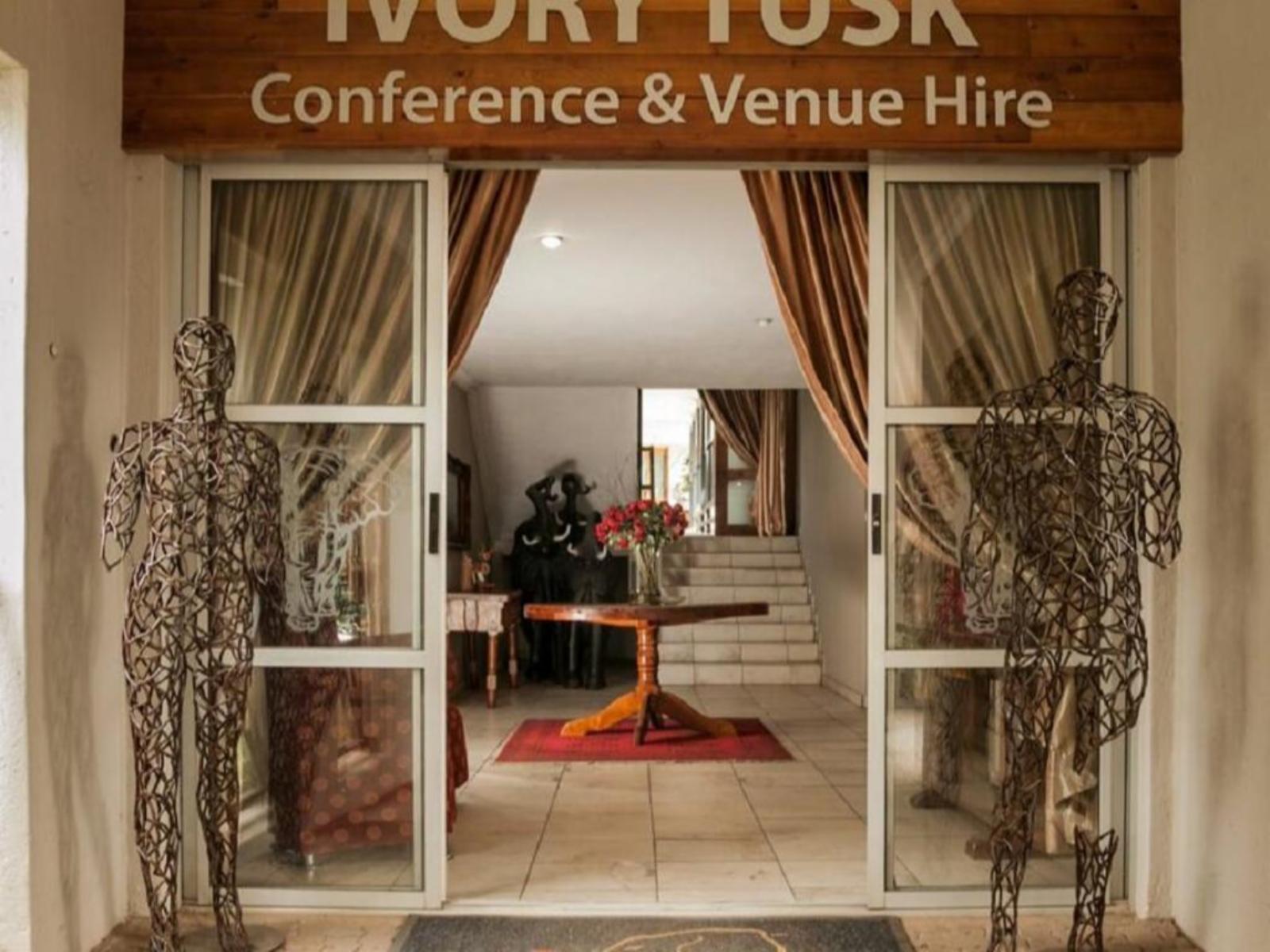
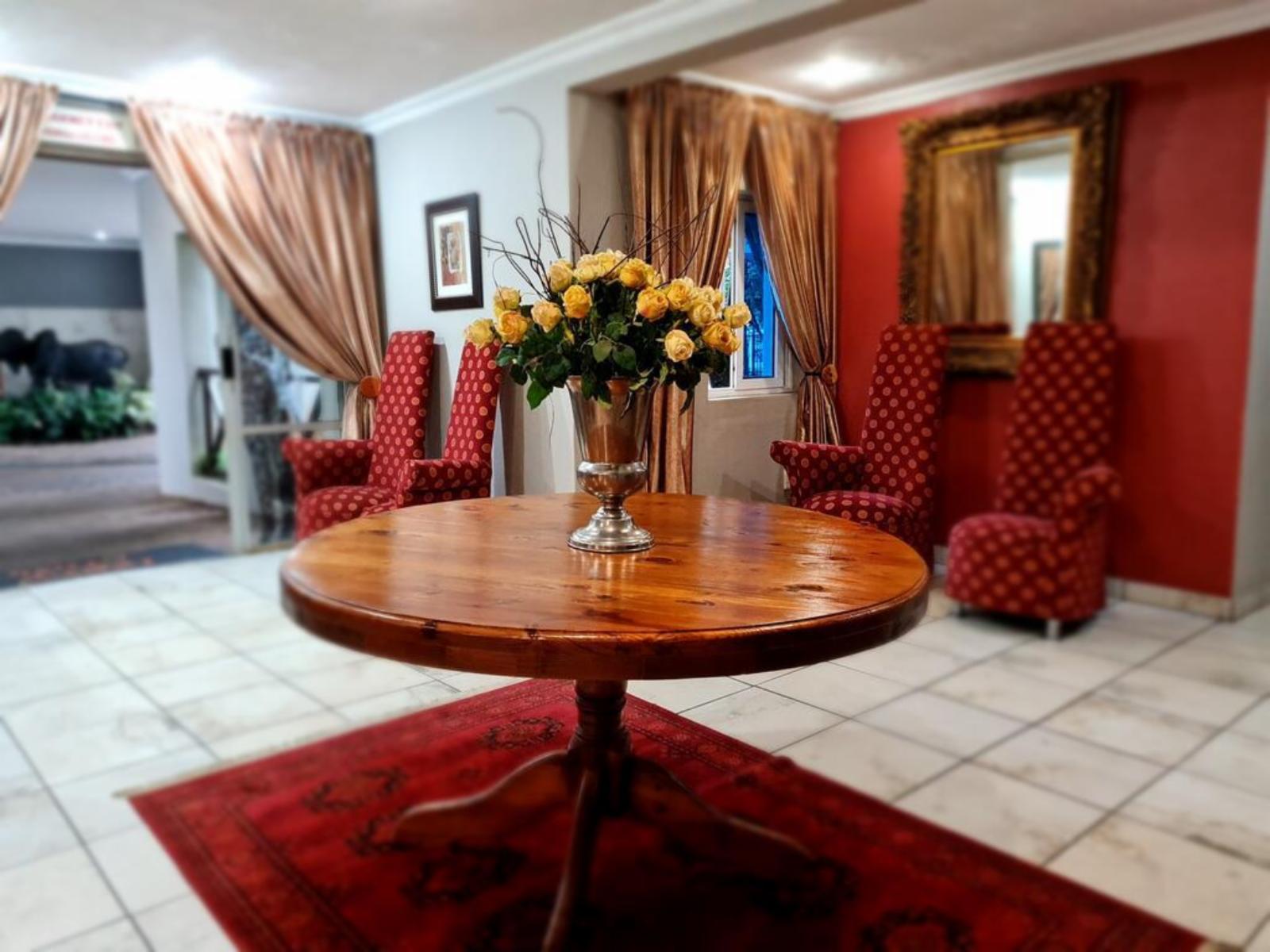
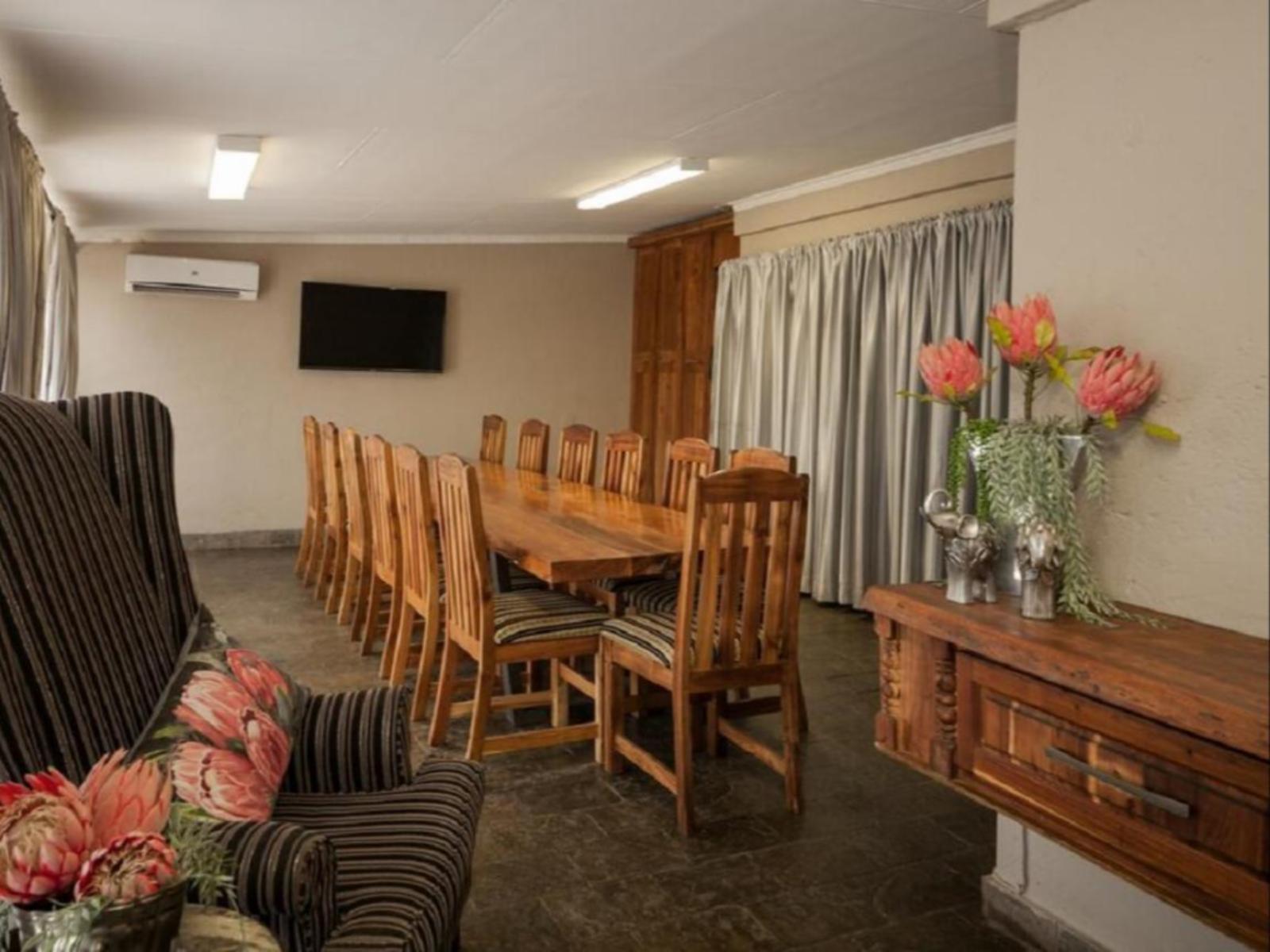
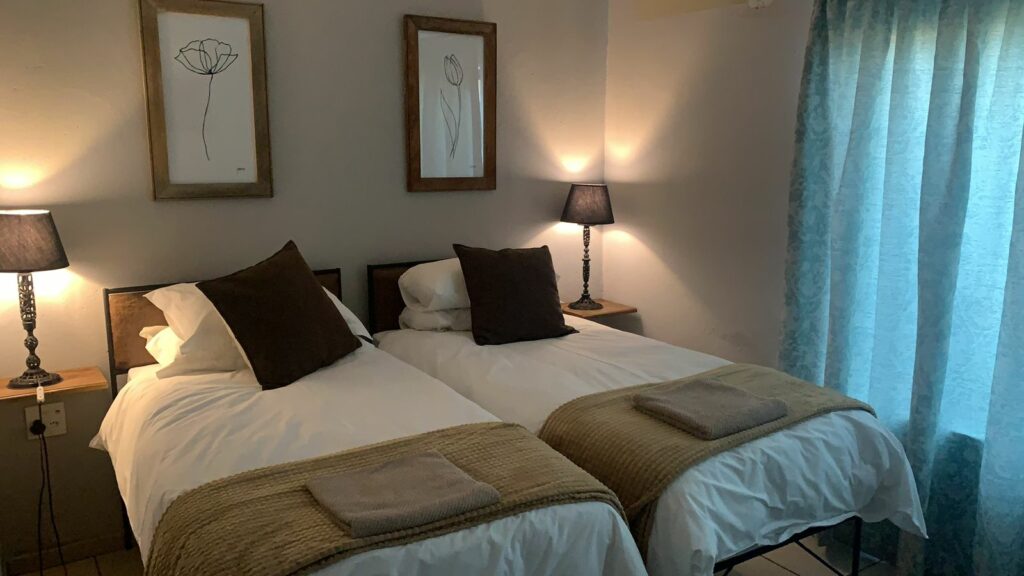
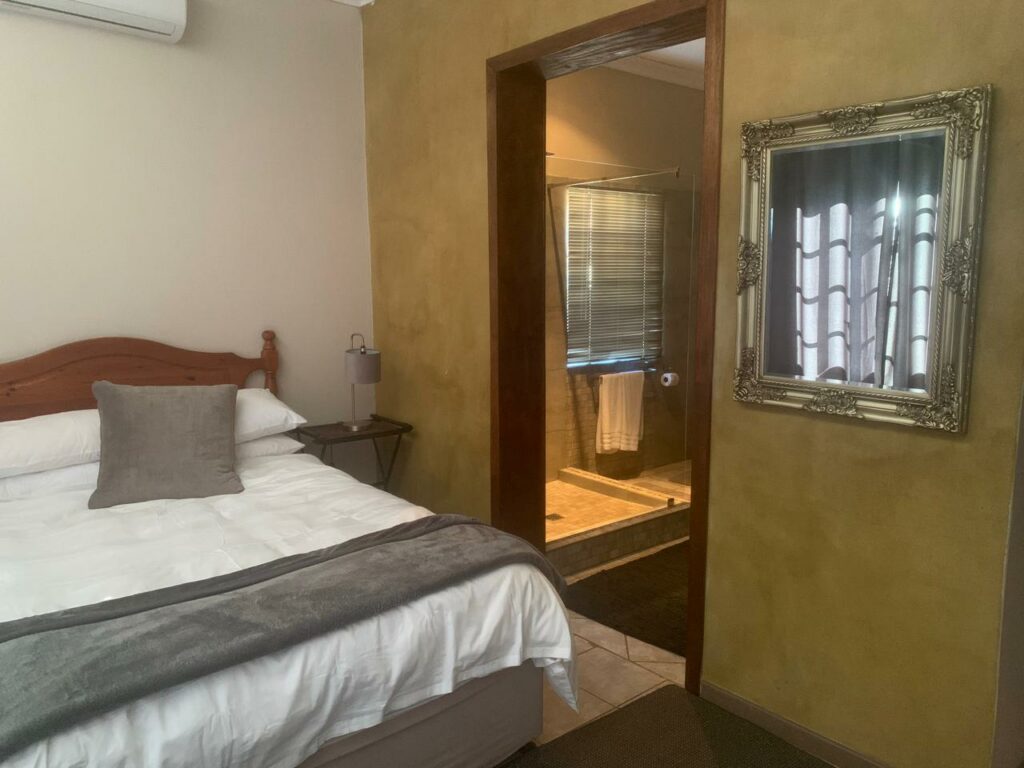
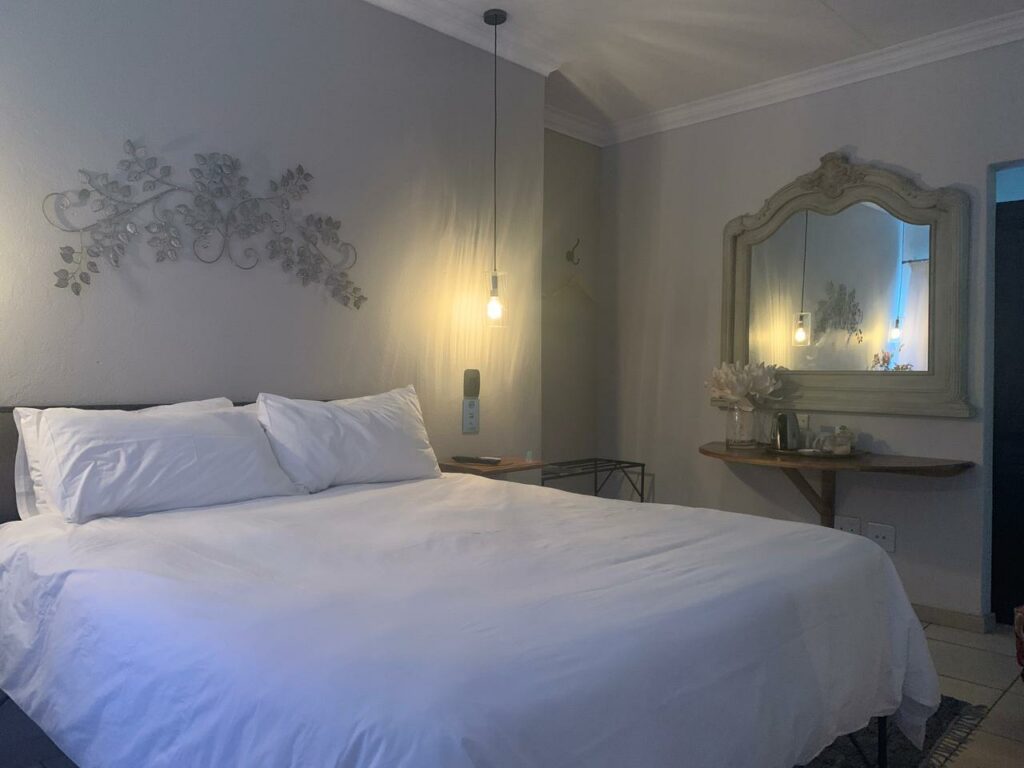
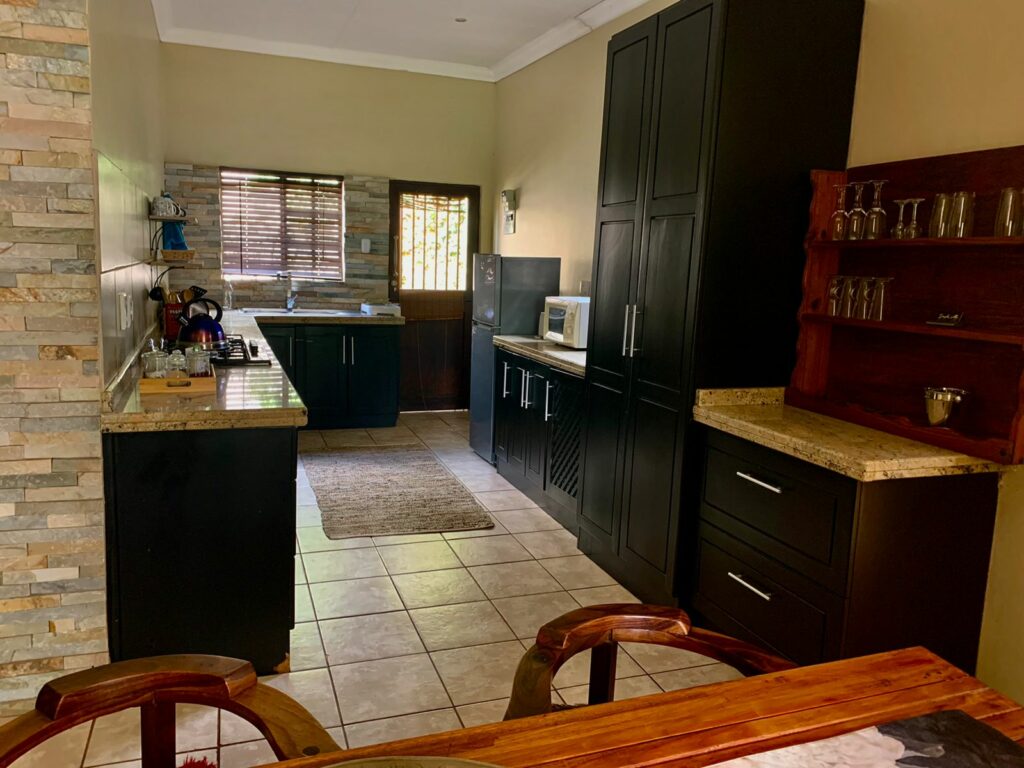
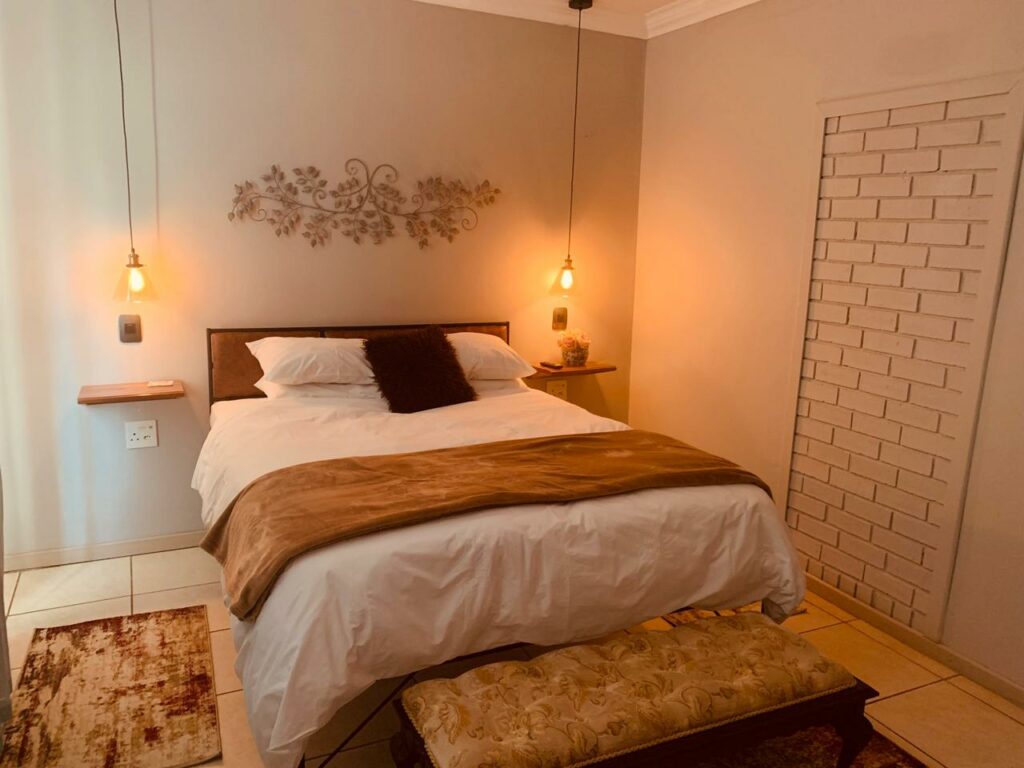
The accommodation offering in Vaalkrans is small by any measure. Just one property is currently listed in the area, priced at R1,650 per night, and it falls into the guest house category. This kind of hosted setup is common throughout rural Limpopo, where small properties operate more like a room in a family home or on a working farm than a formal hotel. The experience tends to be personal, with owners available to share local knowledge, assist with planning day trips, or direct visitors to spots that don't appear on standard tourist maps.
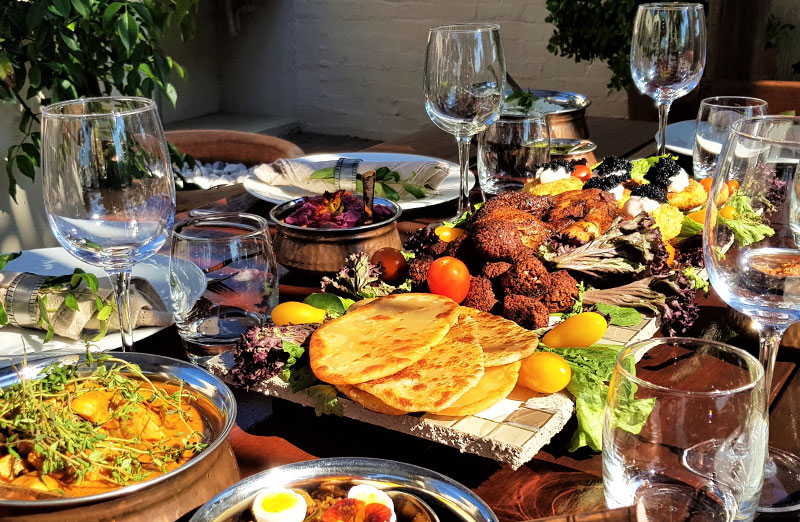
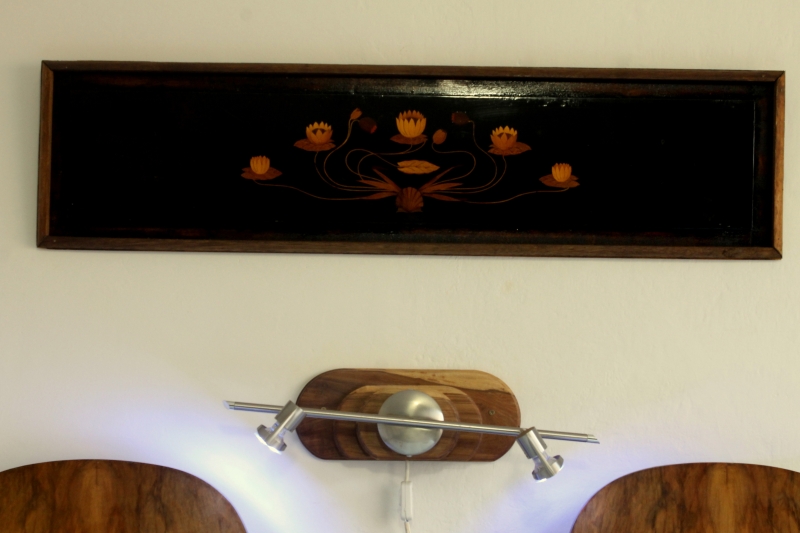
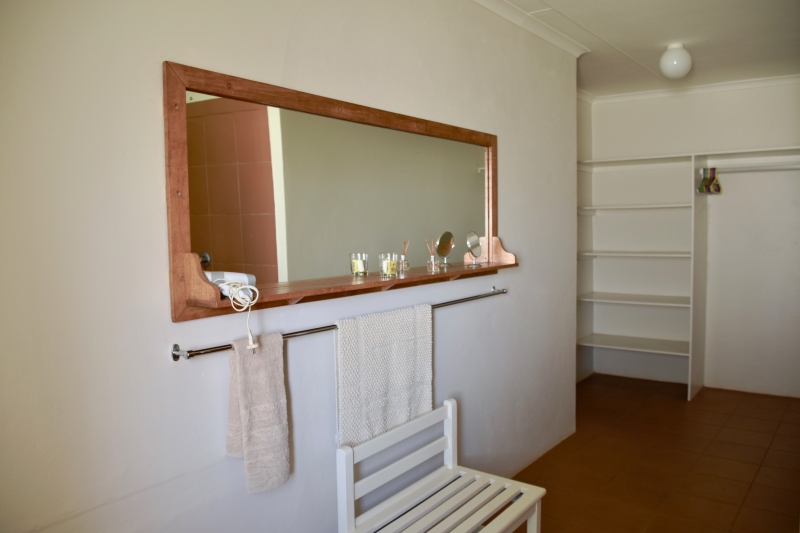
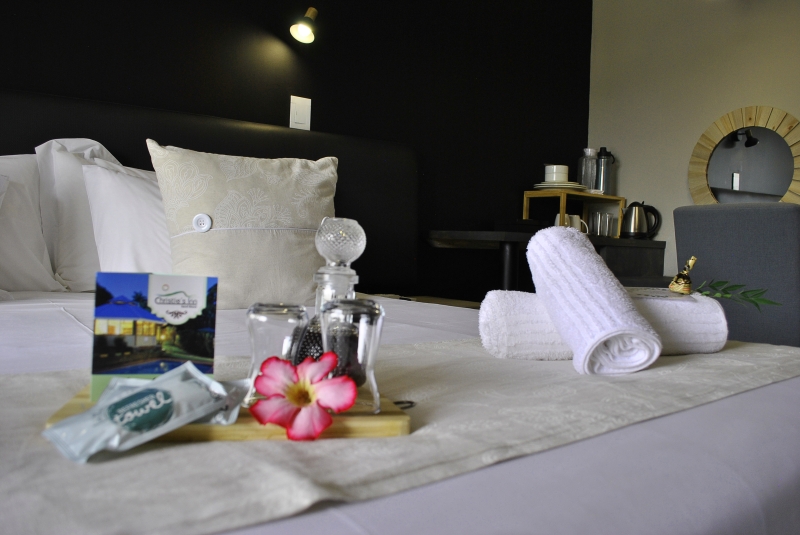
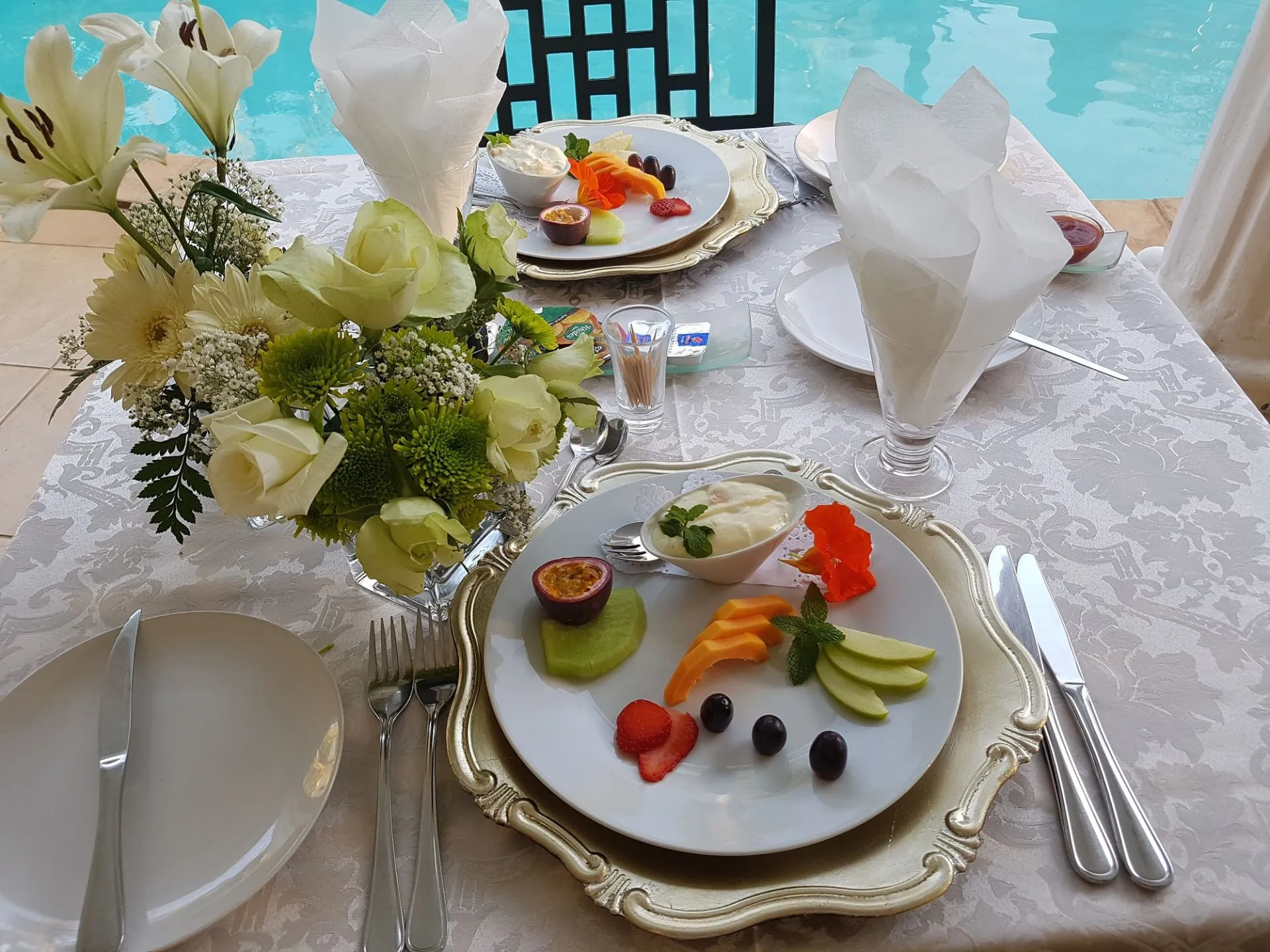
Guest houses at this price point in Limpopo's farming belt typically include breakfast in the nightly rate. Hosts sometimes offer evening meals on request, which is worth confirming during the booking process given the absence of restaurants in the settlement. Rooms lean toward comfortable and functional rather than formally polished, and the location provides direct access to the agricultural Lowveld landscape outside the door. Travelers who require consistent wi-fi, formal amenity packages, or standardized service standards should weigh these expectations carefully before confirming a reservation.
The single-property situation means there is no fallback option within Vaalkrans itself if your first choice is unavailable. Visitors who value having alternatives, or who prefer a property with more services on hand, might consider using a larger town nearby as a base and treating Vaalkrans as a day-trip destination instead. The guest house format suits travelers specifically seeking quiet rural immersion over a managed-amenity experience. That distinction largely determines whether Vaalkrans functions as a genuine overnight base or as one stop along a longer provincial route.
Best Time to Visit Vaalkrans
Vaalkrans follows the subtropical weather pattern of the Lowveld, with a wet season running from roughly October through March and a dry winter between May and August. Summer brings humidity, afternoon thunderstorms, and temperatures that regularly exceed 35°C. Unpaved access roads in this region can become difficult after sustained rain, and the bush grows dense enough during the wet months to limit sightlines for wildlife and bird observation.
The dry winter period, from May to August, offers the most comfortable visiting conditions. Temperatures settle into daytime highs of around 22 to 26°C, mornings can be brisk, and the reduced vegetation opens up views across the farmland and surrounding bushveld. July falls within the South African school holiday period and brings increased traffic through the broader Limpopo region, which affects demand and availability at nearby attractions.
April and September occupy the shoulder season, combining moderate temperatures with manageable humidity. These months suit visitors who want to mix outdoor activity with reasonable comfort. Birdwatchers should note that migratory species arrive from around October, meaning summer heat comes packaged with a significantly richer avian count than the dry months can offer.
Getting to Vaalkrans
Vaalkrans is reached primarily by private vehicle. The settlement sits in the northern Lowveld along regional routes connecting Phalaborwa in the north to the escarpment-foothills towns to the south and east. From Johannesburg, the drive covers approximately 400 kilometers via the N1 north through Polokwane, then east along the R71, taking around four to five hours. From Pretoria, the route is broadly similar at just under 380 kilometers.
Phalaborwa Airport, roughly 60 kilometers to the north, handles scheduled flights from Johannesburg on most weekdays. Car hire desks operate at the terminal, making it a practical entry point for visitors planning to explore the area independently. Eastgate Airport in Hoedspruit offers an alternative further south, with regular connections to Johannesburg and good positioning for travelers combining the Lowveld with a Kruger National Park visit.
Public transport does not reach Vaalkrans directly. Minibus taxis link the larger towns in the region but do not extend into the settlement itself. Getting in from a main road requires a private vehicle or prior arrangement with your accommodation host. A car is essential throughout the stay, not just for the initial approach, given the distances between supply points and the lack of any local transport once you arrive.
Vaalkrans and Surrounding Areas
The towns and settlements within easy reach of Vaalkrans range from sparse farming communities with minimal facilities to a mountain pass destination that has drawn travelers for decades.
Duiwelskloof, 10 kilometers from Vaalkrans, sits at the foot of the Wolkberg range. The name translates roughly as Devil's Gorge, a reference to the dramatic topography in the vicinity. The town supports the surrounding farming communities and serves as the access point for the Wolkberg Wilderness, a conservation area that requires advance permits. The gorge walks and montane forest trails here are among the more rewarding outdoor activities within easy reach of Vaalkrans.
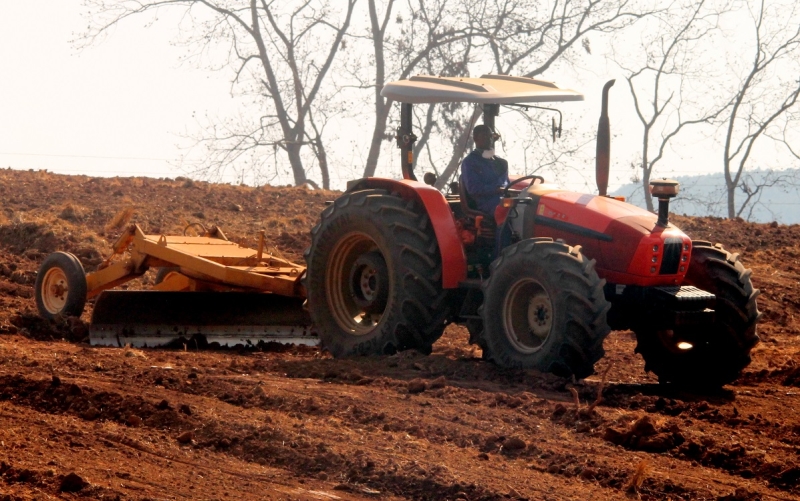
Hekpoort, 13 kilometers out, is an agricultural settlement rather than a formal town. Subtropical fruit farming shapes the surrounding land, and there are no visitor facilities. The area offers context on how this part of Limpopo's economy operates, but it is not a destination in itself.
Quantock, 14 kilometers away, is similarly quiet. Drives through orchard country and bushveld make for a pleasant afternoon, but travelers should expect no services or signposted attractions of any kind.
Ga-kgapane, 19 kilometers from Vaalkrans, functions as a practical commercial hub for surrounding villages and the rural population. Markets, general shops, and everyday services make it the most useful resupply stop for extended stays in the area. It offers a more honest view of daily rural life in Limpopo than most tourist-oriented stops in the region.
Magoebaskloof, also 19 kilometers out, is the most scenically distinct destination accessible from Vaalkrans. The mountain pass descends through the escarpment into indigenous forest, past tea plantations and the Debegeni Falls, a waterfall reached by a short trail. The Magoebaskloof Hotel has operated on the pass for several decades and offers both meals and accommodation within the forest, making it a worthwhile full-day excursion.
Tzaneen, 21 kilometers to the south, is the region's main commercial center. Major supermarkets, banks, fuel stations, medical facilities, and a selection of restaurants are all available here. For anyone based in Vaalkrans, it is the obvious destination for supplies or a proper sit-down meal, and the drive takes under half an hour.
Planning Your Stay
With just one listed property in Vaalkrans, the standard process of comparing multiple options across booking platforms does not apply here in the usual way. Reach out to the host directly to confirm availability, ask about meal arrangements, and clarify check-in logistics. Small rural properties sometimes operate seasonally or close at short notice due to personal circumstances, and a direct conversation reliably surfaces details that a listing page may not cover.
Ask about the access road condition before traveling, particularly if your visit falls during or after the wet season. Rural roads in parts of Limpopo can become impassable after sustained rain, and hosts may not volunteer this unless prompted. A quick question at the booking stage can prevent a difficult arrival.
Vaalkrans has no shops, fuel stations, or restaurants, so arrive fully supplied and plan a resupply stop at a service center before reaching the settlement. Mobile reception can be inconsistent in rural parts of Limpopo, so download offline maps before leaving a major center and save your host's contact details somewhere accessible without a data connection. These are simple steps, but they make a practical difference when staying somewhere as genuinely off-grid as this.