Accommodation in Waterberg
With 30 properties listed across the region, Waterberg covers a range from R900 to R2,000 per night, making it accessible to travellers at different budget levels.
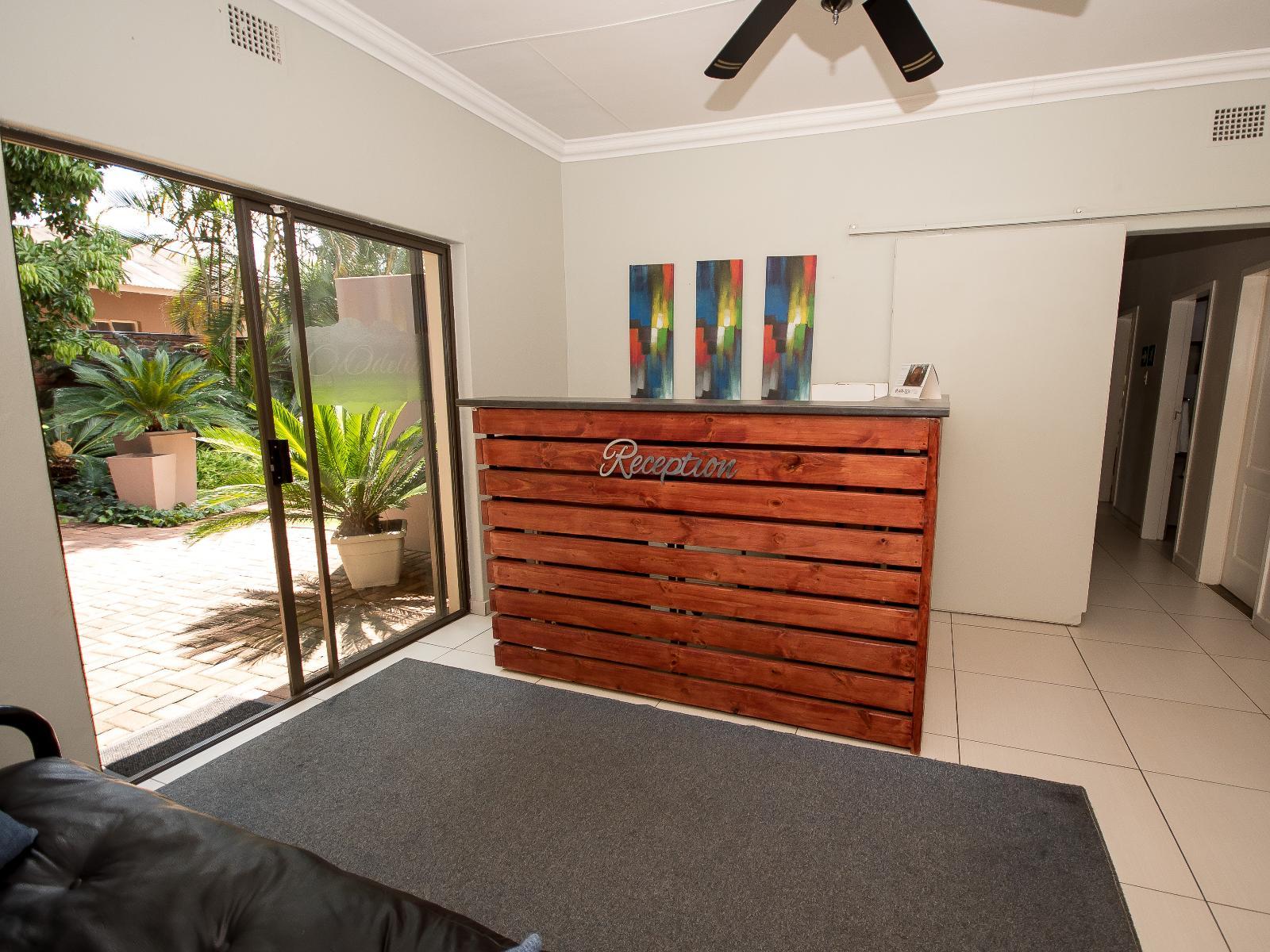
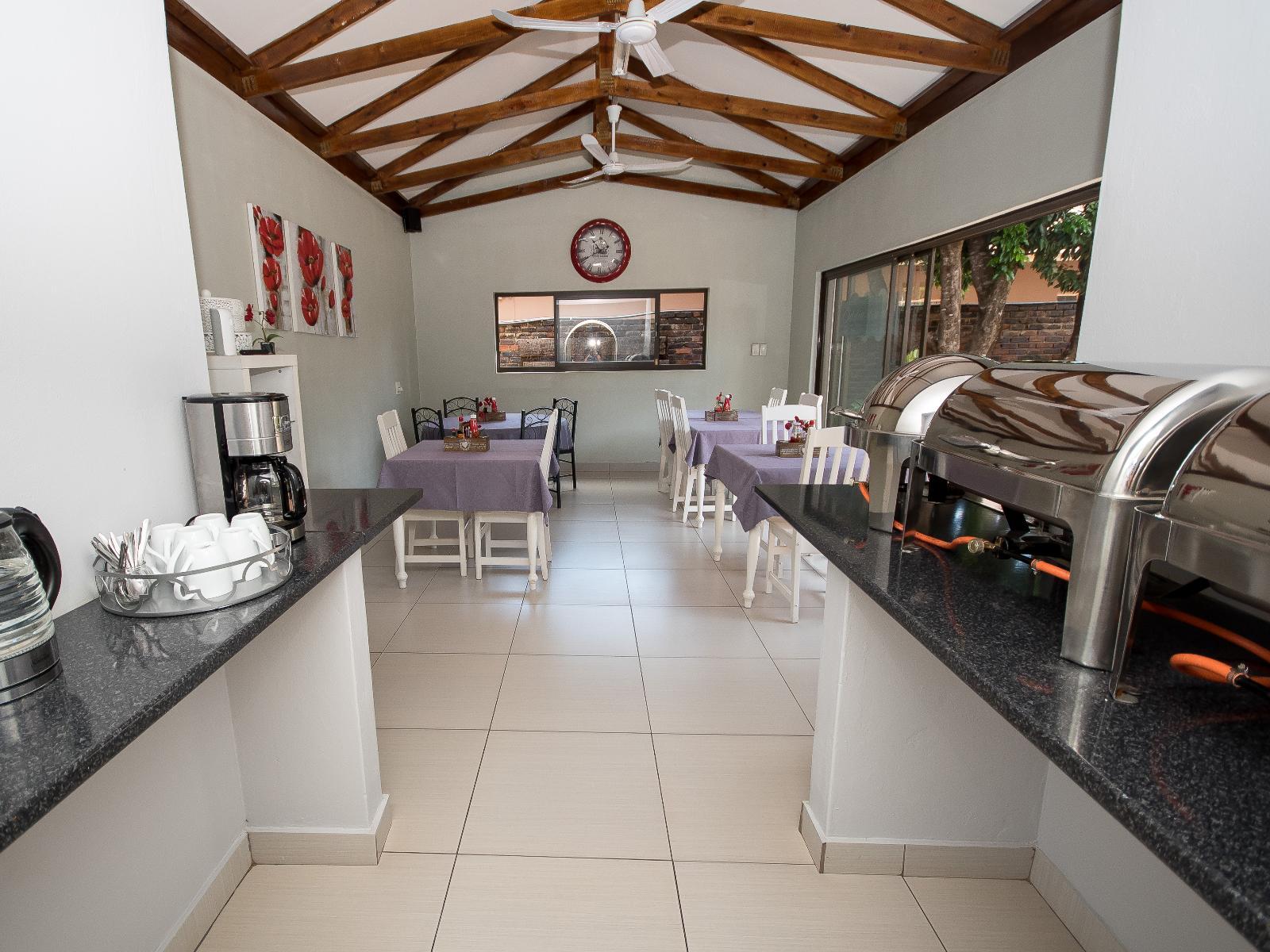
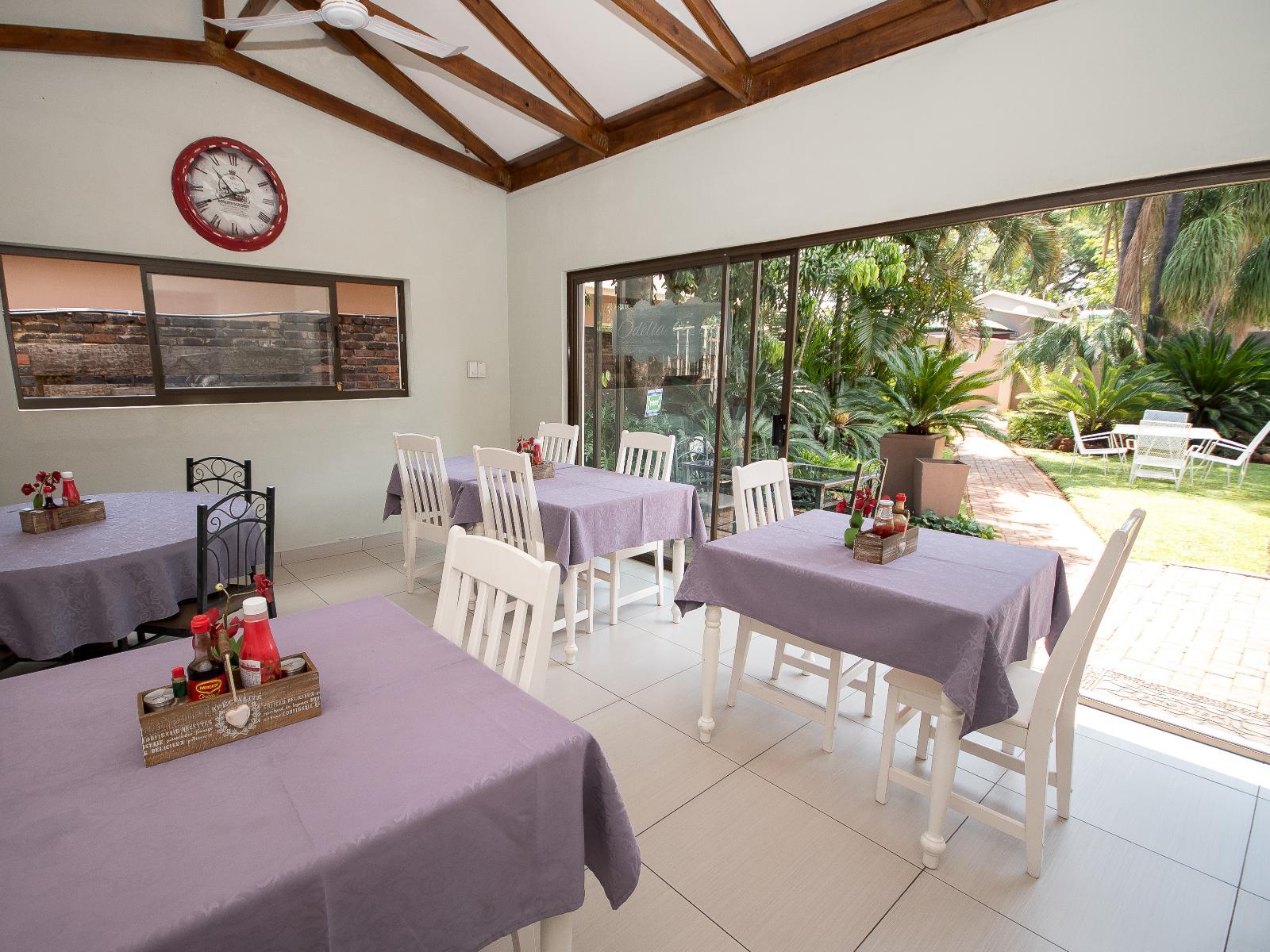
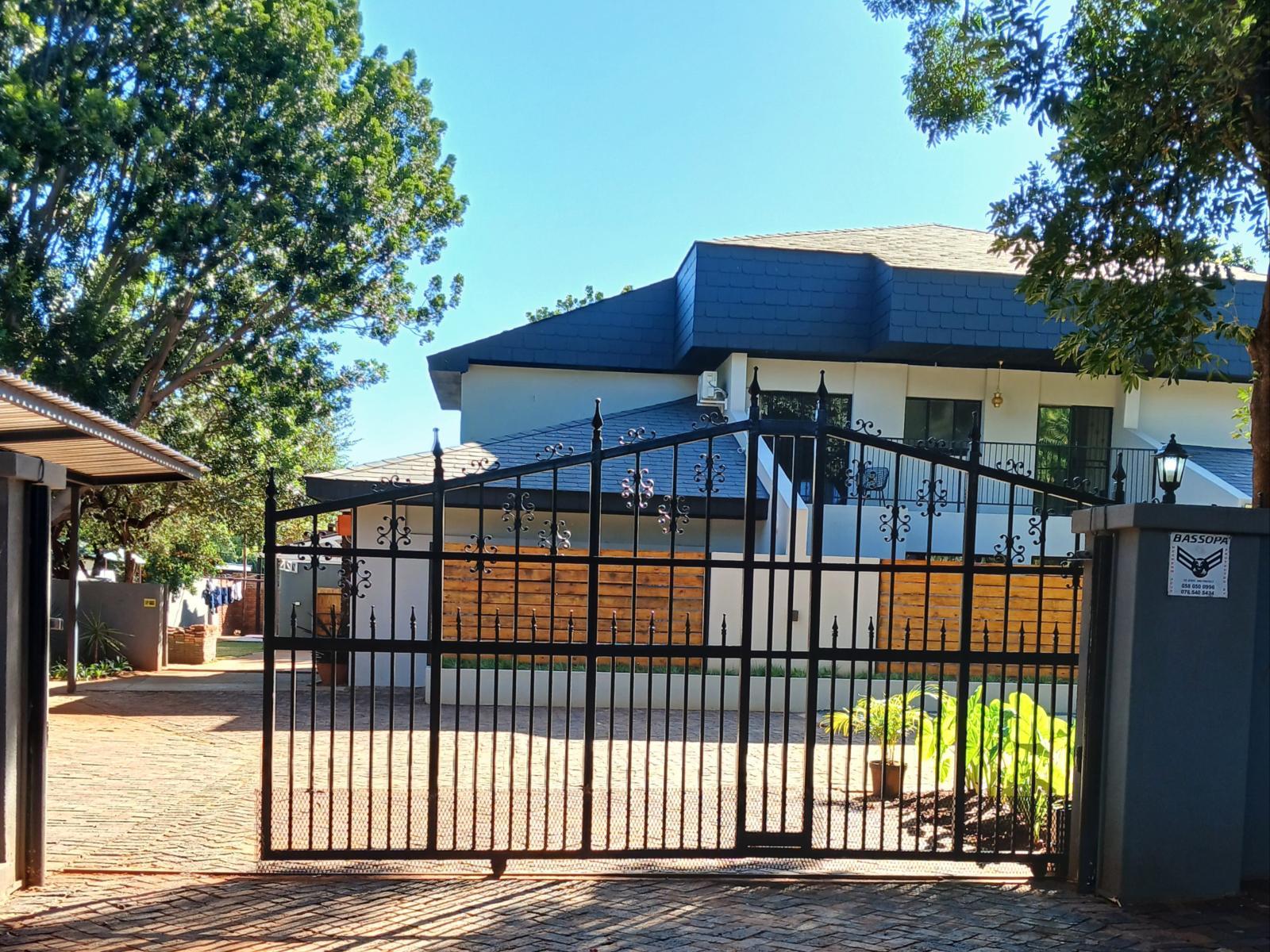
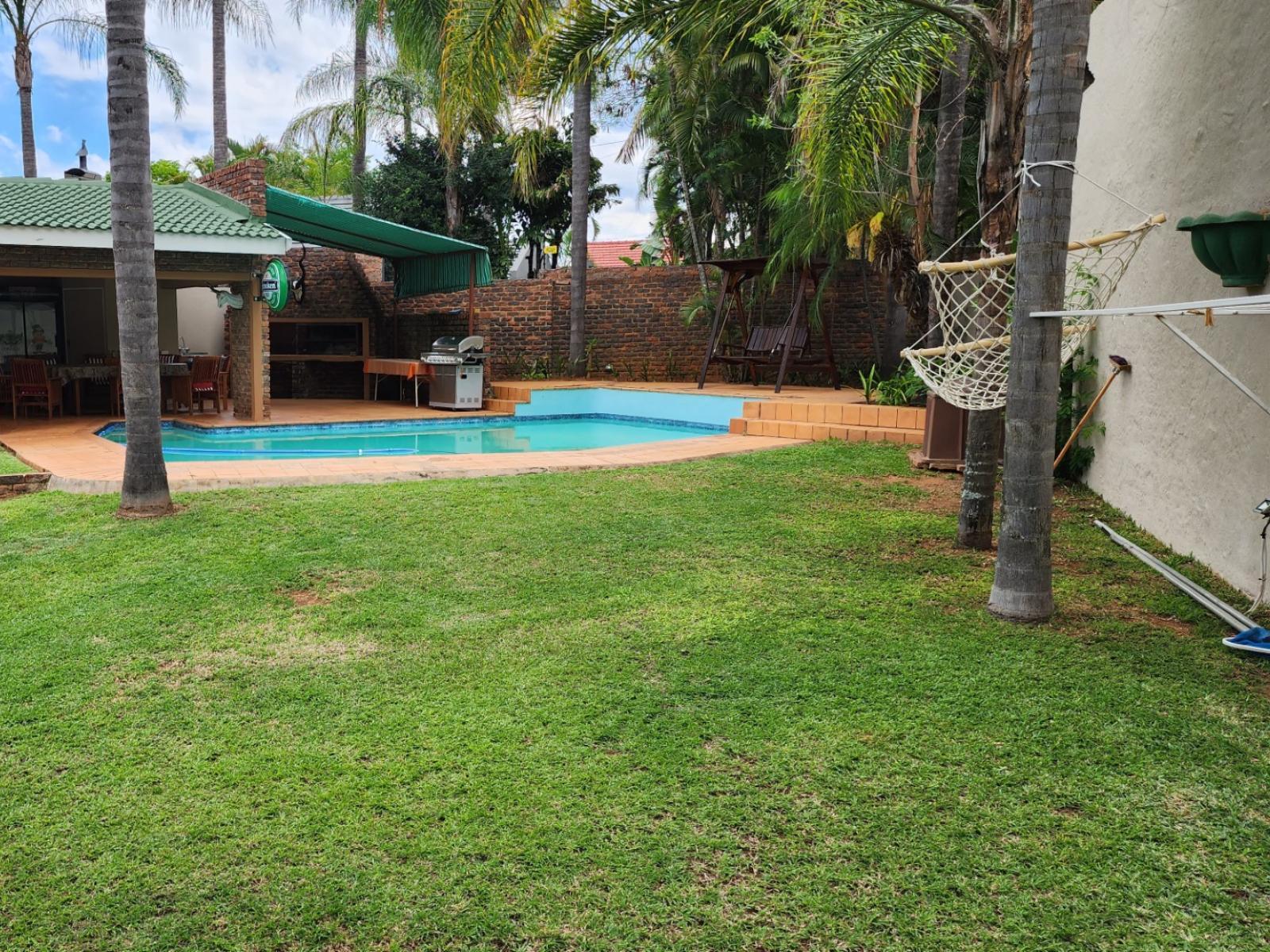
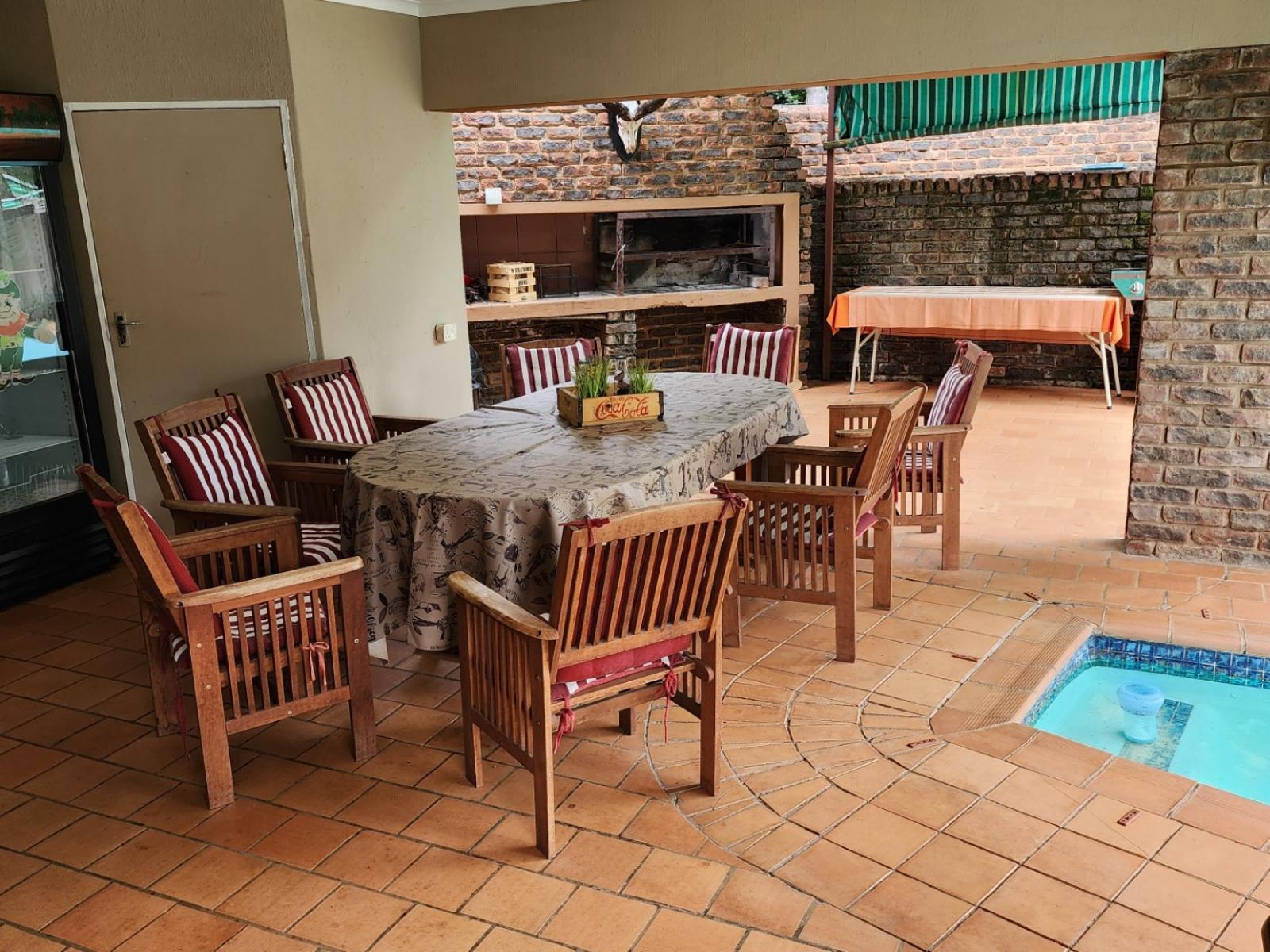
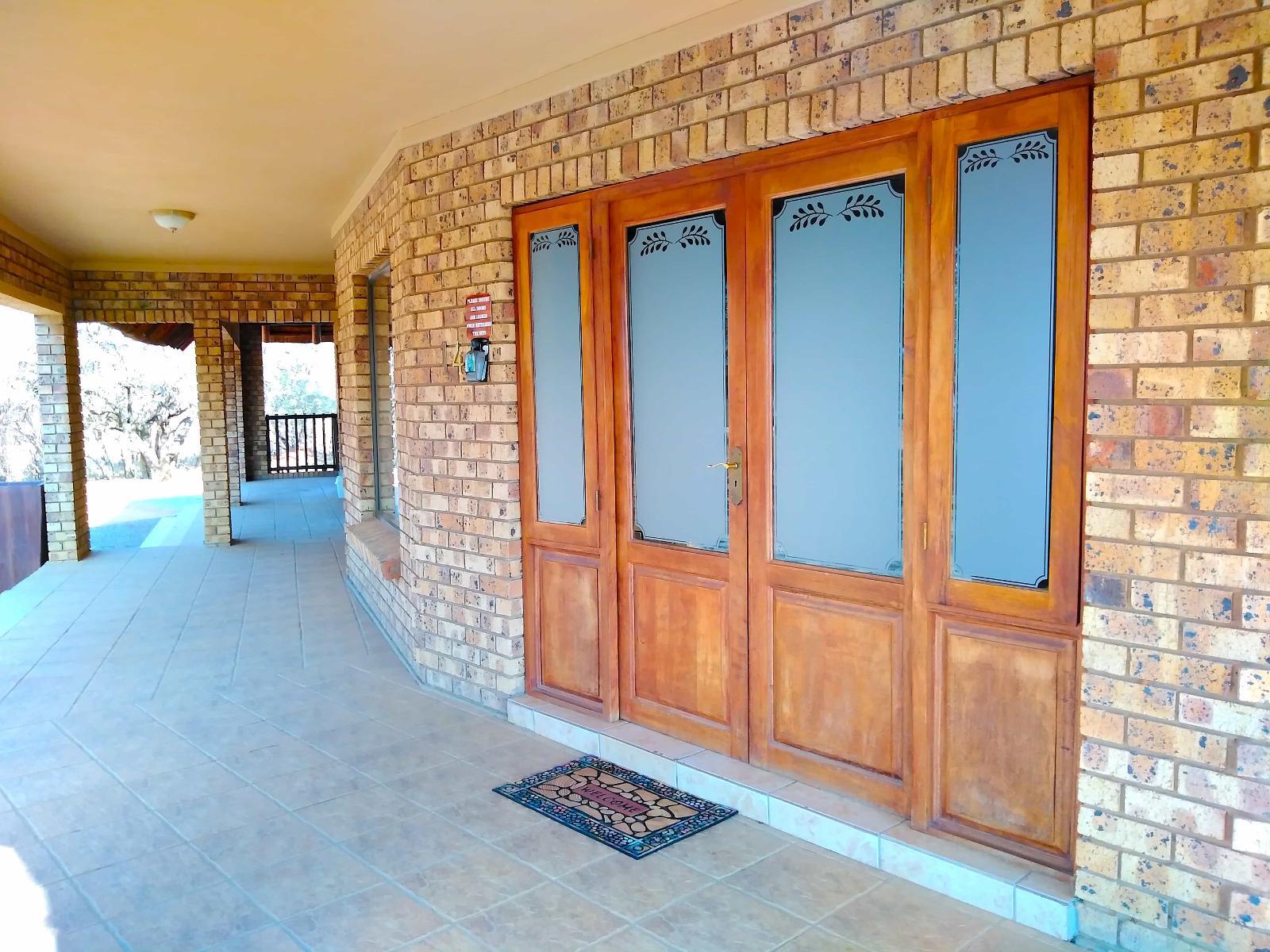
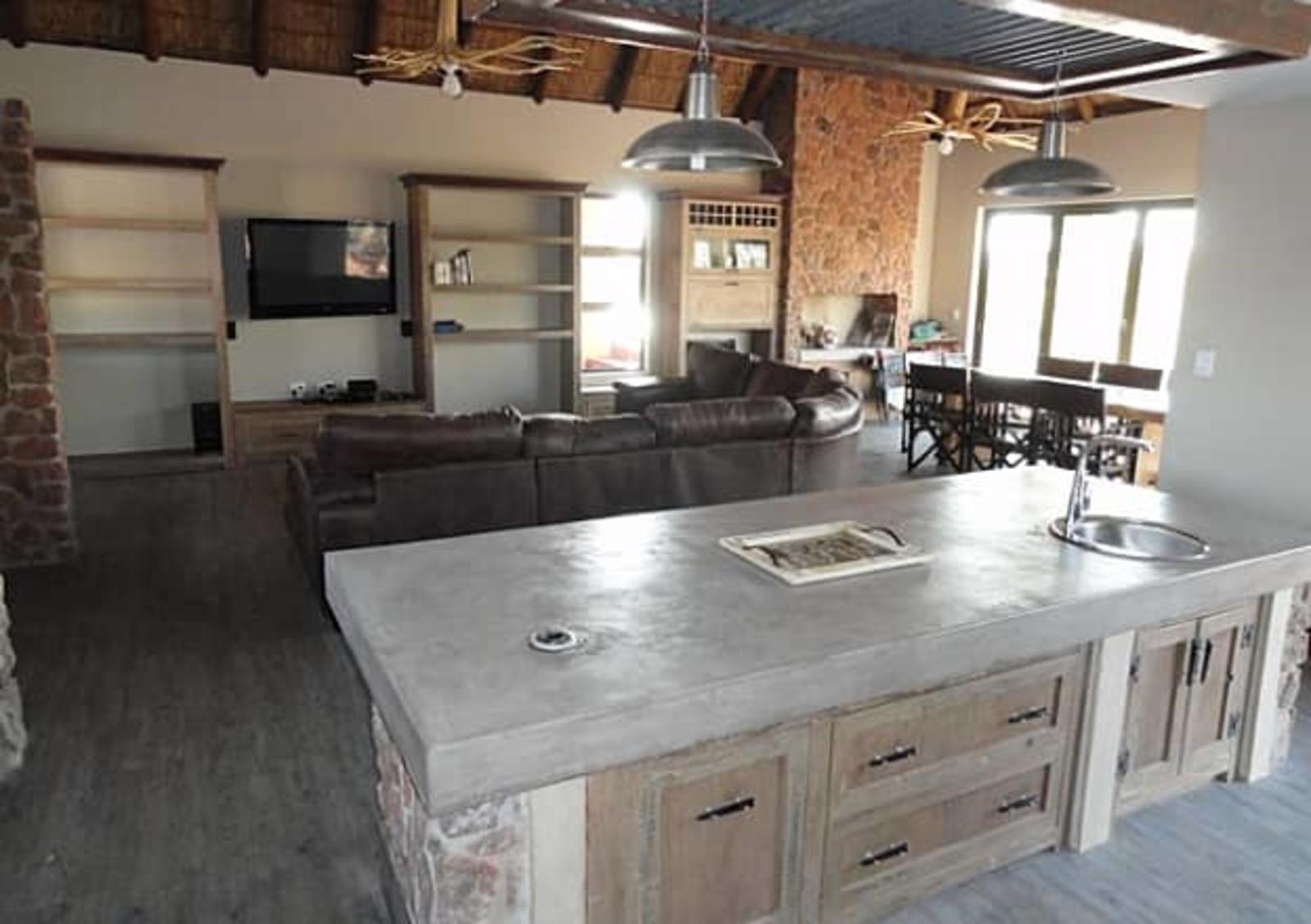
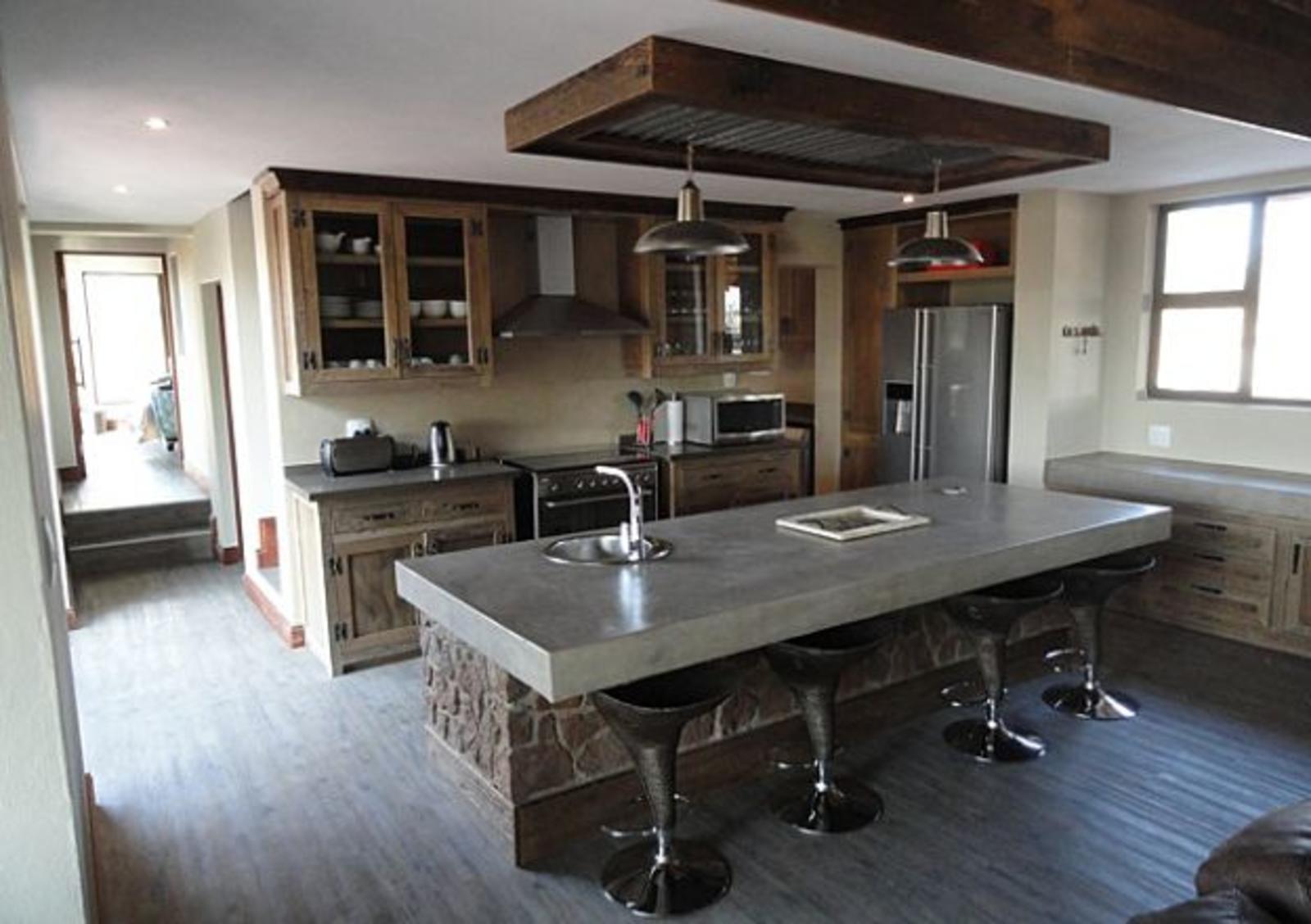
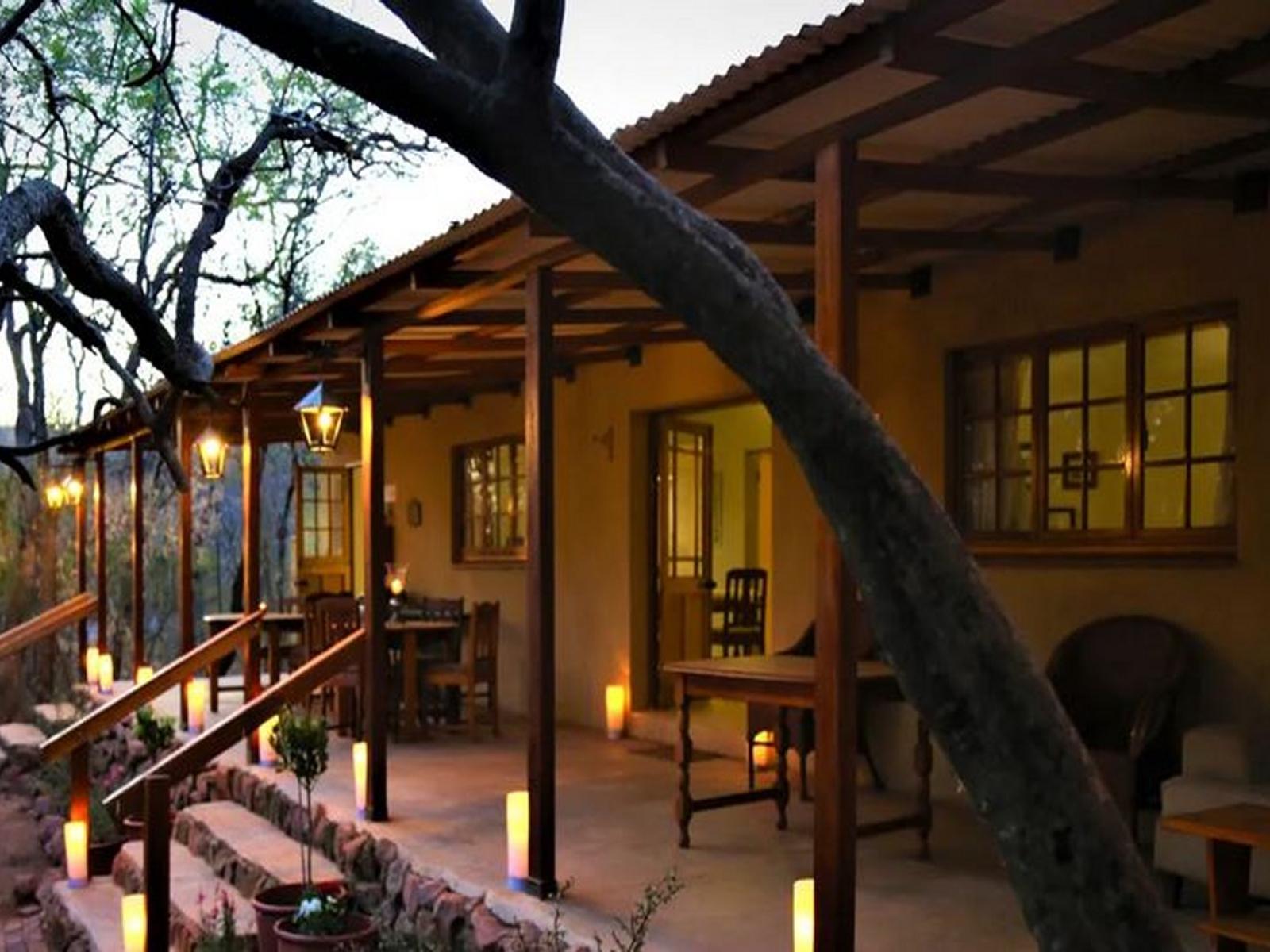
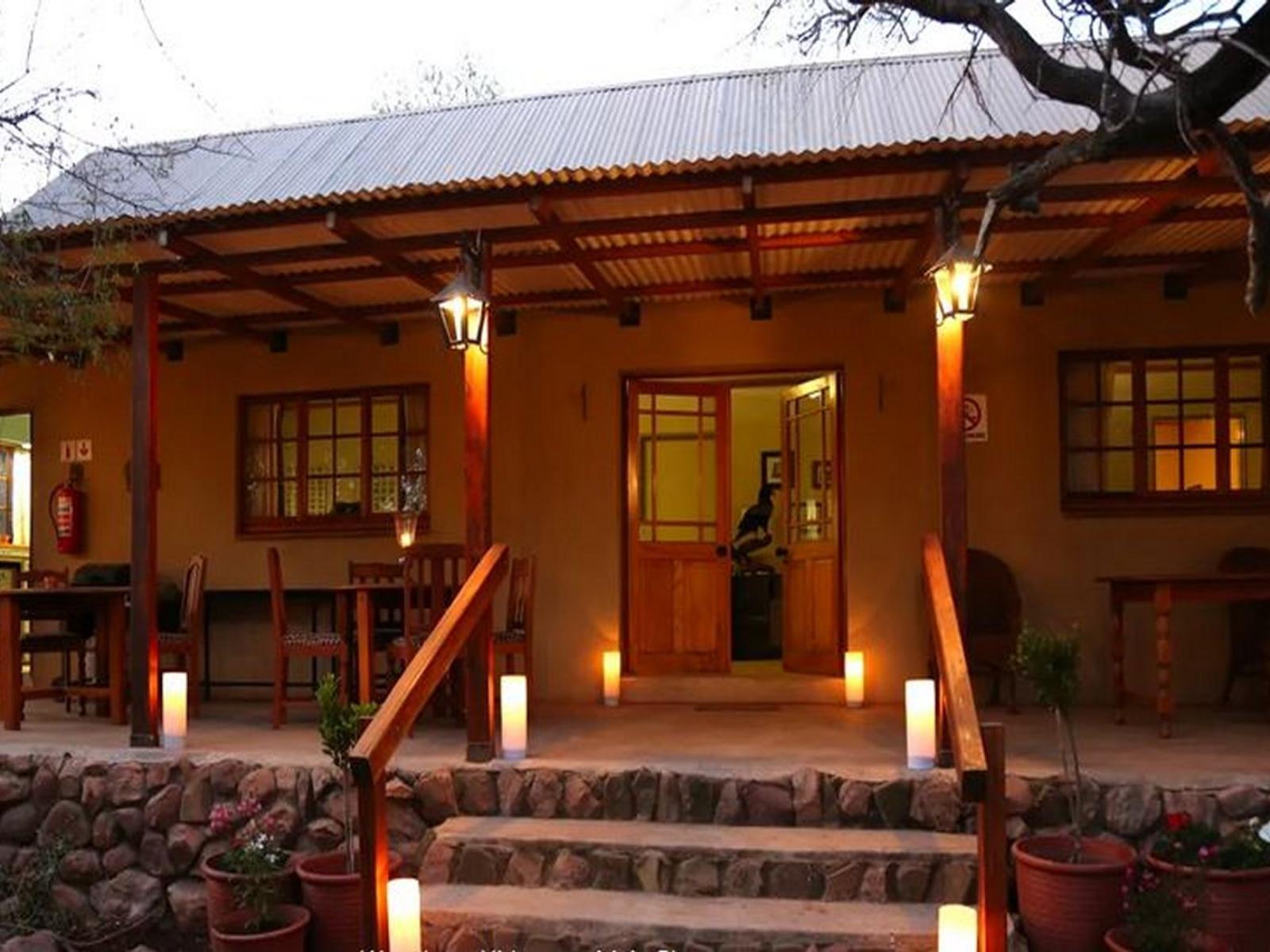
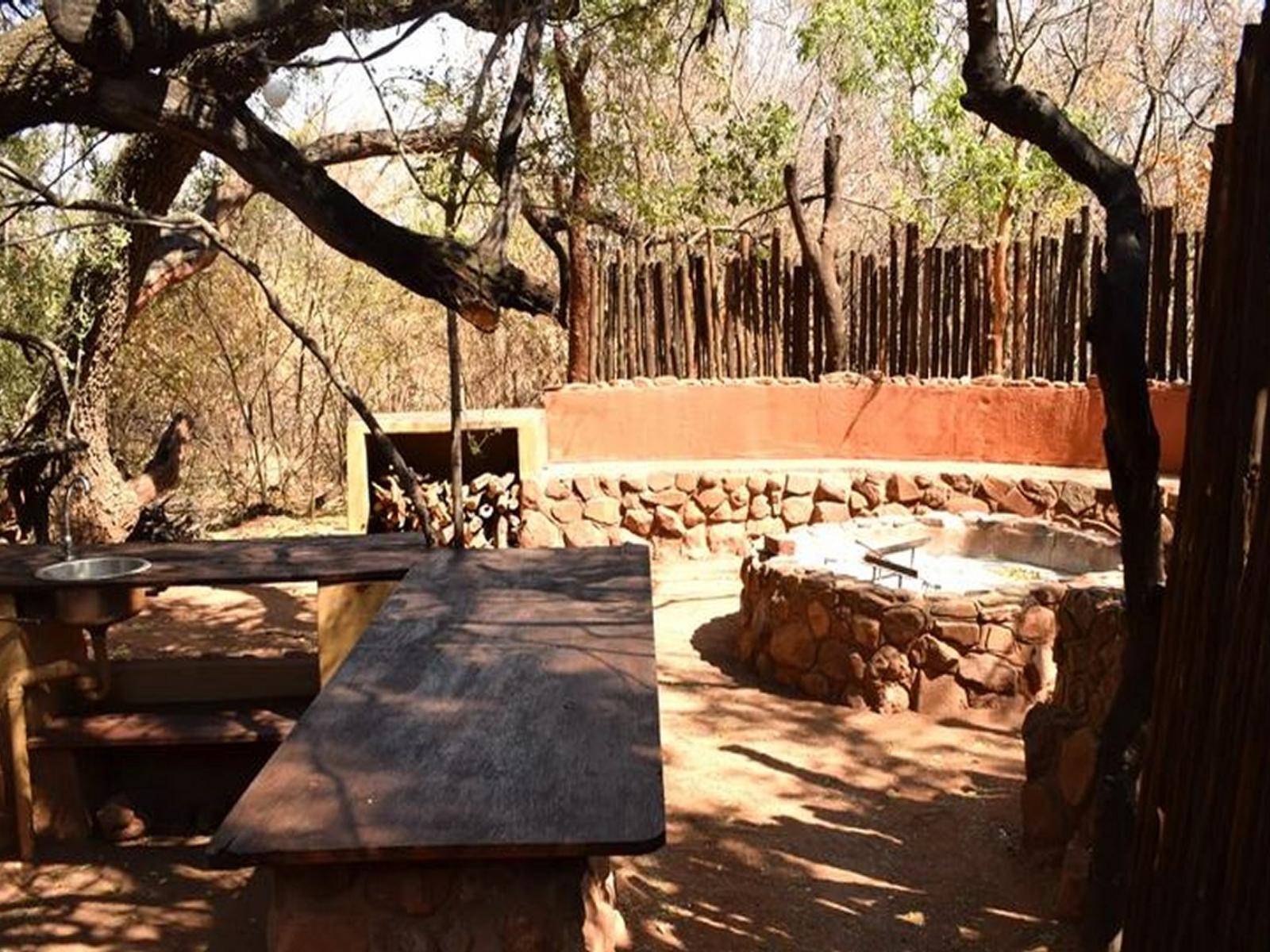
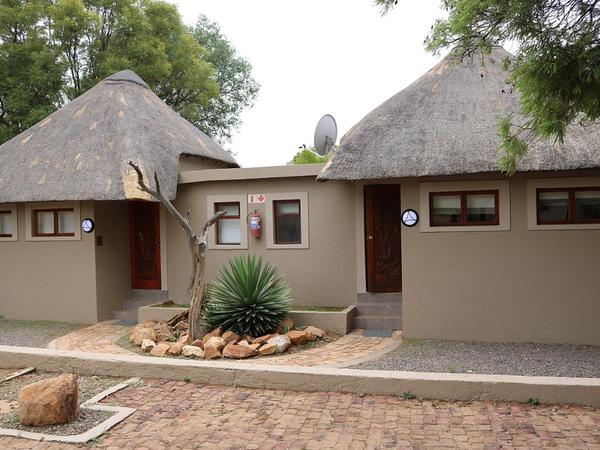
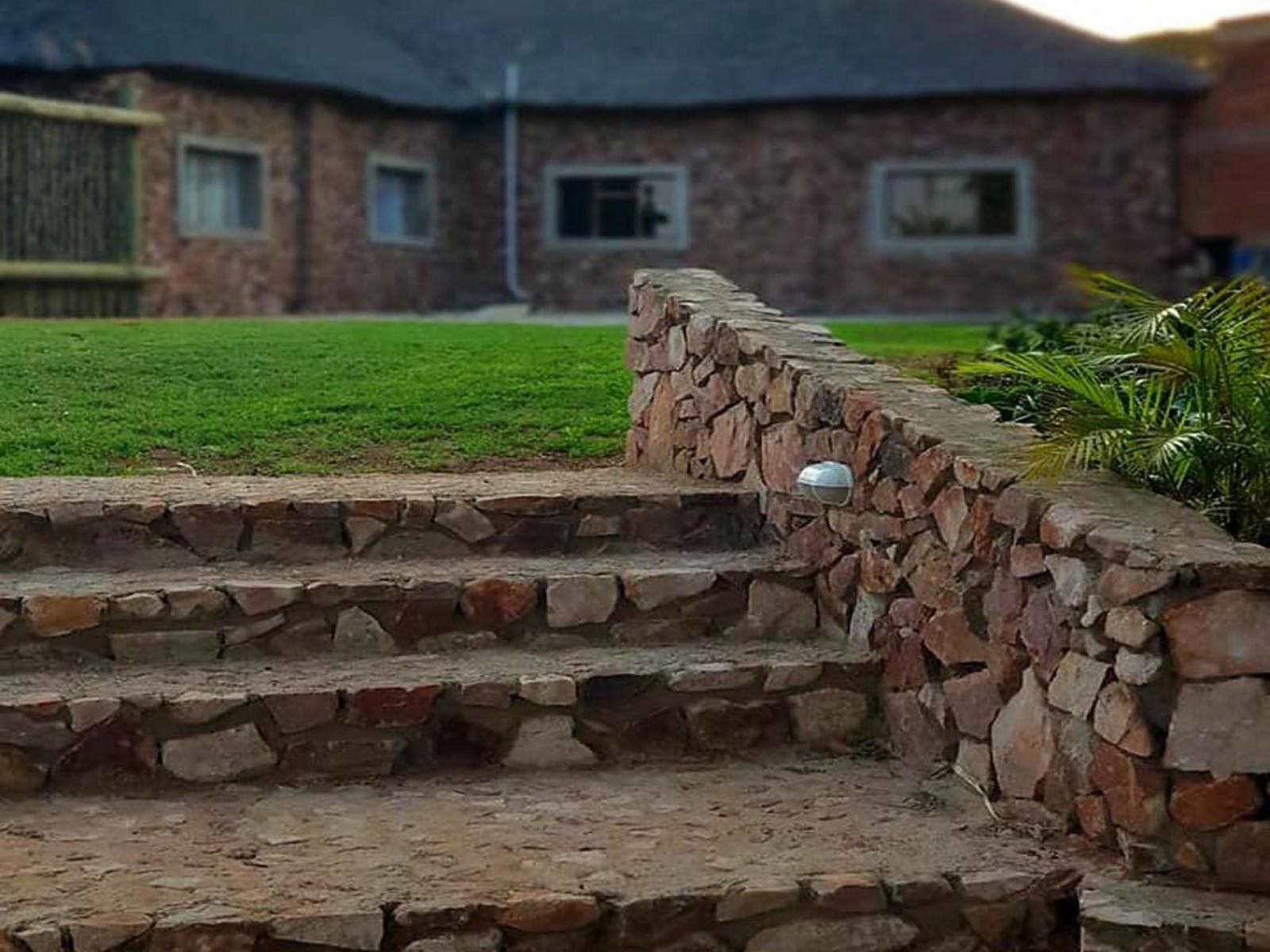
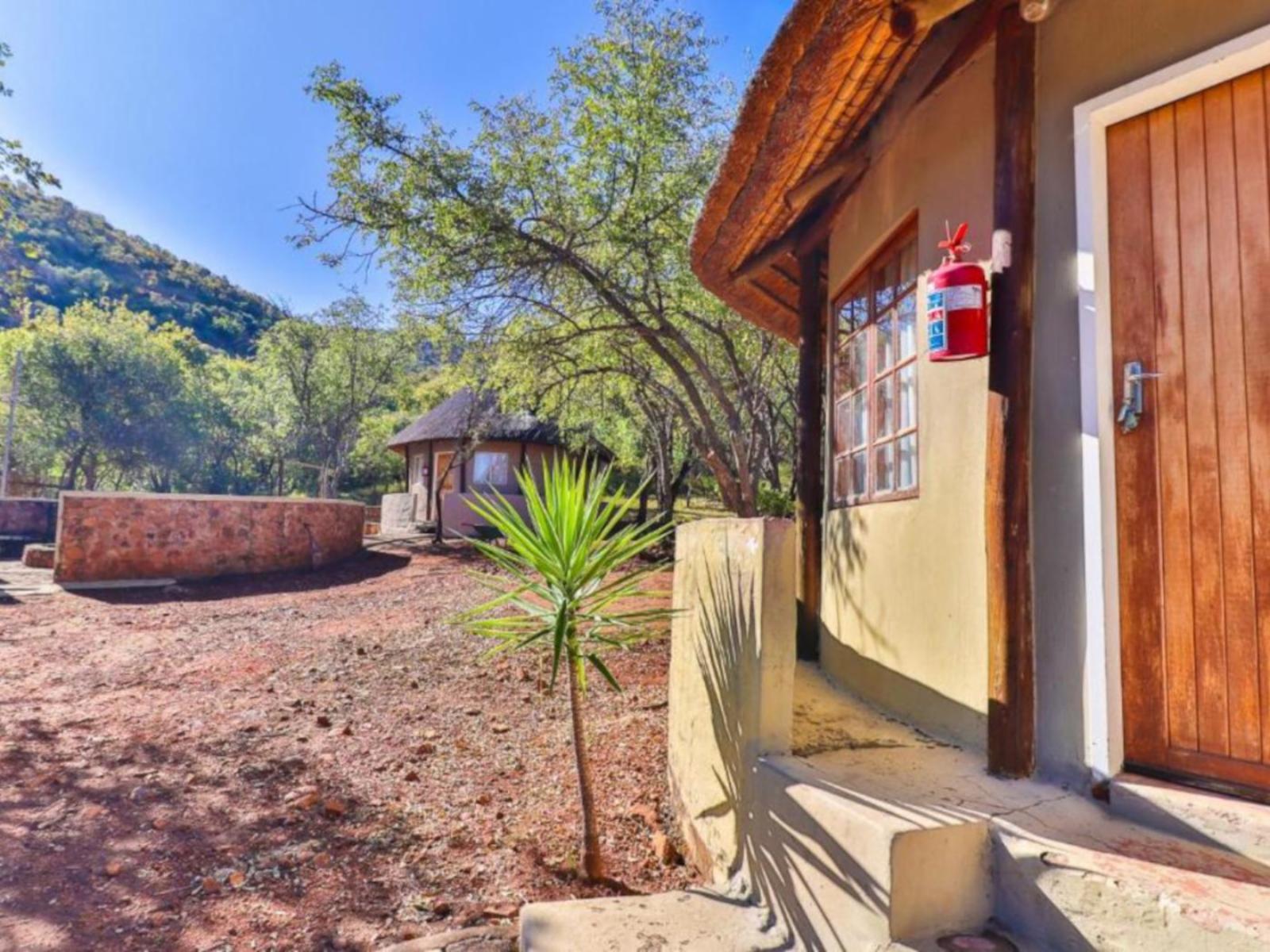
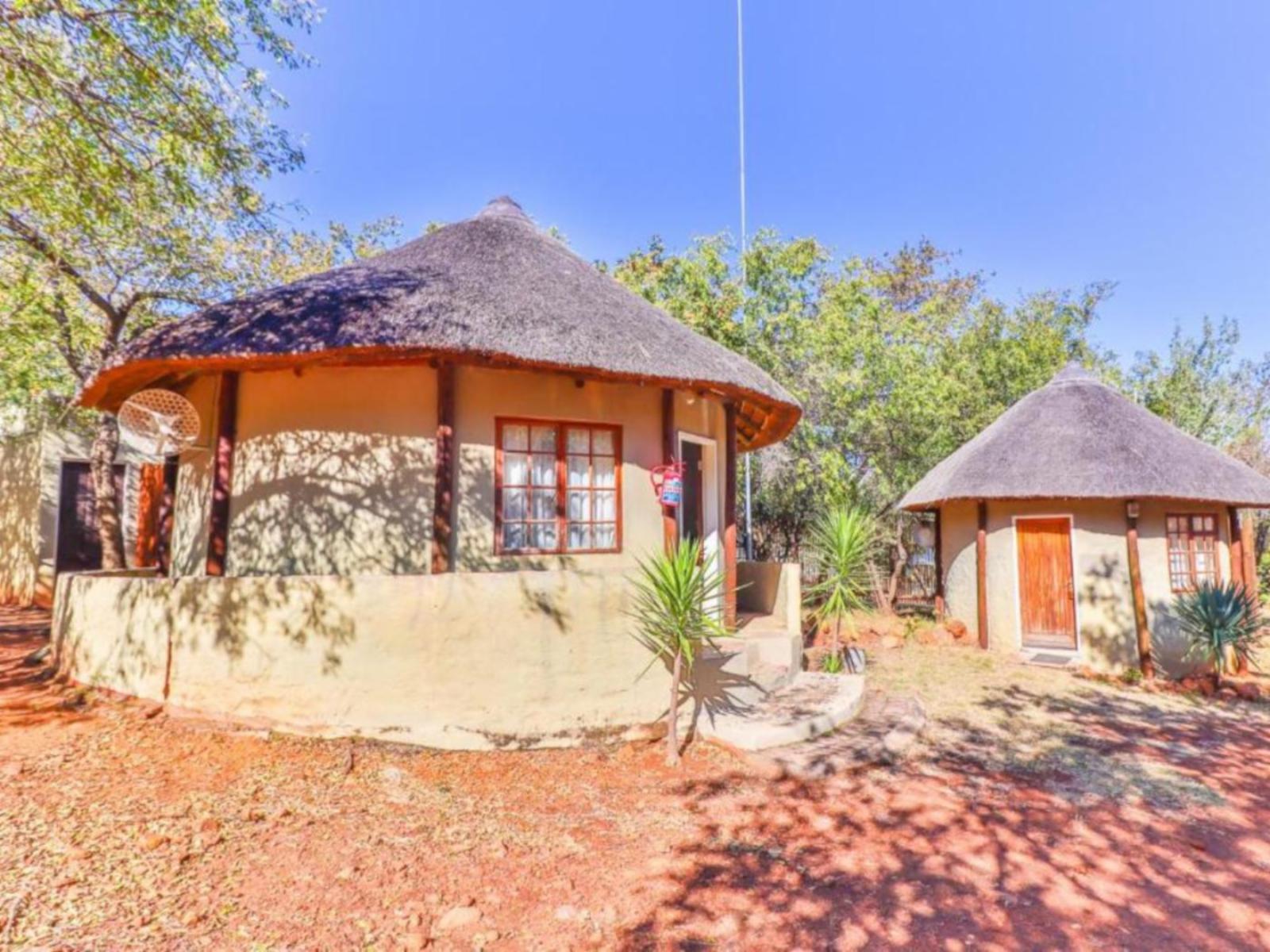
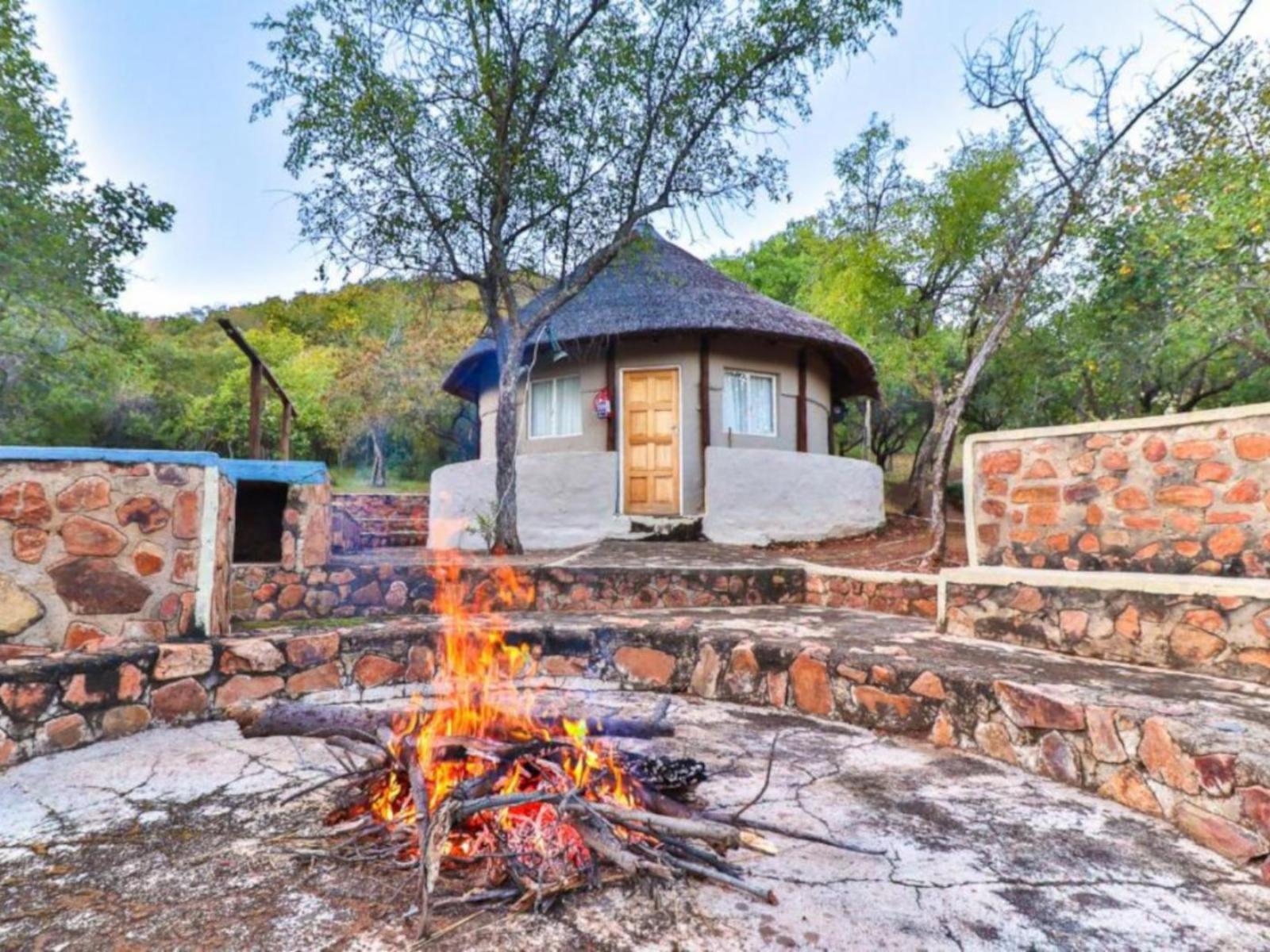
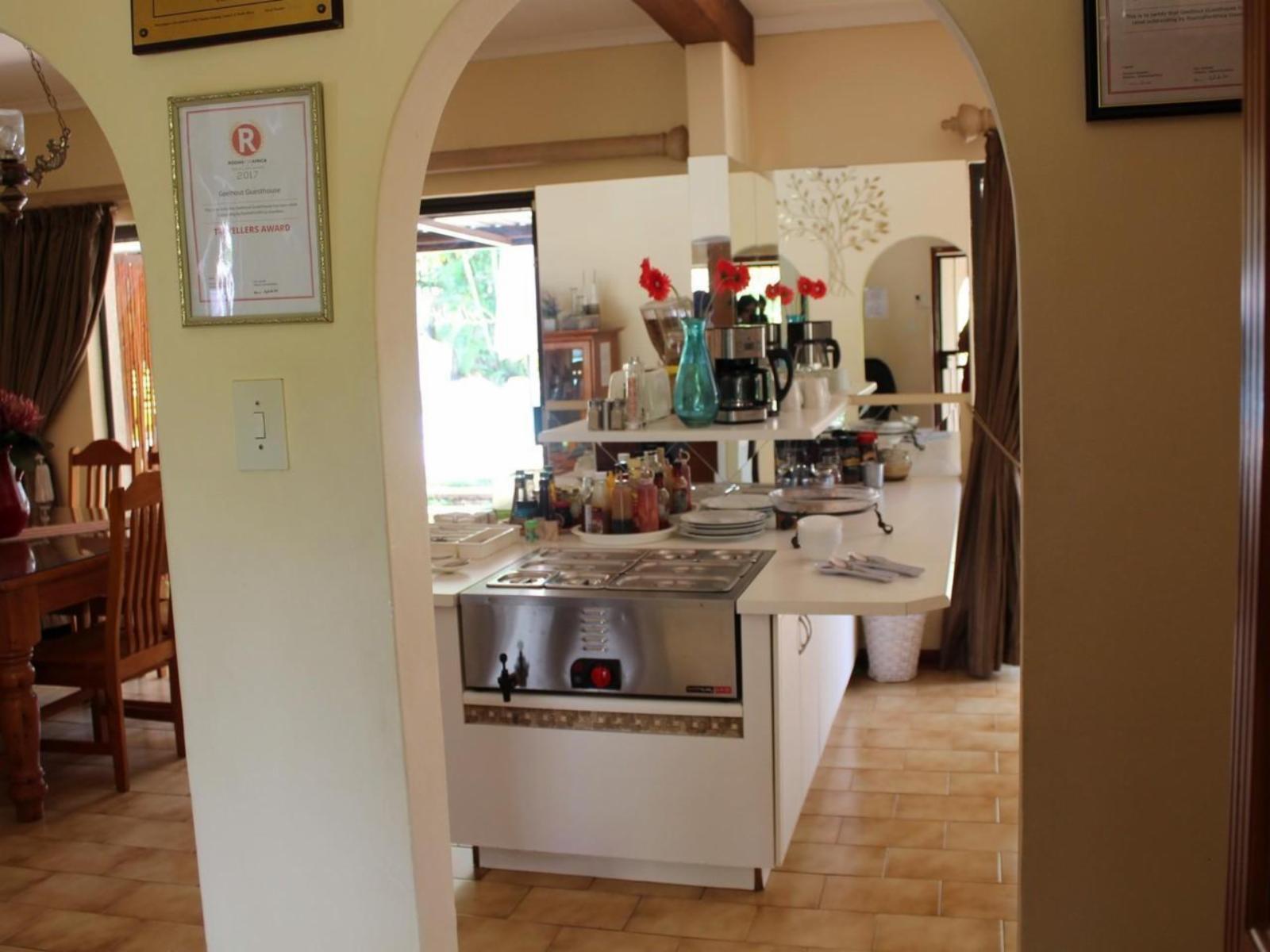
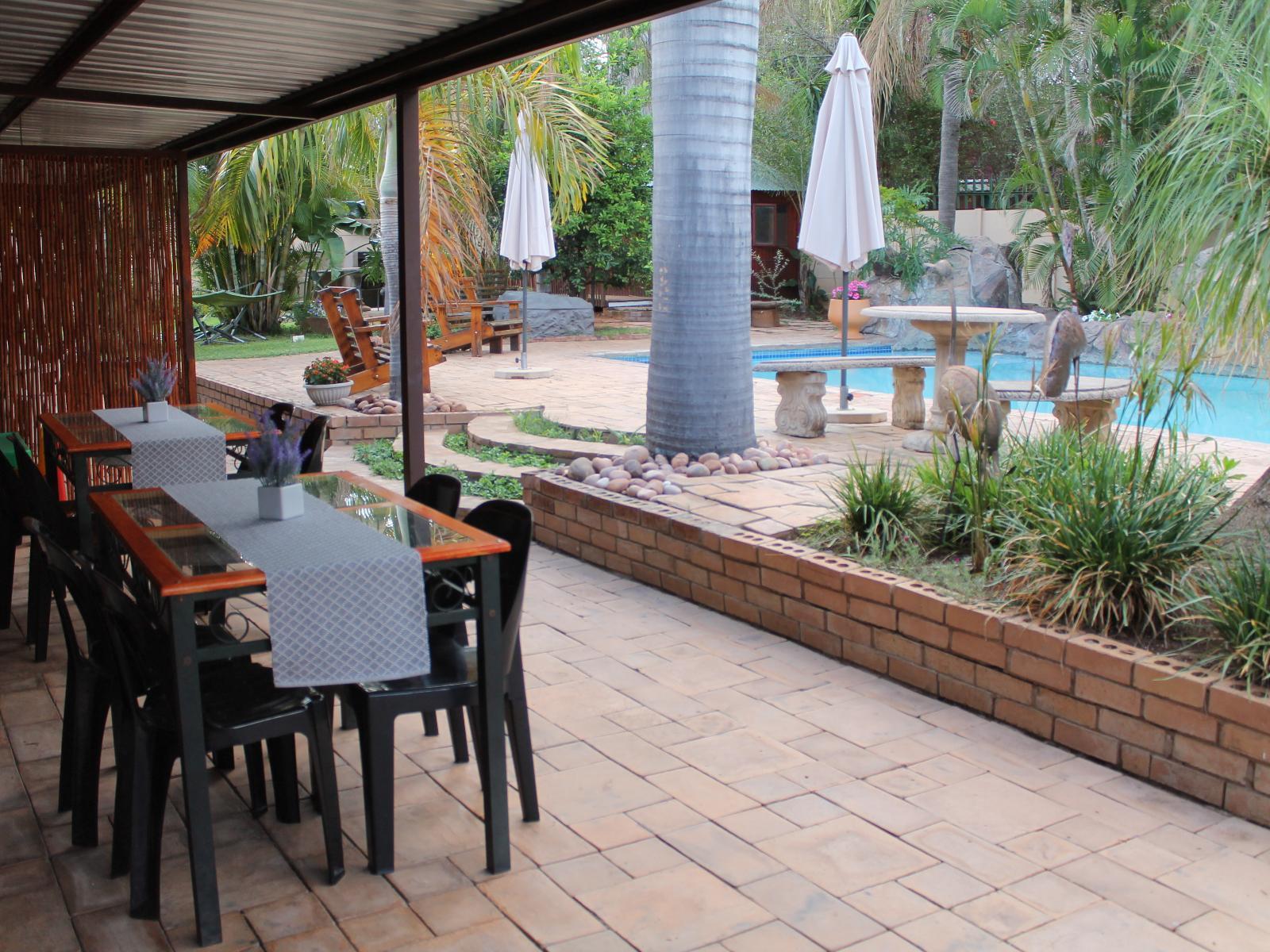
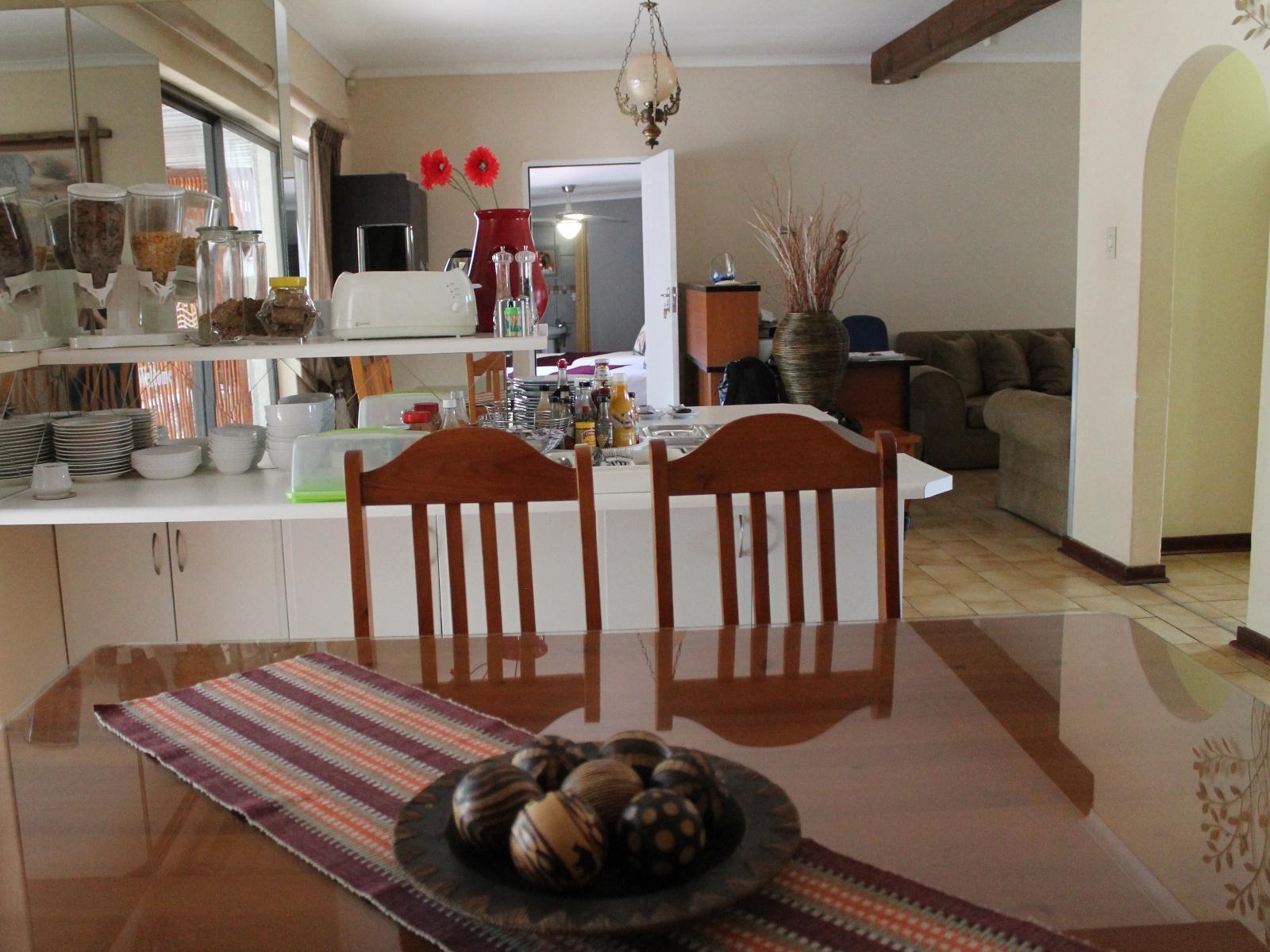
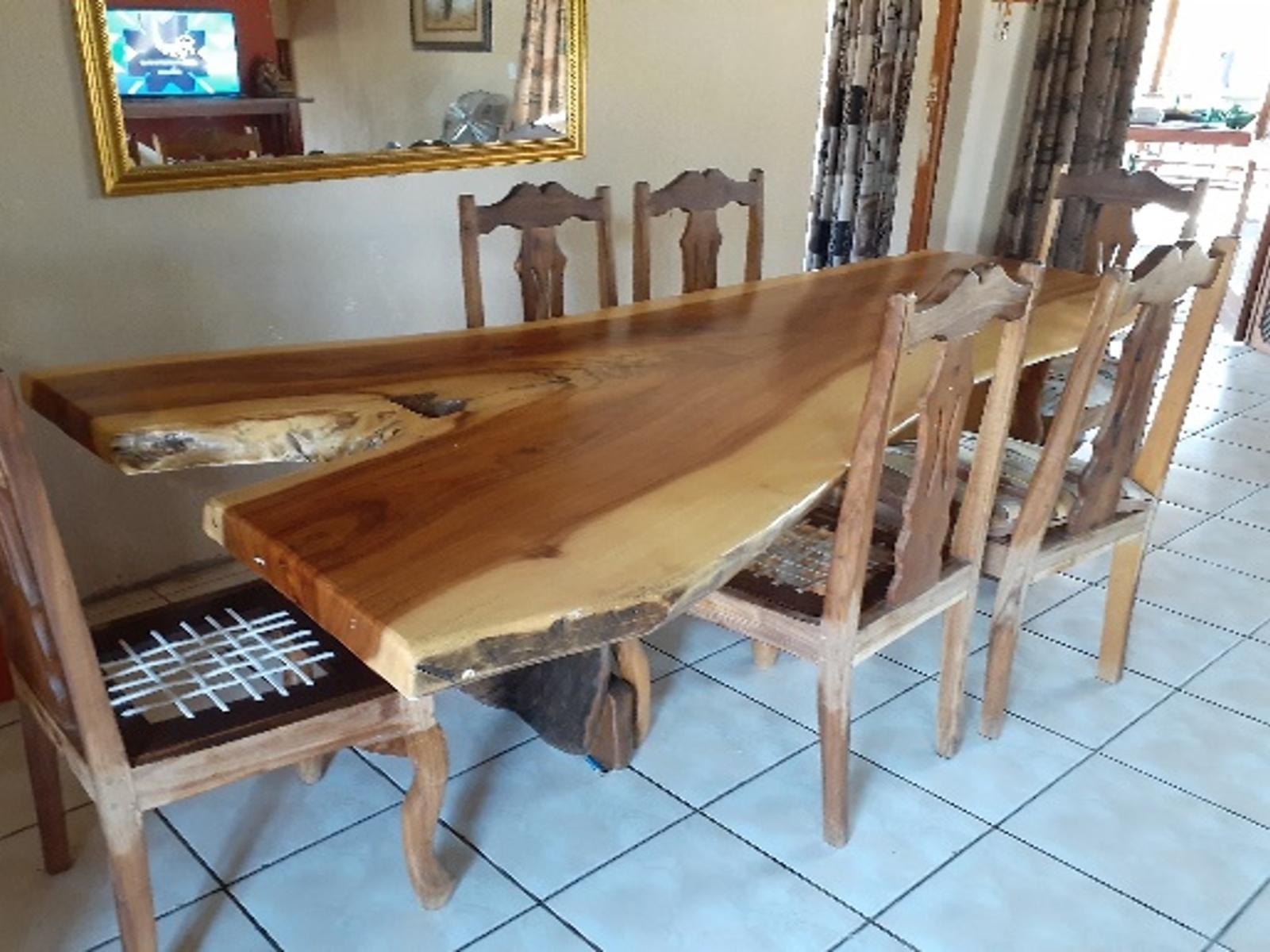
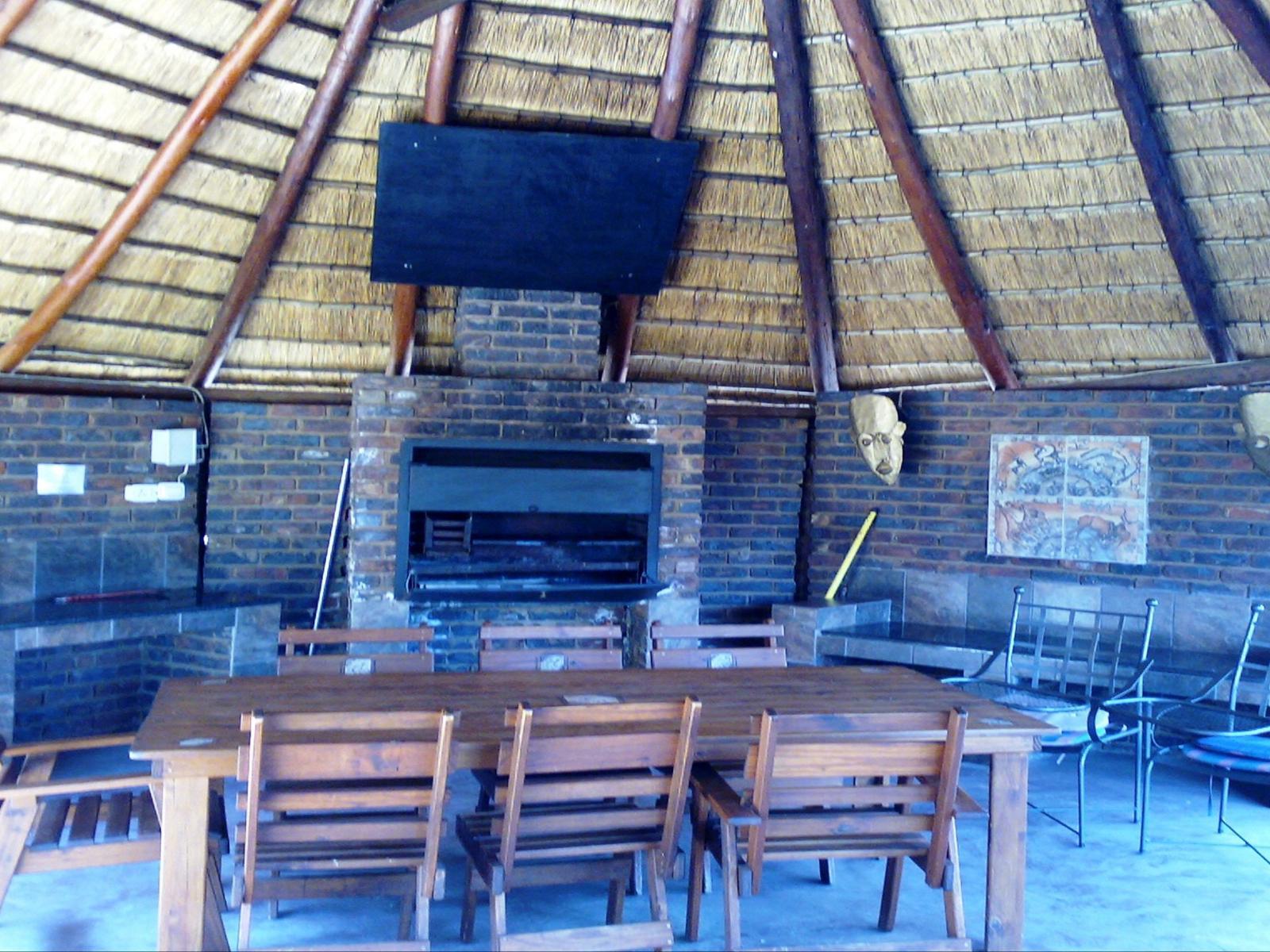
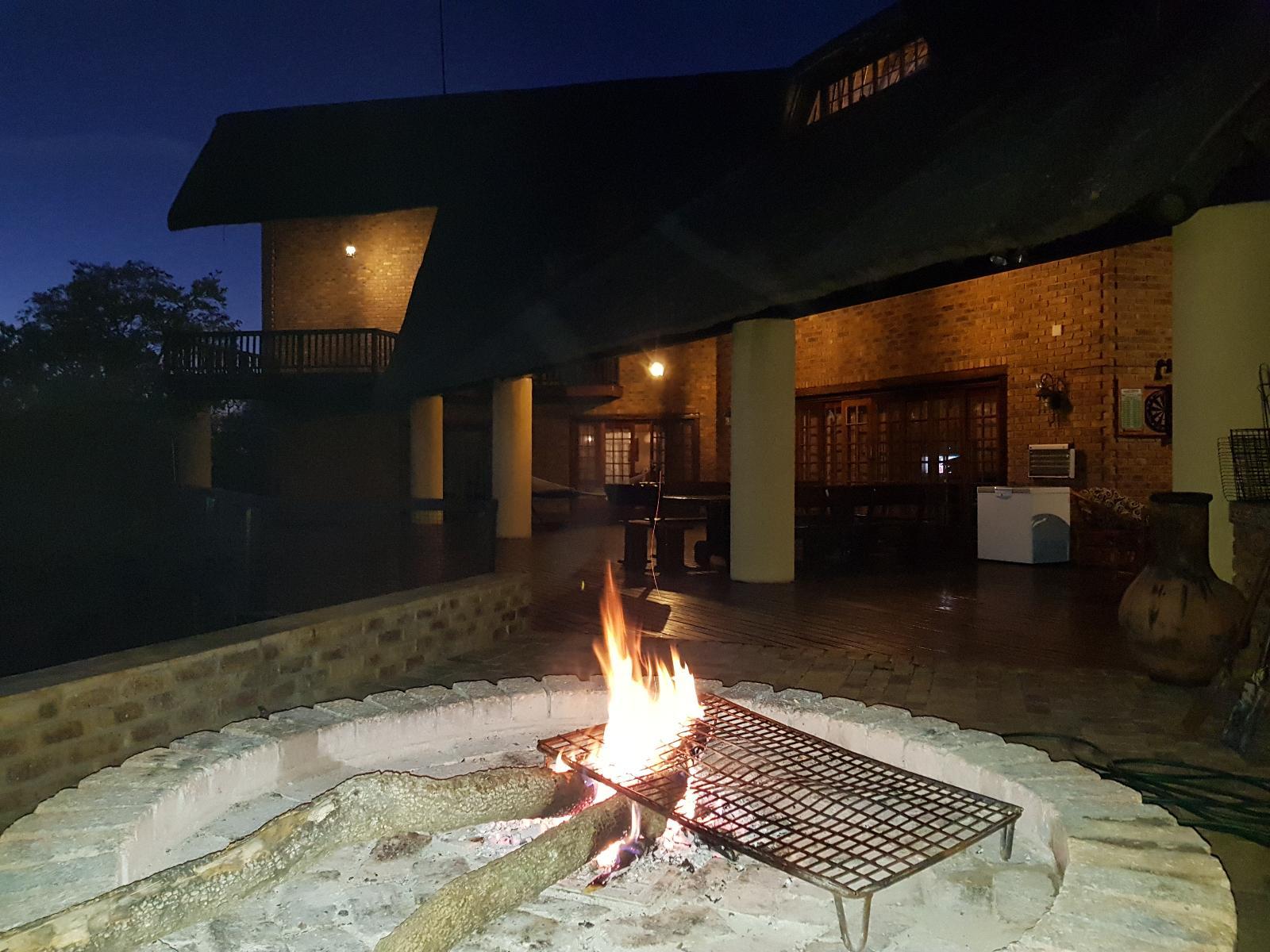
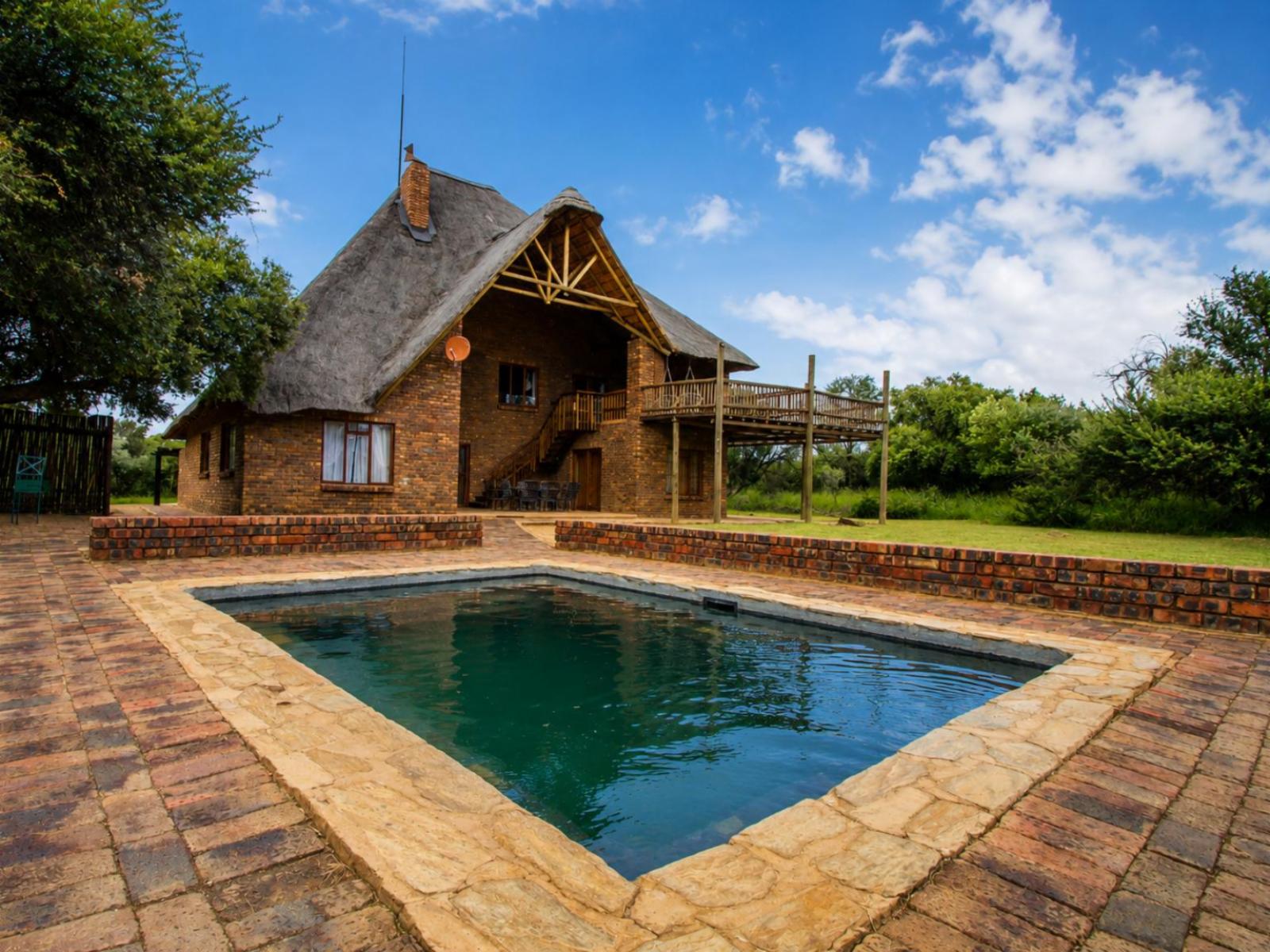
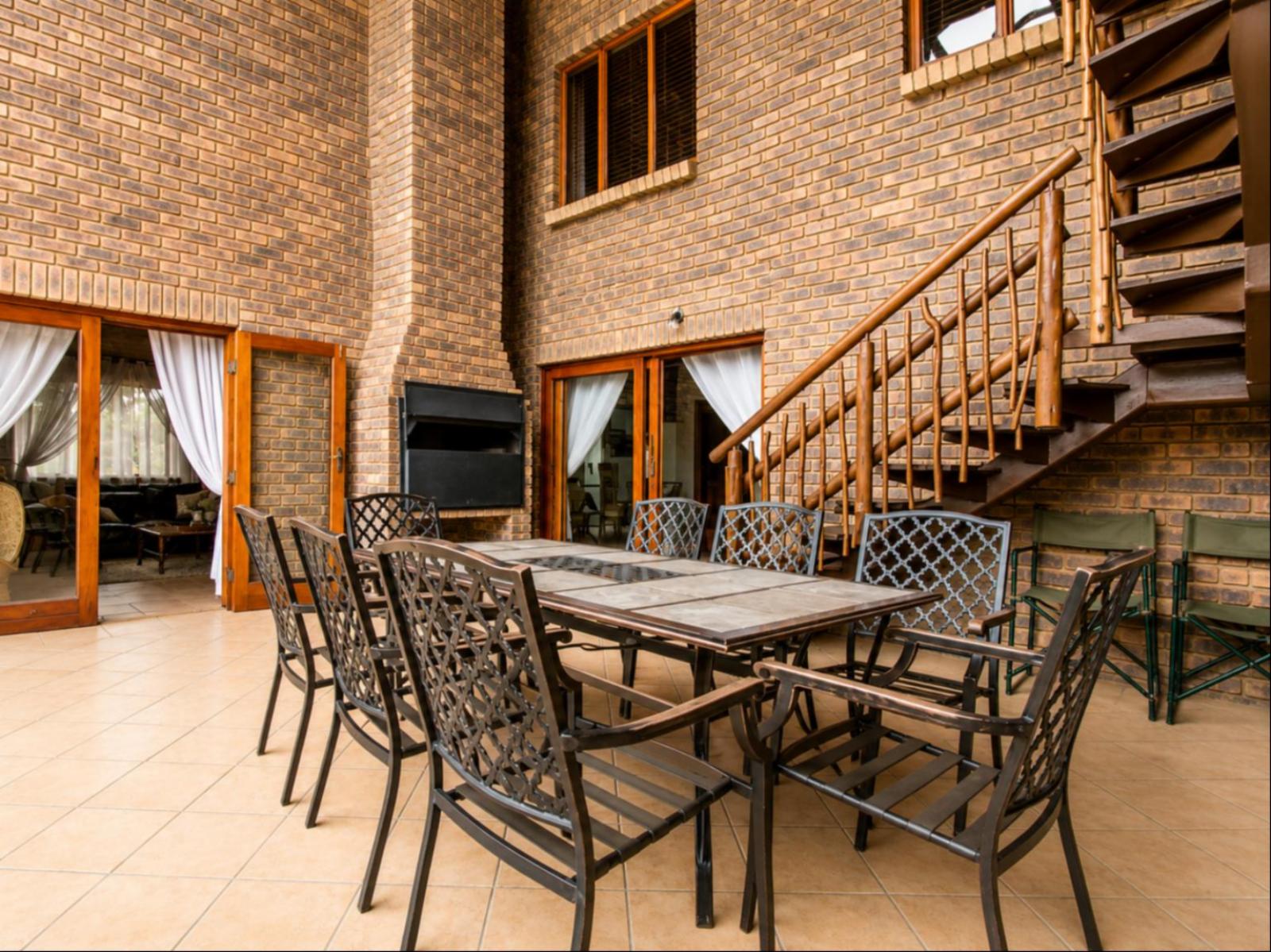
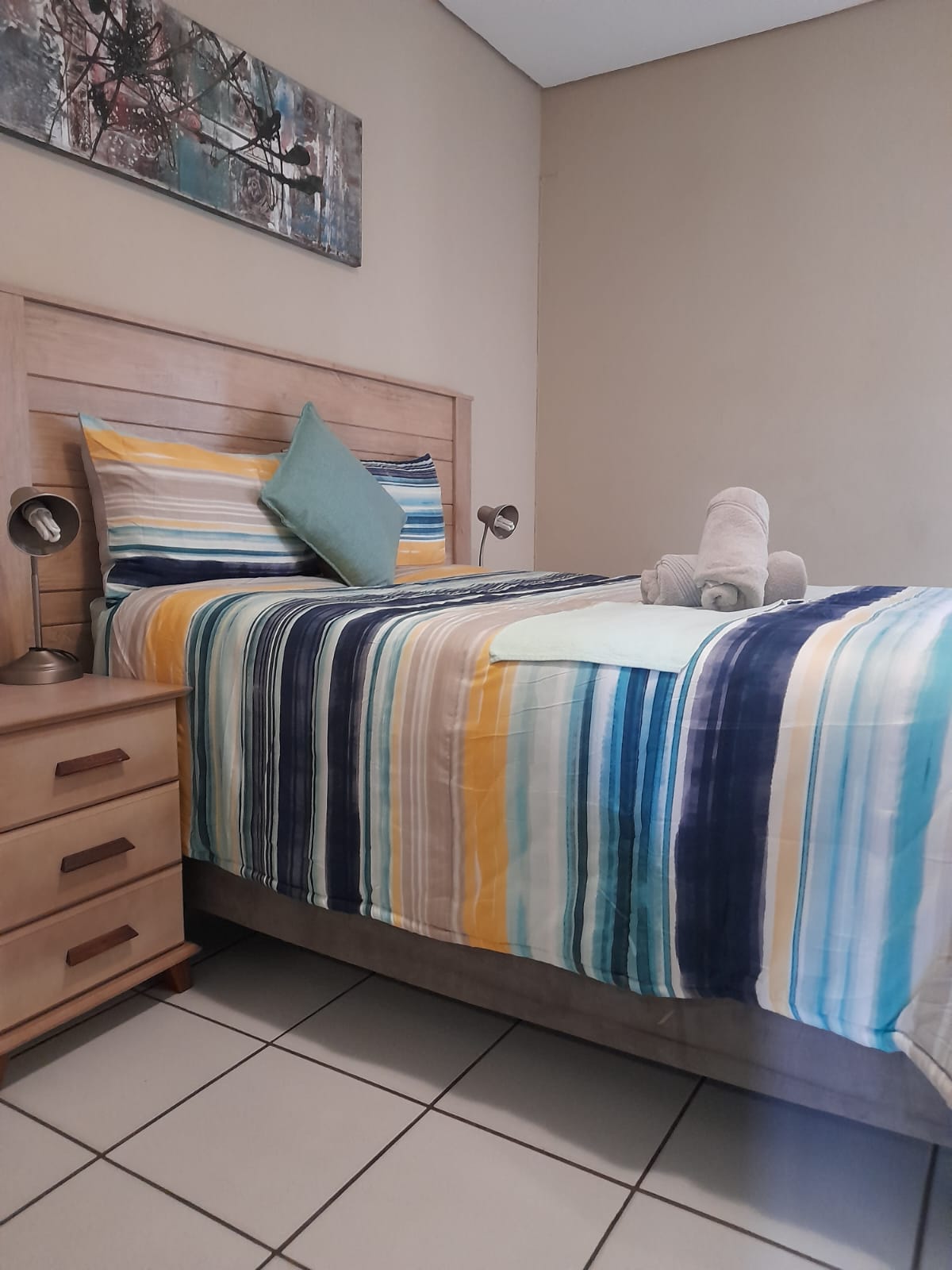
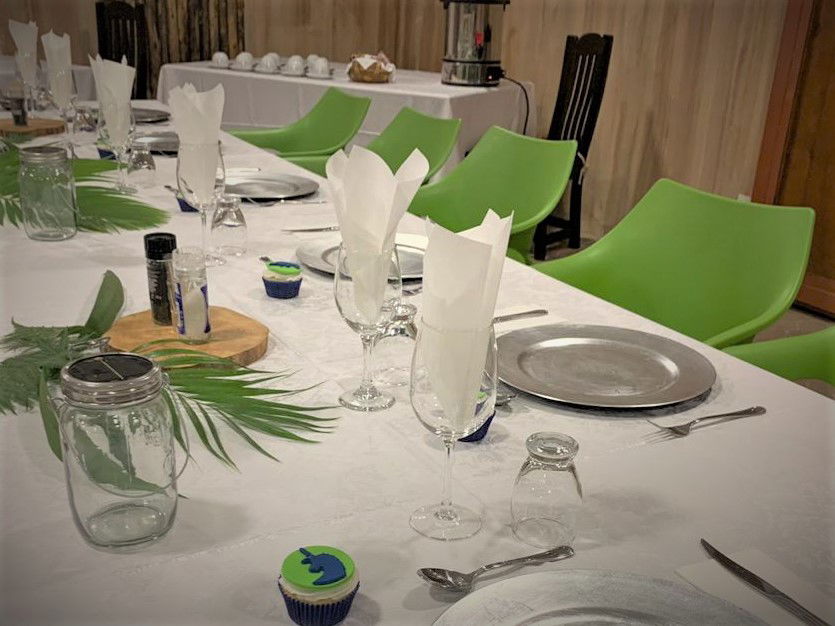
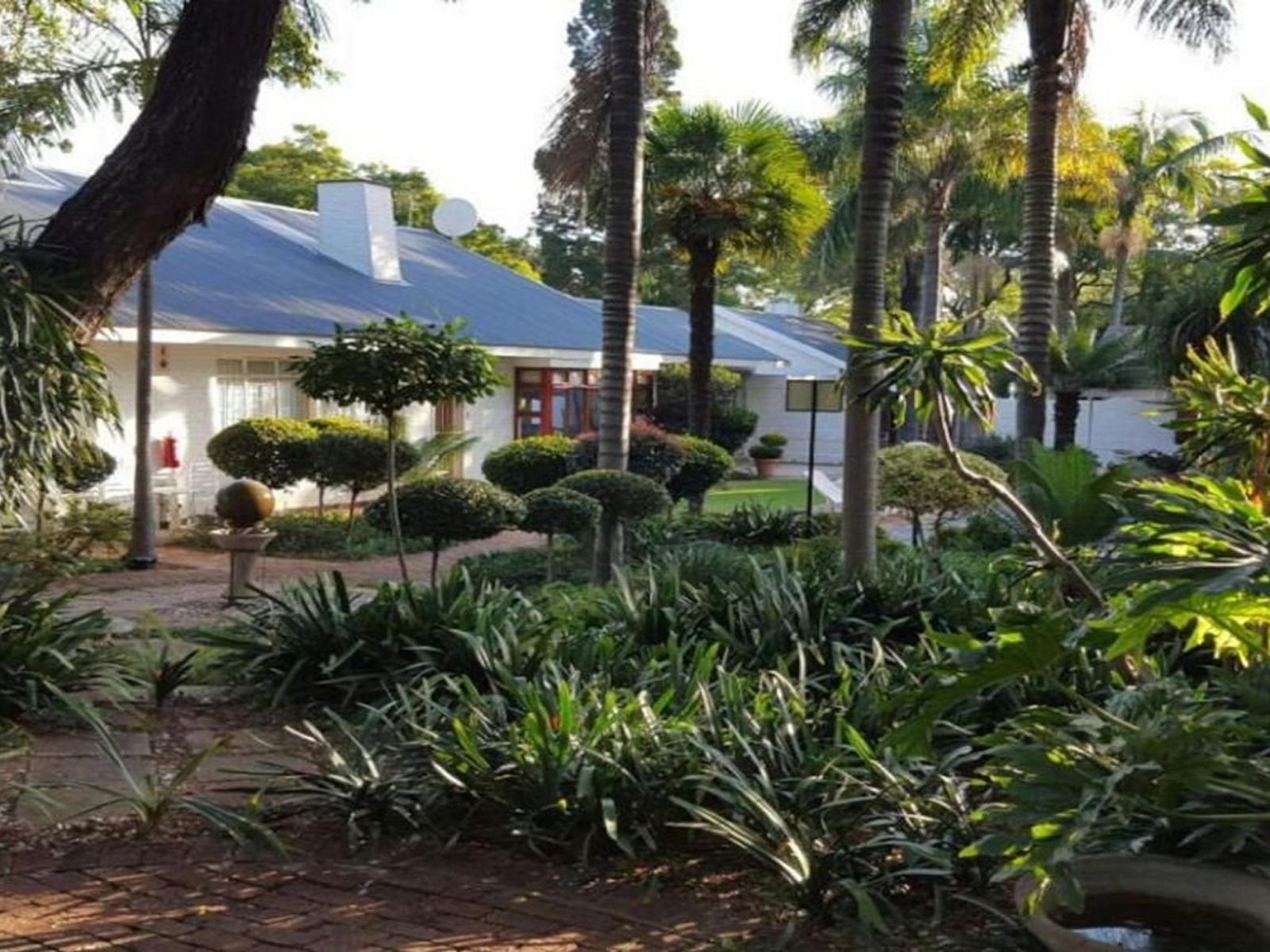
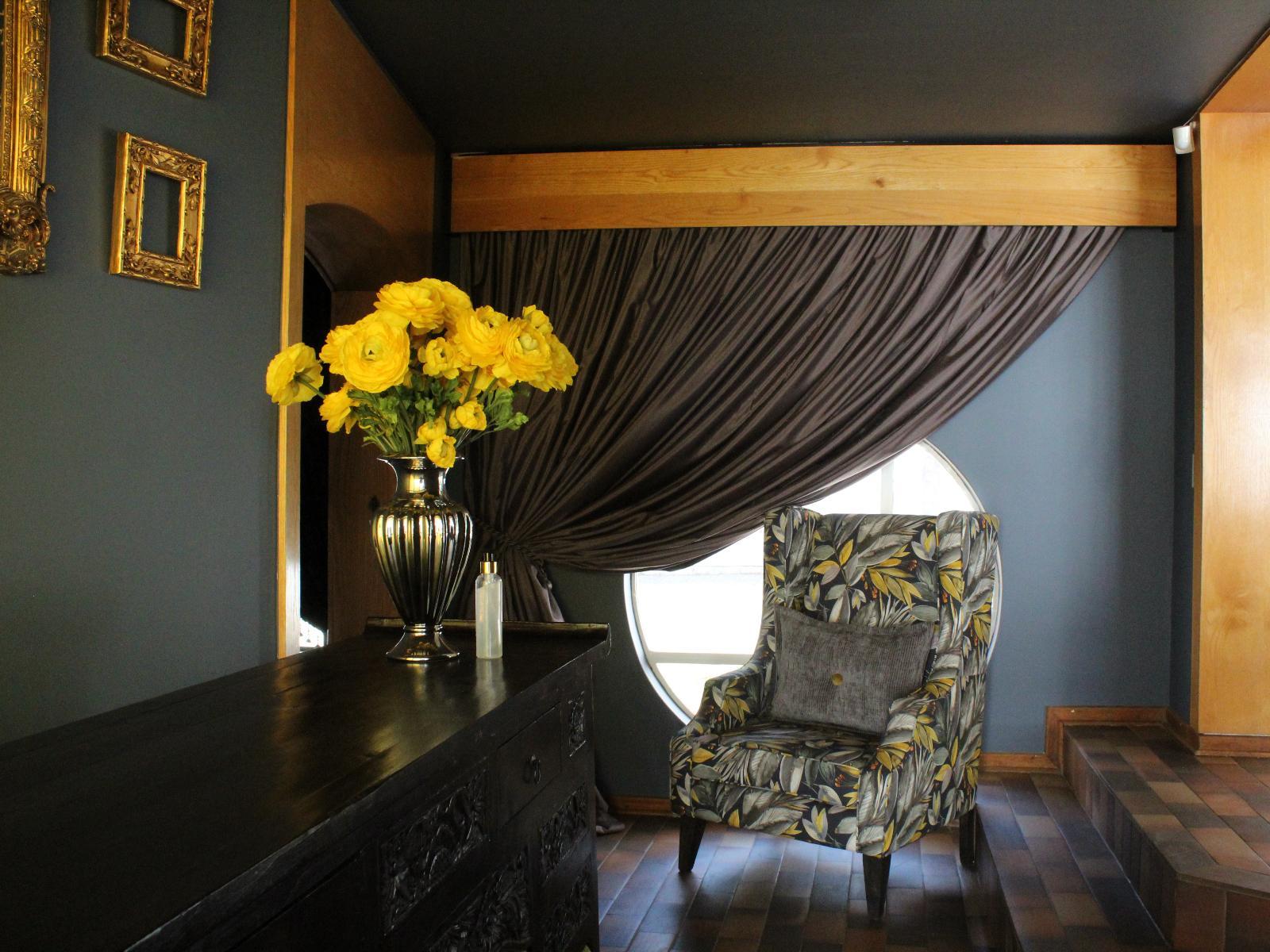
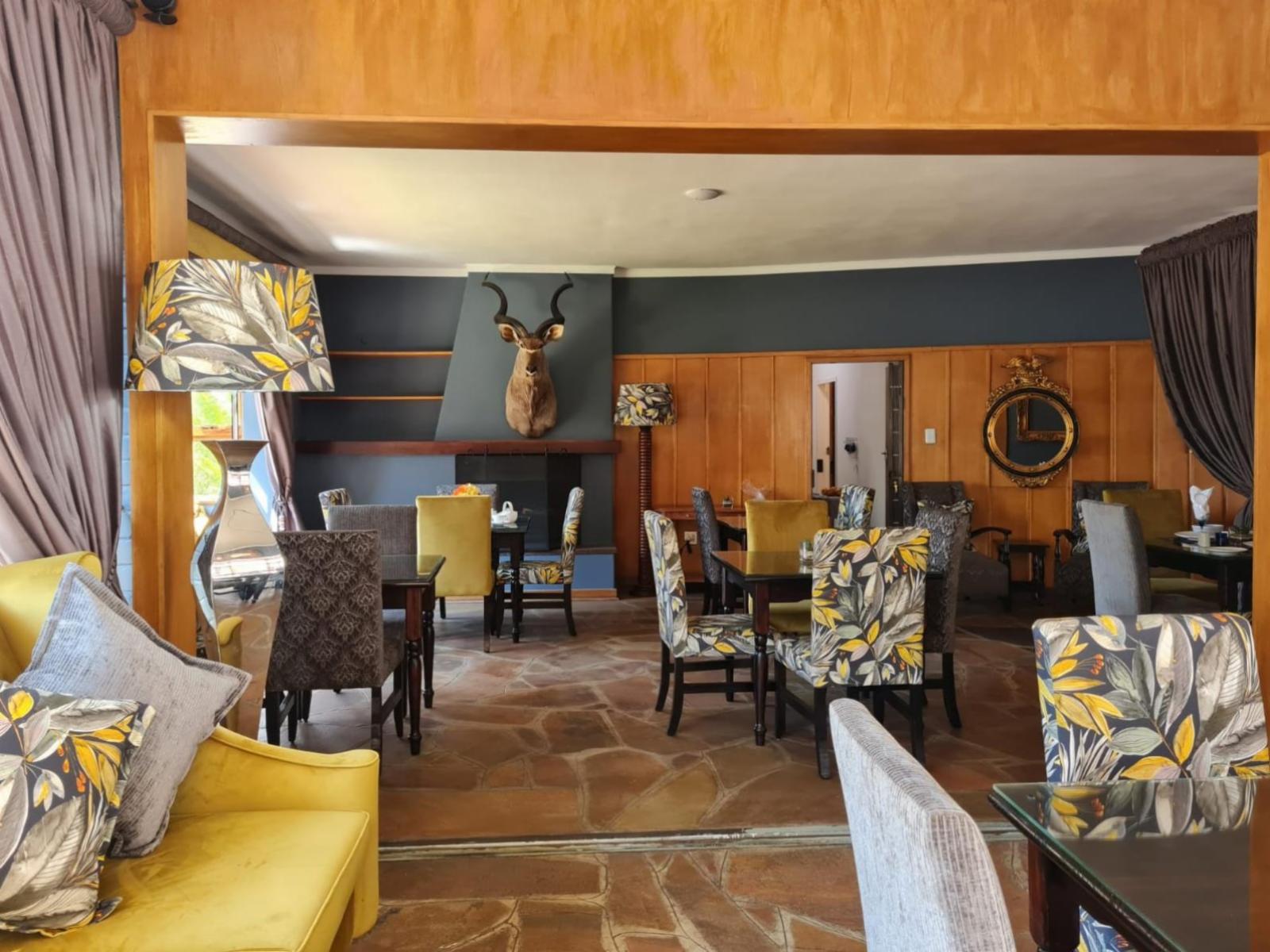
At the entry end of the market, campsites offer direct contact with the bush, with basic facilities and the sounds of the surrounding wildlife as a trade-off for minimal comfort. Guesthouses and bed and breakfast options occupy the lower mid-range, providing meals and more personal service from hosts who know the surrounding reserves well. Prices at this tier typically reflect proximity to game areas and the quality of facilities rather than any particular prestige.
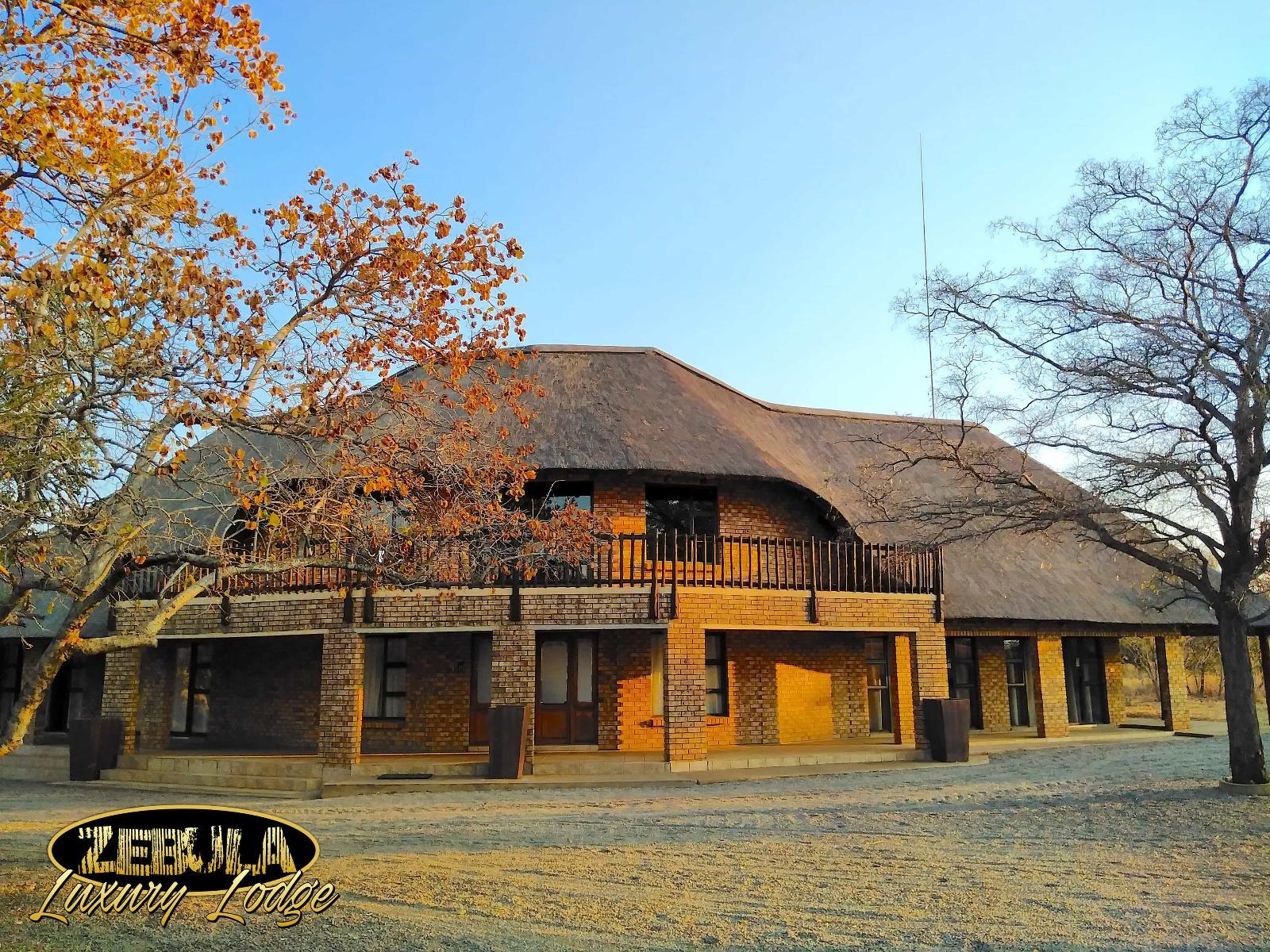
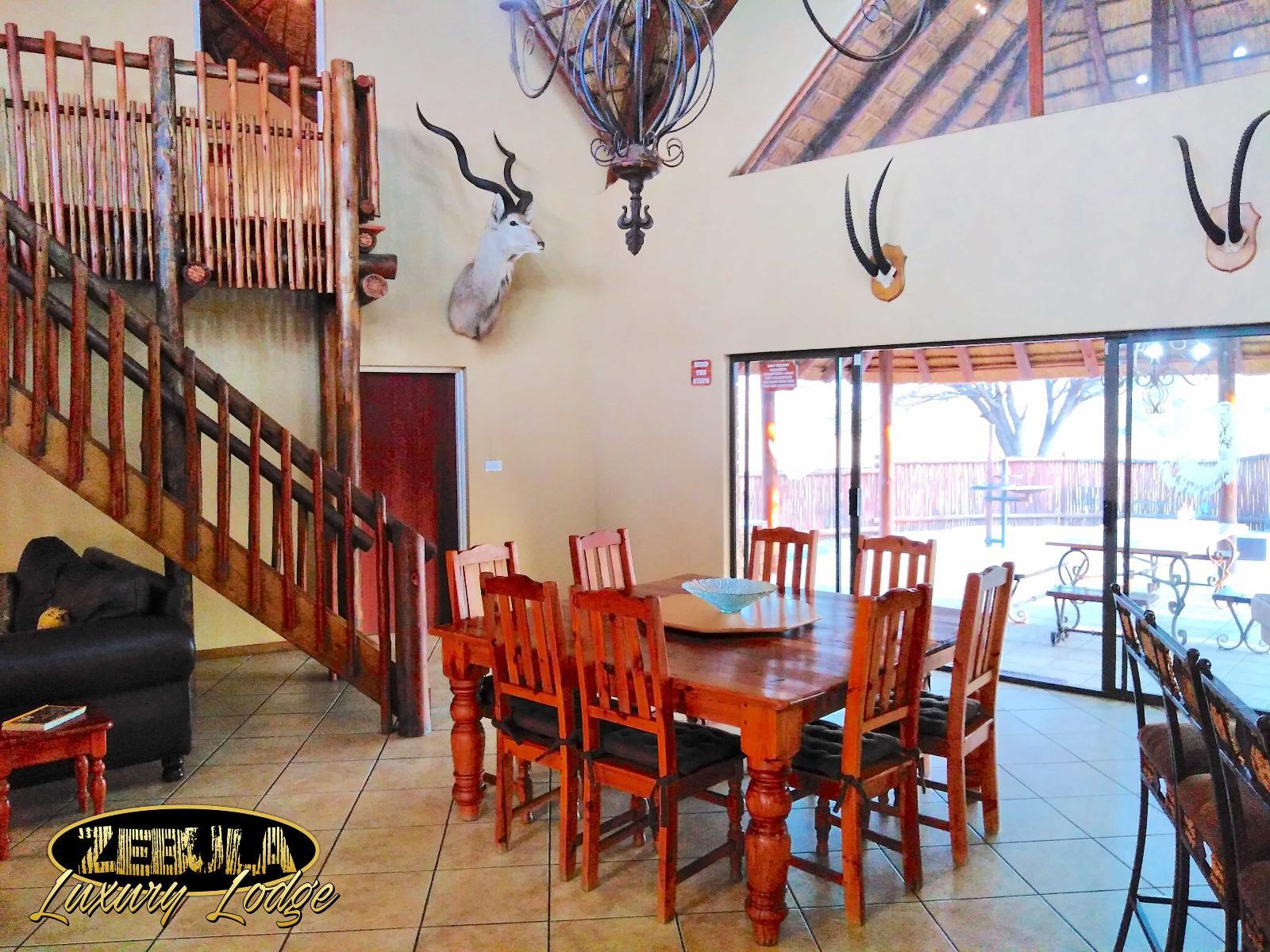
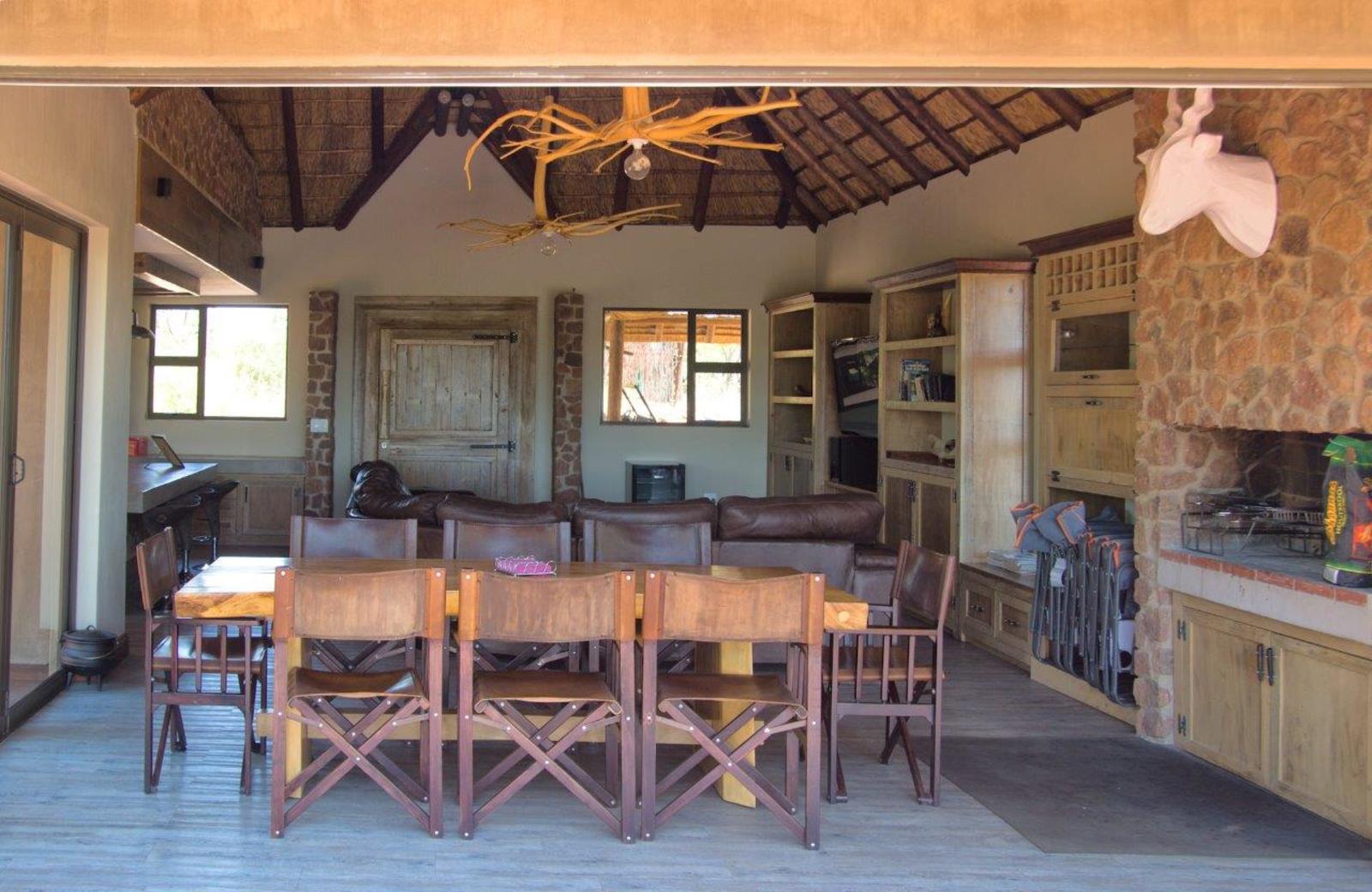
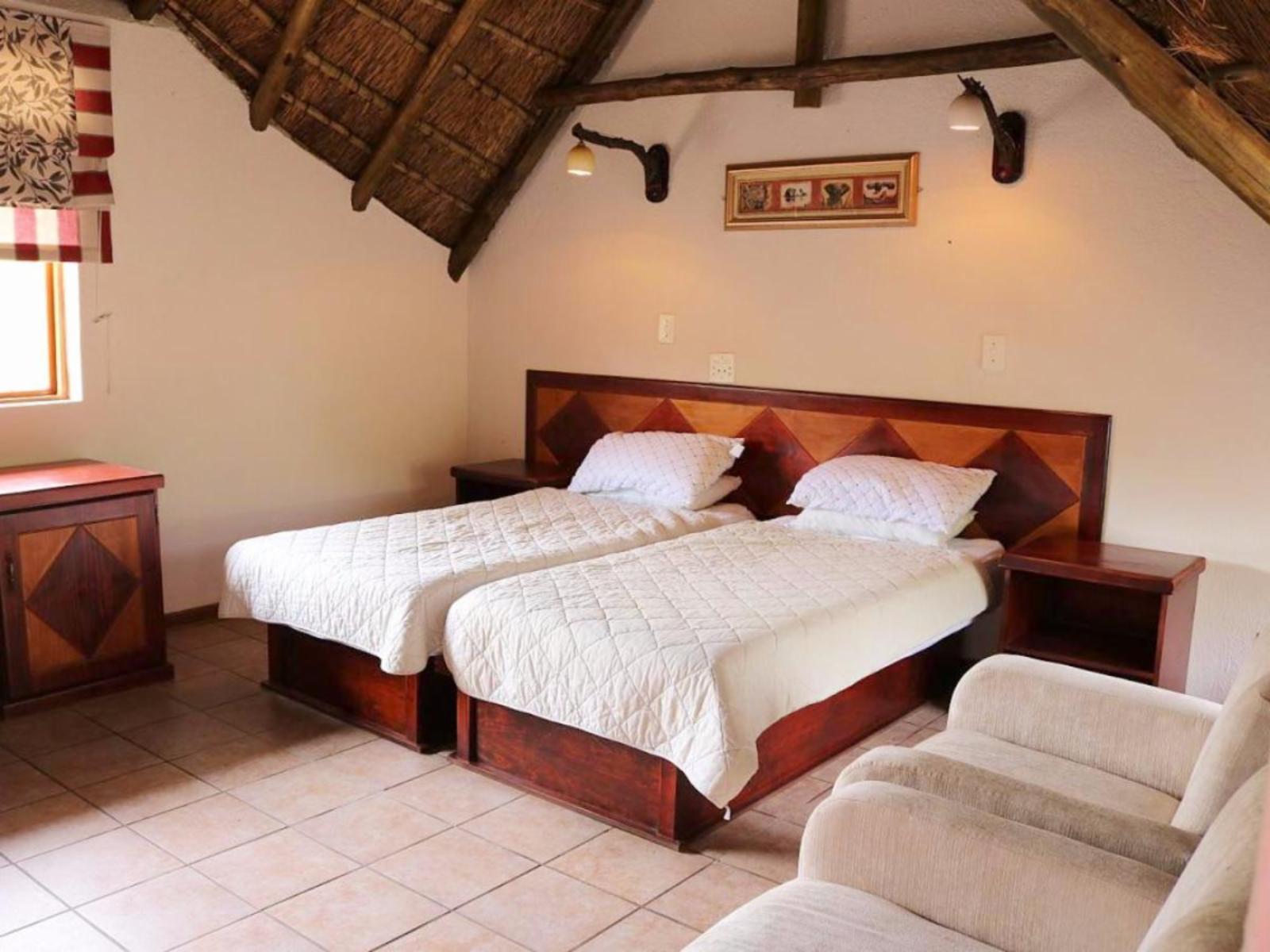
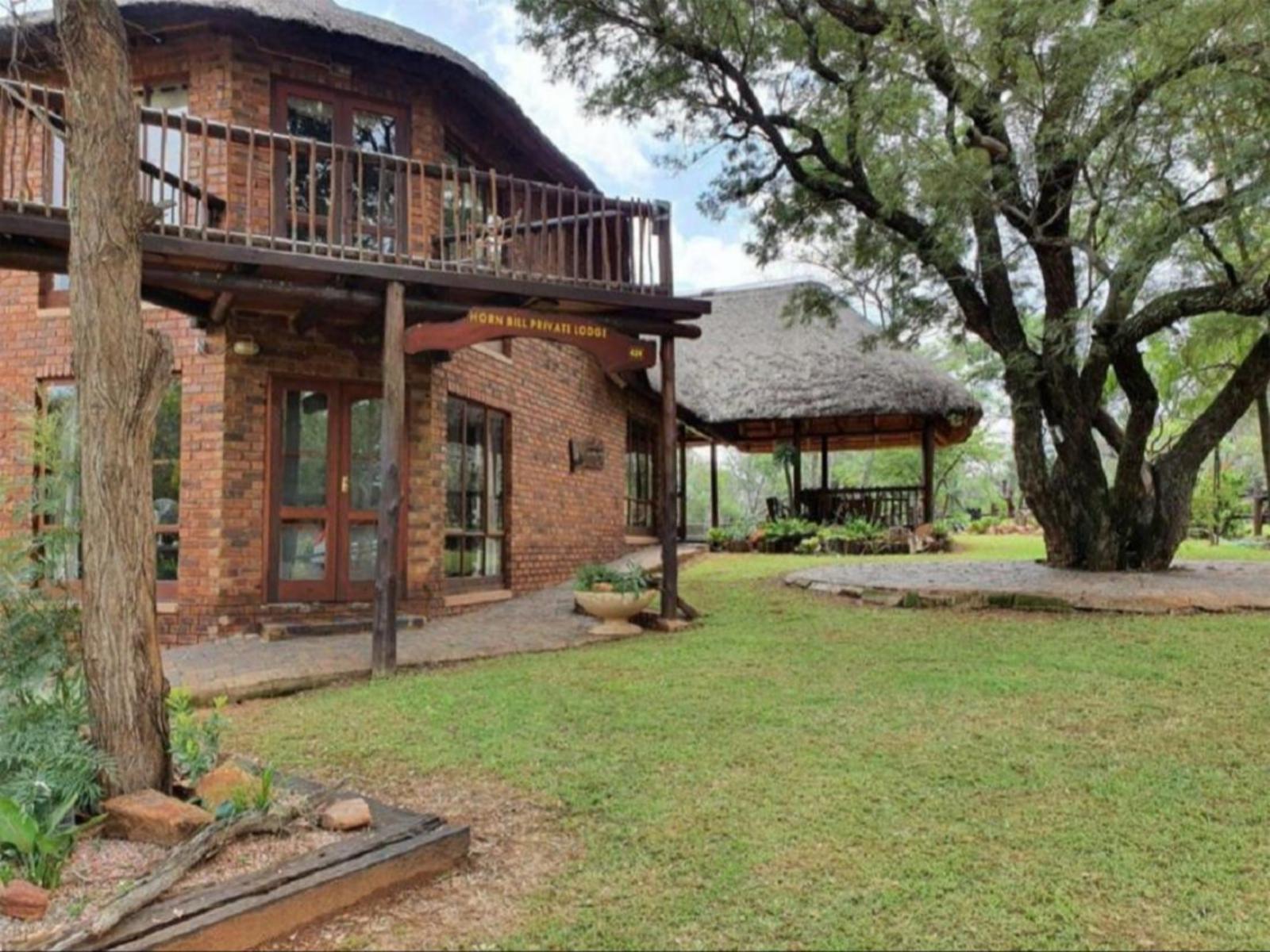
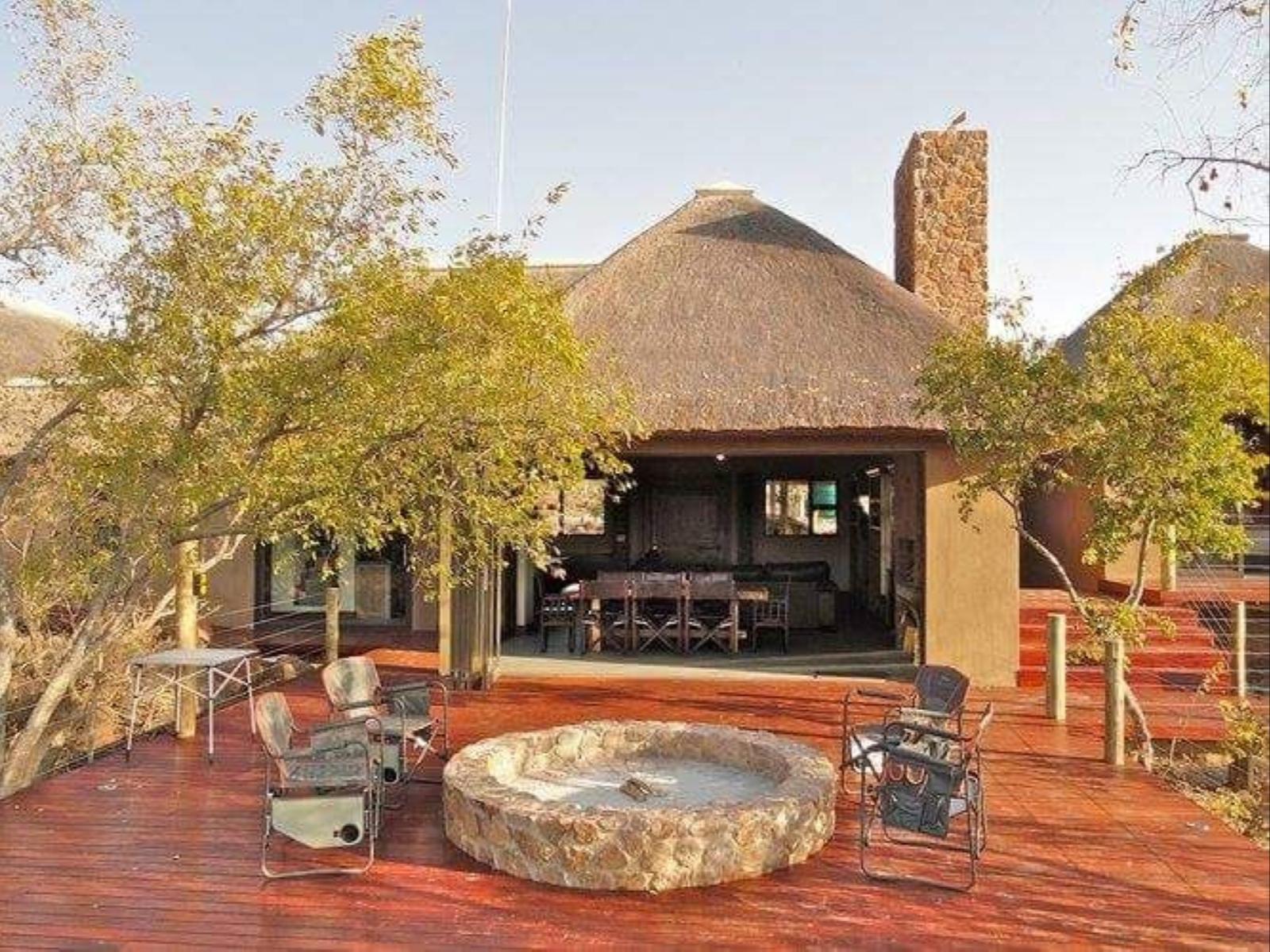
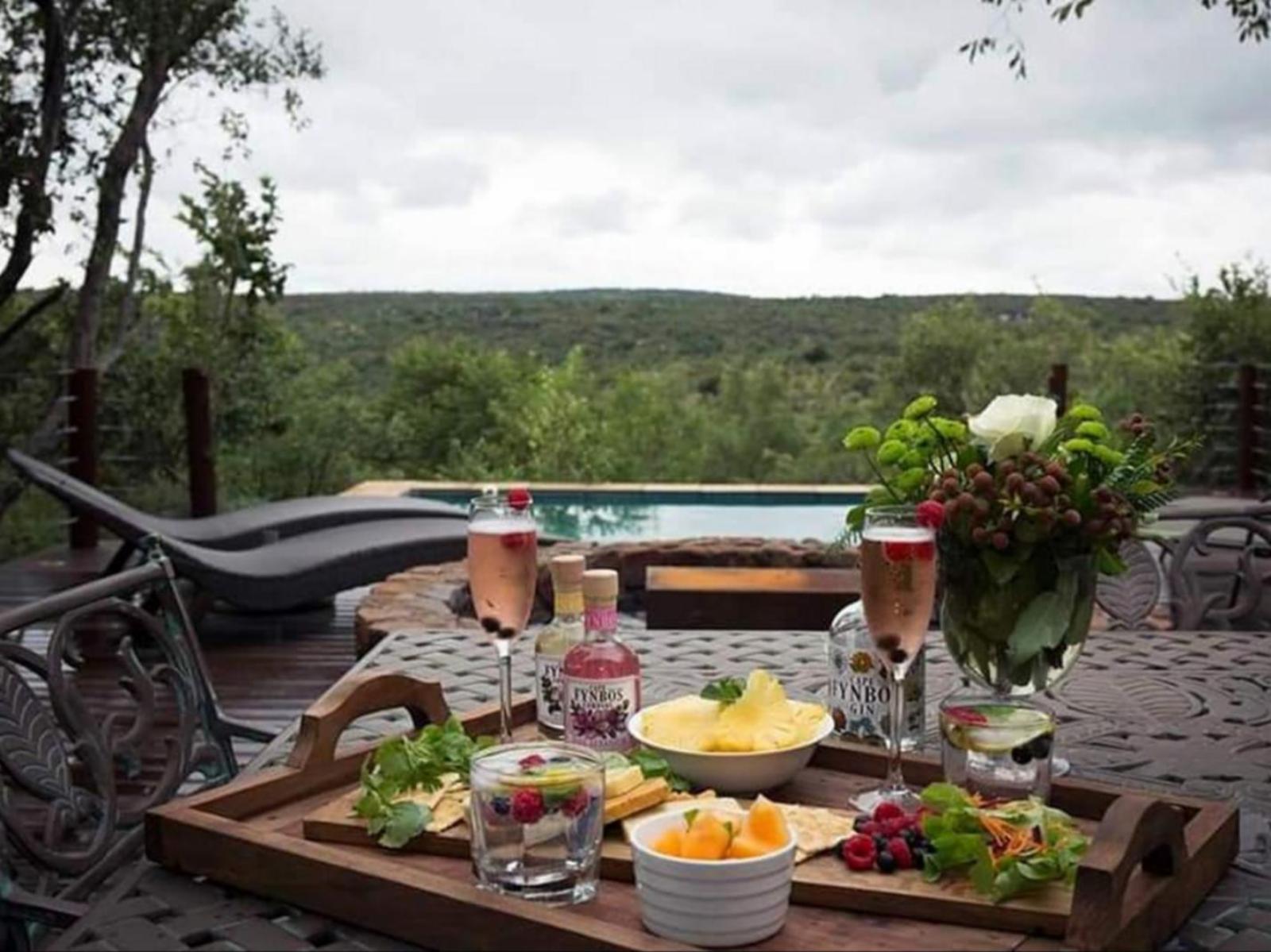
Lodges account for the largest share of available properties and span a broad spectrum within that category. Some are small, intimate operations on private land with their own wildlife, while others border national parks and run their own guided drives. Many operate on semi-inclusive or fully inclusive packages where meals and activities are factored into the rate, which explains why lodge averages sit above the general price range. Guest houses and hotels cover the middle ground for travellers who want reliable amenities without the full safari-lodge structure.
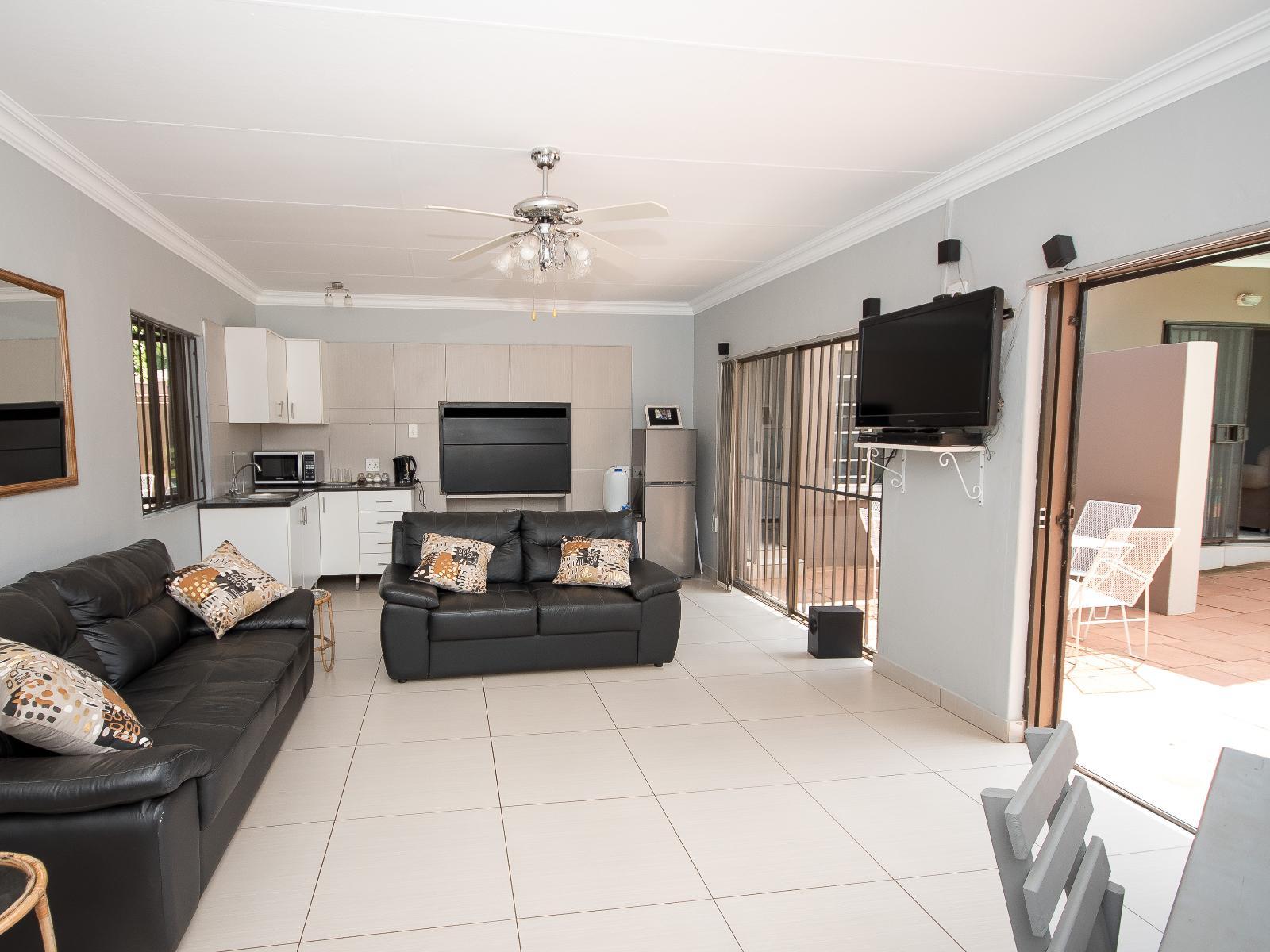
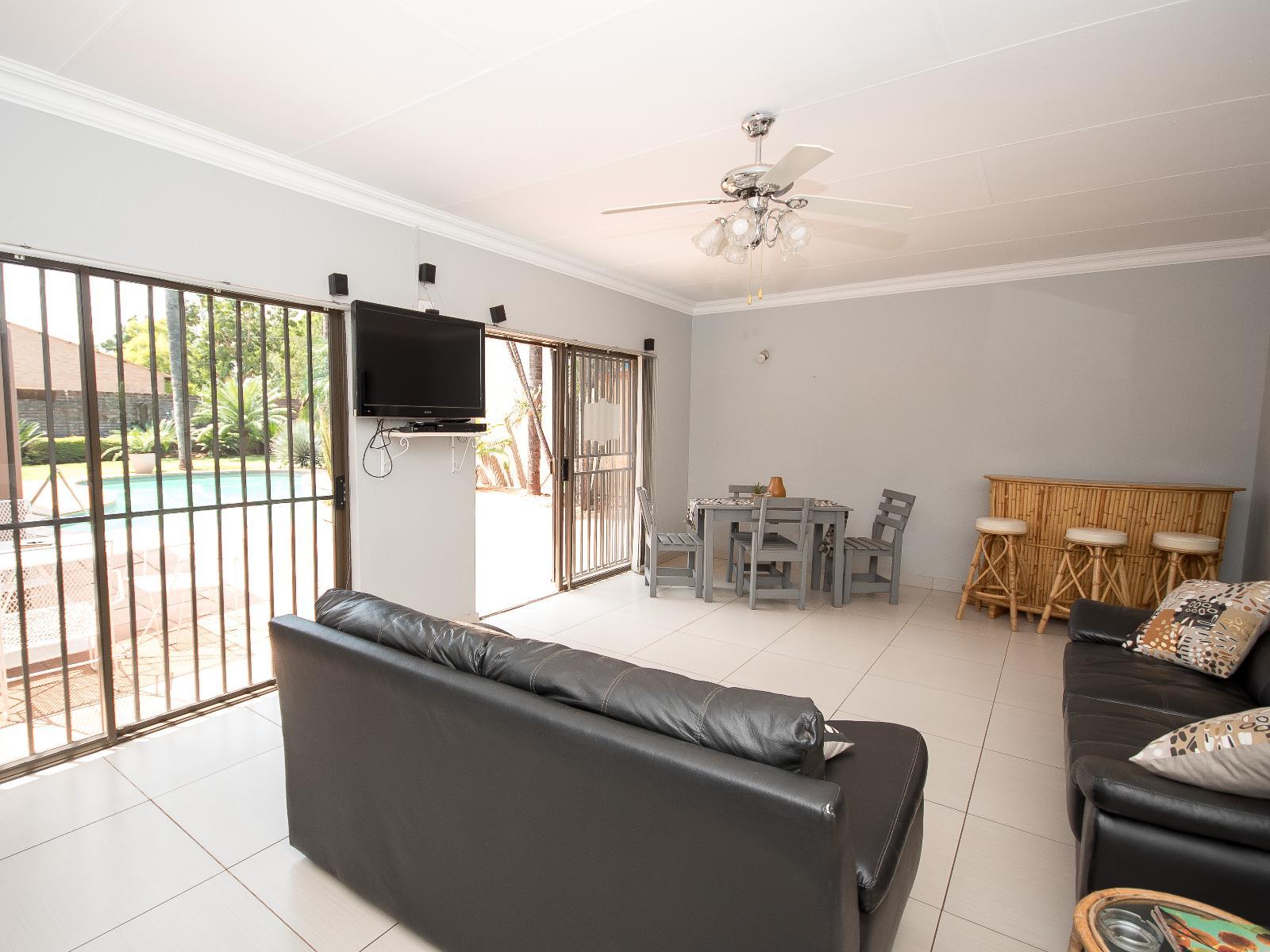
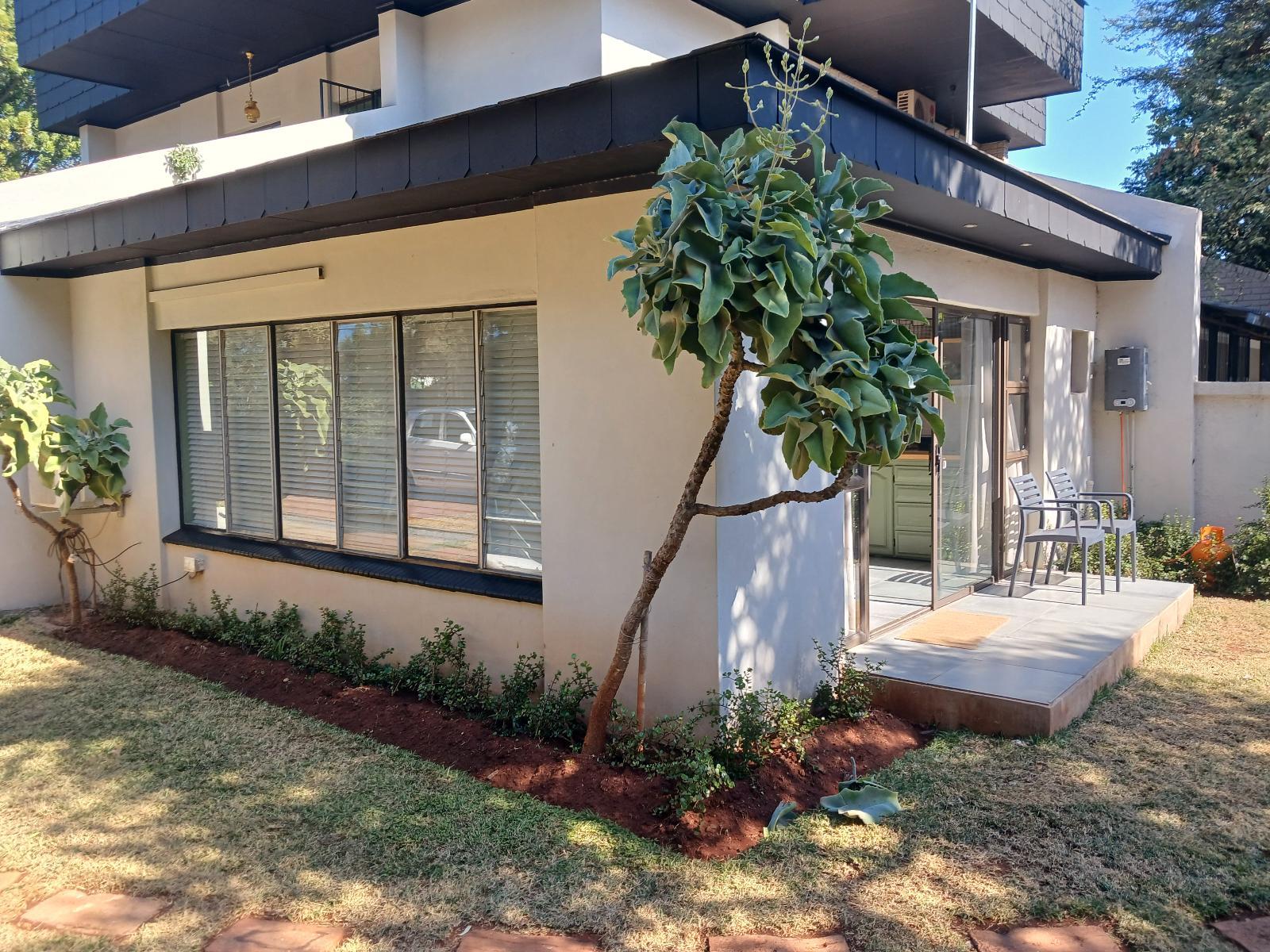
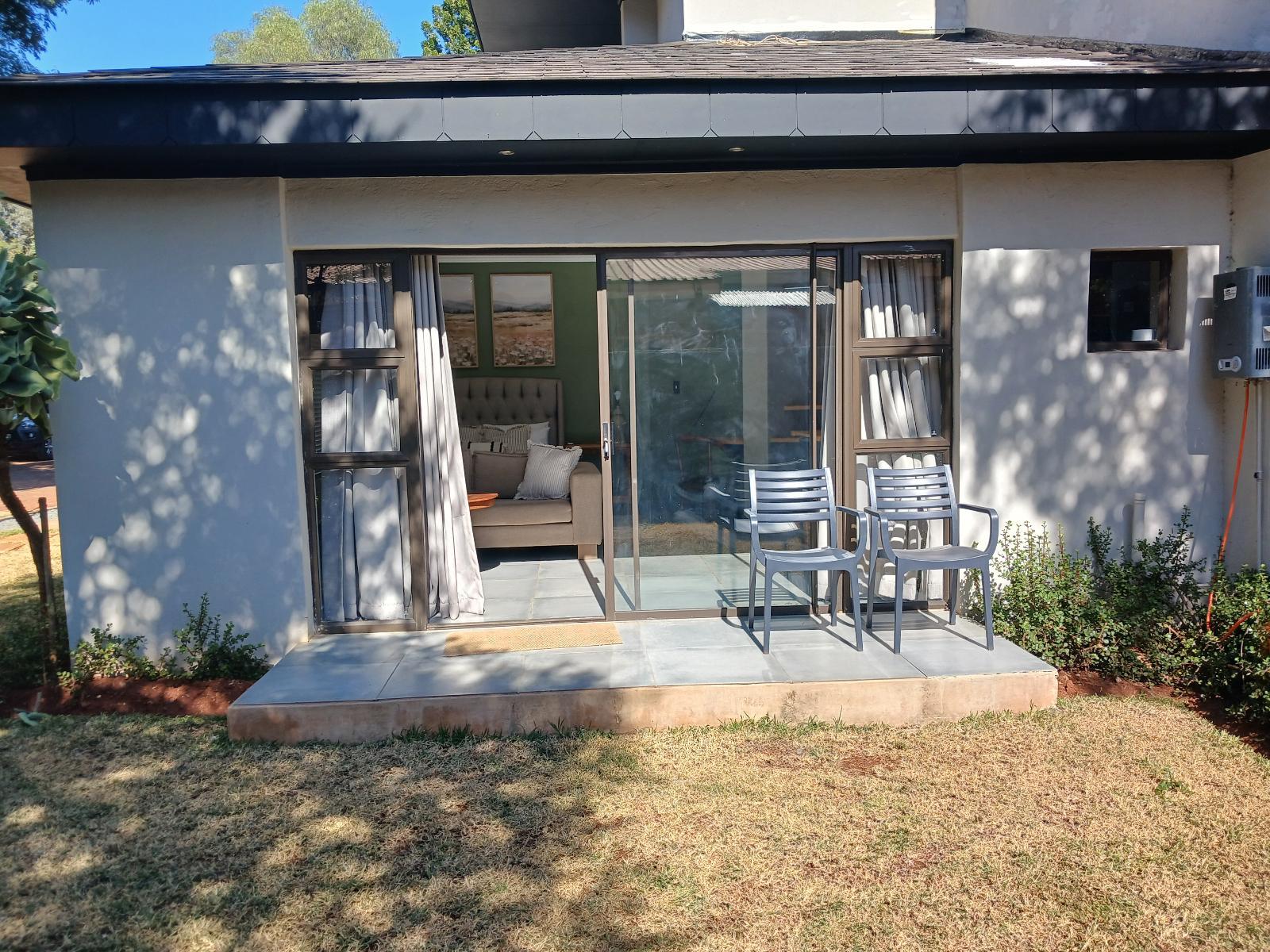
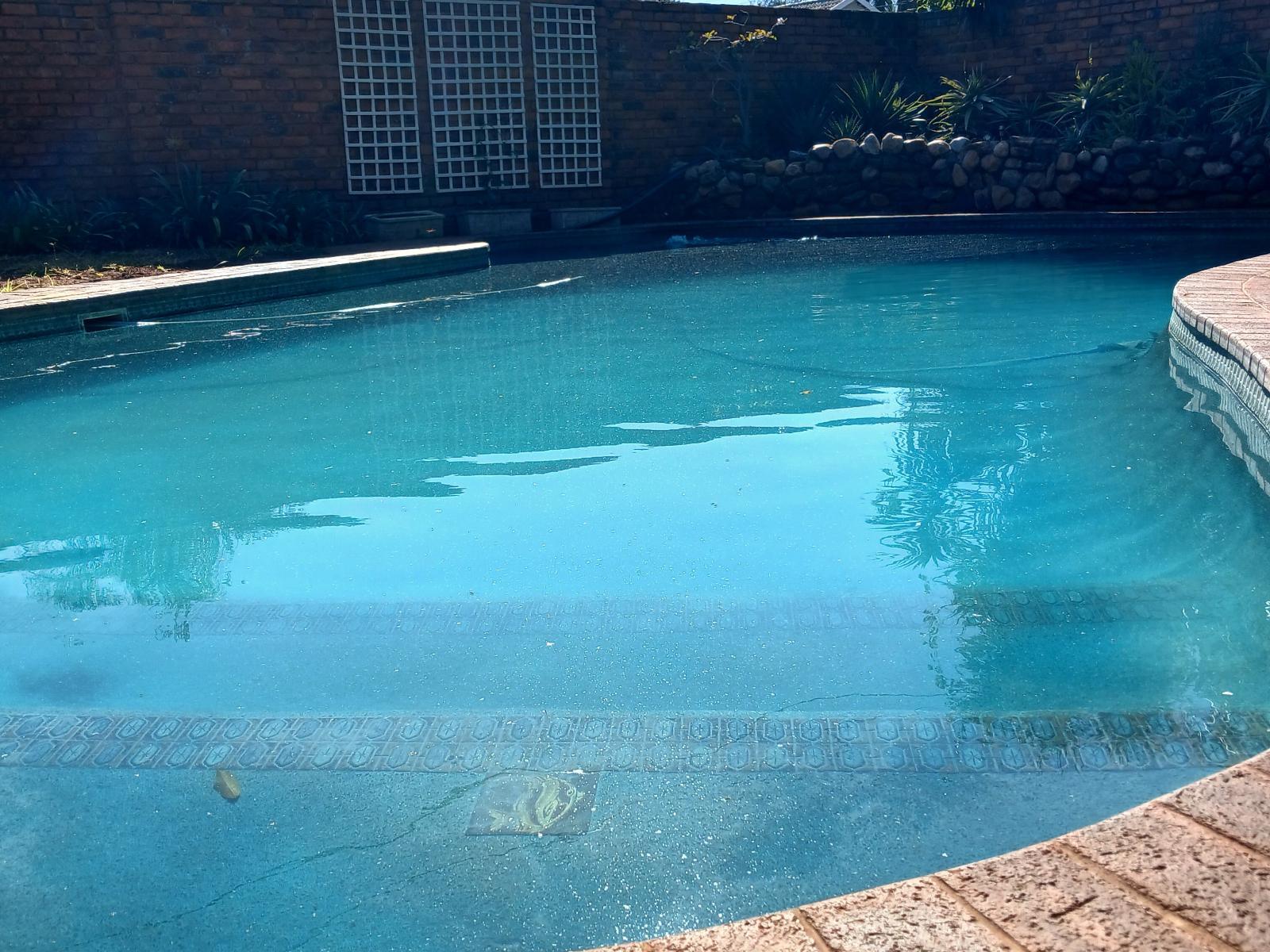
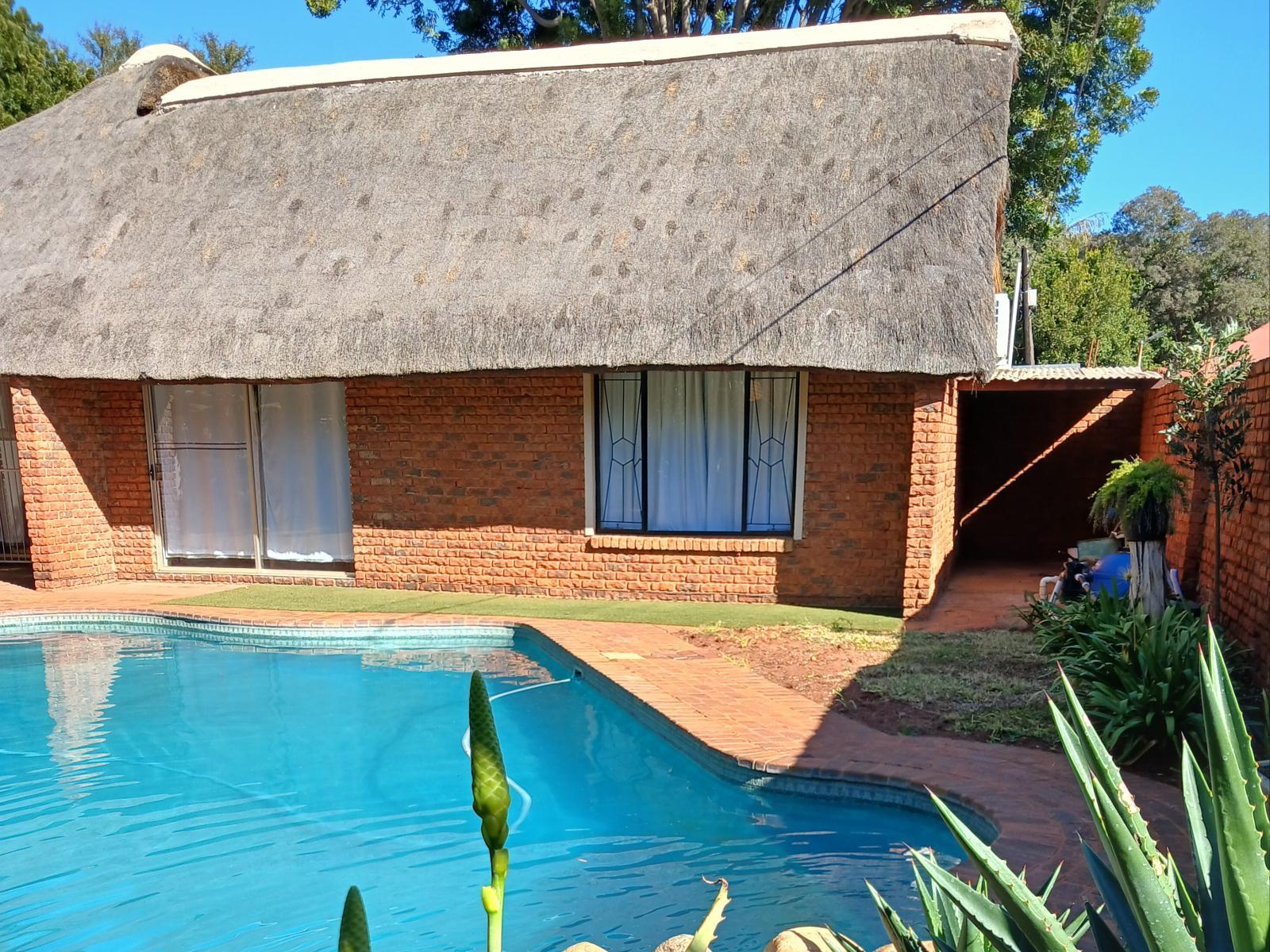
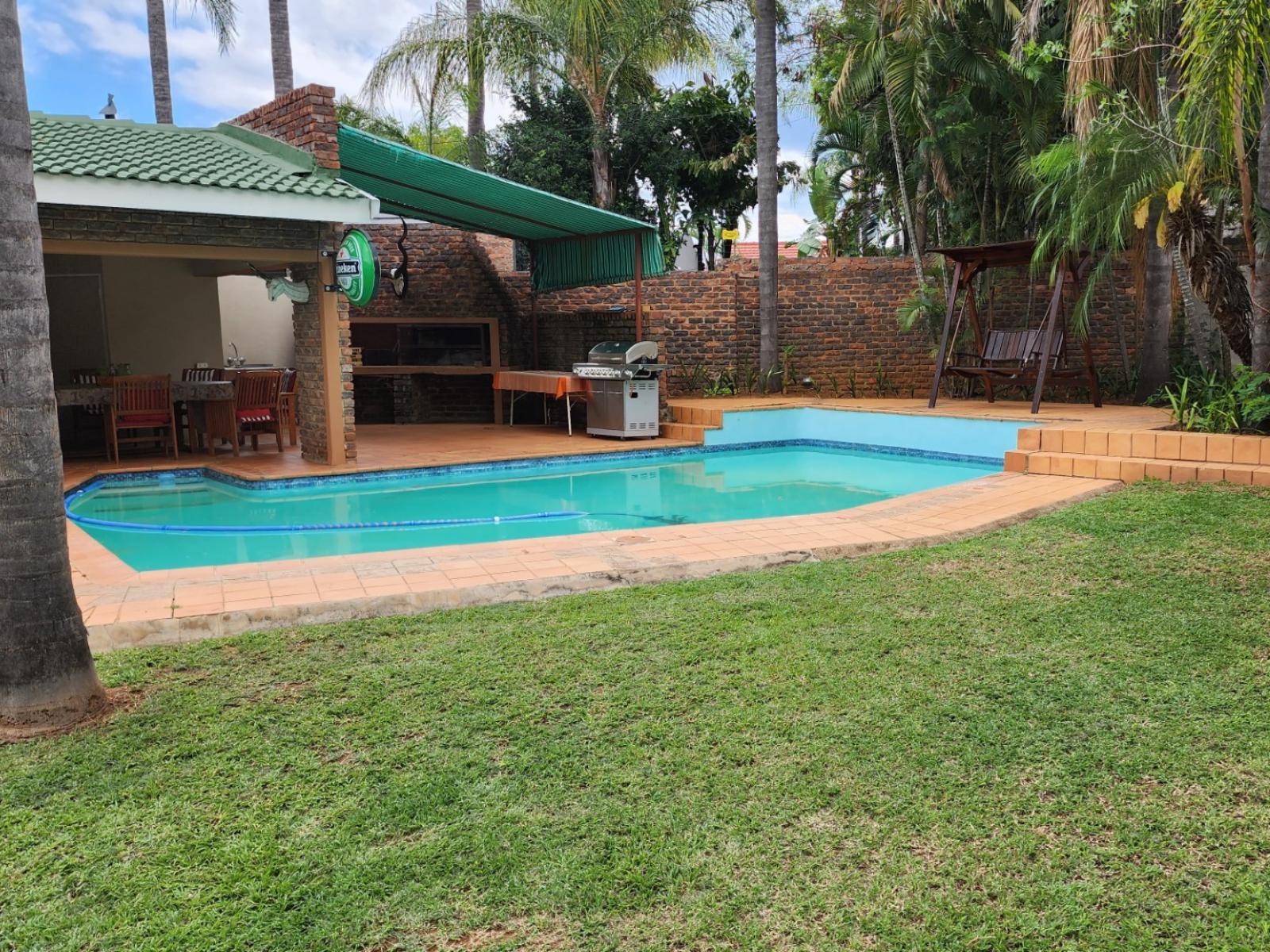
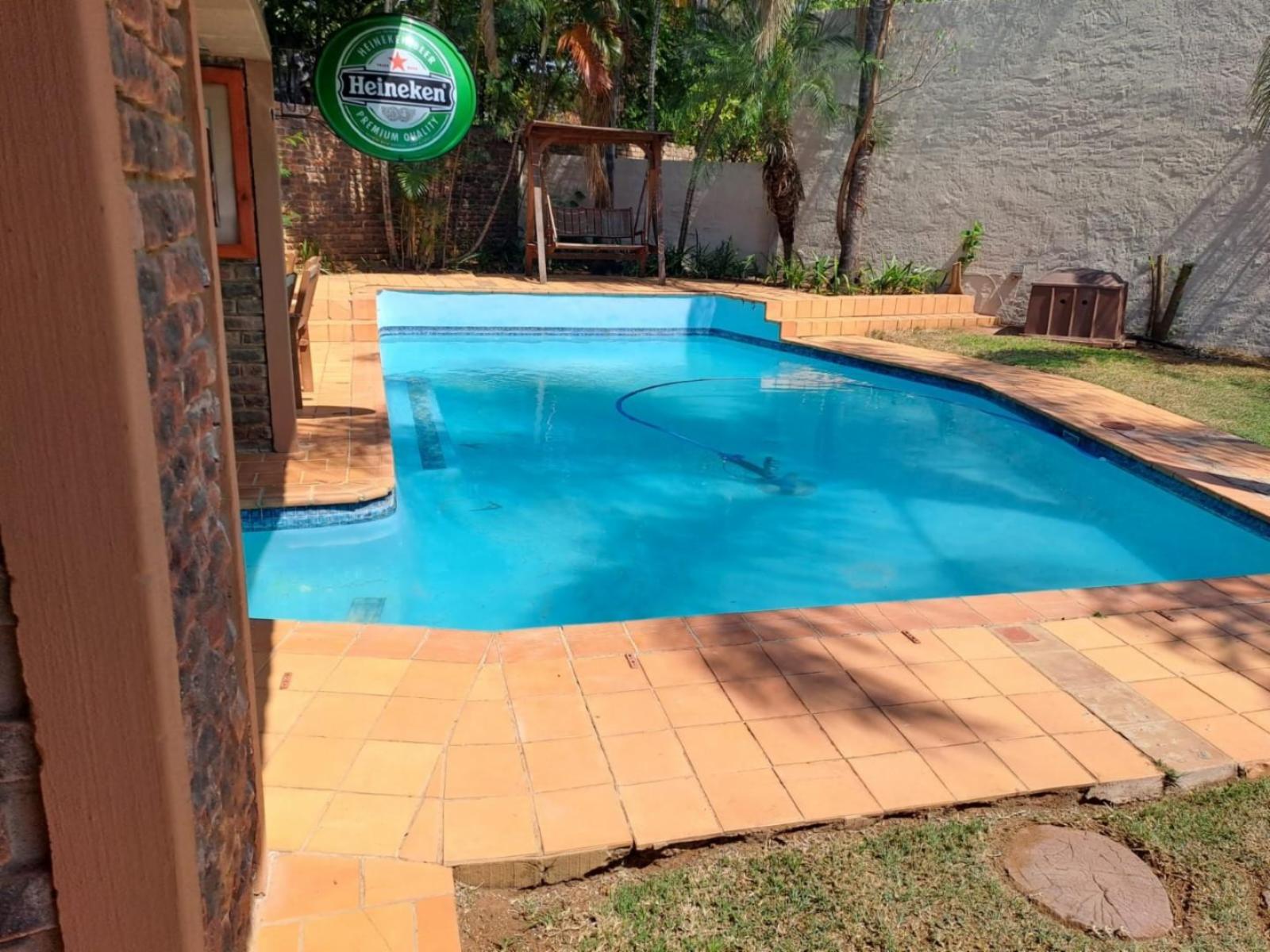
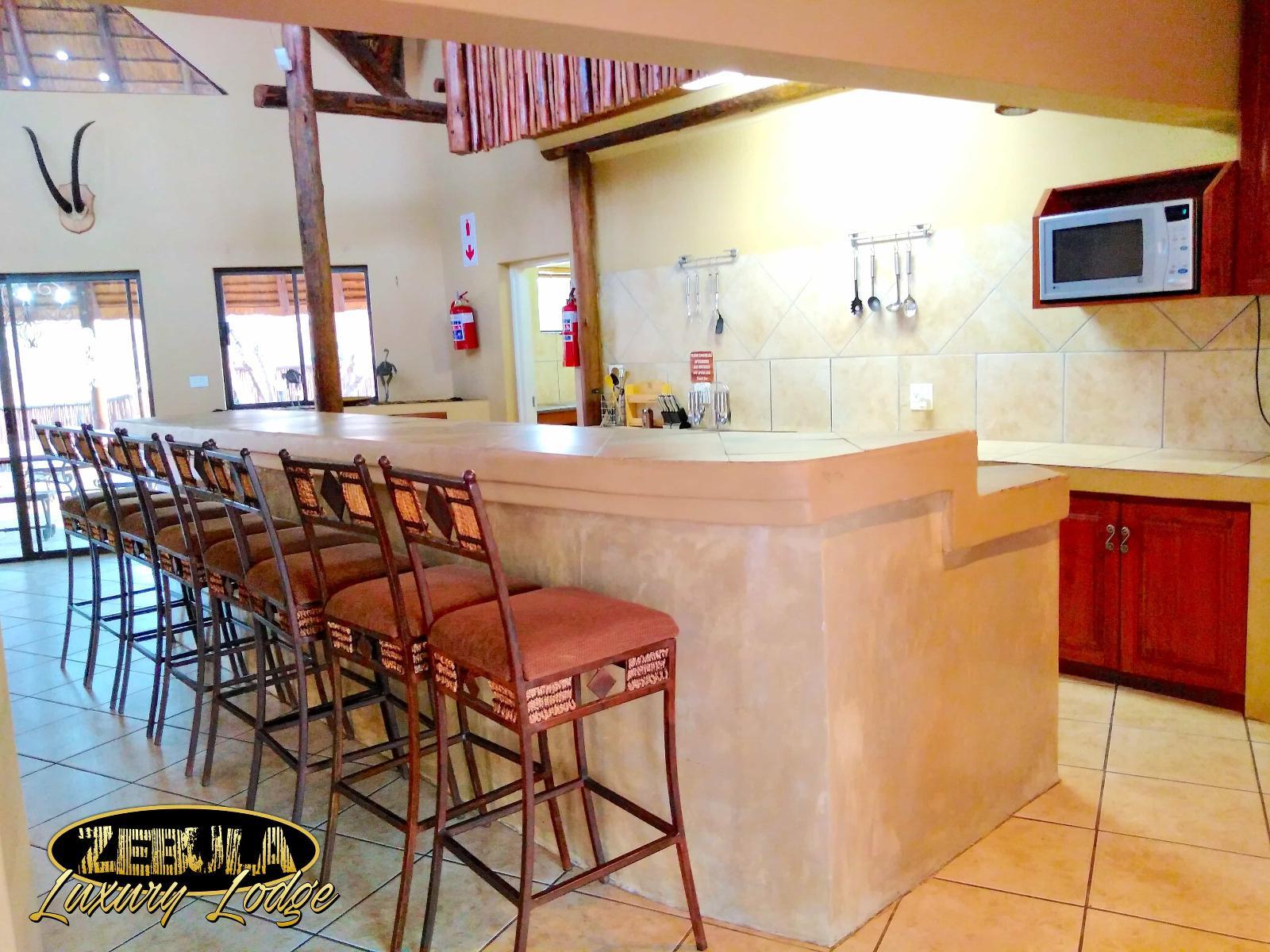
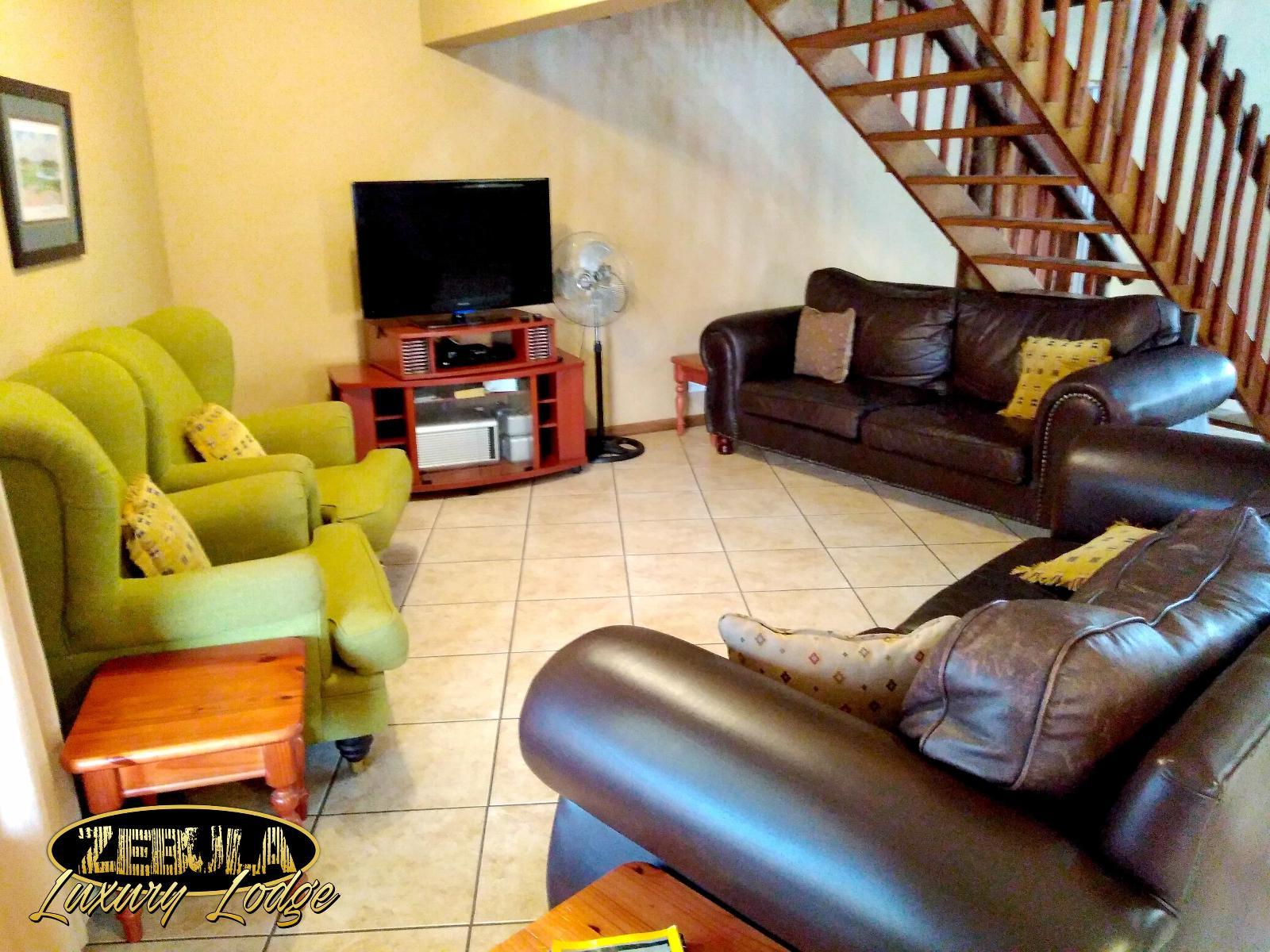
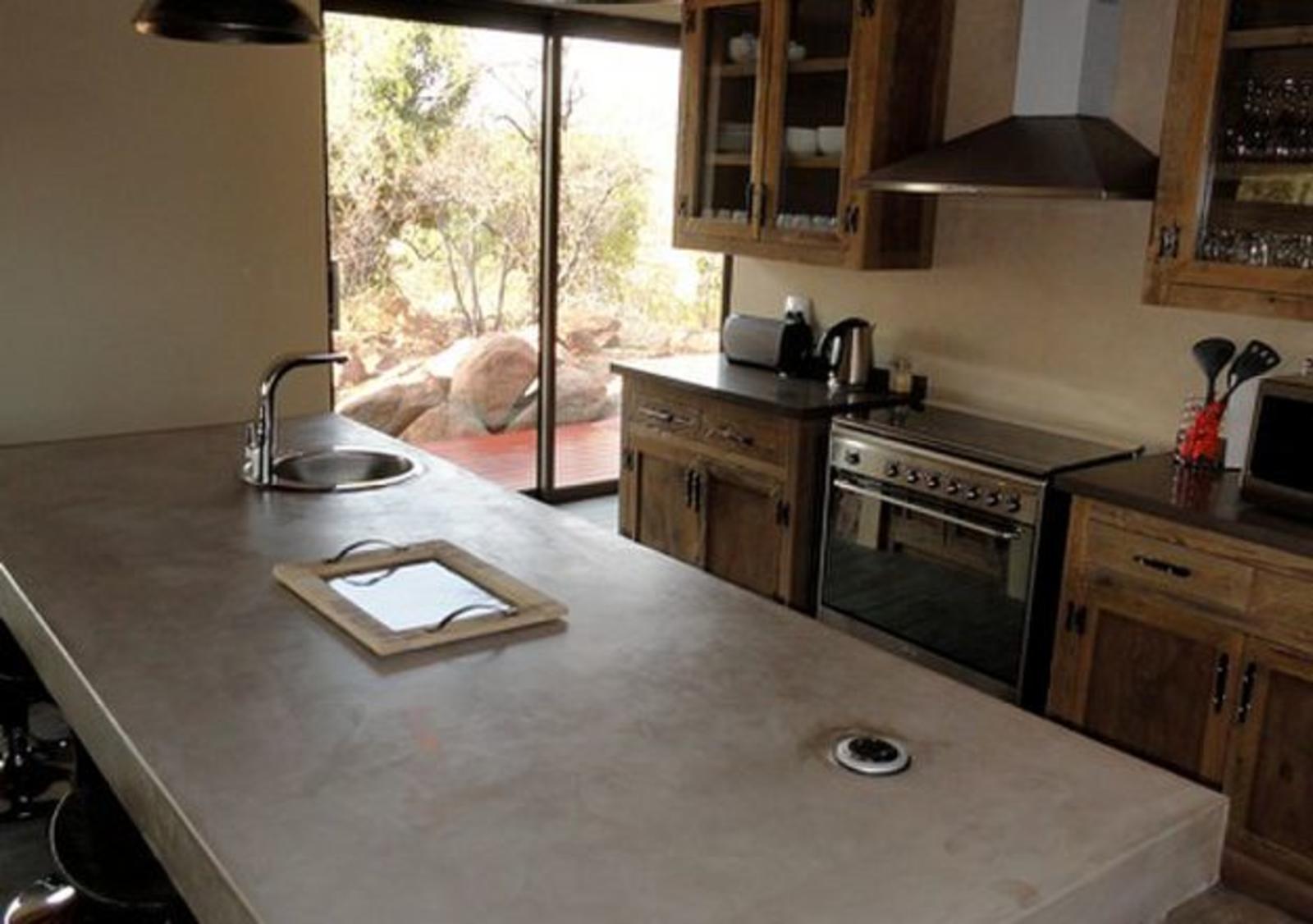
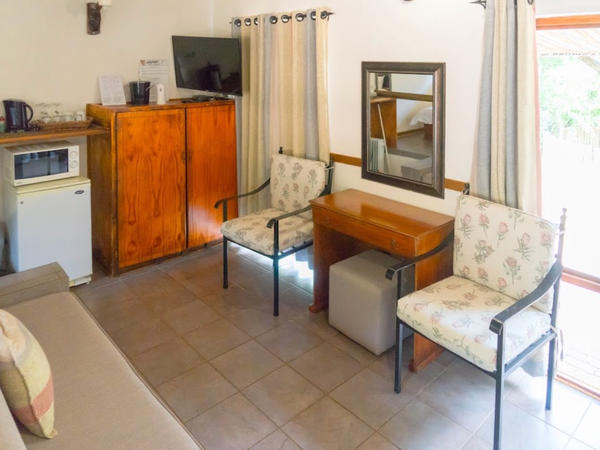
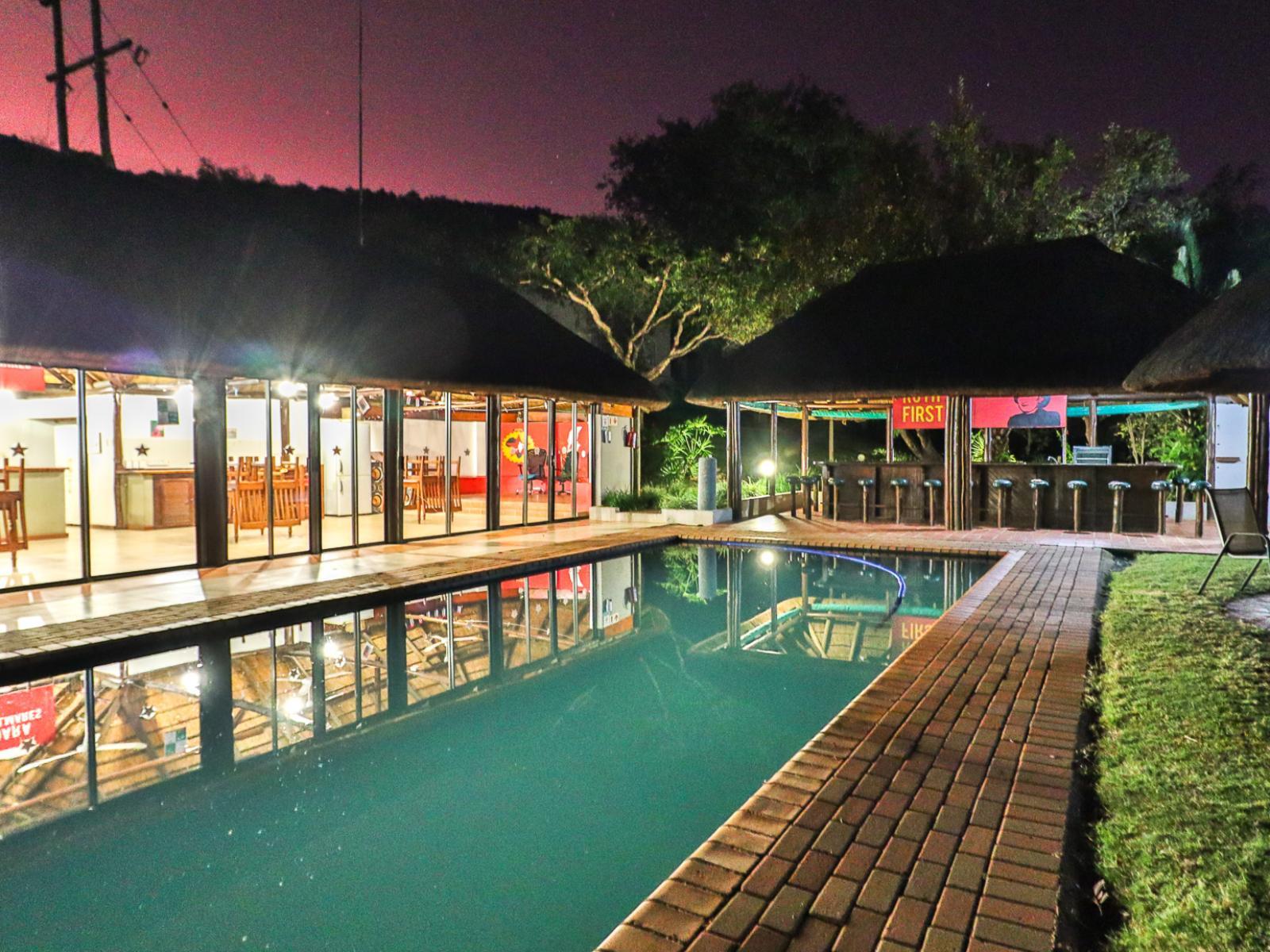
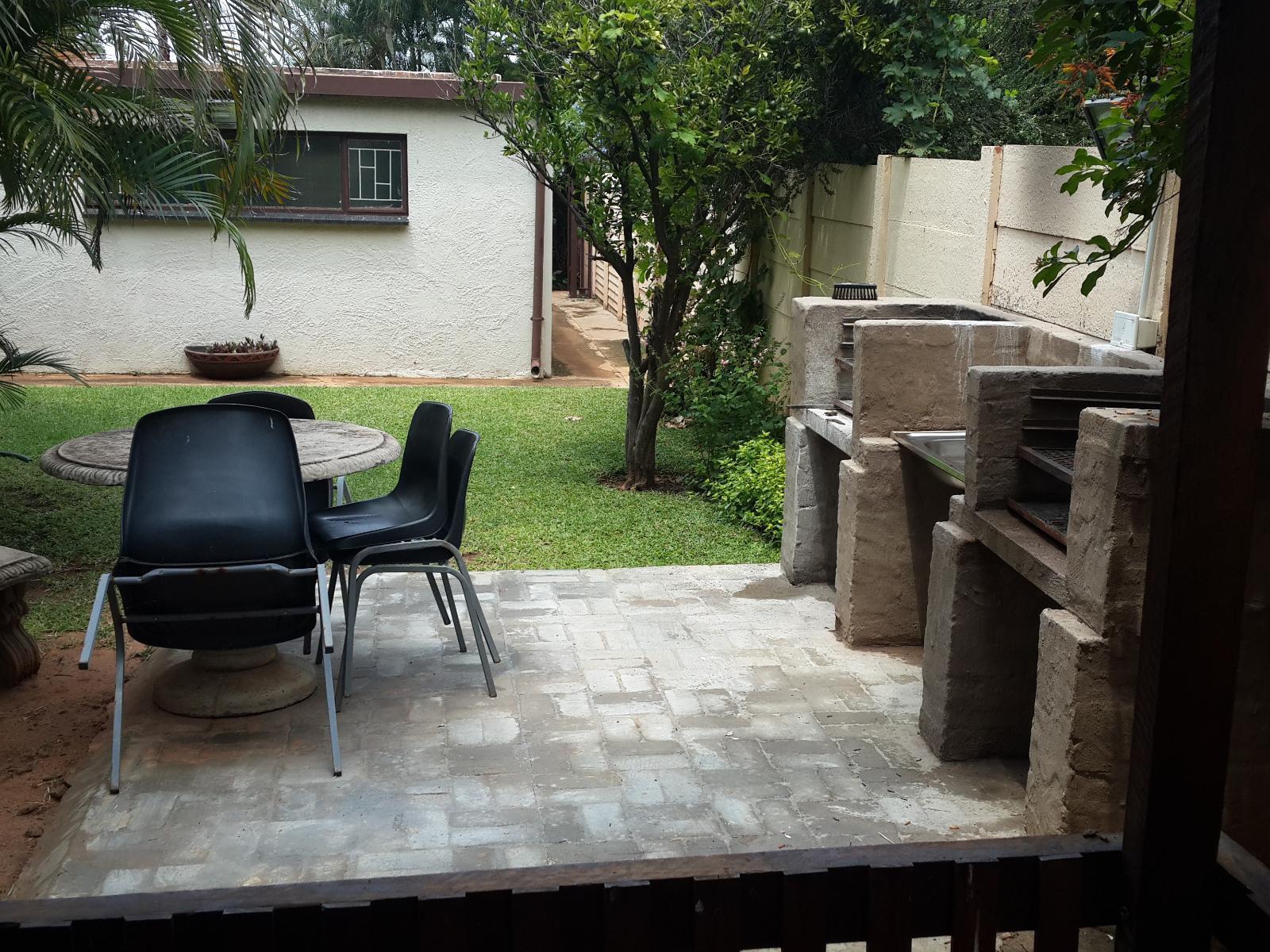
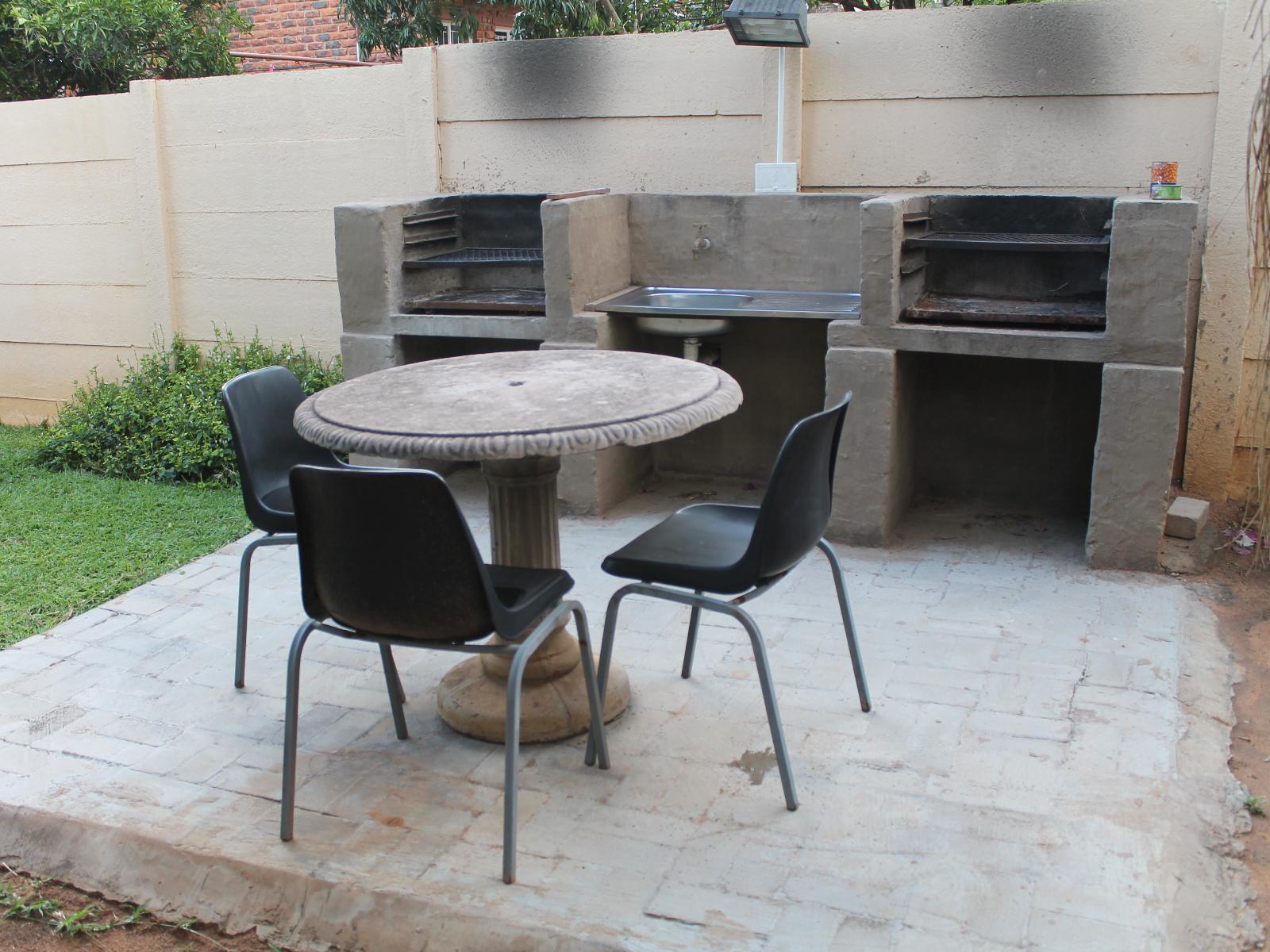
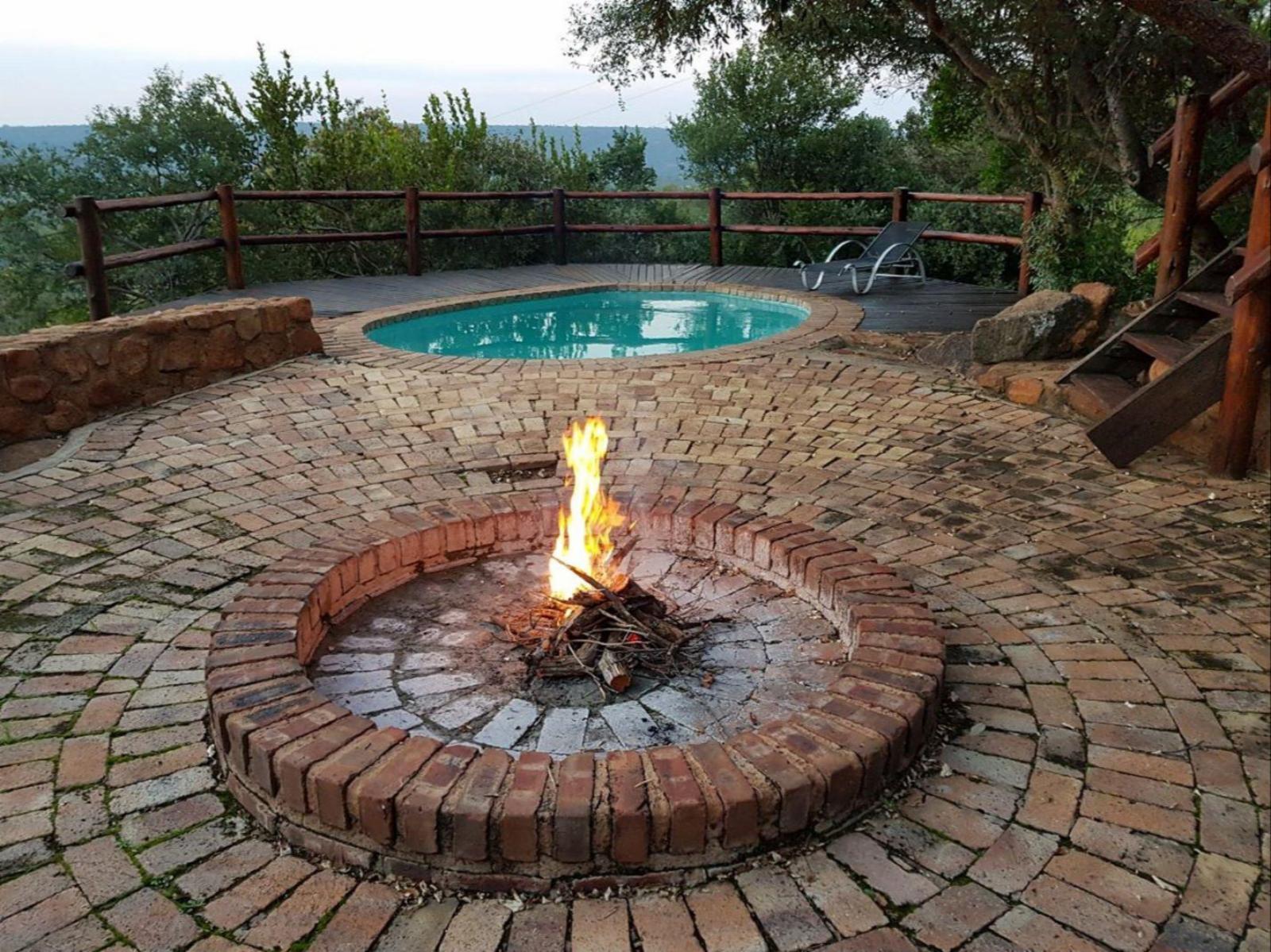
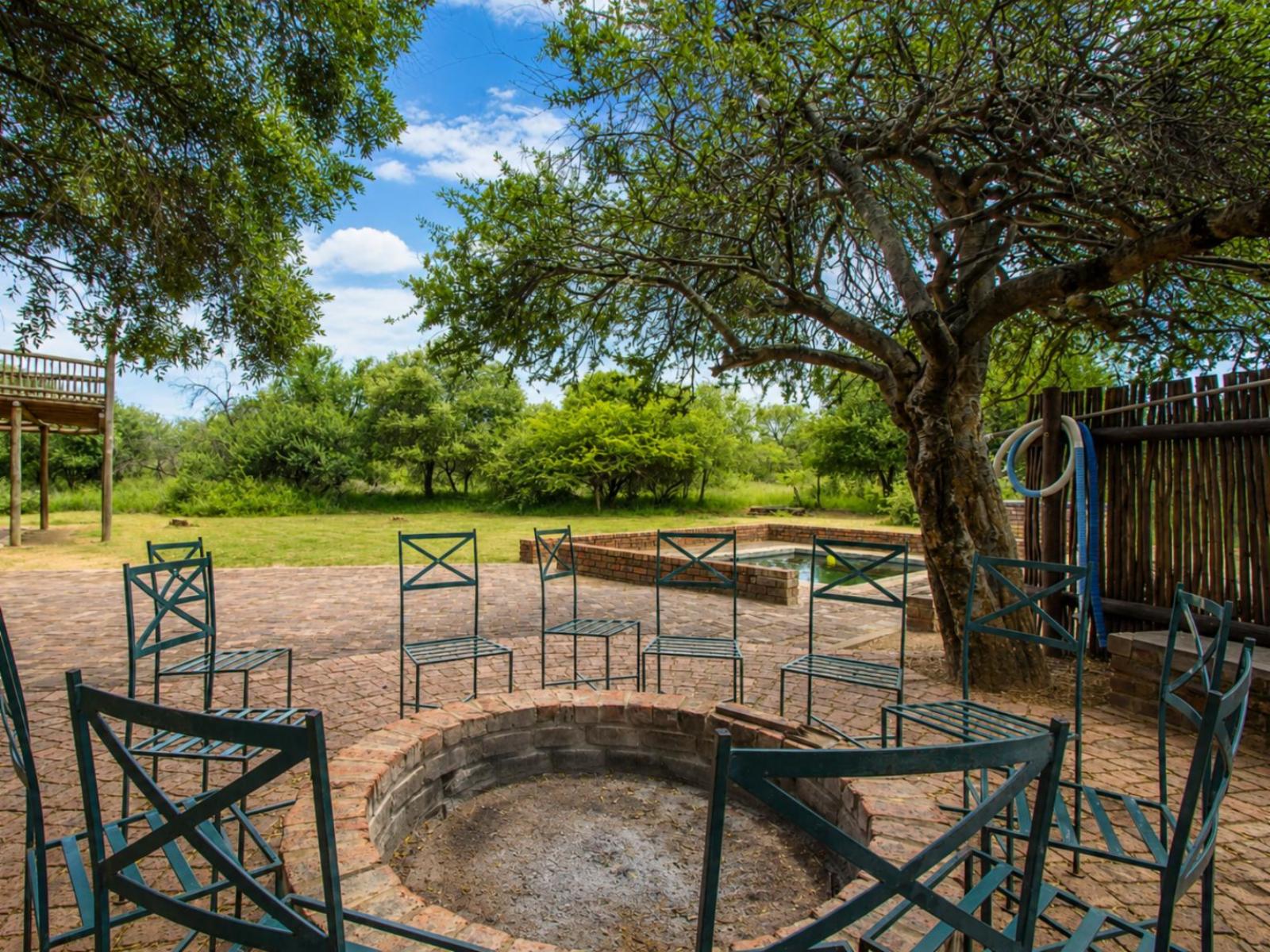
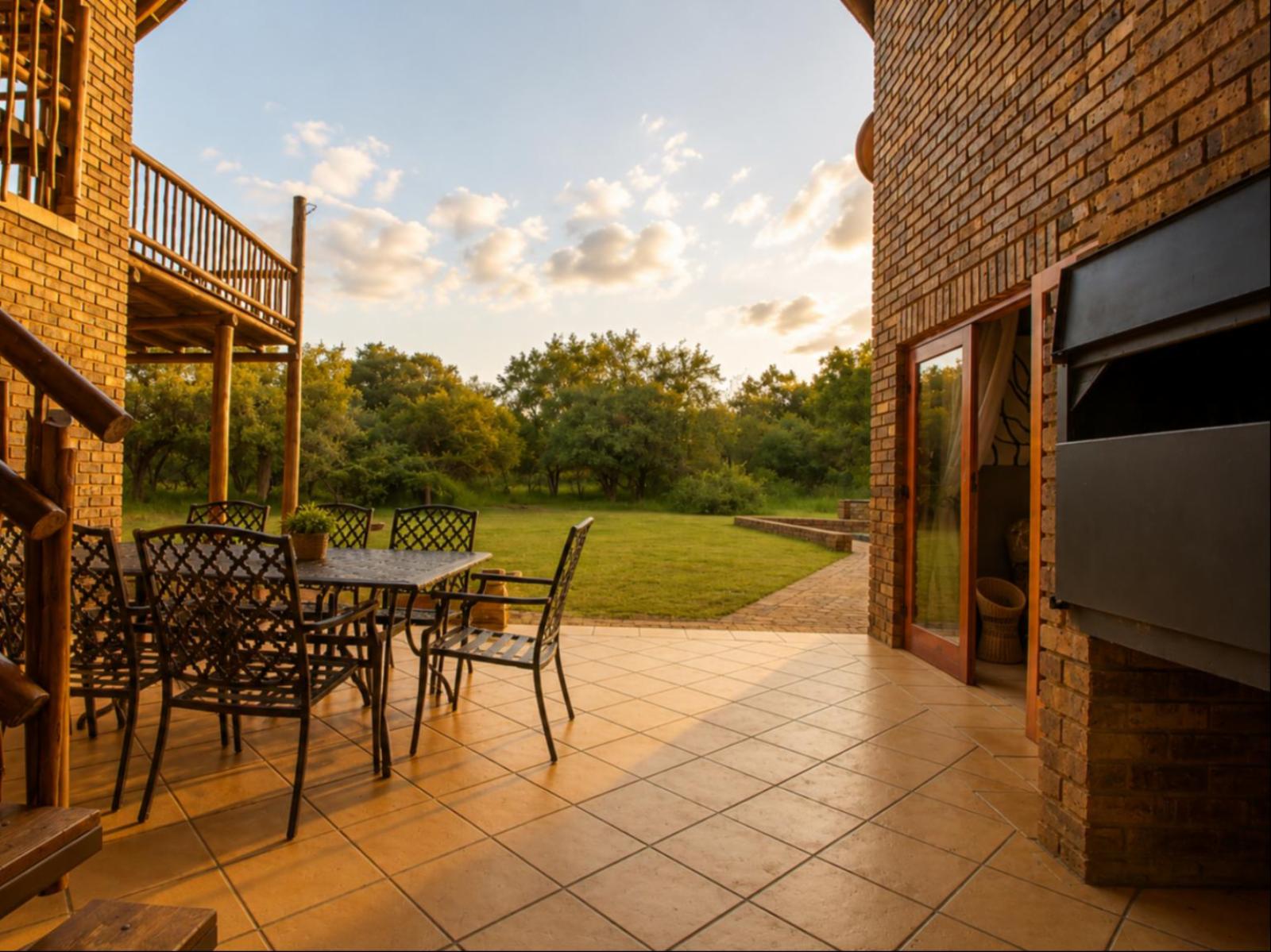
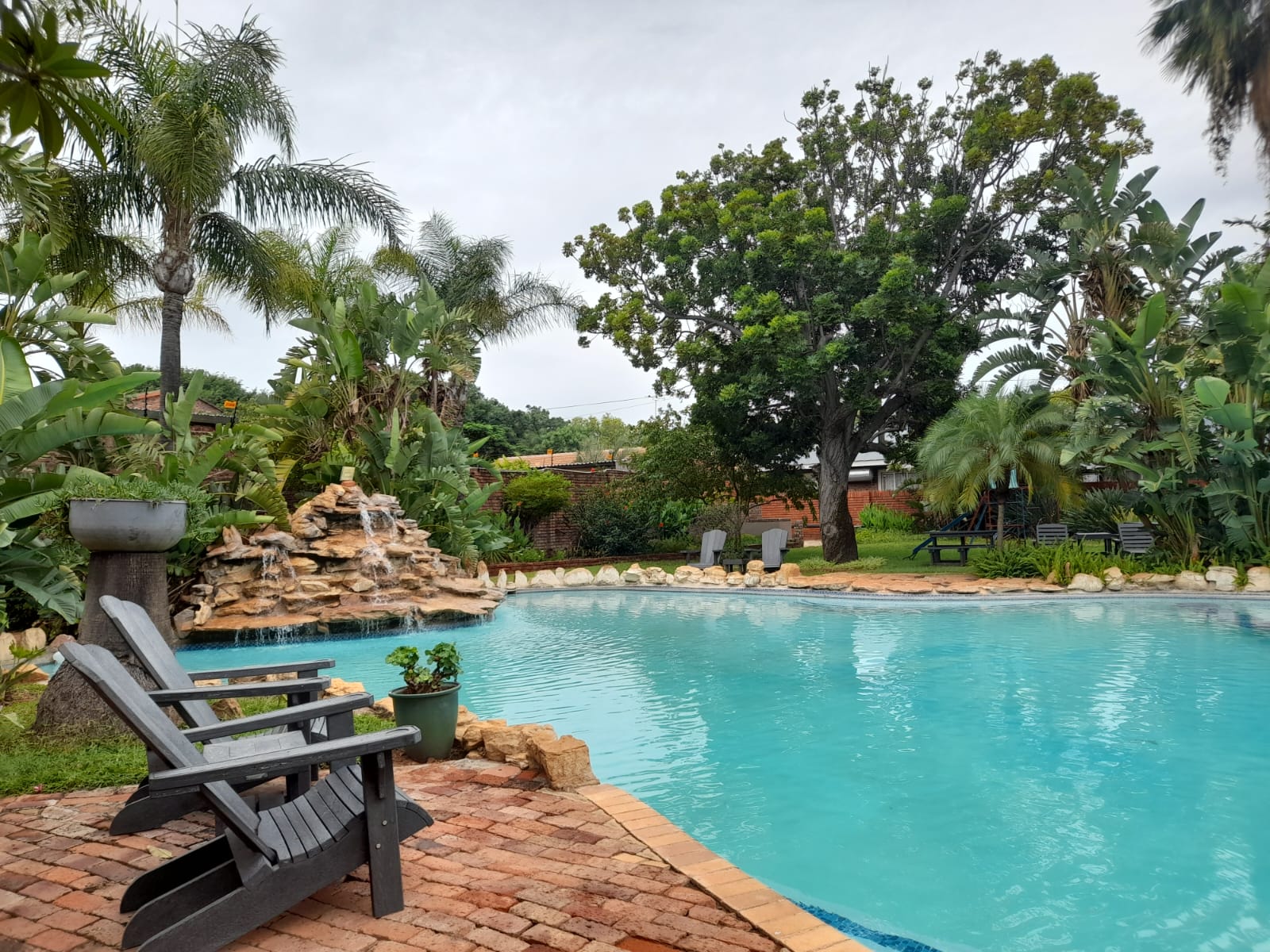
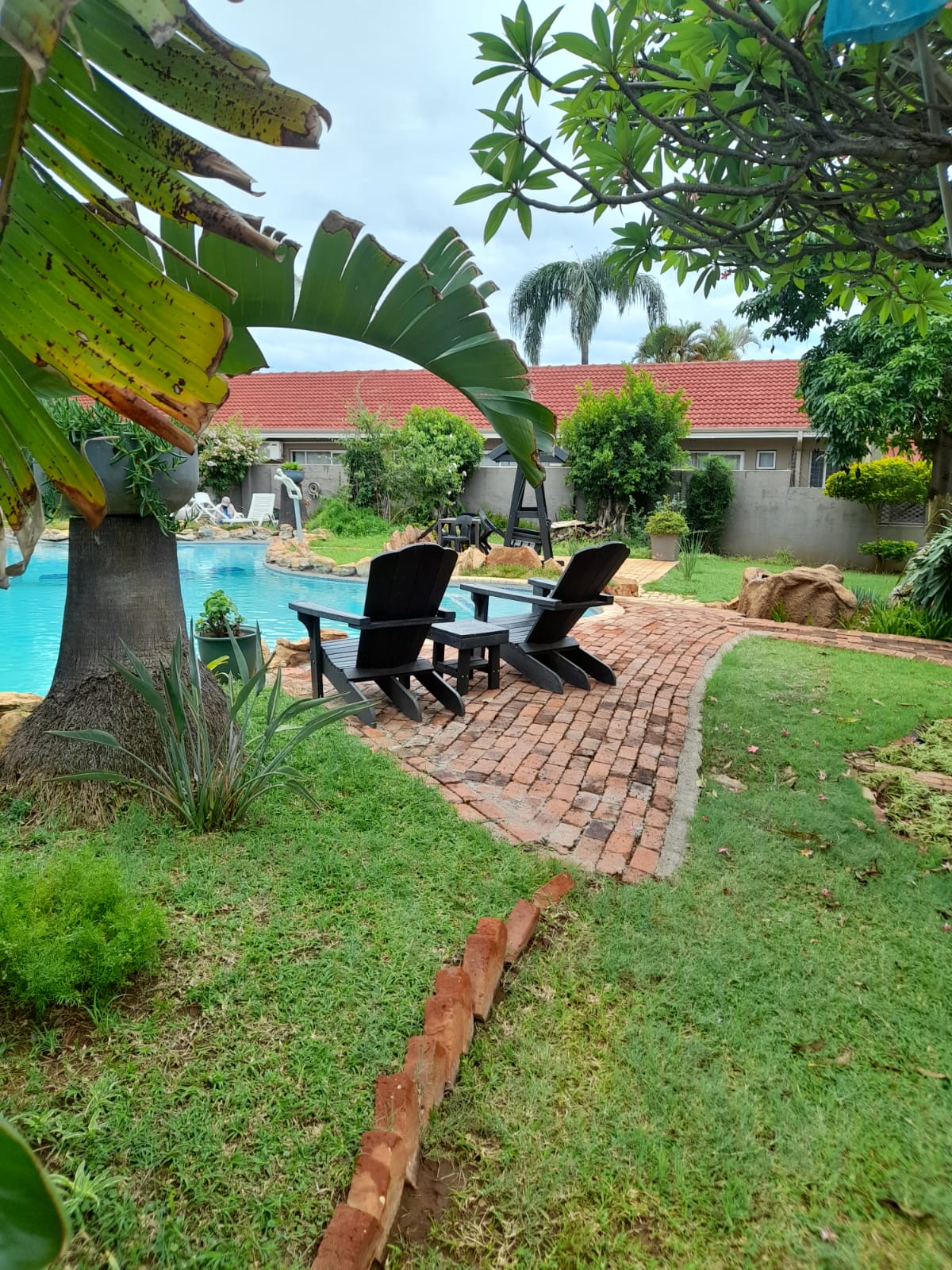
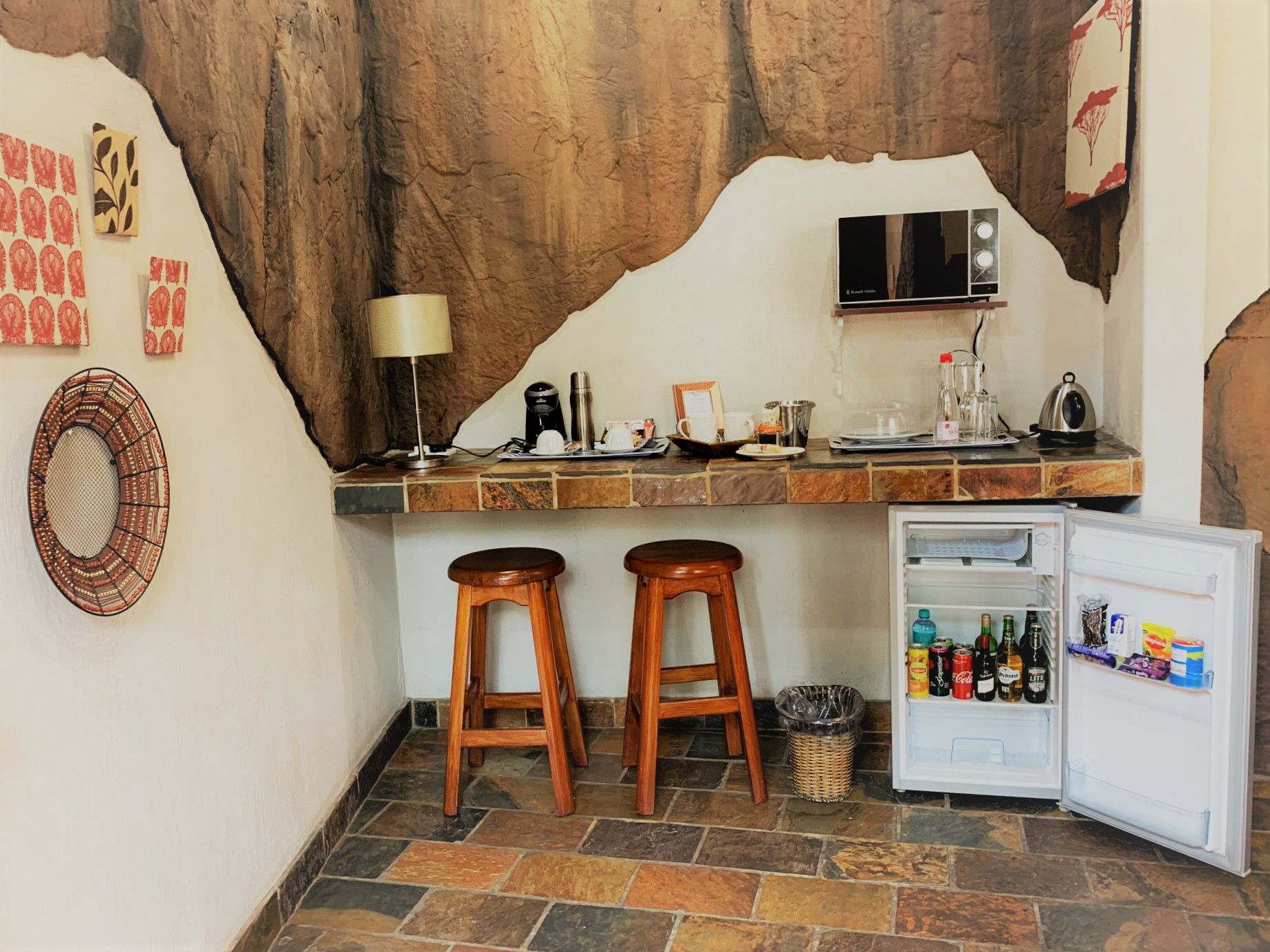
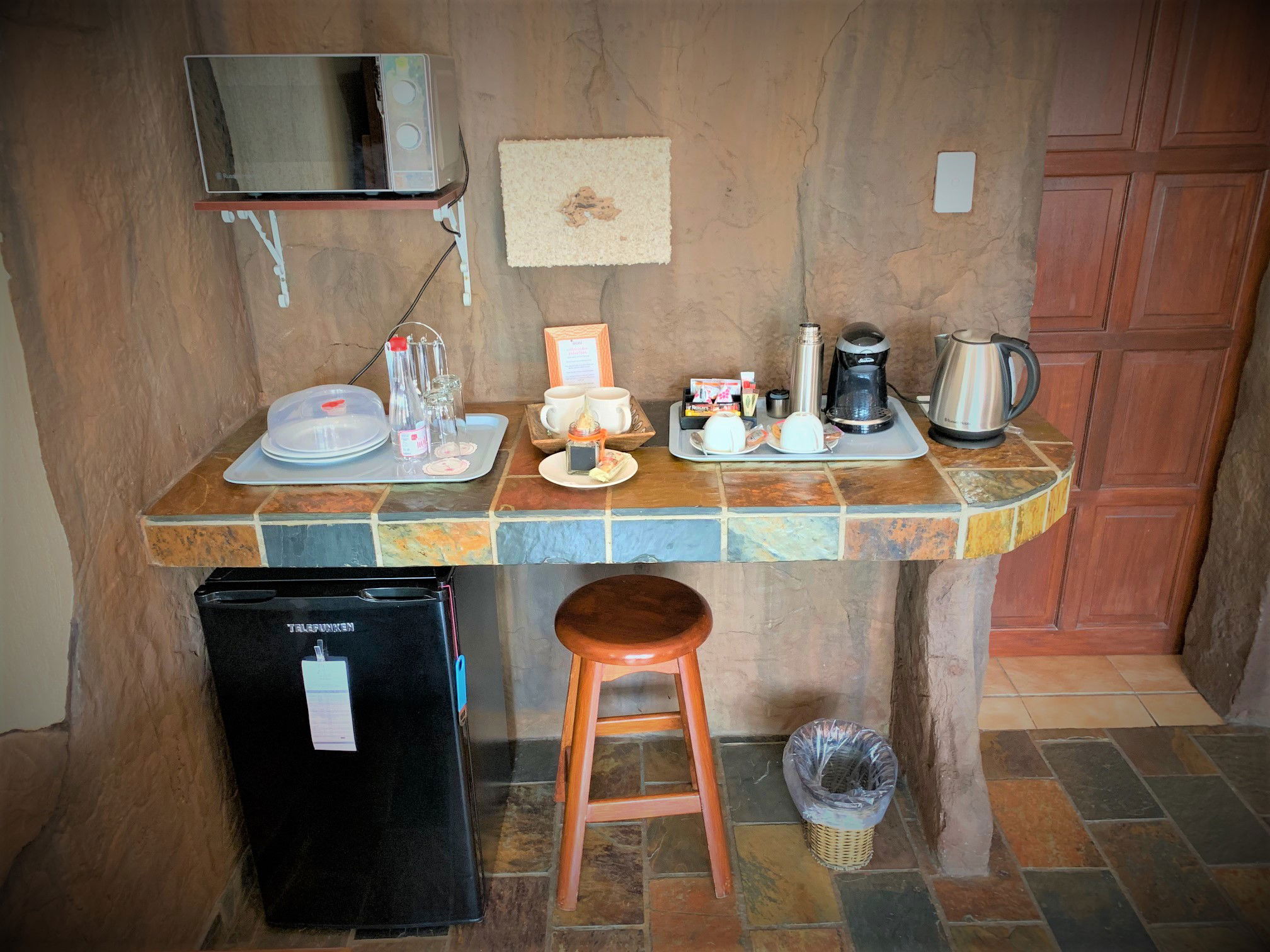
Self-catering units suit families and longer-stay visitors who prefer to manage their own schedule and meals. Several are on working farms or smallholdings with access to outdoor space, and they tend to offer good value for groups. A single resort property rounds out the upper tier, typically including on-site facilities such as pools and organised recreational activities.
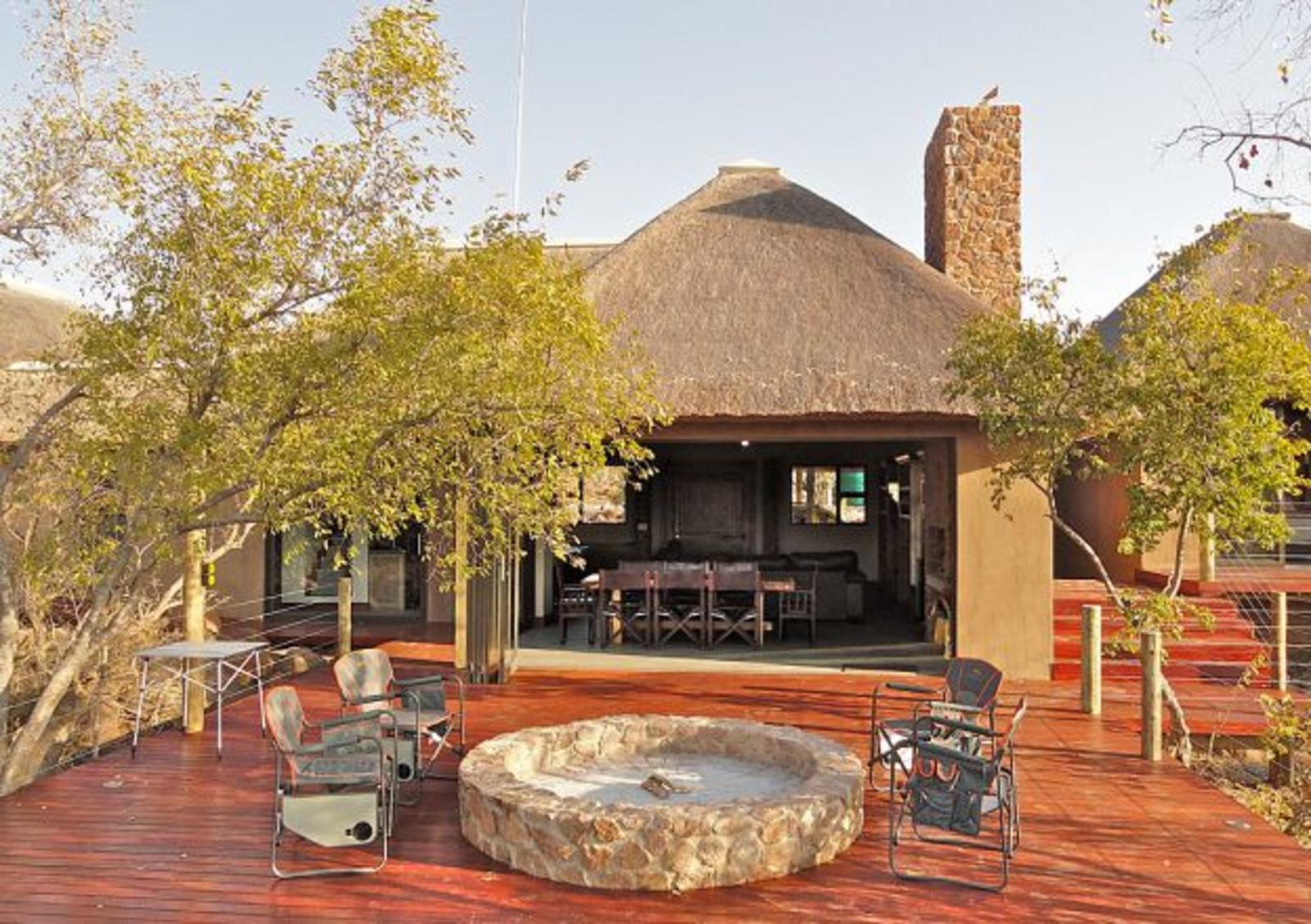
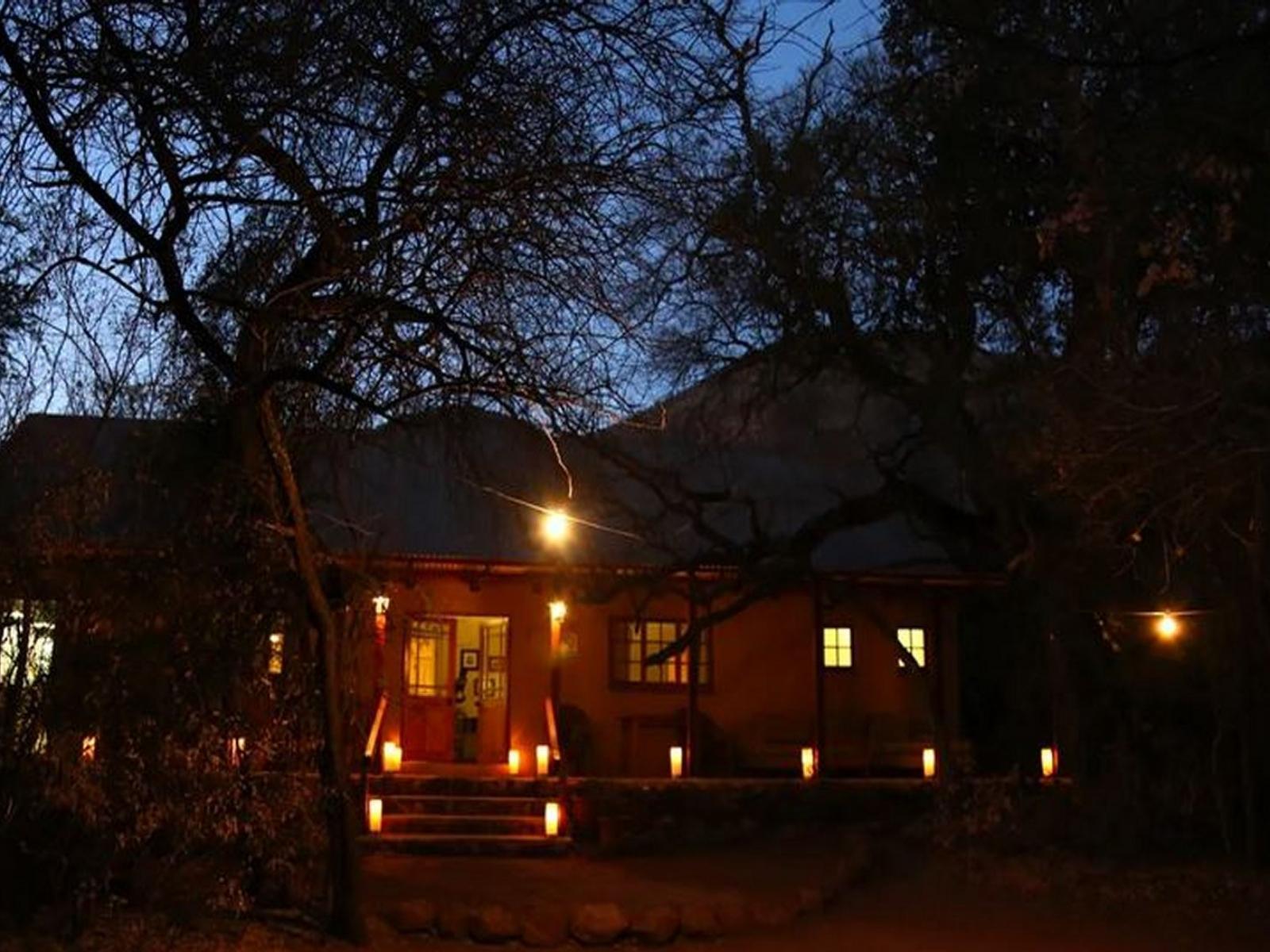
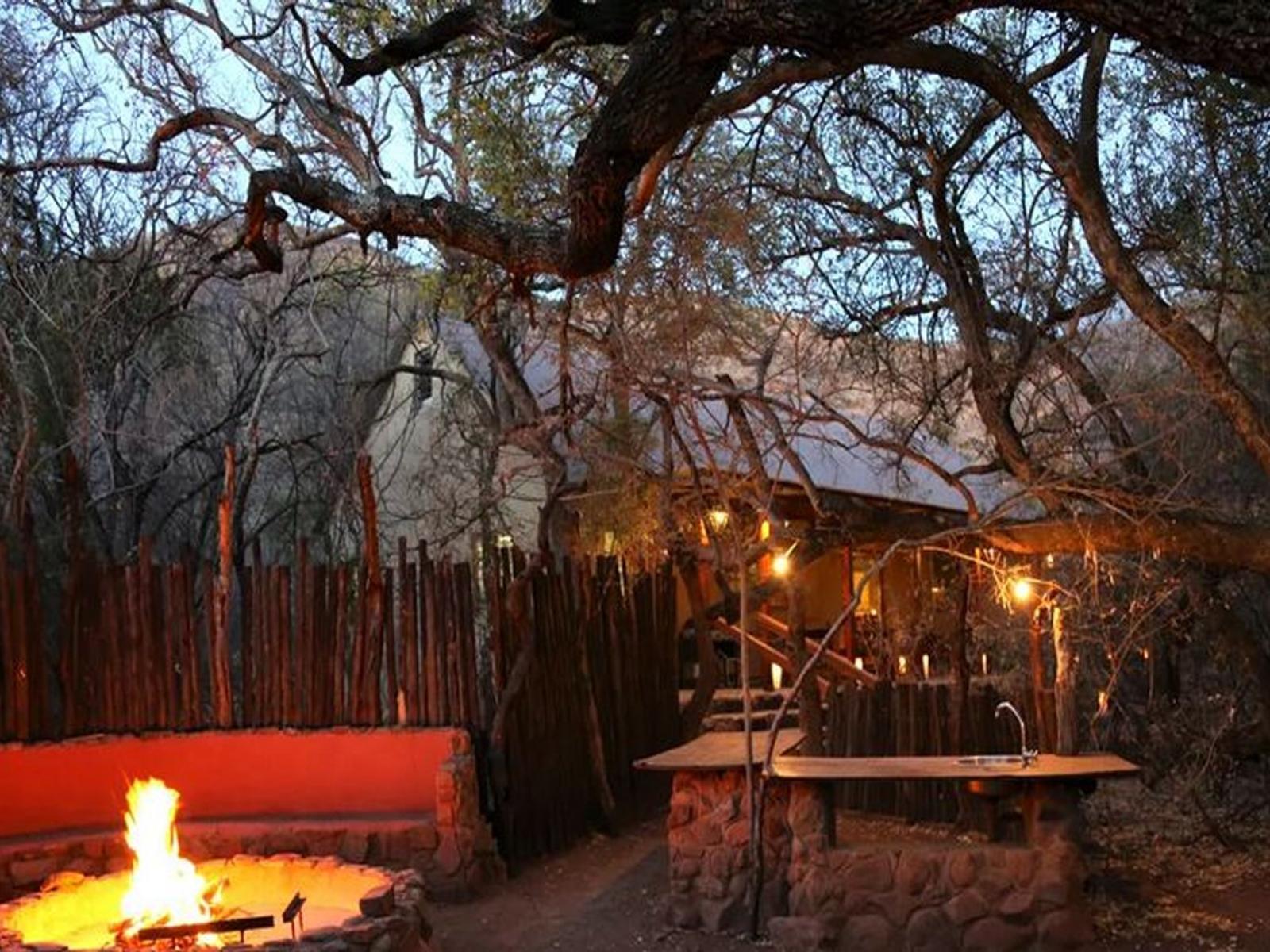
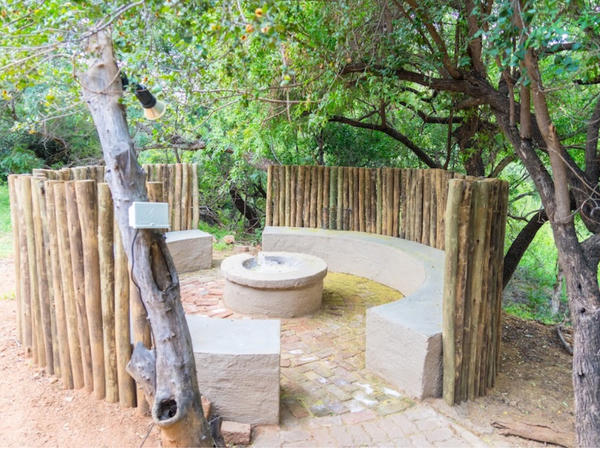
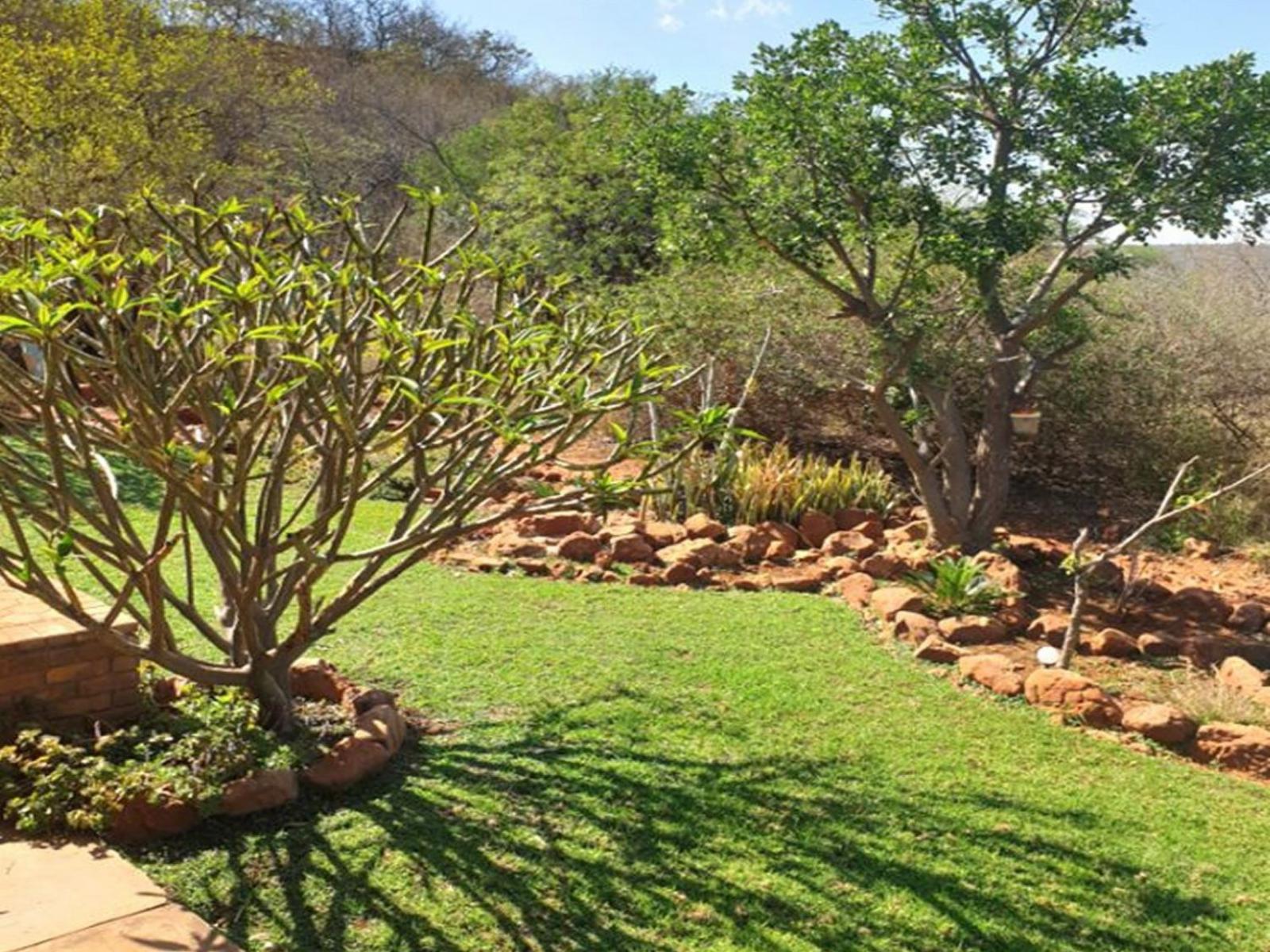
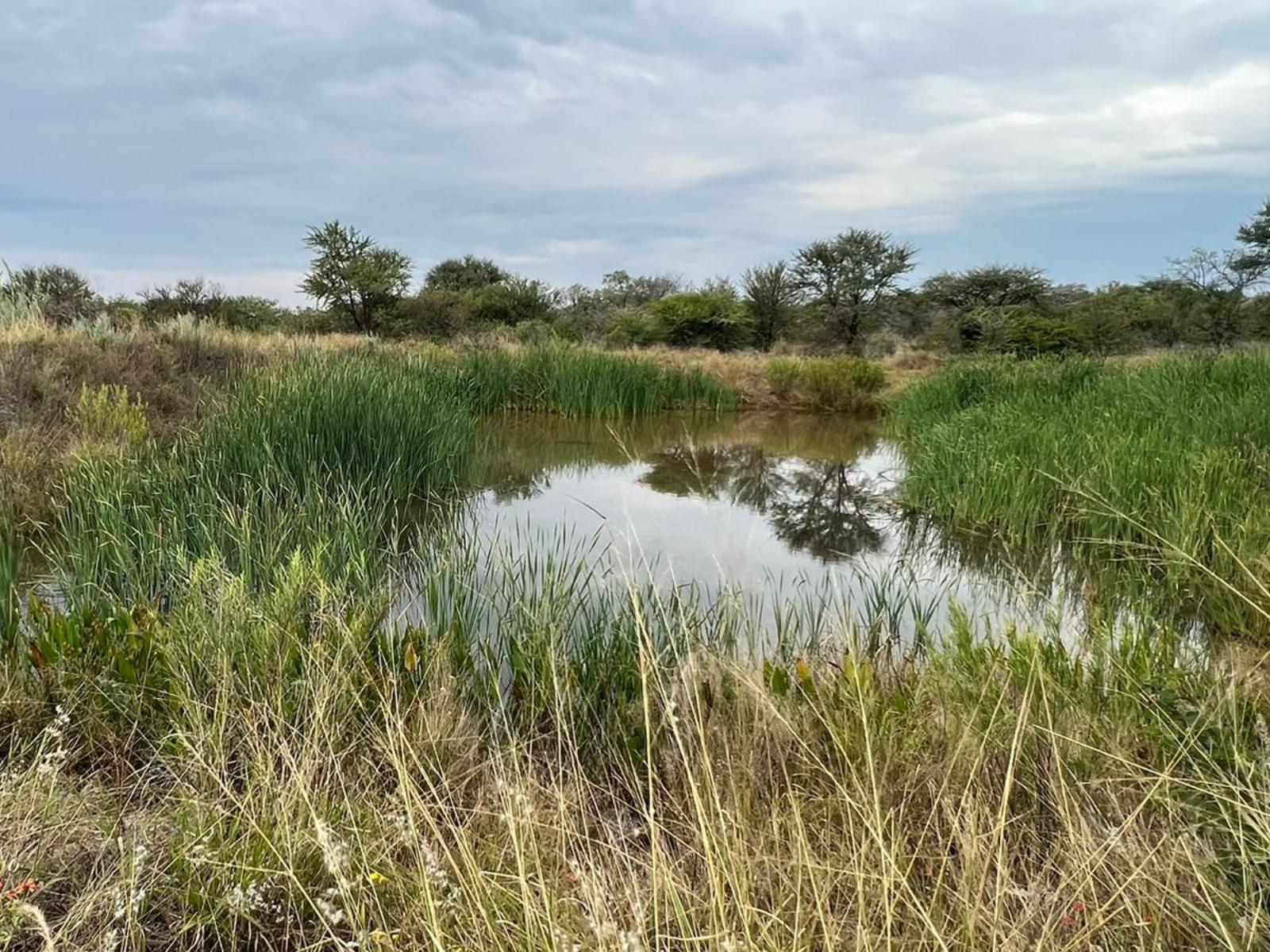
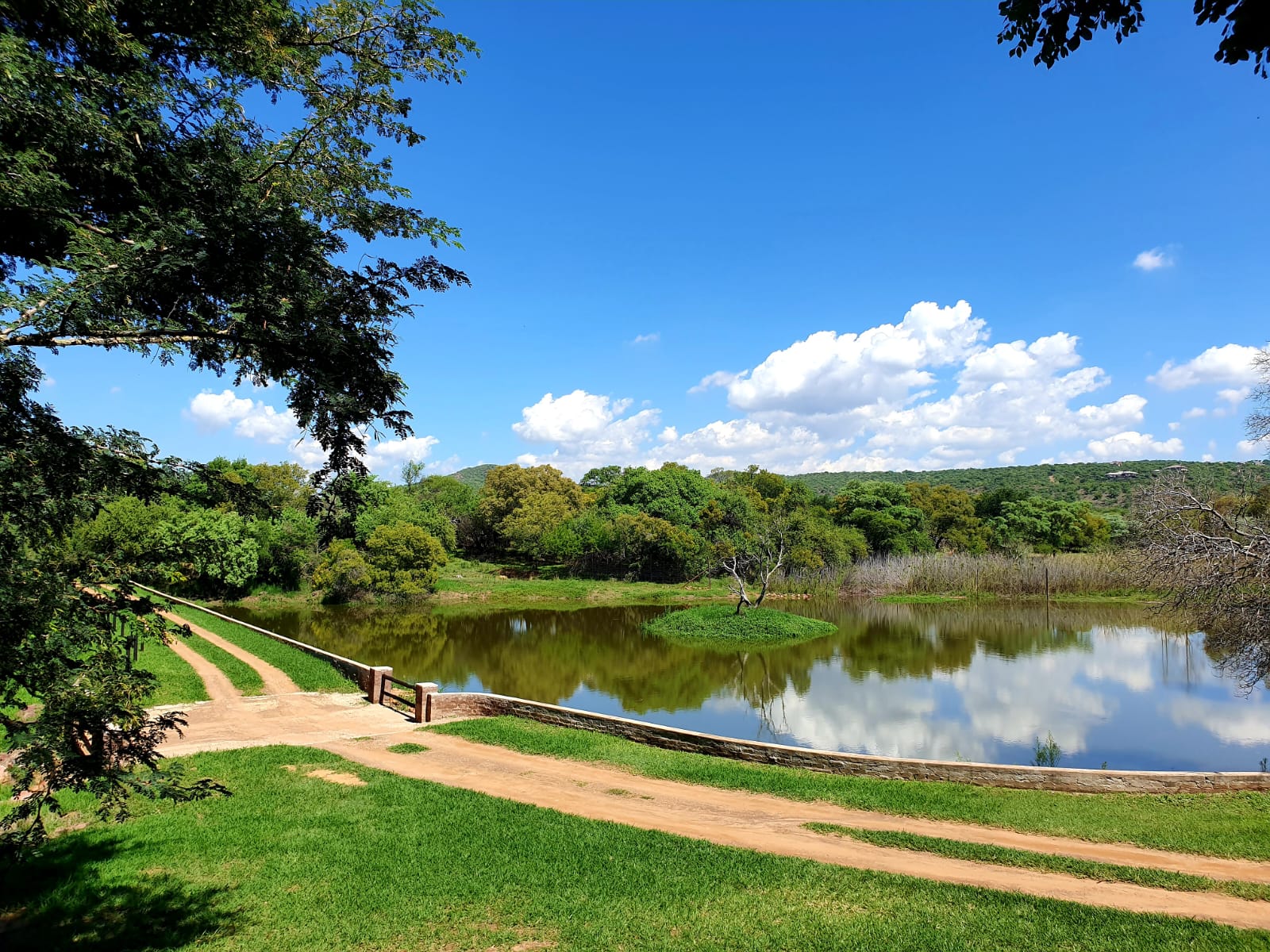
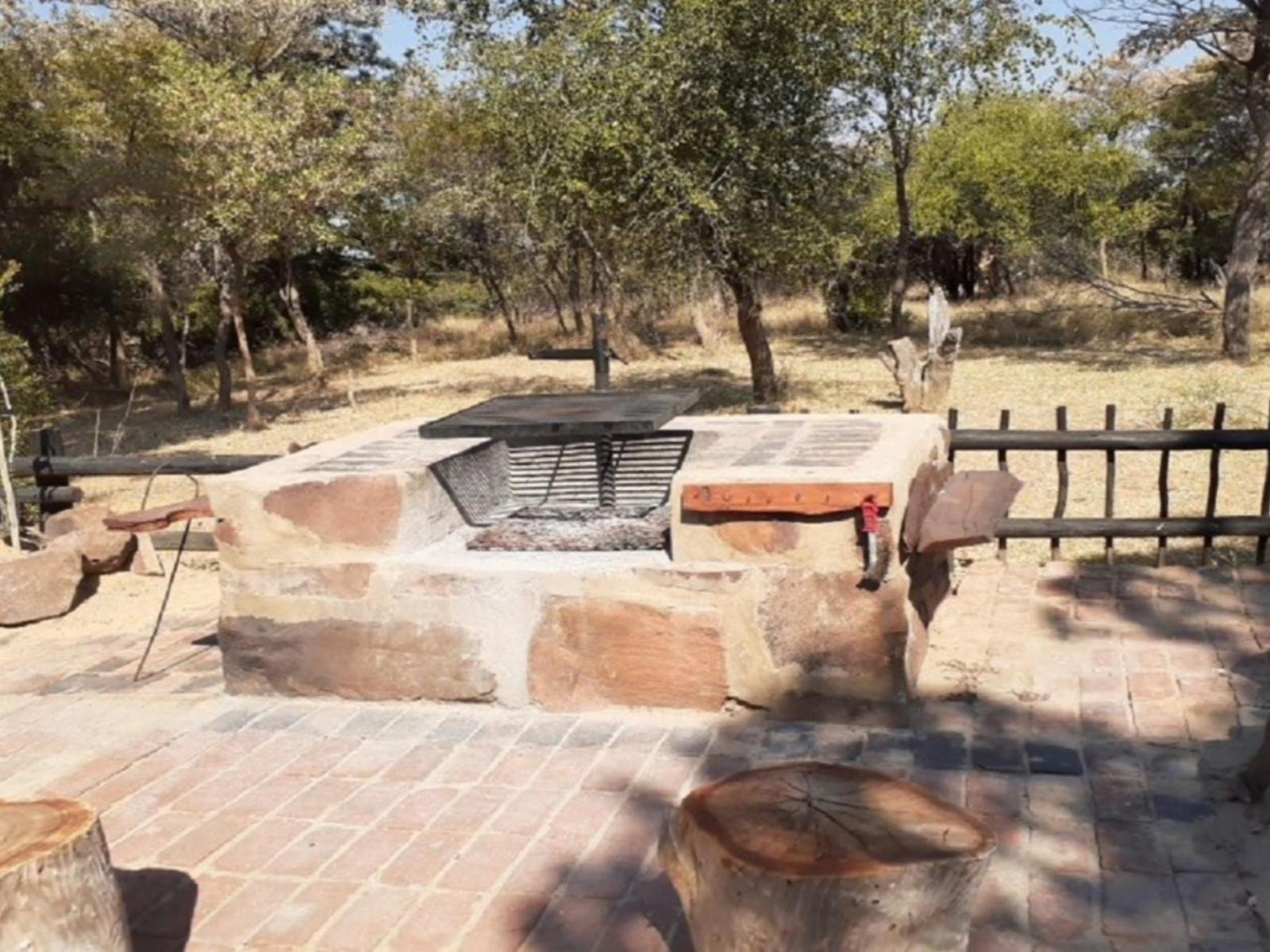
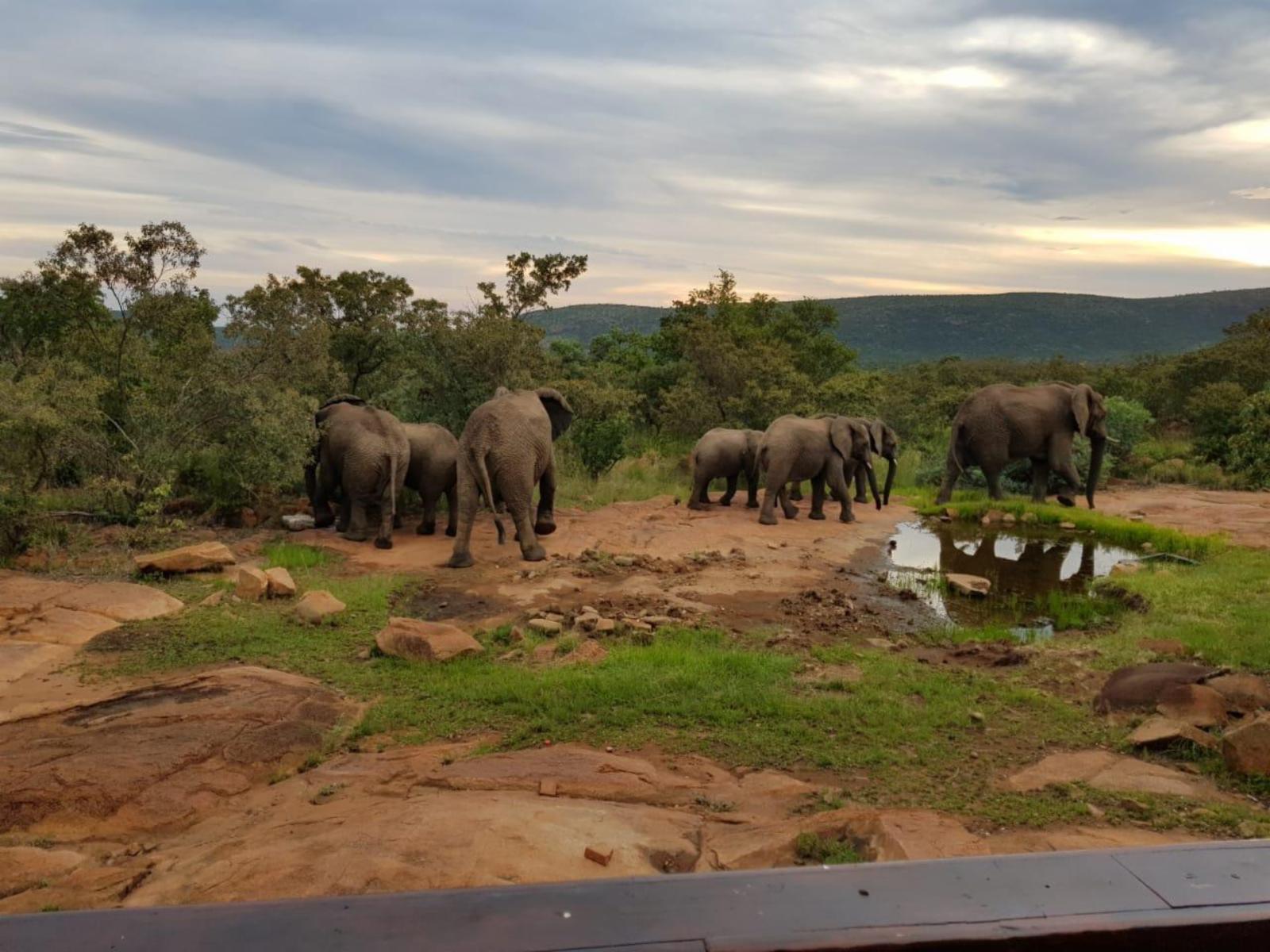
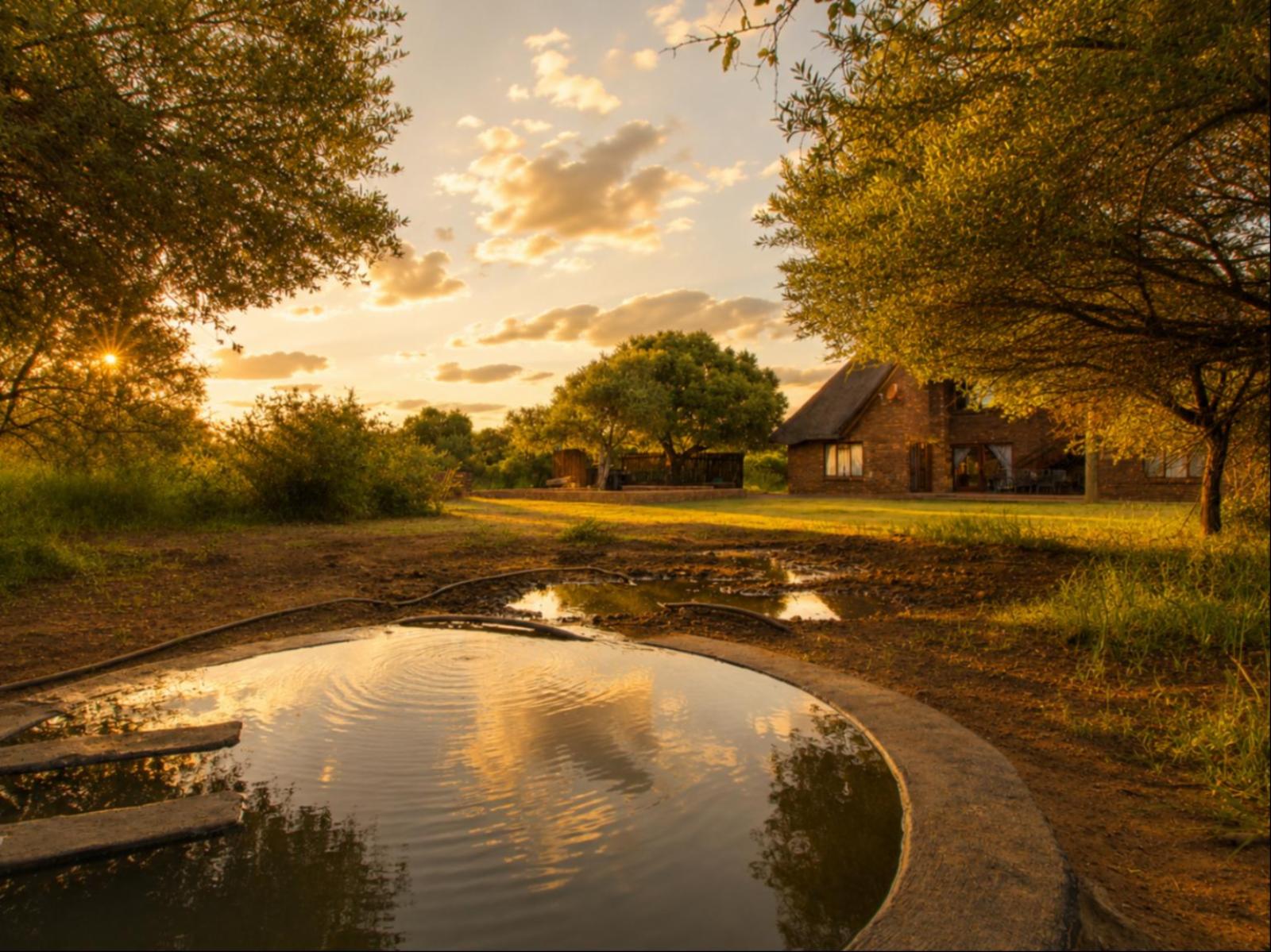
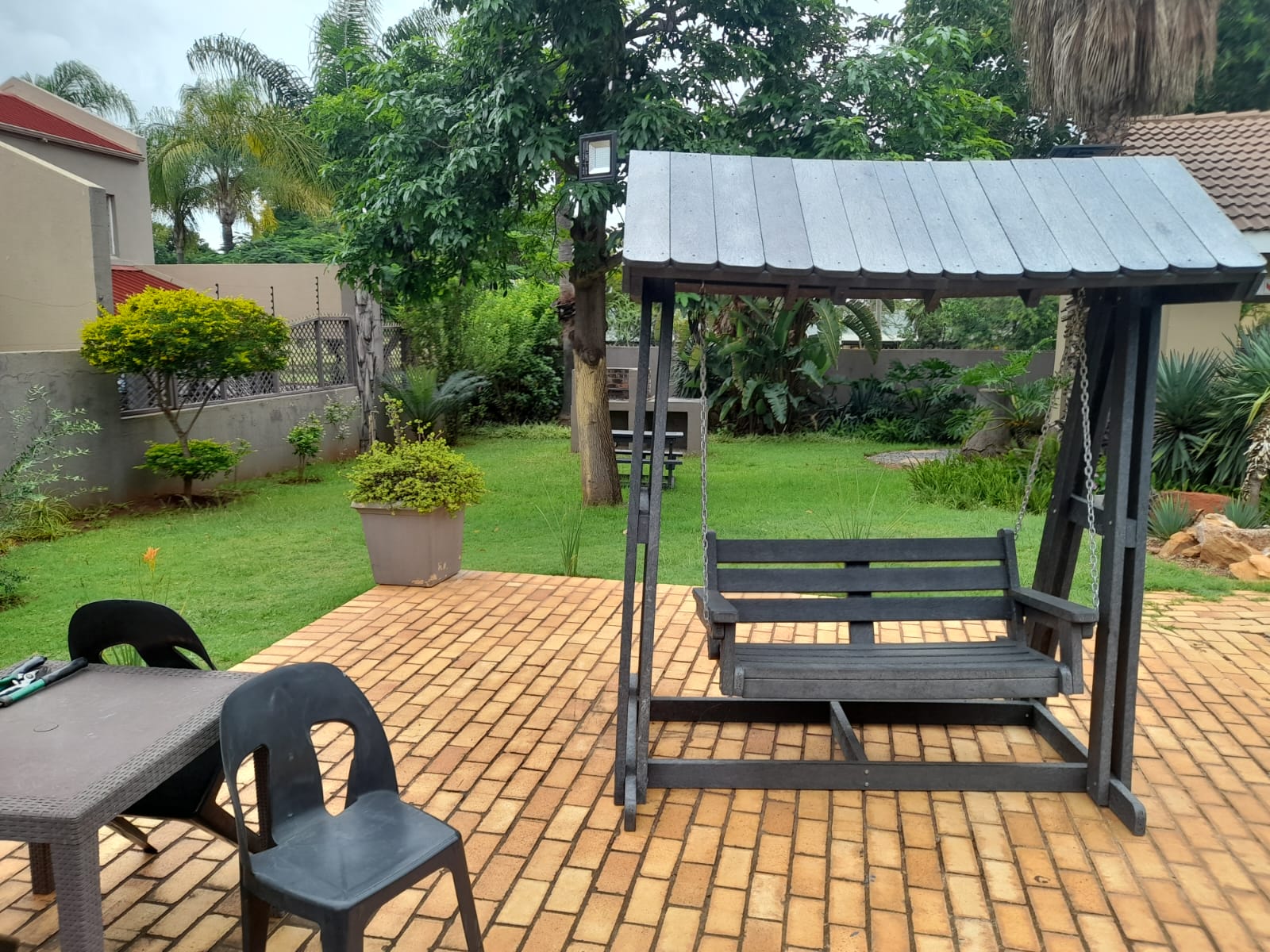
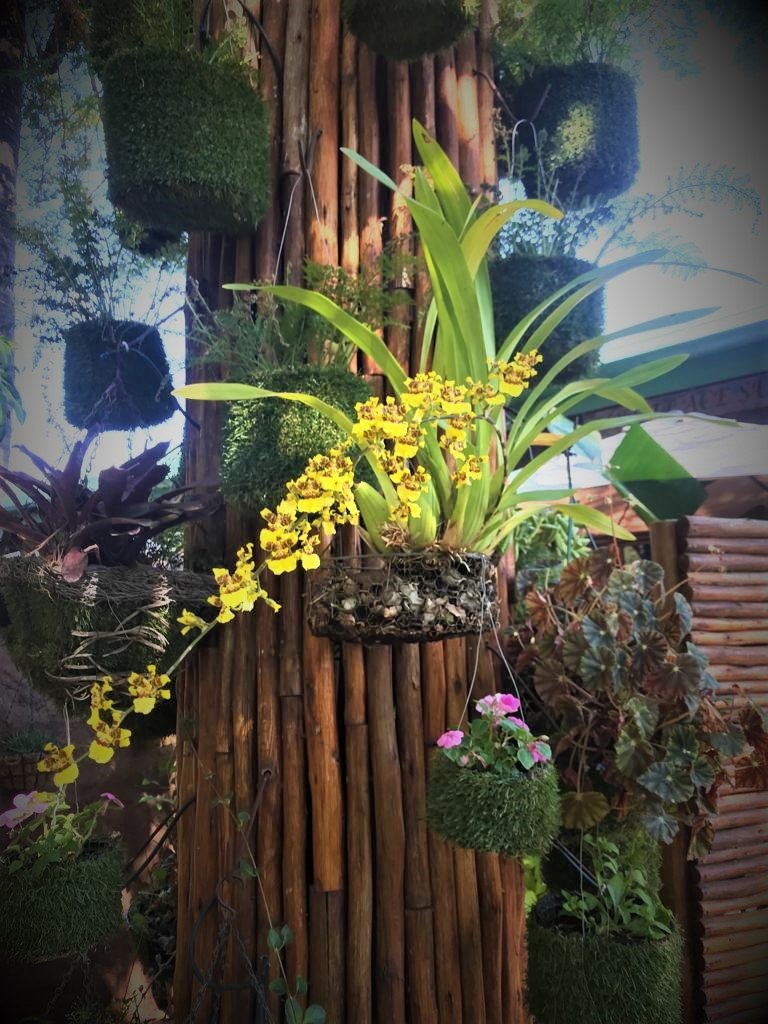
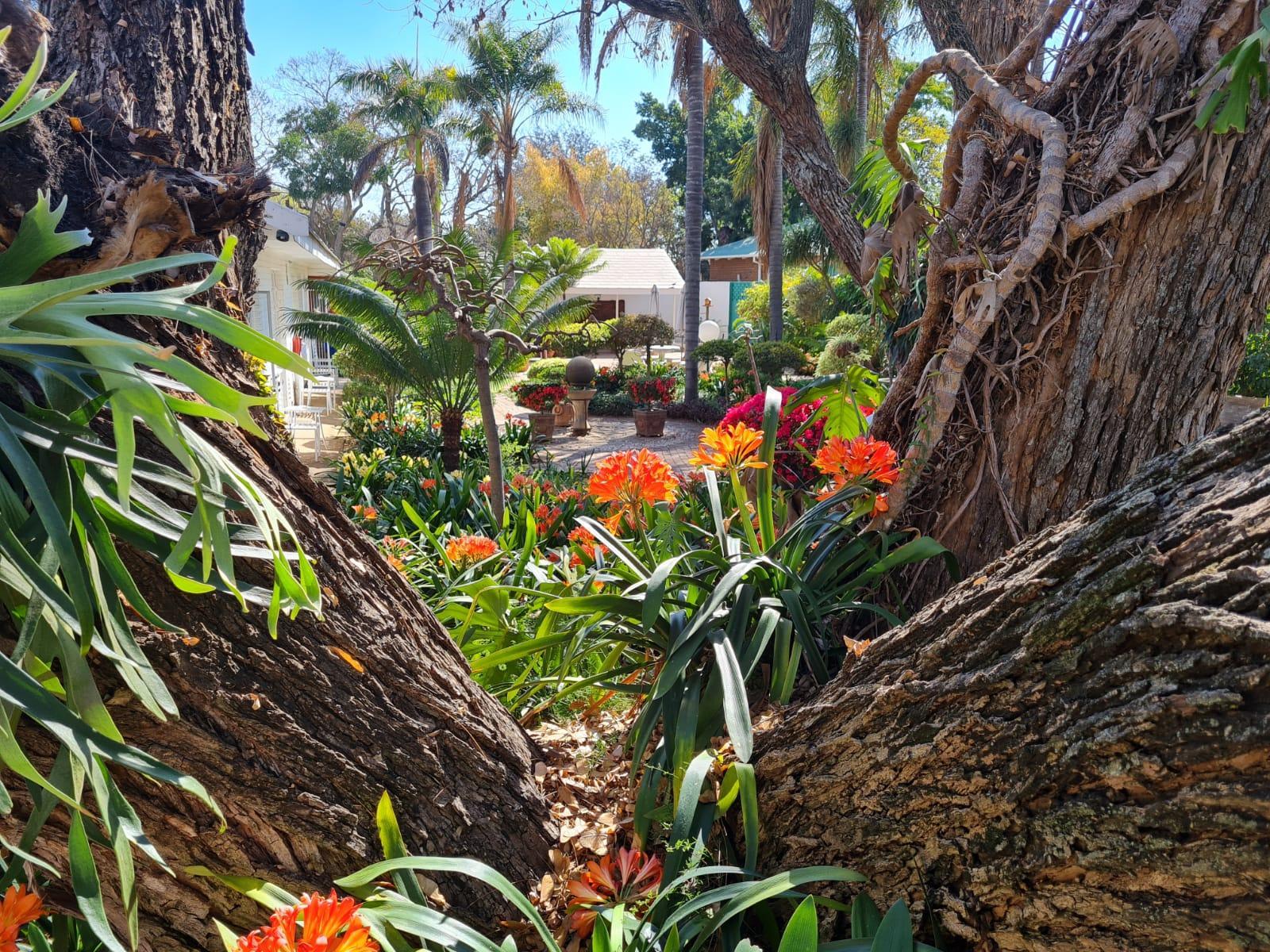
Whatever tier suits a given trip, most properties in the region are positioned with outdoor access in mind. The plateau terrain, rivers, and surrounding bush mean that even modest accommodation tends to come with views or wildlife sounds that are difficult to replicate elsewhere.
Things to Do in Waterberg
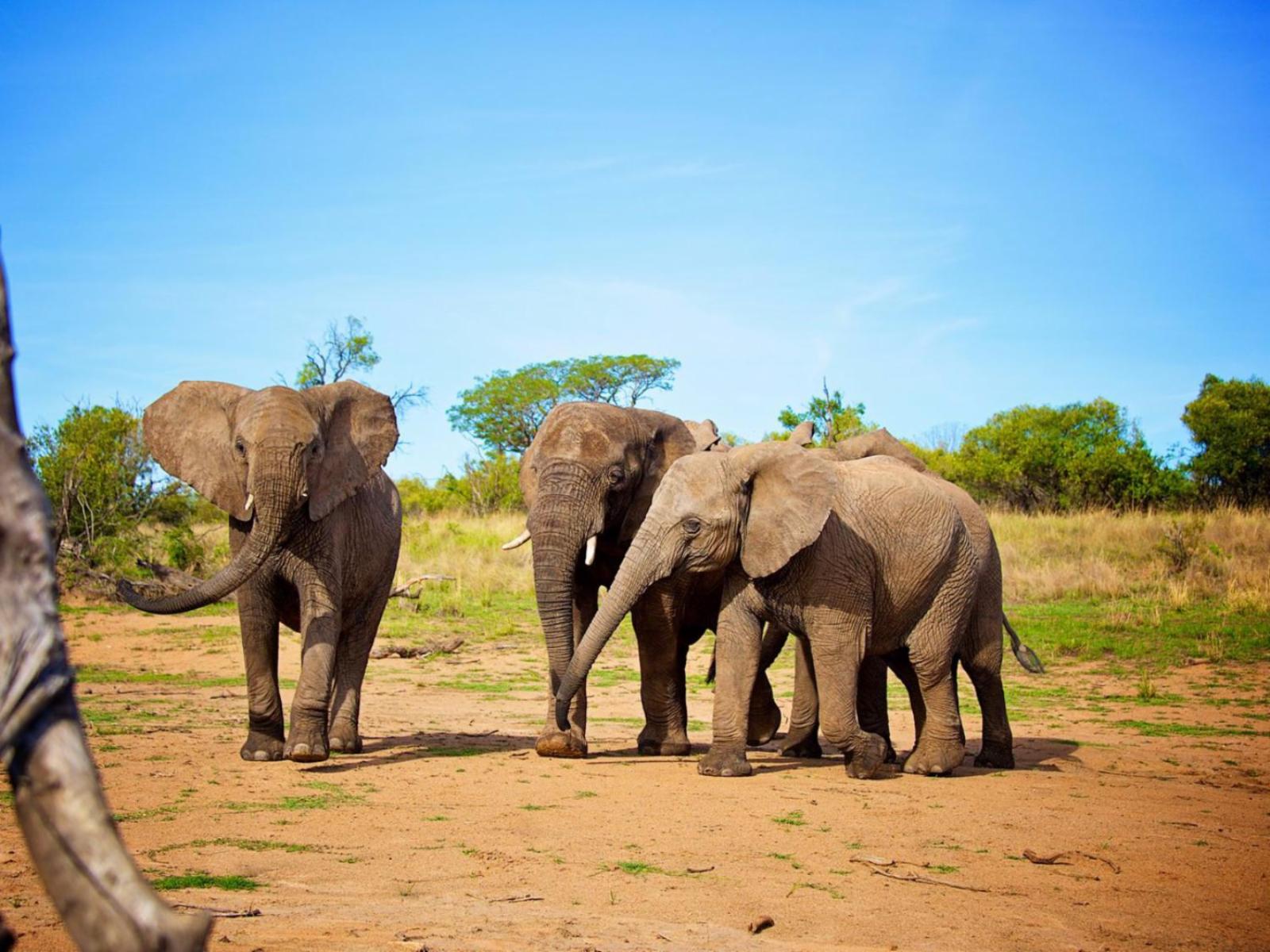
Game drives in Marakele National Park, which covers more than 60,000 hectares of the Waterberg plateau, provide the chance to see elephants, white rhinos, Cape vultures, and a range of antelope species. The park contains one of the largest breeding colonies of Cape vultures in the world, and birders make specific trips for this. Walking trails within the park operate at a slower pace and allow closer attention to the smaller details of the terrain and vegetation.
Safari activities extend beyond Marakele. Private reserves throughout the region run their own guided drives and bush walks, often covering different ecosystems and offering more flexibility in timing and group size than the national park.
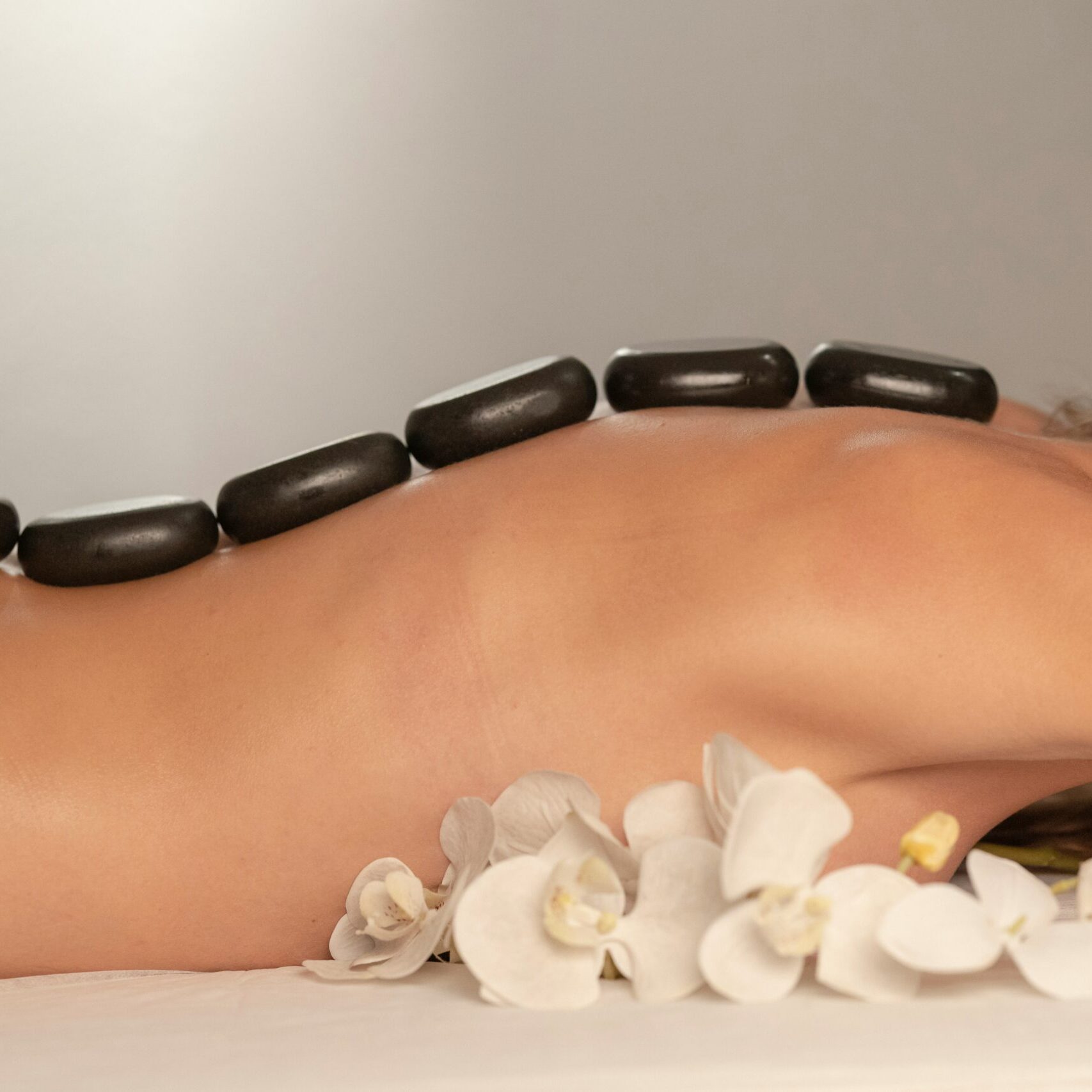
Hot springs in the Waterberg area draw visitors looking for something distinct from wildlife. The thermal springs around Bela-Bela to the south are the most developed in Limpopo, with public bathing pools and wellness facilities. The springs have been used for centuries, first by local communities and later by early settlers, and remain a popular day excursion.
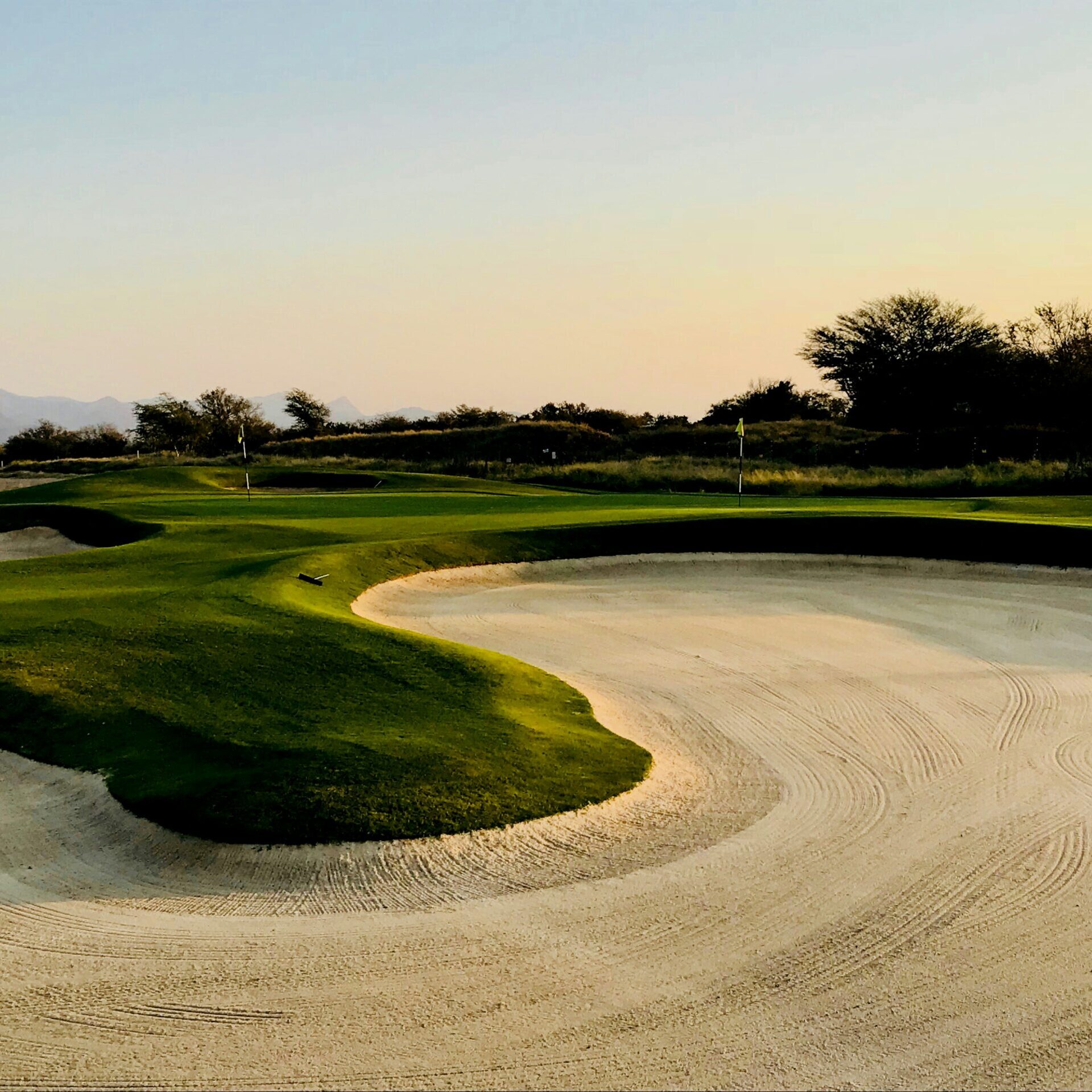
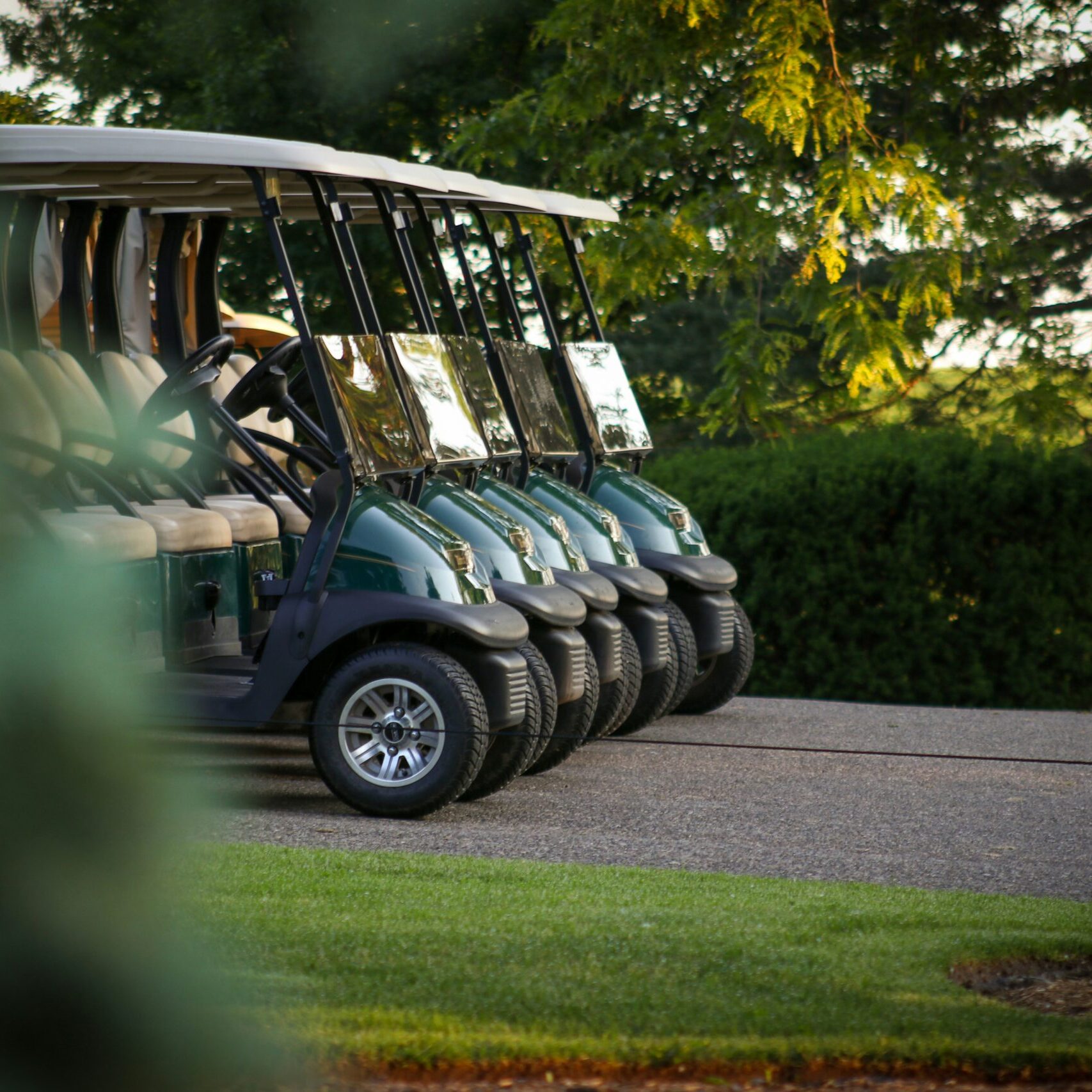
Golf courses within reach of the main accommodation belt allow visitors to mix game viewing with a round or two. Several courses border wildlife corridors, and sightings on the fairway are not unusual.
Fishing on the region's dams and rivers is available for those who want a quieter activity, with yellowfish and bass among the common species. The Makapan Valley and surrounding sites connect to the broader archaeological record of early human ancestors in Limpopo, and guided cultural tours can be arranged through most lodges for visitors interested in that history.
Best Time to Visit Waterberg
Waterberg has a subtropical climate with warm conditions year-round and a distinct wet season running from October through March. Afternoon thunderstorms are common in summer, and the vegetation becomes dense and green, which makes wildlife harder to spot even as the landscape looks its best. Summer is also when malaria risk increases in lower-lying parts of Limpopo, making preventative measures worth considering.
The dry season from May to September is generally the most practical period for game viewing. Vegetation thins progressively, animals concentrate around water sources, and temperatures through the day are comfortable. July and August bring cool nights, sometimes approaching zero at higher elevations, so packing layers is necessary. Days remain clear and sunny throughout the dry season.
September and October offer a useful middle ground. Temperatures are rising toward summer levels, the rains have not yet returned, and game remains visible before the bush recovers fully. Migratory birds arrive in spring, adding to the birding calendar during this window.
South African school holidays, particularly July and the December-January period, bring higher domestic demand. Planning around those dates, or booking well in advance if they are unavoidable, saves frustration.
Getting to Waterberg
The most direct route from Johannesburg follows the N1 north to Bela-Bela, then continues north on the R516 toward Vaalwater. The total distance from Johannesburg is around 200 kilometres, translating to roughly two to two and a half hours depending on traffic out of the city. Travelling from Pretoria reduces the distance by about 30 kilometres and avoids the densest highway congestion.
There is no commercial airport within the Waterberg itself. OR Tambo International Airport in Johannesburg is the closest major gateway for international arrivals, and a hired car from there is the most practical option. Public transport into the Waterberg interior is limited, and the distances between properties and reserves make a vehicle essential for the majority of visitors.
Main roads are tarred as far as Vaalwater and the national park entrance roads. Access to private reserves and farms typically involves gravel roads, which are manageable in a standard vehicle under dry conditions but can deteriorate after heavy summer rain. A vehicle with decent ground clearance is worth choosing if your itinerary includes more remote lodges or self-catering properties on farmland.
Fuel is available in Vaalwater, and stocking up there before heading further into the region is standard practice for most visitors.
Waterberg and Surrounding Areas
Several towns and settlements within 40 kilometres of the core Waterberg area serve as useful reference points for understanding the broader region and planning day excursions.
Vaalwater (29km) is the main service town for the Waterberg, providing fuel, groceries, a few restaurants, and the practical infrastructure that supports the surrounding reserves. It is not a tourist destination in its own right, but its central position makes it a standard stop for logistics and supplies during a stay.
Phatsane (29km) reflects the rural community character of the surrounding area. The land nearby is used for small-scale farming, and passing through gives a sense of the human settlement pattern that exists alongside the game reserves.
Ga-mosidi (31km) and Ga-molekwa (40km) are communal settlements typical of the semi-rural landscape across Limpopo. Both sit within the cultural geography of the plateau and connect to the communities who have occupied this region for generations. Some guided cultural programmes include visits to settlements of this kind and provide context that purely wildlife-focused itineraries tend to miss.
Goedgedacht (34km) is representative of the agricultural and game farming operations that share the wider landscape with Marakele and the private reserves. Properties in this area tend toward farm-stay or self-catering formats on working land.
Elandsbosch (38km) takes its name from the eland, pointing to the historical distribution of large antelope across the region. Land use here mixes conservation and farming in a pattern common throughout Limpopo. Visitors based in the Waterberg can reach any of these surrounding areas as day trips without needing to relocate accommodation.
Planning Your Stay
Booking three to six months ahead is advisable for the dry season, particularly for June through August. Lodges with small capacities and included activities fill quickly, and South African school holidays, especially July, compress availability further across the region.
When comparing properties, the most important step is clarifying what the nightly rate actually includes. Some operations bundle meals, game drives, and transfers into a single figure, while others charge separately for each. For self-catering bookings, confirm whether linen, towels, and basic cooking supplies are provided, and check the distance to the nearest shop in case you need to stock up on arrival.
Road conditions are worth confirming before departure if your visit falls during the summer rain season. Gravel access roads to farms and reserves can become difficult after prolonged rain, and some properties may temporarily restrict vehicle access. Mobile signal is patchy across private land in the region, so downloading offline maps and reserve contact numbers before leaving the main road is sensible. If any members of your party have medical requirements, check the property's emergency protocols and note the distance to the nearest hospital. Most lodges are familiar with these questions and answer them routinely.