Accommodation in Kakamas
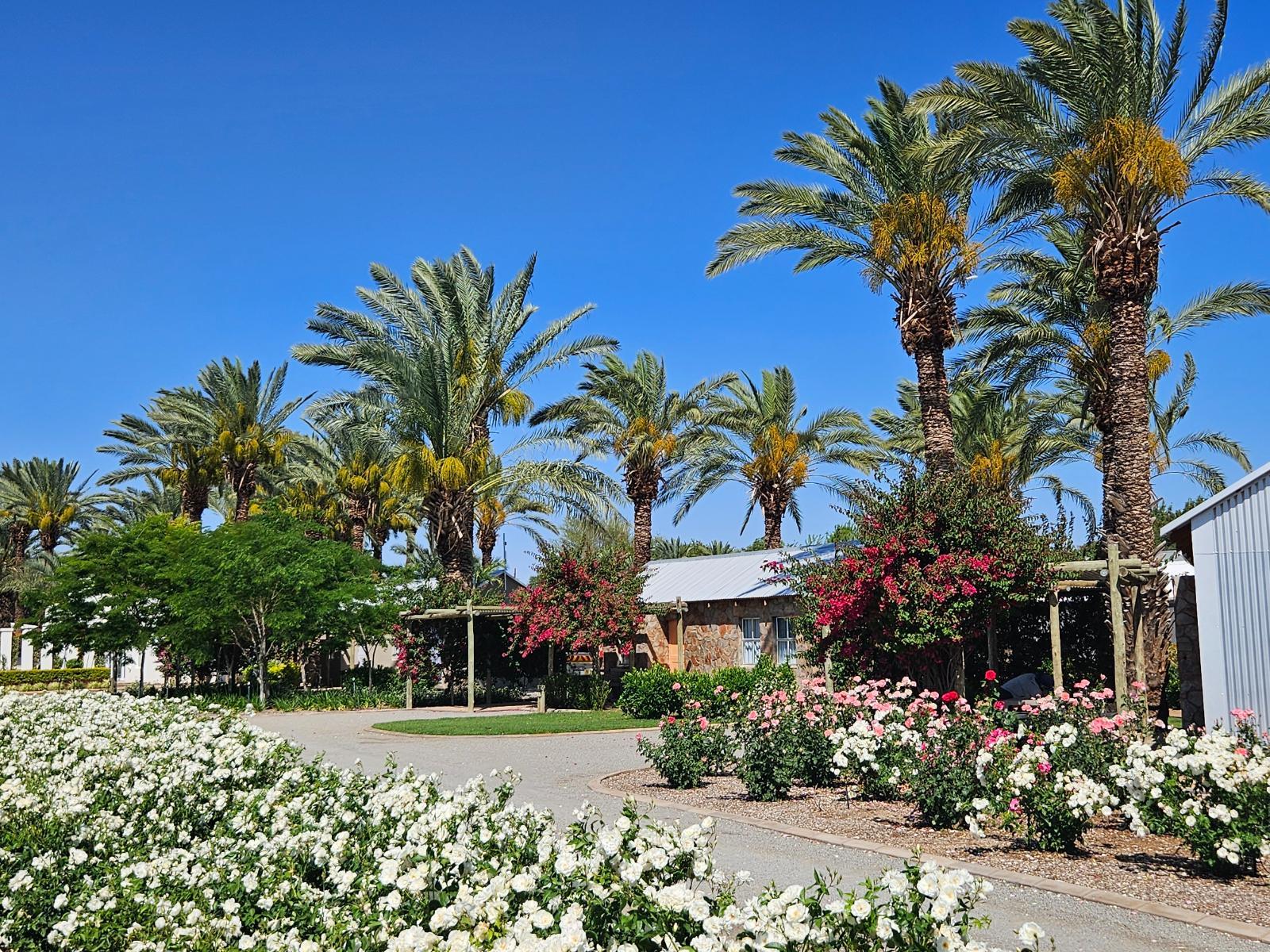
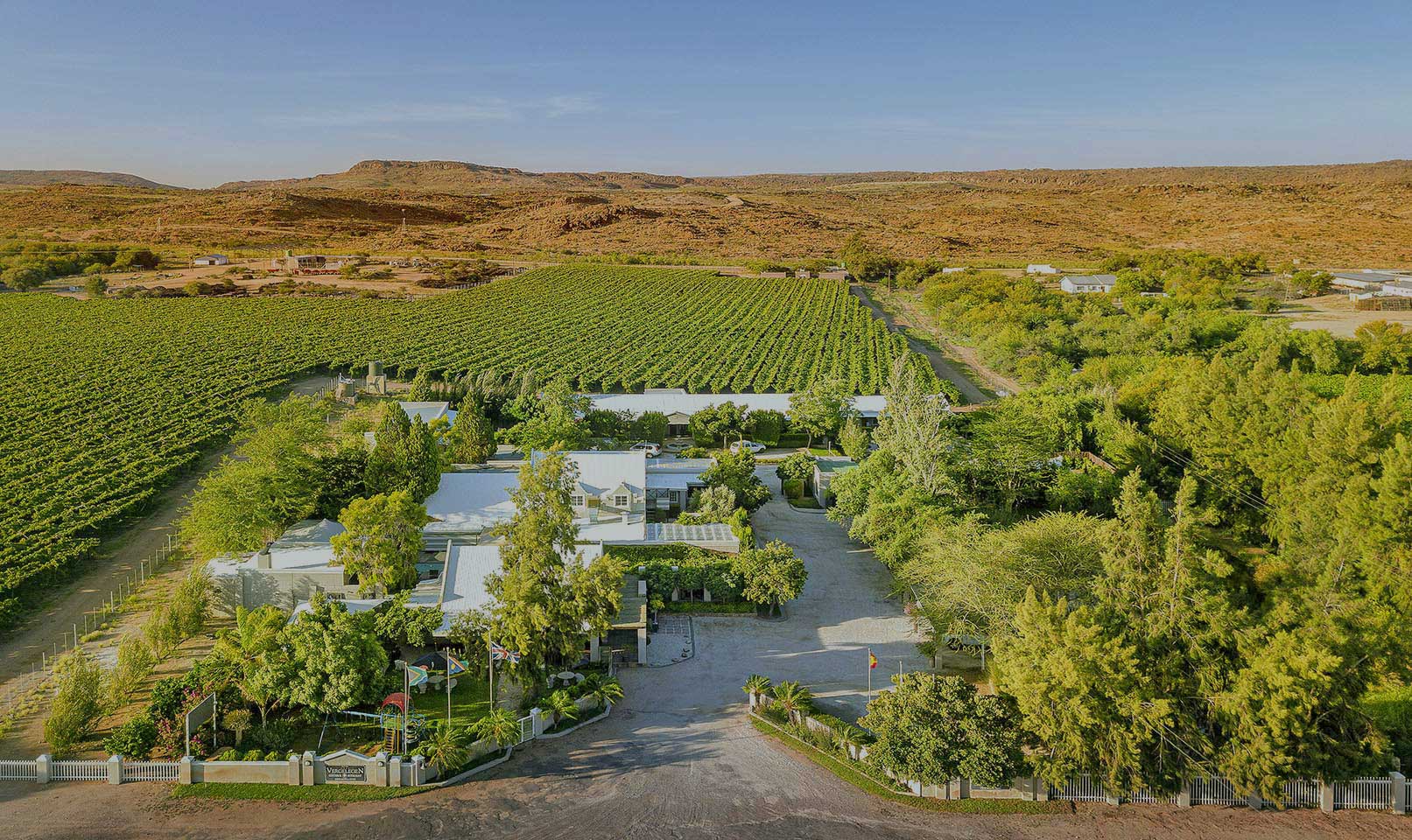
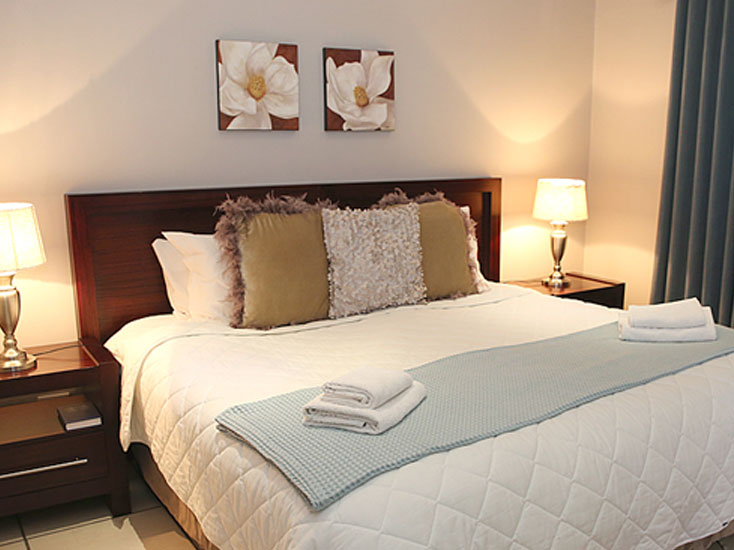
Kakamas has a small but functional selection of places to stay, with 2 properties currently listed. Both are self-catering, which suits the town well given its position as a stopover on longer Northern Cape routes and a base for day trips to Augrabies and the Orange River valley.
Self-catering works particularly well here. The surrounding farms and local markets sell fresh fruit, dates, and produce, so cooking your own meals is genuinely practical rather than a compromise. Properties in this format typically come with kitchens or kitchenettes, private outdoor areas, and a level of quiet that guesthouses in busier towns struggle to offer. Expect a no-frills, comfortable setup rather than resort-style amenities. Kakamas is not a luxury destination, and the accommodation reflects that honestly.
For travelers moving through the Northern Cape on a road trip, a self-catering unit here removes the need to hunt for restaurants in the evenings, which matters in a town of this size where dining options are limited. Families or small groups often find the format the most cost-effective and flexible choice.
Pricing information is not currently available for the listed properties, so it is worth checking individual listings directly to compare what is included. Some units in smaller Northern Cape towns include braai facilities and outdoor seating as standard, which can significantly affect the experience.
Booking ahead is advisable during school holidays and the peak travel window between June and August, when the region sees more visitors heading to Augrabies Falls National Park.
Best Time to Visit Kakamas
The Northern Cape has one of the harshest climates in South Africa, and Kakamas is no exception. Summers, from November through February, are genuinely extreme, with temperatures regularly exceeding 40°C. The combination of low humidity and relentless sun makes outdoor activity uncomfortable and sometimes dangerous during these months.
The cooler period from May to September is the clear choice for most visitors. Daytime temperatures sit between 18°C and 26°C, mornings are crisp, and the light is good for photography and long walks. This is also when the Orange River is most pleasant for canoeing and fishing.
August and September mark the end of winter and see mild temperatures alongside clear skies. Spring brings wildflowers to parts of the Northern Cape, though Kakamas itself is more agricultural than fynbos-covered. Rain is scarce year-round, which means dust rather than mud is the main weather concern for off-road excursions.
The town is quietest from January to April, outside school holidays. If avoiding crowds matters more than avoiding heat, these months offer solitude along the river and around local farm stalls.
Getting to Kakamas
Kakamas sits on the N14 highway, the main route connecting Upington in the Northern Cape to the Western Cape interior. Driving is the only realistic way to reach the town independently.
From Upington, the drive covers roughly 72 kilometres and takes about 45 minutes. Upington has the closest commercial airport, Upington International Airport, which receives flights from Johannesburg on several carriers. Renting a car at Upington airport is straightforward and gives full flexibility for exploring the surrounding region.
From Cape Town, Kakamas is approximately 700 kilometres via the N7 and N14, a journey of around seven to eight hours depending on stops. From Johannesburg, the distance is closer to 900 kilometres via the N14, making it a two-day drive with an overnight stop unless you are committed to a long single-day push.
There is no scheduled bus service that stops centrally in Kakamas, though some intercity routes pass through the area. Hitchhiking is common in the Northern Cape and generally considered safe between towns, but it is not a reliable option for timed arrival.
Once in Kakamas, a car remains essential. The town itself is walkable, but reaching the Orange River, nearby farms, or the surrounding attractions requires personal transport. Fuel is available in town.
Kakamas and Surrounding Areas
The small settlements and natural sites within an hour of Kakamas form the real draw of the region, and Kakamas works well as a base for reaching most of them.
Augrabies, 30 kilometres to the west, anchors any visit to this part of the Northern Cape. The Augrabies Falls National Park contains one of the largest waterfalls in the world by volume during flood conditions, where the Orange River drops 56 metres into a narrow granite gorge. The park also supports klipspringer, springbok, black rhino, and a notable population of rock monitor lizards. Day hikes along the gorge rim are well-marked and accessible.
Keimoes, 35 kilometres away, is the nearest town of comparable size. It sits on an island in the Orange River and is surrounded by vineyards and date palms. The town is a useful supply stop and has a small historical museum documenting the missionary influence and irrigation development along the river.
Upington, 72 kilometres northeast, functions as the regional hub. It has supermarkets, hardware stores, a hospital, and the airport that most visitors fly into. The Kalahari-Oranje Museum and the island wineries along the Orange River are worth a few hours on a layover day.
Swaardraai, at 20 kilometres, and Brakboschkolk, at 28 kilometres, are smaller rural settlements rather than tourist destinations. They represent the agricultural character of the corridor, with farms producing raisins, table grapes, and dates. Neilersdrift, 36 kilometres out, sits close to the Orange River and is occasionally used as an entry point for river trips.
Planning Your Stay
With only two listed properties in Kakamas, accommodation options are limited enough that booking well in advance is a sensible precaution, particularly for travel between June and September or during South African school holidays in July and December.
Before confirming a booking, check whether the property includes bedding, towels, and basic kitchen supplies. Self-catering units in smaller Northern Cape towns vary considerably in what they provide, and some expect guests to bring their own linen or braai equipment. Confirming this directly with the host avoids friction on arrival.
It is also worth establishing mobile signal and Wi-Fi availability upfront. Coverage can be patchy in parts of the Northern Cape, and if remote working or reliable communication matters, clarifying this before booking is time well spent.
Kakamas has limited dining infrastructure, so planning grocery shopping before arrival is practical. Keimoes or Upington are the most reliable places to stock up on a wider selection. Local farm stalls in and around Kakamas sell seasonal produce and are often the better option for fresh fruit.
Visitors who plan to do the Augrabies day trip should book their park entry and any guided hikes with SANParks in advance during peak season, as some activities have limited capacity. Entry to the park is paid separately from accommodation and is not included in any Kakamas property listing.