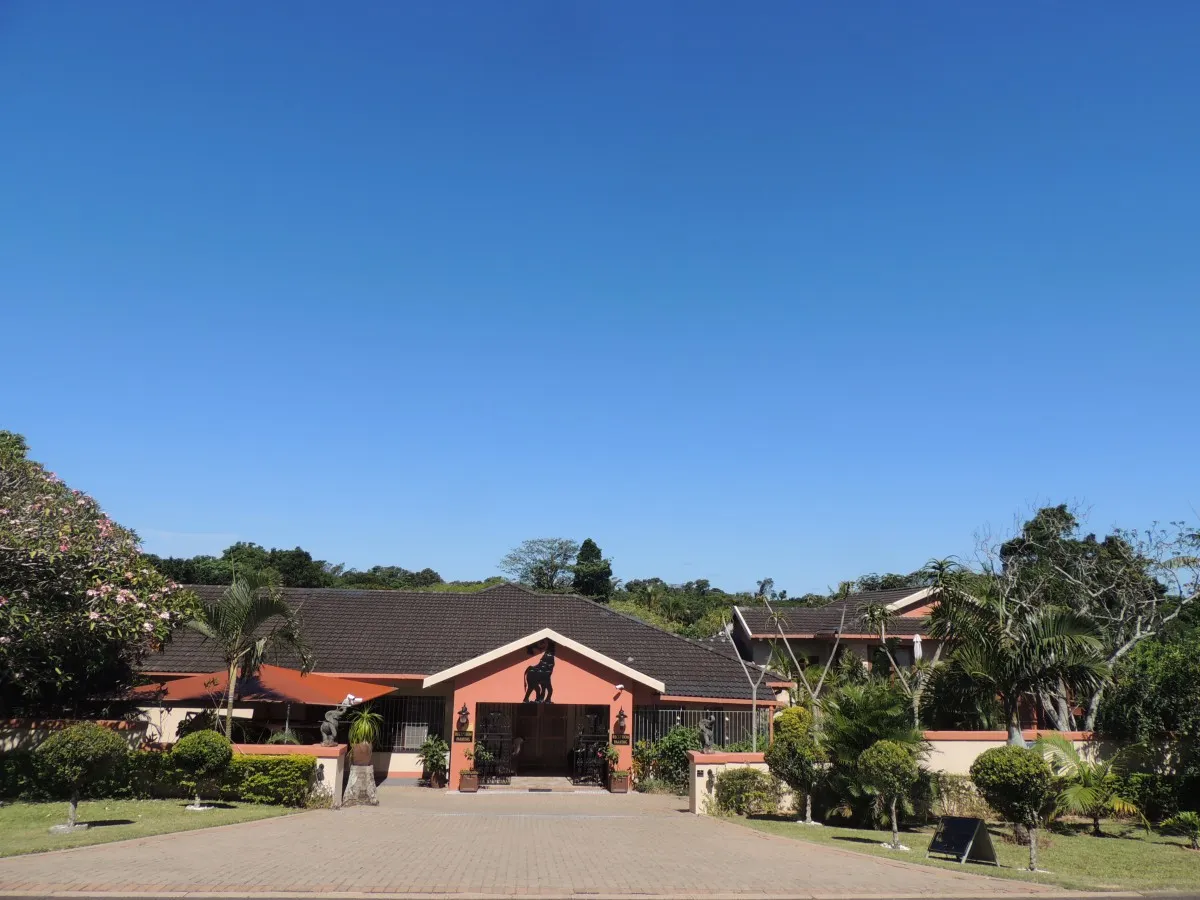
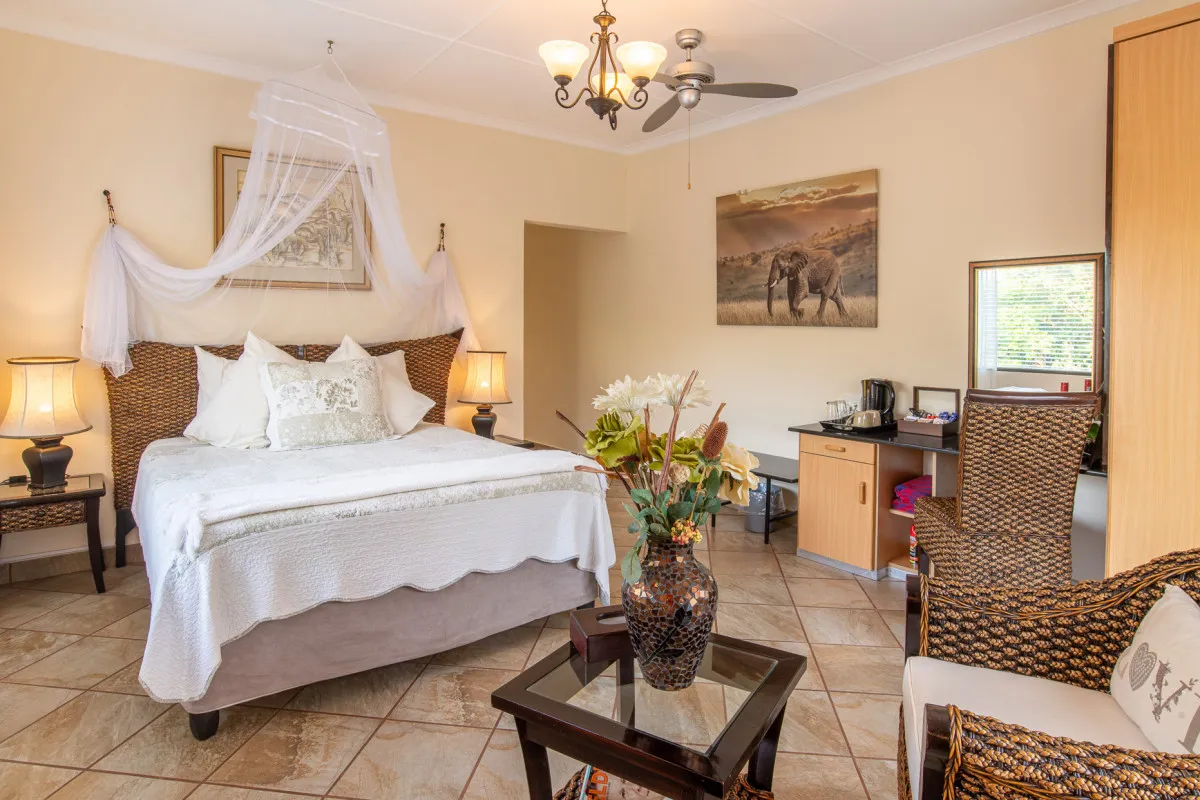
Accommodation in St Lucia
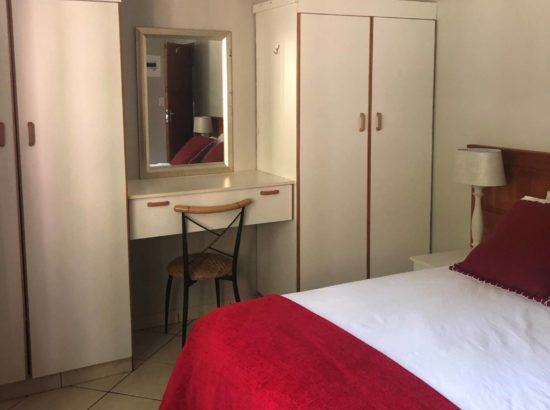
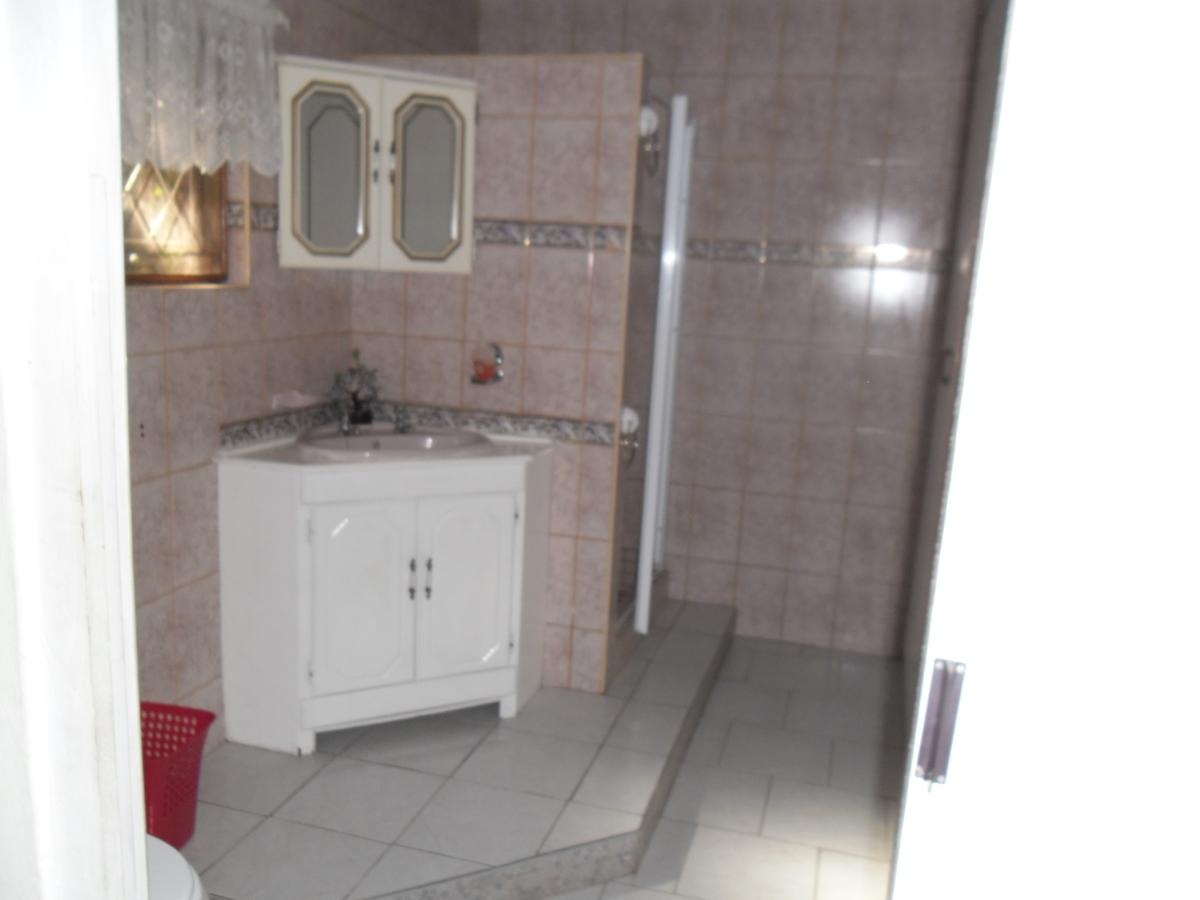
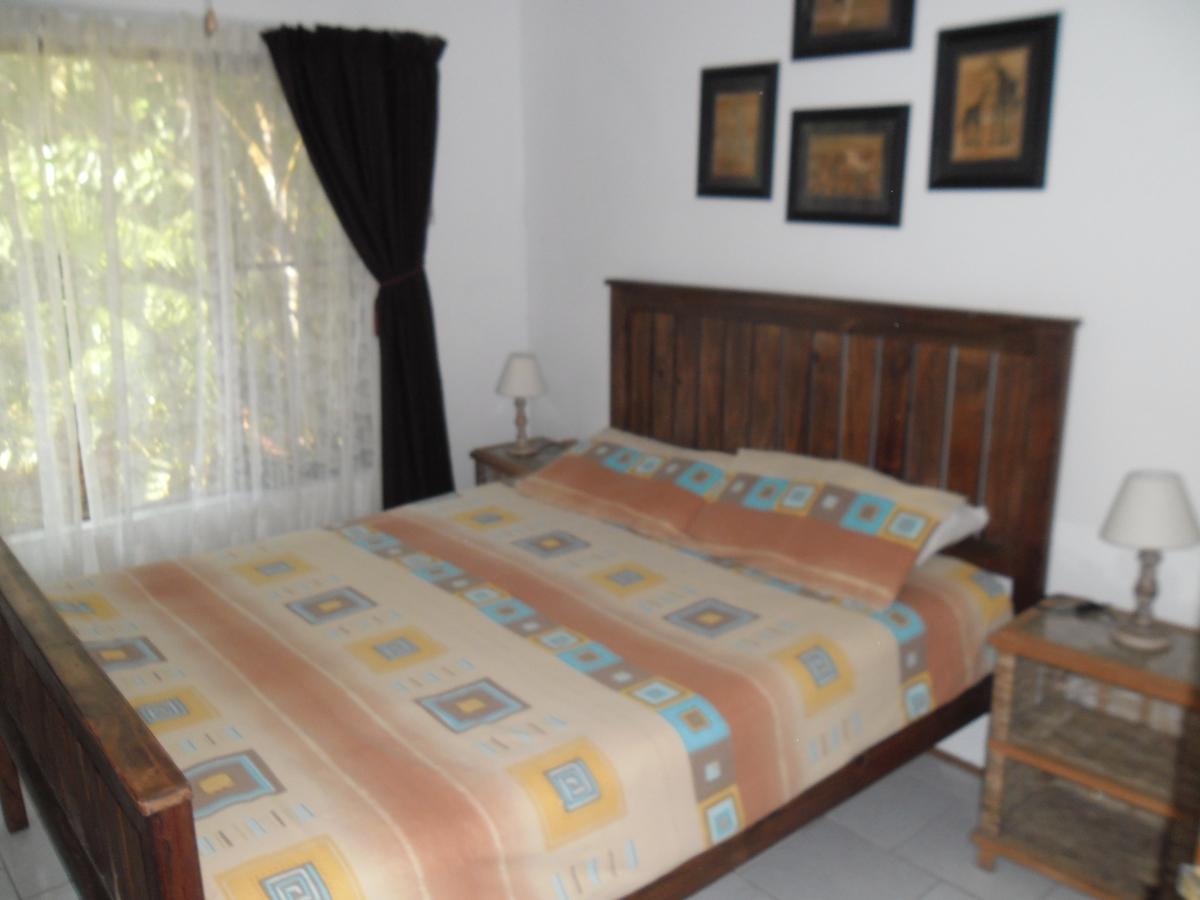
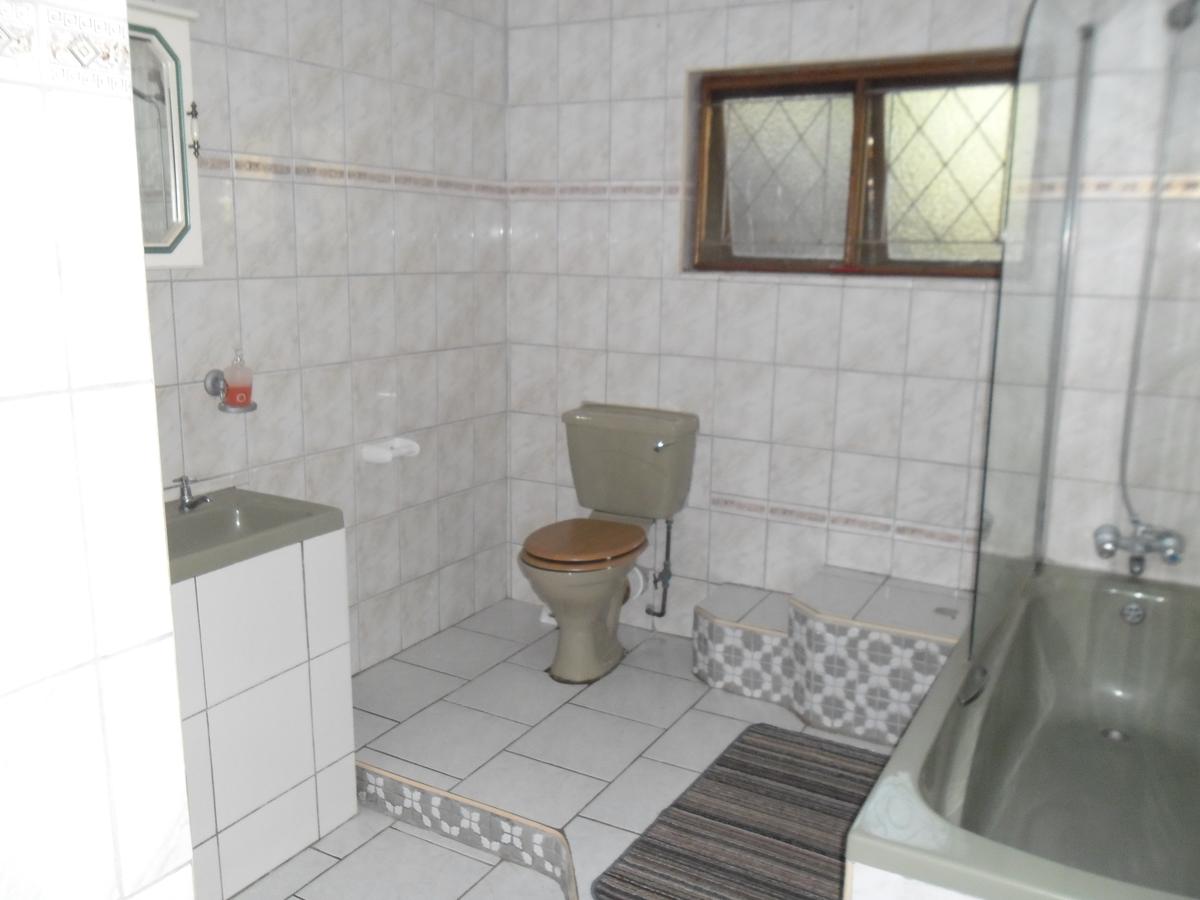
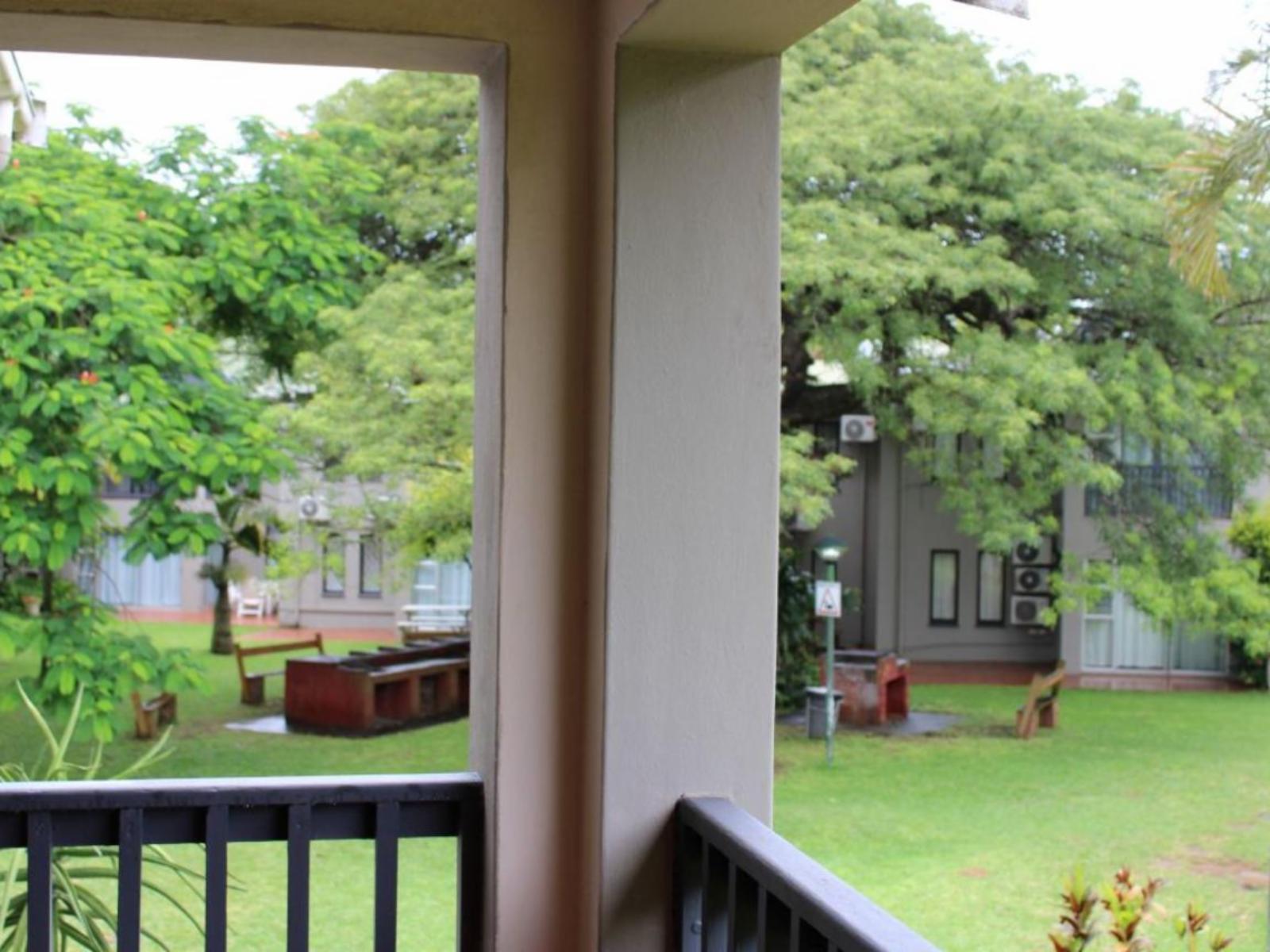
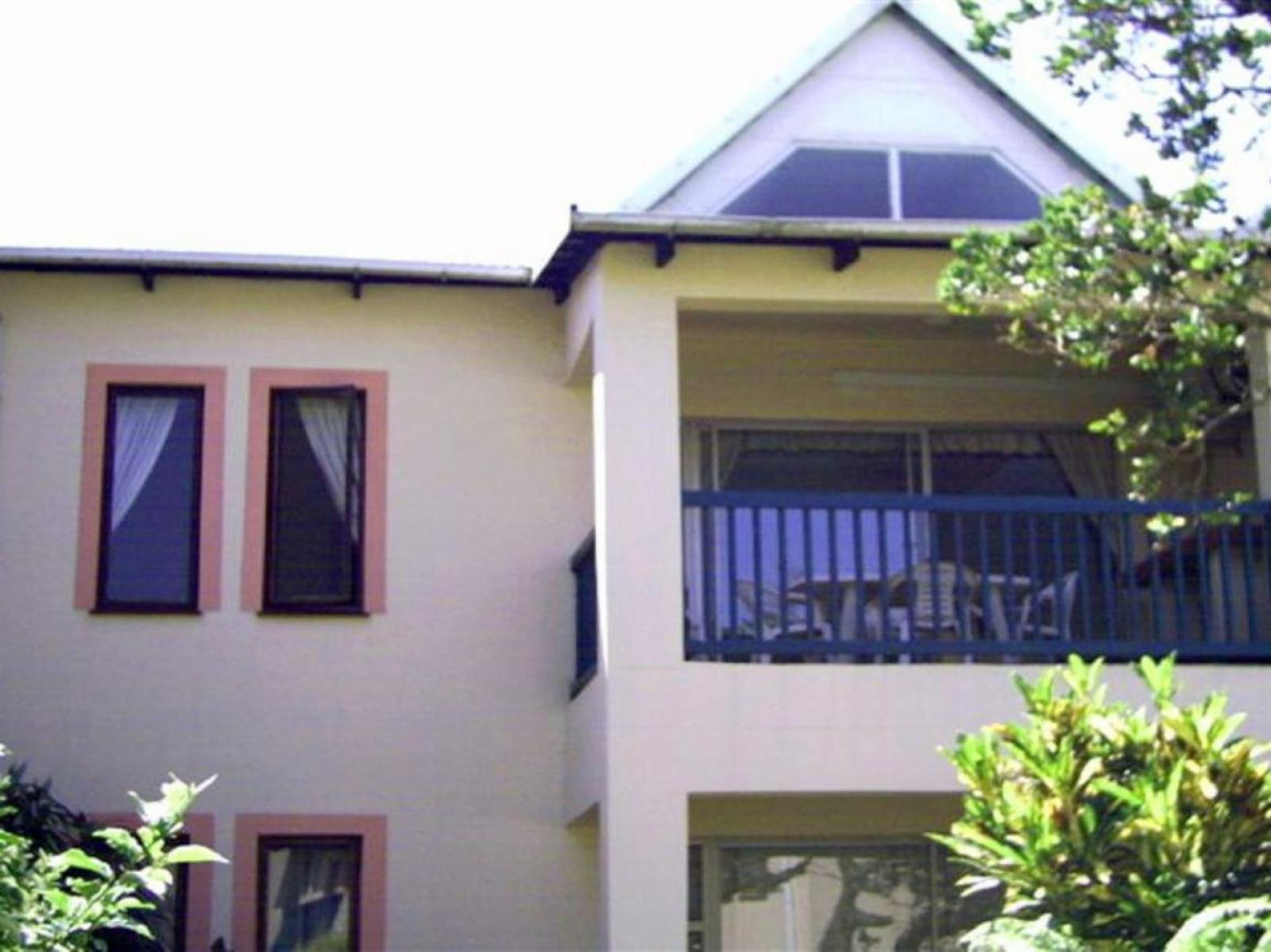
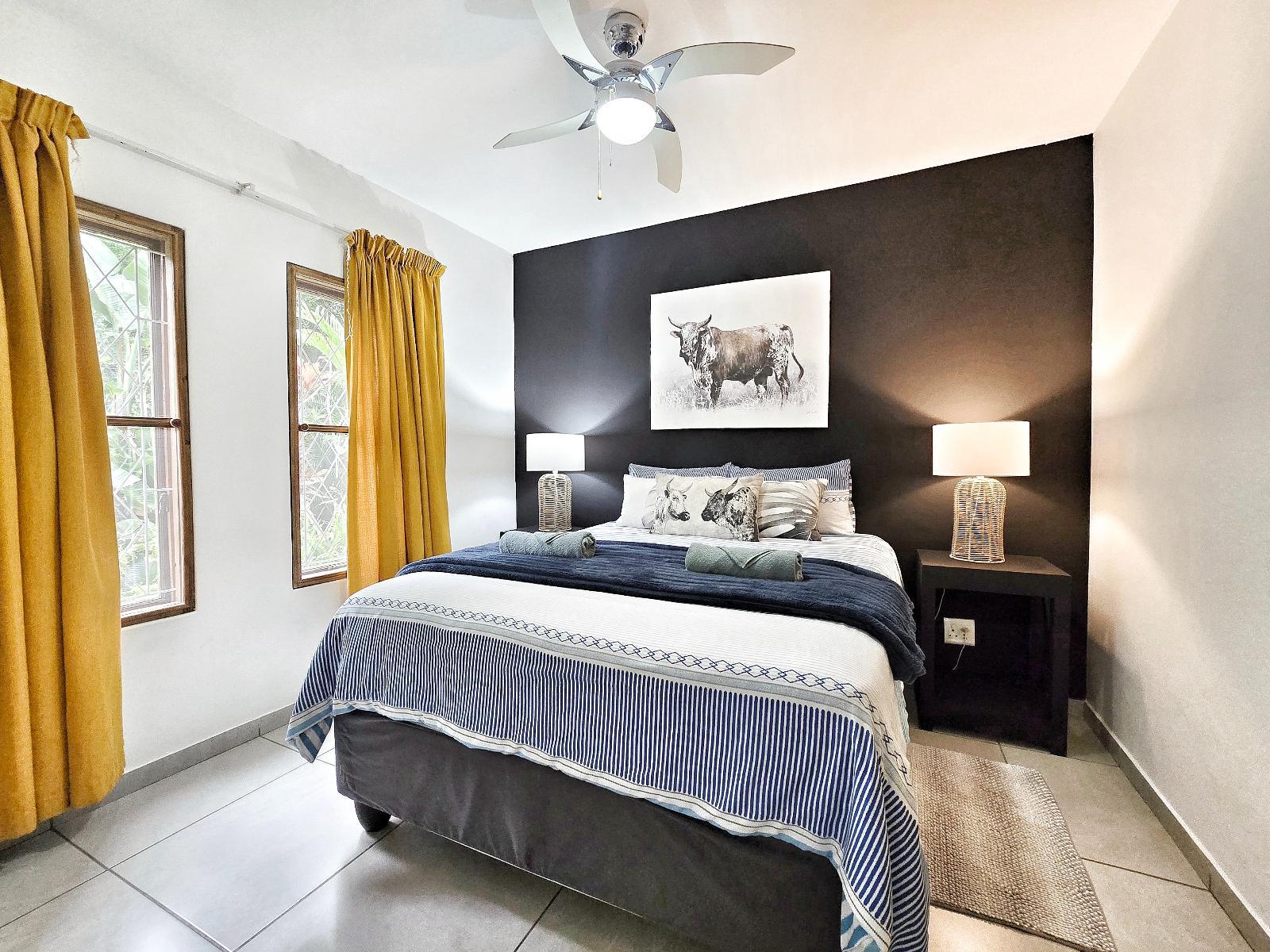
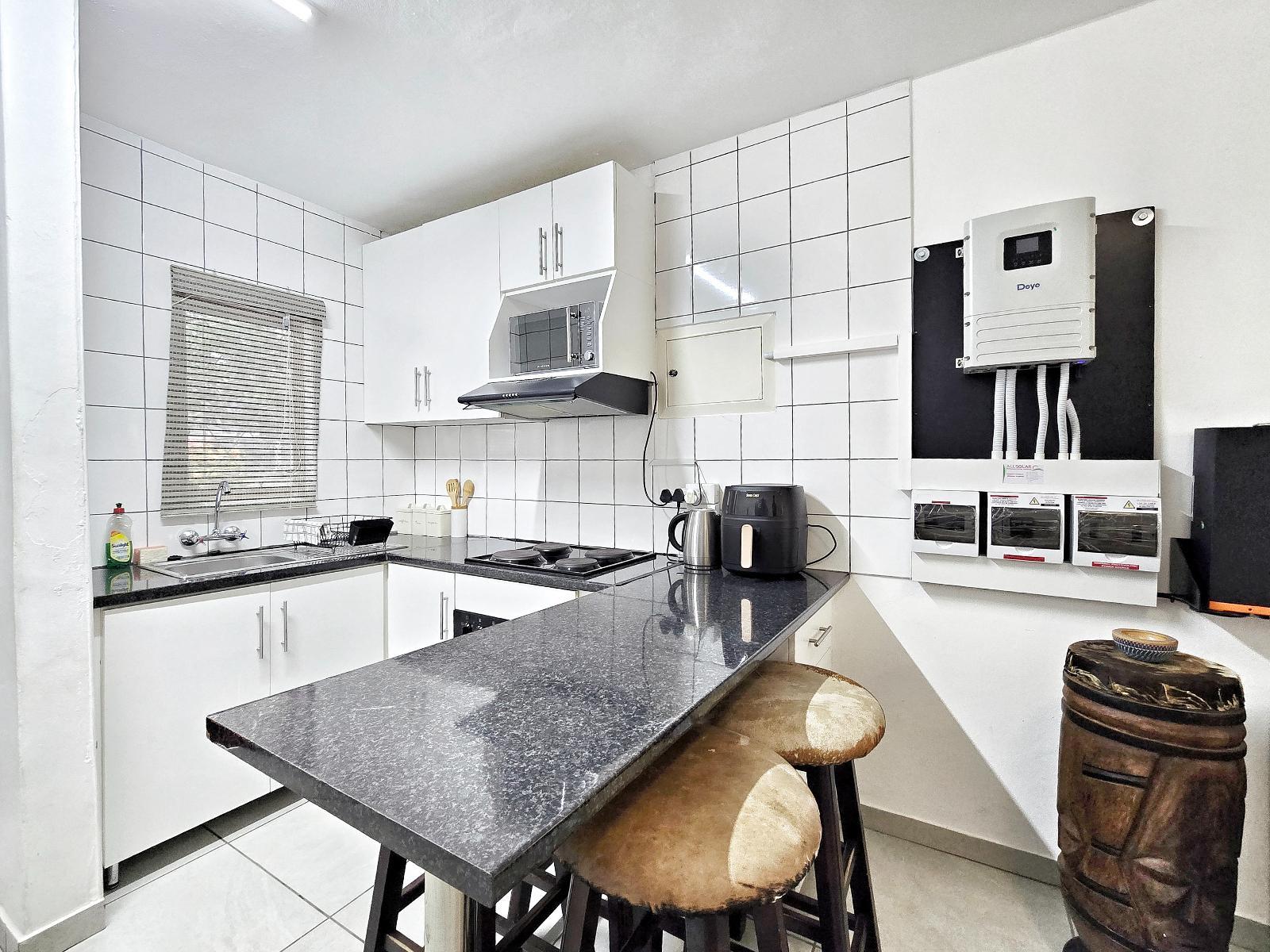
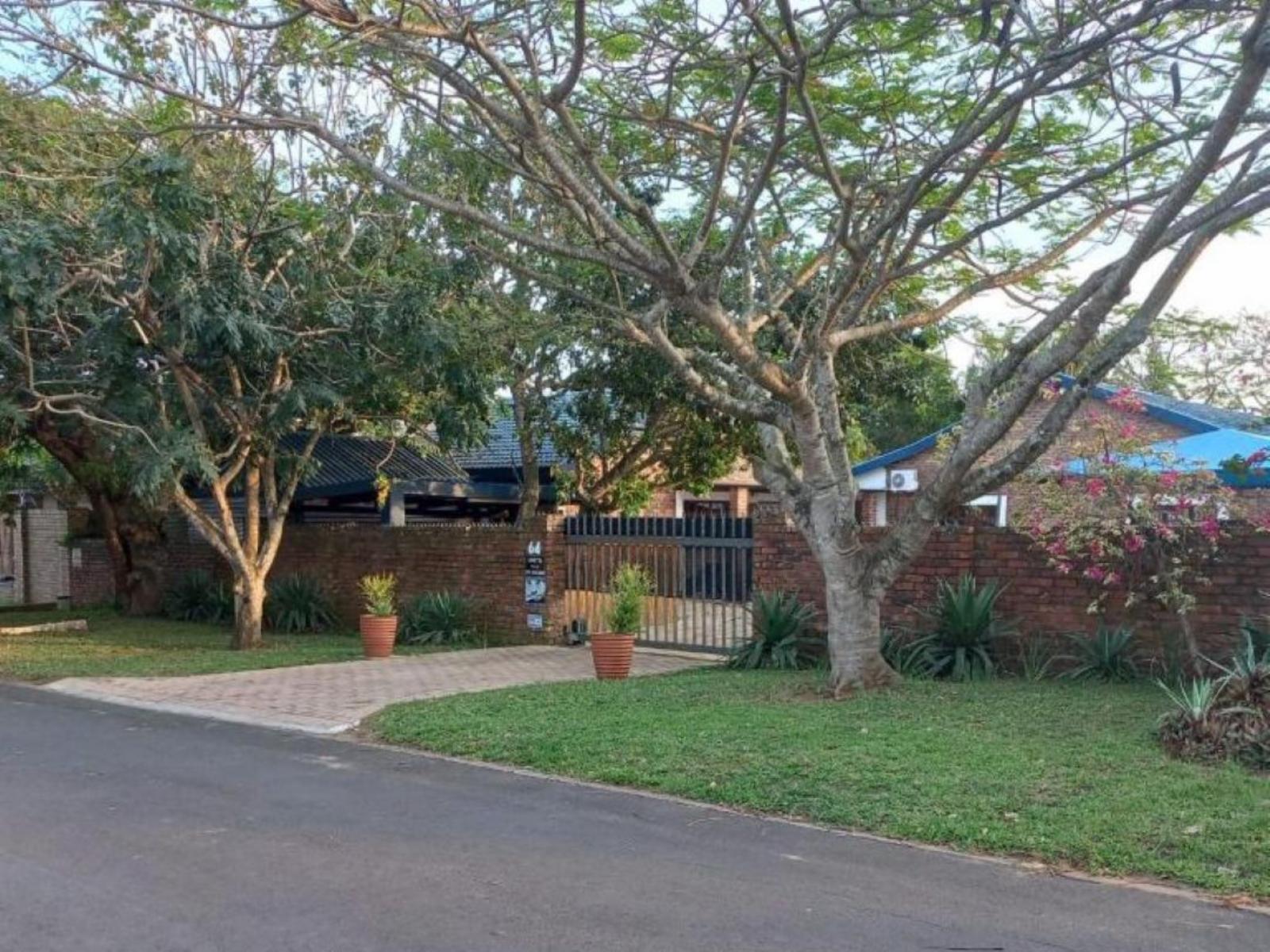
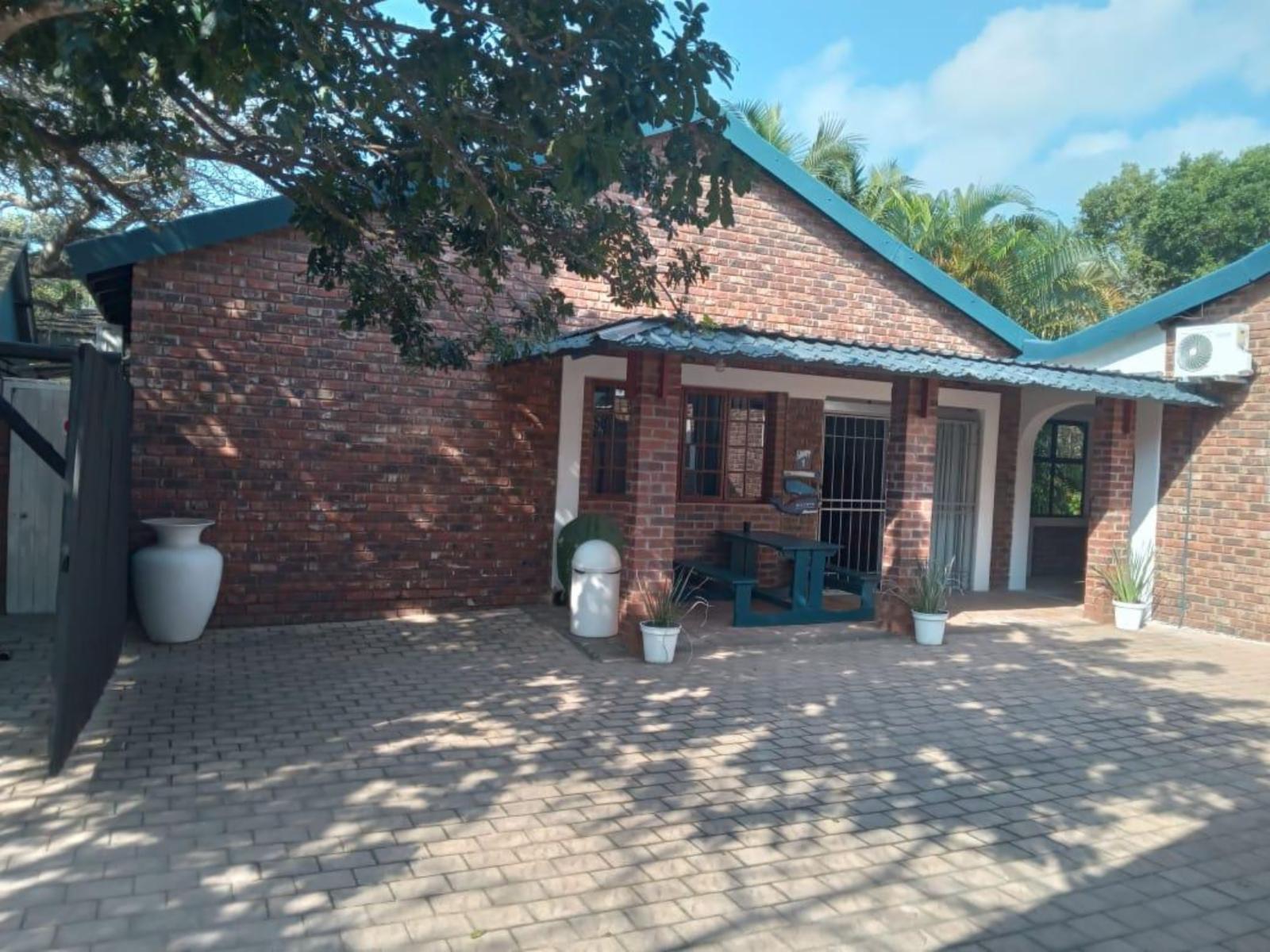
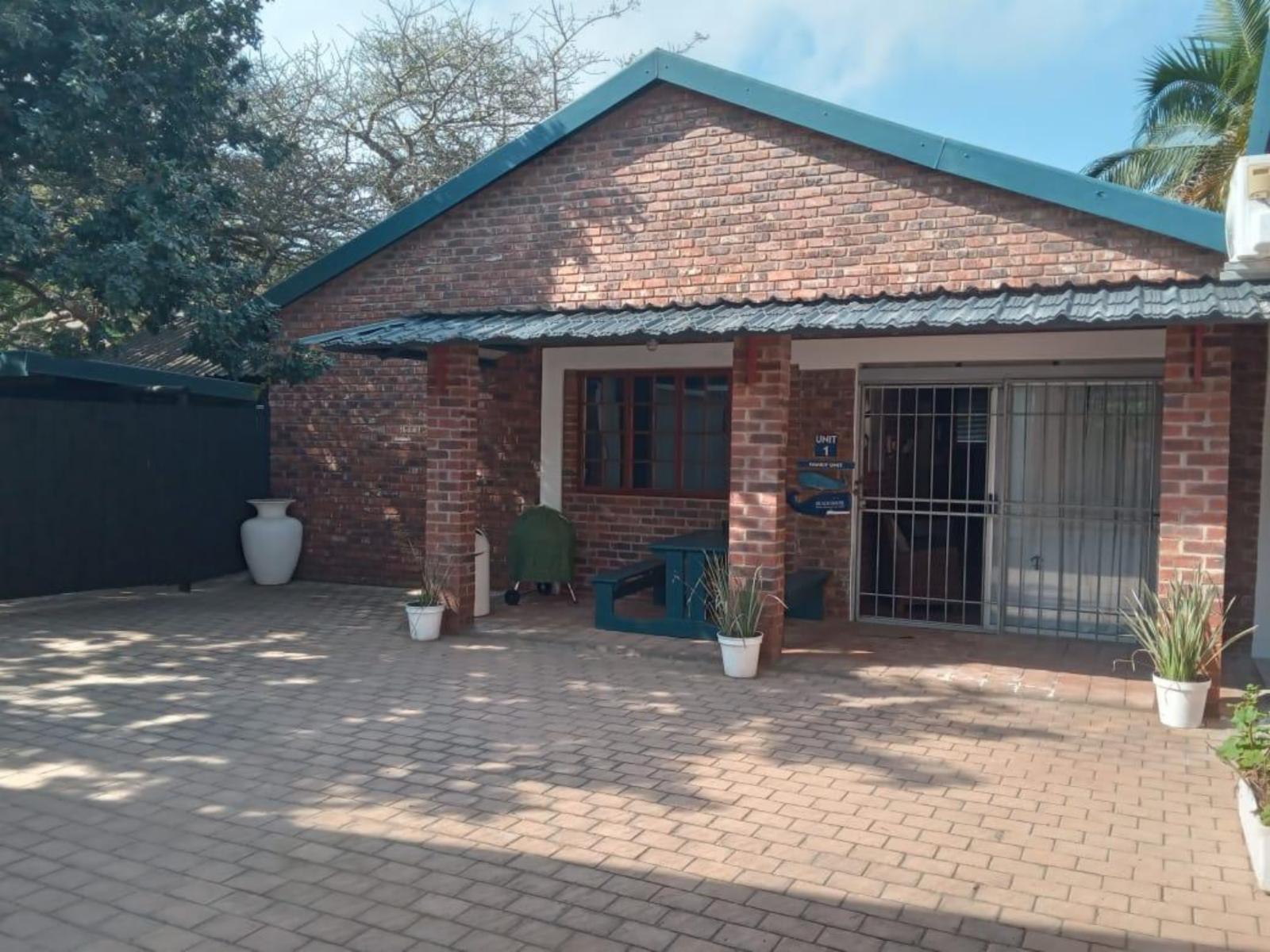
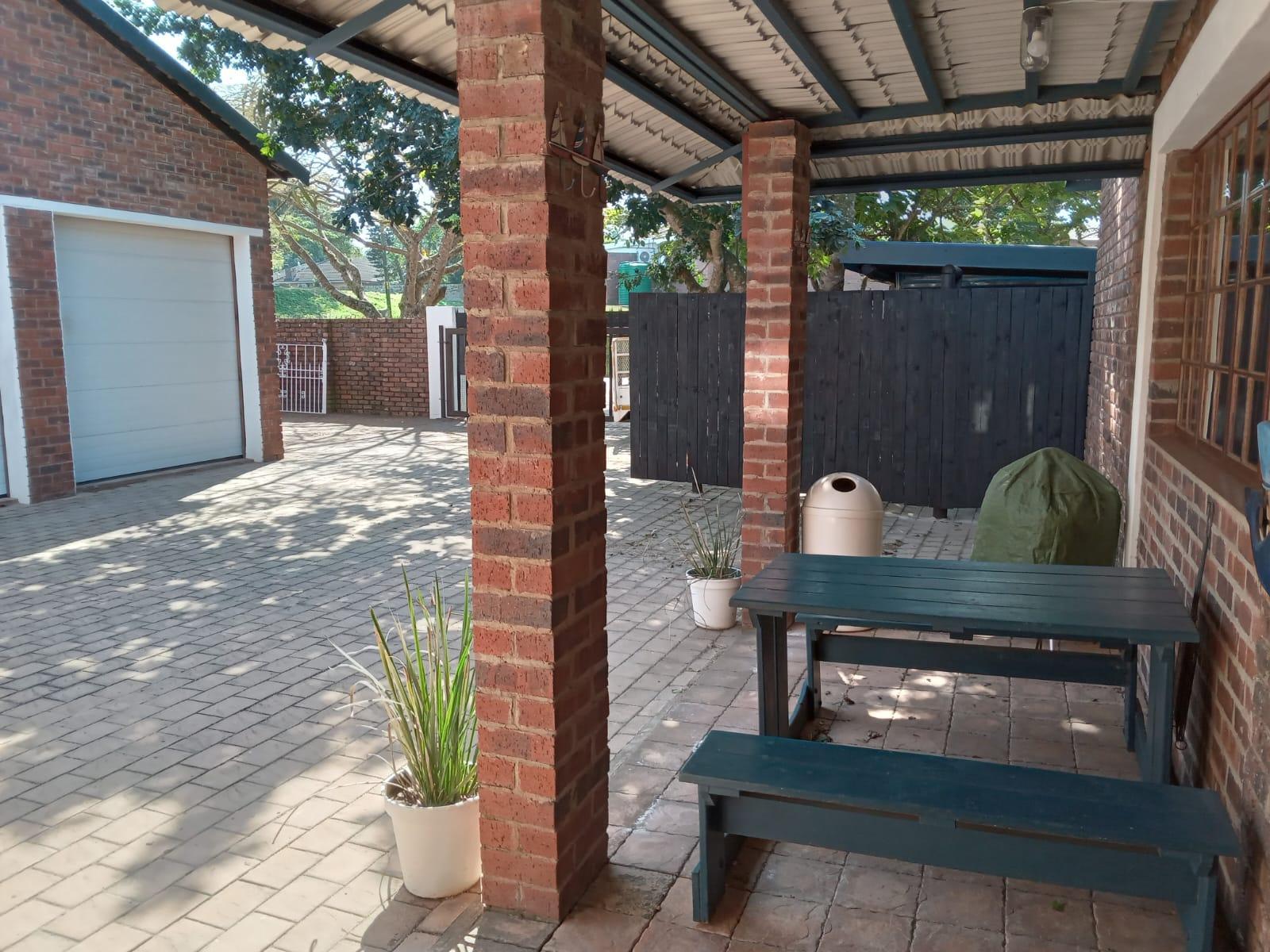
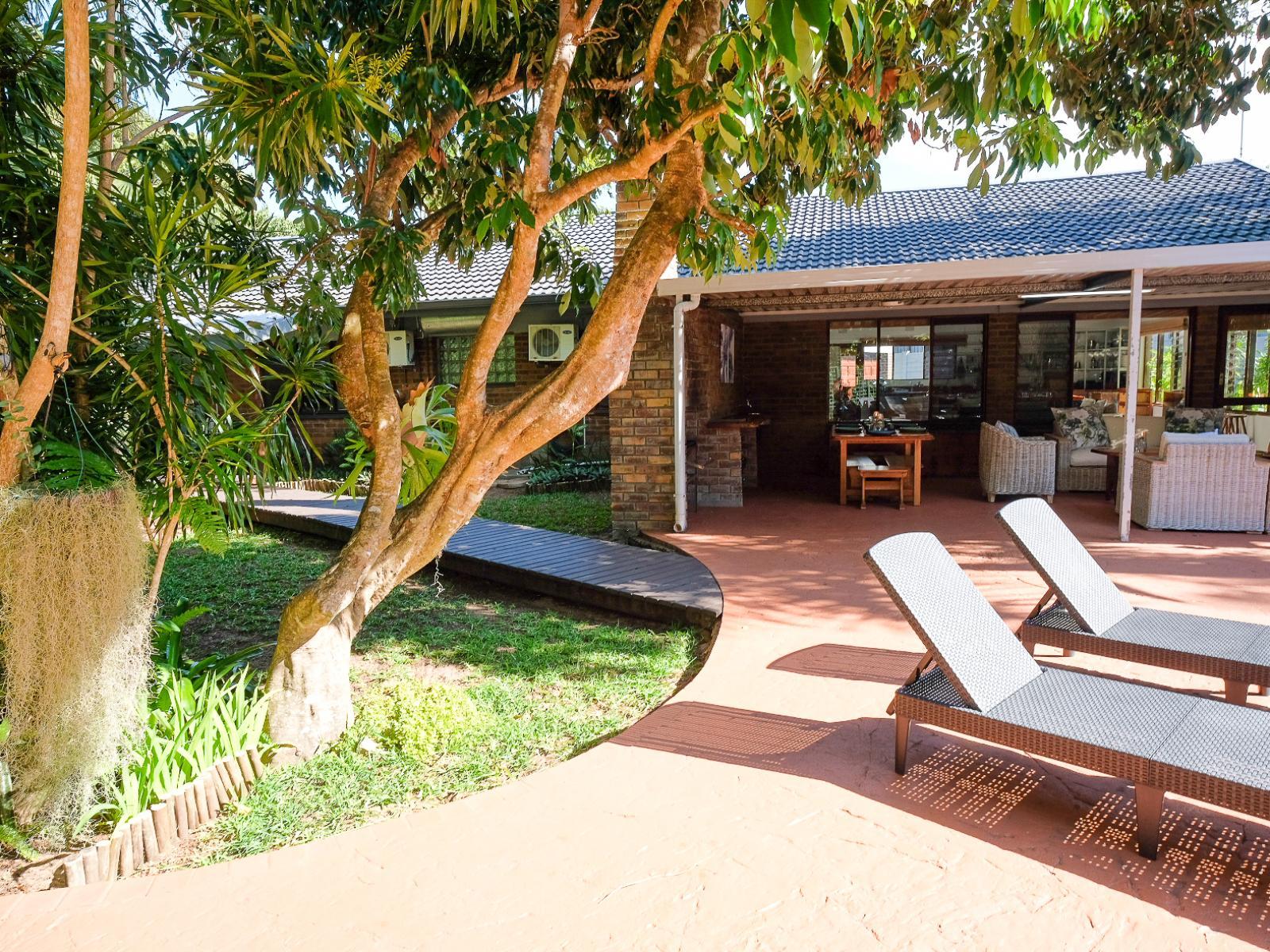
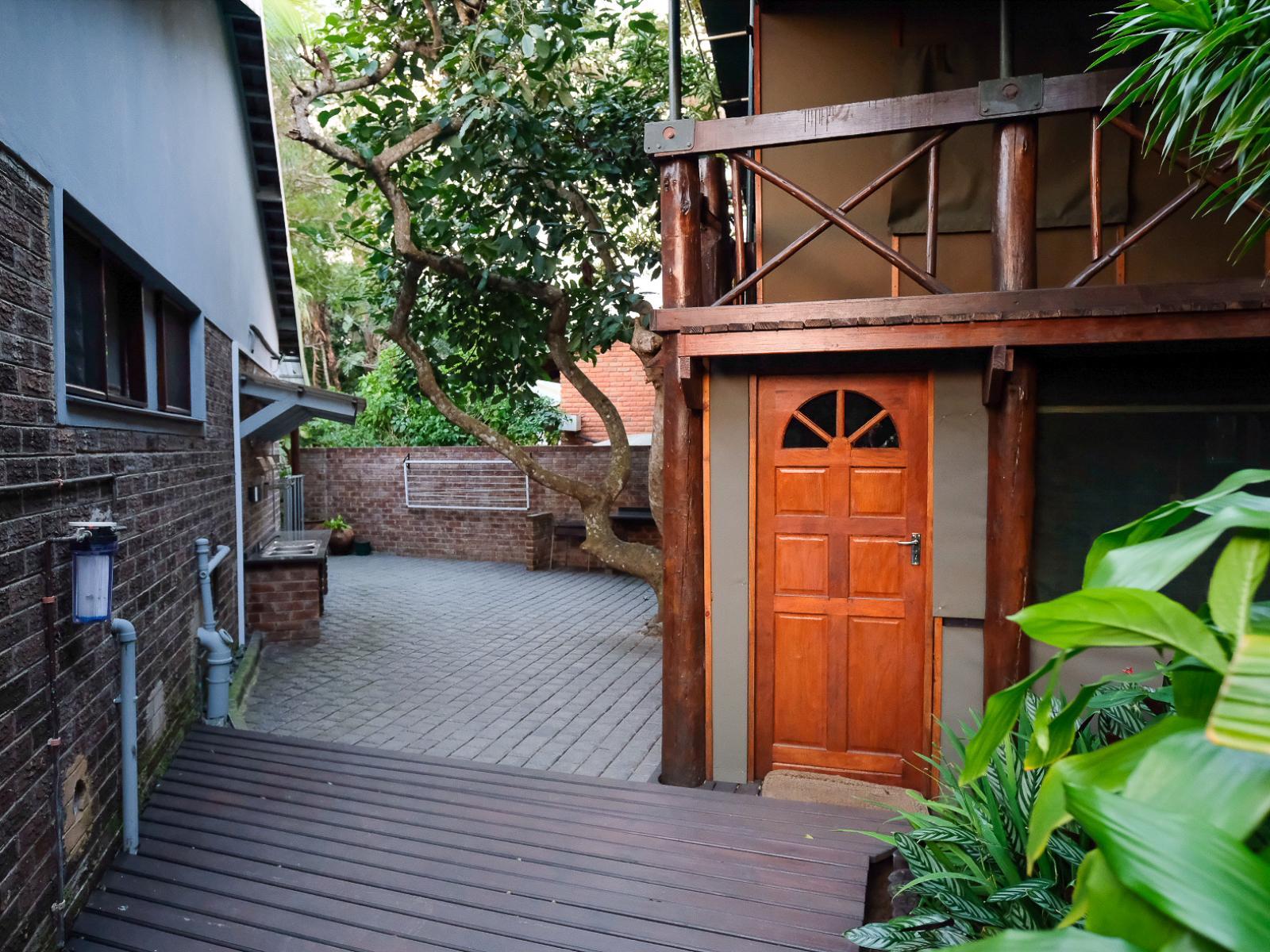
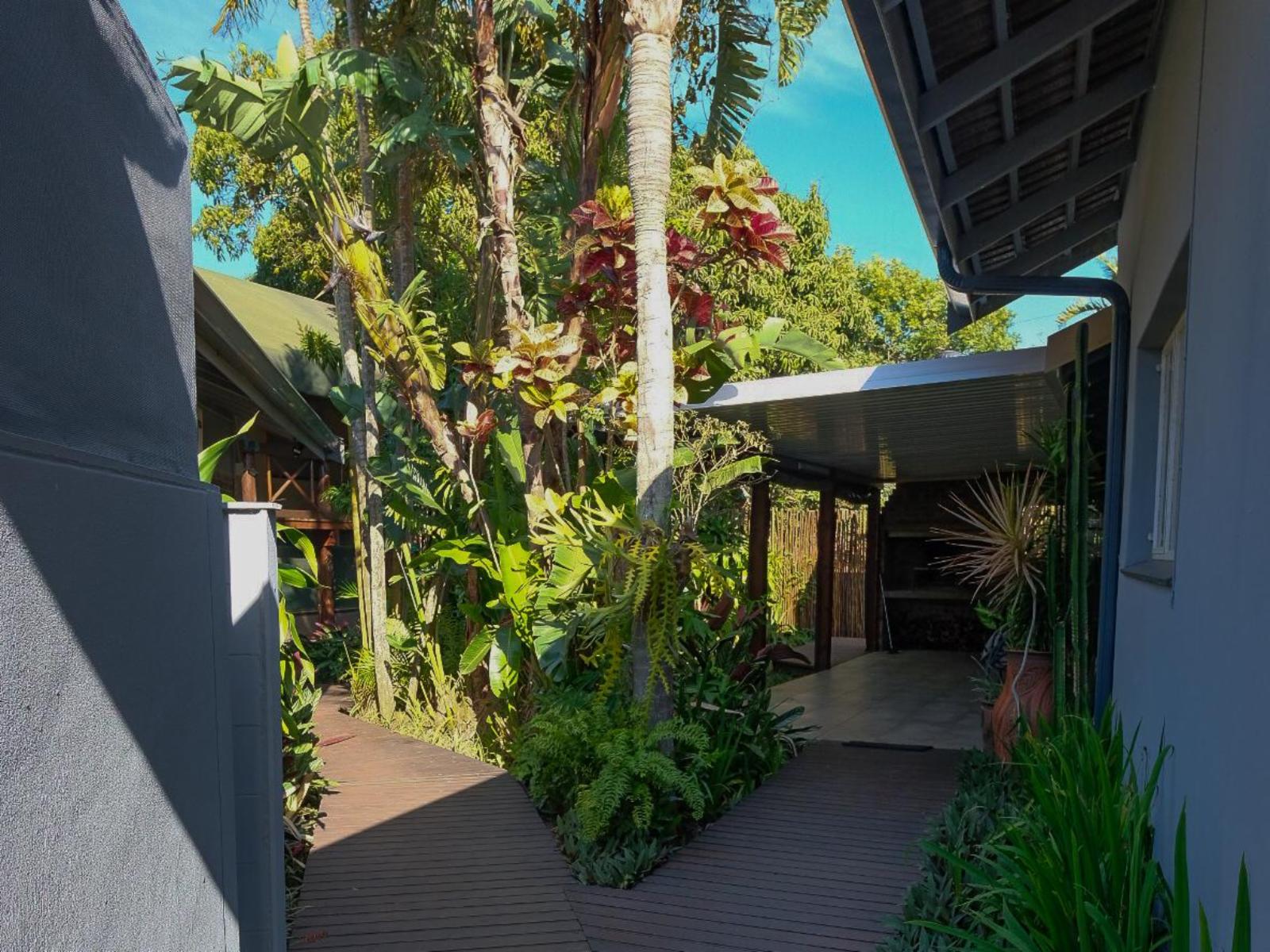
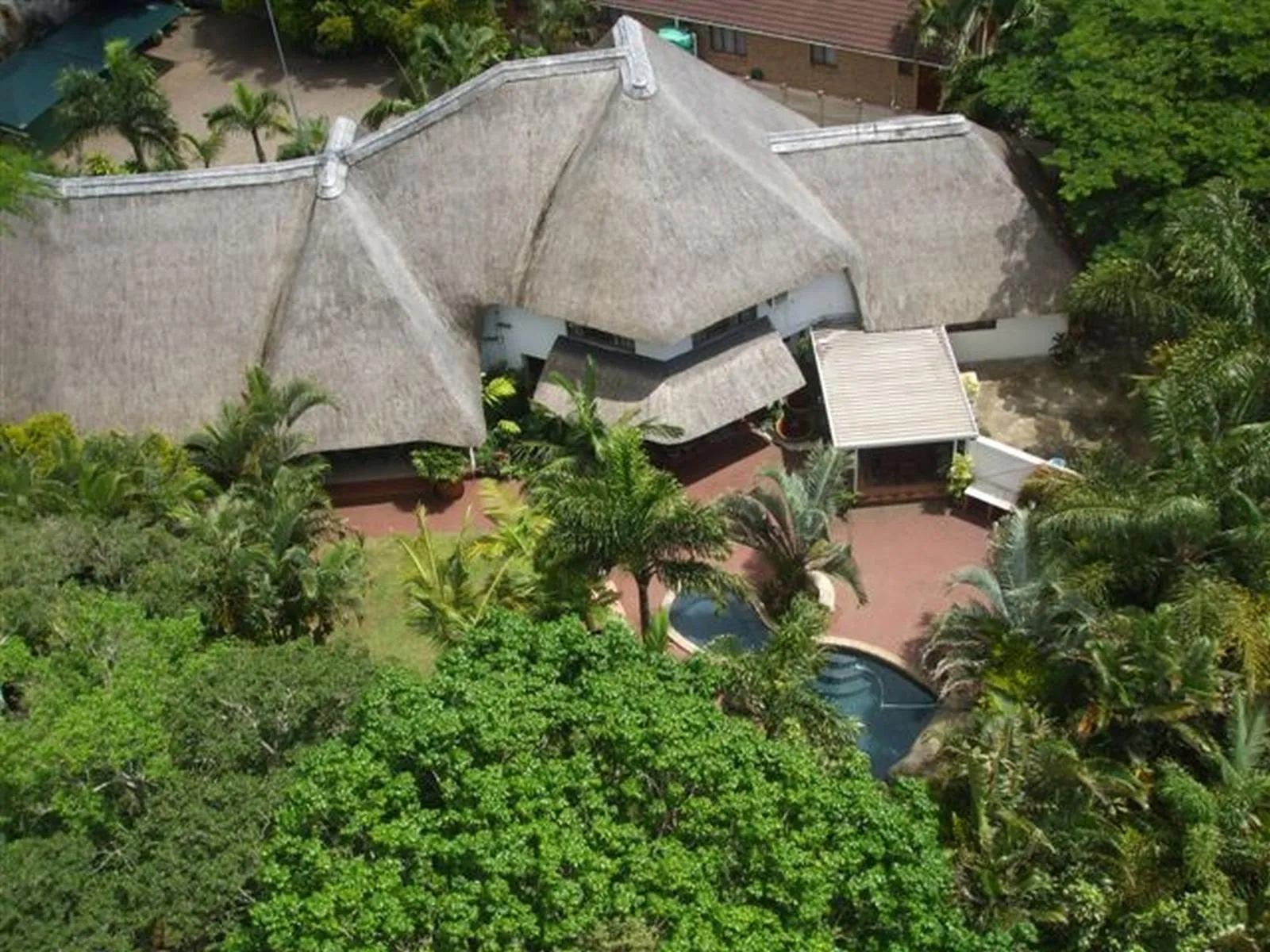
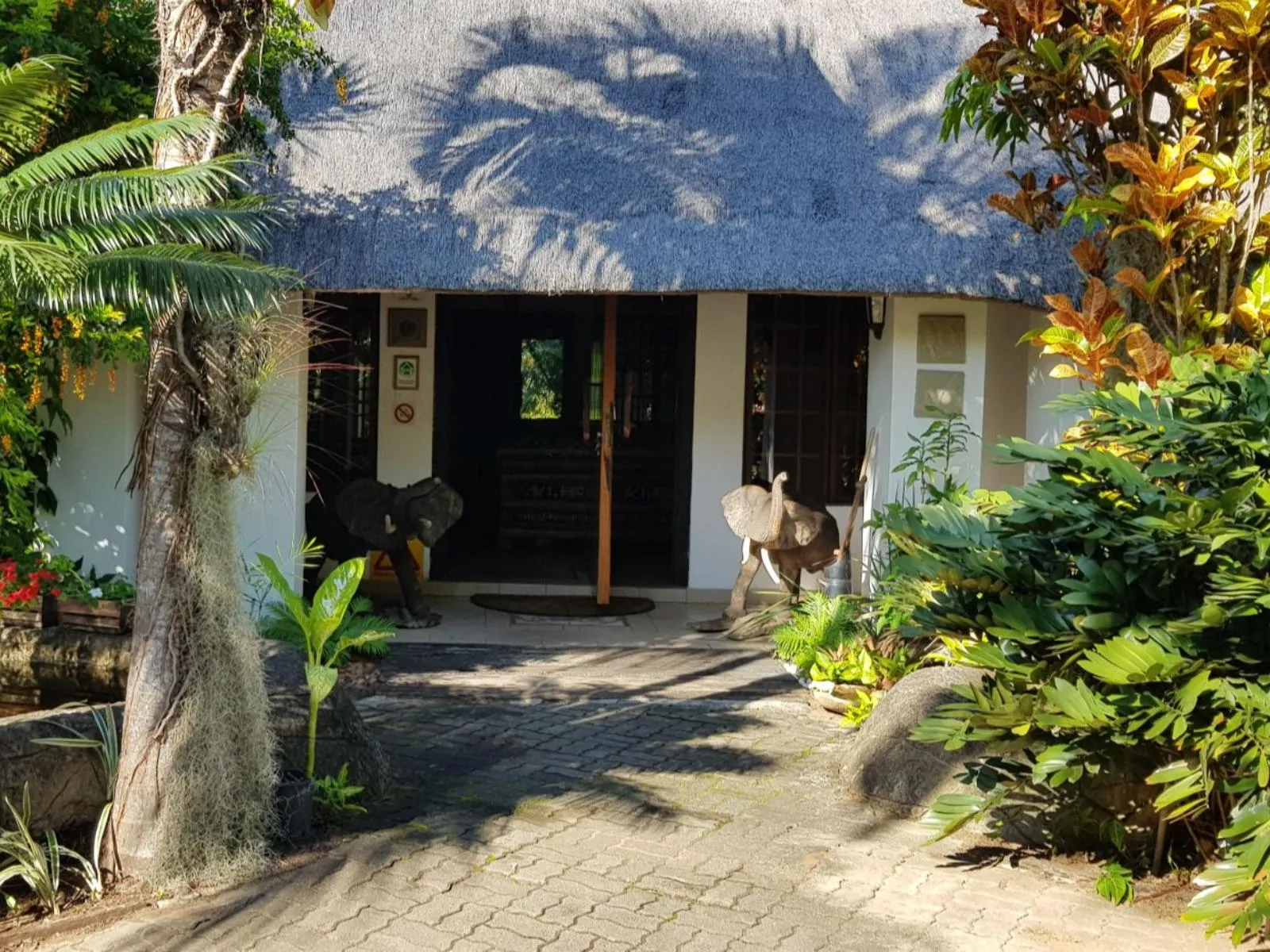
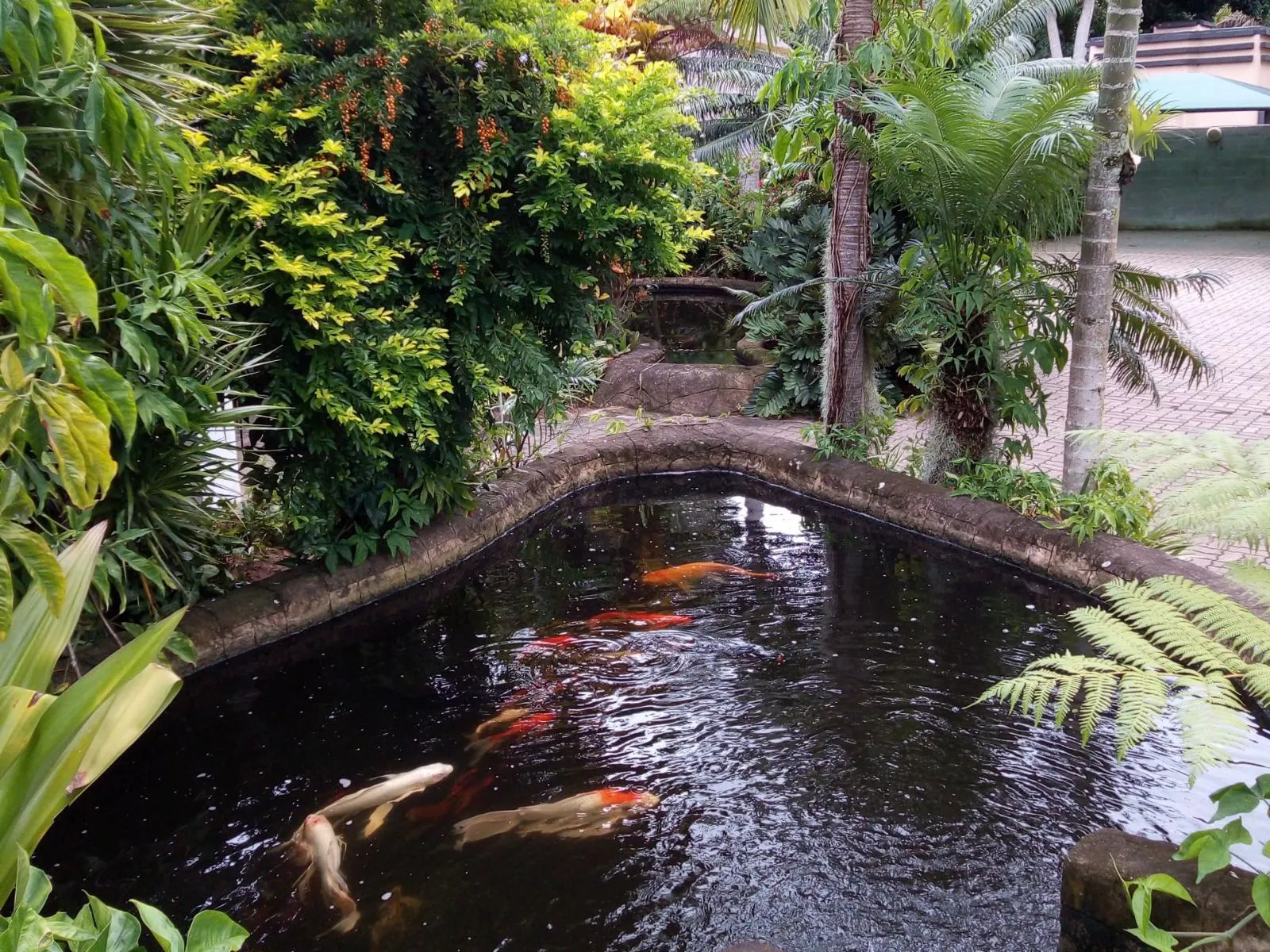
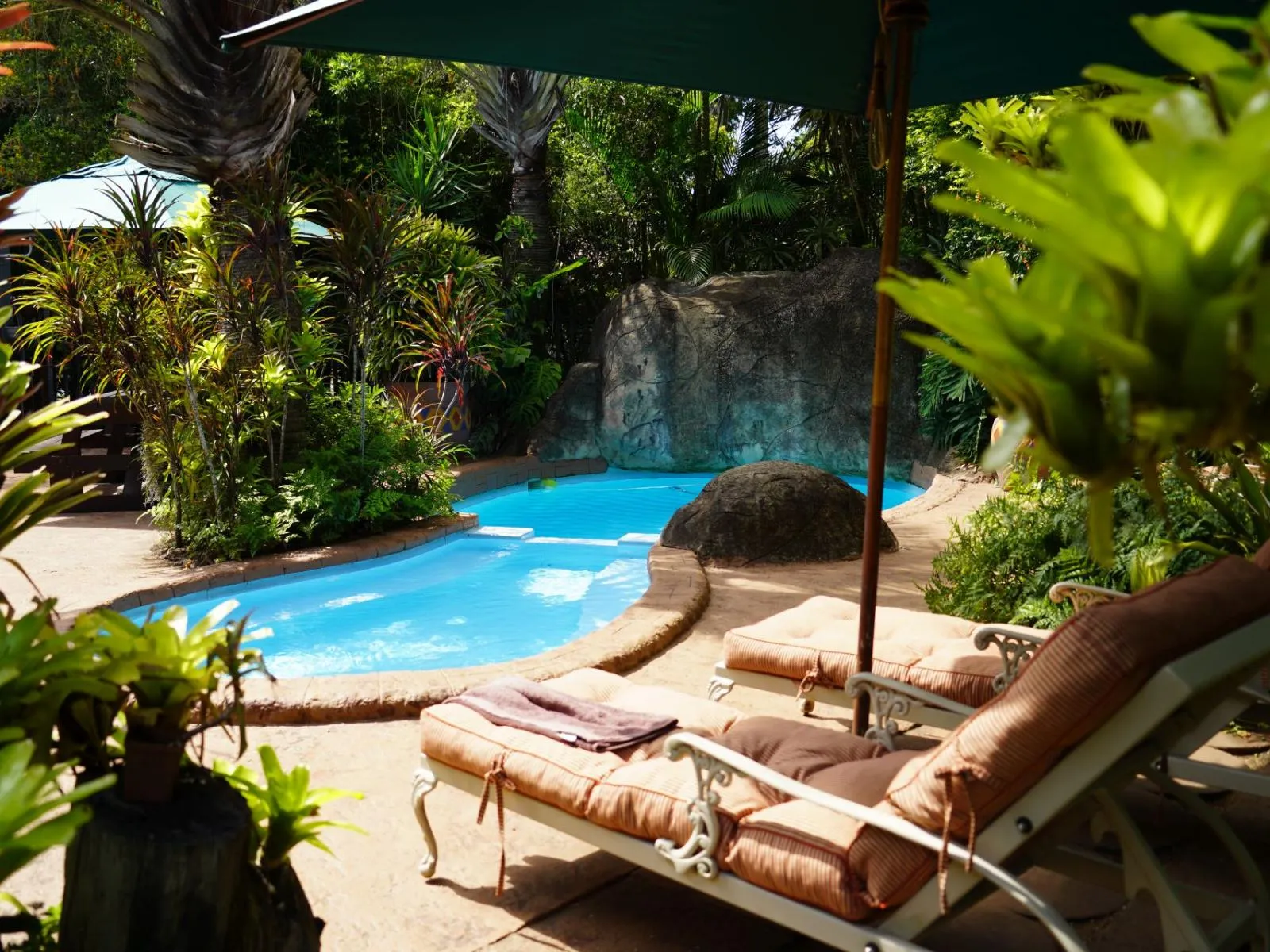
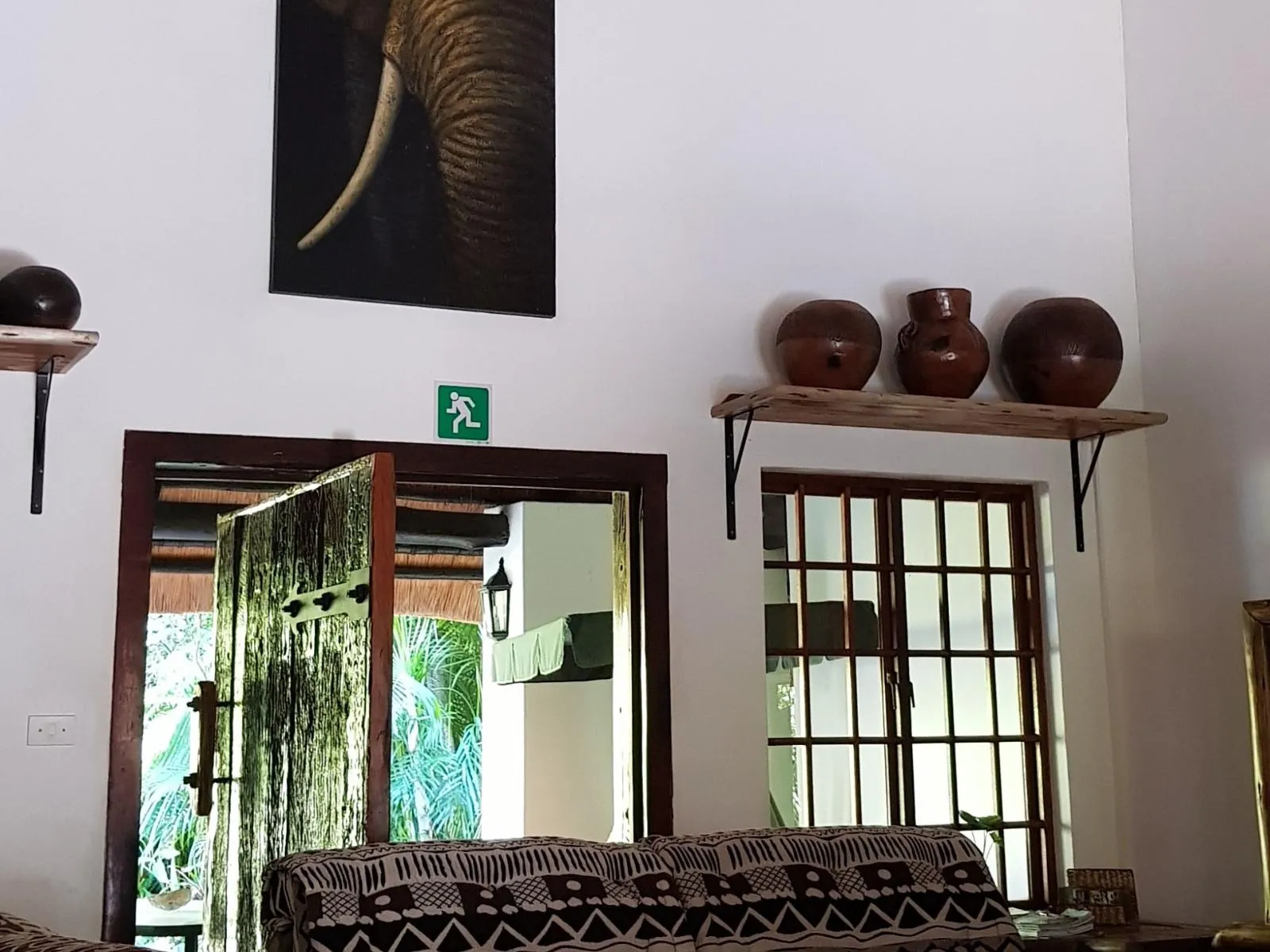
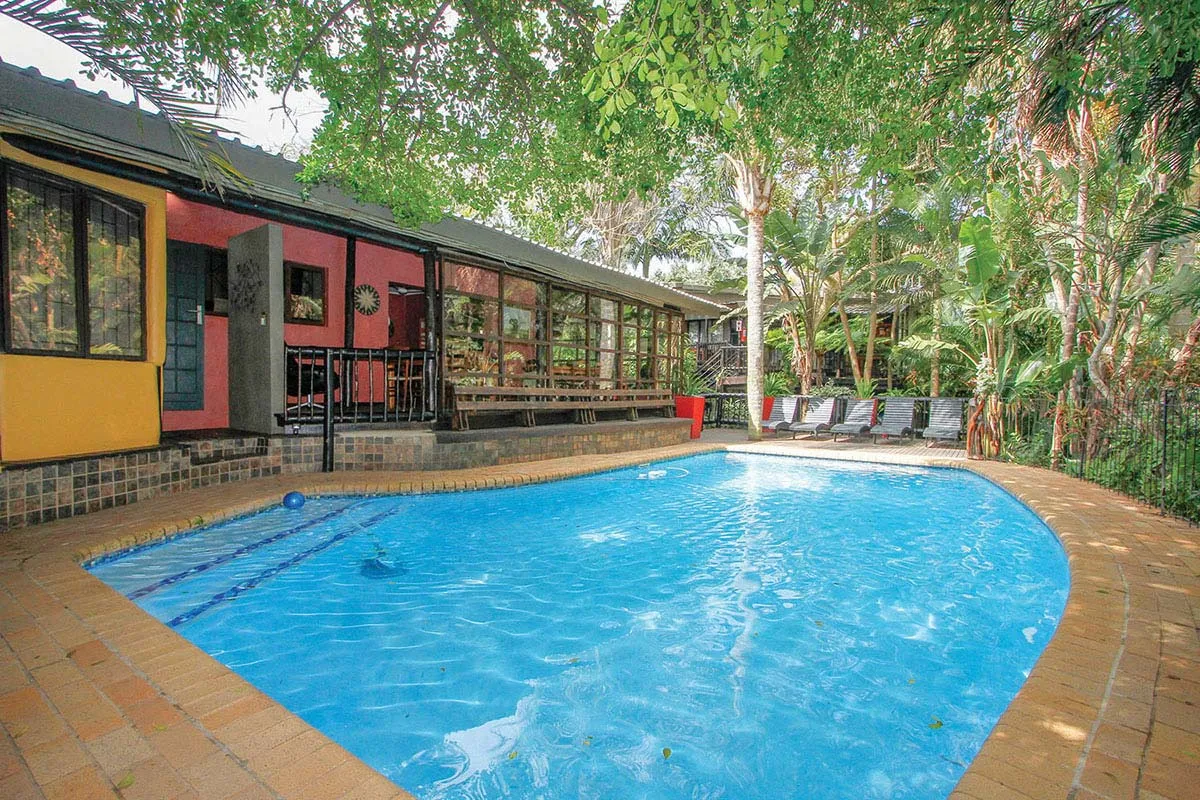
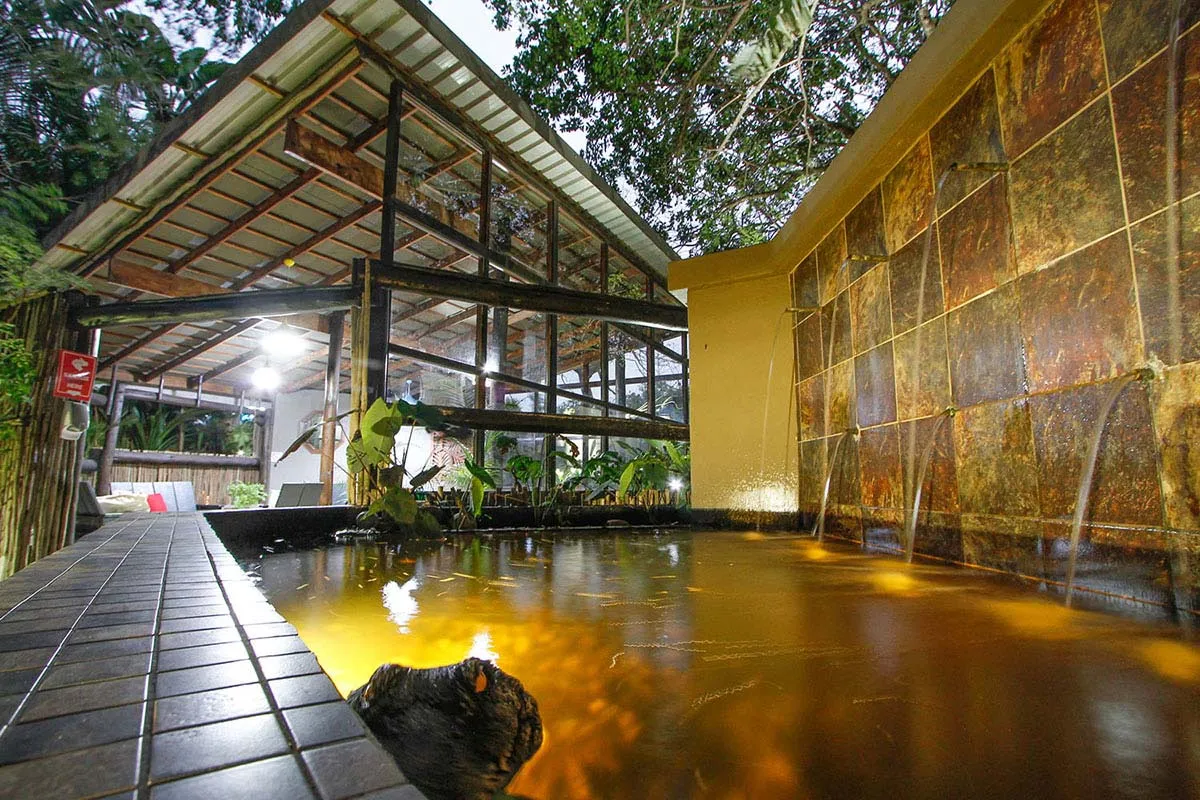
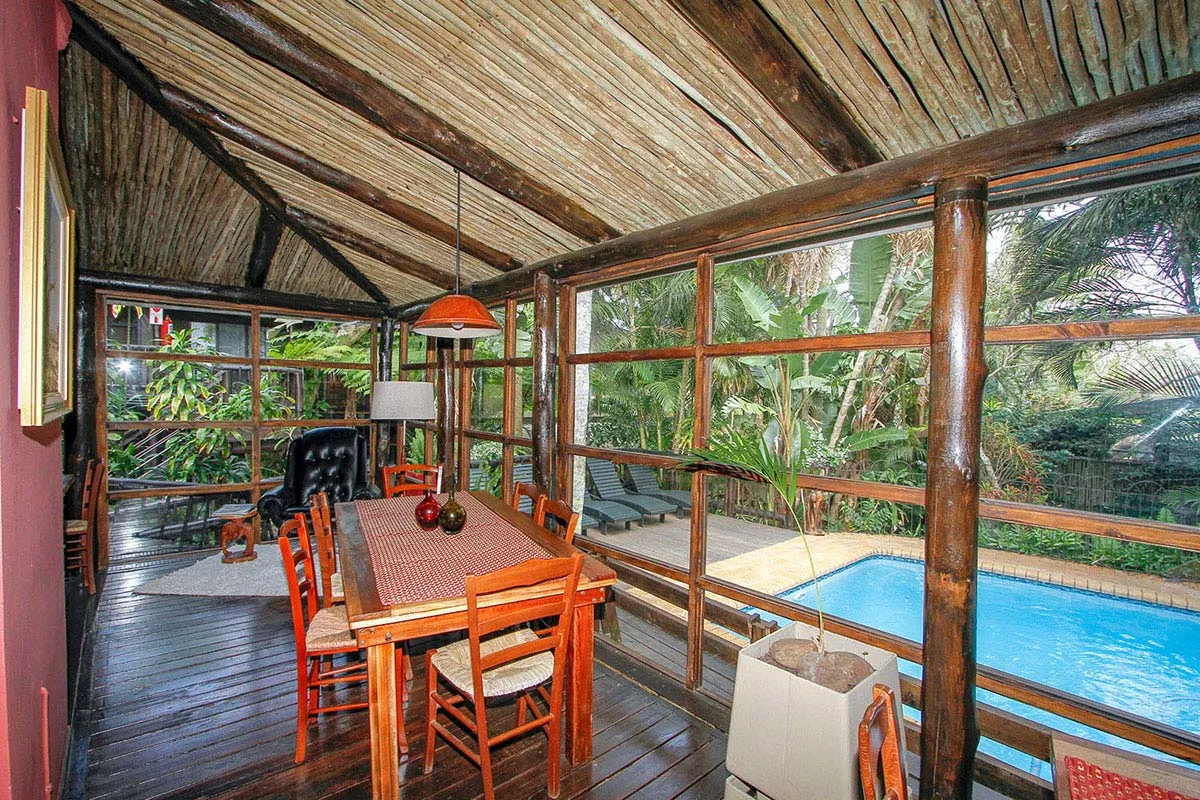
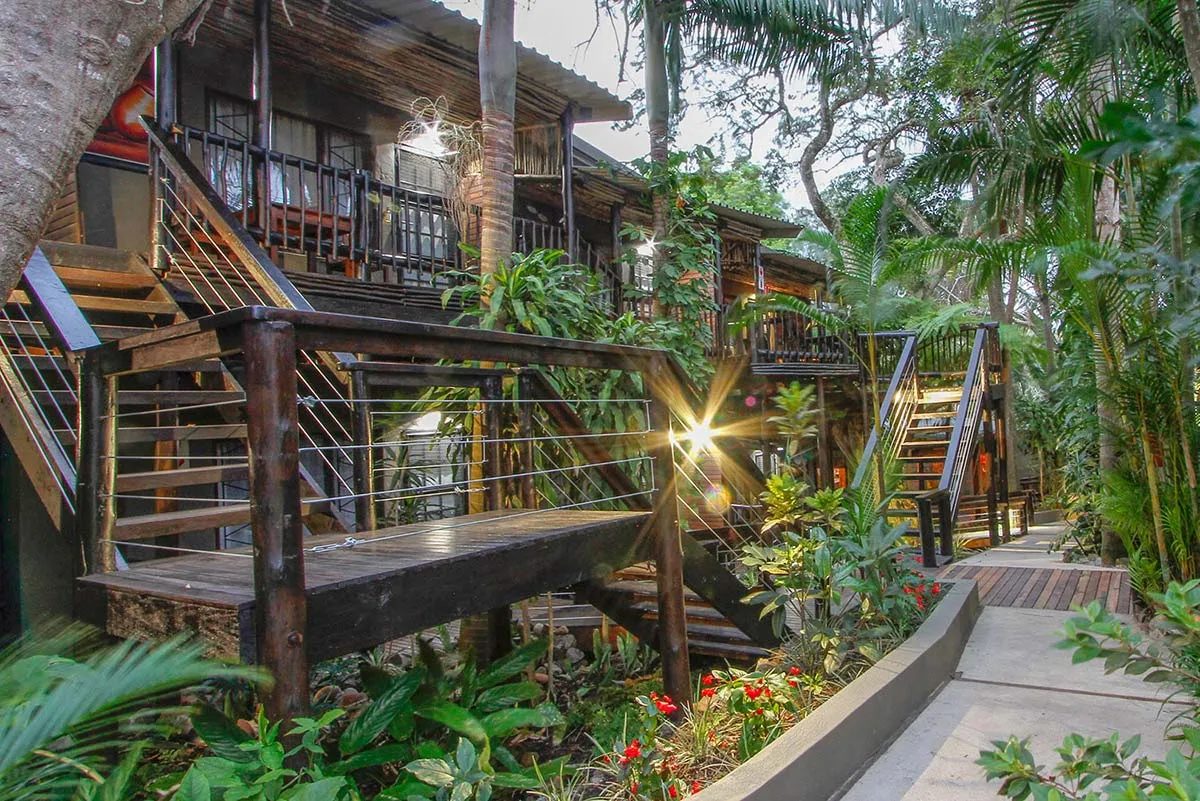
With 15 properties available and nightly rates running from R900 to R3,536, St Lucia offers enough range to suit most budget levels without presenting an overwhelming number of options.
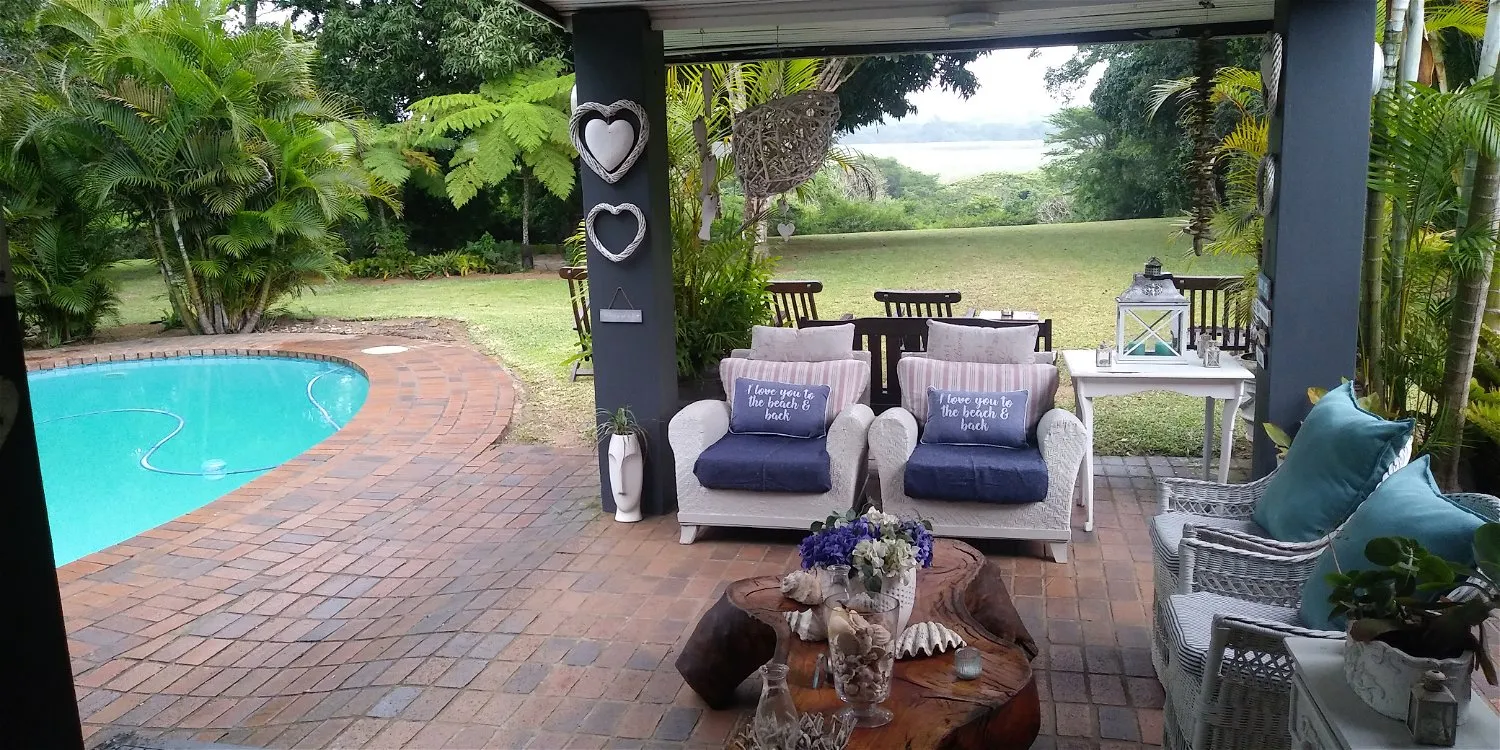
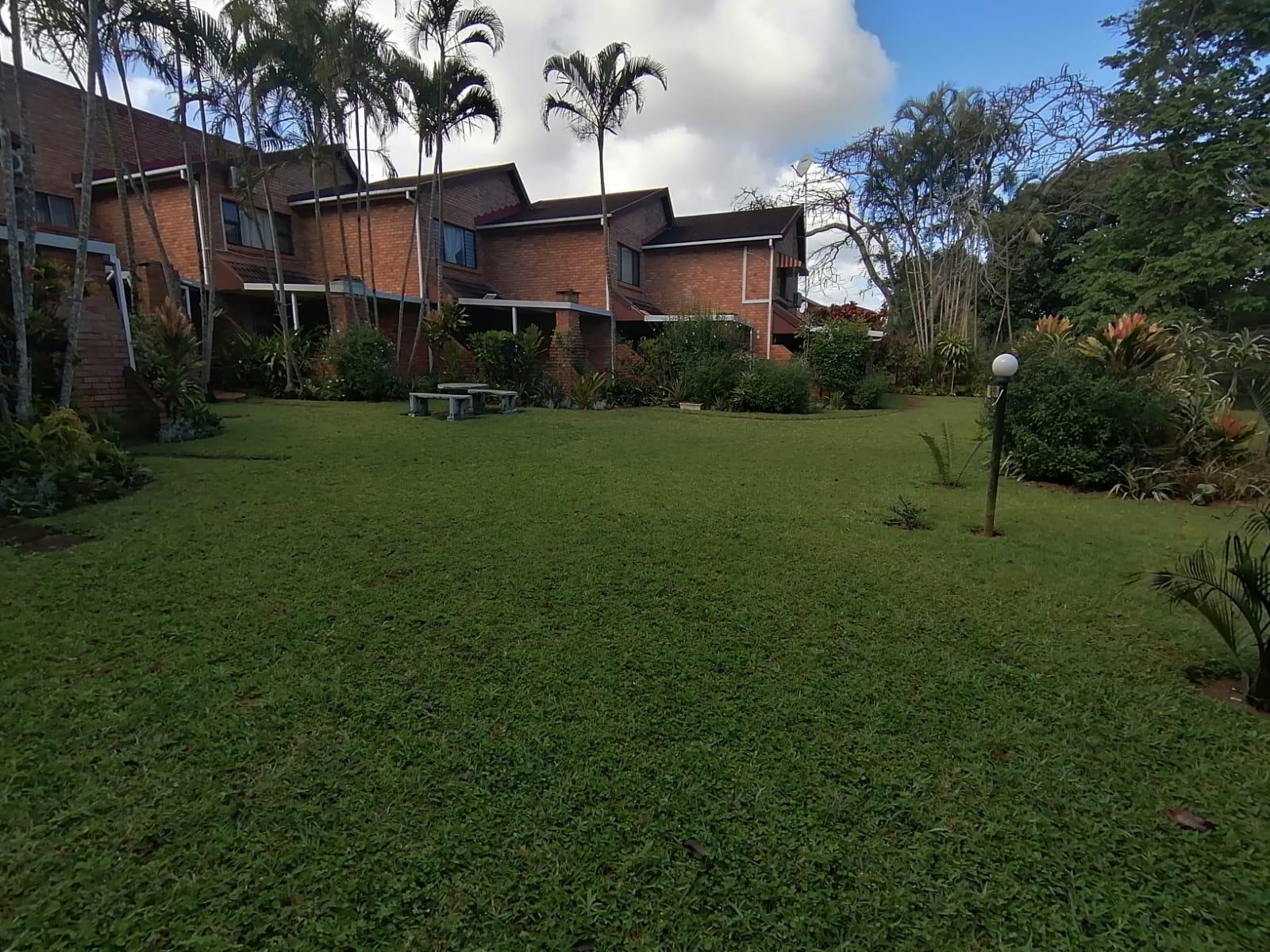
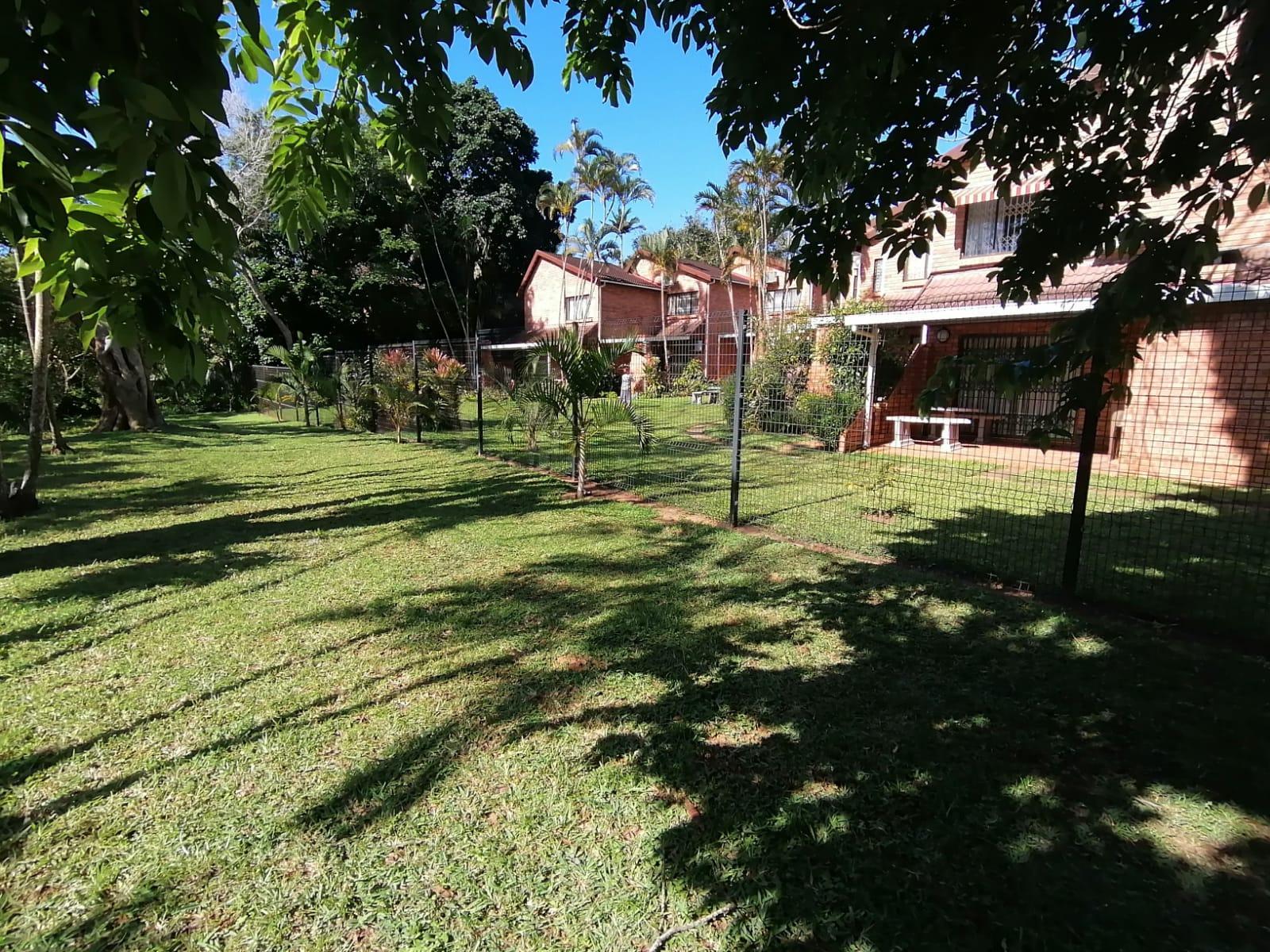
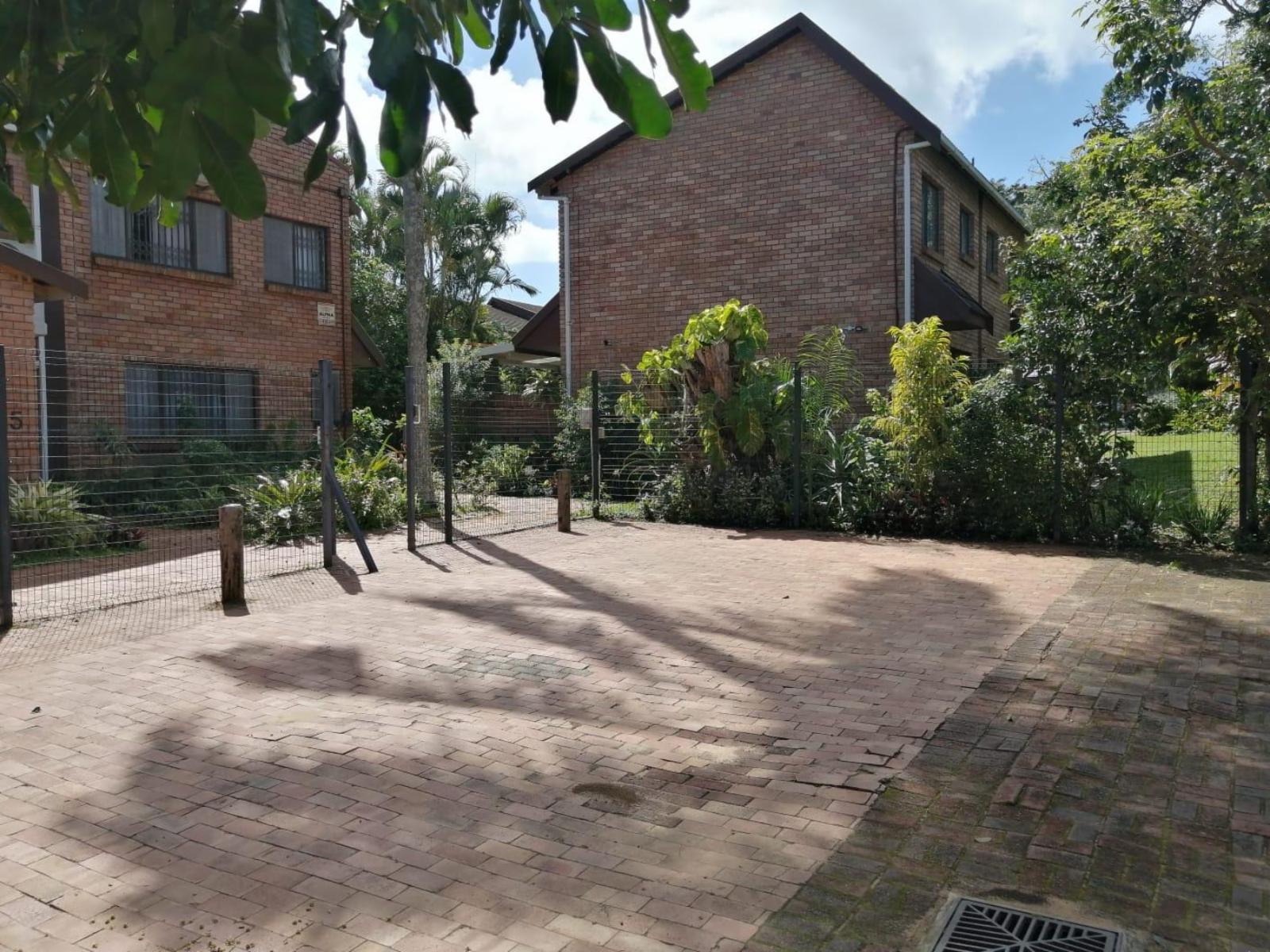
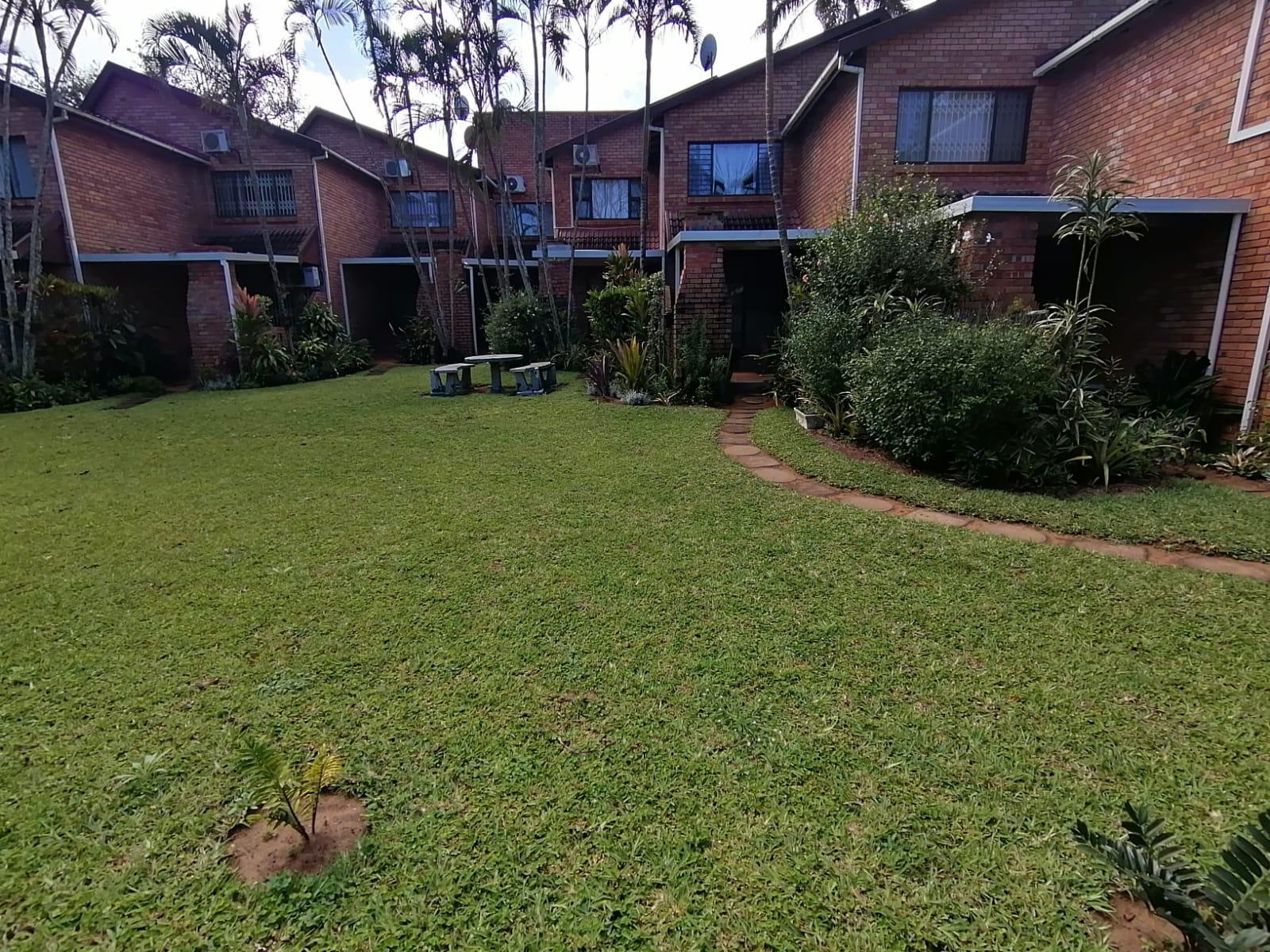
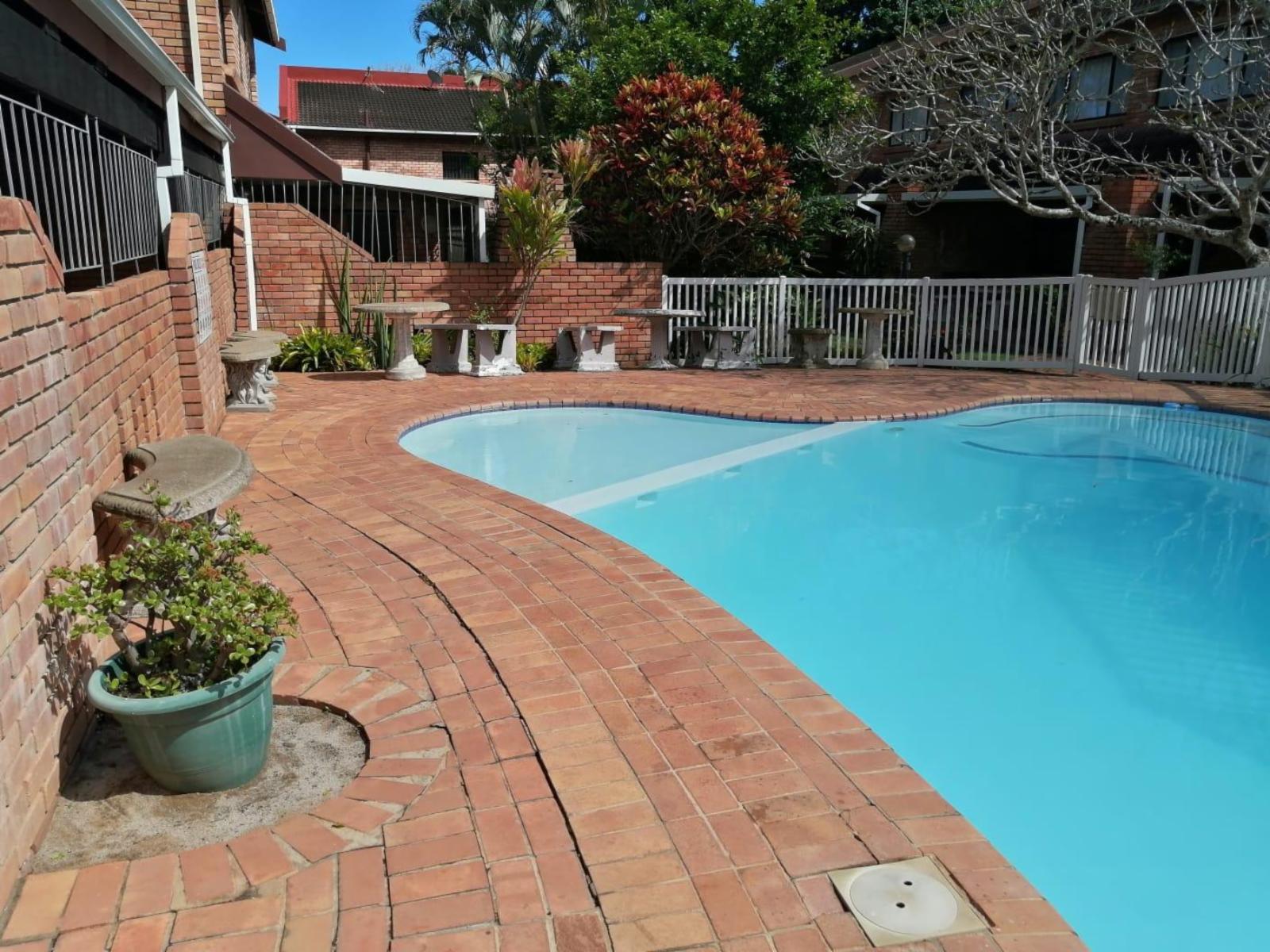
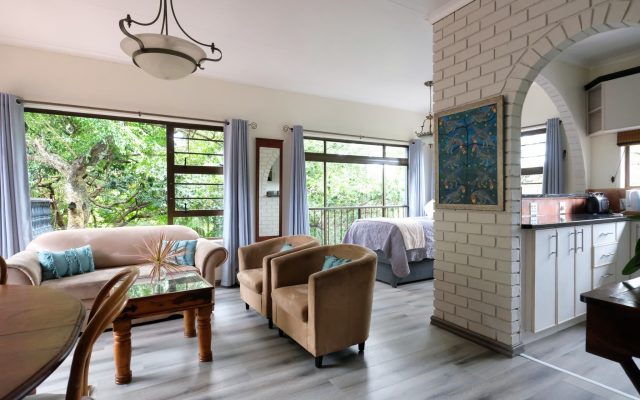
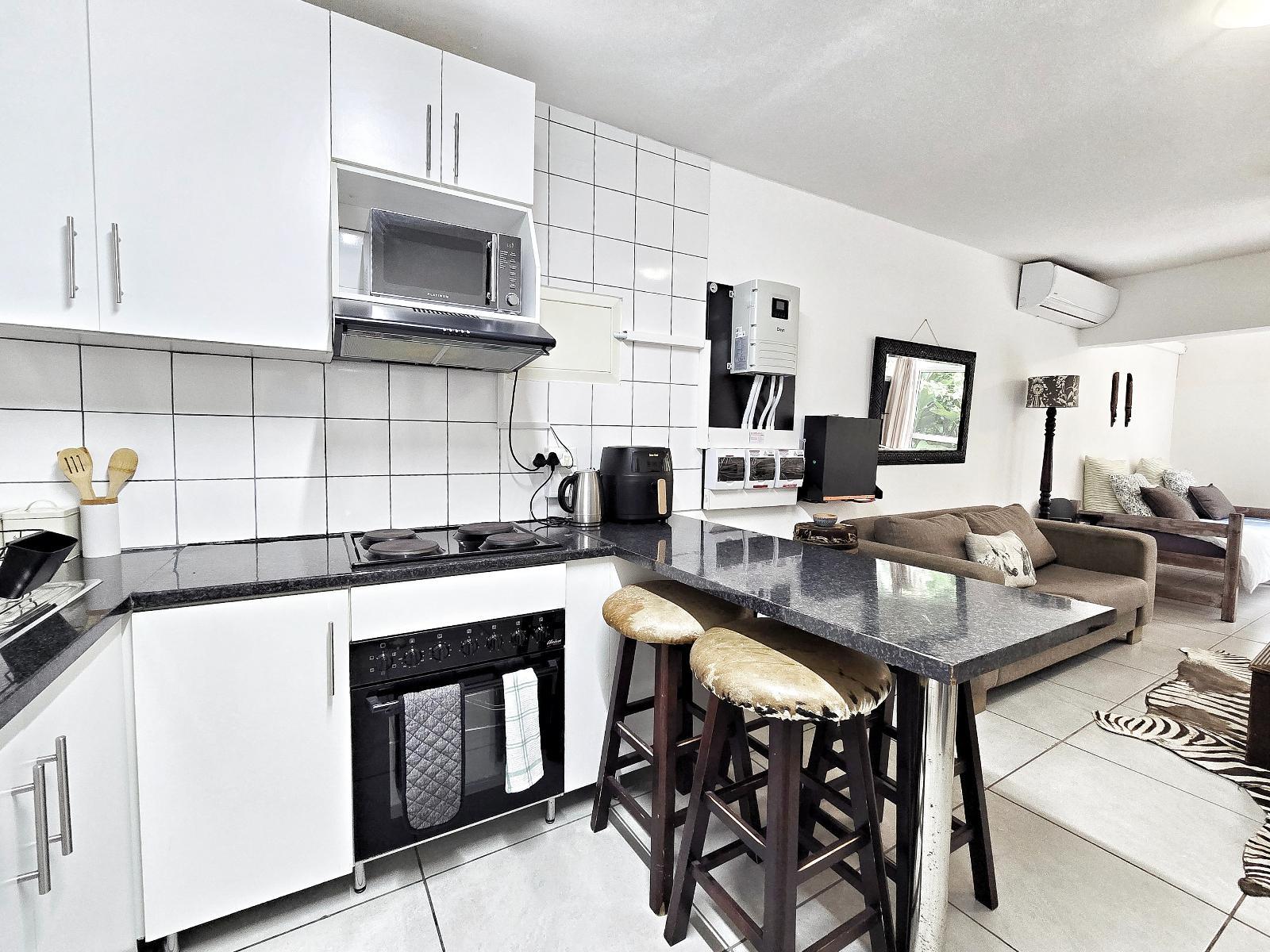
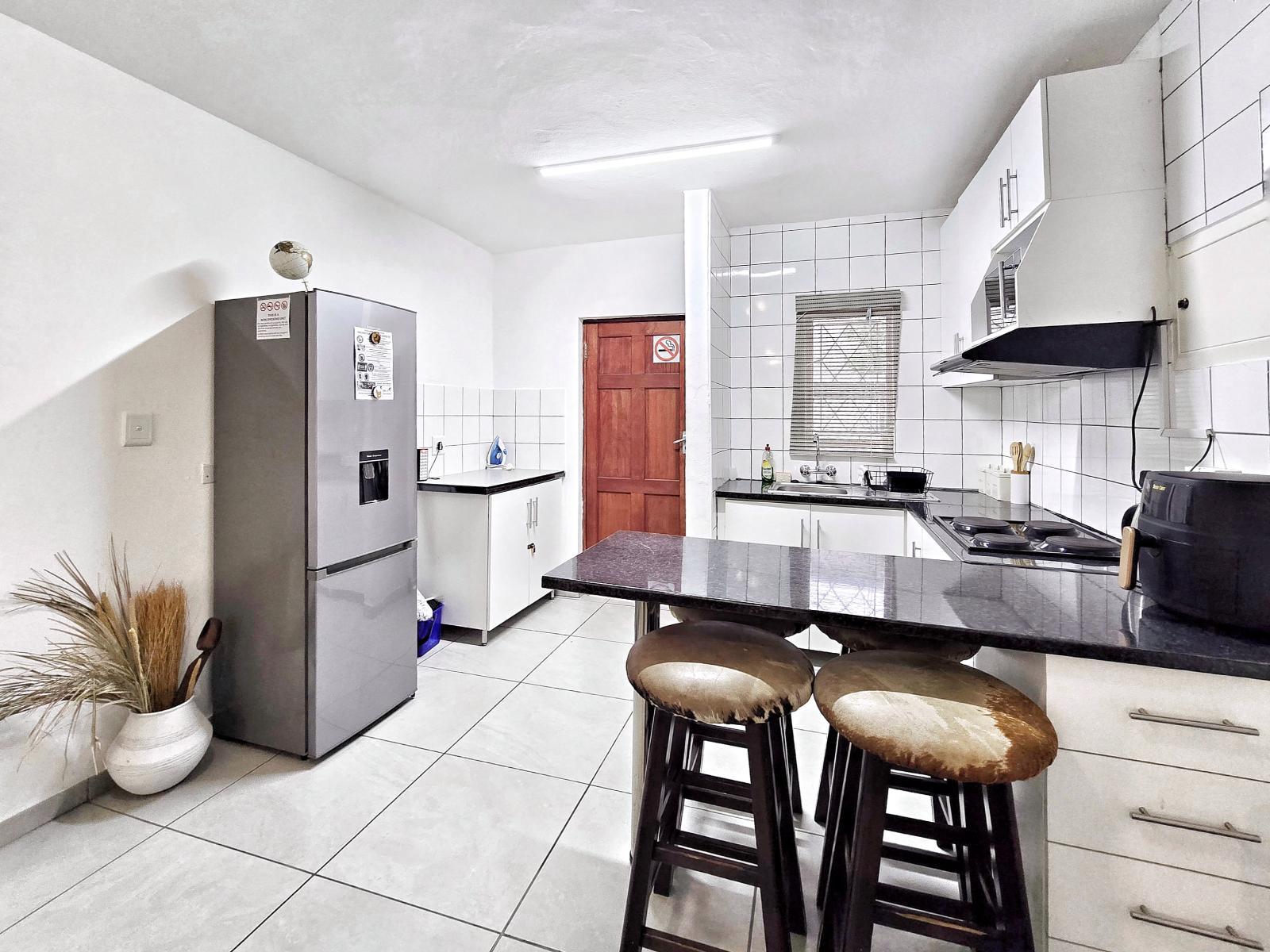
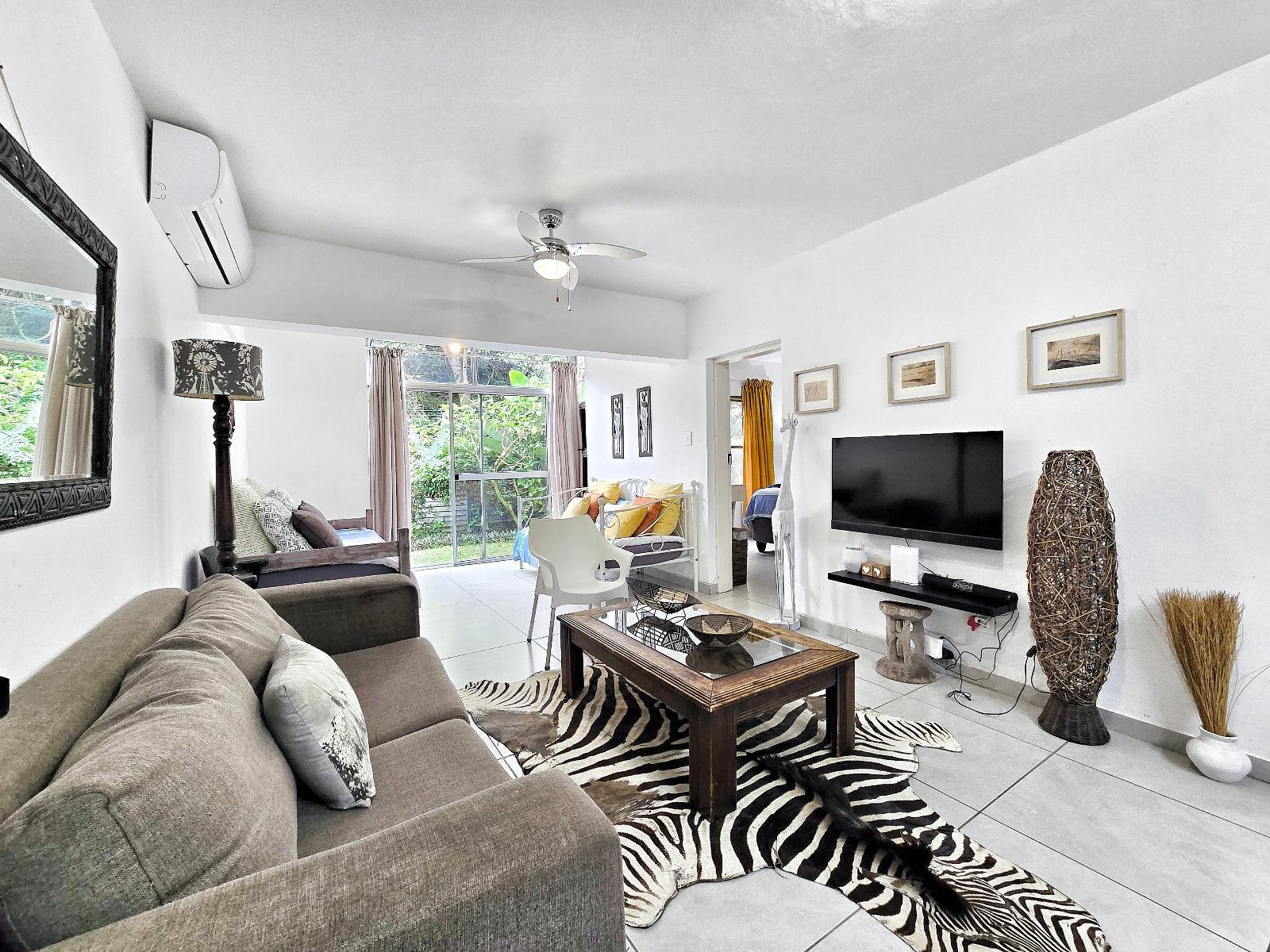
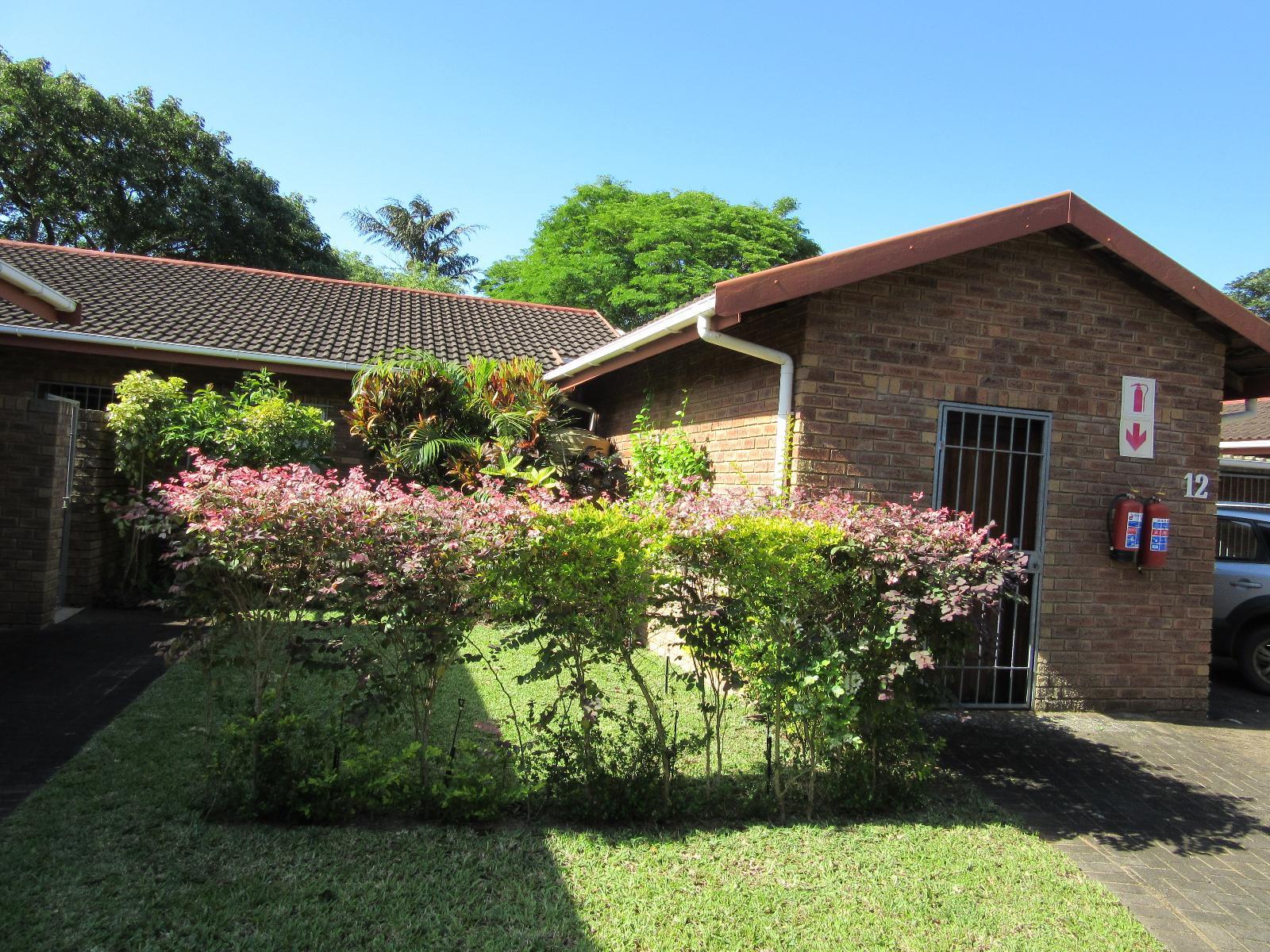
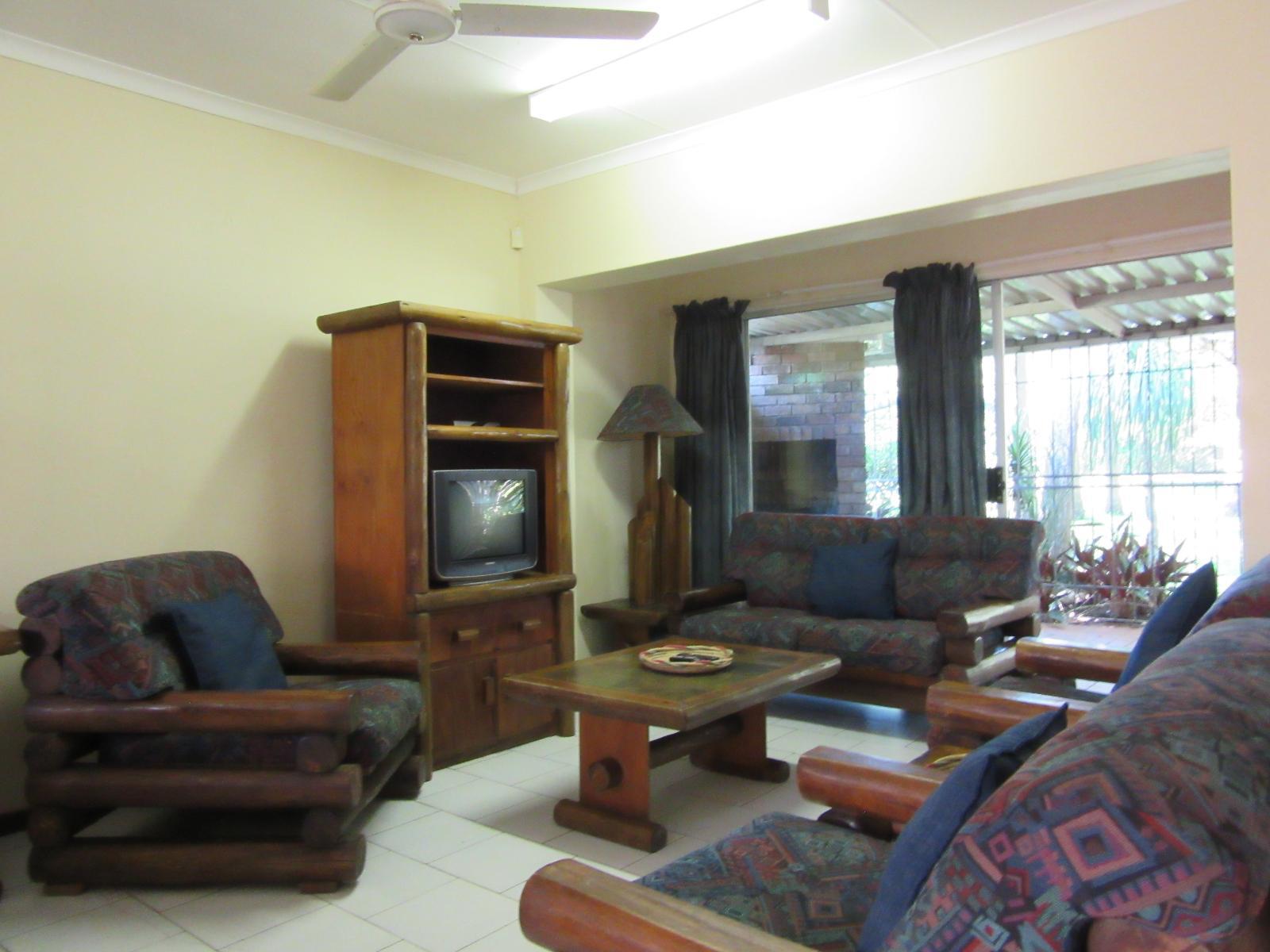
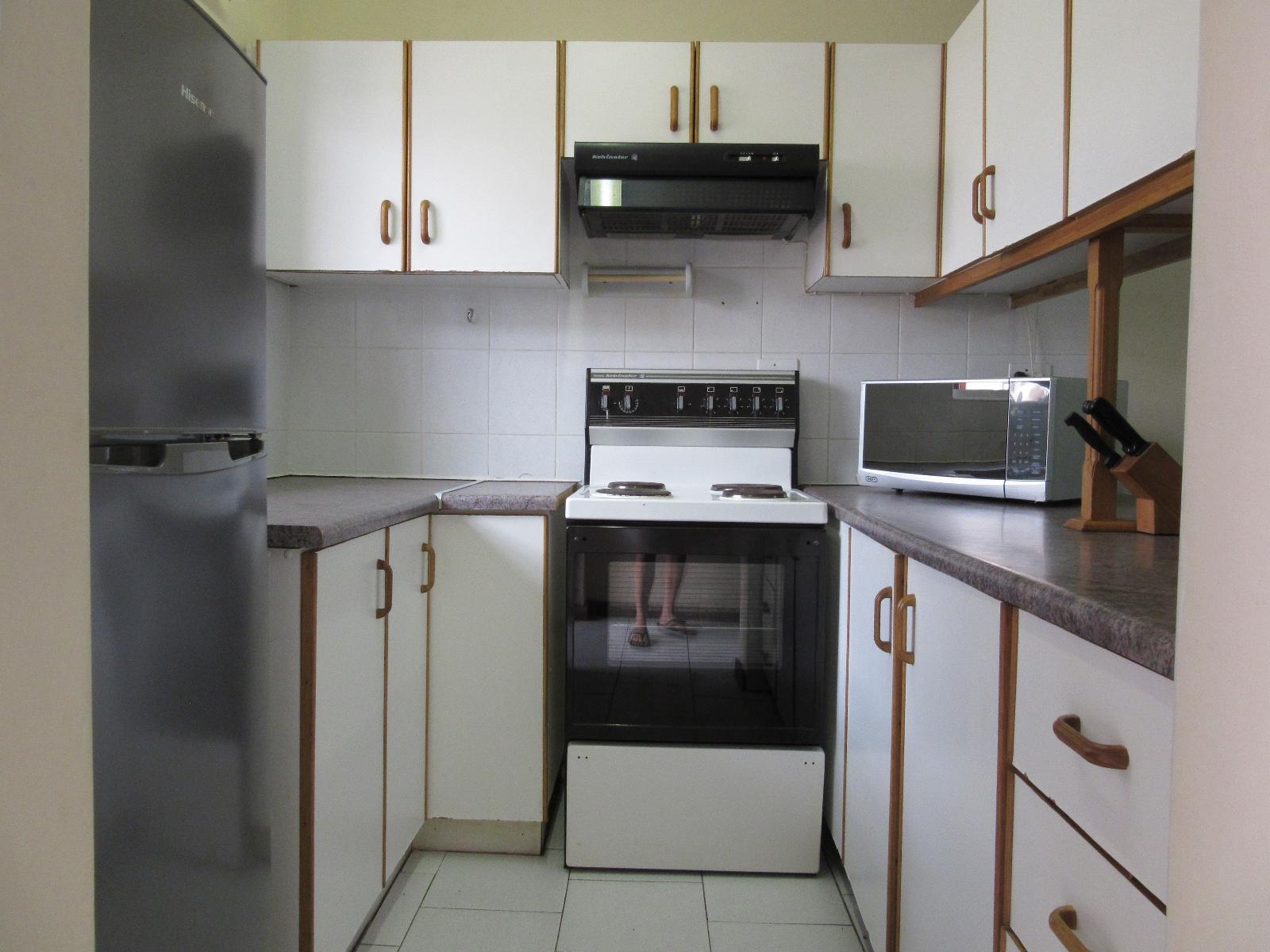
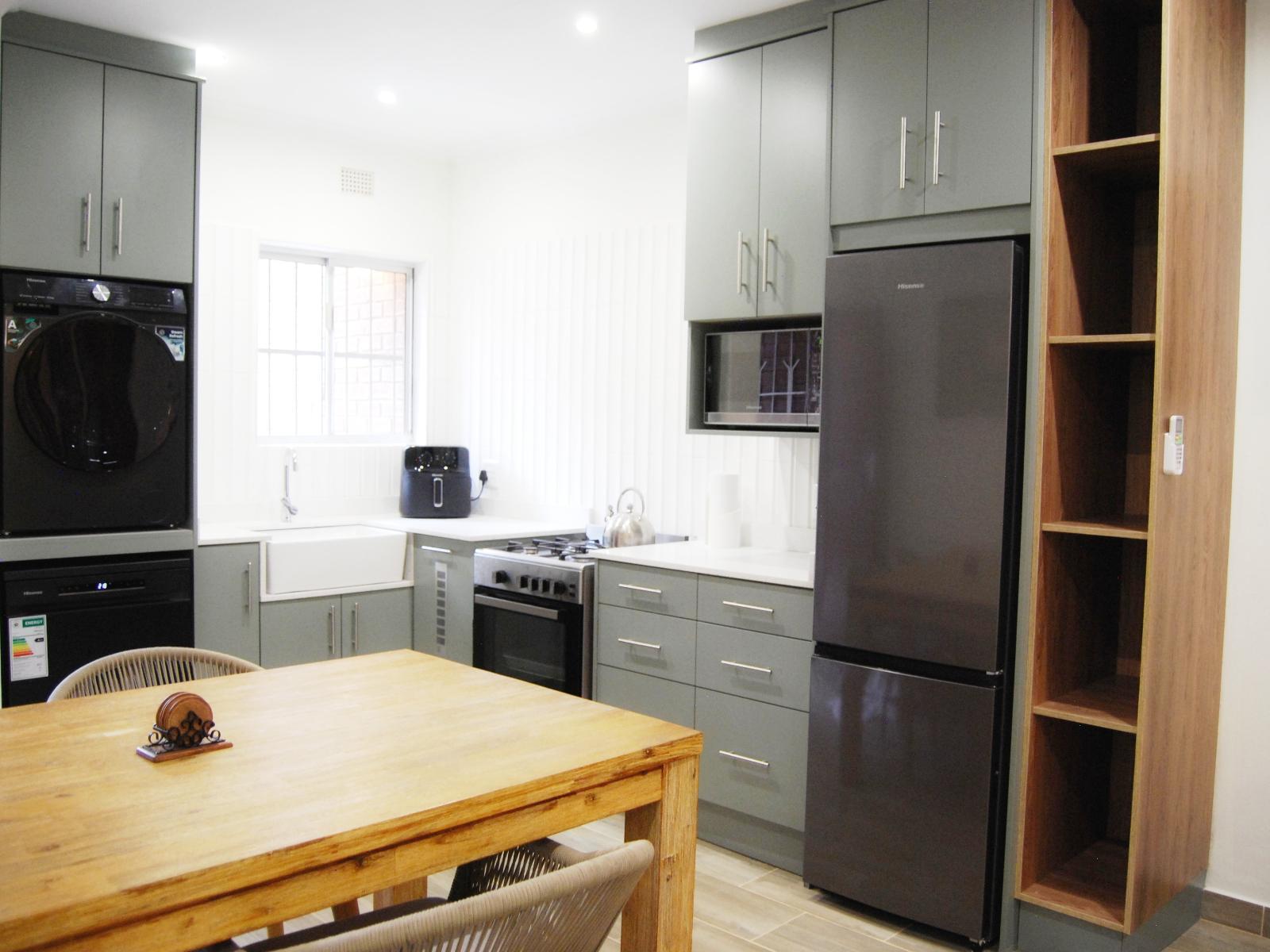
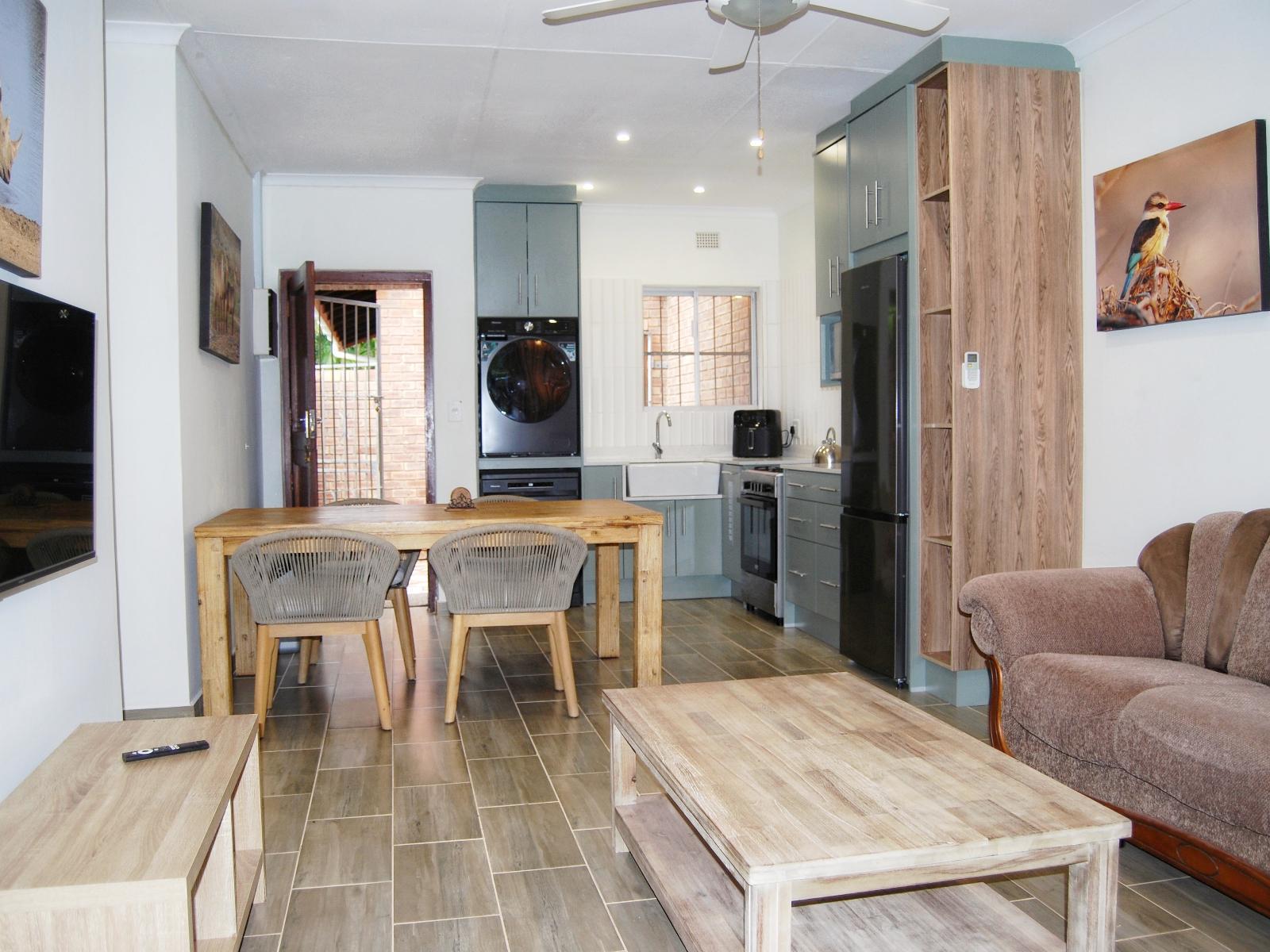
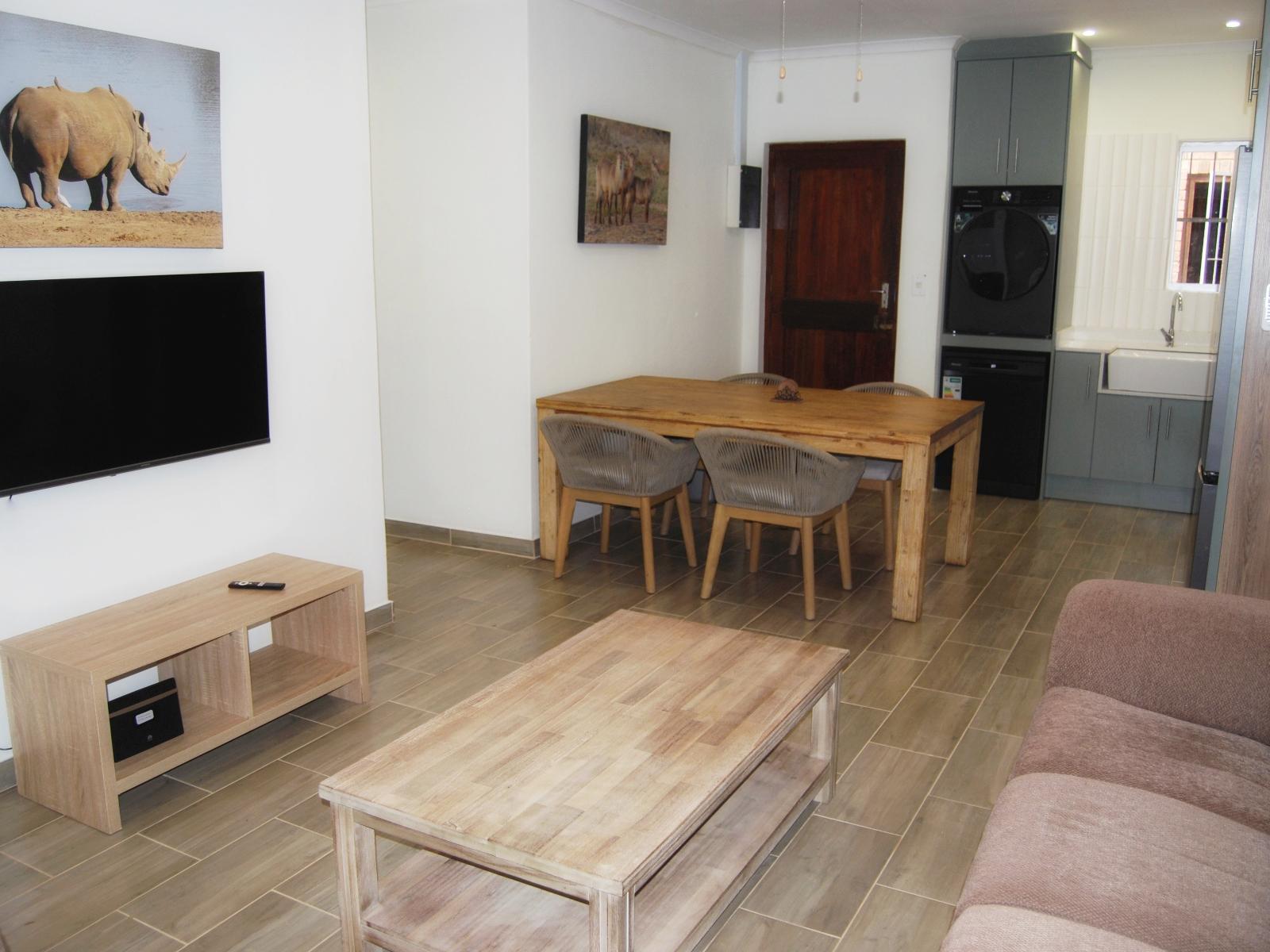
At the budget end, self-catering units provide the most affordable base, suiting travellers who want flexibility around meal times or who prefer to manage their own costs across a longer stay. Villas in this area average around R1,172 per night, making them a practical option for families or small groups where individual space matters more than included services.
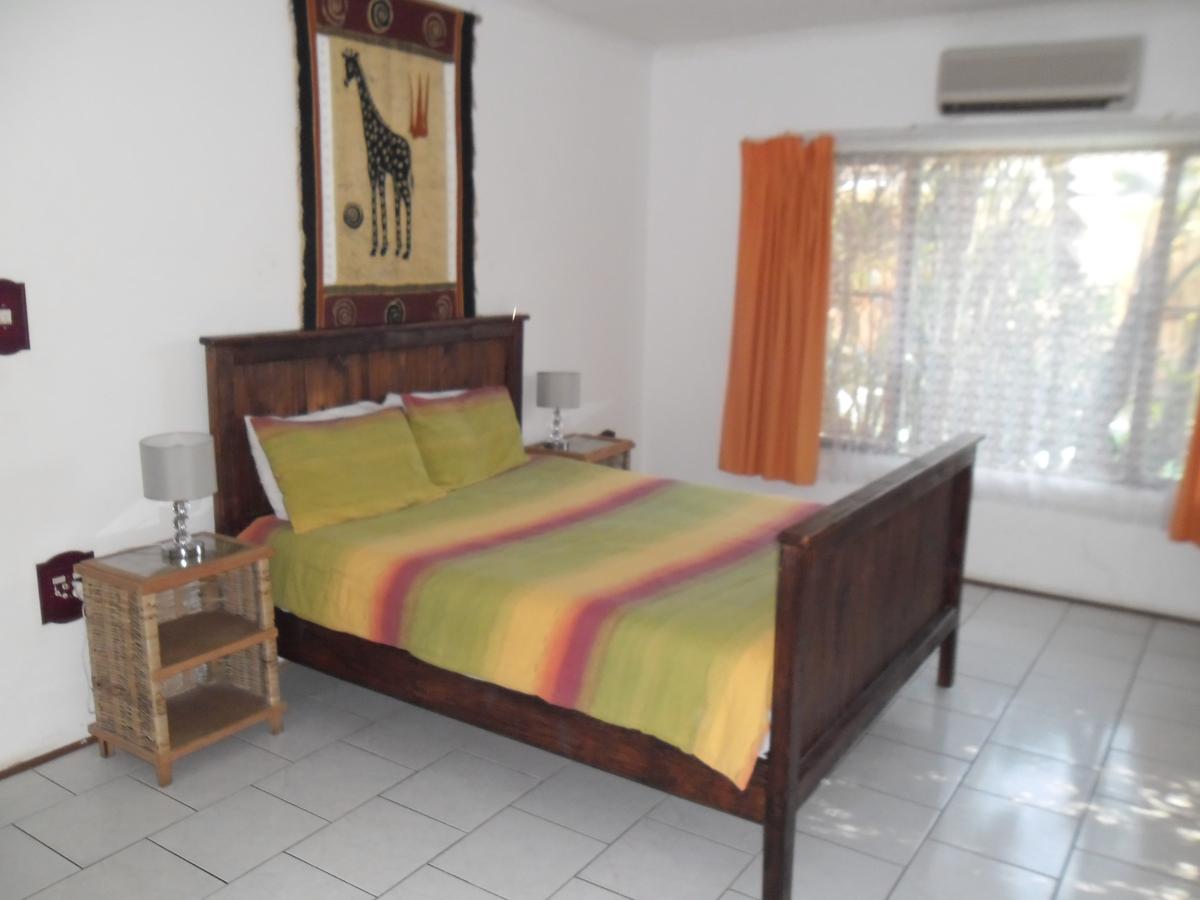
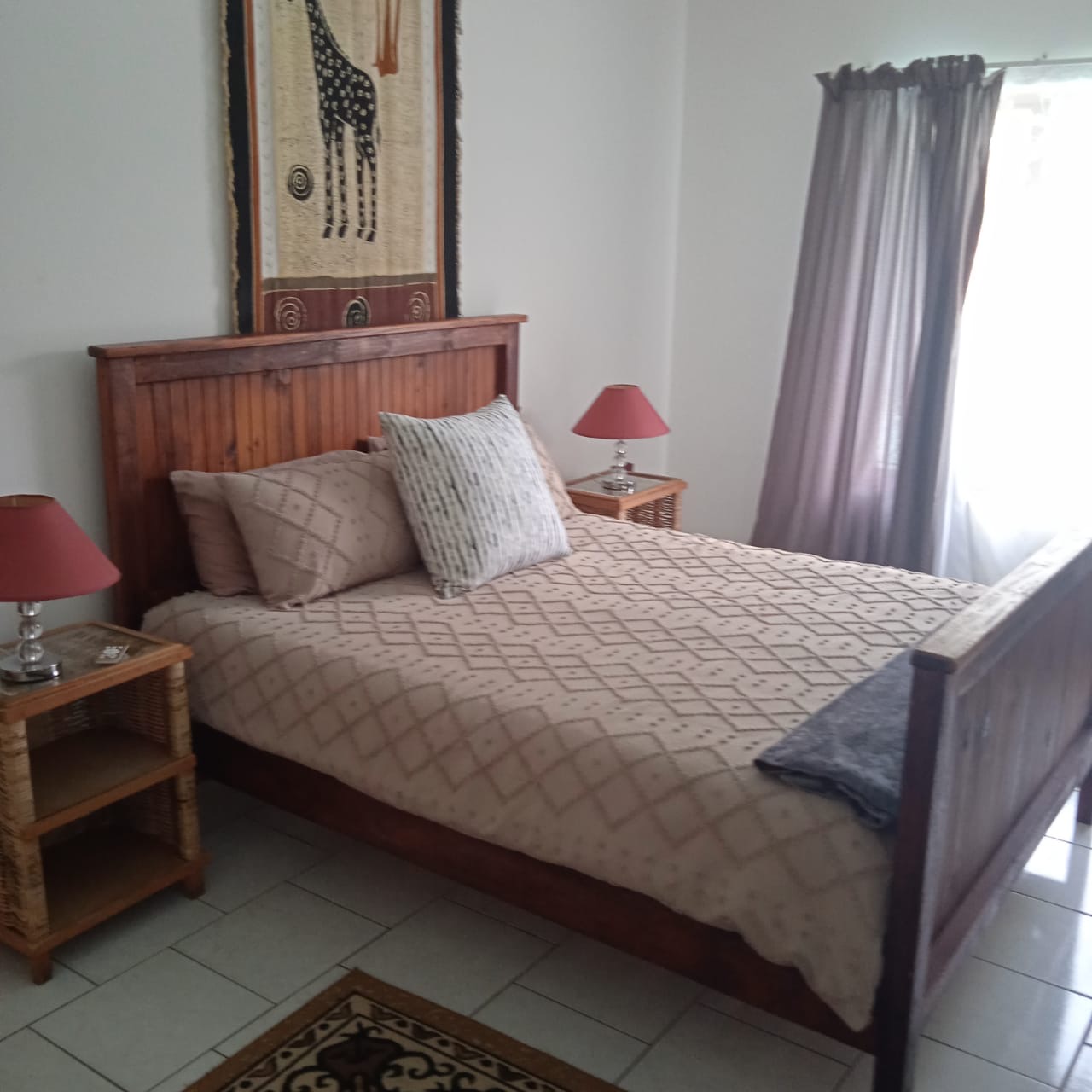
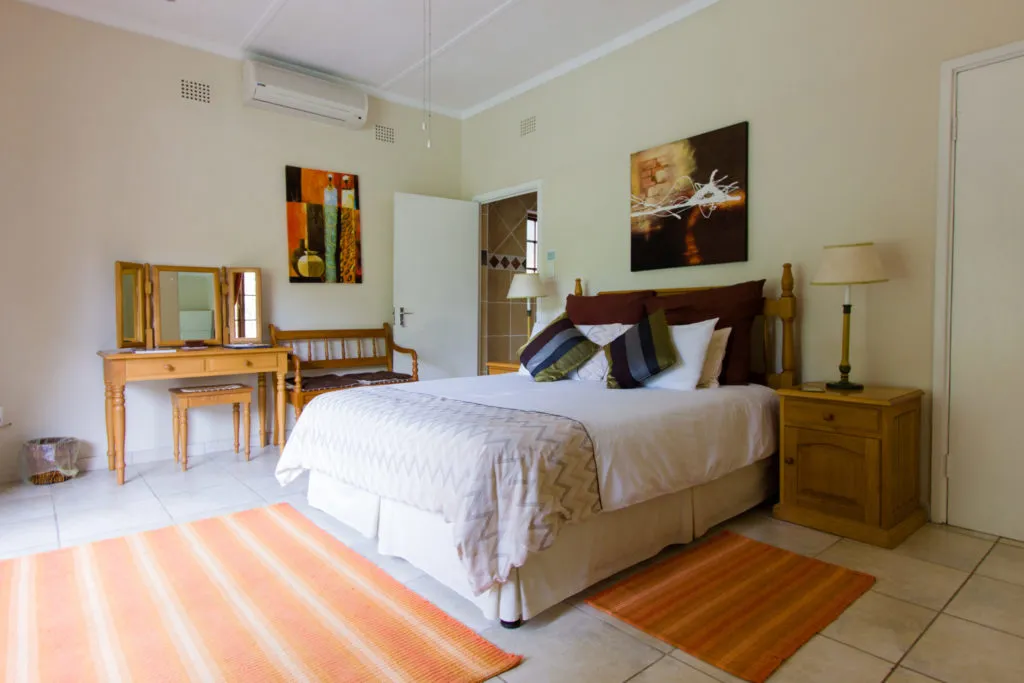
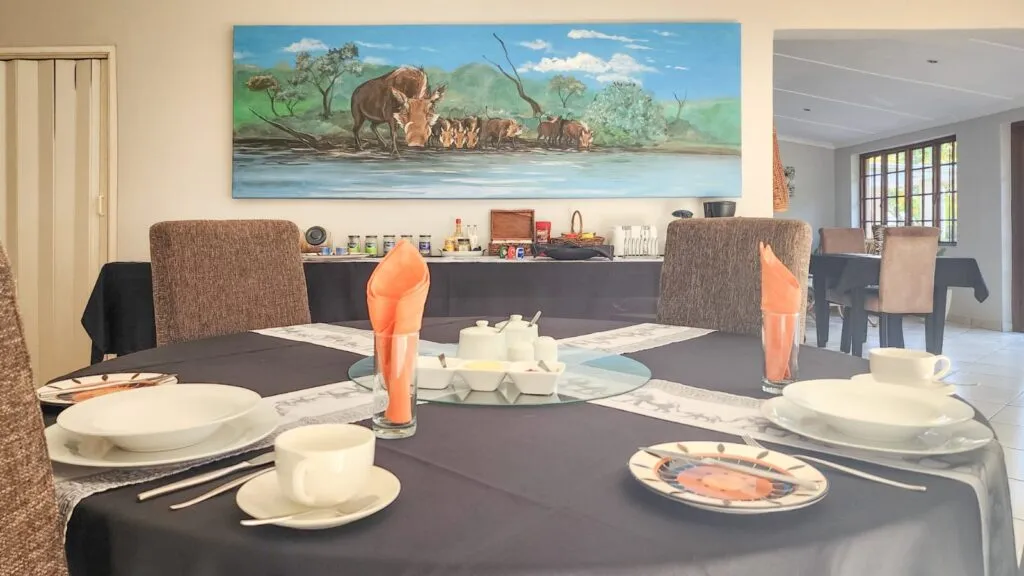
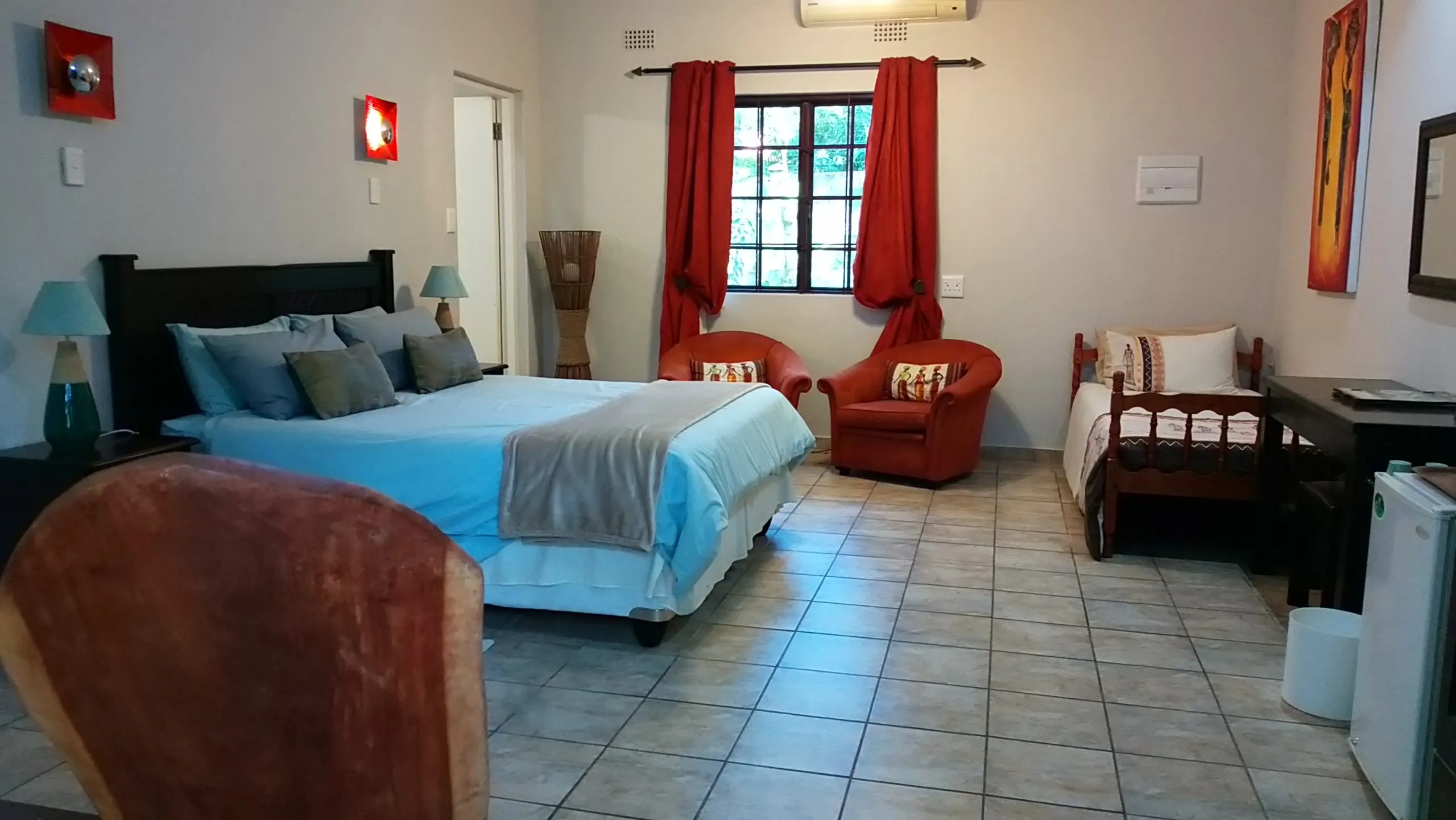
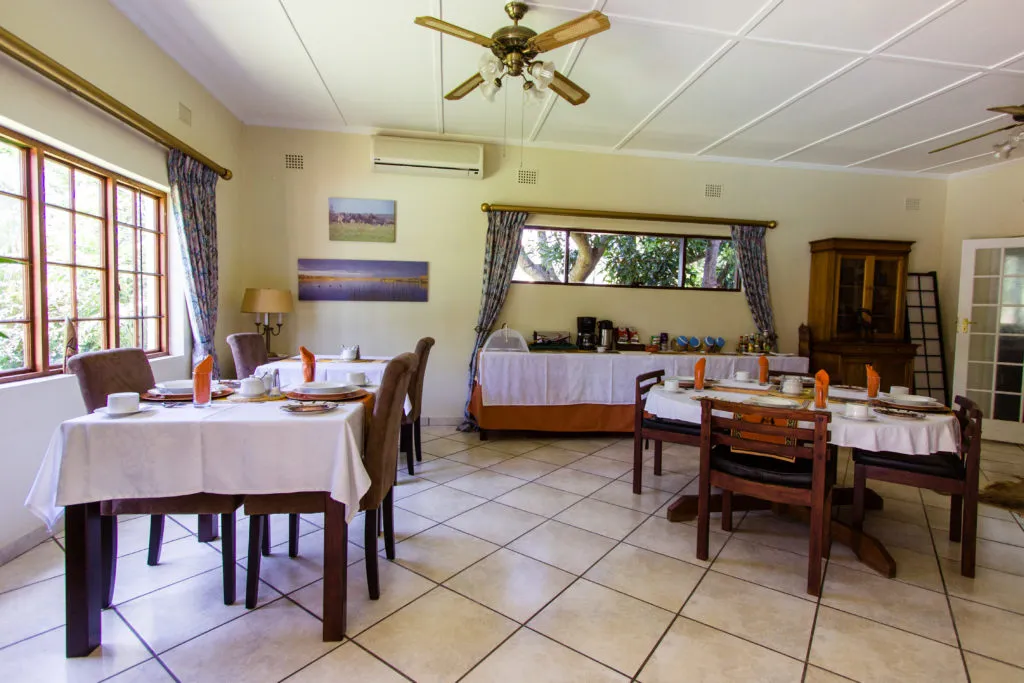
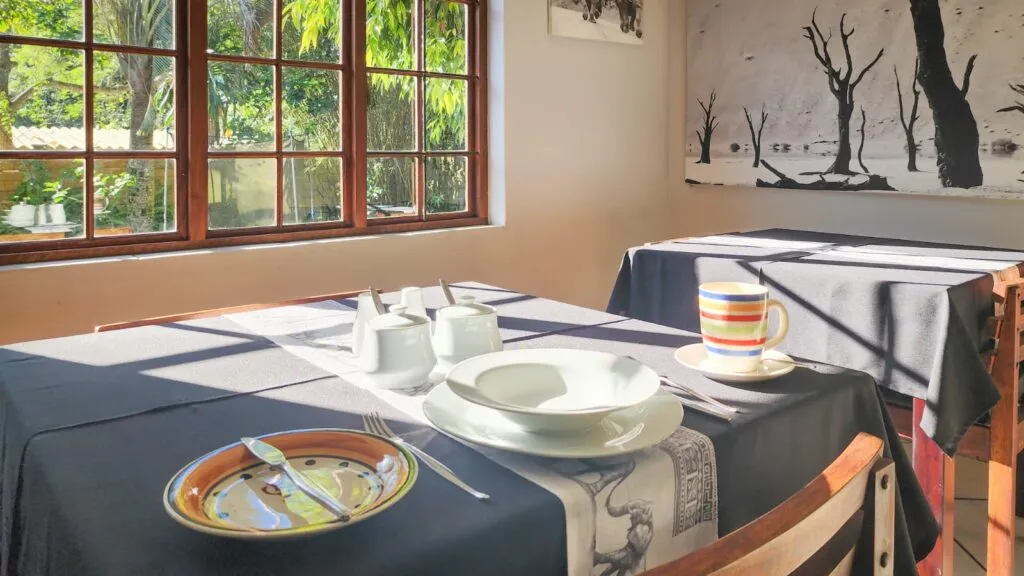
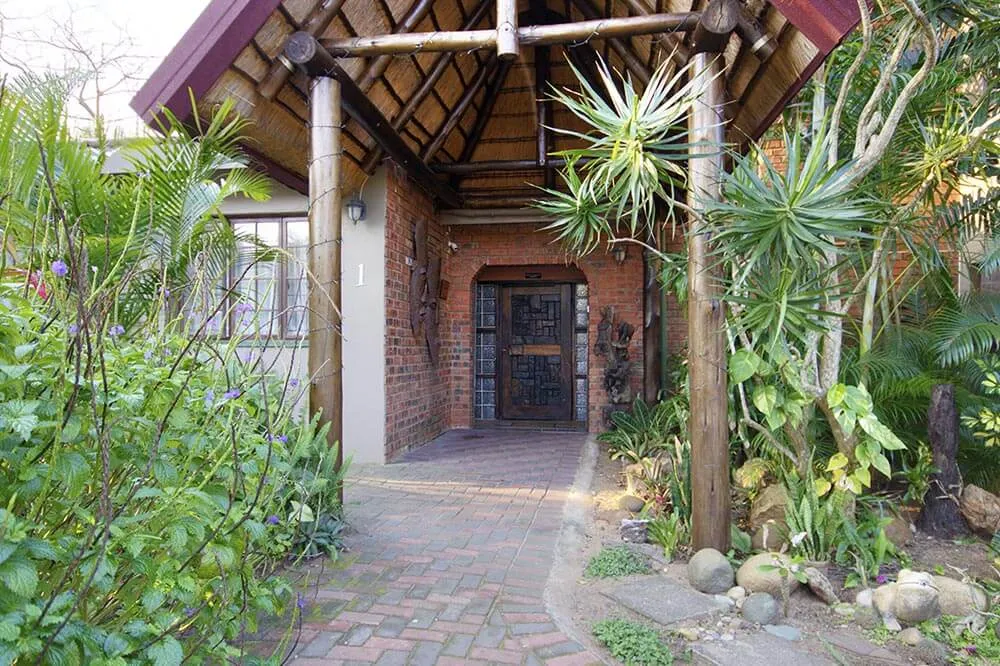
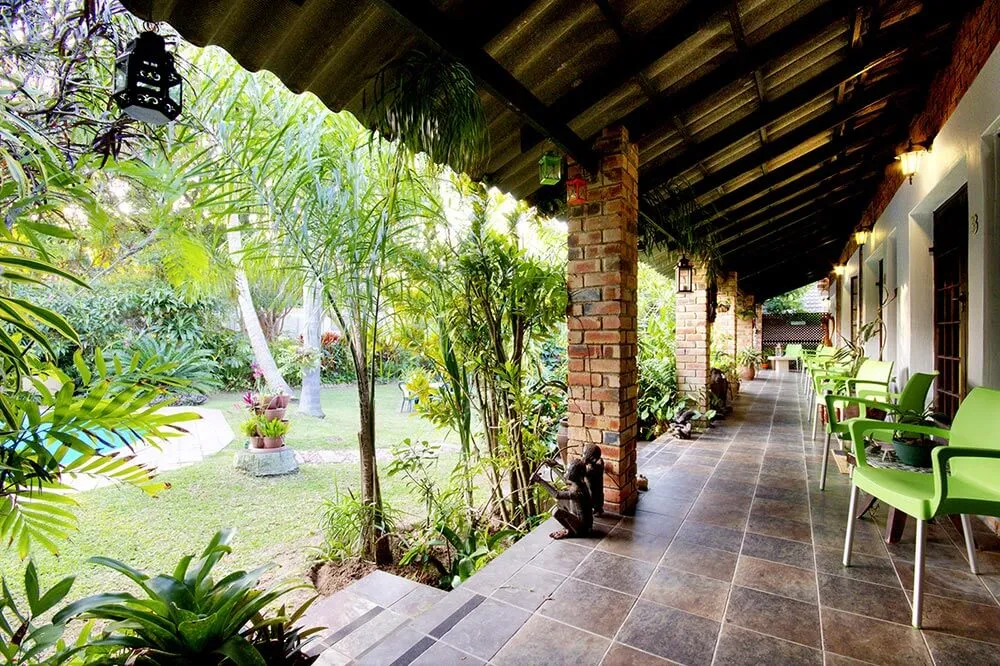
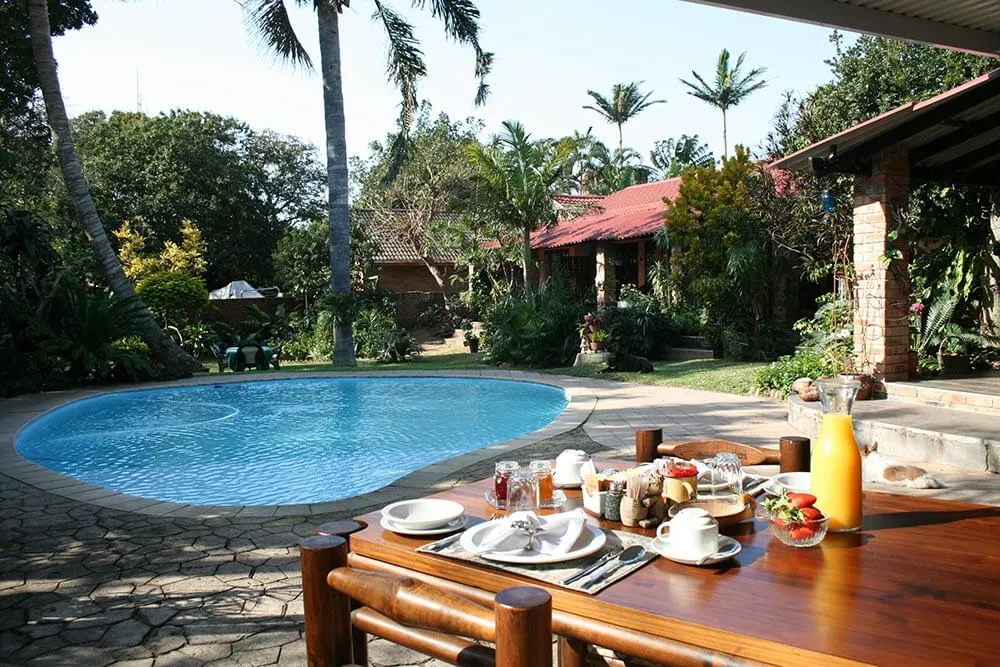
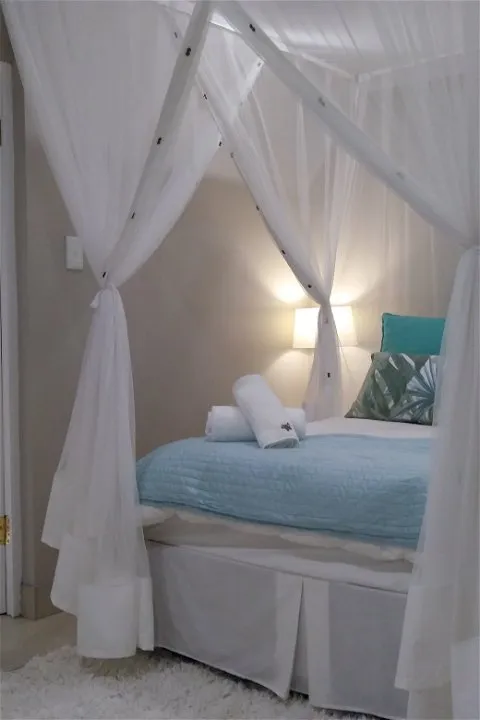
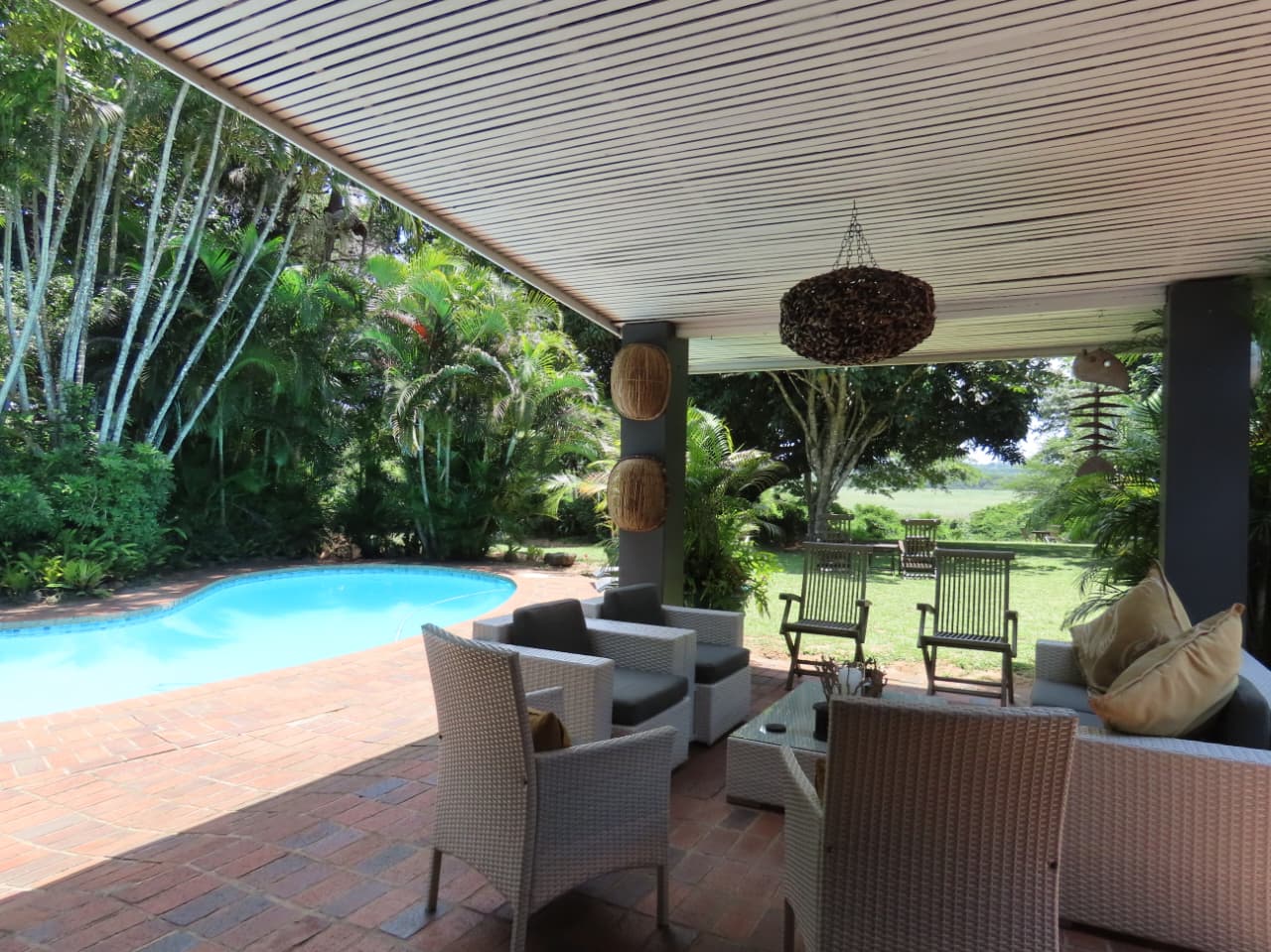
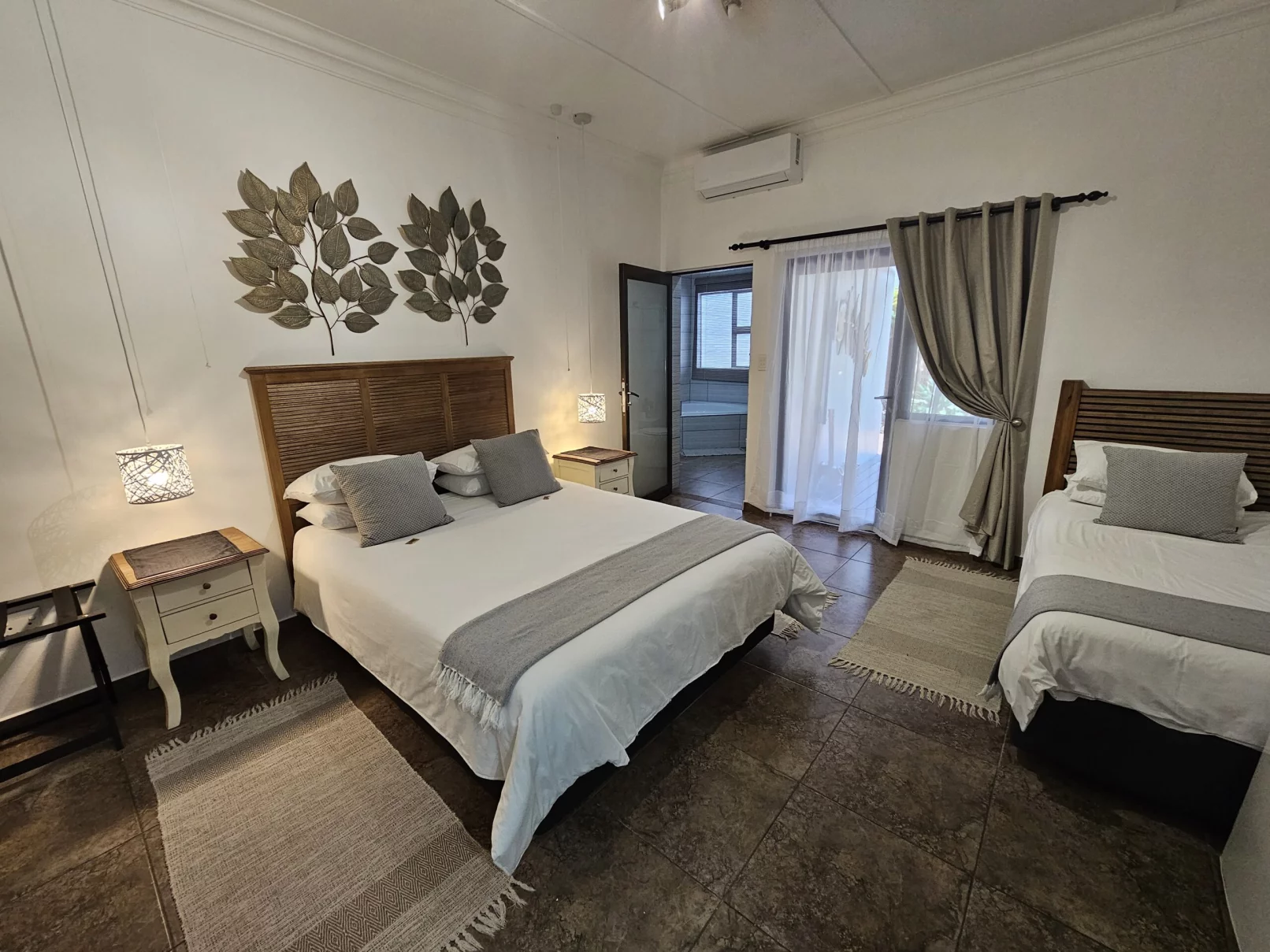
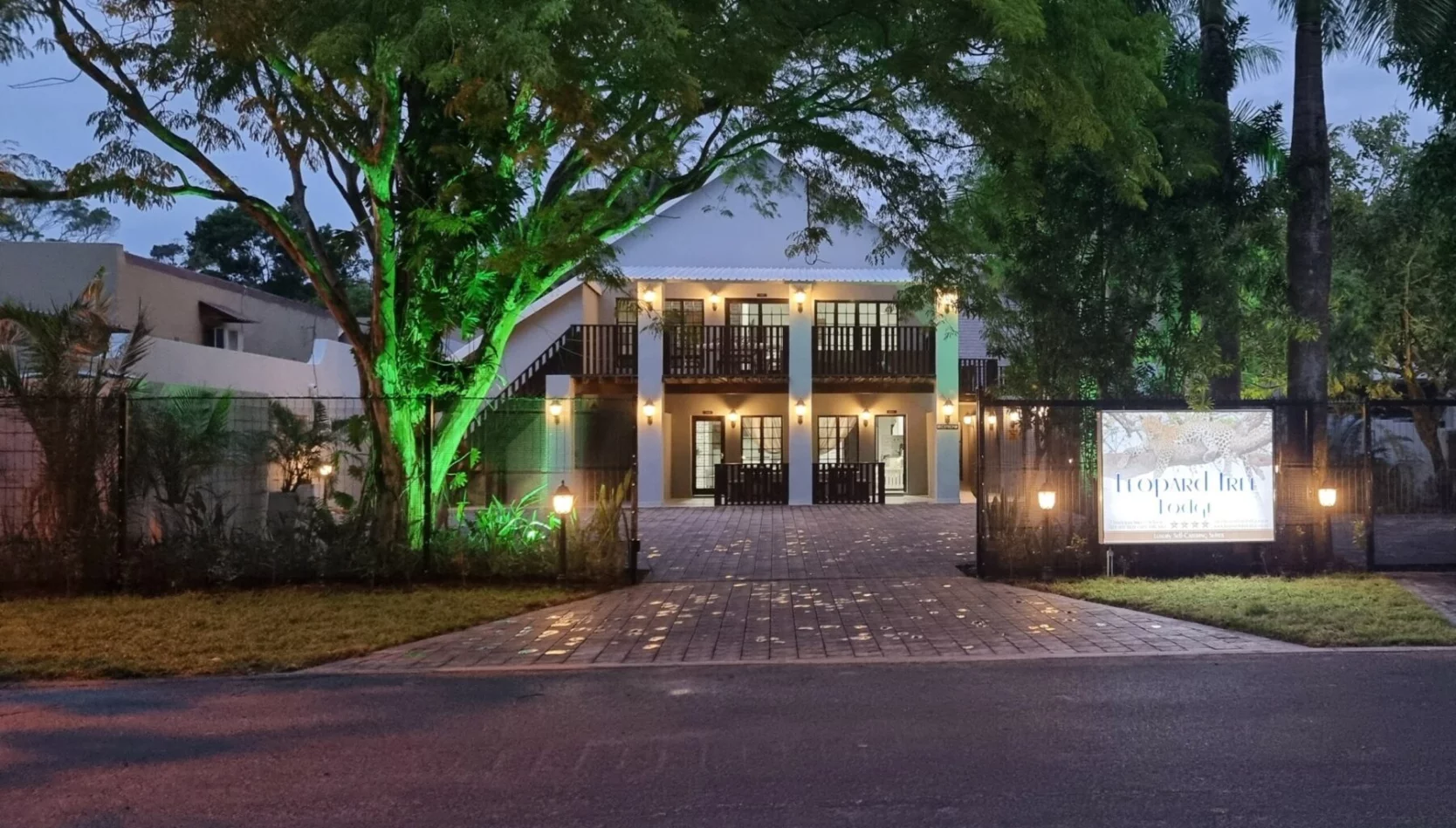
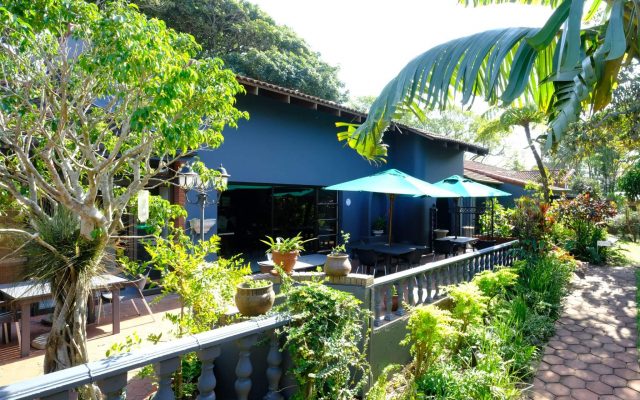
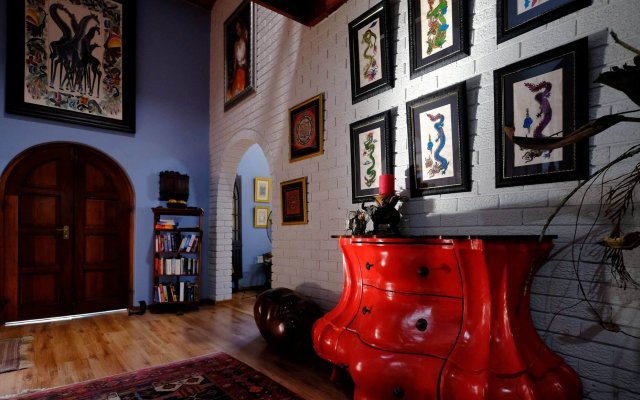
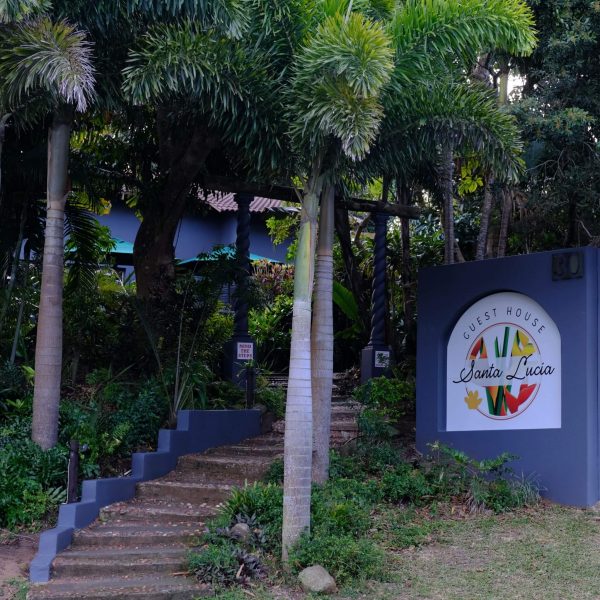
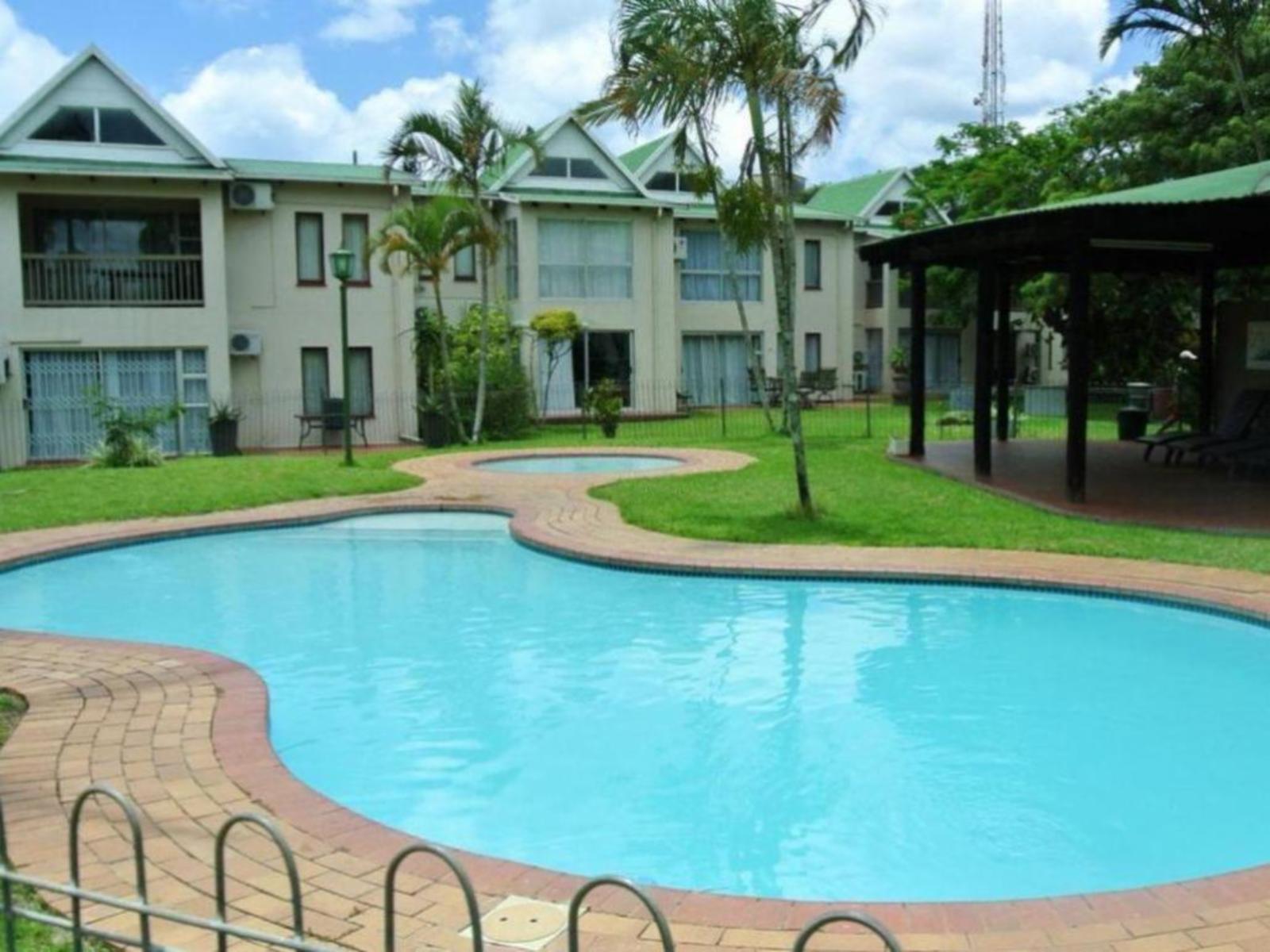
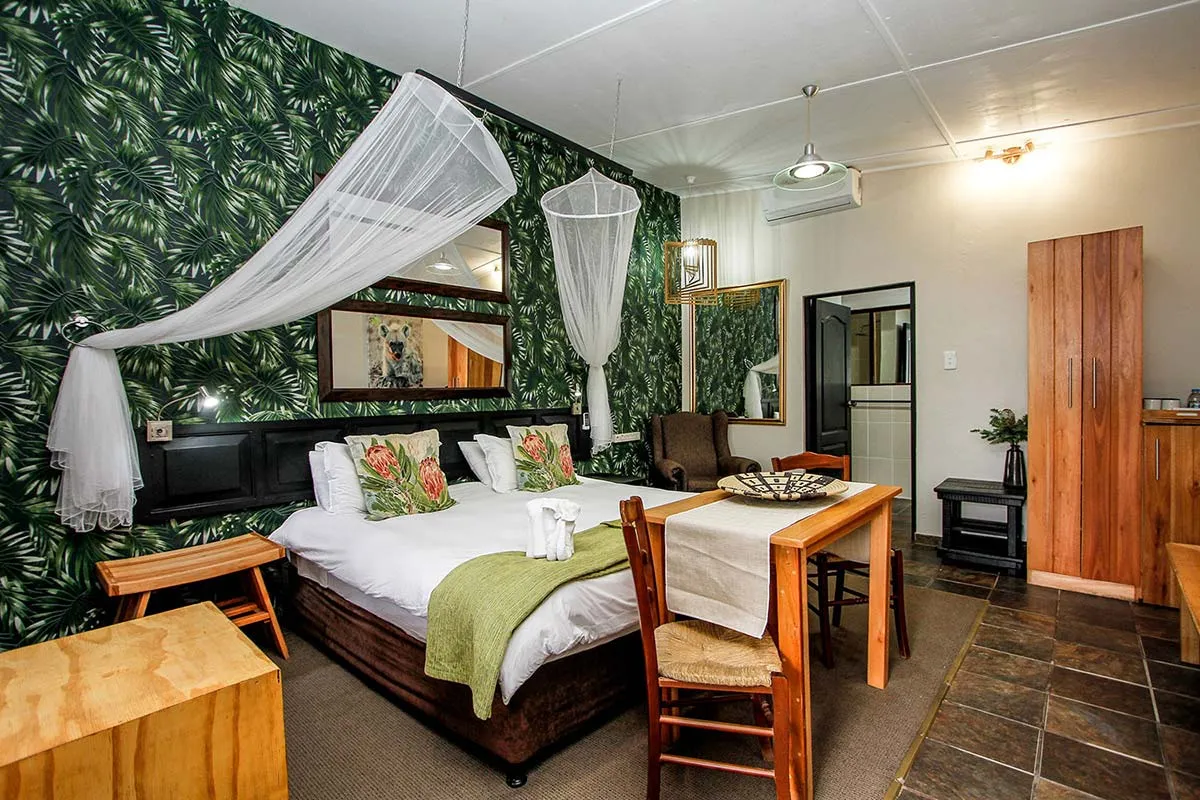
The middle ground is where most visitors land. Guest houses account for a significant share of the listings and average around R2,278 per night, typically including breakfast along with informal local knowledge useful for arranging boat cruises or planning walks in the reserve. Bed and breakfast properties sit at a comparable price point and offer a similarly personal atmosphere. Both types suit travellers who want some engagement with the destination rather than just a room and a checkout time.
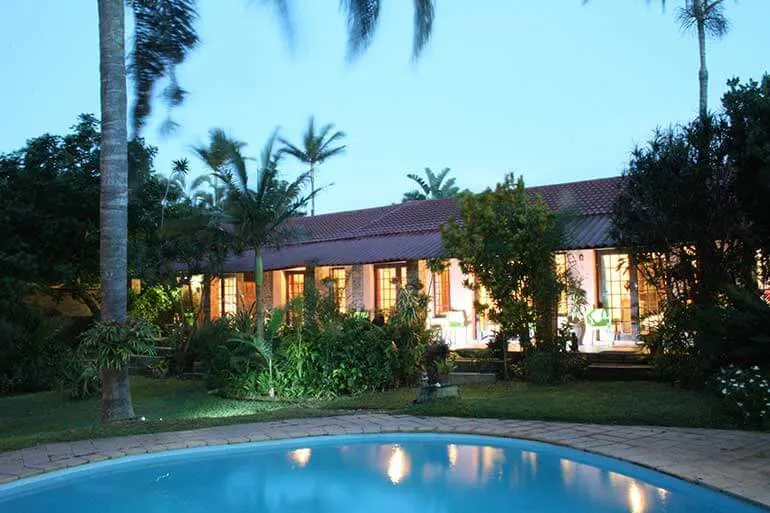
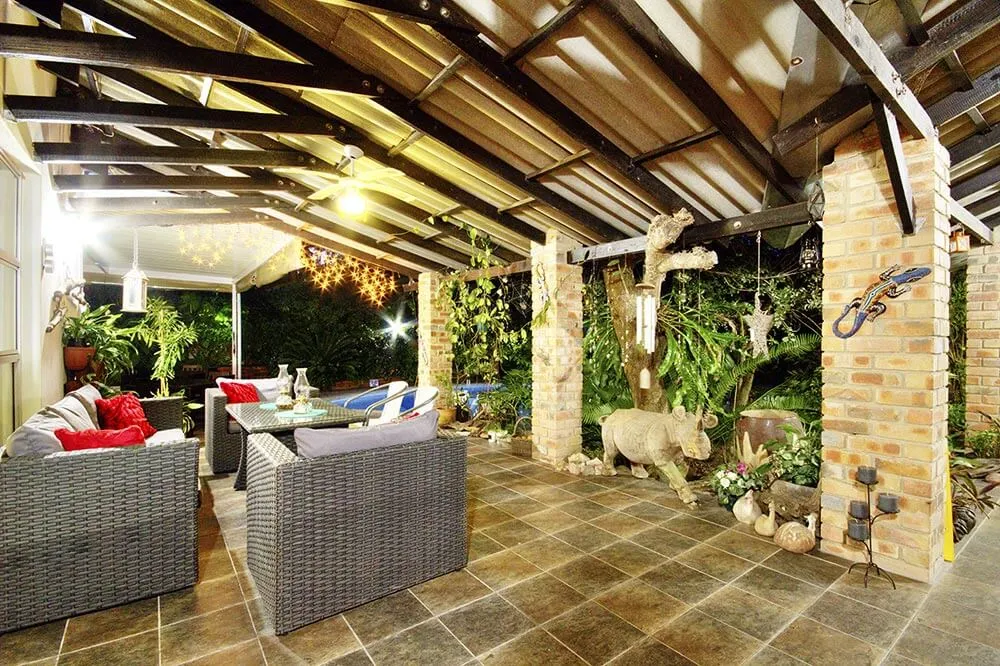
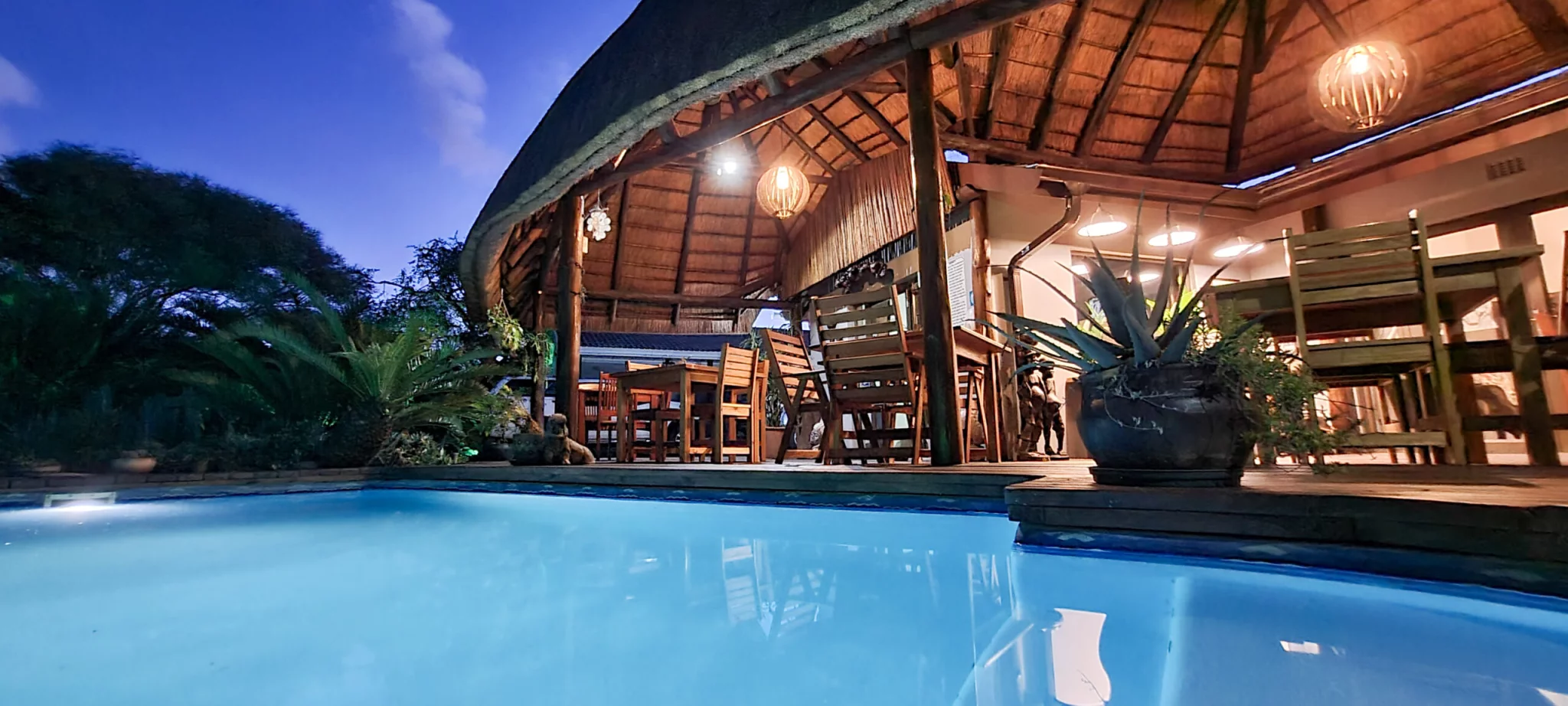
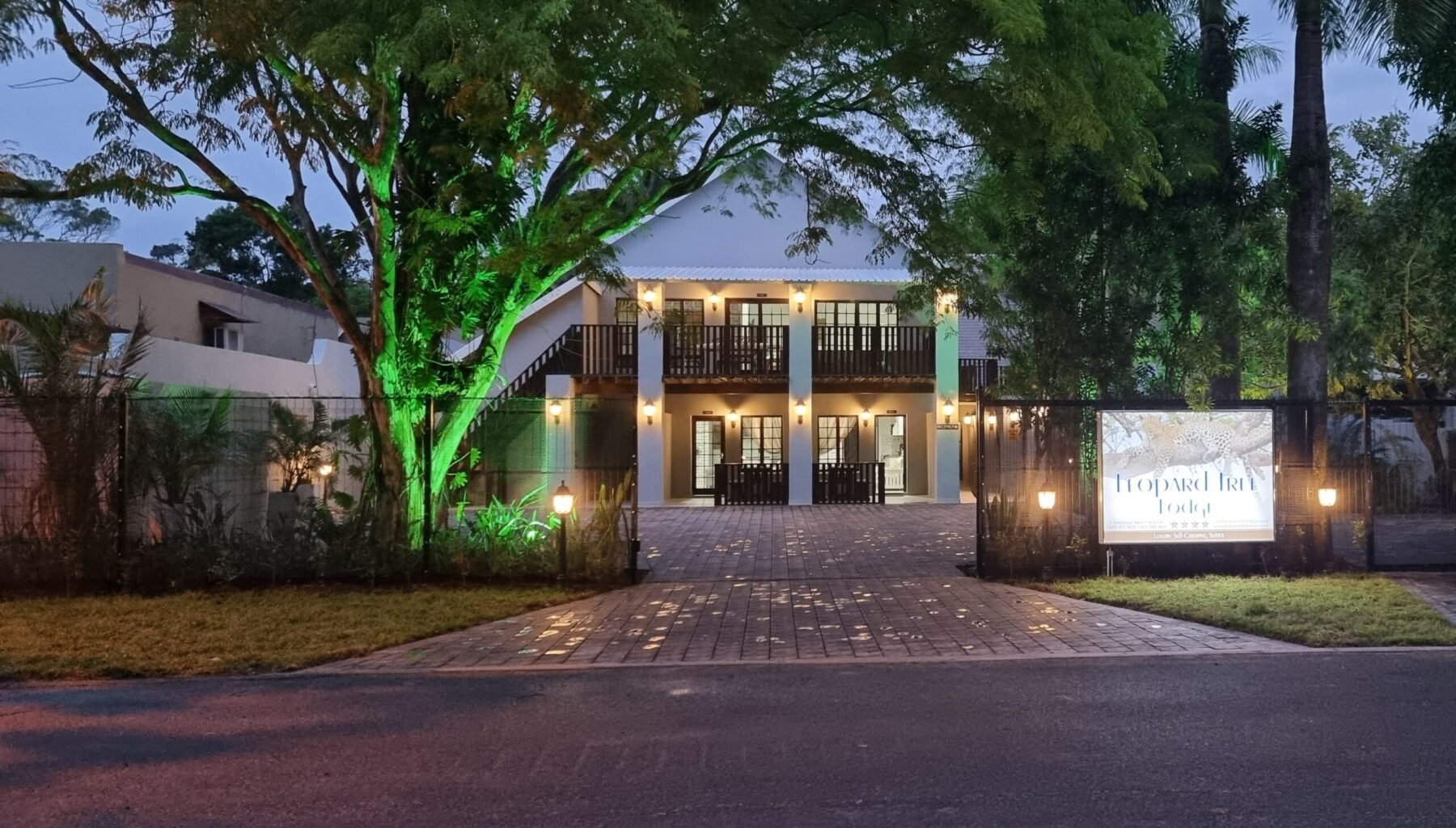
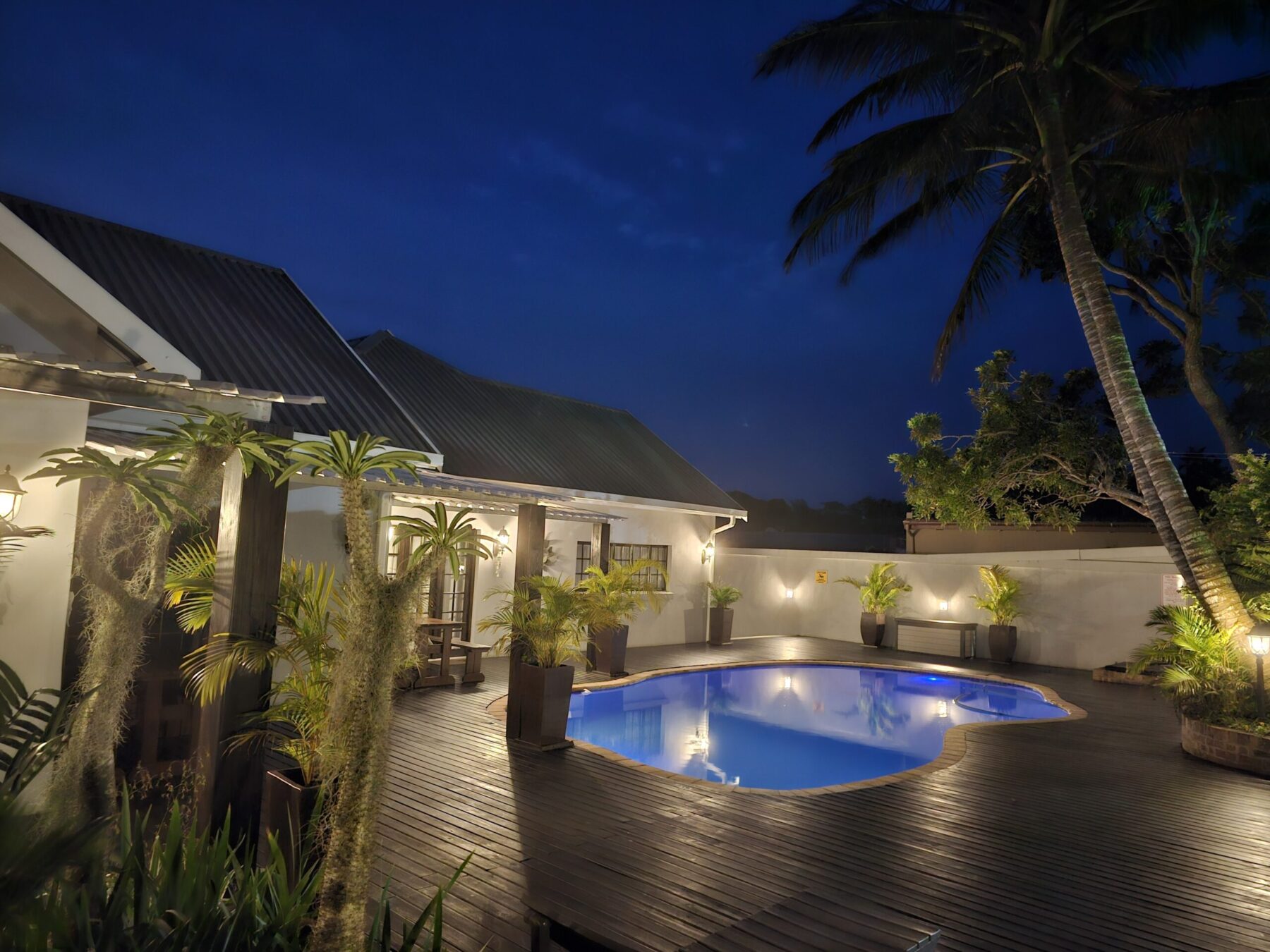
Lodges make up the largest category at the upper end, with five listings averaging around R2,619 per night. Many are positioned close to the estuary or the park, and the better properties include guided activities or working relationships with operators running hippo cruises and drives. A hotel and a villa fill out the top of the market, though the lodge experience defines most stays at this level.
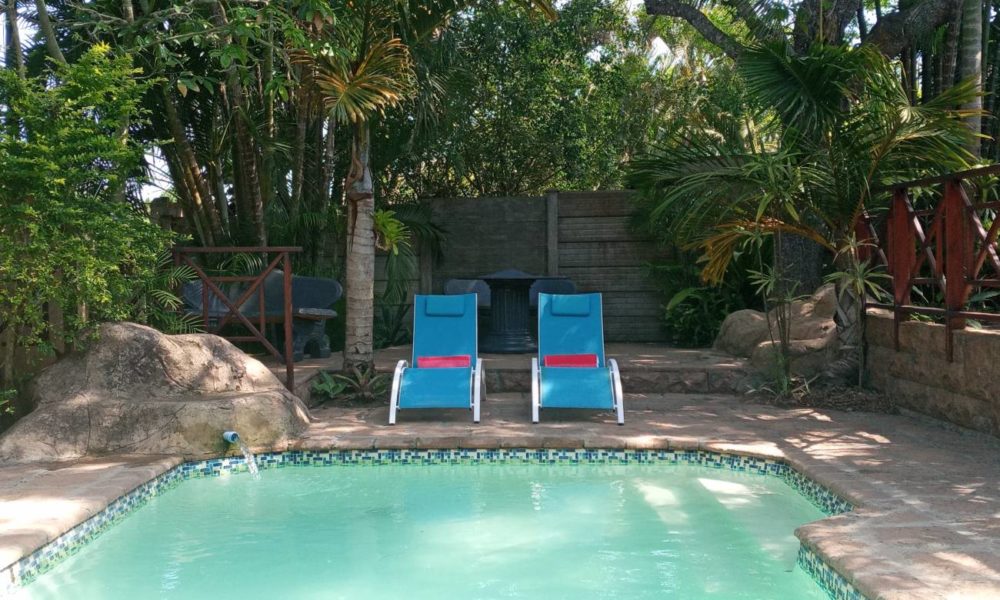
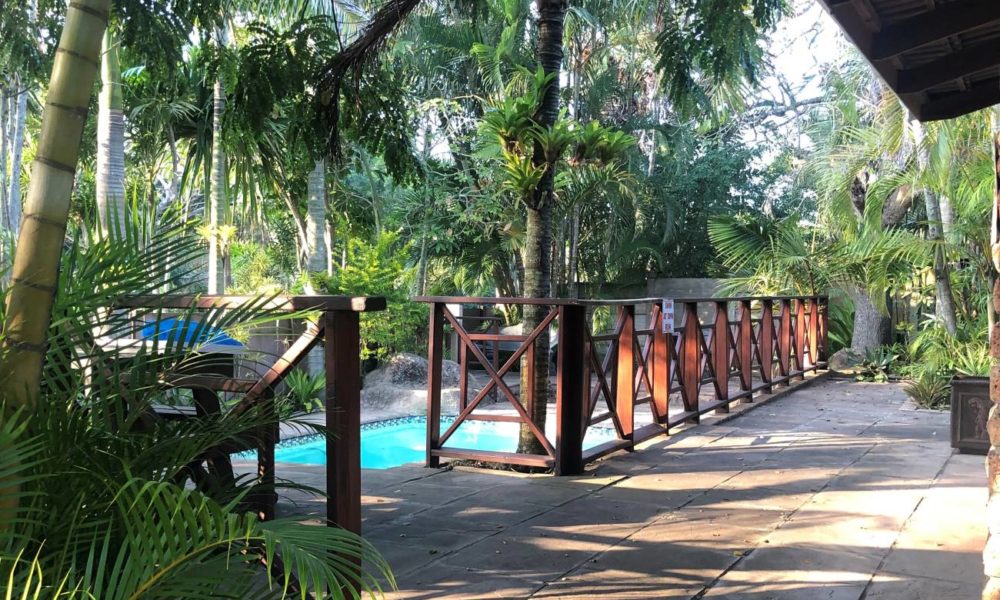
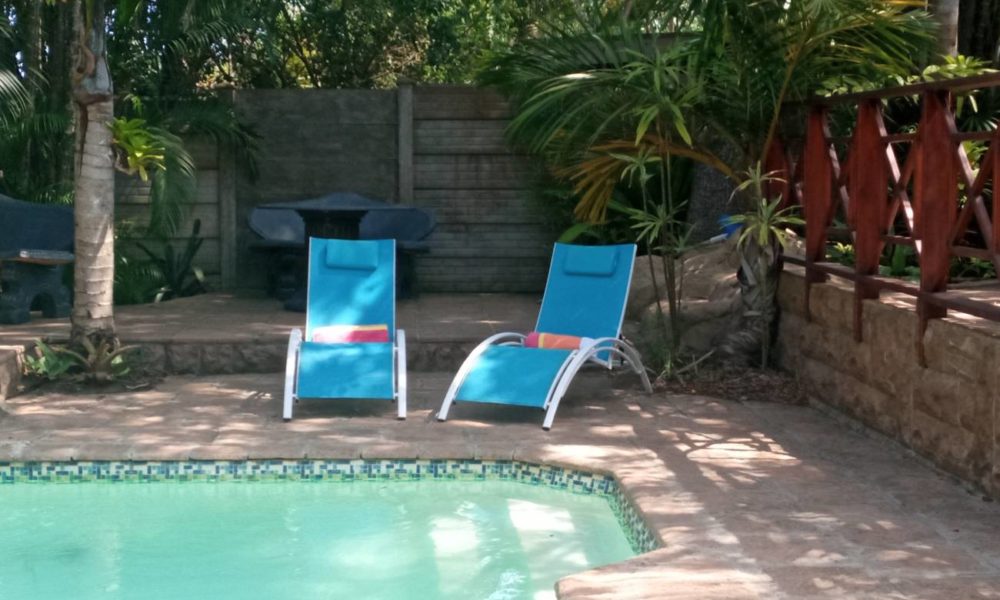
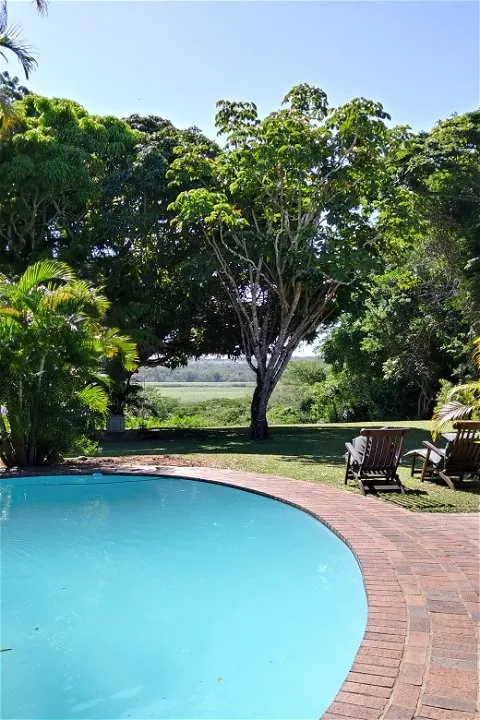
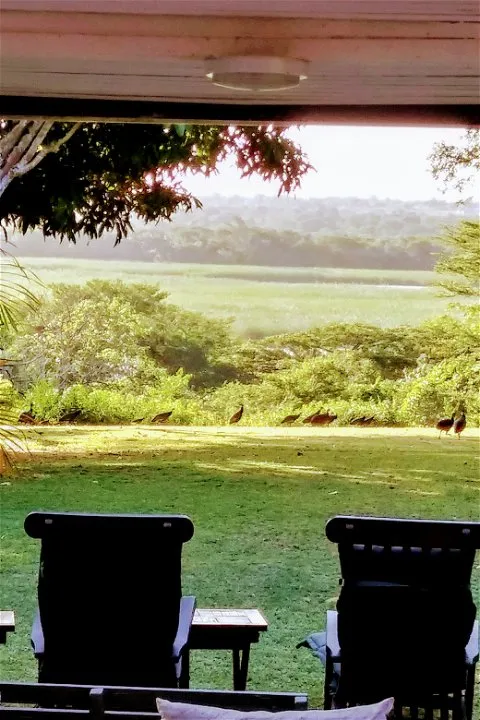
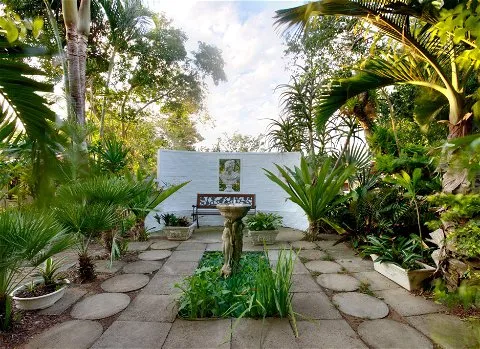
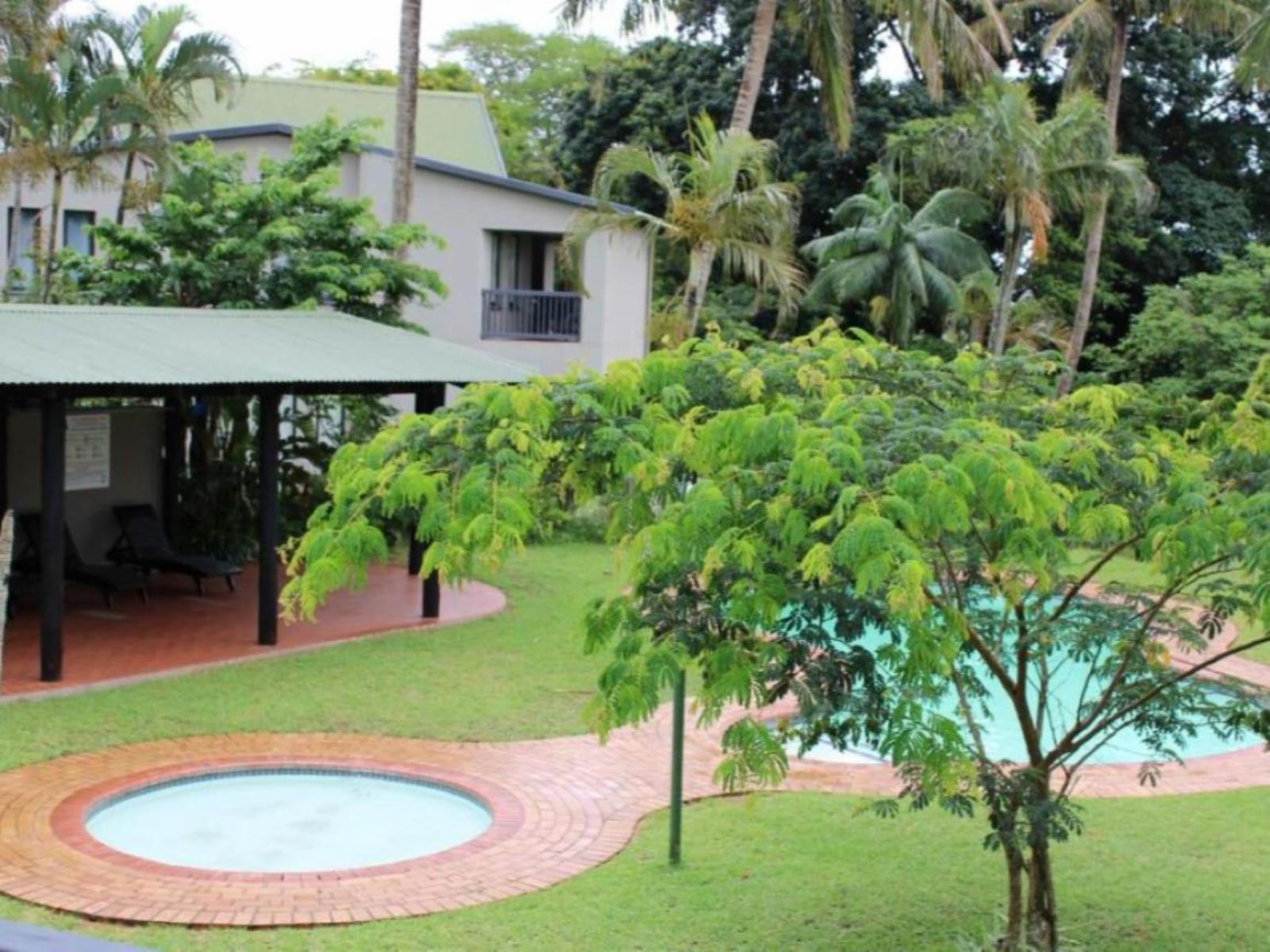
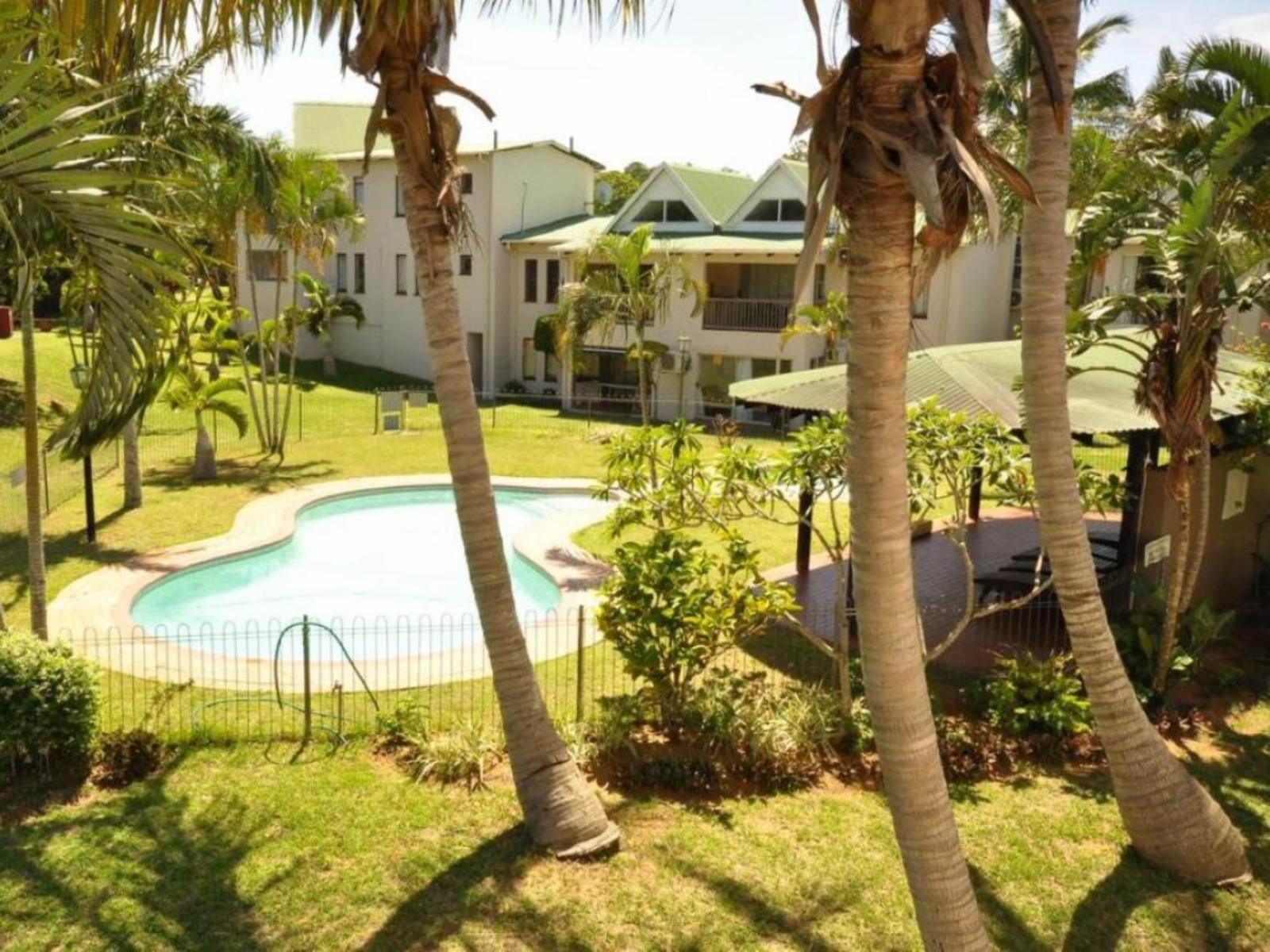
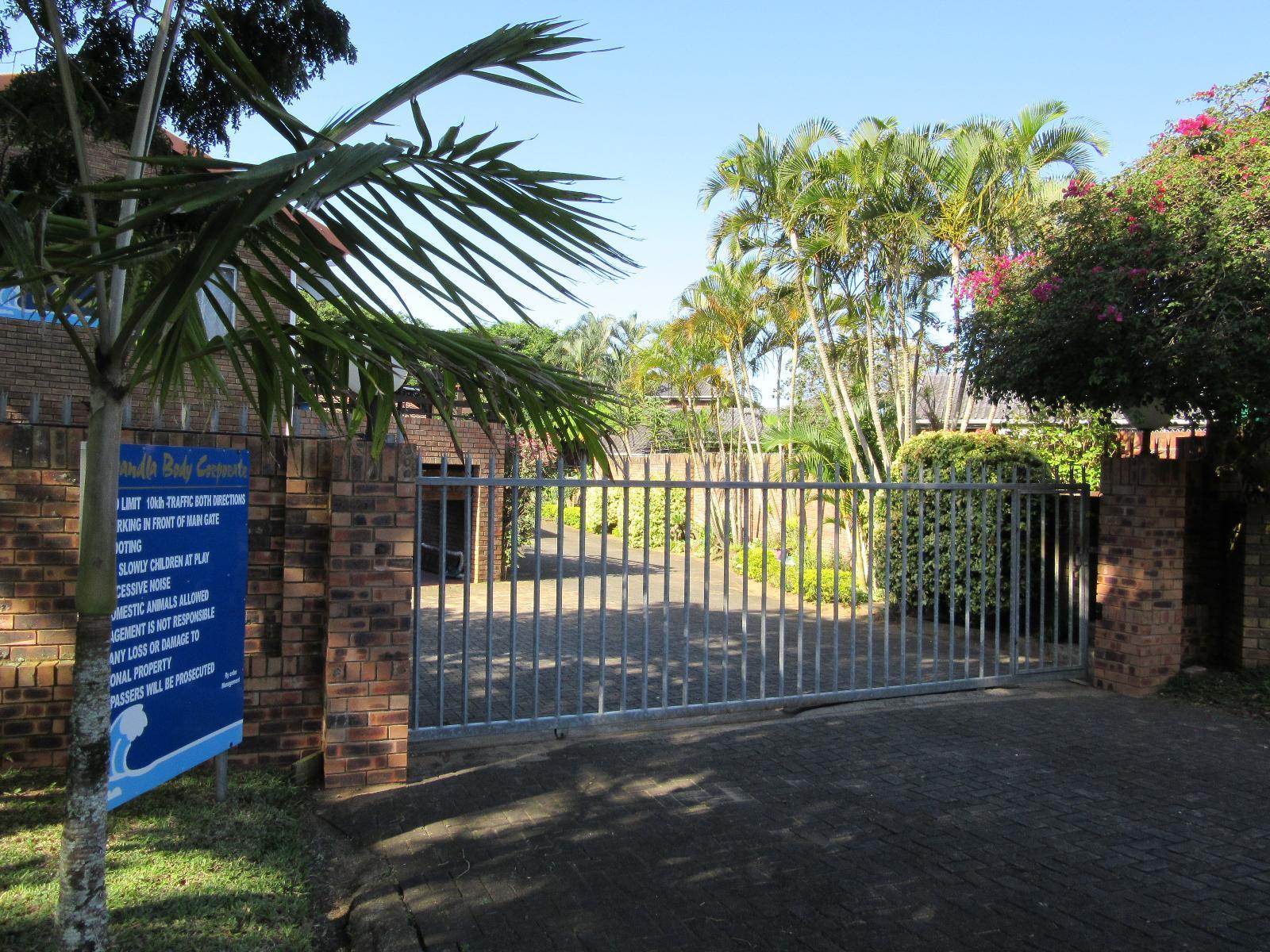
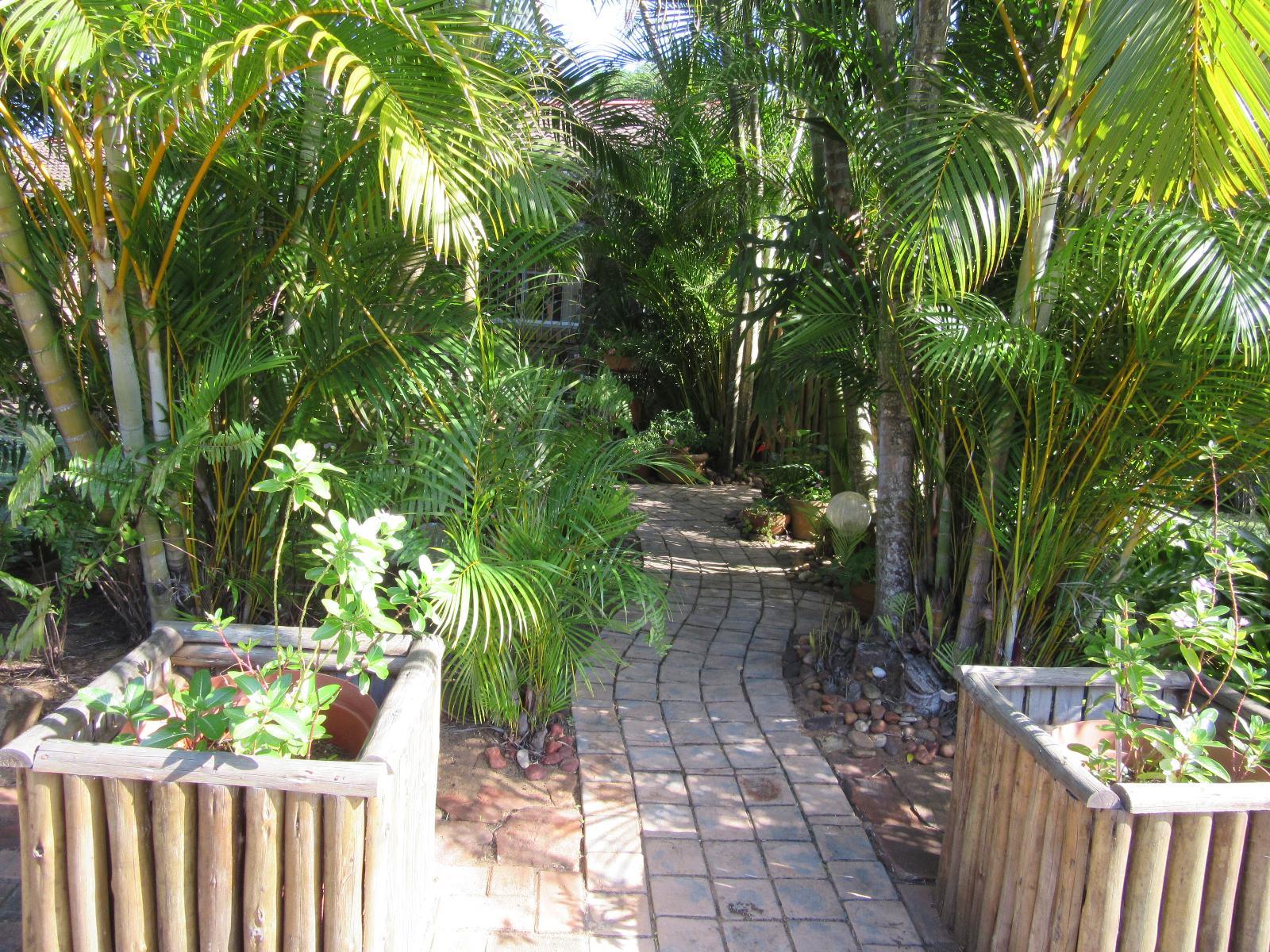
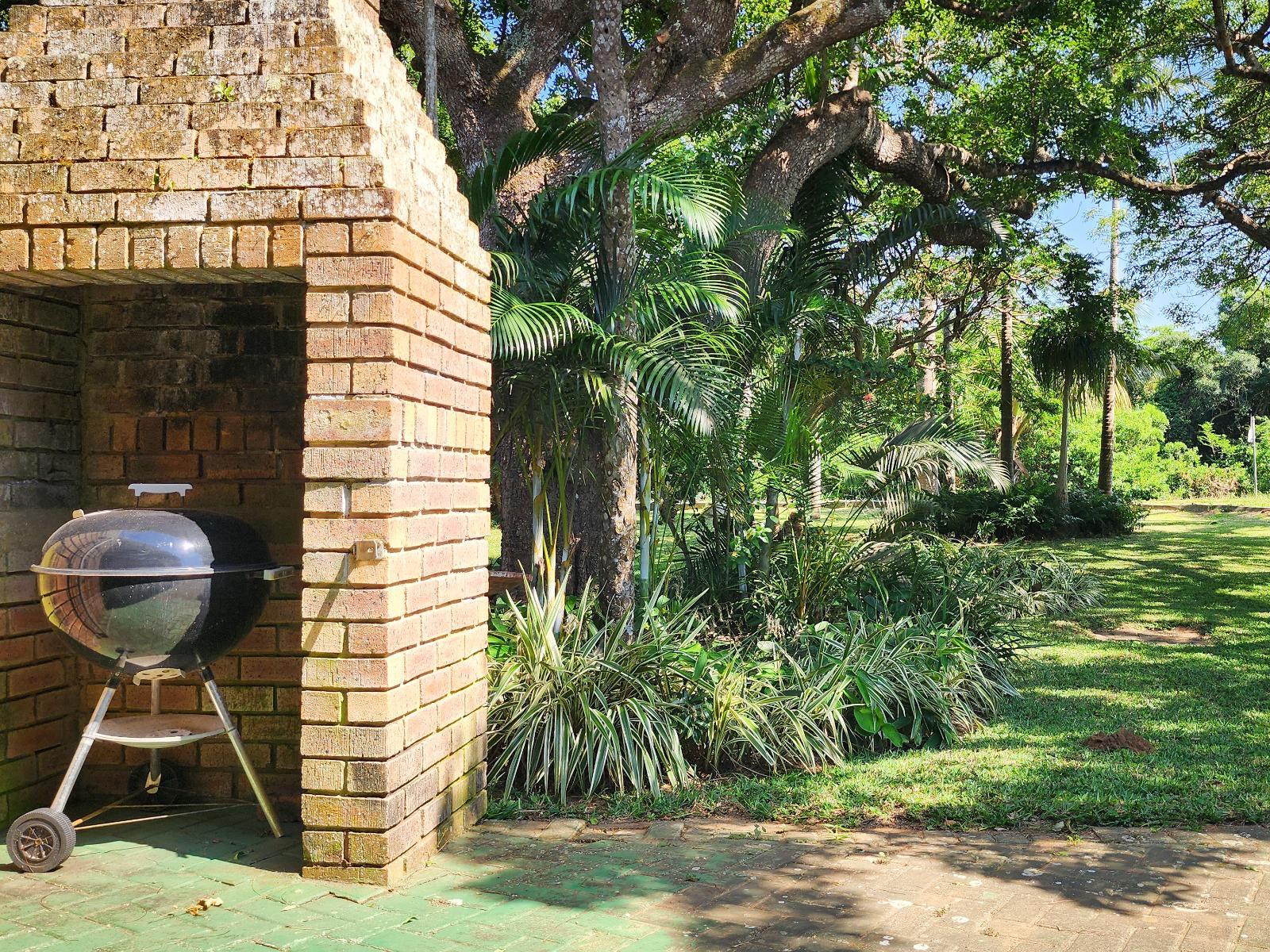
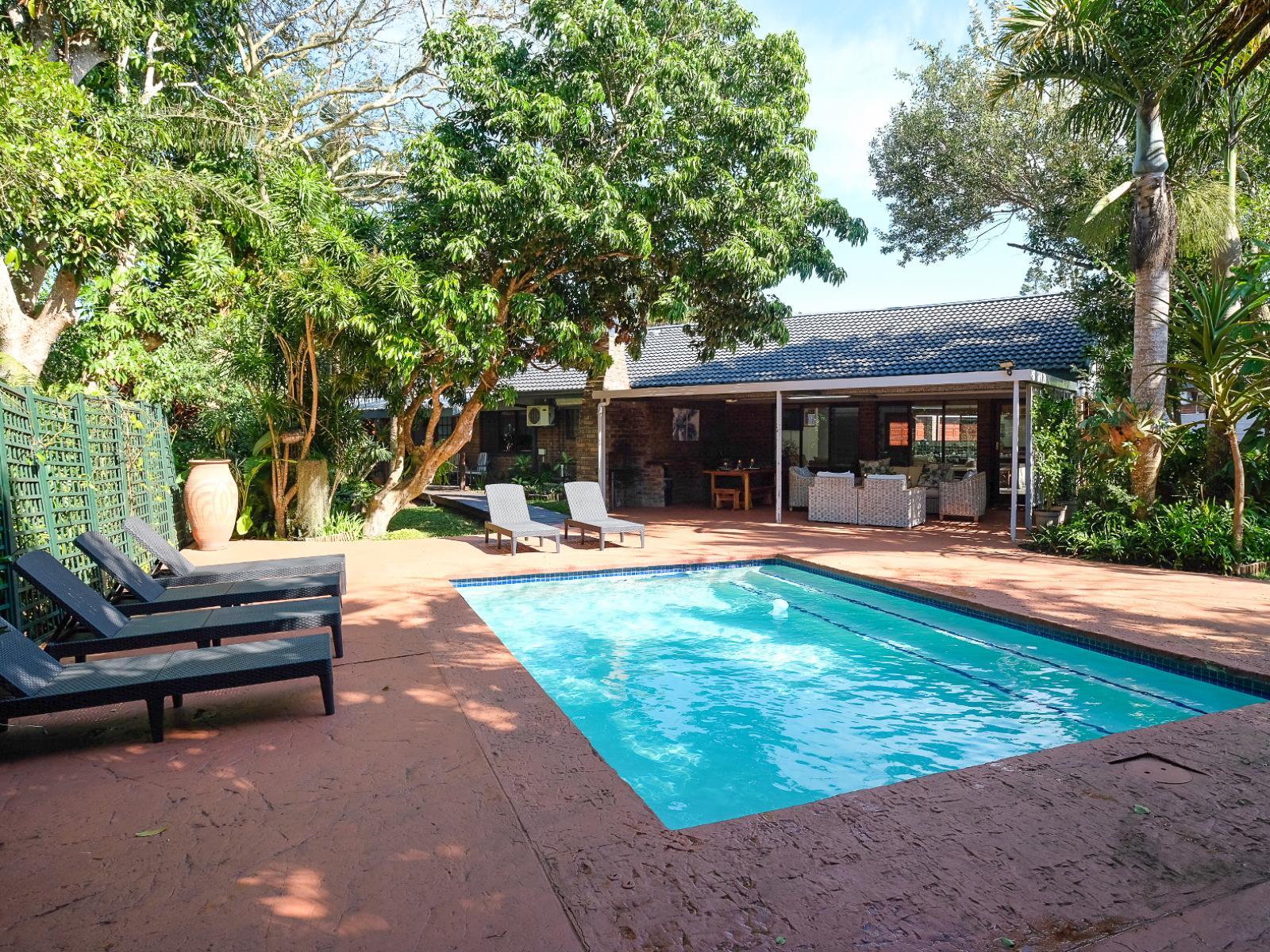
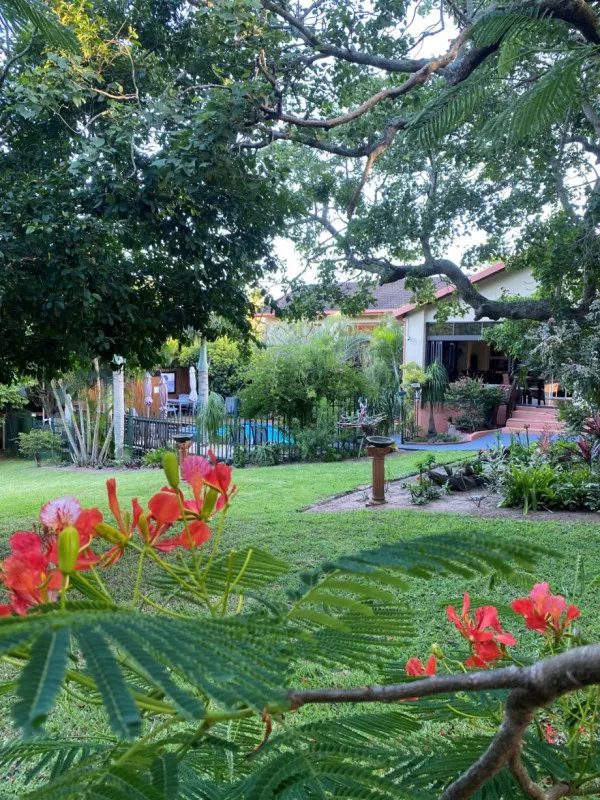
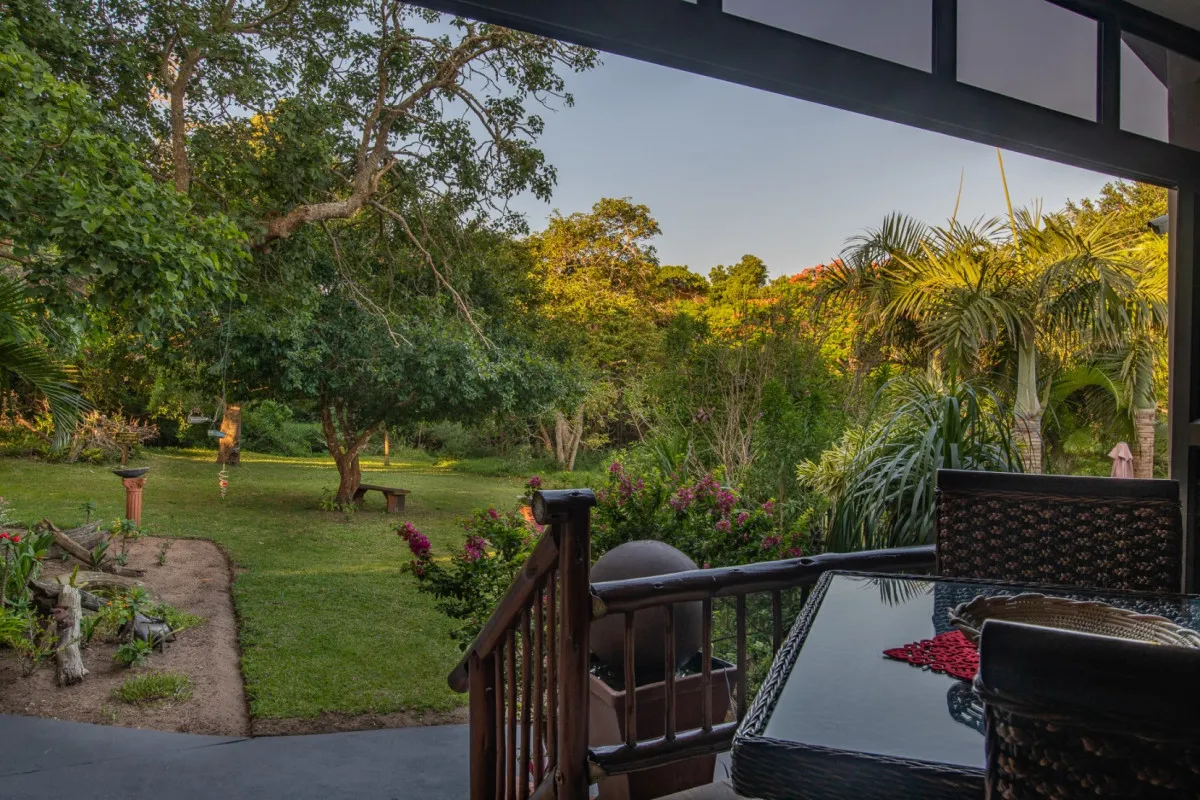
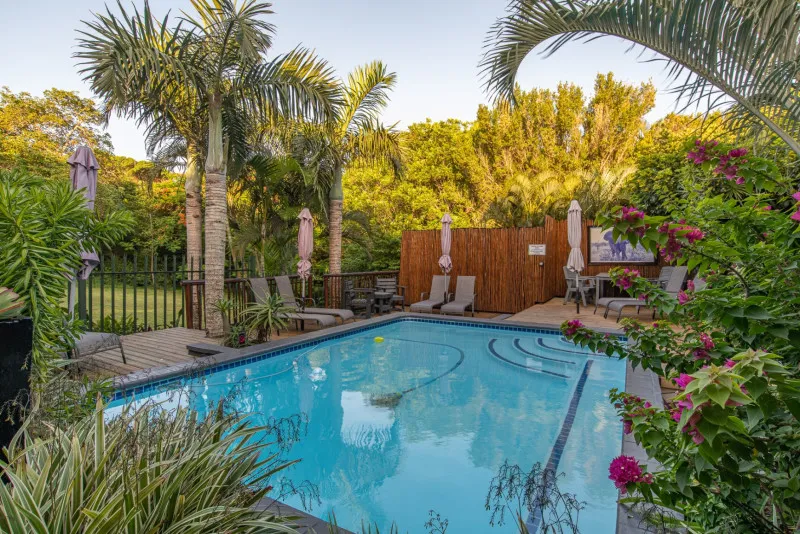
Across all tiers, most accommodation here is owner-run and on a small scale. Expect direct contact with hosts rather than a reception desk. This suits the character of a nature destination where the activity outside your door is often the primary reason for the trip. Rather than filtering strictly by property type, it is more useful to read reviews that describe the hosts, the proximity to the water, and what is genuinely included in the rate, as the distinction between a guest house, a bed and breakfast, and a small lodge can blur considerably in a town of this size.
Best Time to Visit St Lucia
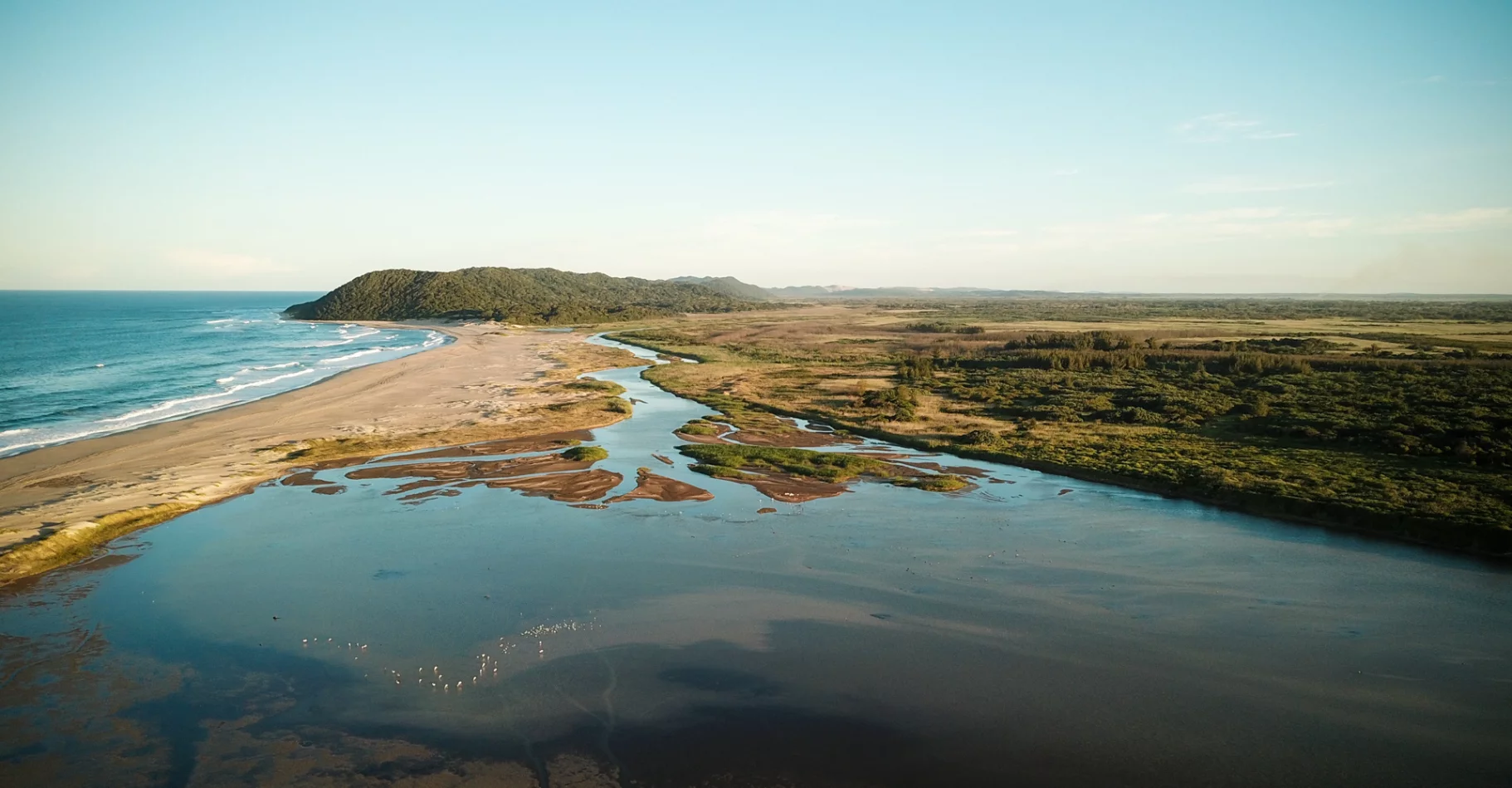
St Lucia has a subtropical climate, which means warmth throughout the year and no genuinely cold season. Timing still shapes the experience considerably, as conditions vary enough between summer and winter to influence what is accessible and what is worth looking for.
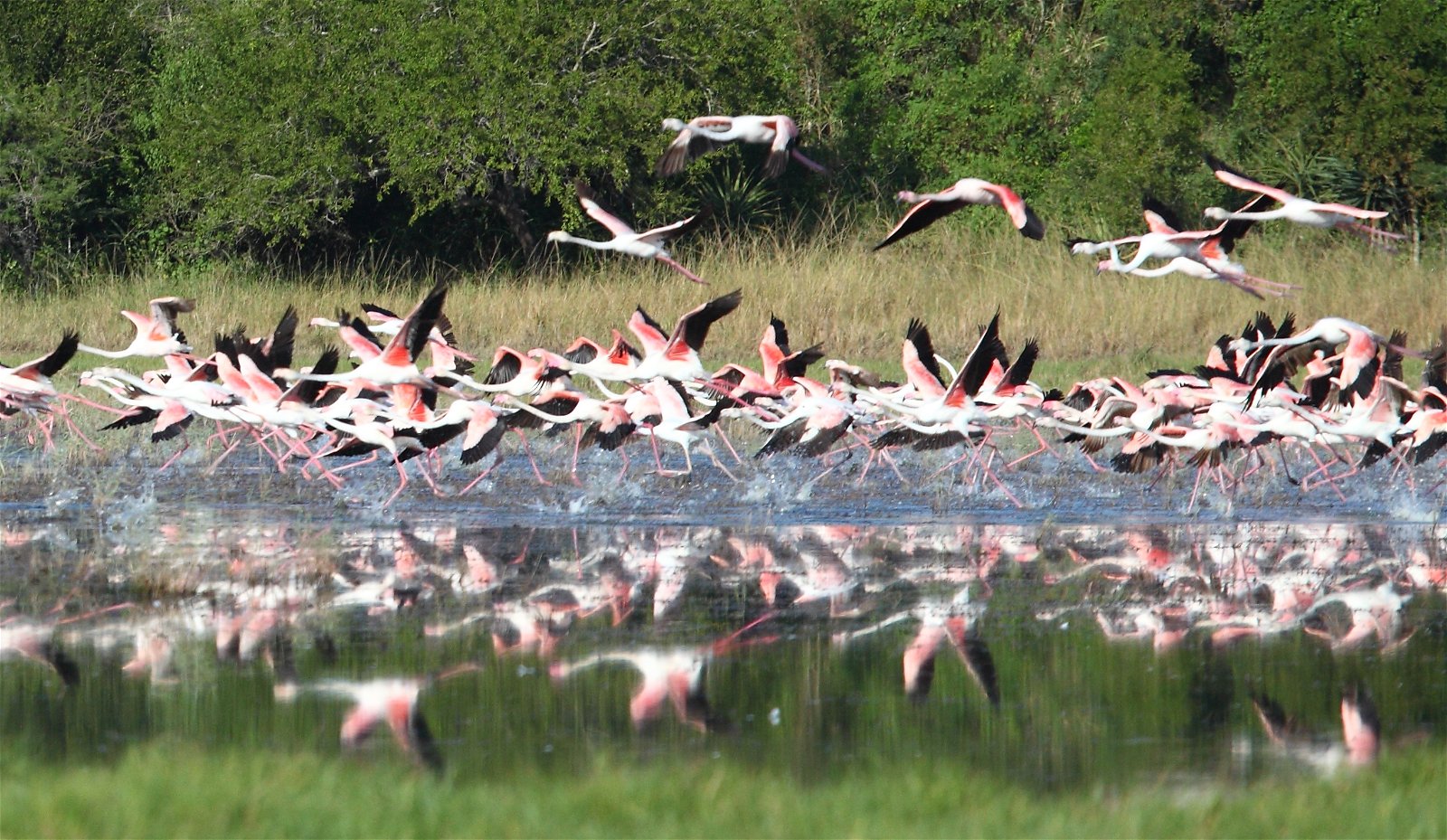
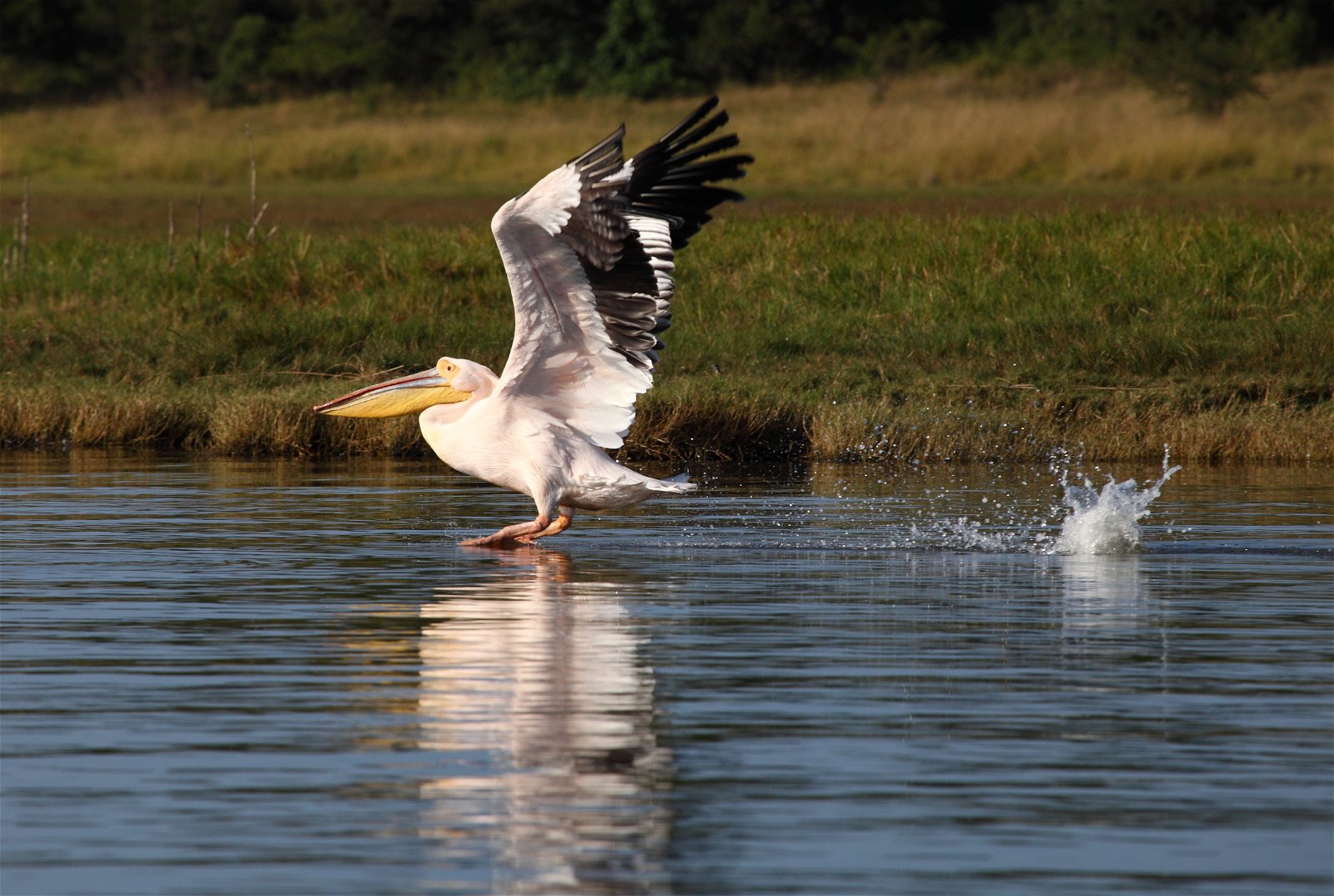
The dry winter months, May through August, draw many visitors who prefer mild temperatures and lower humidity. Trails hold up well without heavy rain and park roads stay accessible. This period coincides with humpback whale migration along the coast, with reliable sightings between June and November. Birdwatching is particularly productive in winter, as thinner vegetation makes it easier to spot species around the lake edges and forest margins.
Summer, from November to March, brings heat, higher rainfall, and humidity. After sustained rain the estuary can rise significantly, occasionally limiting access to boat launch sites. Mosquitoes are more active and malaria risk in the Zululand region is elevated, making prophylaxis a practical requirement for summer visits rather than just a precaution. The upside is greener, more dramatic bush and the peak of green sea turtle nesting season on the beaches, with guided night walks available to observe nesting activity. Water clarity for snorkelling off the coast is also generally lower in summer due to river runoff.
April and September offer a middle path: settled conditions, lower visitor numbers, and most activities accessible without the pressure of holiday peaks.
Getting to St Lucia
The main air gateway for this part of KwaZulu-Natal is Richards Bay Airport, roughly 56 kilometres from St Lucia. It handles domestic flights from Johannesburg and Durban, with the drive to St Lucia taking around 45 to 50 minutes along the N2 and R618. Car hire is available at the airport, and having your own vehicle is strongly recommended once you arrive, as local public transport is very limited.
Driving from Durban is the other common option. The distance is roughly 250 kilometres via the N2, taking around two and a half to three hours depending on city traffic. The highway runs north along the coastal corridor before the well-signposted St Lucia turnoff.
From Johannesburg, the drive covers around 600 kilometres and takes six or more hours without stops. Some visitors break the journey with an overnight stay in the Midlands or at a reserve along the way.
Within the town itself, most of the centre is walkable. Restaurants, shops, and the estuary boardwalk are reachable on foot from most properties. For access to the outer areas of iSimangaliso Wetland Park, driving is necessary. Most park roads are manageable in a standard sedan, though a higher-clearance vehicle is more practical after prolonged rain.
St Lucia and Surrounding Areas
St Lucia functions as a practical base for a wider stretch of KwaZulu-Natal, with several distinct destinations within a day trip or short drive.
Mtubatuba, 23 kilometres north, is the nearest town of meaningful size. It serves primarily as a service stop, useful for fuel, larger supermarkets, banking, and general supplies that St Lucia's limited shops cannot reliably provide.
Hluhluwe and Kwambonambi both lie around 40 kilometres away. Hluhluwe is the access point for Hluhluwe-iMfolozi Park, one of Africa's oldest proclaimed reserves and the site most closely associated with the recovery of the white rhino from near-extinction in the twentieth century. Day trips from St Lucia are feasible, but staying overnight inside or near the park gives access to early morning and late afternoon drives when elephant, buffalo, leopard, and lion are most likely to be active. Kwambonambi is a small farming and forestry settlement on the N2 with no specific visitor draw, serving mainly as a waypoint on the road heading north.
Richards Bay, 56 kilometres south, is the region's main commercial and industrial hub, built around one of South Africa's busiest bulk export facilities. The town has a large shopping complex, private medical services, and a broader range of facilities than anywhere closer to St Lucia. The Meerensee lagoon on its edge offers some low-key birdwatching for those passing through.
Empangeni, 66 kilometres from St Lucia, is a commercial centre primarily useful for its retail, private clinics, and services during an extended stay in the region rather than as a destination in its own right.
Mtunzini, 91 kilometres south, stands apart and is worth the drive for a noticeably different character. The village is known for its raffia palm stands, which support a population of palm-nut vultures, a species uncommon elsewhere in South Africa. Umlalazi Nature Reserve, alongside the village, has coastal forest trails and a beach that remains far quieter than the better-known spots to the north.
Planning Your Stay
St Lucia has a limited number of properties and demand rises sharply during school holidays. December and January are the busiest months, and booking two to three months ahead is advisable for those periods. The July school holidays bring a second peak, largely from families travelling from Gauteng and Durban. Outside these windows, availability is generally reasonable, though popular properties fill ahead of long weekends and public holidays.
When comparing options, check whether meals are included, as this makes a real difference to the effective cost over multi-night stays. Confirm how close the property is to the estuary or park entrance if wildlife access is central to your plans. The town is compact, but knowing whether you can walk to the water before you arrive shapes how the stay actually feels day to day.
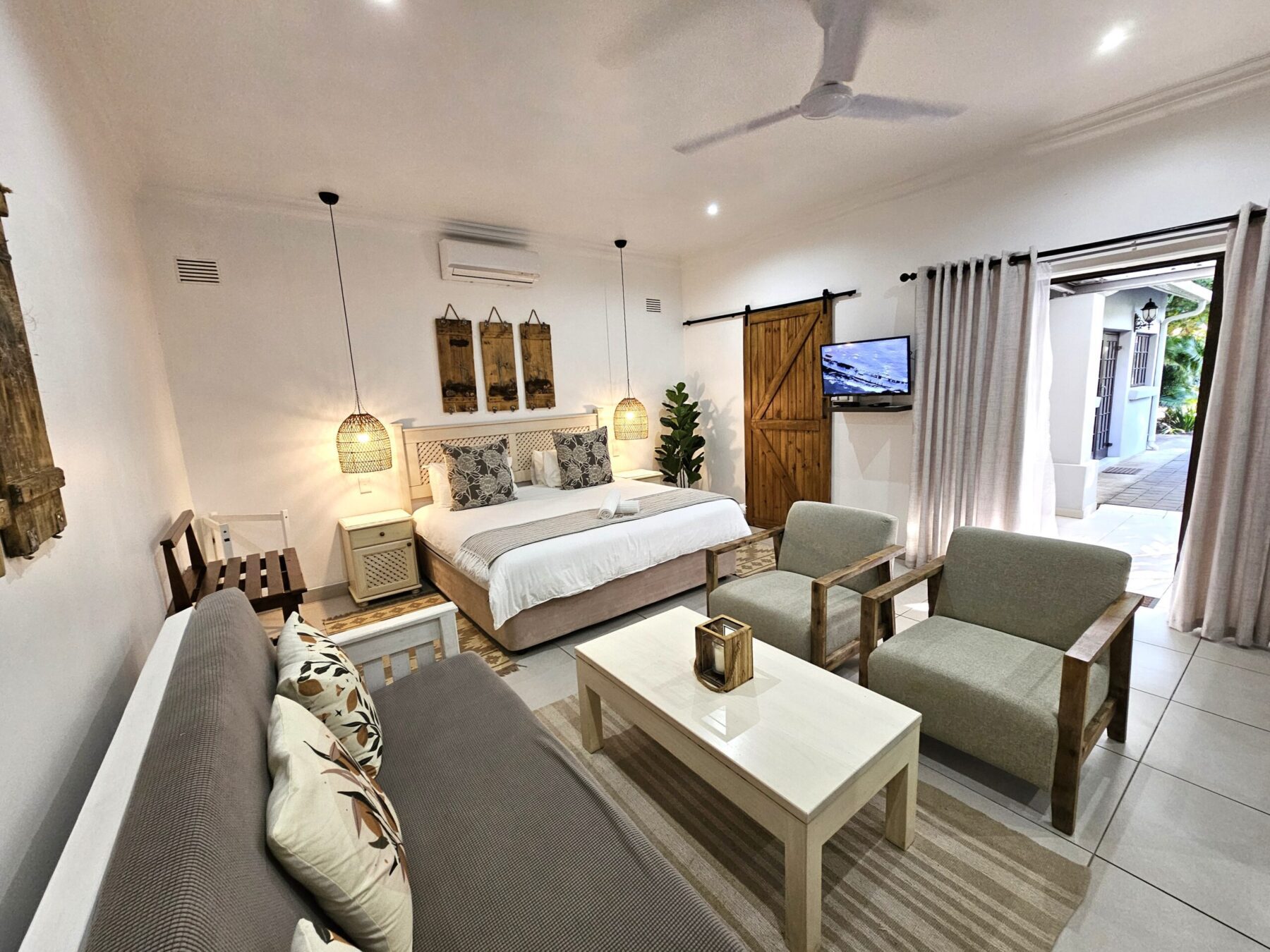
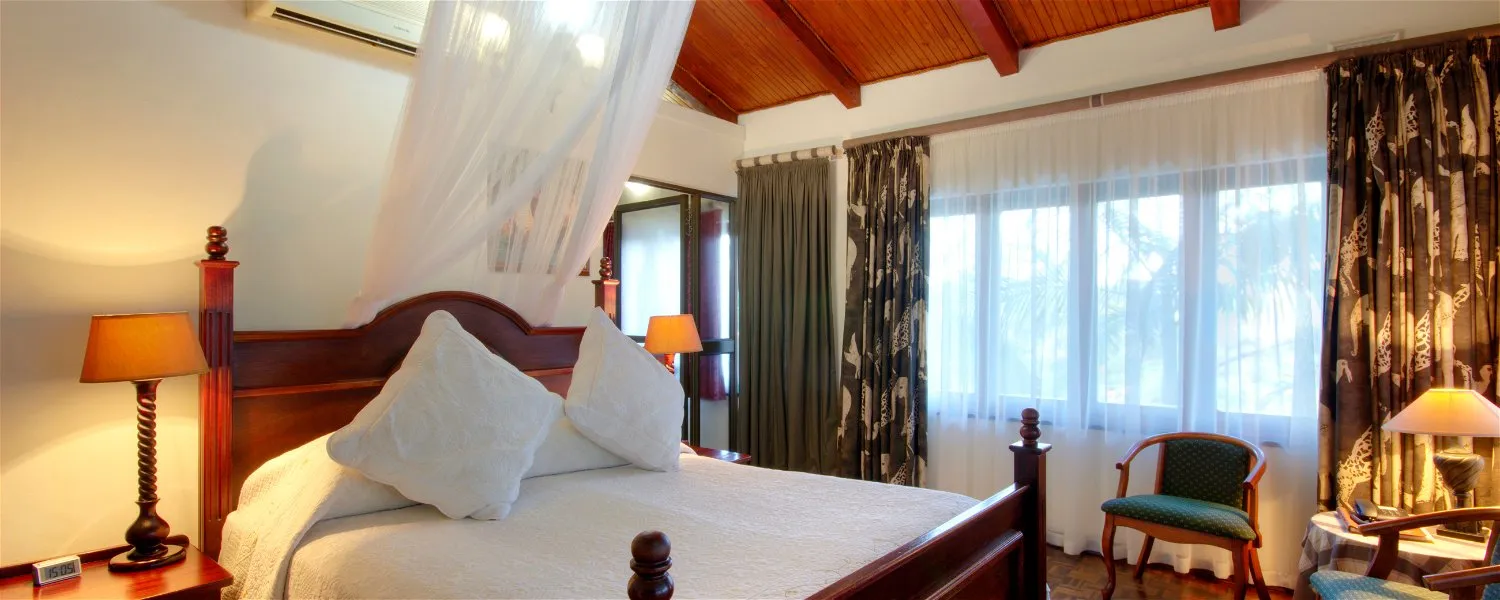
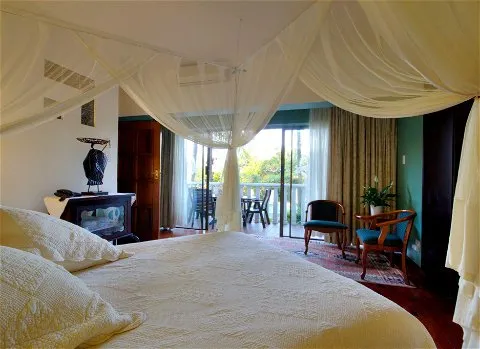
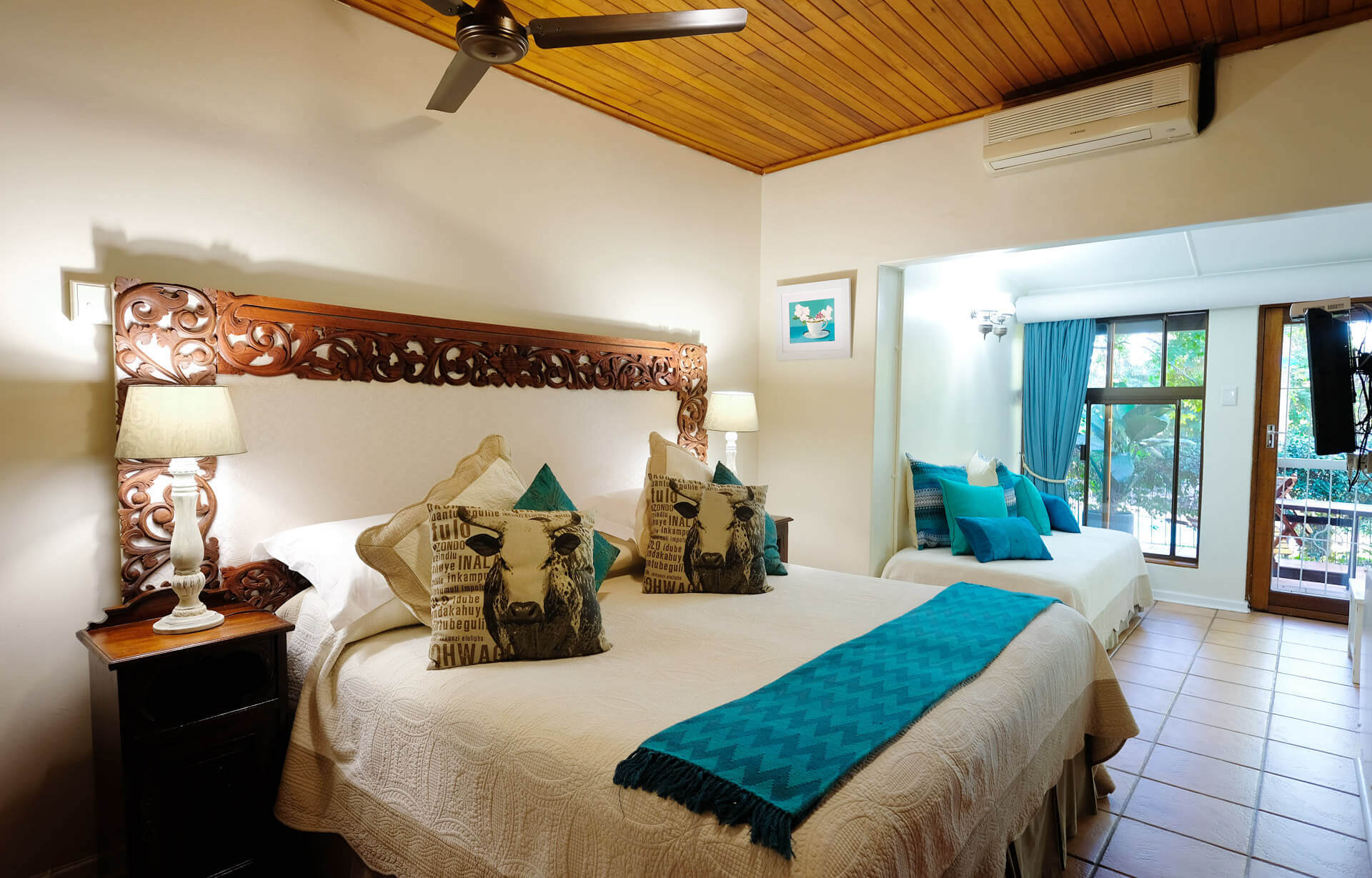
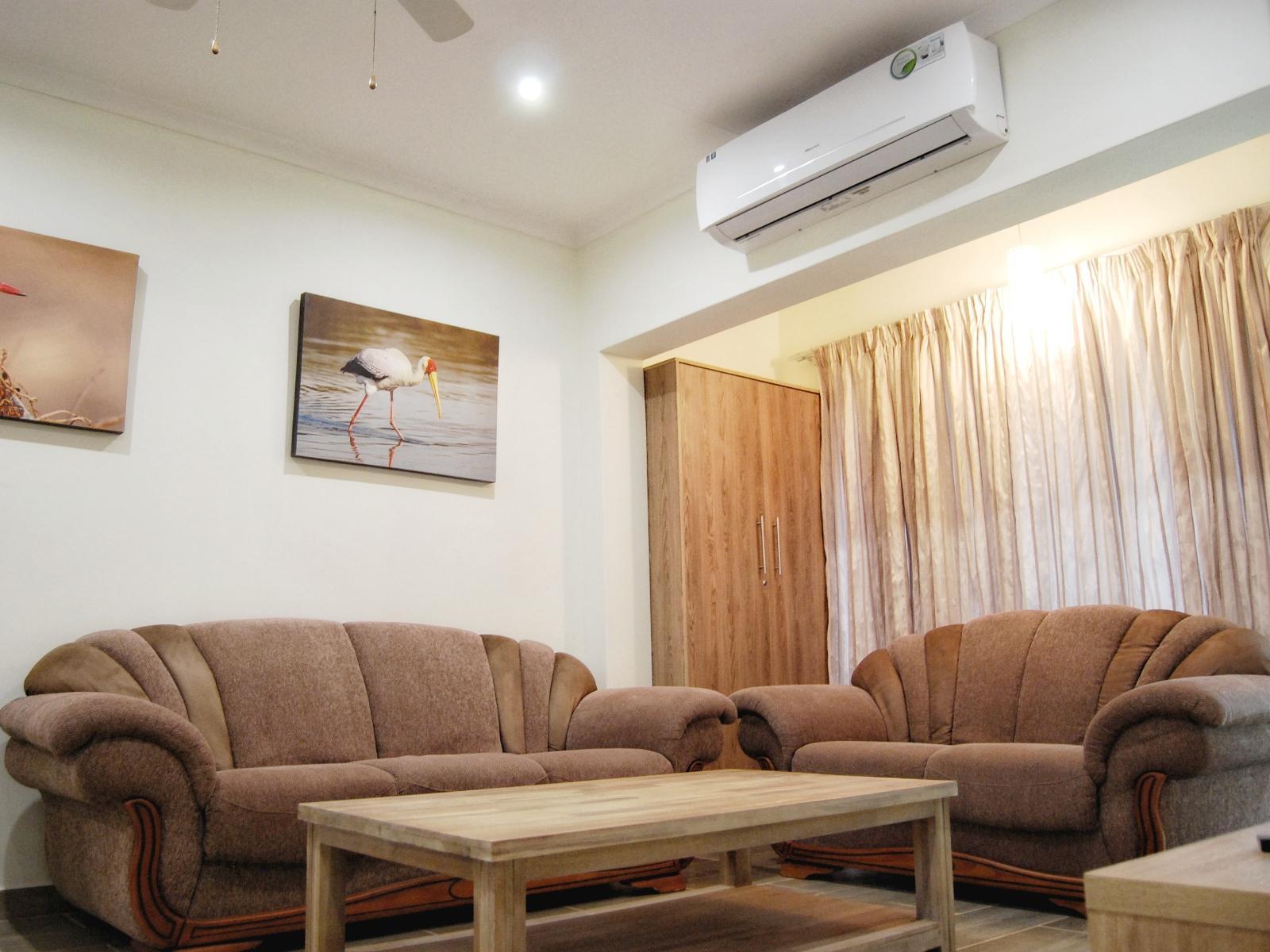
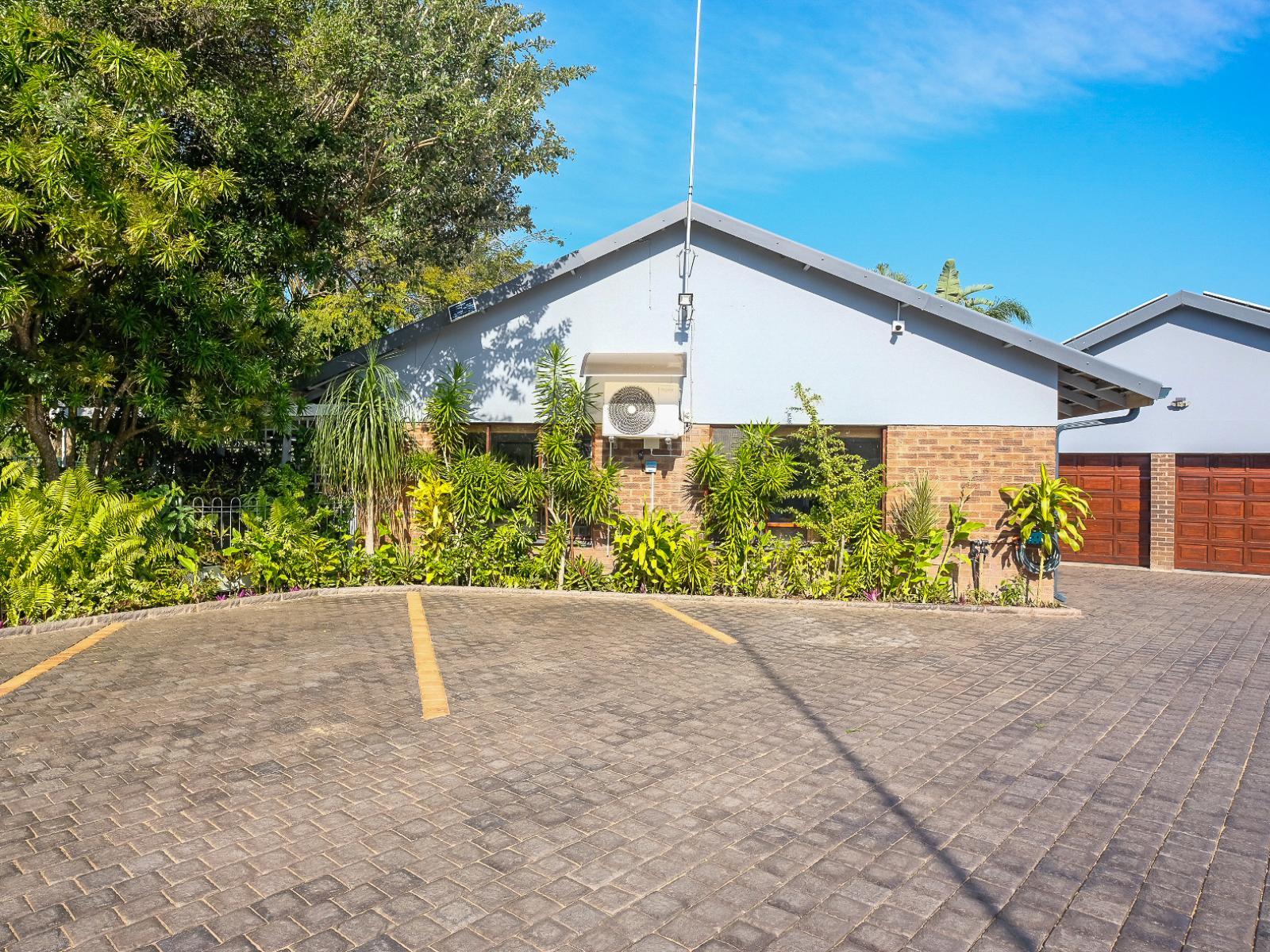
Before confirming a booking, ask about air conditioning or ceiling fans for summer stays, when humidity makes evenings uncomfortable without ventilation. Confirm parking arrangements if you are driving. For properties listing guided activities, clarify which are covered in the nightly rate and which are charged separately.
Malaria is a genuine consideration for this region. Discuss prophylaxis with a pharmacist or travel health clinic before departure, particularly for visits between October and April. Insect repellent and light long-sleeved clothing for evenings are worth packing regardless of when you travel.