Accommodation in Roodeplaat
Roodeplaat has 51 properties listed across a broad range of styles and price points, from R600 to R5,596 per night with an average around R1,445. This spread reflects the area's dual identity as a working smallholding district and an increasingly popular weekend escape for Pretoria residents.
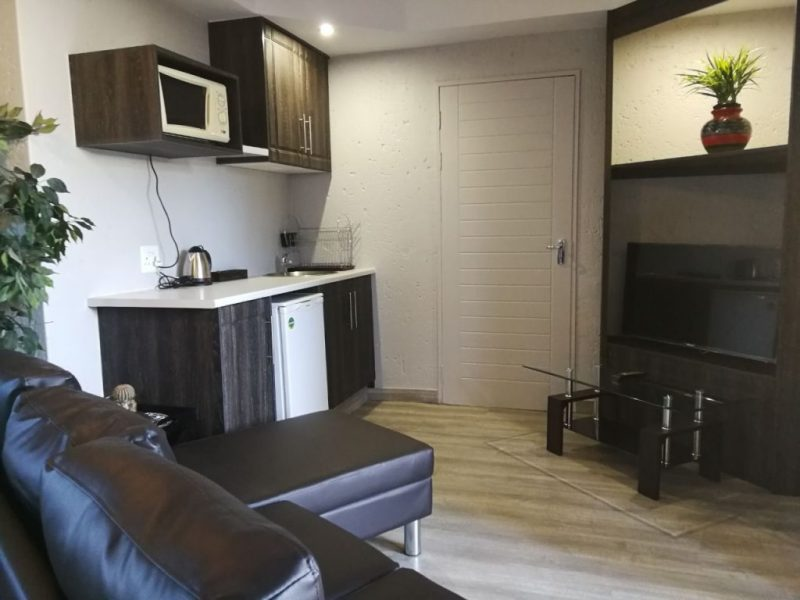
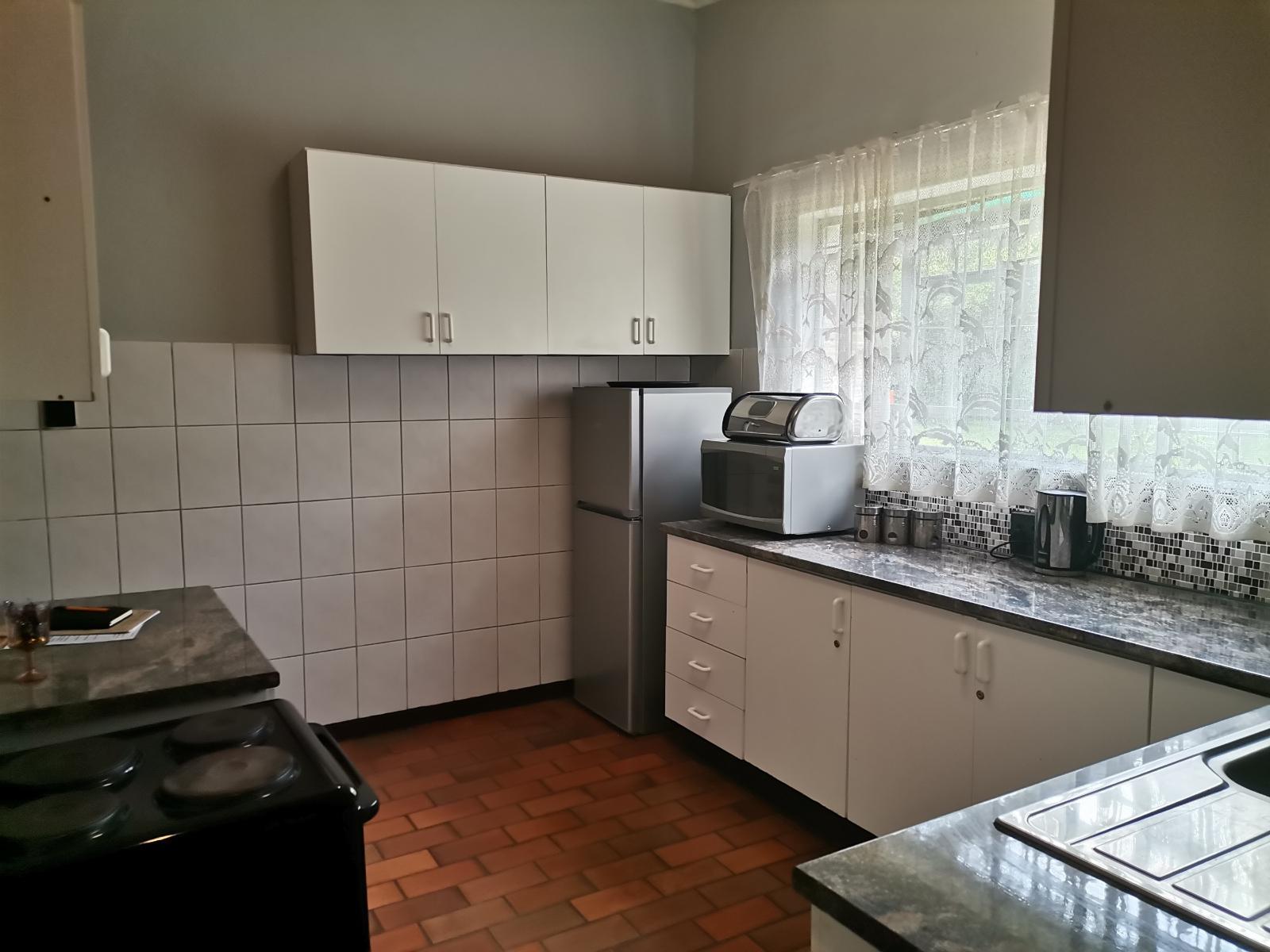
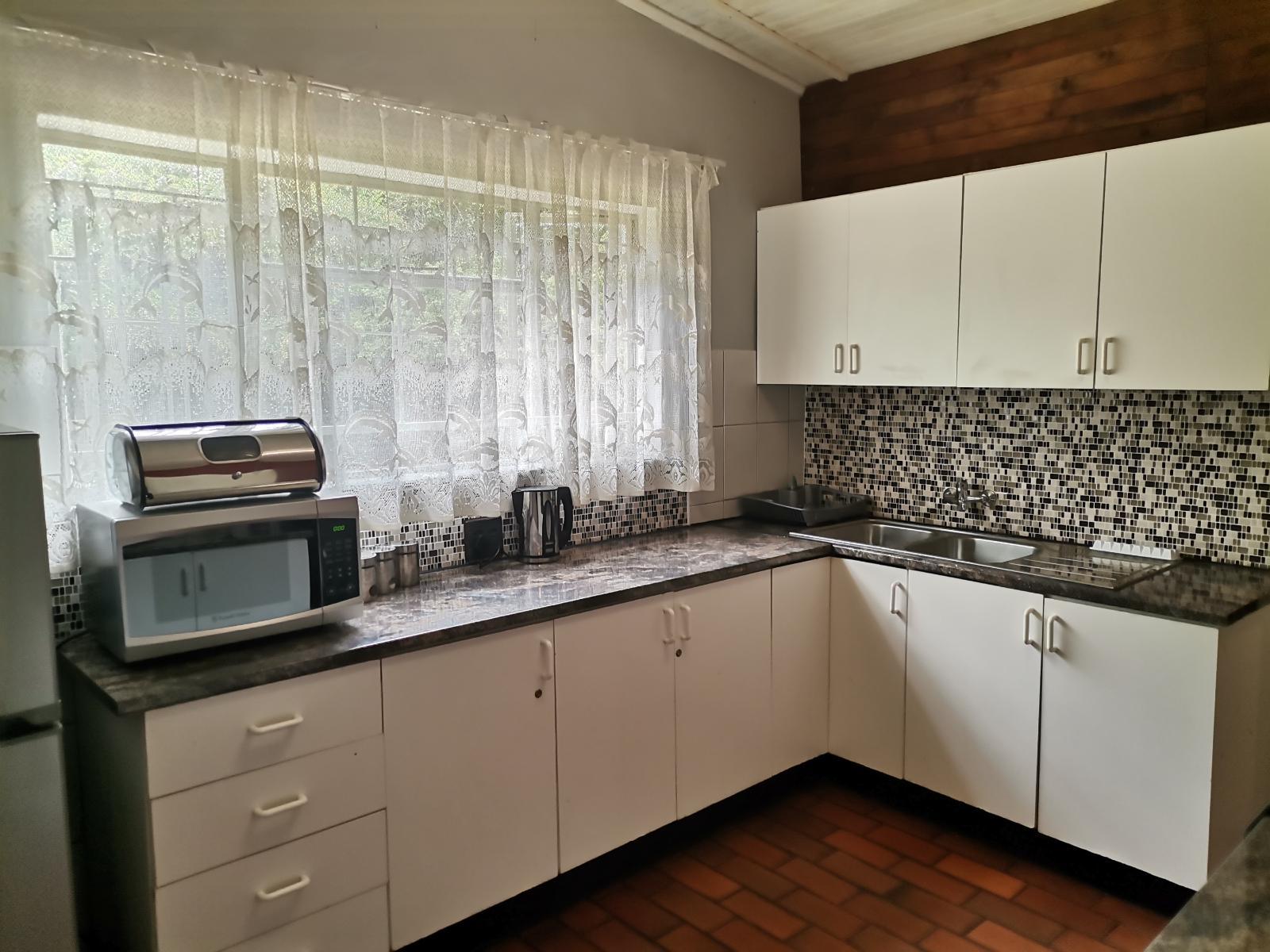
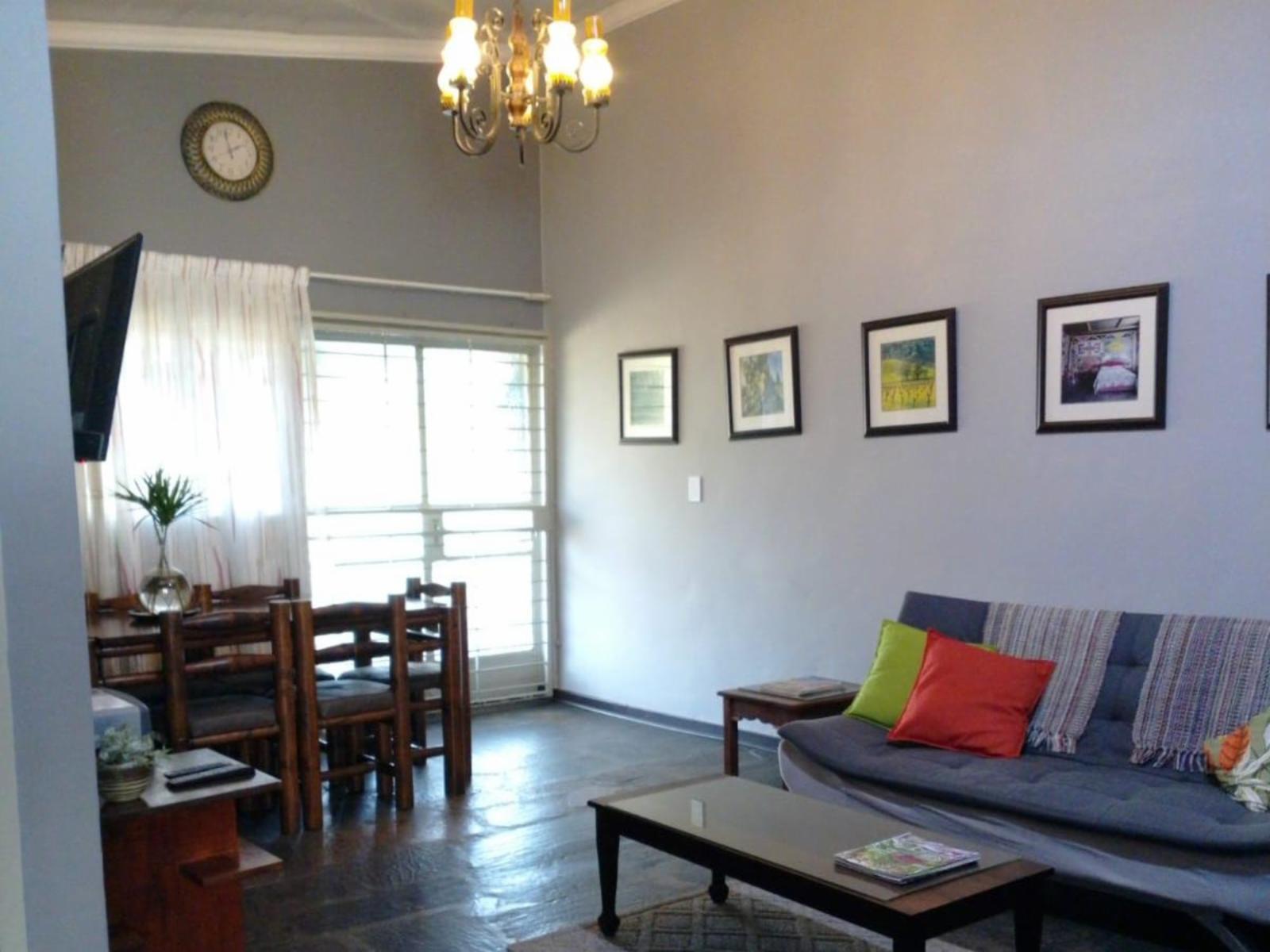
At the budget end, a campsite and a self-catering property offer the most affordable stays, appealing to anglers, birdwatchers, and families who need space rather than services. Apartments fall into a similar bracket and suit longer visits or small groups who prefer independent living.
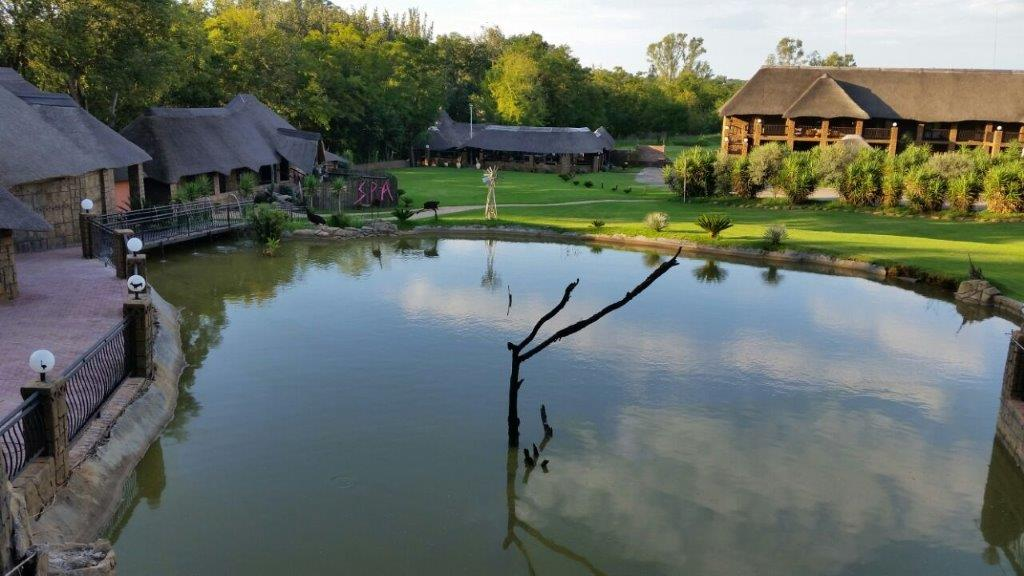
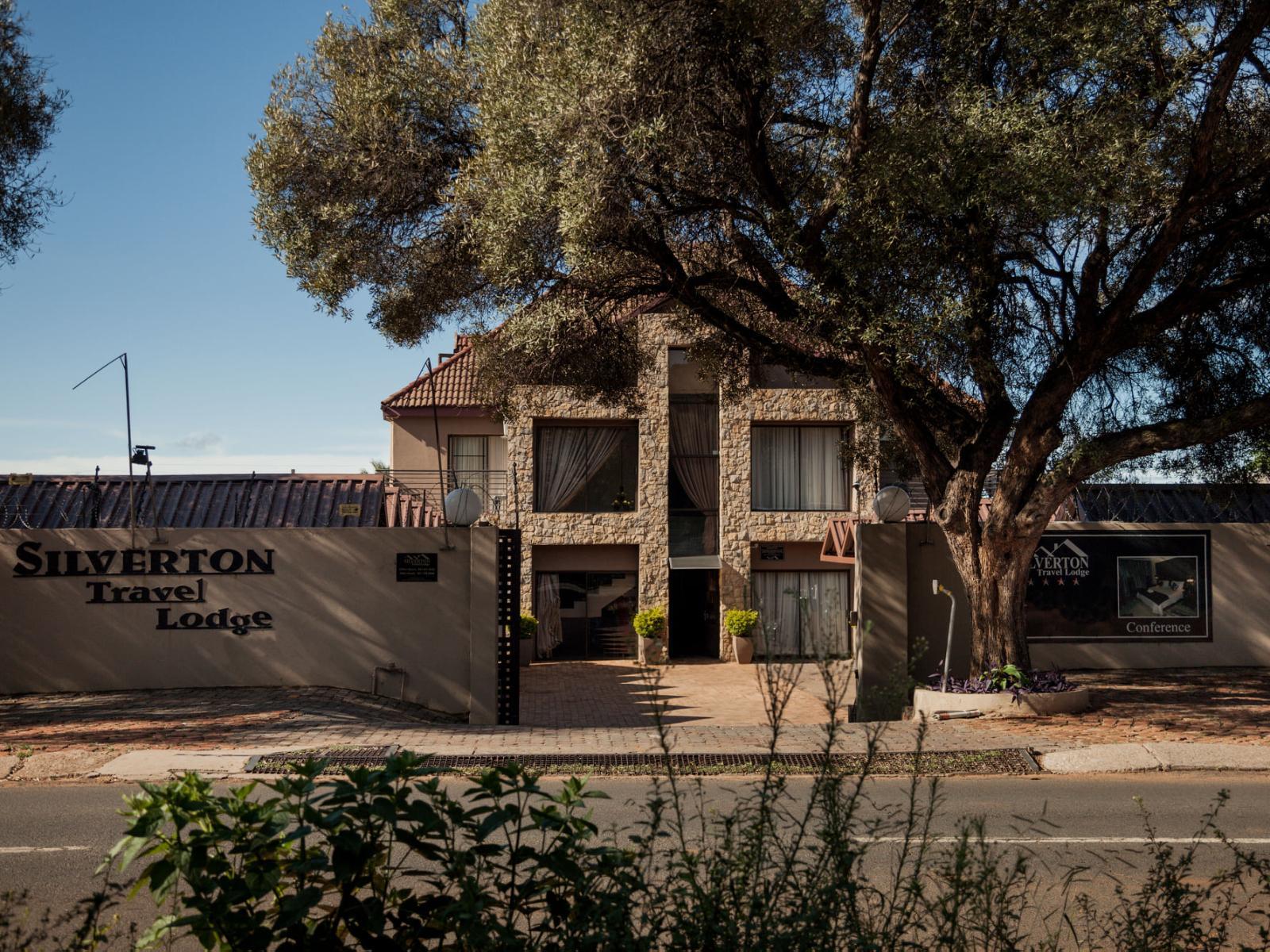
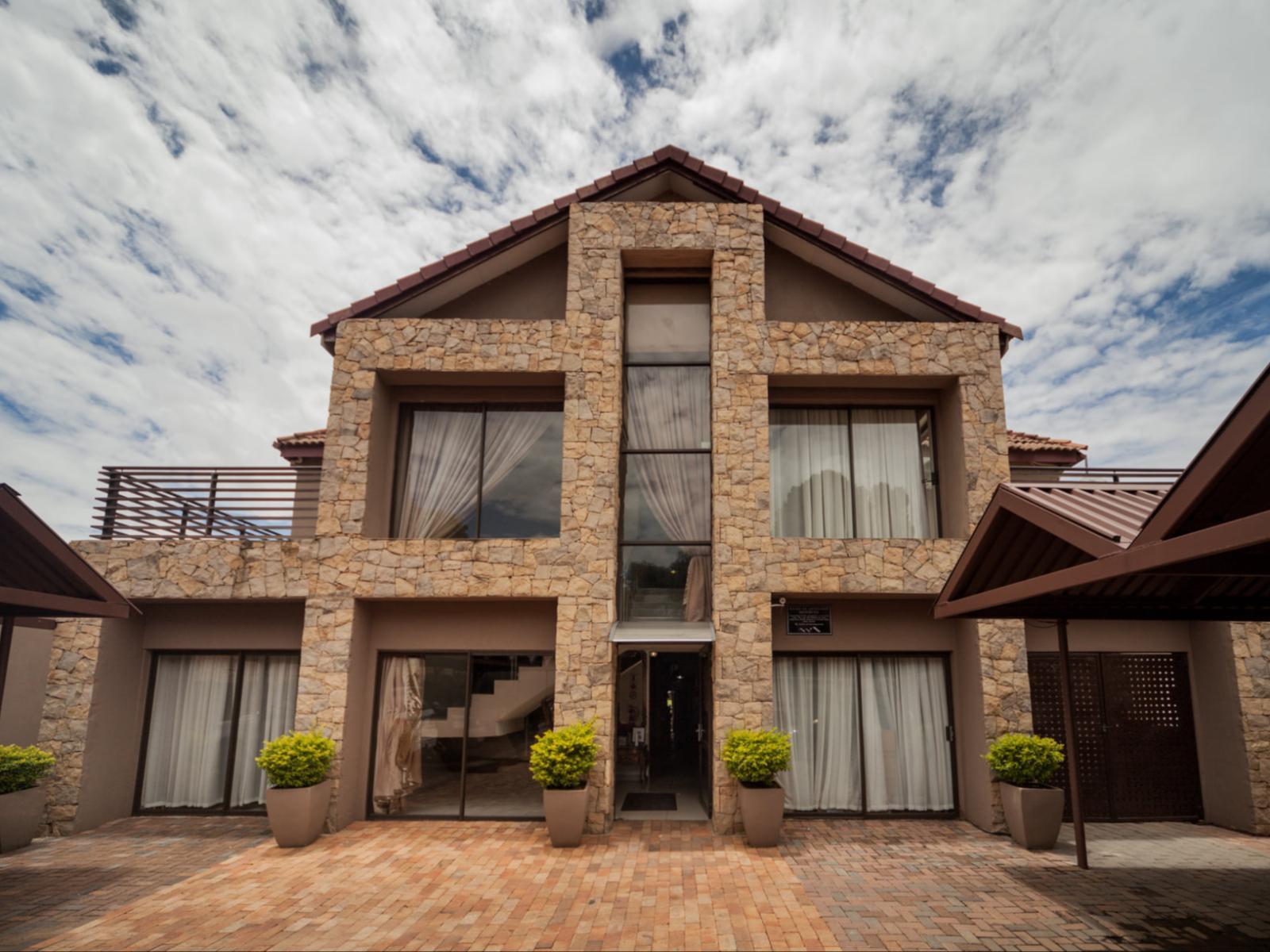
The mid-range category is anchored by lodges, seven of which operate in the area. They typically occupy larger plots with direct views of the dam or surrounding bush and attract guests seeking a bush-feel stay without long travel times from Pretoria. Rates here sit comfortably in the middle of the overall range, offering good value for the setting.
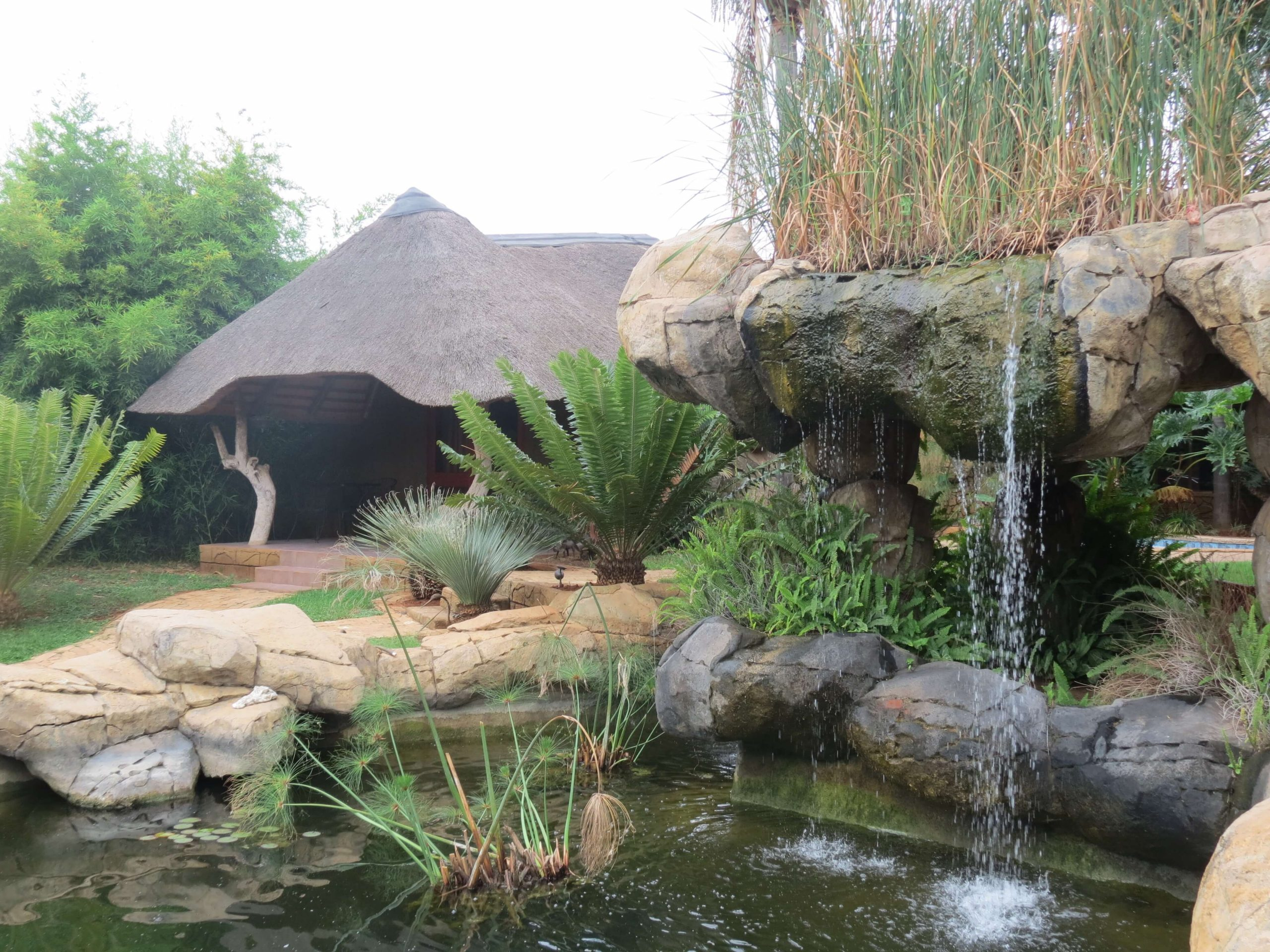
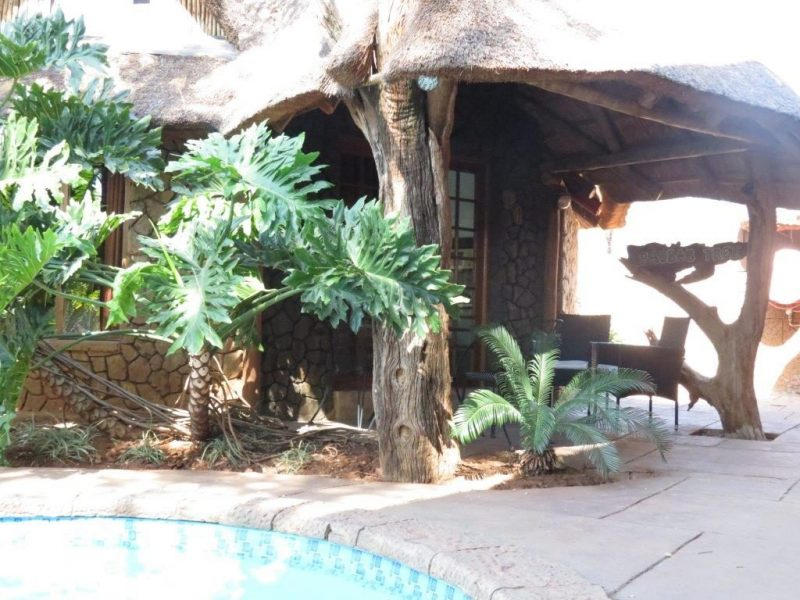
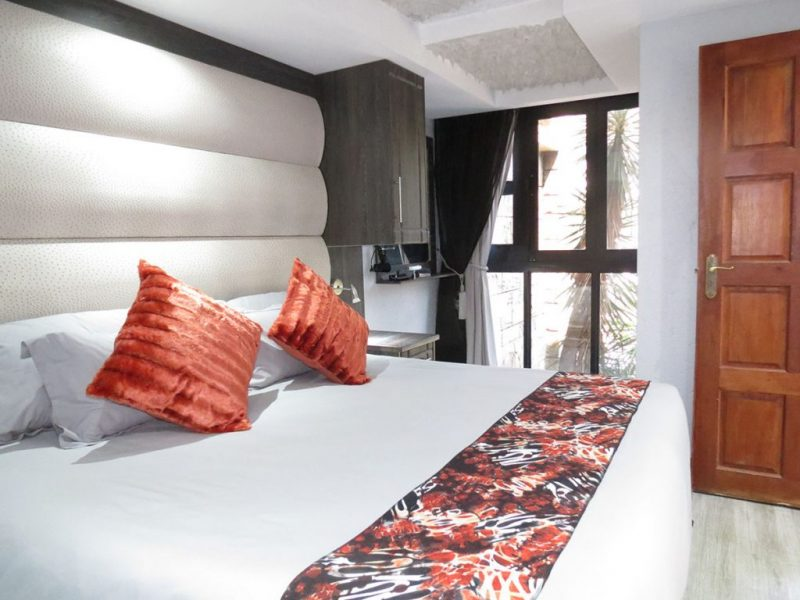
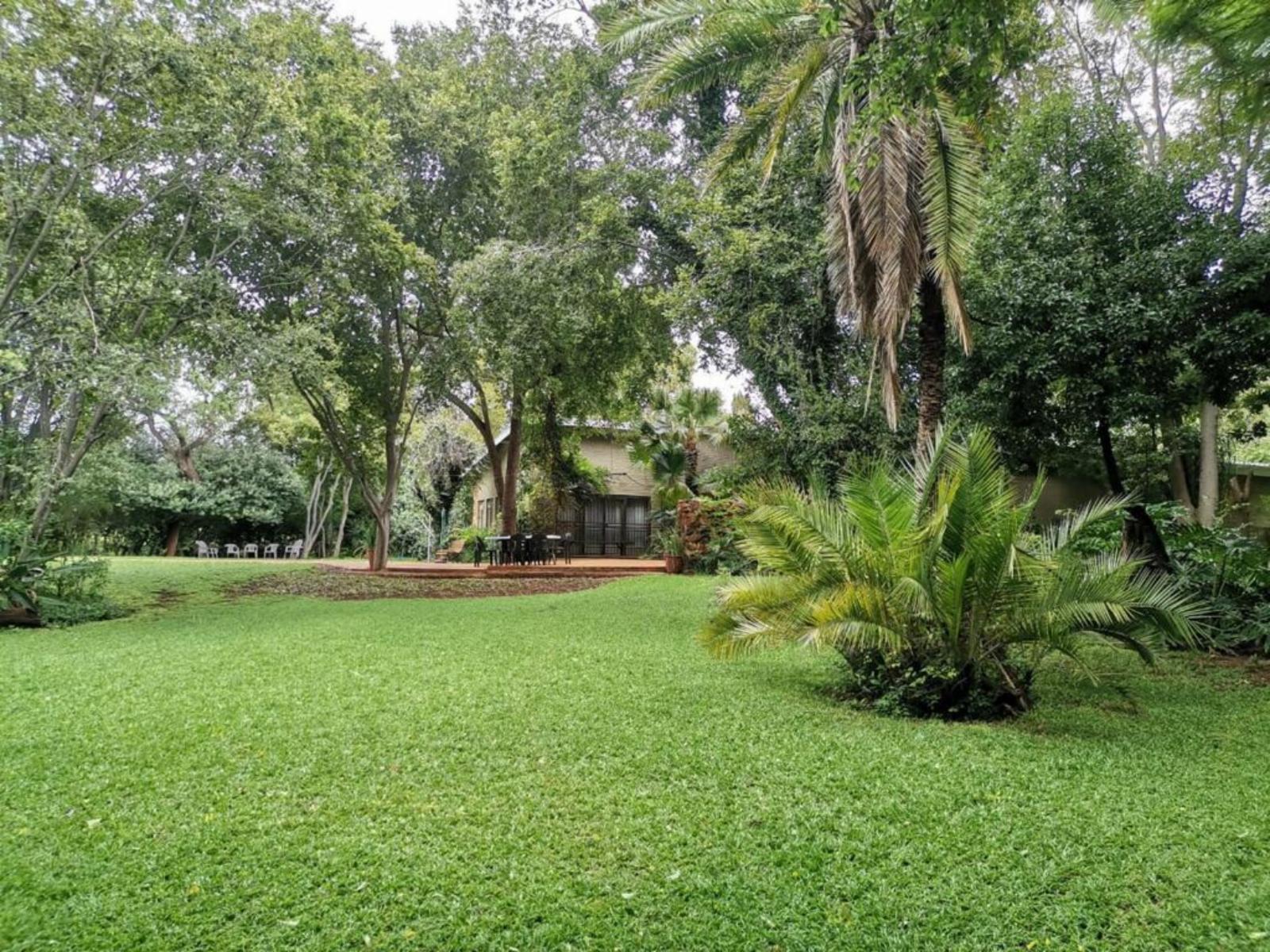
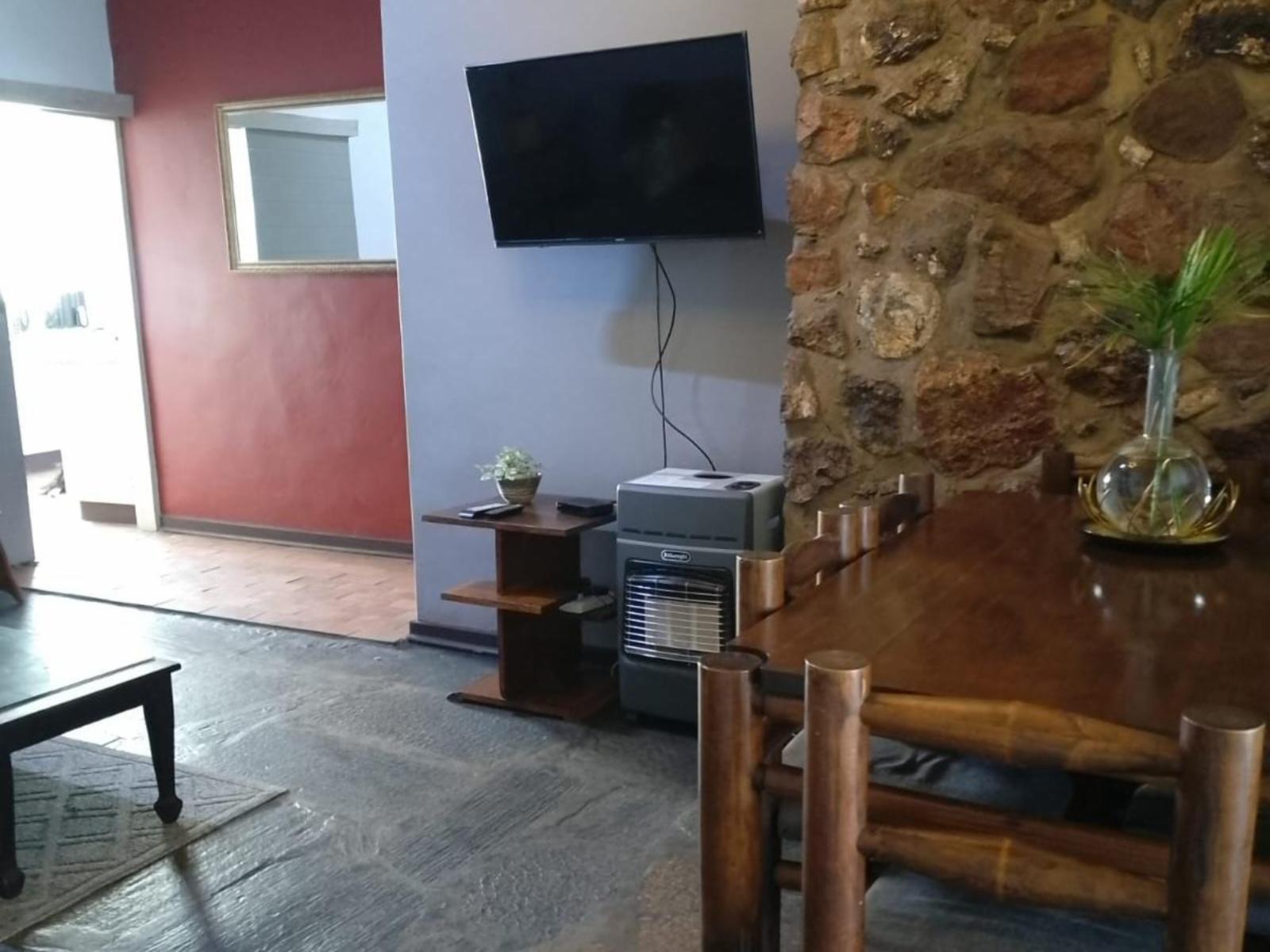
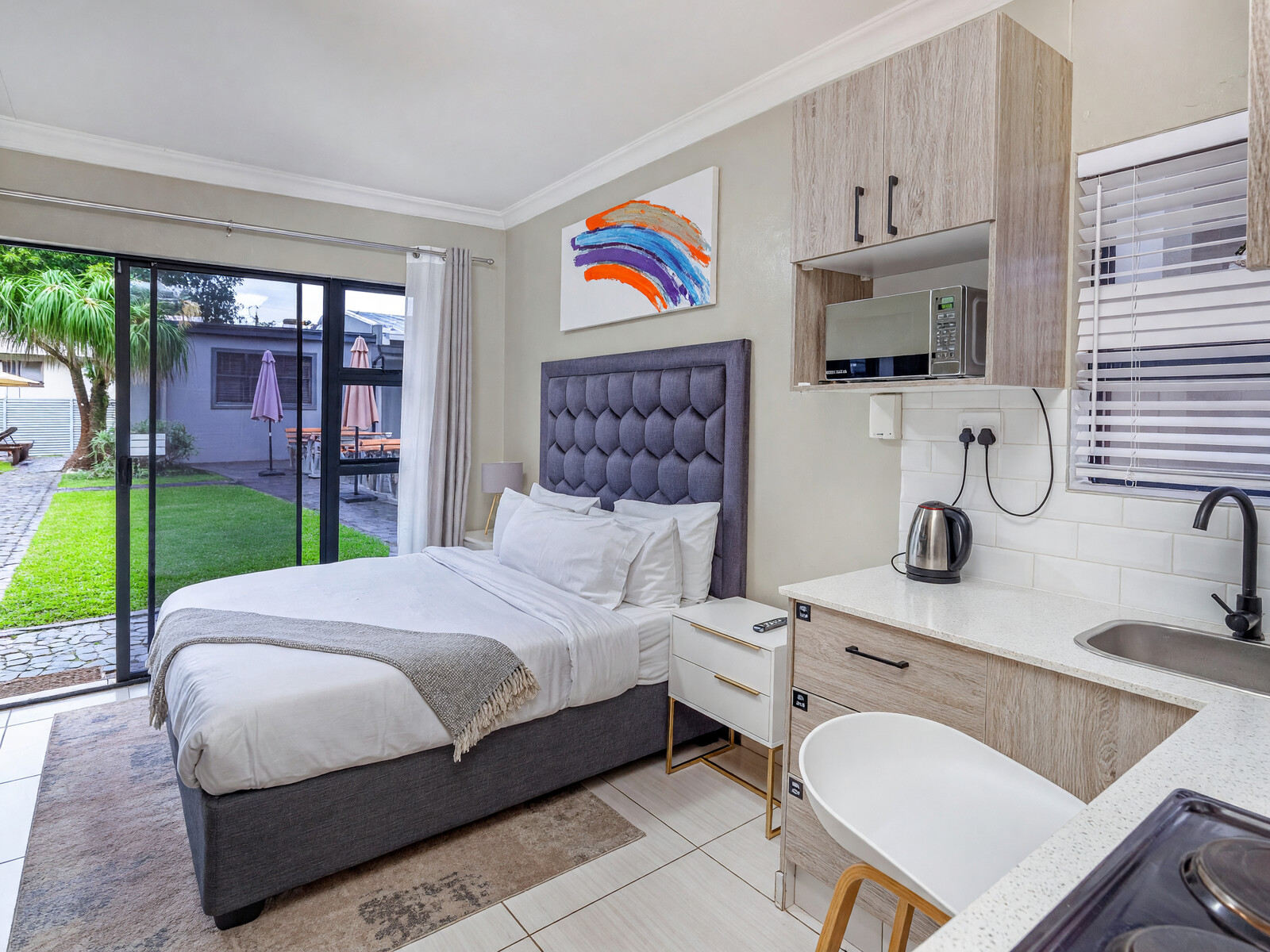
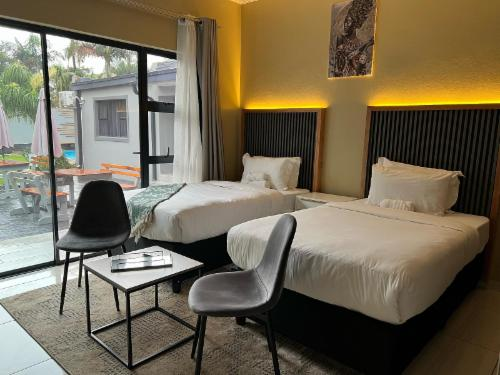
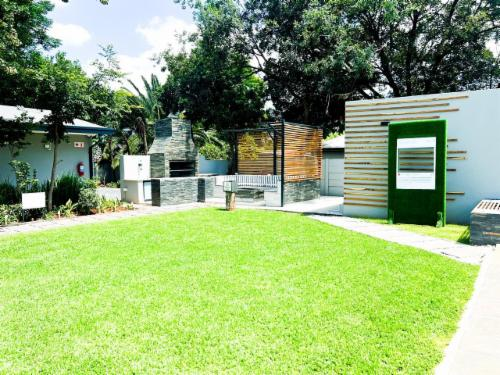
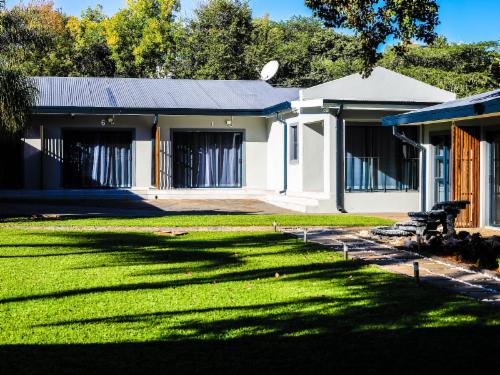
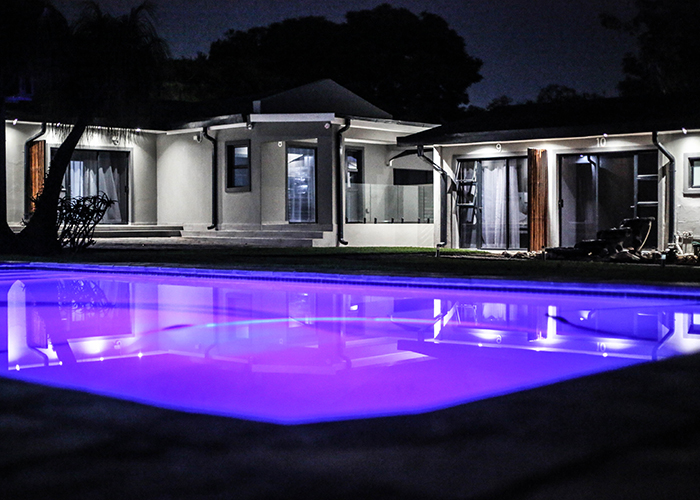
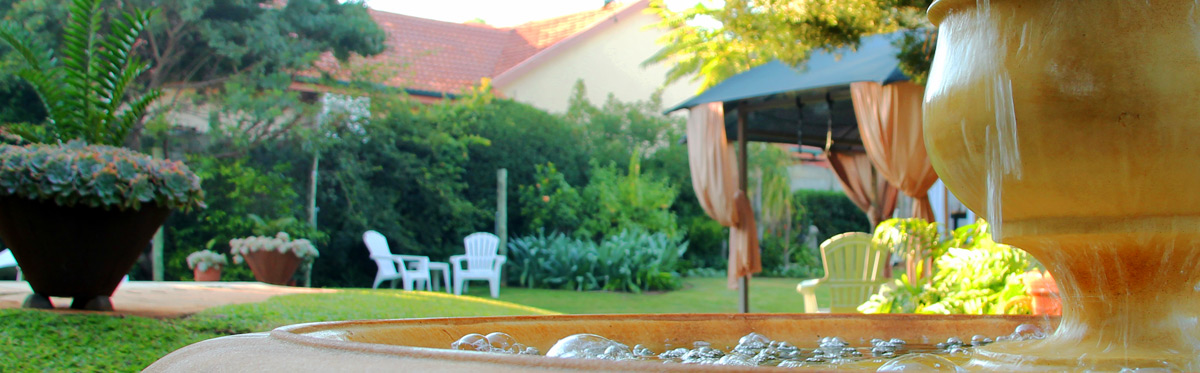
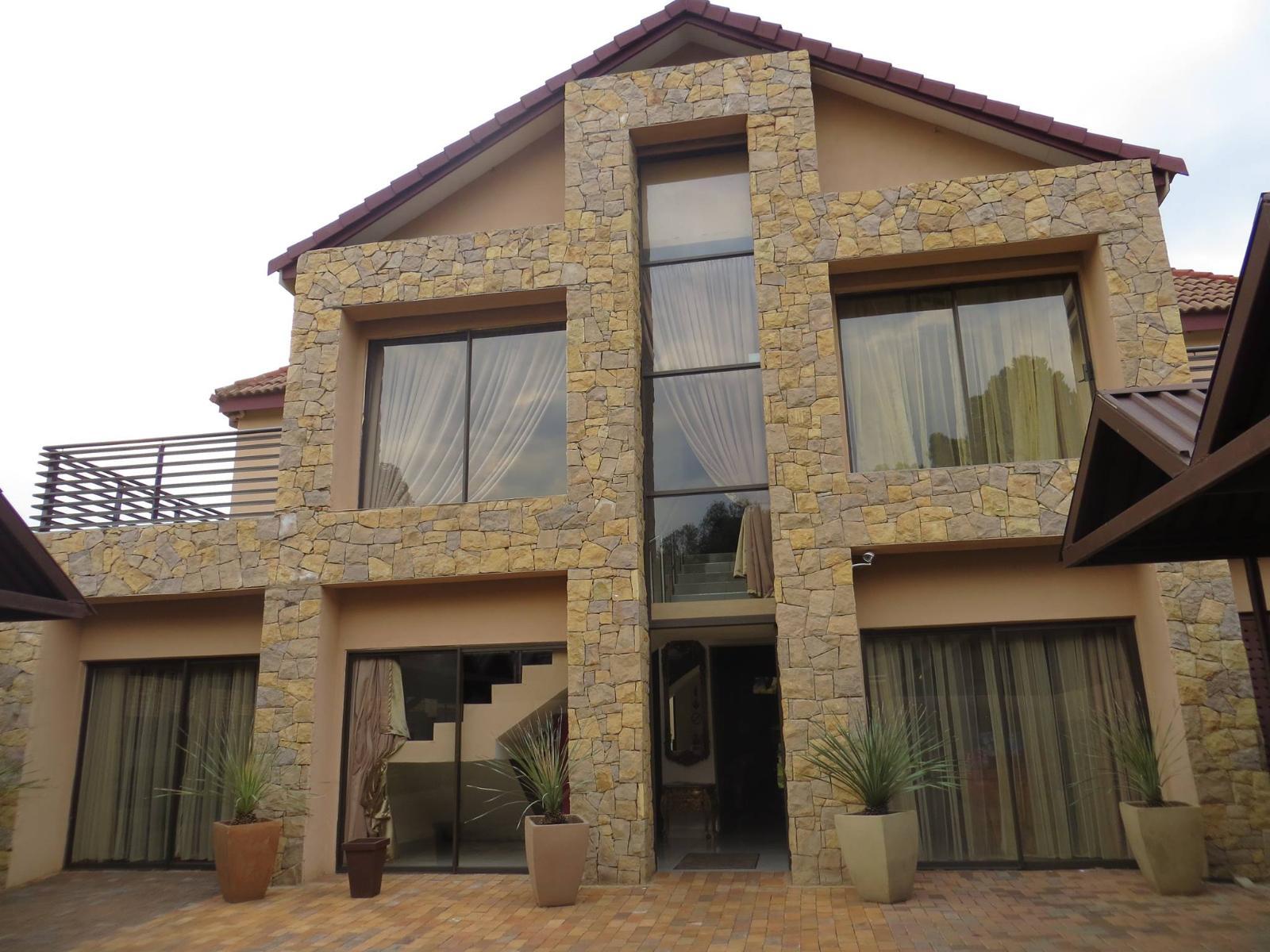
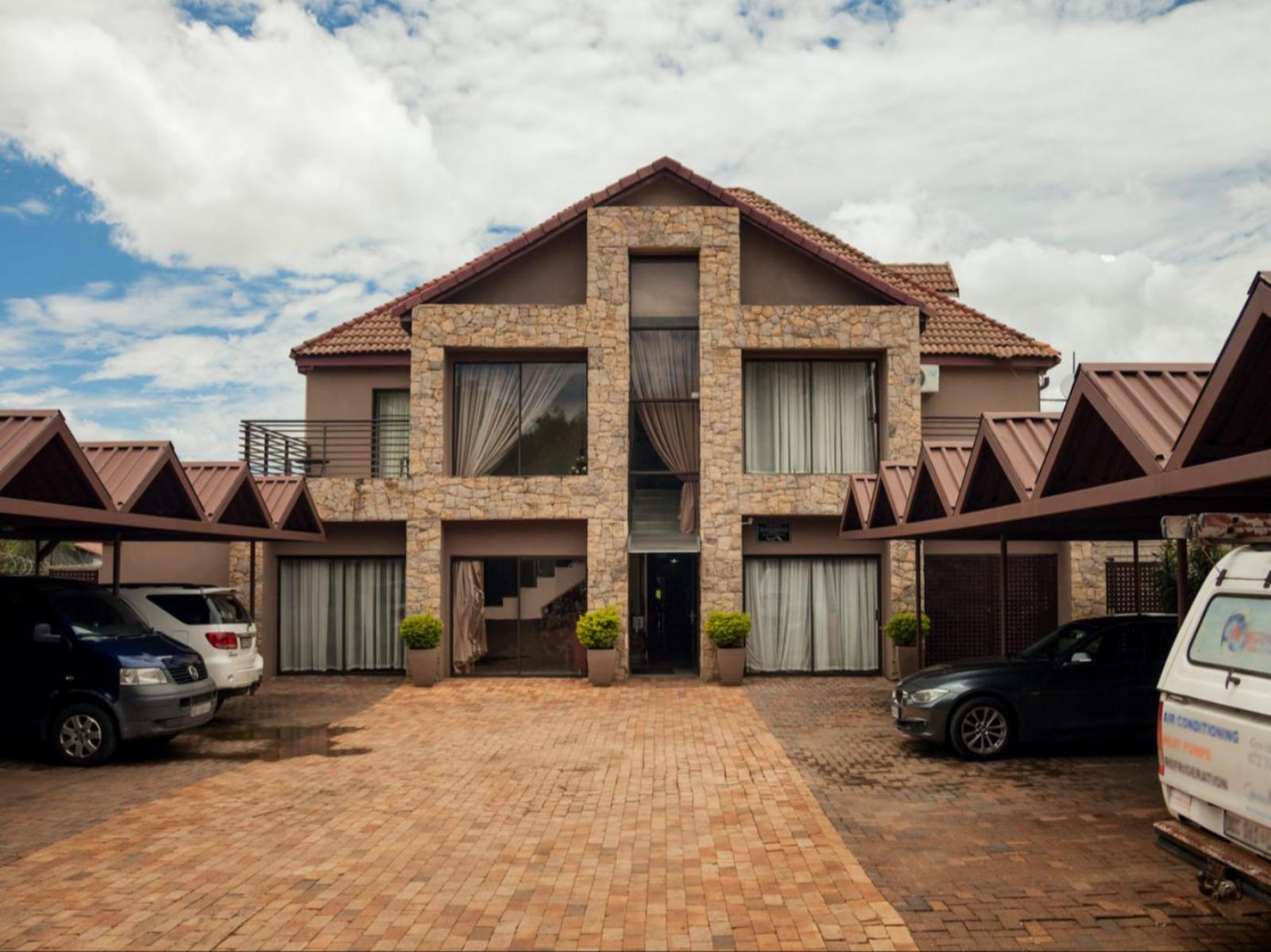
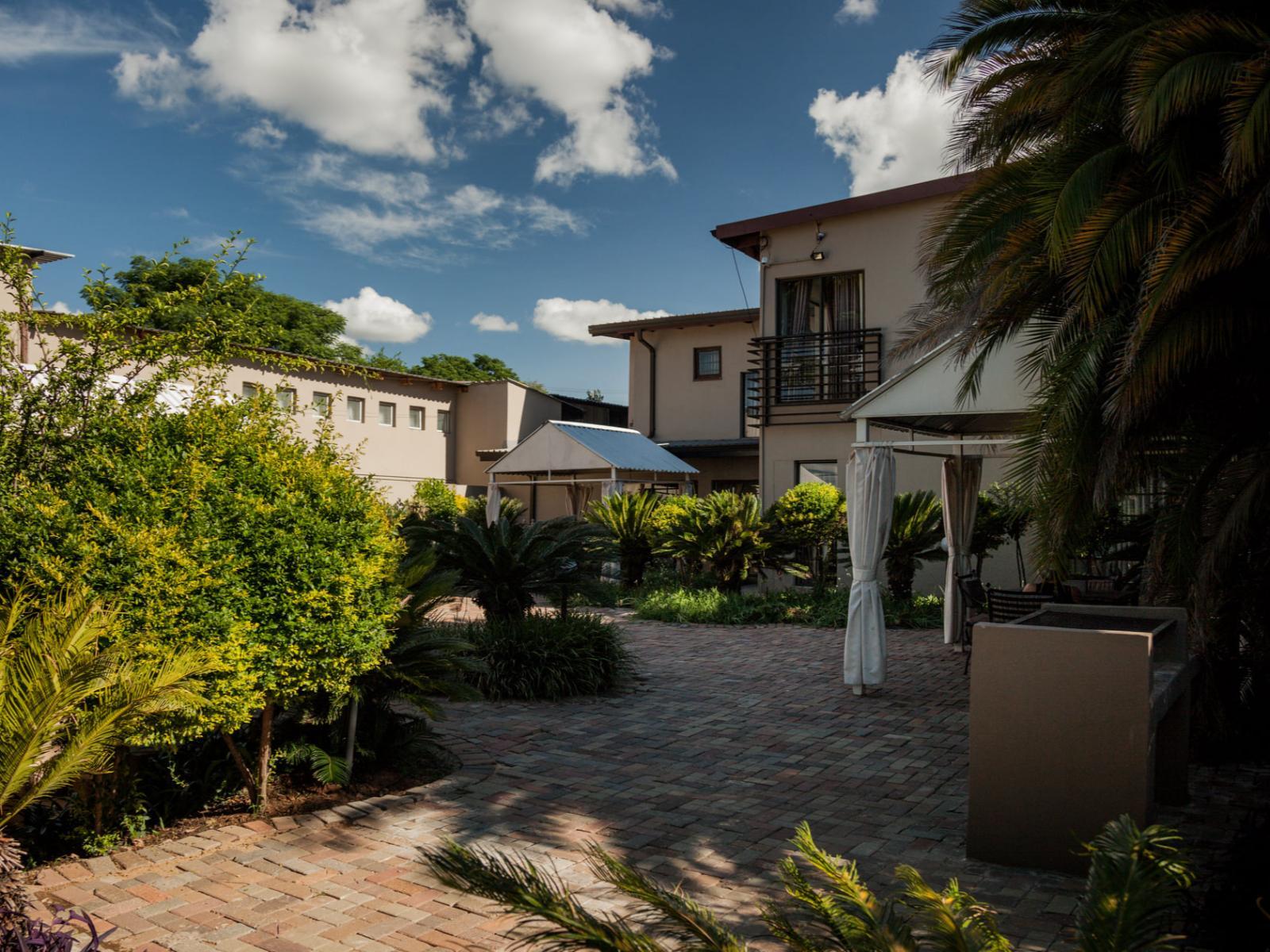
Guesthouses form the backbone of the local accommodation scene, with 29 properties making them by far the most common option. They vary considerably in character, from compact family-run operations with a handful of rooms to larger properties with swimming pools and manicured gardens. This category suits leisure travellers and those in the area for business at nearby research facilities. Average rates are broadly mid-market, though outliers in both directions exist.
At the upper end, boutique hotels and bed-and-breakfast properties lean toward the premium bracket. The three B&Bs in the area command rates above most guesthouses, while the five boutique hotels are the priciest category overall and tend to book out ahead of long weekends. A wine farm also offers accommodation, which is an unusual option for a Gauteng destination and brings a distinctly different atmosphere to a stay. Two standard hotels round out the choices for those who prefer familiar formats.
Things to Do in Roodeplaat
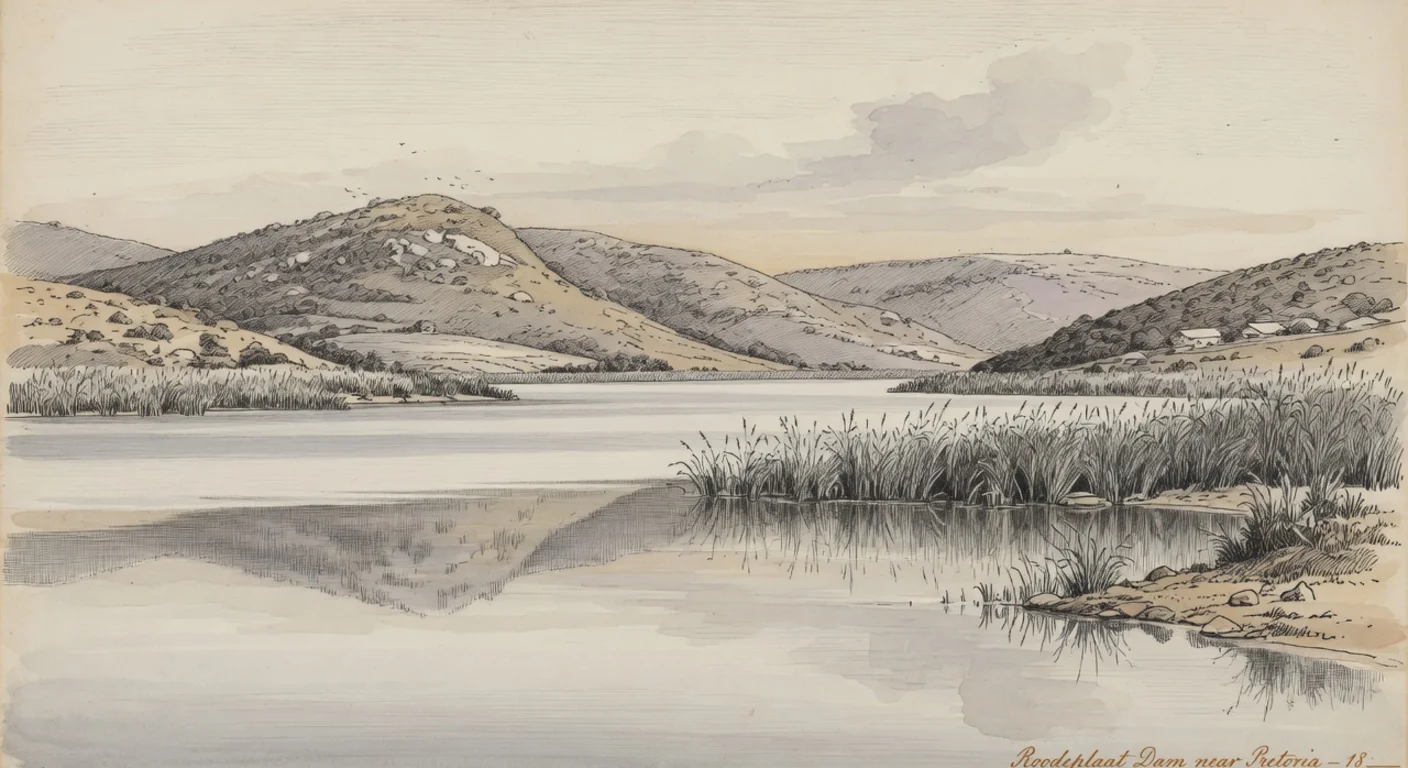
The Roodeplaat Dam Nature Reserve is the central attraction. The reserve wraps around the 1,063-hectare dam and includes walking trails, bird hides, and picnic sites spread across the shoreline and adjacent grasslands. Over 250 bird species have been recorded here, covering waterfowl, raptors, and seasonal migrants. Early mornings at the hides during summer are particularly productive, when kingfishers and waders are most active along the water's edge.
Fishing is a serious pursuit at Roodeplaat. The dam holds good populations of largemouth bass, carp, and other freshwater species. Bass anglers regard the water as one of the better Highveld venues, and tournaments are held periodically. Visitors require a valid fishing permit before casting, which can usually be arranged through local tackle shops on the approach roads.
For water-based activity beyond fishing, the Roodeplaat Dam Aquatic Club operates on the shoreline and caters to sailing. Canoes and small boats can be launched at designated points, and the generally calm conditions on summer mornings make for good paddling before the afternoon wind picks up.
Antelope occur within the nature reserve itself, and several private game reserves operate within a short drive of Roodeplaat for those wanting a more structured safari experience. Guided game drives from these reserves work well as day excursions, typically lasting two to three hours.
Golf is another draw for the surrounding area. Courses in Pretoria's eastern suburbs are accessible within a short drive, and the Highveld altitude gives the ball noticeably more carry than at sea level, which golfers travelling from coastal cities often mention with some satisfaction.
Best Time to Visit Roodeplaat
Roodeplaat sits on the Highveld at roughly 1,300 metres above sea level, which moderates summer heat and winter cold compared to lower-lying parts of South Africa. The wettest months run from October through March, when heavy thunderstorms build on most afternoons. They pass quickly but can disrupt outdoor plans, particularly on the water.
Autumn, from March through May, is often the most comfortable time to visit. Temperatures drop to manageable levels, afternoon storms become infrequent, and the grass begins to dry, improving visibility for wildlife sightings as vegetation thins. Spring, from August to October, brings warmer days and flowering shrubs, though the landscape can be dry and dusty before the first rains break in November.
Winter runs from June through August and is consistently dry. Daytime temperatures are pleasant for walking and outdoor activity, but mornings and evenings cool sharply. Frost is possible at lower elevations overnight. The lack of rain keeps gravel roads firm, and the thinner winter vegetation makes it easier to spot birds that would otherwise be obscured by foliage.
For dam-based activities including fishing and sailing, the pre-summer period of September to November tends to perform best as water temperatures rise and conditions on the water are more settled.
Getting to Roodeplaat
The primary approach from Johannesburg follows the N1 north to Pretoria, then the R104 or R513 heading northeast toward the dam. From central Pretoria the drive takes around 20 to 30 minutes depending on traffic. From OR Tambo International Airport, allow 60 to 75 minutes via the N1 and N4 corridor. Lanseria Airport, north of Johannesburg, is a closer option for some travellers, typically under an hour.
There is no scheduled public transport serving Roodeplaat directly. The smallholding character of the area means Uber and metered taxi services from central Pretoria operate sporadically, with longer wait times than in the city itself. Visitors without private vehicles should arrange transfers with their accommodation before arrival rather than relying on app-based services.
Petrol stations are available on the approach roads but not inside the reserve or dam area. Filling up before heading out is sensible. Roads within the nature reserve and surrounding smallholdings mix tarred and gravel surfaces. A standard sedan handles most routes, though a vehicle with reasonable ground clearance is useful after heavy rain when some gravel roads deteriorate quickly.
For medical facilities, shopping centres, and services beyond what the local area offers, Pretoria is 10 kilometres to the southwest and handles these needs well.
Roodeplaat and Surrounding Areas
Eersterus, 2 kilometres from Roodeplaat, is a residential township within the greater Tshwane metropolitan area. It has local shops and a small commercial centre. For visitors, its main relevance is as a navigation landmark and a point of access to basic supplies close to the dam.
Denneboom, 3 kilometres away, runs along the Pienaars River corridor and has a mix of smallholdings that supply fresh produce to local markets. Farm stalls in this direction carry locally grown vegetables and seasonal fruit, and a stop here before or after the reserve can be worthwhile for self-catering visitors restocking supplies.
Baviaanspoort, also 3 kilometres from Roodeplaat, sits in the same river corridor and is associated with correctional facilities that have operated in the area for many decades. The surrounding farmland is used for market gardening, and the landscape reflects the transition between Bushveld and Highveld vegetation that characterises this part of Tshwane.
Waltloo, 4 kilometres out, is an industrial zone that serves the eastern Pretoria logistics corridor. It holds little visitor interest on its own but forms part of the road network connecting Roodeplaat to the city's eastern suburbs.
Greenview, 8 kilometres away, is a quieter residential suburb. It functions primarily as a throughway between the dam area and the broader eastern suburbs, with some local services for residents in the corridor.
Pretoria, 10 kilometres to the southwest, is the most significant complement to a Roodeplaat stay. The Union Buildings, Church Square, and the Ditsong National Museum of Natural History are all within reach in under 30 minutes. The eastern suburbs of Pretoria, closer to Roodeplaat, have a full range of restaurants, coffee shops, and shopping centres for evenings or rest days. The combination of dam-based activities at Roodeplaat and urban access to Pretoria gives the area appeal for visitors who want variety across a multi-day trip.
Planning Your Stay
Weekend nights, particularly Saturdays, book quickly across most property types in the area. Booking two to three weeks ahead is sensible for a standard weekend; four to six weeks covers school holidays and long weekends when demand from Pretoria visitors spikes.
Before confirming a property, check whether the rate is per person sharing or per unit. This distinction varies considerably among local guesthouses and self-catering options, and misreading it can make a significant difference to the total cost. It is also worth asking directly whether the property has water frontage or whether guests need to drive separately to the nature reserve entry point for dam access.
Anyone planning to fish should confirm with the property whether permit assistance is offered. Some lodges facilitate this; others leave it entirely to guests. Either way, arranging the permit before arriving is preferable to discovering the issue on a Saturday morning.
Mobile connectivity within the nature reserve and on some outlying smallholdings can be unreliable. If uninterrupted connectivity is necessary, confirm Wi-Fi availability directly with the property rather than assuming it.
Finally, many properties in the area operate as working smallholdings alongside their accommodation function. This means early morning animal sounds and farm activity are part of the environment rather than exceptions to it. Guests who prefer a quiet setting should ask about this specifically before booking.