Accommodation in Saint Lucia
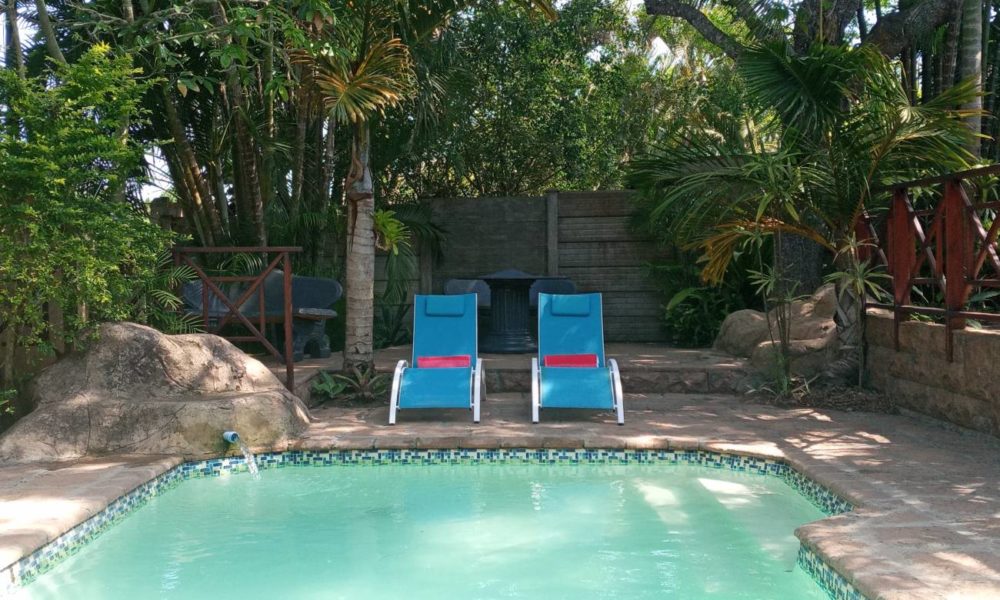
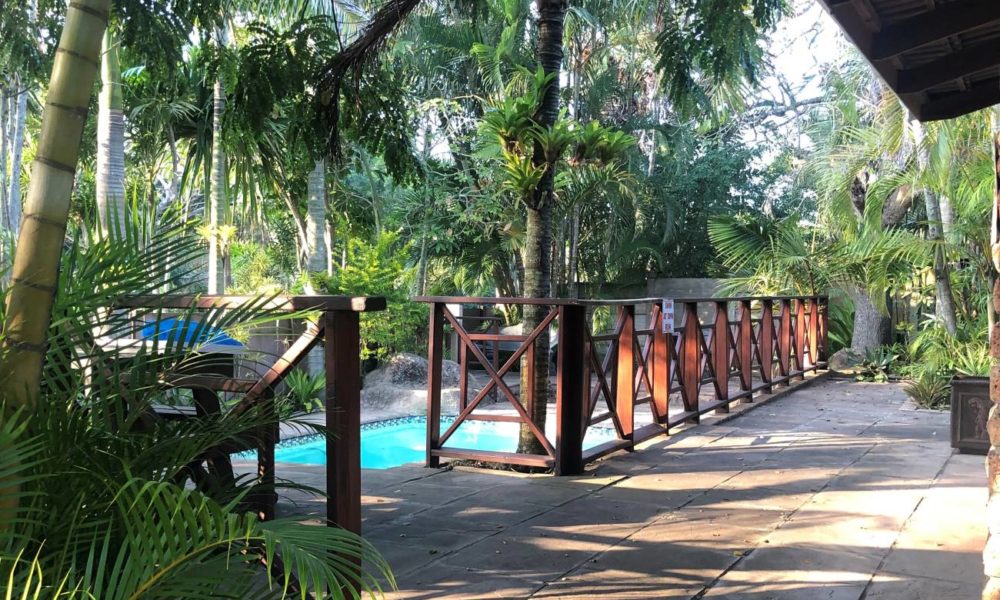
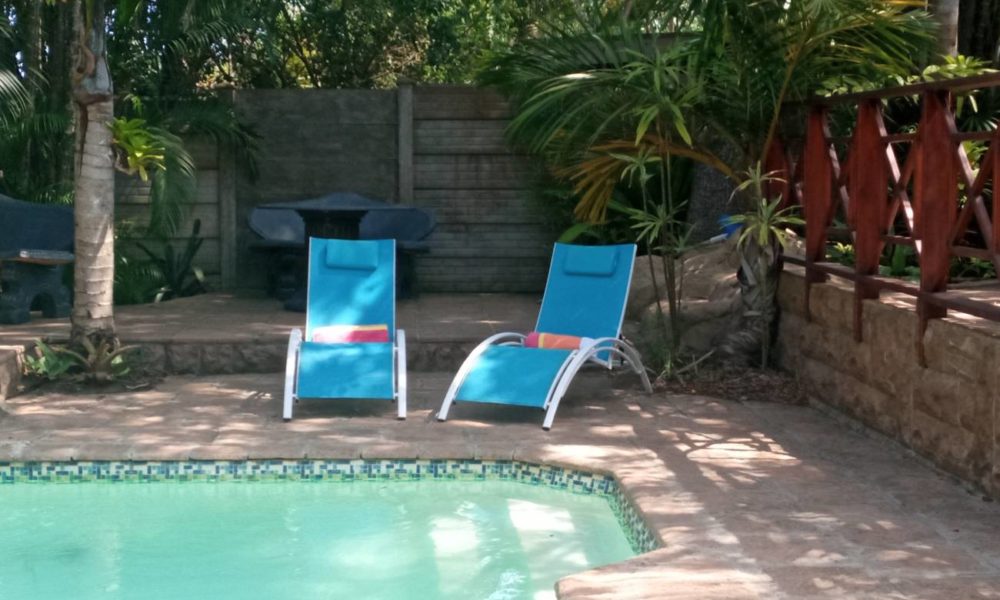
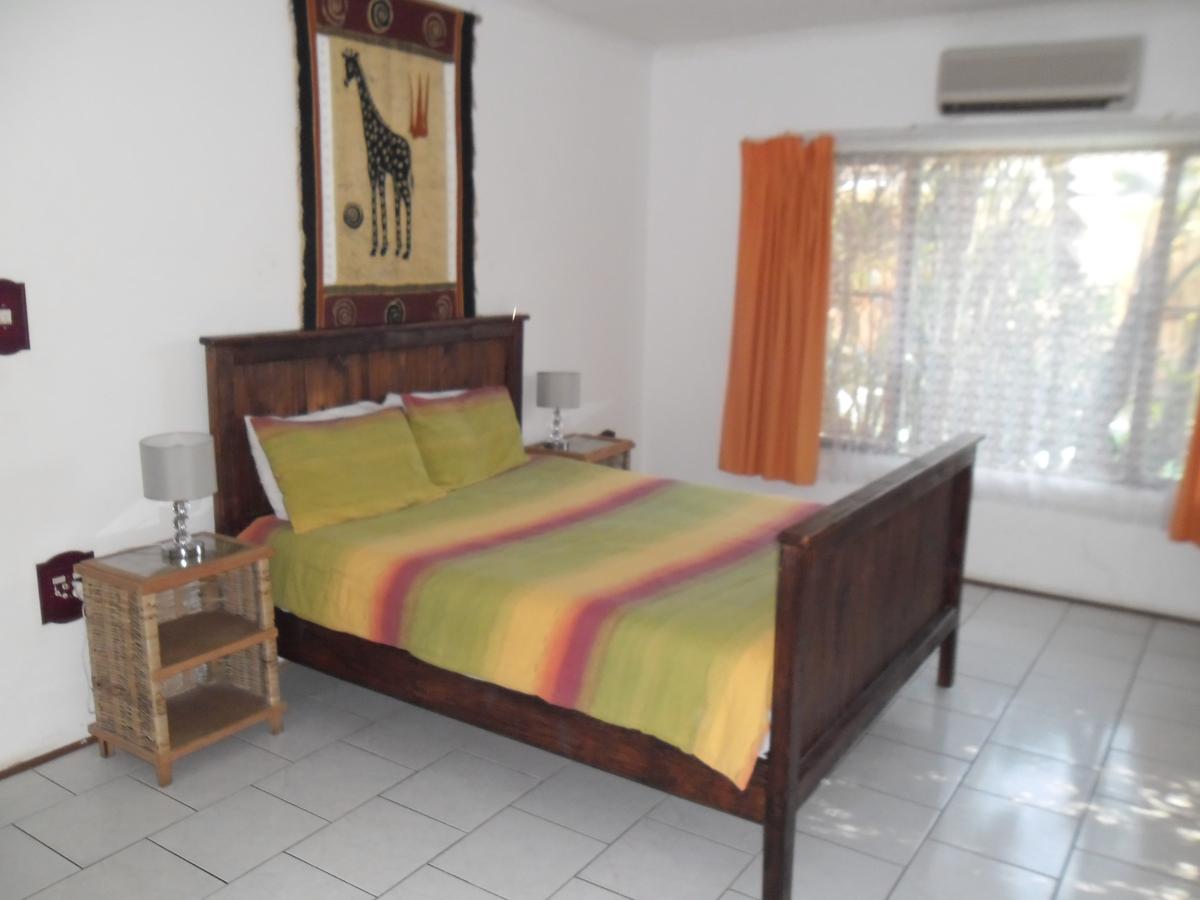
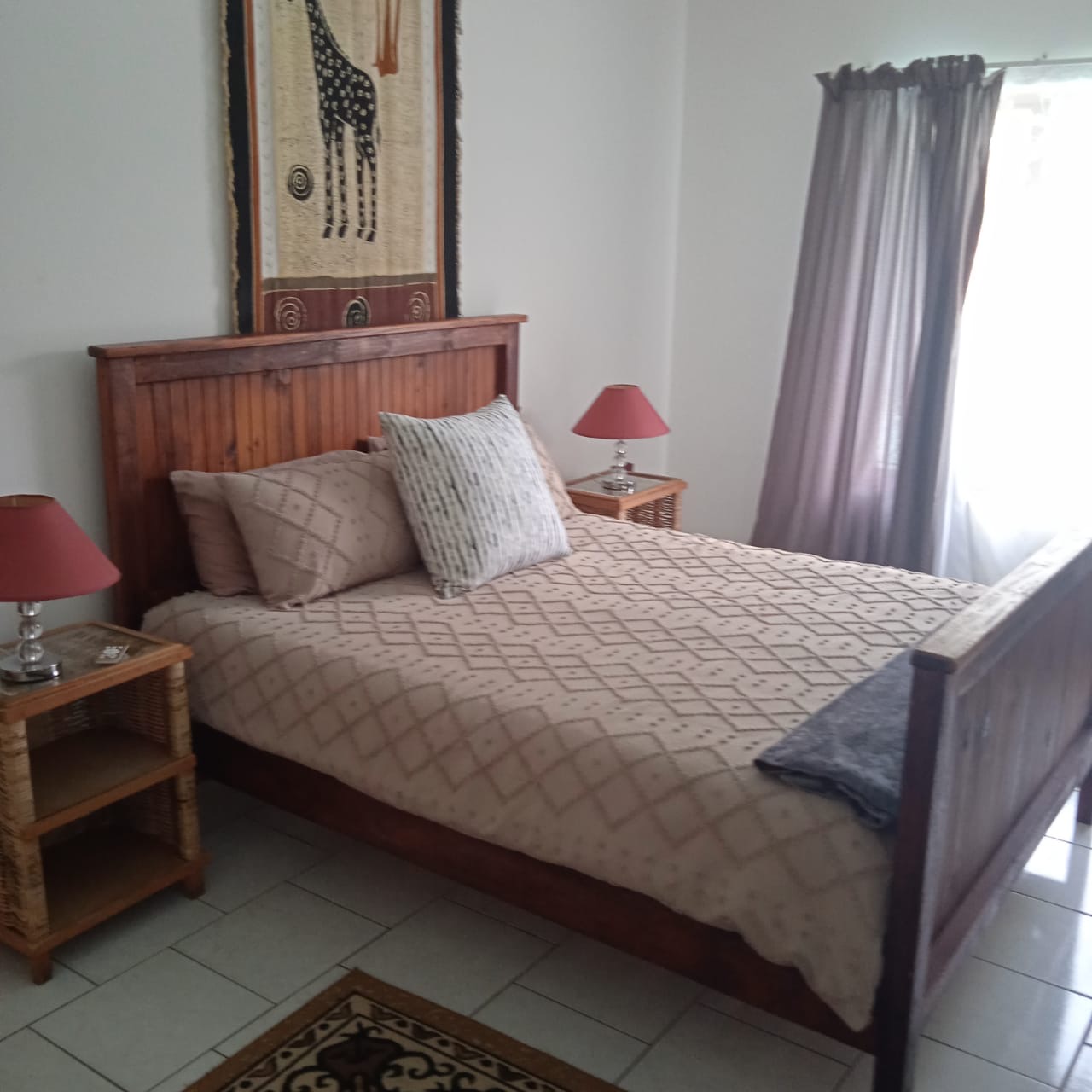
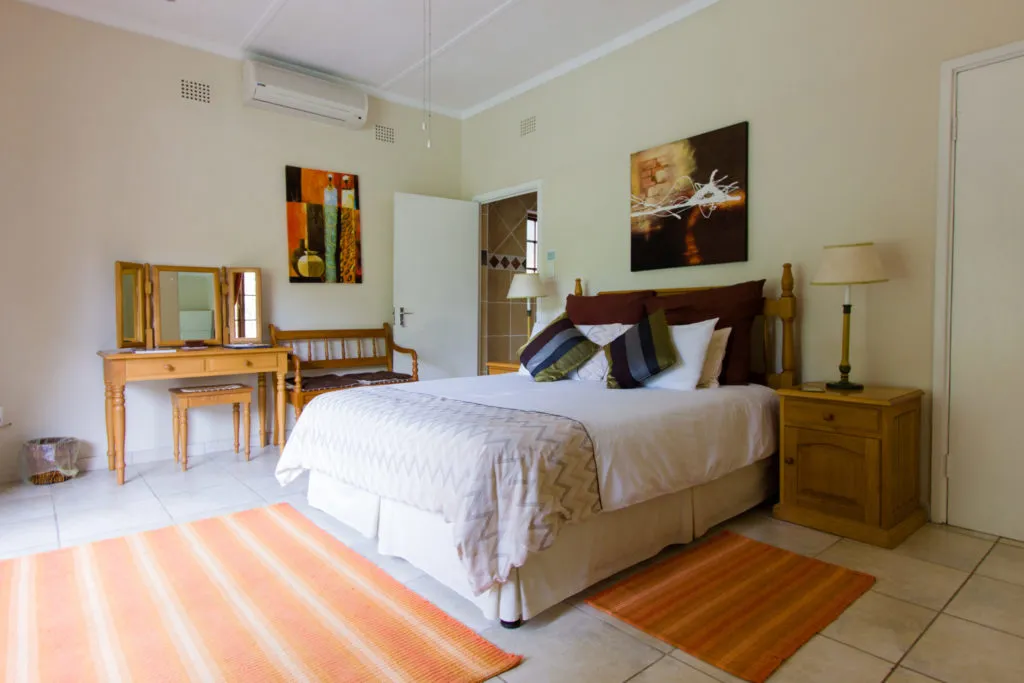
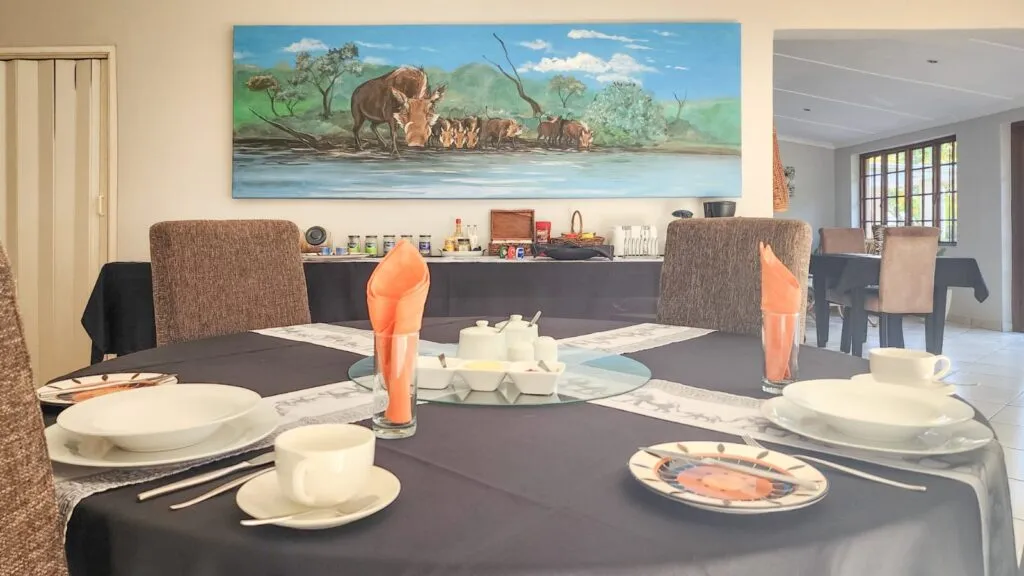
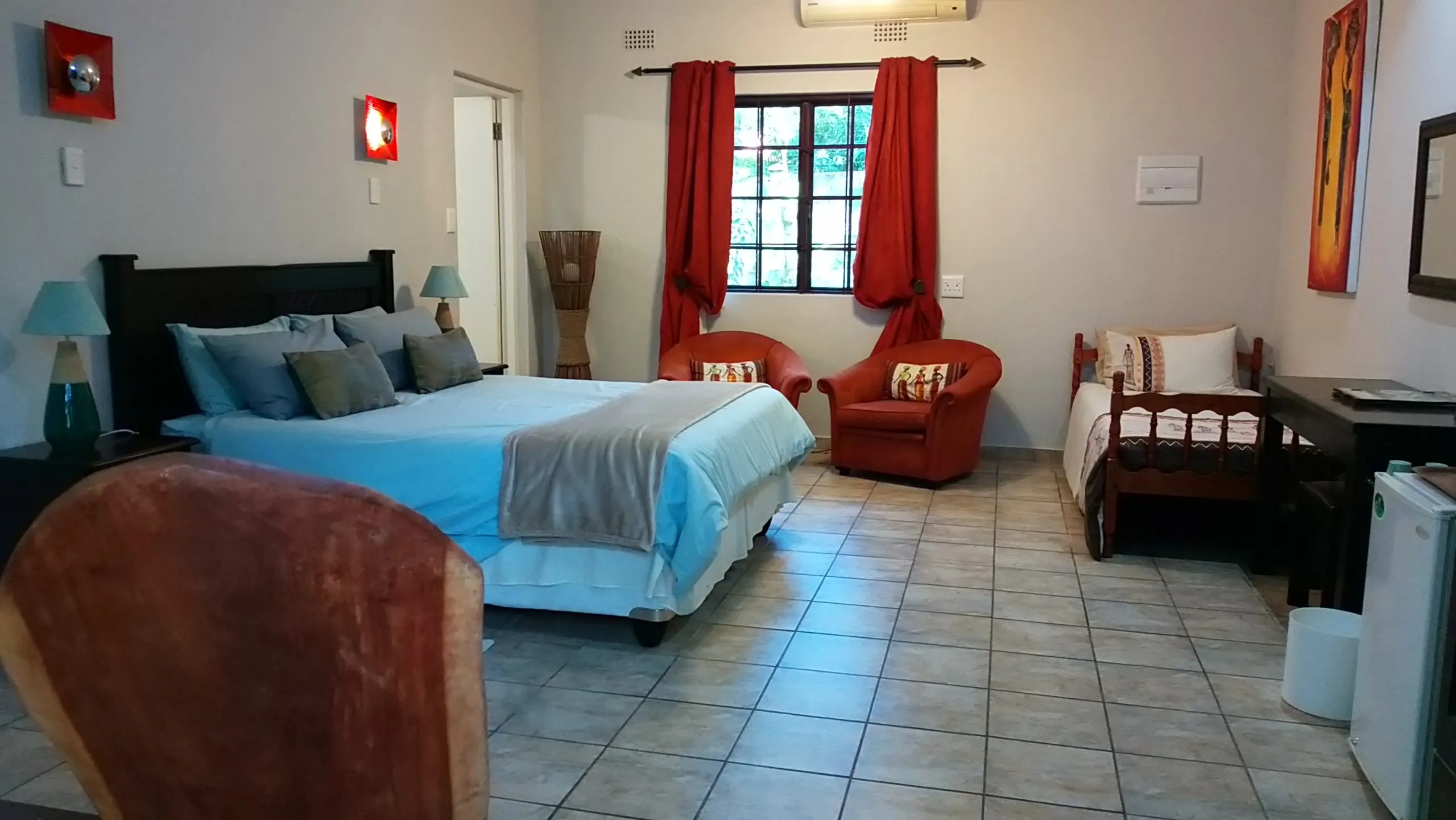
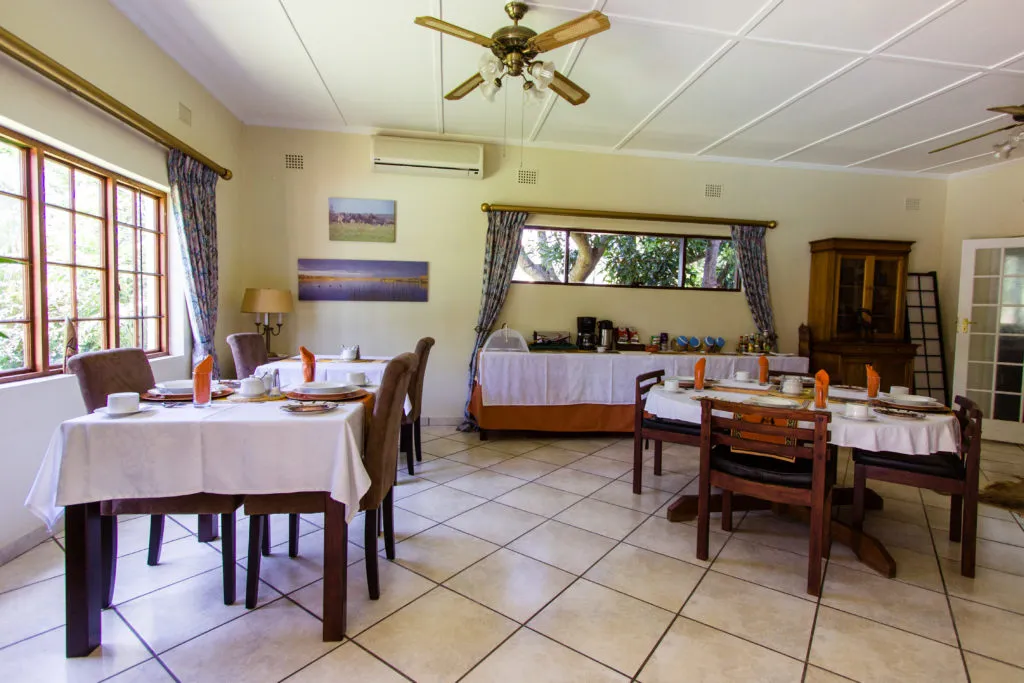
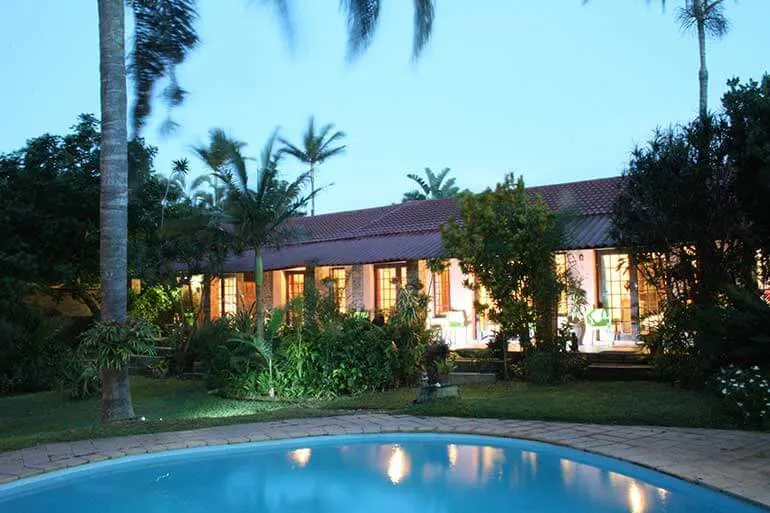
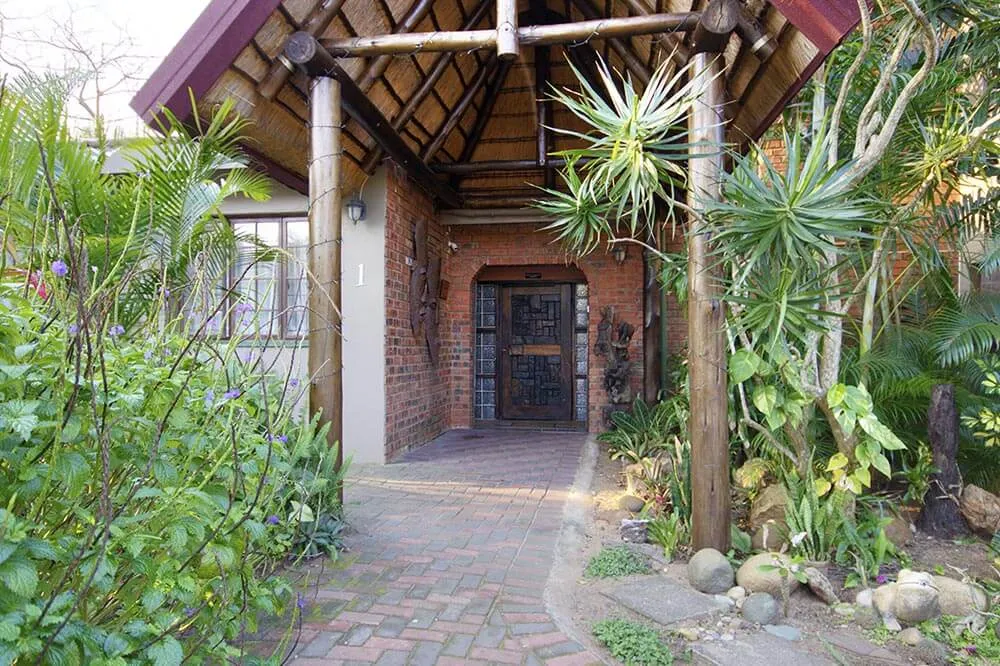
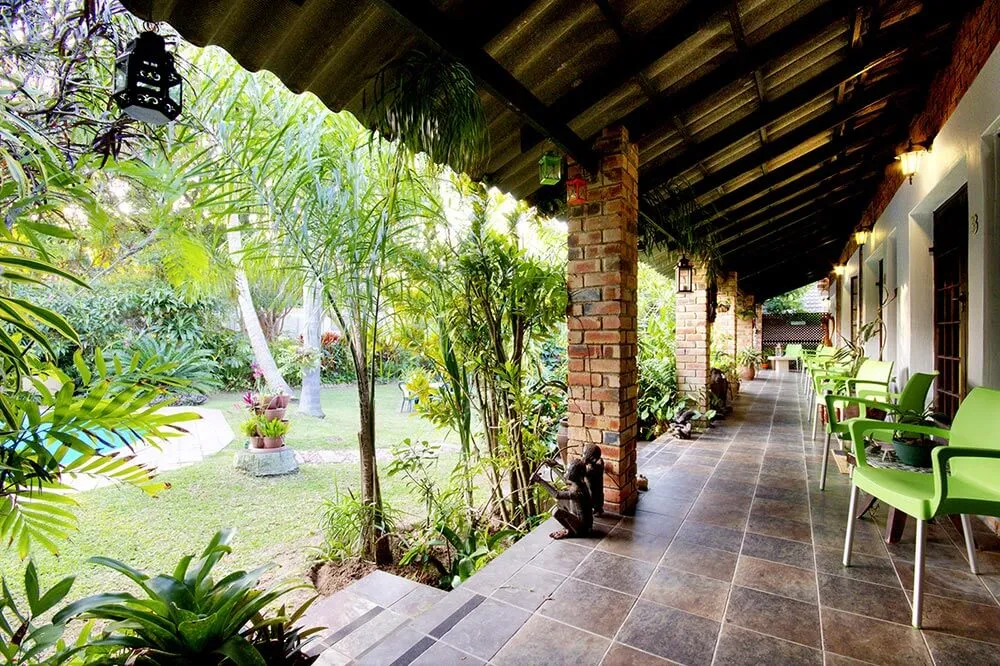
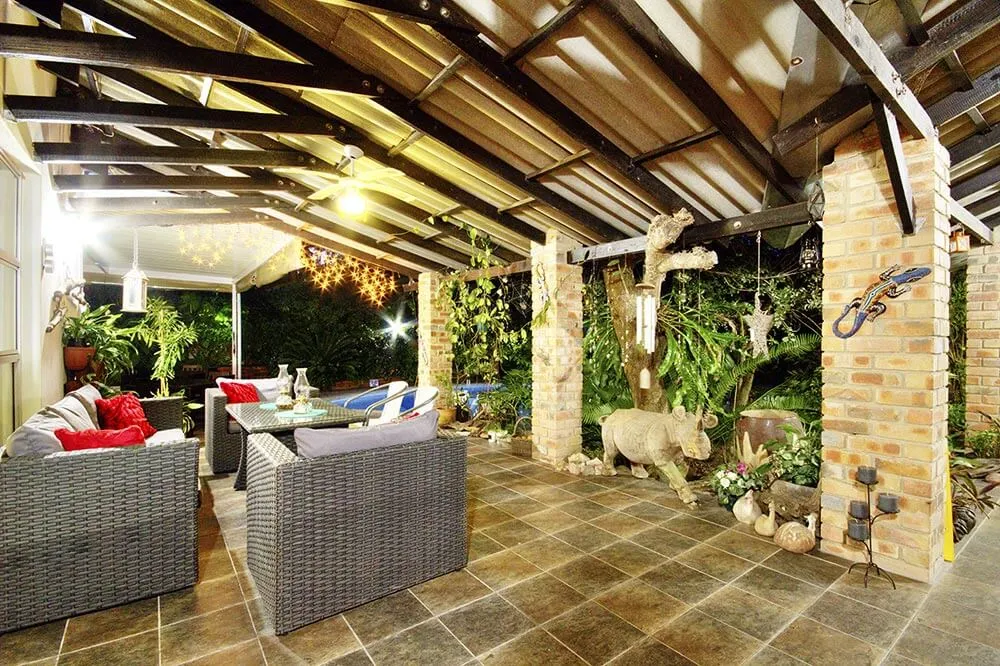
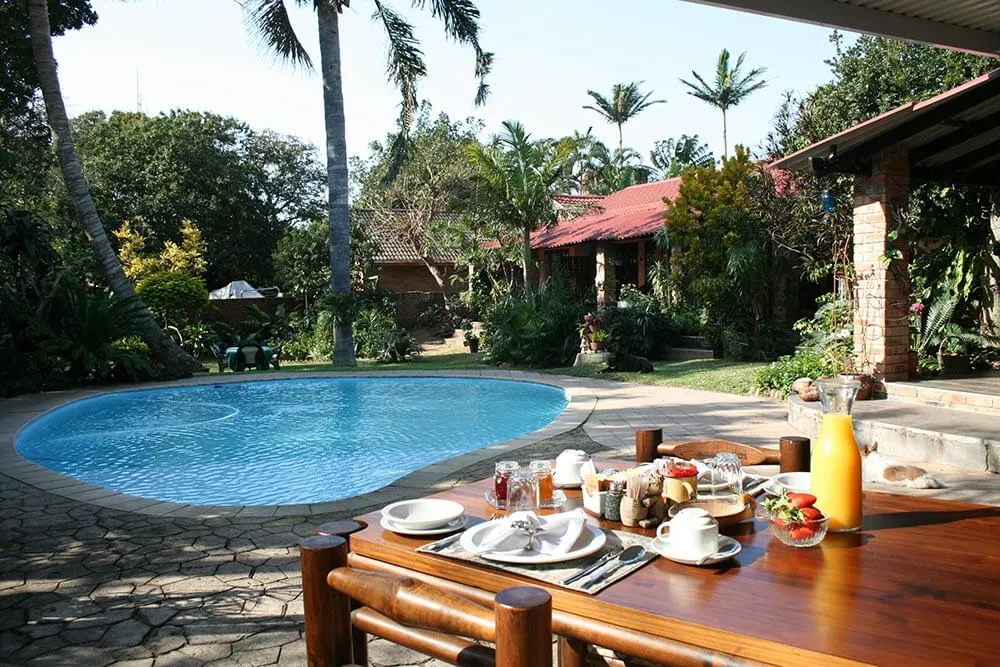
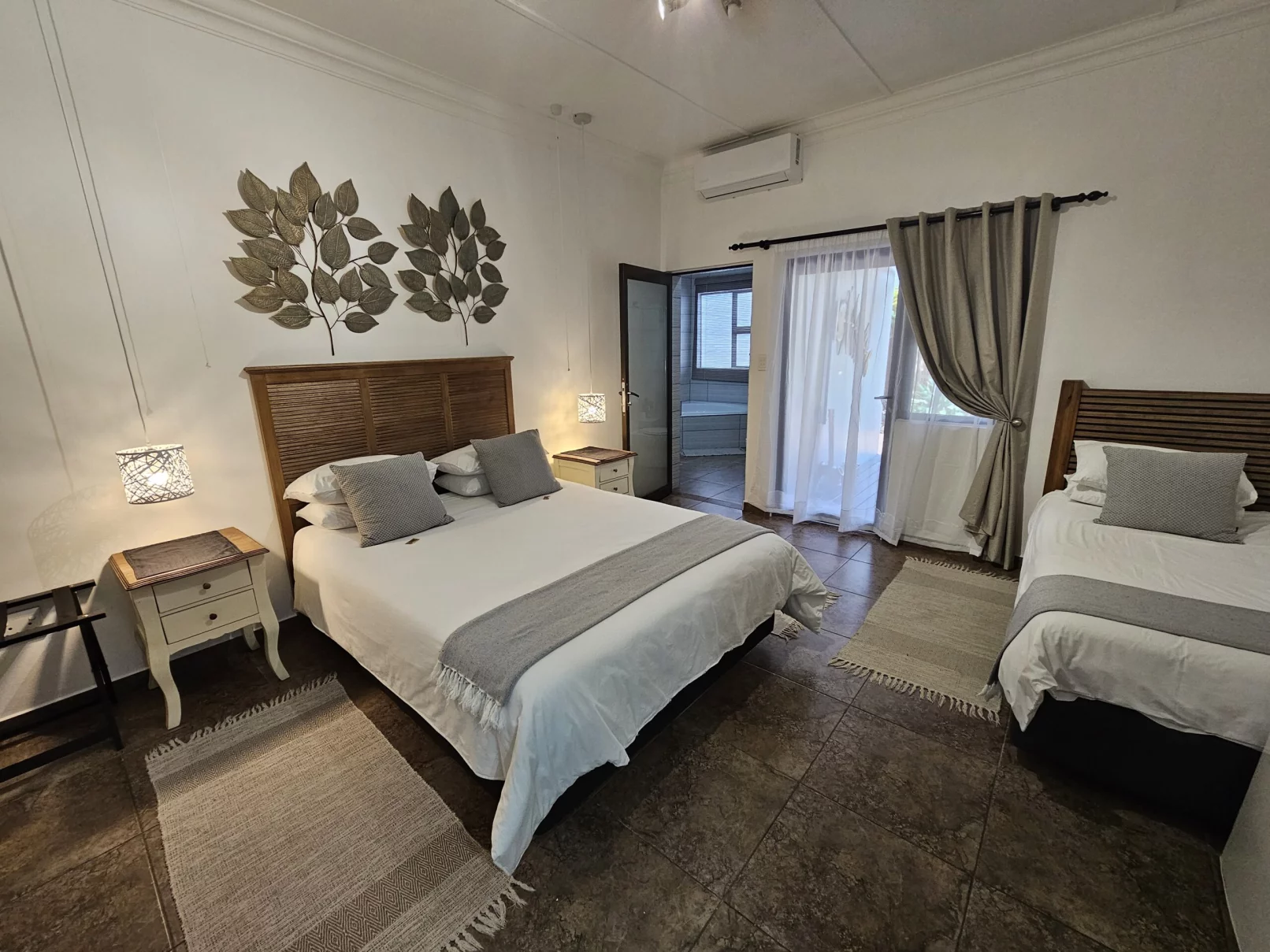
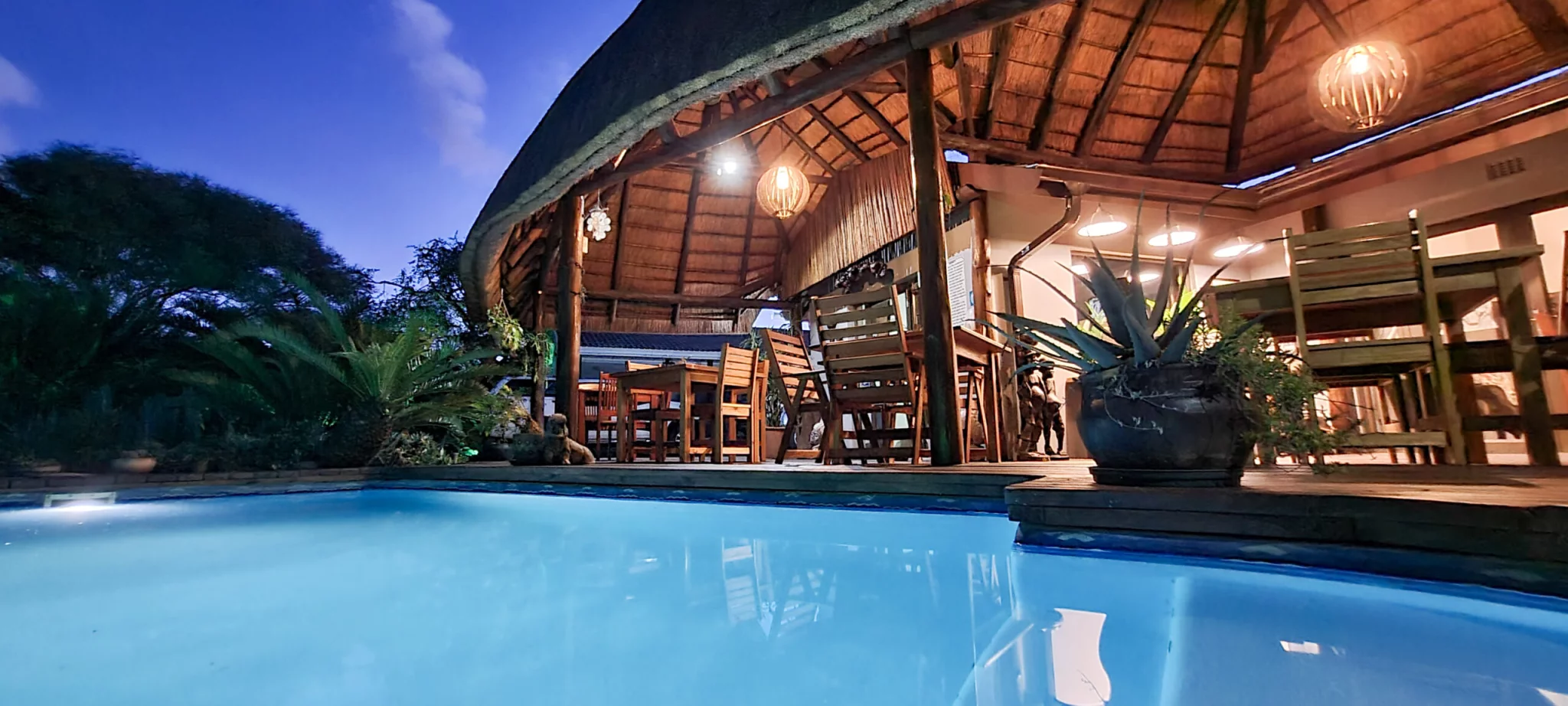
Saint Lucia offers 38 properties ranging from R850 to R7,072 per night, averaging around R2,747 across all types. That spread reflects the town's character: it draws both self-sufficient travellers who want a kitchen and a base, and those who prefer more structured hosting with meals and activities included.
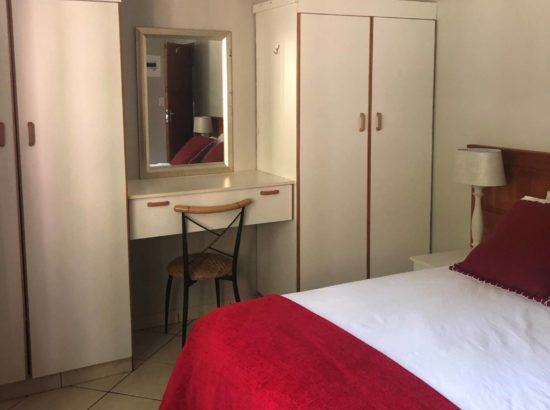
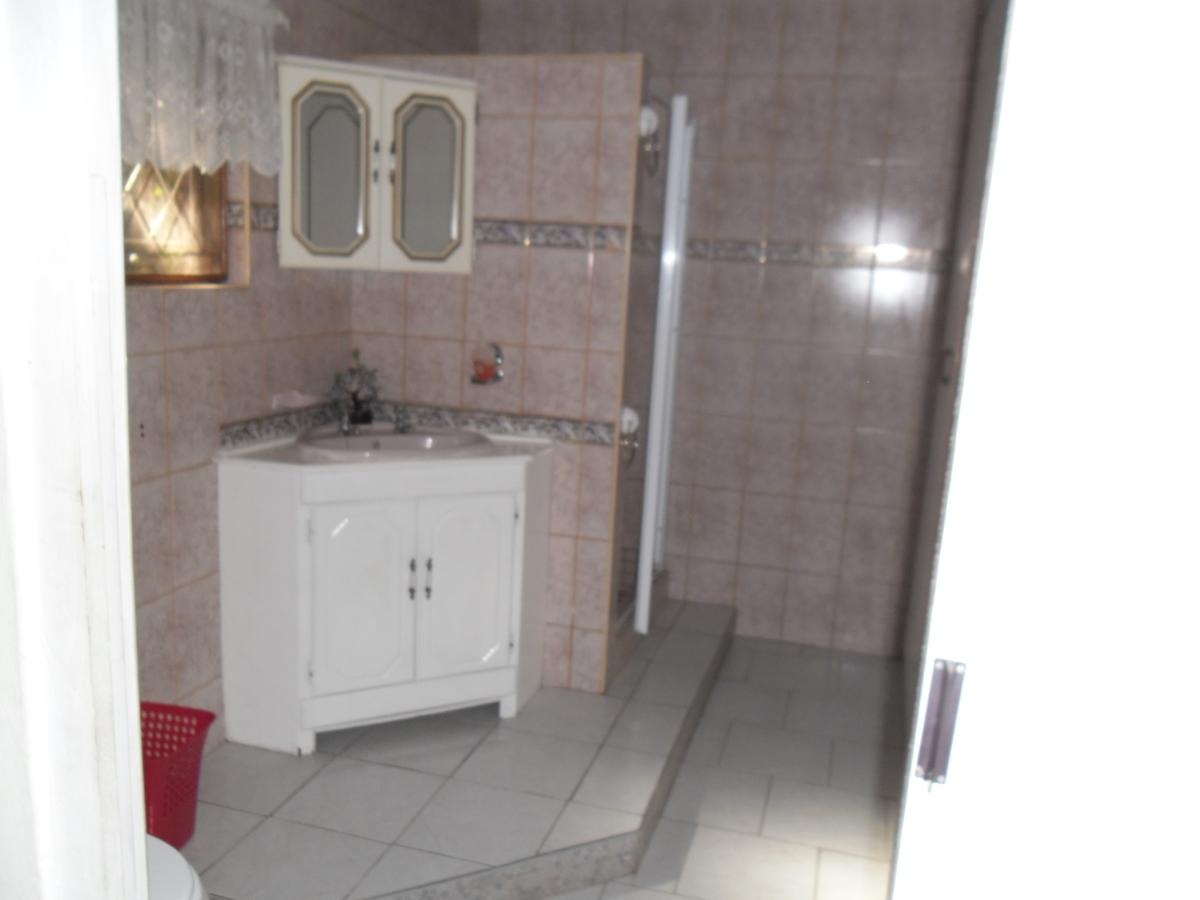
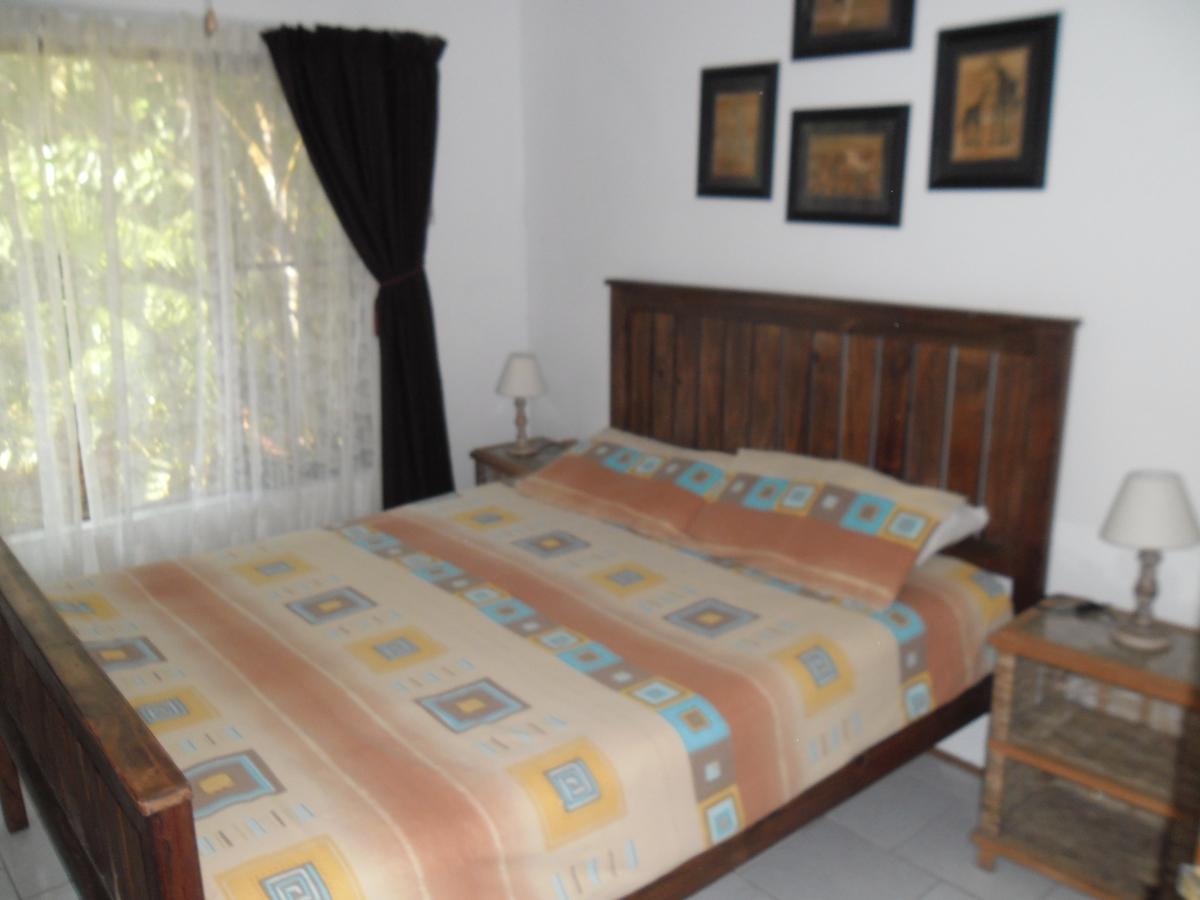
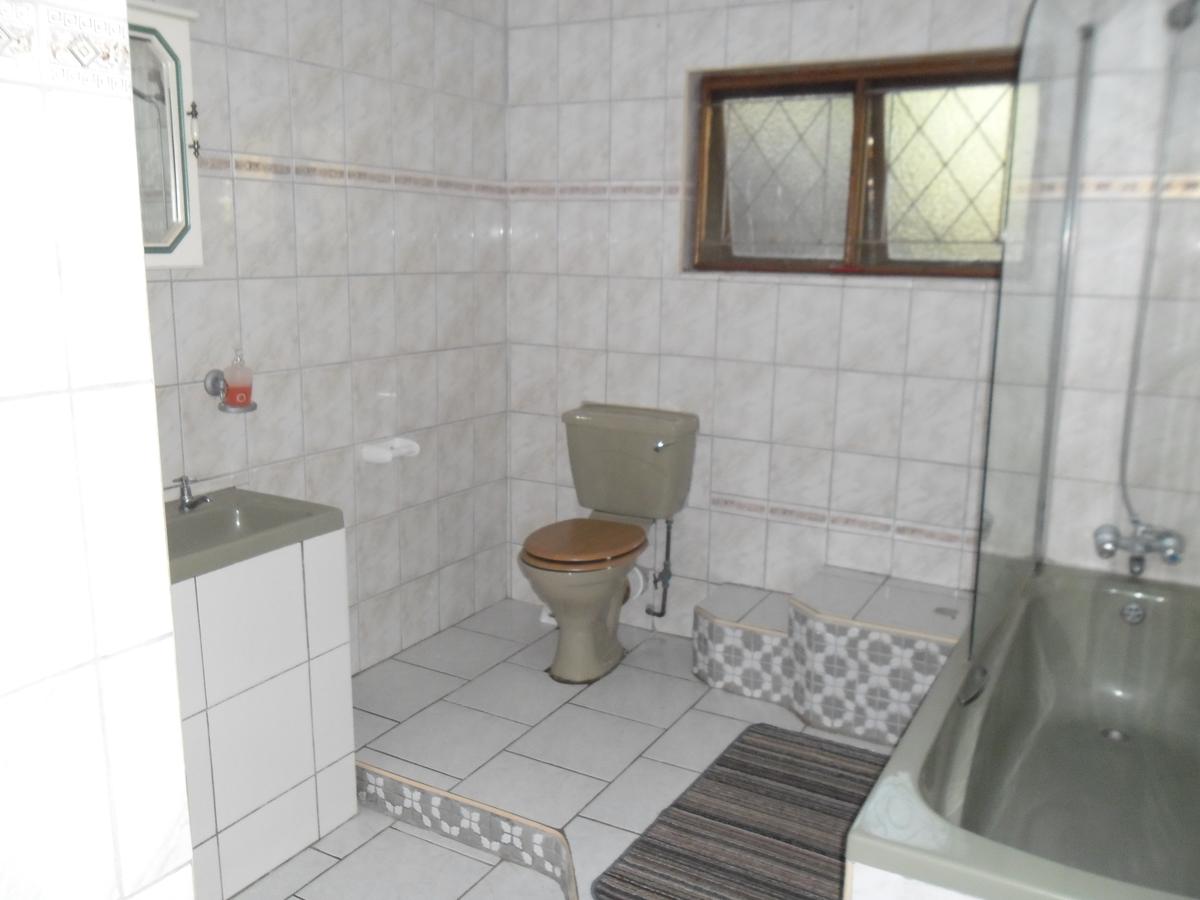
At the budget end, self-catering units dominate. With ten listings in this category averaging under R1,800 per night, these are typically cottages or apartments within walking distance of the estuary or the main strip. Families and longer-stay visitors favour this format because of the flexibility: cook your own meals, set your own schedule, and avoid the per-head cost of eating out every night. The single villa listing falls near this tier as well, coming in low relative to its category at around R1,167 on average.
Mid-range travellers have a solid choice between lodges and bed and breakfasts. The ten lodge properties average around R3,549 and often include guided activities or strong connections to local operators who run boat cruises and game drives. Seven bed and breakfast properties sit just above that range and tend to suit solo travellers or couples who want conversation with owners who know the area well. That local knowledge matters here: insider advice about estuary conditions, launch times, and wildlife sightings makes a genuine difference to the trip.
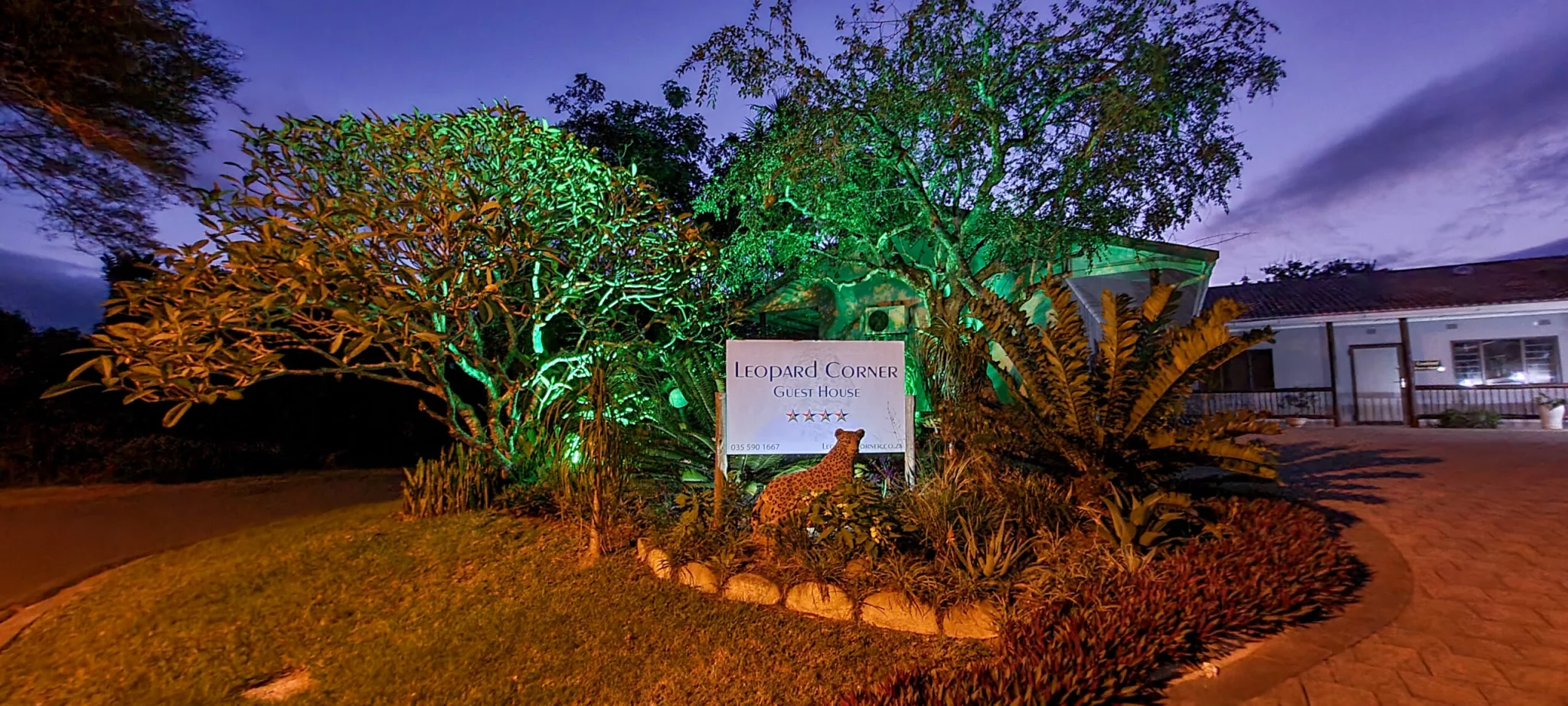
The upper tier is anchored by guesthouses, eight of which average around R4,280 per night. These are typically owner-run, with smaller guest numbers and more considered interiors than a chain property would offer. Saint Lucia has just one hotel listing, which reflects the town's scale. This is not a mass-tourism destination, and the accommodation mix reinforces that. Properties at this level are usually close to the iSimangaliso Wetland Park entry points and cater to visitors who want comfort without travelling far from the reserve itself.
Best Time to Visit Saint Lucia
Saint Lucia sits within a subtropical climate zone, which means warm, humid summers and mild, drier winters. The distinction matters for what you can actually do.
Summer, from November through March, brings the heaviest rainfall and peak heat, often above 35°C. Mosquitoes are more active during this period, so malaria prophylaxis and repellent are practical requirements, not optional extras. The main reason to visit specifically in summer is turtle season: loggerhead and leatherhead turtles nest and hatch on the beaches from November to February, and guided night walks during this window are one of the few wildlife experiences that cannot be replicated at another time of year.
Winter, from May through August, is cooler and significantly drier, with temperatures between 16°C and 26°C. Hiking and boat-based activities are more comfortable in this range. Whale sharks pass through coastal waters from May to July, and humpback whale sightings peak in July and August. School holidays in late June and July push demand up sharply across the iSimangaliso corridor, so this is not a quiet period despite being off the summer peak.
The shoulder months, April and September to October, offer reasonable conditions with lower humidity, fewer visitors, and more competitive availability across the town's guesthouses and lodges.
Getting to Saint Lucia
Saint Lucia is roughly 280 kilometres north of Durban in KwaZulu-Natal. The most practical way to arrive is by car, taking the N2 north and turning off at Mtubatuba. The drive takes around three hours under normal conditions, though public holidays and school breaks can add significantly to that.
The nearest commercial airport is King Shaka International, which handles flights from Johannesburg, Cape Town, and several international routes. From the airport to Saint Lucia is approximately 200 kilometres, and most visitors cover this by rental car. Richards Bay Airport, about 56 kilometres from Saint Lucia, handles some charter and regional traffic and is a viable alternative for groups flying from Johannesburg who want to minimise the drive at the far end.
There is no direct scheduled bus service to Saint Lucia from Durban or Johannesburg. Baz Bus, which serves the backpacker market, stops at Mtubatuba, from where travellers typically arrange a shuttle or taxi into town. This adds time and a connection, so independent travellers without a vehicle should plan accordingly.
Once in town, Saint Lucia is compact enough to navigate on foot. The main street runs parallel to the estuary, and most accommodation, restaurants, and activity operators are within easy walking distance. A car is useful if you plan to explore Cape Vidal or the northern sections of iSimangaliso independently.
Saint Lucia and Surrounding Areas
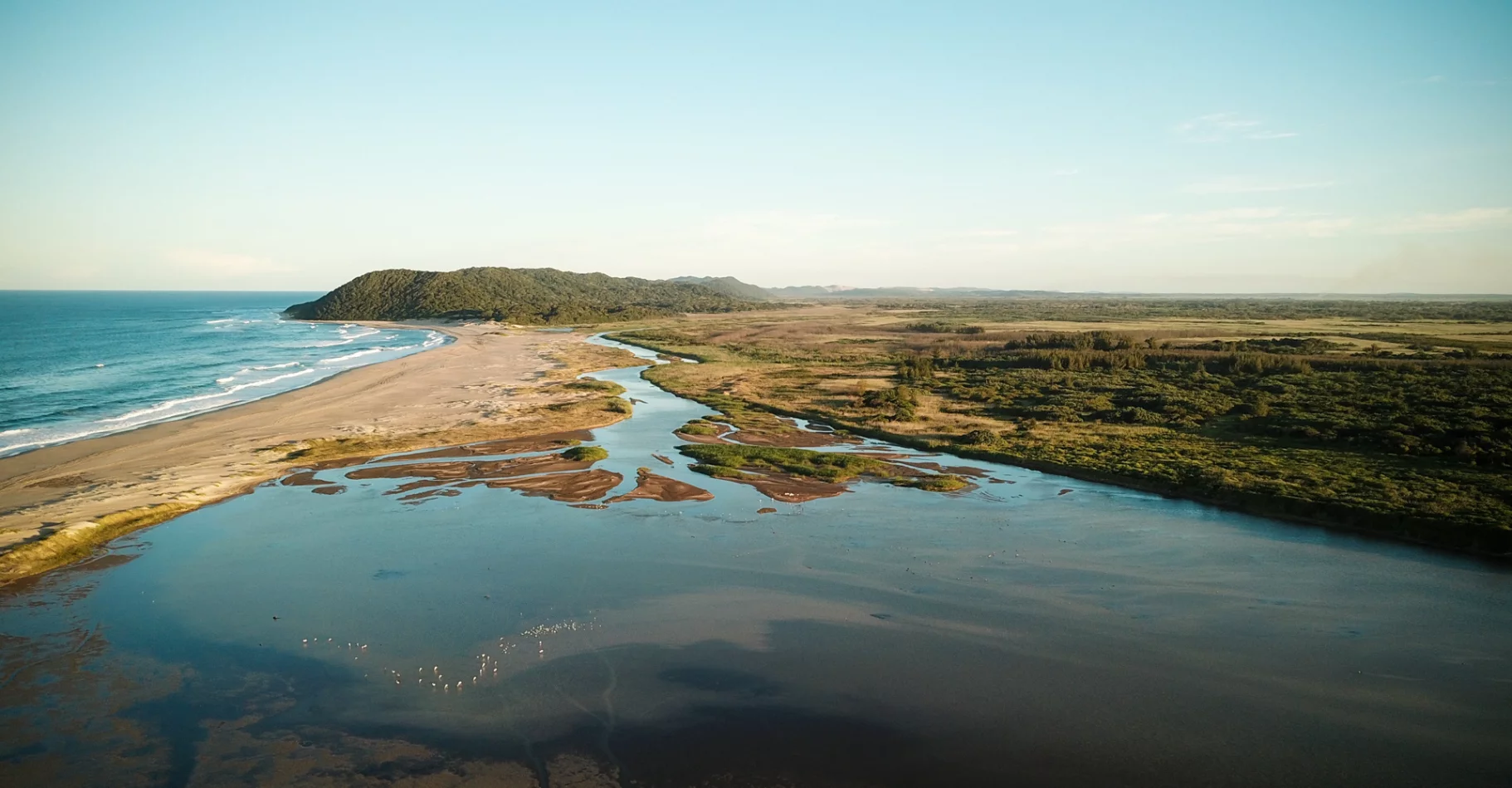
Saint Lucia is the main gateway town for the iSimangaliso Wetland Park, and its position on the KwaZulu-Natal coast makes it a practical base for reaching several distinct areas within a day's driving.
Mtubatuba, 23 kilometres away on the N2, is the nearest service town. It is not a tourist destination, but it has larger supermarkets, reliable fuel, and a public hospital. Visitors on extended stays routinely run supply trips here, and those arriving by Baz Bus will pass through as their point of transfer.
Kwambonambi, 40 kilometres to the south, sits near the mouth of the Hluhluwe River. It is a quiet sugar-cane town with some access to estuary fishing along the lower river, but it draws few independent travellers. It is more relevant as a waypoint than a destination.
Hluhluwe, also 40 kilometres from Saint Lucia but to the northwest, gives access to the Hluhluwe-iMfolozi Park. The reserve is the oldest proclaimed game reserve in Africa and carries the full range of big-five species. Because it receives fewer visitors than Kruger, game drives tend to be less congested. A full-day round trip from Saint Lucia is possible, though staying overnight inside the park allows for early-morning and late-afternoon drives, which are the most productive for sightings.
Richards Bay, 56 kilometres south, is a large industrial port city with comprehensive shopping, a private hospital, and the regional airport. It functions mainly as a supply hub and transit point rather than a destination, but it is useful for travellers arriving by air or needing services that Saint Lucia cannot provide.
Empangeni, 66 kilometres south, is the administrative and commercial centre of the region. It has major retailers, specialist medical facilities, and banking services. Most visitors only stop here on the way to or from King Shaka International, but it is worth knowing as a fallback for anything the smaller towns cannot supply.
Planning Your Stay
Accommodation in Saint Lucia fills quickly during school holidays, particularly the June-July winter break and the December-January period. Booking two to three months ahead is realistic for these windows. Properties with kitchens tend to fill earliest, so families who need self-catering should prioritise their search accordingly.
When comparing options, pay attention to location relative to the estuary and the activity operators on the main road. The town is small, but some properties sit a few kilometres out toward Cape Vidal, which affects access if you do not have a car.
Before confirming a booking, check whether the property falls within the iSimangaliso buffer zone, which can influence noise levels and proximity to night-drive routes. Also confirm meal arrangements in advance, since eating-out options thin out noticeably on Sunday evenings and on quiet weekday nights during low season.
Carry cash. Several boat cruise operators, smaller restaurants, and market stalls do not accept card payments reliably, and the ATM in town can run out during peak periods. Topping up fuel before arriving is advisable if you are coming from the south, as Saint Lucia's fuel options are limited. Mobile coverage is adequate in the town centre but drops off along the beach road toward Cape Vidal and inside the reserve itself.