Accommodation in Wellington
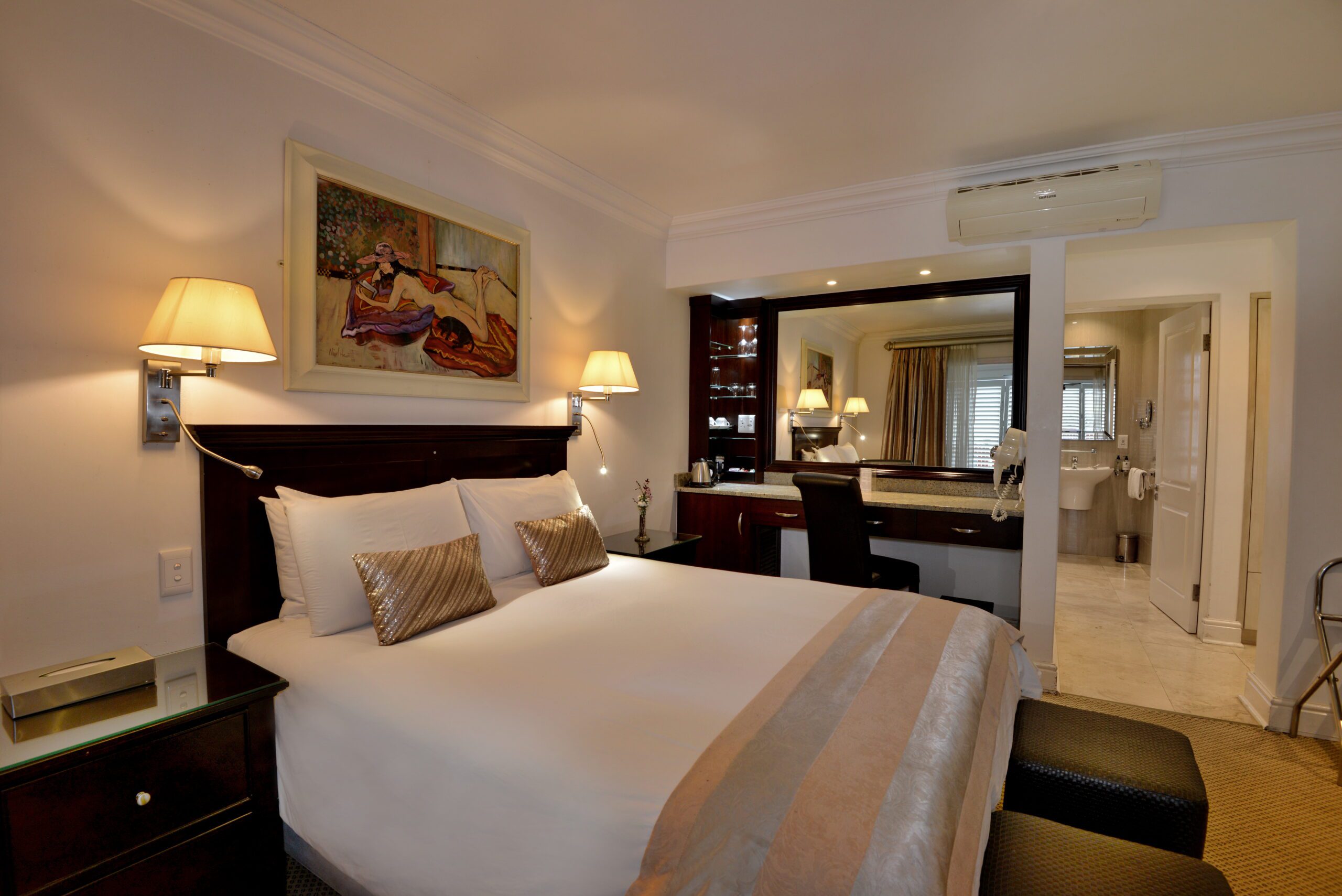
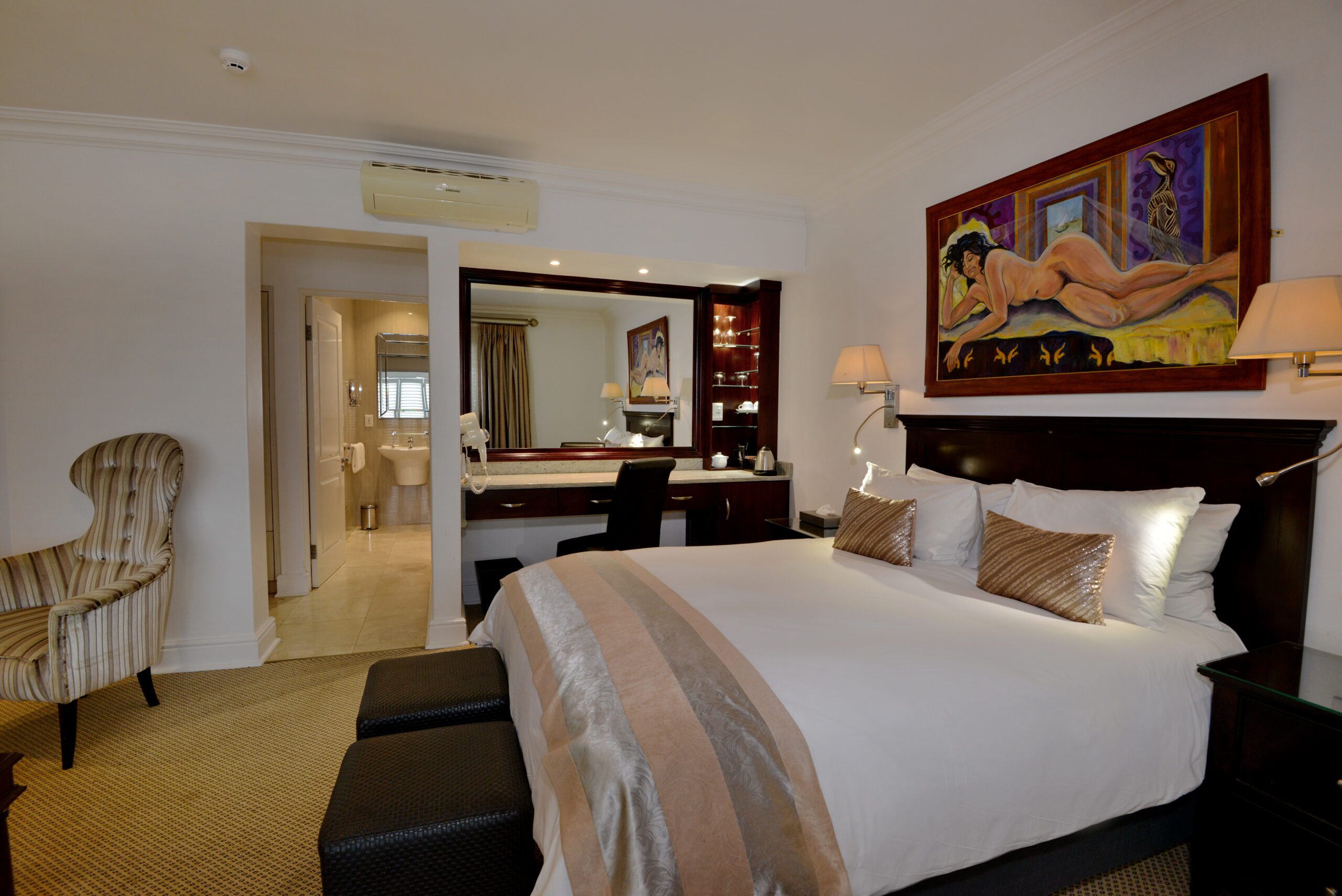
Wellington has 12 listed properties, with nightly rates spanning R590 to R4,161 and an average of around R2,167. That range reflects genuine variety across budget tiers, from simple hosted rooms to full farm stays.
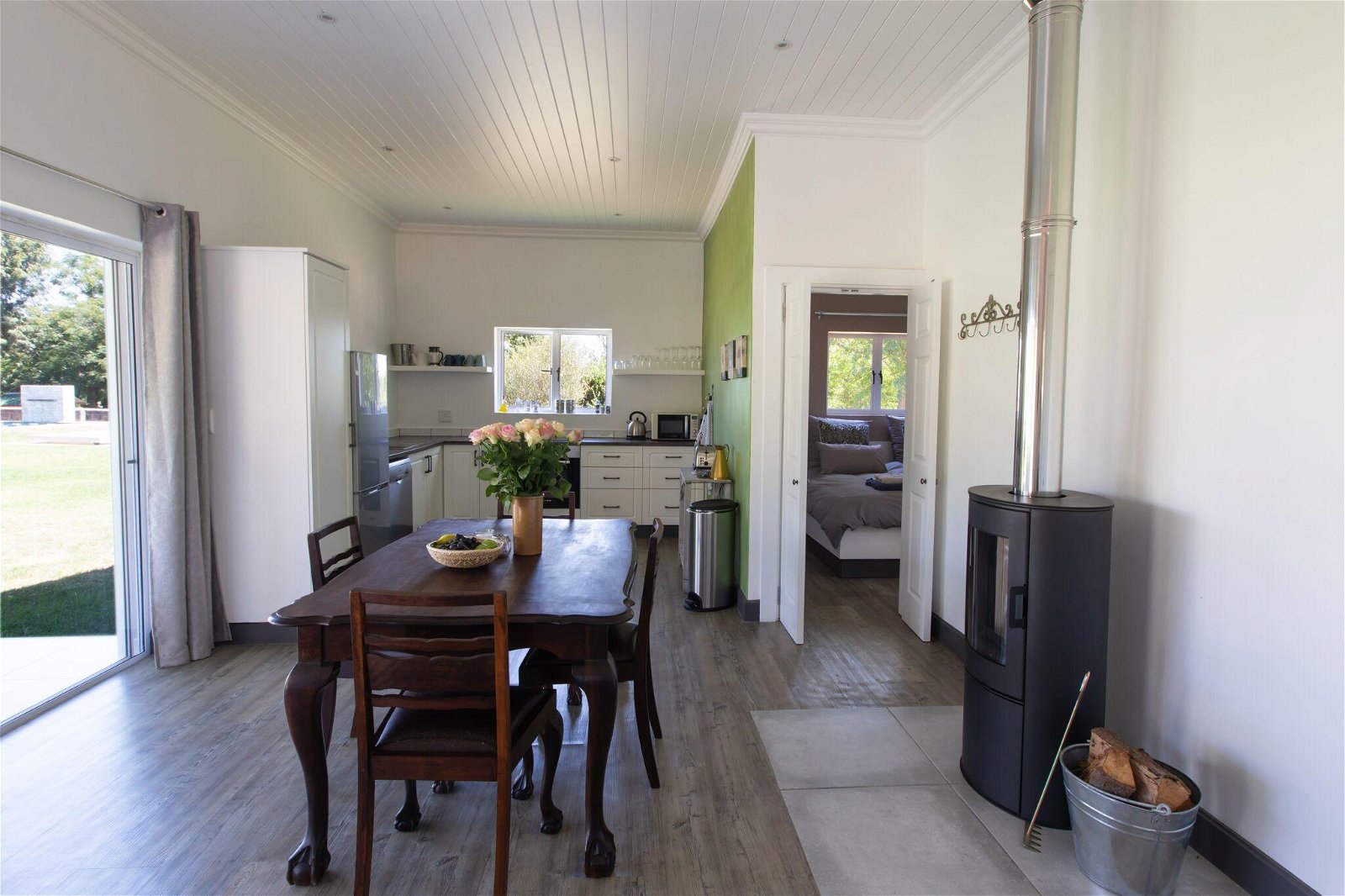
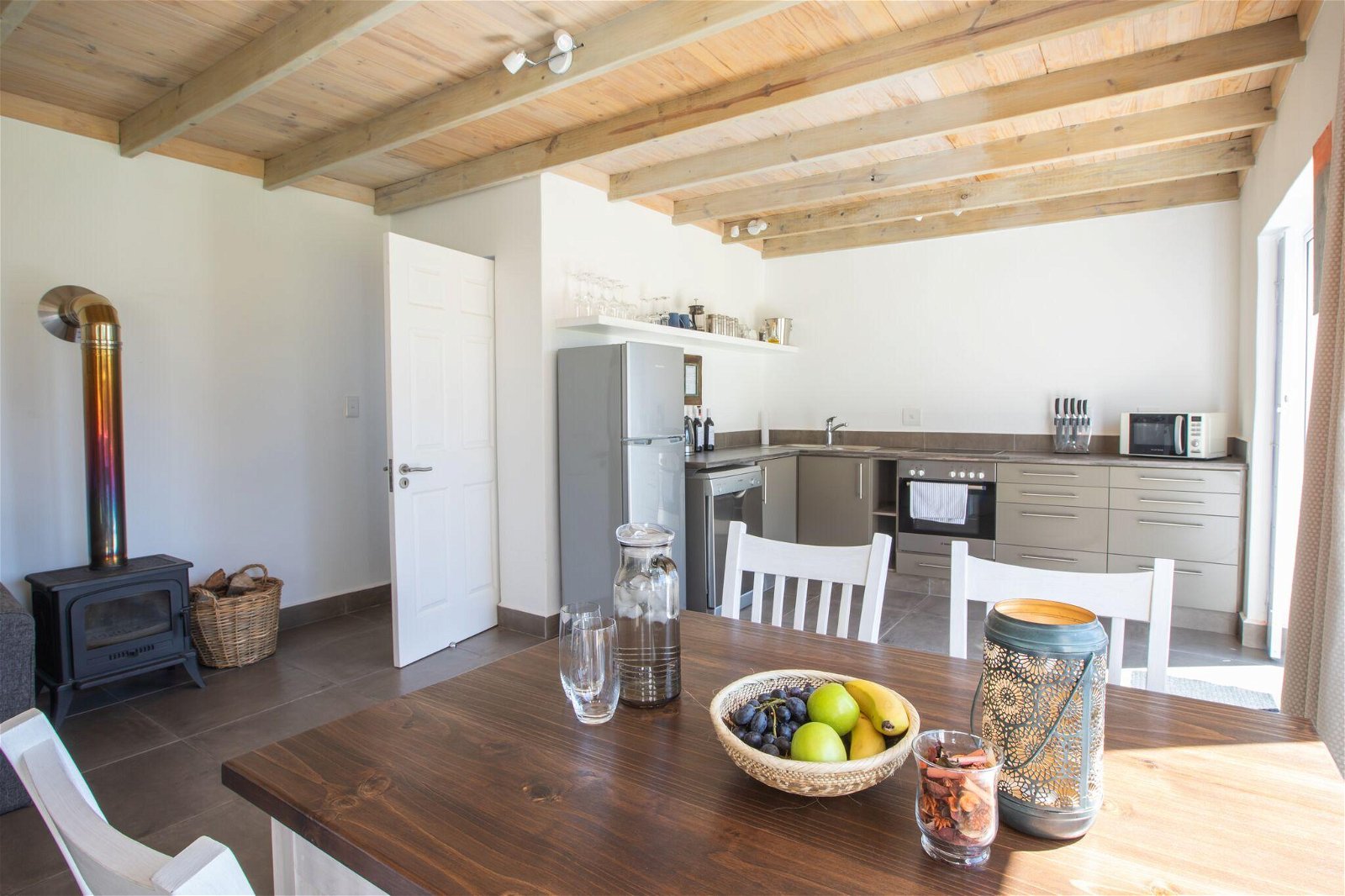
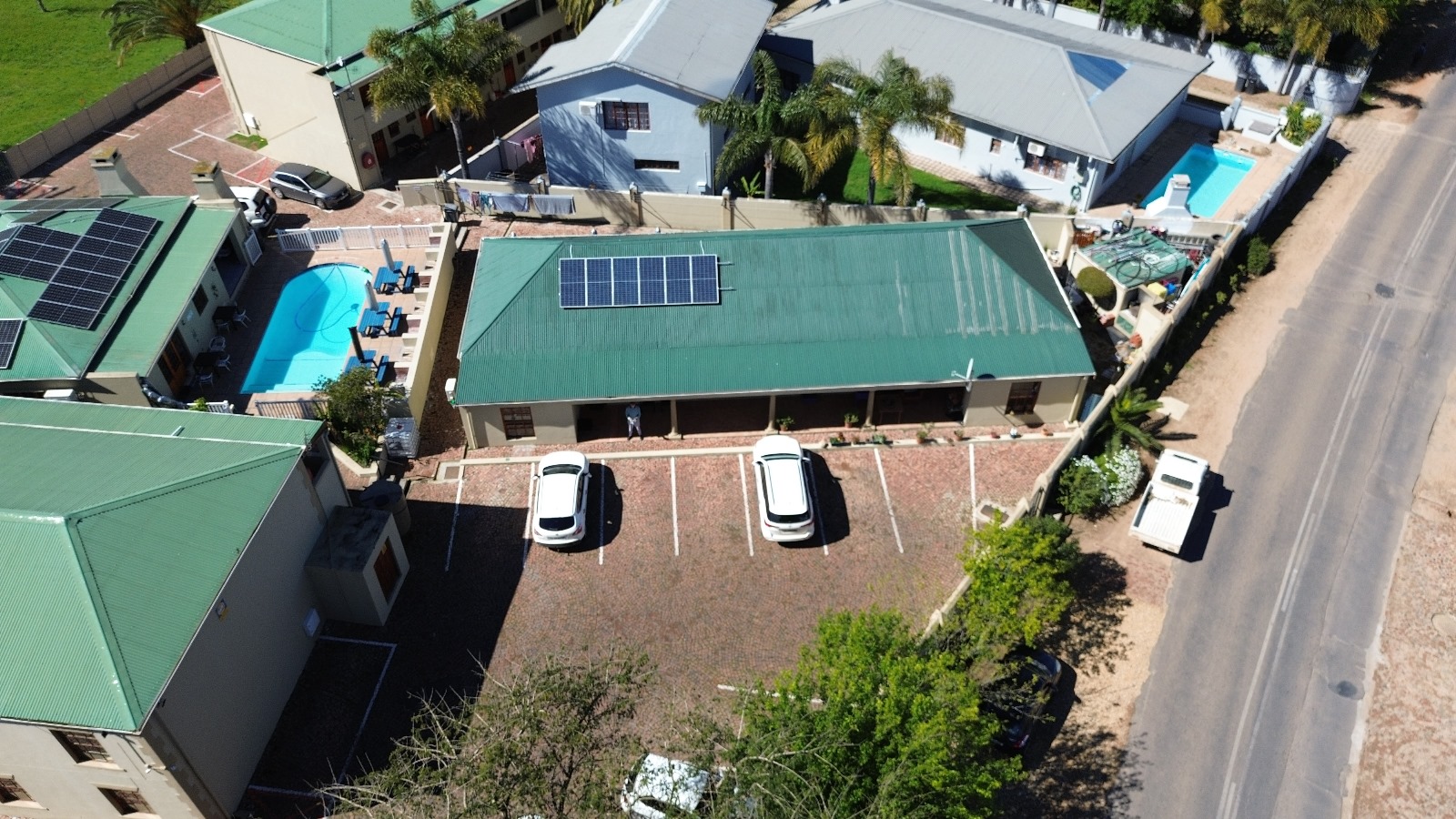
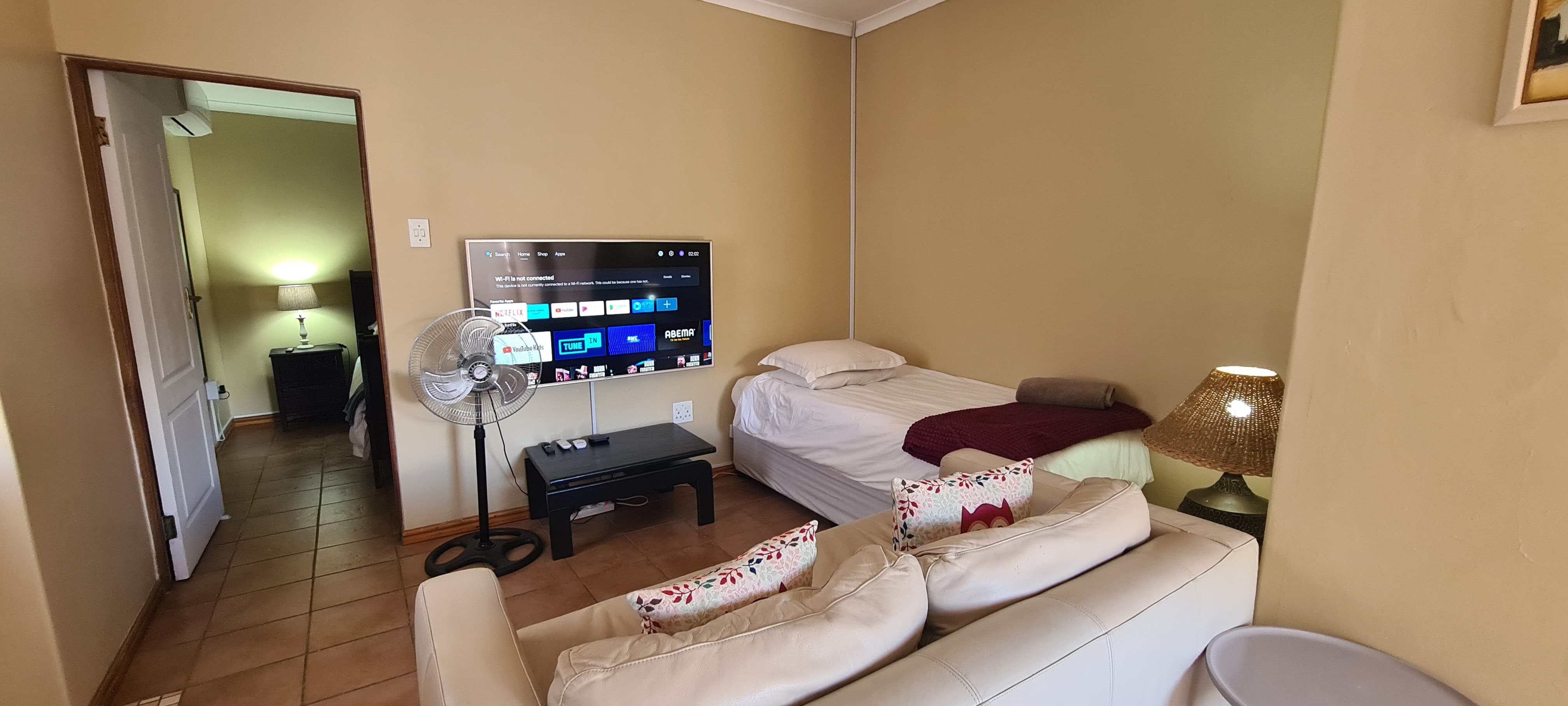
At the lower end of the market, a bed and breakfast provides an affordable entry point with the personal touch of a hosted environment. Self-catering units occupy the mid-range bracket and suit couples or families who prefer to cook independently. Two options are available in this category, and they offer more flexibility than guesthouses for longer stays where self-sufficiency matters.
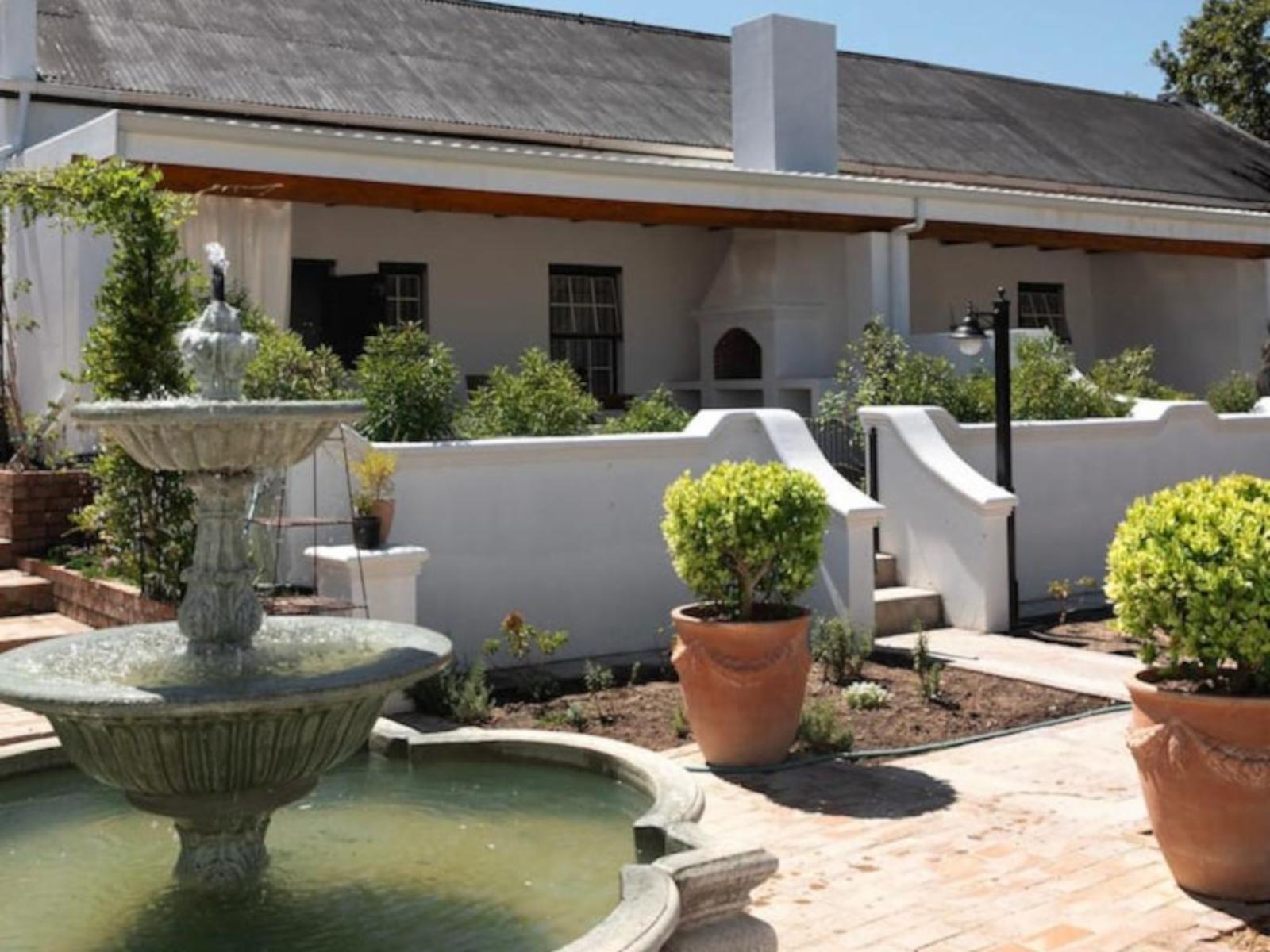
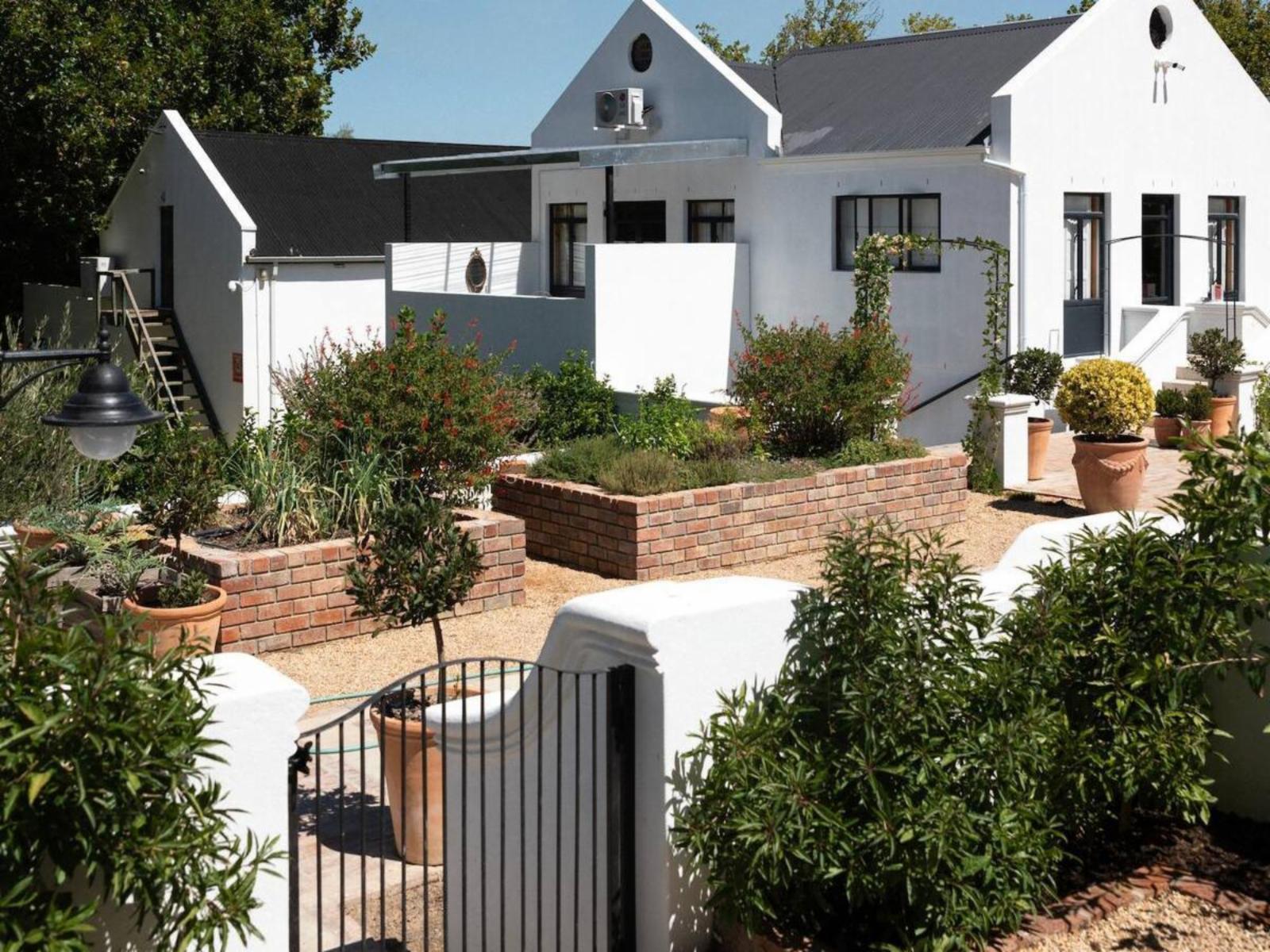
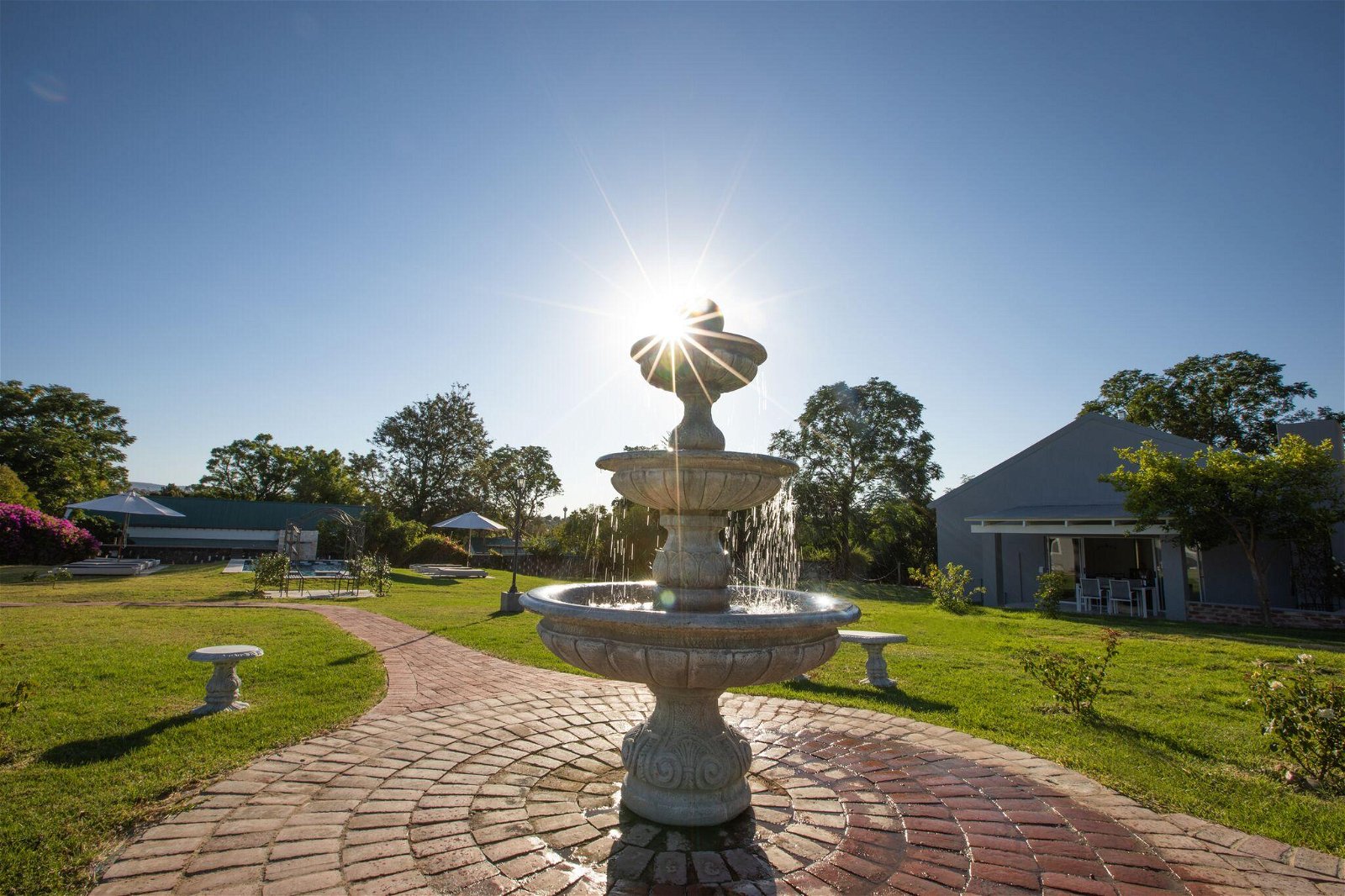
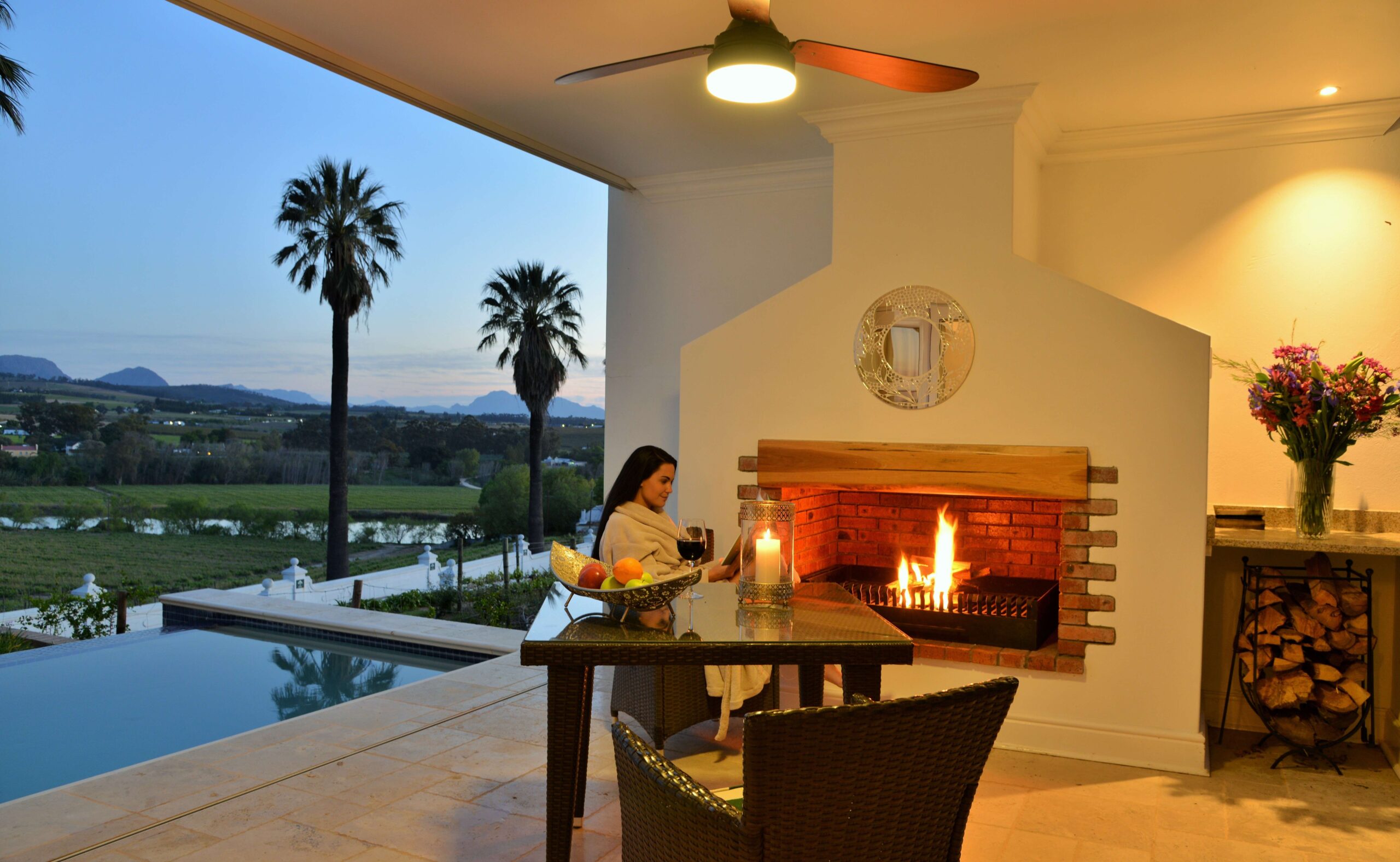
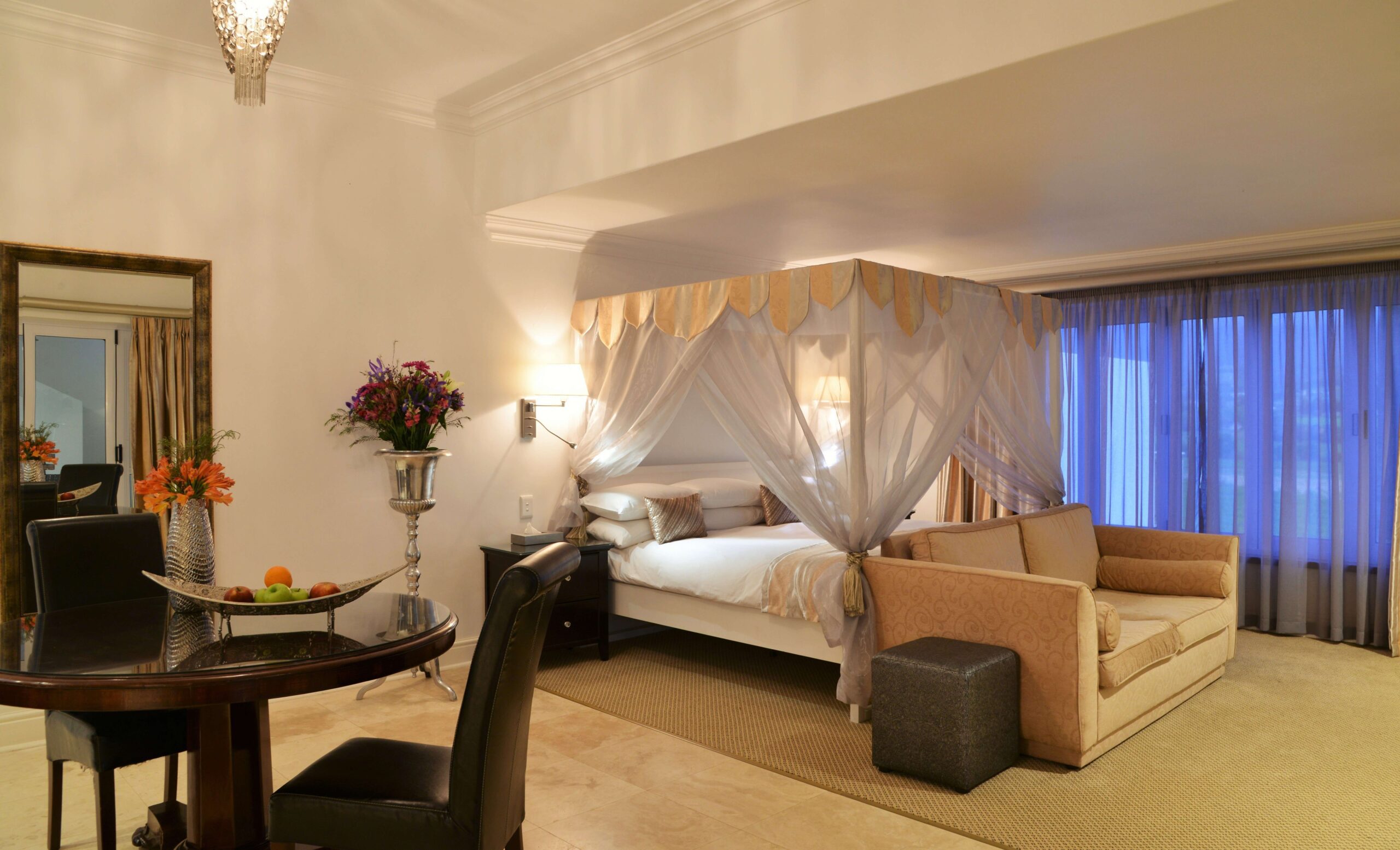
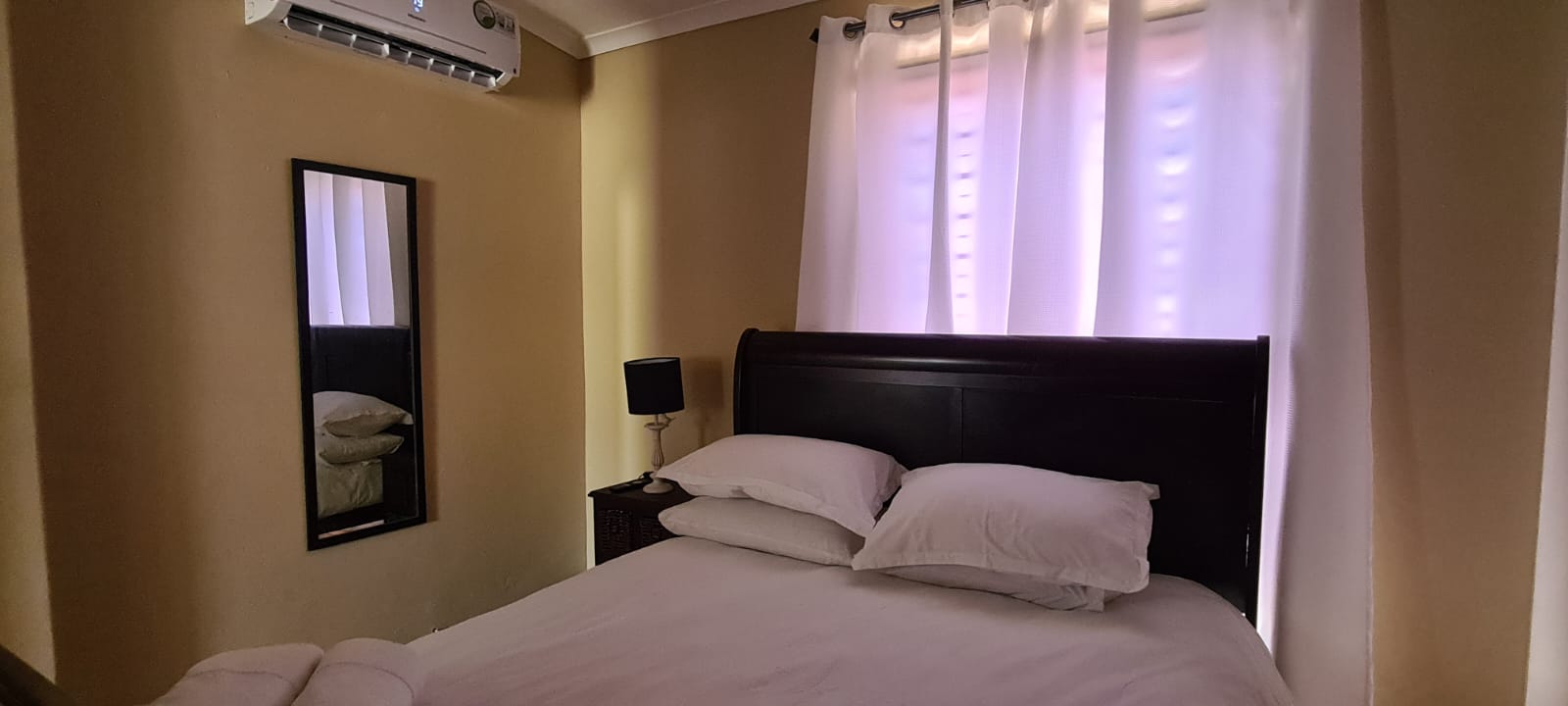
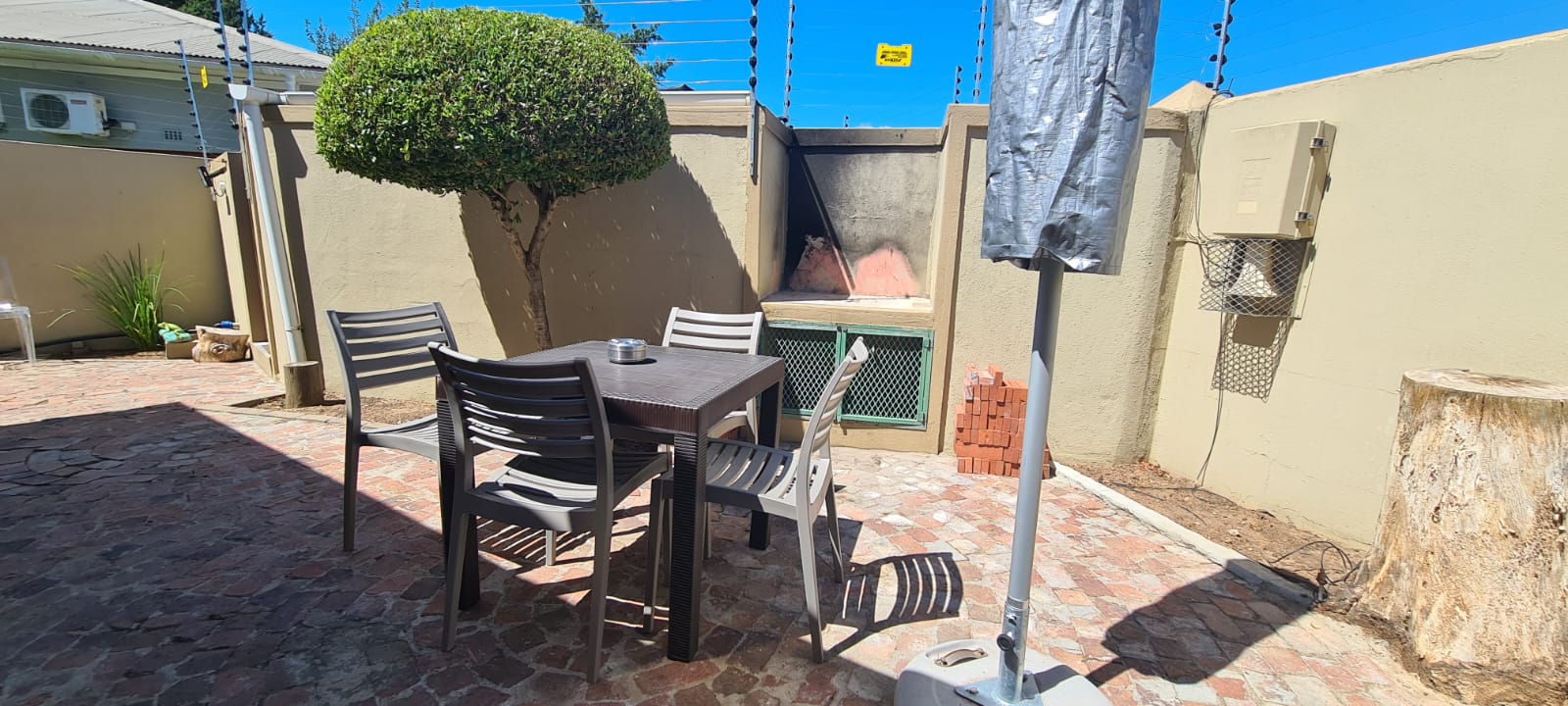
Guesthouses form the backbone of Wellington's accommodation offer, with five properties available averaging R2,252 per night. They are the most common choice and the most versatile in terms of location and service level. Most are well-positioned for access to the town centre and the wine route, and many include breakfast in the rate.
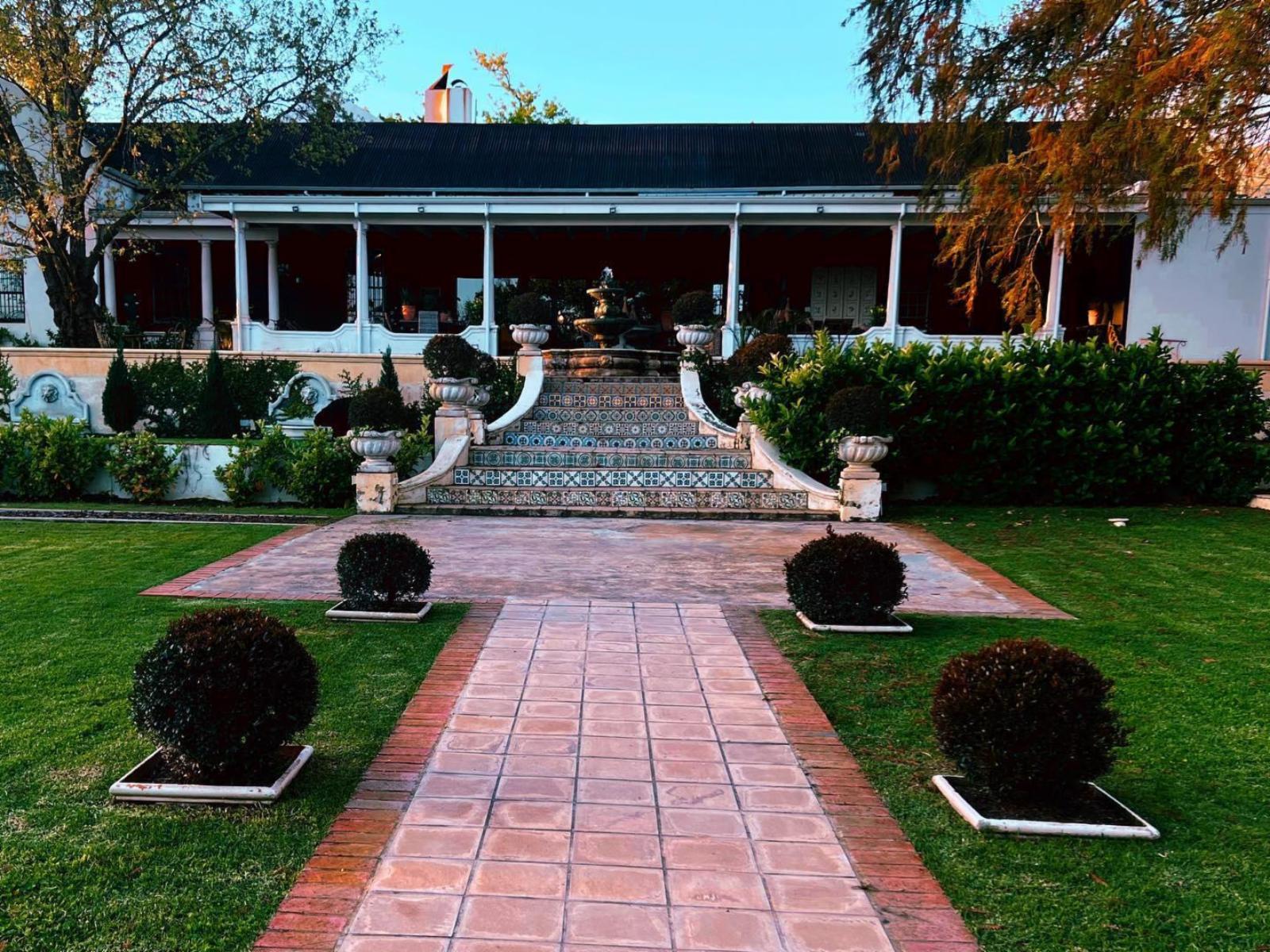
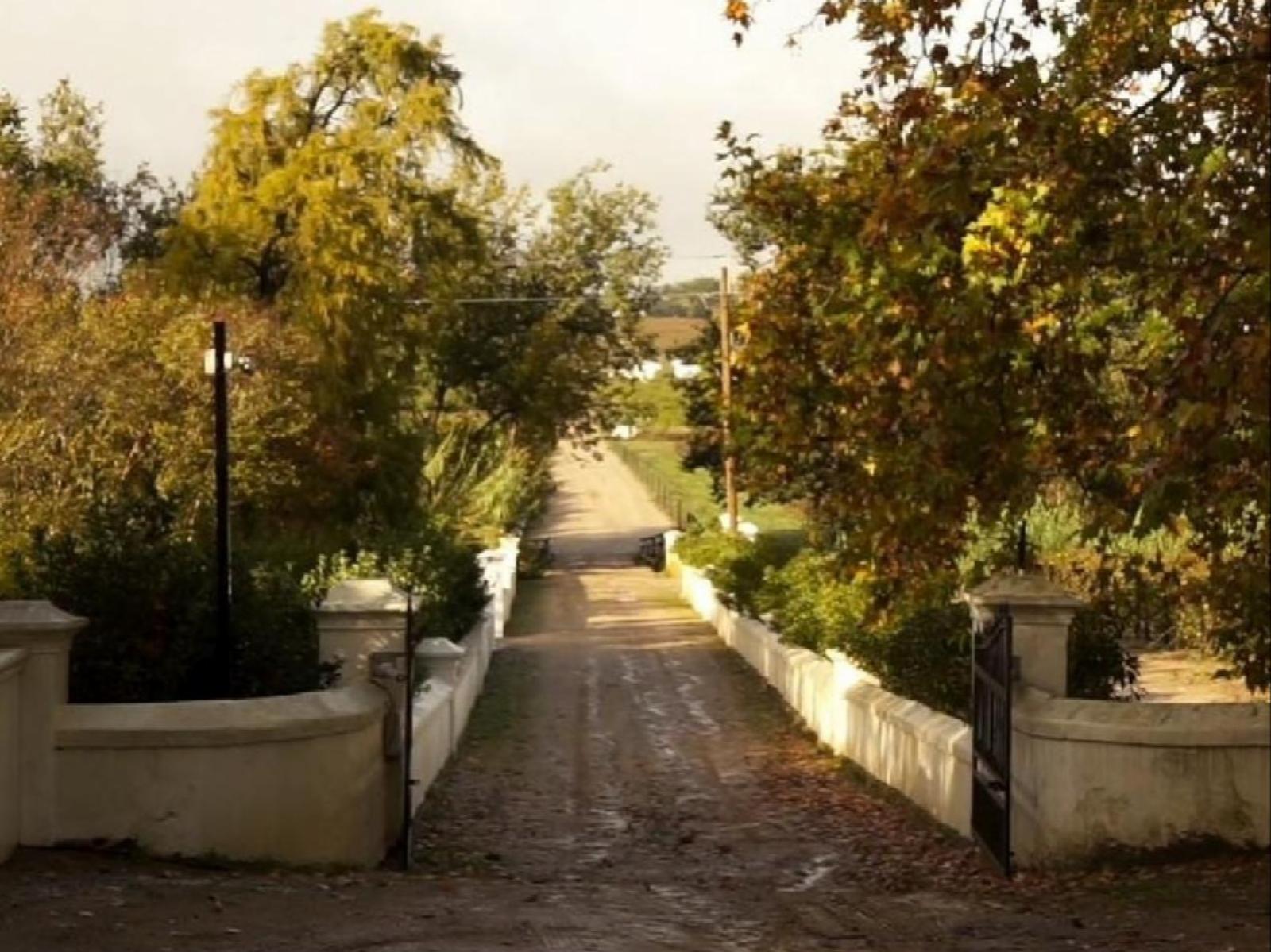
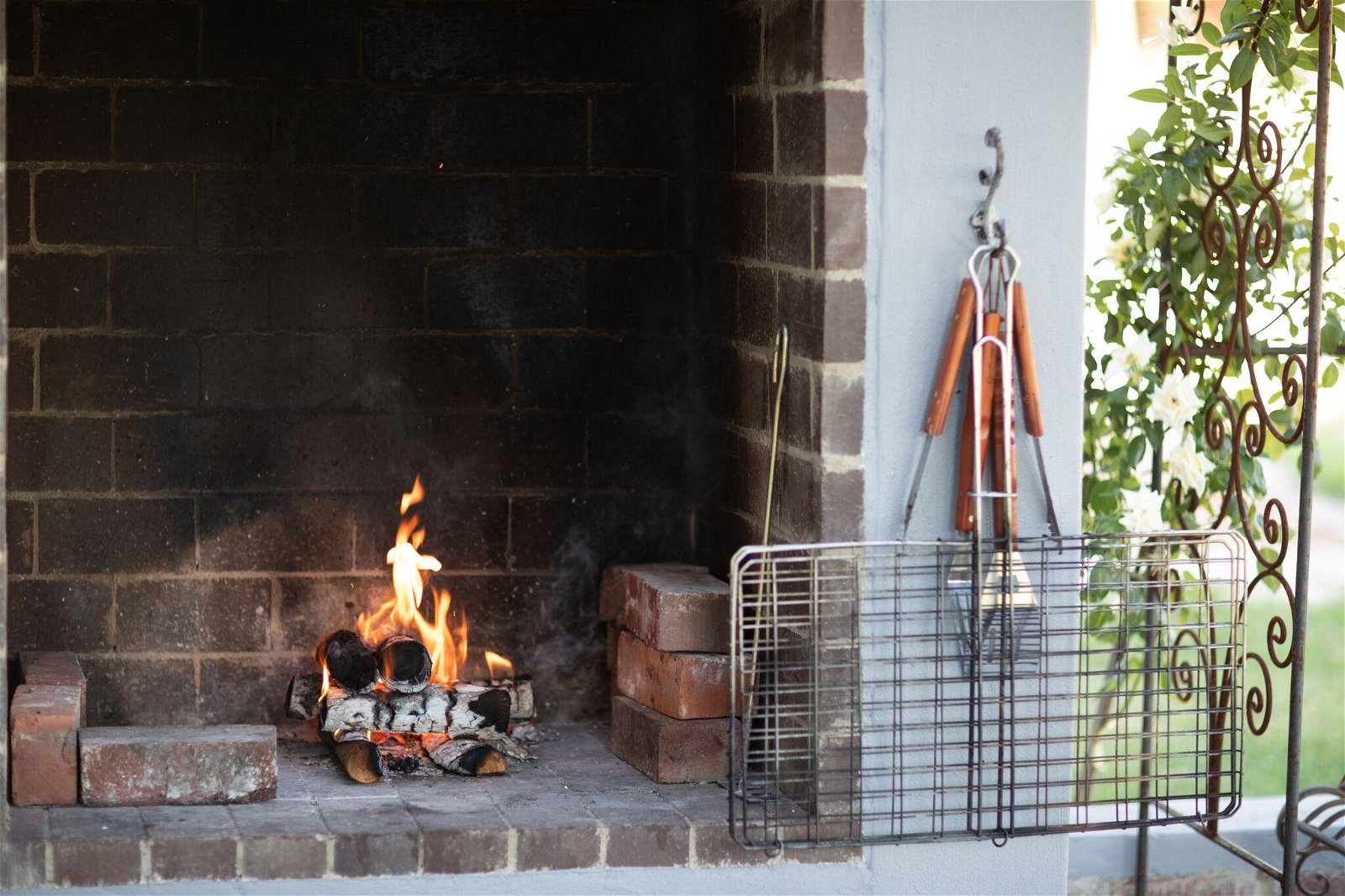
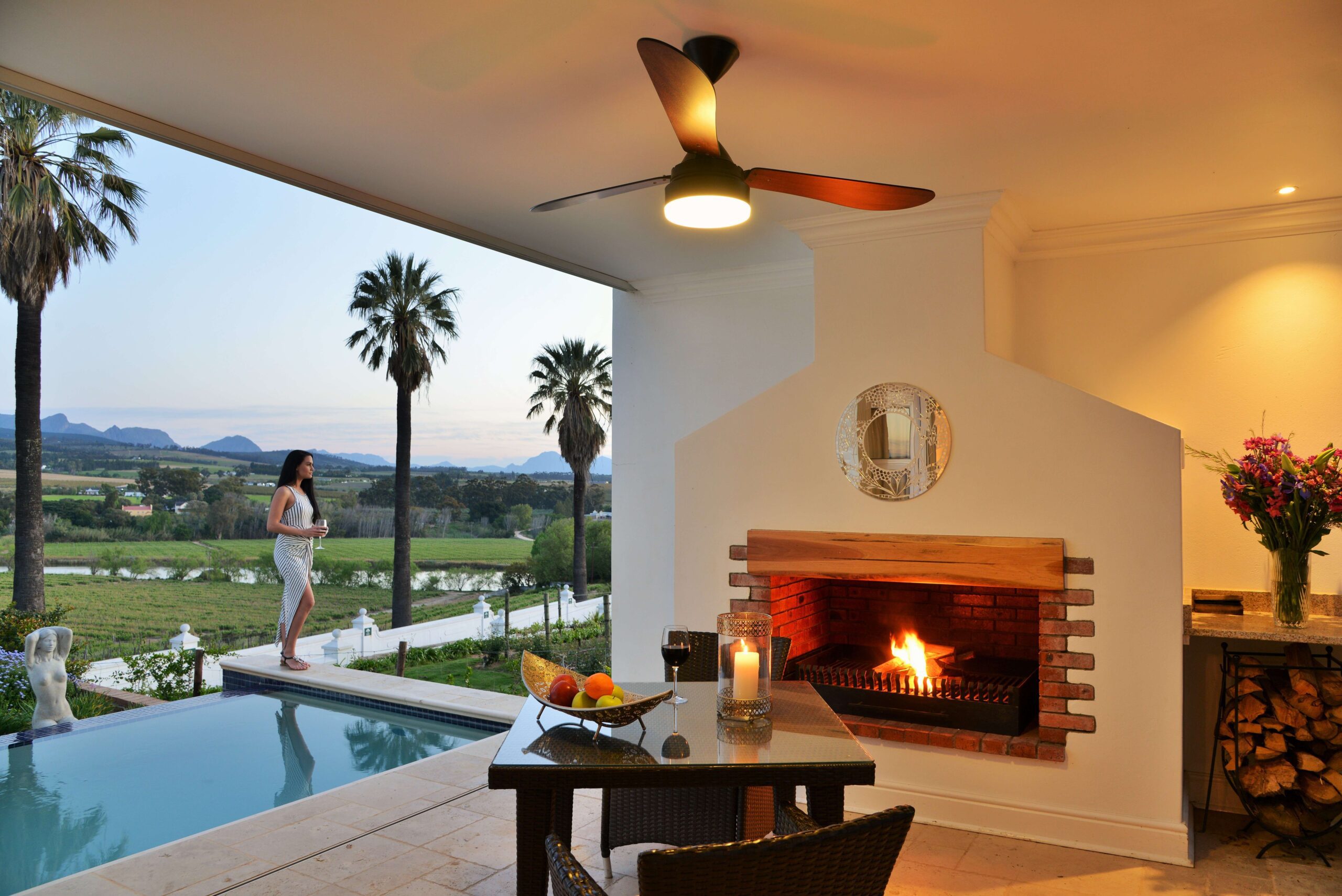
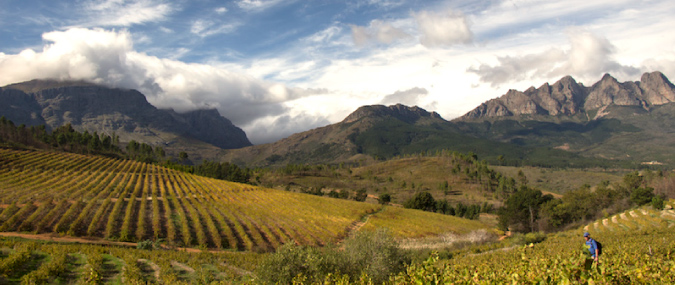
For travellers prepared to spend considerably more, wine farms and farm houses offer a different kind of stay. The three wine farm listings place guests on working vineyards with direct access to cellars and estate grounds. Waking to vineyard surroundings is a meaningfully different experience from a town guesthouse, and those farms reflect that in their pricing. The single farm house listing suits groups or families wanting space and privacy over hotel-style service.
Booking directly with properties often uncovers rates not listed on aggregator platforms. Most Wellington hosts run small operations, and direct communication before arrival can clarify what is included, whether that is breakfast, transfers, or access to outdoor areas. It also gives a clearer sense of the property's character before you commit.
Things to Do in Wellington
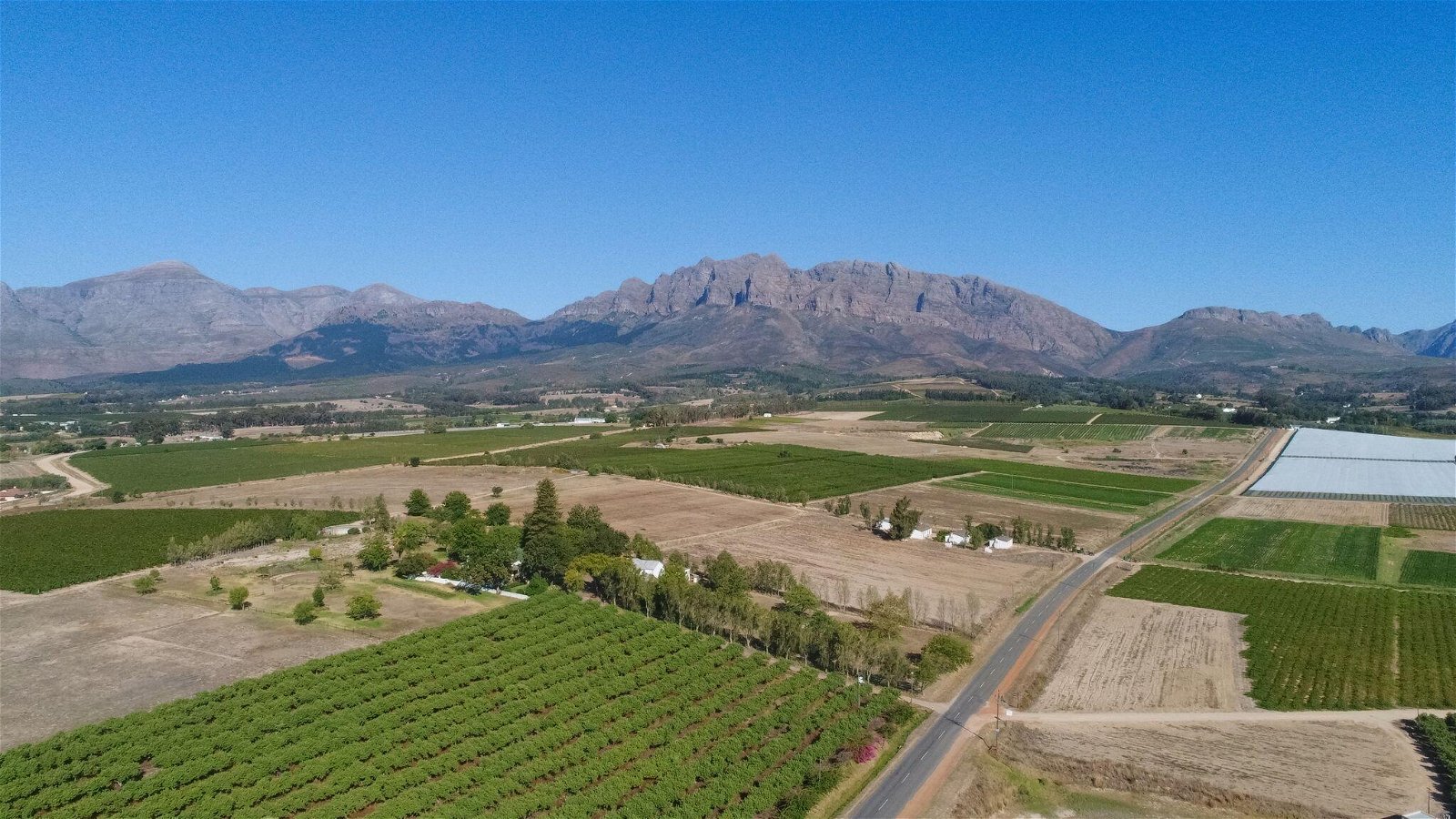
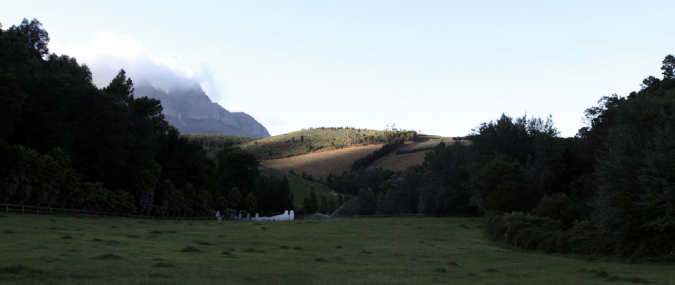
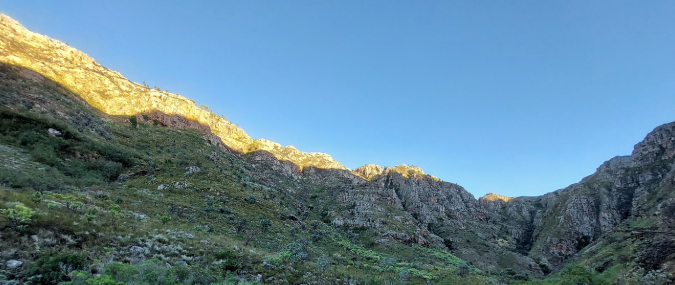
The Limietberg Nature Reserve covers a large area of fynbos-covered mountains east of town and offers marked trails of varying difficulty. Dassies are regularly spotted on rocky outcrops, and the birdlife includes raptors alongside fynbos-endemic species. No technical equipment is needed for the main trails, and the reserve is accessible directly from Wellington.
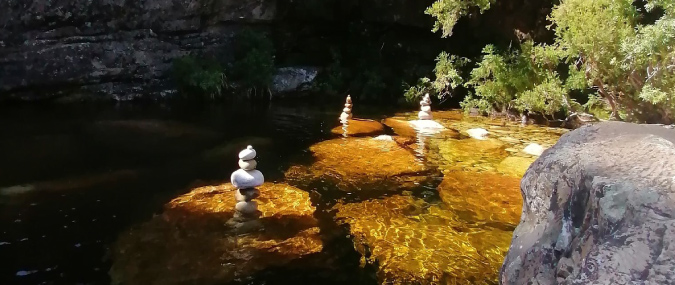
The Berg River runs through the valley and provides quieter, less-structured time outdoors. Its banks suit an afternoon of riverside walking or fishing, away from the organised winery circuit.
Wine tasting is the primary organised activity in the area. The Wellington Wine Route takes in farms along the valley floor and lower slopes, offering tastings and cellar tours throughout the year. The style leans toward Rhone and Bordeaux varieties, with some estates producing port-style dessert wines. Several farms have restaurants on site, and a half-day spent moving between two or three properties is a reasonable way to cover the route without rushing.
Golf is available within the broader area. The proximity to Paarl and the wider Winelands means additional courses are a short drive away, making it practical to combine a round with other activities.
Cycling suits the valley roads well. Traffic is lighter here than on comparable Stellenbosch routes, and a loop taking in the farms and returning via the lower mountain roads makes for a solid half-day of riding. Huguenot College, established in the 19th century, is worth a brief stop for its historic buildings. The town's main street has a working, local character with a weekly market stocking fresh produce.
Best Time to Visit Wellington
Wellington follows a Mediterranean pattern: dry summers from November through March and wet winters from May to August. Summer temperatures in the valley regularly exceed 35 degrees Celsius, which limits comfortable outdoor activity to mornings and evenings.
Spring, from September to November, offers the best general conditions. Rainfall has largely cleared, wildflowers are visible across the reserve, and the farms are active with pre-harvest preparation. The light at this time of year is also good for photography across the valley.
Autumn, from March to May, is harvest season. Vineyards are at their most visually interesting, cellar activity is at its peak, and some farms offer harvest-experience visits during this period. It is worth booking ahead as demand rises in April.
Winter brings cooler temperatures and regular rain. It is the low season and the quietest time to visit. Accommodation is easier to secure, the hiking trails are less crowded, and the fynbos vegetation is in strong condition. The trade-off is that some farm restaurants and tasting rooms reduce hours or close on weekdays.
The December to mid-January period is the busiest of the year. Advance planning is essential if you are travelling then.
Getting to Wellington
Cape Town International Airport is the nearest major airport, approximately 80 kilometres from Wellington via the N1 motorway. The drive takes 50 to 60 minutes in normal conditions, though the N1 through Cape Town slows during morning and afternoon peak hours. From the airport, the most direct route follows the N2 to the N1, then exits toward Paarl before continuing on the R301 into Wellington.
From Cape Town city centre, the town is around 75 kilometres north-east, roughly an hour's drive. The R301 through Paarl is the standard approach.
Public transport is functional but limited. Golden Arrow bus services connect Wellington to Paarl and Cape Town. Minibus taxis operate between Wellington and surrounding towns throughout the day. For the airport leg, a metered taxi or rideshare app is the most practical option.
Hiring a car is advisable for anyone wanting to visit wine farms or the nature reserve independently. Public transport does not reach the farm properties or reserve trailheads. The local roads are in reasonable condition and accessible in a standard vehicle, including the routes up into the lower mountain areas.
Wellington and Surrounding Areas
Paarl, 11 kilometres south on the R301, is the largest town in the immediate vicinity and functions as a regional hub. It has a wider range of restaurants, shops, and services than Wellington. The Paarl Rock granite formation on the edge of town is one of the area's better-known landmarks and is walkable from the lower slopes. Many visitors treat the two towns as complementary stops on the same day.
Rawsonville, 28 kilometres east via the Du Toitskloof Pass, is a smaller farming community. The pass itself is worth the drive, climbing through mountain terrain before descending into the Hex River Valley. Rawsonville is associated with wine co-operatives and affordable bulk wine production, with a character distinctly different from the more polished Wellington farms.
Riebeek-Kasteel, 30 kilometres north-west, has become a popular weekend destination for Cape Town residents. A compact main street holds a concentration of small restaurants, galleries, and wine farms. The Swartland wine style produced here, with an emphasis on old-vine Chenin Blanc and Rhone varieties, differs noticeably from Wellington's offer and justifies the detour.
Wolseley, 31 kilometres north-east, is a quiet agricultural town at the foot of the Witzenberg mountains. It receives fewer visitors than the other towns but provides access to the Witzenberg Valley, which has its own trails and fruit farms.
Klapmuts, 23 kilometres south-west, sits at the crossroads between Wellington, Paarl, and Stellenbosch. It is primarily useful as an orientation point when navigating the broader Winelands by car rather than as a destination in itself.
Groendal, 29 kilometres away toward the Hex River direction, is a small settlement most relevant as a route marker for travellers heading further inland toward the Breede River Valley.
Planning Your Stay
Wellington's properties fill quickly during the March and April harvest period and across the December school holidays. Booking two to three months ahead is sensible for those windows, particularly for wine farm stays where total availability is small.
Before confirming a reservation, check the cancellation terms carefully. Many smaller guesthouses and farm properties require non-refundable deposits, and weekend stays often carry a two-night minimum. It is worth asking directly what is included in the rate, since breakfast arrangements and access to outdoor areas vary across properties and are not always clearly stated on booking platforms.
The town has limited late-night dining options. Properties that include dinner, have an on-site kitchen, or sit close to the main street are worth prioritising if you do not want to drive after dark. Petrol stations in Wellington operate during standard hours but are limited after 9pm, which is relevant on days involving longer mountain drives.
Mobile data coverage across the valley is reasonable on most networks. Signal drops are possible in the reserve and on upper farm roads, so downloading offline maps before heading out is useful if you plan to hike or explore independently.