Accommodation in Woodlands
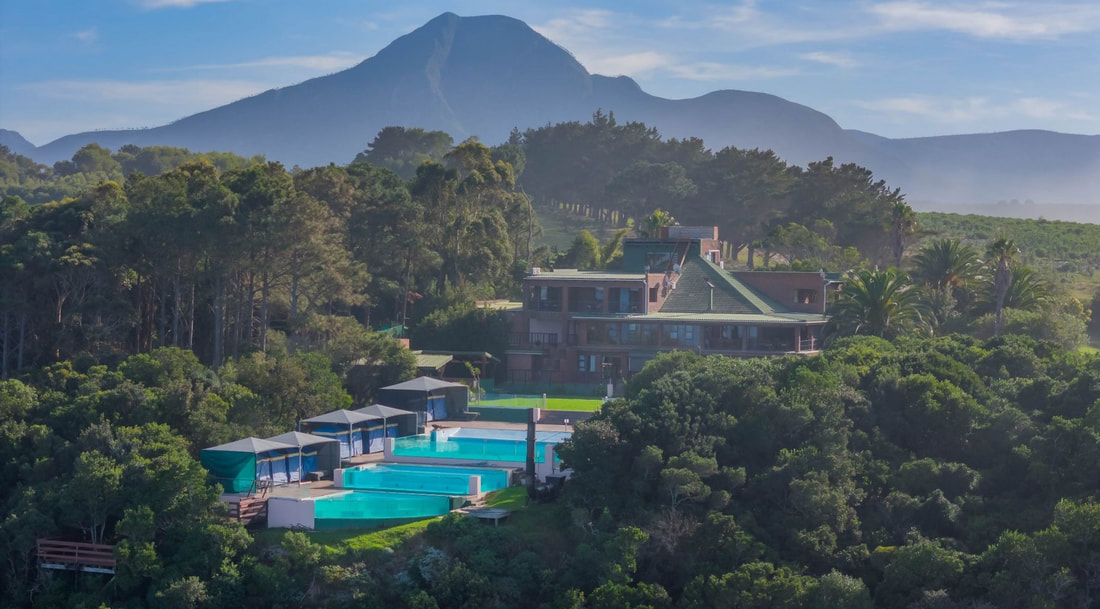
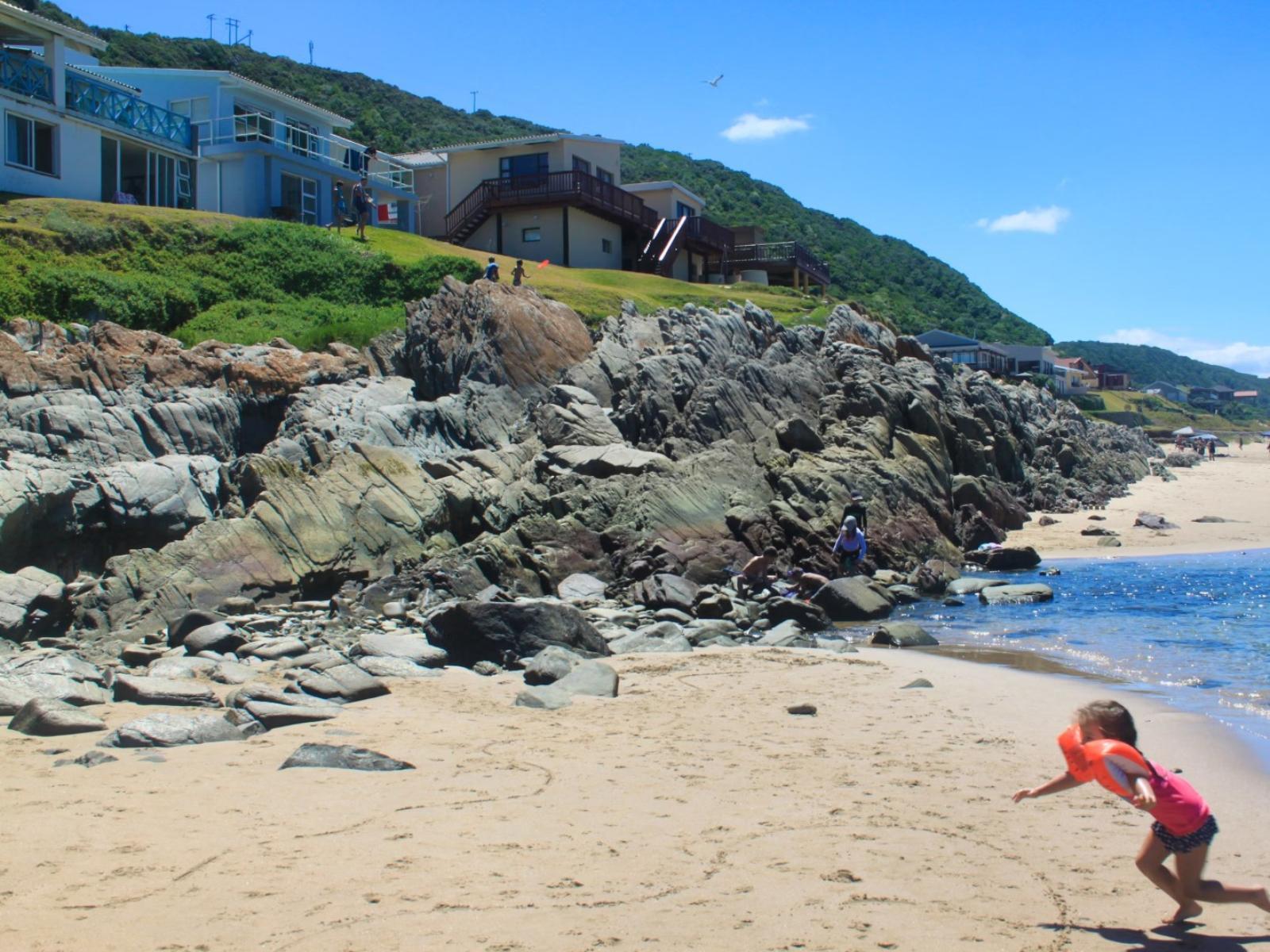
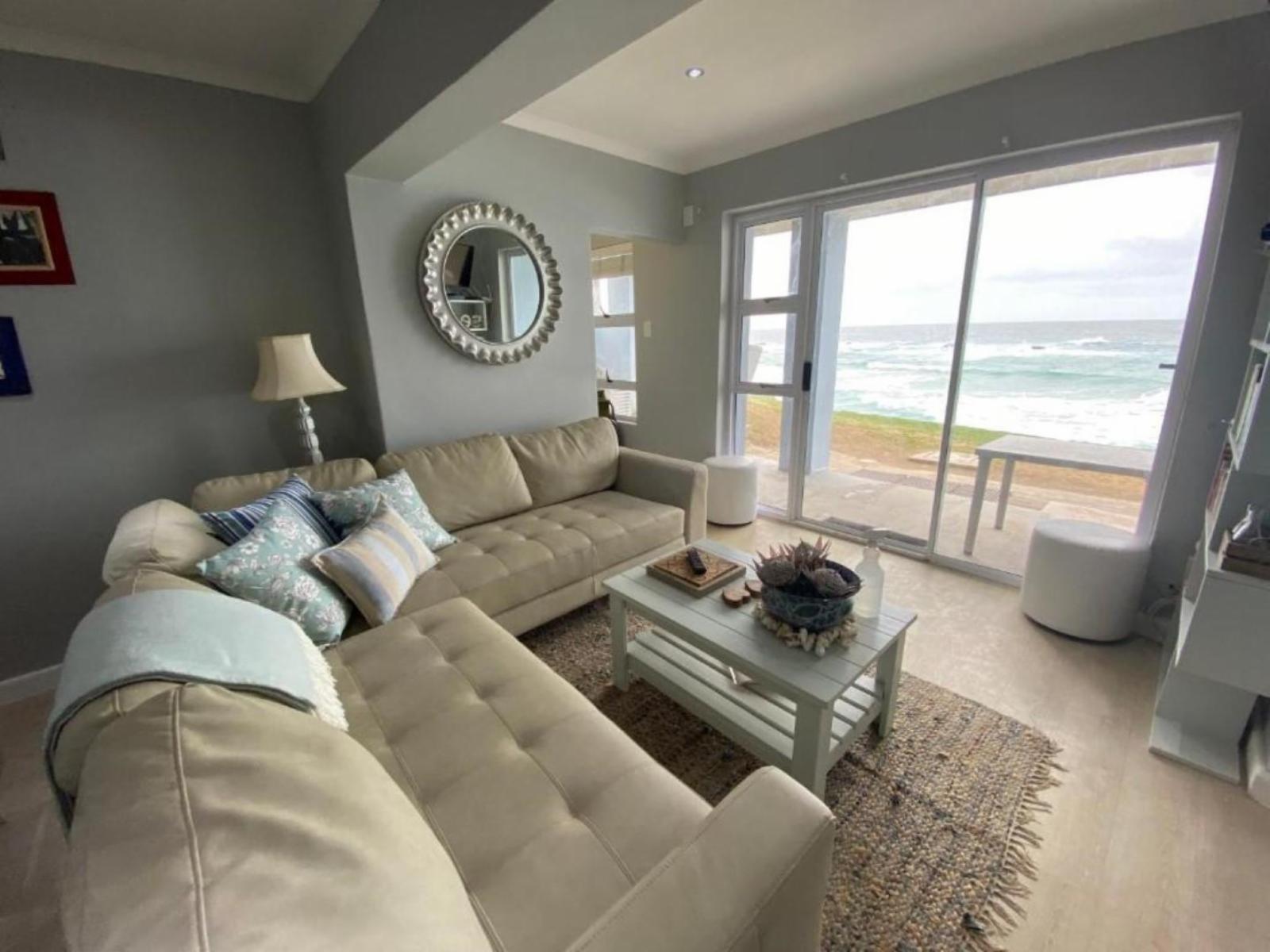
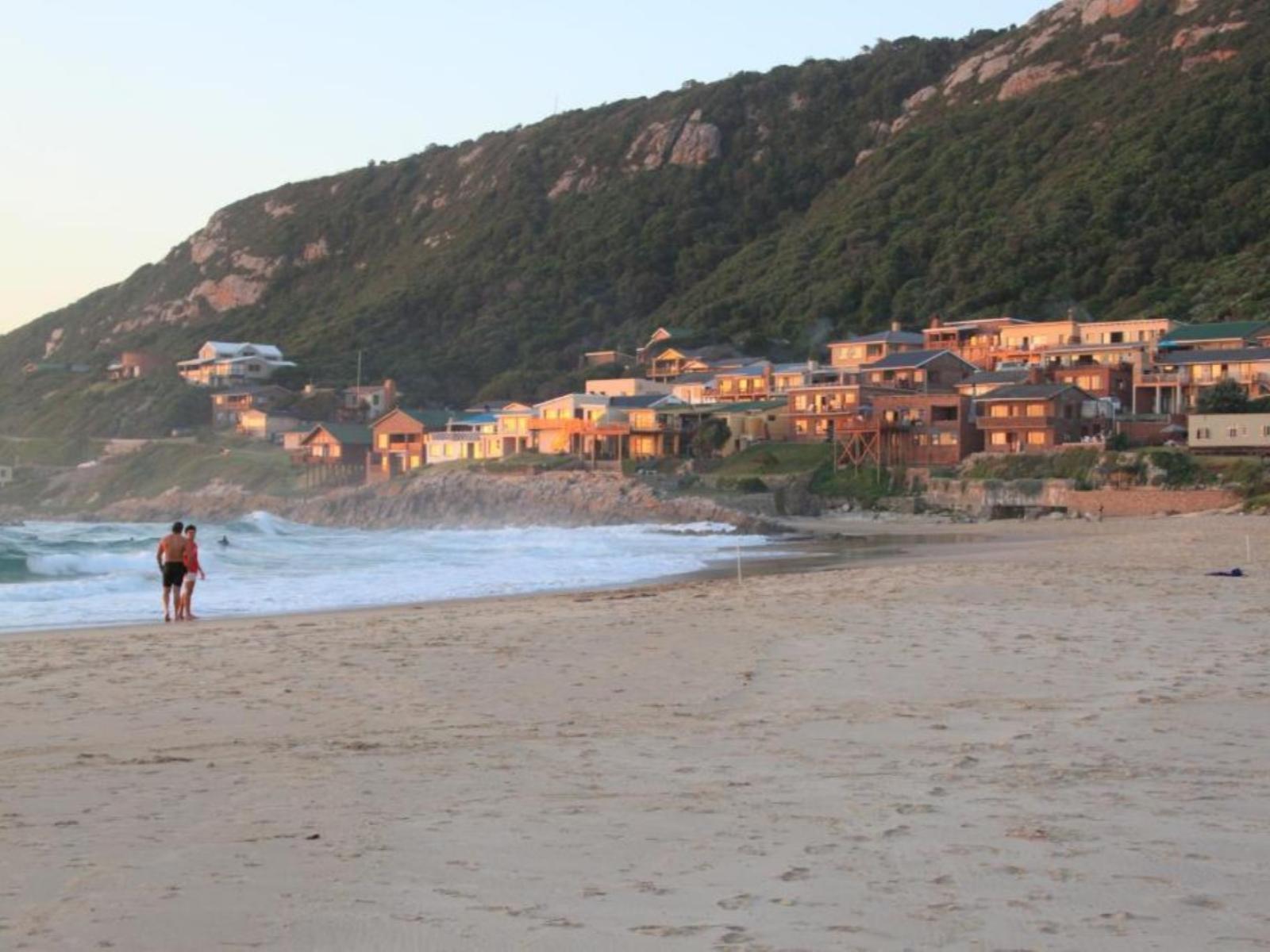
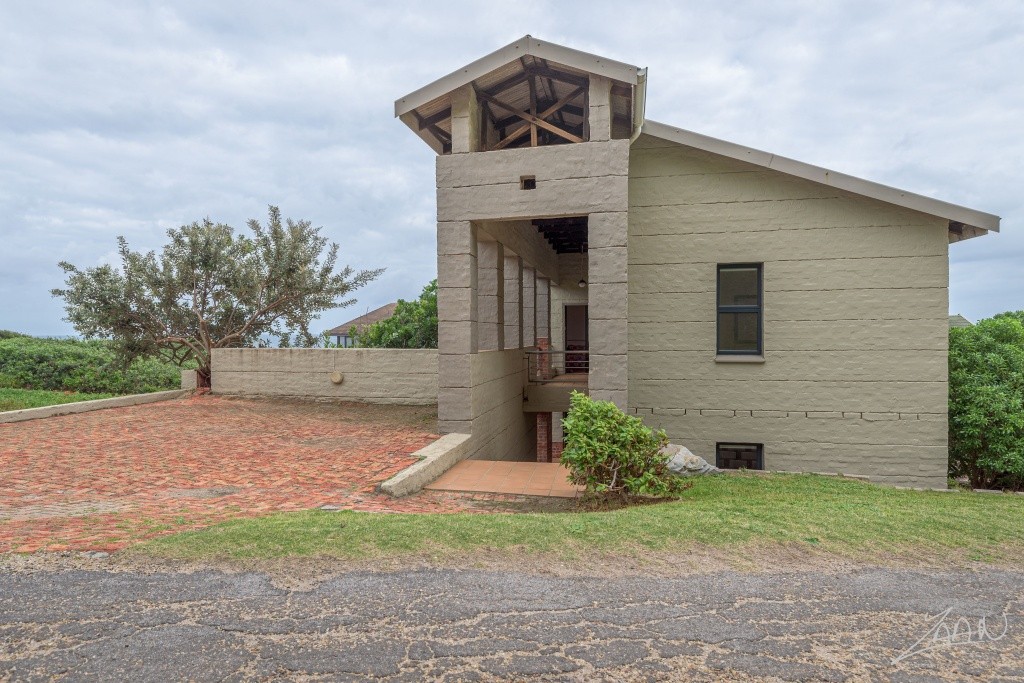
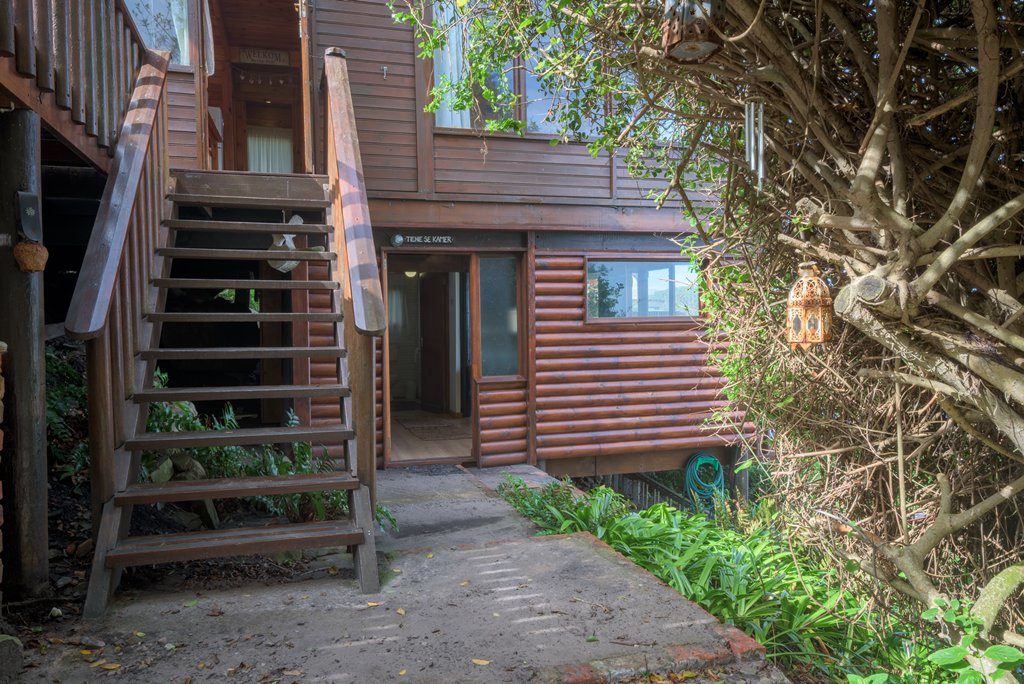
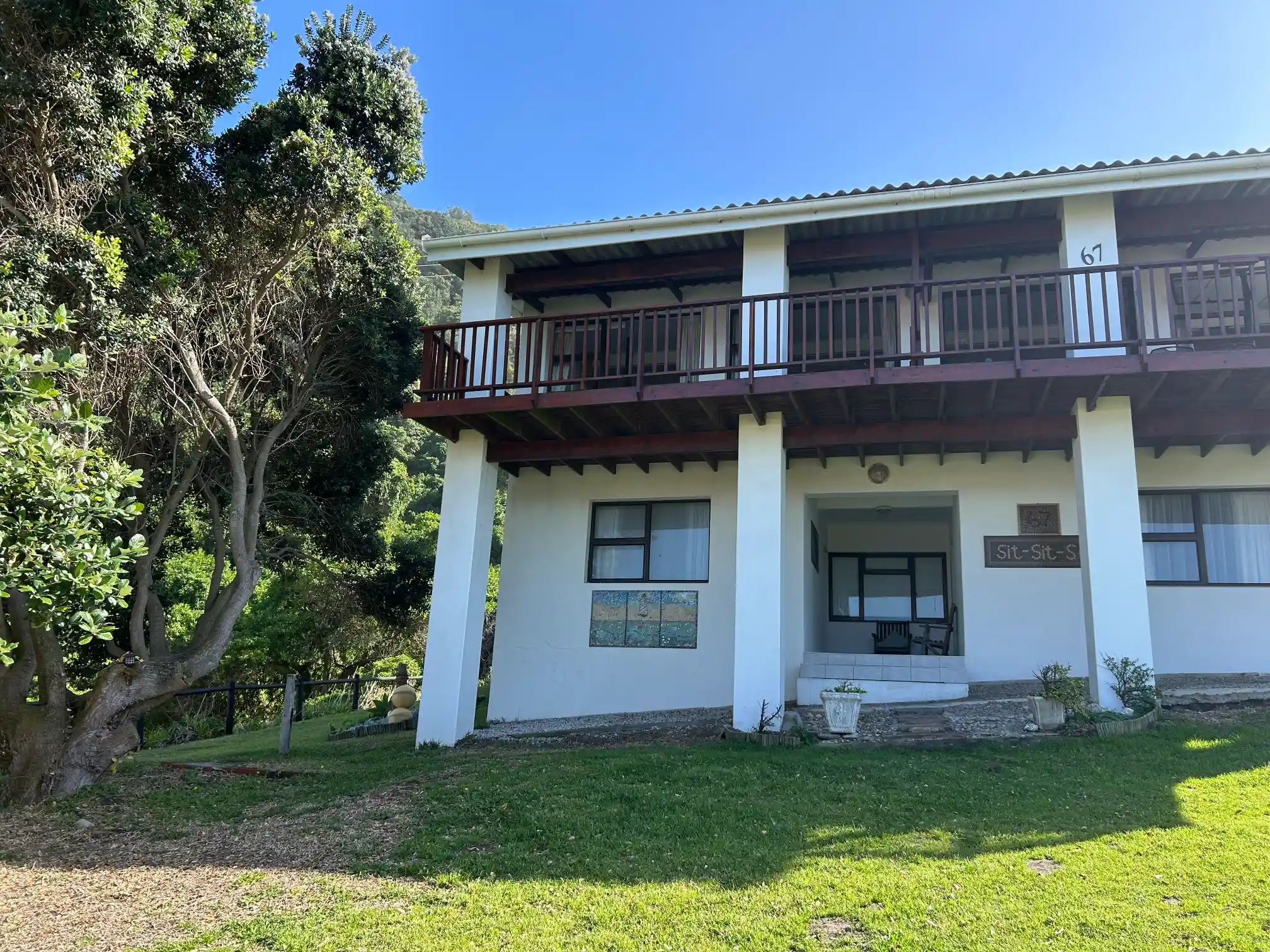
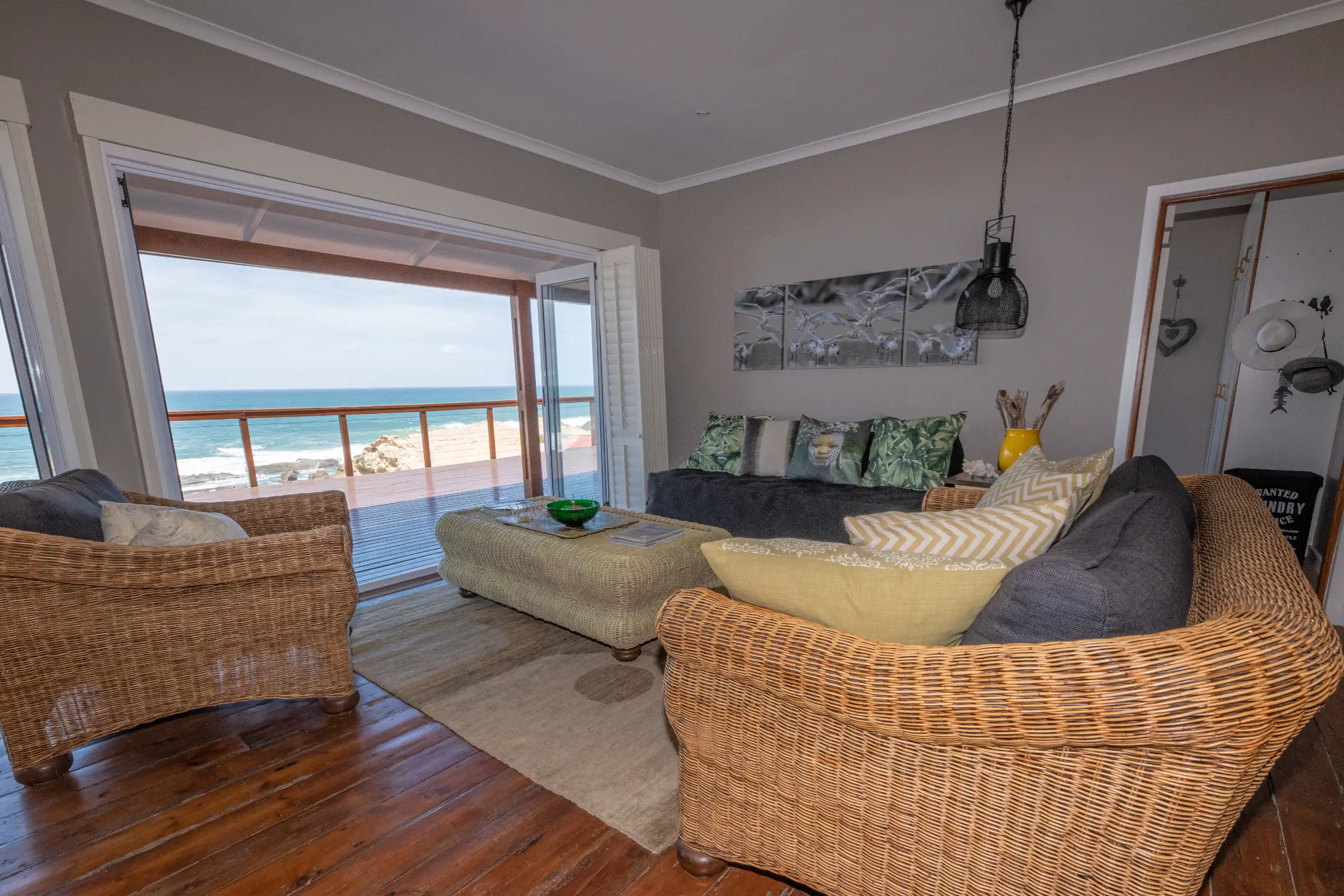
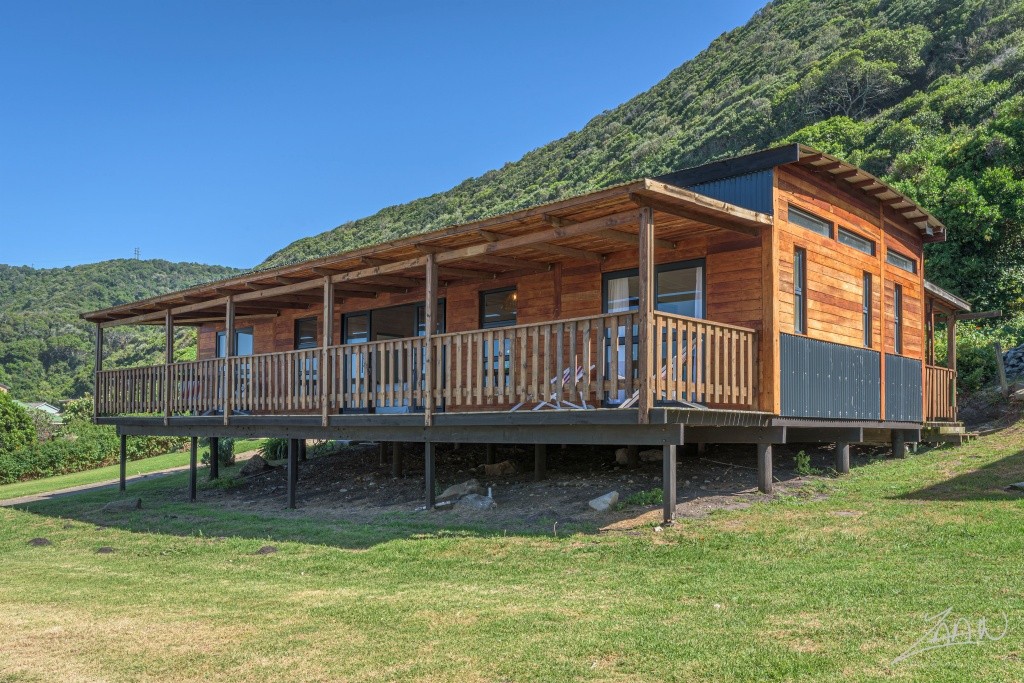
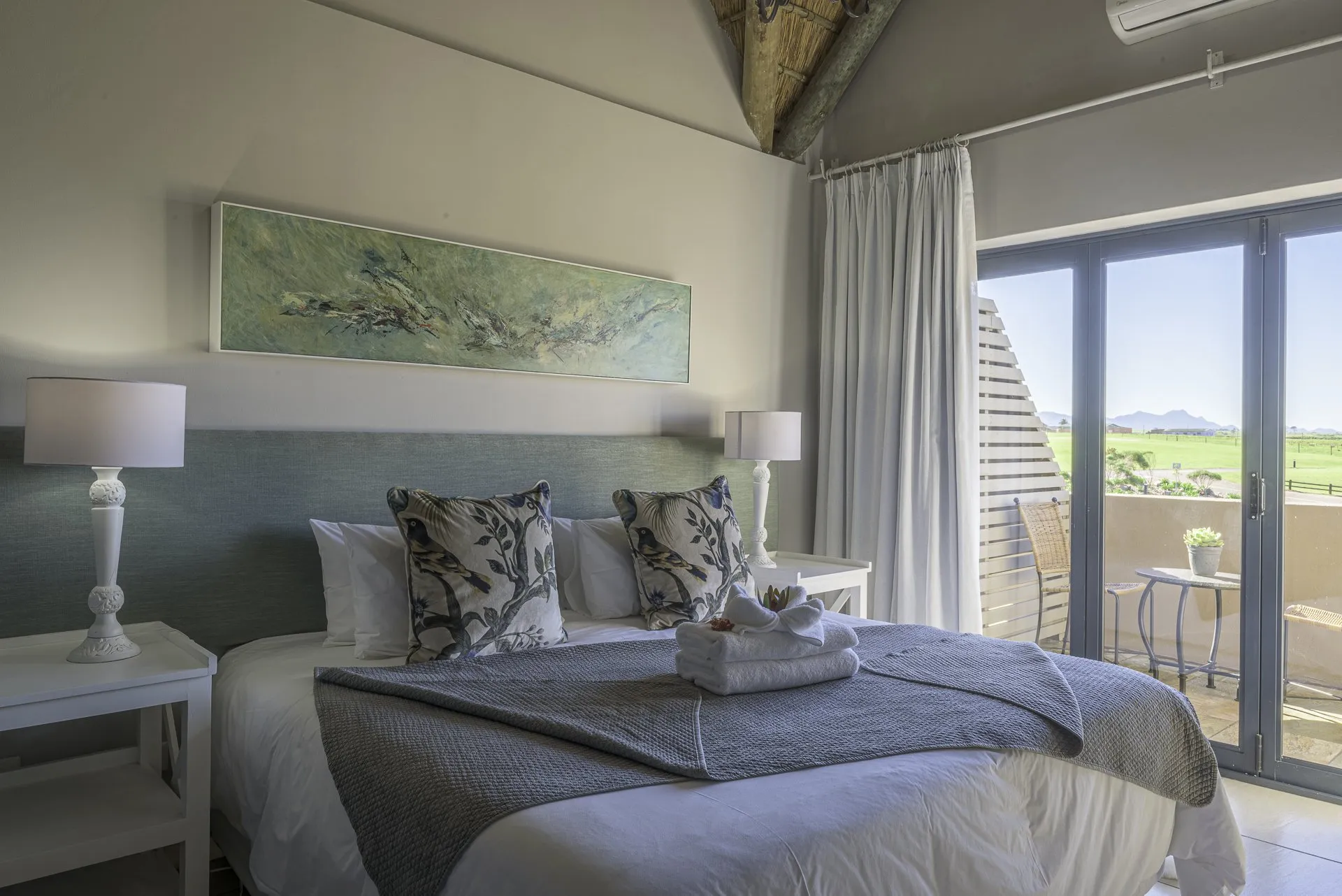
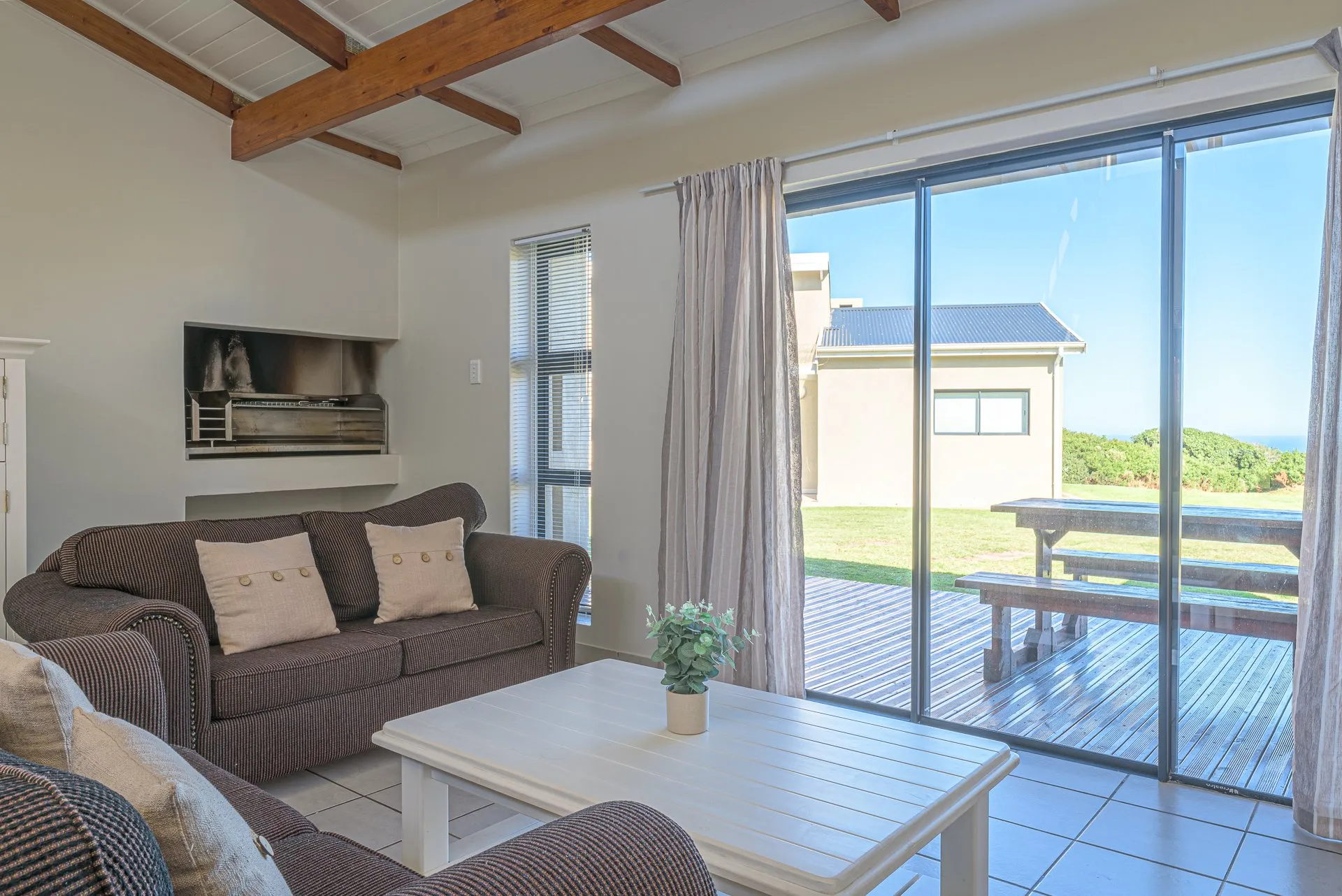
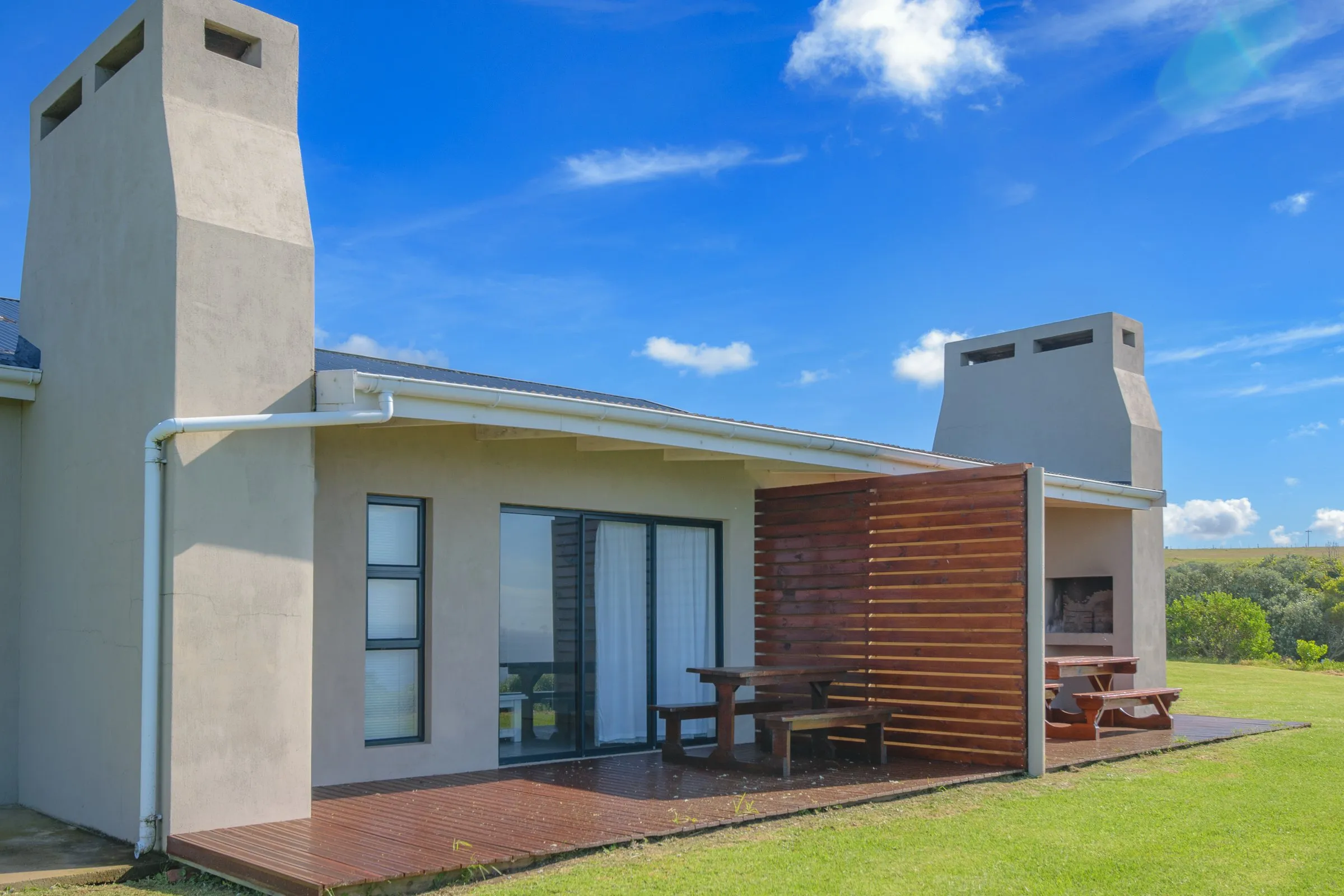
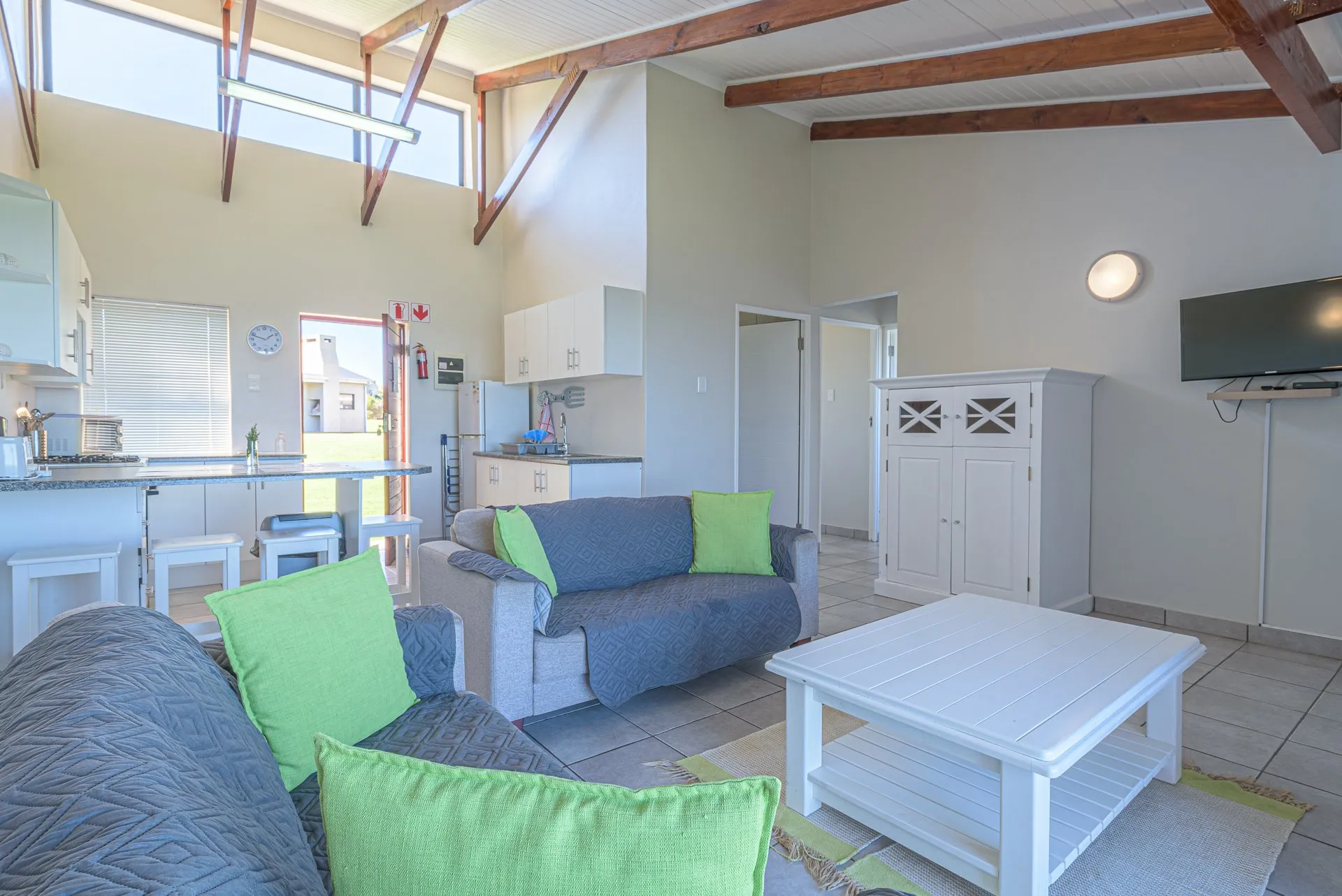
Woodlands has three properties in total, with rates at R1,300 per night. The selection is small and focused: independent, owner-operated places rather than chain hotels, which suits an area where travellers come specifically for the coastal forest environment and not for any town centre amenity.
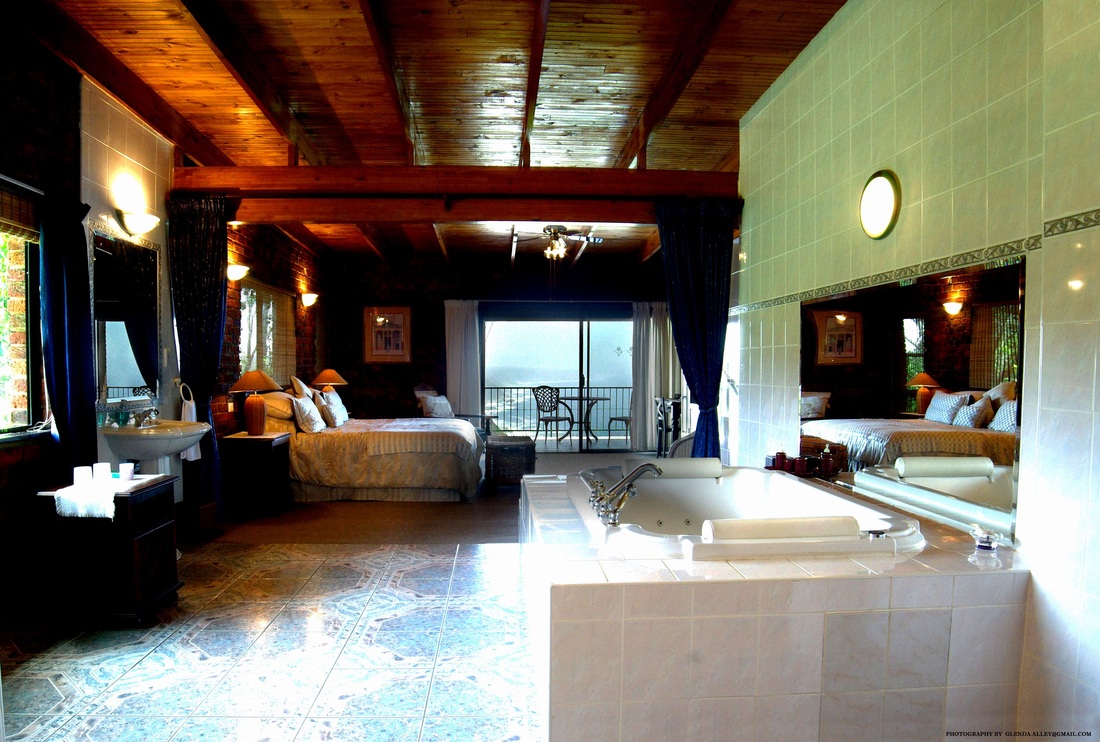
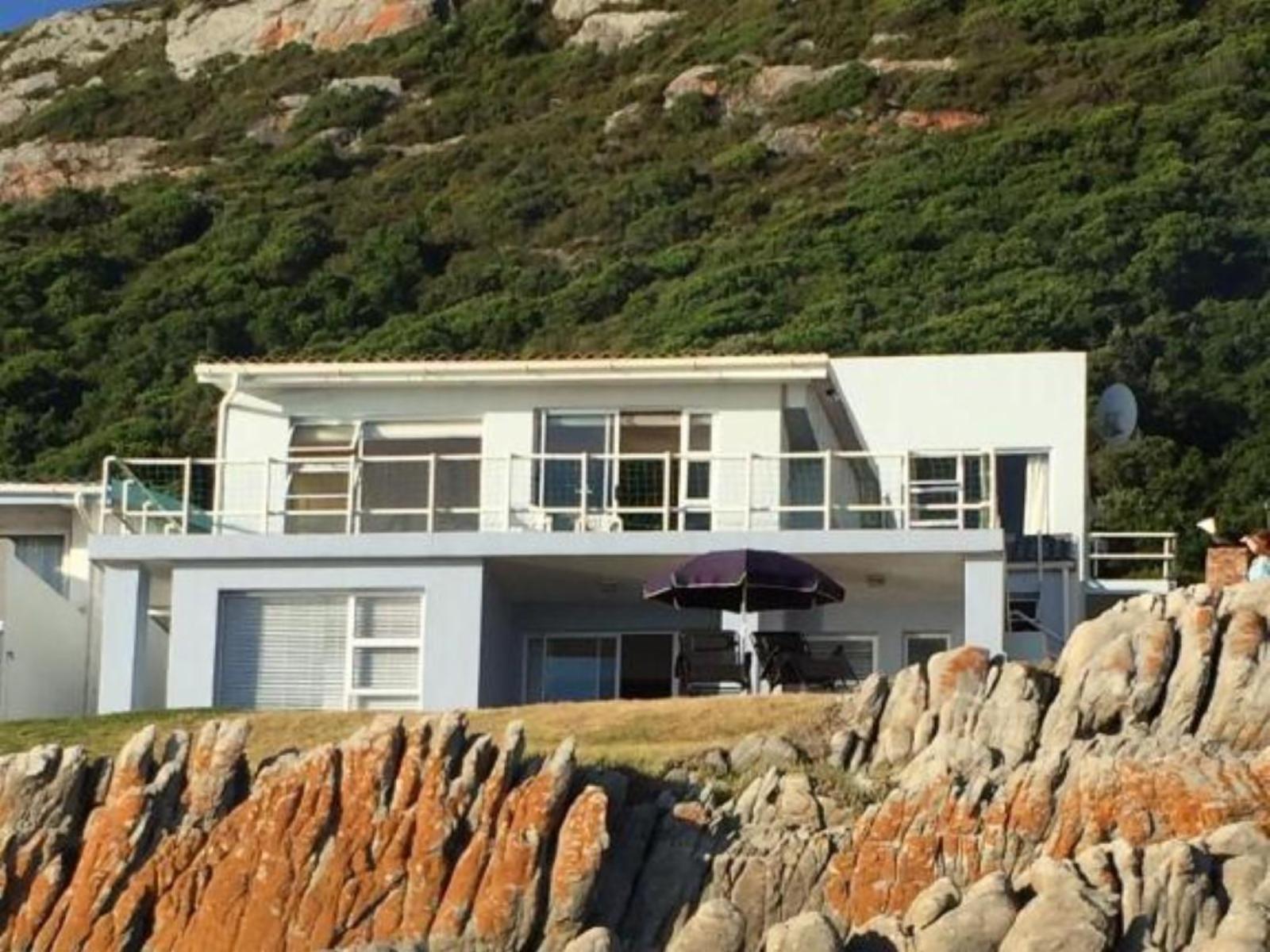
Self-catering accounts for two of the three listings and is the format that fits Woodlands most naturally. For couples or small groups planning several nights in the area, having a kitchen removes the constraint of driving to a restaurant for every meal. Provisions bought ahead of time allow guests to settle in and stay put. Properties in this category tend to sit on enough land to feel genuinely private, with outdoor living areas that take advantage of the forest fringe setting, and the pace here differs markedly from the busier coastal towns further west.
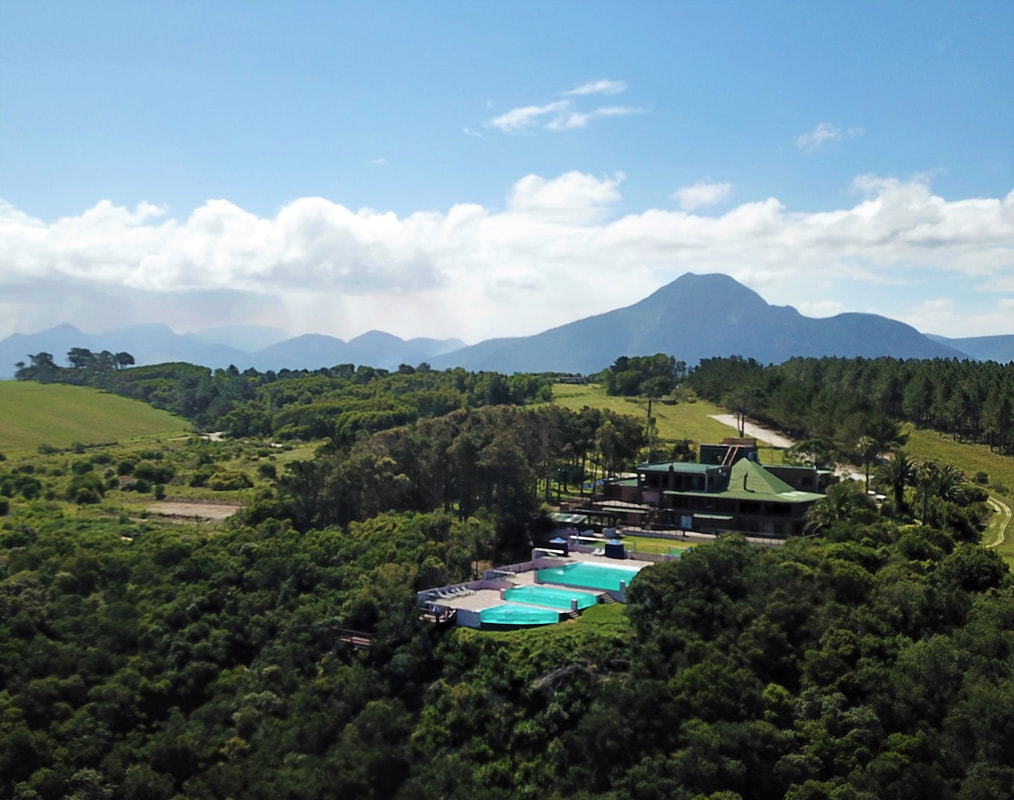
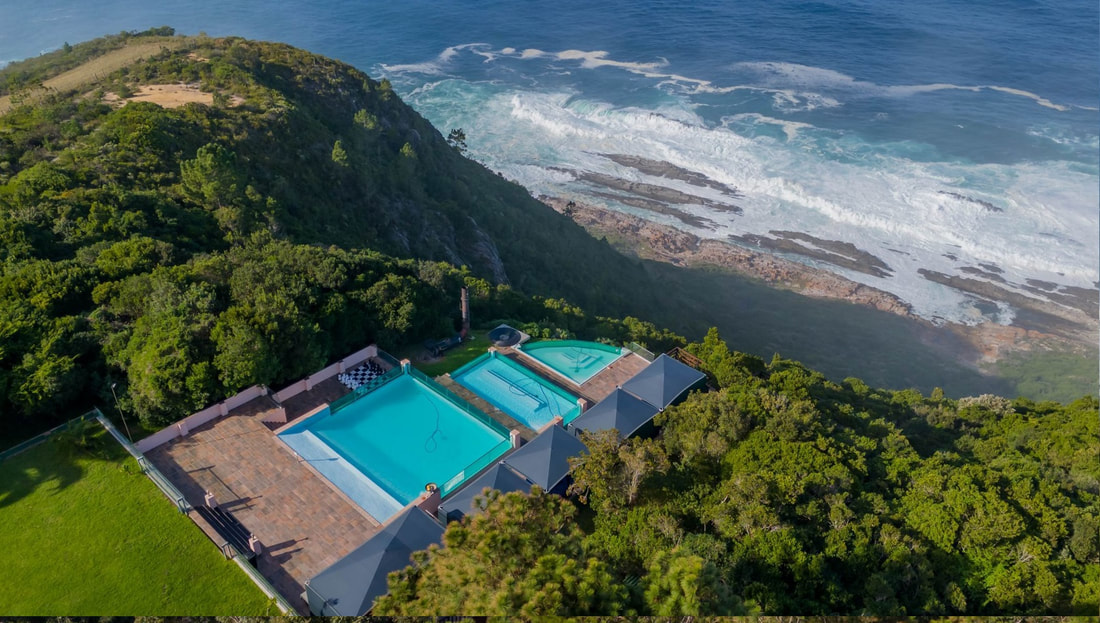
The single lodge listing provides a more hosted experience, without being a resort in any meaningful sense. Facilities are straightforward, but access to owners who know the surrounding landscape well is a genuine benefit in a region where the most rewarding spots are rarely marked on standard tourist maps.
There are no hotel-style check-in counters or concierge services in Woodlands. The nearest town large enough for a restaurant dinner is a drive away in either direction. For the environment and space on offer, properties here represent reasonable value compared to accommodation in the more heavily visited coastal towns to the west.
What most properties share is a close connection to the surrounding natural environment. Vervet monkeys appear in gardens with regularity, and bushbuck move through boundary fences in the early morning. The forest bird species of this coastal strip, including Knysna turacos and Narina trogons, are visible without leaving the property grounds on most mornings.
Best Time to Visit Woodlands
The Eastern Cape coast around Woodlands has a mild climate year-round, but the character of a visit changes significantly with the season.
Summer, from November through February, brings the warmest temperatures, typically 25 to 28 degrees Celsius, along with the highest visitor numbers. December and January school holidays fill properties in the area and slow traffic through this part of the Eastern Cape. Arriving in early November or late February offers warm conditions with noticeably fewer people.
Winter, from June to August, is cooler, with daytime highs generally between 14 and 20 degrees Celsius. Rainfall in this part of the Eastern Cape is distributed fairly evenly across the year rather than concentrated in a single wet season, so clear winter days are common. The cooler temperatures make extended hiking more comfortable than summer heat allows, and reduced midday glare improves conditions for wildlife watching and photography.
Spring, September to October, brings flowering coastal fynbos to the roadsides and open land above the shoreline. This period also falls outside the main school holiday windows, making it a practical choice for travellers who want reasonable weather without peak-season crowds.
Sea temperatures for swimming are warmest from December through March, peaking around February. For wildlife activity on property grounds, any month is suitable; the bird and mammal species of this coastal area are resident year-round rather than seasonal visitors.
Getting to Woodlands
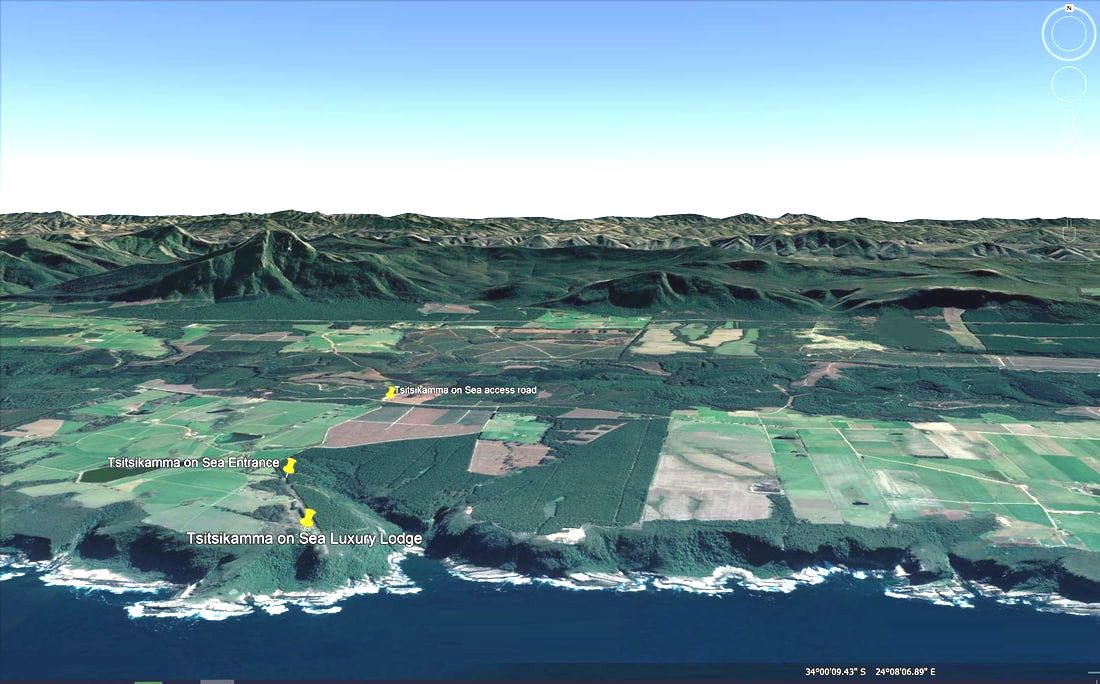
The N2 national road is the primary route. From Gqeberha (Port Elizabeth), the drive is approximately 200 kilometres, around two and a half hours. George is roughly 280 kilometres to the west, and Cape Town is about 600 kilometres, typically requiring an overnight stop along the way. Travellers coming from Johannesburg usually take the N1 to Beaufort West before connecting to the N2, a total distance of around 1,000 kilometres that most drivers split across two days.
The nearest commercial airports are at Gqeberha and George, both served by domestic carriers including FlySafair and Airlink. Gqeberha is the more convenient option for travellers arriving from the east; George suits those coming from the western end of the Garden Route.
A hire car is essential. No scheduled public transport reaches Woodlands, and the area's attractions all require independent transport. The N2 is well maintained, though it runs as a single carriageway with intermittent passing lanes through this stretch, and heavy vehicle traffic is common on major public holiday weekends. Some access roads to local properties and beaches are unpaved; a vehicle with moderate ground clearance handles most approaches without difficulty.
Humansdorp, 25 kilometres from Woodlands, is the last town with a full range of services before the more rural stretch begins: fuel, supermarkets, pharmacy, and banking. Stocking up there on the way in avoids unnecessary return trips.
Woodlands and Surrounding Areas
Oudebosch and Witelsbos, each roughly 5 kilometres from Woodlands, are small settlements at the edge of coastal forest and farmland. Witelsbos borders sections of state forest and provides starting points for quieter walks away from the more popular national park routes. Neither has developed tourism infrastructure, but they offer access to the surrounding landscape for independent exploration without the managed atmosphere of a formal trail system.
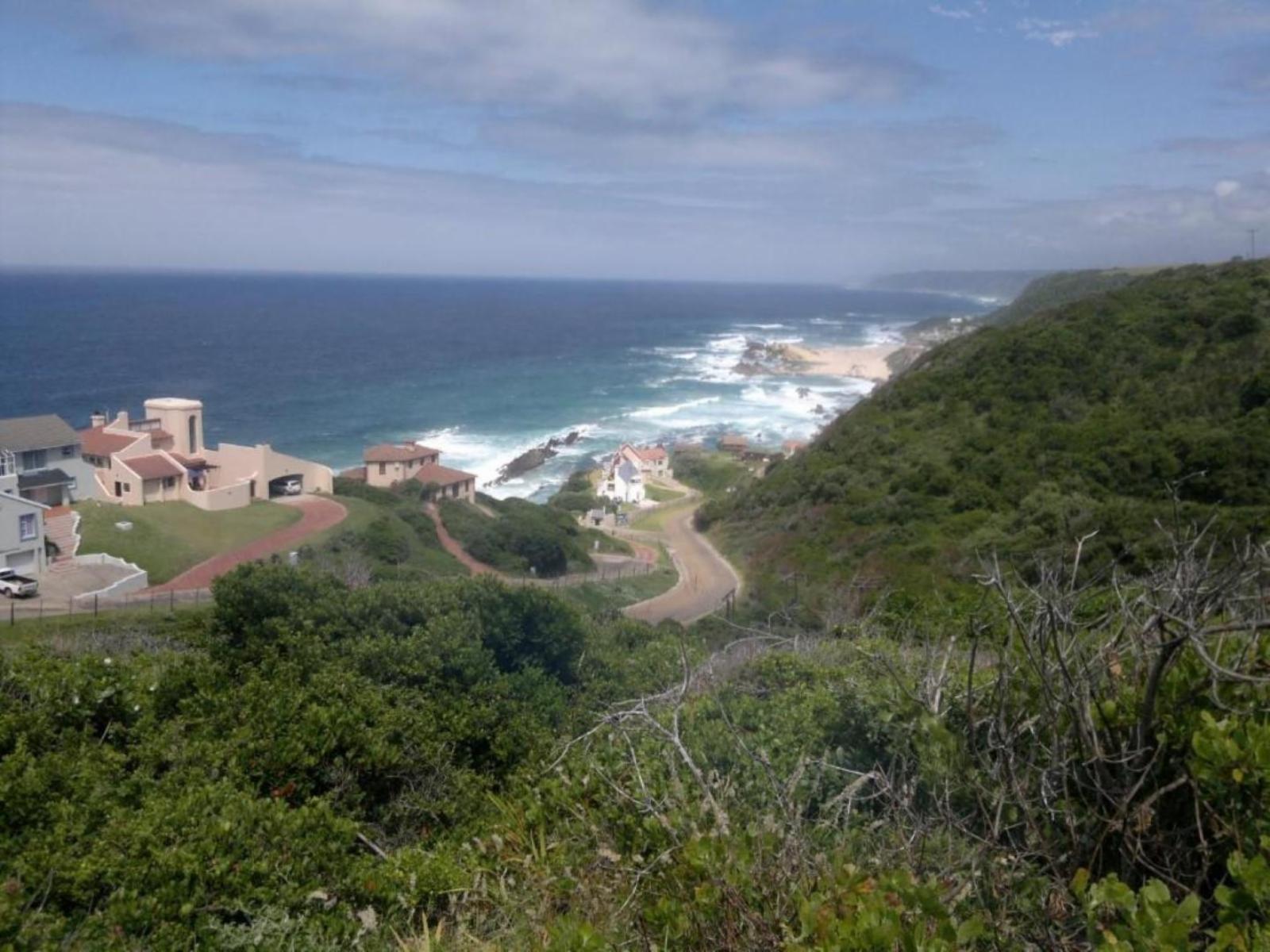
Oubosstrand, 7 kilometres from Woodlands on the coast, is a small seaside settlement with direct beach access. The shoreline here is calmer than the exposed surf beaches further along the highway, and the area draws local families as well as visitors looking for a straightforward swim or an afternoon on the sand without driving to a commercial facility.
Bernardshoek, 25 kilometres away, sits above the main road in farmland and indigenous forest country. It is a small community rather than a visitor destination in its own right, but the surrounding landscape gives a sense of the Eastern Cape interior for those who want to detour briefly off the highway corridor.
Storms River, 26 kilometres west, is where the Tsitsikamma National Park meets the Indian Ocean. Day visitors can walk to the suspension bridge at Storms River Mouth through Afromontane forest without requiring a permit. The park also runs sea kayaking trips into the river gorge, and the rocky shoreline offers snorkelling in the tidal pools. The Otter Trail, one of South Africa's most established multi-day coastal hikes, starts at the Storms River Mouth rest camp; bookings are made through SANParks and fill well in advance for peak periods.
Storms River Village, 27 kilometres from Woodlands, is a separate settlement from the park entrance and the hub for commercial adventure activities in the area. Operators here run trips to the Bloukrans Bridge, a 216-metre concrete arch where bungee jumping has been commercially available since the early 1990s. The village also has restaurants and a bottle store for day visitors.
Planning Your Stay
Advance booking is advisable for December and January, when demand along this stretch of coast is highest. Long weekends and the Easter period also fill the area quickly; with only three properties in Woodlands, the margin between available and fully booked is narrow.
When comparing listings, check what is included in the quoted rate. Rural properties in this part of the Eastern Cape sometimes charge separately for firewood, and linen or towels may not be standard inclusions. Clarifying these details before booking avoids surprises on arrival.
Mobile signal is patchy in the more forested parts of this coastal corridor. If connectivity matters, ask specifically about Wi-Fi speed rather than just whether it is available; in areas served by satellite or fixed wireless internet, usability varies considerably. Identifying the nearest medical facility before departure is also worth doing for any rural destination.
Plan to arrive at your property before dark on the first night. Some approach roads are unmarked, and navigation apps occasionally route drivers onto tracks that are inaccurate in this area. Requesting GPS coordinates directly from the host and downloading an offline map before leaving home prevents a frustrating arrival after dark.