Accommodation in Acornhoek
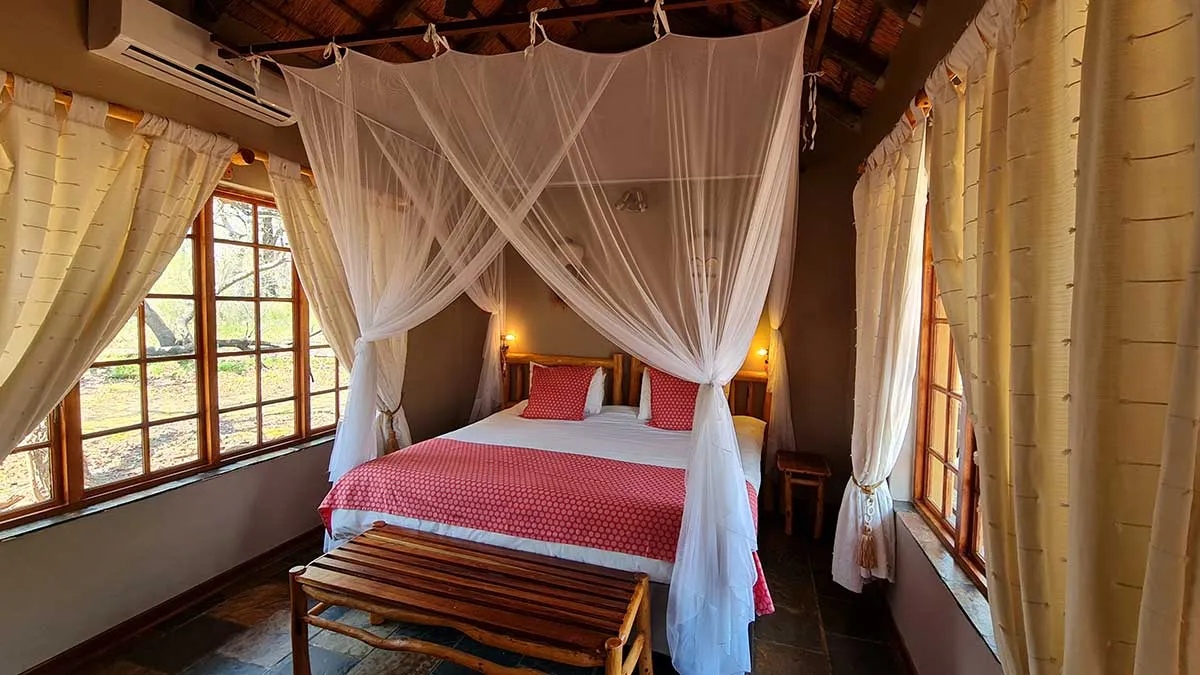
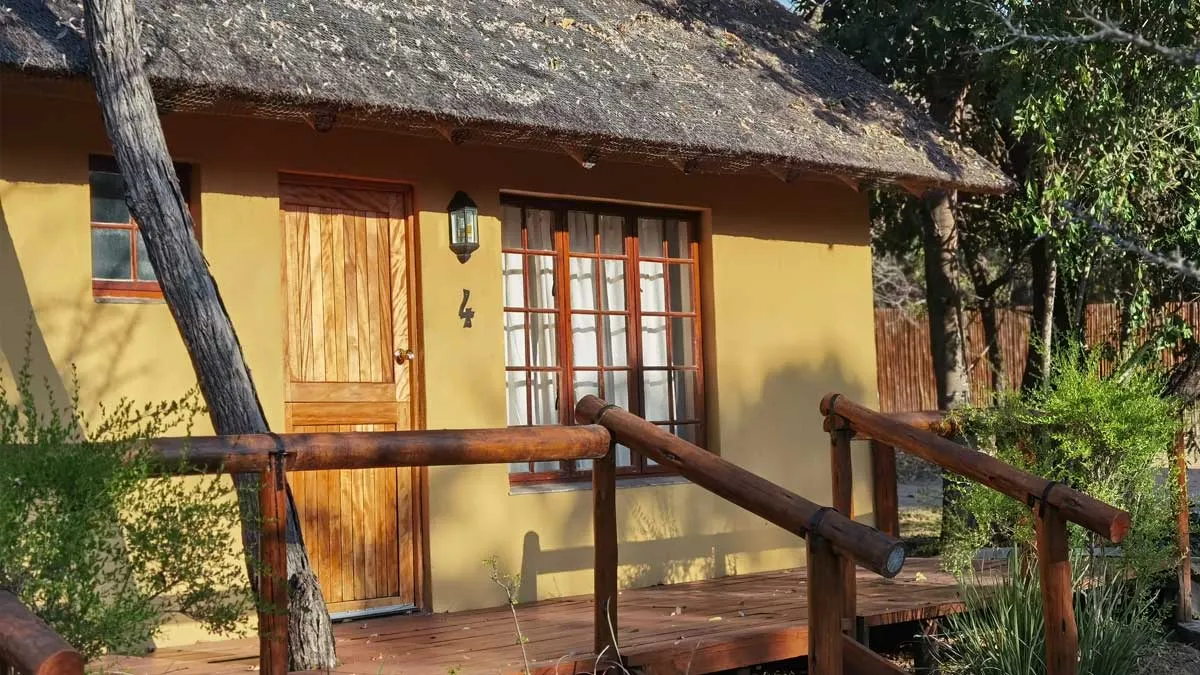
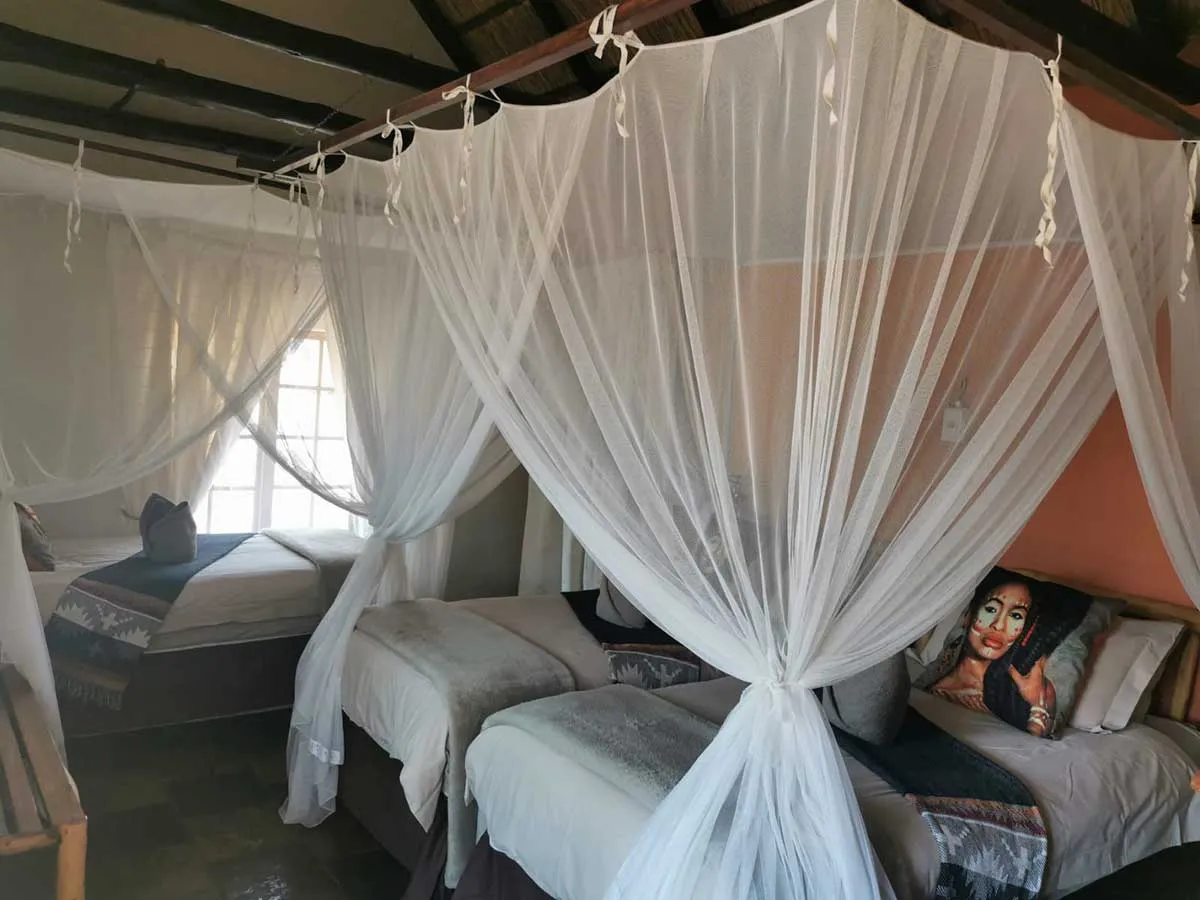
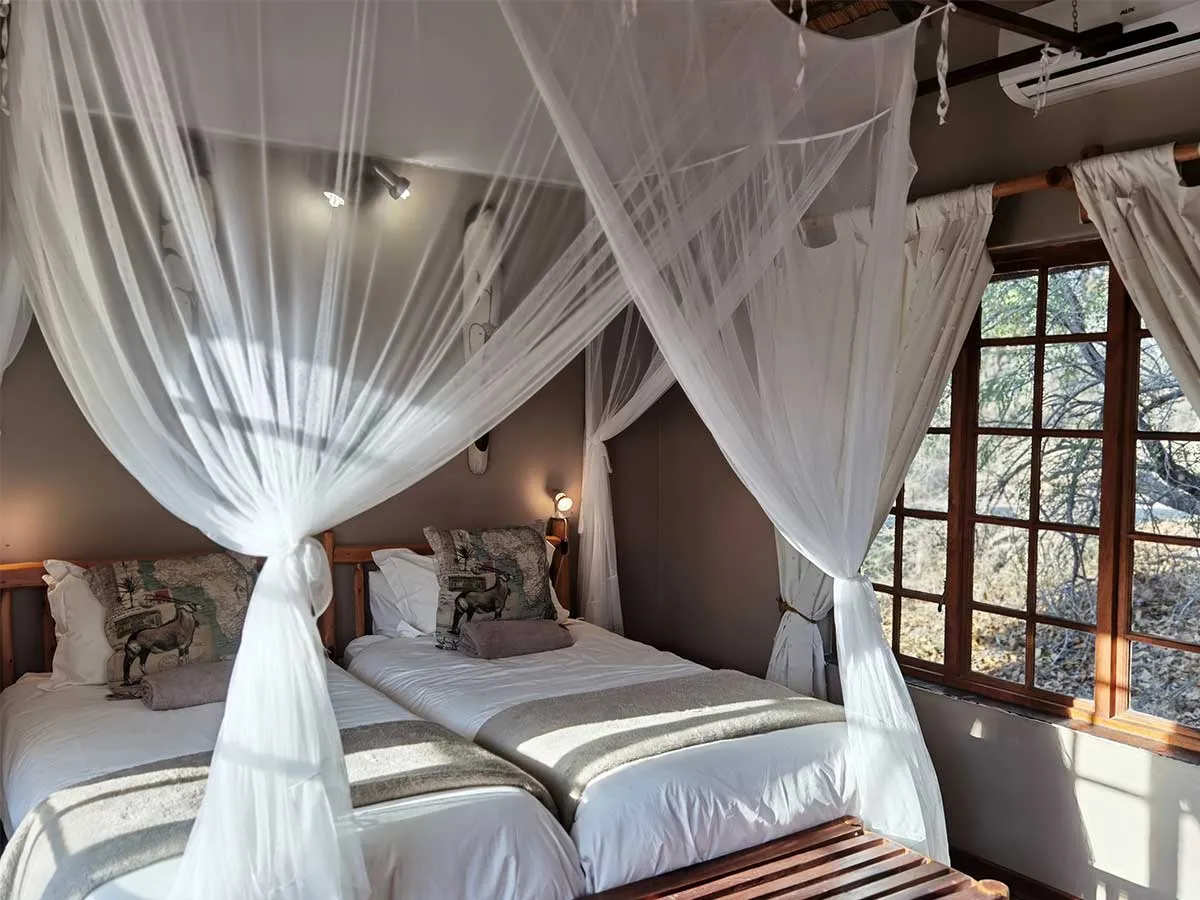
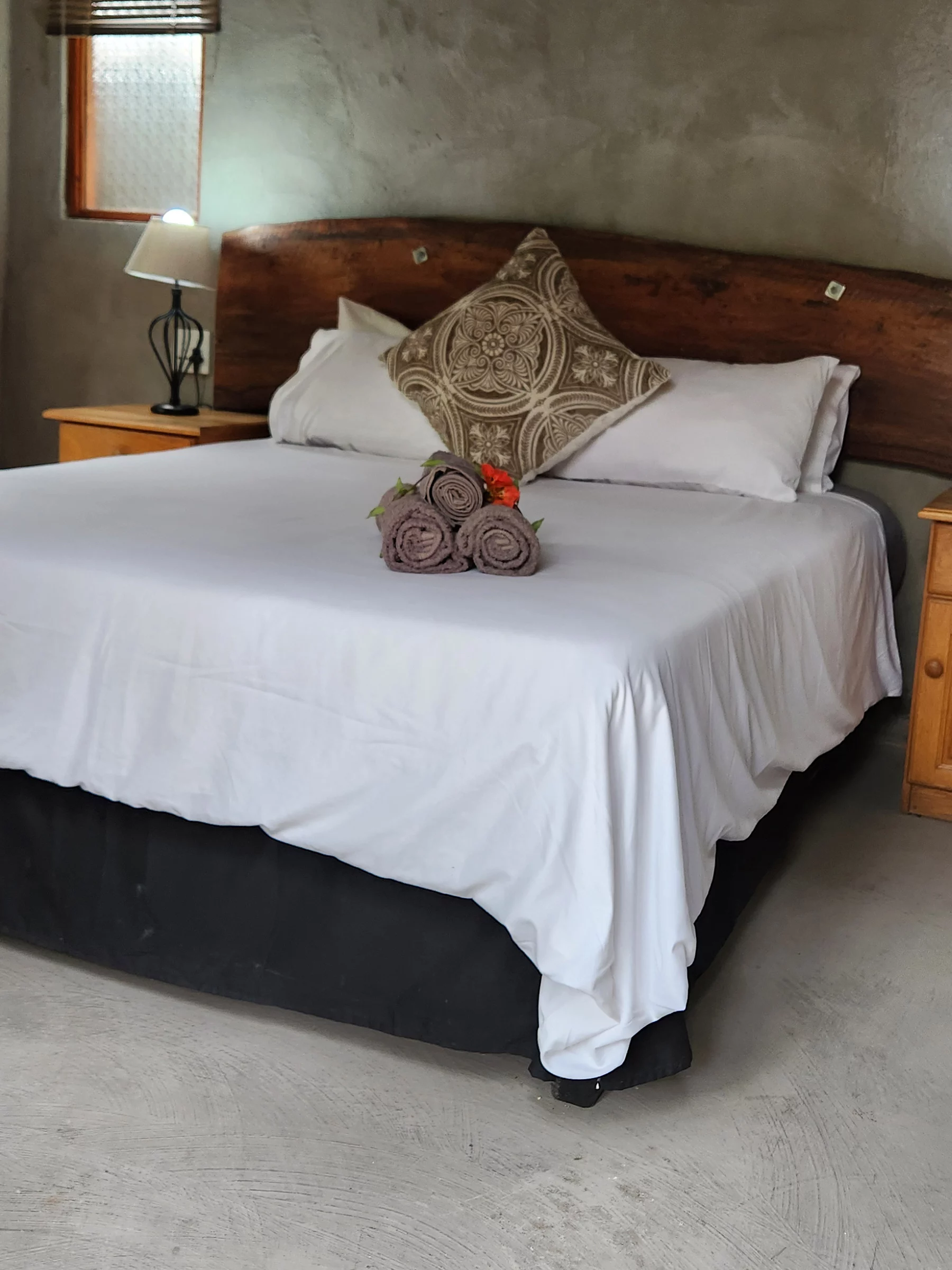
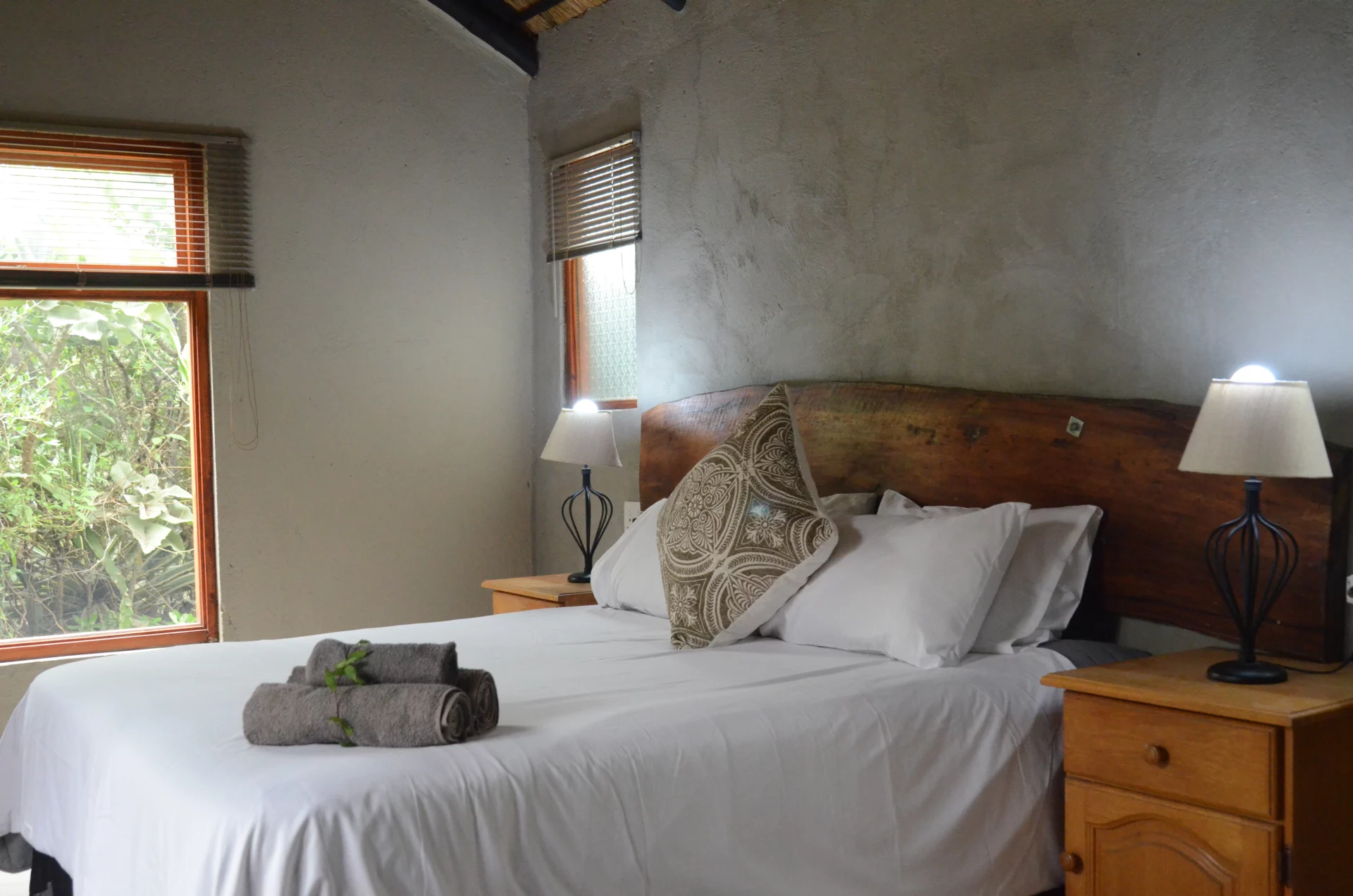
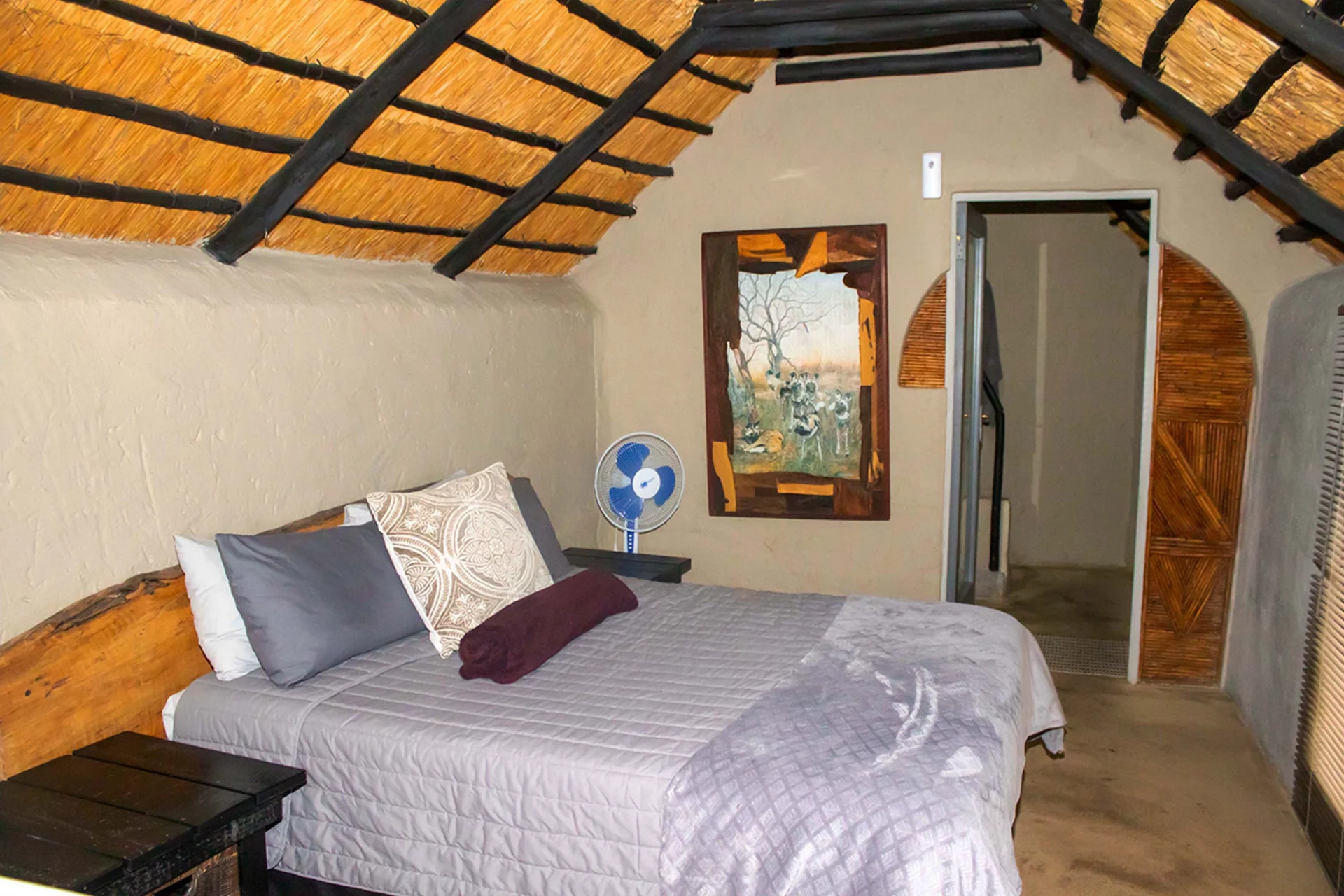
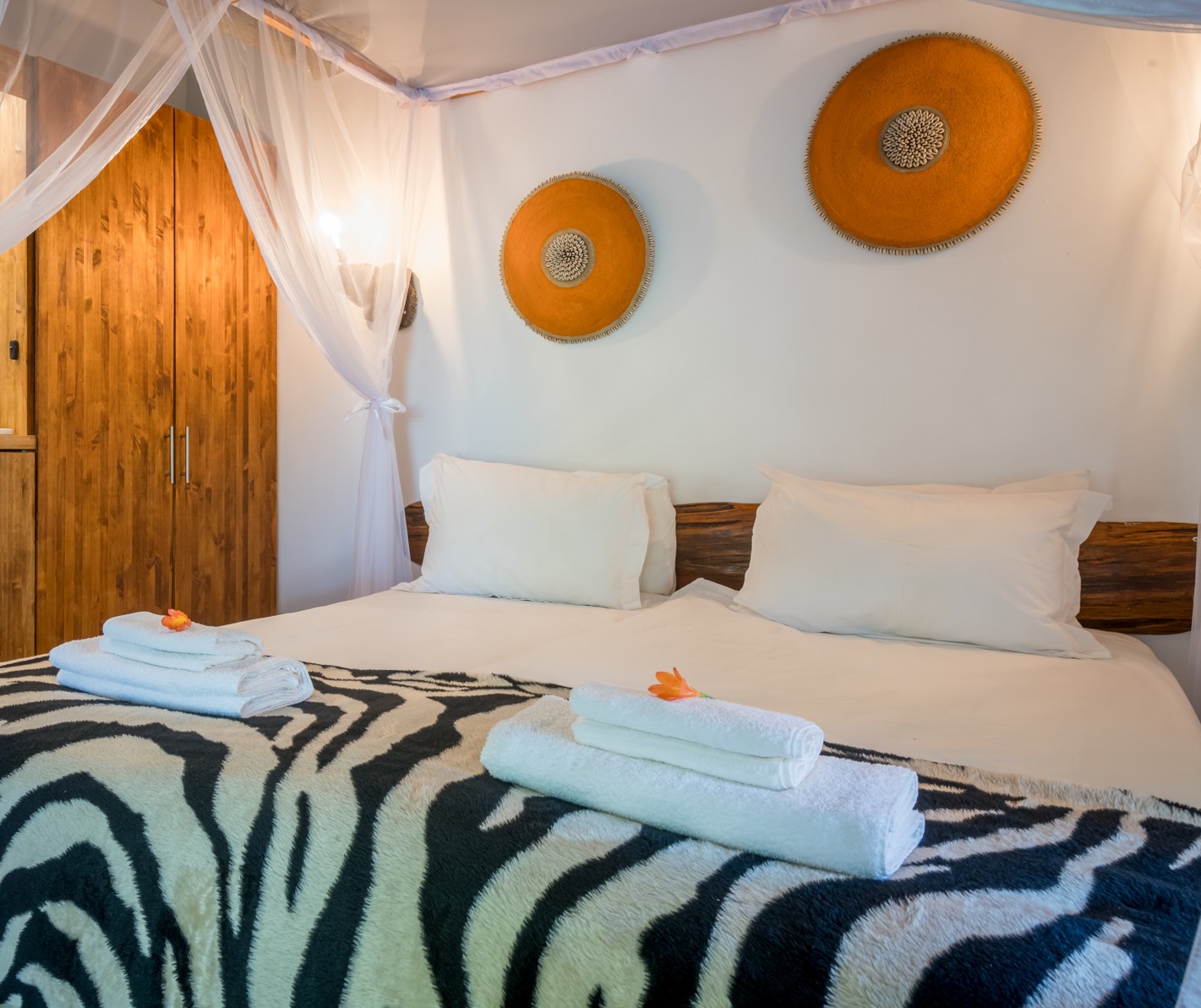
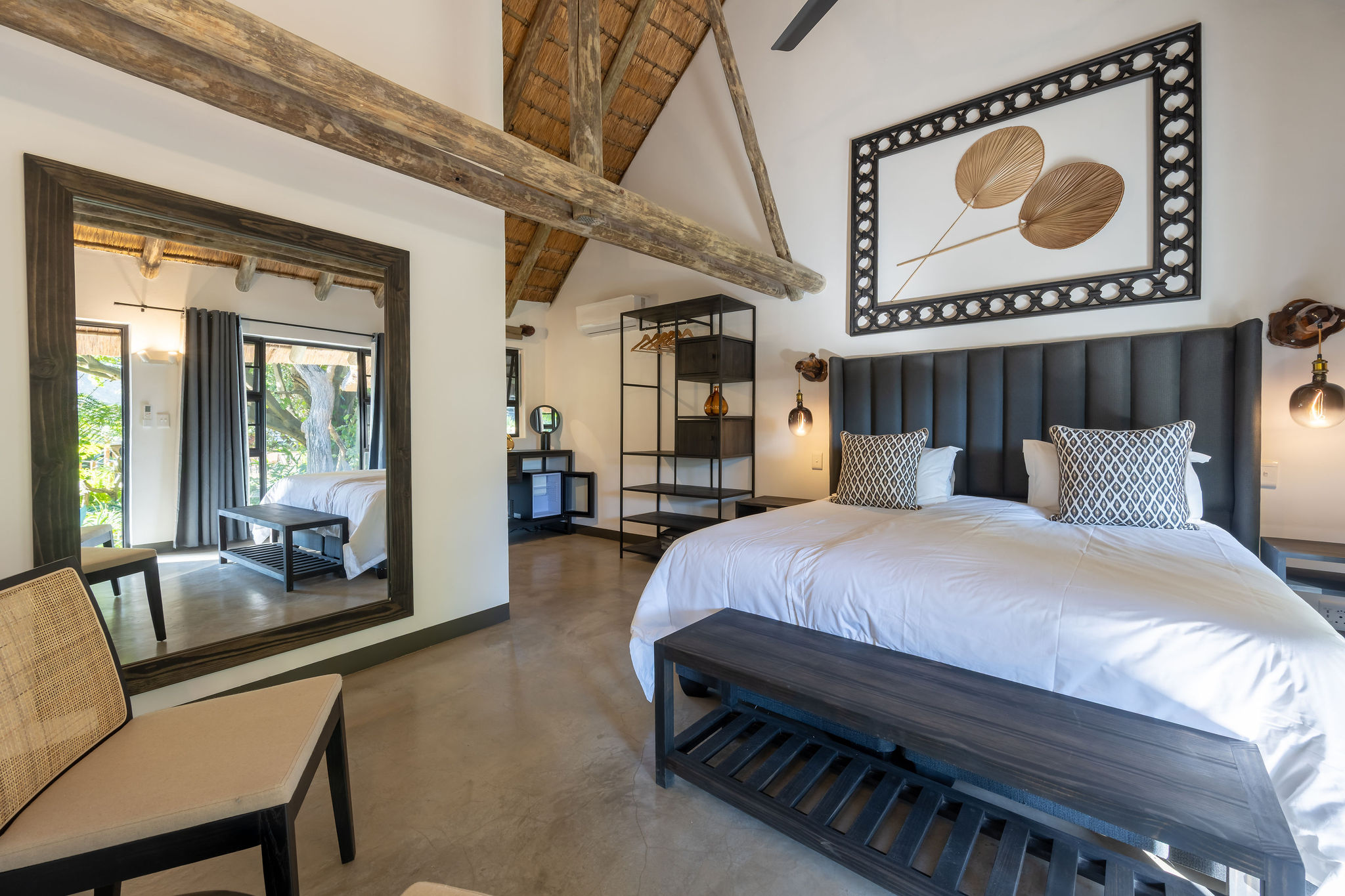
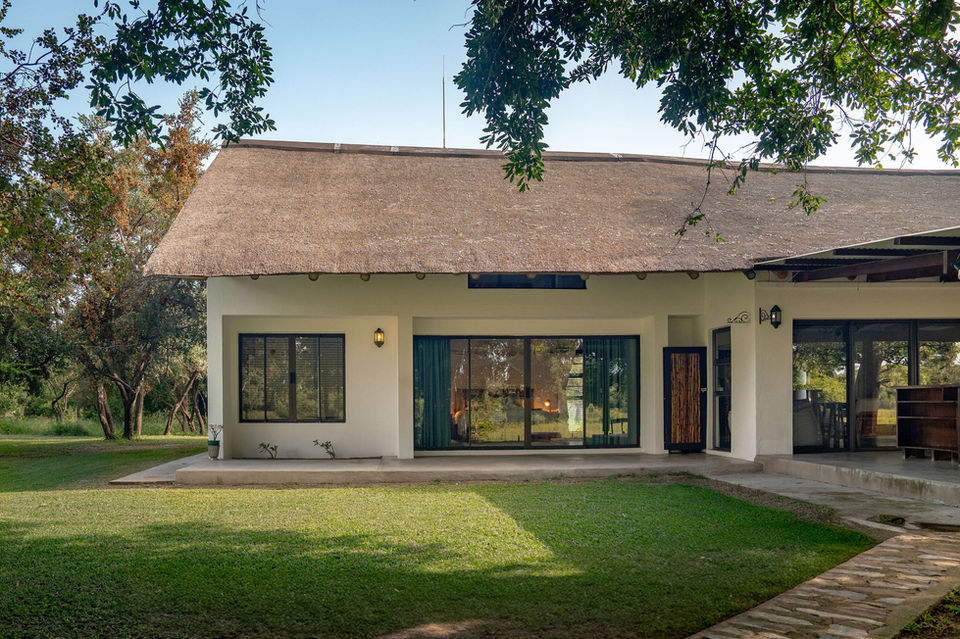
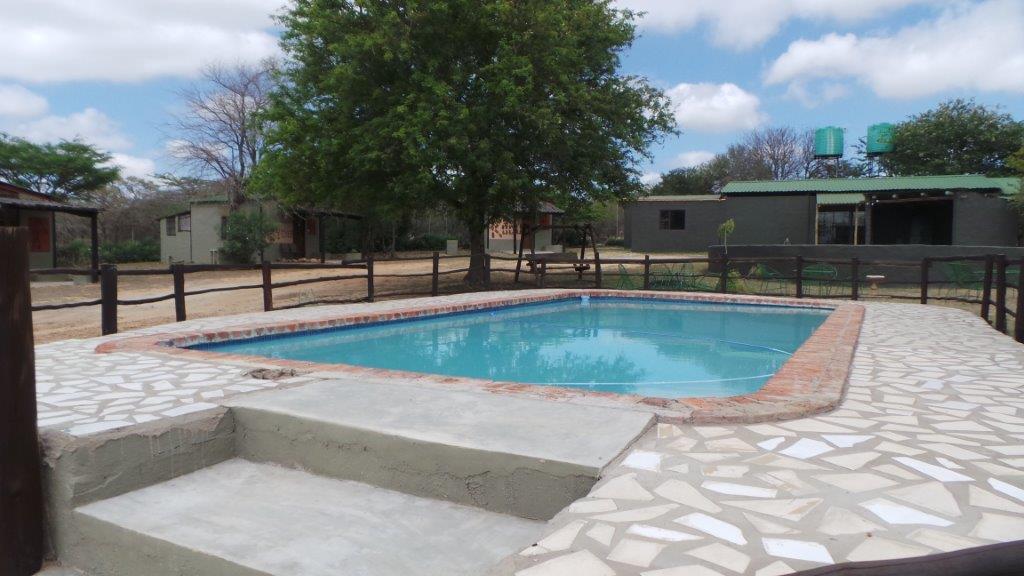
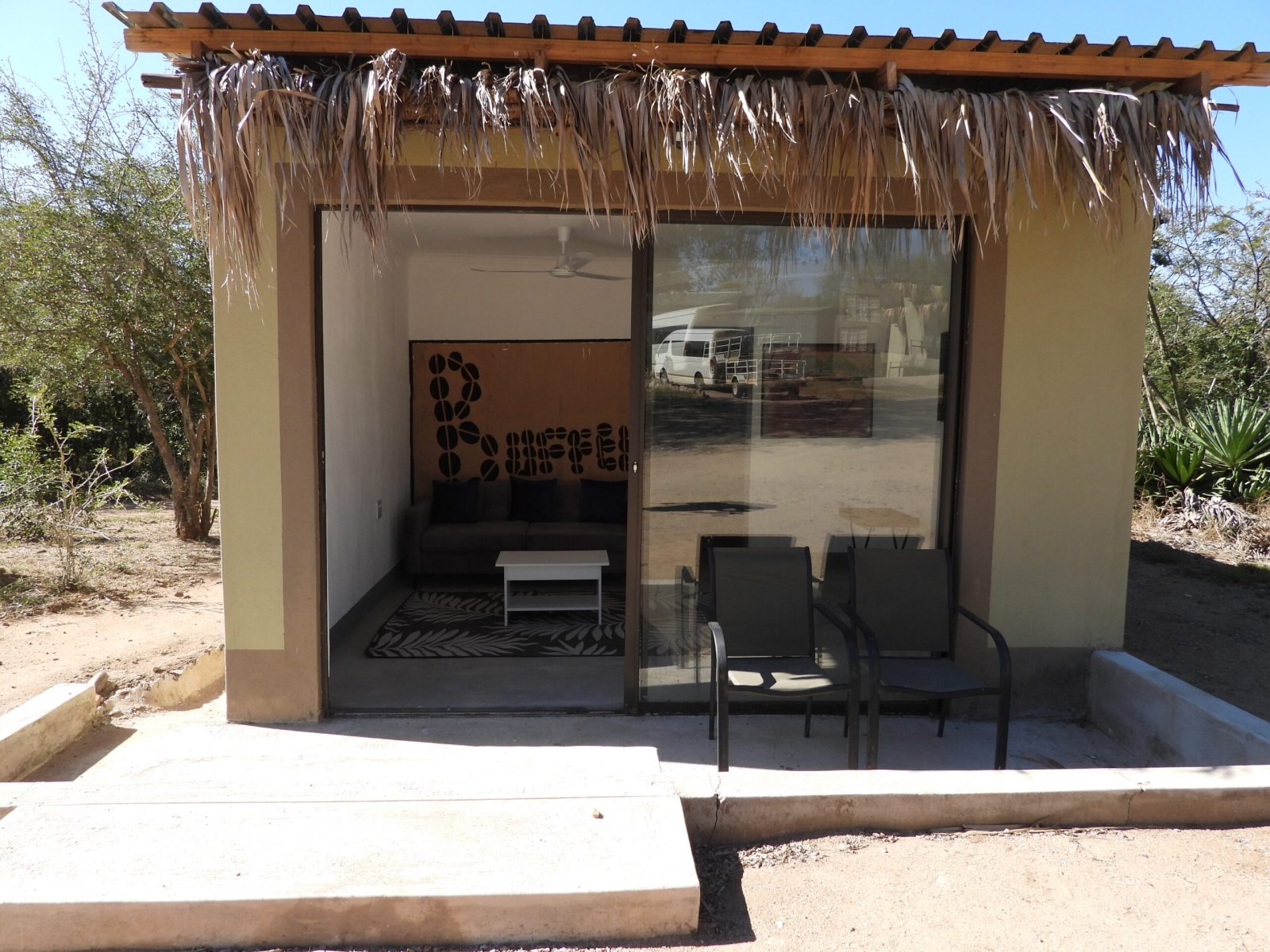
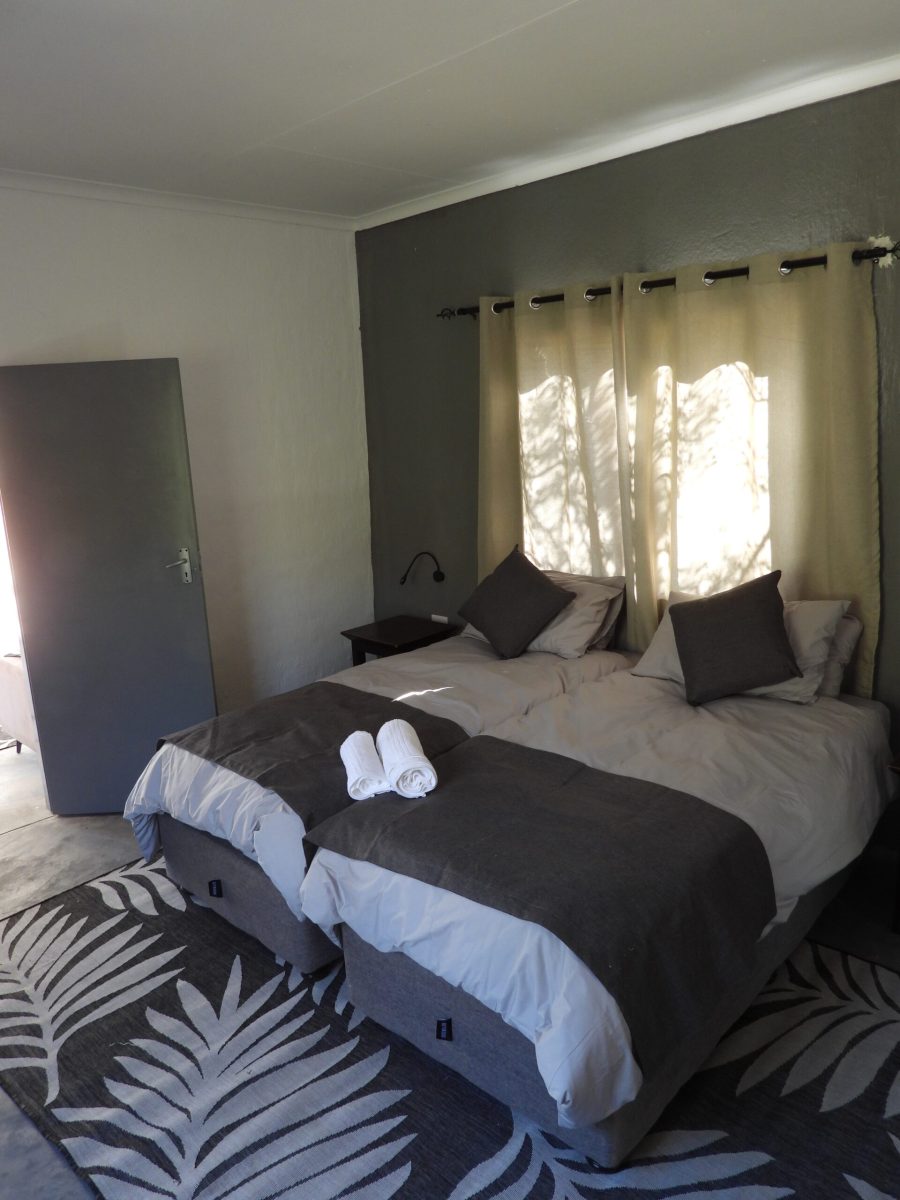
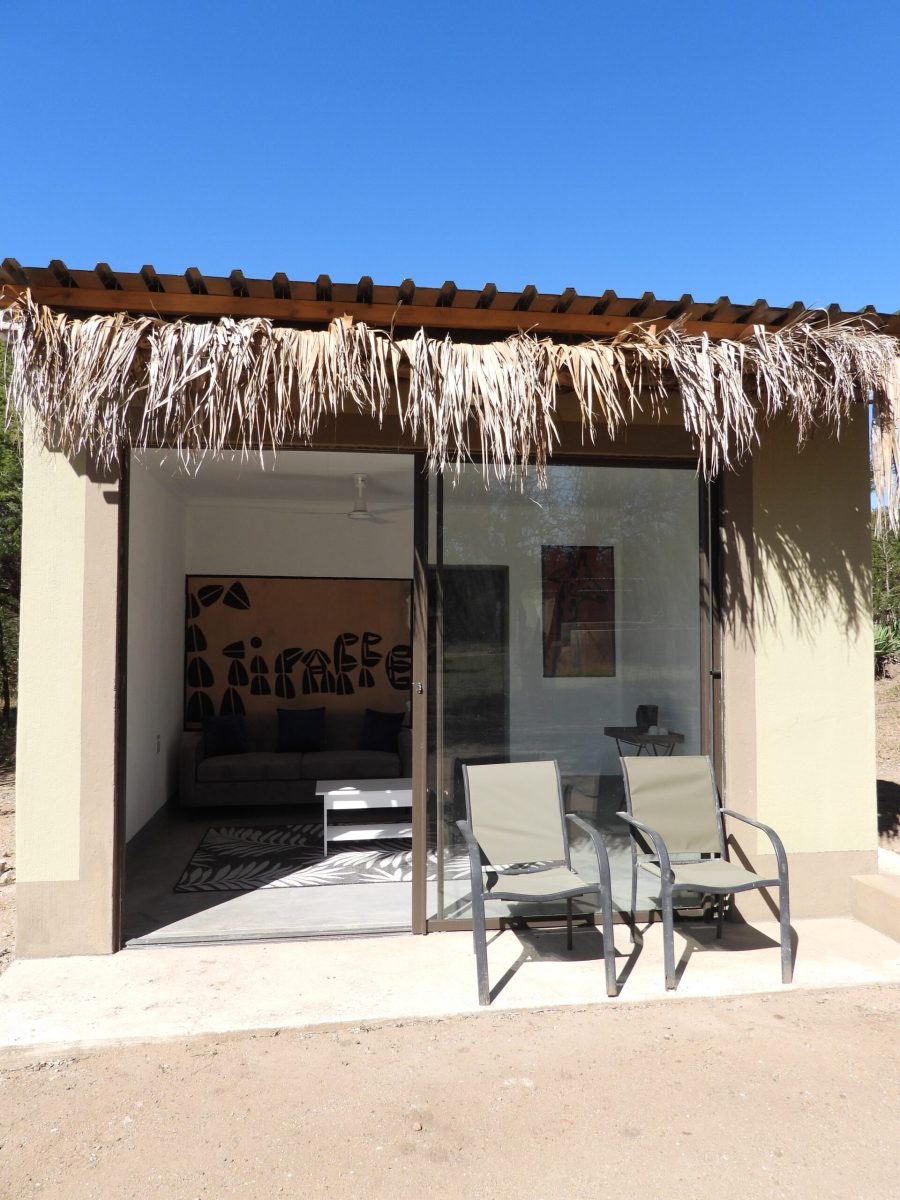
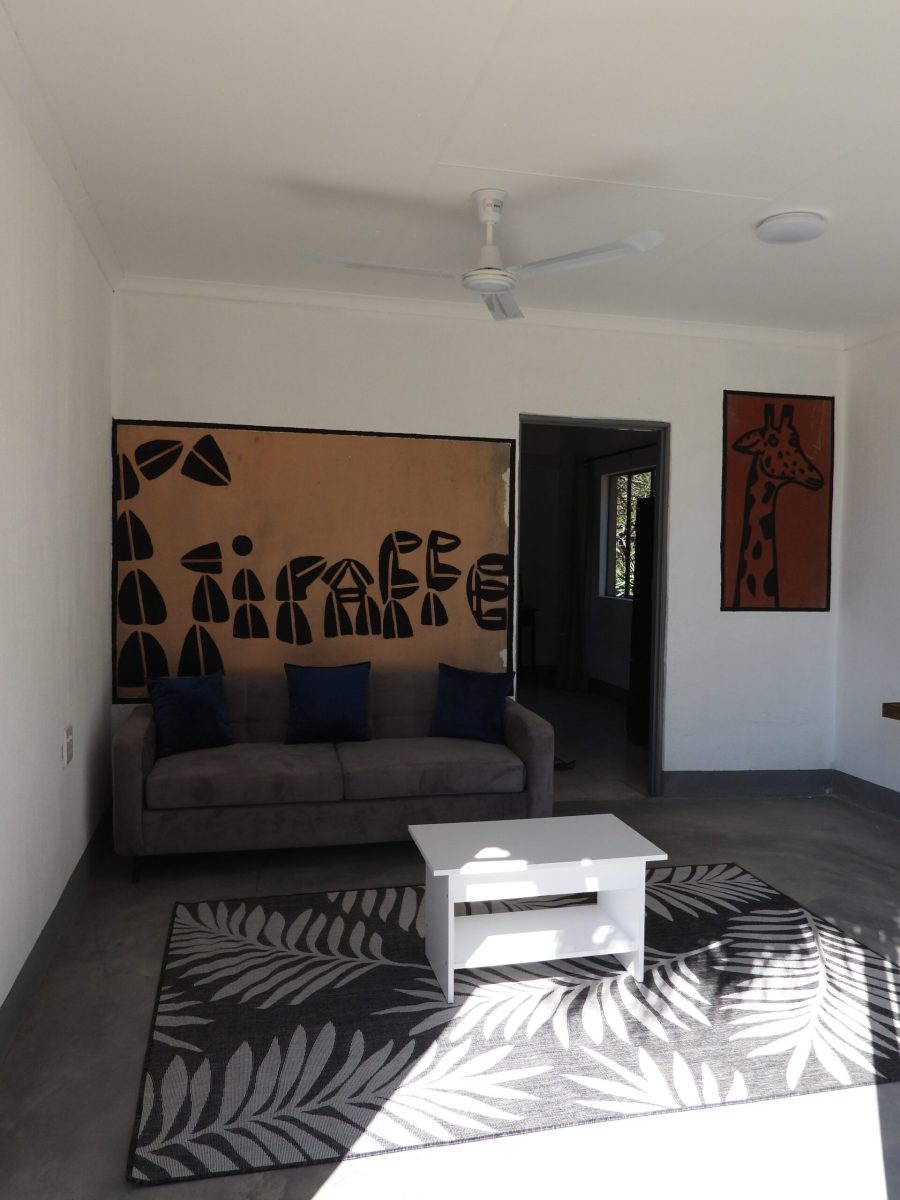
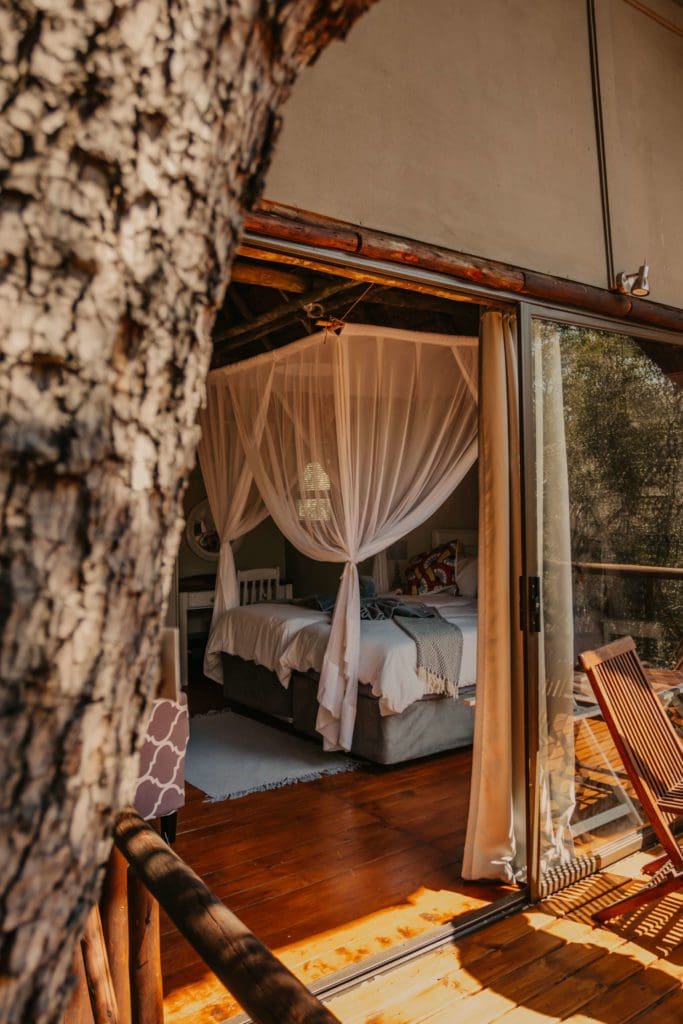
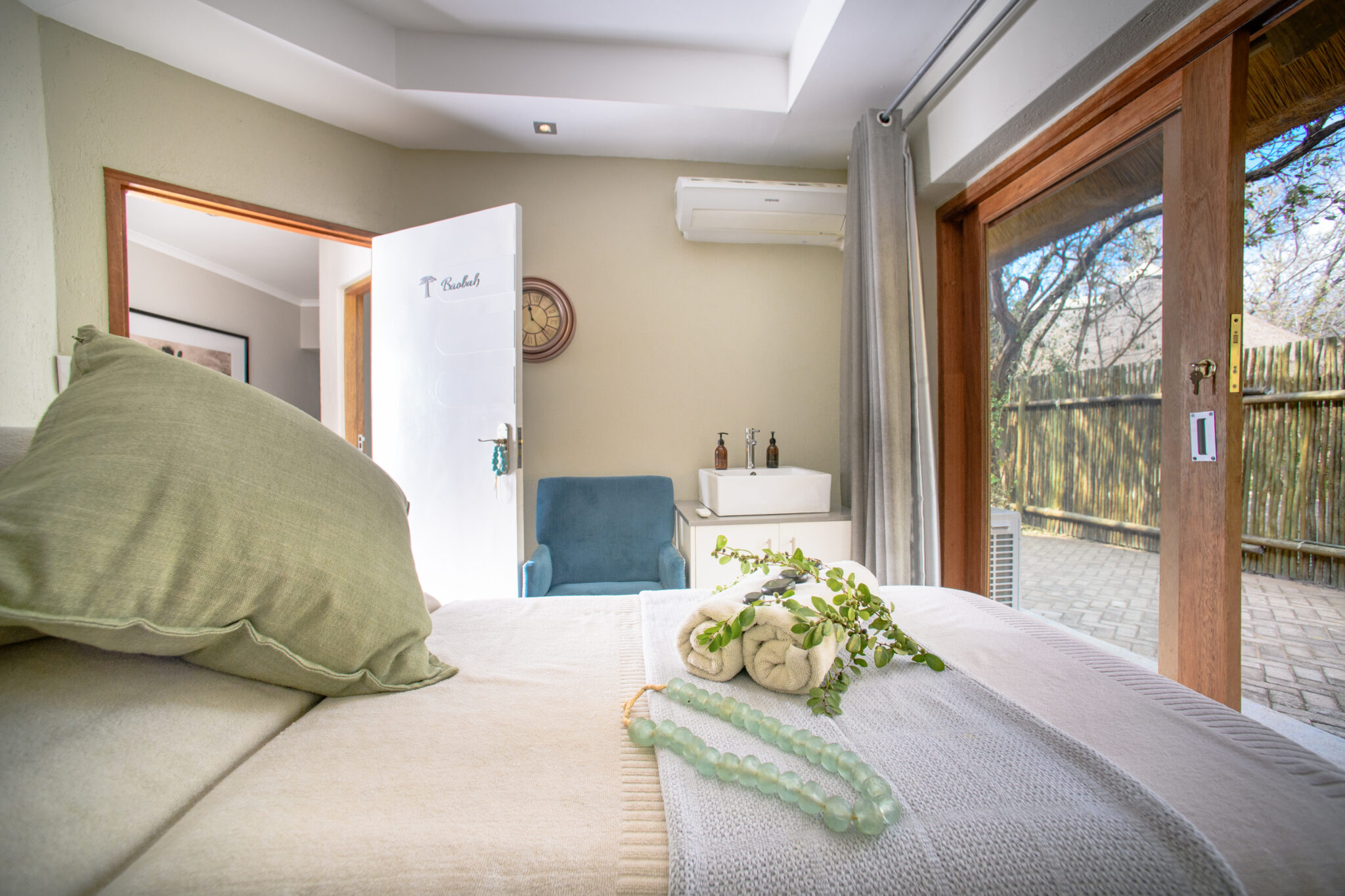
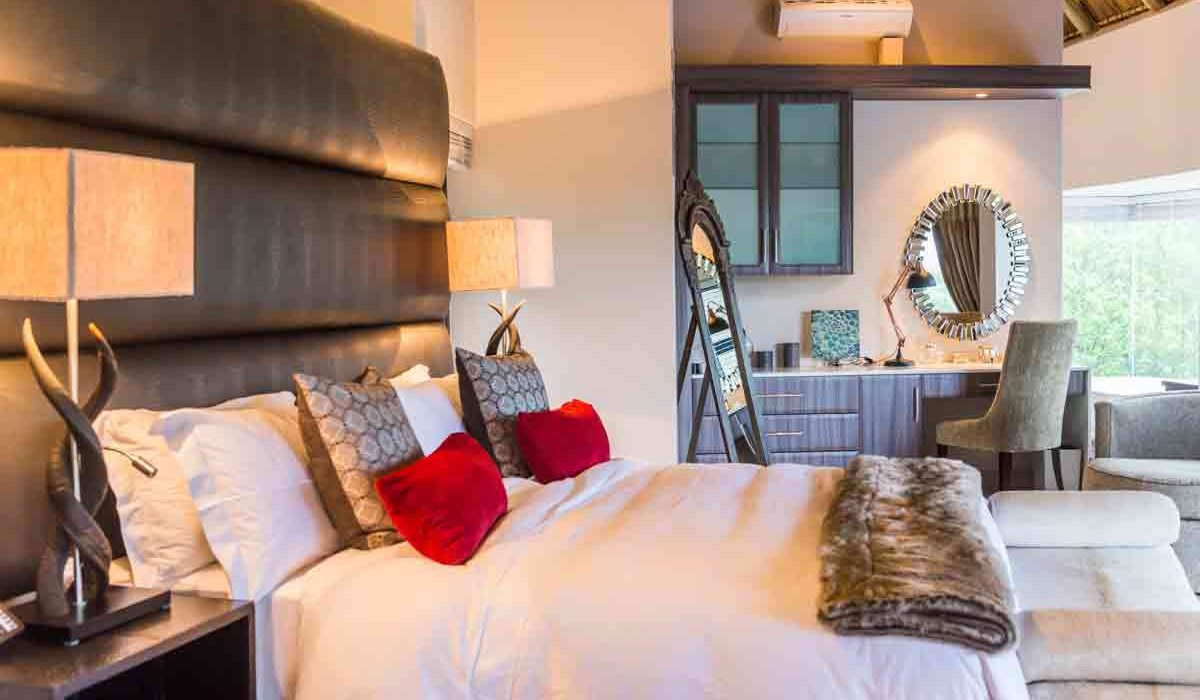
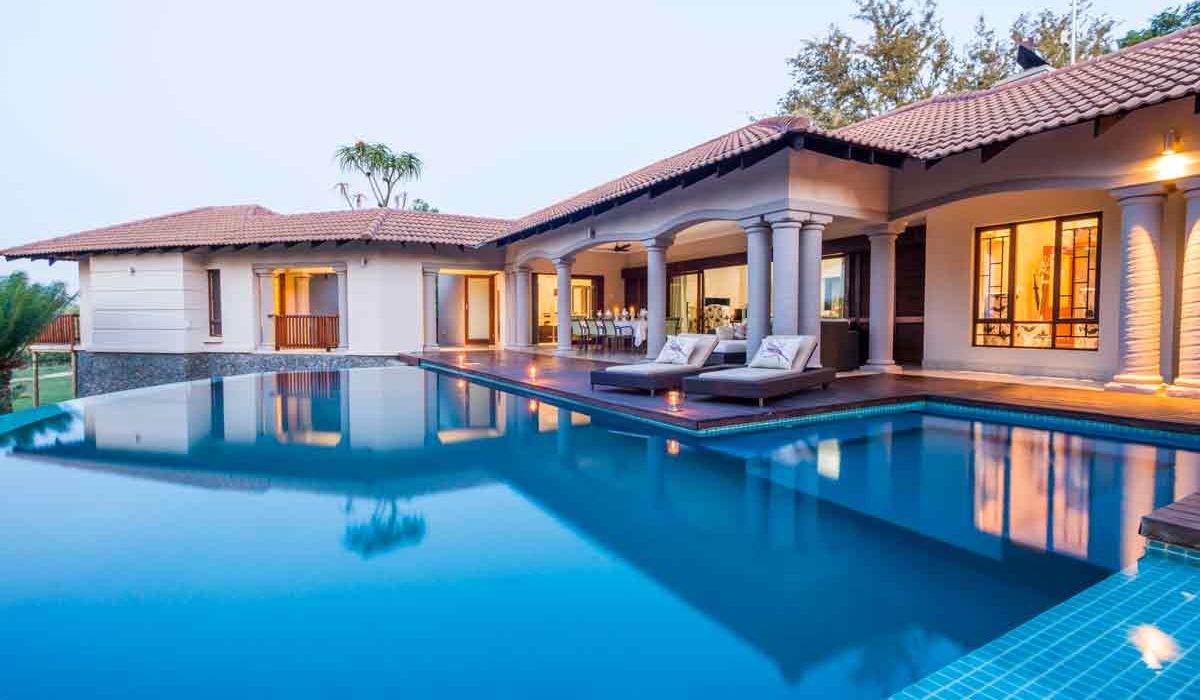
Ten properties are listed across the area, with nightly rates running from R1,350 to R83,200. At the budget end, a single guesthouse covers the practical essentials: a clean room, basic facilities, and easy access to town services. It suits travellers who need a functional overnight stop rather than an immersive stay.
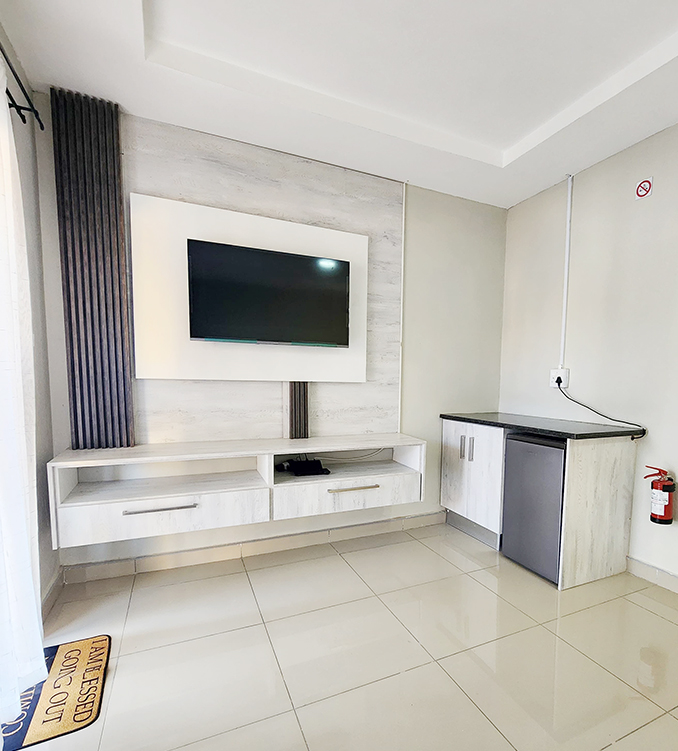
The mid-range bracket takes in both the town hotel, at around R8,663 per night, and the one self-catering property, priced at roughly R7,285. The hotel works well for guests treating Acornhoek as a staging point between drives, with amenities suited to a structured safari schedule. The self-catering option suits groups or families who prefer managing their own meals, particularly after long days in the field. Before booking any self-catering property in this region, confirm exactly which kitchen equipment and utensils are supplied, since standards vary considerably.
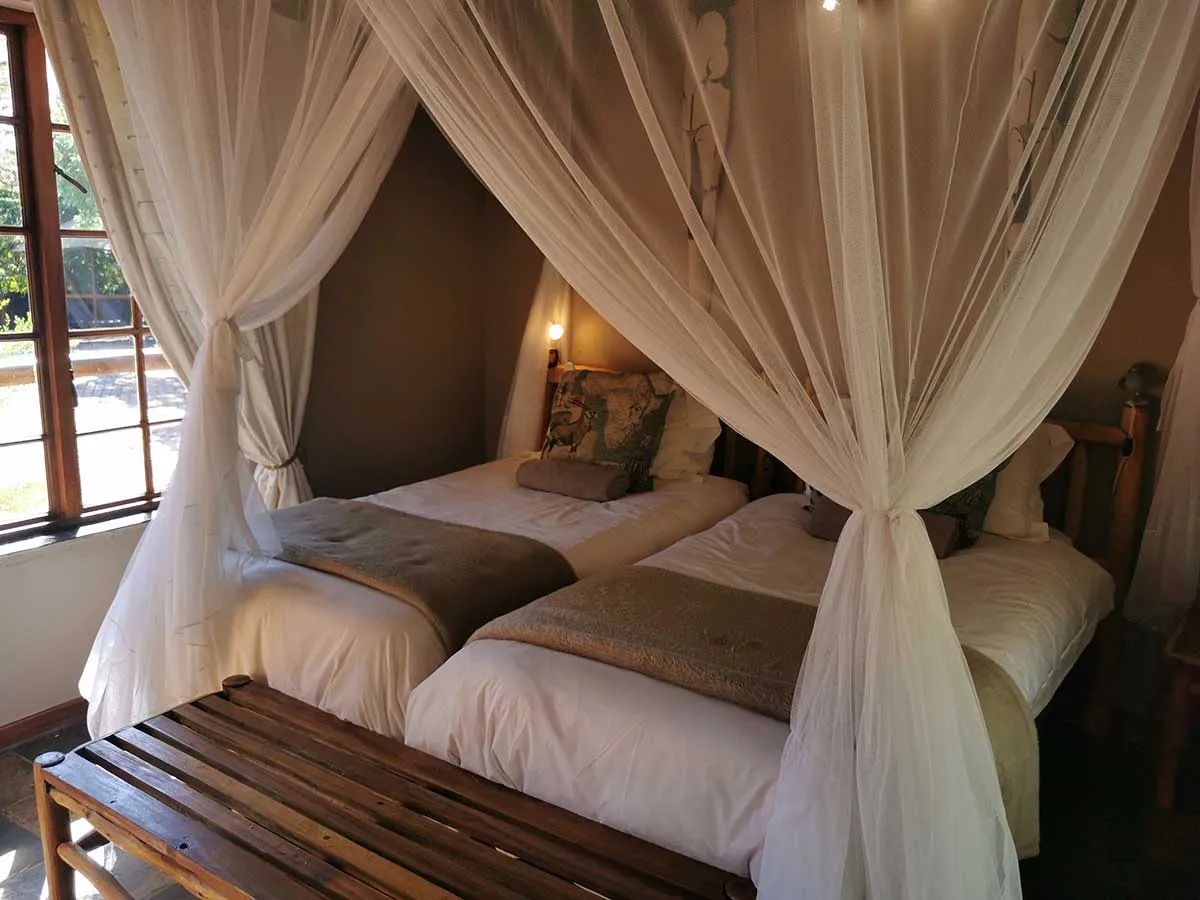
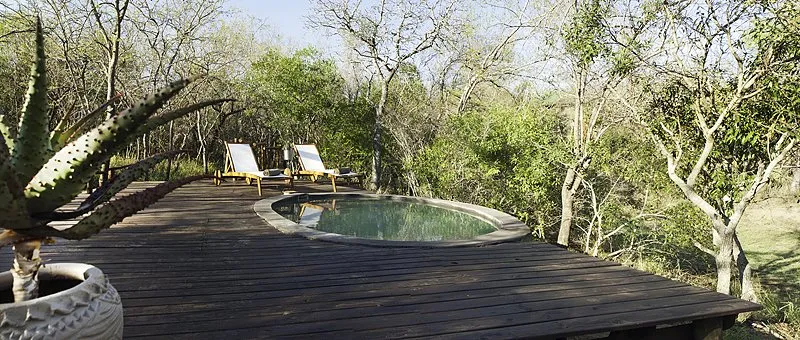
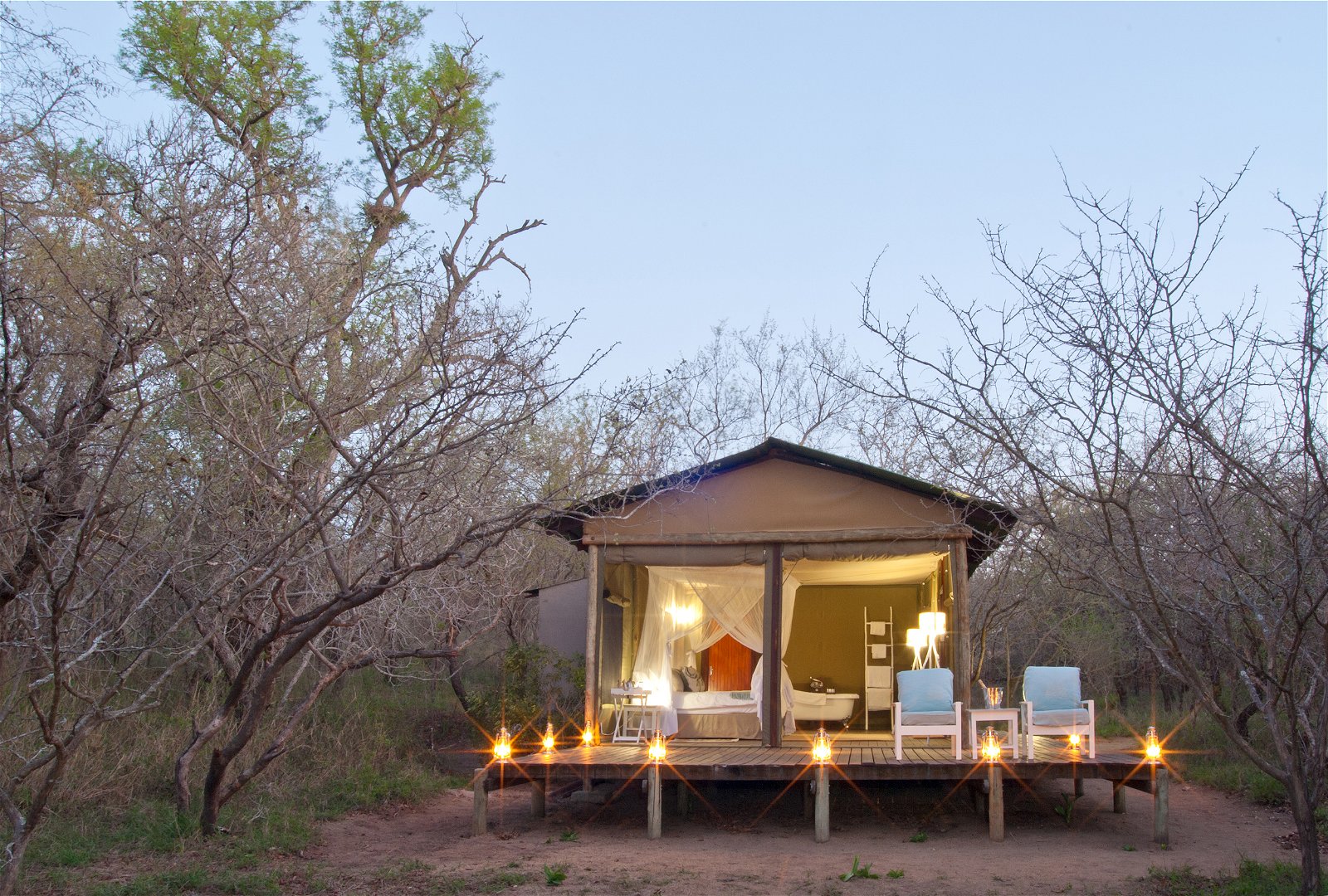
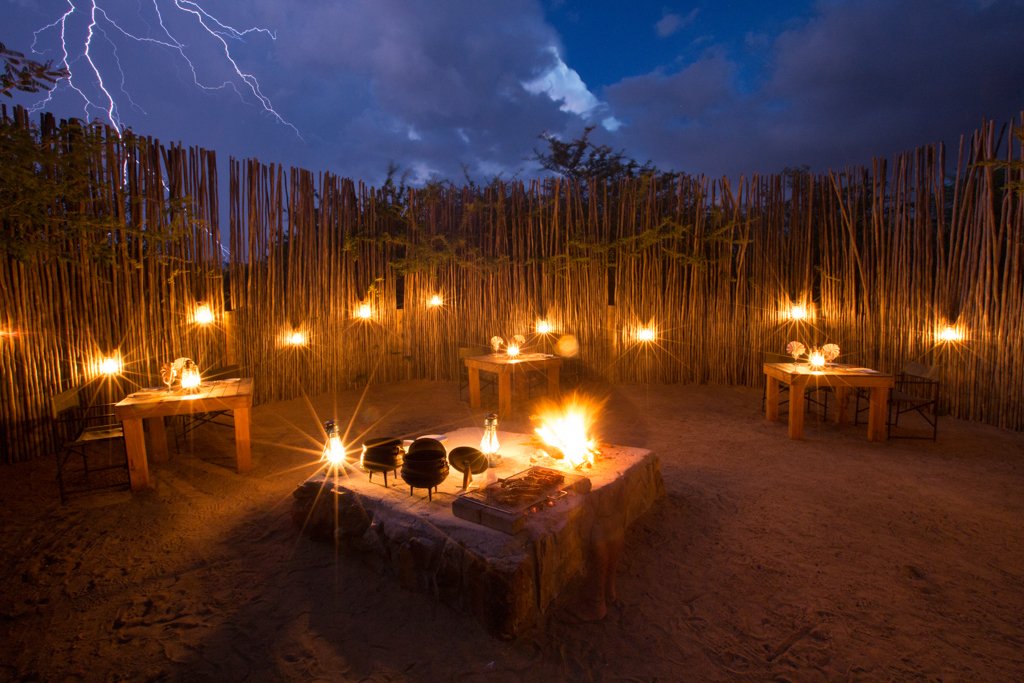
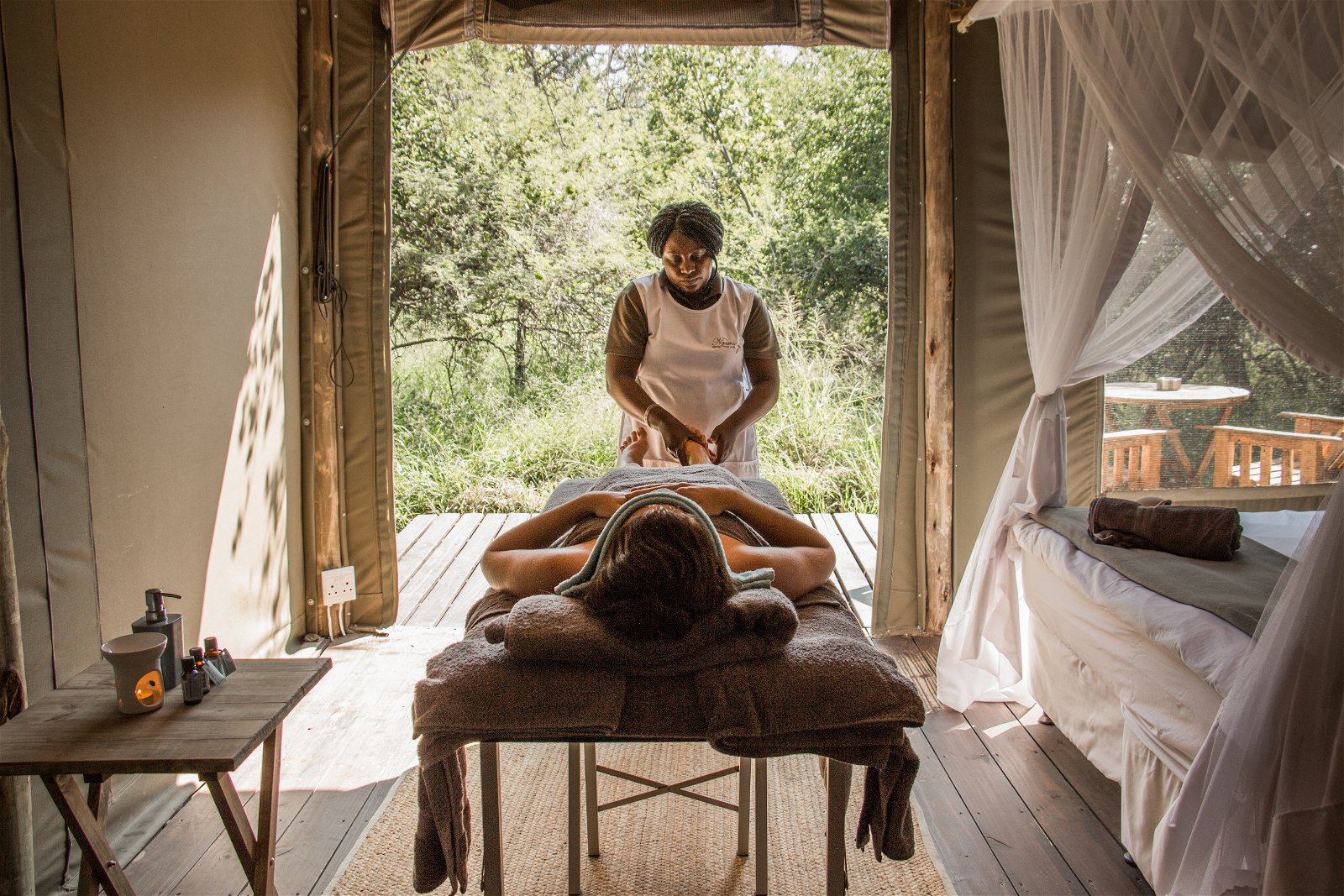
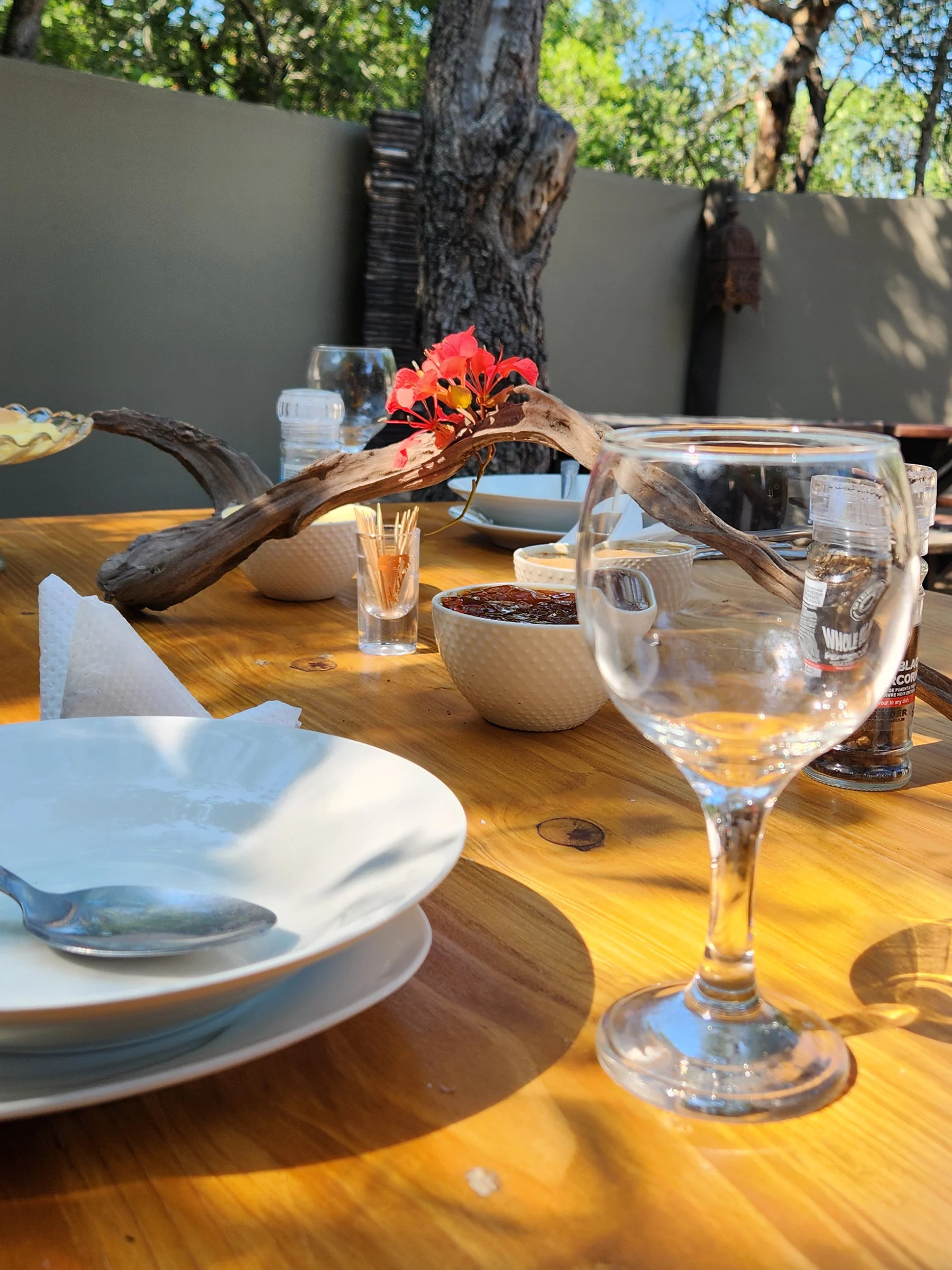
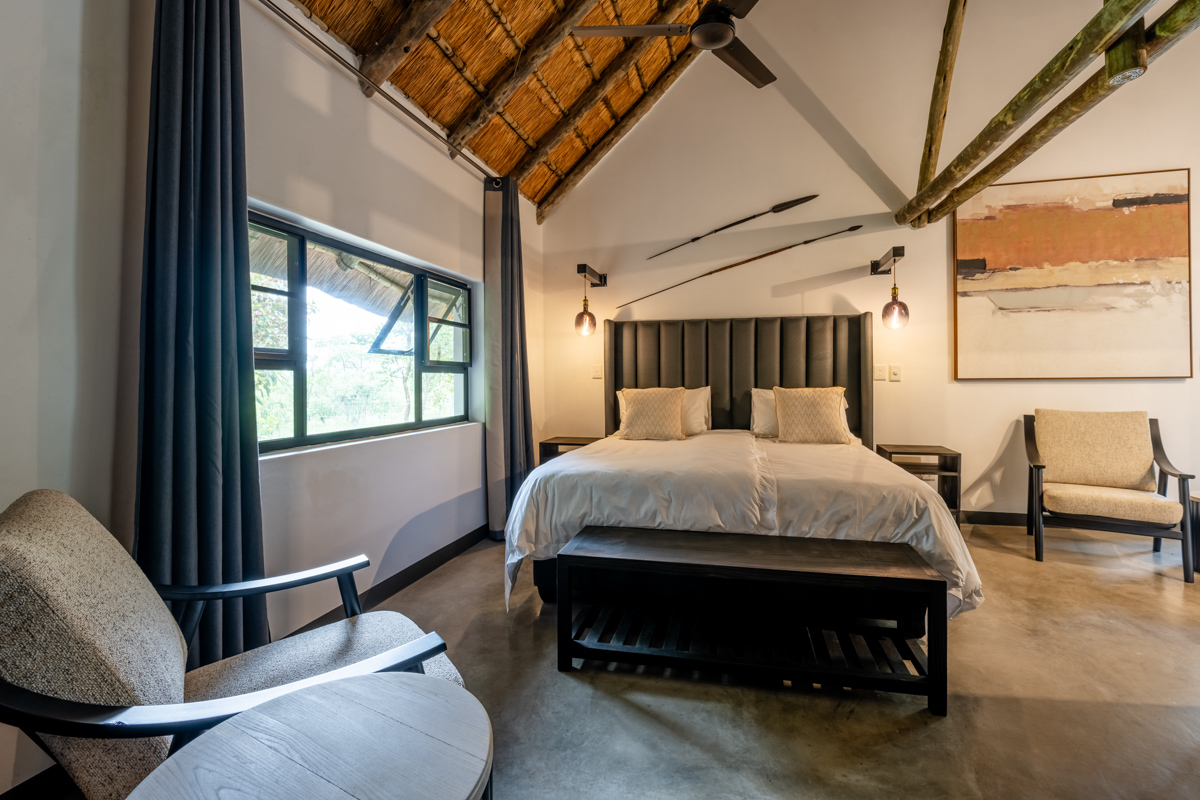
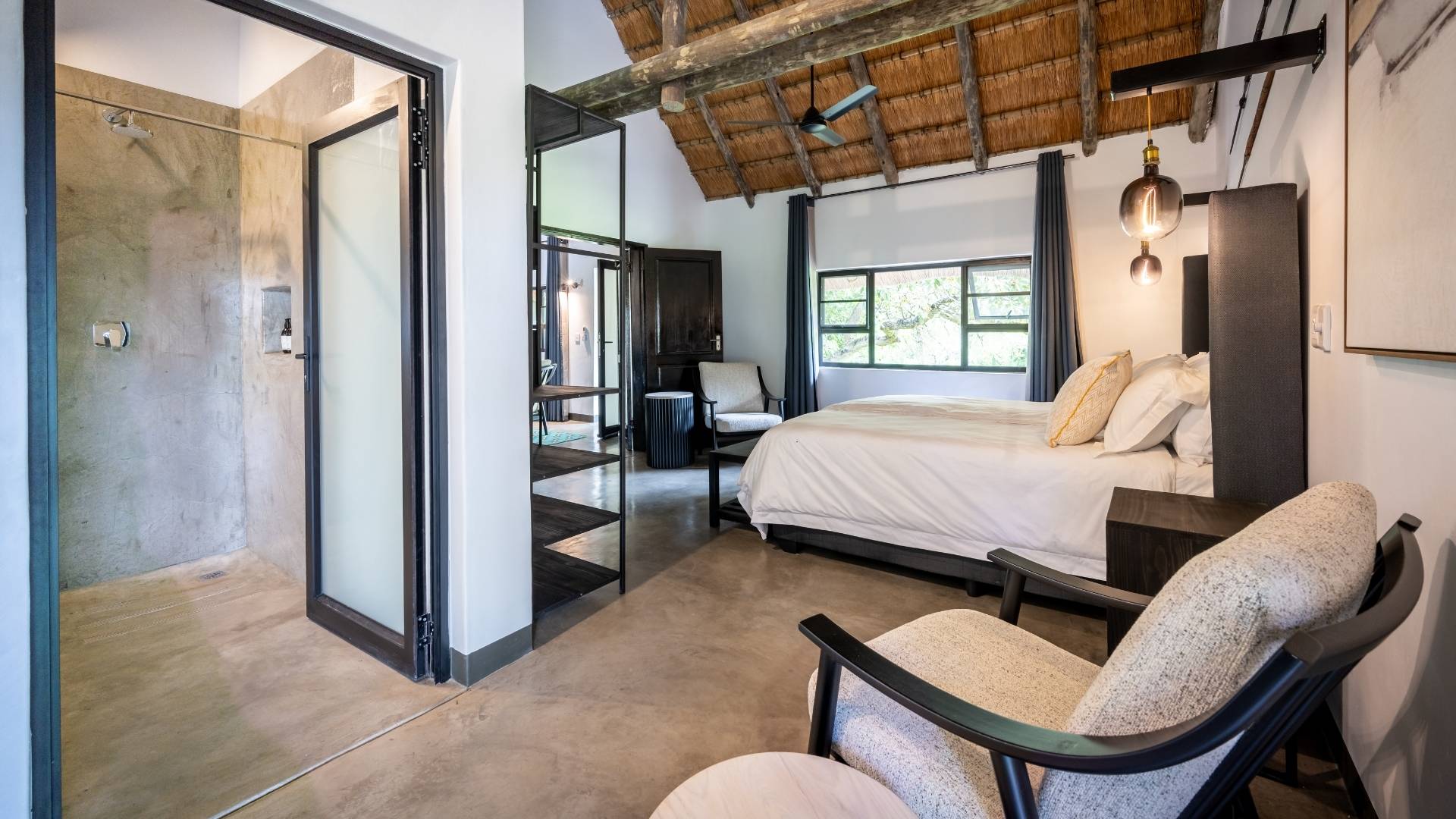
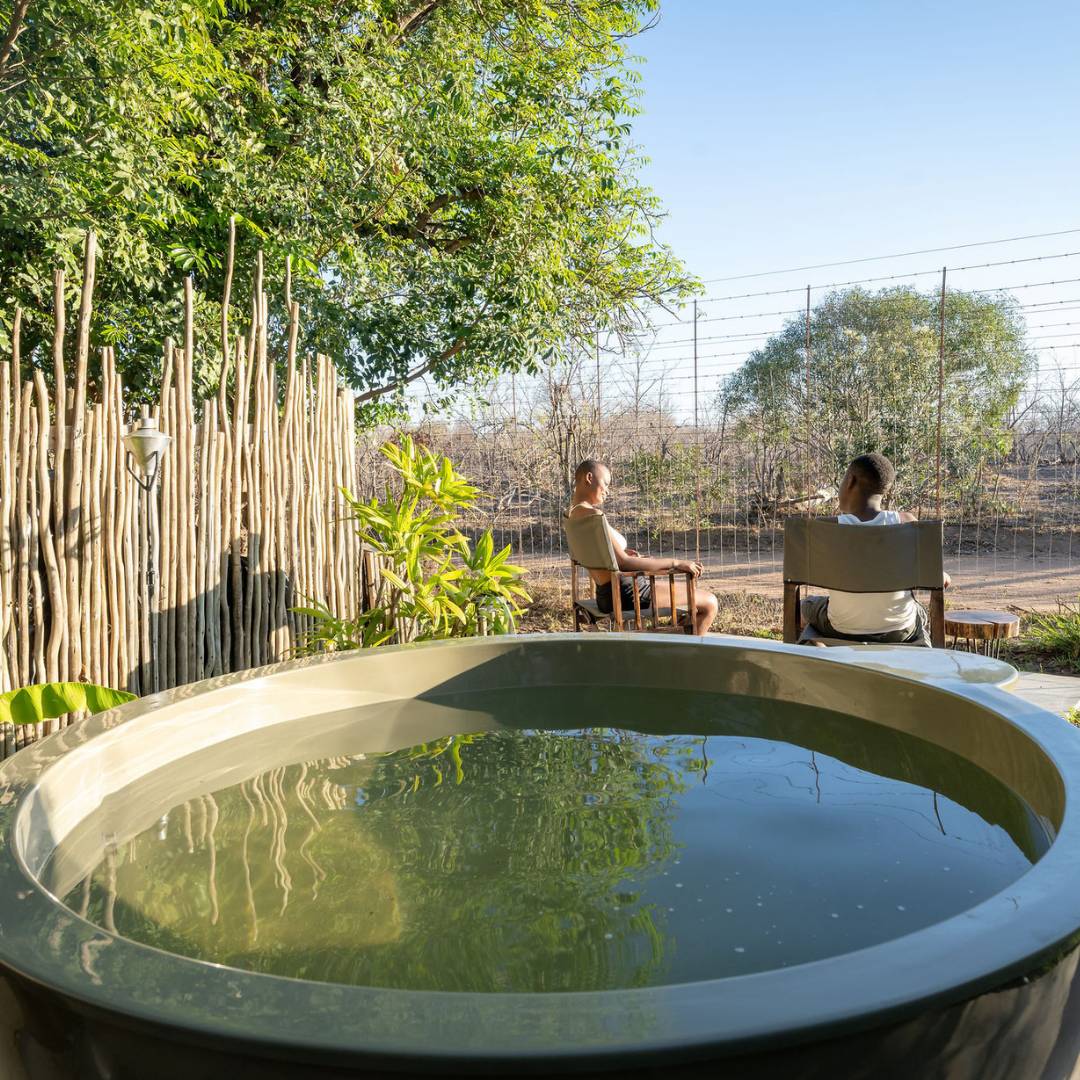
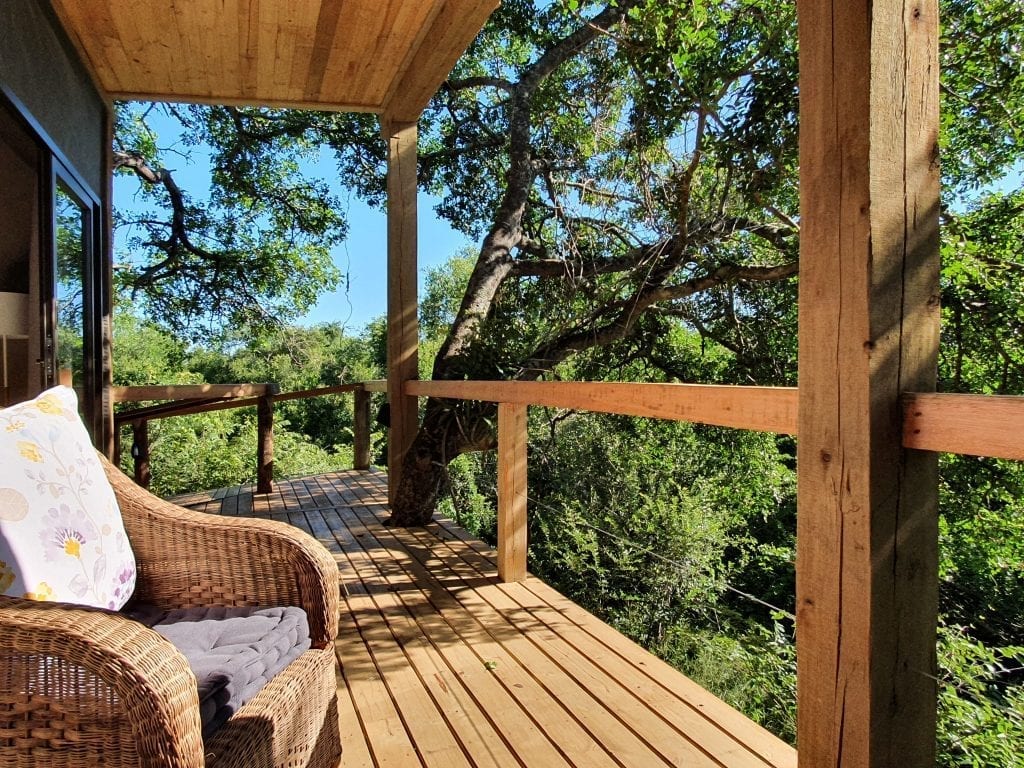
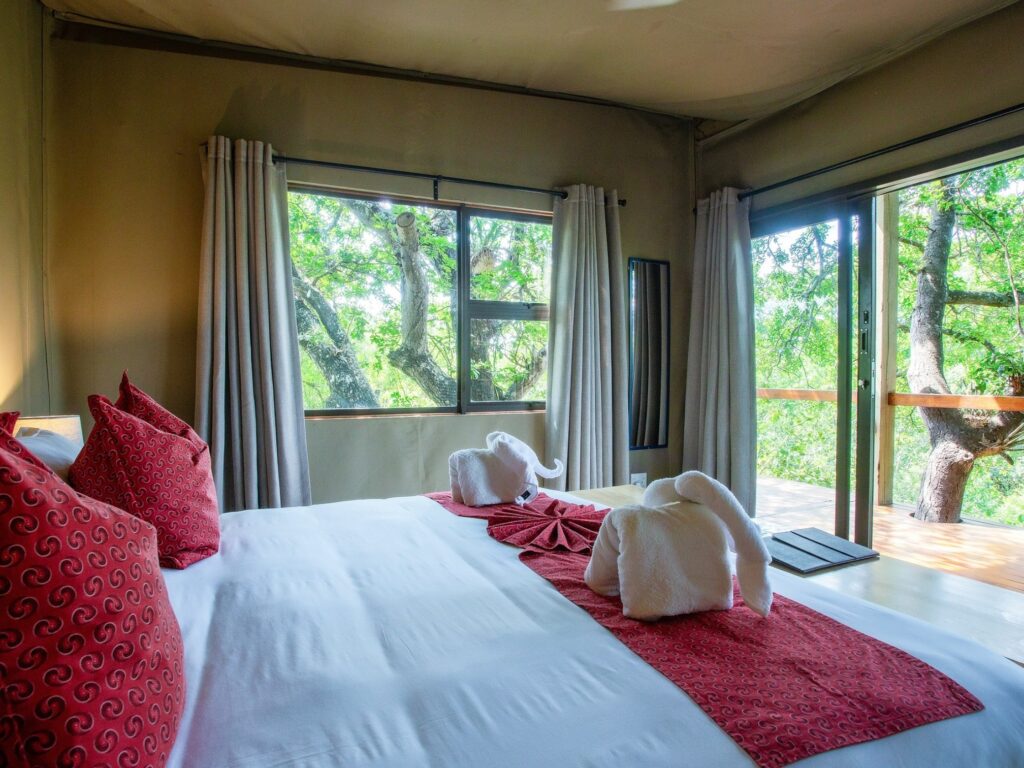
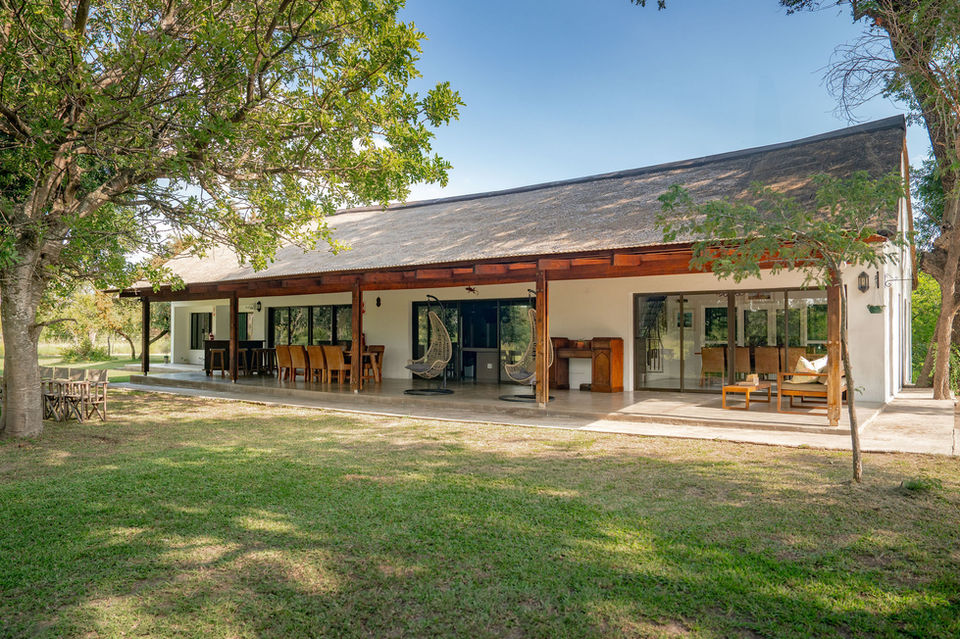
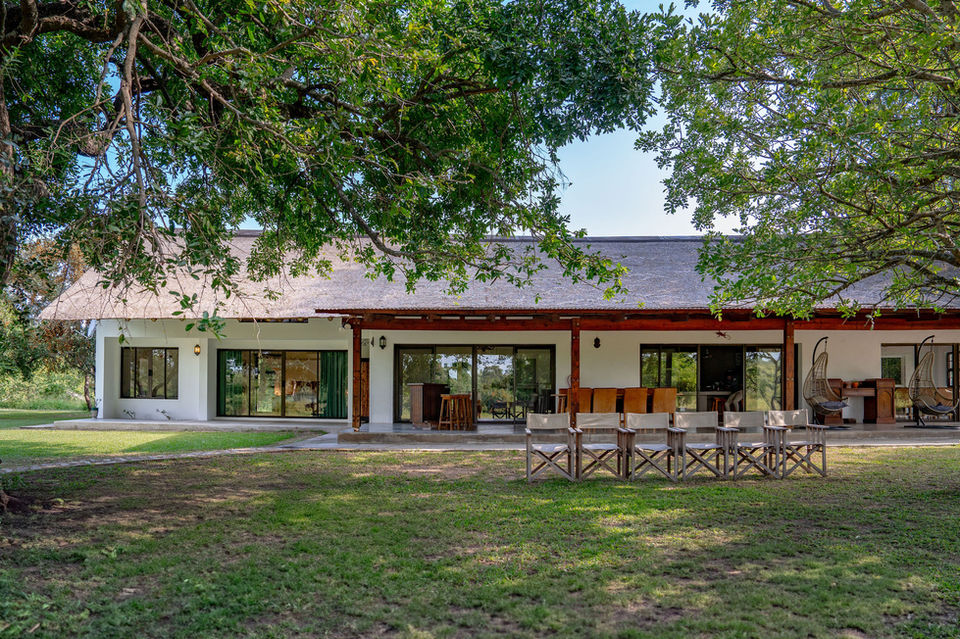
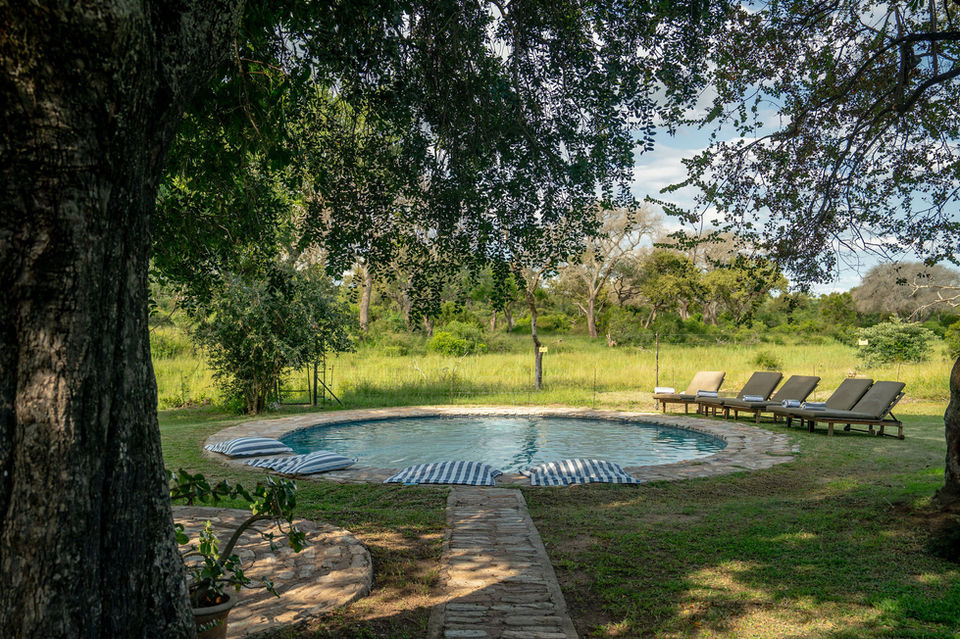
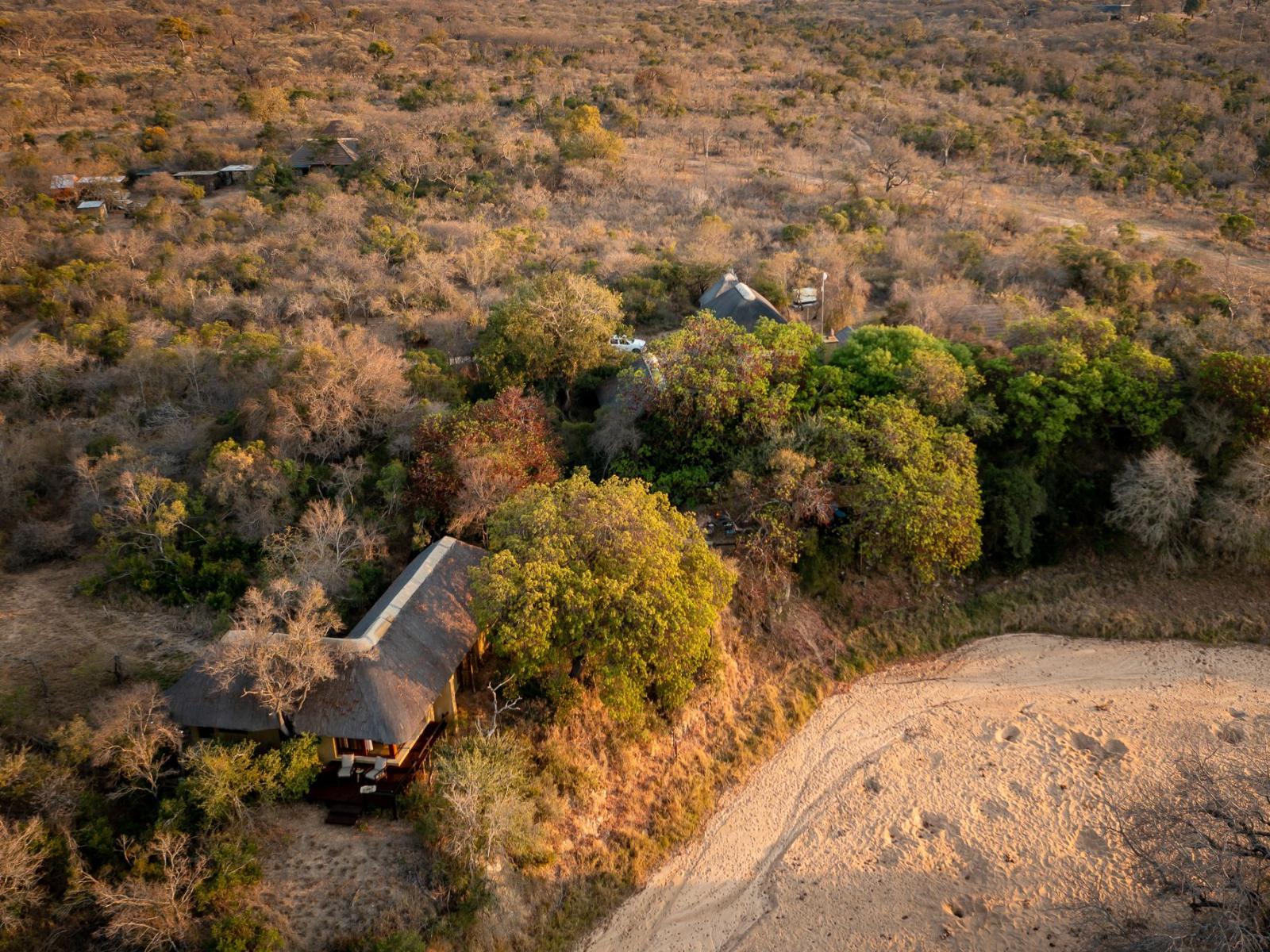
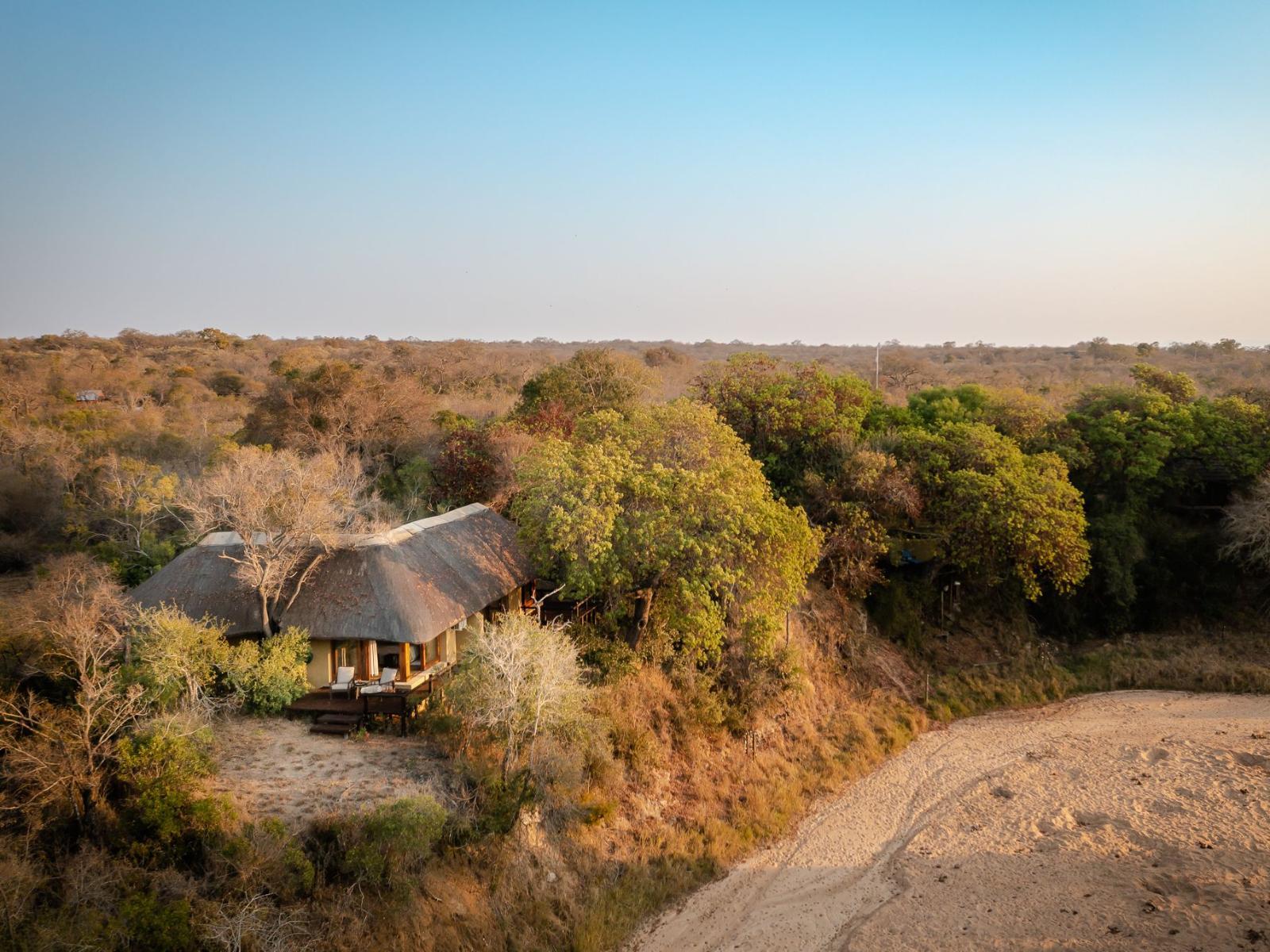
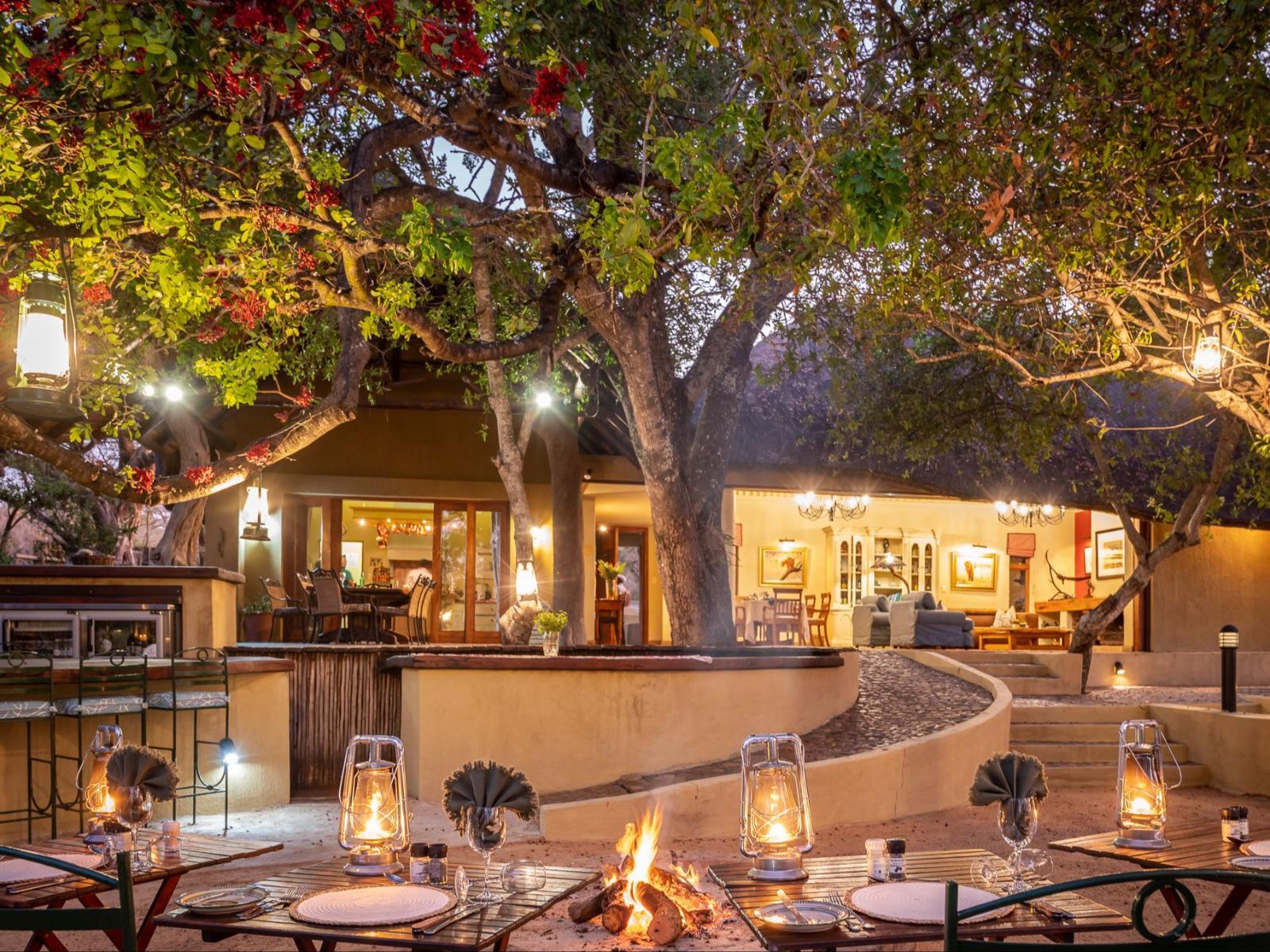
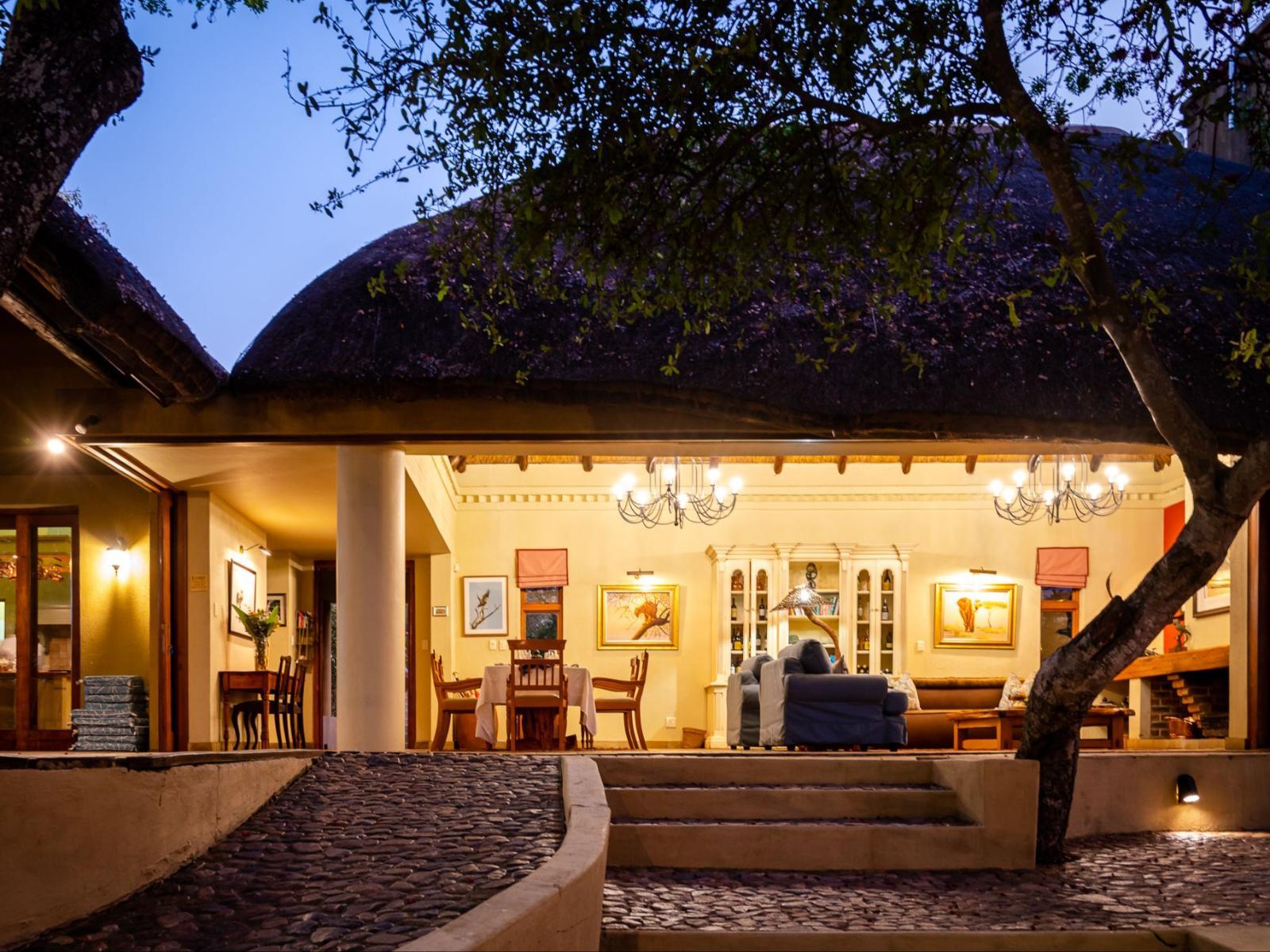
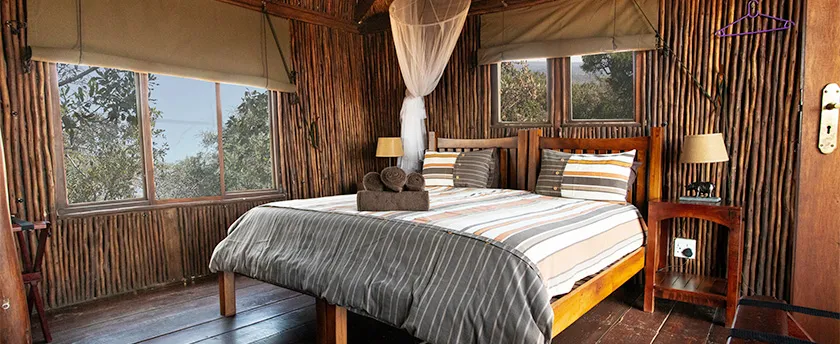
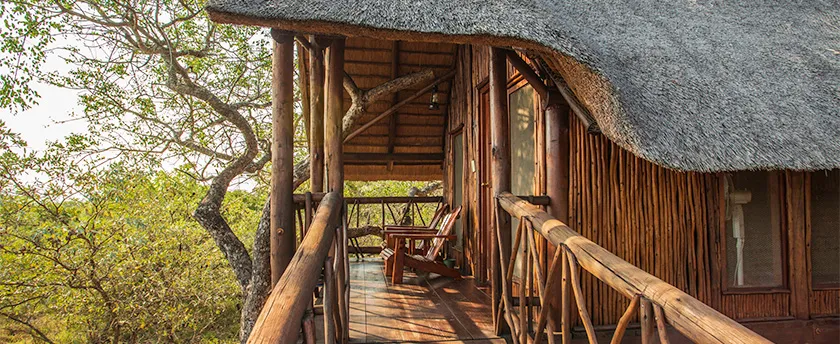
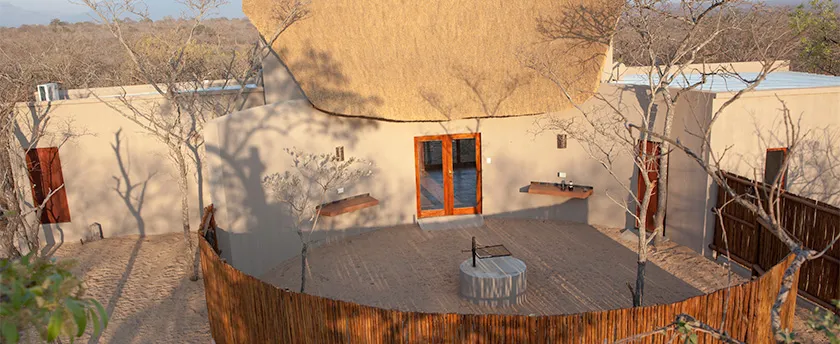
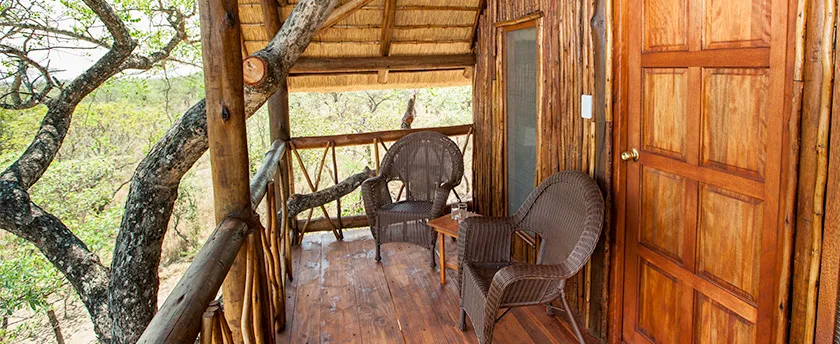
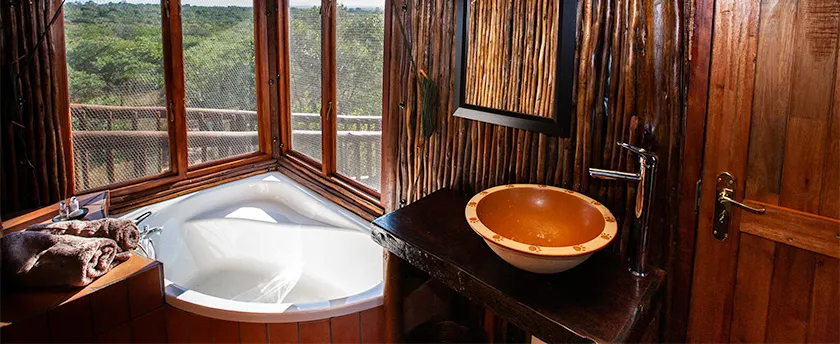
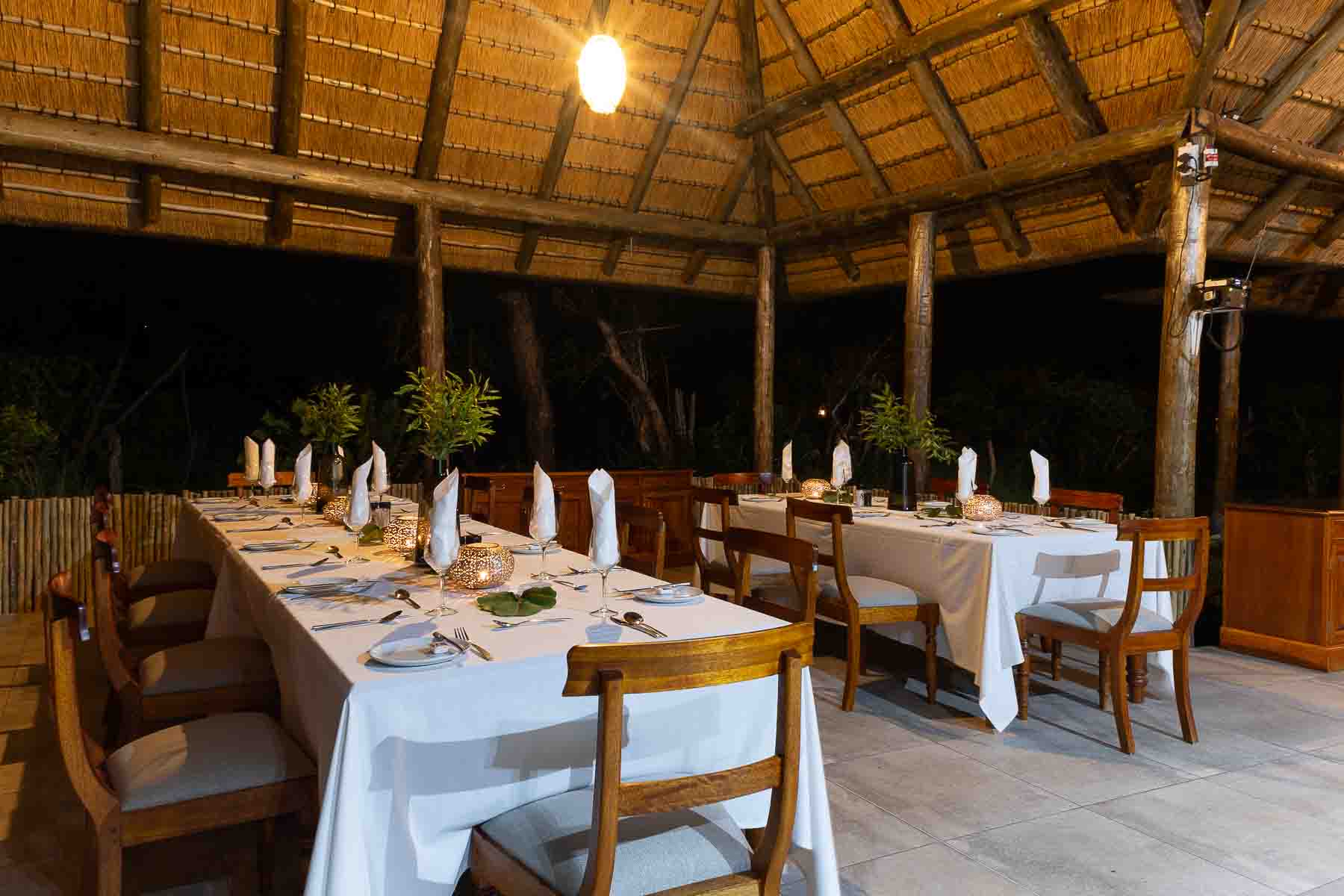
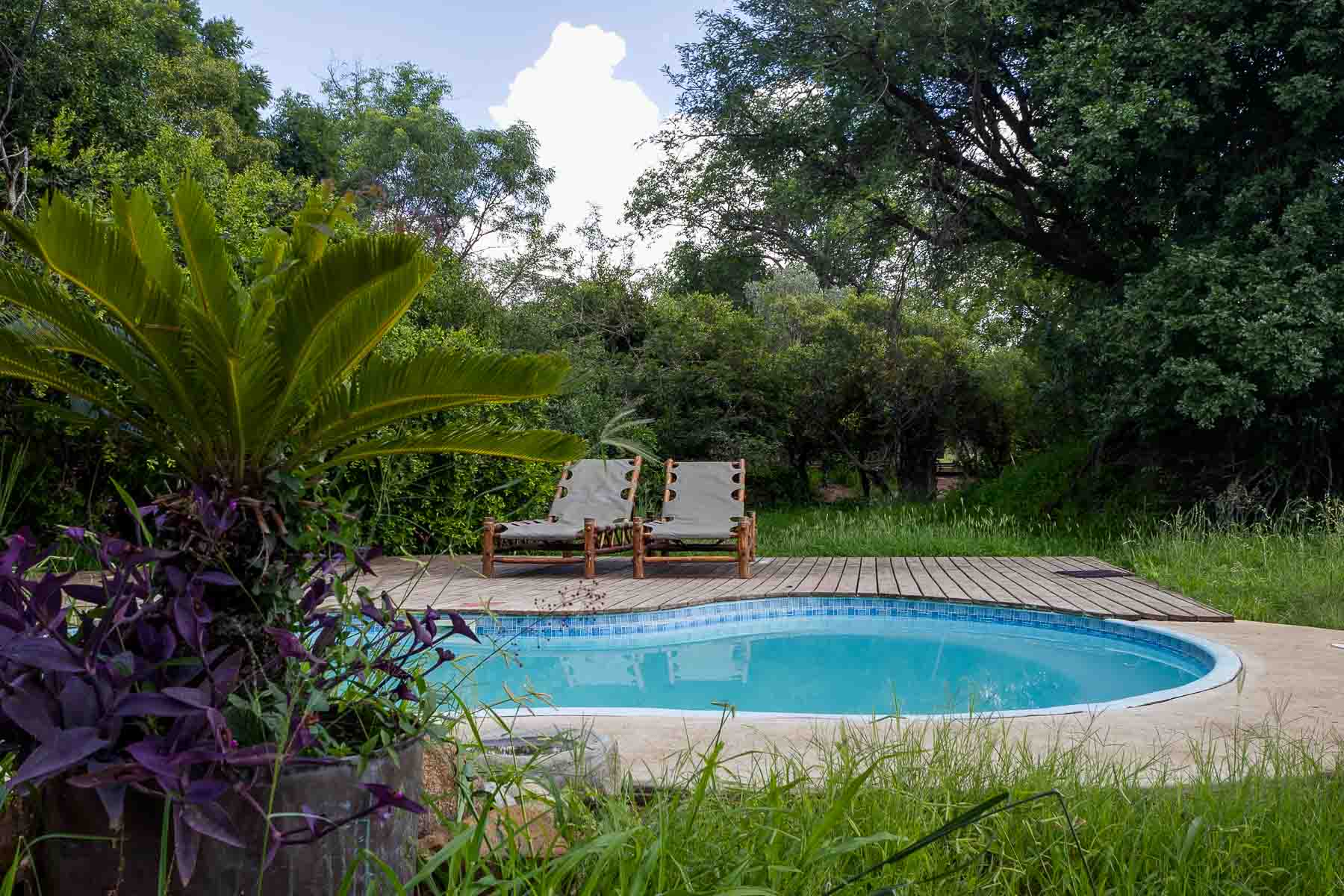
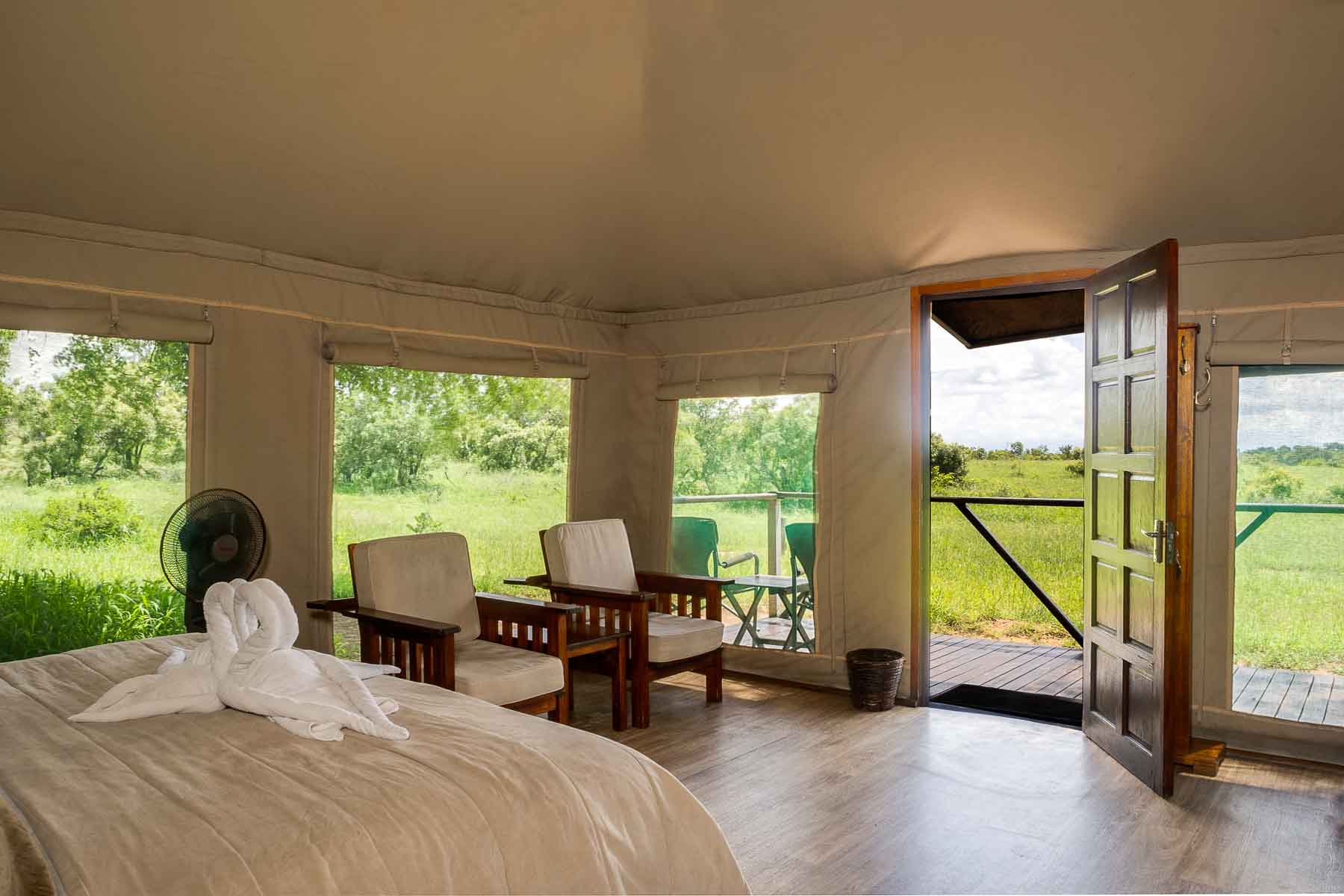
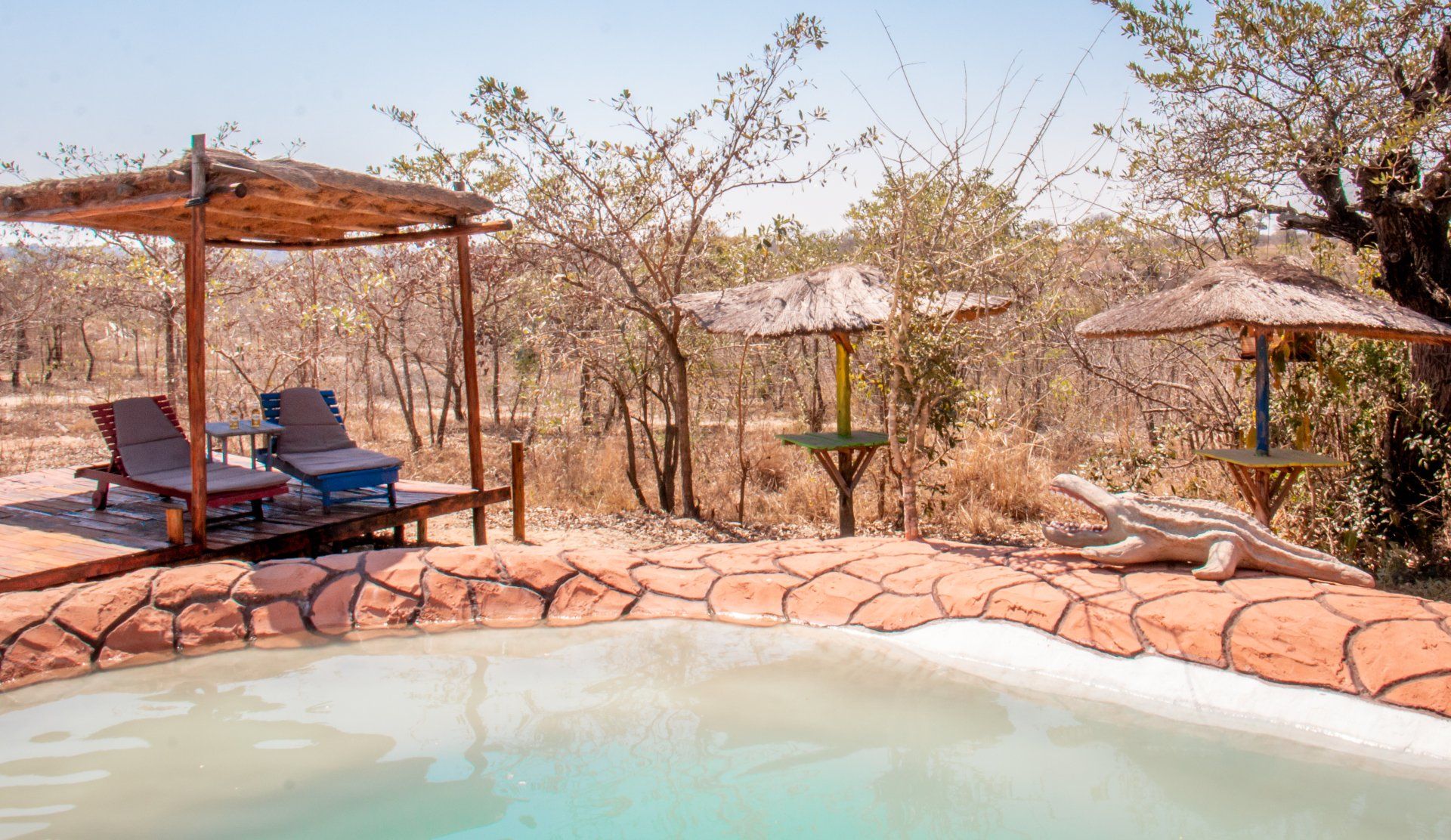
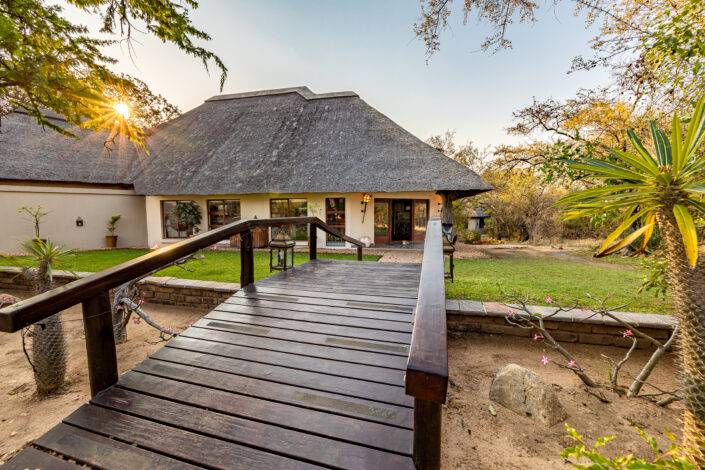
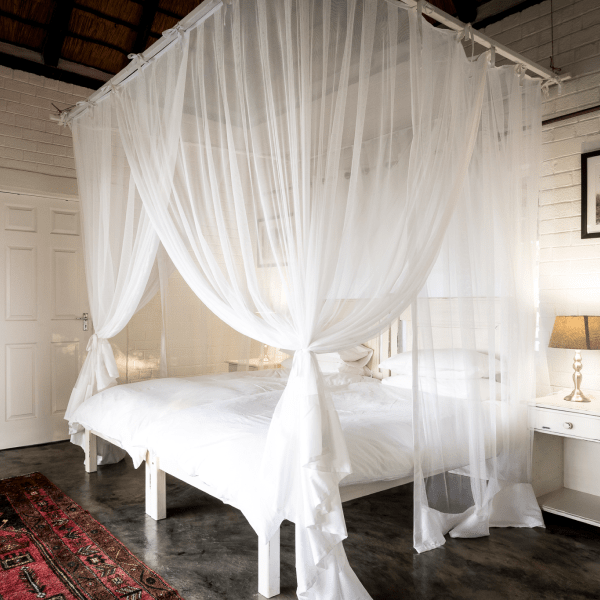
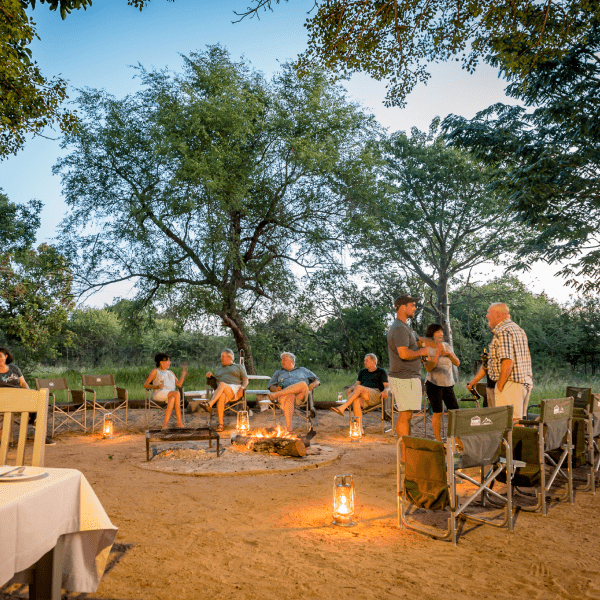
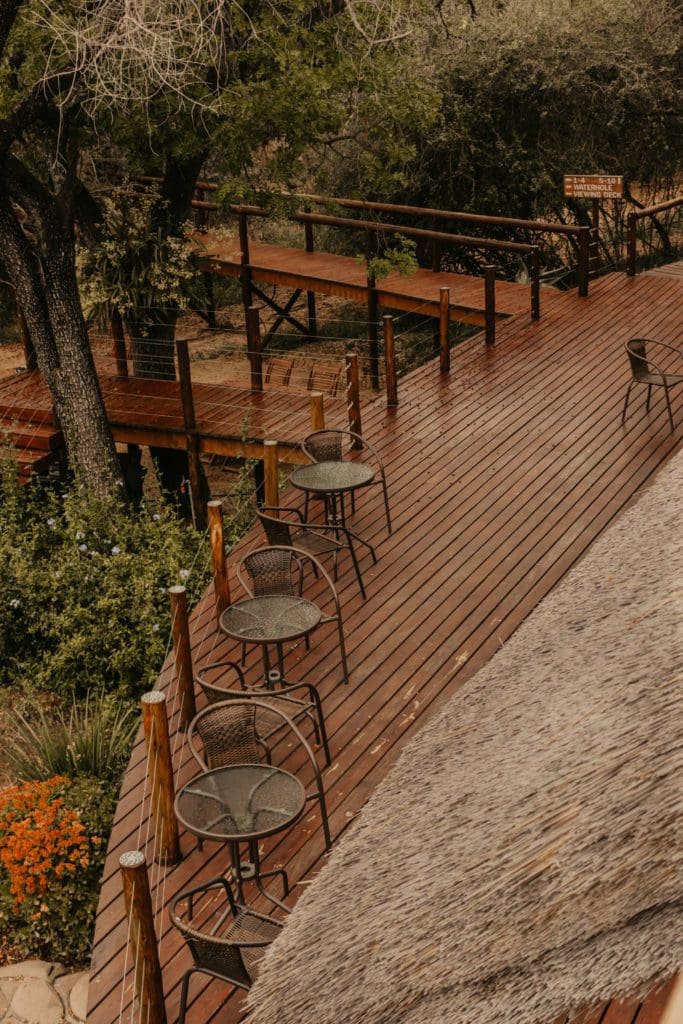
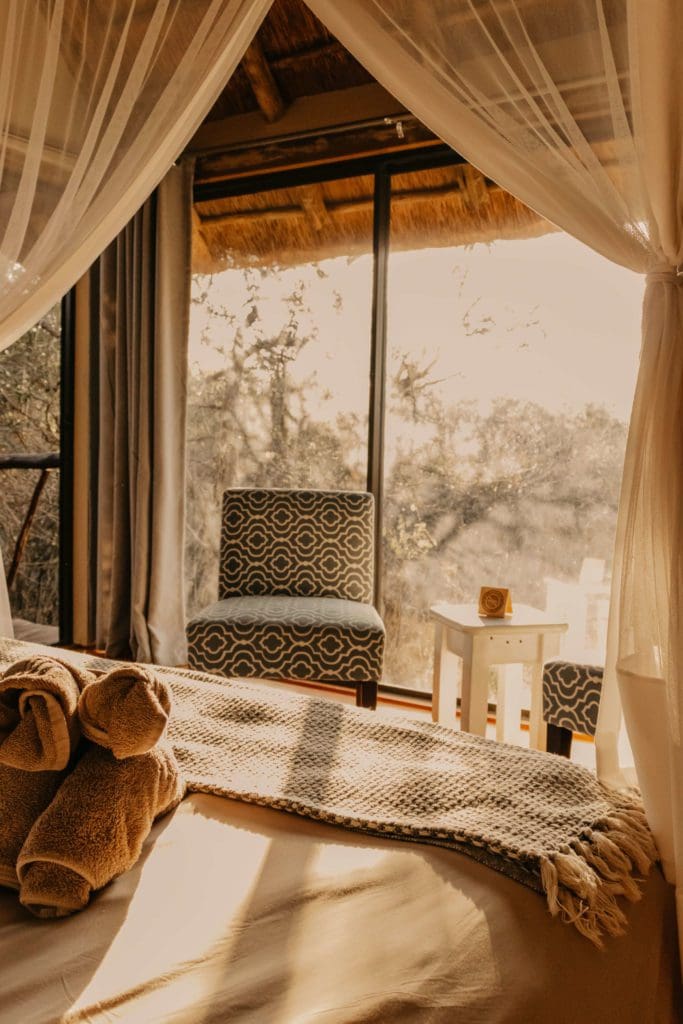
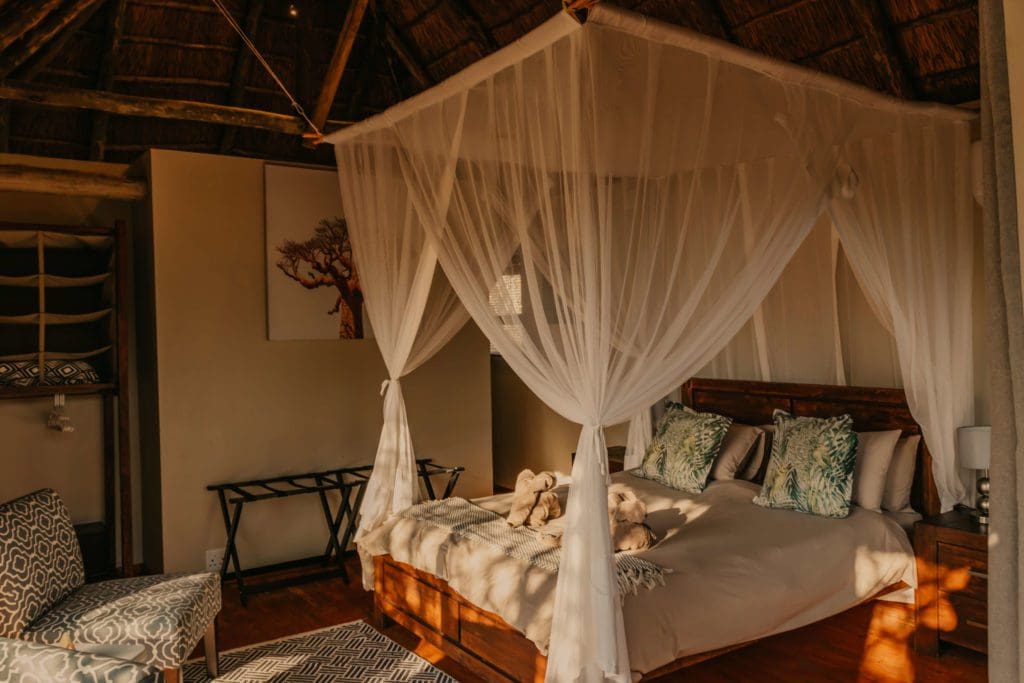
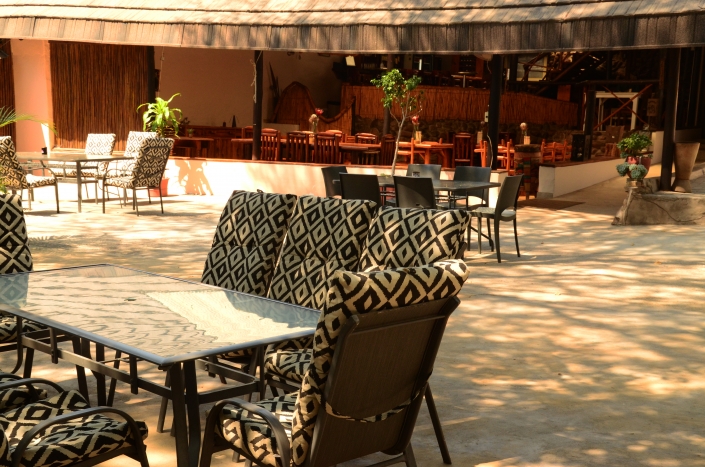
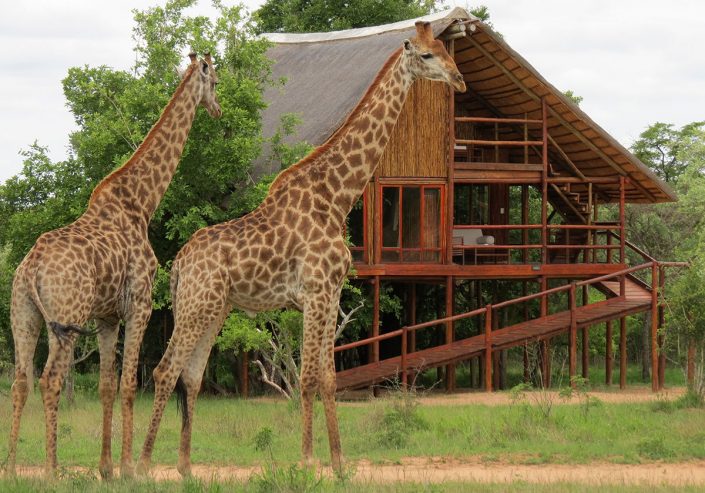
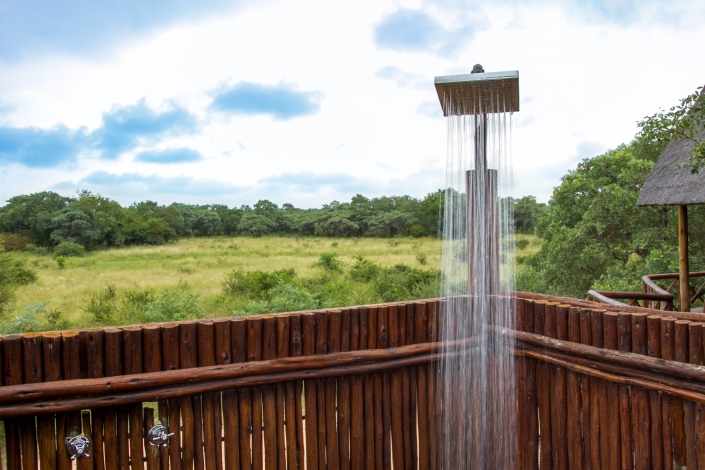
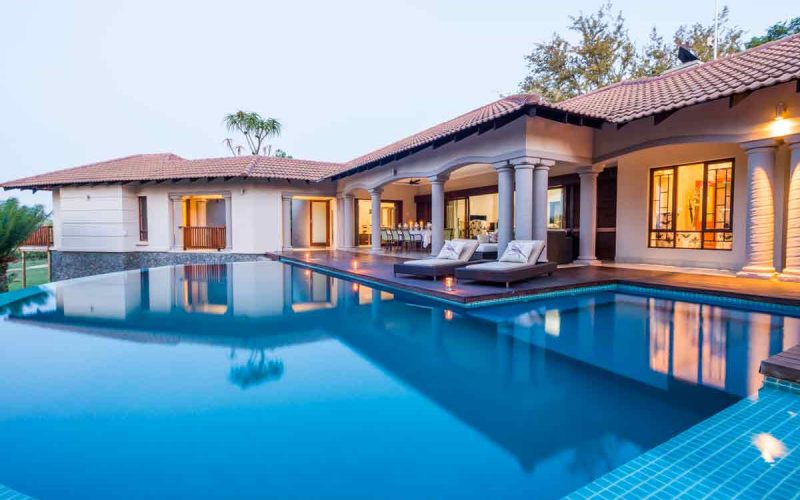
Lodges account for seven of the ten listings and carry the full sweep of prices in the upper tier. Mid-level options typically occupy larger plots with communal outdoor spaces, elevated viewing areas, and meal programmes built around game-drive schedules. Dinner-bed-and-breakfast or half-board arrangements are standard at this level. At the top end, fully all-inclusive rates bring guided activities, drinks, and all meals into the nightly figure. When set against the cost of organising these elements independently, the value case for the highest-tier properties is more straightforward than the headline rate alone suggests. The overall spread reflects a genuine safari positioning rather than resort-style development.
Things to Do in Acornhoek
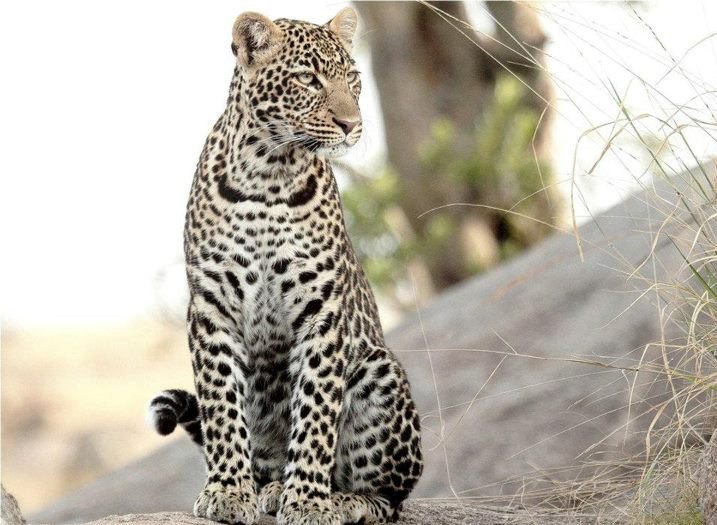
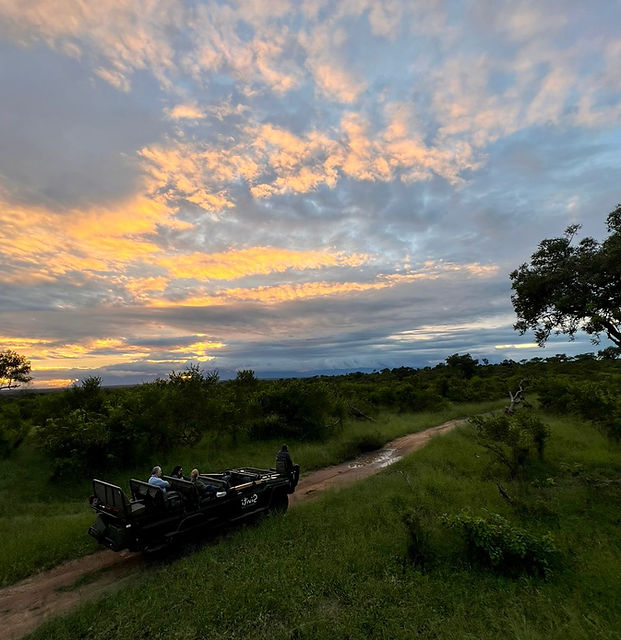
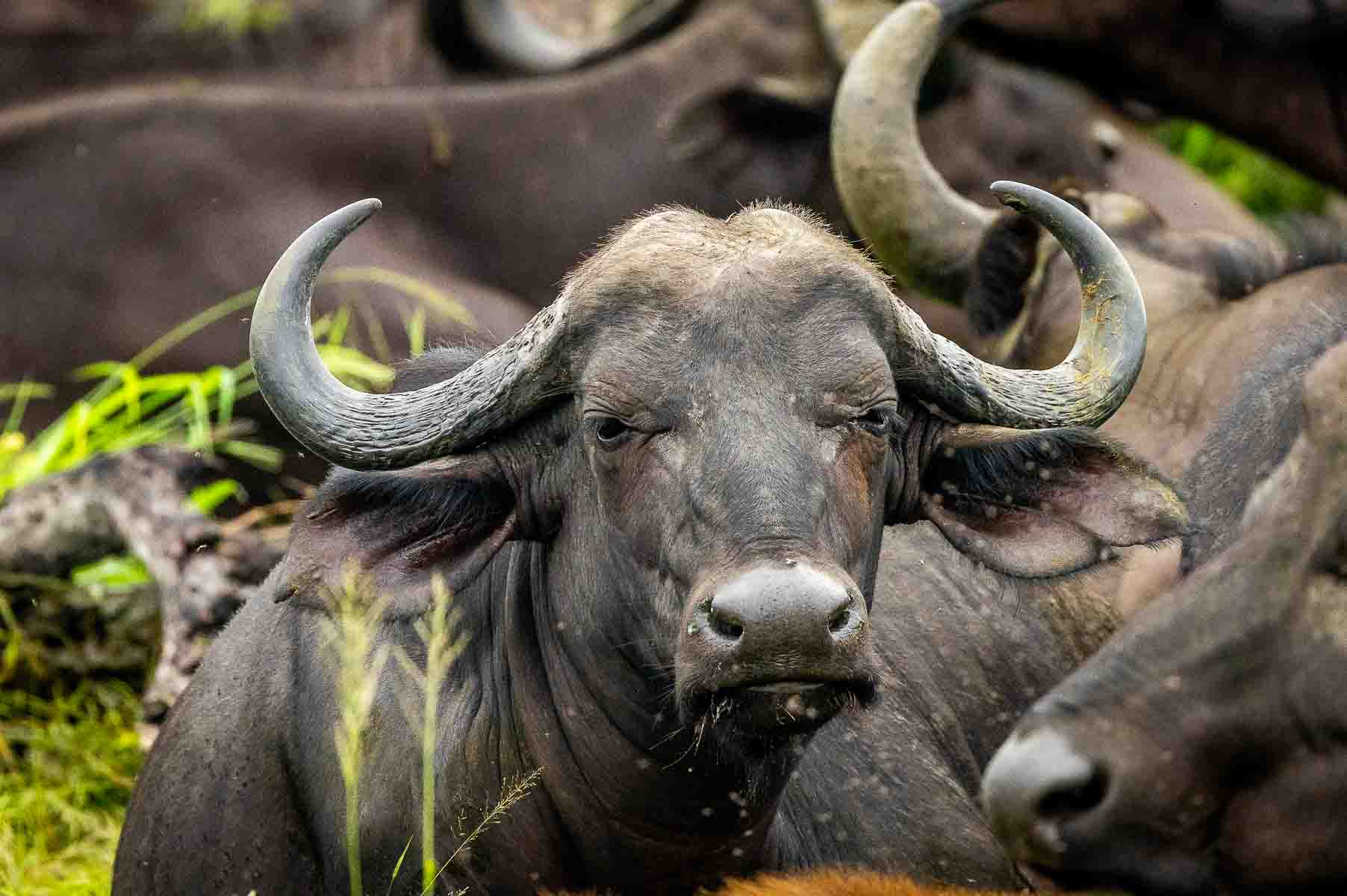
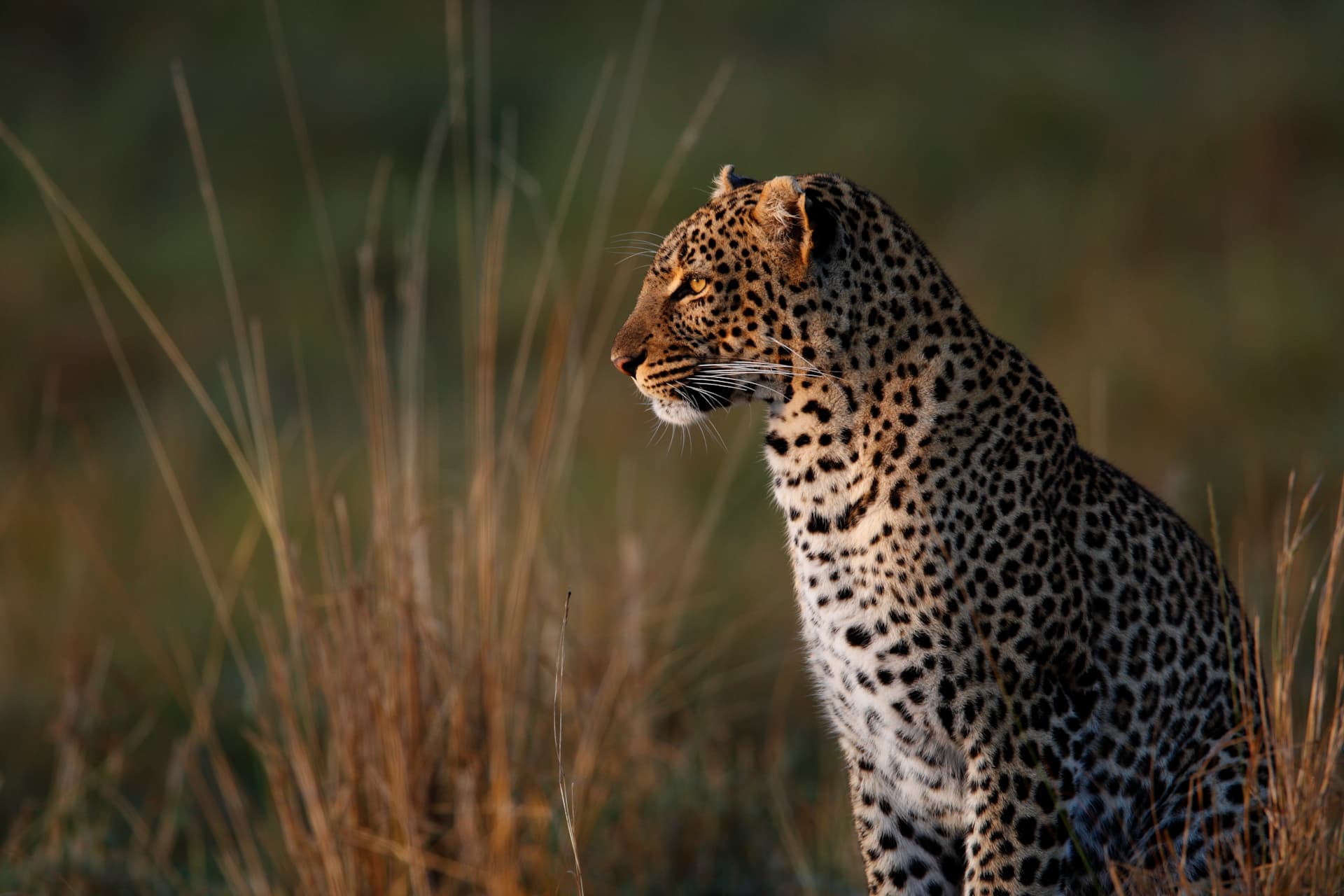
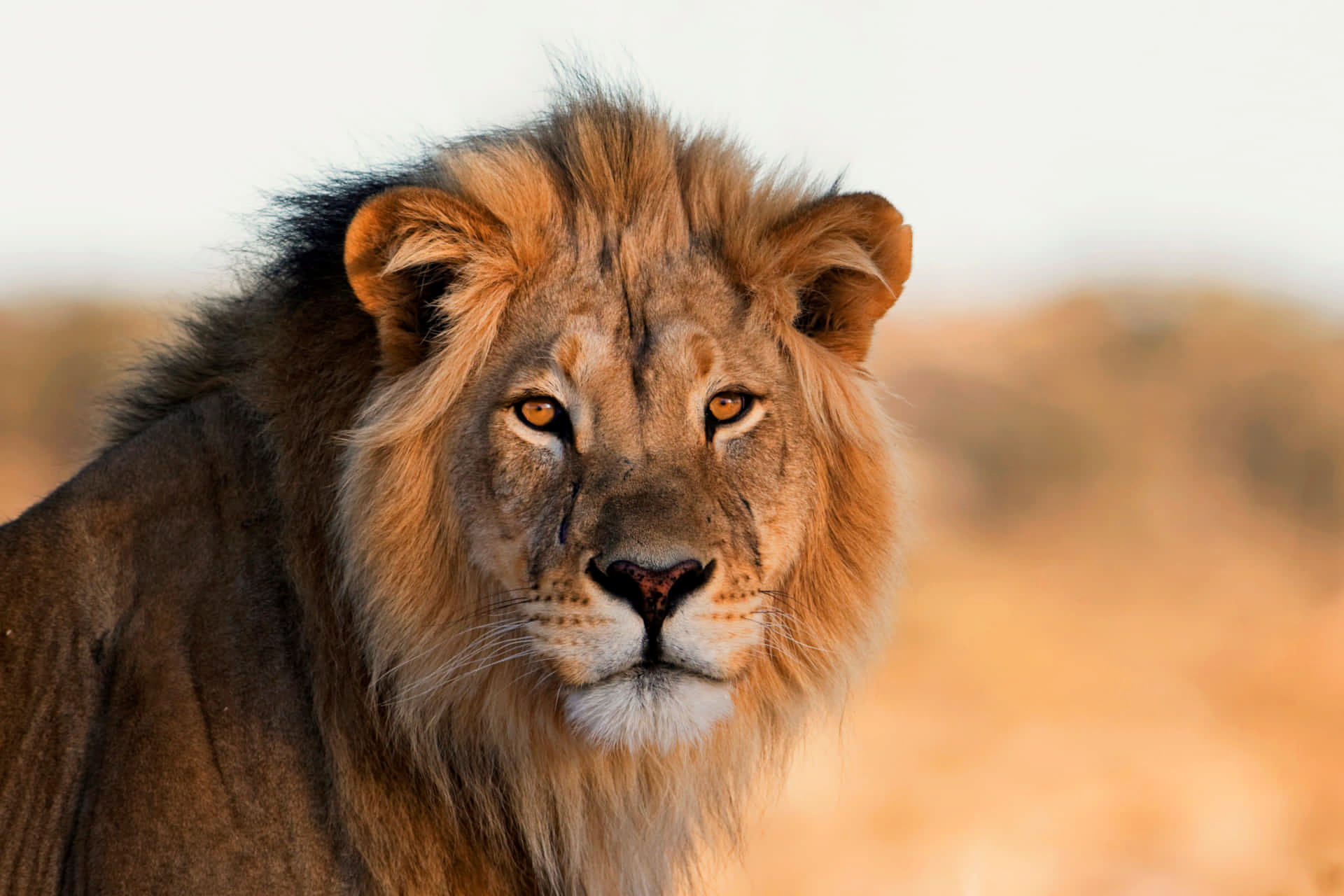
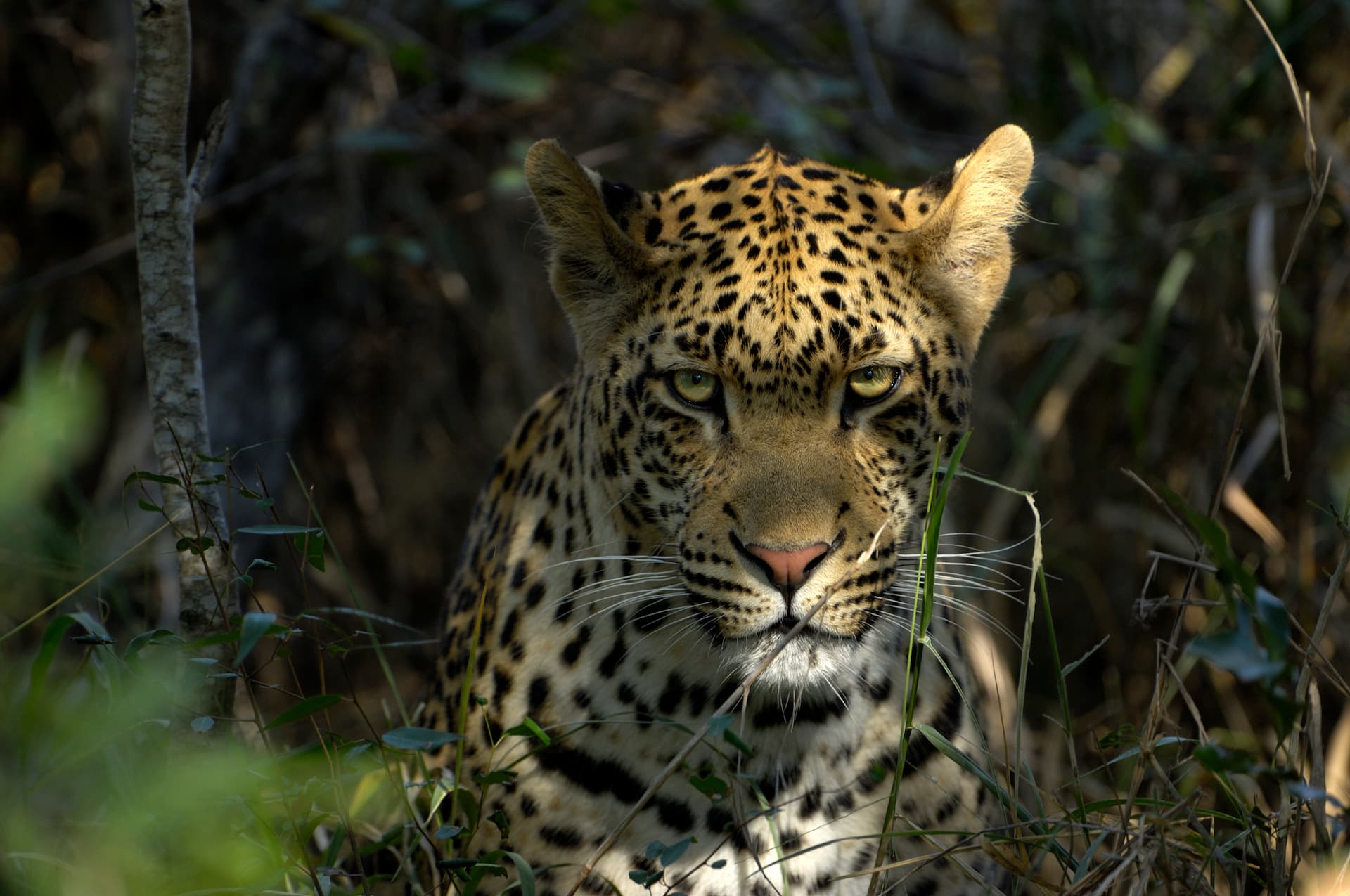
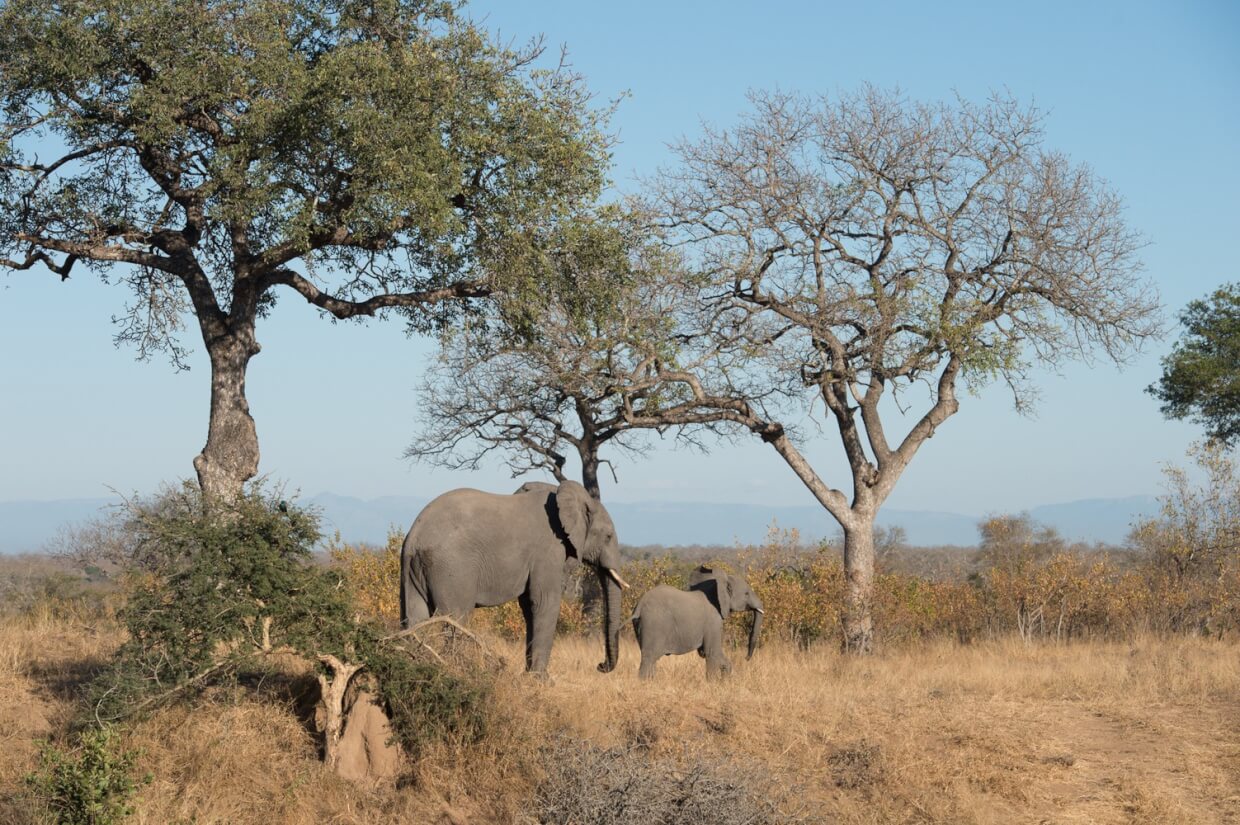
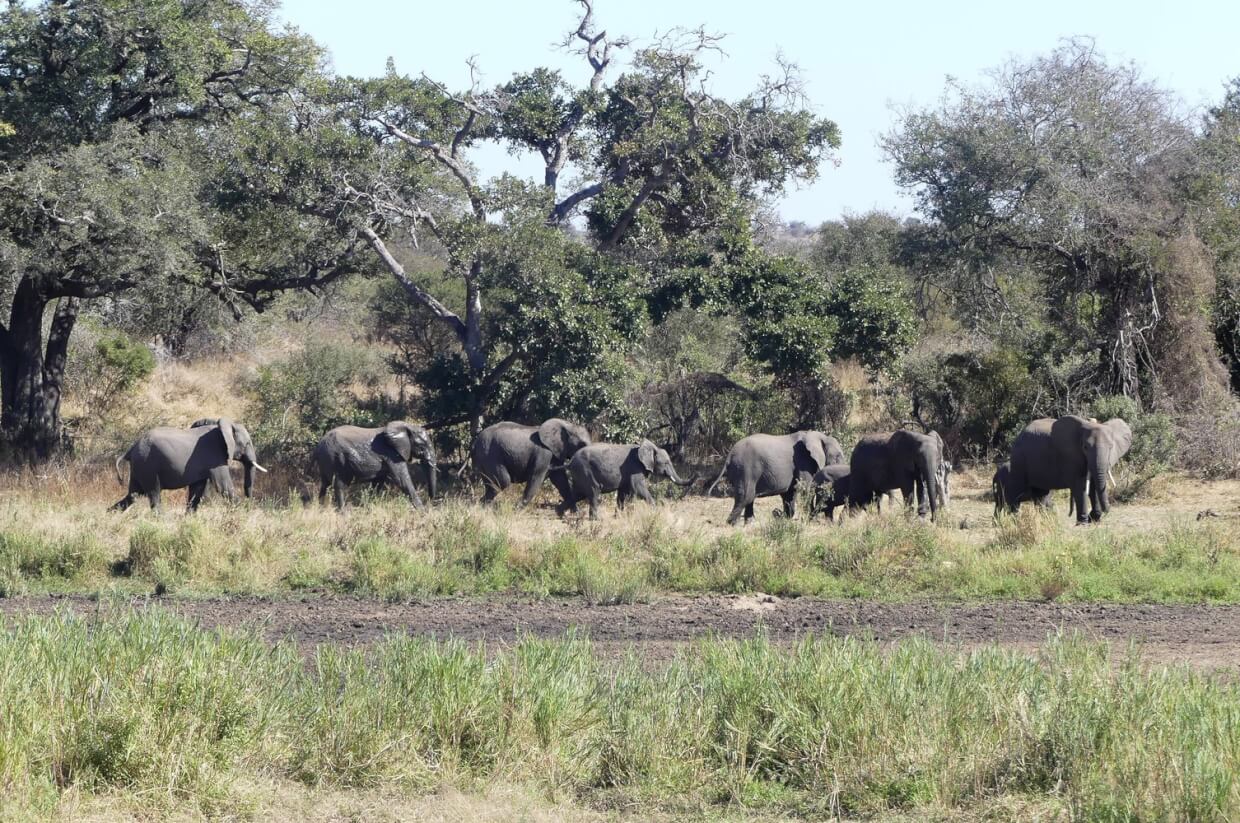
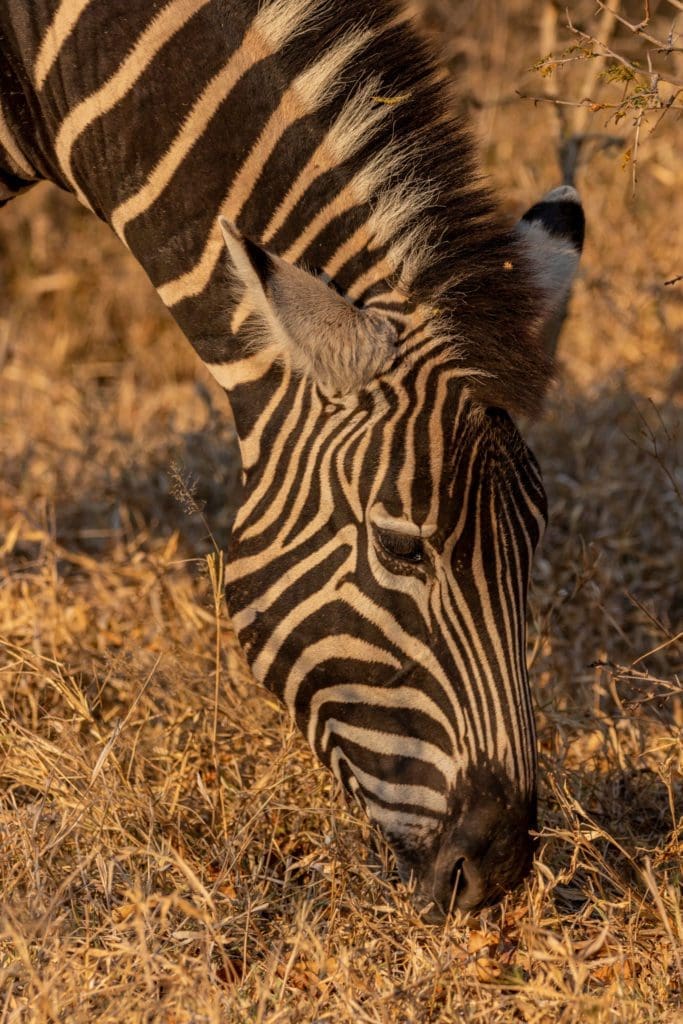
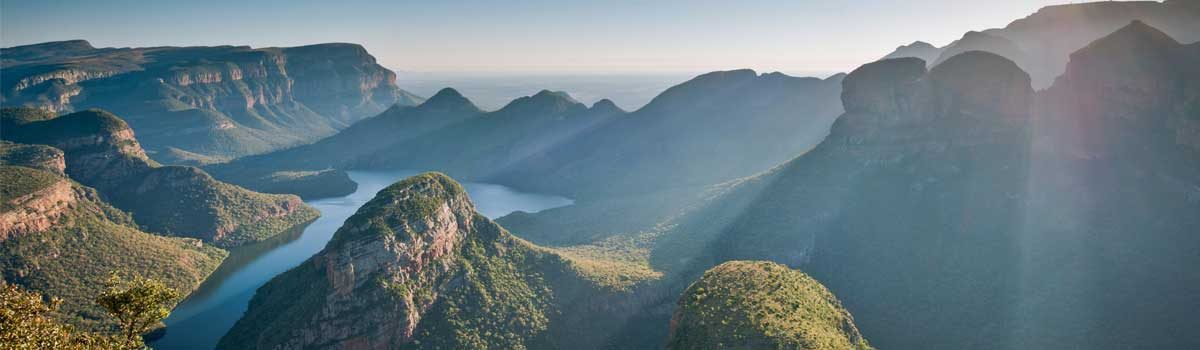
The central draw is Kruger National Park, accessible via Orpen Gate roughly 60 kilometres east of town. Orpen opens into the park's central section, which carries a consistent record for predator sightings. Lion, leopard, and African wild dog are regularly encountered in this zone, alongside elephant, buffalo, and the plains game that characterises the broader bush-savanna landscape.
Self-drive access on the main tarred roads is manageable in a standard hire car. The dirt loops branching off the main routes tend to concentrate wildlife more effectively and are worth attempting in a vehicle with reasonable ground clearance. Plan for a full day: distances between rest camps in the central section are considerable, facilities are well spaced, and running short on fuel or water mid-route is a genuine inconvenience rather than a theoretical one.
Private reserves and conservancies along the Klaserie and Timbavati corridor, within 30 to 50 kilometres of Acornhoek, offer activities unavailable inside the national park. Walking safaris and night drives are permitted through operators in this zone, and vehicle numbers at any given sighting are far lower than on the main park roads. Combining a self-drive day with a guided session on a private conservancy gives a more complete read of the bush than either format alone.
Within town, local markets run on a rotating schedule, covering fresh produce, handcrafted goods, and food from Tsonga and Shangaan culinary traditions. The Bushbuckridge region carries a history shaped by the former homeland system, still visible in the settlement patterns and land use across the surrounding landscape. Visitors who engage with this context alongside the wildlife get a fuller picture of the area than the safari framing alone provides.
Best Time to Visit Acornhoek
May through August is the strongest period for game viewing. Vegetation thins considerably during these dry winter months, animals concentrate around remaining water sources, and daytime temperatures stay manageable, typically between 18 and 28 degrees Celsius. June and July mornings can drop to single figures, so warm layers are practical for early drives or walks. These same months coincide with the South African school holiday period, which increases visitor traffic noticeably across the region and affects road congestion inside the park.
September and early October offer a transitional window that experienced visitors often favour. Conditions remain dry, animals are still concentrated near water, and the landscape has not yet greened to the point where visibility becomes difficult through dense bush. April provides a comparable shoulder option as summer rainfall eases and vegetation density begins to drop.
November through March brings heat that regularly exceeds 35 degrees Celsius, with afternoon thunderstorms arriving from late November into January. Dense summer foliage reduces visibility for game viewing, though migratory bird species arrive in numbers during this period, making it the strongest birding window in the lowveld calendar.
Getting to Acornhoek
Acornhoek sits on the R40, the north-south route connecting Tzaneen to the north with White River and Hazyview to the south. From Nelspruit (Mbombela), the drive covers roughly 120 kilometres and takes around 90 minutes under normal conditions. Travellers from Johannesburg follow the N4 through Middelburg and Nelspruit, a journey of approximately 450 kilometres that takes four to five hours depending on traffic through the lowveld gateway towns.
The nearest airport with scheduled commercial services is Hoedspruit Airport, with regional connections from OR Tambo International in Johannesburg. Personal transport is effectively essential for reaching the park and most surrounding properties, so travellers arriving by air will need to arrange a hire car. Rental options are available at the terminal.
Minibus taxis run reliably within and around Acornhoek, connecting the town with Hazyview, Bushbuckridge, and other nearby centres. Tarred roads into town are generally in reasonable condition. Rural gravel roads in outlying areas can deteriorate significantly after heavy summer rainfall, and checking current conditions before heading onto back roads during the wet season is a practical step worth taking.
Acornhoek and Surrounding Areas
New Forest (18km) reflects the predominantly rural character of the Bushbuckridge Local Municipality. Smallholdings and mixed agricultural plots dominate the land here, and a drive through gives a clear picture of how everyday life in this part of Limpopo operates, distinct from the wildlife corridor imagery that dominates regional tourism material.
Wisane (22km) is a small settlement rather than a service town. Passing through offers a useful read on the lowveld terrain between the main tourist route and the wider region, particularly the gradual shift in vegetation and land use that marks increasing distance from Acornhoek.
Hoedspruit (30km) is the most practically useful nearby centre for visitors based in the area. It functions as the logistics hub for the central lowveld safari circuit, carrying restaurants, retail services, and vehicle hire. The Hoedspruit Endangered Species Centre, just outside town, runs active conservation programmes for cheetah, wild dog, and vulture species, with guided visitor access. It makes a workable half-day excursion for those wanting to extend time beyond the park gates.
Thulani (33km) and Utlha (37km) are smaller communities closer to privately managed game areas along the Kruger boundary. The road between these settlements traces a visible transition from communal farmland to wildlife-managed land, readable in the fencing patterns and vegetation cover along the route.
Njonjela (41km) sits at the outer edge of this regional cluster. Beyond it, the landscape opens into terrain managed primarily for conservation. It functions more as a geographic marker than a destination, but its position clarifies the scale of the area that surrounds Acornhoek as a base.
Planning Your Stay
The peak winter window fills quickly, and reserving two to three months ahead is advisable for visits in June and July. May and August carry more flexibility and a broader choice of available dates without significantly compromising conditions on the ground.
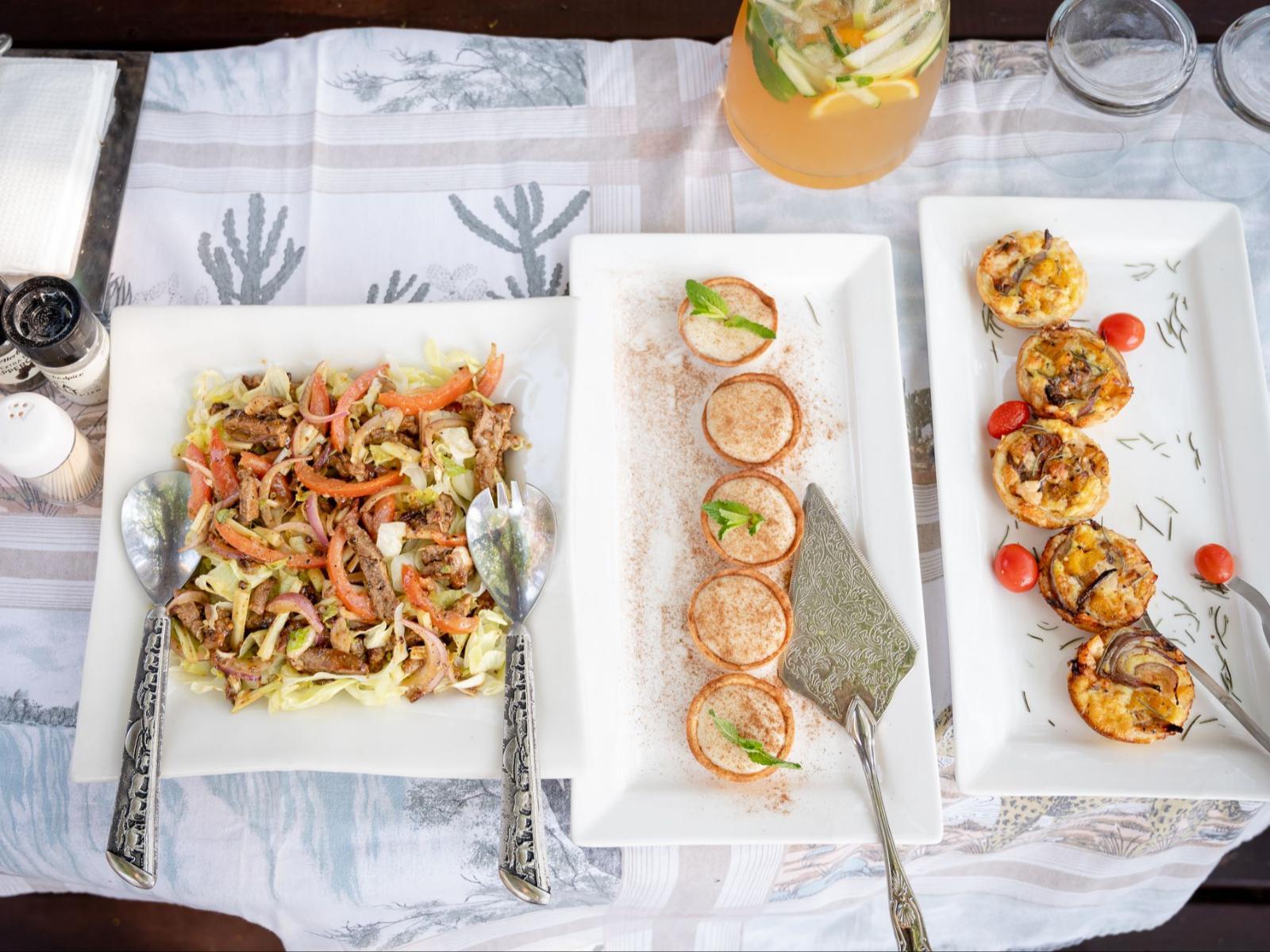
When comparing properties, confirm whether meals are included in the quoted rate before drawing conclusions about relative value. Several operators in this corridor build dinner and breakfast into the nightly figure, which substantially affects overall budget planning and the amount of self-provisioning required.
Load shedding affects this region, and it is worth asking about backup power arrangements before confirming a booking. Properties without generator, inverter, or solar capacity can be genuinely uncomfortable during outages, particularly in summer when refrigeration and cooling matter most.
Secure cash and essential supplies before heading into more remote areas. ATM access in surrounding rural communities is unreliable, and mobile data coverage becomes patchy on back roads beyond the main route. If you plan to base your days around early departures for game drives, check the operator's policy on early departures before booking, since leaving promptly at gate opening time makes a practical difference to what you are likely to encounter.