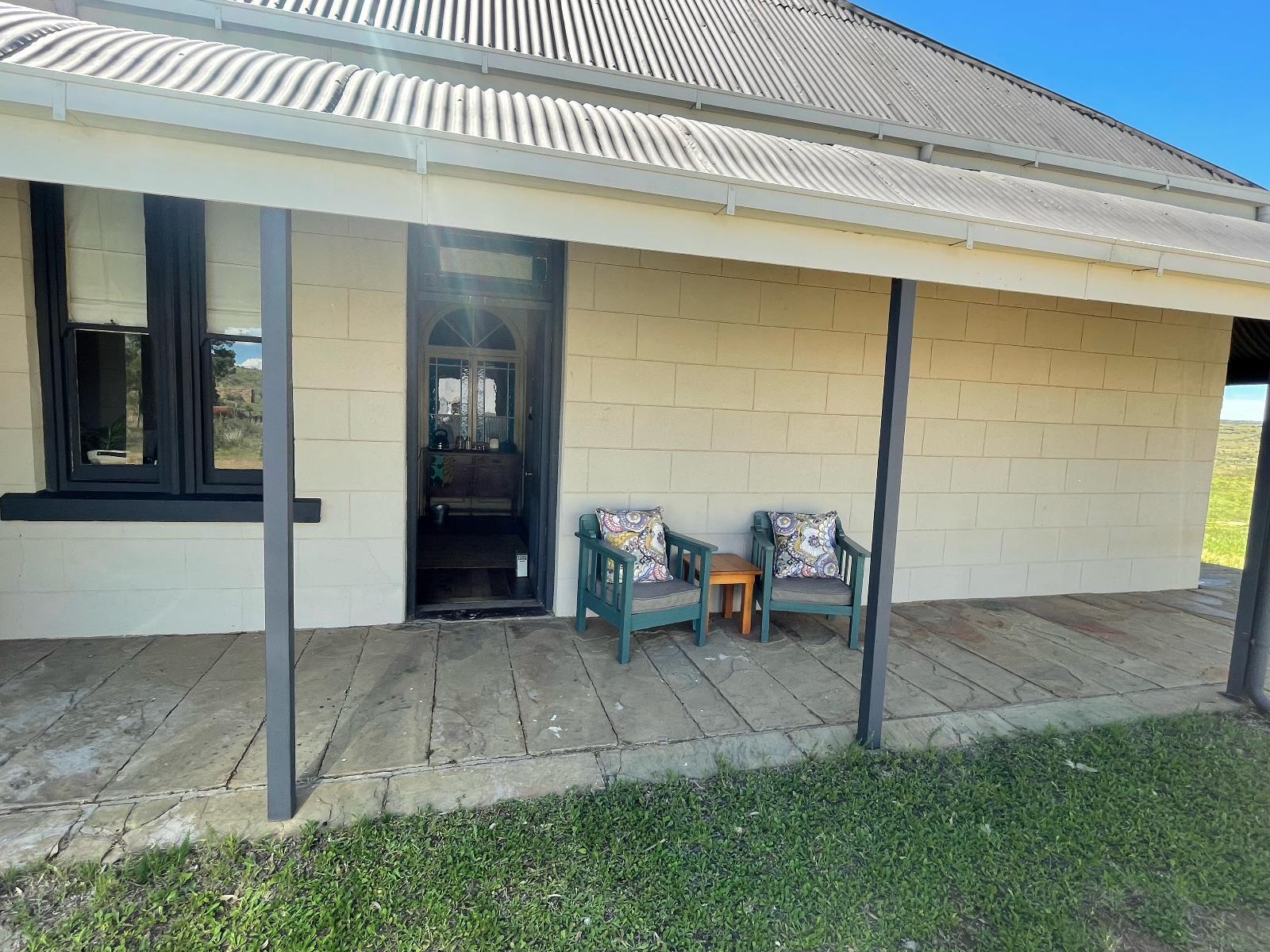
Accommodation in Aarbossiesplaat
No properties in Aarbossiesplaat appear on major booking platforms, which accurately reflects conditions across the deep Karoo interior rather than any gap in the data. Farm stays in this part of the Eastern Cape are arranged directly with owners, most often by telephone, and rates are not publicly advertised. What any arrangement includes varies from property to property, so an enquiry needs to be specific from the outset.
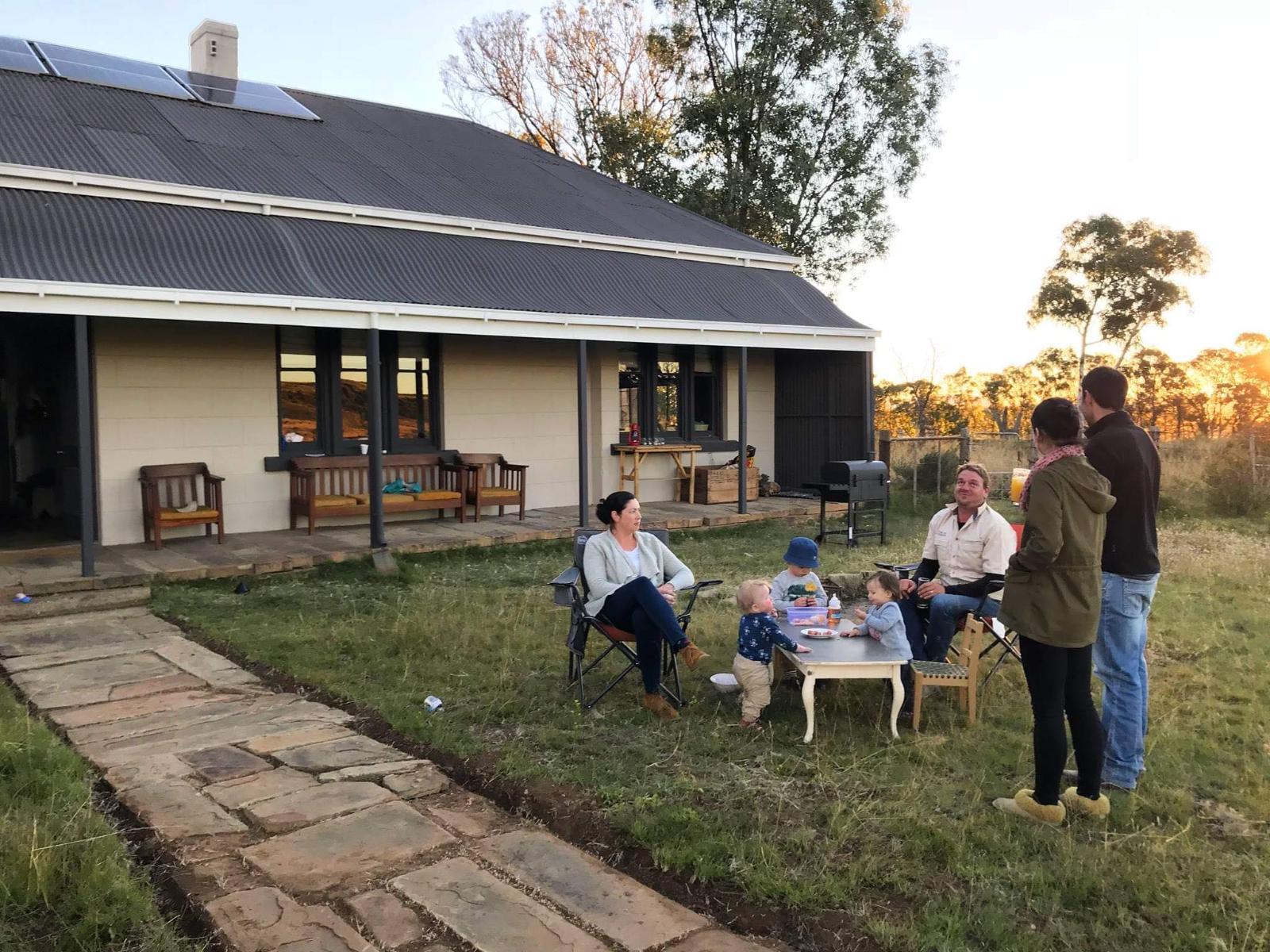
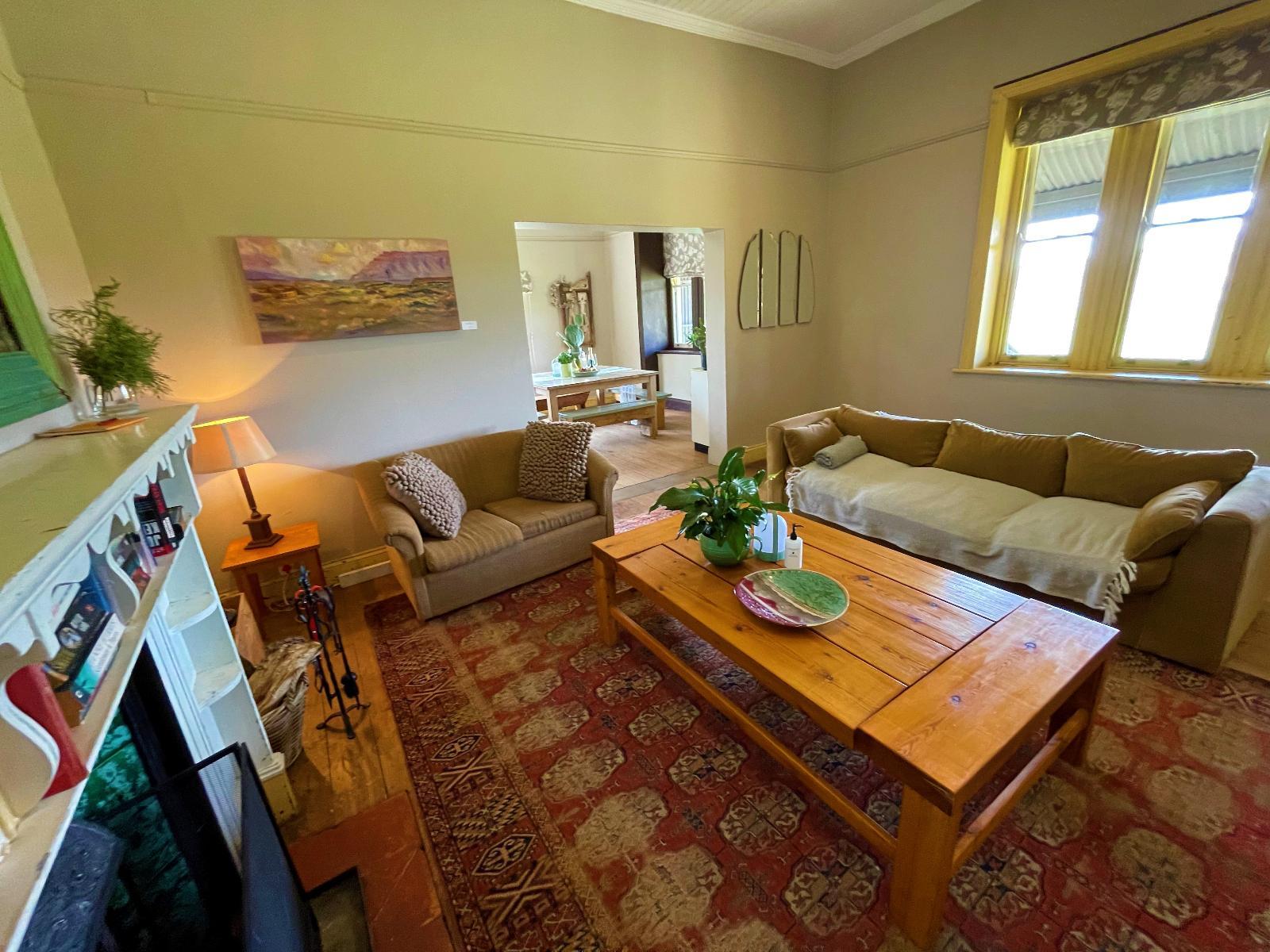
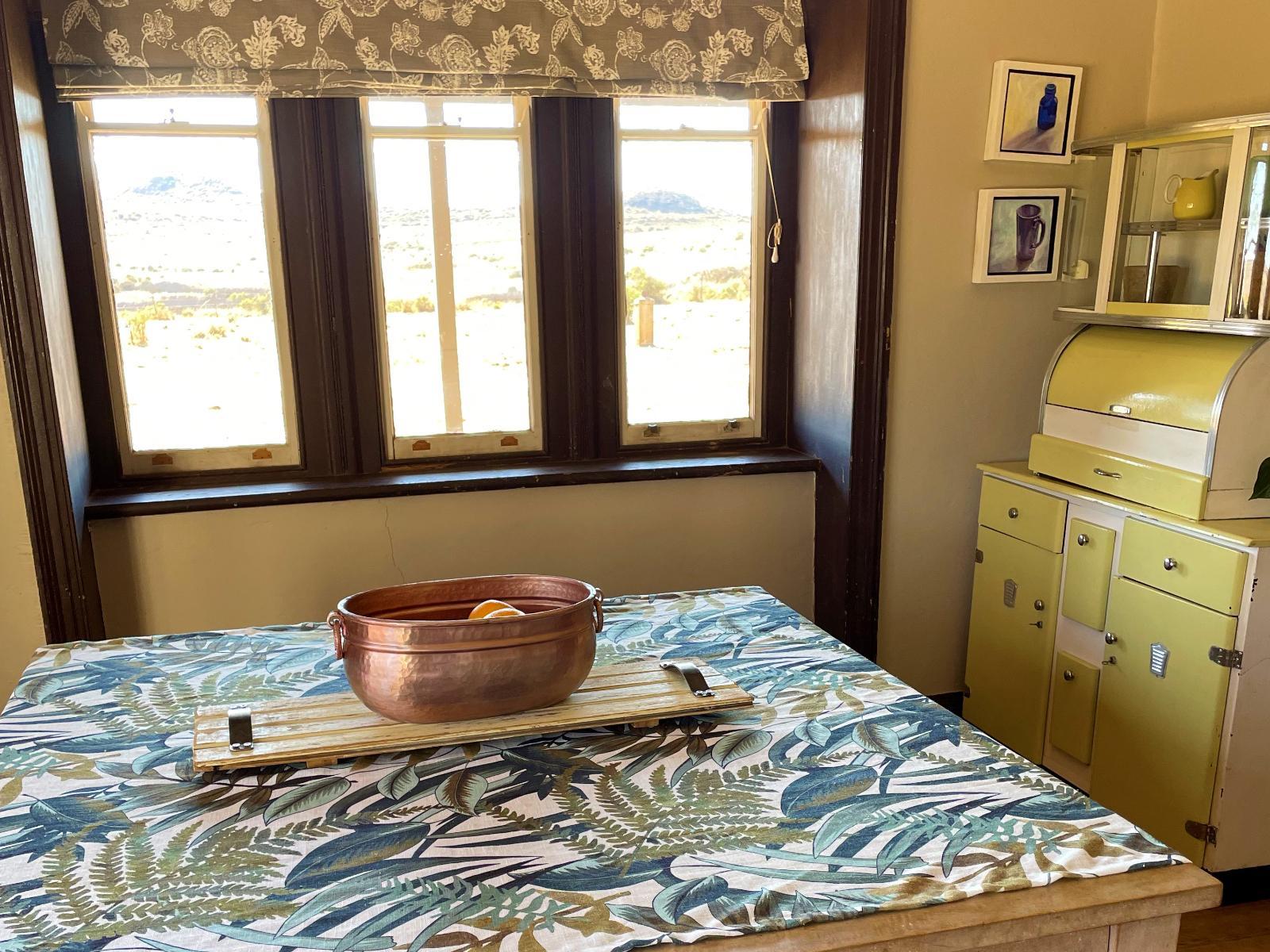
At the budget end, self-catering cottages on working sheep farms are the most common option. A functional kitchen, a bathroom, and one or two bedrooms cover the basic requirements. Furnishings are plain and practical, maintained for use rather than appearance, suited to travellers who need a clean and quiet base without expectations beyond the functional. The surrounding farm operation continues regardless of guests, which is half the point of staying at this level. Rates sit considerably below anything available on the commercial tourist circuits further south.
Mid-range options exist on farms where outbuildings have been converted with more deliberate attention to space and comfort. A braai area and shaded veranda tend to come standard, and rooms are more generous. The agricultural character of the property stays fully intact: farm work continues at close range, and the land opens out in every direction without any other guests in view. What this tier provides is something a conventional guesthouse cannot replicate, an unbroken sense of place entirely outside organised tourism infrastructure.
Upper-tier options are scarce across this landscape. Boutique guesthouses and hotel-grade facilities have not arrived in this corridor, and travellers who require those standards are better served by basing themselves in a larger regional centre and driving out from there. For those who do secure a well-appointed farm stay in this part of the Karoo, the trade is formal amenities for open land that sees almost no passing trade and a scale of space that commercial hospitality cannot manufacture.
Best Time to Visit Aarbossiesplaat
The Karoo runs to genuine temperature extremes, and the timing of a visit shapes the experience considerably. Summer, from November through February, brings sustained heat. Afternoon temperatures regularly exceed 35 degrees Celsius, open ground offers almost no shade, and walking becomes uncomfortable well before midday. Water sources across the veld diminish during these months, reducing wildlife movement through the area.
Autumn, March to May, is the most forgiving window for general travel. Days remain warm without becoming dangerous, evenings cool quickly once the sun drops, and the quality of light across the open plateau rewards slow movement through the interior. Migratory bird species pass through during this period, making the drainage lines and scrub margins productive for birdwatching without requiring specialist planning.
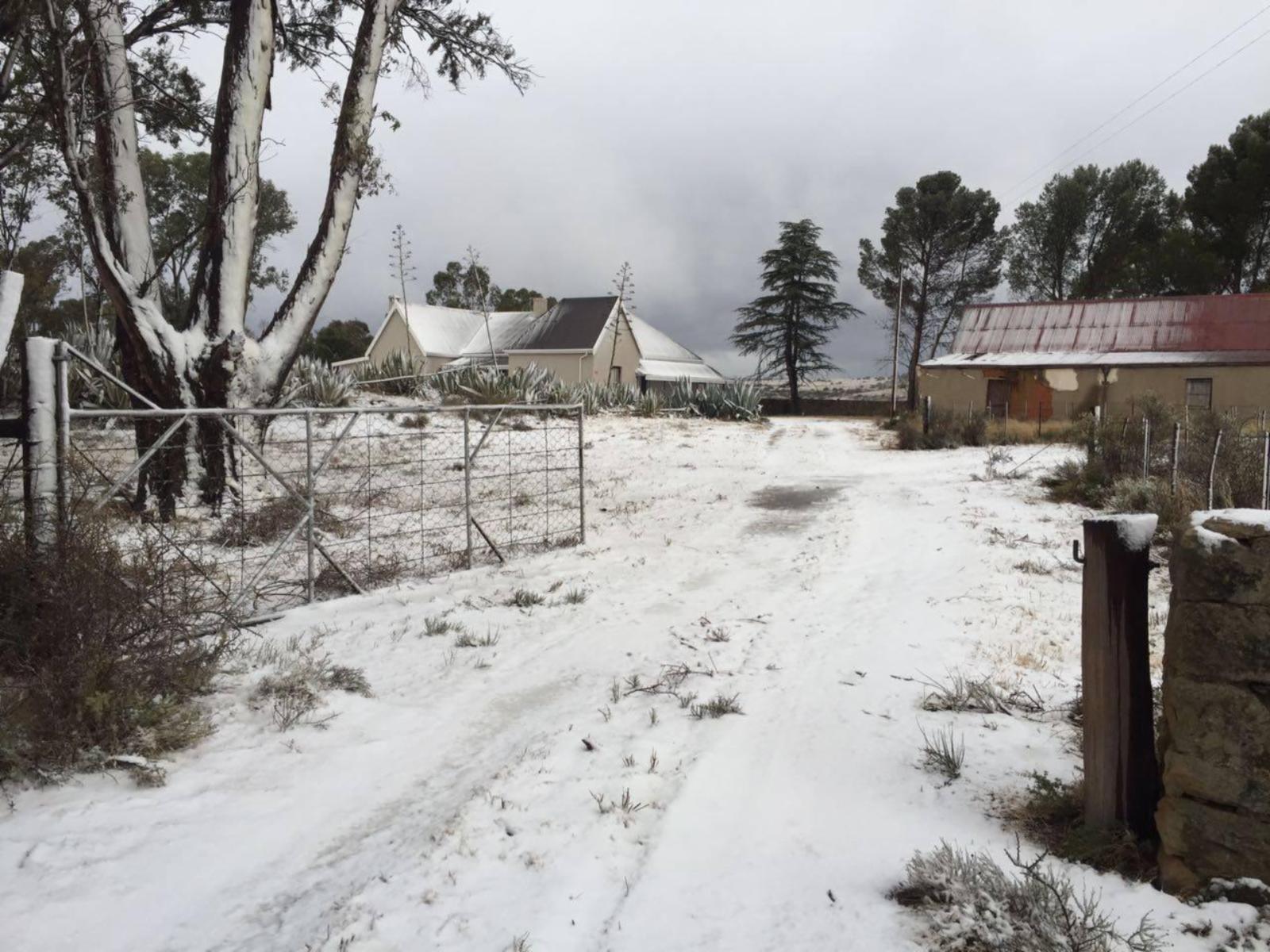
Winter, June through August, demands preparation. Overnight frost on exposed ground is common, and temperatures can drop well below zero on clear nights. The compensation is the sky: winter nights here rank among the darkest in South Africa, and on a moonless evening the Milky Way spans the full arc overhead. Ground-dwelling birds and raptors concentrate around remaining water points during these months.
Spring, September and October, brings rising temperatures and occasional wildflower colour after winter rainfall. The window before the heat reasserts itself is brief, but the interior roads during this interval show a greener and more active version of the landscape than summer allows.
Getting to Aarbossiesplaat
Private transport is the only practical means of reaching Aarbossiesplaat. The settlement sits on the road network connecting Cradock, roughly 90 kilometres to the southeast, with Middelburg to the east. The N10 through Cradock is surfaced and well-maintained, and the drive from there takes under an hour in normal conditions. Secondary routes heading further into the interior become gravel within a short distance, and surface quality varies considerably with recent rainfall. A vehicle with reasonable ground clearance handles the gravel approaches more comfortably than a standard sedan.
The nearest airport with scheduled services is Port Elizabeth, approximately 300 kilometres to the south, with connections to Johannesburg, Cape Town, and Durban. The drive inland from the coast takes the better part of a day as the coastal landscape gives way to the quieter Karoo plateau.
No public transport serves the area. There are no bus routes, shared taxis, or rail connections reaching this part of the interior. Fuel is unavailable at the settlement itself, so filling the tank before leaving any service town is essential. GPS coverage is unreliable across parts of the region; downloading offline maps before departure and keeping a paper road atlas in the vehicle are both standard precautions. A spare tyre and basic recovery equipment are practical preparation for extended travel on Karoo gravel.
Aarbossiesplaat and Surrounding Areas
The farms and minor settlements within 30 kilometres form a scattered agricultural network connected by tracks that carry almost no through traffic. The place names across this landscape compress a long settler history into practical, often descriptive Afrikaans, and a slow drive through several of them covers ground that few visitors reach.
Hartbeesnek, 16 kilometres away, takes its name from the hartebeest, a large antelope historically common across the Karoo plains. A low pass through rocky hills defines the locality. The approach road crosses sections of unfenced grazing land where springbok and steenbok are frequently visible from the vehicle, with no organised wildlife experience or entry fee required.
Zaaifontein, 23 kilometres out, translates as "planting spring," recording a reliable water source that once allowed limited cultivation in otherwise dry country. Water availability determined what was viable for settlers across this region, and the name encodes that practical calculus precisely. There is no formal site, but travellers interested in how settlement patterns were shaped by access to water will find the area instructive.
Eensgevonden, also 23 kilometres from Aarbossiesplaat, means "once found," evoking early settlers locating usable grazing after an extended search through difficult terrain. A private farm complex today with no public facilities, it is worth including in a wider loop for the cumulative sense it gives of how isolated these properties remain.
Eerstegeluk, 25 kilometres distant, means "first luck," one of several farm names in this part of the Karoo that encode the emotional experience of working the plateau. The name preserves the relief of finding land capable of sustaining livestock after months of uncertain searching.
Bonnyvale, 26 kilometres away, carries an English name in a predominantly Afrikaans-named landscape, a trace of the mixed colonial settlement history of the Eastern Cape interior. The valley setting offers marginally more shelter from wind than the surrounding plateau.
Doringkraal, 27 kilometres out, takes its name from the thorn-branch enclosures historically used to pen livestock against predators overnight. Thorn scrub remains characteristic vegetation across the surrounding countryside, and the farm infrastructure here reflects generations of practical adaptation to conditions that have changed little since the first settlers broke ground.
Planning Your Stay
Arranging accommodation near Aarbossiesplaat requires a different approach than booking anywhere with conventional tourist infrastructure. The most reliable starting point is contacting regional tourism offices in Cradock or Middelburg, which maintain informal lists of farms that accept guests. Reaching out several days or weeks in advance is advisable, particularly during school holiday periods when farm accommodation in this part of the Karoo fills earlier than its low profile might suggest. Arriving without a reservation is not workable, and there are no guesthouses nearby to absorb unplanned arrivals.
Before confirming any property, ask specifically what the arrangement includes. Check the kitchen setup, and ask directly whether cooking gas, firewood, and drinking water are available on site. Mobile signal is absent rather than merely weak at many farms here, and the distinction matters for navigation and emergency contact. Electricity is also worth clarifying in advance, as many properties operate on generators or solar systems with restricted hours rather than continuous grid supply.
Farm access tracks can deteriorate quickly after heavy weather, independently of what main road conditions show. Contacting the property owner in the days before travel to confirm the track is passable is worth doing. Inform someone not travelling with you of the planned route and expected arrival time, and for extended stays in the remote interior a personal locator beacon is a sensible practical measure.