Hartbeesnek Reis- & Akkommodasiegids
Jou volledige gids om Hartbeesnek, Suid-Afrika te besoek.
Hartbeesnek is a small settlement in the Northern Cape, positioned in the expansive Karoo landscape where wide-open spaces define the character of the region. The area offers visitors a genuine escape into rural South Africa, with access to authentic farm experiences and the stark beauty of semi-arid terrain.
## Accommodation in Hartbeesnek
Currently, no properties in Hartbeesnek appear in mainstream online booking catalogues, and pricing data remains unavailable. That absence reflects the reality of accommodation in this part of the eastern Karoo: it exists, but rarely on the platforms most travellers default to. Finding a place to stay requires direct outreach to farms and rural guesthouses, most of which operate with little or no web presence.
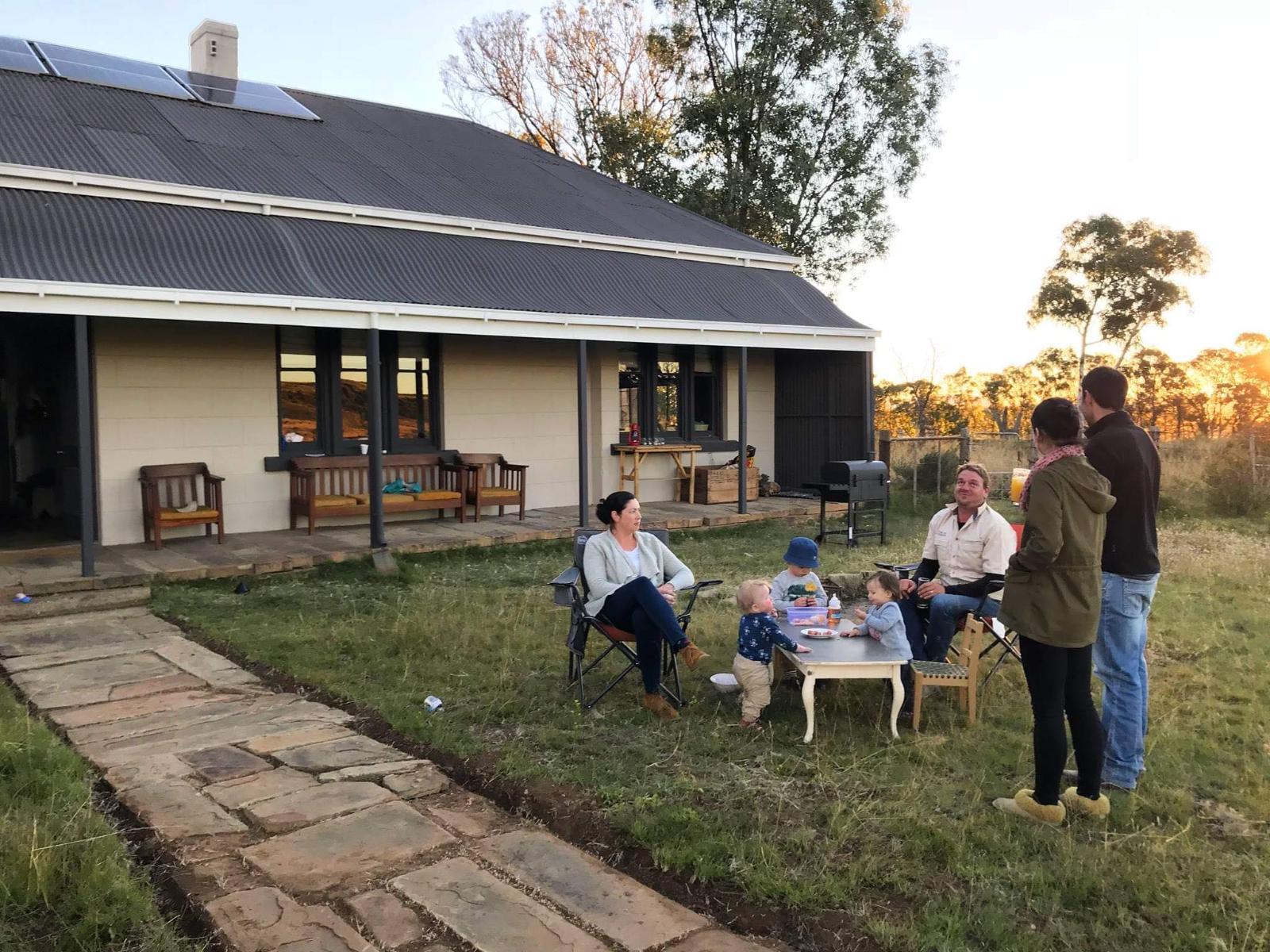
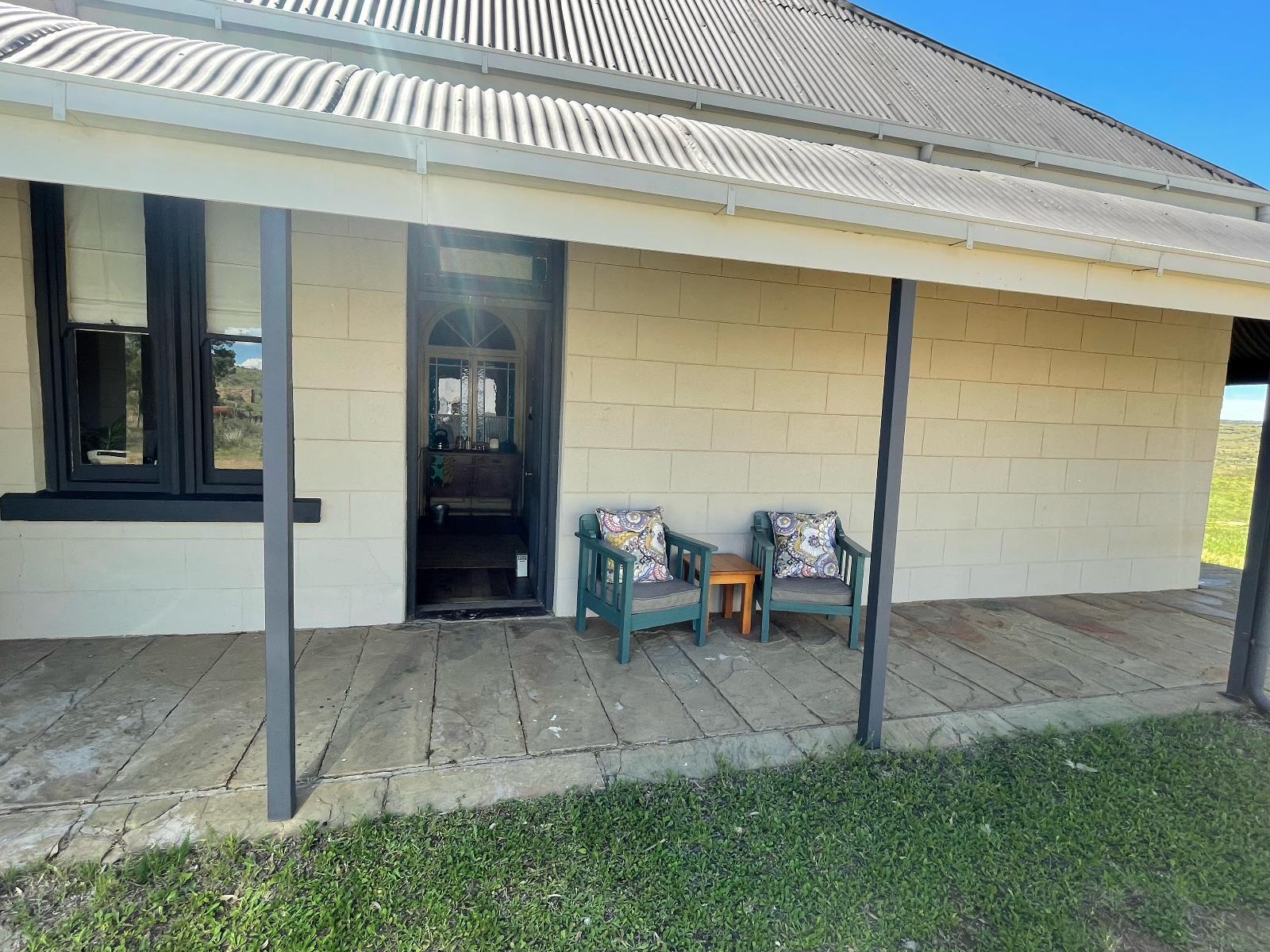
At the budget end of the spectrum, farm cottages and basic self-catering rooms are the most common options. These tend to be converted outbuildings or older farmstead structures on working sheep properties, offered by families who have set aside a room or two for paying guests. Rates are usually negotiated by phone, and the experience is genuinely agricultural: shared outdoor braai facilities, communal open space, and the operational activity of the farm continuing around you. Guests should arrive self-sufficient with food and supplies.
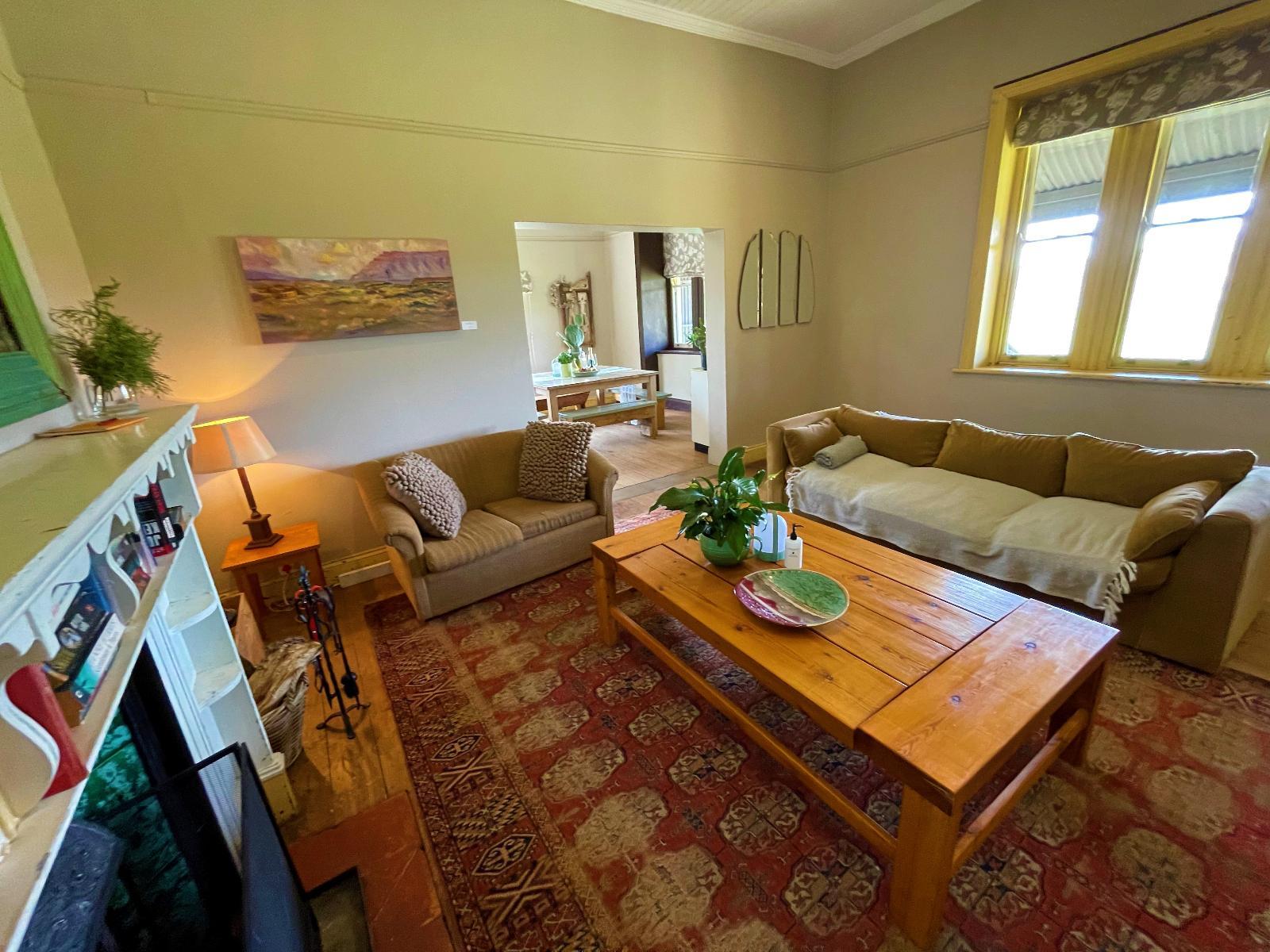
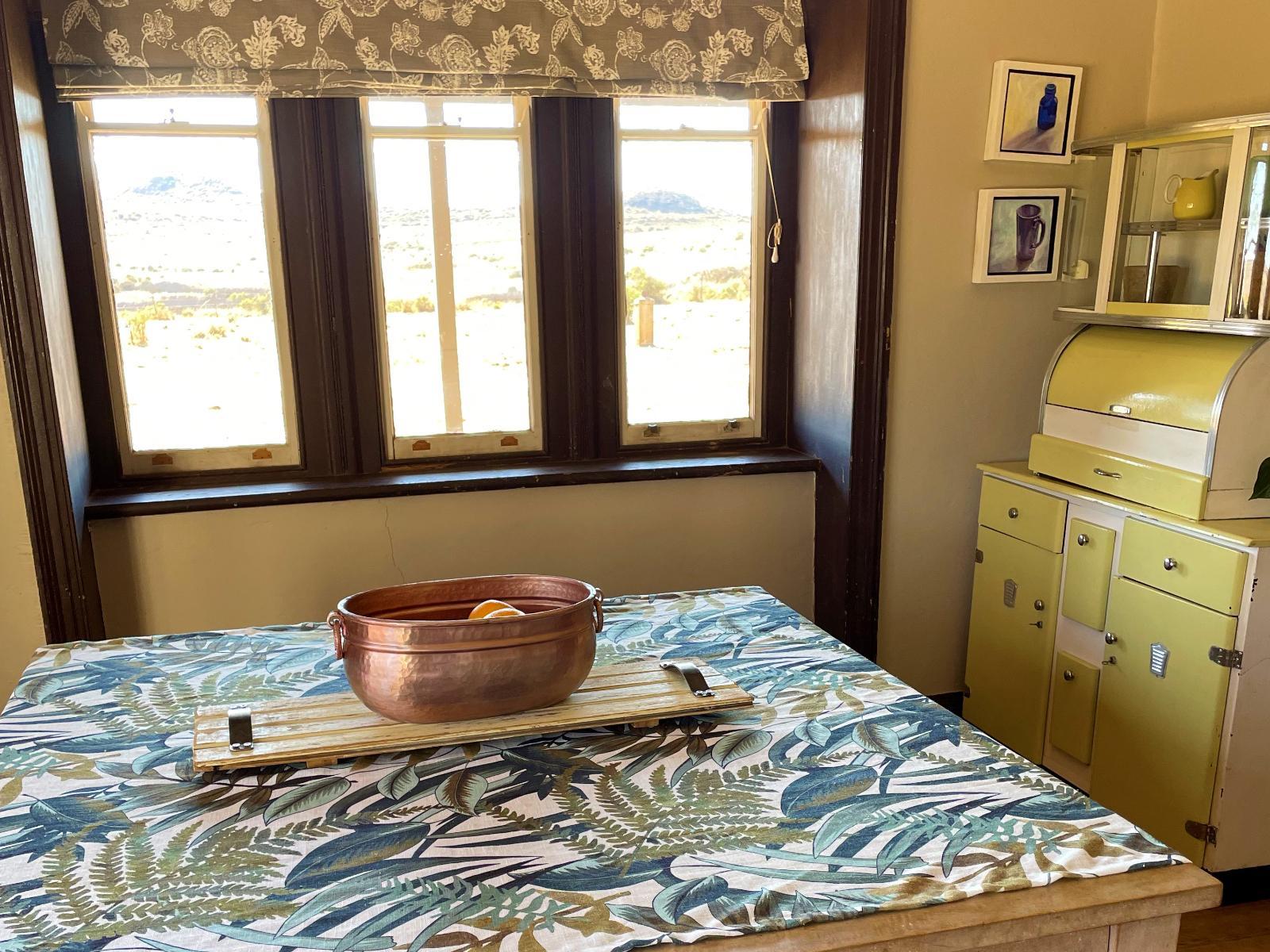
Mid-range guesthouses in this region typically offer a more considered level of comfort, with en-suite bathrooms, some form of kitchen access, and hosts who are practiced at managing travelling guests. At this tier, full-board arrangements are sometimes available and worth considering seriously, given the distance to the nearest shops. Hosts can also provide reliable guidance on local roads and conditions in ways that no online listing can replicate.
Upper-tier options, where they exist in this area, take the form of private farm lodges rather than hotel-style facilities. A small number of rooms share sole access to large landholdings, sometimes stretching across several thousand hectares of Karoo veld. The draw is space and quiet rather than amenity-driven comfort. Some of these properties offer guided activities such as birdwatching or walks, arranged directly with the host.
Given the current listing count of zero on major booking platforms, travellers should plan around direct contact with the Northern Cape Tourism Authority or regional farming networks to identify options before departure.
## Best Time to Visit Hartbeesnek
Spring and autumn offer the most workable conditions for a visit. September through November brings mild days, lower tourist numbers, and, following good late-summer rains, the possibility of short-lived wildflower displays across the veld. March and April are similarly comfortable, with temperatures easing after summer and the land retaining some colour.
Summer, from November through February, brings prolonged heat. Daytime temperatures regularly exceed 35°C and can push well above 40°C. Early mornings and late afternoons remain manageable for outdoor activity, but midday hours are difficult. Rain is most likely in summer, arriving as brief but sometimes heavy afternoon thunderstorms that pass quickly and can temporarily close dirt roads.
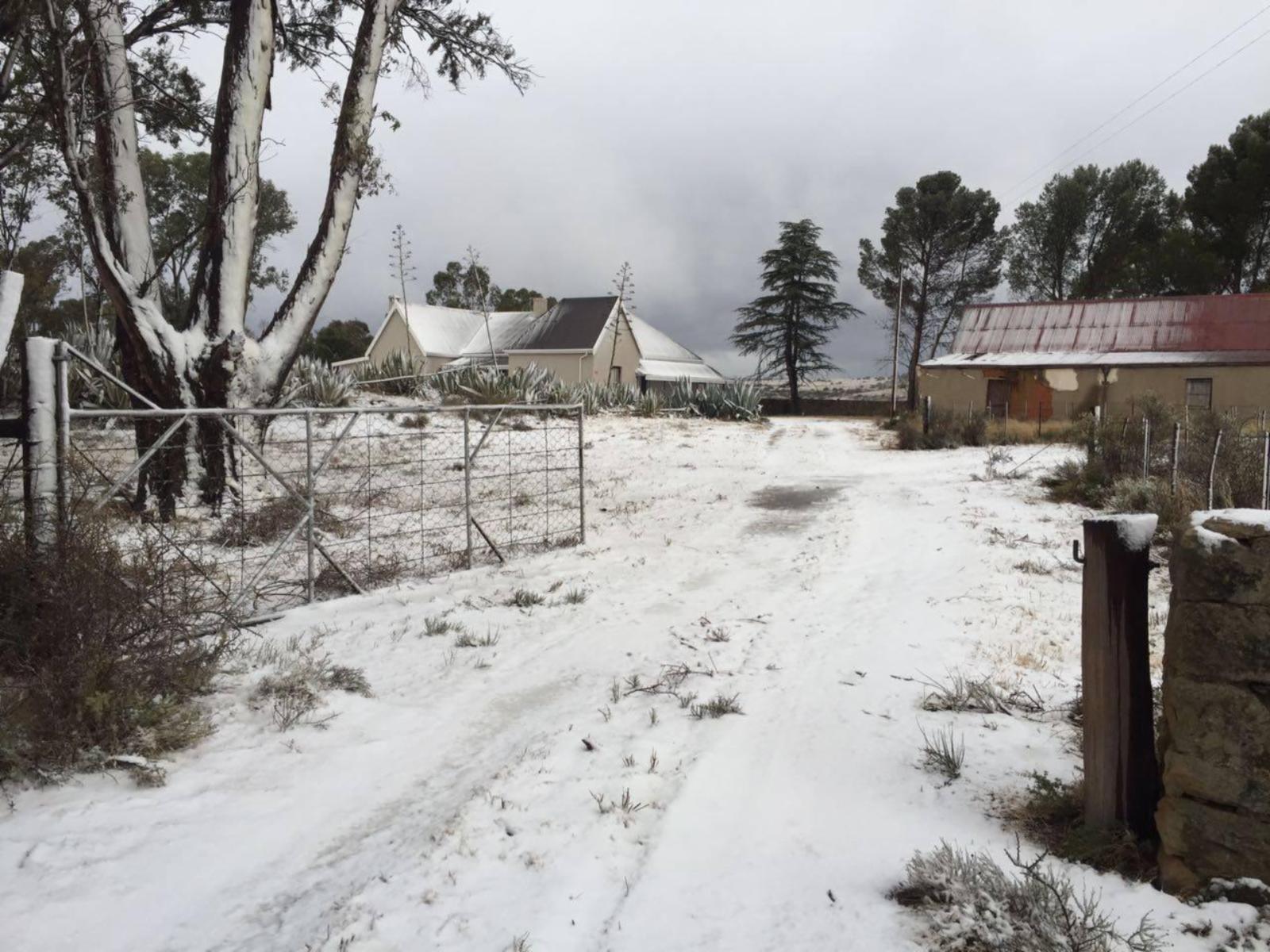
Winter runs cold, particularly at night. From June through August, temperatures drop close to or below zero after dark, and frost is possible. Daytime conditions are dry and clear, with excellent visibility across the plains and little wind. Walkers who can tolerate morning cold will find this season suits extended time outdoors well.
The night sky rewards visitors year-round in this part of the Northern Cape, where light pollution is minimal. Winter nights tend to offer the sharpest visibility. Photography of the landscape is best approached in the low-angle light of early morning or late afternoon, when shadows define the terrain clearly.
## Getting to Hartbeesnek
Road is the only practical way to reach Hartbeesnek. The nearest town with intercity bus connections and basic services is Aliwal North, approximately 80 kilometres to the southeast in the Eastern Cape. From Aliwal North, travellers continue north and west along regional roads into the Northern Cape interior.
For those flying in, Bloemfontein's Bram Fischer International Airport is a reasonable entry point, with scheduled domestic connections from Johannesburg and Cape Town. The drive from Bloemfontein heads south via the N1 before connecting onto regional routes toward the eastern Northern Cape. East London's King Phalo Airport provides an alternative for those approaching from the coast, with Aliwal North serving as the staging town before the final leg north.
Secondary district roads in this part of the Karoo are often gravel, and a vehicle with moderate ground clearance handles the surface better than a standard sedan after rainfall. Fuel discipline matters: fill up completely in Aliwal North or whichever town sits on your route before turning off the main road. Service stations in small farming communities may operate limited hours or run low on stock without warning.
No public transport links Hartbeesnek to surrounding towns, so a private vehicle is essential. Car hire is available at Bloemfontein and East London airports. Booking ahead is advisable, especially during South African school holiday windows when rental stock across smaller depots depletes quickly.
## Hartbeesnek and Surrounding Areas
The farming settlements within a day's reach of Hartbeesnek each reflect the character of the eastern Karoo, and several reward a detour.
**Bonnyvale**, 10 kilometres away, is the closest neighbouring settlement. The name carries a Scottish-inflected familiarity common in parts of the Eastern Cape and border regions, possibly reflecting early settler history. The road between the two communities passes through open sheep country and offers a straightforward introduction to the local agricultural landscape.
**Aarbossiesplaat**, 16 kilometres from Hartbeesnek, sits further into the interior. The Afrikaans name suggests a flat expanse of low scrubland, consistent with the general character of this biome. Visitors with an interest in Karoo plant ecology or geology will find the terrain around it representative of the broader region.
**Wolwekloof**, 18 kilometres out, translates roughly as "jackal ravine" or "wolf ravine," pointing to a more broken landscape than the surrounding plateau. Kloofs in the Karoo tend to shelter vegetation and small wildlife that the open plains do not support, making them useful terrain for walking and observation.
**Grootdam**, 21 kilometres from Hartbeesnek, takes its name from a large dam or reservoir. Water bodies in the semi-arid interior act as focal points for birdlife, drawing waterbirds, waders, and raptors that are absent from the surrounding dry veld. Birders in particular find dam-adjacent areas disproportionately productive relative to the effort of reaching them.
**Tweerivieren**, 25 kilometres away, means "two rivers" and marks a confluence point. River junctions in the Karoo carry ecological weight, sustaining denser riparian vegetation and a different community of birds and small mammals than the surrounding dry country. These sites also often carry historical significance as crossing points or early settlement locations.
**Zaaifontein**, the furthest at 28 kilometres, references a spring associated with cultivation, "saai" suggesting the sowing of crops. Natural springs in this landscape historically anchored both human settlement and wildlife movement, and the vegetation around Zaaifontein is likely more varied than the surrounding terrain.
## Planning Your Stay
Because Hartbeesnek does not currently appear in mainstream booking platforms, preparation requires more effort than for better-documented destinations. Start by contacting the Northern Cape Tourism Authority and asking specifically about farm accommodation in the Aliwal North district. Regional farming cooperatives and agricultural networks sometimes maintain informal lists of properties that take guests.
When speaking to hosts directly, confirm details that would normally be visible online: what meals, if any, are provided; how far in advance they require booking; whether payment can be made by card or must be cash. ATMs are not available in Hartbeesnek, so organising cash in Aliwal North or another town on your route before arriving is straightforward and important.
Book as early as possible if travelling during South African school holidays. Farm-based properties with one or two rooms fill quickly and often do not have the capacity to accommodate late requests.
Before departure, ask your host about the current state of access roads, particularly in summer when storms can wash out dirt surfaces. Note down landline numbers and physical directions, as mobile signal in this part of the Northern Cape is unreliable, and GPS coverage on minor roads is inconsistent.

Currently, no properties in Hartbeesnek appear in mainstream online booking catalogues, and pricing data remains unavailable. That absence reflects the reality of accommodation in this part of the eastern Karoo: it exists, but rarely on the platforms most travellers default to. Finding a place to stay requires direct outreach to farms and rural guesthouses, most of which operate with little or no web presence.
At the budget end of the spectrum, farm cottages and basic self-catering rooms are the most common options. These tend to be converted outbuildings or older farmstead structures on working sheep properties, offered by families who have set aside a room or two for paying guests. Rates are usually negotiated by phone, and the experience is genuinely agricultural: shared outdoor braai facilities, communal open space, and the operational activity of the farm continuing around you. Guests should arrive self-sufficient with food and supplies.
Mid-range guesthouses in this region typically offer a more considered level of comfort, with en-suite bathrooms, some form of kitchen access, and hosts who are practiced at managing travelling guests. At this tier, full-board arrangements are sometimes available and worth considering seriously, given the distance to the nearest shops. Hosts can also provide reliable guidance on local roads and conditions in ways that no online listing can replicate.
Upper-tier options, where they exist in this area, take the form of private farm lodges rather than hotel-style facilities. A small number of rooms share sole access to large landholdings, sometimes stretching across several thousand hectares of Karoo veld. The draw is space and quiet rather than amenity-driven comfort. Some of these properties offer guided activities such as birdwatching or walks, arranged directly with the host.
Given the current listing count of zero on major booking platforms, travellers should plan around direct contact with the Northern Cape Tourism Authority or regional farming networks to identify options before departure.
## Best Time to Visit Hartbeesnek
Spring and autumn offer the most workable conditions for a visit. September through November brings mild days, lower tourist numbers, and, following good late-summer rains, the possibility of short-lived wildflower displays across the veld. March and April are similarly comfortable, with temperatures easing after summer and the land retaining some colour.
Summer, from November through February, brings prolonged heat. Daytime temperatures regularly exceed 35°C and can push well above 40°C. Early mornings and late afternoons remain manageable for outdoor activity, but midday hours are difficult. Rain is most likely in summer, arriving as brief but sometimes heavy afternoon thunderstorms that pass quickly and can temporarily close dirt roads.
Winter runs cold, particularly at night. From June through August, temperatures drop close to or below zero after dark, and frost is possible. Daytime conditions are dry and clear, with excellent visibility across the plains and little wind. Walkers who can tolerate morning cold will find this season suits extended time outdoors well.
The night sky rewards visitors year-round in this part of the Northern Cape, where light pollution is minimal. Winter nights tend to offer the sharpest visibility. Photography of the landscape is best approached in the low-angle light of early morning or late afternoon, when shadows define the terrain clearly.
## Getting to Hartbeesnek
Road is the only practical way to reach Hartbeesnek. The nearest town with intercity bus connections and basic services is Aliwal North, approximately 80 kilometres to the southeast in the Eastern Cape. From Aliwal North, travellers continue north and west along regional roads into the Northern Cape interior.
For those flying in, Bloemfontein's Bram Fischer International Airport is a reasonable entry point, with scheduled domestic connections from Johannesburg and Cape Town. The drive from Bloemfontein heads south via the N1 before connecting onto regional routes toward the eastern Northern Cape. East London's King Phalo Airport provides an alternative for those approaching from the coast, with Aliwal North serving as the staging town before the final leg north.
Secondary district roads in this part of the Karoo are often gravel, and a vehicle with moderate ground clearance handles the surface better than a standard sedan after rainfall. Fuel discipline matters: fill up completely in Aliwal North or whichever town sits on your route before turning off the main road. Service stations in small farming communities may operate limited hours or run low on stock without warning.
No public transport links Hartbeesnek to surrounding towns, so a private vehicle is essential. Car hire is available at Bloemfontein and East London airports. Booking ahead is advisable, especially during South African school holiday windows when rental stock across smaller depots depletes quickly.
## Hartbeesnek and Surrounding Areas
The farming settlements within a day's reach of Hartbeesnek each reflect the character of the eastern Karoo, and several reward a detour.
**Bonnyvale**, 10 kilometres away, is the closest neighbouring settlement. The name carries a Scottish-inflected familiarity common in parts of the Eastern Cape and border regions, possibly reflecting early settler history. The road between the two communities passes through open sheep country and offers a straightforward introduction to the local agricultural landscape.
**Aarbossiesplaat**, 16 kilometres from Hartbeesnek, sits further into the interior. The Afrikaans name suggests a flat expanse of low scrubland, consistent with the general character of this biome. Visitors with an interest in Karoo plant ecology or geology will find the terrain around it representative of the broader region.
**Wolwekloof**, 18 kilometres out, translates roughly as "jackal ravine" or "wolf ravine," pointing to a more broken landscape than the surrounding plateau. Kloofs in the Karoo tend to shelter vegetation and small wildlife that the open plains do not support, making them useful terrain for walking and observation.
**Grootdam**, 21 kilometres from Hartbeesnek, takes its name from a large dam or reservoir. Water bodies in the semi-arid interior act as focal points for birdlife, drawing waterbirds, waders, and raptors that are absent from the surrounding dry veld. Birders in particular find dam-adjacent areas disproportionately productive relative to the effort of reaching them.
**Tweerivieren**, 25 kilometres away, means "two rivers" and marks a confluence point. River junctions in the Karoo carry ecological weight, sustaining denser riparian vegetation and a different community of birds and small mammals than the surrounding dry country. These sites also often carry historical significance as crossing points or early settlement locations.
**Zaaifontein**, the furthest at 28 kilometres, references a spring associated with cultivation, "saai" suggesting the sowing of crops. Natural springs in this landscape historically anchored both human settlement and wildlife movement, and the vegetation around Zaaifontein is likely more varied than the surrounding terrain.
## Planning Your Stay
Because Hartbeesnek does not currently appear in mainstream booking platforms, preparation requires more effort than for better-documented destinations. Start by contacting the Northern Cape Tourism Authority and asking specifically about farm accommodation in the Aliwal North district. Regional farming cooperatives and agricultural networks sometimes maintain informal lists of properties that take guests.
When speaking to hosts directly, confirm details that would normally be visible online: what meals, if any, are provided; how far in advance they require booking; whether payment can be made by card or must be cash. ATMs are not available in Hartbeesnek, so organising cash in Aliwal North or another town on your route before arriving is straightforward and important.
Book as early as possible if travelling during South African school holidays. Farm-based properties with one or two rooms fill quickly and often do not have the capacity to accommodate late requests.
Before departure, ask your host about the current state of access roads, particularly in summer when storms can wash out dirt surfaces. Note down landline numbers and physical directions, as mobile signal in this part of the Northern Cape is unreliable, and GPS coverage on minor roads is inconsistent.
Hartbeesnek Kaart
Nabygeleë Bestemmings
Blaai Deur Alle Hartbeesnek Akkommodasie
Bekyk al 0 akkommodasie-opsies in Hartbeesnek met foto's, pryse en beskikbaarheid.
Blaai Deur Alle Akkommodasie