Boitshoko Reis- & Akkommodasiegids
Jou volledige gids om Boitshoko, Suid-Afrika te besoek.
1
Eiendom
Gewildste
Guesthouse
Boitshoko is a small settlement in the North West Province of South Africa, located in the rural farmlands between Vryburg and the Botswana border. The area offers visitors a quiet retreat in the heart of cattle ranching country, where wide-open spaces and traditional rural life define the landscape.
## Accommodation in Boitshoko
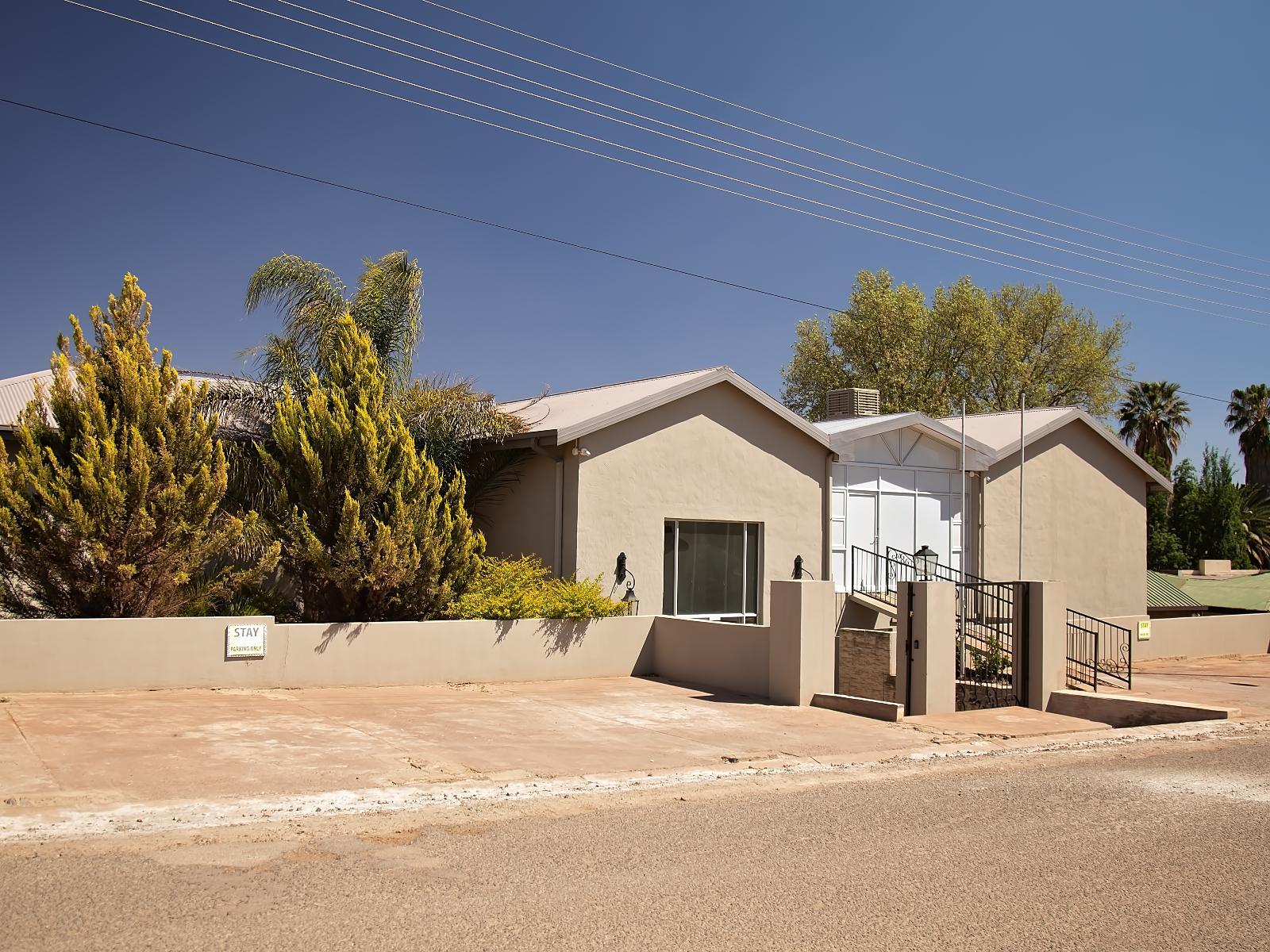
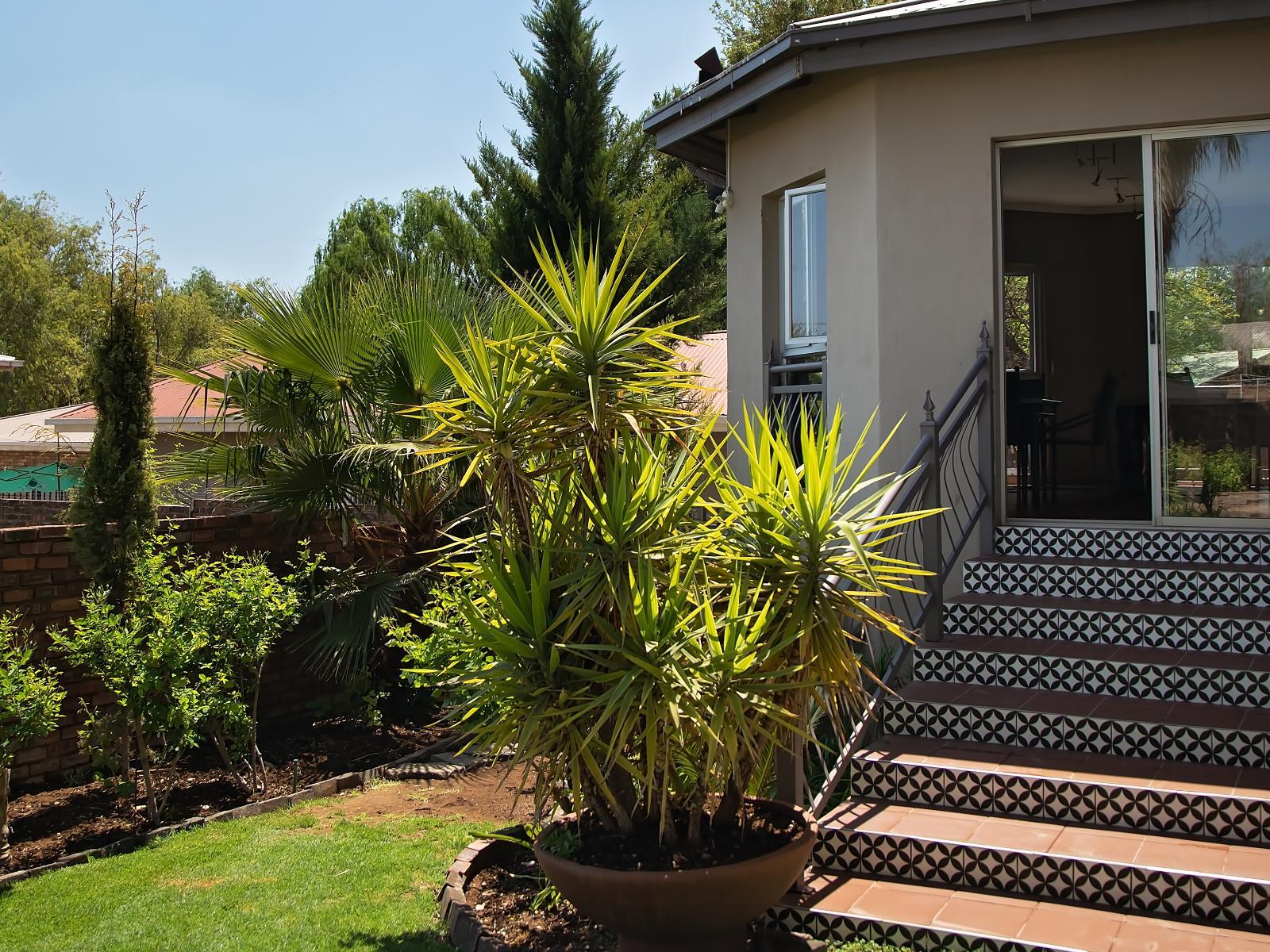
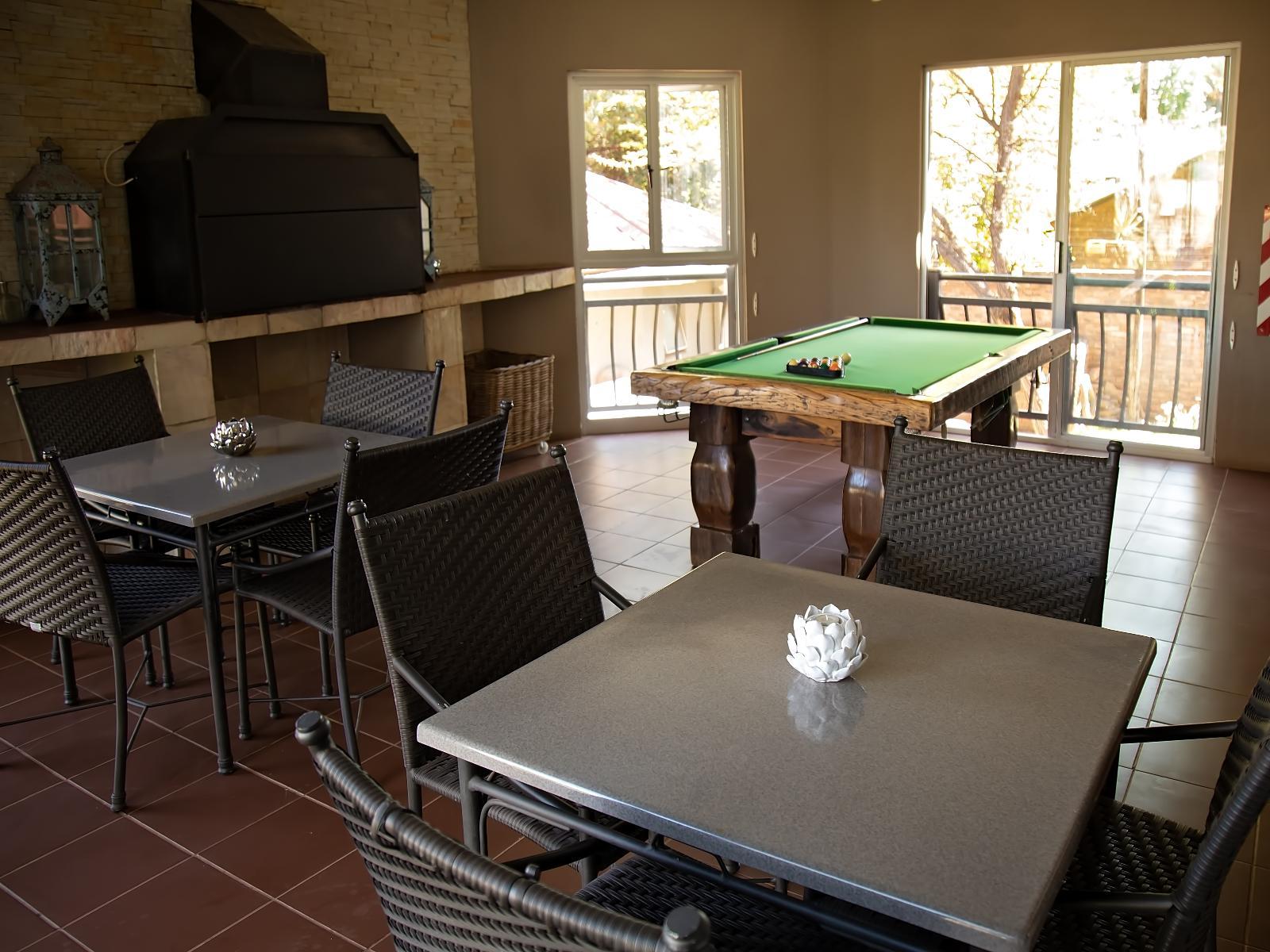
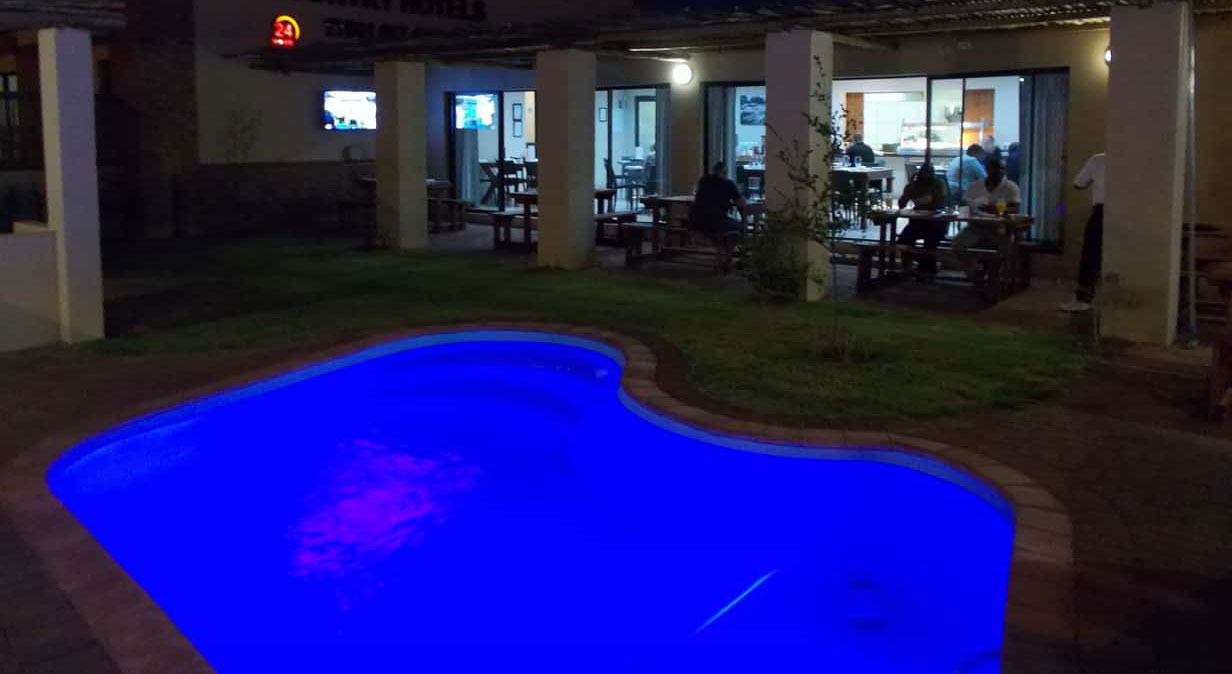
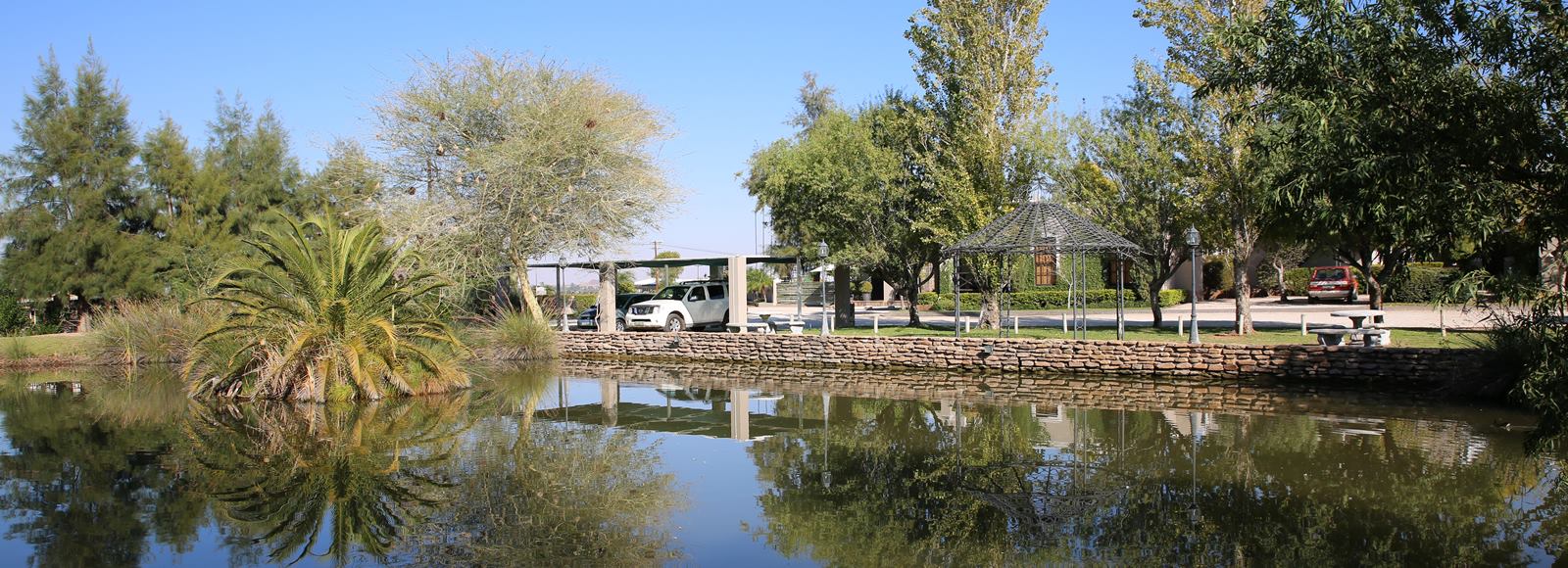
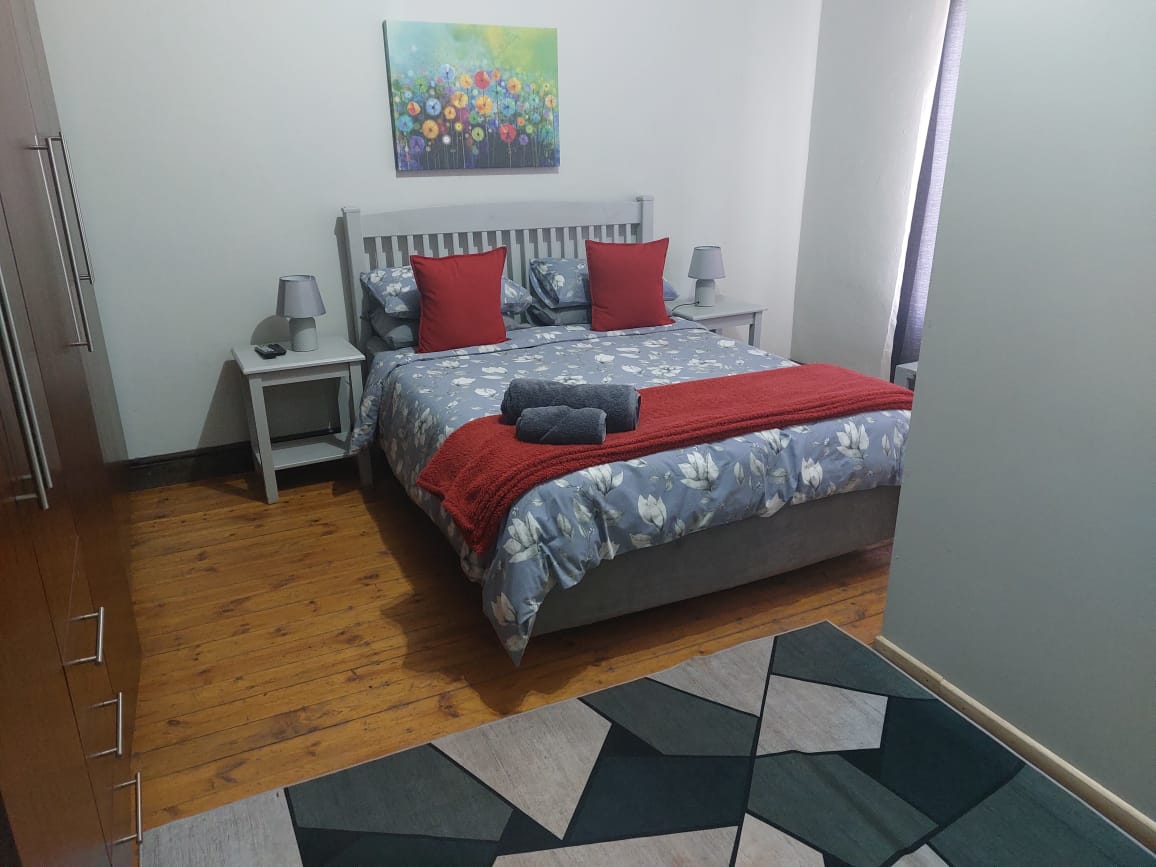
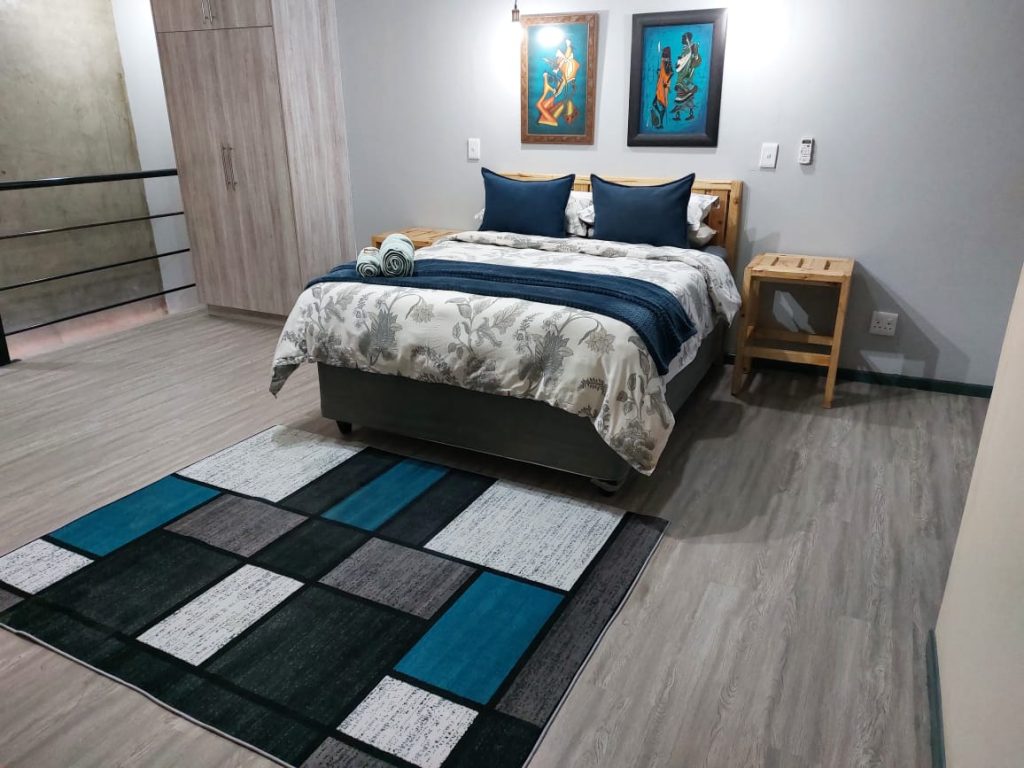
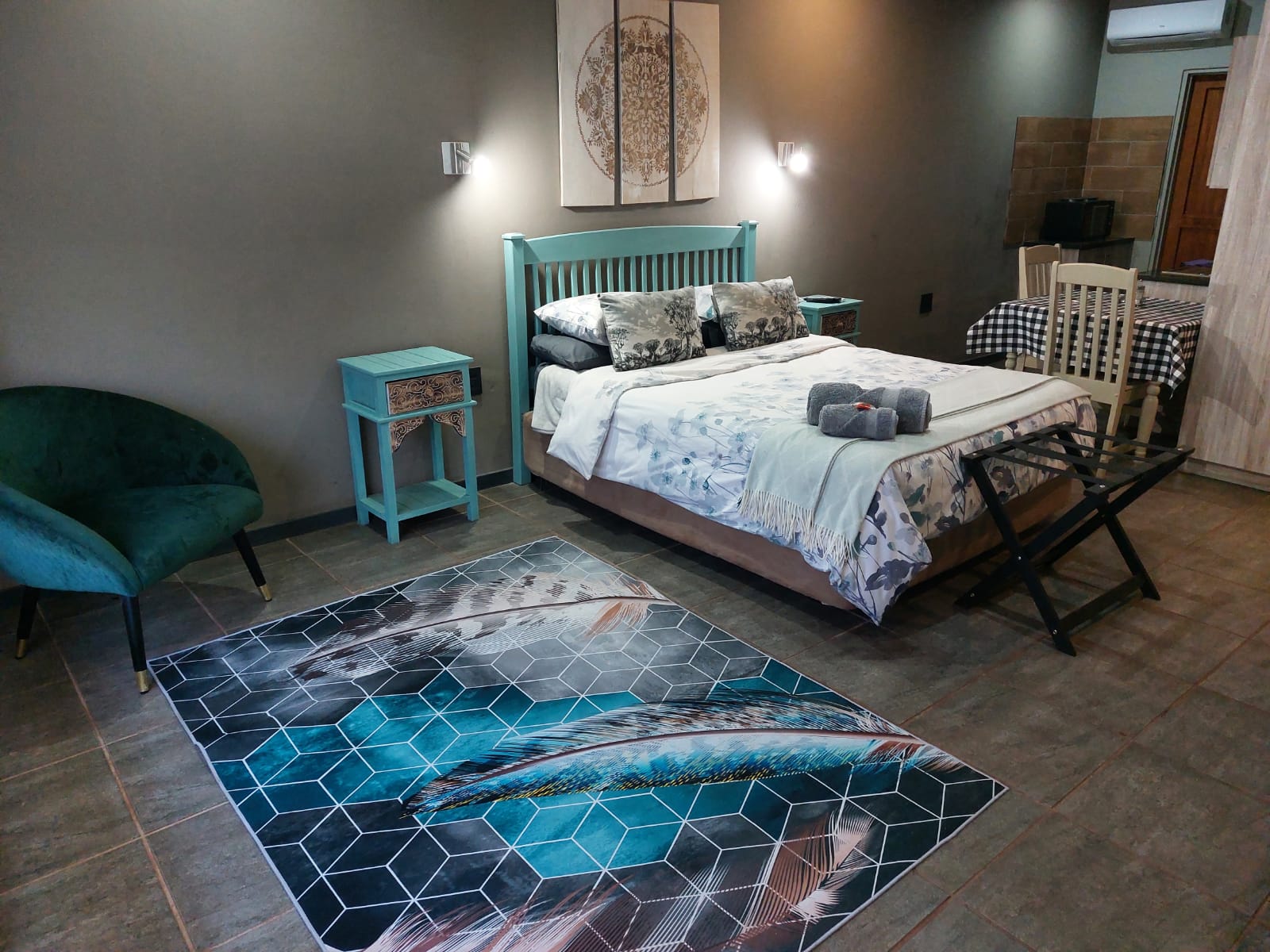
The accommodation options in Boitshoko are deliberately limited, reflecting the settlement's nature as a working farming community rather than an established tourist destination. One property currently lists here, and it operates as a guesthouse, placing guests squarely within the agricultural life of this southern Kalahari edge rather than at a remove from it.
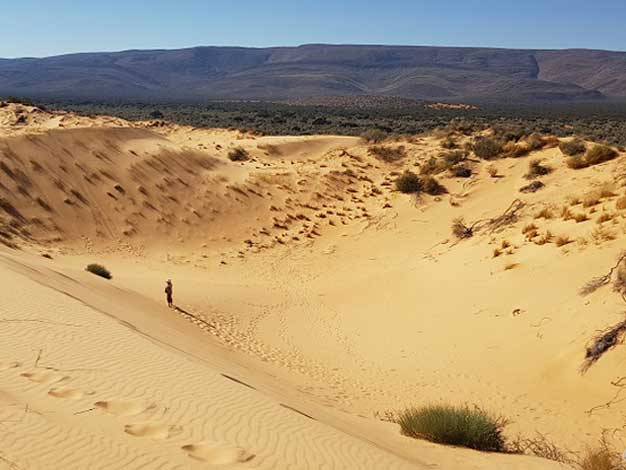
Guesthouse accommodation of this type in the North West Province tends toward the personal and immersive. Guests typically interact directly with the owner, often sharing meals prepared from farm or locally sourced produce, and moving through a landscape of red sand, thorn trees, and flat-to-rolling terrain that defines this stretch of country. The experience is less about facilities and more about access to a way of life that remains largely unaltered by the tourism industry.
The area draws a specific set of visitors. Hunters are a significant portion of the guesthouse market, particularly during game season, when the farm provides both base camp and access to private hunting land. Birdwatchers find the semi-arid vegetation productive year-round, with a resident Kalahari avifauna and migratory species present during summer months. There is also a category of traveller who simply wants distance from urban noise, and few places in this region deliver that as effectively. Night skies here are free from city light pollution, and a clear winter evening offers star visibility that most South Africans have never experienced.
Rates for the guesthouse are not publicly listed, which is common for farm-style accommodation in remote areas. Prices should be confirmed directly with the property before travel. With only one option available, advance booking is not merely advisable but necessary. Properties of this type sometimes operate on minimum-stay terms during peak seasons, so early contact avoids last-minute complications.
---
## Best Time to Visit Boitshoko
The choice of when to visit depends largely on your tolerance for heat and what you intend to do. Summers from November through March are hot, regularly pushing above 35 degrees Celsius, with most rainfall arriving as short, heavy thunderstorms in the afternoon or evening. The storms can temporarily close gravel access tracks, and humidity rises noticeably after rain. Despite this, summer brings the landscape to life, with green growth appearing across the veld and bird activity at its most intense.
Winters run from May through August, cold enough for overnight frost, with clear days and sharp afternoon light. Game concentrates around reliable water sources as the bush dries out, making observations easier. This is the preferred season for hunters and for those who want predictable weather and cooler walking conditions. Accommodation demand peaks accordingly from late April.
April and September offer reasonable compromises. The extremes of summer heat and winter cold are absent, roads are generally in better condition, and the area sees fewer visitors overall. For birders who want both resident and migratory species in a single visit, late October or early November, just before the heavy rains set in, can be particularly productive.
---
## Getting to Boitshoko
Boitshoko lies immediately adjacent to Postmasburg, and most visitors will pass through that town on arrival. From Johannesburg, the standard route runs west along the N14 through Vryburg, then northwest on the R385 toward Postmasburg. This is a full day's drive on well-maintained tar roads, and fuel should be topped up at every opportunity once past Vryburg, as stations become sparse.
From Cape Town, the drive cuts through the Northern Cape interior via the R64 through Upington. Travellers from Cape Town may prefer to fly to Upington Airport, which receives scheduled flights from Johannesburg, then hire a vehicle for the final stretch to Postmasburg. Upington is also a practical provisioning stop before the last leg.
Once in the immediate area, a private vehicle is essential. No scheduled public transport serves Boitshoko directly. Minibus taxis connect Postmasburg to regional centres but do not reliably extend to outlying farm properties. Road surfaces include both tar and gravel, and some farm access tracks may need careful driving after summer rain. A standard sedan handles dry conditions adequately, but a vehicle with moderate clearance is more practical for remote farm access routes.
---
## Boitshoko and Surrounding Areas
**Postmasburg** (3 kilometres) is the closest town and immediate service hub. The surrounding district sits above one of the world's major manganese deposits, and the mining industry that has grown around this resource gives Postmasburg an economic weight unusual for the Northern Cape interior. Visitors will find fuel stations, a supermarket, a pharmacy, and banking facilities here. It is the essential last stop before heading out to farm properties, and worth factoring into arrival plans.
**Griekwastad** (63 kilometres), better known as Griquatown, holds a distinctive place in South African history. The London Missionary Society established a station here in the early nineteenth century, and the town became the administrative and cultural centre of the Griqua people during a formative period of the interior's history. The Mary Moffat Museum and the old mission buildings remain standing. It is not a busy tourist town, but for travellers with an interest in the Cape frontier era, the drive through open semi-arid terrain and the historical materials on site make it a purposeful day trip.
**Papkuil** (64 kilometres) and **Bergsputte** (77 kilometres) are small farming settlements with no visitor infrastructure. Their Afrikaans names reflect the landscape and its water sources, describing hollows and mountain wells that determined where early settlers could survive in this dry country. Driving through either place gives a clear sense of how extensive commercial farming and grazing remain across the district.
**Bakenkop** (88 kilometres) takes its name from the prominent hill that would have served as a navigation point for travellers crossing the flat plateau. The landscape around it is characteristic semi-arid veld, uninterrupted by development.
**Kuruman** (104 kilometres) is the most developed destination within reasonable range and the one with the clearest visitor appeal. The Eye of Kuruman, a natural spring that discharges millions of litres of water daily regardless of annual rainfall, has supported human settlement here for centuries. The Moffat Mission, a remarkably intact nineteenth-century complex, draws visitors interested in the history of the South African interior. Kuruman also carries the most comprehensive range of shops and restaurants in the region, making it a logical day trip that combines historical interest with practical provisioning.
---
## Planning Your Stay
With only one accommodation property in Boitshoko, forward planning carries more weight than it would in most South African destinations. Contact the guesthouse directly before making any other travel arrangements, confirm availability for your intended dates, and clarify what is included in the rate. Some farm guesthouses in this part of the country include all meals; others are self-catering. The distinction matters when you are more than 100 kilometres from the nearest well-stocked supermarket.
Ask about access routes in advance, particularly if visiting during the summer rain season. The owner will know which tracks are passable in a standard vehicle and whether any seasonal closures apply. Establish mobile phone signal availability on the property before arrival so you can plan communications accordingly.
Stock up on food and any prescription medication before leaving a larger centre. Fuel, water if you have specific requirements, and any specialist gear should all be sorted before heading out. Travel insurance that covers medical evacuation is worth considering, as the nearest hospital-grade facilities are at some distance and any medical situation becomes logistically complicated out here. The remoteness is the point of the visit, not an inconvenience to manage around.

The accommodation options in Boitshoko are deliberately limited, reflecting the settlement's nature as a working farming community rather than an established tourist destination. One property currently lists here, and it operates as a guesthouse, placing guests squarely within the agricultural life of this southern Kalahari edge rather than at a remove from it.
Guesthouse accommodation of this type in the North West Province tends toward the personal and immersive. Guests typically interact directly with the owner, often sharing meals prepared from farm or locally sourced produce, and moving through a landscape of red sand, thorn trees, and flat-to-rolling terrain that defines this stretch of country. The experience is less about facilities and more about access to a way of life that remains largely unaltered by the tourism industry.
The area draws a specific set of visitors. Hunters are a significant portion of the guesthouse market, particularly during game season, when the farm provides both base camp and access to private hunting land. Birdwatchers find the semi-arid vegetation productive year-round, with a resident Kalahari avifauna and migratory species present during summer months. There is also a category of traveller who simply wants distance from urban noise, and few places in this region deliver that as effectively. Night skies here are free from city light pollution, and a clear winter evening offers star visibility that most South Africans have never experienced.
Rates for the guesthouse are not publicly listed, which is common for farm-style accommodation in remote areas. Prices should be confirmed directly with the property before travel. With only one option available, advance booking is not merely advisable but necessary. Properties of this type sometimes operate on minimum-stay terms during peak seasons, so early contact avoids last-minute complications.
---
## Best Time to Visit Boitshoko
The choice of when to visit depends largely on your tolerance for heat and what you intend to do. Summers from November through March are hot, regularly pushing above 35 degrees Celsius, with most rainfall arriving as short, heavy thunderstorms in the afternoon or evening. The storms can temporarily close gravel access tracks, and humidity rises noticeably after rain. Despite this, summer brings the landscape to life, with green growth appearing across the veld and bird activity at its most intense.
Winters run from May through August, cold enough for overnight frost, with clear days and sharp afternoon light. Game concentrates around reliable water sources as the bush dries out, making observations easier. This is the preferred season for hunters and for those who want predictable weather and cooler walking conditions. Accommodation demand peaks accordingly from late April.
April and September offer reasonable compromises. The extremes of summer heat and winter cold are absent, roads are generally in better condition, and the area sees fewer visitors overall. For birders who want both resident and migratory species in a single visit, late October or early November, just before the heavy rains set in, can be particularly productive.
---
## Getting to Boitshoko
Boitshoko lies immediately adjacent to Postmasburg, and most visitors will pass through that town on arrival. From Johannesburg, the standard route runs west along the N14 through Vryburg, then northwest on the R385 toward Postmasburg. This is a full day's drive on well-maintained tar roads, and fuel should be topped up at every opportunity once past Vryburg, as stations become sparse.
From Cape Town, the drive cuts through the Northern Cape interior via the R64 through Upington. Travellers from Cape Town may prefer to fly to Upington Airport, which receives scheduled flights from Johannesburg, then hire a vehicle for the final stretch to Postmasburg. Upington is also a practical provisioning stop before the last leg.
Once in the immediate area, a private vehicle is essential. No scheduled public transport serves Boitshoko directly. Minibus taxis connect Postmasburg to regional centres but do not reliably extend to outlying farm properties. Road surfaces include both tar and gravel, and some farm access tracks may need careful driving after summer rain. A standard sedan handles dry conditions adequately, but a vehicle with moderate clearance is more practical for remote farm access routes.
---
## Boitshoko and Surrounding Areas
**Postmasburg** (3 kilometres) is the closest town and immediate service hub. The surrounding district sits above one of the world's major manganese deposits, and the mining industry that has grown around this resource gives Postmasburg an economic weight unusual for the Northern Cape interior. Visitors will find fuel stations, a supermarket, a pharmacy, and banking facilities here. It is the essential last stop before heading out to farm properties, and worth factoring into arrival plans.
**Griekwastad** (63 kilometres), better known as Griquatown, holds a distinctive place in South African history. The London Missionary Society established a station here in the early nineteenth century, and the town became the administrative and cultural centre of the Griqua people during a formative period of the interior's history. The Mary Moffat Museum and the old mission buildings remain standing. It is not a busy tourist town, but for travellers with an interest in the Cape frontier era, the drive through open semi-arid terrain and the historical materials on site make it a purposeful day trip.
**Papkuil** (64 kilometres) and **Bergsputte** (77 kilometres) are small farming settlements with no visitor infrastructure. Their Afrikaans names reflect the landscape and its water sources, describing hollows and mountain wells that determined where early settlers could survive in this dry country. Driving through either place gives a clear sense of how extensive commercial farming and grazing remain across the district.
**Bakenkop** (88 kilometres) takes its name from the prominent hill that would have served as a navigation point for travellers crossing the flat plateau. The landscape around it is characteristic semi-arid veld, uninterrupted by development.
**Kuruman** (104 kilometres) is the most developed destination within reasonable range and the one with the clearest visitor appeal. The Eye of Kuruman, a natural spring that discharges millions of litres of water daily regardless of annual rainfall, has supported human settlement here for centuries. The Moffat Mission, a remarkably intact nineteenth-century complex, draws visitors interested in the history of the South African interior. Kuruman also carries the most comprehensive range of shops and restaurants in the region, making it a logical day trip that combines historical interest with practical provisioning.
---
## Planning Your Stay
With only one accommodation property in Boitshoko, forward planning carries more weight than it would in most South African destinations. Contact the guesthouse directly before making any other travel arrangements, confirm availability for your intended dates, and clarify what is included in the rate. Some farm guesthouses in this part of the country include all meals; others are self-catering. The distinction matters when you are more than 100 kilometres from the nearest well-stocked supermarket.
Ask about access routes in advance, particularly if visiting during the summer rain season. The owner will know which tracks are passable in a standard vehicle and whether any seasonal closures apply. Establish mobile phone signal availability on the property before arrival so you can plan communications accordingly.
Stock up on food and any prescription medication before leaving a larger centre. Fuel, water if you have specific requirements, and any specialist gear should all be sorted before heading out. Travel insurance that covers medical evacuation is worth considering, as the nearest hospital-grade facilities are at some distance and any medical situation becomes logistically complicated out here. The remoteness is the point of the visit, not an inconvenience to manage around.
Tipes Akkommodasie in Boitshoko
Akkommodasiepryse in Boitshoko
| Tipe | Inskrywings | Vanaf | Gemiddeld | Tot |
|---|---|---|---|---|
| Guesthouse | 1 | – | – | – |
Boitshoko Kaart
Nabygeleë Bestemmings
Blaai Deur Alle Boitshoko Akkommodasie
Bekyk al 1 akkommodasie-opsies in Boitshoko met foto's, pryse en beskikbaarheid.
Blaai Deur Alle Akkommodasie